Categories
Kitchen Garden

Organic Food’s Sticky Wicket

Michigan Cherries

When people think of local food, most have seasonal sweet corn and tomatoes in mind. That hasn’t changed much in years.

The quest for good-tasting food that does no harm has also been around for a long time. Organic food production came up in the early 20th Century as an alternative to the rise in mechanized, industrial farming.

An organic food production system developed, although there is less clarity about it today than there was a few years ago. Organic certification has contributed to confusion.

The Organic Foods Production Act of 1990 and the National Organic Program were game changers that created a new certification process and, importantly, a greater market for organic food. Sales of organic food more than doubled during the period 2006-2015, according to the Organic Trade Association, reaching $43.3 billion in 2015. In its quest to bring standards and a market, the well intentioned government program suffered abuse in the form of government lobbyists from moneyed interests who diluted the meaning of “USDA Organic” many of us found inspiring in the 1990s. Under Sonny Perdue, the 31st U.S. Secretary of Agriculture, further erosion of the law’s original intent and the organic standard is expected.

“It seems that uncertainty and dysfunction have overtaken the National Organic Standards Board and the regulations associated with the National Organic Program,” Senator Pat Roberts (R-Kansas), chairman of the Senate Committee on Agriculture, Nutrition and Forestry, said recently according to the Washington Post. “These problems create an unreliable regulatory environment and prevent farmers that choose organic from utilizing advancements in technology and operating their business in an efficient and effective manner. Simply put, this hurts our producers and economies in rural America.”

Roberts statement is code for getting government regulations out of the way of large scale producers in the organic market. As the 2018 farm bill is crafted by the Congress, any meaningful regulation pertaining to organic standards is expected to be gutted by Trump Republicans.

What you see is not always what you get as organic food producers scale up to meet demand and work the system. Here are two recent examples:

Herbruck’s Poultry Ranch in Saranac, Michigan produces one in 10 organic eggs in the U.S. according to the Chicago Tribune. The linked article describes production processes indistinguishable from those of almost any Iowa confinement egg producer. Those eggs don’t seem organic despite assertions by the ranch. What does “organic” mean in this context. At a minimum, not what we expected.

In May, Peter Whoriskey of the Washington Post reported fraud in imported corn and soybeans. A large shipment of soybeans began as “regular” soybeans in Ukraine and changed to “USDA Organic” by the time it reached a California port, garnering an additional $4 million for the shipment because it was “organic.” Some doctored documents is all it took for a huge, fraudulent payday.

My perspective of organic food is from a backyard garden. Gardening is about changing one’s relationship with food as much as providing food for the table — process more than produce. Using organic practices comes naturally as gardeners are mindful of crop inputs that will land on the dinner plate. A common mistake is neglecting the social context of gardening. In most cases gardening includes family, fellow consumers, merchants, farmers and gardeners. A gardener has only slight intersection with government.

Once government got involved in organic food production a market became viable. That was a good thing for farmers who sought to make a living growing organic food. Organic food systems then merged toward commodification as they scaled to meet demand and that’s the sticky wicket.

An ability to increase organic food production without compromising organic standards has been difficult all along. When news stories raise doubt about the meaning of “organic food,” it’s one more burden for farmers to bear in a business where the challenges of producing organic food at a profit are substantial.

I work on farms that use organic practices and plan to resist compromise on organic standards in the next farm bill. If you care about what’s on your dinner plate, should too.
Categories
Writing

First Pick of Potatoes

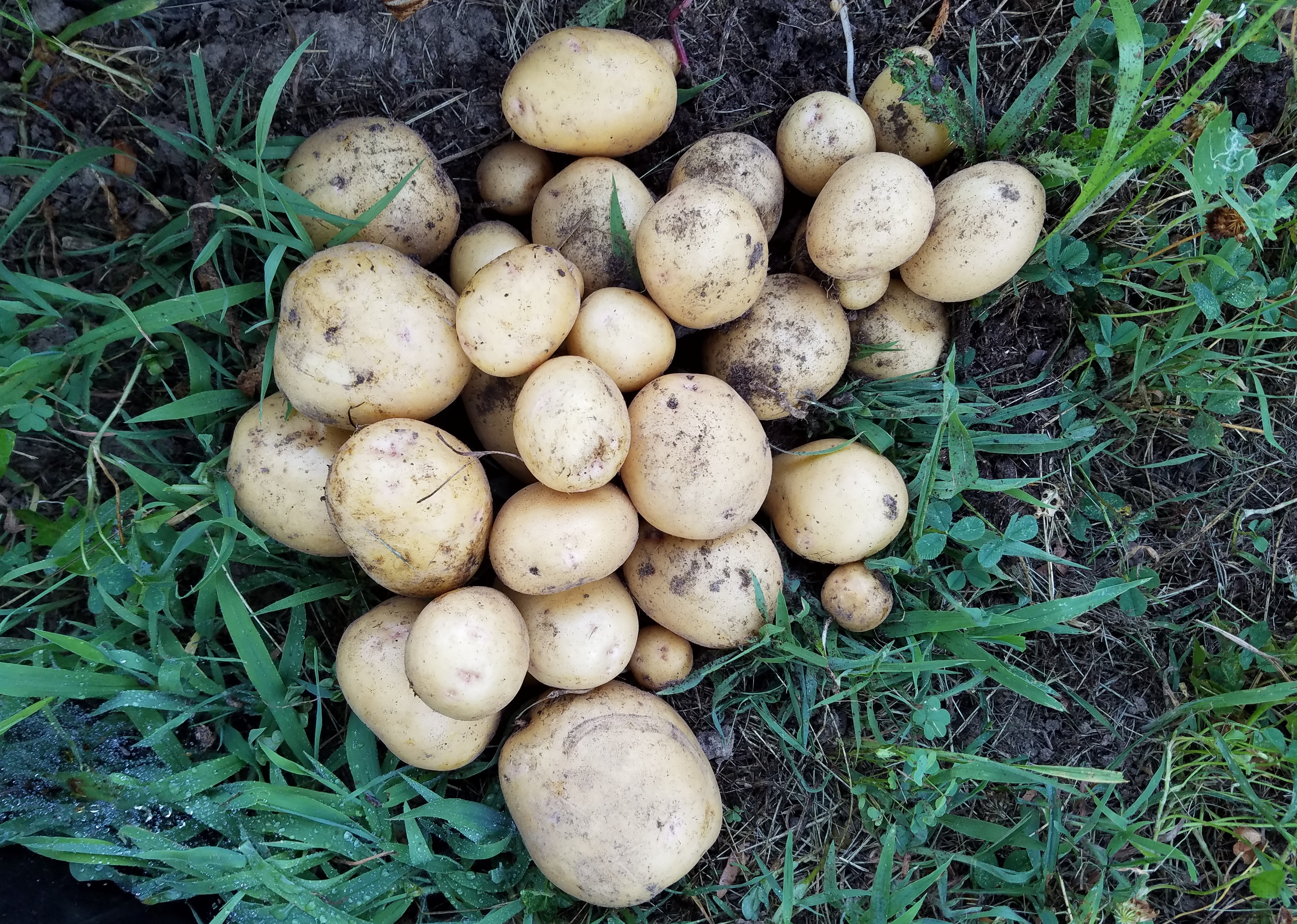
Fresh Potatoes

The leaves of potato plants are turning yellow so I dug one of our three tubs to see the progress. They are ready for harvest.

I’ll let others continue to grow until their leaves turn completely yellow. It won’t be long.

There is nothing like the discovery of beautiful spuds in the soil… except maybe eating them.

Deer found the garden and took a fancy to the heirloom squash plants and cucumbers. Enough of the cucumbers are protected inside cages so I’ll yield some. However, with the grocery store of our subdivision’s 25-acre woods I don’t know why deer have to eat our garden. It’s been worse, but I had great hope for the squash plants. They’re not completely gone, but well damaged.

Last night I met up with some blogger friends at a brew-pub in Coralville. The menu offered falafel tacos which seemed right up my alley and priced right at $5 for three. They were served on corn tortillas with a cabbage slaw. I use a recipe for baked falafel and this dish would be easily replicated in our kitchen. I predict it will be… soon.

Michigan cherries are available at the orchard and I’m planning to get some. It will be a good time to confirm my work there beginning when the season kicks off in August. Lodi apples are ready, although with 24 quarts of apple sauce in the pantry there’s no pressing need for this fine cooking apple.

The first broccoli pick is about finished. I’ll open the fence and look through the plants today and pick the main heads of what is left. This year I plan to get the plants out of the garden as soon as they finish producing. That’s a rule of thumb for cruciferous vegetables from my organic farmer friends. I’d like to plant a second broccoli crop. We’ll see how the day goes.

The forecast is expected to be in the mid-80s today so I’d better get back outside and finish the weeding before it gets too hot.

Categories
Living in Society Social Commentary

Summer Weekend

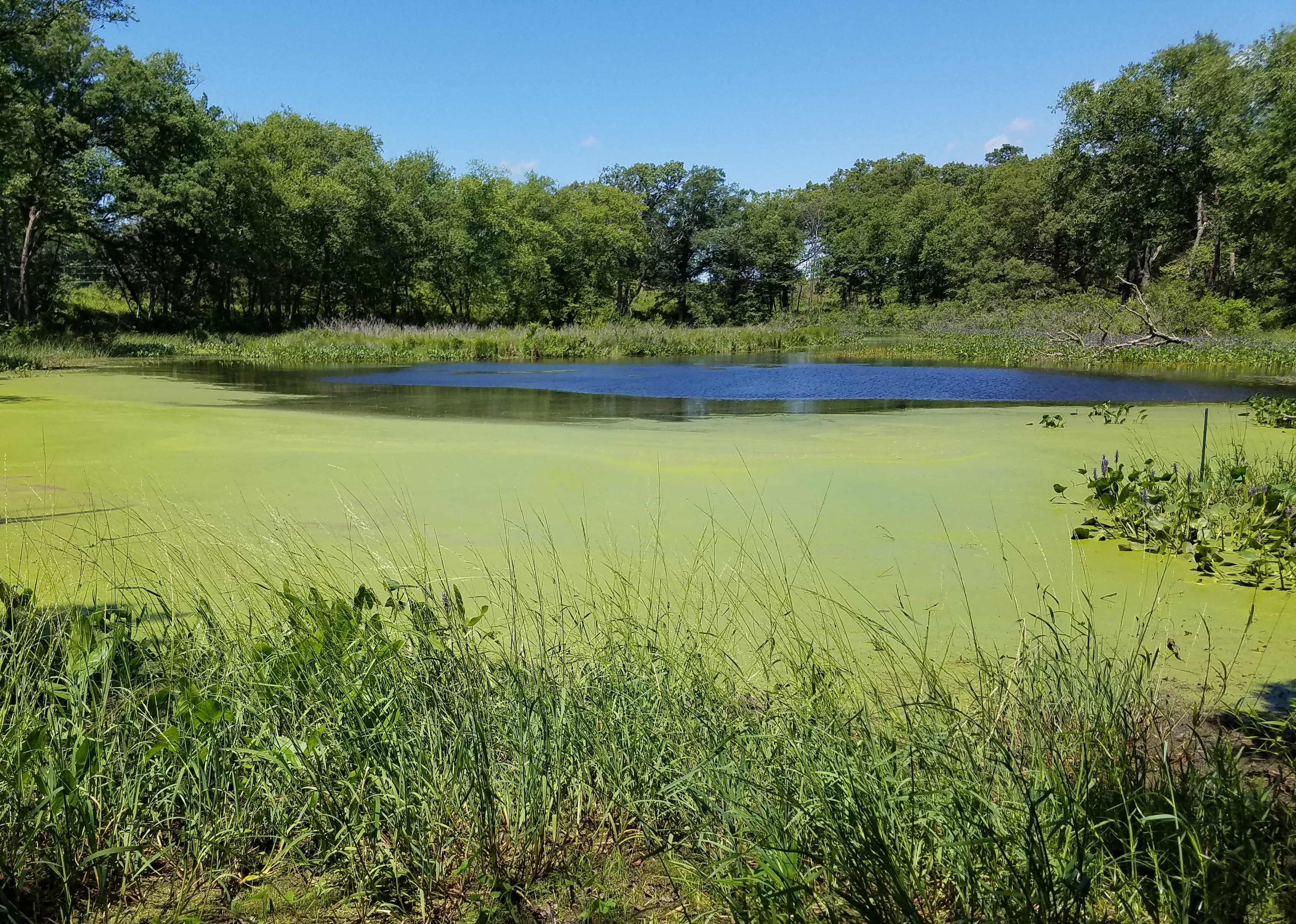
Ciha Fen, Johnson County, Iowa

Dan and I visited the Ciha Fen Preserve across the Cedar River in Johnson County on Saturday.

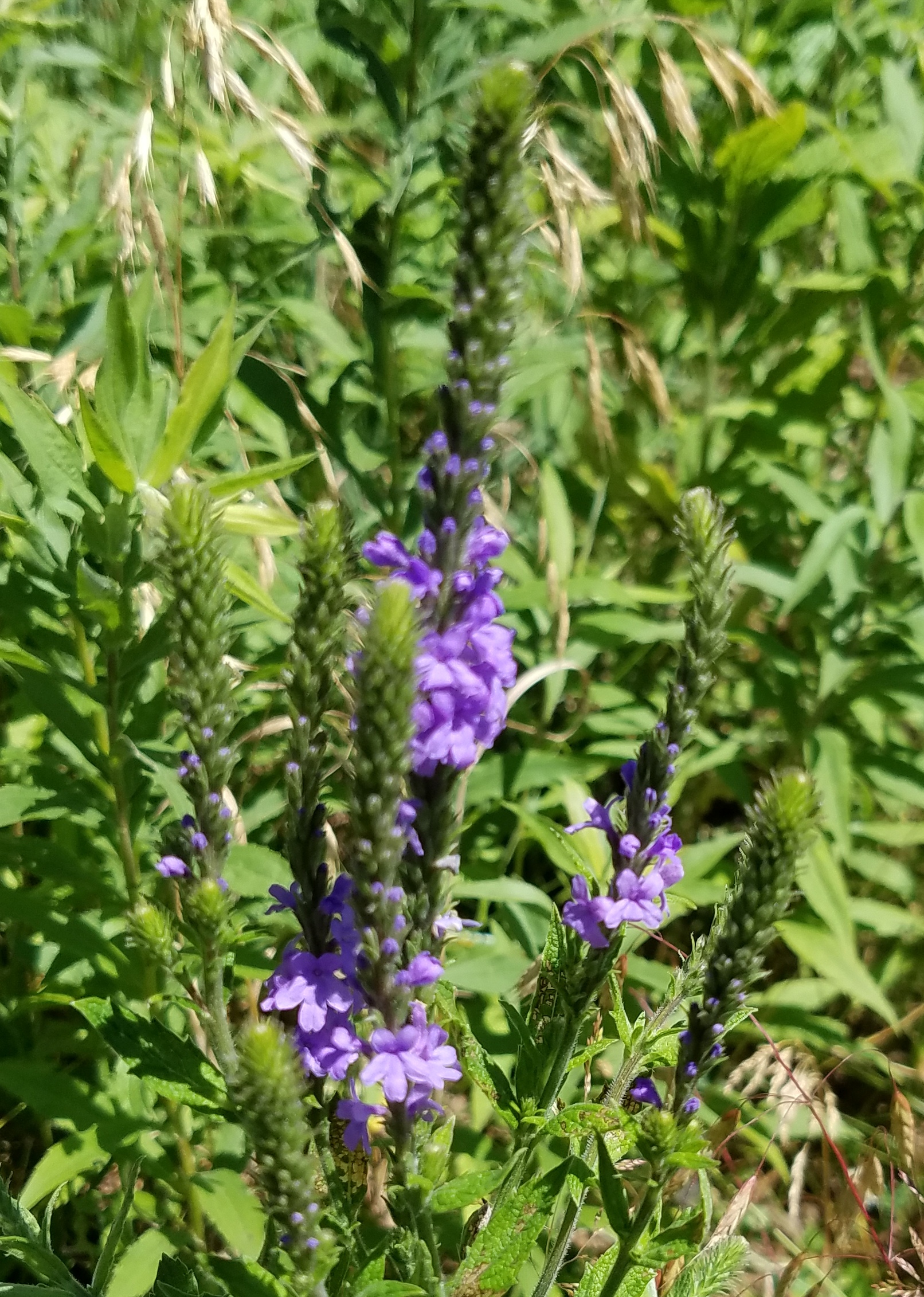
“The Ciha Fen Preserve is a sand prairie/savanna complex on a wind-deposited sand ridge,” according to mycountyparks.com. “It contains the Ciha Fen, which is one of the only two documented remaining nutrient-poor fens known in the state of Iowa.  It has numerous rare plant and animals species.”

Wild Flower

It was a chance to spend part of the afternoon together. We were the only visitors when we stopped by.

When the Catholic parish opened a new grade school, Dan and his siblings transferred in from public schools. Since then we’ve done a lot together.

After lunch at one of our local Mexican restaurants we returned to the house to work in the kitchen. I put six pints of vegetable broth on the stove to process; made a spice mix using using cayenne pepper, Serrano pepper, curry powder and cumin; and made a batch of homemade sweet chili sauce for tacos. We wished we lived closer together to spend more afternoons like this. I sent him home with two paper grocery bags of vegetables and small jars of the spice mix and chili sauce.

Mexican Flag Enchiladas

Before he left, we toured the garden. The limbs of apple trees are filled with fruit, bending under its weight. There is a lot of growing left in the season and I’ll have to prop branches up so they don’t break. Japanese beetles are in the apple trees eating leaves and procreating. There are more of them this year than last, but it’s not the worst infestation we’ve had.

It’s a turning point toward summer. Spring garden planting is finished, leaving weeds to be pulled and crops to be grown and harvested. It’s time to begin work on the rest of the yard. That will be my July: pruning lilacs, cutting dead limbs from trees, and addressing the planting area in front of the house. I’ll start today, but not before I put the spring tools away and park my car inside the garage again. After watering the garden this morning, that’s next on a long to-do list.

I’d better get after it.

Categories
Kitchen Garden

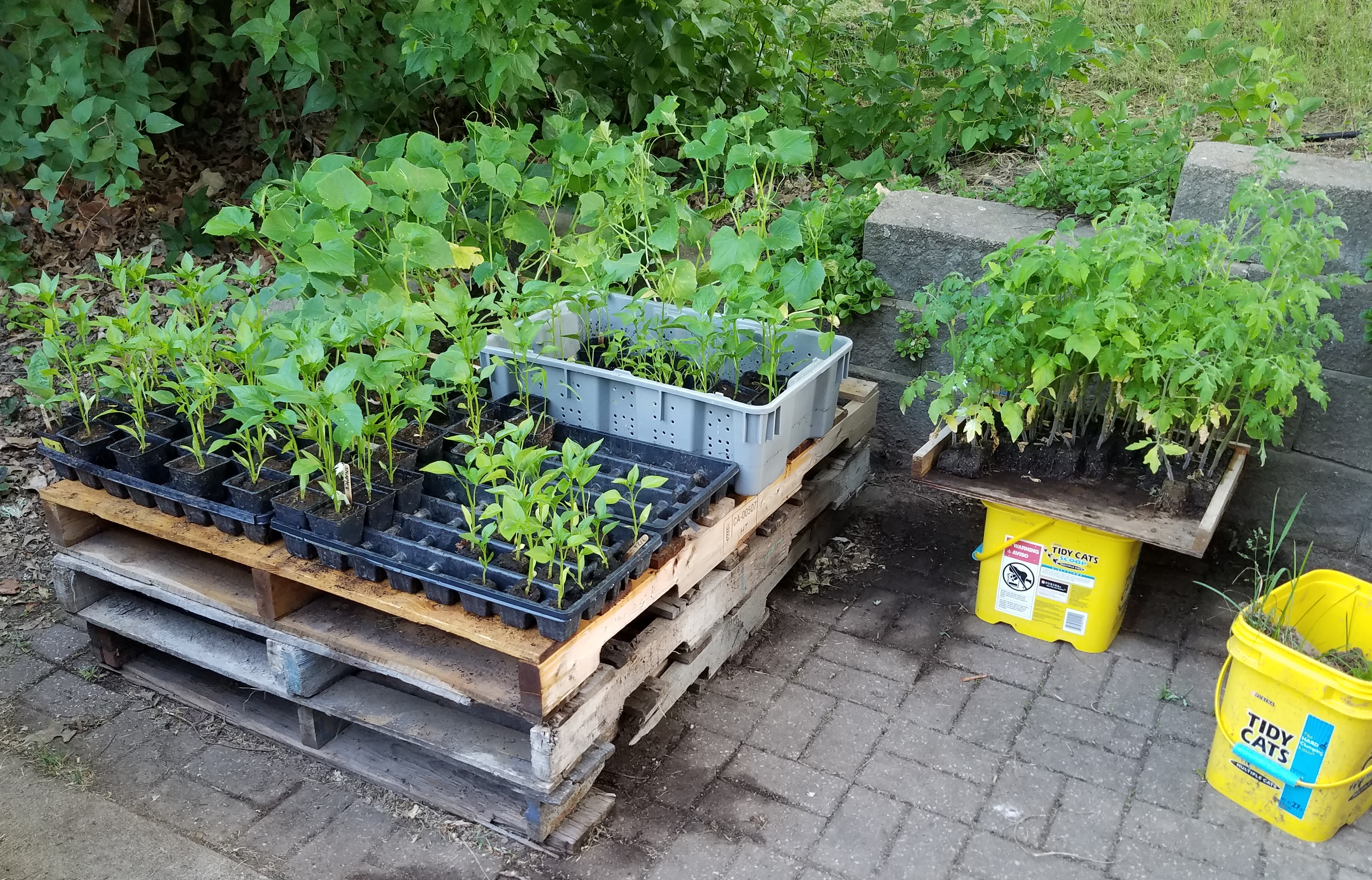
Seedling Season Ends

Sundog Farm – Local Harvest CSA

Yesterday I made the last 62 trays of soil blocks at Sundog Farm (Local Harvest CSA) and Wild Woods Farm.

Totaling 946 trays or roughly 110,000 individual seedling soil blocks, I made more than in any previous season. Adding Wild Woods Farm this year is the reason for an increase in this specialized work.

Not only did I produce practical farm products, I learned to be a better vegetable grower by observing farm practices and talking to people about grower issues. Sunday was the last day of the season. God willing and the creek don’t rise I’ll do it again next year.

Next is some summer respite before beginning work at Wilson’s Orchard in August. The garden harvest has begun so there will be plenty of work to keep me busy on weekends.

Categories
Kitchen Garden

Summer Turnips

Bowl of Turnip Roots

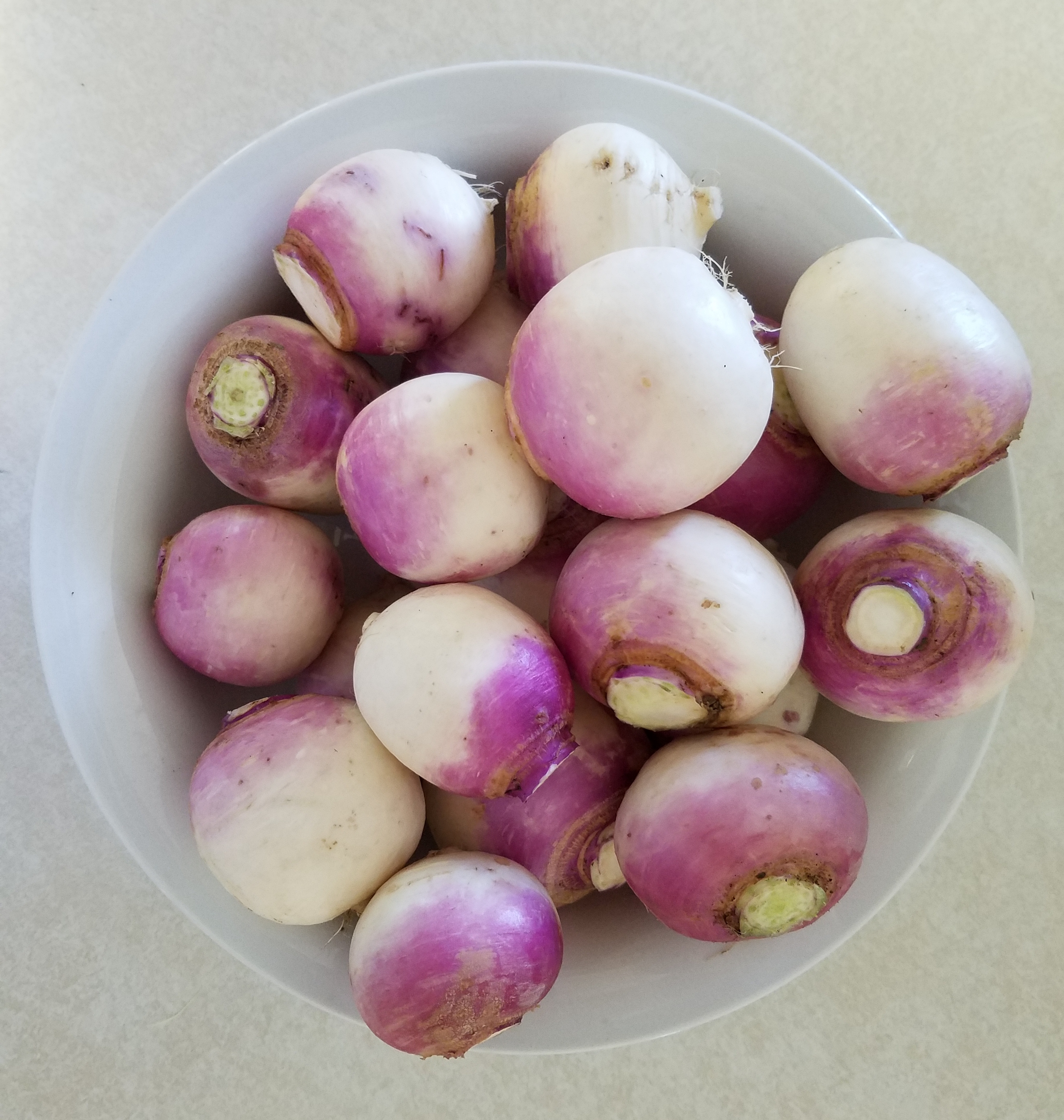
This year was the nicest crop of turnips I’ve grown. Here’s a bowl I prepped for storage in the ice box.

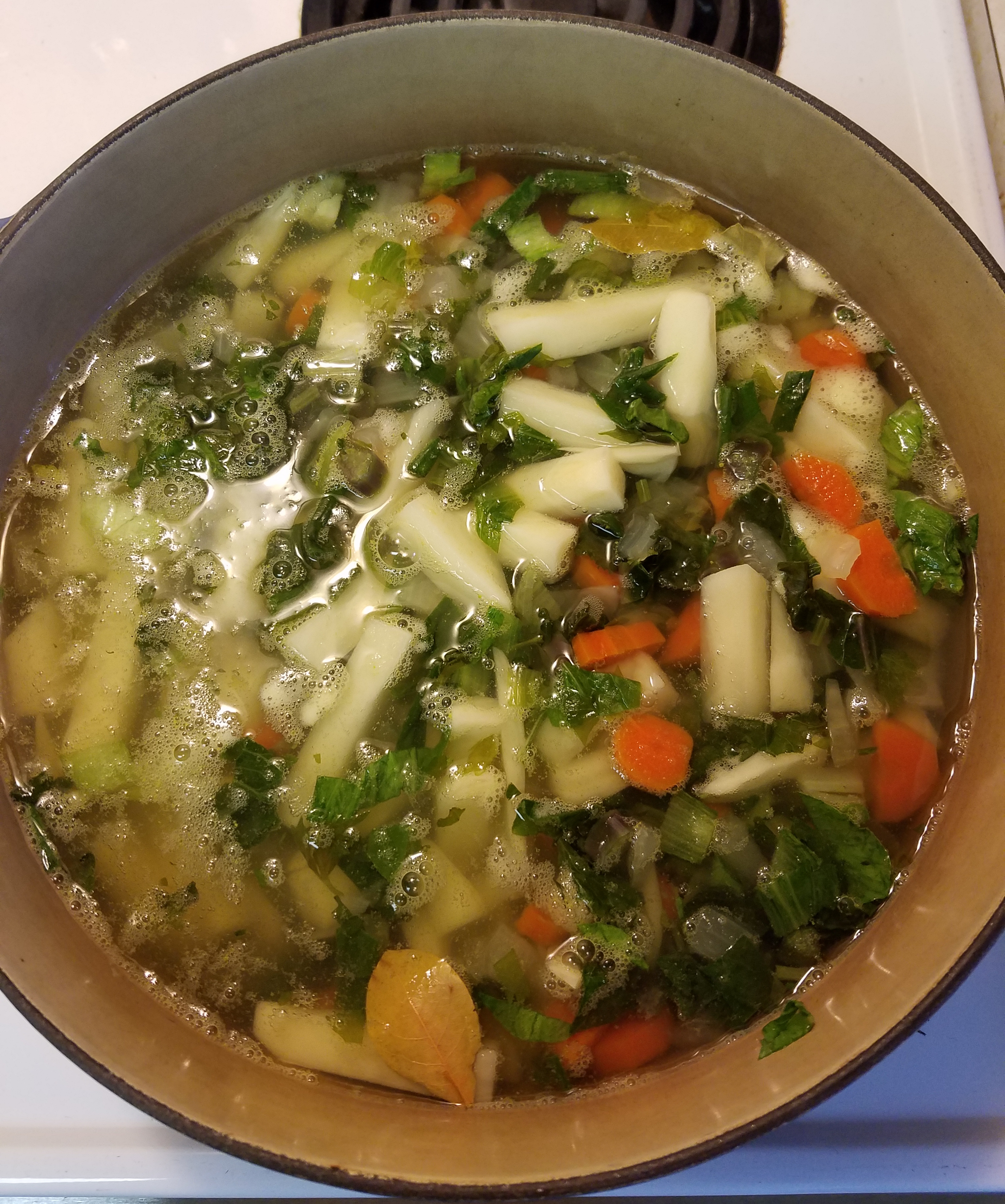
A few years back I started planting turnips for the greens to make canned vegetable broth. With this year’s abundance I’ve already put up about ten gallons of broth using earlier green vegetables.

I use turnips as an ingredient in soups and stir fry, and will occasionally mash one with other root vegetables as a side dish. I’m not yet to the Julia Child level of turnipery but can see it from here.

Saturday was harvest day and this year’s abundance is beginning to cut the grocery bill ($23 this week). I grow other stuff besides turnips. As a friend recently described it we have something of a kalepocalypse going on here. 42 plants was way too many.

There are other lessons from the garden, but no time for them now. I have to water and weed the garden before heading to the farms for the last day of soil blocking. They are starting crops for the fall share today.

Categories
Kitchen Garden

Breaking the Back of Local Food Farmers

Woman Writing Letter

What could break the back of the local food system? Lack of affordable individual health insurance policies.

Finding and funding health insurance is a key pivot point for local food farmers when considering remaining in business. If they can’t afford health insurance, they may reconsider operations, take a job off the farm to get coverage, or even give up farming altogether. It’s that important.

Politicizing health care raised the level of uncertainty in a profession where uncertainty — about crops, weather, pests and customers — is de rigueur. Failure of our government to adequately address health care for everyone may be one too many burdens for small farm operators to bear.

The Patient Protection and Affordable Care Act has done a lot of good. Created in a political environment hostile to change, Democrats held hundreds of hours of public hearings and adopted more than 160 amendments proposed by Republicans, according to Minnesota Senator Al Franken. They held meetings with stake holders from every aspect of the country’s health care system to gain perspectives and buy in. Despite the law’s flaws, millions more people gained health insurance coverage, including farmers. The farmers I know have either been covered by the ACA or considered it as an option.

The contrast between Democratic creation of the law and the Republican efforts to repeal and replace it couldn’t be more stark. Crafted in secrecy, Senate Republicans eschewed public discussion that was the hallmark of the Democratic process while writing their new law. From whom are they taking counsel? We suspect but simply don’t know.

What we do know is small farm operators require health care and if they can’t afford an individual health insurance policy it may break their will. The uncertainty created in Washington, D.C. about health care has not been good for them. It hasn’t been good for any of us who believe sustaining a strong local food system is important.

Categories
Writing

Living, Writing and Blogging

Putting on Soup Before Gardening

It’s 287 days until I plan to leave work at the home, farm and auto supply store and create a day job as a writer.

I had hoped to continue writing when I joined the retail outlet. However, it has proven difficult to work full time and write.

Living as best I can, I convert bits and pieces of experience and memory into 500-word dispatches. It’s a form of writing, but not what I seek.

Life the way we live it is raw material for creativity which is essential to living a good life. Through shared or common experiences we build bridges connecting disparate manifestations of humanity. Writing can be the glue that holds societies together. Lofty goal that.

It didn’t occur to me I needed a process. My posts have been native and raw. Quick slices of what’s on my mind in a moment. Little time was allowed for rewriting. Write, quick edit, post.

A couple of things would go into a writing process. Most important is memory of my span on Earth. Memory serves if I can focus.

Living is another aspect of a writer’s process. That includes reading, conversing with people and soaking up news from multiple sources. It also includes the physicality of a life.

The written pieces I kept date from 1966 until today. These artifacts seem important though there’s little use in rewriting them now because they are set in time. Too, I don’t want to make a compendium of them, except to sort and organize them for use as research material. How did I feel on that train to Vannes, France back in the 1970s? Why does it matter now?

Today’s process is based on a schedule. I do things in society then have times available to write. If I’m lucky, I do. Having life experiences and ideas hasn’t been an issue. Scheduling adequate time for writing and rewriting has.

The best I can do this Saturday afternoon is sit at the screen and type. After doing dinner prep and before Jacque returns home. I’m gaining readership and technical skills. Trouble is I want more.

Categories
Kitchen Garden

Garden is Planted, Dinner is Served

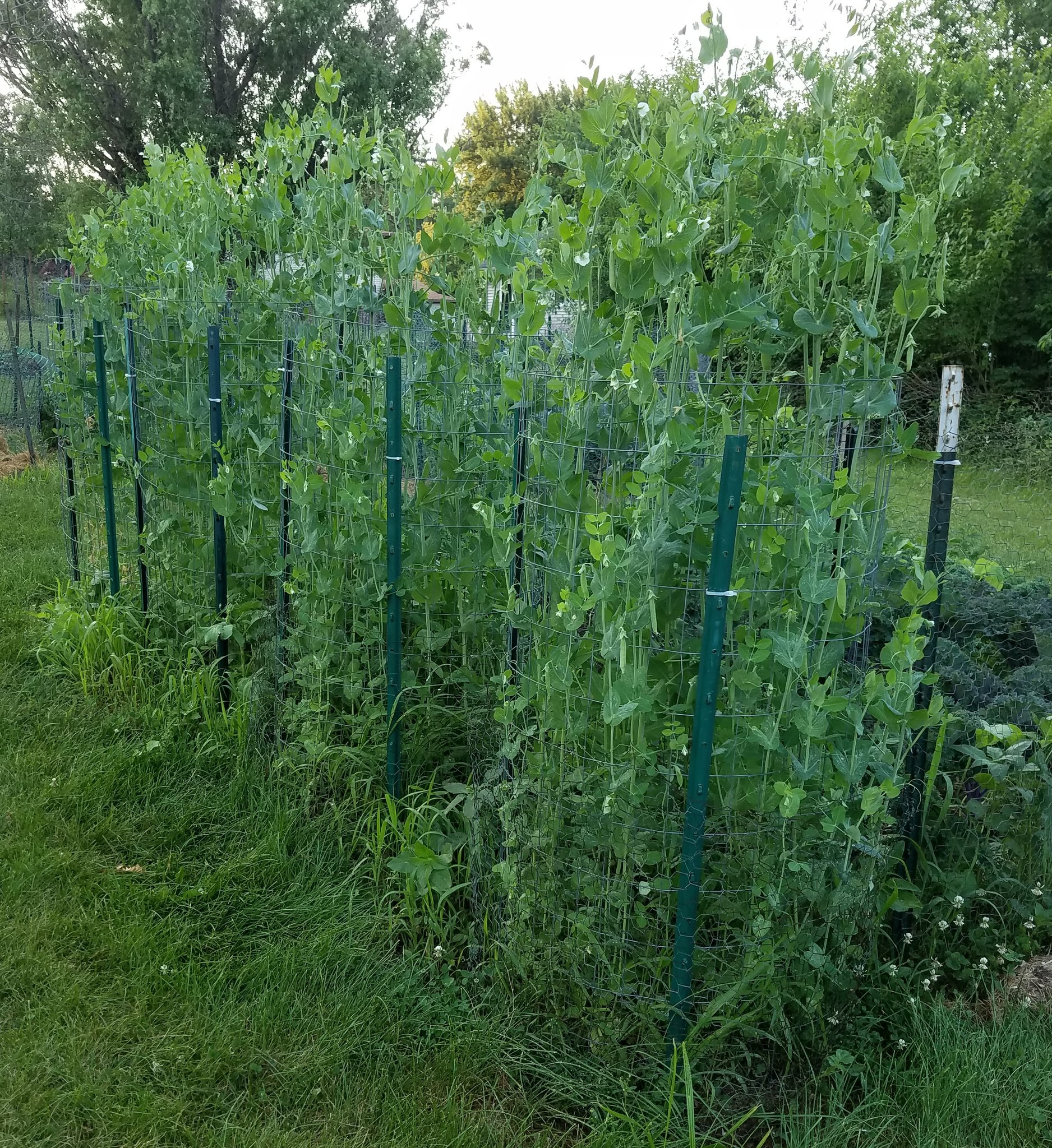
Six-foot Tall Sugar Snap Peas

Ambient temperature hit 91 degrees Sunday, about 20 degrees above historical average. The heat continues, drying the topsoil, creating want of rain.

An idea once held — the garden should be planted by Memorial Day — is outdated. As early crops come in, others will be planted. What’s more significant to yield than planting time is weeding, mulching — and with the heat, irrigation.

This year’s garden is four varieties of kale, sugar snap peas, radishes, beets, eight varieties of tomatoes, broccoli, three varieties of bell peppers, three varieties of hot peppers, winter and summer squash, basil, cabbage, collards, turnips, two varieties of celery, two varieties of carrots, six of lettuce, spinach, bok choy, daikon radishes, potatoes, onions, leeks, three cucumbers and of a pear and two three apple trees laden with fruit.

Our garden, combined with bartered shares in two CSA farms, will provide plenty of vegetables this summer. We should be set for a productive season.

Last night was what I had hoped for our kitchen garden.

I spot-watered plants that needed relief from the baking sun. Picking a turnip, I ate the small root and saved the greens. I picked a leaf of collards and headed inside to make this dish for supper.

Greens Hot Plate

Add high smoke point oil to a frying pan on high heat. Once the oil is hot add two cups thinly sliced Vidalia onions and season with salt, stirring constantly. (A pinch of red pepper flake would be a nice addition, allowing it to cook for a minute in the oil, but our cooking is capsaicin free until the finished dish reaches the table).

Prep greens — collards, kale, bok choy and turnip — by removing the thick stem and veins and tearing the leaves into bite-sized bits. Thinly slice the stems and add them to the onion mixture. Once the onions become translucent, add fresh garlic if you have it, although granulated works.

De-glaze the pan with vegetable broth. Stir and add the greens.

Add a quarter cup of vegetable broth and cover the pan to create steam. Once volume reduces in size to one third, remove the lid and mix the ingredients together. Re-season. Add a tablespoon of lemon juice. Continue gentle stirring until the leaves are tender.

In a large dinner bowl place a cup of warm rice. Using tongs, cover the rice with the greens mixture. Finish with thinly sliced spring onion, a drizzle of extra virgin olive oil and feta cheese. Season with salt and pepper to taste. Serve hot.

Categories
Kitchen Garden

Big Day in Big Grove

Late Spring Seedlings

Sunrise is in half an hour and the high ambient temperature is expected upper 80s to low 90s this afternoon.

I want to get as much garden work as possible finished before noon.

That means only a few minutes in front of the computer screen then outdoors.

I got a copy of the voting records from the May 30 special election in Solon. It can be a time suck and while very interested I set it aside to focus on the garden and other work at hand.

Yesterday at the home, farm and auto supply store I wrangled a squeeze chute. It is a large machine designed to hold cattle and horses stable, without injuring them, while they are examined, branded or given vaccines or other veterinary treatments. We sell only a couple of these expensive, specialized pieces of equipment each year. My objective was to take it out of the semi-trailer, reload it on a couple of pallets and traverse the bumpy parking lot from one corner of the store to the opposing one. I drove the forklift very slowly. Once in the outdoors display area, I lined it up with two others and locked it down. This is part of the “farm” aspect of our retail outlet. I managed the process without damaging the squeeze chute.

It was a work week looking toward the weekend. Now that Saturday morning is here it’s time to get outside. Here’s hoping for a good day in my kitchen garden.

Categories
Environment

Exiting Paris – Not the End of the World

Woman Writing Letter

We survived U.S. failure to ratify the Kyoto Protocol to limit greenhouse gas emissions and will survive if Republicans drag us out of the Paris Agreement after the 2020 general election, as was announced June 1 in Washington, D.C.

Make no mistake: it is a disappointment that Republicans plan to exit the agreement.

Outside the symbolism for their political party — which I can only characterize as a finger-involved and not-safe-for-work gesture to the rest of the world — the engine driving greenhouse gas reductions is picking up velocity and will not be stopped by any one person or group.

The United States is not the only country on Earth. 194 countries remain in the agreement as the U.S. joins Syria and Nicaragua as the only states outside it. China, India and the European Union have said they will step up to fill the leadership void the U.S. created by its announcement.

Here’s the bottom line: even without the federal government involved, cities, states, businesses, colleges, and citizens across the US are driving a shift to clean energy and bringing down emissions. Just like the Paris Agreement intended.

With Republicans stepping back, it’s up to the rest of us to step up in a big way and keep this momentum going if we want to protect our environment.

Earth is our only home. Consumerism, irresponsible development, environmental degradation and global warming have negatively impacted where we live.

Our work goes on. The Republican decision to exit the Paris Agreement is not the end of the world. Not even close.

~ Published in the June 8, 2017 edition of the Solon Economist