In a broader perspective, the rise of nuclear power was a bad idea. It always required substantial government subsidies, and there is no solution for handling spent fuel rods and radioactive equipment. If there is a disaster like Fukushima Daiichi was in 2011, there is no recovery from it years later.
On Friday major news outlets reported Duane Arnold Energy Center near Palo will cease electricity production in late 2020. Duane Arnold, owned by NextEra Energy Resources, is Iowa’s only nuclear power generating station.
Alliant Energy, the utility’s only remaining customer, entered an agreement with NextEra to cease operations five years earlier than planned.
The declining cost of other forms of energy led to the decision, according to NextEra spokesperson Peter Robbins in a Radio Iowa article.
“You are just seeing continued pressure on all sources of energy — from renewables and from natural gas — and we are certainly seeing that in the market place in Iowa,” Robbins said.
NextEra plans to invest in existing and new renewables generation across Iowa before the end of 2020, according to the article. Alliant Energy said it will save customers nearly $300 million in the next 21 years by switching away from the use of the nuclear power.
Duane Arnold’s fate reflects the general decline in nuclear power in the United States. While some, like retired scientist James Hansen and former Energy Secretary Ernest Moniz, point to nuclear power as a potential way to reduce carbon dioxide emissions in electricity generation, it is just too expensive. Georgia Power remains the only company in the United States attempting to build new nuclear reactors. The construction at the Alvin W. Vogtle generating station near Augusta, Georgia has been plagued by delays and cost overruns endemic to the industry. The two plants may never be completed.
On June 1, President Trump directed Energy Secretary Rick Perry to take immediate steps to keep both coal and nuclear power plants running as a matter of national security. If the U.S. exits the nuclear power generation business there could be repercussions in ceding technological advancements to China and Russia. It could weaken existing nonproliferation standards if the U.S. discontinued its work as a supplier in the global nuclear marketplace. The flagship U.S. company for nuclear power technology is Westinghouse which filed for Chapter 11 bankruptcy March 29, 2017. Trump’s initiative isn’t going to help Duane Arnold stay operating as the marketplace is doing its work — there are no customers.
Duane Arnold employs about 540 employees, and because of the nature of nuclear power generation, about 300 will find continued employment during the lengthy decommissioning process. The federal government owns the spent fuel rods and there is no current, viable plan for off-site disposal. Storage time required for spent nuclear fuel rods is measured in multiple millennia. The plant’s license from the Nuclear Regulatory Commission had been extended until 2024.
The only successful application of nuclear has been in nuclear powered submarines and aircraft carriers where the question “what do you do with a nuclear submarine/aircraft carrier once its nuclear plant reaches the end of life?” has no good answers.
Renewable energy is Iowa’s future, it is the world’s future. Friday’s announcement was expected, as cost dictates how consumers source electricity. Nuclear power has never been cost-competitive. There will be disruption in workers’ lives and that’s unfortunate. However, the end had to come, and now that the announcement is made people can begin making plans.
Almost no one I know outside of politics is talking about the Nov. 6 election. That seems typical… and okay.
Most of us try to be organized. At least we pretend to be. We seek to live lives of logic, reason and decency. We’ll organize to figure out for whom to vote later, maybe around Thanksgiving.
Not so fast! It will be too late on Thanksgiving.
Here’s a head scratcher for logic fans from the Environmental Protection Agency. In our relentless pursuit to Make America Great Again, the administration wants to bring back asbestos. Yes that asbestos, the known carcinogen banned in 55 countries. It may soon be available again in consumer products near you.
Our president has a theory about asbestos regulation. In his 1997 book, Art of the Comeback, he explicitly said asbestos bans are a conspiracy “led by the mob, because it was often mob-related companies that would do the asbestos removal.” What kind of theory is that? It is a conspiracy theory.
Ask a public health professional or physician what they think about deregulating asbestos. While you’re at it, make your plan to vote on Nov. 6.
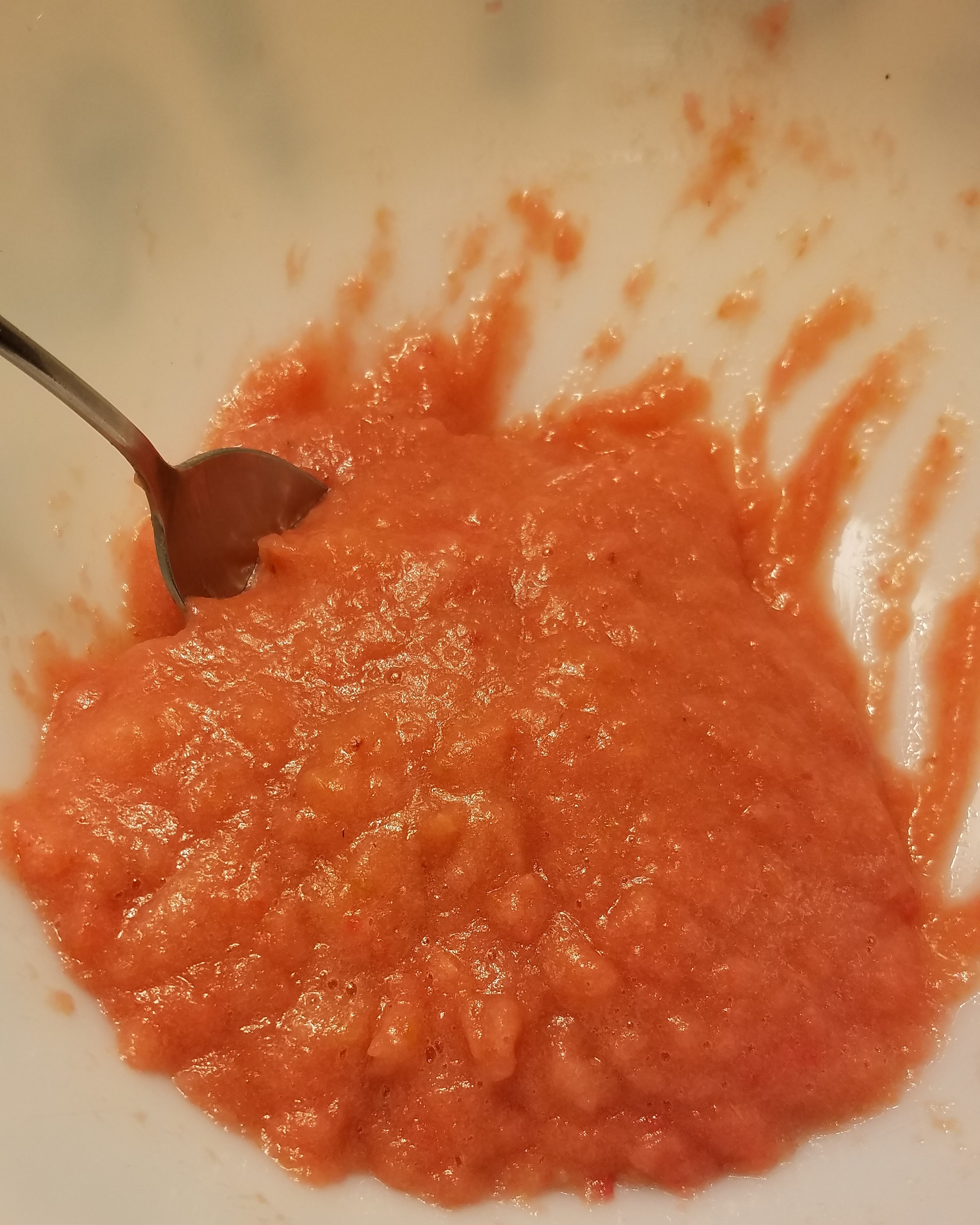
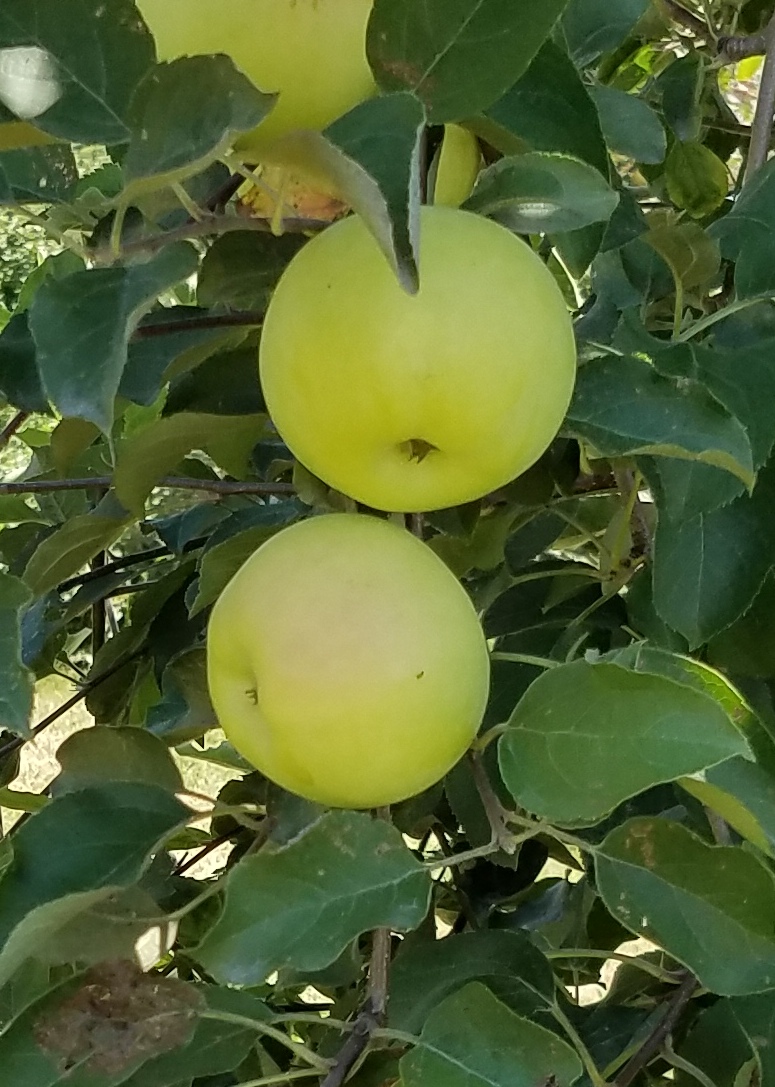
I bought State Fair, William’s Pride, Pristine and Duchess of Oldenberg apples at the orchard and brought them home. All but one have been eaten.
The goal was to taste them and determine which apples to buy for out of hand eating next week. My sixth year of weekend shifts at Wilson’s Orchard begins tomorrow.
We decided on Pristine, which is a yellow-skinned, sweet and juicy apple. It doesn’t keep long so about ten should be enough for next week.
After an hour-long hike through the grounds, I can predict an abundant harvest. With zero apples on our three home apple trees, we’ll need the fruit.
What’s best about working at an orchard is meeting thousands of people from every background. Wealthy and poor, young and old, able bodied and infirm, urban and rural, liberals and conservatives, and everyone in between. Many visitors have a personal history with the orchard, or in the apple business. I relish hearing their stories. It’s great to work where my role is to help people find their way in the orchard and discuss something positive with them as they get away from their usual environment.
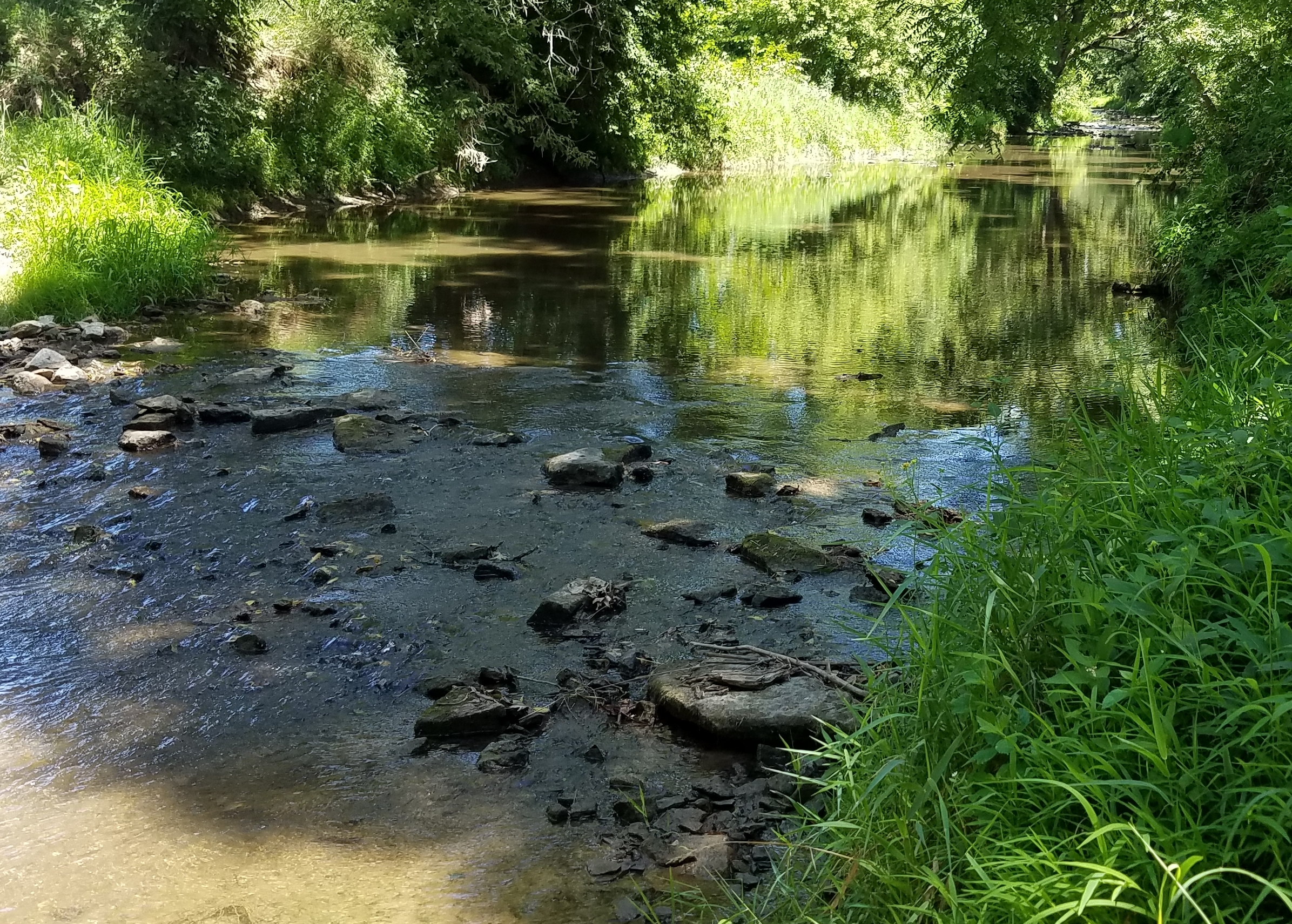
Here’s a photo of Rapid Creek, which runs through the middle of the orchard. The pre-season pic captures something serene in an otherwise turbulent world. We all need that from time to time.
We planted a few tomatoes near the duplex we rented in Iowa City the spring after the wedding. As we lived our lives, raised our daughter, and sought economic stability, we either planted a garden or harvested what was there. When we owned a home, first in Merrillville, Indiana, and then in Big Grove, the garden got bigger and I became a better gardener. There is evidence in this year’s abundant harvest.
It didn’t come naturally even though gardening is elemental. The brief narrative of my gardener’s life.
As I step back from the working world to focus on home life what seems clear is society is moving at a startling pace toward disaster. Our industrial society consumes everything useful in nature, leaving us with foul air and water, depleted soil, polluted and acidified oceans devoid of marine life, and a warming world with all the consequences that yields. The earth will survive as it has. We people seem to be on the downside of our prominence. In multiple ways these are end times.
The Slovenian philosopher Slavoj Žižek asserts there is a chance for a new beginning in the terminal crisis in which human society finds ourselves. His arguments are not convincing to us regular humans.
What do we do?
What we have done is argue about approaches. Should we have a carbon tax? Should we ban abortion? Should we ban plastic straws? Is wind, sun, nuclear or natural gas a better source of electricity? Should we cut taxes and reduce government’s role in our lives? Should we become socialists, or even worse, democratic socialists? Should we let go of Hillary’s emails? Should we all just try to get along? Approaches don’t work and we should let go of them all.
The better question to ask is what story do we want to tell? As others have said, notably author Joan Didion, “We tell ourselves stories in order to live.” What narrative will take us out of the current crisis?
For me it’s “I’m becoming a better gardener.”
Regardless of pending social collapse we must go on with our lives. Partly to keep our sanity, and partly — importantly — to take steps toward a more livable world. We will never go back to the Iowa of 1832 before the great division and clear cutting began. What we can do is plant the seeds of a better life where we live. Our forebears left us a disaster. What can we do about it? Make the best of it with forward-looking narratives for the next generations.
I get it that many people don’t have means to do more than survive. When I see the abundance of our garden it’s hard to believe people go without a meal. Yet they do, in large numbers. We can feed a couple of them, but is that enough? It’s something.
The essence of the narrative is the verb to become. “I seem to be a verb,” R. Buckminster Fuller wrote. I seem to be that verb. We are not predestined to anything except our human span of nine decades, and that only if we are lucky. We live in an imperfect society that beckons engagement. I’m not sure working toward perfection is as good as doing something positive is. Knowing what to do requires a better narrative. One that hasn’t been invented for the 21st Century and beyond.
I plan to work on a better narrative, although garden in end times doesn’t seem too bad.
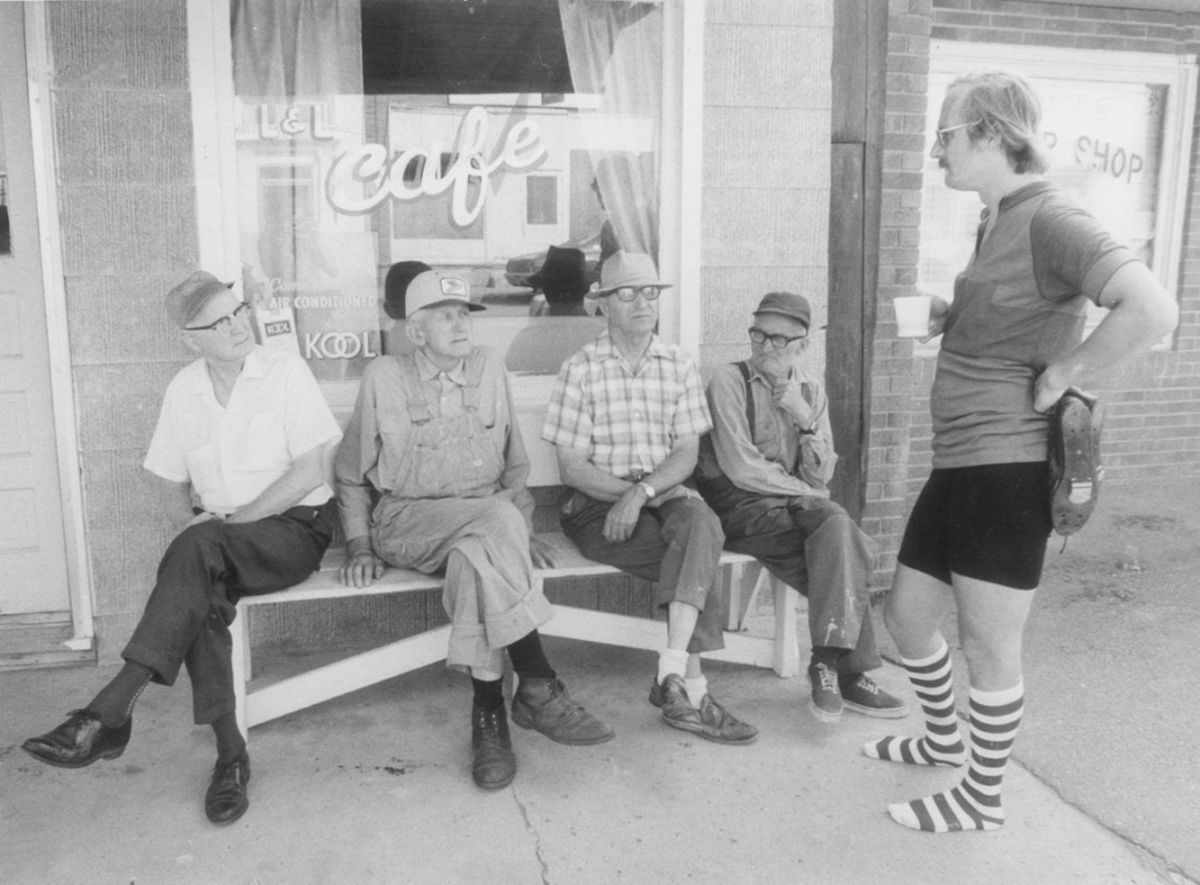
We knew Donald Kaul had prostate cancer and it spread to his bones. He’d been ill for a number of years but after this diagnosis, the prognosis was not good — we expected him to die this year and he did on July 22, just as the Register’s Annual Great Bicycle Ride Across Iowa, which he co-founded with John Karras, was getting started.
I’ve never ridden on RAGBRAI, but made a few long runs on the bicycle I bought after graduate school. I even made a century ride through the countryside near Iowa City and discovered what glycogen depletion is. Kaul played a role in Iowa’s bicycle culture. His influence was more than that.
After returning from the military I found a paucity of intellectually engaged people in my home town. Not that there weren’t like-minded men and women, just not very many of them. I began to follow Kaul more than I had.
My first paid work was delivering newspapers for the Des Moines Register while in grade school. That was around 1965 which was when Kaul began writing Over the Coffee full time. The Register didn’t sell many papers in Davenport and my paper route involved a lot of walking with very few deliveries. I recall one of my customers talking about Kaul when I collected — his column was somewhat controversial. I moved on to the Times-Democrat which sold a lot more papers. When I began high school in 1966 I had to give up my paper route. There was apparently a rule.
Despite this history, I was not an avid newspaper reader. I certainly didn’t read every column Kaul wrote. He was a placeholder for the idea that we could do better in life than work for a wage, hit the bars, sleep it off, and wake up to do it again. I wanted something else from my life in Davenport and Kaul created an option.
“Donald Kaul is at least five different columnists, which is a pretty spectacular bargain for his readers,” Vance Bourjaily wrote in the forward to How to Light a Water Heater and Other War Stories: A Random Collection of Essays.
Bourjaily famously moved from the East Coast to work at the Iowa Writers’ Workshop. He lived in the country and named his place Red Bird Farm. He wrote about men and horses and going to the dentist: things that resonate if one lives around here. Bourjaily captured the essence of Kaul.
“It is one of the pleasures of following Kaul’s column in the Register most days, as most of Iowa does,” he wrote, “that one can never be sure which of the five columnists the paper boy will bring this morning.”
Since Bourjaily died in 2010, I won’t have to break the news “most of Iowa” didn’t have home deliveries of the Register, ever. Some of those who did detested Kaul’s columns, and cancelled their subscription over it. Nonetheless, I like to think the inflated picture Bourjaily drew of Kaul as representative of what I hoped would be… even if it wasn’t.
I keep copies of some of Kaul’s books close by. If I need a lift, or inspiration, I read one of his columns. He was part of the development of my pursuit of intellectual interests. He may have prevented me from staying on in my home town to become another shoppie. Thank God for Donald Kaul, although that’s pretty ironic given his atheism.
Governor Kim Reynolds proclaimed counties in Iowa to be a disaster because of severe weather. It is time to act on climate.
Tornadoes tore through Marshalltown, Pella and Bondurant last Thursday as I got off work at the home, farm and auto supply store. It doesn’t appear anyone was seriously injured or died, although damage to the communities was substantial. Photos and video posted on social media depicted a horrible scene.
Are these storms due to climate change? We know Governor Kim Reynolds issued 11 disaster proclamations since June 11 for severe weather, heavy rains, storms, tornadoes and flooding. Something is different about our weather. Even a casual observer understands our climate changed and contributed to these extreme weather events.
Additionally, the seasons have been out of wack this year. A late spring, early high ambient temperatures, and more frequent storms make our weather exceedingly weird. Iowans have noticed and are talking about it. It’s not a random occurrence.
Ben Santer, an atmospheric scientist at the Lawrence Livermore National Laboratory, led a study of four decades of climate data that concluded human activity is disrupting our seasonal balance. That is, the seasons don’t proceed through time the way they did. Eric Roston at Bloomberg wrote a more accessible article about the study here.
“Poring over four decades of satellite data, climate scientists have concluded for the first time that humans are pushing seasonal temperatures out of balance — shifting what one researcher called the very ‘march of the seasons themselves,’” Roston wrote. “Ever-mindful of calculable uncertainty and climate deniers, the authors give ‘odds of roughly 5 in 1 million’ of these changes occurring naturally, without human influence.”
While an individual study is one thing, the science of climate change is clear. I wrote about it in 2014:
People seeking scientific proof of anthropogenic global climate change are barking up the wrong tree. The goal of science is not to prove, but to explain aspects of the natural world. Following is a brief explanation of climate change.
Around 1850, physicist John Tyndall discovered that carbon dioxide traps heat in our atmosphere, producing the greenhouse effect, which enables all of creation as we know it to live on Earth.
Carbon dioxide increased as a percentage of our atmosphere since Tyndall’s time at the beginning of the Industrial Revolution. As a result, Earth’s average temperature increased by 1.5 degrees Fahrenheit.
The disturbance of the global carbon cycle and related increase in carbon dioxide concentrations in the atmosphere is identifiably anthropogenic because of the isotope signature of atmospheric carbon dioxide.
We can also observe the effects of global warming in worldwide glacier retreat, declining Arctic ice sheets, sea level rise, warming oceans, ocean acidification, and increased intensity of weather events.
It is no wonder the vast majority of climate scientists and all of the national academies of science in the world agree climate change is real, it is happening now, it’s caused by humans, and is cause for immediate action before it is too late.
There’s plenty to do on the property so this week will be a staycation.
I took paid vacation from the home, farm and auto supply store. On day three of an eight day work hiatus, I left the property twice, visiting the warehouse club both times. I return to work next Saturday when my season at the orchard officially begins.
There are five stops on the staycation itinerary: the garden, the yard, the garage, the kitchen and my storage/study areas. It should be fun.
Yesterday was Mother’s 89th birthday. We had a nice telephone chat. She has trouble moving around because of arthritis, and no longer reads printed books because of macular degeneration. She seemed mentally alert as we reviewed her recent reading from an audio book subscription. We talked about her mother. Busha moved from the farm to Minneapolis at a young age. She took a job in a Chinese restaurant where she learned to prepare chop suey, according to Mother. I’m not sure “Chinese” is accurate, but the dish she learned and taught Mother has a unique flavor I’ve not encountered elsewhere. Mother said she continues to make chop suey from time to time.
It’s getting to be time for a visit.
And so it goes. Time to get outside and take advantage of the temperate weather. While the rest of the world bakes, it is good as it gets here… at least for the moment.
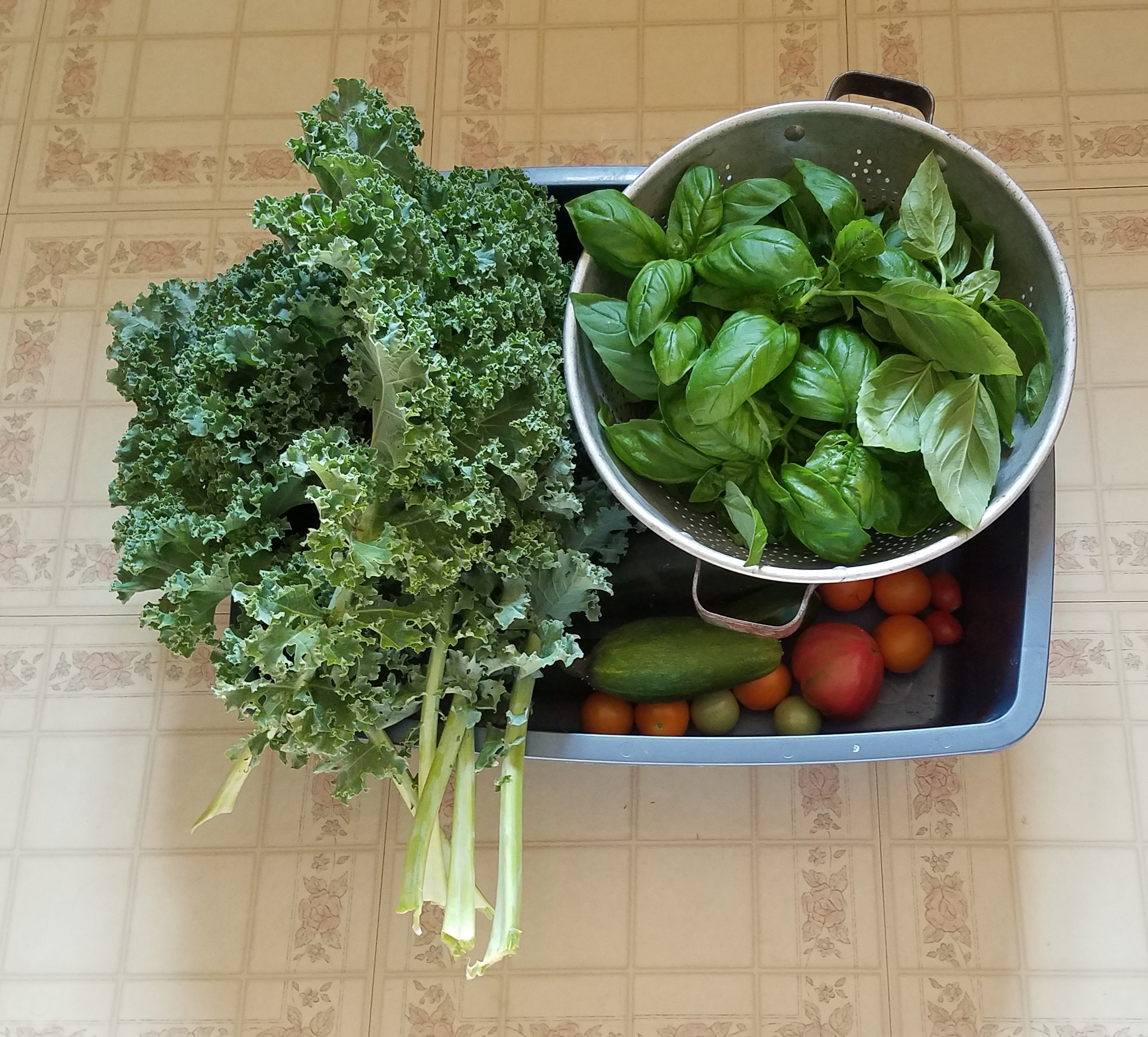
Later I’ll return to the kitchen to prepare a meal with some of the morning harvest. Summer gardening has been pretty good despite Spring’s late start.
Ed Fallon lives and works in Des Moines and has long been a friend of Blog for Iowa. Here’s an update on Ed’s current activities from an interview conducted last week via email.
We noticed you are affiliated with Bold Iowa. What is Bold Iowa and what attracted you to pitching your tent with them?
I continue to host the Fallon Forum and direct Bold Iowa. Bold Iowa grew out of the Bold Alliance, which was formed after the Keystone XL fight. Just a year after the alliance started, Jane Kleeb, founder of Bold Alliance, abandoned Alliance chapters in Iowa, Louisiana, Oklahoma and Virginia. We now operate as an independent organization.
What are you working on this summer and why?
We’re focused on supporting the landowners who have filed a lawsuit against the abuse of eminent domain to build the Dakota Access pipeline. Sierra Club is part of that suit. One of the ways we are supporting landowners is to raise awareness of the suit through The First Nation — Farmer Climate Unity March. We are also hosting a series of community forums, setting up editorial board meetings, sending out press releases, and encouraging people to write letters to the editor. If landowners and the Sierra Club prevail in the lawsuit, it could stop the oil from flowing through Iowa, North Dakota, South Dakota and Illinois.
Climate change has been in Iowa news this year more than recently. Have you noticed? If you’ve noticed, to what do you attribute the increased mentions in social and conventional media?
I’ve noticed, although the uptick has been small. Mostly, it seems some editorial boards and a few reporters are beginning to understand that climate change is not just another issue, that it’s a crisis that demands immediate attention.
What would you like our readers to do to support your causes during the remainder of 2018?
March with us Sept 1 – 8 from Des Moines to Fort Dodge, following the pipeline route through Story, Boone and Webster Counties. Contact media about the importance of the lawsuit and the urgency of climate action. Most important, vote in November for candidates who take climate change seriously.
Listen to the Fallon Forum live Mondays, 11:00-12:00 noon CT on La Reina KDLF 96.5 FM and 1260 AM (central Iowa). Add your voice to the conversation by calling (515) 528-8122.
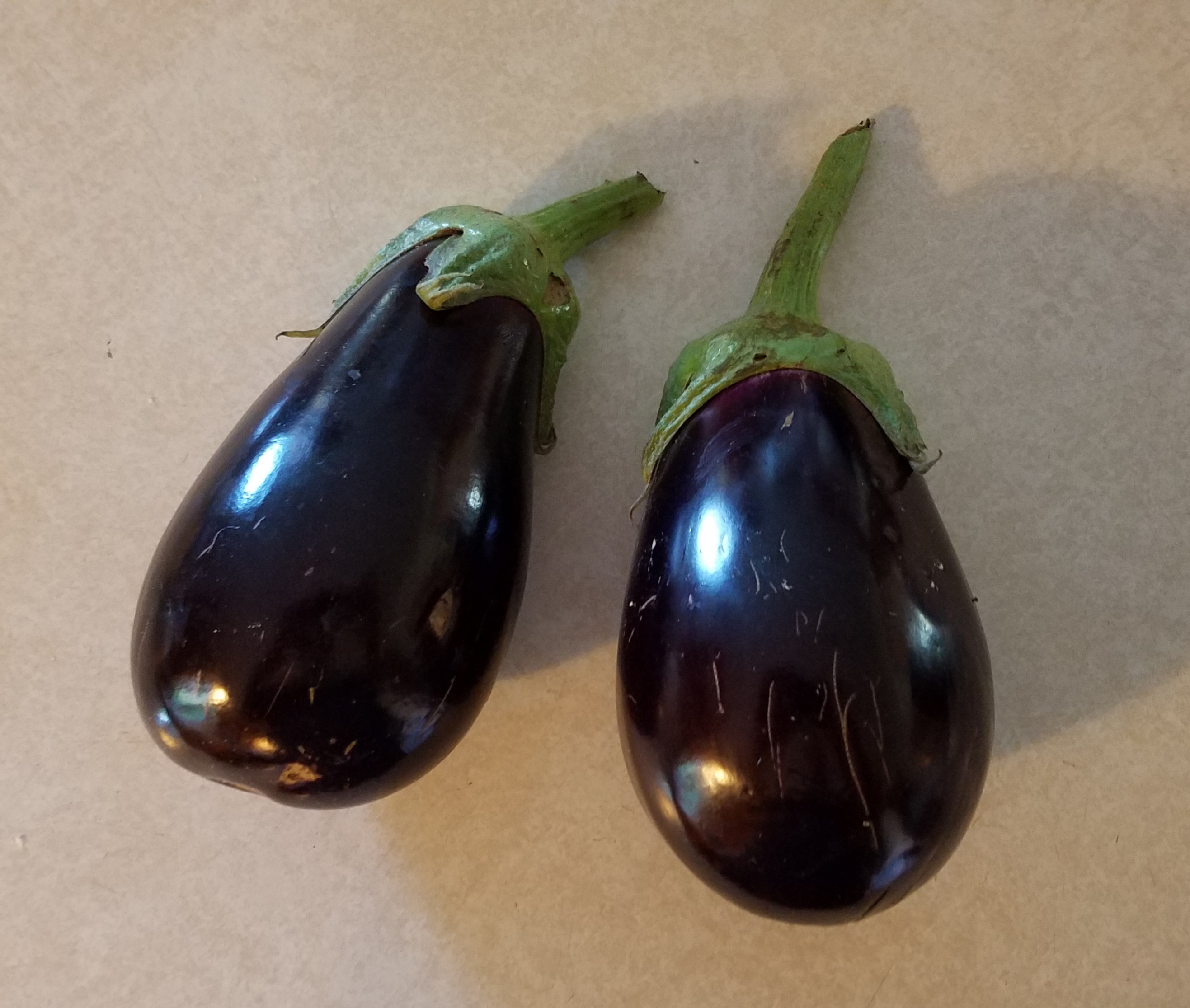
By the time eggplant season is finished. everyone in the family is tired of it.
Here’s a simple, tasty recipe that’s not as much a recipe as techniques to use garden abundance in mid summer. The savory flavor will have diners coming back for more.
The first part is preparing eggplant slabs for the dish and for freezing.
Cut two half-inch slabs lengthwise from the middle of each eggplant and reserve the smaller portions from the sides. Skin on or off, your choice.
Lightly salt the slab of eggplant and drizzle extra virgin olive oil on it until both sides are coated. Place it on a baking sheet lined with parchment paper or a silicone mat. Cut slabs from all the large eggplants you have and line them up.
Place the pan in a 450 degree preheated oven and bake for 8 minutes. Take the pan out and flip each slab using tongs and put them back in the oven for another seven to eight minutes. Take them out and set the pan on a cooling rack.
Once cooled, what is not needed for the dish can be frozen, then bagged up in zip top bags for later in the year. Great to use these in Eggplant Parmesan.
Eggplant Dinner
The dish has three components: the eggplant slab, quarter inch slices of fresh mozzarella cheese, and a vegetable ragout.
The ragout is a way of using what’s available. Put a frying pan on the burner with a tablespoon of high smoke point cooking oil. I diced an onion, diced the reserved small slices of eggplant, finely sliced garlic scapes, fresh celery, and two hot peppers (jalapeno or Serrano). Any combination of what needs to be used up should serve. Sautee until the onions begin to soften.
While the vegetables are sauteing, grate half a large zucchini on a piece of parchment paper and set it aside. Halve eight to ten cherry or grape tomatoes and put them with the zucchini. Check the vegetables and once soft add the zucchini and tomatoes and stir constantly until the zucchini begins to cook. Don’t overcook the zucchini.
In individual baking dishes, or in a glass baking pan if you don’t have individual, line up one or two eggplant slabs per serving, depending on size. Next place a slice of fresh mozzarella on each large slab of eggplant. Top with the ragout and put another slice of mozzarella in the middle on top. Put the dish in to the oven and warm it for 10 minutes or until the cheese melts.
Take it out, transfer it to a plate, salt and pepper to taste, and the entree is finished. If you like, top it off with a poached egg.
Note: I did not use any seasoning other than salt and pepper and the dish was quite savory. If you have herbs and spices on hand, feel free to add your favorites.






 Journey Home
You must be logged in to post a comment.