Categories
Writing

Writing in Summer Rain

Monarch Butterfly on Milkweed Plant

Thunderstorms have been rolling over all day bringing needed rain and a chance to get caught up indoors.

I’m less freaked out about the amount of food processing ahead. There have been more cucumbers than normal and I canned the last seven quarts of sweet pickles this morning. That will be the last, I promise. I also canned pints of tomatoes, apple sauce and a jar of the same pickles. While the water bath was bubbling I made a pot of chili for supper with fresh tomatoes and Vidalia onions. We’ll cook the remaining sweet corn of the season. My retirement has had that effect — things are less freaky.

Tomatoes are next, although the plan is to eat as many fresh as possible. With only two of us at home, we can’t eat fast enough to keep up with the growing and cooking so some will be canned and turned into tomato juice and sauce. I’m taking it in stride.

Two weekends ago the orchard hosted our back to school weekend. A balloon artist/magician entertained children, and of course there were apples to pick and eat. It was a chance for parents to have one more family fun event before school begins.

Getting ready to attend grade school was one of the great pleasures of life. Each fall began with friends, new clothes, new pencils, and lined, blank sheets of paper. I needed new clothes after growing out of mine. I was first born, so no hand-me-downs. The sensation of hope and opportunity to begin anew is memorable, unlike anything I experience these days. It was something. I hope today’s graders feel the same way.

A Dad walked into the sales barn at the orchard carrying a young child on a backpack and a two-year old on his shoulders. He looked very fit. After they picked apples the toddler helped me transfer apples from our basket to a bag. “Do you want to count them?” I asked. At two, children aren’t really sure what counting is, or how exactly to do it. He just pick up one apple after another and let me do the counting after one and two.

I can see why people return to work after retirement. When we’ve worked our whole lives in stressful situations there’s no slowing down. It will take work to settle in more comfortably after 50 years in the workforce. What I once thought were extra things — cooking, gardening, reading and writing — are now life’s main event. Not sure how I feel about that. I won’t be for a while.

August is the last month to cover editorial duties at Blog for Iowa. I’m not sure what will be next. We’re moving quickly through the procession of apples, Red Gravenstein, Sansa, Akane and Burgundy this week. We have family Friday events through the month of September, so with work at the home, farm and auto supply store time will fly — almost like I’m working again.

Not really. Living one day in society at a time as best I can, hopefully with enough money for seeds in the spring.
Categories
Environment Kitchen Garden

A Difficult And Strange Season Of Weather

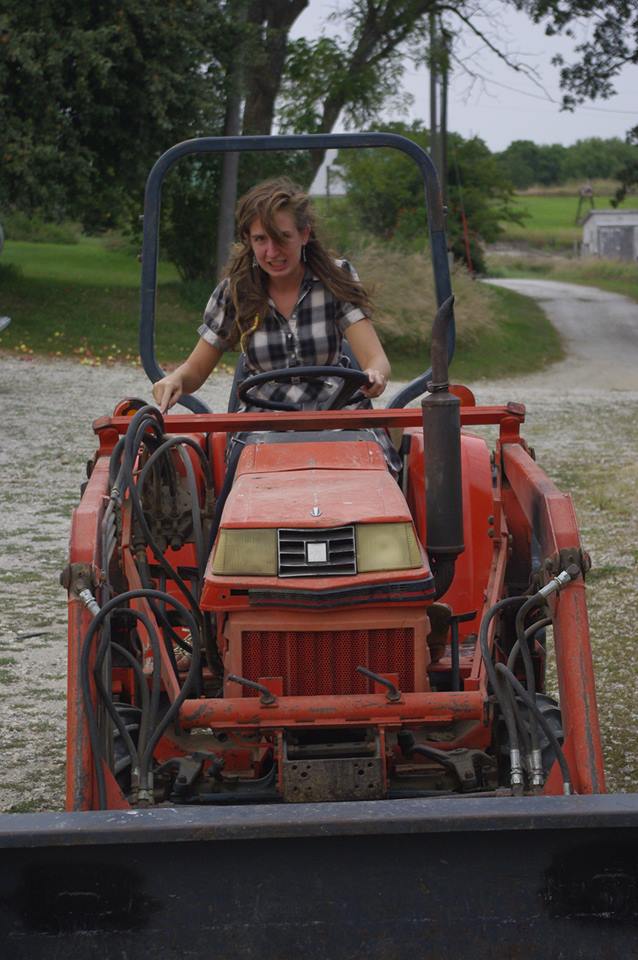
Carmen Black at Sundog Farm

By Carmen Black

(Editor’s Note: Iowa Farmers deal with an existential reality that is the weather. Regardless of increasingly polarized discussions about climate change, weather affects real people in tangible ways. Carmen recently wrote this piece to members of her Community Supported Agriculture project Local Harvest.)

The weather has been consistently challenging from the late spring to immediately hot May, from lots of rain to this current dry spell. There hasn’t been a catastrophic weather event, but all these different difficult weather conditions create more work to keep everything growing well.

I’ve been thinking more about it as we’ve been observing its impacts while harvesting more of the summer crops. I’ve talked to many other farmers (including folks that grow other types of crops) about the challenges of this season, and anecdotally it seems like the conditions have been hard on many types of crops and livestock alike. One of things that has struck me about this year is that it hasn’t been just one way like really hot or really wet, but every month has brought a different extreme to contend with. It’s made me wonder if it’s all this erraticness that’s been stressful to the plants and animals rather than just the heat or just the late spring.

I was curious to find out if the weather has just felt difficult to us or if it really has been extreme in the grand scheme of things, so I did a little internet research for weather data. What I found was interesting, and did seem to affirm my feeling that this year really has been weird. This was the coldest April on record (since records began in 1895), and was on average 10 degrees colder than normal. It was also somehow both the 5th snowiest April and the 13th driest April, which seemed a little ironic. 2018 tied for the 6th warmest May with 1887, and the average temperature was about seven degrees warmer than normal. Des Moines had three consecutive daily record highs from May 26-28. I was surprised that in Cedar Rapids the daily record highs for the end of May were all held by 1931 or 1934, and then I realized that was the dust bowl! June was the 10th warmest and 10th wettest June on record. July seems to have been pretty average after all those top 20 finishes for the previous months, as it was the 54th coolest July and the 47th driest July on record. Which I think kind of puts the extremeness of the previous months in perspective. Kind of nice to have an average month finally.

Anyhow, my main takeaway is that this year really does seem to be remarkably erratic when you look at the numbers, and it makes sense that plants and animals would respond unpredictably to all of these changes in the weather. I feel both good that I wasn’t making up that the weather has been extreme in many different ways this season, and kind of bad that it really has been historically weird this year. The fact that it took the dust bowl to beat this year out for daily heat records in May felt kind of grim.

Some crops like onions seem to have really suffered from this weather. You may have noticed that they’ve been smaller than normal this year, and after getting most of onion harvest done last week I’m sorry to report that many of the longer season onions are even smaller. This was especially disappointing to me after such a bountiful onion harvest of really giant ones last summer, but I think makes sense considering what we were up against. We planted more than 3 weeks later than we did last year because it kept snowing, and then had to irrigate the onions (which we hardly ever have to do) because it was so dry. We struggled to keep the weeds under control in the onion field in June when it was so wet, and spent almost a week wallowing in the mud trying to hand weed. All in all I’m glad we have some onions to show for all of it, and have a few ideas of things to try in case this ever happens again.

I also have to say that some crops seem to have really thrived in this weather. We’ve never had such a good cucumber or spring carrot crop before, both of which are crops that we have historically struggled to produce large quantities of for several weeks in a row. The combination of having plenty of carrots and cucumbers has felt like a great accomplishment, and I hope that we’re able to replicate it in a better weather year as well!

~ Carmen Black farms in Cedar Township in Johnson County, Iowa.

Categories
Kitchen Garden

Bowl of Summer – Cucumber Salad

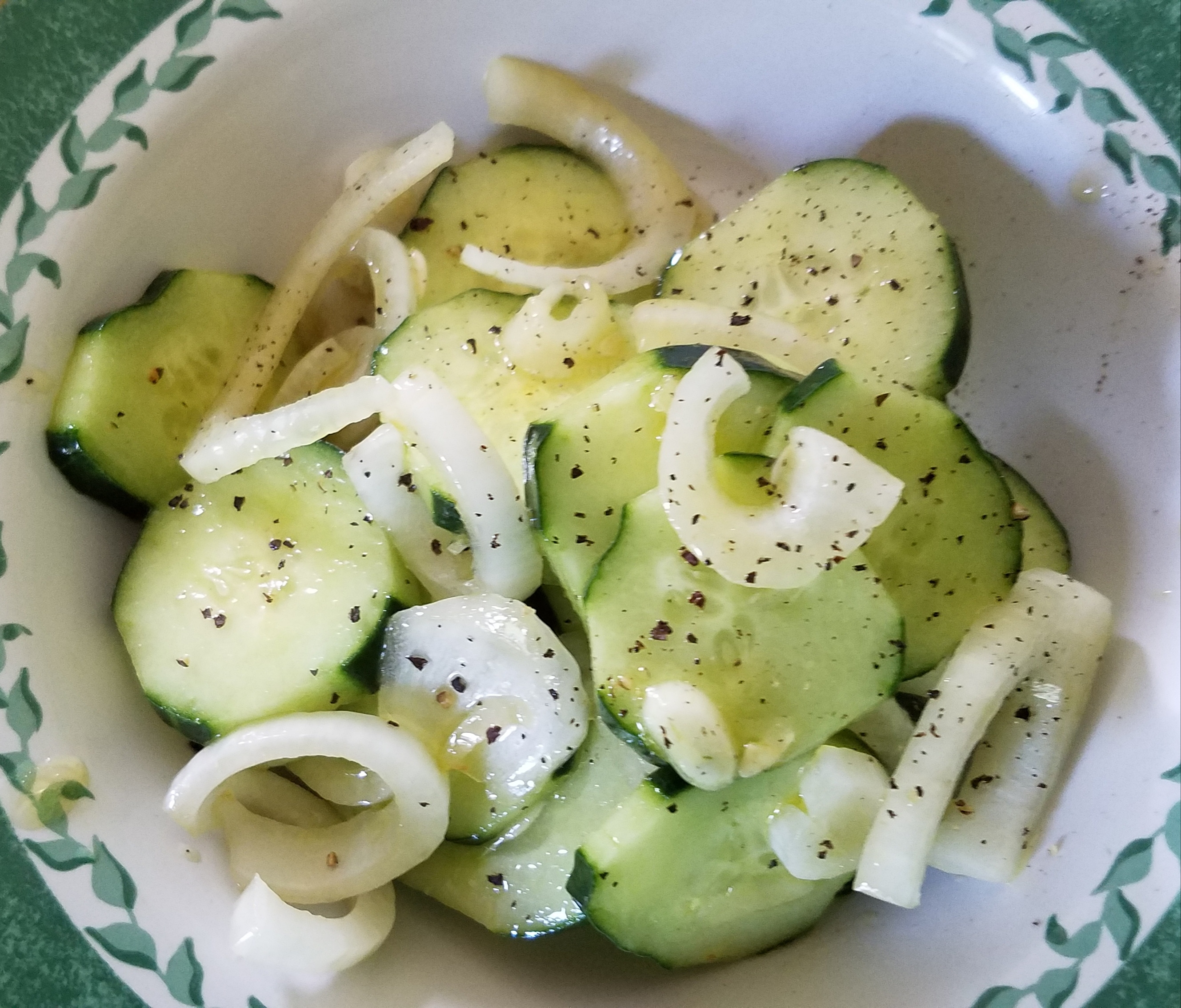
Cucumber Salad

Cucumber salad is not even a recipe.

Peel them, slice and put them in a bowl. Add thinly sliced onions, extra virgin olive oil and your favorite vinegar, then salt and pepper to taste.

Mix gently then serve. It’s summer in a bowl.

When the garden produces them, we eat a lot of cucumber salads. This year I mastered the art of cucumber growing with a couple of simple things. First, I mulched as soon as I planted the seedlings. Then, I made sure deer had no access to the plants. I also put up cages and a fence for the vines to grow upward. The result has been abundant.

Other than in pickles, cucumbers don’t preserve well. They must be enjoyed in the moment, and sometimes that’s as good as it gets.

Categories
Kitchen Garden

Making Applesauce

Applesauce Made With Viking and Dolgo Crab apples

I asked our chief apple officer the following question:

“If I wanted to win a blue ribbon for making applesauce at the state fair which apples, available now, would I use?”

His answer was straightforward.

“Use Viking because it’s one of the best for sauce. Plus no one else at the fair would have that variety.”

I took home six each Viking and Dolgo Crab apples after work. This morning I made applesauce with them.

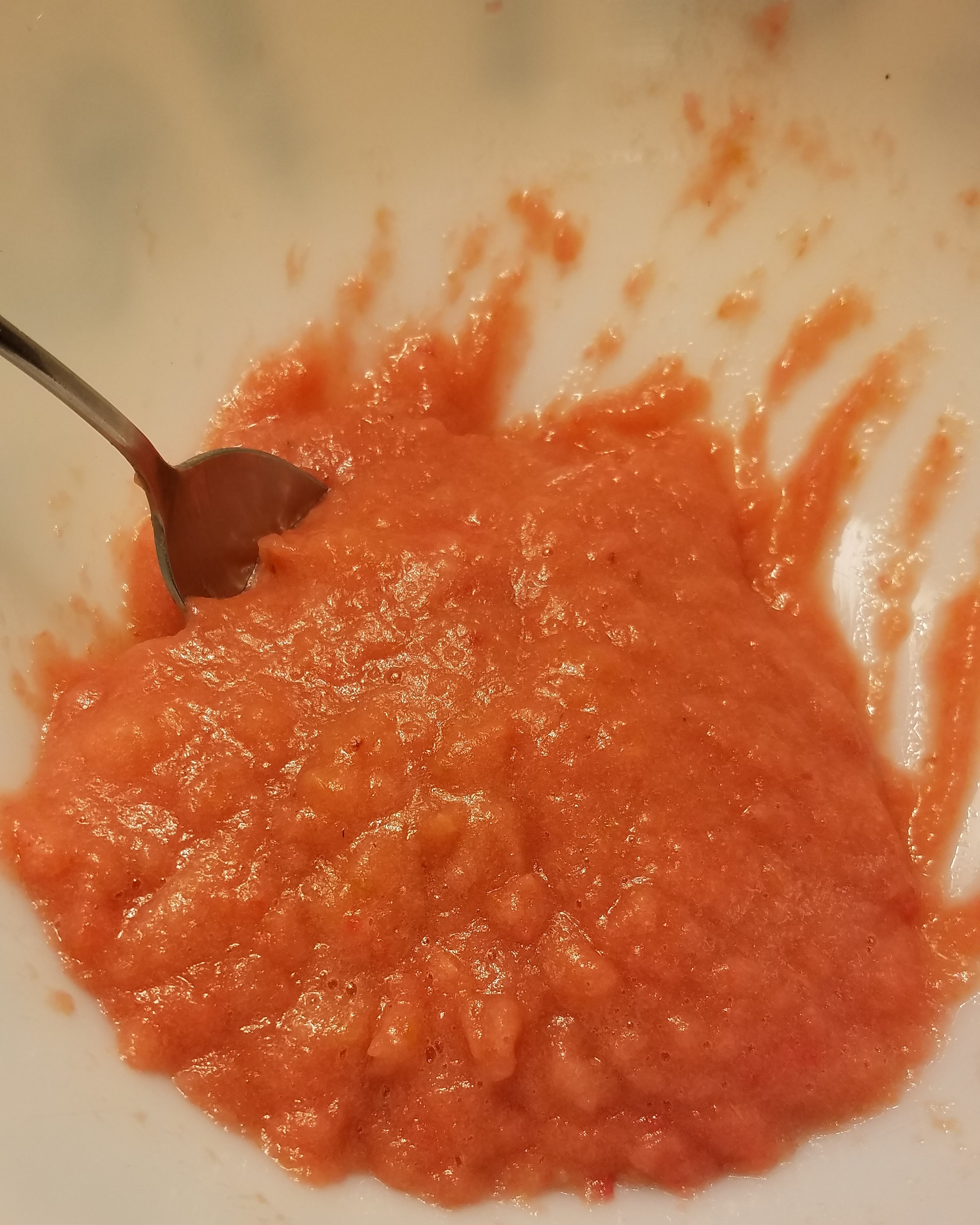
The Dolgo Crab apples were for flavoring, but may not have been needed.The pink sauce produced was tart and delicious… and that’s no apple joke.

Now that the experiment produced a successful result, it’s time to go big with a lot more apples.

It’s part of living in the seasons of local food.

Categories
Writing

Apple Harvest is Under Way

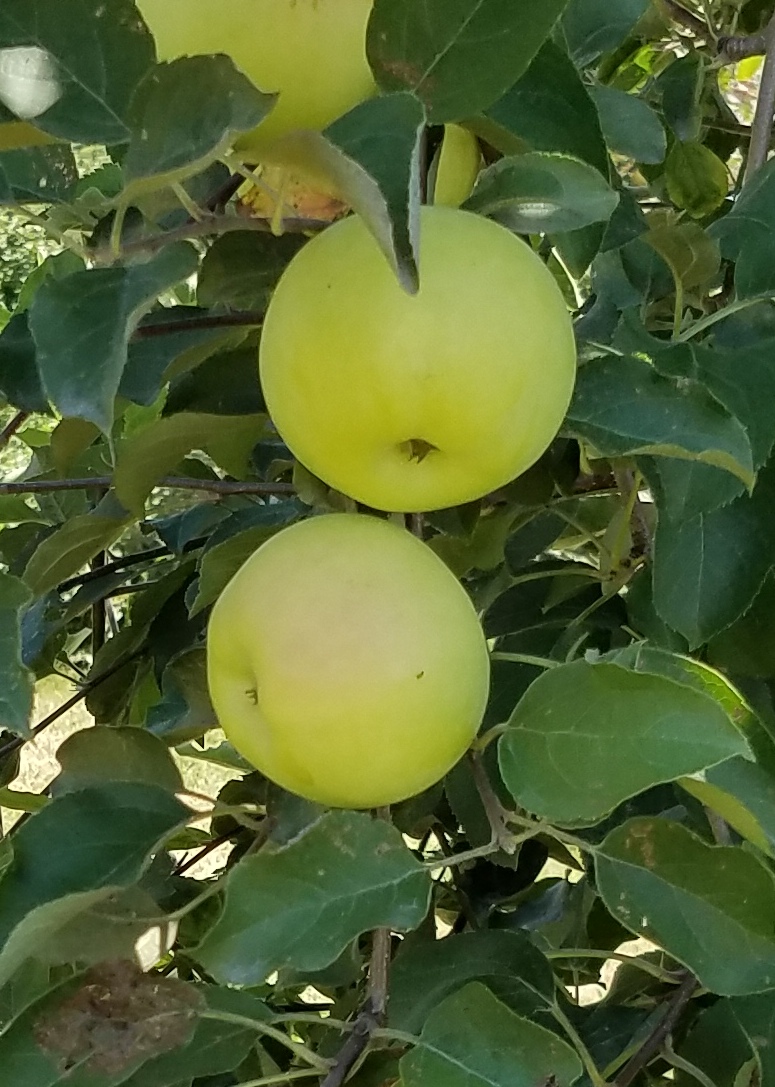
Pristine Apples

I bought State Fair, William’s Pride, Pristine and Duchess of Oldenberg apples at the orchard and brought them home. All but one have been eaten.

The goal was to taste them and determine which apples to buy for out of hand eating next week. My sixth year of weekend shifts at Wilson’s Orchard begins tomorrow.

We decided on Pristine, which is a yellow-skinned, sweet and juicy apple. It doesn’t keep long so about ten should be enough for next week.

After an hour-long hike through the grounds, I can predict an abundant harvest. With zero apples on our three home apple trees, we’ll need the fruit.

What’s best about working at an orchard is meeting thousands of people from every background. Wealthy and poor, young and old, able bodied and infirm, urban and rural, liberals and conservatives, and everyone in between. Many visitors have a personal history with the orchard, or in the apple business. I relish hearing their stories. It’s great to work where my role is to help people find their way in the orchard and discuss something positive with them as they get away from their usual environment.

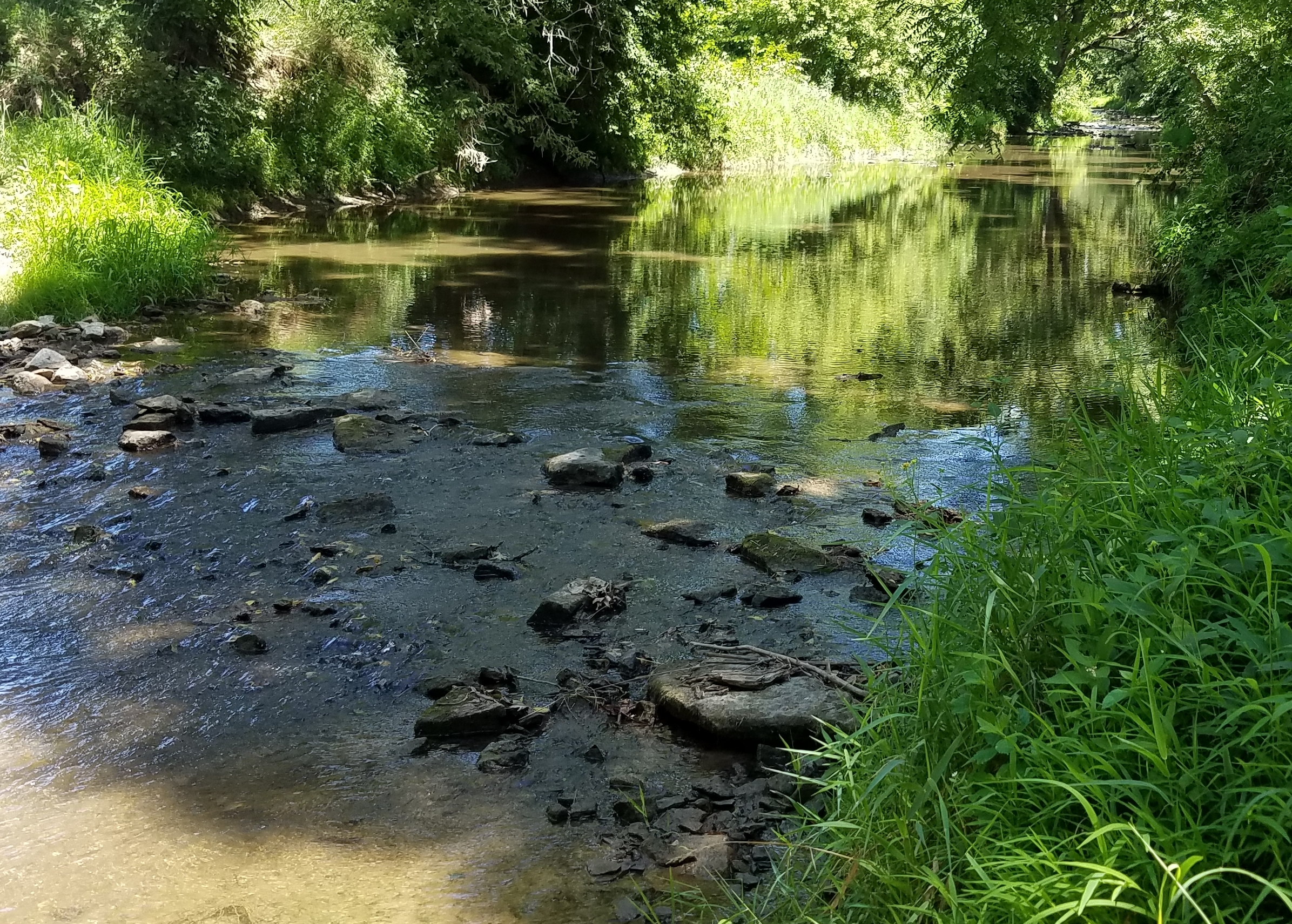
Here’s a photo of Rapid Creek, which runs through the middle of the orchard. The pre-season pic captures something serene in an otherwise turbulent world. We all need that from time to time.

Rapid Creek
Categories
Kitchen Garden

Eggplant Season

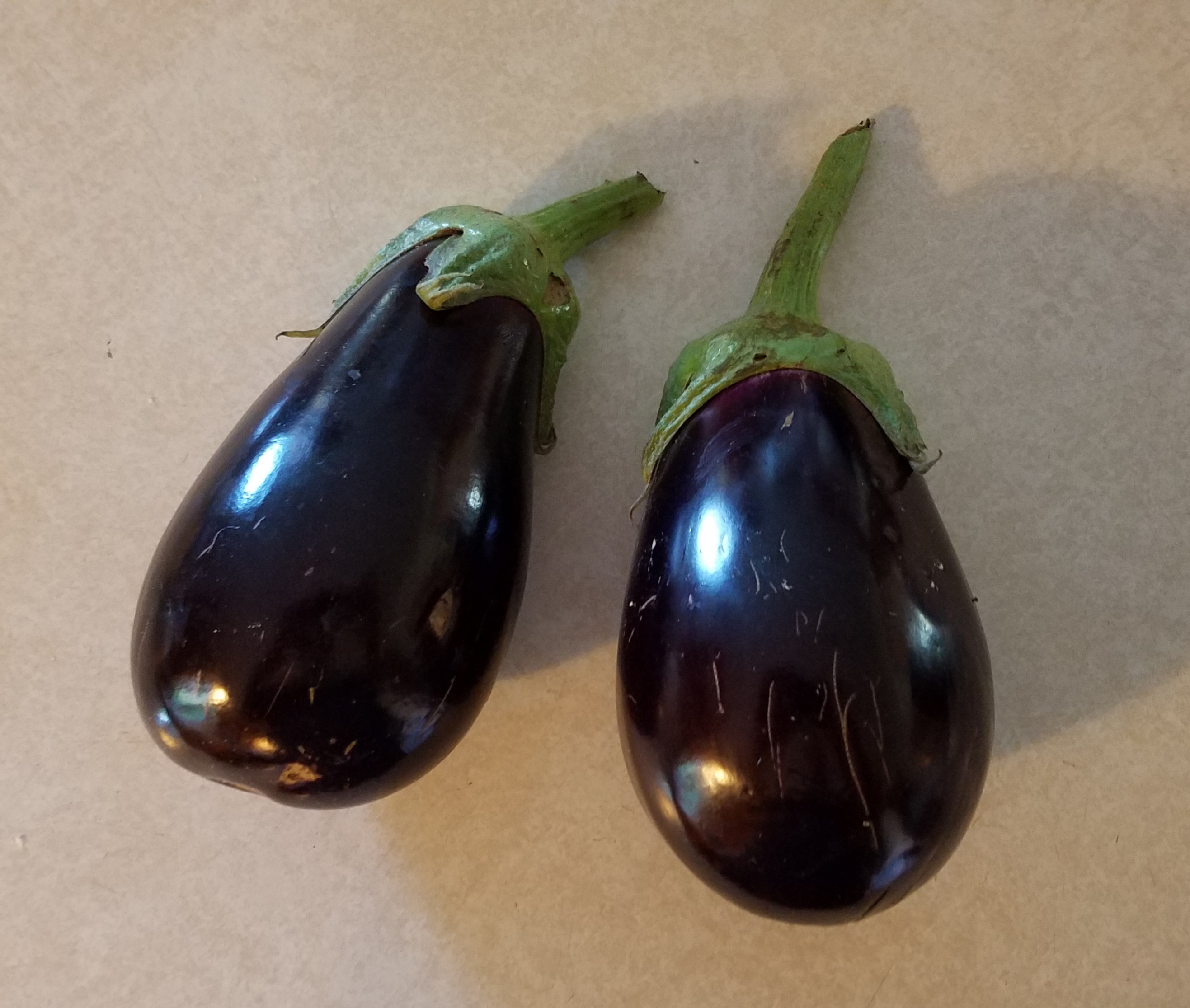
Galine Eggplant

By the time eggplant season is finished. everyone in the family is tired of it.

Here’s a simple, tasty recipe that’s not as much a recipe as techniques to use garden abundance in mid summer. The savory flavor will have diners coming back for more.

The first part is preparing eggplant slabs for the dish and for freezing.

Cut two half-inch slabs lengthwise from the middle of each eggplant and reserve the smaller portions from the sides. Skin on or off, your choice.

Lightly salt the slab of eggplant and drizzle extra virgin olive oil on it until both sides are coated. Place it on a baking sheet lined with parchment paper or a silicone mat. Cut slabs from all the large eggplants you have and line them up.

Place the pan in a 450 degree preheated oven and bake for 8 minutes. Take the pan out and flip each slab using tongs and put them back in the oven for another seven to eight minutes. Take them out and set the pan on a cooling rack.

Once cooled, what is not needed for the dish can be frozen, then bagged up in zip top bags for later in the year. Great to use these in Eggplant Parmesan.

Eggplant Dinner

The dish has three components: the eggplant slab, quarter inch slices of fresh mozzarella cheese, and a vegetable ragout.

The ragout is a way of using what’s available. Put a frying pan on the burner with a tablespoon of high smoke point cooking oil. I diced an onion, diced the reserved small slices of eggplant, finely sliced garlic scapes, fresh celery, and two hot peppers (jalapeno or Serrano). Any combination of what needs to be used up should serve. Sautee until the onions begin to soften.

While the vegetables are sauteing, grate half a large zucchini on a piece of parchment paper and set it aside. Halve eight to ten cherry or grape tomatoes and put them with the zucchini. Check the vegetables and once soft add the zucchini and tomatoes and stir constantly until the zucchini begins to cook. Don’t overcook the zucchini.

In individual baking dishes, or in a glass baking pan if you don’t have individual, line up one or two eggplant slabs per serving, depending on size. Next place a slice of fresh mozzarella on each large slab of eggplant. Top with the ragout and put another slice of mozzarella in the middle on top. Put the dish in to the oven and warm it for 10 minutes or until the cheese melts.

Take it out, transfer it to a plate, salt and pepper to taste, and the entree is finished. If you like, top it off with a poached egg.

Note: I did not use any seasoning other than salt and pepper and the dish was quite savory. If you have herbs and spices on hand, feel free to add your favorites.

Categories
Home Life Milestones

Remembering Donald Kaul in High Summer

Sweet Corn from a Roadside Stand

Sunday was a day to hang out on memory lane.

Sweet corn, tomatoes, cucumbers and Donald Kaul.

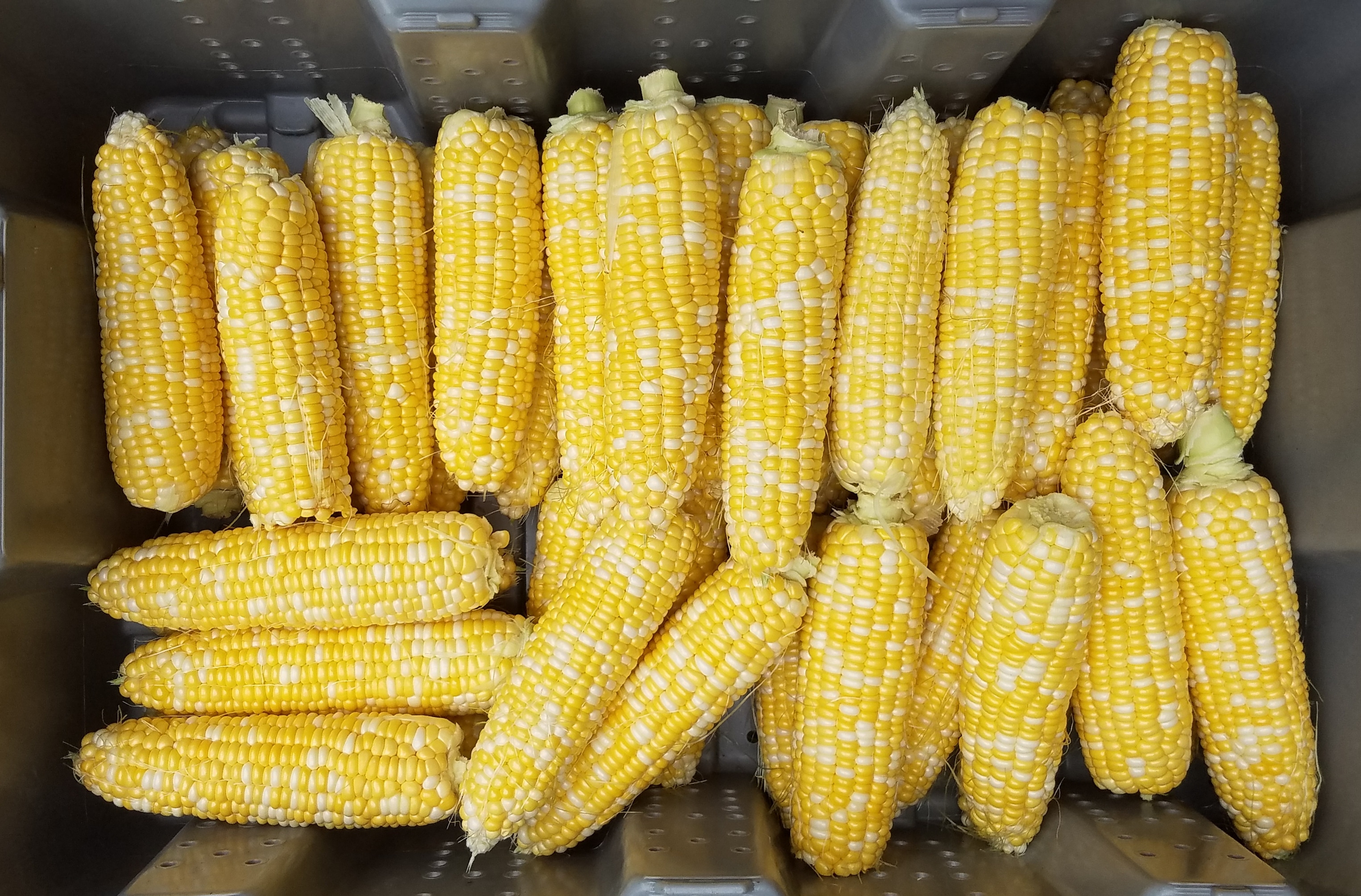
I bought sweet corn from a roadside stand and we had it for dinner with tomatoes and cucumbers from the garden, and thin slices of cheddar cheese from Vermont.

At some point after our return to Iowa in 1993, I decided to outsource corn growing. It takes up too much space and what space could be devoted to it produced a small crop. It was a good decision.

I cooked and froze the remainder of three dozen ears in two-cup portions in zip top bags.

We revisited stories of our lives during and after dinner.

How our cat would lick the cobs cleaned of corn kernels.

How putting up corn had been a long tradition — a family project.

How simple and good this year’s corn tasted compared to the past.

The trick to eating sweet corn is knowing how much to eat without getting a belly ache. The first ear was buttered, then sprinkled with lemon pepper seasoning and a little salt. Three ears is a usual portion. I ate four and went light on the salt. There were no ill effects.

Tomatoes

The arrival of sweet corn and tomatoes is the arrival of high summer. A short window — a couple of weeks max — when summer is good and we get a chance to be human again.

That’s something we need in this turbulent world.

In Iowa we also have the Register’s Annual Great Bike Ride Across Iowa, more commonly known as RAGBRAI, which began yesterday. Donald Kaul and John Karras were two Des Moines Register reporters behind the annual event. It was expected this year, and Kaul died of prostate cancer Sunday morning.

“On January 11, 2018, Kaul, an agnostic, revealed that the cancer in his prostrate has spread to his skeleton and that he will no longer take treatments,” wrote Des Moines Register columnist Kyle Munson. “He was in the end stages of his battle with cancer and didn’t expect to live beyond the year.”

The end came at 11:50 a.m., according to a local radio station.

The narrative of this year’s RAGBRAI seems already written, and it doesn’t include Kaul. There is time for some show of recognition on the seven-day tour. We’ll see what happens.

For me RAGBRAI was about the summer of 1973 when it started. An artist I met in Davenport invited me to her family’s home near the Catholic orphanage to meet her parents. Her brother was out in the garage when I met him too. He was talking about riding his bicycle across the state with the Des Moines Register. Over the Coffee, Kaul’s column, was popular in this household.

Today people prepare for months for the long endurance test the annual ride has become. Specialized, lightweight bicycles, meal plans, and training. Not in 1973 when the sequence of events was 1. figure out how to get to the Missouri River with the bike; 2. tighten up the hub axle nuts; and 3. air up the tires. I can’t recall, but I don’t believe he even had a derailleur gear on his bike. It was pretty simple then and proved to be enduring.

Kaul’s death on the beginning day of the 46th RAGBRAI is likely coincidence. In any case, he is memorable for his writing more than his promotion of bicycle riding.

In high summer, after our dinner of sweet corn and tomatoes, my wife and I discussed our interactions with Donald Kaul. She got his autograph in a bookstore in Iowa City, and I corresponded with him when he was a Washington, D.C. correspondent for the Register. He was a constant part of our Iowa lives. That will still be true now he succumbed to cancer.

Categories
Writing

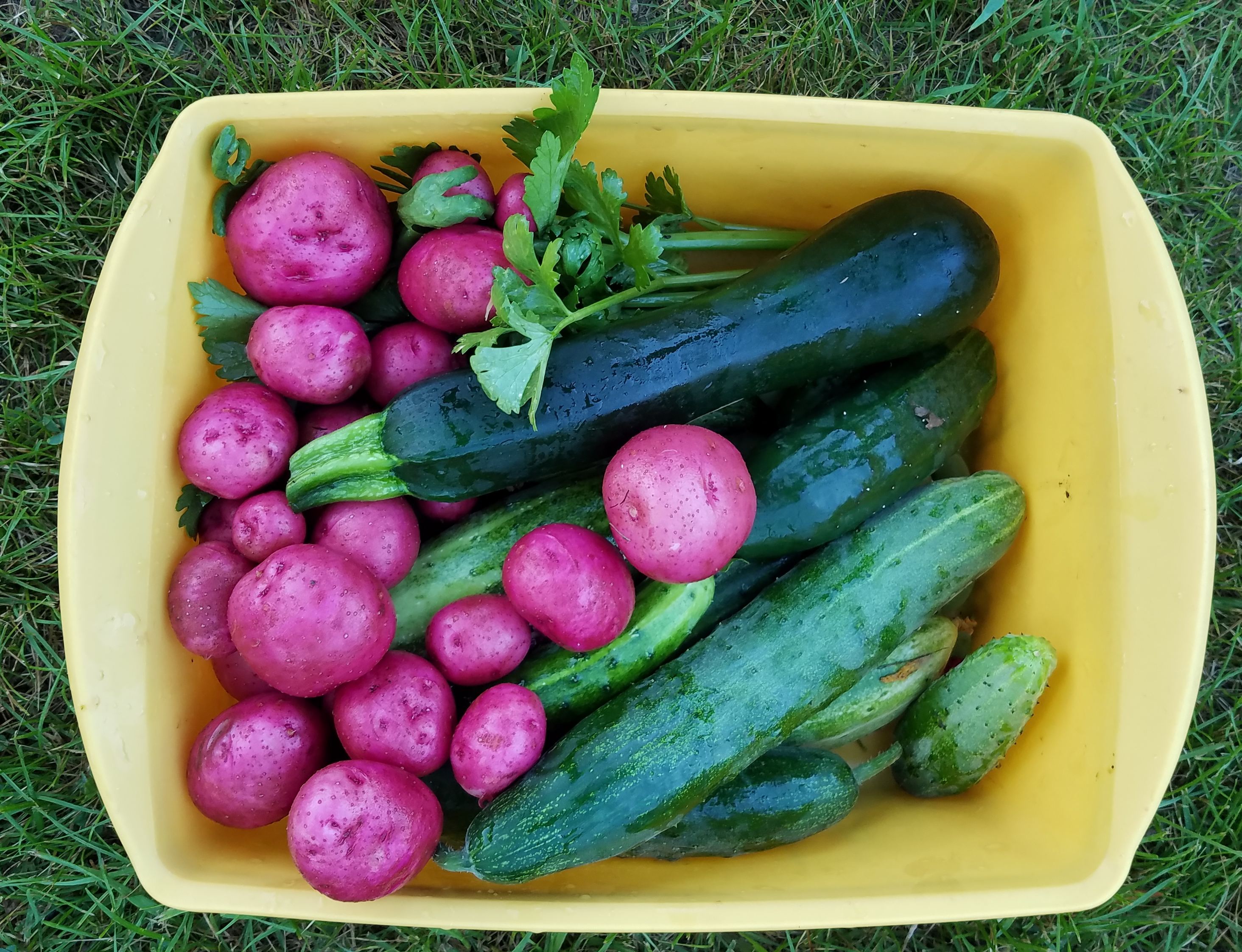
New Potatoes and Cucumbers

Morning Harvest

The ambient outdoor temperature is 89 degrees and the heat index is 100. Another midday spent inside.

I feel caged.

Near sunup I harvested cucumbers and watered. I tasted a red tomato — they are not ready.

Won’t be long.

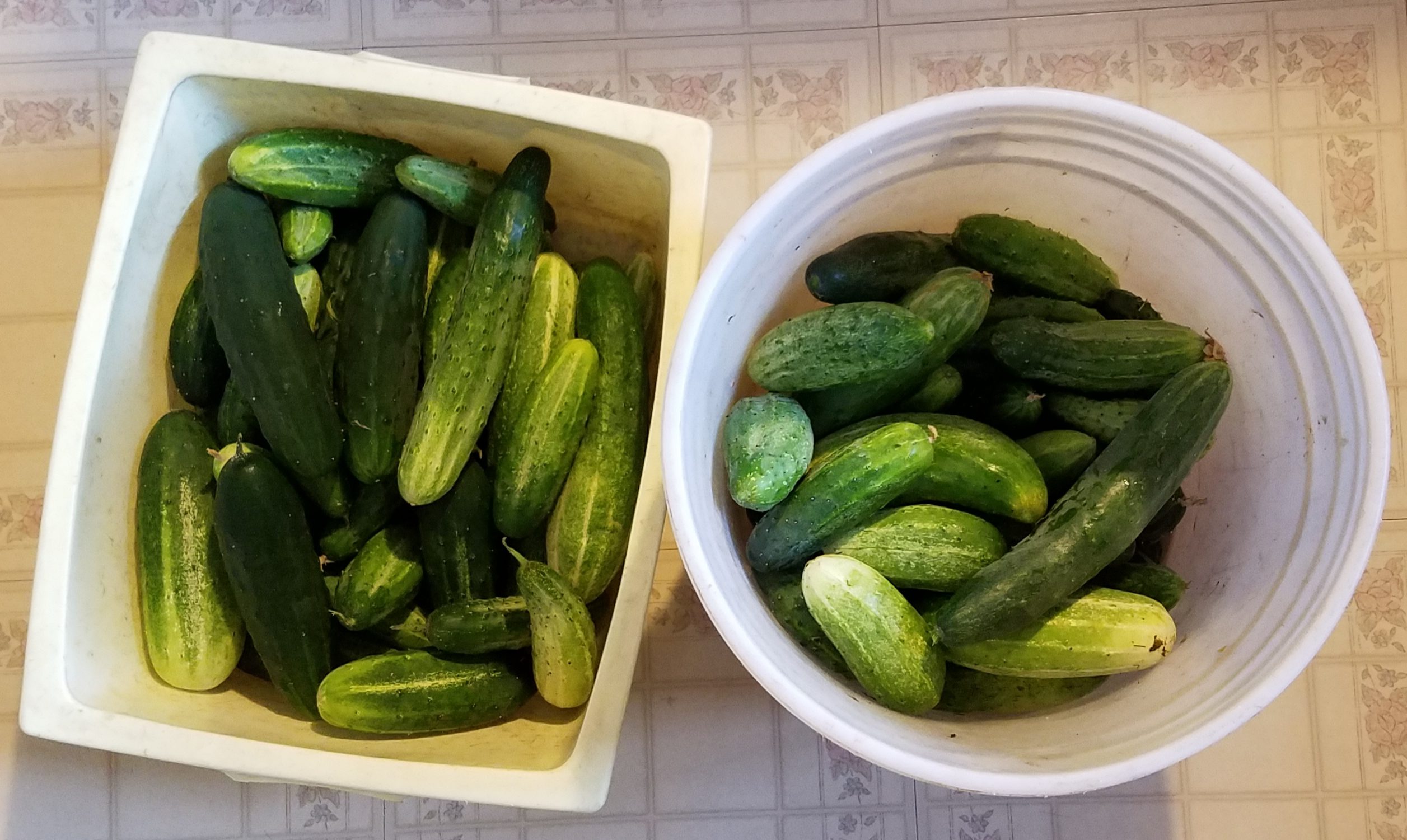
In the kitchen I emptied the crock of fermented dill pickles and started another batch. I washed and sorted cucumbers on the counter: first the dills, then sweet pickles, then some for eating, then a pile of too plump ones for juicing. There are so many cucumbers I could be selective. Soon I’ll run out of things to do with them… not yet.

I felt restless. I feel restless.

Cucumbers

I cleaned under the kitchen sink and returned the soaps, cleaning supplies and waste basket to their appointed places. I’m glad that work is done. I’ve been putting it off.

Using fruit thawed from the freezer, I made a smoothie for lunch with cow’s milk, kale, a banana and the fruit. It was satisfying…  and very blue.

There is only so much kitchen time a person can take before moving on.

Someone spotted water coming up through the ground near a main water line junction. I emailed our crew of well volunteers and we met near the leak. We saw water seeping up but couldn’t diagnose the problem. I told them I’d call our well service to come out and fix the leak. It was a productive exchange as I hadn’t seen some of them for a while. It was a chance to do something outside home. It will be an ongoing project for the weekend.

I came back. It got hot and here I am.

Our president had tea with Queen Elizabeth II today. I wonder if they had scones like she did with Ike. In Washington, D.C. Robert Mueller’s investigation produced 12 indictments of Russian intelligence officers who had been hacking U.S. computers in the run up to the 2016 general election. The hacking was with nefarious purpose and intent. The press event was at the same time the president was having tea. It will give him something to discuss with Vladimir Putin next week in Helsinki.

In the hottest part of the day I feel an urge to go somewhere else. I felt the same way when I lived near the main train station, the Hauptbahnhof, in Mainz, Germany, especially on weekends away from the kaserne. I would drive to the big box stores over in Wiesbaden… or maybe walk to the small grocery store down the hill and buy fresh fruit and a liter of Coca Cola. I had to time it right because they closed for a couple of hours in the early afternoon. About the same time it is now. I feel connected to those days 40 years ago.

I just got the call the well technician is on his way. Guess I can meet that urge… for now.

Categories
Kitchen Garden Living in Society

Garden is In

Friday Harvest

It may seem late yet I declared the garden planted on Friday.

We’ve already had a bumper crop of vegetables and we’re not even started with tomatoes, eggplant, peppers, green beans and more. There will always be garden work to do but for now it’s planted.

Time to turn to other things.

What I mean is between now and Aug 4, when orchard work begins, there is writing, household repairs and cleaning, and loads of work to improve our home life. At some point I switched from being a consumer to a doer and that makes the difference in my mid-sixties. I just stay home and do.

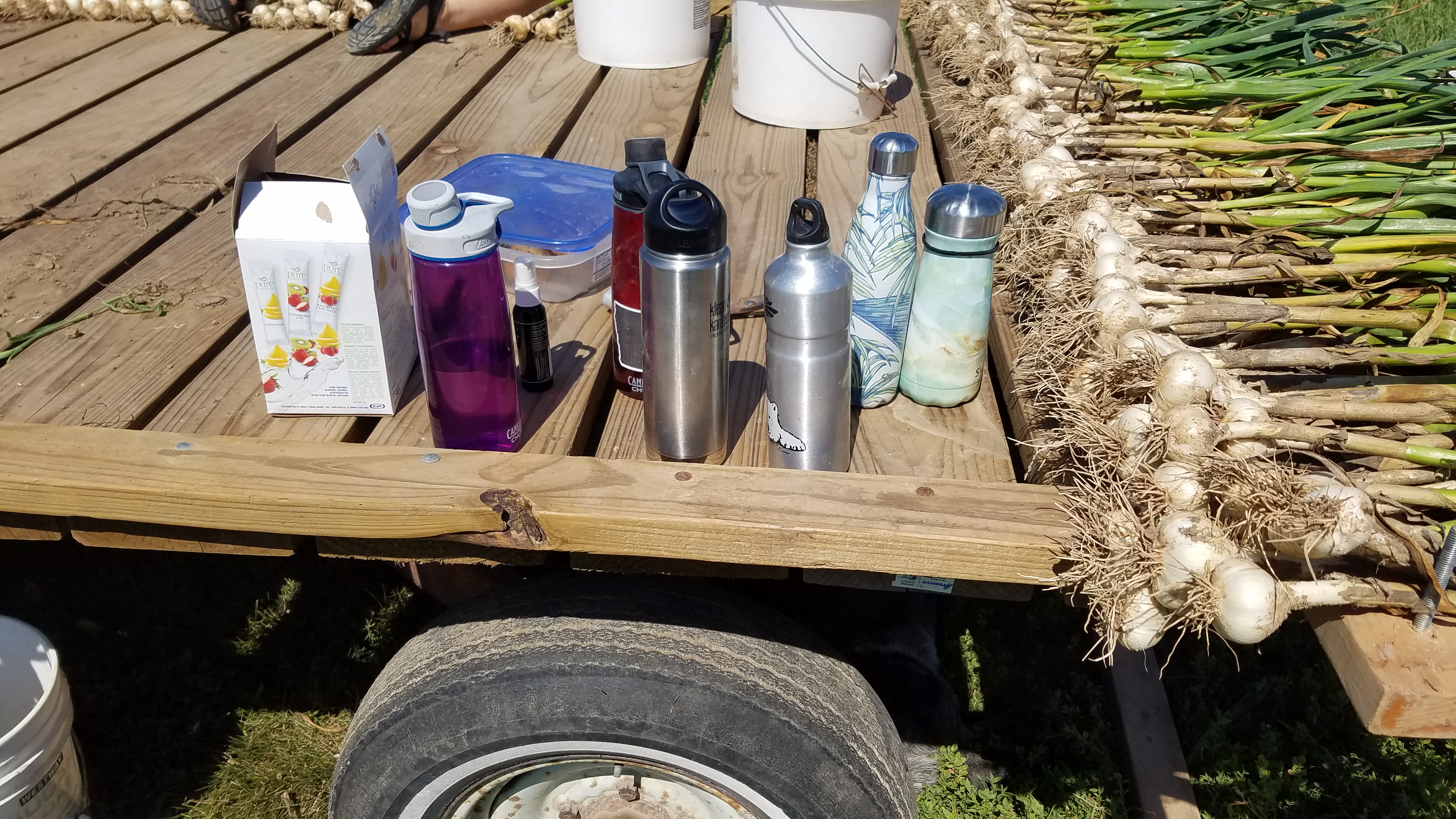
Water Bottles

Politics plays a role in current affairs and it’s much different than it was. My focus is to understand the complex world in which we live and work to make a positive impact. My themes haven’t changed (environment, social justice, economic survival, good governance) although my understanding of what needs doing has. During the re-election of George W. Bush I re-activated in politics. Each succeeding campaign was both learning and engagement. After seven campaigns, I enter my eighth with a deeper understanding of the role social networks play in determining winners and losers. I’m not referring to Facebook, Instagram and Twitter here, but broader social movements and the momentum they bring to an election.

The first Obama campaign, with its demographics analysis and targeted voter lists seems like ancient history. What Obama did can’t be replicated, even if we wanted. To better understand the electorate, we must knock on every door, hear every voter, and determine how to fix the broken politics endemic to our lives. Creativity and networking are important. We don’t know if what’s broken can be fixed in a generation. If we don’t start now, it may never be fixed.

Flower at the Farm

Politics is not everything. After only three hours at yesterday’s garlic harvest at the farm I felt a bit dizzy, presumably because of hard work in the sun. It was a temperate day, nonetheless, I played it safe and called it early. My point is I’m not getting any younger. Working a six or eight hour shift in the sun doesn’t work as well as it did a few years ago. Working smart is replacing working harder.

The rest of the year goes something like this. July is a month to work at home: advance my writing projects, get space at home to be more livable, and work to get the yard into better shape. August through October is work at the orchard. This year I may be taking on additional responsibilities, but for sure I’ll be there weekends and on Friday Family nights. November and December will be focused on writing. While this is going on, I’ll continue to work at the home, farm and auto supply store two days a week. Every dime of income has a place to be used at this point.

Declarations like mine about the garden are ephemeral. What matters more is a process of continual improvement in which life goes on as best we can make it until the final curtain falls. In the meanwhile, we expect there will be garden vegetables to eat.

Categories
Kitchen Garden

Kale and Garlic Scape Pesto

Garlic Scapes

Here’s a second recipe for kale and garlic scape pesto. The first uses walnuts and Parmesan cheese and can be found here.

Get out the food processor and place it on the counter.

Measure the following and place in the bowl of the food processor in the same order:

Two thirds cup raw pine nuts
One third cup thinly sliced garlic scapes
One and one half cups roughly chopped kale, packed
One third cup whole basil leaves, packed
One teaspoon sea salt
One half teaspoon freshly ground black pepper
Two tablespoons lemon juice. If fresh lemon, peel first and add the yellow rind
Two thirds cup extra virgin olive oil (reserved)

Turn on the processor and grind the mixture until it starts to break down.
Drizzle the olive oil into the mixture as the machine runs.

Scrape the bowl into a quart canning jar with a spatula.

Spread some immediately on a slice of sourdough bread toast for the cook and any kitchen visitors. Screw on the lid and refrigerate until ready to use.

Fresh pesto keeps only briefly without oxidation in the ice box. If you want to use it way later, put the jar in the freezer.