Categories
Living in Society

Letter to Iowa Senators on Graham Cassidy

I do not support Graham Cassidy and hope you will ask your senate colleagues to gather more information about the impact of the bill on Iowa populations before scheduling a vote. More specifically,

1. CBO score: Delay holding a vote on the measure until the CBO scores the bill and the public has a chance to evaluate it.

2. Impact on veterans: Elimination of Medicaid, as the bill is said to do over time, would have a disproportionate negative impact on veterans. Many military veterans I know fall within the federal poverty guidelines and it would be wrong to leave them behind by eliminating Medicaid.

3. Impact on Nursing Home Residents: It seems cruel to kick nursing home residents off Medicaid. Like most people, our family is working to live on our own for as long as possible. That’s not possible for people with limited means as their health deteriorates toward the end of life. Ending Medicaid would disproportionately impact seniors who rely upon it. It would be just plain mean and not reflective of who Americans are as a society.

4. Essential Health Benefits: Insurance is by design intended to help all policy holders pay for the medical needs of every policy holder. Changing the basic framework of who is covered and at what cost requires more sunlight than it has gotten thus far. I oppose altering essential health benefits established in 2009 without agreement between all parties involved, including insurance companies, medical personnel, hospitals and clinics, and importantly, members of the general public.

Thanks for reading my message. Good luck in your deliberations over Graham Cassidy.

Regards, Paul

~ Submitted electronically to U.S. Senators Chuck Grassley and Joni Ernst on Tuesday, Sept. 19, 2017

Senator Chuck Grassley’s response:

September 20, 2017

Dear Mr. Deaton,

Thank you for taking the time to contact me. As your Senator it is important for me to hear from you.

I appreciate hearing your thoughts about legislation proposed to replace the Affordable Care Act(ACA), or Obamacare. Obamacare has failed to deliver. While the ACA promised affordable care, Iowans saw their premium payments, copayments, and deductibles steadily rise significantly. While promised to keep plans if they liked them, Iowans lost their plans when Obamacare was enacted. Because of Obamacare’s failures, 72,000 Iowans currently don’t know if they will be able to purchase health insurance for 2018.

I support having the Senate consider the Cassidy/Graham bill. We need alternatives to Obamacare, which hasn’t worked, and that reality has been acknowledged across the political spectrum. Health insurance is much too expensive for too many Iowans. I like that the bill addresses one of the fundamental flaws of Obamacare. It returns power to individuals and states. It’s not perfect, but the bill recognizes that each state has different needs that each state is best equipped to decide how to meet. There’s also a phase-in period and the opportunity to make changes in the future. Keeping Obamacare as is will cause people to go without insurance either because Obamacare has collapsed in a state or face coverage that no one can afford to use.

You can be sure I will carefully consider any legislation that comes before the Senate, and will continue to support access to health insurance for Iowans going forward in my role as senator.

Thank you again for contacting me. Please keep in touch.
Sincerely,

Chuck Grassley

Senator Joni K. Ernst’s Response:

September 21, 2017

Dear Mr. Deaton,

Thank you for taking the time to contact me about the Senate’s ongoing work on health care reform. It is important for me to receive direct input from folks in Iowa on policy matters such as this, especially when they affect people on such a personal level.

As you know, the U.S. Senate considered various legislative ideas regarding health care the week of July 24th. Throughout the debate, I shared how the Affordable Care Act (ACA) is failing in Iowa, with choices dwindling and costs rising. Premiums have increased in Iowa up to 110% since the health care law went into effect. With Medica remaining as the only health insurance provider selling individual market plans in every county statewide for 2018, folks in the state’s individual market will endure another massive rate increase. The reality in our state is that continuing with the status quo is no longer an option.

On September 13, 2017, Senators Bill Cassidy (R-LA), Lindsay Graham (R-SC), Dean Heller (R-NV), and Ron Johnson (R-WI) introduced health care reform legislation, known as the Graham-Cassidy-Heller-Johnson proposal. If enacted, this proposal would give states flexibility to innovate and design their individual markets tailored to the specific needs of their state.

This proposal would also reform the Medicaid program to a per capita allotment for its traditional patient population. As you may know, the federal government’s auditor has identified Medicaid as a high-risk program for more than a decade due to its size and growth. Therefore, it is important that we look at reforms, but also focus our Medicaid dollars on the most vulnerable in our society – the elderly, children, and individuals with disabilities.

To learn more about this proposal, Senator’s Cassidy website has more information here.

Further, Chairman Orrin Hatch (R-UT) announced that the Senate Committee on Finance will hold a hearing on Monday, September 25th to discuss the Graham-Cassidy-Heller-Johnson proposal. While I am not a member of the Finance Committee, I will be closely monitoring the committee’s work and look forward to receiving its analysis of this proposal.

Throughout the Senate’s work on health care reform, I have emphasized how we must pursue solutions that enhance competition, increase flexibility, and constrain rising costs. The ACA is unsustainable in Iowa, and it’s critical that we work together to address the evolving needs of our health care system, and ensure folks have a voice in their own health care decisions – and not Washington deciding what is needed in a health care plan.

At this time, I am carefully reviewing the Graham-Cassidy-Heller-Johnson proposal to see how it could affect insurance availability and affordability, as well as provide folks access to health care coverage. It’s imperative I hear personally from Iowans, such as yourself, on their unique experiences in accessing health care, so that we can secure the affordable, patient-centered solutions our state critically needs. I appreciate your feedback at this time, and look forward to hearing from you further as the Senate continues to work on health care reform.

Sincerely,
Joni K. Ernst

Categories
Environment

September Has Been a Pisser

Backyard Fire After Irma

Last week was stressful as Hurricane Irma passed through central Florida over our daughter’s home.

They boarded the windows, sandbagged the doors and laid in water and shelf stable food for when the electricity went out.

“The whole house has been playing Settlers of Catan, which we never get to play enough,” she texted. “Next up is Fluxx, a rules changing card game. The lights have been flickering slightly, but we still have power and water. Every so often, the outside sounds a bit like a car wash.”

She and her housemates weathered the hurricane, suffering minimal property damage. Her final message in the hurricane series was

Stay safe out there. If anything, I am reminded that everywhere in the US, there is some kind of emergency that can happen. Please, pack a Go Bag, prepare a plan, know where your evac locations are. I love you. Stay safe. Be prepared.

It turns out the previous board of directors for our sanitary sewer district failed to communicate new requirements to comply with ammonia nitrogen standards when they all resigned without notice. I emailed the Iowa Department of Natural Resources to learn more and there is a multi-year process for compliance added to our agenda. Stress level kicked up a notch with this.

The week ground down with efforts to meet my tomato contract. Farmer Kate and I traded my labor for her tomatoes. To finish the deal, I prepared seven quart jars of diced tomatoes each morning and water bath processed them in the evening. The work is not hard but it blocks out other things. A deal is a deal and she met her part of it with an abundance of organic tomatoes. On Friday before work at the home, farm and auto supply store I delivered two cases of canned tomatoes. We each should have plenty to make it until the next tomato season.

At Thursday’s county board of supervisors meeting a zoning application for a farm near here was considered and rejected unanimously. The controversy involves people I know in government and in the local food system. None of it is good for any of us.

“In one respect farming can be considered a tedious series of lawsuits, disputes and legal struggles,” I posted on Twitter. “Versaland bares that for all to see.”

I’m trying to understand the context and situation with more clarity and plan to write a longer post about local food in light of it.

September is always busy so there’s no surprise in any of the week’s activities and developments. Last night a group called the Iowa Faith and Freedom Coalition lavished praise and support for the 45th president. That was a pisser too.

Categories
Environment

Weathering Irma

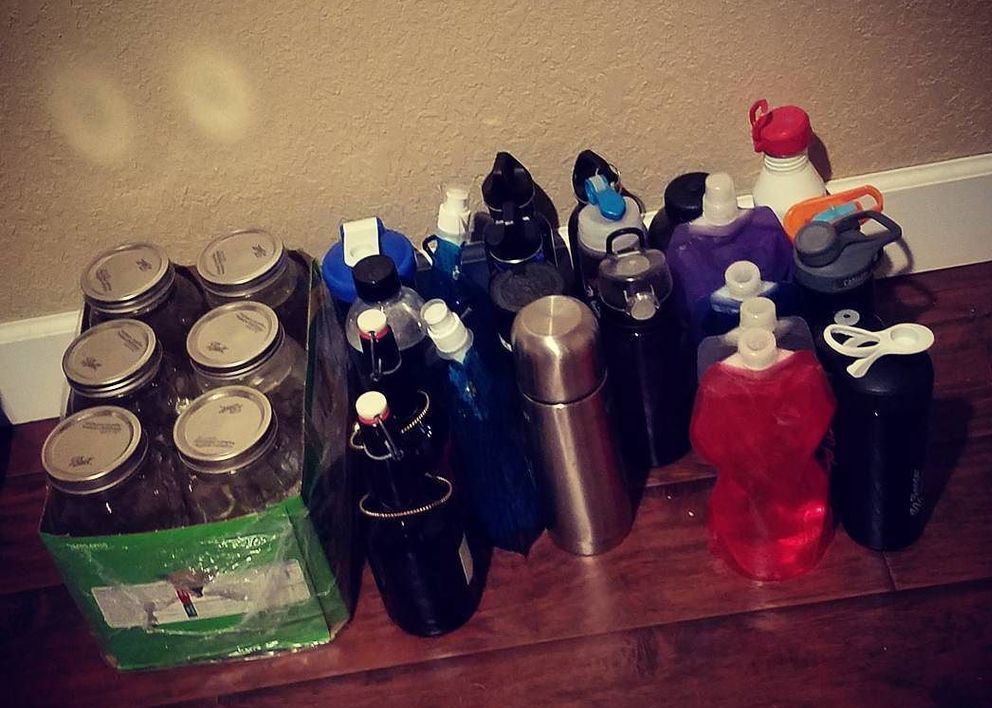
Water for Hurricane Irma

Friends and family in the path of Hurricane Irma are well-informed of its danger and preparing for the worst this weekend.

Walt Disney World, where our daughter works, closes tonight at 9 p.m. until sometime Monday,  presumably Irma’s schedule as well.

She is working today then hunkering down with supplies of water and shelf-stable food should the electrical grid fail. The open question is how much rain and wind will pelt central Florida.

“It’s not a question of if Florida’s going to be impacted, it’s a question of how bad Florida’s going to be impacted,” William “Brock” Long, administrator of the Federal Emergency Management Agency, said Friday, according to the Washington Post.

Irma maintained wind speeds of over 185 miles per hour for more than a day, the first storm in the world to do so.

Since 2007 I visited Florida several times. Each time people I met at the auto shop, convenience stores, retail outlets and elsewhere spoke of Hurricane Andrew and how it changed their lives. Floridians know hurricanes well. Surviving Irma is the focus for the next three days.

Environmental Protection Administrator Scott Pruitt commented about the link between Irma and global warming:

“Here’s the issue,” Pruitt told CNN Thursday in a phone interview. “To have any kind of focus on the cause and effect of the storm; versus helping people, or actually facing the effect of the storm, is misplaced. What we need to focus on is access to clean water, addressing these areas of superfund activities that may cause an attack on water, these issues of access to fuel. … Those are things so important to citizens of Florida right now, and to discuss the cause and effect of these storms, there’s the… place (and time) to do that, it’s not now.”

The upshot is in a backhanded way, Pruitt acknowledges the need to evaluate causation of large tropical storms. I’m confident facts will lead him to how global warming made Irma and other recent tropical storms worse. I may be overly optimistic but the truth matters.

Our household will be following the progress of Irma as it makes landfall in Florida and over the next 48 hours. Hoping the people of Florida withstand the death, destruction and economic consequences of this next in a series of major storms. I expect Floridians will be resilient as this is not their first hurricane rodeo. I trust our daughter will do what’s needed to weather the storm.

Categories
Sustainability

Hand on the Button

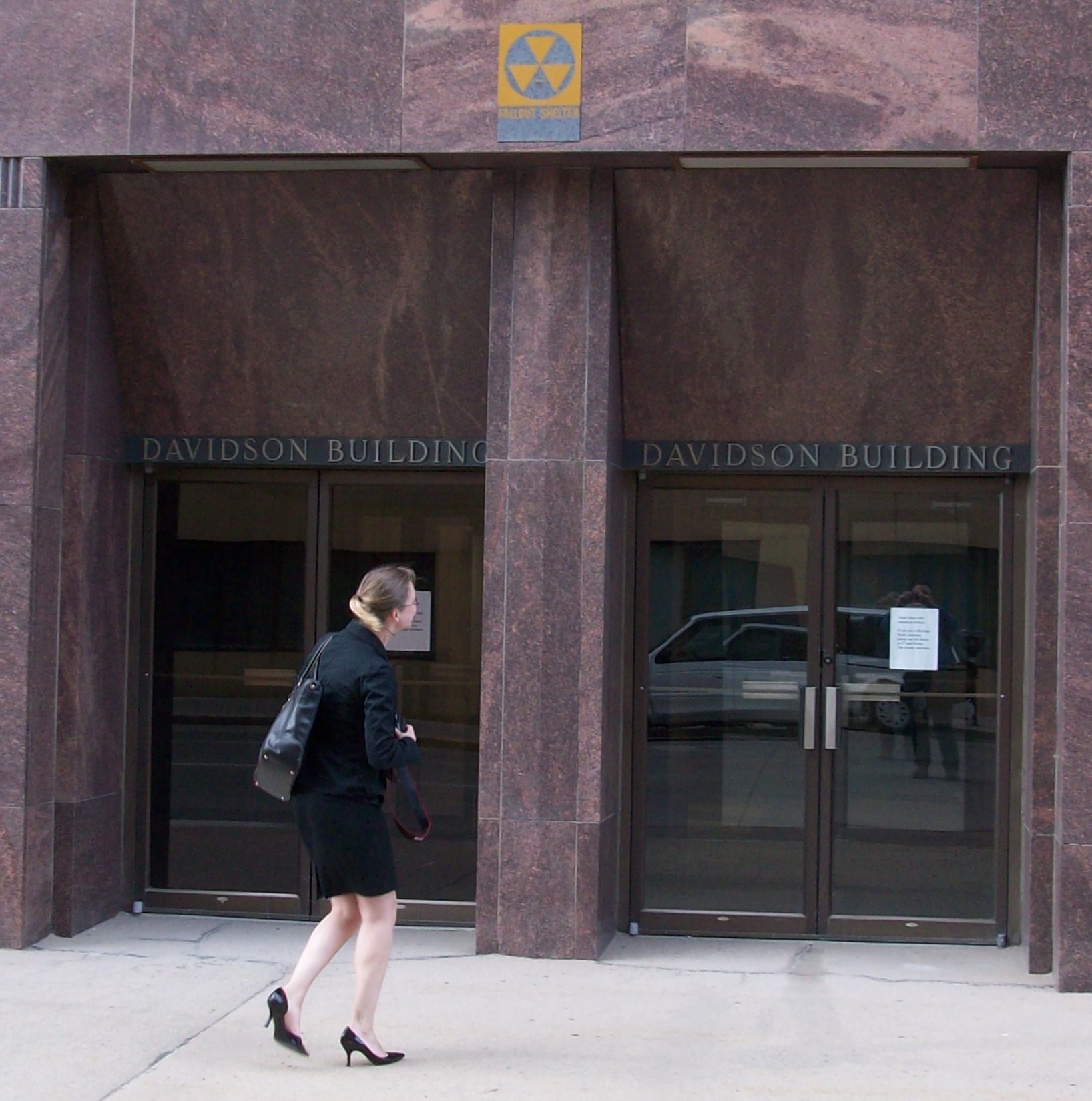
Nuclear Spring in Sioux City

What do U.S. nuclear abolitionists do when the administration has no plans other than vaguely stated goals of “modernizing the nuclear complex” and spending money on a missile defense system that has never been proven to work?

Focus on a long term strategy toward the goal of nuclear abolition, using the United Nations Treaty on the Prohibition of Nuclear Weapons as a hook and the consequences of nuclear war as the message.

It’s a tough row to hoe because the United States and other nuclear states stand in opposition to the ban treaty promulgated at the U.N., now open to signature.

A colleague in the nuclear abolition movement reported July 14 from New York:

The emotional electricity in the room was palpable. Everyone could feel that history was being made in Conference Room 1 at the United Nations headquarters in New York. And when the vote tally came in, it was followed with a roar of approval in the room. Bucking intimidation from the nuclear-armed superpowers, 122 nations voted to adopt the Treaty on the Prohibition of Nuclear Weapons with one vote “no” and one abstention. It’s official: nuclear weapons are illegal!

I’ve never felt hopeful about the ban treaty because President Obama and his successor both indicated they would modernize our nuclear complex, investing more than a trillion dollars. President Trump’s recent statement while taking questions at his golf resort in Bedminster, New Jersey is disappointing on multiple levels.

“We are going to be increasing our budget by many billions of dollars because of North Korea and other reasons having to do with the anti-missile,” Trump said. “As you know, we reduced it by five percent, but I’ve decided I don’t want that. We are going to be increasing the anti-missiles by a substantial amount of billions of dollars.”

Modernization is not really his decision because the Congress must appropriate funds for it. It’s the normal checks and balances designed into our government by the framers of the constitution. However, what is in President Trump’s control is launching a nuclear war within a few minutes at his sole discretion. That can and should change.

Once accepted without vocal opposition, the president having his hand on the nuclear button should be challenged. No president should have sole discretion to unleash a human Armageddon that could end civilization as we know it.

There is chatter in the news media that President Trump won’t complete his full, four-year term. The better bet is he will and will mount a formidable campaign for re-election. Republicans in the Congress won’t impeach, and the 45th president won’t resign.

We shouldn’t be distracted by the hope this presidential term will soon be over. Regardless of who’s president, if the U.S. doesn’t sign on to the nuclear weapons ban, as it currently appears we won’t; if we won’t fulfill our obligation under the Non-Proliferation Treaty to which we are a party; others should be included in any decision to use nuclear weapons.

That change is something nuclear abolitionists can and should work on now.

To learn more, click on Martin Fleck’s report from the UN here.

Categories
Kitchen Garden Writing

Practical Gardening

Red Rocket Peppers

Gardening is of light and shade, moisture and soil health, seed genetics and cultivation. It is an endeavor in which we can invest personal effort and a few resources to see practical results.

We garden in complex creation, only partly of our own making. Imbued with elements, animals, insects and microorganisms we don’t fully understand, this year’s garden plots brought new understanding, a bountiful harvest and a busy kitchen.

Gardeners become the verb “to garden,” and if lucky, become inseparable from the process of growing and cooking food. What was once new knowledge becomes embedded in daily actions that appear intuitive. We become the syntax of food production. Words can’t do justice to what gardeners experience and learn over decades. One sees it only in practice.

Pear Harvest 2017

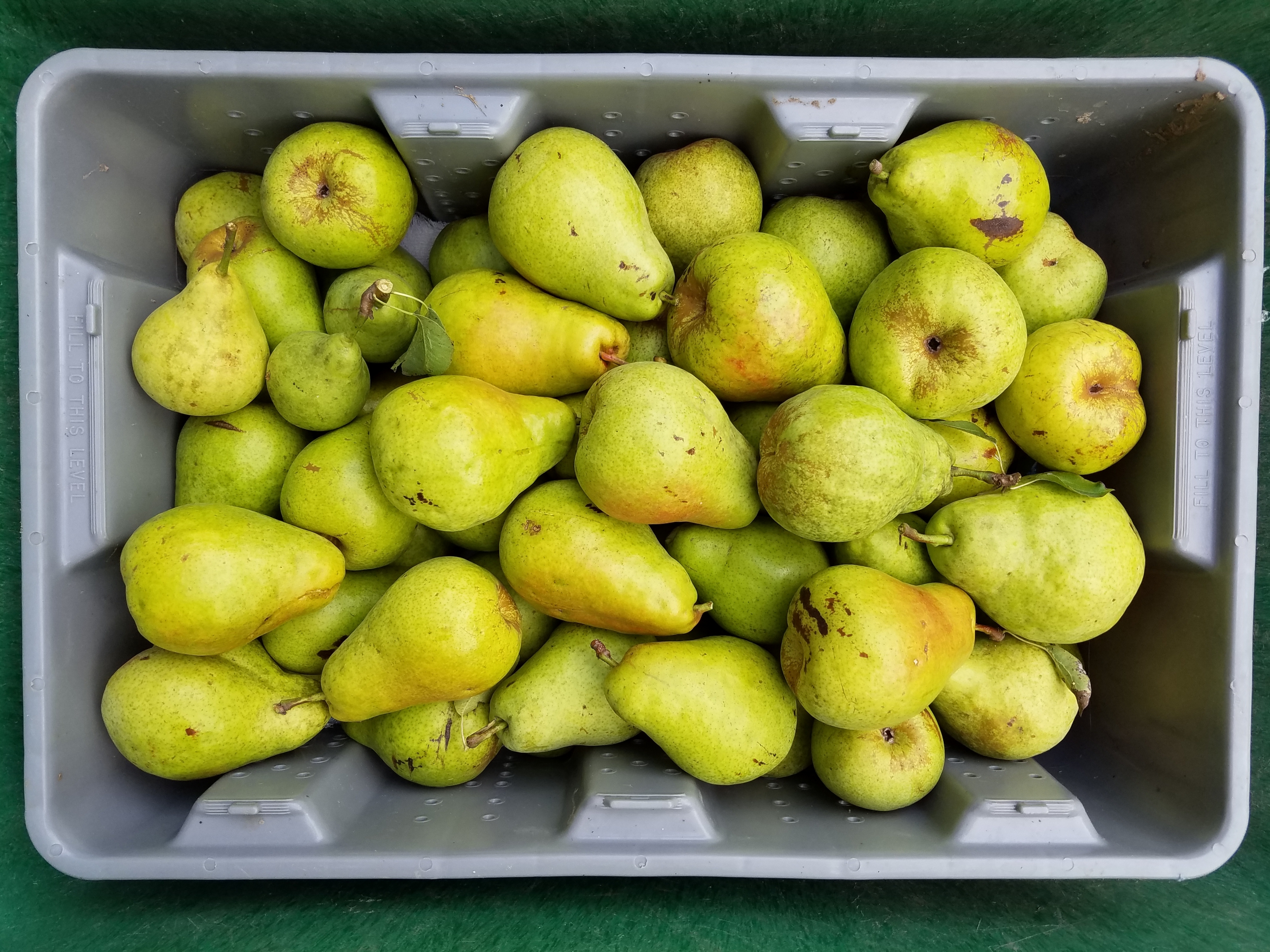
Last night I rushed into the house after work at the home, farm and auto supply store to change clothes, get the ladder, and pick pears before they all drop. We planted the tree at our daughter’s high school graduation party and have had some almost every year since they bore fruit. The season is very short as are our lives. We plan to enjoy the sweetness of fresh pears as long as we can.

Red Delicious apples are not fully ripe. I ate one while rushing around the back yard chasing pears and sunlight. Sugars are beginning to dominate starches and a couple more weeks on the tree will serve them well. After that it will be a mad rush to pick and preserve them. It could be another 1,000 pound harvest.

Second Growth Broccoli

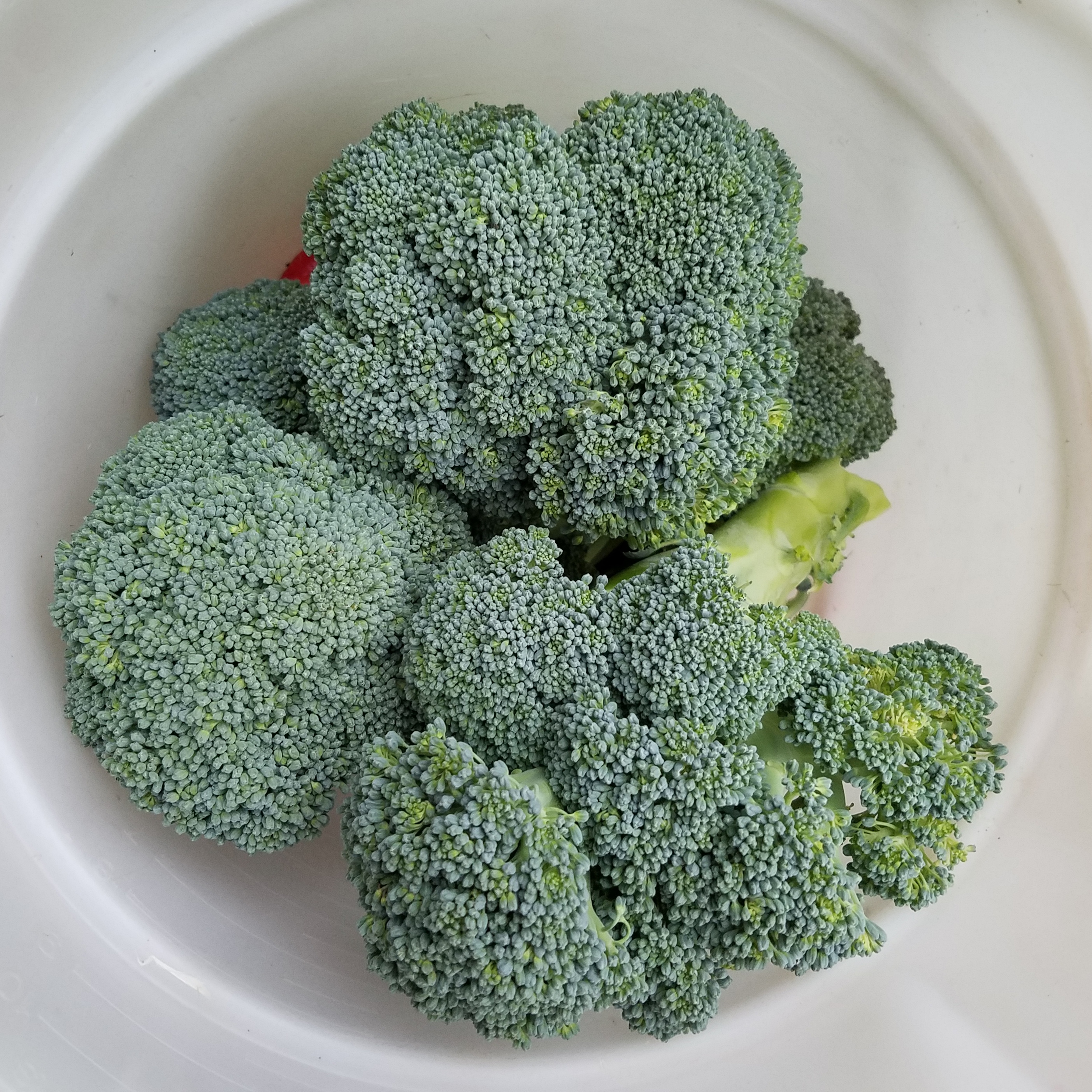
There were beautiful second growth broccoli heads, about eight of them. I broke them off by hand, cut and peeled the stems for work lunch.

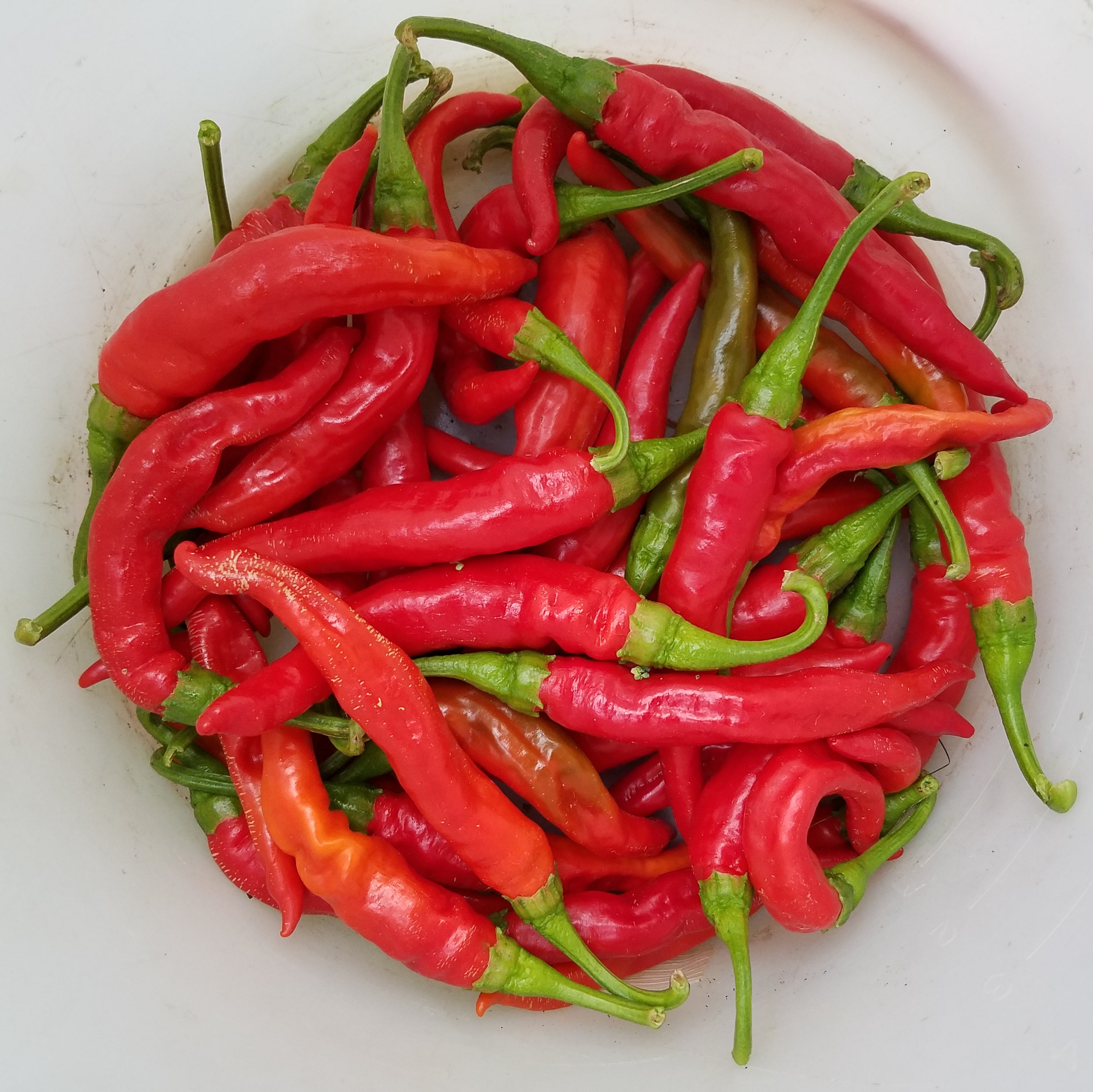
There were more Red Rocket peppers. I harvested the reddest ones, leaving many more to ripen. In the kitchen I took the others from the baking sheet in the oven (oven turned off) and carefully spaced them on the five trays of the dehydrator. I’ll dry them until they are ready to grind into red pepper flakes.

Someone brought cucumbers to the orchard on Monday. I took half a dozen (there were an inch thick and 5-6 inches long) and combined them with what was already in the ice box to make a second batch of fermented dill pickles. It takes 10 days if everything goes according to plan. Fingers crossed.

Monday I picked up two crates of tomatoes and two dozen quart Mason jars at Kate’s farm for canning. This is part of our barter arrangement in which she provides tomatoes, I process them, and we split them resulting canned goods. I sorted them Tuesday morning before my shift. Once spread out they filled four and a half crates instead of two.

I made ground tomatoes from the ones with bad spots as a base for pasta sauce. Here’s the process: Wash, trim and quarter the tomatoes then pulse in a blender until the big pieces break down. Put the blended tomato pulp in a juice funnel to separate liquid from the flesh.

After an hour, the split was 50 percent juice to 50 percent flesh. I put the results in jars and stored them in the ice box. I’ll can the juice and make pasta sauce while I work in the kitchen tonight or tomorrow night.

With two paid jobs and diminishing daylight there’s not much gardening time in my schedule. The lawn needs mowing and I plan to plant garlic in a week or two and there’s work to do preparing the soil.

It’s a rush until first frost, after which I may be able to slow down — but I doubt it.

Categories
Kitchen Garden Work Life

Three Cup Day

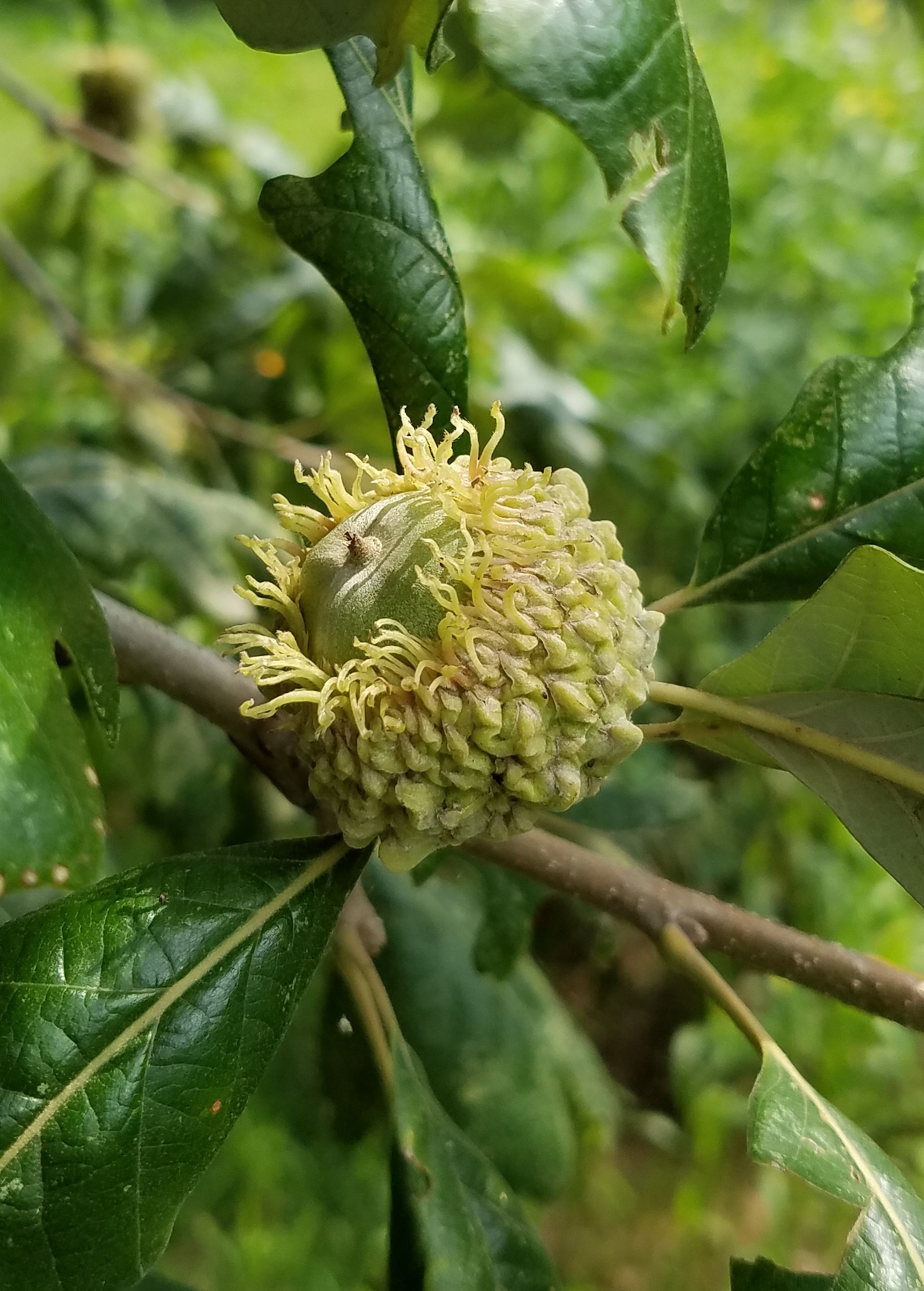
Bur Oak Acorn

Today will require an extra cup of coffee.

This week is the biannual vendor show at the home, farm and auto supply store. We’ll be short staffed today and tomorrow while associates from Iowa and Wisconsin travel to Dubuque to attend seminars and discuss products and process with our vendors.

If it’s like last year, my work queue will build up and I won’t dig out until Thanksgiving. The days will pass quickly and my aura may be colored in shades of grumpiness.

Coffee helps.

This weekend — Labor Day weekend — is the unofficial end of summer and I’m ready to glean most of the garden leaving only kale and peppers until first frost arrives in October. I secured seed garlic from one of the farms and will plant in September. The garden has been successful, the most successful in memory. It has been encouragement to plan for next year.

Saturday and Sunday I made a large pot of vegetable broth with items mostly from the ice box: kale, collards, chard, celery, three kinds of summer squash, carrots and onions. The resulting product was dark and rich.

I made rice with the broth, poured some in canning jars, and made a big batch of lentil-potato-barley soup for work lunches. I used eight or ten leeks in the soup which made it slightly sweet. Growing leeks creates a wonderful availability for the kitchen.

Last night I picked tomatoes, peppers, celery and leeks while the water bath canner came up to temperature on the stove. I ate a Red Delicious apple from the tree. It was slightly sweet and mostly starchy. It is time to begin monitoring the fruit’s progress. The pear tree is close to ripe and will be picked this week.

There is plenty of kitchen work ahead.

So begins another day in the final lap of a working life. I’m heading to the kitchen where I’ll make a second pot of coffee before work. The hot beverage doesn’t resolve our challenges. It makes them more tolerable.

Categories
Environment Kitchen Garden

Hurricane Weekend

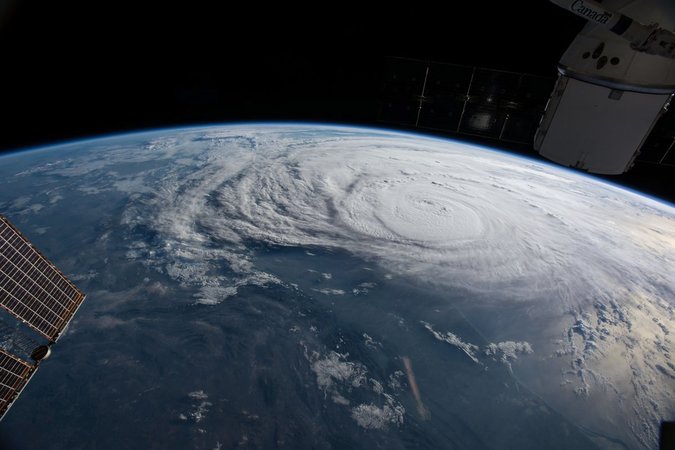
Hurricane Harvey from the International Space Station on Aug. 25, 2017. Photo Credit – NASA European Pressphoto Agency

Rain tapped the bedroom window this morning on the fringe of Hurricane Harvey.

It was a reminder of our connection to the oceans. They are absorbing heat from the atmosphere on a planet experiencing some of its warmest days in living memory. A warmer atmosphere holds more moisture and the result is intense storms like the Category 4 Hurricane Harvey.

In Iowa we adapt easily to hurricanes because of our distance from the coast. Needed rain benefits our gardens and farms. It recharges our surface aquifers. As the weather pattern moved over it seemed normal, not as devastating as it was when Harvey made landfall in Texas Friday afternoon.

Overcast skies and a slight rain depressed attendance at the orchard on Saturday. There were enough visitors to keep busy, especially in the afternoon when the sun came out. Sales seemed steady if light.

One of my favorite August apples is Red Gravenstein, a Danish cultivar. It was introduced to western North America in the early 19th century, according to Wikipedia, perhaps by Russian fur traders, who are said to have planted a tree at Fort Ross in 1811. Red Gravenstein is tart, juicy and crisp — great for eating out of hand.

The cider mill made the first press of apples for the sales barn. The gallon and half gallon jugs sold well. Over the years I’ve come to appreciate the changing flavor of our cider as we move through the apple harvest. I bought a gallon of cider and a dozen Red Gravenstein apples at the end of my shift.

I’ve been reading recipes for tomato catsup in old community cookbooks. After reviewing a dozen or so I went to the kitchen and created this sauce from the abundance of red bell peppers and tomatoes:

Red Pepper Sauce

Ingredients

Half dozen cored and seeded red bell peppers cut in quarters
Equal amount by weight of cored tomatoes one inch dice
One cup of malt vinegar
One teaspoon salt
One tablespoon refined sugar.

Process

Pour the vinegar into a saucepan and bring to a boil.
Add tomatoes and peppers.
Add sugar and salt.
Bring back to a boil and cook for 10-20 minutes until the vegetables are soft.

Strain the mixture. Retain the liquid to use as vinegar in salad dressings.
Run the vegetable mixture through a food mill and either serve immediately or bottle and refrigerate.

Recipe notes

To make a thicker sauce, either reduce it in the saucepan or add tomato paste.
I used malt vinegar because it was on hand. Absent malt vinegar I’d use homemade apple cider vinegar.

Categories
Living in Society Social Commentary

Low Wage Grind

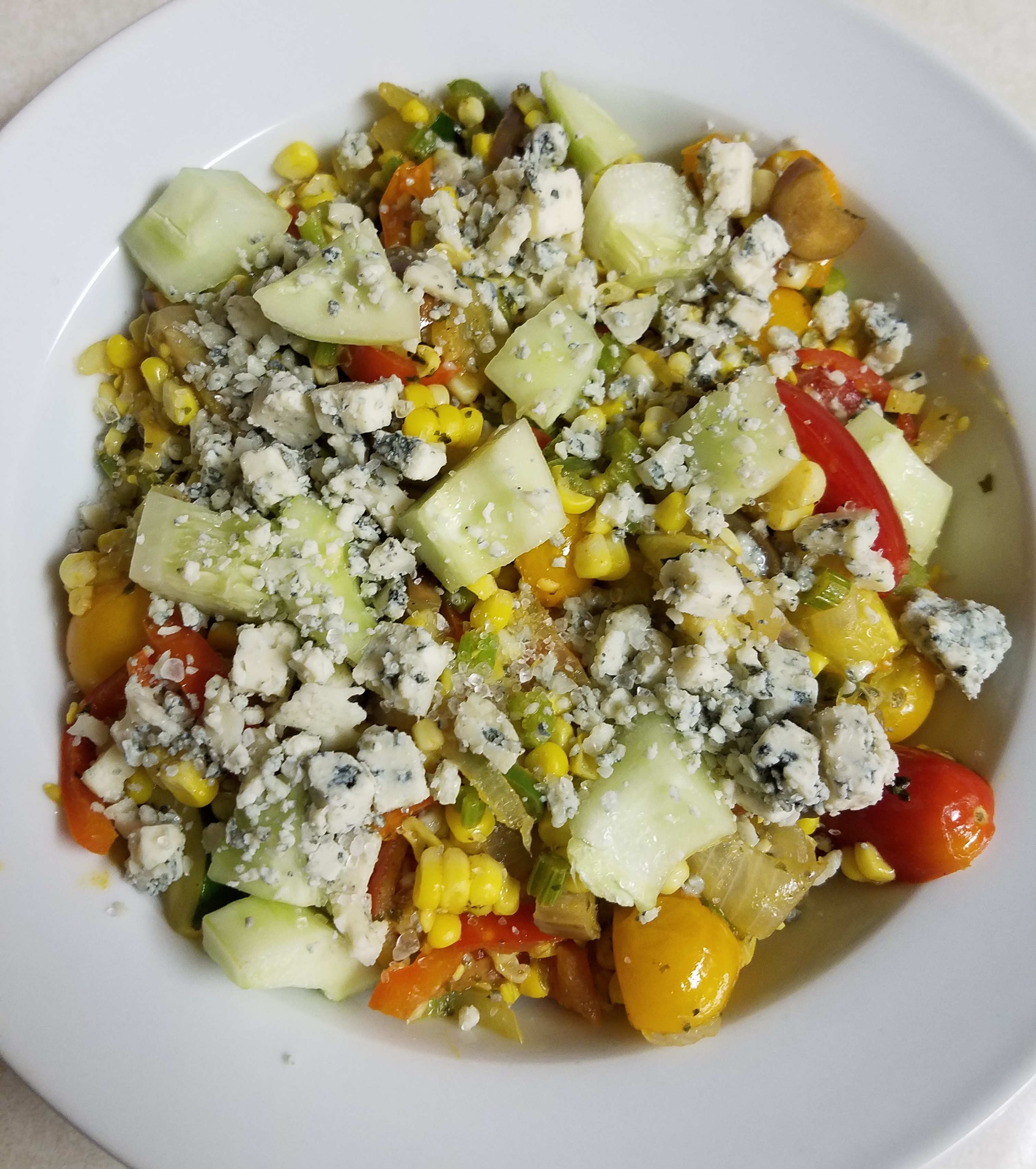
Gardener’s Breakfast

A co-worker asked if I needed to borrow another water bath canner to survive the season.

This year’s abundance of vegetables has been stunning. There is a lot to preserve including apples, pears, celery, peppers and a couple dozen pints of tomatoes.

I said no.

By the time I get home from a shift — either at the home, farm and auto supply store or the orchard — and start in the kitchen, I’ve found barely enough time to prep seven containers for a water bath batch. Although it seems like a second canner would increase production, the most time-consuming home canning work is done before turning on the stove. At best, we can only capture a part of seasonal abundance in jars. A second canner doesn’t resolve the issues created by low wage work and the time it absorbs in our days.

Canning Soup and Jalapeno Peppers

Being a low wage worker is an economic grind. One knows there will never be enough money to pay for what we need. Financial friction wears us down. Avoiding spending on anything not related to basic survival becomes a primary focus. This may seem negative, and it’s not all good. However, it’s a life with as much potential as any I’ve experienced. That’s not saying a lot for our society.

There is dignity in work whether it is paid or not. Each jar of applesauce put up contributes to our lives. In the twilight of a career as a wage worker life changes. Youthful ambition wears down. Unpaid work becomes more important to sustainability and displaces paid work in our days. There are expenses to be paid and they shift as full retirement approaches. Figuring out how to adjust and what to emphasize in a society wanting participation is challenging. Developing resilience under the weight of social responsibilities becomes key to sustainability.

After what for him is detailed consideration, our president chose perpetual war in Afghanistan as he announced last night. Dealing with constant negative information about the 45th president has become a grind as well. While Obama chose perpetual war, there were redeeming aspects of his presidency, including a sharing of important issues. There was a sense the country was heading is a positive direction, despite his many legislative setbacks. There is none of that with President Trump. We go deeper into the grinder.

A low wage worker withdraws into a small circle of family and friends. In so doing our circle of influence shrinks on its way to irrelevance. What remains is work: low wage jobs, fixing the toilet, cooking breakfast, cleaning the house, and tending the garden. Such activities fill our days and hinder our relevance in political life. At the same time, there is work in society that needs to be done.

To work on resilience, persistence and engagement is as important as anything we do. It sustains our lives in a turbulent world.

Categories
Kitchen Garden

Work, Kitchen, Garden

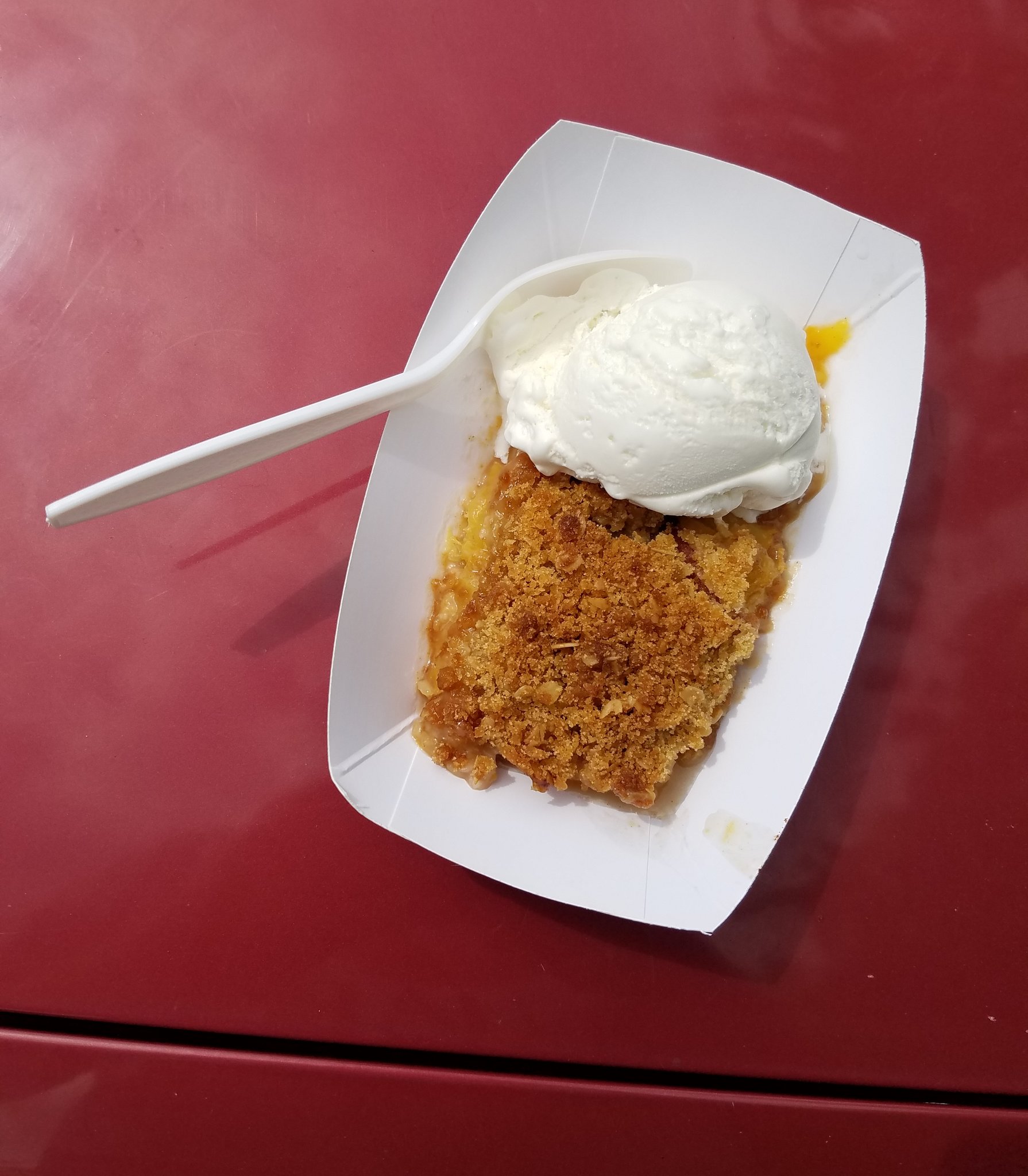
Peach Crisp at the Orchard

The text message came while I worked at the home, farm and auto supply store. I saw it on my afternoon break.

“If you want to start tomatoes there is a crate on the packing shed floor you could pick up on way home from work,” Farmer Kate texted. “I’m not home but if you need help finding them let me know.”

We barter my labor canning for her tomatoes. Ready or not, the next aspect of the local food season begins with its quick-paced rush to beat spoilage.

When I picked up the tomatoes there was also a crate of bell pepper seconds unclaimed by CSA members. A farm worker offered them and I put the crate in the back of my Subaru.

On the way hope I spotted the librarian leaving the library for her car and swung by to offer some peppers. My sister in law was at our house when I arrived home. I offered her some too. They are so sweet — unlike what’s available at the grocery store. A gift to be shared.

The garden is coming in with more apples than can be picked before they drop. Pears are almost ready, there are tomatoes, celery, hot peppers, basil and more waiting to be harvested and processed. There will be more cucumbers for pickling. Sweet corn will run another week or two at the roadside stand and we want to put some up. Every night after work and most mornings before, I’m in the garden harvesting or in the kitchen making dishes and preserving the harvest. Right now tomatoes, peppers, sweet corn and apples are in the house waiting to be processed. It’s a mad rush.

It’s also a good life. Staying busy with useful work blocks out negativity from other sectors of society. It’s cultured and produces the tangible benefits of relationships, knowledge and good food for our table and those with whom we share.

For the rest of August and September, it’s work, kitchen, garden for me.

Categories
Living in Society Social Commentary

Connections to Virginia

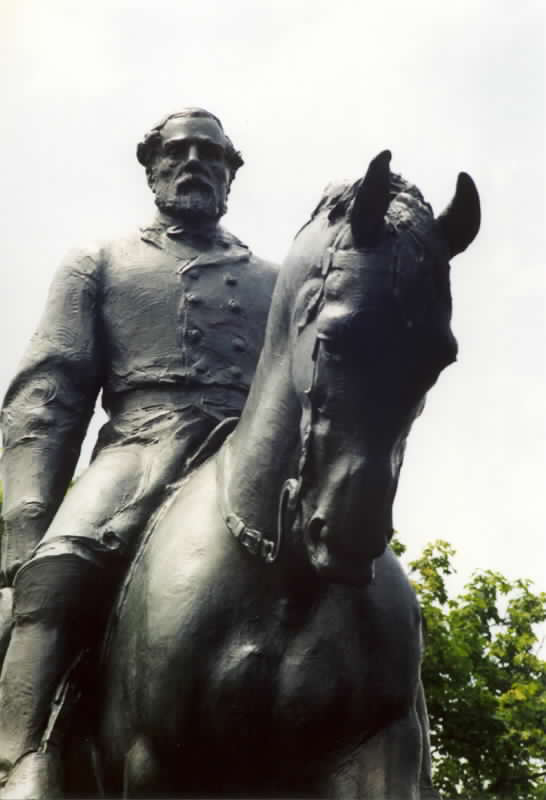
Statue of Robert E. Lee, Charlottesville, Virginia. Photo Credit – Leo Lentill, Wikimedia Commons

I was stationed at Robert E. Lee Barracks in Mainz-Gonsenheim, Germany during my military service as an infantry officer.

It seemed odd at first — that the American kaserne would be named for the commanding general of the Confederate Army of Northern Virginia — but it became background for what could be described as a politicized military presence in which drugs, domestic violence, alcoholism and prostitution — regardless of race or ethnicity — eclipsed such concerns. The post-Vietnam military was a pisser.

A descendant of Virginians, with family roots 100 years before the American Revolution, I came up learning a tolerance for the Confederacy as a way of seeking my own ethnicity. Over time I followed the advice of 1 Corinthians 13:11, King James version, “When I was a child, I spake as a child, I understood as a child, I thought as a child: but when I became a man, I put away childish things.” I now have no patience for those who would whitewash the peculiar institution that was part of antebellum Virginia.

My connections to the Old Dominion, now  Commonwealth, have been numerous. In light of this weekend’s violent confrontation in Charlottesville, one comes to mind.

I met and worked with Virginian Mike Signer who came to Iowa to work on the John Edwards presidential campaign before the 2008 Iowa caucus. Later I worked on his campaign for lieutenant governor, canvassing a Virginia call list from a restaurant on the Iowa City pedmall. He lost that election but went on to become mayor of Charlottesville, Virginia where a statue of Robert E. Lee is the center of controversy that precipitated violence and at least three deaths over the weekend. Here’s his statement on Friday’s events:

I have seen tonight the images of torches on the Grounds of the University of Virginia. When I think of torches, I want to think of the Statue of Liberty. When I think of candelight, I want to think of prayer vigils. Today, in 2017, we are instead seeing a cowardly parade of hatred, bigotry, racism, and intolerance march down the lawns of the architect of our Bill of Rights. Everyone has a right under the First Amendment to express their opinion peaceably, so here’s mine: not only as the Mayor of Charlottesville, but as a UVA faculty member and alumnus, I am beyond disgusted by this unsanctioned and despicable display of visual intimidation on a college campus.

Racism stained our country indelibly. It continues to define us, as evidenced in Charlottesville. There are no “sides” to this conflict just an emerging realization this is not about remembrances of who led the Confederate Army of Northern Virginia during the Civil War. It’s about paying attention to racism in society and taking steps to confront it in our daily lives. That is easier said than done. In Iowa there is plenty of this work to be done.