INDEPENDENCE— Friday was a mini-retreat from paid jobs as I drove support for a small team of riders on the Register’s Annual Great Bike Ride Across Iowa (RAGBRAI). The first ride was Aug. 26 through 31, 1973, when people got whatever bike was in the garage tuned up and headed to the Missouri River for what was to become an annual event with thousands of riders on more expensive bicycles.
The day began at 4 a.m., and I arrived to pick up my team in Waterloo around 6:30 a.m. We waited and watched weather radar maps for a couple of hours until the storms passed. Rain held back Friday’s morning start, but in the end, it was a great day for being outside, and in Iowa.
The support driver drops the riders off at the day’s starting point, which was in Waverly. We met in Sumner for lunch, and then I drove to Independence to pick them up. I was also on standby should something happen to one of our riders.
I spent a few hours at the public libraries in Sumner and Independence, and then sat on the front steps of the U.S. Post Office watching riders pass, and waiting for my team to finish for the day. It was time to do something different and get away.
We ended at a church spaghetti supper put on for the riders. It is a big deal for non-profits when RAGBRAI comes to town, and riders seek to carb up for the next day’s ride. After dropping the team at the motel, I headed home, making it back after 9 p.m. It was a long, thoughtful day.
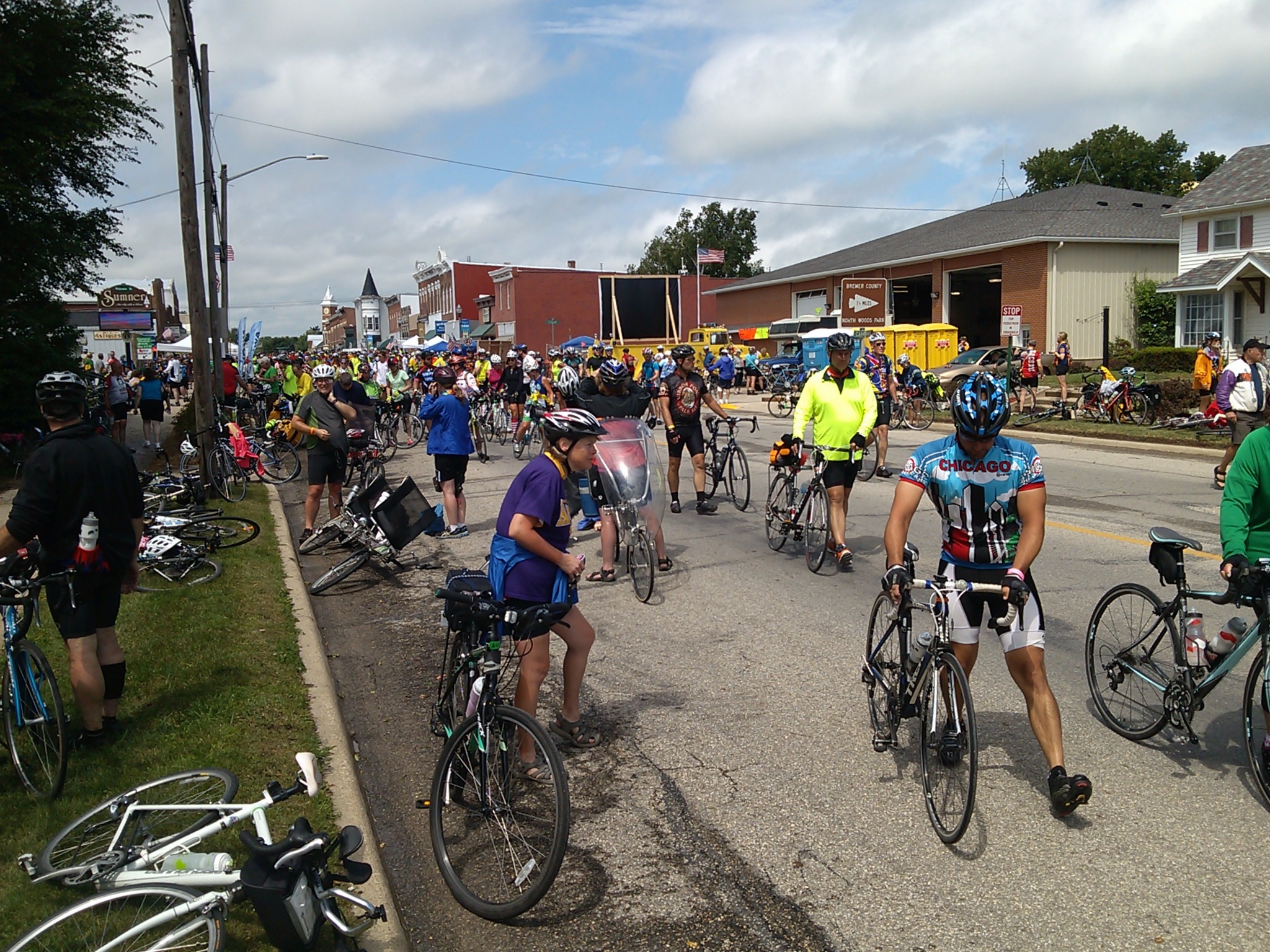
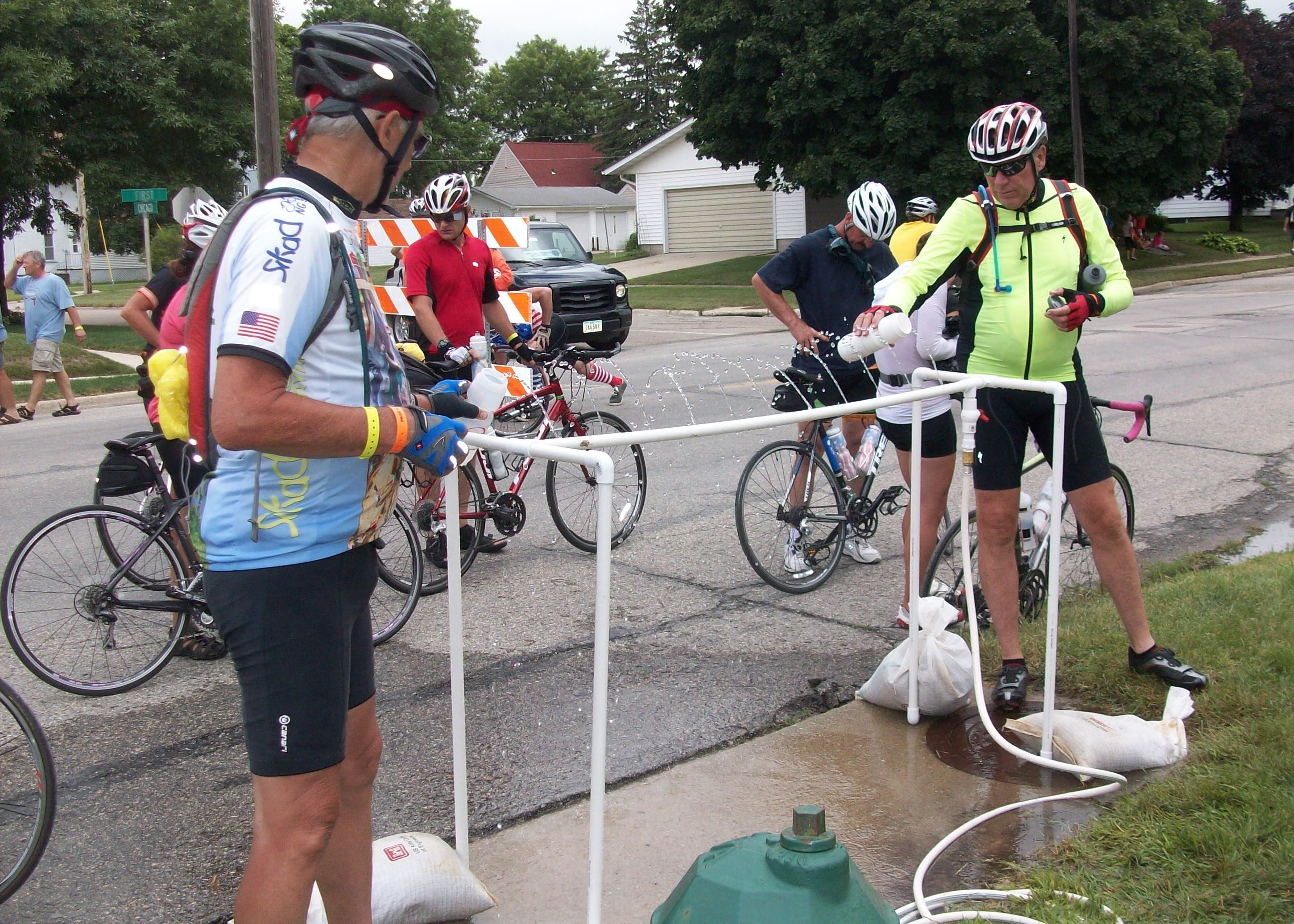
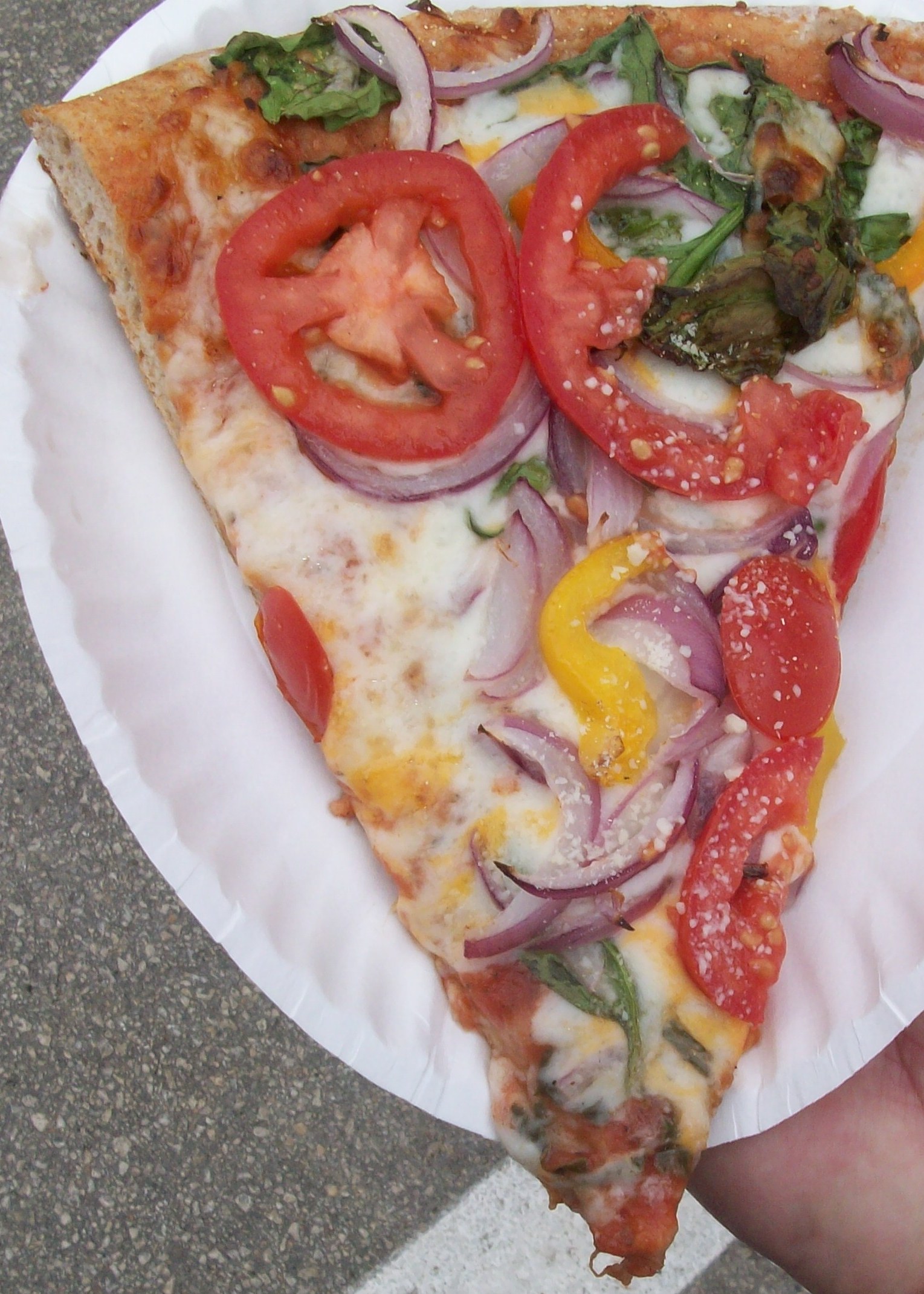
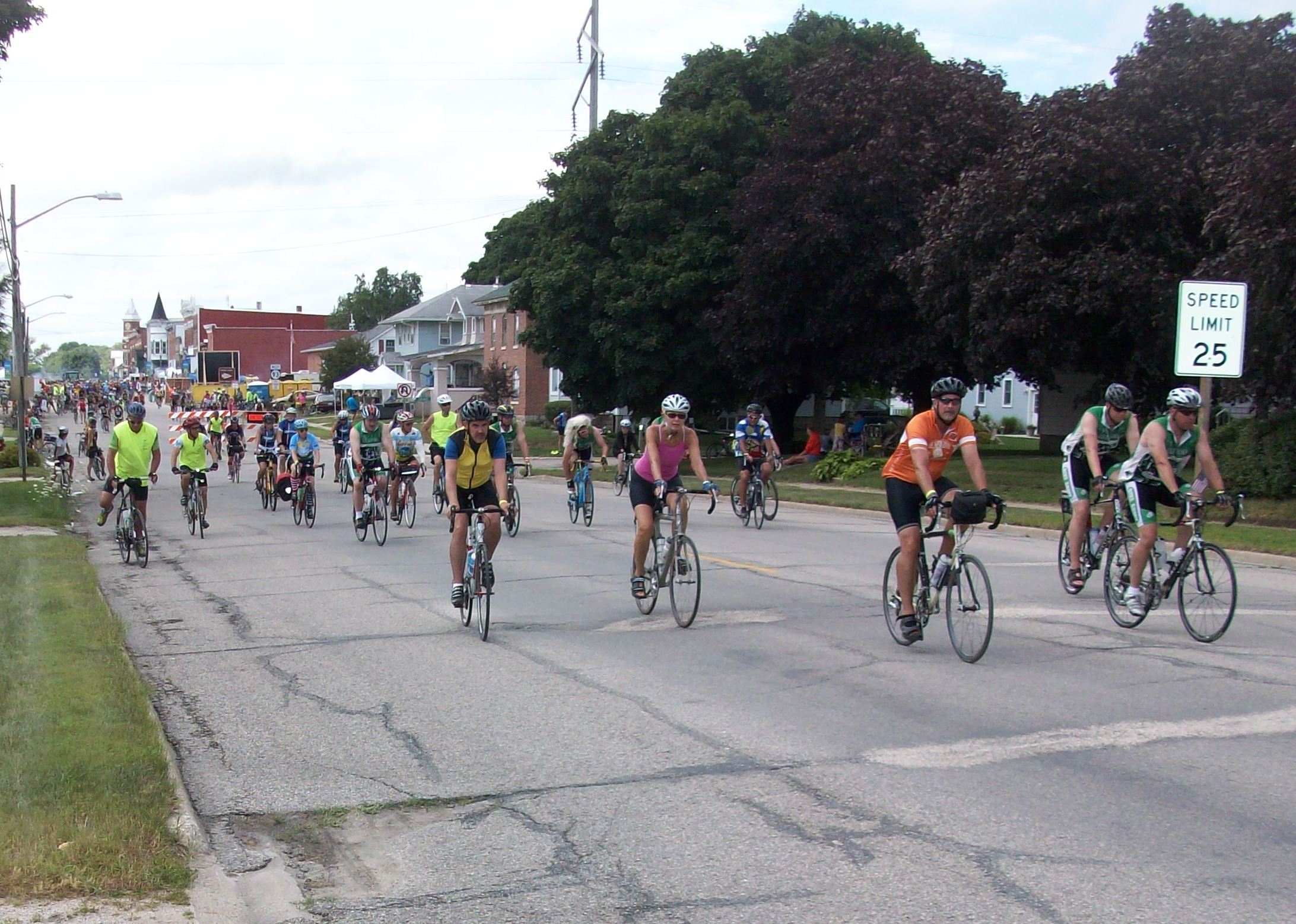
Here are some photos from the rest stop in Sumner, where we had lunch.
Meetup at the Post OfficeStreet Scene at SumnerLetsche’s Bike Shop Airs TiresFilling Water Bottles from a HydrantOn Main StreetStreet Pizza MakersPolitical Pizza ServerVeggie Slice at SumnerLeaving Sumner
If one didn’t think the U.S. discussion of climate change was political, think again. U.S. Rep. David McKinley (R-West Virginia), added an amendment to a House appropriations bill to fund the Department of Energy and the U.S. Army Corps of Engineers that would prohibit the two agencies from using funds that would “design, implement, administer or carry out specified assessments regarding climate change.”
Another way to put it, from McKinley’s perspective, is if you don’t like science, ban it.
House Republicans took exception to the Department of Defense addressing the recommendations of the National Climate Assessment, and have added two agencies whose work is directly related to mitigating the effects of extreme weather to their list.
The floor debate captured the essence of the politics of climate change:
“Spending precious resources to pursue a dubious climate change agenda compromises our clean-energy research and America’s infrastructure,” McKinley said on the House floor. “Congress should not be spending money pursuing ideologically driven experiments.”
Speaking against the amendment, Rep. Marcy Kaptur (D-Ohio) said it disregards the research of the overwhelming majority of climate scientists.
“The Republicans, in general, don’t seem to trust the scientists,” Kaptur said. “This amendment requires the Department of Energy to assume that carbon pollution isn’t harmful and that climate change won’t cost a thing. That’s nothing but a fantasy.”
What next? Click here to read the rest of David Gutman’s coverage of this story in the Charleston, West Virginia Gazette.
And consider that June 2014 was the hottest month on record since records have been collected. Politicians like McKinley would deny the reality of human contributions toward global warming at the same time climate data released from the National Climatic Data Center of the National Oceanic and Atmospheric Administration, found that the worldwide average temperature over land and sea in June 2014 was 1.3 degrees Fahrenheit hotter than the 20th century average of 59.9 degrees. That is reality.
People seeking scientific proof of anthropogenic global climate change are barking up the wrong tree. The goal of science, if unlike McKinley, we accept science, is not to prove, but to explain aspects of the natural world.
Around 1850, physicist John Tyndall discovered that carbon dioxide traps heat in our atmosphere, producing the greenhouse effect, which enables all of creation as we know it to live on Earth.
Carbon dioxide increased as a percentage of our atmosphere since Tyndall’s time at the beginning of the Industrial Revolution. As a result, Earth’s average temperature increased by 1.5 degrees Fahrenheit.
The disturbance of the global carbon cycle and related increase in carbon dioxide concentrations in the atmosphere is identifiably anthropogenic because of the isotope signature of atmospheric carbon dioxide.
We can also observe the effects of global warming in worldwide glacier retreat, declining Arctic ice sheets, sea level rise, warming oceans, ocean acidification, and increased intensity of weather events.
It is no wonder almost all of climate scientists and all of the national academies of science in the world agree climate change is real, it is happening now, it’s caused by humans, and is cause for immediate action before it is too late.
Politicians like McKinley don’t get it, and advocate against reality. That’s nothing new for some members of the Republican Party.
LAKE MACBRIDE— When the ditch in front of our house dried enough to run the lawn tractor through, it was a sign that dry conditions were returning to Big Grove. 140th Street remains flooded, but most of the other roads in the county are passable. After an exceptionally wet and pleasant spring and early summer, the hot, humid weather has returned and we need rain.
Forcing myself outside, away from kitchen work, I pulled weeds from very dry soil before the day got too hot. I watered the vegetables, hoping dew and rain later in the week will nourish them— will be watering again before nightfall.
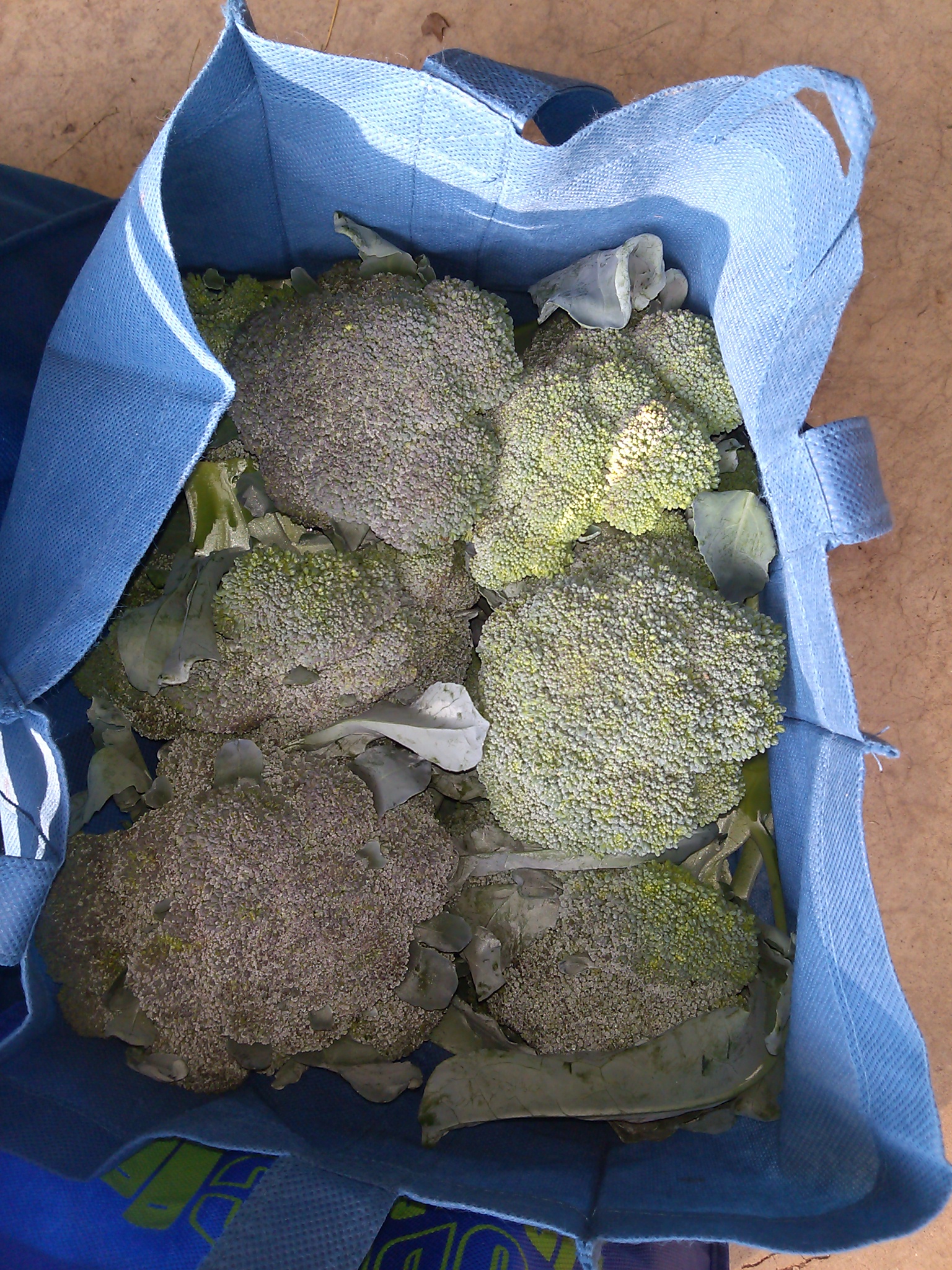
Broccoli Closeup
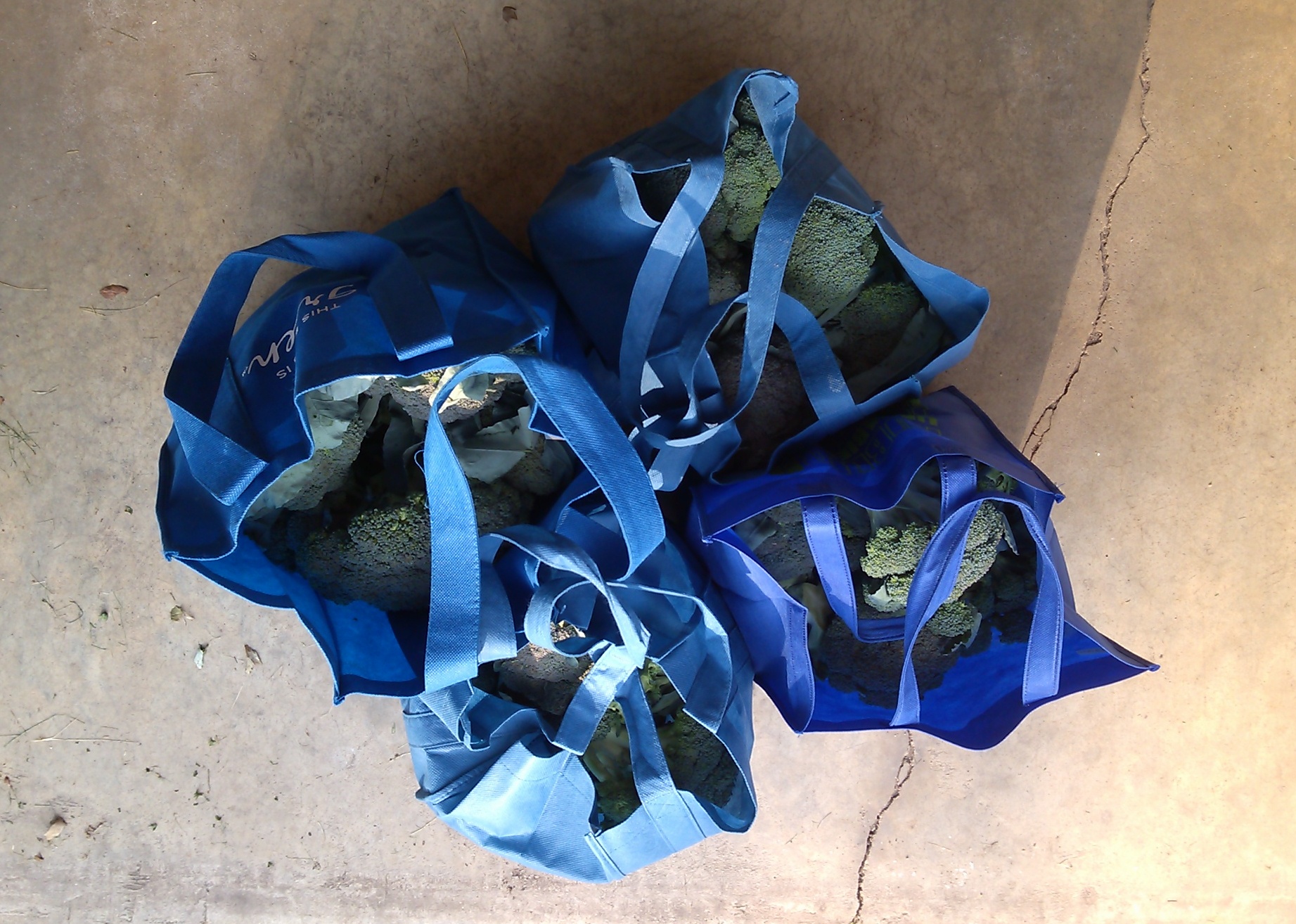
The last 24 hours has been what local food enthusiasts live for— securing broccoli for the winter, blanching and freezing it. It is work, with these outcomes: the best heads were kept fresh to cook later in the week; some of the best looking florets ever are processed and freezing; stems will be converted to soup, which then will be canned for later use; the freezer is getting a thorough cleaning of last year’s produce to make room, some of them going into the aforementioned soup; frozen rhubarb will be converted to sauce and canned; blueberries? Who knew?; and finally, vegetables that were frozen and are now coming in fresh will be composted.
Last night and today’s work is positive in so many ways.
That said, would it be better to buy frozen broccoli from the store during winter? When one lives close to the means of production, the answer is an emphatic no.
A small group of local, long-time political activists met last week with one of the 80 or so paid organizers for the Coordinated Campaign of the Iowa Democratic Party. Electing Bruce Braley as Iowa’s next U.S. Senator was at the top of our to-do list.
We don’t see each other often, but share the experience of working on election campaigns over many cycles. We know what it would mean if power in the U.S. Senate switched from Democratic to Republican leadership. If it’s up to us, that won’t happen, and each person at the meeting was willing to invest resources of time, money and thoughtful participation toward electing Braley to the U.S. Senate.
What does that mean in 2014?
It means participating in canvasses organized by paid staff, attending candidate and party-sponsored events when our schedule permits, and writing checks to campaigns when we have resources. That’s only part of the picture. Increasingly, it’s a small part.
More than anything, modern political campaigns require each of us be engaged in a community, without regard for political affiliation, and do things that make sense to advance our views. In rural communities especially, the human landscape of society doesn’t change enough from one election cycle to the next to pretend neighbors and friends don’t remember what was said in a letter to the editor, or at an event the last cycle. This persistence of memory can be a blessing and a curse in political campaigns.
Campaigns send a lot of requests for political donations, almost none of which get acted upon. The rationale is a variation on a theme that the numbers justify them. That is, if a request is sent to 10,000 people, there will be a financial return. This cycle, I am hearing more about Charles and David Koch, The Heritage Foundation and political action committees than ever. Campaigns keep sending the messages reinforcing a negativity that is hard to ignore.
At the grassroots, people understand the difference between a political action committee and a candidate, and at the end of the day, when there is an extra $25 in the checking account, a donation will go to a candidate, not a third party. Plenty of folks feel that way.
The summer’s string of parades, picnics, car races, music concerts, annual gatherings and county fairs is only just beginning, and political candidates are attending. We don’t put a lot of stock in what a particular candidate may say at an event, but there is an unspoken expectation they will show up in person from time to time, and that through these and other presences in person and in media, we will get to know them.
The weather has been exceptionally good for outdoors gatherings, and 2014 will be a summer to remember if for no other reason than that. Politics affects our lives, but we go on living.
Summer is the time to get involved with a political campaign, so start by checking out the Iowa Democratic Party. In case you missed it, Bruce Braley could use your help as well.
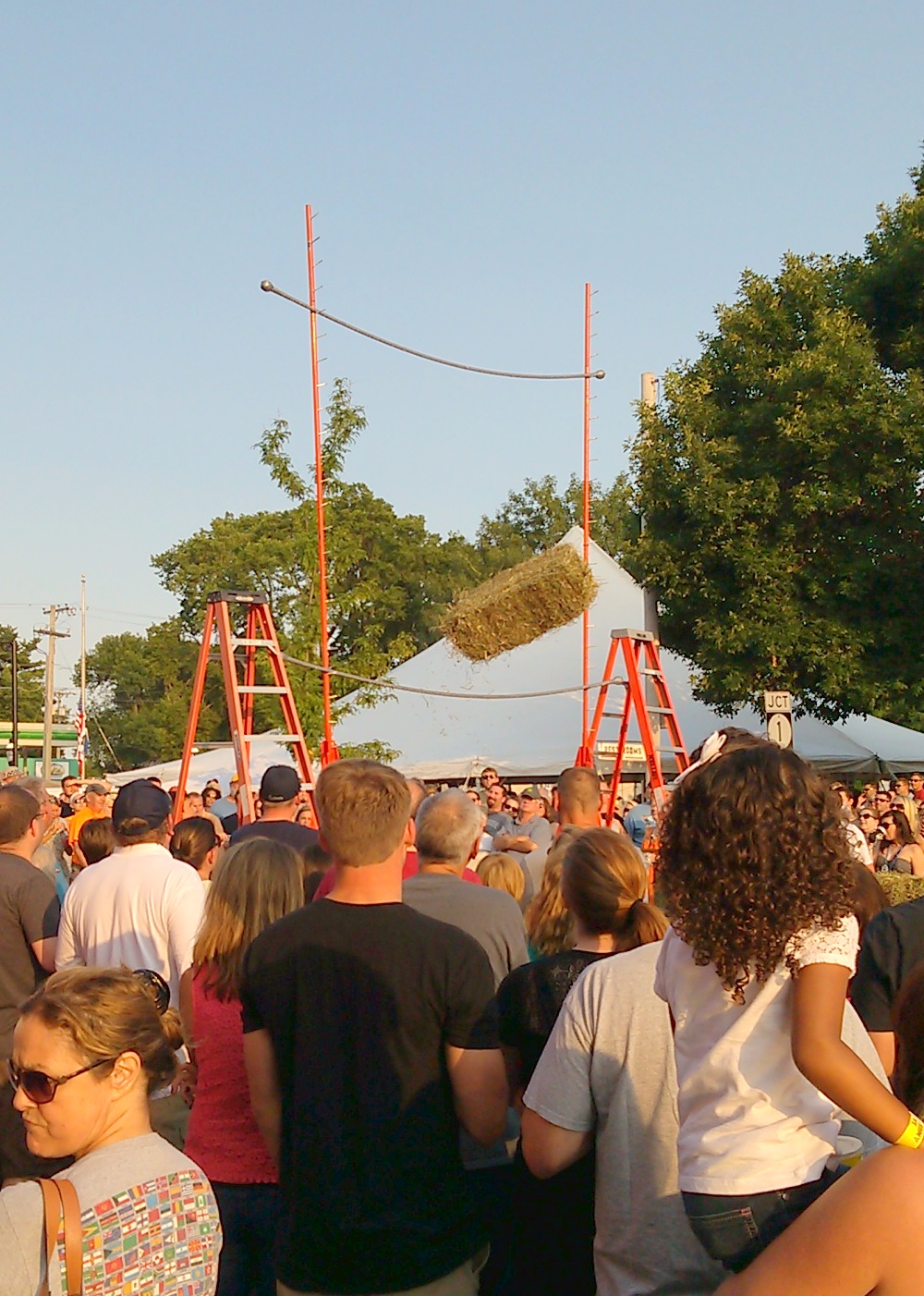
SOLON— The hay bale rises above the crowd to clear the bar. Main Street is packed for the hay bay toss— a farm-related activity in a festival put on where traditional farming, matters.
Bingo has begun, a band with a local lead singer is covering The Band Perry, and the beef and pork sandwiches are sold as quickly as the crew can make them.
The restaurants on Main Street offer specials during Beef Days, local beef, food, drinks and music, but the Cattleman’s Association is in the spotlight as the sun sets and we forget about our troubles for a while.
LAKE MACBRIDE— When I returned to my computer after breakfast yesterday it crashed, disrupting the balance of the day.
It was a good, not great breakfast, and a familiar, but unwanted technical glitch in a life on the prairie.
Breakfast was in four layers: a mixture of cooked summer squash, onions, garlic scapes, salt and pepper on the bottom. Next, kale cooked after deglazing the pan with the juice of a lime, followed by scrambled eggs, and topped with grated cheddar cheese and chopped Italian parsley. It wasn’t my best work, but it served. I write about breakfast to avoid thinking about the work ahead today.
Luckily, I backed up in the early morning of July 8, my email resides in the cloud, and my photos and sound recordings are on my devices. There is about one week’s work on documents and spreadsheets that will have to be reconstructed. It could be worse.
After a shift at the warehouse, I stopped at our local technology store and sent the laptop off to be serviced. The prognosis is not good, with talk about the motherboard. I turned from the counter, walked over a few rows, and bought a new desktop CPU for $370.
Laptops seem to last about two years, and each of the last three of them was convenient to have, but crashed at an inconvenient time. Since 2012, when we got smartphones, having a laptop no longer seems necessary as I can check email and news stories on the go without one.
Like it or not, today will be struggling to get paying work done on the computer, and re-engineering this technology dependent life on the Iowa prairie. Having been through this twice previously, I know, but hate the drill.
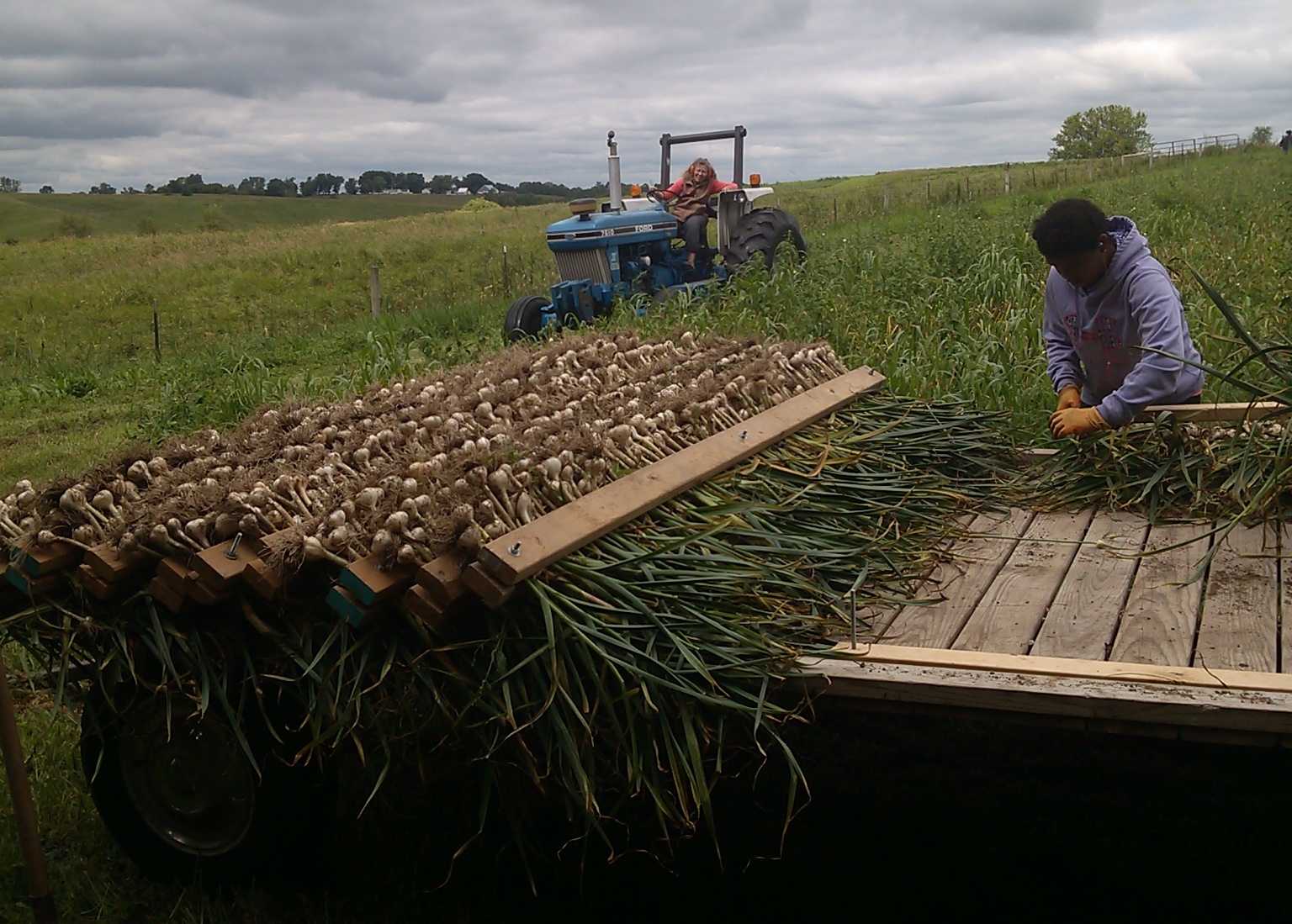
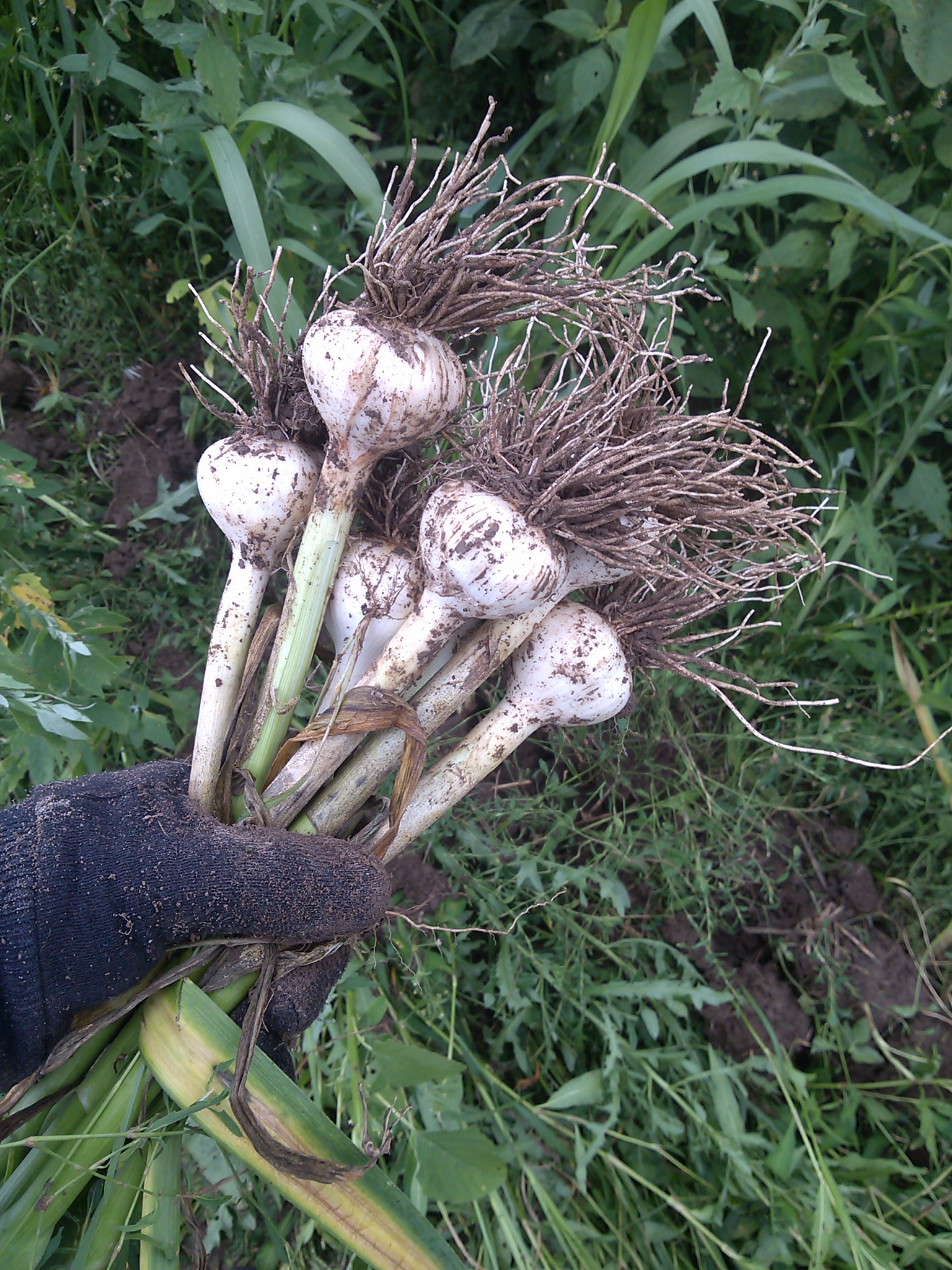
RURAL CEDAR TOWNSHIP— This week’s work at the CSA was helping with the garlic harvest. Now is the time to get it out of the field, even as a few garlic scapes linger in the ice box.
It was all hands on deck yesterday, and I did my share— in some cases picking the garlic I remember planting last fall. The crew size varied during my shift with as many as 16 workers at a time busy digging, cleaning, racking and carrying. It has now been a complete year since we had to buy garlic for our household.
Fresh Garlic
The work was not demanding, but at the end of the day, my hands were cramping uncontrollably for a while. The trouble dissipated with deep sleep, and today I feel as normal as a 60 something ever does.
It felt good to be a part of this year’s garlic harvest.
The weekly planning session from waking until 6 a.m. is critical for generating enough income to pay bills. At the same time, it enables dispersion of mental troubles— the same way night vapors become dew, and are burned off by sunlight. It would be an insane world without a plan.
That said, even the best planning fails to accommodate everything we need and want to do. Wants give way to needs, and only those needs critical to social and economic survival get a time slot on the Google calendar. While a popular belief is that we have leisure time and hobbies, in the work-a-day world of low wage labor, such things are best left to what Thorstein Veblen called the “leisure class.”
After breakfast of a three-egg omelet of local farm eggs and sharp cheddar cheese imported from England, a glass of Florida orange juice, and black coffee, it’s time to get after the week’s work.
LAKE MACBRIDE— Rain was brewing when I went outside early this morning. One could sense it in the warm, electrified air. It came and poured two inches in the garden cart left outside to get washed out. The storm winked the power a couple of times, although not long enough to stop my work on a newspaper article. In all, it was a decent, if unneeded rain.
Temperatures in June averaged 70.3° or 0.6°above normal, while precipitation totaled 9.94 inches or 4.92 inches above normal, according to state climatologist Harry Hillaker. This ranks as the 55th warmest and third wettest June among 141 years of records. The only calendar months with greater statewide precipitation averages were July 1993 (10.50”), June 2010 (10.39) and June 1947 (10.33). The rainfall isn’t done for today.
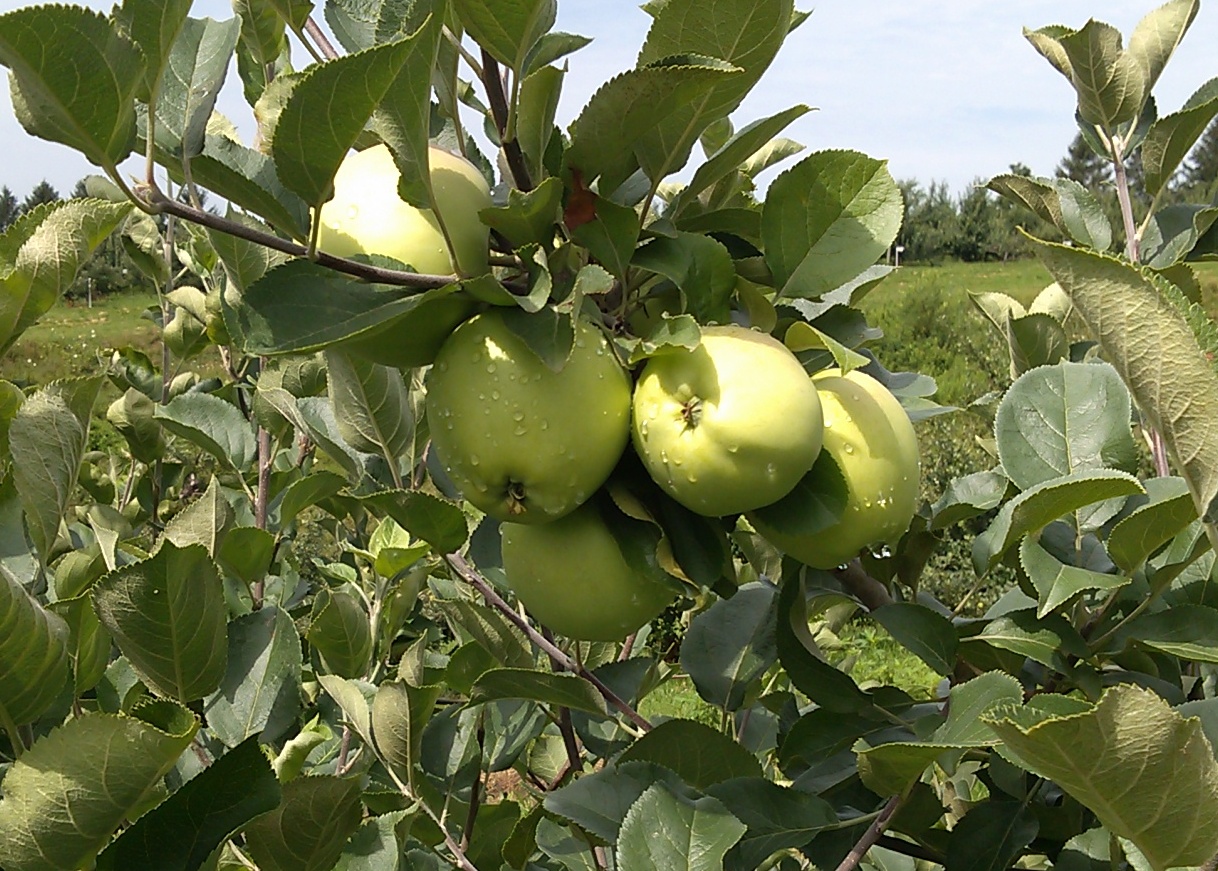
I’m taking a break between two news articles due this weekend. Cleansing the writer’s palate with new words in a different frame. The first story is filed, and the second will be before going to the orchard to confirm my work during the apple season that starts today.
It is an unusual Saturday off from the warehouse. I cancelled outdoor work because of the forecast for more rain, so besides at-home work on the newspaper and two other gigs, the day is mine. My spouse is working this afternoon, so I’ll have the house to myself much of the day.
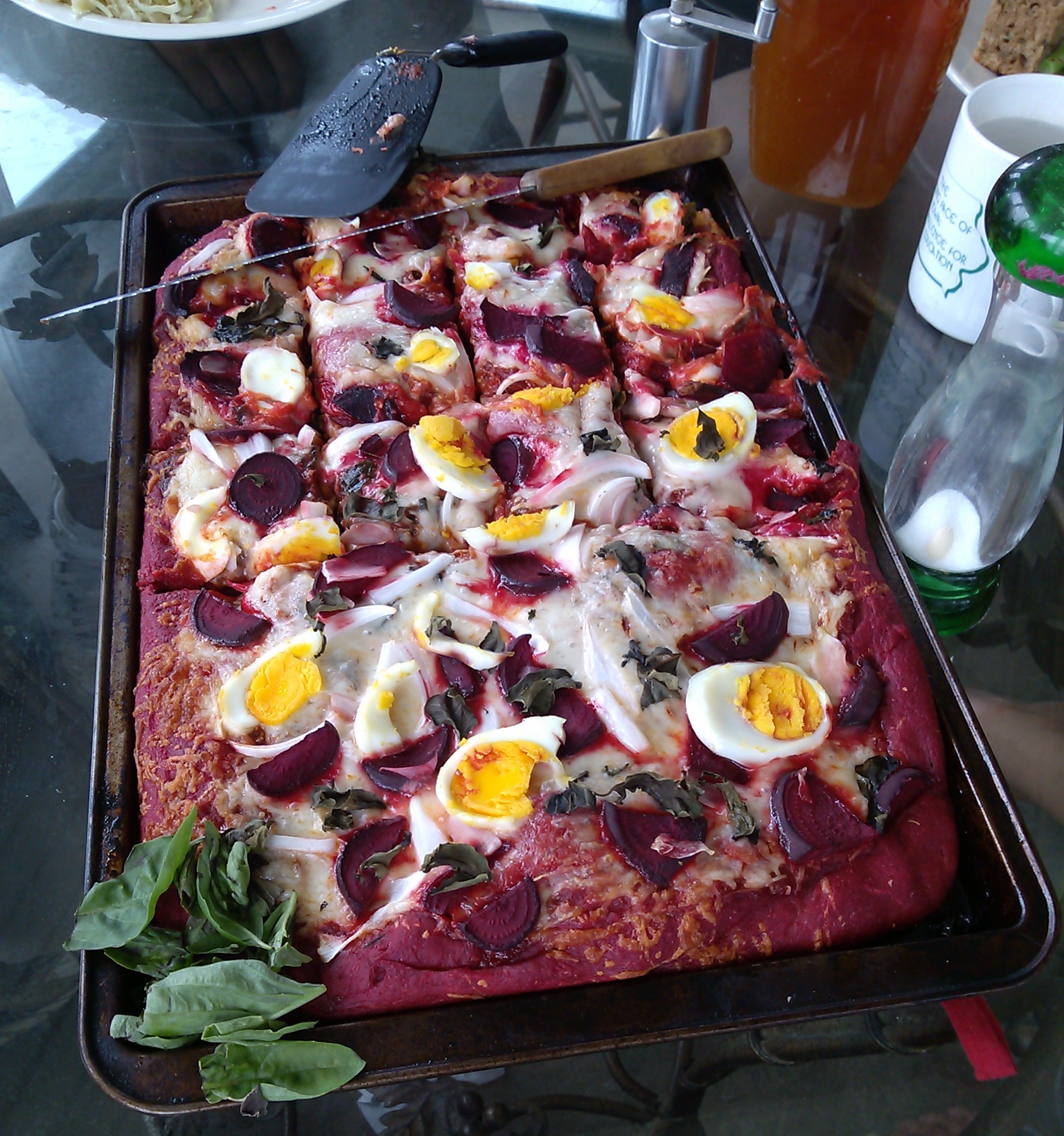
Yesterday I was invited to luncheon at the CSA. As a part time worker, I get included in special events and attend when my schedule permits. Eleven farm workers dined on pizza, coleslaw, steamed broccoli, zucchini cake and watermelon. Only a few ingredients came from off the farm. I opined that the watermelon was from Florida, but was guessing.
The pizza dough was turned red by adding beet puree. Topped with a tomato sauce, mozzarella cheese, sliced beets, onions, sliced hard-cooked eggs and basil, not only was it delicious, it was beautiful. The rest of the meal was standard, in-season local food fare, simply prepared.
I am working on a piece about Alice Waters and asked each farm worker individually if they knew who she was. Six of eleven (55 percent) did not recognize the name. On a farm where the major effort is organic, locally grown ingredients, and using them to create a specific type of cuisine, I was surprised more people had not heard of her. Waters is not as well known as some foodies might think.
A discussion of breaking vegetarianism led us down a weird conversational path. Someone said so many vegans and vegetarians break their eating habits with bacon. Most everyone at the table had some type of hog slaughtering experience, so for about 20 minutes that became our conversation.
When people live close to the means of production, the conversation seems reasonable. We covered home slaughtering of a market animal that died unexpectedly the day before shipping, working in a slaughter house, visits to confinement hog operations, a story about consumption of male hog gonads, chitterlings, lard rendering, using bacon grease in cooking, and many more topics. A porcine version of Moby Dick, if you will, told by people who know their subject.
I’m willing to bet fewer people would eat bacon if they knew where it came from.
Yesterday I transplanted celery and snipped off the leaves from the extra seedlings. It was the best tasting celery ever. We’ll see how much it produces. This morning’s rain should help.
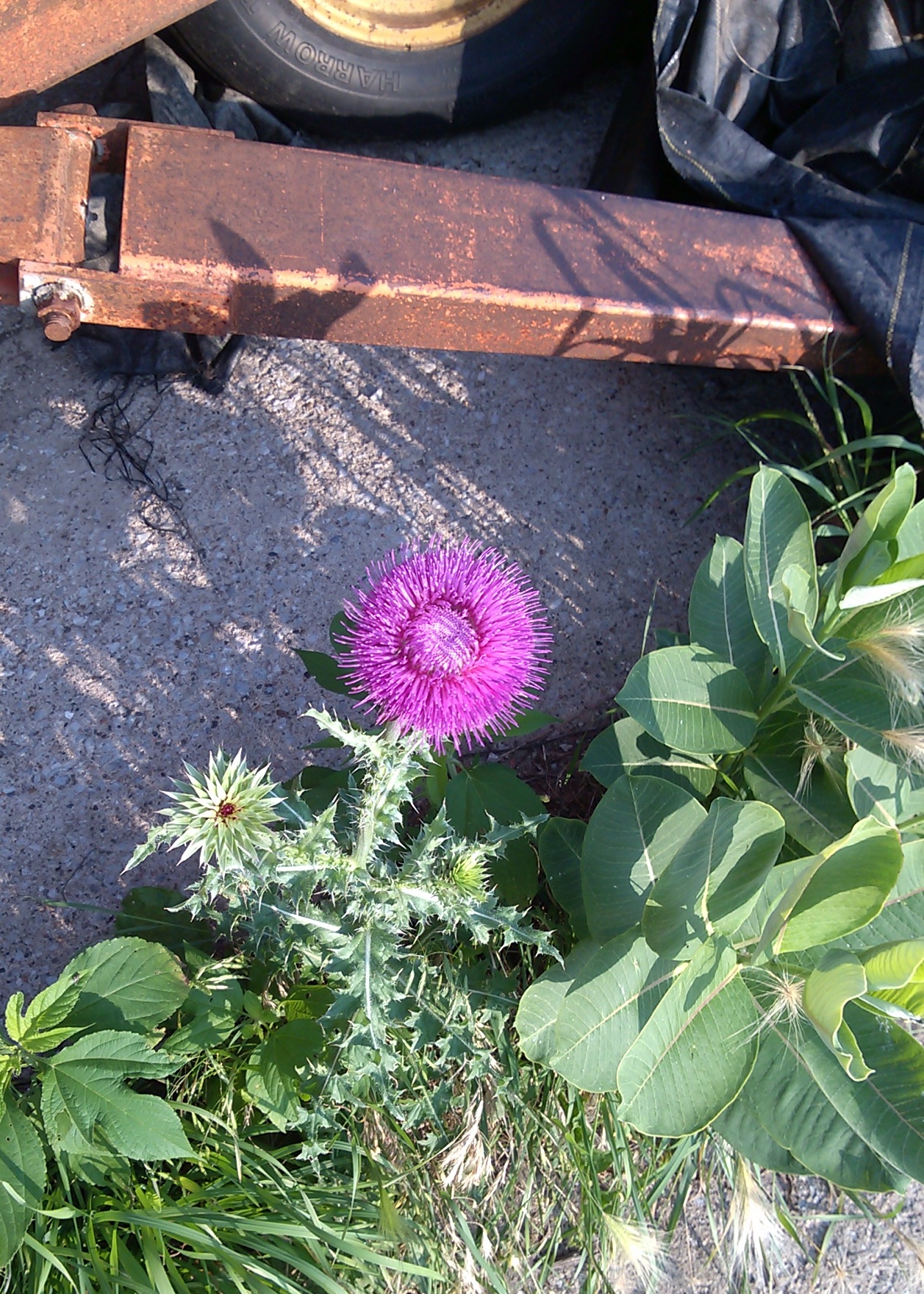
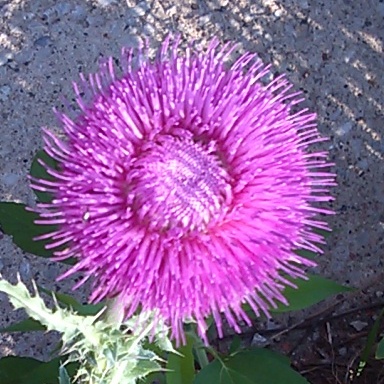
LAKE MACBRIDE— From a crack in the pavement, a thistle bloomed next to milkweed. The natural world lives in the increasingly human-made environment in which we attempt to adapt— plants, animals and people alike.
The weather report for the weekend is the return of the polar vortex, bringing rain and cool temperatures. Sun and warmth are the best help for gardens and farms, so the weekend will be a likely setback.
At the intersection of the industrial food supply chain and local cuisine I found a package of uncooked tortillas. Claiming to be “all natural,” the ingredients are recognizable— flour, water, oil, salt and sugar. The machine rolls them out thinner than I have been able to, and they cook quickly in a dry frying pan. A pack of 50 sold for $6.89, or about 14 cents each. They will be a welcome addition to the pantry for burritos, tacos, tortilla chips, quesadillas and casseroles as what I had been buying has ingredients not found in nature.
Thistle Flower
I’m busy all of the time these days, mostly with work. On a typical day, I work at three or four jobs, leaving little time for extra-curricular activities.
From time to time, it was possible to stand at the intersection of change for a while and smell the flowers. For that, I am grateful.
I am also grateful that after calculating my income for the year, it appears my federal taxes will fall in line, and that I sent enough, but not too much money into the Internal Revenue Service.







 Journey Home
You must be logged in to post a comment.