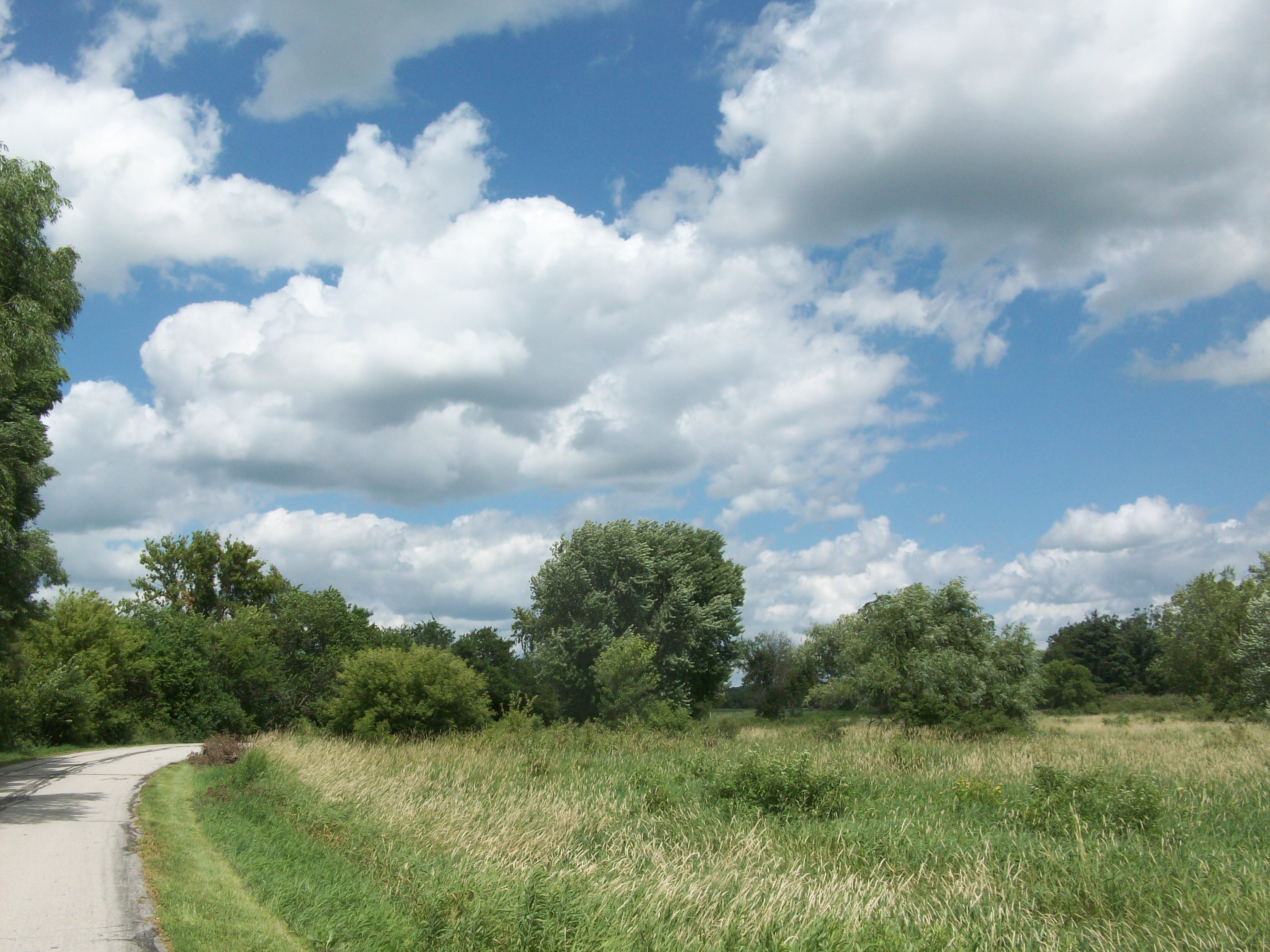
LAKE MACBRIDE– It was so nice yesterday. I went for a walk in the state park and saw a Monarch butterfly on Milkweed.
Actually, the last couple of days have been a walking tour of my busy life, settling down from the caesura that is mid-year. A rest was not in the plans, but that’s what I got after the holiday weekend. Now I am invigorated. There is a lot to do.
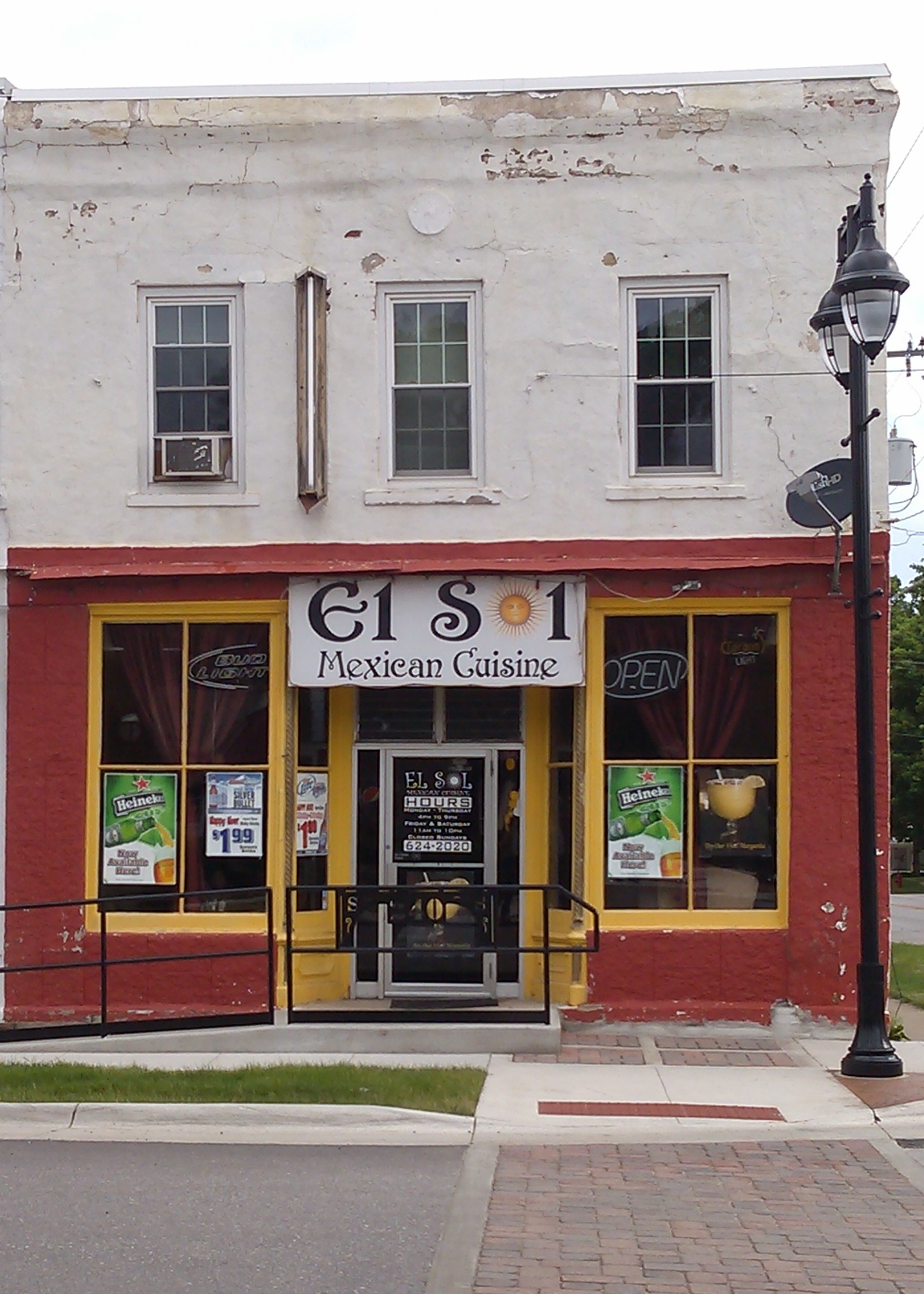
SOLON— Can a community of about 2,000 people support two Mexican Restaurants? The founders of El Sol Mexican Cuisine believe it can.
Diego Rivera (no kin to the artist) is the former owner of El Sol and a related restaurant in Mount Vernon. With his former manager, Joel Vazquez, they hope to succeed with a new venture, Frida Kahlo Mexican Restaurant and Lucy’s Bakery, in a strip mall at the edge of town.
Corner of El Sol
Frida Kahlo de Rivera, namesake of the new restaurant, was a Mexican painter, perhaps best known for her self-portraits.
“Her work has been celebrated in Mexico as emblematic of national and indigenous tradition, and by feminists for its uncompromising depiction of the female experience and form,” according to her website.
Kahlo has been described as “one of history’s grand divas… a tequila-slamming, dirty joke-telling smoker, bi-sexual that hobbled about her bohemian barrio in lavish indigenous dress and threw festive dinner parties for the likes of Leon Trotsky, poet Pablo Neruda, Nelson Rockefeller, and her on-again, off-again husband, muralist Diego Rivera.”
Too controversial a symbol for a small town? Time will tell, but most local people don’t dig that deeply.
The issue may be that the space for the new restaurant is a graveyard to a succession of culinary failures, most recently The Dock Fine Dining. The new venture will test the viability of the strip mall space, however, Nomi’s Asian Restaurant and Subway have been successful a few doors down, and this pair of entrepreneurs has been successful in town with their first Mexican restaurant.
Rivera recently returned from a trip to a culinary school in Mexico where he learned about pre-Hispanic cuisine.
“When the Spanish arrived in Mexico, the Aztecs had sophisticated agricultural techniques and an abundance of food, which was the base of their economy. It allowed them to expand an empire, bringing in tribute which consisted mostly of foods the Aztecs could not grow themselves. According to Bernardino de Sahagún, the Nahua peoples of central Mexico ate corn, beans, turkey, fish, small game, insects and a wide variety of fruits, vegetables, pulses, seeds, tubers, wild mushrooms, plants and herbs that they collected or cultivated,” according to Wikipedia.
One hopes for authentic dishes that are reflective of more than standard Mexican restaurant fare. Having witnessed the development of this pair of restauranteurs, Frida Kahlo Mexican Restaurant and Lucy’s Bakery looks promising.
Main Street in SolonDeteriorating Building FrontSoutheast Corner of Main at MarketSouthwest Corner of Main at MarketMichigan CherriesPasta SaucePasta and Cherries
LAKE MACBRIDE— The Fourth of July was as perfect a day of weather as we get. Mostly clear skies, moderate temperatures, and low humidity. I opened the garage, turned on a fan to evaporate standing water left by the rain, and spent an inordinate amount of time mowing, then re-mowing to collect grass clippings for the garden. I trimmed the edges until the batteries wore down.
At the end of the day, the garage was straightened out and my car parked inside for the first time in a couple of months. Our lawn of mixed grass and prairie plants looked as good as it gets when it was done. Summer has turned.
With the closely cropped grass, hiding places for rabbits are gone and they were lurking around near the celery seedlings. I moved the seedlings inside for the night, and hopefully the rabbits will find something other than my garden to eat now that the clover is mowed and decomposing on a garden plot.
Some of the tomato plants are four feet high and there is an abundance of flowers. The prospects for a crop are good. Canning jars are at the ready.
I hung my old American flag from the garage door frame. It is getting faded after more than 35 years of service. A new one that flew over the U.S. Capitol is available, but I don’t want to re-drill the holes in the frame to accommodate it’s larger dimensions. Like me, the old flag will serve.
What’s next?
It’s time to break out a copy of The Great Gatsby and read it again now that summer has turned. Then what?
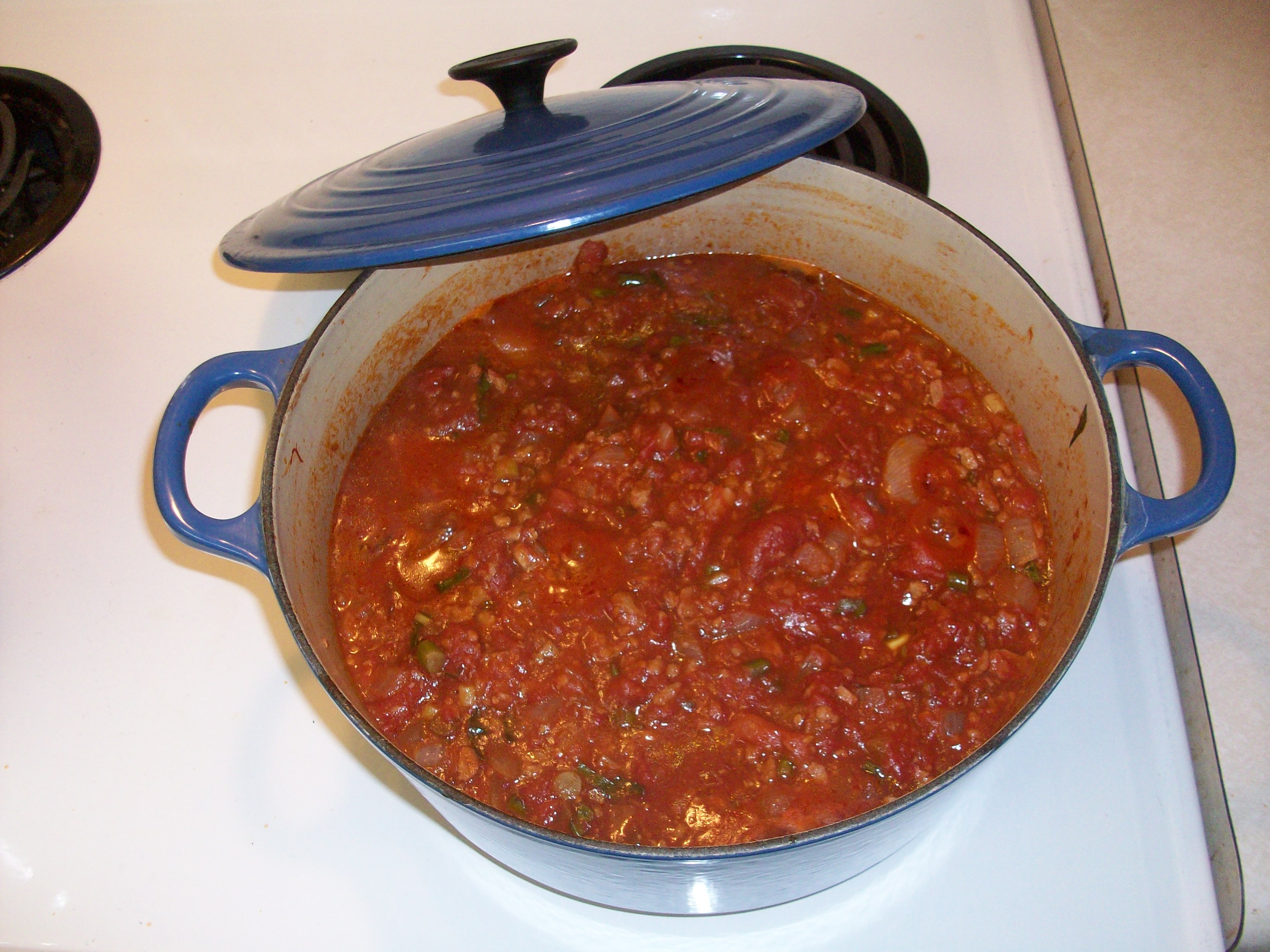
Fresh basil is in from the farm, putting a tomato-based pasta sauce in the kitchen queue. To be made with basil, garlic scapes, farm onions and whole canned tomatoes from last year. A little salt, and maybe some fresh oregano from our garden. Add a side salad, and there is dinner— for one night, and maybe leftovers for tomorrow.
But this is not really a plan. It is living in the present, which for now will have to do.
LAKE MACBRIDE— Five years ago today I drove out of the parking lot of CRST International in Cedar Rapids from a long career of transportation work into the unknown. There is no going back, nor would I. There is only forward.
Today, we have friends and family, food to eat, a home in which to live, and other accoutrements of modern life. We are doing okay. Compared to many, we are doing great. If the U.S. is not the greatest country on Earth, it is one of the greatest, at least according to a poll released today. That’s okay too.
Tomorrow the clevis and cotter pins bought at the hardware store will be installed on the grass collection attachment to the tractor. I will cut the full lawn to length for the first time this year. The garden is way behind, so I will abandon what isn’t planted and prepare the ground for the second growth of green beans, even though the first planting didn’t occur because things were so far behind.
Tomorrow will also be a culling of activities according to the Sumitomo model. Some of the barter work is nearing its end, some of it needs to go to make room for paid work. Contacts will be made about that.
Mostly, tomorrow will be a brief chance to examine who I am through tired eyes, and wonder at how we have survived in a turbulent world.
Then next steps, which will involve a chain saw and work in a pasture in sunlight.
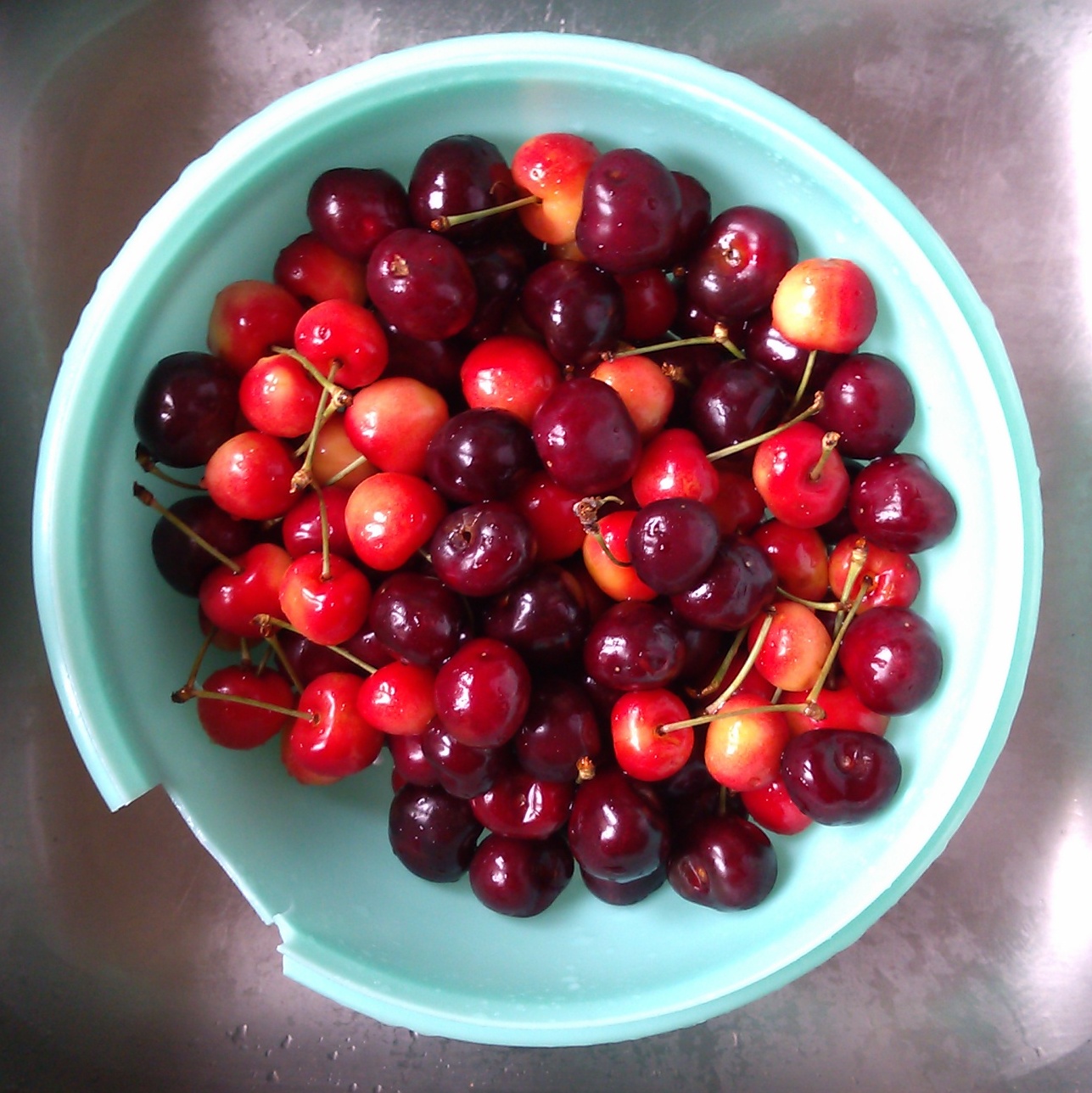
One of my part time jobs is working at an orchard for a family with kin in Michigan. Hence, cherries, blueberries and the like find their way to our table. The arrival in Iowa of cherries this weekend marks the beginning of the fresh fruit season and a chance to upgrade from rhubarb. In another week or so there will be early apples and Missouri peaches shouldn’t be far behind. In the cycle of local food seasons it is a welcome turning point.
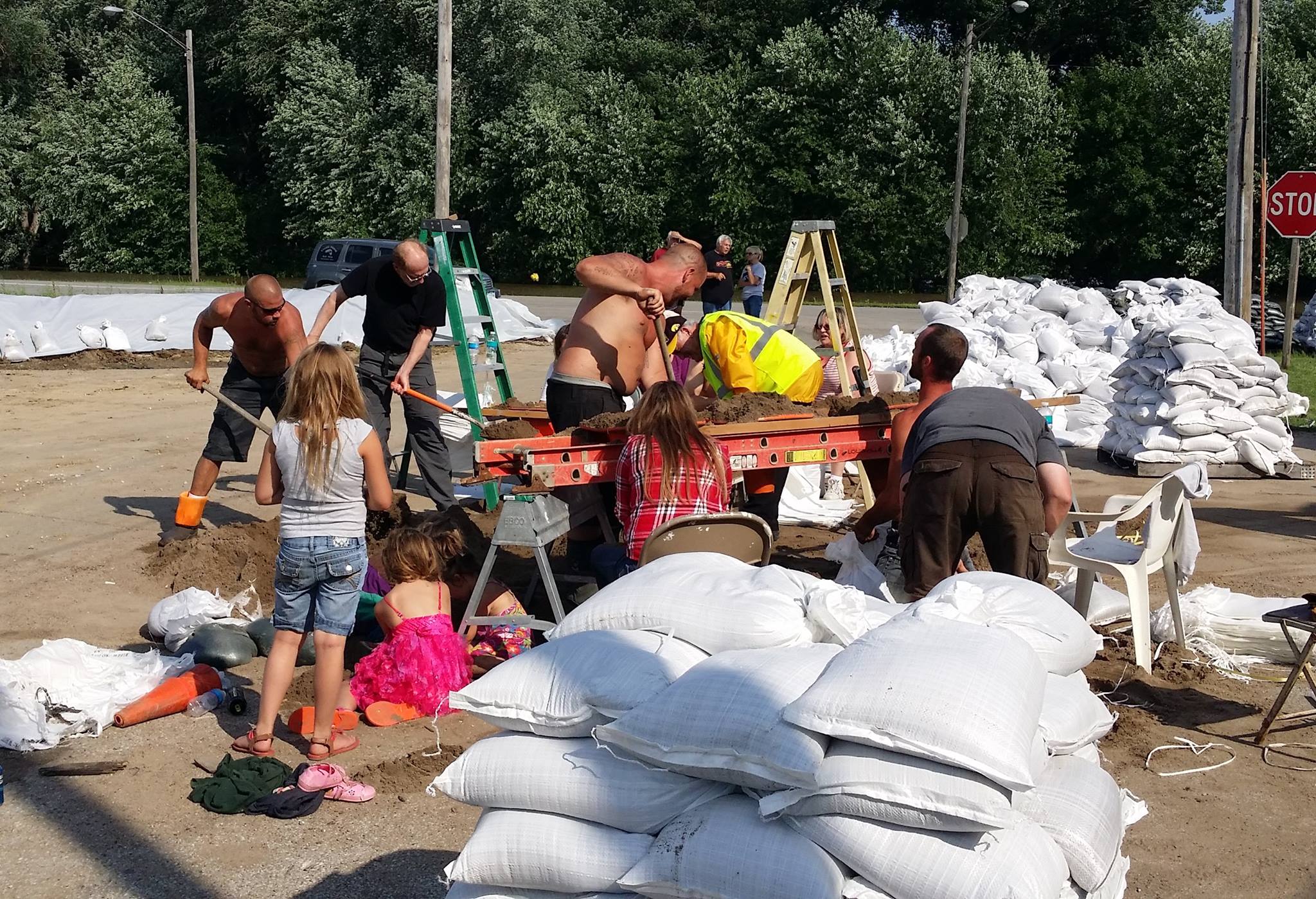
LAKE MACBRIDE— It’s June and Credit Island on the Mississippi River is expected to flood. Our U.S. Congressman was there yesterday to fill sandbags as part of an effort to prevent damage. Thing is, Credit Island has been flooding for as long as I can remember, and likely always will. People with businesses there should be used to it by now.
Part of the War of 1812 was fought on Credit Island, but I remember it more for the very flat golf course where my father, friends and I played from time to time. We would stop to hit a few balls into the river on the back nine.
Sandbagging on Credit Island
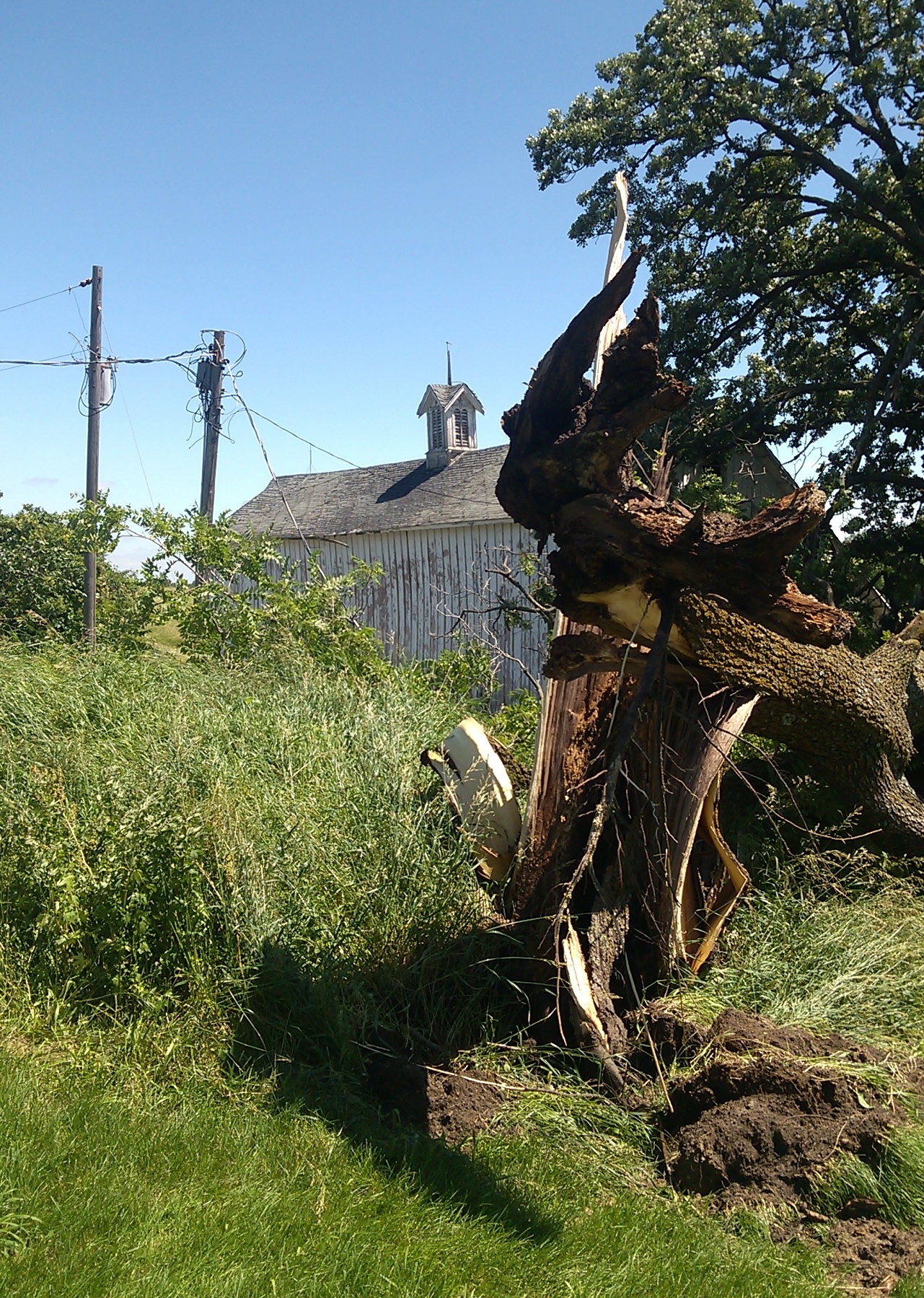
Our CSA had an old walnut tree knocked over by the storms. It rests on the electrical wire, waiting for the electric company to come turn off the juice so the tree can be chainsawed and removed from the main entryway.
The report isn’t published yet, but the state climatologist said yesterday that Iowa had its third highest June rainfall since record keeping began. What was bad about the recent storms was their intensity— made worse by our changing climate.
Locally there was not much damage. Last year’s extreme storms took out the weak trees and shrubs, so besides straightening a few tomato cages, there was little work to do in the yard. The rain is feeding a jungle that needs mowing soon.
Conditions look perfect for getting outside. Something one hopes to do soon.
LAKE MACBRIDE— In a perfect world, friends would come over and we’d share vodka, zakuski and conversation for an evening.
Even though we have a bottle of Stolichnaya Vodka purchased in the 1980s in the basement (an inch or so has evaporated), and the fixings for a dozen or more little plates in the refrigerator and pantry, getting intoxicated by sweet, sour and savory hors d’oeuvres following shots of vodka is not going to happen.
Yet I imagine—damn you frontal lobe, your machinations and your dreams.
But there it is. In chilled small shot glasses, a dose of vodka followed by a homemade multigrain cracker spread with pesto.
An interlude of conversation while the next course is prepared.
A shot of vodka, and a small plate of beets and daikon radishes pickled with jalapeno peppers. More conversation.
A shot of vodka, and a tiny ceramic cup with rhubarb crisp. More conversation and a slight buzzing sensation.
A shot of vodka. A mixture of Kalamata olives, pickled chard stems and capers, served on small plates from the thrift store. And so it would go.
Except it’s not going to happen. The toll of vodka would be too much, though the conversation and releasing of inhibitions tempting. Who in today’s consumer society pays a visit to chat with zakuski? If our doorbell rings at all, it is a canvasser, not friends seeking to share tales of our lives on the Iowa prairie.
The world outside is of fallen trees and washed out ditches from last night’s extreme weather, part of a bleak day with multi-colored sky.
At a political event in town last night, about a fourth of the attendees cancelled due to the weather.
Trees were down all around the lake. Mill Creek rose up out of its banks.
“Our giant old walnut tree came down in the storm taking my farm’s main power line with it as well as my yard light pole,” came the report from our CSA. “The amazing thing is we still have power but until REC gets out here to shut off the power we have live wires on our driveway and the tree is blocking our road. Given the size of the tree I suspect it will take us several days to get the driveway cleared.”
Two trays of seedlings for the garden blew over, leaving work to salvage them this morning—the least of problems in a storm-wrecked world.
One dreams of zakuski, and lives in the material world with its fallen trees, blocked roads and disruptions, seldom stopping for the human possibilities dreams create.
It’s time to spread the pesto on plain toast and get on with the day.
The three spring months of March, April and May averaged 45.5° or 2.8° below normal while precipitation totaled 8.82 inches or 1.40 inches less than normal. This ranks as the 32nd coolest and 68th driest spring among 142 years of record. This season was uneventful compared to the two previous springs with 2012 setting a record for warmest spring and 2013 being the wettest on record.
Plants in the garden, including weeds, seem to be thriving, despite the news.
Turnips
With the recently referenced turnip harvest, it became time to make summer soup. Here are some basic directions, however soup doesn’t have many rules, so readers should feel free to add what’s fresh, going bad and available.
Peel and slice a bowl of spring turnips into 1/8-inch rounds and place into the bottom of a Dutch oven. Pour a quart jar of soup stock on top and turn the heat to high.
Peel and cut two large carrots into rounds, dice a stalk of celery and an onion and add them to the pot.
Roughly chop cooking greens and add.
Drain and wash one can prepared black beans, and add.
When the liquid comes to a boil, add a quarter cup pearled barley. Add dried chervil leaf, dried bell peppers and three bay leaves. Salt and pepper to taste.
Add a quart of canned tomato juice and more soup stock to cover.
After coming to a boil, reduce the heat to a slow simmer and put the lid on, stirring occasionally.








 Journey Home
You must be logged in to post a comment.