Categories
Living in Society

Vegetable Prices Jump

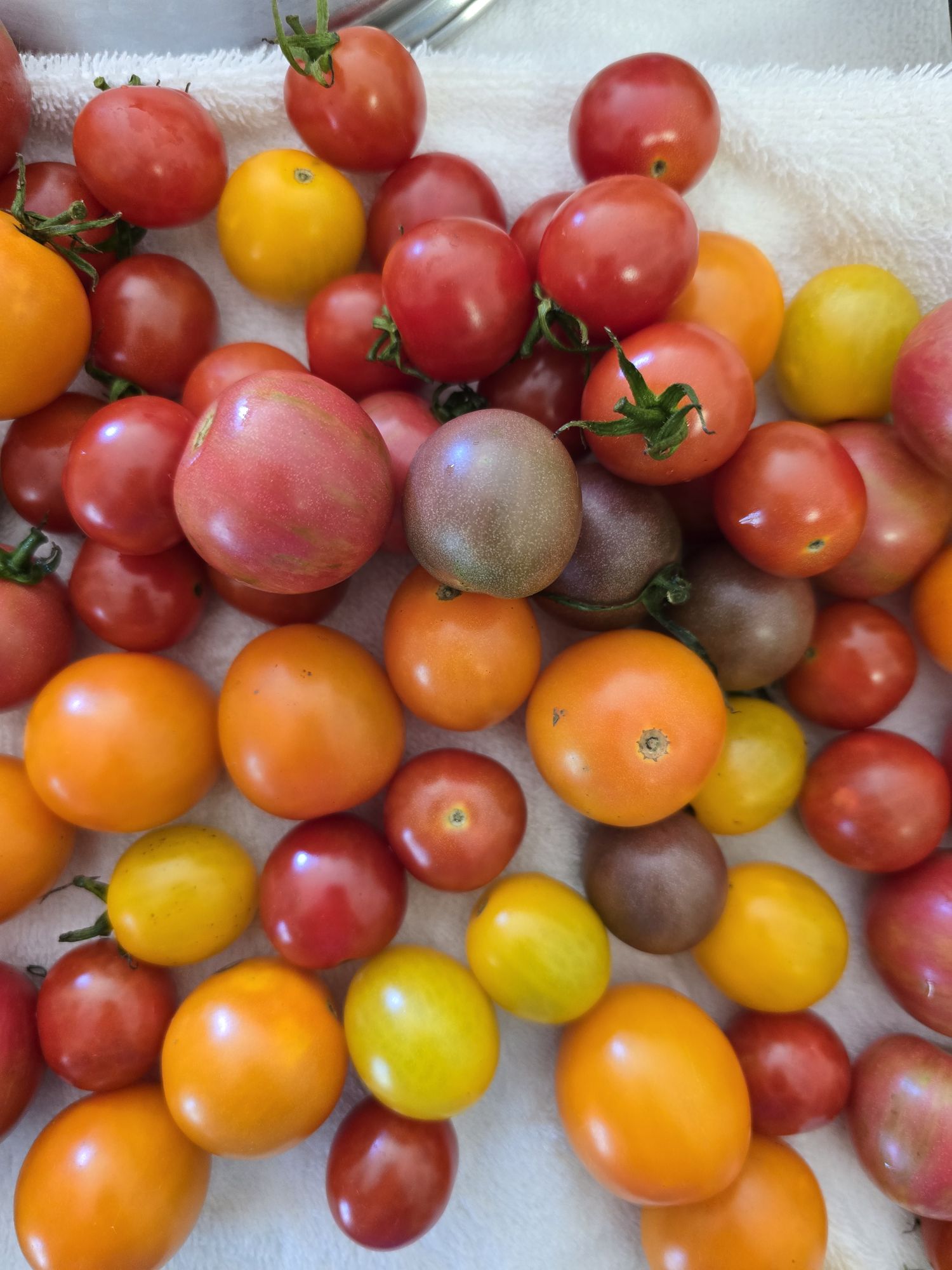
Cherry tomatoes picked Aug. 14, 2025.

When a person grows a garden they don’t think much about the price of vegetables at the grocer. All the same, when the Producer Price Index for fresh and dry vegetables jumped by 38.9 percent in July, everyone should stand up and take notice.

“The increase is the biggest one-month move for a summer month in almost a century,” according to NBC senior business correspondent Christine Roman. Why? Unpredictable weather, including drought. The ongoing roundup and deportation of immigrant agricultural workers. Tariffs on food. It is a commonplace that margins in the grocery business are thin. These disruptions in the process that produces our food have and will cause a price increase for consumers as wholesale purchasers pass through some or all of their additional expenses.

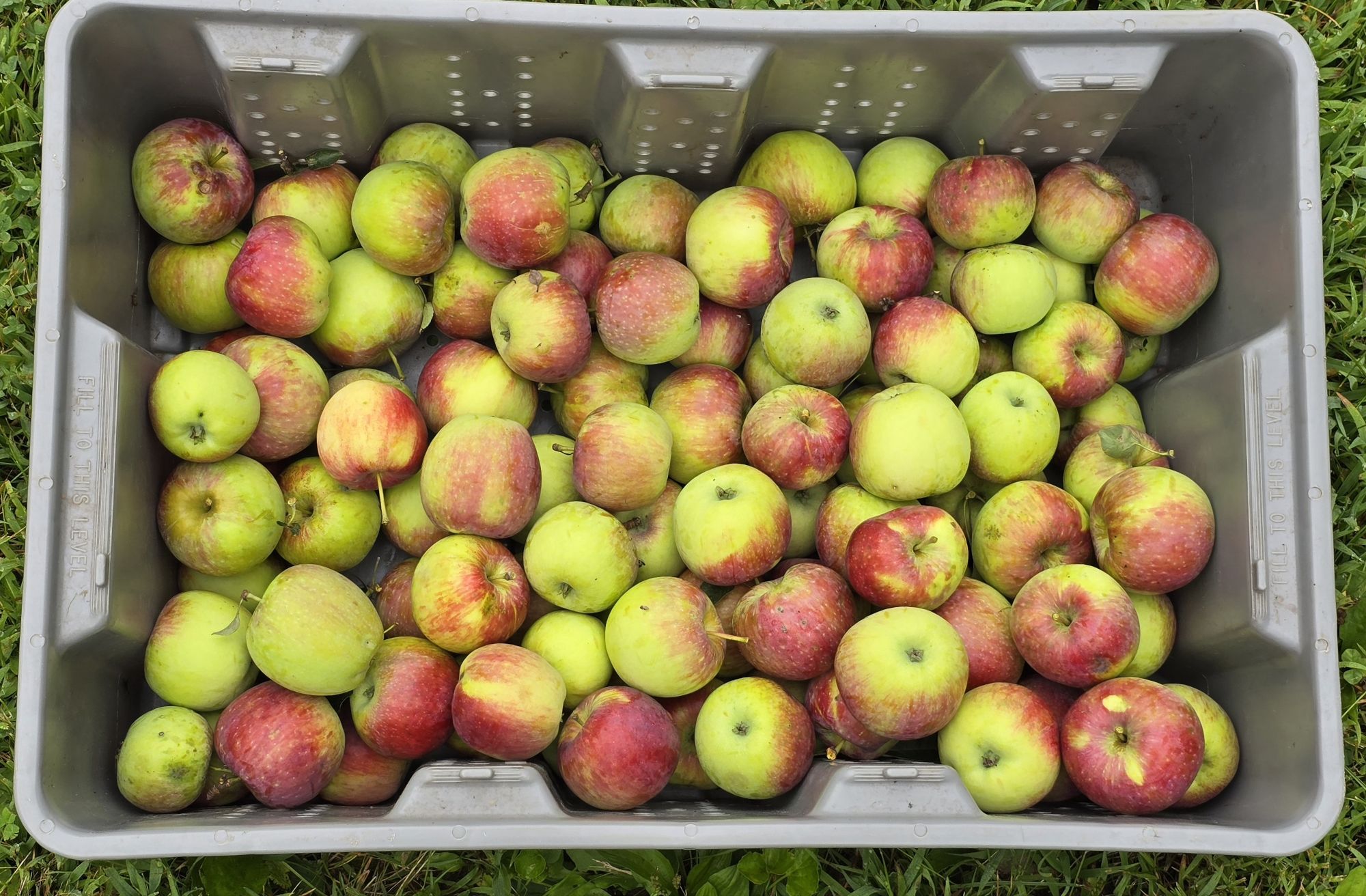
When I return from the garden with a tub of tomatoes, apples, or greens, I have forgotten how much I spent on the seeds, supplies and equipment to produce it. I looked at my spreadsheet and found it was $921, thus far in 2025 for the entire operation, including the repair bill for my John Deere. Is it a bargain? That question is out of the scope of my gardening. Learning to produce a year’s worth of garlic is a skill that is hard to price. I generate my own seed garlic, so there is almost no financial cost to produce it. Sweat equity is also difficult to price.

The increase in the Producer Price Index for vegetables is a bellwether for other things going on in the economy. Climate conditions, labor, and tariffs will impact pricing on items other than food. The conclusion to be drawn here is everyone should begin conserving resources if they haven’t already. I doubt this once in a century price increase is the last, and we will need every dollar we can squeeze from our budgets. Hear of belt-tightening? Feel lucky you still have a belt.

For now, the refrigerator and freezer are full. The pantry is as well stocked as it has ever been. Produce continues to grow in the garden and will continue until the first hard frost. I knew living on a fixed income would be challenging. I just wish our government would take its knee off our throat, back off, and give us space to breathe.
Categories
Creative Life

Friday Gallery

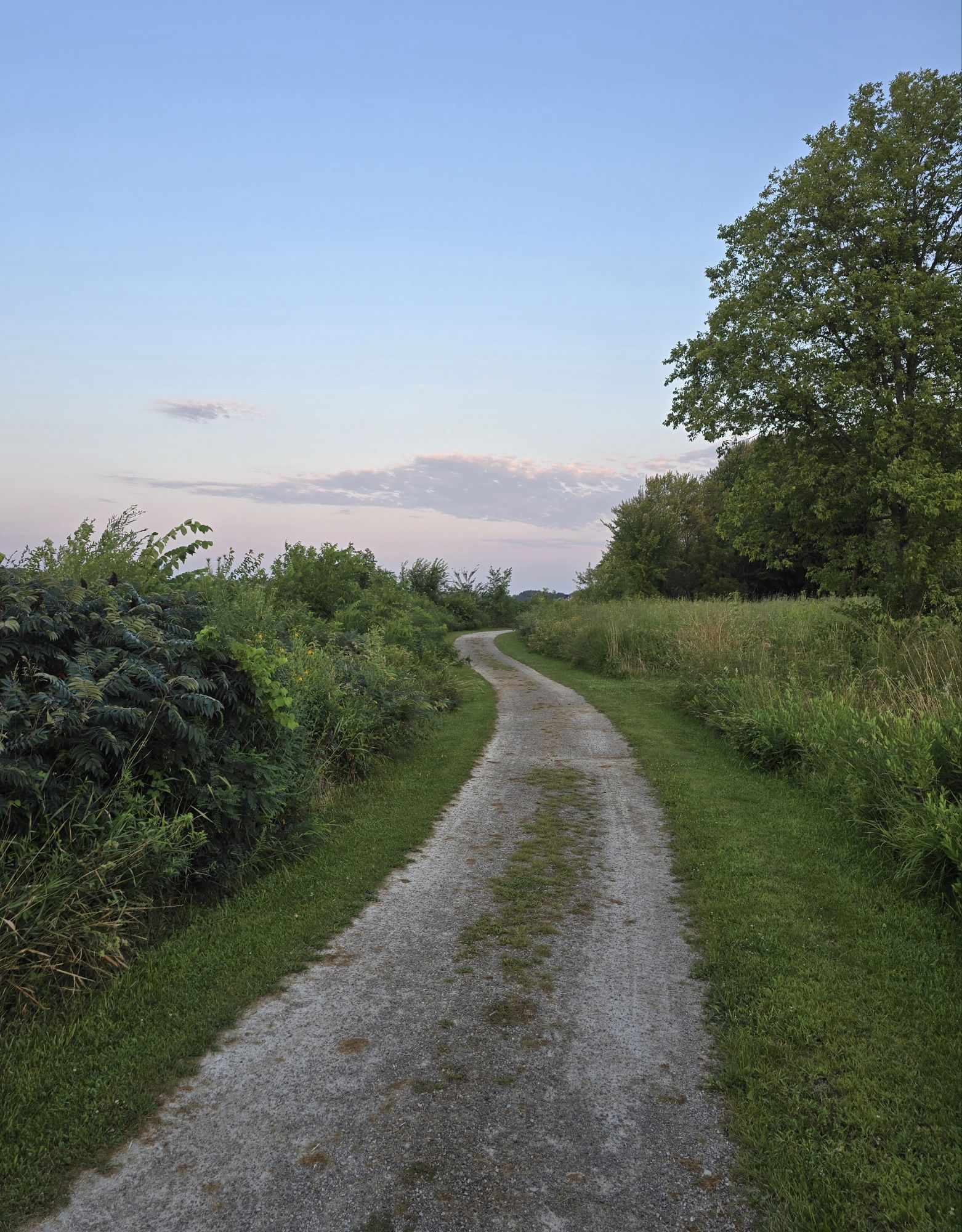
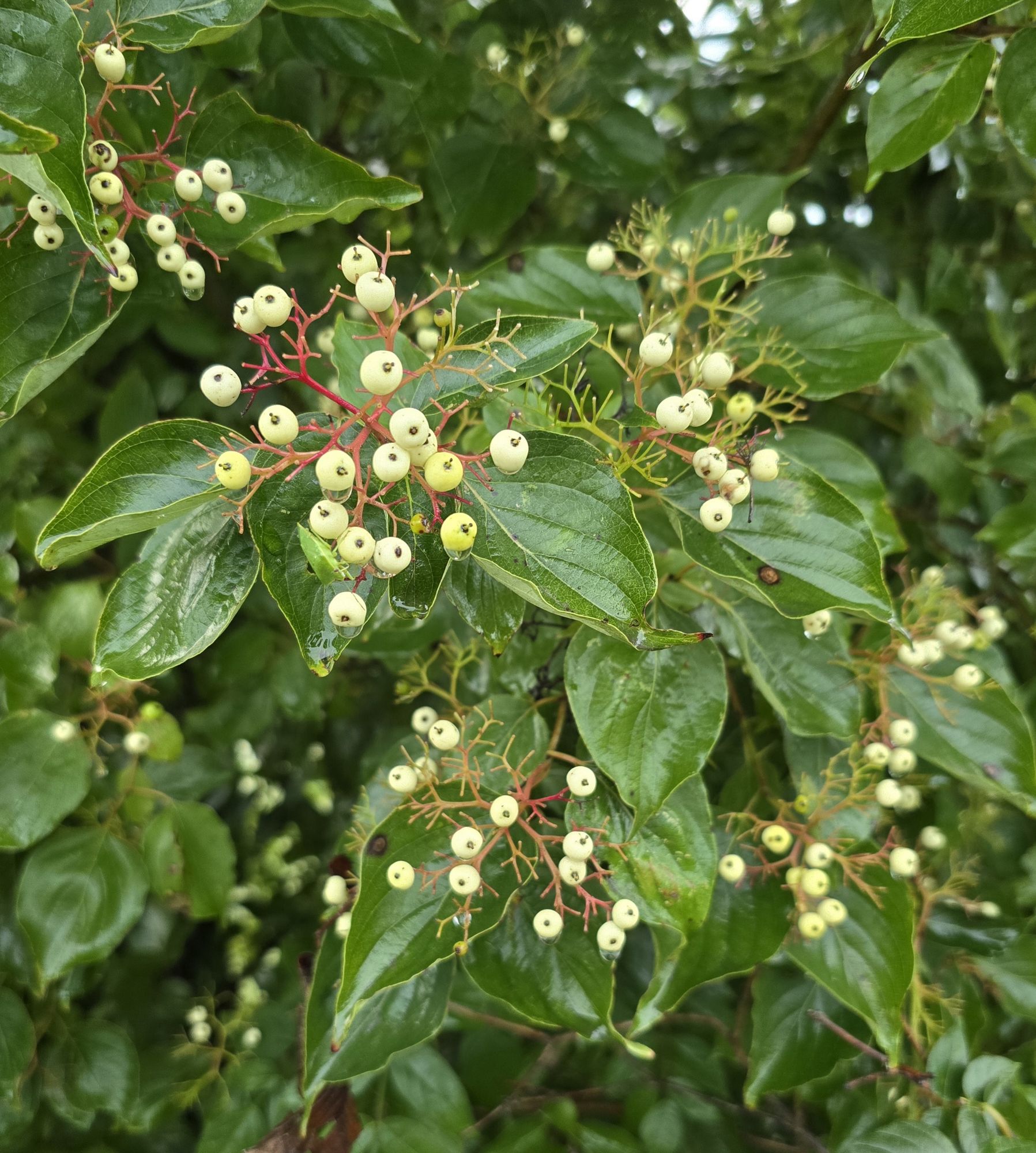
Some of this week’s photographs.

Categories
Creative Life

Changing Book Stores

Photo by Joshua Brown on Pexels.com

When the email from Macmillan Publishers arrived I knew I would purchase The Devil Reached Toward the Sky: An Oral History of the Making and Unleashing of the Atomic Bomb, by Garrett M. Graff. I immediately logged in to Amazon and found I could order it to be delivered the next day, on publication day (Aug. 5, 2025), for full price. I hit the pause button. Didn’t I tell myself I was going to slow down my ordering from the behemoth book seller?

Next I found the website for a local bookseller who was offering pre-order for delivery to the store also on Aug. 5. It was also full price, so I said what the hell. No time like the present and ordered it on their website. It was an experience compared to Amazon.

First, when I received my automated order confirmation, it was detailed, giving me everything I needed regarding the order: tracing, question outreach, price, and so on. One curious bit was the order showed being from an outfit called BookPeople, which is a large independent bookseller located in Austin, Texas. Austin is less like the rest of Texas, so I am okay with that. Besides, I assume my local bookshop does what it must to reduce acquisition cost and build margin on sale. Both of those are necessary to stay in business. So far, so good.

Next came the email from the local bookstore. It was sent by an individual at the store to advise me they would notify me when the book arrived. Nice personal touch.

All was going well when my contact reached out with this message: “The Devil Reached Toward the Sky has arrived and I have set aside a copy for you at the back information counter. All of the copies which we received were damaged so I picked out the least damaged one to set aside for you. Have a look at it and we will order another copy for you if you don’t like this one.” Seriously? Well, it is not my bookseller’s fault the book was damaged in shipment, so I started a string of emails, which turned into text messages. The text exchange took 30 minutes and included photos of the damage and discussion of price for damaged goods. We were able to work it out and I drove the 25 minutes to the county seat to pick up the book, paying cash.

If a book got damaged with Amazon, I know the drill. I contact them and would get disposition instructions while they credited my account and shipped another book. Most likely, if I had to return it, I would have had to drive to their return consolidation point at a local big box store. Goods damaged in shipping is always a hassle and the blame always lies with the party that packaged and did the shipping. It is a rare occurrence to receive damaged goods from Amazon.

I will just assume this situation is a one-off and will order new books I want to add to my library locally, especially when there is no price difference. I don’t like taking so much time dealing with a local store, yet hopefully we will get to know each other better and develop a relationship. When my annual book-related budget is about $1,000, it’s not like I am the biggest fish in the sea. It is one more way I can spend more of my life relating to people, even if it’s because of a glitch in the process.

I’m confident I can break my Amazon habit.

Categories
Sustainability

Remembering Hiroshima and Nagasaki

Hiroshima, Japan after U.S. Nuclear Attack. Photo Credit: The Telegraph

The anniversaries of the U.S. atomic bombing of Hiroshima (Aug. 6) and Nagasaki (Aug. 9), found me without useful things to say. Enter President Trump on July 25, “(New START is) not an agreement you want expiring. We’re starting to work on that.” He added, “It’s a problem for the world when you take off nuclear restrictions, that’s a big problem.” This from the president who dismissed the New START arms control treaty between the U.S. and Russia as too favorable to Russia during his first term in office.

Talk is cheap. Despite Trump’s statement, no plan or policy to reduce nuclear arms has emerged, according to Daryl Kimball of the Arms Control Association. The president spoke with Russian President Putin at least six times this year. According to call readouts, the topic of nuclear arms control was not broached. Meanwhile, the recently passed budget reconciliation calls for almost $1 Trillion in nuclear complex spending.

Without clear and sustained efforts by world leaders to prevent nuclear war, our luck in avoiding one may run out.

My worries about nuclear attacks began as a child. Gathered with family in the backyard, we watched the Soviet satellite Sputnik fly over. If they could launch Sputnik, could they send a nuclear bomb to Iowa? In school we performed drills on what to do in the event of a nuclear attack. Today we pray the president will stop talking about nuclear arms control and do something. It is an open question whether he will.

~ First published by the Cedar Rapids Gazette on Aug. 3, 2025.

Categories
Writing

Using a Weed Paradigm

Green slime on the state park lake due to over-application of nitrogen in the watershed.

Weeds will grow anywhere in Iowa with open ground. I use plastic fabric to suppress weeds in the garden, yet a weed will find even the tiniest pinprick, plant itself, and grow. The purpose of weeding is to favor one side in the competition among plant life and improve crop yields.

This post isn’t proceeding how I thought it would. I am from an agricultural state, so when I think of weeds, I think of how it impacts row crops, corn and soybeans. I feel obliged to discuss that first.

On Sunday crop dusters flew over the house most of the day. It’s time to spray pesticides and herbicides, I guess. In 2024 Iowa corn yield was 211 bushels per acre according to the Iowa Department of Agriculture and Land Stewardship. According to Farm Progress, failure to control weeds, especially early in the crop cycle can lead to anywhere from 20-40 fewer bushels per acre. When the corn is taller, and has established a canopy, competing weeds can reduce yields by about 3 bushels per acre for every day they are left uncontrolled, according to Iowa State University. Corn farmers live on tight margins, so they usually don’t hesitate with a generous application of glyphosate. Those 20-40 bushels can mean the difference between a good year and a bad one.

I have been reading Chris Jones’ book The Swine Republic. In the way the universe sometimes comes together, Monday morning’s reading happened to be the chapters on glyphosate and Dicamba, two herbicides widely used in Iowa. I was already writing this weedy post, so it added a certain something to my mood. This isn’t the rabbit hole I intended when I began.

I would use the weed paradigm differently. Whenever I enter the room where most of my artifacts live, they compete for attention. By getting rid of some, they would be out, freeing me to follow the vein of an idea where it may lead without distraction. Part of me doesn’t mind the diversions. Empirical me understands I only have so much time left on this jumping green sphere and I’d better make the best use of it.

I should weed out things of marginal interest to the broader thrust of my work. I don’t want to. My wants and urges have little to do with logic. They arise from a complex experience of a life that seldom conformed to social norms for their own sake. This is part of what makes me unique. Unwillingness to execute a plan to downsize possessions is a feature of my creative life, not a problem. Rational me understands the house will explode if we try to fit much more in it. Creative me says if it will, let it explode and we’ll see how it unfolds.

When I’m in the garden I pull weeds as I go. This is especially important as soon as seeds germinate and emerge from the soil. Like the corn farmer, I know this is the time to eliminate competition for nutrients, light and space. It is better to do it before seedlings emerge. I do what I can to produce a bountiful harvest. My creative issue is the seedlings in my life emerged long ago and have grown to become part of the living landscape. Weeding the stuff would create a new way of seeing. What if I don’t like it?

Maybe I’ll feel better about weeding my stuff after I finish the autobiography.

Anyway. It’s time to set all that aside and get to weeding. We can’t take it with us and don’t want to leave a big mess for my heirs to clean up.

Categories
Living in Society

Working Today

Stump cut to make a resting place for the gardener.

With four weeks left until Labor Day, summer is about finished. A lot of work remains. The only compensation I receive for any of it is the satisfaction of a job well done.

Is my work the same as working for an employer? I think so, yet there is an attitude shift when we work for ourselves. I find more personal risk and am particularly careful I don’t get injured or make a bad financial decision. There is no malarkey in my work life. It is based on empirical tasks, cash flows, and bank loans, all of which are necessary to piece together a life. Most things break down into short projects upon which I can work until completion. There is no overtime pay, or any of the benefits allowed many workers. My spouse and I pool our pensions and hope they cover the bills.

I came up in a work environment where I earned more money than needed for minimal survival. It enabled buying a house, saving for our child’s education, and then later, when our savings proved to be not enough, it allowed us to pay the student loan to take that out of the child’s bucket. I also earned enough money to be able to quit my job multiple times without immediate prospects. The biggest adjustment to living on pensions is there is no longer any “extra” money.

From the time I left the job where my spouse and I met, until we moved back to Iowa and our child left to attend college, she worked at home. The work she did was valued and important to raising our child. There was the avoidance of child care expenses, and a clear division of labor, yet it was more than that. It was a way of life that had little to do with money except treating it as the fungible commodity it was. Ours wasn’t a perfect life, yet we got by.

I resist framing what I do every day as a job. The old farm word for it is “chores.” It’s more than that. With our more sedentary lifestyle, we need exercise, a healthy diet, and some amount of socialization. I suppose that makes us more than a cog in the machine of life. I hope we are more than that.

Categories
Creative Life

Never Ending Memoir

Dawn on the state park trail.

It was hot and humid outdoors all day Tuesday. I managed a hike on the state park trail between thunderstorms. A little after 10 a.m. I drove across the lakes to the wholesale club to secure provisions. My usual three-pound can of generic Colombian coffee had increased to $20.99 from $13.99 the last time I stocked up, a 50 percent price increase. The tariff on Brazilian coffee goes into effect on August 1, after which it will cost even more. I did not replenish inventory at $20.99.

At the end of June, I replaced the whole house water filter. Yesterday I sat down to order a replacement and the new price was $20.19. In February I bought the exact same part for $13.40, a 51% increase in 5 months. I only get two of these per year but this increase and others like it will make household financial management more difficult. It is a preview of what life under the oligarchs will be like.

The garden has me distracted from work on my autobiography. There is so much produce to process, there seems little time for anything else. To preserve the harvest, immediate action is required, so writing is pushed back. In the annual cycle of my life, this is a feature, not a bug. Our lives would be the worse without the garden.

Hours in the kitchen enable my thinking about life and writing about it. I am certain I have at least one more book in me as the urge to write an autobiography has been with me as long as I can remember. At its core, writing autobiography is part of a life well lived. Once I finish and get a copyright, what then?

I envision creating a new document, using the first two books as a base, to which I add autobiographical information and stories. The published books will stand on their own as moments in time, yet my story will continue to evolve as long as I live. Part of it is finding aspects forgotten during the first telling. Part of it is recording new insights on the same stories already told. It will be a continuous work in progress that may never be published the same way again. It will be a never ending memoir.

There are other books I imagine publishing. The most obvious one is collections of my essays first published on this blog. There is enough here to make a book about local food. There is another about sustainability. While I’ll cover the coronavirus pandemic in part two of my autobiography, there is a much longer story to tell about its impacts on my life and on society more generally. That story is just being revealed. Whether I get to any of this is an open question.

For now, I continue to process fruit and vegetables so we’ll have something for our dinner plate long after the frost comes in October. As the harvest winds down, I’ll work again on my memoir. I still hope to finish the draft by the end of year holidays.

Categories
Living in Society

Peak Iowa Summer

Lilies growing in the state park lake.

I woke early and have been listening to boomers roll across the area. There is a severe thunderstorm watch according to the National Weather Service. Rain is expected to continue until around 10 a.m. It will be another good morning to spend in the kitchen.

There has been so much rain I haven’t unrolled the hose to water the garden for two weeks. That is a good thing on several levels. All the greenery has taken off, including plants I put in the ground and weeds. Indeterminate tomato vines are reaching more than eight feet long. When the rain slows down, I need to get under them and see if any tomatoes are ready. I planted the main rows four feet apart, yet the vines in all the rows reach up and touch each other. We like rain.

Thunderstorms are a characteristic of Iowa summer.

While picking green beans on Monday it was so hot and humid I pushed my physical limits. I was drenched in sweat and felt dizzy a couple of times, yet worked to finish picking mature beans. Sorting and cleaning them was a chore yet I got that done in the kitchen before dinner. We did not eat green beans for dinner, having broccoli from the garden instead.

Green bean harvest on July 28, 2025.

Lately I’ve been thinking about my decision to retire during the coronavirus pandemic. The combination of the lock down, becoming eligible for full retirement on Social Security, and the health risks of working in a retail environment brought the decision together. I’m having second thoughts about being retired. It was evident before, although is clearer today, that if the Congress does not address the shortfall in Social Security in 2032-2034, we will need more income than we have. Changing course to engineer a life that produces more income than our pensions produce is in the near future. That will give me something to think about while I work in the kitchen this morning. In the meanwhile, it is peak Iowa summer and we should enjoy it.

Categories
Living in Society

Mail Order Life

Photo by Brett Sayles on Pexels.com

When we live in rural Iowa, mail order remains important to our way of life. Shopping by mail has changed since I was a child. In addition to the United State Postal Service, there are Amazon, FedEx, UPS and other company trucks delivering in the neighborhood almost daily. The fact is, much of what I need to operate our household is not available in the city of 3,000 souls near our residence. Mail order is the most efficient way to find what I need, compare price, and receive goods in a timely manner.

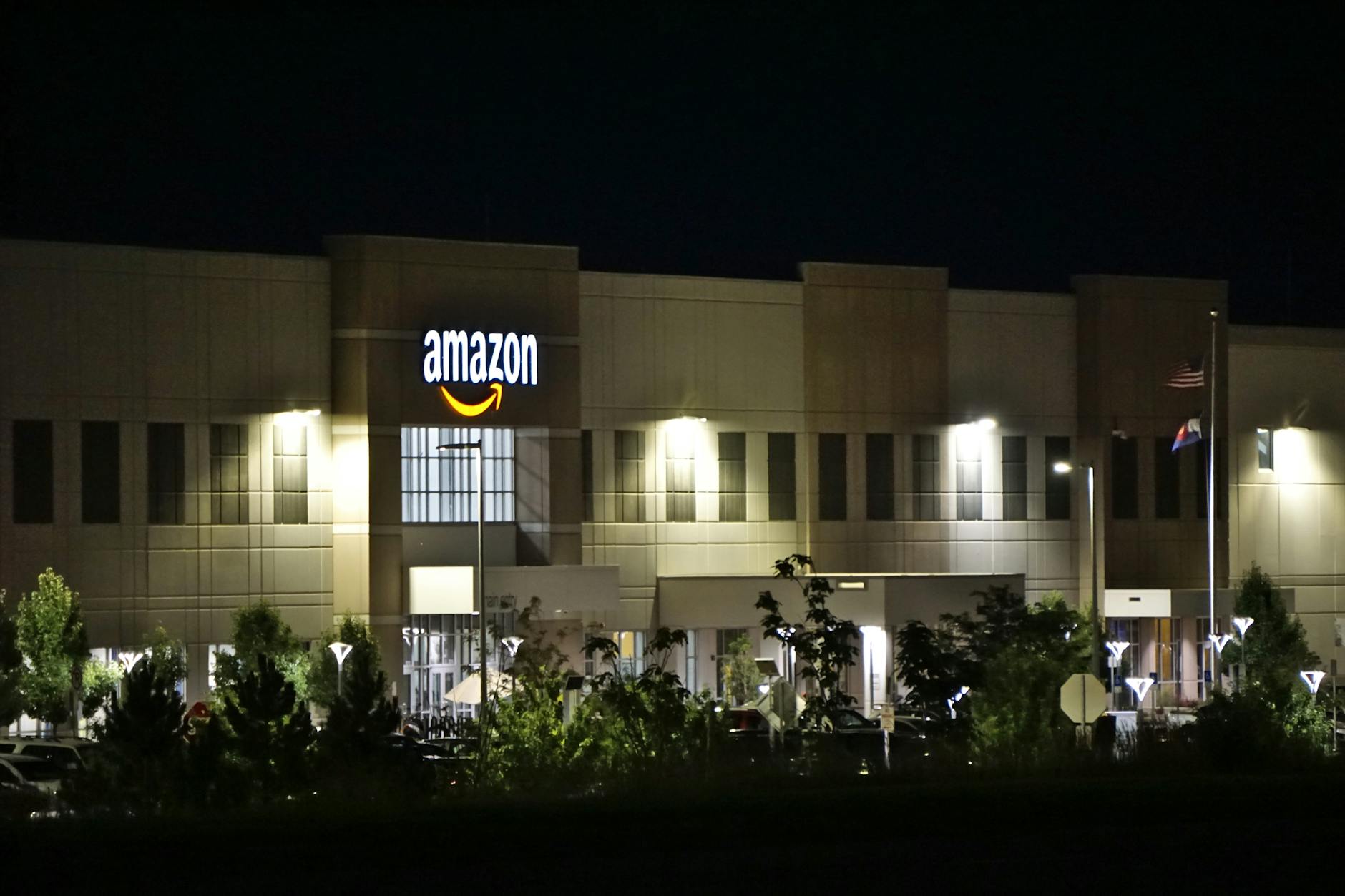
Amazon is rightly the whipping post for all that is bad about modern mail order. The company is very large, and has a monopoly on what they do. They are hard on workers. The online retailer has made its owner one of the wealthiest men on the planet, and the upward flow of weallth to already rich people is an essential problem for society. After a family conversation I decided to do something about Amazon in my life.

I looked at my Amazon purchases because I agree, at least in part, about their labor abuses. The book I just read, Nomadland, described the lifestyle of people who travel the country in mobile living vehicles and do temp work, including at Amazon warehouses during the push right before Christmas. The author does not paint a positive picture of working conditions, even if many people rely on that temp work to live. Amazon warehouses are already staffed with robots for certain tasks and the expectation is more humans will be replaced in the near future. For now, the temp jobs fill an economic need for these nomadic workers.

I spent $1,309.27 at Amazon this year, in 43 orders, or $194 per month. Here’s what I’m willing to do: a. cut back on the number of orders to no more than two per month (down from 6.4 per month). b. I plan to cut my overall spending in half.

While some purchases are unavoidable because the item (like the corded electric lawn mower) are simply not available here, I can reduce the amount of foodstuffs I get at Amazon and buy locally when I’m already at the market. Likewise, I have less need to own books. In writing my second book, there are plenty of research materials in our home library and we have a good public library for non-writing related reading.

So that’s the plan. Not too fancy, yet with specific goals. Hoping this will cut back on Amazon enough to improve my life. Mail orders will continue, yet hopefully better managed. Fingers crossed!

Categories
Reviews

Book Review: Nomadland

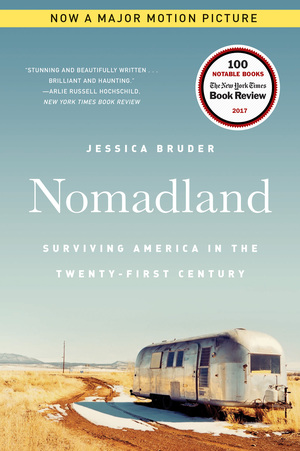
Jessica Bruder’s book Nomadland: Surviving America in the Twenty-First Century was recommended on social media. It contains the kind of crisp, clear writing, and solid narrative I seek to create. When combined with the topic of how septuagenarians and others fit in to a modern American economy where it is difficult to earn enough to afford a home, it was a quick read. I didn’t know it when British writer/photographer Marie Gardiner recommended it on BlueSky, yet it is smack in the middle of my reading sweet spot.

Bruder spent three years, driving 15,000 miles gathering information for the book. She interviewed countless people living in many different vehicles driving throughout the country. Each was making a life from dire financial circumstances combined with temporary jobs and a reasonably open road. The stories are compelling.

She worked as an associate at an Amazon warehouse in Haslet, Texas and participated in a sugar beet harvest in North Dakota. Neither job lasted long, yet they gave her a basis of experience to validate what the people she interviewed said. She immersed herself in the culture of the people about whom she was writing.

With a bit of a stretch, there is enough information to use the book as a how-to for living the nomadic life depicted. Bruder explains how people put together a life with complex facets. She presents examples of how people choose a vehicle in which to live. Finding adequate income through a combination of Social Security and temporary, seasonal jobs is important. Social programs like thrift stores, food pantries and SNAP also play a role. The book stresses how individualistic each solution to living can be. There is enough here to spark an interest in doing something similar.

Of Iowa interest is Adventureland in Altoona seeks labor among itinerant nomads called “Workampers.” They have a Workamper program that offers a free hook up campsite that includes electric, water, and sewer. There is no contract or time commitment to work at Adventureland. There are bonuses for working through the end of the season. Among the jobs on offer are ride operations, loss prevention, security, cook, ride maintenance technician, character performer, and others.

Bruder emphasizes the people she interviewed are not desolate. They are affirming members of a society hidden from most of us most of the time. There are few other, similar books. Recommend.