Categories
Environment Kitchen Garden

Adapting to Climate Change

Conference Welcome
Conference Welcome

RURAL CEDAR COUNTY— On a tour of an organic farm in Cedar County yesterday, talk turned to the impact recent unusual and severe weather events we have had. The story is similar to what others in the agricultural community have been saying.

Farmers are talking about two main weather events this year. The late, wet spring that delayed planting, and drought conditions during August and September. According to a recent gathering at the Farm Bureau, there will be more of the same during the next several years.

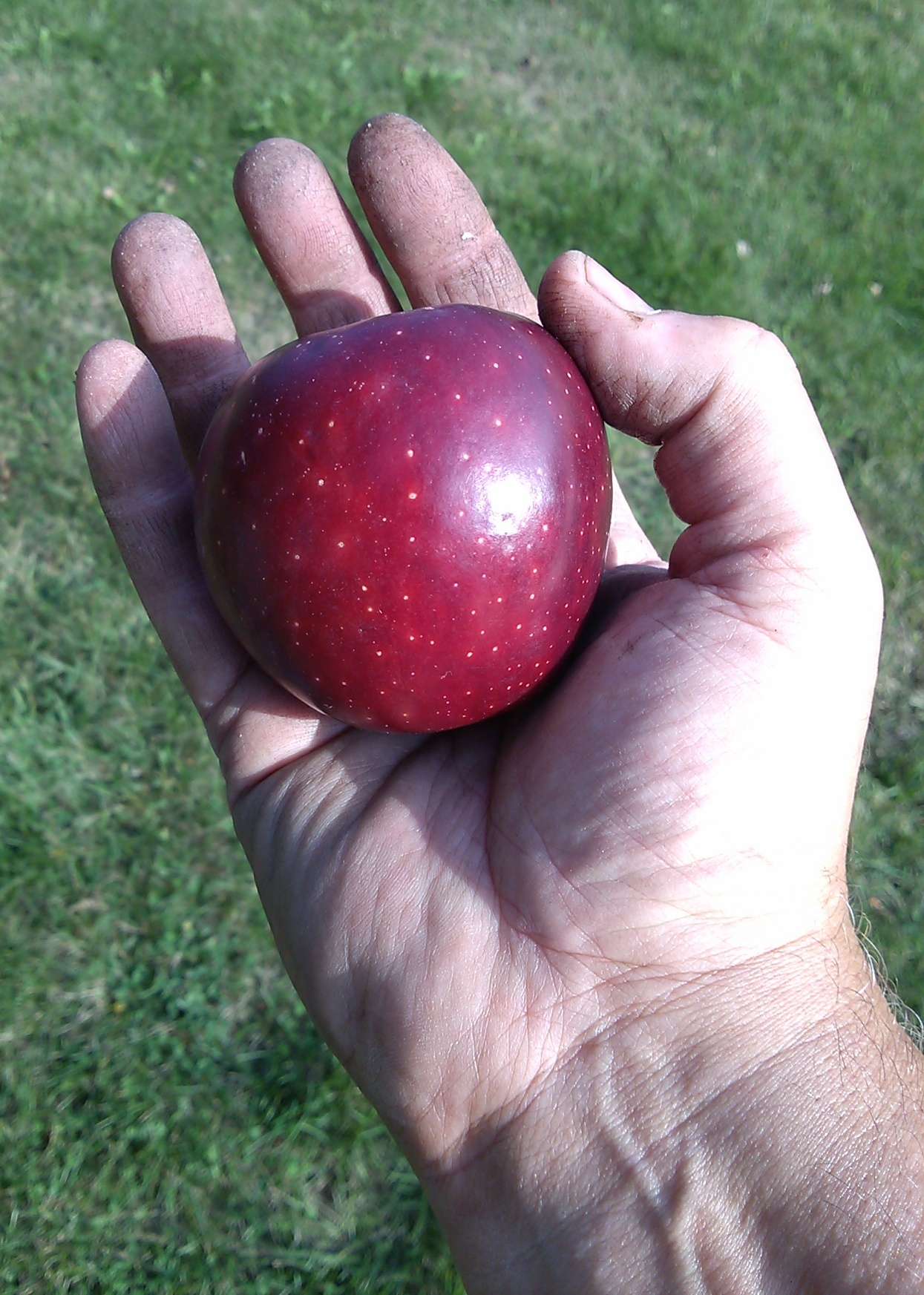
The late, wet spring caused some localized flooding on the property, but did not significantly impact the overall operations. They dealt with the weather. The apple crop was abundant because spring pollination conditions were almost perfect after a tough 2012, with the buds flowering after the last hard frost. A lot of apples were still on some of the trees.

Locally we lived through a period of six weeks without any rain. The effects of the summer drought on the vegetable crop were mitigated by irrigation using a drip tape system. There was plenty of water for irrigation, although like most farmers, he didn’t know how deep his well was dug. There was a farm pond should the well go dry.

Drought will reduce corn yield. We examined some ears on the stalk, and a second ear failed to form on many of them. What ears of corn were present did not fill out with kernels. Both conditions were attributable to the drought.

For the last several years, the ability to harvest vegetables later into the year exists because it was warmer later. Food can be harvested directly from the field, rather than drawn from storage and preserves during November and into December. My tour guide said he had only just begun to realize the persistent change, and was beginning to rethink his food planning for the 80 or so people who rely upon the farm for daily meals.

Farmers, more than most people, are sensitive to changes in the weather and climate. For 10,000 years the climate on earth has been stable, and this stability enabled the rise of agriculture, and along with it, our civilization. In Iowa, agricultural success is predicated on our assumptions about rainfall and the hydrological cycle. Things are changing, and what I saw yesterday is more evidence of that.

The era of climate stability is at an end, due largely to human activity. We continue to dump 90 million tons of CO2 pollution into the thin shell of atmosphere each day as if it were an open sewer. Without action on our part, adaptations like those on this farm will be ineffective over the long term. Whatever we were used to as normal has been disrupted by changing climate.

It may be evident to a farmer that the ecology of agriculture is changing in new ways. Yesterday’s farm tour was another example of why. Taking collective action to mitigate the causes of climate change has become the moral challenge of our time. We didn’t ask for this, but our personal involvement is as important as it has ever been as we work to sustain our lives in a turbulent world.

Categories
Work Life

Starry Morning

Apple Harvest
Apple Harvest

LAKE MACBRIDE— The sky was a dome of stars as the newspaper delivery truck made its way down the street. Outside to take the trash and recycling bins to the street for pickup, it was hard not to stop and gaze into the limitless space above. My clothing fit loosely from working low wage jobs this year, and the cool air found its way under the cotton knit and invigorated me, awakening possibilities. It lasted only a few moments, after which I grabbed an apple and ate it in Eve’s bower— forbidden fruit no more. The stuff of dreams and hope.

The remaining apples fall into five categories. A bowl of Cortland for apple crisp later today, a bushel of apples collected after the Sept. 19 storm blew them from the tree for apple sauce, a bin of the best apples for out of hand eating, and another bin of less perfect apples from the final pick, for a variety of purposes. A lot of the lesser Golden Delicious apples on the tree. They are available, but one suspects they will end up food for wild animals and insects, or as compost. The end of this year’s apple season is in view.

The plan for today is more chainsaw work in the yard. At least two more eight hour shifts will be required to finish cleaning up the fallen branches. A contractor is stopping by to estimate the roof repair from the Sept. 19 storm. The plan is to harvest the turnip greens and make soup stock, and finish gleaning the first garden patch, maybe the second. All of this is subsistence work, unpaid except that there is a buyer for the firewood I make, and food for our table.

As dawn begins to break, it’s time to leave the comforting glow of the computer screen and get to work. Just a few more keystrokes, and then off into the garden, seeking life, and redemption.

Categories
Sustainability

Iowa’s Campaign to Stop New Nuclear Power

Nuclear NeighborhoodsPrepared remarks delivered by Paul Deaton at the Iowa City Public Library on the 68th Anniversary of Hiroshima, Aug. 6, 2013.

Thank you Maureen McCue for the kind introduction. I want to recognize some of our colleagues in this work who are in the audience tonight.

Well we held back new nuclear power in Iowa. Isn’t that great?

In February 2010, I wrote the first of a long series of posts on Blog for Iowa about what I believed to be the legislature’s infatuation with nuclear power during the last four sessions of the Iowa General Assembly. I wrote, “I heard the words ‘zero sum gain’ applied to MidAmerican Energy’s process toward change for the first time. It seems to fit. A zero sum gain is a situation in which a participant’s gain or loss is exactly balanced by the losses or gains of the other participant(s). If the state wants to move forward with nuclear power, it’s okay with MidAmerican Energy, but they are a business, so the customers will have to pay.”

The customers will have to pay. That pretty much sums it up. What’s missing is no one knew how much a new nuclear power plant would cost, then, or now. For this and other reasons, the people of Iowa decided there were better ways to generate electricity.

During this presentation I want to talk about what the nuclear power discussion was, and what it meant.

At the beginning, the legislation seemed on a stealth track toward passage without opposition. Physicians for Social Responsibility joined with an extensive and diverse coalition who found common ground in opposing nuclear power in Iowa. By the end of our work, according to public polling, a vast majority of Iowans opposed new nuclear power and some legislators who had supported House File 2399, the nuclear power study bill, and House File 561, the nuclear power financial bill, had changed their minds.

What I want to cover in my remaining time is three things: the campaign to stop the nuclear power study, the campaign to stop the nuclear power finance bill, and then some general remarks.

Before beginning, I want to set the framework in which the nuclear power discussions occurred.

The electric utilities in Iowa are looking at a 50-year horizon that compares where we are now with regard to electricity generation, to where we will be. Electricity generation is currently a mix of nuclear, coal, natural gas, wind and hydroelectric. The nuclear and coal plants are making their exit at the end of their life cycle, so the question is what is next?

After defeating two of three proposed coal fired power plants in the state, combined with our recent success in holding back nuclear, we seem bound to keep hydro the same, generate more wind and solar electricity, use no new nuclear or coal plants if we can manage it, with natural gas as the flexibility in the system to meet so-called baseload electricity needs.

Demand growth for electricity is slowing to less than one percent per year, so the primary issue is capital investment to replace depreciated generating capacity. Pretty tedious stuff for the environmentalists among us, but where Warren Buffett and others like him invest their billions is a real issue for us, with real world impacts on the environment.

When we talk about these big picture solutions, however, the missing piece of the puzzle is distributed generation. That is, how individual homes and businesses might produce their own electricity on-site, and sell excess capacity back into the electrical grid.

As prices come down for wind and solar, distributed generation becomes more viable, and could tilt what the regulated utilities do. The thing is, how long can we wait to take CO2 emissions out of the mix? The inconvenient truth is that we can’t wait.

Another thing to note is that while burning natural gas produces about half the CO2 emissions compared to burning coal, the gain for the environment is mitigated by methane leakage along the pathway from extracting the gas to delivery at the power plant where it is burned. Like with any energy source, burning natural gas should be considered in the context of its entire lifecycle. In that context, its greenhouse gas emissions are not much better than coal, if not worse, depending upon the amount of methane leakage.

From the preamble of House File 2399:

“It is the intent of the general assembly to require certain rate regulated public utilities to undertake analyses of and preparations for the possible construction of nuclear generating facilities in this state that would be beneficial in a carbon constrained environment.” There is a lot to unpack there, and the bill had additional aspects I have eliminated to save time. Suffice it to say House File 2399 passed both chambers of the legislature, and on April 28, 2010, Governor Chet Culver held a signing ceremony for what he called the “Nuclear Energy Jobs Creation Bill.” In a letter that is available on Blog for Iowa, Culver wrote, “this bill gives Iowa utilities and consumers more tools to make decisions on our energy future. The study will give us a clear idea of what the future for nuclear and alternative energies may hold in Iowa.” On June 4, 2013, MidAmerican Energy announced the study was complete, and they would be refunding a portion of the $14.2 million dollars collected for the study from rate payers, beginning this month. There was no mention of the words wind, solar or alternative energy in the 50 page final report from MidAmerican Energy to the Iowa Utilities Board. Governor Culver was wrong about the study’s purpose, as he was about many things.

Now let me talk about House File 561, the nuclear power finance bill.

On Monday, March 28, 2011, Wally Taylor, counsel to the Iowa Chapter of the Sierra Club presented an analysis of the Contruction Work in Progress or CWIP bill that eventually became House File 561. Iowa’s version of CWIP was much worse than those passed in other states in that its main purpose was to codify specific costs that rate payers would pay, up front, should the electric utility decide to apply for and construct a nuclear power plant. It included every cost the industry could envision. Among them, it defined “prudent costs” for the Iowa Utilities Board (IUB), when what would have actually been prudent was leaving costs to the board members discretion, rather than being directed by the legislature. It instructed the IUB on calculation of allowed debt and return on equity, something that should also have been left to the discretion of the IUB after performing due diligence on a proposed project. The bill also exempted nuclear power from the requirement, applicable to all other electric generation plants, that the utility has considered other sources for long-term electric supply and that the proposed plant is reasonable when compared to other feasible alternative sources of supply. There were other considerations, and in the end the legislation, if passed, would be biased to favor nuclear power over other methods of electricity generation.

By the close of session, House File 561 failed to gain traction in the Iowa Senate, as most familiar with our campaign are aware.

In closing, let me say something about new nuclear power. In its current state, no privately held company in the United States would take on the risks of nuclear power without significant government and rate payer subsidies. Period. If they would, the Nuclear Regulatory Commission is open for business, and accepting applications.

When we talk about subsidies, first, there is the risk of disasters as happened in Chernobyl and Fukushima. To encourage nuclear power, the U.S. Government created the Price Anderson Act which puts a ceiling on the losses that would be paid by a nuclear power plant owner in the case of a similar disaster. You and I would pick up the excess costs through our taxes.

Second, the Department of Energy owns and is responsible for nuclear fuel throughout its life cycle. While nuclear power utilities charge a small fee per kilowatt hour to help pay for disposal of their nuclear waste, every power plant’s disposal costs are underfunded. This underfunding is complicated by storage that could last for multiple millennia.

Any executive of a public utility, as a matter of personal competence, would want to know how much building a new power plant would cost. In the case of nuclear power, no engineer has a sharp enough pencil today to accurately predict the costs. When MidAmerican Energy CEO Bill Fehrman was asked how much a new nuclear power plant would cost during the last three and a half years, he constantly dodged the question, perhaps because he simply did not know. House File 561 got people like Mr. Fehrman off the hook, by transferring those financial unknowns to rate payers.

When nuclear power came into being in the wake of the Atomic age, whose birth we commemorate today on Hiroshima Day, it was scaled big. In retrospect, if used, nuclear power should have been modeled on the technology of nuclear submarines.

It seems likely the engineering challenges of small modular reactors (SMR) could be met and resolved, as could the issue of nuclear waste disposal. We are not even close to resolving either of those issues.

As MidAmerican Energy wrote in their report, “SMR licensing and SMR pricing could influence the decision to deploy nuclear generation in Iowa,” confirming my point― the technology is not ready for a proposal to the NRC.

We haven’t heard the last about nuclear power. But unlike the time prior to the fight to stop these bills, to stop nuclear power in Iowa, advocates are now ready to take up the fight anew if called upon.

Thank you for your time and attention. We’ll have a question and answer period at the end.

I’ll turn the discussion over to Dr. John Rachow who will speak to the issue of radioactive nuclear fuel. Thanks again.

Categories
Environment Kitchen Garden

Iowa’s Culture of Climate Change

Harvesting Soybeans
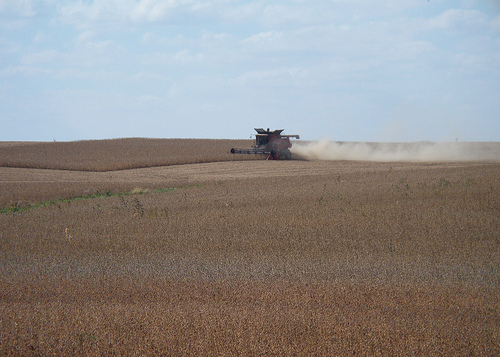
Harvesting Soybeans

LAKE MACBRIDE— David Biello of Slate wrote an opinion piece in Newsday titled, “Why Don’t Farmers Believe in Climate Change,” on July 16. Link to the article here or here, but here’s a spoiler alert: it’s the Farm Bureau. I commented on the article, but my comment was removed because it violated Newsday’s conditions of use. It’s their world. What’s a blogger to do? If you’re reading this, you know the answer.

In the article, Biello wrote, “take, as an example of skepticism, Iowa corn farmer Dave Miller, whose day job is as an economist for the Iowa Farm Bureau. As Miller is happy to explain, it’s not that farmers in Iowa don’t think climate change is happening; it’s that they think it’s always been happening and therefore is unlikely to have much to do with whatever us humans get up to down at ground level. Or, as the National Farm Bureau’s spokesman Mace Thornton puts it: ‘we’re not convinced that the climate change we’re seeing is anthropogenic in origin. We don’t think the science is there to show that in a convincing way.'”

If there is a record drought like last year, large farmers will capitalize the loss over a period of years, plow the crop under and start over next season. For them, it’s just another aspect of dealing with farming as a business. This attitude is consistent with what I experienced when listening to row crop farmers in Iowa.

The idea,  “they think it’s always been happening and therefore is unlikely to have much to do with whatever us humans get up to down at ground level,” is ridiculous. Climate change doesn’t just happen— it happens for a reason. And today, the main reason is carbon pollution from dirty energy like coal, oil and natural gas.

I encourage you to read the article if you are interested in the interface between Iowa farmers, the Farm Bureau and the environment. There is a lot to learn before Iowa makes progress in protecting our environment. Some say the Iowa Farm Bureau runs the state of Iowa. I say it could only do so in a vacuum of action from people whose views are closer to the reality of climate change.

~ Written for Blog for Iowa

Categories
Sustainability

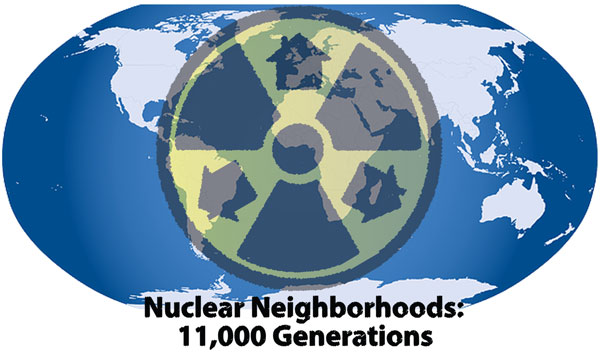
Nuclear Neighborhoods: 11,000 Generations

Bikini Atoll Nuclear Test

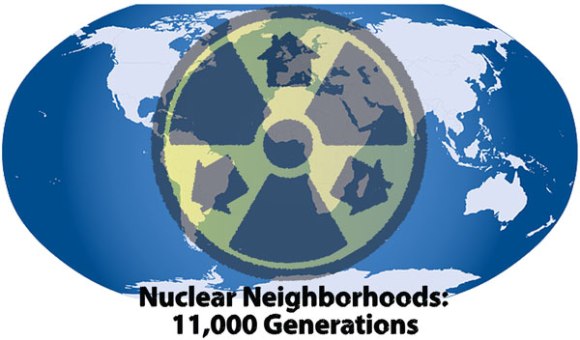
SOLON— The Iowa Chapter of Physicians for Social Responsibility will be returning to the Solon Public Library for a display titled, “Nuclear Neighborhoods: 11,000 Generations.” This multimedia exhibit will be available for viewing from Aug. 6, the anniversary of the Hiroshima nuclear bomb explosion, through the Labor Day weekend.

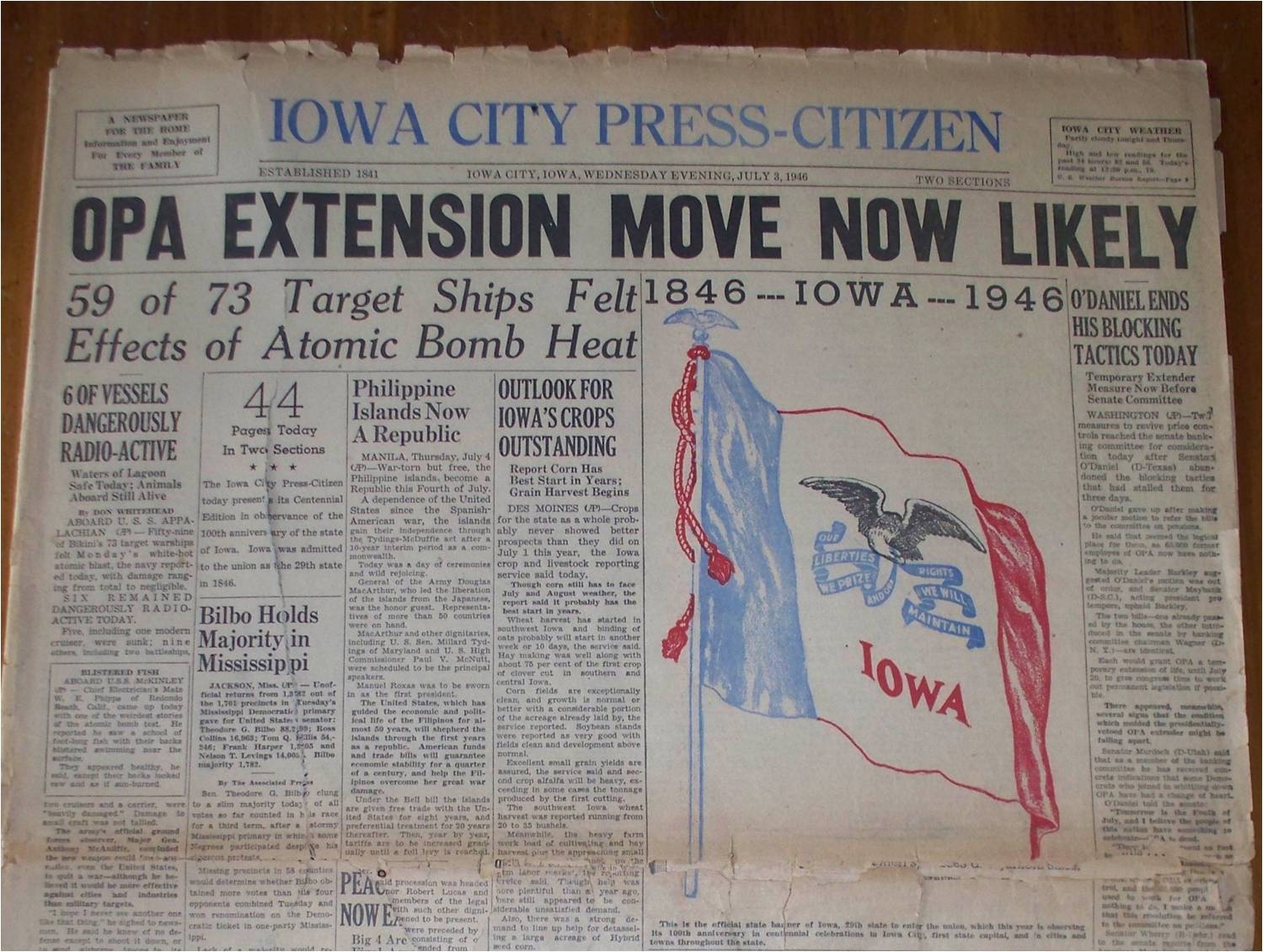
On display will be art and artifacts exploring the major themes of today’s nuclear age. Included in the exhibit will be photographs, period newspapers, personal writing and other items showing how the nuclear age affects us all today. Also included will be items related to nuclear power and nuclear medicine, both of which are in the Solon neighborhood.

The Solon display will be part of a multiple site event, with additional exhibits at the University of Iowa Hardin Medical Library, the Kendall Gallery at the Iowa Memorial Union, the Iowa City Public Library and at area businesses.

The display will be informative for all ages and will be available during normal library hours. Click on this link for more information.

www.psr.org/chapters/iowa/nuclear-neighborhoods-11000-generations.html

Categories
Writing

Toward a Local Food System

Lake Macbride
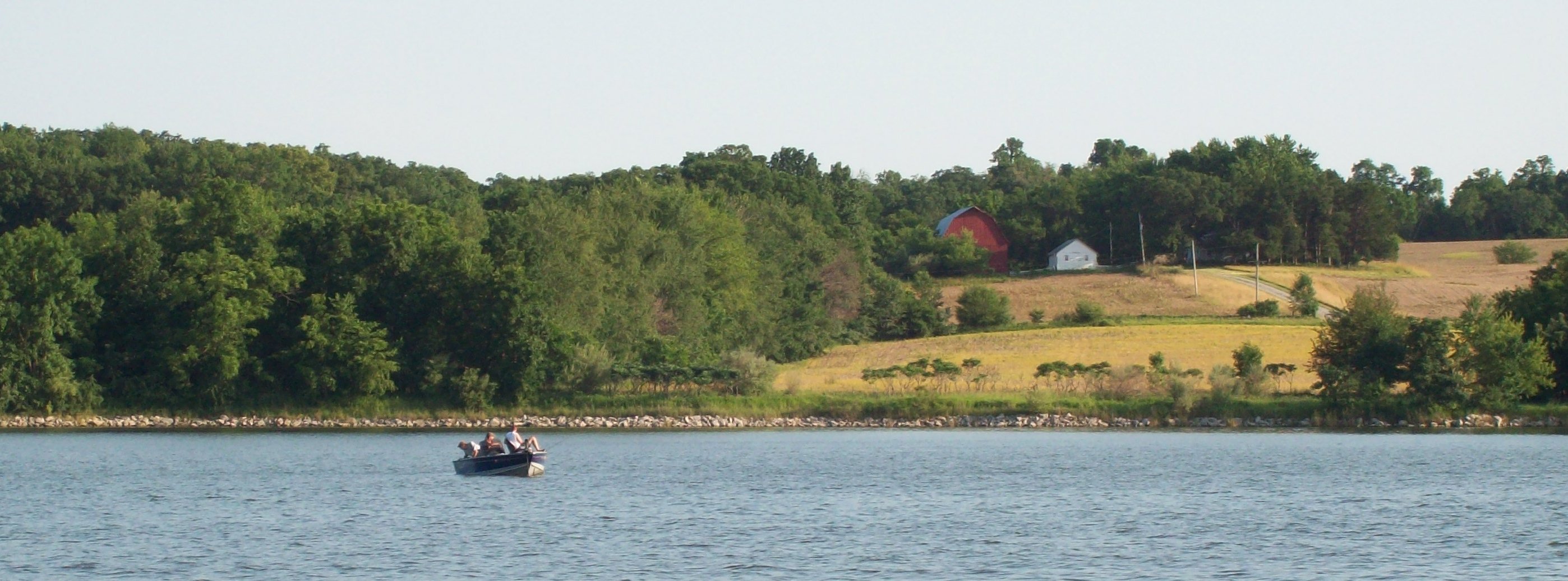
Lake Macbride

LAKE MACBRIDE— Writing about gardening, farm work, fermentation, soup-making, canning and cooking is personally satisfying, but what is the connection to our broader society? Why does one person’s journey in life with friends and family matter in the broader scope of things? With a global population of more than 7 billion, and expected to hit more than 9 billion by mid-century, life on earth is changing in ways that test the limits of our ability to comprehend. Will the lives of individuals matter as Earth reaches its tipping point, pushing the envelope of its geophysical limits?

American society, founded in part on the cultural resonance of eighteenth century agrarian individualism, promotes the moral worth of an individual. Independence, self-reliance, freedom and the ability to work toward self-realization are core values of our society. The idea that we can own a plot of land, grow some of our own food and prepare it in ways steeped in process, learning and tradition, yet how we want, is as American as the apple crisp I make from my apple trees. What is often forgotten is that individual lives occur in the context of a society that was founded during the Age of Enlightenment, and that society is coming apart at the seams.

If romantic concern for the good old days is what drives people to work toward a local food system, the idea is bound to be abandoned. In Iowa, we created the Leopold Center for Sustainable Agriculture at Iowa State University. The center has conducted hundreds of grant studies and reported on them with an eye toward sustainable agricultural practices. The Leopold Center is key to understanding our food system and providing reasons and process to create and strengthen community-based food systems. It is uncertain their work will take, despite the fact that locally grown food produced with sustainable practices is highly cost competitive with the products of the industrial food supply chain.

What makes a local food system possible is not the development of practices and high level theory, but the support behavior change receives in society. Behavior that congealed during the post World War II economic boom that included development of our industrial food supply chain. With population growth, society requires an organized mechanism to produce, preserve and distribute food to a growing population. In that sense, the industrial food supply chain is as necessary to a local food system as are the practices developed by the Leopold Center. To choose between them is a false choice.

Based on my experience with local farmers who use sustainable practices, there is tremendous capacity for improvements in efficiency, fuel use, water management, labor practices and mechanization that are untapped because of capital constraints. What the local food system may need most is an infusion of capital to create business incubation centers, sustainable water management systems, efficient farm to market systems, and most importantly, a sustainable source of labor that pays a living wage. The industrial food supply chain, because of its strong capitalization, has essentially blocked out competition from sustainable local growers who struggle to pay bills each month.

The question comes down to what individuals do in society with others, and there is no template for it. Stories about dealing with excess zucchini, kohlrabi and leafy green vegetables serve as examples of how to live with the challenges of a local food system. My garden won’t grow everything we need to provide all of our own food, so we leverage outside entities. Whether it is electricity to run the stove, cheese and milk from dairies, veggie burgers from Morningstar Farms®, or cooking oil from California, Italy and Iowa, how and why we leverage these entities and others matters a lot to a local food system.

That’s why I write about local food systems, as an example in which I hope others find value. If we’re lucky, and with collective action, tenuous local food systems will be strengthened as we work toward sustainability in a turbulent world.

Categories
Kitchen Garden

Processing Cucumbers and Other Things

Refrigerator Pickles

LAKE MACBRIDE— The dawn dew barely moistened my shoes while venturing to the garden to water the plants. Much needed rain failed to precipitate last night, and without daily irrigation, the produce yield would be reduced. The lettuce seedlings planted last week are surviving with twice a day watering. The morning shade of the locust trees protects them from the parching effect of the sun. The forecast is for zero chance of rain before noon.

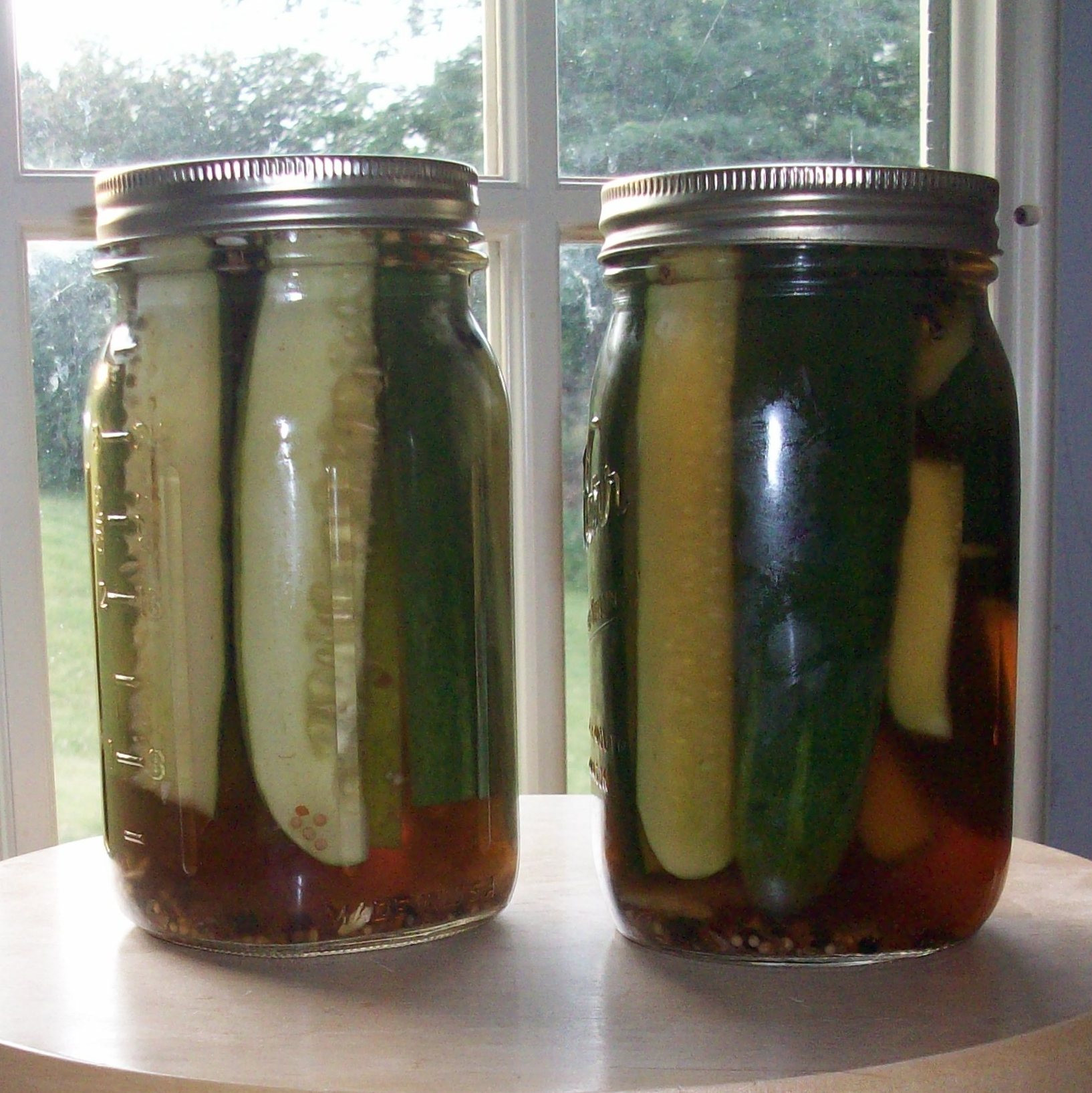
Last night I made two quarts of deli-style refrigerator pickles. The brine is the same as the one processing cucumbers in the crock, just that in the refrigerator they will be ready in four or five days. There are more cucumbers on the vine, and one kept fresh for salads. The flow of cucumbers through the kitchen has been about right.

The ice-box is packed and filling with food. I added a couple of more packages of grated zucchini to the freezer drawer and today’s plan is to make pesto to freeze. Produce rotation and preserving to prevent spoilage has become a thing around our household.

I decided to take down the advertising calendar on the bulletin board in the garage and replace it with photos. I spent an hour sorting through digital photos on my computer and ordered prints from Walgreens online. They were ready for pickup across the lakes in about an hour.

After making the pickup, I spent another hour selecting prints to post, and processing memories of our life since we became empty nesters. Better to be reminded of our family life than the days on a calendar. If one has children, it is a blessing to know them at all. Reflecting on who they have become is a luxury as good as gold.

No pickling brine will stop death’s inevitable advance.  As long as we can process— cucumbers, zucchini and basil, photographs and memories— we can go on living. As Walt Whitman wrote, “and as to you death, and you bitter hug of mortality . . .  it is idle to try to alarm me.” Fearless we enter the day, endeavoring to accomplish something with our lives.

Categories
Environment

Will it Rain?

Morning Harvest
Morning Harvest

LAKE MACBRIDE— The question at the farm today was “will it rain?” We hope so. This spring was the wettest on record, and gardeners are harvesting an abundant crop. The crops in the farm fields also look good. As someone posted on Facebook, “walk out to the garden with a shaker of salt and no fear. Ahhhhh Iowa summer.” But we have been in a dry spell since the season turned. The fear is last year’s record drought is part of a pattern that repeats this year.

Another drought would be disastrous for farmers that depend upon keeping customers happy with vegetables that are the opposite of fungible commodities. Crop insurance might pay the expenses, but customers who can buy fresh vegetables trucked in from Florida, California, Mexico, Texas, and as far away as China might get discouraged. They are all-in with the farmer to share in the risk of the season. In a consumer society that means they could find other sources of vegetables next season if things turn out badly.

The ten day forecast shows a 60 percent chance of scattered thunderstorms tonight and tomorrow. After that, the chances diminish to 10 or 20 percent. The prospect for rain is not good.

At my meeting in the county seat tonight the same question was asked. Will it rain? No one was optimistic.

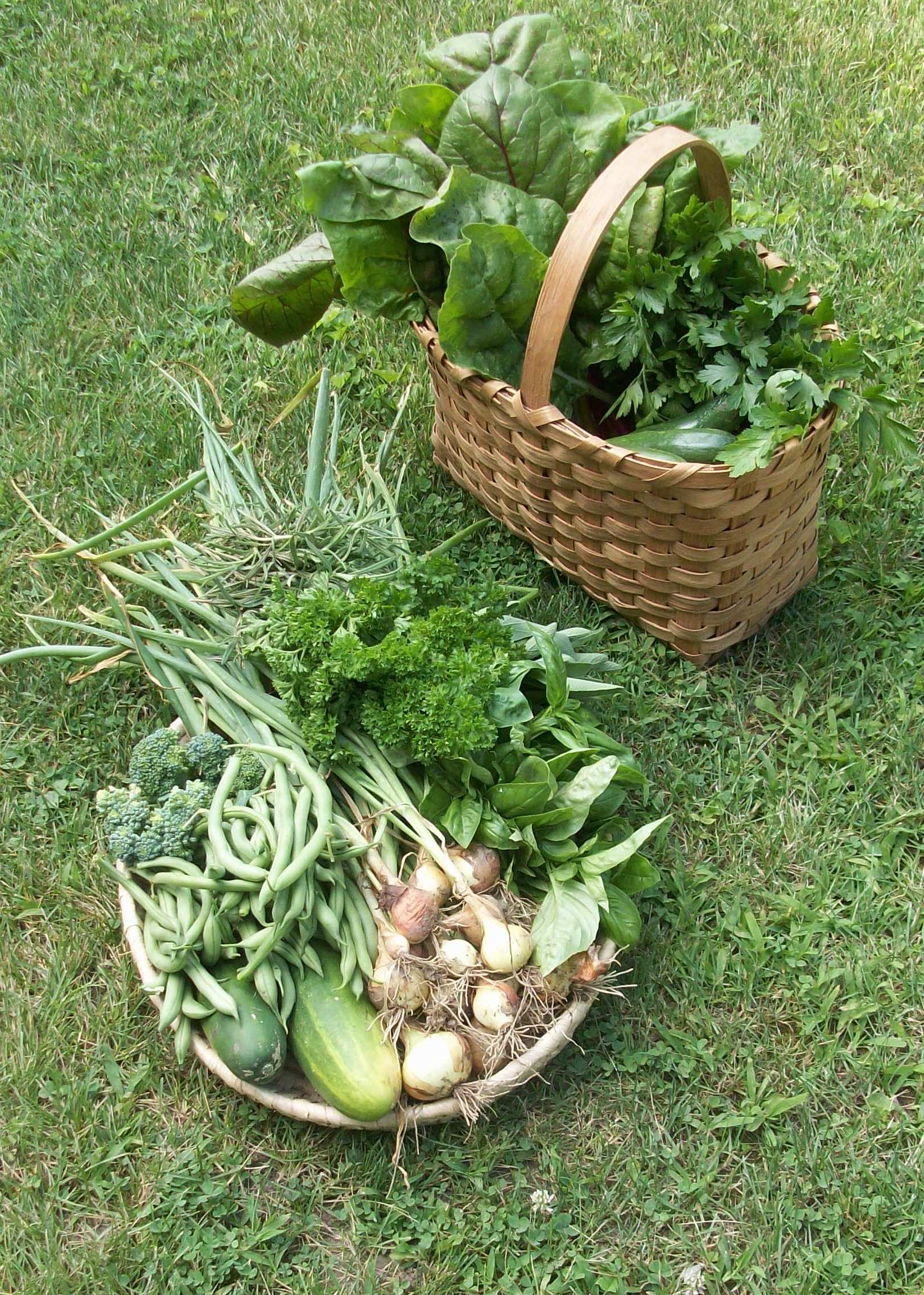
I shared my garden’s abundance at the meeting, taking zucchini, yellow squash, kale, basil, flat leaf parsley and kohlrabi in a cooler. The basil and parsley were popular, with everyone taking some. Everything else, except one kohlrabi found a home. The fragrance of basil filled the room while we met— it was intoxicating.

My sense is we are in for another drought. It already feels that way, despite tonight’s forecast. I hope I’m wrong. We can irrigate if we have to. When the county studied the Silurian aquifer, there was plenty of water. But more is at stake than a single crop, or a couple of bad seasons in a row. The extreme variation in weather is concerning and is consistent with what scientists are saying about the effects of global warming. Let’s hope our questions will be answered, “yes, it rained.”

Categories
Environment Sustainability

Coralville Parade

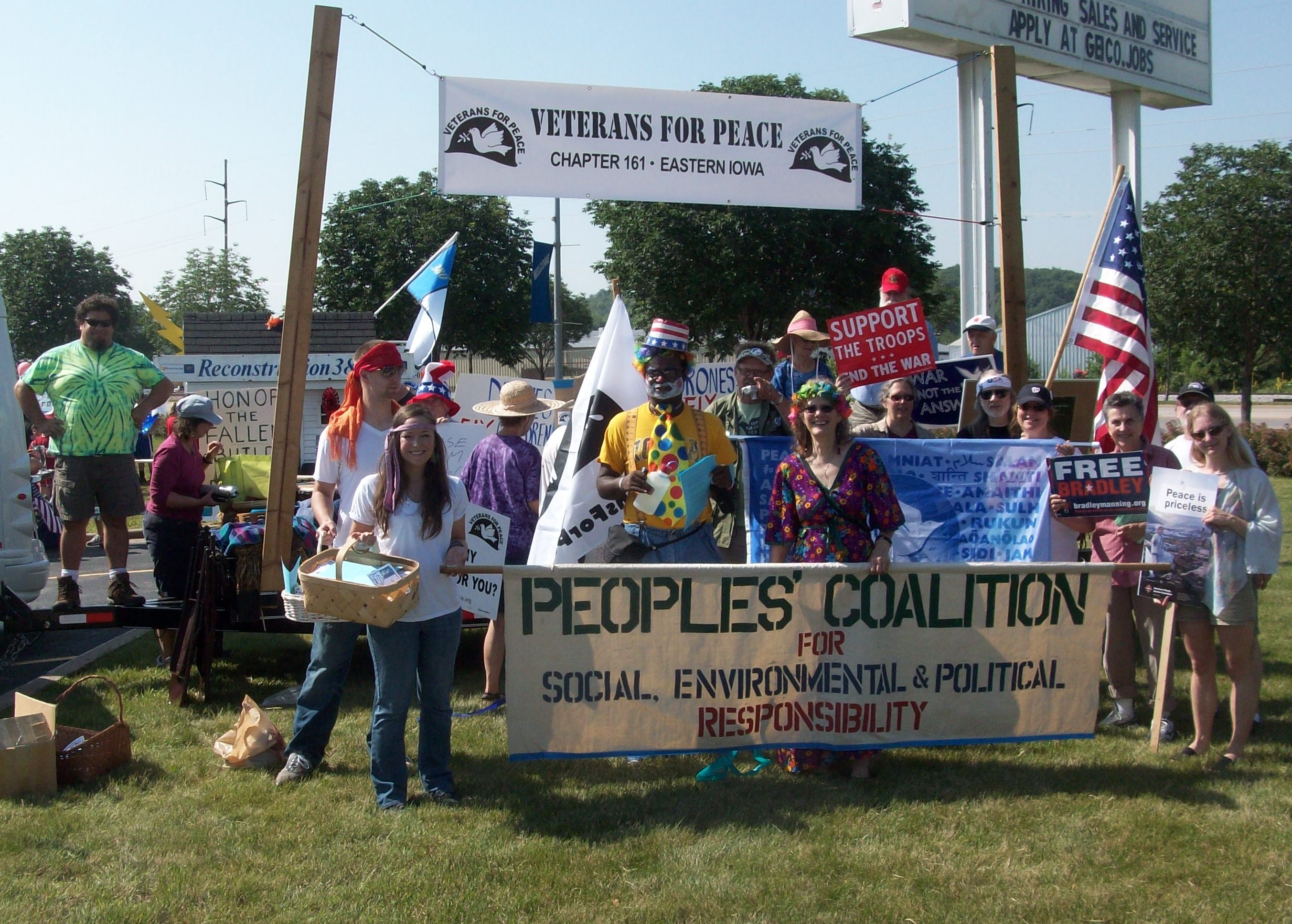
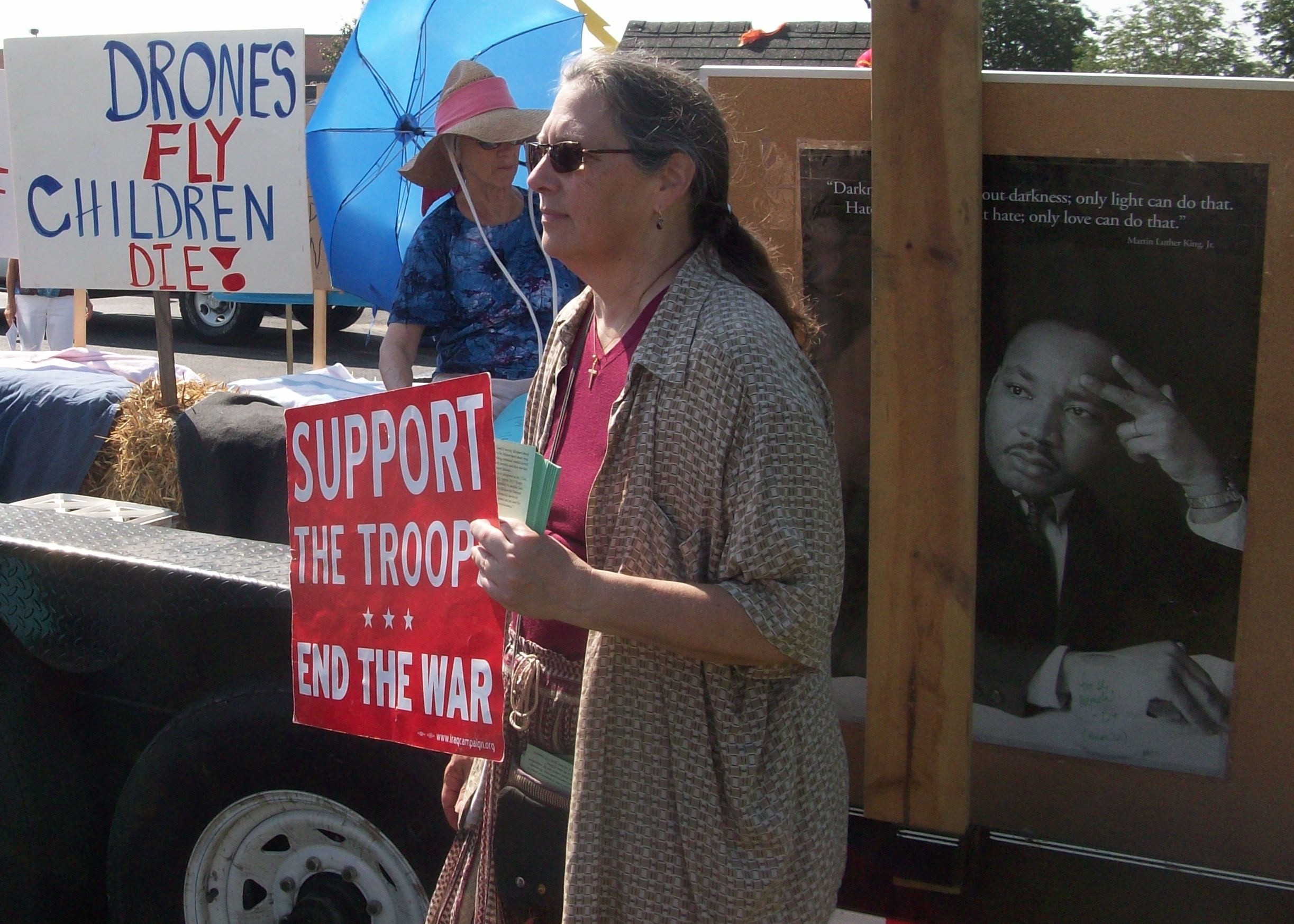
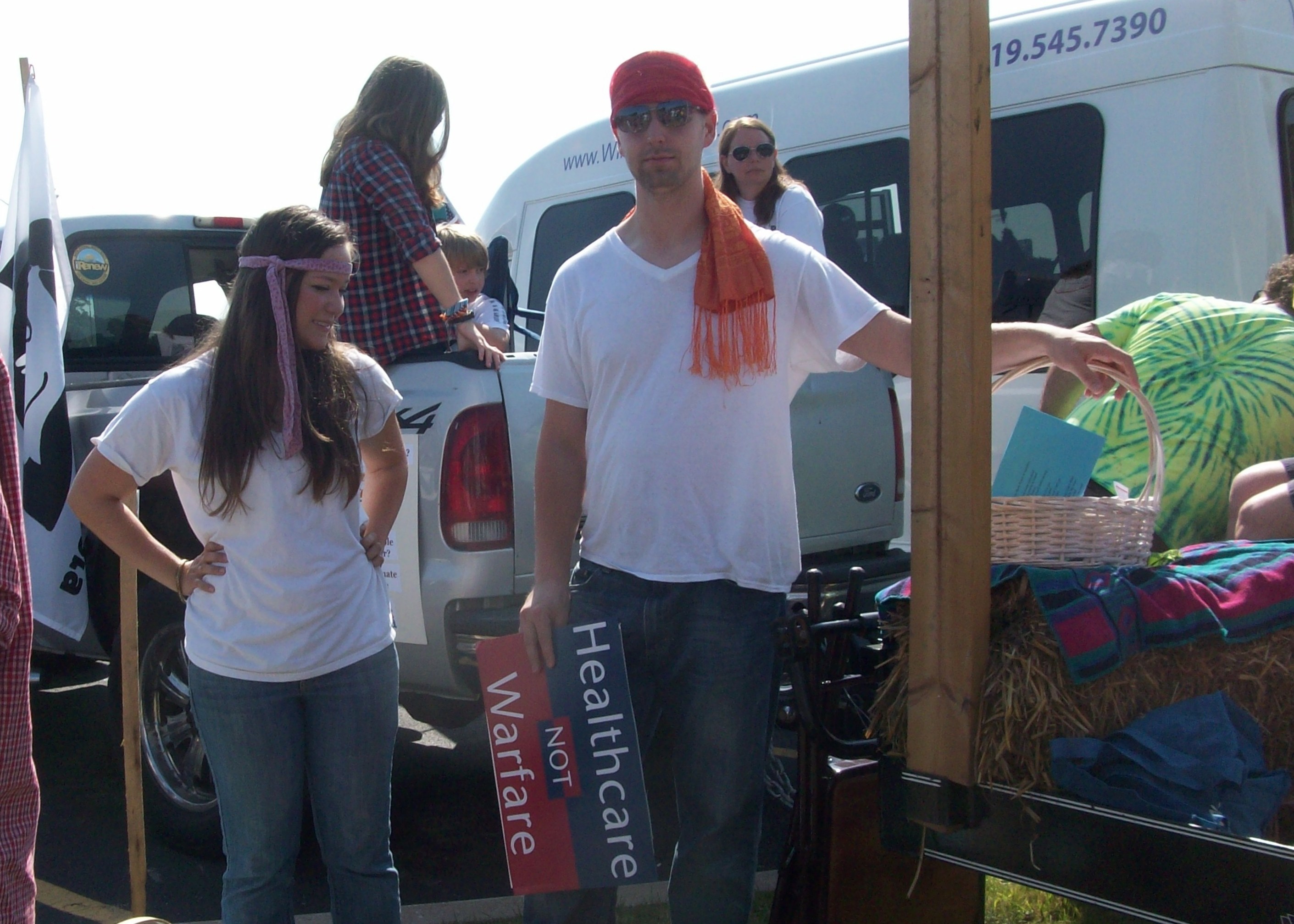
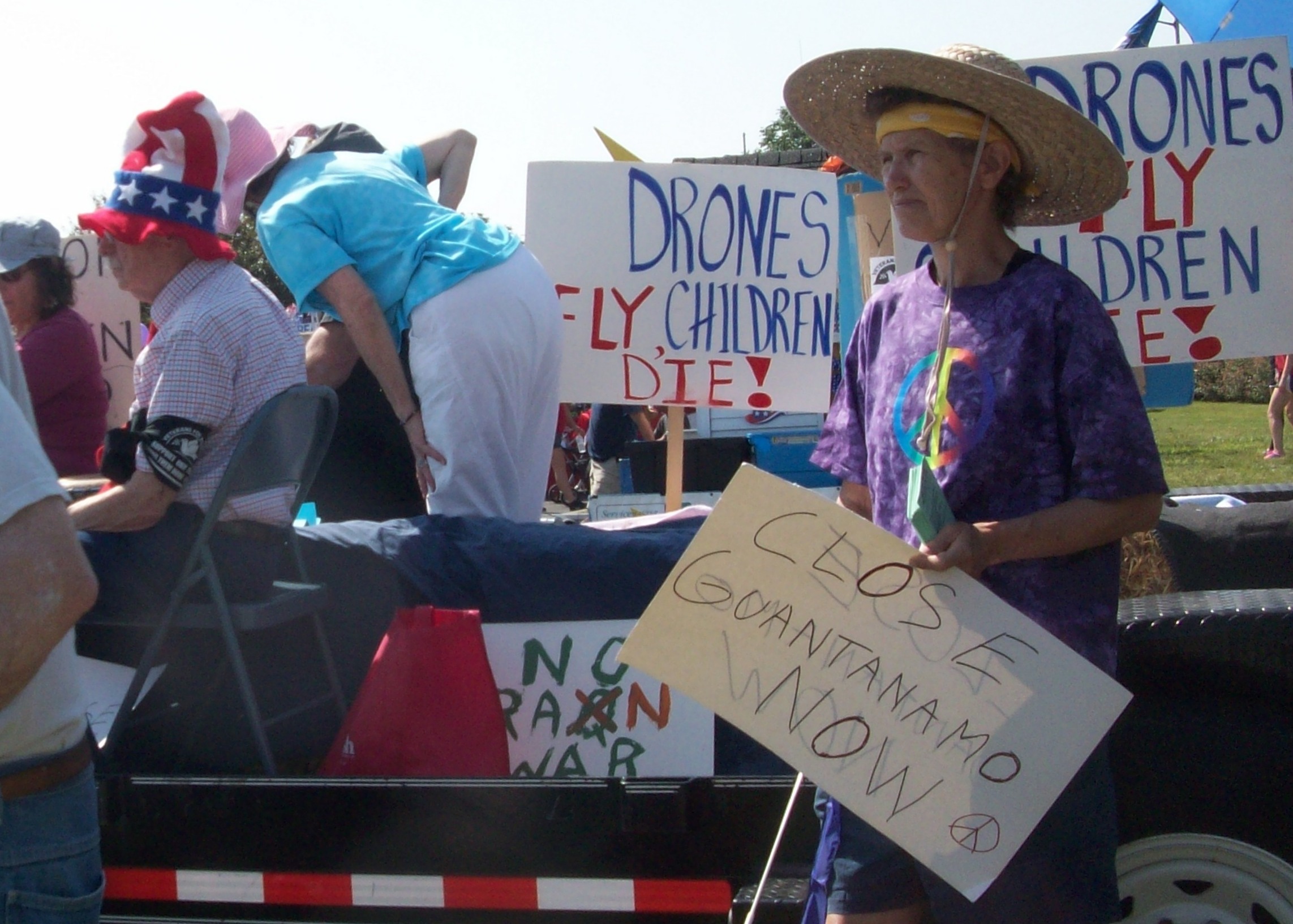
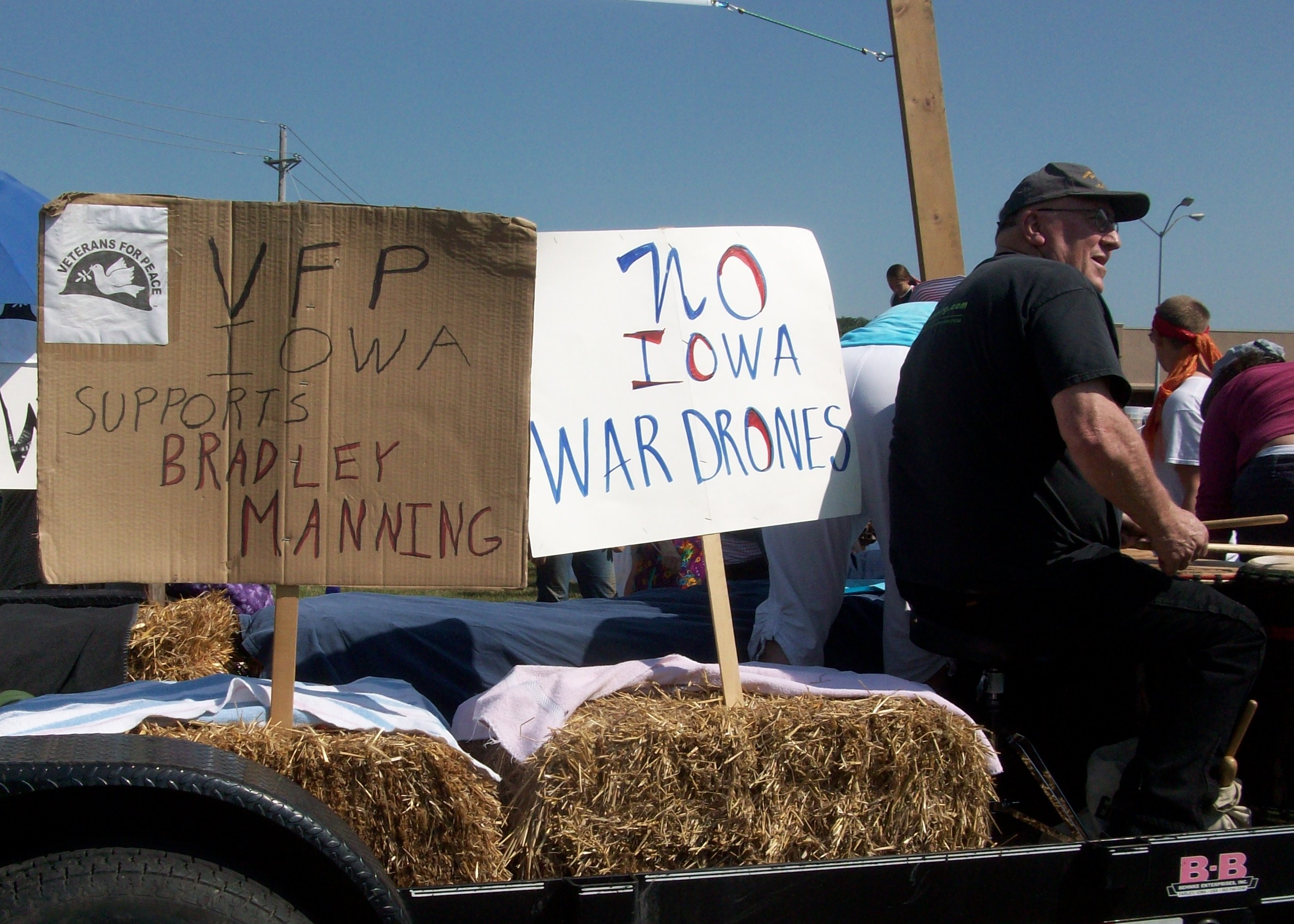
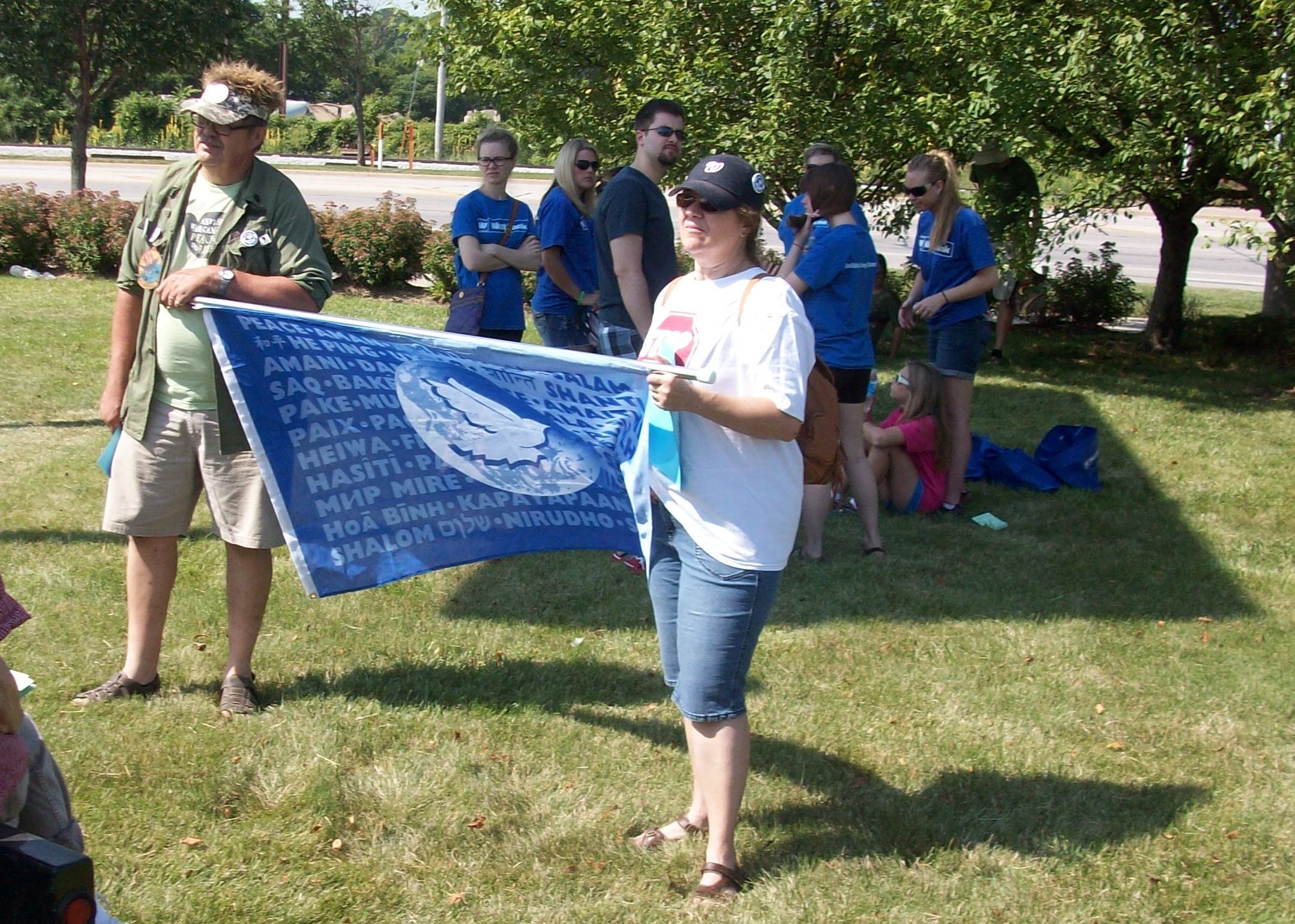
CORALVILLE— The Peoples’ Coalition for Social, Environmental and Political Justice walked in the July 4 parade here. The photos don’t include everyone, but you can get the flavor. The Peoples’ Coalition forms once a year for the purpose of getting peace and justice people together to interact with and get our messages to everyday people in the community. The parade entry was strong, with folks from Veterans for Peace, Iowa Physicians for Social Responsibility, PEACE Iowa, Yahoo Drummers, Green World Biofuels and others, all committed to peace, and social, environmental and political responsibility.

The Yahoo Drummers provided background during the entire parade route, and the group sang songs that included “We Shall Overcome,” “If I had a Hammer,” and “This Land is Your Land.” The songs were familiar and uplifting. Parade watchers joined in singing from time to time, and provided positive feedback to the group.

Contact Paul Deaton at paul.deaton@gmail.com if you would like to get involved with any of the groups, or be part of next year’s parade.

2013 Coralville Independence Day Parade.
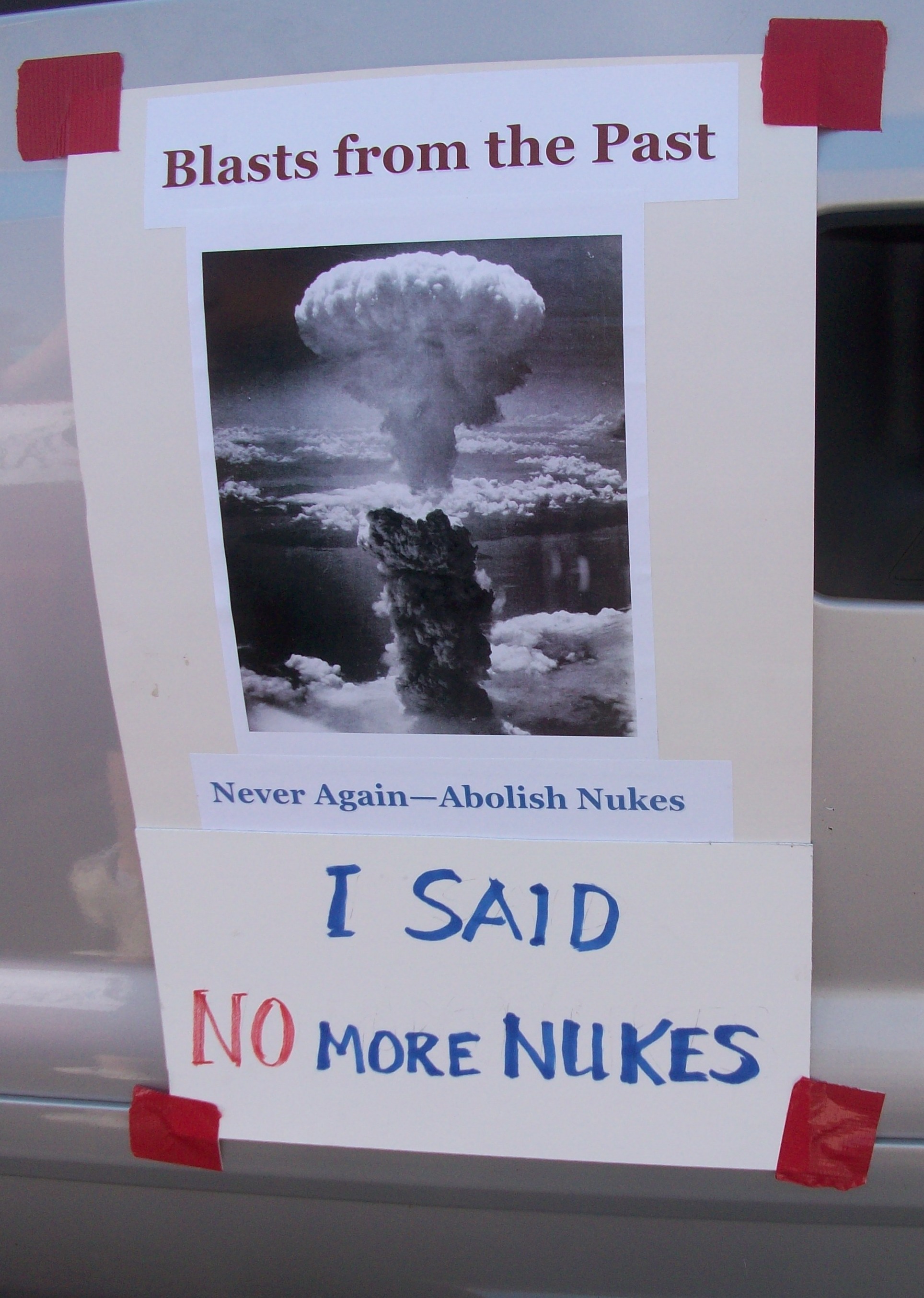
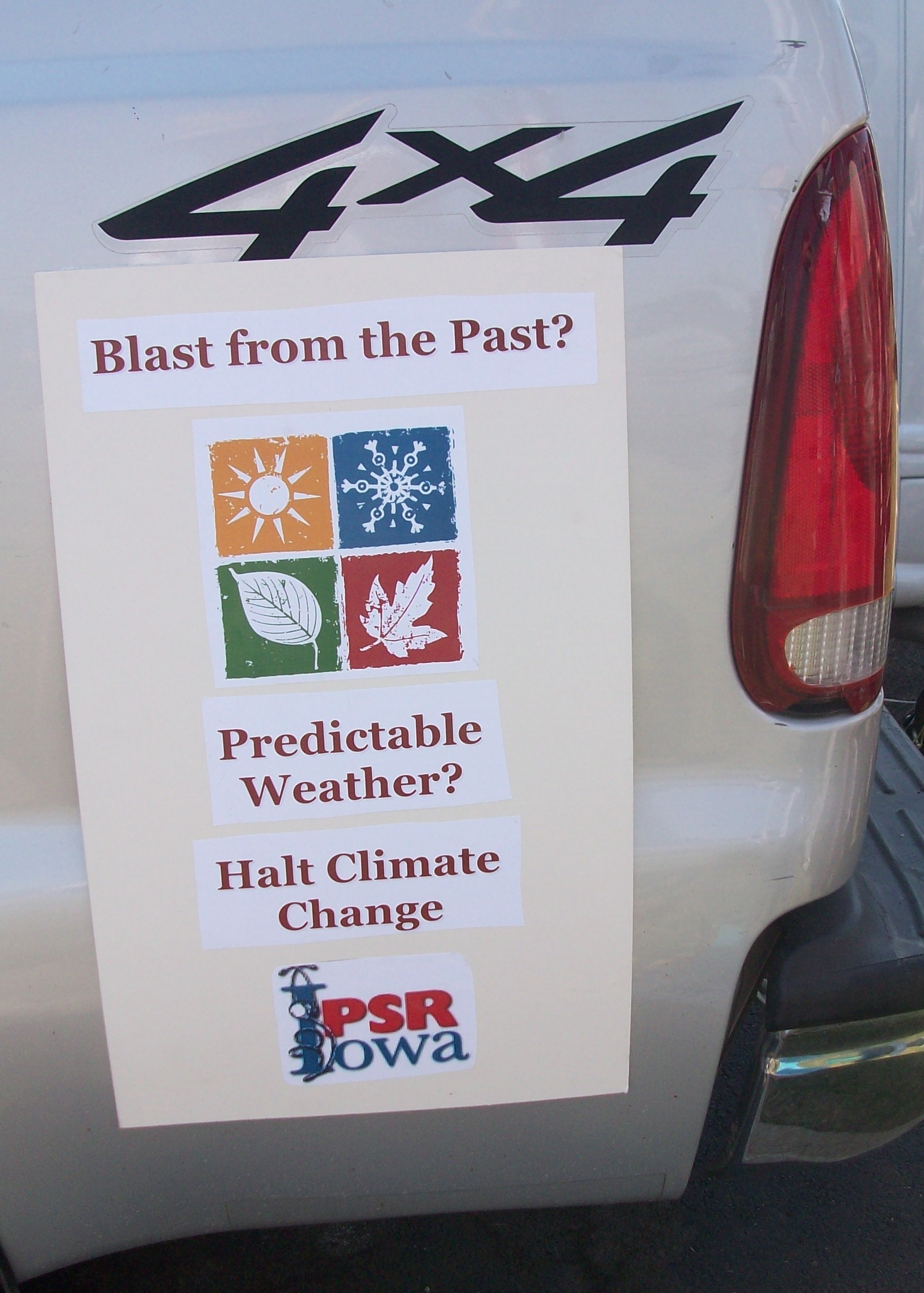
2013 Coralville Independence Day Parade. Theme was "Blast from the Past"
2013 Coralville Independence Day Parade. Theme was “Blast from the Past”
2013 Coralville Independence Day Parade.
2013 Coralville Independence Day Parade. Veterans for Peace was present in force.
2013 Coralville Independence Day Parade. Theme for the parade was "Blast from the Past."
2013 Coralville Independence Day Parade. Theme for the parade was “Blast from the Past.”
2013 Coralville Independence Day Parade.
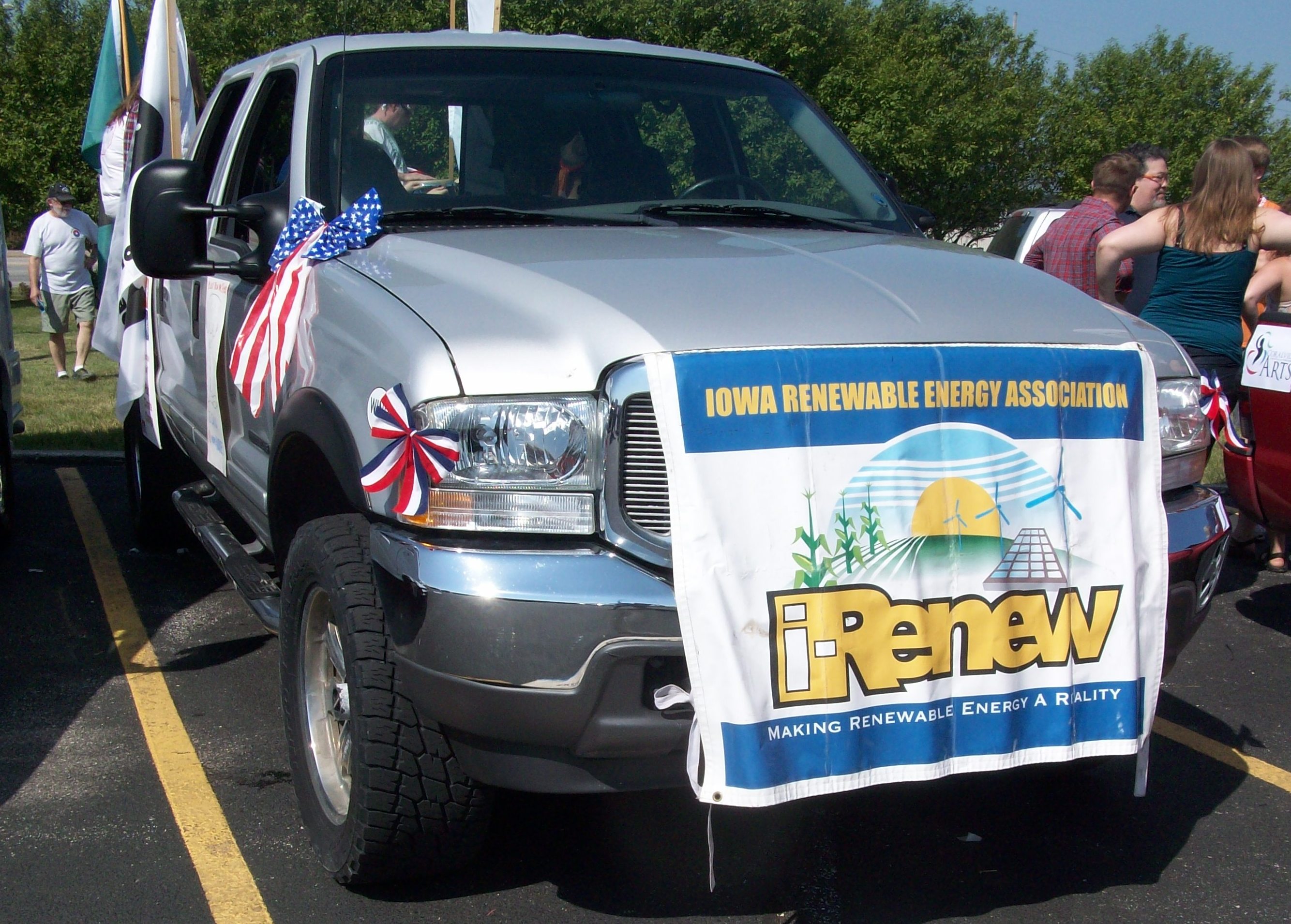
2013 Coralville Independence Day Parade. Biodiesel powered vehicle pulled the trailer.
2013 Coralville Independence Day Parade.
2013 Coralville Independence Day Parade. Michael,  Dr. Maureen McCue and Dr. John Rachow, a nuclear family.
2013 Coralville Independence Day Parade. Michael, Dr. Maureen McCue and Dr. John Rachow, an anti-nuclear family.
Categories
Kitchen Garden

Battle for the Cruciferous Vegetables

Fresh Kale
Fresh Kale

LAKE MACBRIDE— Summer arrived and the battle for the cruciferous vegetables has begun in earnest. The progeny of the white butterflies— that were flitting about laying eggs less than two weeks ago— have arrived in large numbers. Too many to count, the small green caterpillars have done their damage to broccoli, Brussels sprouts, collards and kale leaves planted in the middle southern garden plot. They either like something or they don’t because the Swiss chard planted between the kale and collards was untouched by the caterpillars. The bugs also appeared in the spring vegetable plot where I put a few extra broccoli and kohlrabi seedlings. They don’t seem to bother the turnips, radishes and arugula, also cruciferous vegetables, although something else pokes tiny holes in those leaves.

I don’t have many defenses, except to limit the damage by picking off the caterpillars and dropping them into a bucket of soapy water. Because my fingers are so big compared to the bugs, I went to the medical supply house and bought a surgical grade, stainless steel forceps to aid me in plucking them off the leaves. It’s a nice piece of equipment.

I harvested all of the kale to get rid of one food source for them. It is now debugged, washed, dried and stored in the refrigerator. I have new collard, Swiss chard and kale seedlings ready to plant, so I need to consider where to put them. Outside the current colony/restaurant for caterpillar dining, methinks.

While I mull that over, I’ll make a smoothie with kale, strawberries, peach, Greek yogurt, honey and ice. By acting quickly, I got my share of the kale harvest and intend to enjoy it.