Categories
Writing

Night Storm

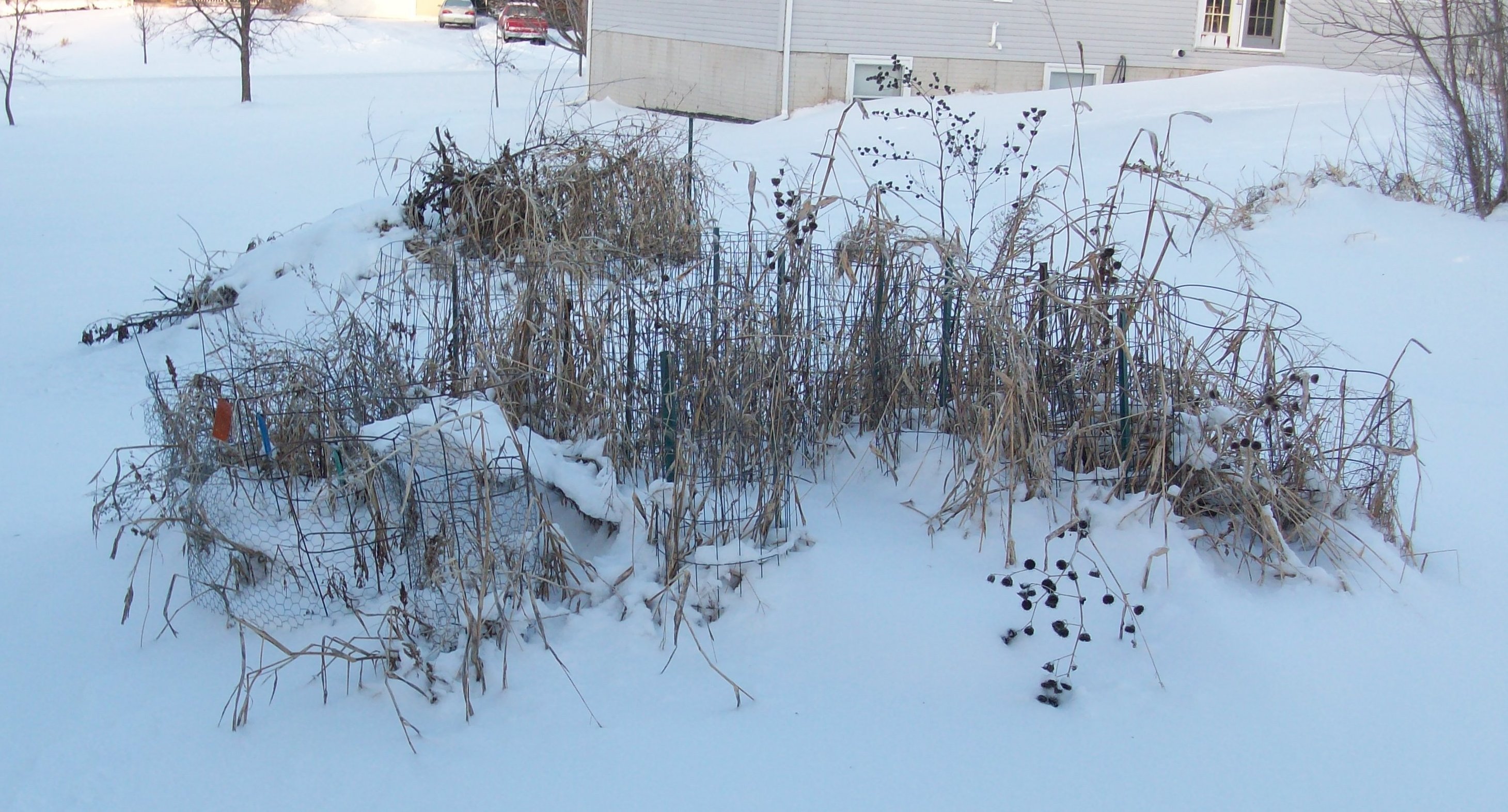
The Ditch in Winter
Ditch in Winter

LAKE MACBRIDE— Just before running my mobile phone through the washing machine, I searched the Internet for Hyemeyohsts Storm.

There were a few search results— what little information there was full of controversy. It was 2 a.m. and I hadn’t turned the lights on.

The year Seven Arrows was published, Chuck Storm was a lecturer in the Department of English at the University of Iowa, where he taught a course titled, “American Indian Signs and Symbols.” His wife Swan accompanied him everywhere he went, and would roll cigarettes for him as he told stories once a week for a couple of hours. That was before smoking was banned in classrooms.

I got an A in the course. Everyone did. Storm confronted the administration and made a case for the grade, and got his way. A lot of people who attended the classes weren’t registered. To call it a “class” was a stretch, as the curriculum was disjointed and sometimes incoherent, if one existed at all. What happened each week just happened, and I suppose that was part of the learning.

Storm welcomed us to visit their apartment, and one evening I did. Unannounced, and perhaps a little rude, I appeared at their door, and Swan welcomed me in. They were working with someone who had a issue with film. He was wrapped in celluloid from which he broke free. Afterward, Swan used a hand sweeper—the kind I use to pick up pine needles after the Christmas tree is removed—to clean the carpet, then we dispersed for the evening.

Seven Arrows was a work of fiction, and as such, it was easy to accept. While it claimed to be “the first book about the Ways of the Plains People to be written entirely by an Indian,” it was sometimes uncertain which stories were part of oral tradition, and which were fictionalized.

A number of modern writers have called Storm a fake Indian.

“Hyemeyohsts Storm, whose first name is hard to spell and to say, was another faker who made a minor fortune with his fake Indian book, Seven Arrows,” Dr. Dean Chavers wrote in the Native American Times. “It tried to be a genuine representation of the ceremonies of the Cheyenne people, but it came out as hippie mish-mash, just right for the 1970s.”

Storm has been accused of exploiting native traditions, of selling spirituality, and of being a plastic shaman and plastic Indian. I don’t know about that, and when I knew him he seemed genuine enough—as genuine as any writer I met during my undergraduate studies.

Why life would lead me here is uncertain. A whim from the beyond, as Meyer Baba might call it. What I know is I wasn’t ready to replace my mobile phone, or to consider negativity clouding the view of life as I knew it four decades ago. Perhaps it was just a night storm.
Categories
Writing

Newspaper

Garage Sign
Garage Sign

LAKE MACBRIDE— It’s been a dubious endeavor.

After discontinuing our subscription to the daily (except Sunday) newspaper years ago, I began freelancing for them. Feeling a need to subscribe again, I did.

The carrier came and left no paper on the inaugural subscription day. Perhaps communications between sales and circulation is not all it could be, although friction between these entities has been a bone of contention since I learned the structure back in the 1960s. For my part, I’ve always been an operations guy. Leave the delivery of services to me, and production and sales to someone else. Still, no paper despite my distraction recounting personal history.

Complaining is not my bag. At least that’s what I believe. While developing a tolerance for the human condition, sometimes I fall short. When we know a little bit more about something, like the structure of newspapers, one can get a bit whiny. That is not becoming of the 60-something.

Yesterday I distributed some 1,400 samples of a pastry confection to people in the warehouse. There were a lot of smiles as the imminent Thanksgiving holiday precipitated whole families arriving to shop together.

I enjoyed their conversations—carried on as if I wasn’t there. Men discussed how women could use a food item. Parents and grand parents marshaled children as they navigated the tall steel stacked with palletized product. Patrons with Irish whiskey in their carts lingered in the cheese aisle living large with dairy. It was a specialized soup of humanity and I was ladling it into my bowl attentively.

What I can say about my work in the warehouse is limited. Since I need the income to support my writing, one dasn’t disrupt things. Framing only general and positive remarks in public, there is a story to tell, but it must be told later, after I move on to what’s next to pay the bills. One always believes there will be a next thing.

But this morning, right now, I am writing. For now, that’s enough to accept the varied and imperfect life I have been living.

Categories
Work Life Writing

Meeting at the Cemetery

Rural Cemetery
Rural Cemetery

BIG GROVE TOWNSHIP— There was trouble last night at the cemetery, the first such trouble since I was elected township trustee.

It had to do with who could be buried in whose plot, and the trustee who coordinates plot sales and burials wanted to discuss the issue. The funeral is Friday, so no time for dalliance. We are meeting at 8:30 a.m.

Two years into my term, being a township trustee has provided a steady stream of learning about our community. There has been time to consider things, and almost no controversy—just repeated expression of wills about what should get done and how. Any conflicts that surfaced were quickly resolved.

I’m confident we will figure this one out.

Yesterday it was shown that Mary Landrieu did have 59 votes to proceed on Keystone XL, and that’s all she had. The bill overriding the executive process on evaluation and approval of the project now goes into the dustbin of the 113th Congress. It likely will be back next congress.

I spent part of the last two days transcribing testimony to the Environmental Protection Agency (EPA) on reduction of greenhouse gas emissions, carbon dioxide particularly.

“I began my career as a summer intern at EPA 42 years ago under what has euphemistically become known as Russell House One,” Dianne Dillon Ridgely said. “I was a 19-year old kid. And what is most dramatic is much of what we addressed that summer—in terms of air pollution, in terms of the public’s engagement on power production—are exactly the same things, particularly in terms of coal, that we are still addressing and fighting 42 years later, and to me that is really a sad commentary.”

Ridgley is a 42-year veteran of governmental action (or inaction) on clean air and clean water, having been appointed by Presidents Clinton, Bush 41 and Bush 43 to international delegations to address environmental issues. We’re still addressing them. There is hope the EPA’s actions won’t be blocked by the 114th Congress, something the presumed Senate Majority Leader Mitch McConnell indicated is high on his to-do list. Time will tell, but I believe we are on the right side of history regardless of what the Congress does.

My last workday at the local paper was Sunday. It will feel a little weird to be able to focus on my writing on the weekends instead of proof reading the paper. The bucket of part time paid jobs is down to three, and one of those is finished the second week in December. When the number surged to eight last summer, it was too much to juggle. Having found a bottom, the goal for next year is to keep what remains, and use it as a base. In addition, I will seek paid writing jobs and temporary positions and opportunities that can add a few C-notes to the treasury each month. What remains is that I work to support my ability to write.

Hope against hope, I want to get out in the yard and mulch the leaves, and shorten the grass. For that to happen, the snow needs to melt, the yard dry out, and half a day of warmer temperatures roll in. In these days of crazy weather, that is possible, however improbable. That’s where this Wednesday finds me.

Categories
Writing

Snow Came

Snow Cover
Snow Cover

LAKE MACBRIDE— The first snowfall precipitates the innate idiocy of people who forget, or refuse to recall that it gets slippery when snow falls on the roadway. Coming across Mehaffey Bridge Road after a shift at the warehouse, a long lineup of cars was stopped with headlights on. Two cars were in the ditch with the sheriff nearby. I hope no one was hurt.

A snowplow came in the oncoming lane dropping sand and salt, so three of us jumped over and drove around the obstruction. If nothing else, I am a confident winter driver, having weathered all kinds of conditions in the U.S. and in Germany.

Crops are still in the field, but other than that, we needed the moisture. It’s still snowing.

The kale in the garden looks green from the house, but this may be the end of it. Part of tomorrow will be checking it for edibility. There are also vegetables going bad in the fridge, and those will go to compost when I check the kale. The growing season may officially be over.

Categories
Writing

Gold Rush

Gold Rush Photo Credit - Stark Bros.
Gold Rush Photo Credit – Stark Bros.

LAKE MACBRIDE— The last apples are in.

The orchard had two crates of Gold Rush in the cooler. They ripened only in the last week, and are predictably firm and tart. Something to hold in storage until the Red Delicious from our tree are finished. I bought a dozen.

Developed in partnership between Purdue University, Rutgers University and the University of Illinois in the 1970s, Gold Rush is known for its late maturing, fruit quality and long storage ability. When they come in, the season is over. A marker in the circle around the sun.

Categories
Writing

Rainy Writer’s Day

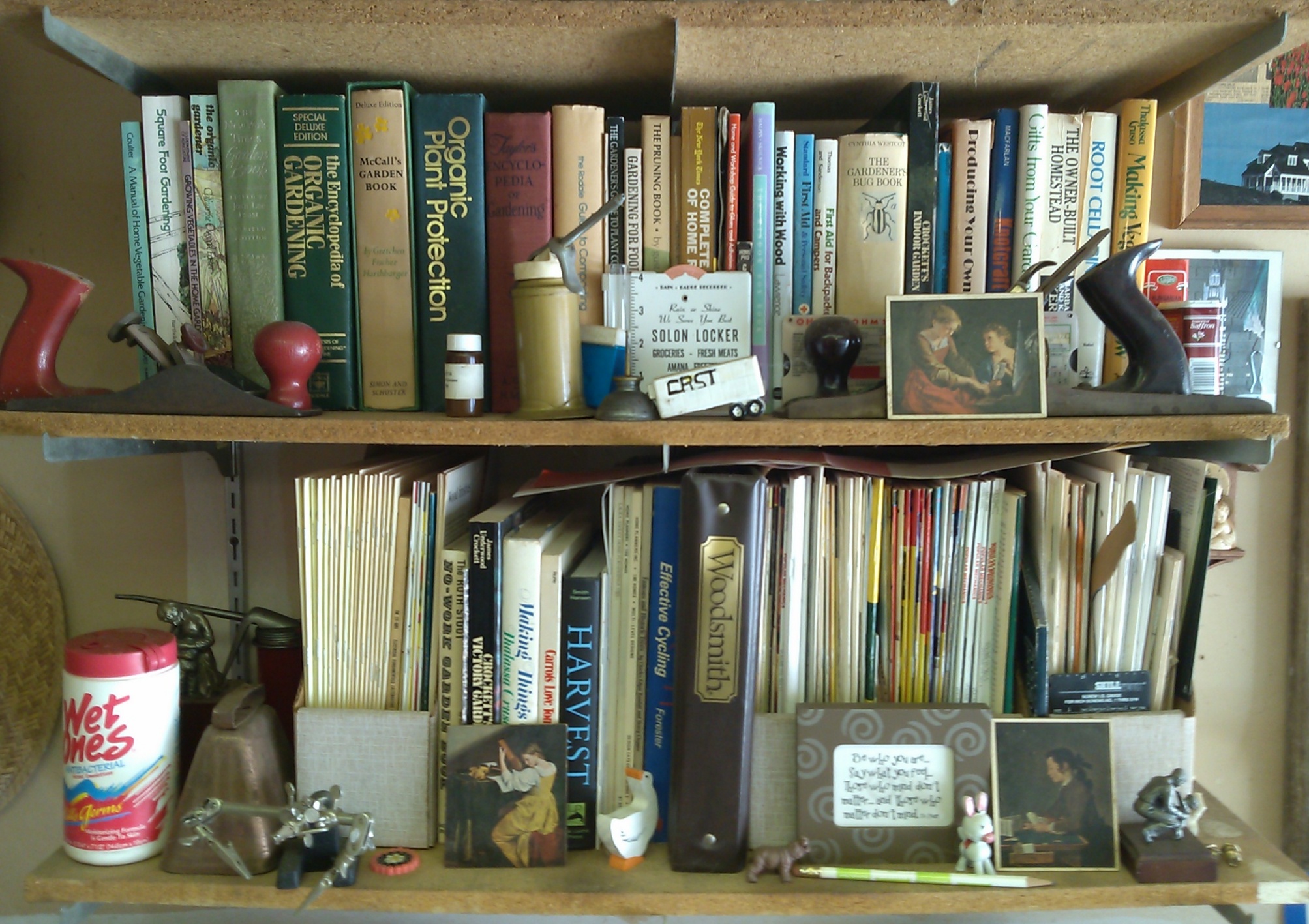
Book Shelf
Garden Book Shelf

LAKE MACBRIDE— Intermittent rain fell throughout yesterday. Fallen leaves were dampened, and for a while, runoff flowed in the ditch. Apples clung to the tree, waiting another day to be picked.

We needed rain, but then we didn’t as crops stood in the field drying before harvest. It was a writer’s day, one for gathering material. Today will be the crafting of stories—a rarified trip into the imagination to produce more tangible results.

There are two hard parts about writing.

The first is finding meaningful venues. My process began with keeping a journal, writing letters to the editor, and commenting on a local radio station. When I look back at this work from the 1970s, it was raw, and rough, and in many cases, stylistically challenged. But there were venues, and I made something of them.

My first article outside public forums was written after a trip to Belgium and published in the newsletter of the Center for Belgian Culture of Western Illinois. I published a series of three articles after a vacation while serving in the U.S. Army in Europe, the first appearing on Nov. 27, 1977. A friend who was editor patiently waited as I drafted, typed and mailed the copy from my apartment near the Mainz railway station. As busy as I was in a mechanized infantry battalion, it is a wonder these articles were even produced.

My current work appears here, on Blog for Iowa, and in three newspapers for whom I am a part time correspondent. The newest freelance job, for the Iowa City Press Citizen, was added to the mix yesterday. 2014 has been a year of learning the peculiar requirements of writing for a newspaper, and doing it. By year’s end, I will have written about 50 newspaper articles. Between journal writing, blogging and newspaper writing there are venues enough to find meaningful expression, at least for now.

The second hard part about writing is staying focused. Sitting at the work station and crafting words and phrases on the computer screen or on paper. This takes discipline, and a willingness to avoid distraction. Some days it goes well, and others less so.

By design, today will be a day of writing. There are four articles in the works, and with a full slate of part time jobs to pay bills, it has to be. The rain left last night, and the chance of precipitation is zero throughout today. There will be a temptation to head outside to pick apples and peppers, or to work in the garage on a dozen projects, but it must be resisted. Even now I procrastinate—the writer’s natural inclination.

Yet when inspiration comes from a mysterious source, the words flow, almost automatically. It is those times we treasure as we write. Yet they don’t come without discipline and work.

To get to today took work, and some persistence. When I began writing four decades ago, I didn’t know how it would turn out. Now that I am here I can see the sacrifices that were necessary in the form of an unconventional approach to paying the bills, and a willingness to make sacrifices to see the world and gain understanding of part of it.

Was it worth it? I’m still here to tell the tale.

Categories
Work Life Writing

Life Minus Television

You Bet Your Life
You Bet Your Life

LAKE MACBRIDE— It has been a while, more than a year, since the television has been turned on with any regularity. I fired up the tubes to view President Obama’s address to the nation on the campaign in Syria, and occasionally we follow extreme weather, but mostly the set rests darkly in the corner, collecting dust.

That’s not to say we disconnected. We cut back the service to basic cable to save a few budget dollars, and maintained what we had for the bundling with Internet service. With the recent demise of my laptop, and acquisition of a desktop to replace it, I have less screen time generally. The computer has become a work station in a life with many of them— a post-television life of screen time.

Early on, I realized the boon to productivity that was word processing software. It’s hard to believe how much time was spent typing and re-typing a finished paper or article on my Smith Corona and Olympia machines. I kept the typewriters for sentimental reasons, and don’t know if I could find a new ribbon should I want to use them again. While we lived in Indiana, I bought a word processing machine and produced some documents that survive, including a journal— electronic word processing was a miracle.

On April 21, 1996 we bought an Acer home computer and logged on to the Internet at home for the first time. Making the decision to add the $25 monthly subscription to an already tight budget was a big deal. There’s no going back now, and communications services is a big chunk of our monthly budget, one I would like to cut back on.

Now there’s the hand-held mobile device with an Internet connection and many applications. It is used mostly to check email and news, and every once in a while, I make a phone call. Owning this machine has made a laptop less relevant, and communications with people who matter easier.

With the conversion of the industrial economy to one based more on services, the most important element, one that changed everything, has been constant human contact. At the warehouse, I interact with hundreds of people each day when working a regular shift. At the orchard, on a busy Saturday I will greet 500 people or more. It is this human contact we crave, despite how it drains energy from our day.

When we lived on Madison Street, before I entered first grade, I longed to stay up and watch “You Bet Your Life” with Groucho Marx on television. My parents would not allow it for reasons that have become obscure in the river of time. Partly they felt I should be in bed by 9 p.m. when the show aired, but there was more.

As I moved through the grades and left home, television viewing was always a second tier activity, one for after a day’s work was done, whether it be school work or a shift at a job. When I lived in Germany I bought a television late during my tour of duty, and got rid of it after a few months. There is no going back to television now. I’d rather spend my time with people, and see the diverse human experience for myself.

Categories
Writing

Pivot Point in Big Grove

Kitchen Light
Kitchen Light

LAKE MACBRIDE— After nine hours, the yard work came to a halt. There was a lot more that could have been done—picking up grass clippings for mulch, trimming trees and bushes, taking down the second tomato patch—but nine was all I could do.

I left the hot and sweet peppers to grow, and the kale, but that was it. It is time to call it a year for the garden. Between the CSA and our garden, there is no shortage of food in our house. Now comes the processing before it goes to compost.

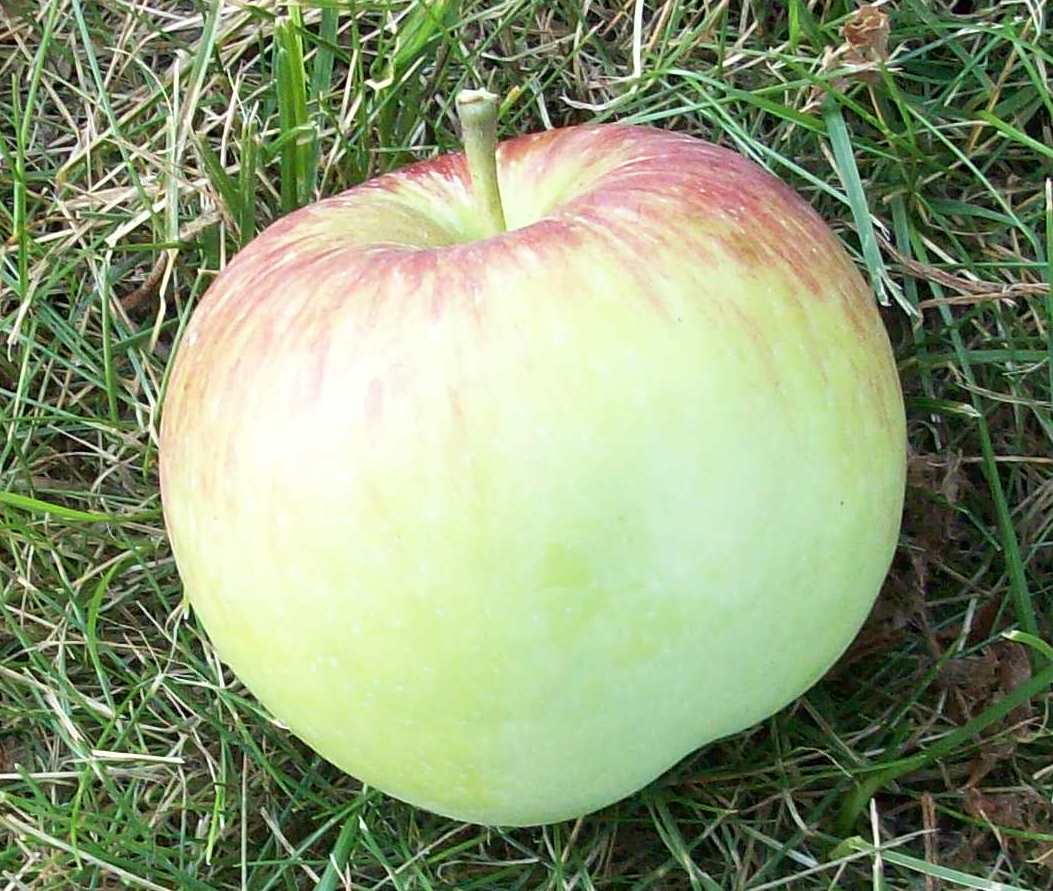
The pears were starting to go bad, so I salvaged what was good and added an equal weight of apples—McIntosh, Song of September, Blondie, Cortland, Haralson and Jonamac. I was a little short, so I picked enough Red Delicious from the  tree in the yard to fill out the weight and made a sauce with the whole lot. The pears sweetened it so no sweetener was needed. It made three quarts and tasted great.

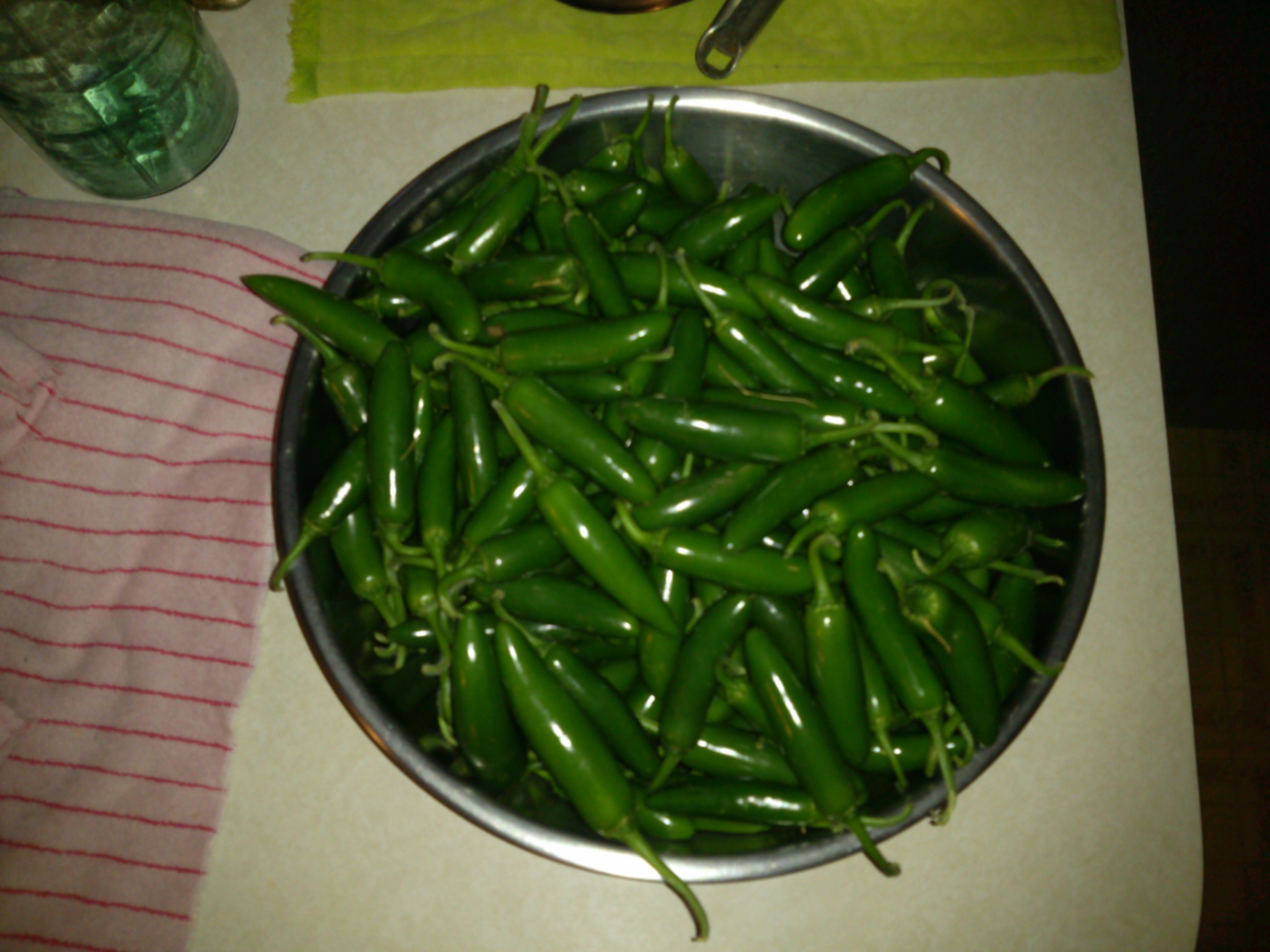
Serrano Peppers
Serrano Peppers

Hot peppers are in abundance this year. Dehydrated halves of jalapenos were ready to bag and eventually be turned into a powder. I replaced them with whole Serranos to see if they would dehydrate to make pepper flakes. The rest of the abundance is in zip top bags in the refrigerator awaiting disposition.

I picked what was good in the tomato patches yielding two full trays. They all produced well, more than we need. With the fresh and canned tomatoes, we will last until next August.

This morning I made soup using kale, celery, carrots, onion, canned diced tomatoes, soup stock, bay leaves and dried chervil. I added a quarter cup of pearled barley. The home grown celery tastes like no store bought celery does, and next year I expect to grow more.

There is so much kale a lot will be composted. Some went to the library friends, and the rest is in large garbage bags in the refrigerator taking up space. Eventually it will all find a home.

This afternoon I put the garage back together and returned the automobiles inside. I need another day in the yard, but am not sure when next that will be possible. It’s back to all of my part time jobs for now, hoping ends will meet at the end of the month. One thing is sure, we’ll have plenty to eat.

Categories
Writing

In the Apple Grove

Home Apple
Homegrown Apple

After a shift at the warehouse, I stopped at the orchard to get Honeycrisp apples. Contrary to what one sees in the mega market, they are seasonal, and the season is short. We hadn’t had enough.

The orchard staff was busy with a tour group, so I went straight to the display near the cooler in the sales barn. Sad remainders, absent of value besides pressing into cider, I ventured into the orchard wearing my white shirt, black slacks and blue shoes from the warehouse.

I had directed hundreds of people to the Honeycrisp groves the last two Saturdays. It was uncertain whether any could be found, but following my own advice, I looked near the trunk of the trees and was not disappointed. I picked eight pounds from two trees in a few minutes.

As I headed back, past the pumpkin patch, across the creek and up the hill, it was invigorating to be out in the orchard where ideas meet reality and bear fruit.

Categories
Writing

Friday In Iowa – Writing In Public

Throes of Creation by Leonid_Pasternak
Throes of Creation by Leonid Pasternak

“I’ve been reading the paper lately,” said Kevin Samek to the Solon City Council on Aug. 6 during the citizens speak agenda item. “I’m a little concerned about the north sewer trunk.”

Samek had been reading my newspaper articles about the council and this long-standing community issue.

He went on to express his concerns about the way council was handling finances regarding the sewer line, and on a second topic said that public safety could be improved on Main Street by lowering the speed limit.

Council addressed his concerns by lowering the speed limit on Main Street from 25 to 20 miles per hour, and by unsuccessfully attempting to reach agreement with a developer over the sewer line at their Aug. 20 meeting. Samek filed to run for city council shortly afterward.

Two things about this story explain why some of us write in public.

Samek read my newspaper articles, and then did something about it, first by speaking to council, and then by deciding to run for public office. Informing and activating people to take action is what public writing is about. Whether we write for a newspaper, a blog, in social media, or appear on television or radio, the purpose is similar. We attempt to say something meaningful to readers and urge them to action.

The second important part of this story is that someone was there to witness the work of the city council and report on it. Often I am the only person seated in the gallery at council meetings and if I don’t write about them, it is doubtful anyone outside government would. Being there and having a point of view is important to restoring our Democracy. Writing publicly about what we witness is equally so. This is true not only for our government, but for much else in society.

As my summer job with Blog for Iowa ends, I urge readers to get involved with community life and take progressive action. We each have a unique perspective that is needed. There is a world out there and not enough people witnessing its reality and sharing it in public. Or, as Saul Bellow said more artfully, “there’s the most extraordinary, unheard-of poetry buried in America, but none of the conventional means known to culture can even begin to extract it.”

My hope is that people read what I wrote this summer and were moved to do something about issues that are important to them. As the political season turns to the fall campaign thanks for reading my summer posts. My advice is to never give up.

~ Written for Blog for Iowa