Categories
Writing

Taking Local Out Of Local Food

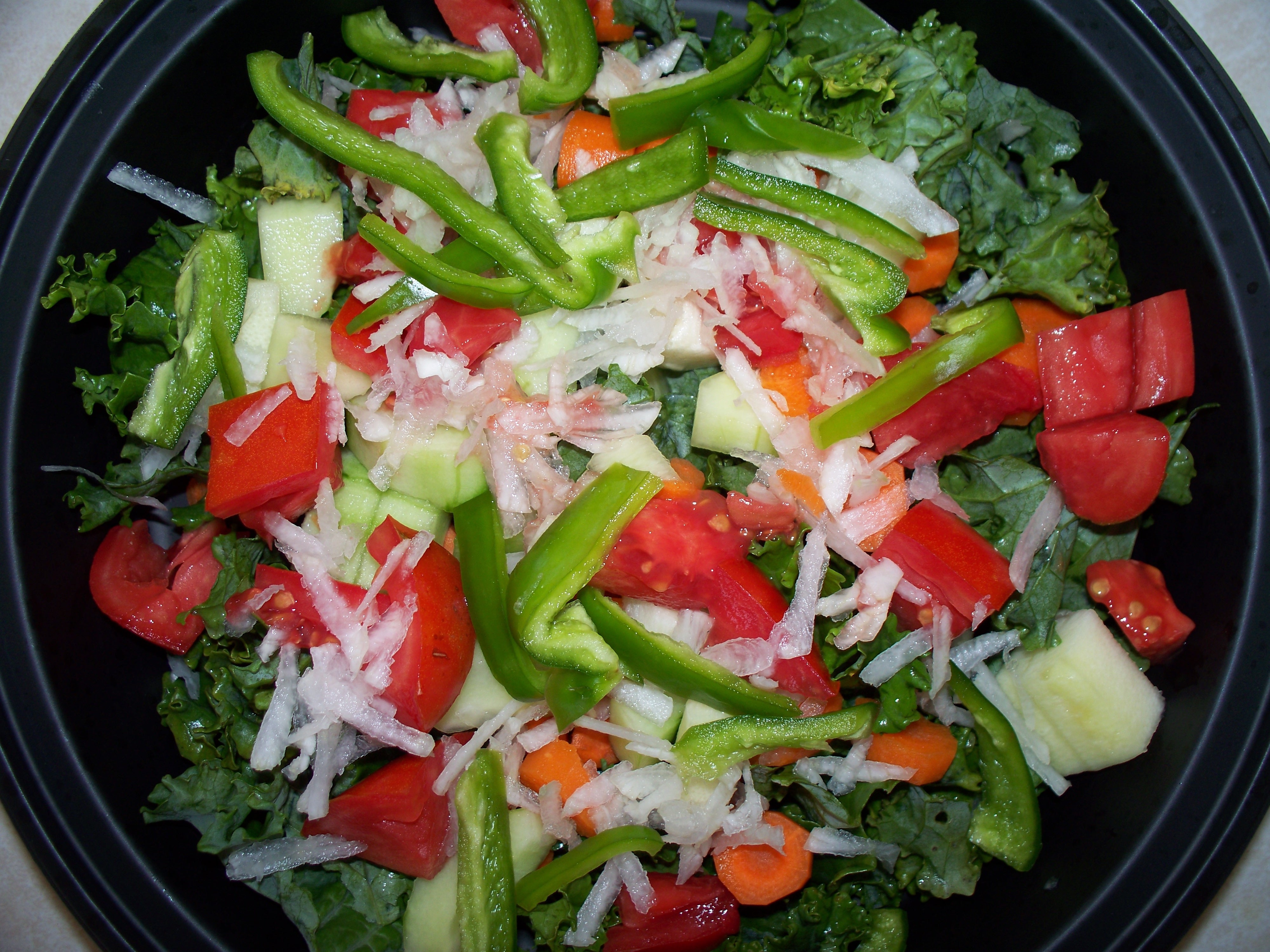
Kale Salad
Kale Salad

Ingredients for this kale salad were grown within 100 feet of our kitchen. It is as local as food gets.

We enjoy garden produce in high summer — when nature’s bounty yields so much food we either preserve or give it away. Any more our household gives away more than it preserves because the pantry is well stocked with previous years’ harvests.

Friends and family talk about the “local food movement.” In Iowa it is being assimilated into lifestyles that gladly incorporate ingredients from all over the globe. This assimilation has taken the local out of local food.

From an intellectual standpoint, it wouldn’t be hard to replace food grown in China, Mexico, California and Florida with crops grown here in Iowa. The number of acres required is surprisingly small. For example, local farmer Paul Rasch once estimated it would take about 110 acres to keep a county of 160,000 people in apples all year. The political will to encourage home-grown solutions in the food supply chain doesn’t currently exist. Until it does, rational, local solutions to food supply remain in the ether of unrealized ideas.

A vendor at the Iowa City Farmers Market was recently suspended for violating a rule that produce sold there must be grown by the vendor. Just walk the market and ask booth workers from where they hail. Often he/she is an employee or contractor working for a farm seeking coverage around many Eastern Iowa farmers markets. Too often they are anything but local growers. What’s been lost in this commercialization of local food is the face of the farmer.

Knowing where one’s food comes from is a basic tenant of the local foods movement. I enjoy working with local growers on a small acreage to produce food for families. At the same time, I seldom purchase a box of cereal from the supermarket even though I’ve seen the grain trucks queue up to unload at the cereal mills in Cedar Rapids.

For example, my garden doesn’t produce enough garlic for the year. I’d rather buy a supplemental bag of peeled garlic cloves produced at Christopher Ranch in Gilroy, Calif. than cloves lacking discernible origin at a farmers market. I know how Christopher Ranch produces their garlic. Absent the face of the farmer, there is value in understanding food origins, and that means some percentage of a household’s food supply will not be local.

There is a lot of marketing hype around “organic,” “GMO-free,” and “gluten free” foods, and this has to be impacting the customer base of local food producers. If consumers feel they can get a reasonably priced, “healthy option” at the supermarket, why make an extra trip to the farmers market, except for the occasional special experience? Why wouldn’t one pick up a bag of Earthbound Farms organic carrots when local growers can never produce enough to meet demand? At the same time, marketing hype is just what the name suggests.

Food security and sustainability are complicated. Before the local foods movement came into its own, it already is being assimilated faster than one can say snap peas. From a consumer standpoint the local came out of local foods some time ago, and it may not be back.

Categories
Writing

Clearing Space

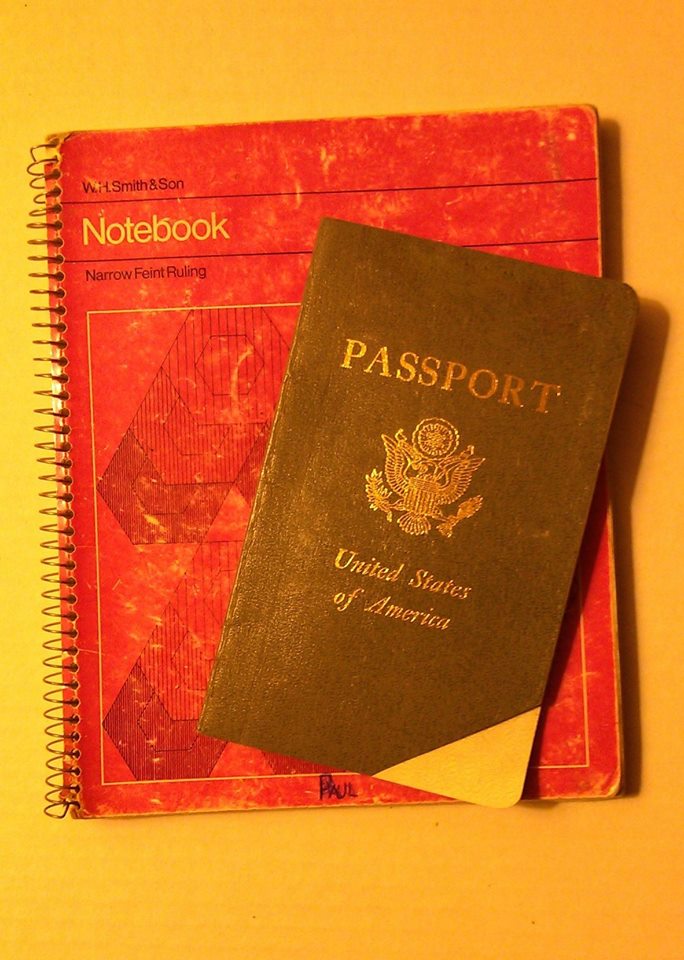
Notebook and Passport

The lower level of our home is not finished.

In August 1993, as we trucked our belongings inside, I set up a wooden desk bought for a buck after returning to Iowa from Germany. It’s in about the same place today, with an accumulation of junk piled on it.

It is time to clear the old desk and get to work making something from the artifacts of a life.

I have been a reluctant downsizer, but it’s time. The process will involve writing — autobiographical writing. It will also involve shedding the detritus of hopeful projects that lost their luster.

Few people care about a single, ordinary life unless some broader lesson can be learned from it. Even I don’t care about much of what happened in my life. The main focus is always on what’s here and now, and to some extent, what’s next.

A few projects seem particularly important.

In 2013 I wrote “Autobiography in 1,000 Words.” I’ll expand that post to 10,000 or maybe 25,000 words. Brief enough to read in a single sitting, but more details.

Prioritizing my reading list will be part of the process. Last year I read a short list of books. If that is the future, choosing carefully from many options ranks high on the to-do list.

Since re-purposing in July 2009, my writing has been short form. Letters to the editor gave way to blog posts, and freelance work for the Iowa City Press Citizen provides an outlet. My topics have been catholic and need focus. I expect to continue freelancing as I have been, but funnel down blog writing as I go through the accumulation of artifacts. At my age some things are more important than others and there is not time for them all.

Since the digital photography era began—roughly in 2007 for me—thousands of images have been stored on computers and external drives in our house. I worry about the future of such images, so some photo printing is in the works.

The project end-game is a productive studio space. A place to go for creative endeavor that would include music, writing, reading and other outputs. If the space produces an income, that would be great, but I don’t have high hopes for that.

It’s time to be hopeful again, beginning not far from where I’m writing this post. I cleared a space on the oak desk last night, so the work has begun.

Categories
Writing

First Tomato

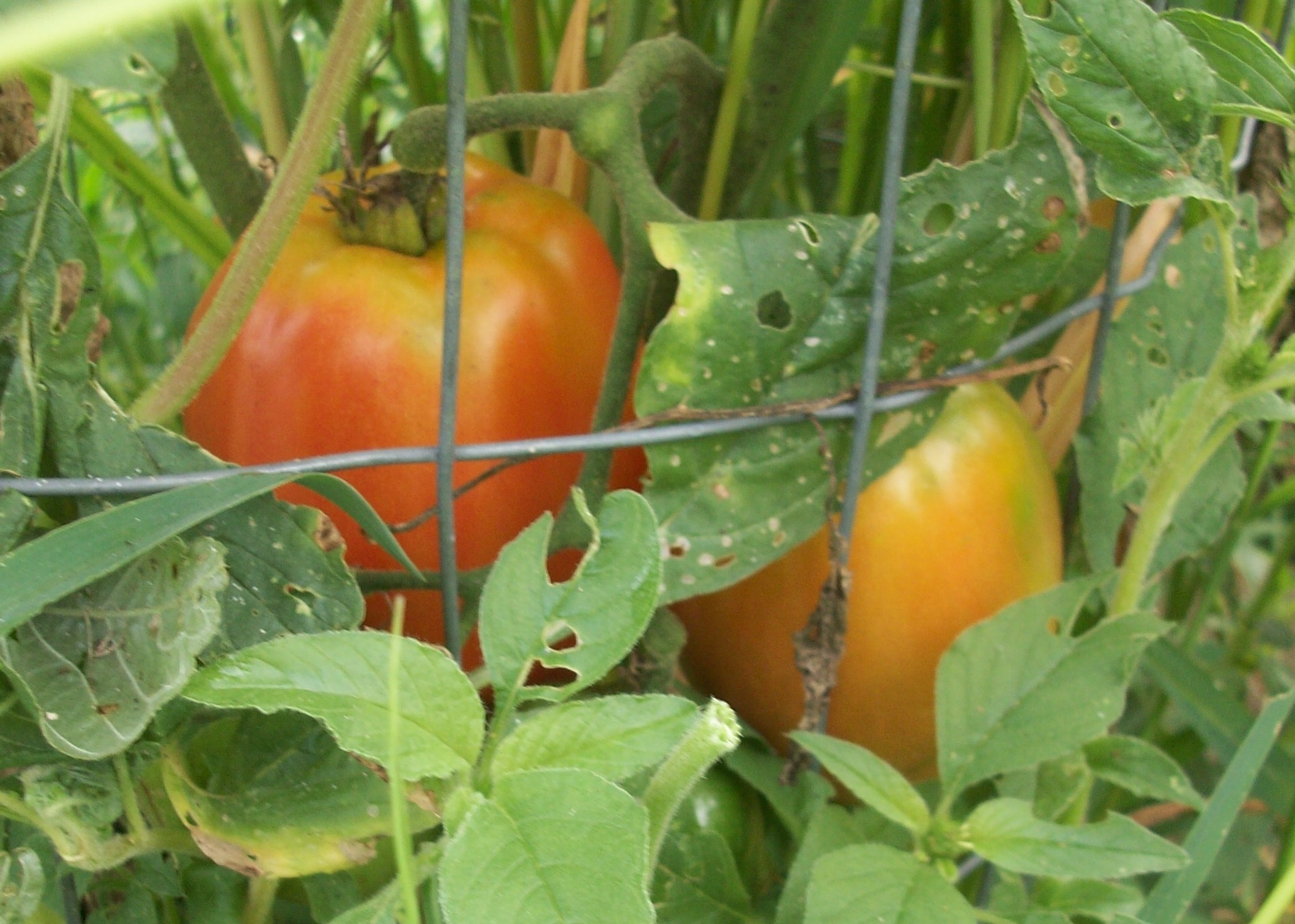
First Tomatoes Ripening

Barb called from the orchard.

She wanted to know if I planned to work as a mapper this season. The mapper helps people find apples in a u-pick operation. I said I thought so, but would have to confirm in a couple of weeks, well before the busy season.

Life is complicated for low wage workers working multiple jobs — a constant juggling act of tasks and priorities.

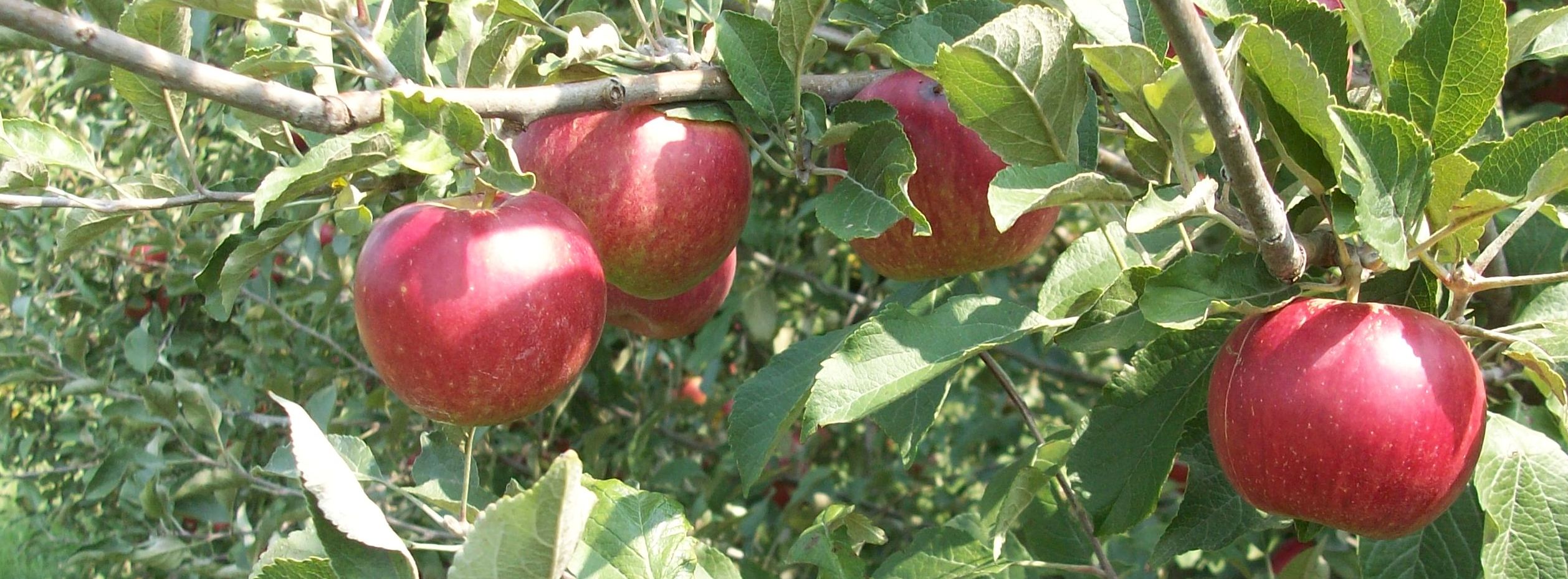
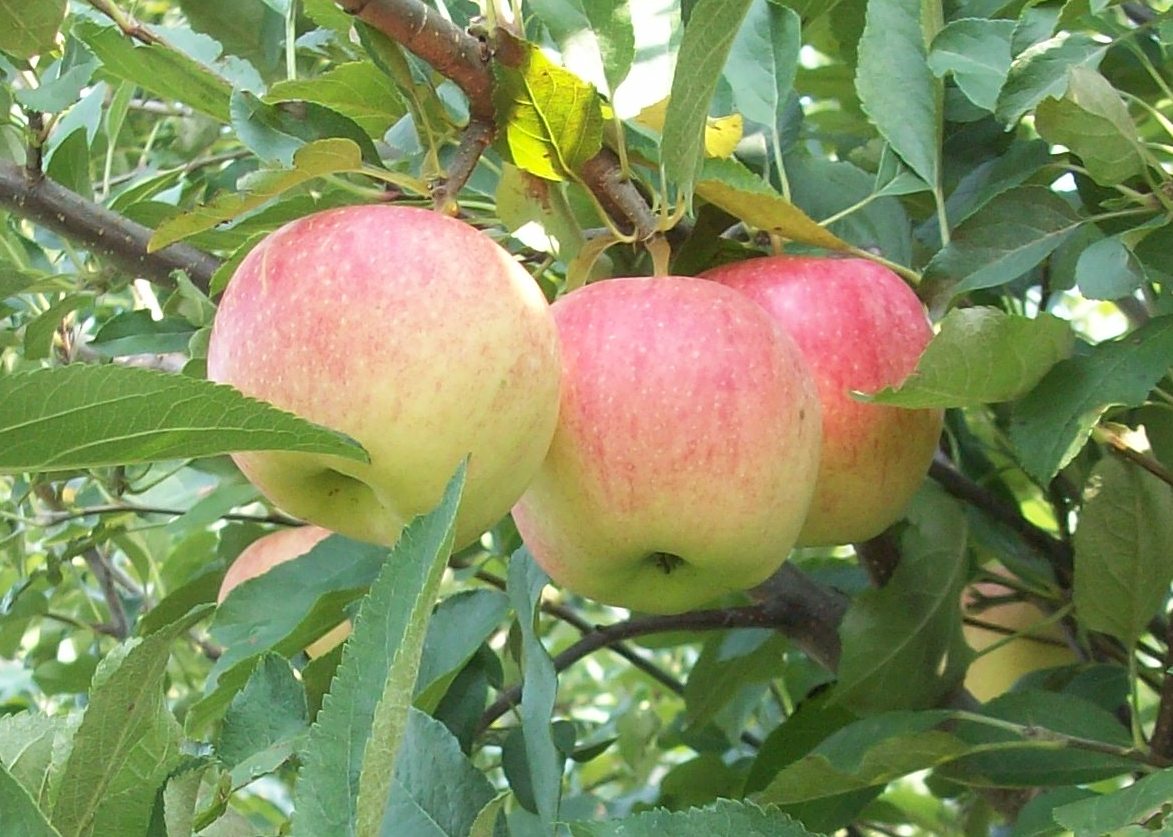
I went to my backyard grove of fruit trees and tasted an apple.

Sweetness is coming, but not here yet. The seeds are not mature, indicating we are a ways off. It won’t be long though. First order of business will be extracting juice from ripe apples to make more cider vinegar. After that, I’m not sure.

It is surprising how big the Amish Paste tomatoes are. I was expecting them to be like plum tomatoes, but they are much bigger. The first two are ripening. As with the apples, it won’t be long.

Lot’s to do on Ruhetag from the warehouse. Better get after it.

Categories
Writing

Trip to West Branch

Sweet Corn
Sweet Corn

WEST BRANCH—Driving back roads learned during the 2012 drought I arrived for my 9:30 meeting. It was, and still is a summer day as good as it gets. Wildflowers were everywhere and in bloom.

I can’t name them, there are too many for that, just take in their beauty in the marginal places along the sectioned farm land.

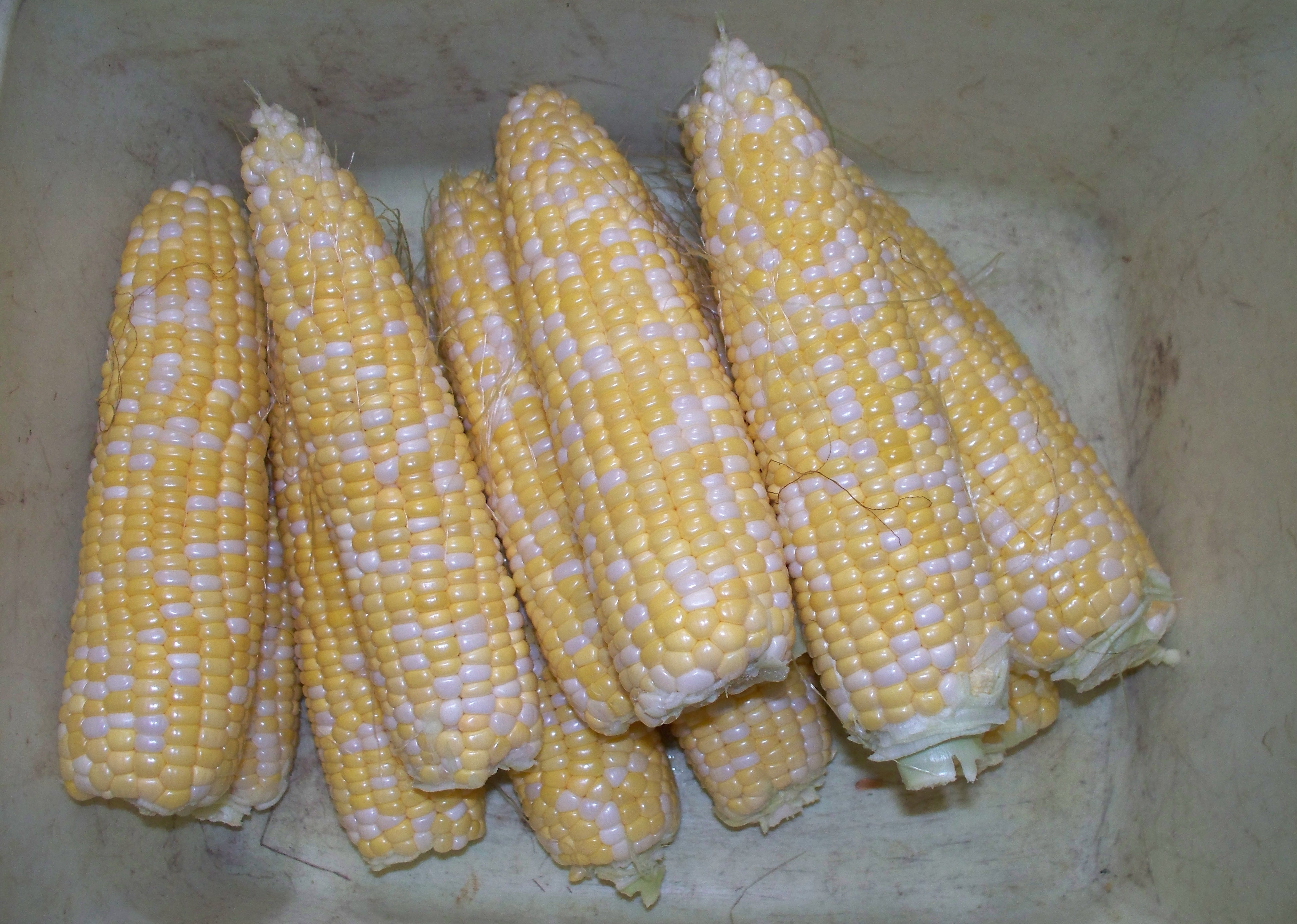
On the way home I stopped at the road side stand and bought sweet corn. Leveraging the local grower makes the most sense as our lot bordering the state park and a 25-acre wood is laden with corn-eaters.

Dinner will be ears of corn, garden green beans and a slice of cheddar cheese. This is summer in Iowa.

Categories
Writing

Massive Kale Giveaway

Morning Kale Harvest

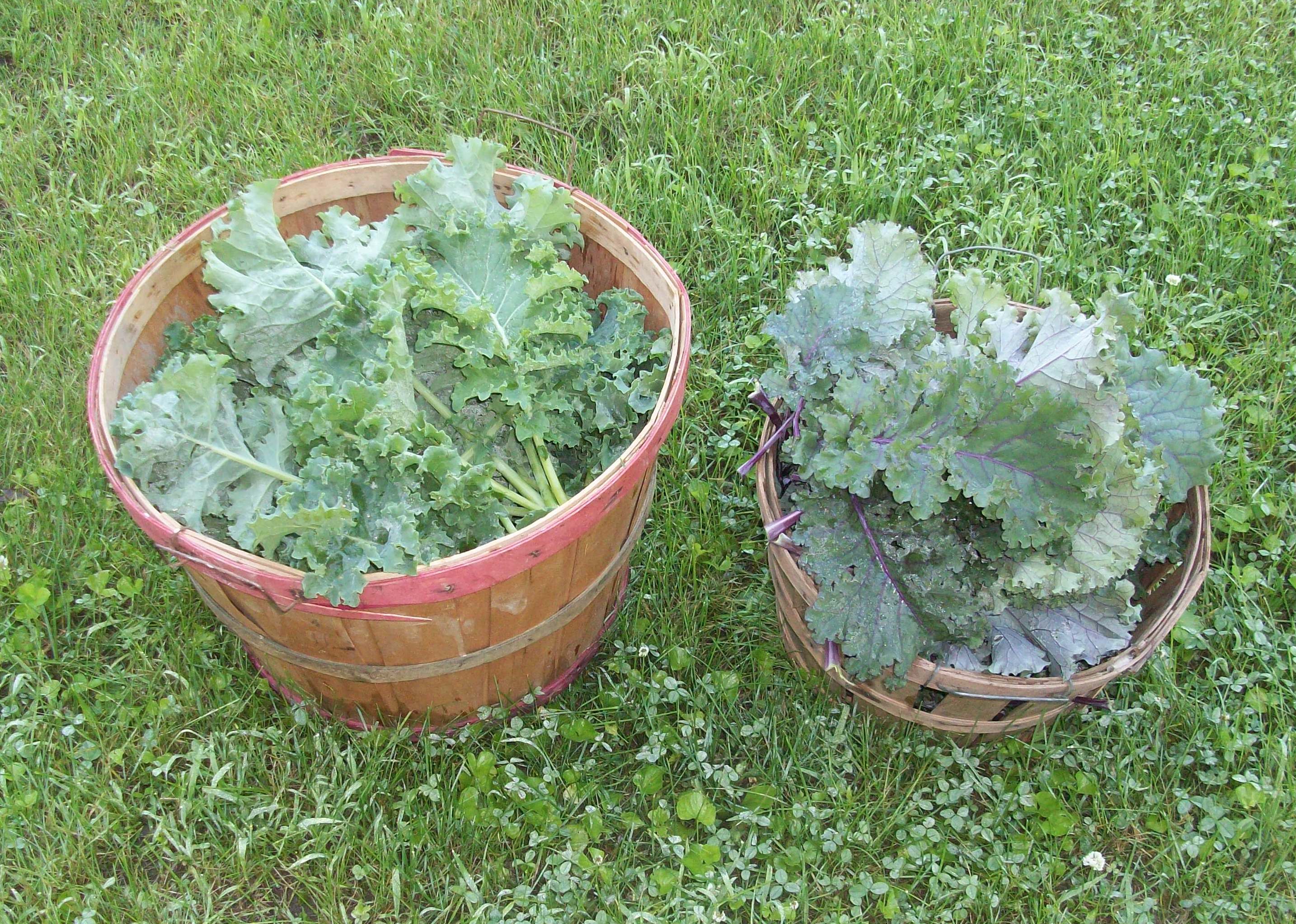
Folks who live near me need not worry about kale this year. Already, our icebox is full of leaves, and as they are picked, such picking spurs growth. It is expected to be a long, abundant kale season with a massive giveaway.

There’s a lot of work in the hopper this morning, but I couldn’t resist posting this photo of the morning kale harvest.

Categories
Work Life Writing

Next Chapter

Honey Locust Grove
Honey Locust Grove

It seems like a month since I’ve taken a breath.

The Honey Locust trees are in bloom all around Big Grove. Apples and pears are forming in our small stand of fruit trees. Nature’s relentless cycle advances, ready or not.

There is pressure to keep up with a diverse life during spring. It increases these last days before Memorial Day. The main thing is not to freak out.

While we live there is always a next chapter to write. For the moment, it is enough to keep my mind and hands busy—and enjoy the Honey Locust trees while I may.

Categories
Writing

Daily Writing

Notebook and Passport

The habit of daily writing is important, but not for reasons one might think. Writing is part inspiration and part craftsmanship. Daily writing helps with the latter more than then former and comes a time when new inspiration is needed. It’s not a commodity to be picked up at the local gas station like an Arizona Iced Tea, cigarettes, or unleaded gasoline.

To date I’ve filed 82 stories for newspapers since my first on Jan. 31, 2014. That’s 44 for West Branch Communication and another 38 for the Iowa City Press Citizen. 70,842 words total, with all but three articles printed—my writing in public.

It’s not a lot, but it’s something, and I am happy to be a small part of newspaper writing—a long tradition, but something that will remain regardless of its many changes and new economic model. If anything, freelancers will become more important to corporate media as time goes on, especially if we are willing to work for cheap to get our stories published.

I write some in private, but not much. Journal entries are sporadic these days, and there are some regular reports and emails in the mix. I used to write more in private, but conversations with people during my time in public have eclipsed much of it.

The result of such talk is a sanding away of controversy and new ideas. Polite conversations are a way of getting along in society—something we need and want—but if we engage sincerely with others, we feel good, but little inspiration is usually forthcoming.

But by putting pen to paper, fingertips to keyboard, we write. Working to craft short articles, experimenting with ideas and content, we write. I am writing.

If inspiration is lacking today, it may be found tomorrow in the garden, the garage, the kitchen, or in my book-lined workspace. There is hope for that—a writer’s hope.

We go on writing. I sharpen my skills, seeking inspiration I’m confident will be found. Daily writing sustains hope for inspiration. If we are lucky, it prepares us to write great stories once it emerges.

It would be easier if inspiration could be bought at the gas station. Easier, not necessarily better, and that’s the issue.

Daily writing will have to sustain us for now.

Categories
Writing

Writing and King Richard III

410px-Royal_Arms_of_England_(1399-1603).svgAs an English major the re-interment of King Richard III last Thursday seems more than a British peccadillo.

The estimated £2.5 million spent on the re-interment could well have fed the poor, sheltered the homeless, or otherwise been spent on something beneficial to people who need help. Apologists say the value of publicity gained by the re-interment far exceeded the actual dollars spent. Maybe so, but these March rituals portend something else.

Unfolding events since Richard’s remains were discovered in 2012, while important, play second fiddle in the orchestra of history. I’m referring to the historical events which frame English literature in the period between the Norman Conquest, more specifically, the Battle of Hastings on Oct. 14, 1066, and the end of the Middle Ages which Richard’s death on Aug. 22, 1485 in the Battle of Bosworth Field bookends.

The New York Times reminds us Richard was slain seven years before Christopher Columbus sailed for the Indies and “discovered” a New World. While Americans today don’t readily acknowledge it, our invasion of a continent with a civilization arguably more advanced than that of Europe, and our systematic genocide of the population, is far bloodier than Richard III’s two year reign could ever have been. In many ways, European descendents have made the Americas a much less civilized place than the pre-Columbian societies it removed through disease, war and dispossession. While society has addressed some of the challenges of the Middle Ages, there is a lingering savagery that persists beneath the veneer of our cosmopolitan apartments, condominiums and McMansions.

We distance ourselves from the larger world, and in so doing, consent to the continued plunder of natural resources and spoiling the commons. Passive aggressive behavior yields a lifestyle, and for many, that is enough. If one listens to what people say in public, all controversy is brushed aside under a guise of getting along. We know not what people say in private.

It is accepted, beyond a reasonable doubt, the bones re-interred at Leicester Cathedral were those of King Richard III. People from multiple disciplines worked together to frame a convincing story of how Richard lived and died. To date, no one has disputed it. It seems unlikely anyone will.

In this process we were reminded that the biased history of Richard, written by scribes with a vested interest in preserving themselves, and apologists for the Tudors that replaced the Plantagenet line of monarchs, clouded much. With Richard’s bones an old saw re-emerged.

As writers, there must be a reality behind the stories we tell. From time to time, we set stories aside and confront it—whether in the bones of a long dead warrior, or something else. We make a commitment to those truths by our vocation.

While stories may be well crafted, if we stray far from what is real, the tale will never become us. Perhaps that’s why recent events surrounding that long ago death still matter in a society the king could not have envisioned.

Categories
Writing

Full Moon

Full Moon Through Maple Tree

Friday is my Monday as I embark on a substantial project to write several articles for the newspaper before the county seat makes a mass exodus for spring break. The paper expects to be shorthanded, so my editors want articles in the vault.

Today will be gathering information, with four scheduled interview events and a few followups. Tomorrow will be writing the first article and organizing to write the rest.

In part, it’s what being a writer means.

The rest of writing is varied and elusive. It is one thing to write for a newspaper, and quite another to compete for readers in the media jungle where their eyeballs reside. At some point writers decide whether to actively join the competition, or to focus on improving writing by cranking out work as quickly and as well as one can. It makes sense for me to choose the latter, and here’s why. Writing is a craft that requires practice. The only way to get better at it is to do it—often and regularly.

One of my projects is to create an anthology of past writing in book form to sell at public speaking engagements. When I review pieces written 40 years ago, a lot of them are pretty rough. My style has changed, and improved, even since I began blogging in 2007. Even more so since I began newspaper writing last year. The reaction to such editing of the past is to rewrite them all, or to let them stand warts and all. I have been unable to embrace either—the project is stalled.

Here’s the hard part: it’s easier to focus on paid work with an editor because there are specific demands to be met in a fixed time frame. When taking a drink from the fire hose of what’s possible, the rush of project ideas is hard to tame. Combine that with required attention to economic security and it is easy to see why many writers don’t get beyond the idea, outline or draft stage.

In a way, the short piece, around 1,000 words, is a great opportunity to improve stylistically without a big commitment. Writers miss an opportunity if they don’t create in short form because people are simply not reading that many books. According to the Pew Research Center, an average American reads five books per year, with 24 percent reading no books. Why spend the effort to produce book-length work if the chance of finding readers is remote?

Maybe it’s the full moon, maybe it’s threats to economic security, or maybe I’m just arriving, but as we cope with life’s busy-ness, it is important to consider where we’re bound and why. Becoming a better wordsmith to present short, meaningful pieces is never a bad path to take.

Categories
Environment Writing

Snow Fell

Snowstorm
Snowstorm

Snow fell as I drove home on Mehaffey Bridge Road through the lakes—a crystalline, sparkling snow. The wind blew as the sky darkened with imminent nightfall. I had turned the radio off.

I passed a frozen pond where a herd of deer and a flock of wild turkeys browsed—for what I couldn’t discern. A bald eagle flew overhead while entering the lane to our house. What other wildlife existed in the winter landscape went unnoticed, obscured by three historic species.

It is a time of change. This morning there is no Iowa City Press Citizen as the newspaper returned to a Monday through Saturday issue. They had been doing a brief cover, then inserting another Gannett Company paper, Des Moines Register, inside. Today the county seat is again without a daily newspaper.

That’s not to say there isn’t news. It’s just that people get news from a lot of other sources, including talking with neighbors and friends in person and over electronic media. Since I began writing for newspapers, I have read ours more. Despite the informative stories found inside each issue, news and news writing are not what they were, and the Monday issue is frequently quite thin. I predict newspapers will survive, but they compete for eyeballs in a way that has changed and continues to change. The economics of competition has led to less news coverage in newspapers and everywhere as we focus on the obvious.

I arrived home and turned the radio on to A Prairie Home Companion. That has changed too. One wonders how long it will continue once Garrison Keillor moves on.

Thinking about the mango-orange spread I bought last week, I put two tablespoons in a dish, added four tablespoons of home made salsa, mixed them together, and opened a bag of organic tortilla chips for a welcome home snack. Jacque was at work and not expected for a couple of hours.

The sweet taste of the mango came first, then the heat of capsaicin. It was crunchy, sweet, salty and spicy all at once. A perfect example of what living in these times means. We want it all at once.

We don’t often linger in falling snow to see what else is there. I’m certain it’s more than deer, turkeys and eagles.