Categories
Writing

Consuming Local Food

Asparagus and Mushrooms

LAKE MACBRIDE— White butterflies have arrived to lay eggs in the cruciferous vegetable patch as spring enters its final days. Part of gardening is the notion that there is a world of deer, rabbits and rodents; caterpillars, beetles and aphids; microbes and bacteria; all ready to compete with us for food during the cycle that defines each year’s garden production.

Lettuce
Lettuce

A home cook who gardens is more acutely aware of this as a deer munches the top leaves of a pepper or green bean plant; as caterpillars make a home among broccoli and cabbage; or as potatoes considered from planting in early spring through growth and flowering are touched by Colorado potato beetles and the tuberous roots are eaten by rodents before we can dig them for the table. Application of chemicals is not an option in our garden, so more vulnerable crops like sweet corn and potatoes are leveraged from other growers, the bugs get picked off by hand, and complex webs of chicken wire and netting work to deter wildlife from access to garden plants— at least until after harvest time.
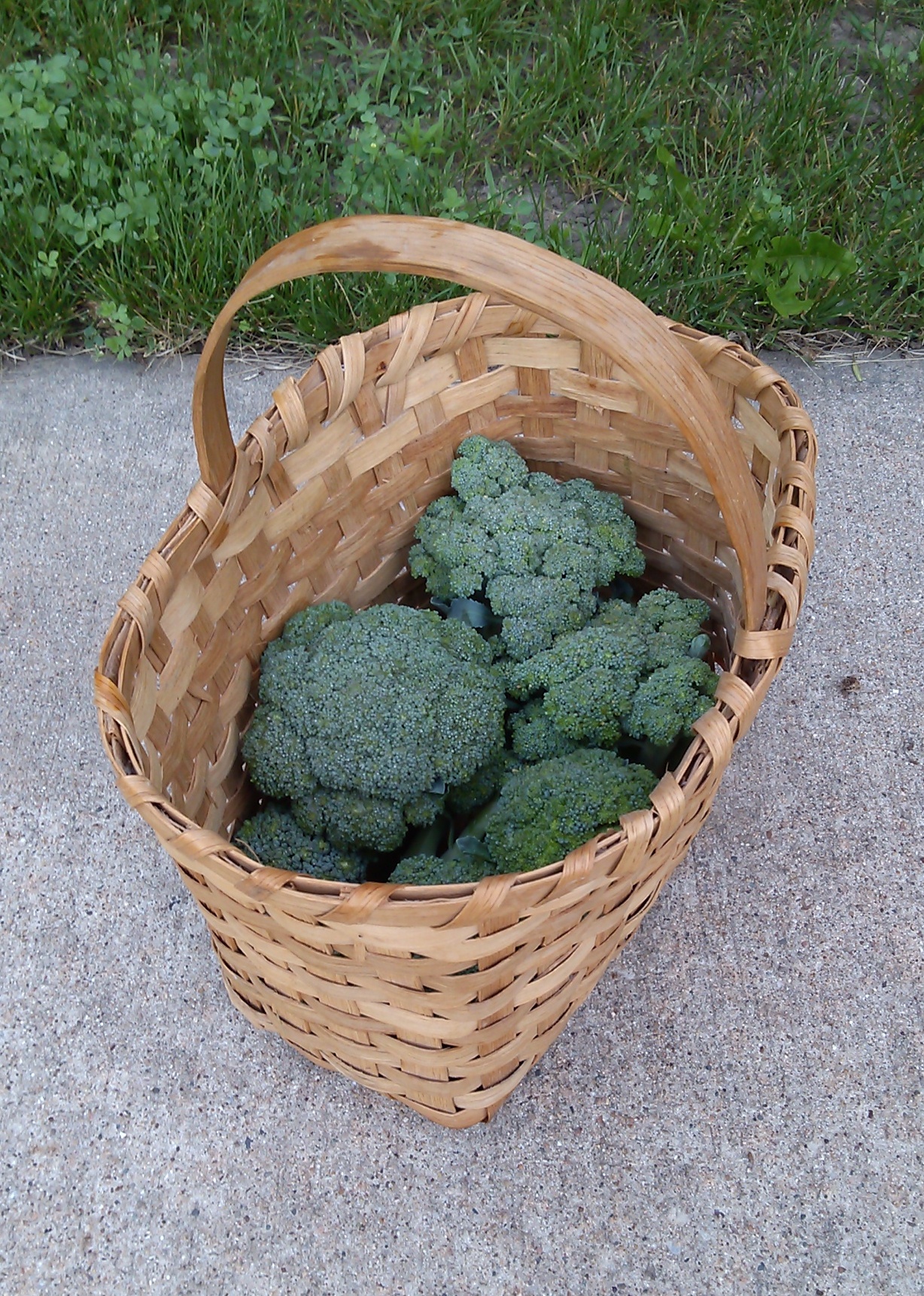
Broccoli
Broccoli

Gardening is a constant symbiosis that sustains a diverse and complex community of species in the context of an ever changing planet hurling itself into space. To say the future sustainability of local food systems rests in what home cooks do in their kitchens is putting a lot of pressure on a process that is far more complicated. Home kitchens are a part of the process, and human centered.

When considering a bigger picture, the assertion that home kitchens require a revolution to sustain local food is more a statement about marketing than anything else. What matters to sustainability of local food systems is how they fit into a broader context of a supply chain that includes grocery stores, pantries, gardens, farmers markets, CSAs, community food banks, government programs, neighbors and friends, and other sources of foodstuffs.
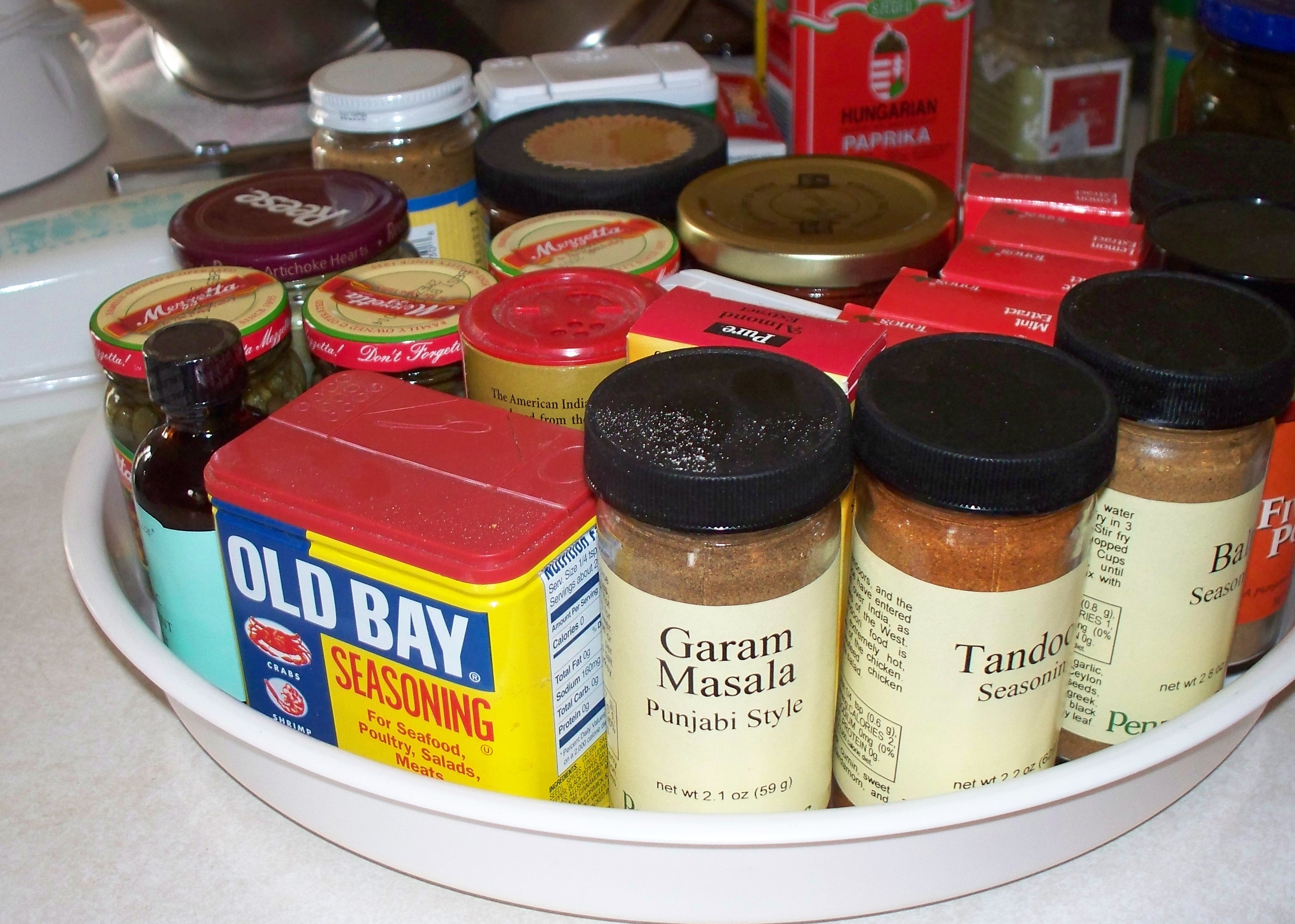
Bits and Pieces
Bits and Pieces

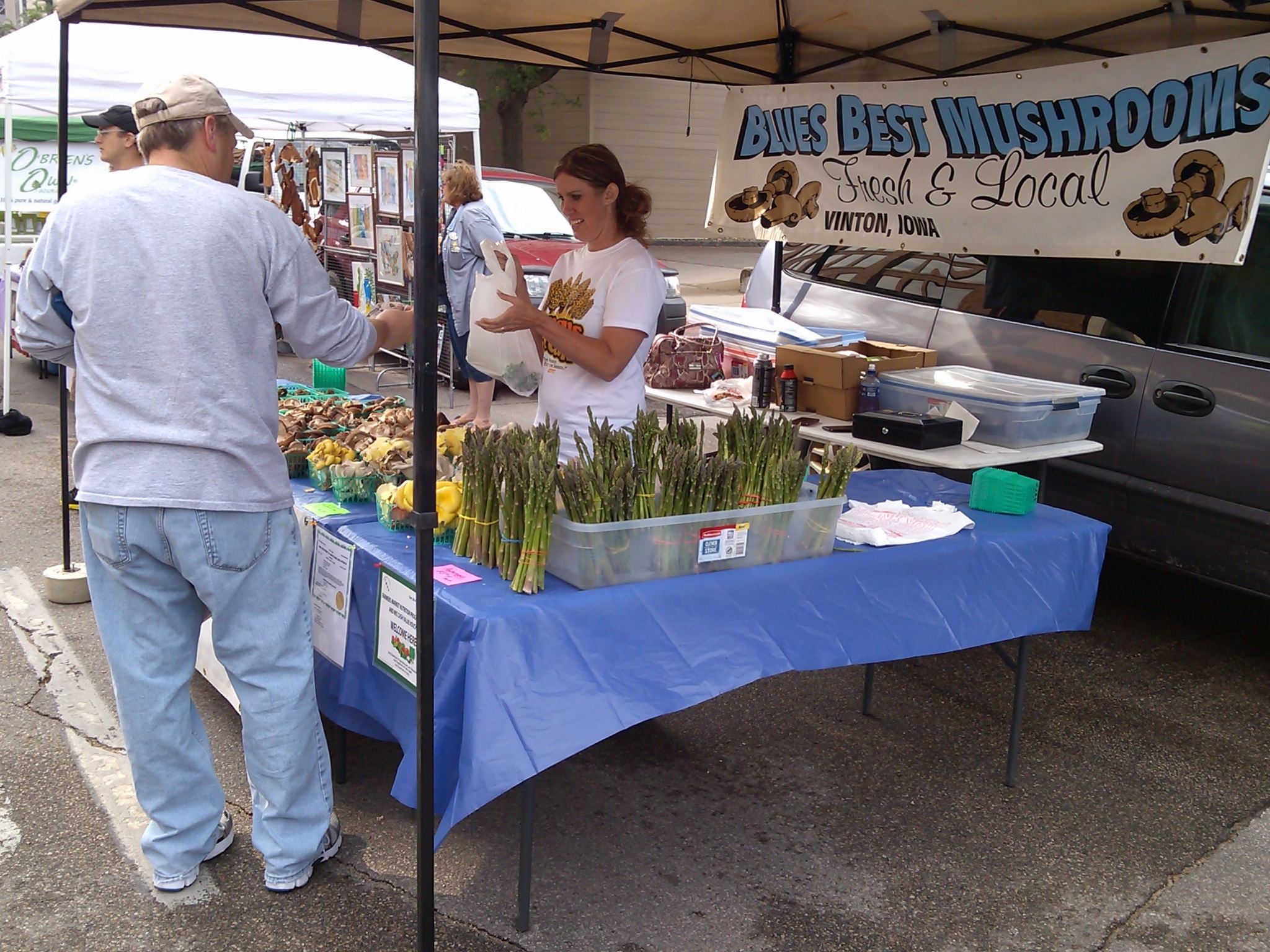
That said, farmers markets like the June 15 market in Cedar Rapids seem critical to sustaining a local food system. It is the behavior of a consumer society that attracts as many as 20,000 people to a Saturday market, and without consumers, there is no market for local produce.

One hopes that the cravings for sugar, salt and fat inculcated in us by industrial food processors get replaced with something better. However, changing how people behave regarding production and consumption of food is like piloting a large battleship in that changing course takes more than a few driving personalities asserting this or that needs to happen. Having a local food Saturday (or any day) in a home kitchen can work to correct a course currently fraught with obesity, chronic disease and ill health.

Supplies
Supplies

My recent local food Saturday is past and I look forward to the next. But before leaving it, there are some points  to be made about what it was and could be for others. By bearing witness to the efficacy of local food Saturday, perhaps readers will consider likewise. Like Scheherazade, I hope to keep you interested.

Categories
Writing

Local Food Saturday

June 15 Market in Cedar Rapids

CEDAR RAPIDS— If local food will gain market share from the industrial food supply chain, there must first be a fulcrum. A home kitchen may be that fulcrum— a place where our consumer society can pivot toward growing, buying and preparing more locally grown food.

The trouble is people spend so little time in the kitchen, and when they do, the industrial food processors have done a lot of the cooking for us. Whether it be a frozen pizza, bagged lettuce, peeled fresh garlic imported from China, green peppers and watermelons from Florida, strawberries from California, yogurt, breakfast cereal, canned soup, salted snacks, and increasingly, prepackaged, calorie-counted microwavable meals. The folks at the industrial food supply chain want us to cook less as it’s more for them.

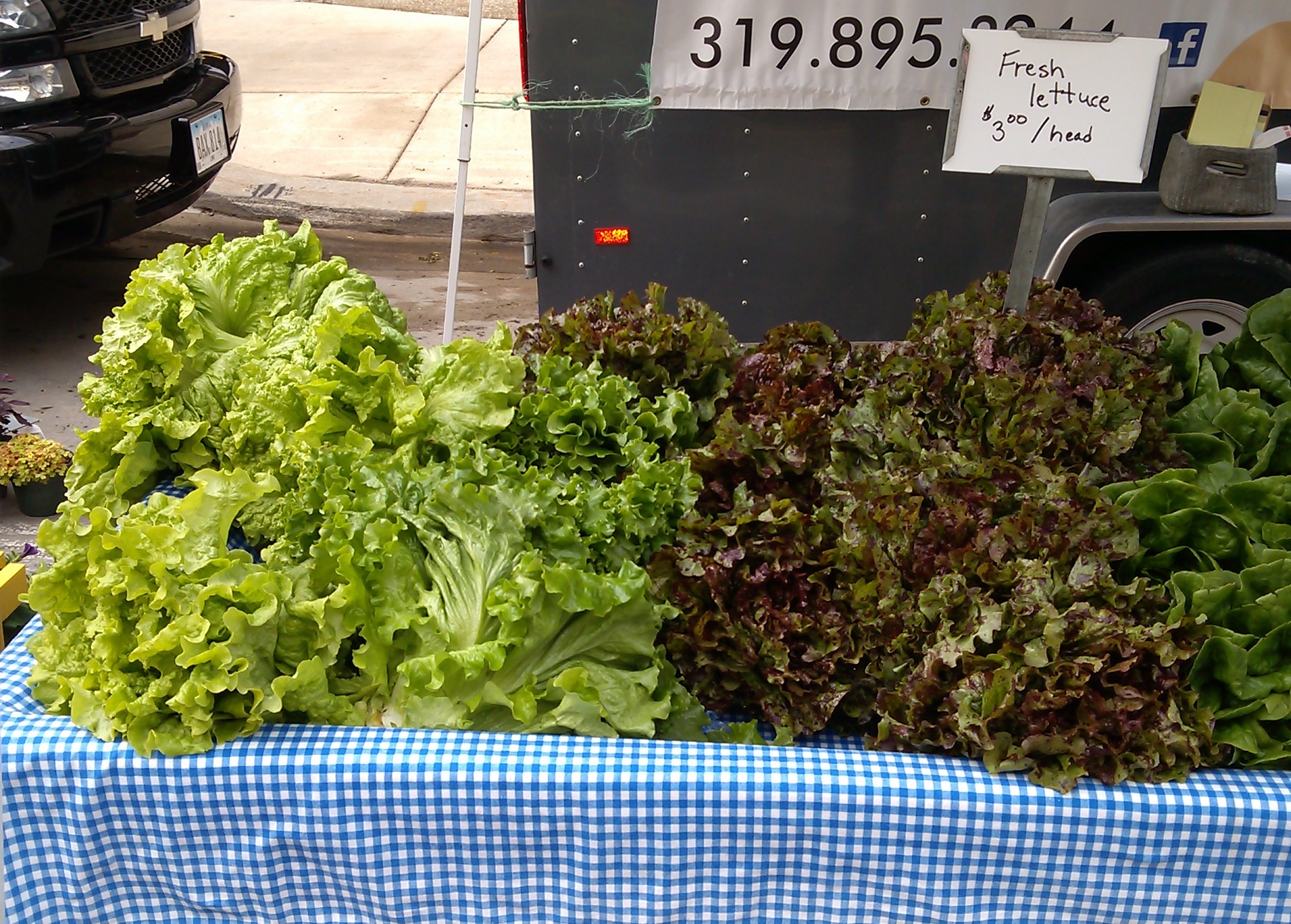
Local Lettuce
Local Lettuce

In a previous post, I argued that a revolution should take place in home kitchens and that the relationship between home cooks and local food is essential to sustaining a local food system. That revolution may be as simple as going to the local farmers market on Saturday to buy what we don’t have in our gardens or pantry, then spending a part of an afternoon preparing and cooking a few meals for the week. It sounds too easy.

Farmer's Stand
Farmer’s Stand

I have been demonstrating food preparation and cooking for our daughter a long time, beginning at home. When she moved to Colorado after college, I would visit and cook a meal in her kitchen using what she had on hand. One time someone had given her a large box of Colorado peaches in season and I made a peach crisp for dessert. The only baking dish she had was a glass pie plate, and we had no recipe, but it was one of the memorable dishes there. On another trip she was preparing to move and I spent a day while she was at work cooking everything I could find and filling every container in the kitchen with leftovers. By the time I was done there were more than two dozen prepared meals ready for her to microwave or heat up.

Farmers Market Food
Farmers Market Food

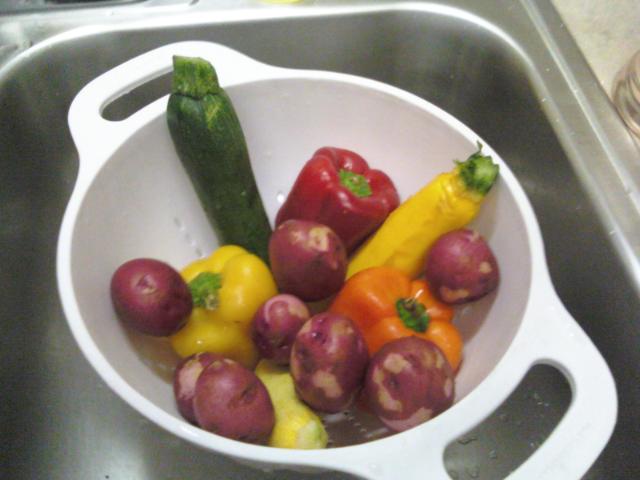
Imagine my parental delight when she sent me this mobile phone photo of produce she bought at a farmers market. She is learning how to cook, and not every meal is drive through or a restaurant chain, something the parent of a millennial fears is only supplemented with sugary drinks and expensive coffees.

Market Sign
Market Sign

My point is few people are as busy as a millennial. If there is a process, like having a local food Saturday, an increased portion of local food can be added to our diet. After my work at the newspaper this morning, I took the idea for a test drive to Cedar Rapids and visited their periodic market which includes locally grown food and a host of arts, crafts, music and other products of home industry. During the next posts, I intend to write about my experience and how having a local food Saturday would work.

I believe local food Saturday can fit into the busiest of schedules and be cost effective. This addresses two of the most often heard objections people name when asked to consume more local food, “I don’t have time” and “local food is too expensive.” There may be a better way in local food Saturdays.

Categories
Writing

Firefighter Breakfast

Rain-soaked Seedlings

SOLON— The umbrella snapped open as I exited the car on Main Street, heading toward the fire station and the 50th Annual Firefighter Breakfast. It was a steady rain and the breakfast traffic was light at 6:30 a.m. Despite the fact that eggs, sausage, ham, pancakes and beverages are not my usual breakfast fare, I like attending, being part of the community we have come to call home.

Firefighters tend to be on the bossy side. Given their work, they have to be. For example, I declined a raffle ticket and instead suggested a donation, laying some money on the table. The attendant responded, “here, take a ticket and fill it out inside.” How could I refuse? The hard sell is on the fried eggs, prepared in a pool of enigmatic oil. The cook asked three times if I didn’t want a fried egg with my scrambled. Resisting was hard, but I remained a firm no thank you. Coffee was served in a commemorative ceramic mug which diners could take home if they wished. Mine is in the dishwasher now.

During election years, the breakfast is awash with politicians. Since this is an off year, the only elected official (besides myself) was one of the town council members who was serving pancakes. There was a local businessman making the rounds, talking to people he knew. Otherwise folks were focused on the food and polite conversation. The tables began to fill up by the time I left.

As one of the Big Grove Township Trustees, I am responsible to help manage the fire station budget along with other townships served by the department. The fire station seems to get most of what the captain says they need. Our board only meets when we have to, which is mainly to approve the budget for the fire station and cemeteries, and to attend the quarterly fire station meetings with all of the townships.

Today’s fundraiser is like mad money for the department, which means buying equipment they could use, but for which they don’t have a budget. There are likely enough tax revenues to get the firefighters everything they need without the fundraiser, but the annual breakfast has become a popular community event.

Today’s rain is a hopeful sign that last year’s drought has finished. The annual firefighters breakfast is the unofficial kickoff of summer, and a fun event. It is worth stopping by on a rainy day.

Categories
Writing

Transplant Promotion

Local Harvest CSA
Local Harvest CSA

RURAL CEDAR TOWNSHIP— A group of us transplanted eggplant seedlings from a sprouting tray into individual soil blocks. The work brought new learning about how to do this important work. Naturally, my native practices left something to be desired.

The key is to make sure the tap root of the plant, identifiable because it is very long, gets completely covered with soil. The other thing is to plant the seedlings with the first leaves as close to the top of the soil as possible. Previously, I left some of the stem exposed, thus making survival riskier. It goes without saying, and is likely part of genetic breeding, to pick the biggest seedlings for transplant. The new work was considered a promotion, although there was little rank among today’s group of workers.

After finishing transplanting some workers headed to the field to pick asparagus and I tagged along to see how they did it. Another learning process, and bonus dividend of this year’s work at the CSA.

The talk of the day included my onion patch, spring garlic, and questions about seedlings, basil, parsley, and the time to plant tomatoes. The farm began planting tomato seedlings yesterday, and based on our discussion, I am going to hold mine, at least until this weekend. They are about the point of being root bound in their cells, but I want to make sure we are past the frost.

Our household received a bulk mail post card from a competing business— someone who is taking market share from small CSAs like ours. We discussed it as a competitive reality to be dealt with.

There is not enough discussion of the impact of capitalization on local food, and I generated an idea for a future post. Between giant growers like Earthbound Farms Organic, and our CSA there is a middle range of farm operations that are well capitalized, and impact how local food is perceived. They trade on leveraging other growers, the previous marketing of local food, and consumers who have heard little about the local food movement. Watch for that one.

On the home front, the apple blossoms are falling like drops of silk, with or without a breeze, indicating the bees are doing their work. The lilac bushes are in full bloom, generating an aromatic that prompted memories of many happy spring days spent in Big Grove.

Categories
Writing

Working People Dream of Local Food

Tulips on the Fenceline
Tulips on the Fence Line

LAKE MACBRIDE— Preoccupation with mixed greens can be a good thing when working in a warehouse. The repetitive tasks, and long periods without human engagement create an open mind that will fill with worry if one lets it. Yesterday I got two bags of mixed greens from the CSA, and spent the second shift thinking about making a frittata made from local ingredients.

A couple of notes:

There is an abundance of Iowa artisan cheese. The trouble is the expense is more than a working person can afford on a daily basis. After trying many kinds of cheese, we settled on Cabot Extra Sharp Cheddar (yellow and white) which retails at less than $4.50 per pound. Not really local, but affordable, made with vegetable rennet and what one expects a sharp cheddar cheese to taste like.

Vidalia onions are in season, and were addressed here.

Mixed Greens Frittata

Frittata Ingredients

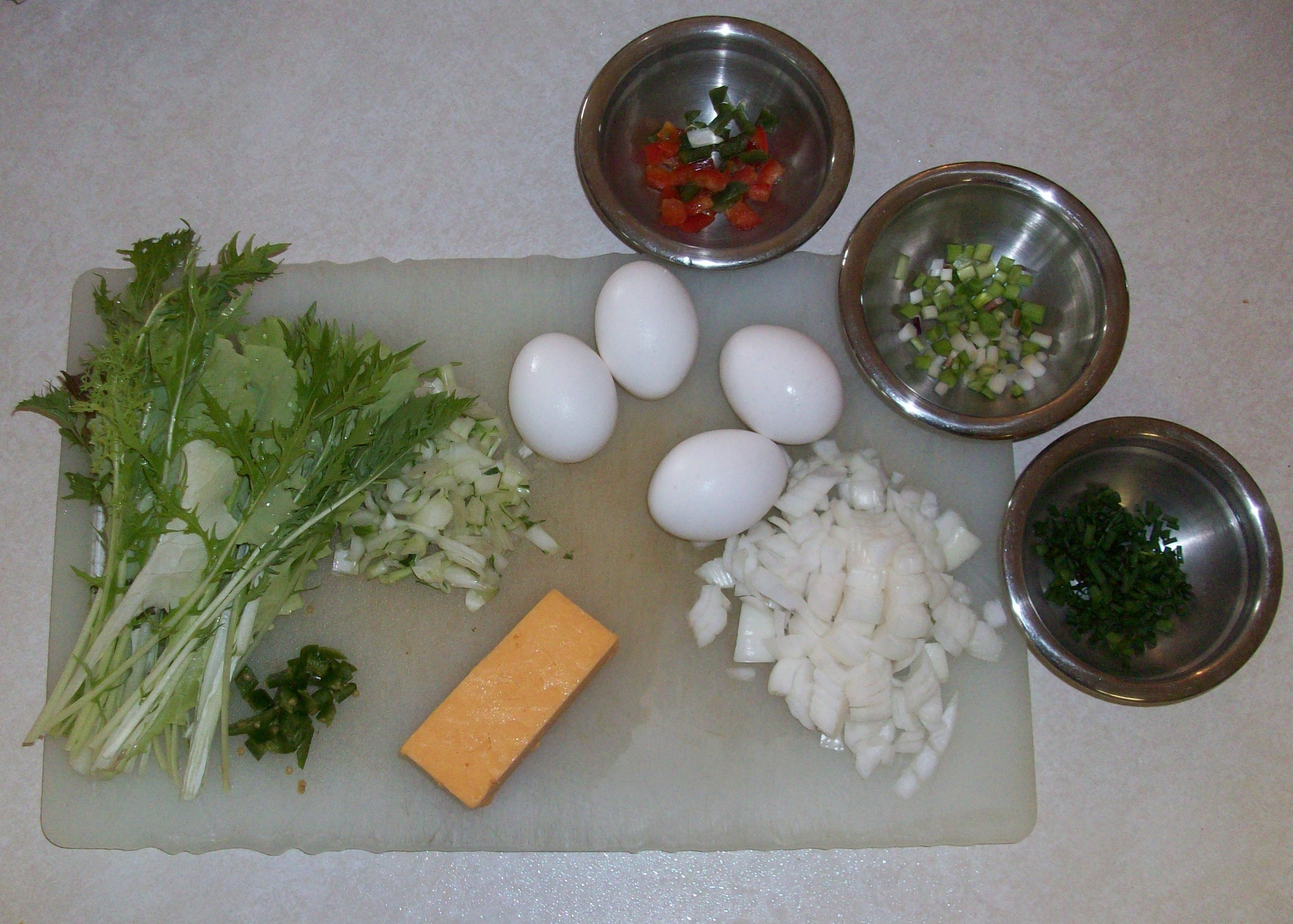
Making frittata is somewhat flexible. Part of my workingman’s dream of local food included the ingredients in our pantry: the mixed greens mentioned, half a Vidalia onion, sharp cheddar cheese, a Jalapeno pepper from last year’s garden and Farmer Kate’s bell pepper – both from the freezer, chopped stems of local Bok Choy, spring garlic and chives picked this morning in my garden, and four eggs – locally, but mass produced. Enough extra virgin olive oil to coat the frying pan.

One can see from the photo how the vegetables were prepared. The stems of the greens were cut into small bits and reserved. The remaining mixed greens were roughly chopped. Here is how:

Heat a non-stick frying pan on high heat. Coat the bottom with extra virgin olive oil and when the oil heats, add diced onions. Season with salt and pepper to taste. Cook the onions for a couple of minutes and add in the following order: bell and Jalapeno peppers, Bok Choy stems, chopped mixed greens stems, and spring garlic. Cook until the onions are translucent. Add the chopped greens and stir constantly until the leaves wilt. Don’t overly cook the greens.

Finished Frittata
Finished Frittata

Whisk four whole eggs in a bowl, and pour over the cooked vegetables to cover. Turn the heat to medium low and cover the frying pan with a lid. Cook about six minutes, or until the eggs are cooked through. Sprinkle a half cup of grated cheddar cheese on top, turn off the heat and cover with the lid. When the cheese is melted, transfer to a serving plate and garnish with fresh chives.

Serve with a slice of your favorite bread, a piece of fruit, and a cup of coffee for a working person’s breakfast.

Categories
Writing

Preparing Bok Choy in a Home Kitchen

LAKE MACBRIDE— Yesterday, I brought home a bag of Bok Choy from the farm. It is fresh, in season, grown locally, and the makings of a dish to be served as part of a meal.

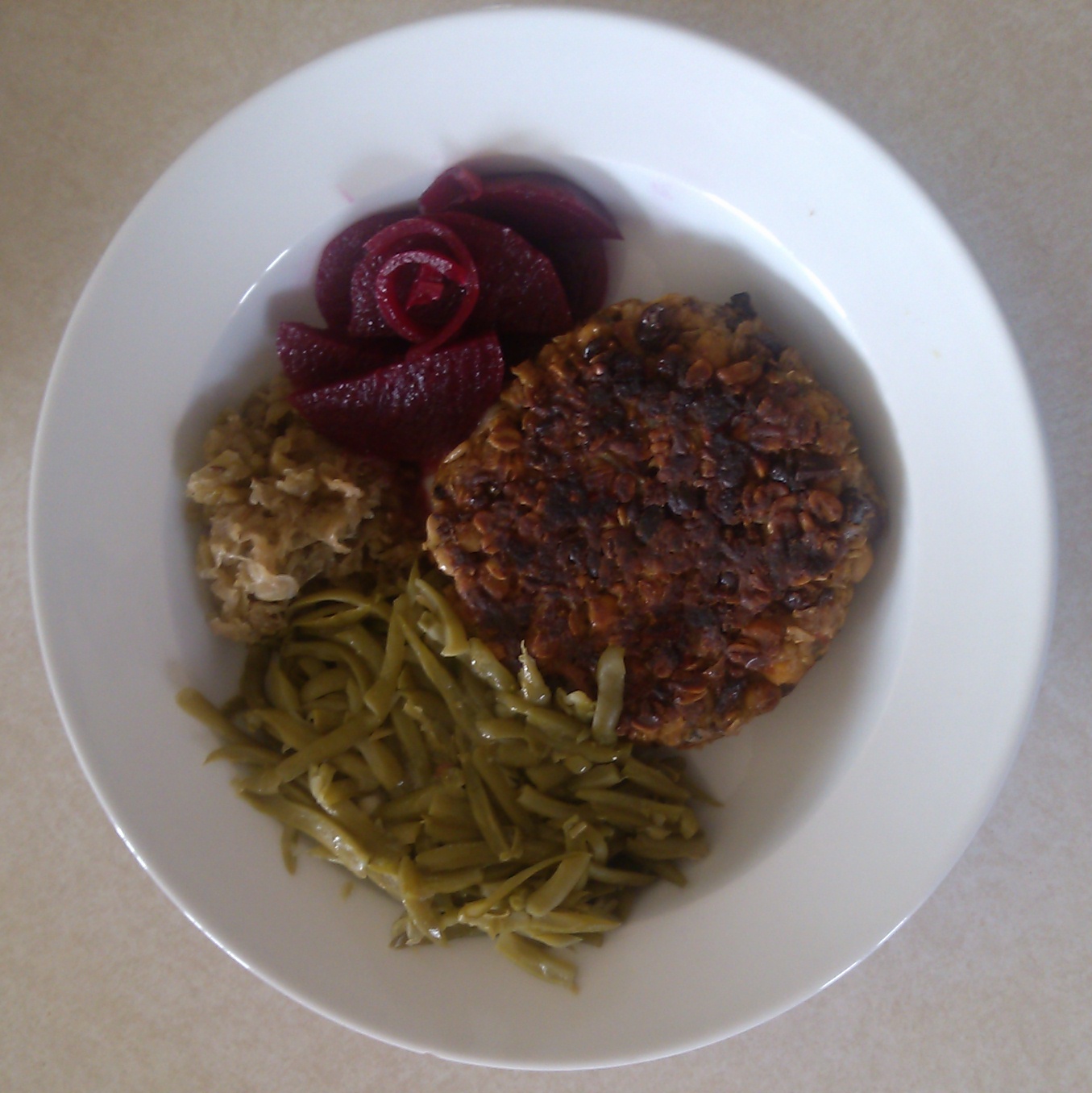
I asked a long time chef and caterer how he would prepare Bok Choy. He said he would steam it, and serve with seafood or pork. Seafood and pork don’t work well in the Midwestern semi-vegetarian kitchen, so I pursued another option, which was to use it in a stir fried vegetable dish. The meal idea was to use the stir fry mixture as the serving base for a home made veggie burger. A quick lunch for a working man.

A couple of notes.

If there is hope for a local food movement, it lies inside thousands of home kitchens, where cooks prepare meals for themselves and their families. A home cook’s kitchen has ingredients from all over, providing an individual and local context for ingredients. For example, there are Vidalia onions in my kitchen today. They were grown in Georgia, so not local, but in season.

In the freezer is a large zip top bag of sliced bell peppers. I bought a large quantity of seconds from a local grower last year, cut away the bad parts, and sliced them into long thin pieces. I froze them on a cookie sheet and bagged them to use later for stir fry.

Preparing Bok Choy Stir Fry

Depending upon how the Bok Choy comes (mine were still attached to the stalk of a plant), separate and pick through the leaves and wash them in a bowl of ice cold water. Drain, and if you have one, dry in a salad spinner. Otherwise, towel dry. Cut the thick part of the stem below the leaf and reserve. The stems are good to eat, and take a little longer to cook than the leaves.

Dice one half a large Vidalia onion, medium dice. Prepare the equivalent of one half of a bell pepper in long strips (or use bagged, frozen ones prepared as above).  Here we go:

Heat a wok or large skillet over high heat. When the pan is hot, coat the bottom with extra virgin olive oil. Add the diced onion, stirring constantly. Season with salt and black pepper to taste. Add the bell pepper and Bok Choy stems and stir constantly. When the vegetables are tender, add the leaves and stir constantly until they are wilted. Serve on a plate or bowl, with your favorite veggie burger and condiment on top.

Categories
Kitchen Garden Writing

Working in the High Tunnel

In the High Tunnel
In the High Tunnel

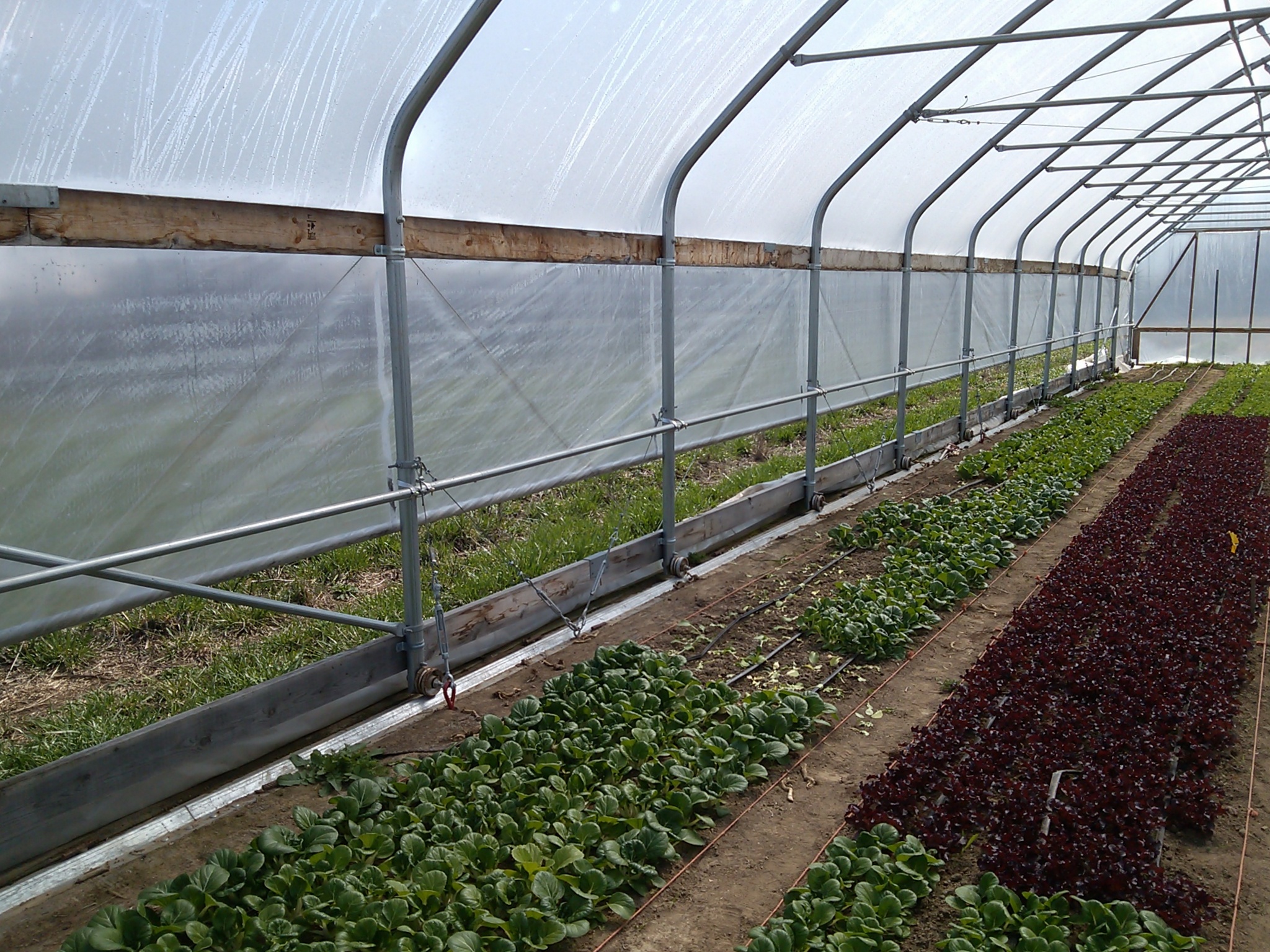
RURAL CEDAR TOWNSHIP— We soil-blocked the rest of the seed trays in the greenhouse yesterday, and planting is well underway at the CSA. My weekly work sessions give me a snapshot of  what is a much broader amount of activity in local food production. The experience is paying dividends in understanding the cycle of growth to support the market.

Used this to prepare the bed
Cultivator

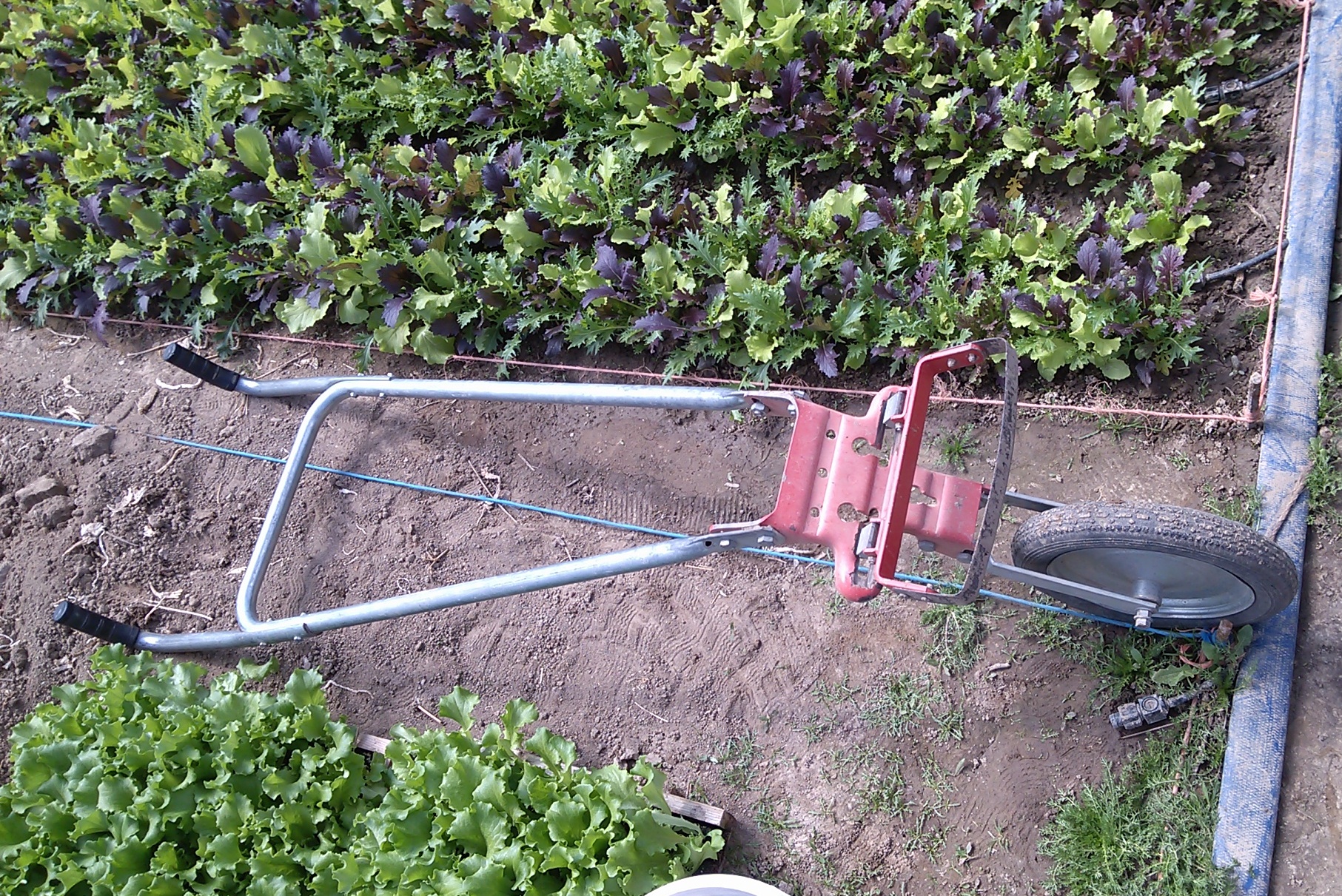
For the first time, I worked in the high tunnel, preparing a bed for planting. High tunnels extend the growing season, producing vegetables for an early or late crop. They also serve to mitigate risk of cool temperatures, and of disease and pests. On a farm, margins mean everything, and high tunnels create an opportunity to increase them. They also create the ability for new customer offerings in the form of a spring or fall share.

My life is richer for working in a limited way on a CSA farm. It is a way of life that survives on the cusp of an agricultural landscape dominated by row crop agriculture. Like the high tunnel, the work is around the margins, and there are plenty of those for local food to be a vital force.

Categories
Kitchen Garden Writing

Thunderstorm at the Farm

RURAL CEDAR TOWNSHIP— It was raining on me while I was unloading large bags of soil mix near the greenhouse when the phone in my back pocket rang. They were calling from the house to tell me that with all of the thunder and lightning, it wasn’t safe for me to be working outside. I should come to the house.

The severe weather warning on the country music radio station reported hail and rain to be worst in Kalona, Frytown, Washington and the southwest corner of Johnson County. It was heading our way. I figured we would be safe in the greenhouse, but unloaded the rest of the bags, parked my car and headed inside with to wait out the storm with the rest of the crew.

In the country, a thunderstorm can be perceived as a massive formation of clouds stretching from horizon to horizon, covering us like a large bowl. It is a perspective one can’t get within in a large cluster of homes, or in town. A sense that the storm has its own integrity, producing rain, lightning and thunder— a dominant force of nature— a commanding presence that covers us. One shouldn’t argue with that, however much confidence we have in our own endurance. There was fresh coffee and apple pie inside— and conversation. We re-scheduled the crew for tomorrow.

It was a gully washer. When we built our home, the construction project leader, who was a retired farmer, cut a number of swales in the slope around our house with a 1949 Ford tractor. When it really rains, we can see Lyle’s handiwork all around us, as the swales fill with water and our basement stays dry. The rain flows around us to the ditch and lake below us.

The rain continued into the early afternoon. The ground needs the moisture, and we need protection from the lightning. It would be better if the planting was done, but that is not how this growing season is unfolding.

Categories
Writing

Bottling Apple Cider Vinegar

Apple Cider Vinegar
Apple Cider Vinegar

LAKE MACBRIDE— The aroma of evaporating apple cider filled the pantry for months. Today it was time for the sampling and the apple cider vinegar came out delicious. A renewable ingredient for our kitchen was born today.

Unlike anything I have tasted before, with an initial taste of apple followed by the twang of the vinegar, I’ll look forward to using it in salad dressings— bottle-by-bottle. If there is enough, the golden liquid will also be used to make apple butter during the harvest season.

When we talk about local food, this is it. The mother of vinegar came from a neighbor who said it has been in their family for more than a hundred years. The apples came from the back yard. Renewing the recipe is easy— just add more fresh apple juice to what’s left in the container.

Sometimes things work out better than we had planned.

Categories
Writing

The Customer is Always Right — but they lie

Veggie Burger
Veggie Burger

LAKE MACBRIDE— A friend worked at a fast food restaurant and spoke about their policy of replacing food items that were wrong when the order was prepared. For example, if a person asked for a burger with no pickles, and pickles were found when the package was opened. The restaurant replaced such items without hesitation, and free of charge. After all, he said, “the customer is always right.” He added, “…but they lie.” Customers frequently abuse the well-known make it right policy to get extra food. He knew because of his experience of properly preparing an order, only to have the customer return with half-eaten food, wanting a replacement for reasons that can only be described as lame.

Complaints are up at large franchise fast food restaurants, and given the scale of some operators, it is no surprise. In order to run a global restaurant business, with thousands of outlets, a company has to focus on the service delivery process. There is plenty of room for deviation from corporate standard operating procedures.

A focus on process means well-defined procedures for everything. With high employee turnover, some believe if the service delivery process is bulletproof, any employee, with limited experience, can step in with minimal training, and make sandwiches that delivery corporate quality.

Customers learn to work such delivery systems to their advantage. My friend was just calling out what in other social circles is an accepted practice of getting what one can from society without ethical concerns.

It may be a bit scandalous to say, but often the customer is not right. It is one thing for a starving person to work the system to get an extra sandwich from a company that can afford to provide one. It is quite another to go through life expecting that what are exceptions should become rules for exploiting businesses for personal gain. Whatever is wrong with corporate businesses, there is something more fundamentally wrong with a culture that produces both employees that are rude and deceitful customers. It is tough to blame that on corporations.

As a business owner, it can be comforting to focus on process. It is abstract, and works toward efficiency, employee safety and improved margins. But not everyone owns a business, and that leaves those of us in the fray of daily restaurant operations to fend for ourselves.

Bad customer service and deceitful customers are two sides of the same problem. Some of us are loathe to complain about service, because of the time it takes  and the negativity it can introduce into daily life. The customer who lies about a sandwich order for personal gain is an example of what is worst in society. The idea that we are not in life together, but that it is each individual for him or herself, any semblance of a moral compass abandoned.

We are on our own in society, emphasis on our. There is a proper place for honesty in our relations with people. It is something we can and should work on everyday, even in ubiquitous settings like fast food restaurants.