Categories
Writing

Drawing from a Spring

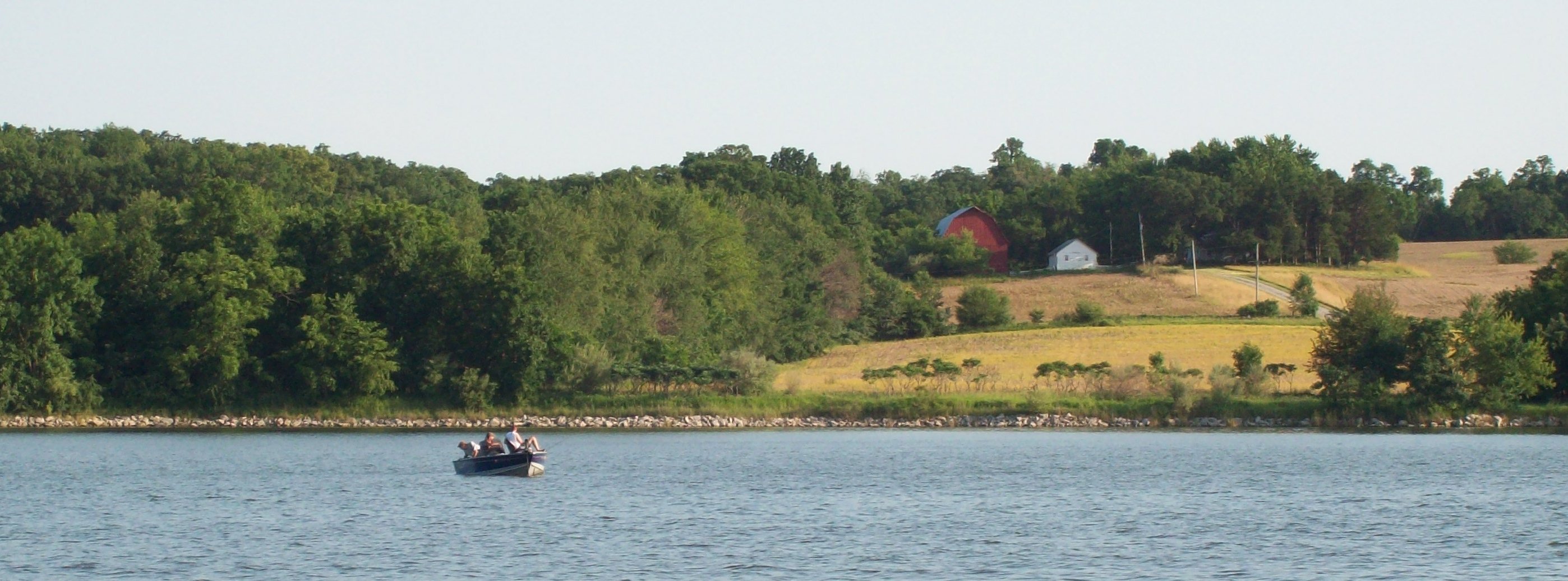
Lake Macbride
Lake Macbride

LAKE MACBRIDE— Possessed of a large frontal lobe of the cerebral cortex, I spend way to much time intellectualizing life instead of living it. This is not new, nor is it peculiar to me. It’s the human condition— a blessing and a curse. Memory is particularly important for a writer in that if one can’t conceptualize, writing would be impossible. Readers are important too, but that is another story.

The challenge of daily writing is to develop a story balanced between enough research and not too much. That research is in experiences new and old. For now, the source of ideas flows like a spring in an Appalachian hollow, providing a way of life for those who can tap it. One hopes the spring never runs dry.

My experience with Appalachian springs is personal. During a visit to the home place in Virginia shortly after our marriage, we visited family friends who lived a certain way in a hollow with a spring. The income they had was from watching my uncle’s four cows and tobacco fields while he was away working for an airline. The grounds and cow keepers had a government draw from a disability, which was being set aside to eventually buy farming equipment. Money was not a primary concern, although if they had it, they would spend it. So it is in Big Grove.

One might call the author a hoarder. Guilty as charged. I’m a hoarder of books and artifacts collected in diverse experiences around the U.S., Canada and parts of old Europe. The ideas about them reside within me, and that’s the true and deep reservoir of experience for writing. Often, it is research enough.

Occasionally one has to reach out for inspiration, and that’s where I land as summer ends and the fall harvest approaches. The persistent question, what’s next?

I’ve worked to create a process that sustains us over the near term, and now it’s time to produce something longer than a 500 word blog post with the process. Exactly what is an open question for the next month or so.

With consideration and review, contemplation and decision, a path forward will be mapped— toward new experiences and broader exposure of my writing.

It’s time to draw again from the spring.

Categories
Writing

Allure on the Prairie

Canned Goods
Canned Goods

LAKE MACBRIDE— The allure of imagination is a writer’s arena. It can be a saving grace, enabling us to survive in a world gone mad. It can be a distraction from existential realities that beckon for attention. It is a blessing and a curse, perhaps the result of our too large brain combined with the relative security of life on the American plains. Perhaps it is simply a way to live.

Writers seek allure more than imagination, at least this one does. That moment when an idea rises on the horizon. A shiny object, not unlike a fashion photograph— each element prepared meticulously for our viewing, the scent of perfume imagined despite the reality of a two dimensional image on a screen. Allure is the well from which a writer dips a ladle and drinks.

Norman Mailer described the writer’s process:

You go in each morning, and there’s a blank page. Maybe it takes five minutes, maybe it takes an hour. Sooner or later you start writing, and then the words begin to flow. Where does that come from? You can’t pinpoint it. You always wonder, “Will it all stop tomorrow?” In that sense it’s spooky. In other words, you’re relying on a phenomenon that’s not necessarily dependable.

There is no shortage of things to occupy our attention. A recent story on the cable television business reported there are 10 million households in the U.S. that have an Internet connection, but no cable television. It’s enough people for Home Box Office to perceive a market and develop a direct sales, Internet delivered, bundle of subscription programs. Radio, then television, and now the Internet, have served to suppress imagination’s allure. Programming fills our attention capacity as we plug in to our favorite diversion. For a writer, this is a low level poison trickling into our veins, suppressing creativity. Allure vanishes leaving us feeling empty and used, yet craving more.

“No ideas but in things,” wrote William Carlos Williams. Would that it were so. His 20th Century produced a consumer culture in which people collected things without ideas. Certain die cast toys, boxes of pasta, tools, and my addiction— books and reading material. The result of someone’s ideas tangible and in our hands. Maybe Williams was warning us.

As we age, we become aware of our physical limitations and imagine more. Aging bodies become temples of memory to be filled by righteous and earthy memories. As our bones stiffen writers strive to avoid calcification of ideas. It takes work. We are not always successful.

“Memory believes before knowing remembers,” wrote William Faulkner. As we age, the hard drive of memory falls into disuse. We repeat old jeremiads in society, trying to get along. We can forget the allure of the imagination.

When a writer loses the ability to be drawn to the allure, one is no longer a writer. A scribbler maybe, a blogger definitely, a writer only in external artifacts and behavior.

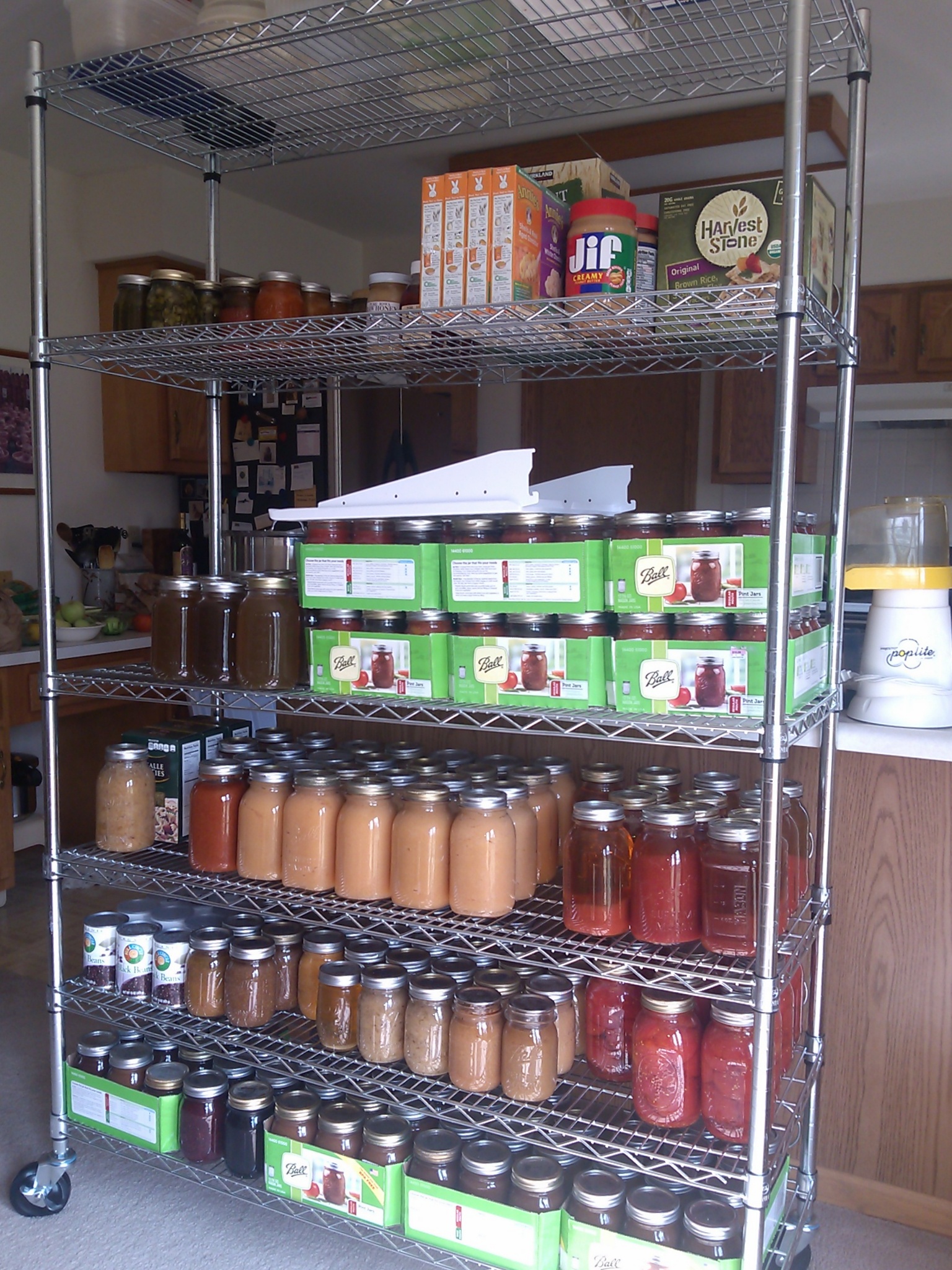
We may be driven to package our awareness, like a gardener spending weeks in the kitchen canning and freezing produce for a winter of use. The jars on a shelf serve a purpose, the least of which is nourishment. They become another distraction from the allure of a life of imagination.

Categories
Kitchen Garden Writing

Summer Thunderstorm

Red Crust Pizza
Red Crust Pizza

LAKE MACBRIDE— Rain was brewing when I went outside early this morning. One could sense it in the warm, electrified air. It came and poured two inches in the garden cart left outside to get washed out. The storm winked the power a couple of times, although not long enough to stop my work on a newspaper article. In all, it was a decent, if unneeded rain.

Temperatures in June averaged 70.3° or 0.6°above normal, while precipitation totaled 9.94 inches or 4.92 inches above normal, according to state climatologist Harry Hillaker. This ranks as the 55th warmest and third wettest June among 141 years of records. The only calendar months with greater statewide precipitation averages were July 1993 (10.50”), June 2010 (10.39) and June 1947 (10.33). The rainfall isn’t done for today.

I’m taking a break between two news articles due this weekend. Cleansing the writer’s palate with new words in a different frame. The first story is filed, and the second will be before going to the orchard to confirm my work during the apple season that starts today.

It is an unusual Saturday off from the warehouse. I cancelled outdoor work because of the forecast for more rain, so besides at-home work on the newspaper and two other gigs, the day is mine. My spouse is working this afternoon, so I’ll have the house to myself much of the day.

Yesterday I was invited to luncheon at the CSA. As a part time worker, I get included in special events and attend when my schedule permits. Eleven farm workers dined on pizza, coleslaw, steamed broccoli, zucchini cake and watermelon. Only a few ingredients came from off the farm. I opined that the watermelon was from Florida, but was guessing.

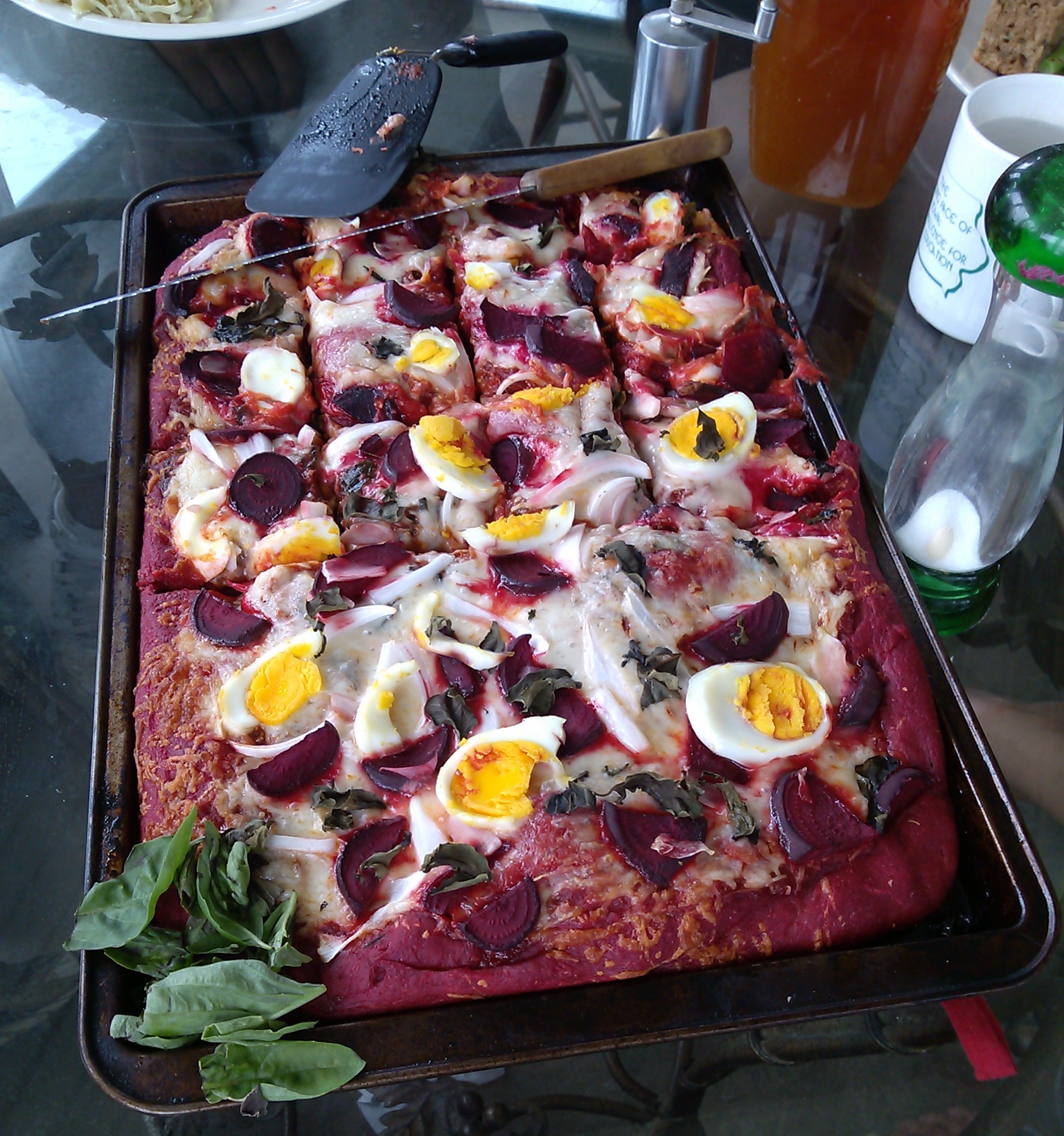
The pizza dough was turned red by adding beet puree. Topped with a tomato sauce, mozzarella cheese, sliced beets, onions, sliced hard-cooked eggs and basil, not only was it delicious, it was beautiful. The rest of the meal was standard, in-season local food fare, simply prepared.

I am working on a piece about Alice Waters and asked each farm worker individually if they knew who she was. Six of eleven (55 percent) did not recognize the name. On a farm where the major effort is organic, locally grown ingredients, and using them to create a specific type of cuisine, I was surprised more people had not heard of her. Waters is not as well known as some foodies might think.

A discussion of breaking vegetarianism led us down a weird conversational path. Someone said so many vegans and vegetarians break their eating habits with bacon. Most everyone at the table had some type of hog slaughtering experience, so for about 20 minutes that became our conversation.

When people live close to the means of production, the conversation seems reasonable. We covered home slaughtering of a market animal that died unexpectedly the day before shipping, working in a slaughter house, visits to confinement hog operations, a story about consumption of male hog gonads, chitterlings, lard rendering, using bacon grease in cooking, and many more topics. A porcine version of Moby Dick, if you will, told by people who know their subject.

I’m willing to bet fewer people would eat bacon if they knew where it came from.

Yesterday I transplanted celery and snipped off the leaves from the extra seedlings. It was the best tasting celery ever. We’ll see how much it produces. This morning’s rain should help.

Categories
Environment Writing

Dreaming of Zakuski

Storm Damaged Tree
Storm Damaged Tree

LAKE MACBRIDE— In a perfect world, friends would come over and we’d share vodka, zakuski and conversation for an evening.

Even though we have a bottle of Stolichnaya Vodka purchased in the 1980s in the basement (an inch or so has evaporated), and the fixings for a dozen or more little plates in the refrigerator and pantry, getting intoxicated by sweet, sour and savory hors d’oeuvres following shots of vodka is not going to happen.

Yet I imagine—damn you frontal lobe, your machinations and your dreams.

But there it is. In chilled small shot glasses, a dose of vodka followed by a homemade multigrain cracker spread with pesto.

An interlude of conversation while the next course is prepared.

A shot of vodka, and a small plate of beets and daikon radishes pickled with jalapeno peppers. More conversation.

A shot of vodka, and a tiny ceramic cup with rhubarb crisp. More conversation and a slight buzzing sensation.

A shot of vodka. A mixture of Kalamata olives, pickled chard stems and capers, served on small plates from the thrift store. And so it would go.

Except it’s not going to happen. The toll of vodka would be too much, though the conversation and releasing of inhibitions tempting. Who in today’s consumer society pays a visit to chat with zakuski? If our doorbell rings at all, it is a canvasser, not friends seeking to share tales of our lives on the Iowa prairie.

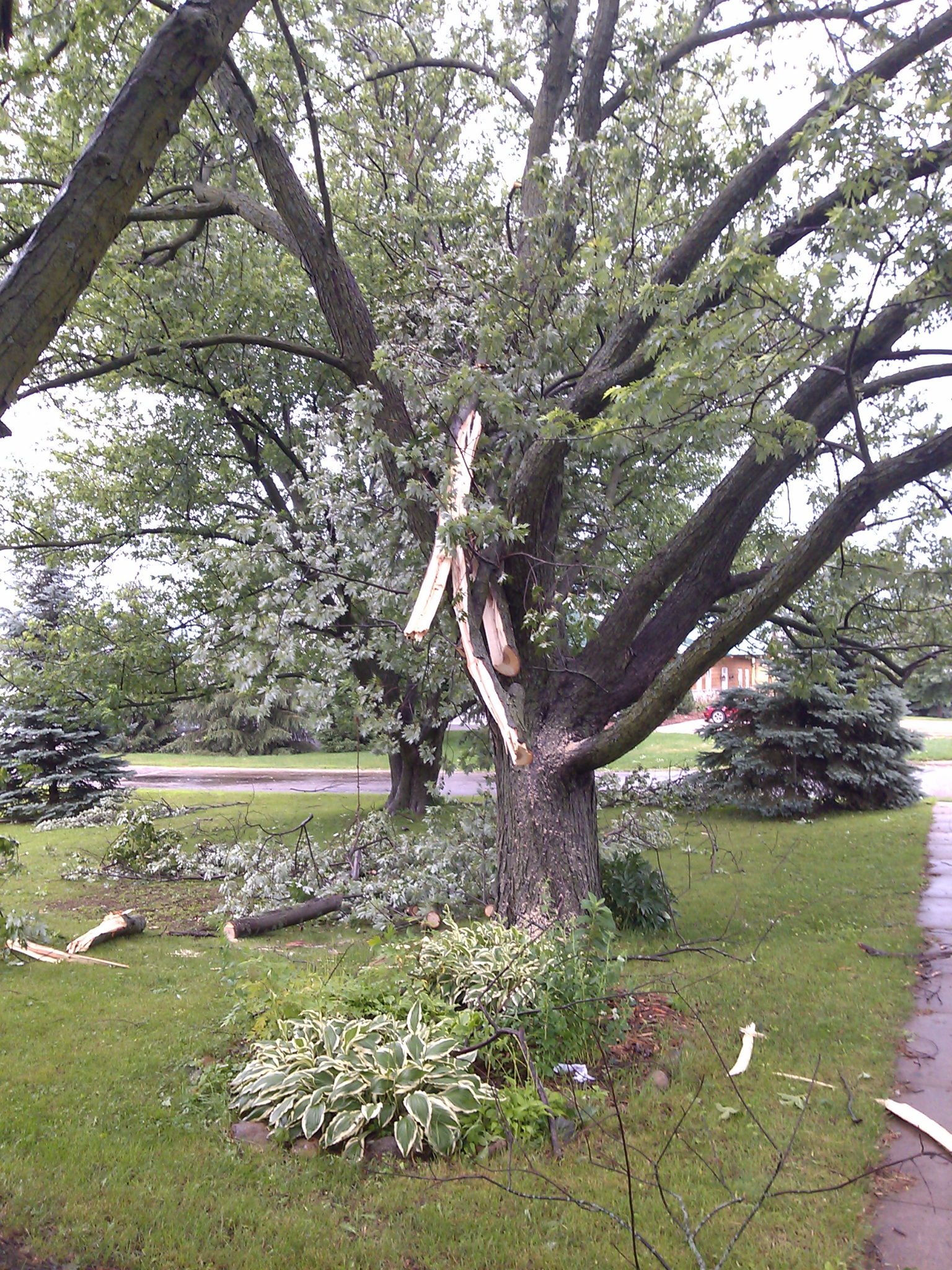
The world outside is of fallen trees and washed out ditches from last night’s extreme weather, part of a bleak day with multi-colored sky.

At a political event in town last night, about a fourth of the attendees cancelled due to the weather.

Trees were down all around the lake. Mill Creek rose up out of its banks.

“Our giant old walnut tree came down in the storm taking my farm’s main power line with it as well as my yard light pole,” came the report from our CSA. “The amazing thing is we still have power but until REC gets out here to shut off the power we have live wires on our driveway and the tree is blocking our road. Given the size of the tree I suspect it will take us several days to get the driveway cleared.”

Two trays of seedlings for the garden blew over, leaving work to salvage them this morning—the least of problems in a storm-wrecked world.

One dreams of zakuski, and lives in the material world with its fallen trees, blocked roads and disruptions, seldom stopping for the human possibilities dreams create.

It’s time to spread the pesto on plain toast and get on with the day.

Categories
Writing

Mise en Place

Making Soup Stock
Making Soup Stock

LAKE MACBRIDE— The Harvard Business Review wrote about the application of mise en place to daily planning. While most of us are not professional chefs, laying out the ingredients of a day and conceptualizing the execution can make us more effective in the way it aides the best chefs.

“What’s the first thing you do when you arrive at your desk?”asked author Rod Friedman. “For many of us, checking email or listening to voice mail is practically automatic. In many ways, these are among the worst ways to start a day. Both activities hijack our focus and put us in a reactive mode, where other people’s priorities take center stage. They are the equivalent of entering a kitchen and looking for a spill to clean or a pot to scrub.”

Like many people, I check my email, the Washington Post, BBC, Guardian and my twitter news feed before turning on the light in the bedroom. The problem is obvious. A friend wrote a note about a meeting next week, which I read around 3 a.m., and have been thinking about since. While interested in the content and potential outcome from the note, it was a disruption that could have been handled differently. The first thing I did after turning on my computer was to write a response.

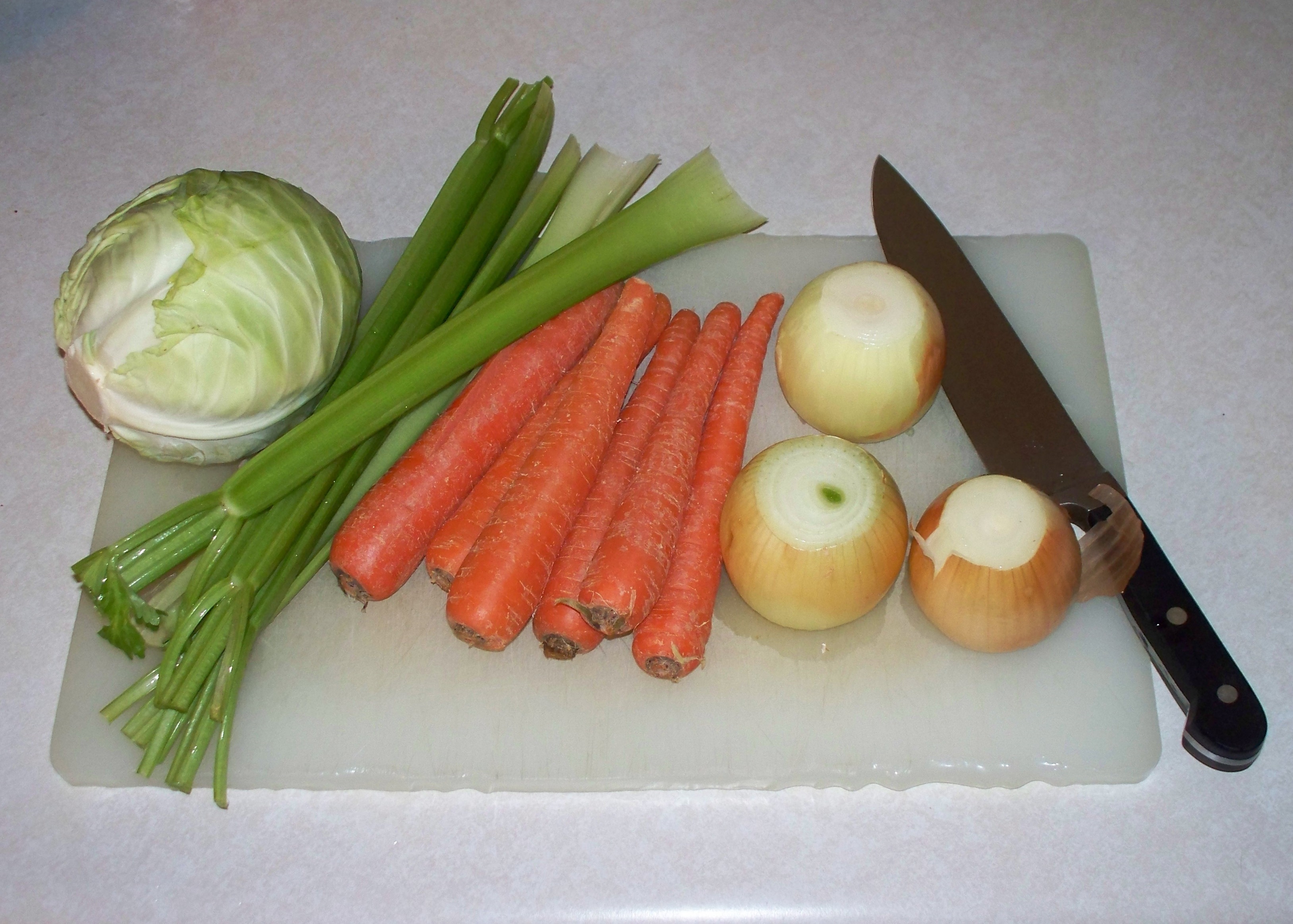
I’ll try mise en place as a planning tool a few times and see if it helps make my days more productive. Today is soup stock day— a perfect place to start.

As a writer, mise en scène is more engaging than mise en place. Borrowed from film theorists, mise en scène is a step ahead of mise en place in that it considers what goes into the camera frame and sound track, which when combined with cinematography and editing tells a specific narrative. Mise en scène sets the time and space of a creative narrative whereas mise en place is prep work to create a specific result. Both have measures of effectiveness, but mise en scène enables better creative possibilities.

It wouldn’t hurt to assemble and think about the elements of a narrative before writing, and to an extent we do that. Yet the process of writing is such that once we go down the rabbit hole of a particular topic, the outcomes have more diverse potential. We often don’t know where we will arrive, or how, at the beginning.

A case could be made that we should begin with the end in mind— not making that case here. Writing is a métier that includes processing diverse experiences and making some sense of them. It is impossible to know the end unless the piece is utilitarian the way a letter to the editor or newspaper article is.

Since writing is a lowly paid occupation— its meager income supplemented by farm and warehouse work— managing time is a must. Some may labor for days over a 500-word essay, but it is more important to crank it out, take the learning and improve during the next piece. Mise en place may help us do that more effectively with better results.

Categories
Home Life Writing

Rain Came

Garden When Rain Came

LAKE MACBRIDE— It rained on plans to work in the garden and yard. So now, the long lawn will wait until the next dry, sunny day; weeds are getting respite from being chopped; and the garage is clean enough for one auto. After the last, I went upstairs to the kitchen and processed vegetables for a meal— dinner of fresh asparagus, rice, salad greens with chopped vegetables and a veggie burger. And radishes. And spring onions. And soup stock with vegetables past their prime— mixed greens, asparagus stems, onion, celery, carrot and bay leaves. Simple fare for a simple life.

I have written about 2,000 words in two articles today, making this my third. Writing brings a sense of calm and I need that now. Better medicine than the antibiotics for my frying pan burn or the iced tea with blended whiskey. Writing works through our tension and helps release one’s cares, at least for a brief time. We write to clarify things. To straighten out a turbulent life, and by creating a narrative, yield understanding. That’s what we hope.

It doesn’t always work that way. But for now… rain came, dinner’s ready to cook, and what else is there to do on the Iowa prairie?

Categories
Writing

Friday in Iowa: Newspapers

Barn
Barn

When I agreed to fill in as the summer, weekday editor of Blog for Iowa, the decline of newspapers, and substantial changes in corporate media was on my short list of topics to cover.

As I drove to town yesterday, people were collecting their copies of the Cedar Rapids Gazette from the roadside drop boxes. How long they will continue to do so is an open question. Newspaper publishing is a dying industry with 28.6 percent of newspapers closing since 2000. (See Harry Bradford’s article on Huffington Post here).

The Internet is becoming the pipeline for news, information and other content in a way none of us recognized as we first logged in on home computers back in the 1990s. These days, many people I know don’t even own a television set, much less subscribe to a newspaper or to cable TV.

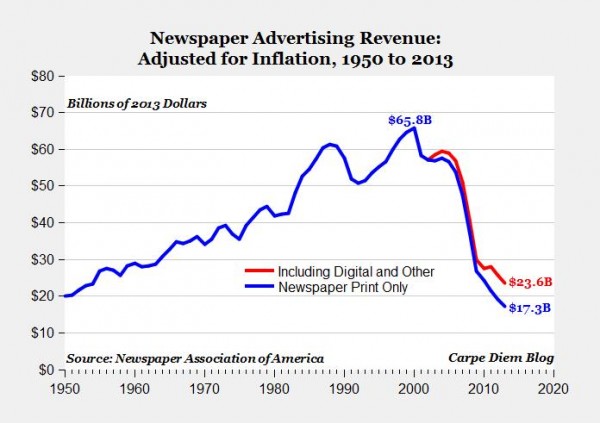
A lot has been written about the decline of newspapers and most readers have probably seen this chart:

Newspaper Sales

“The dramatic decline in newspaper ad revenues since 2000 has to be one of the most significant and profound Schumpeterian gales of creative destruction in the last decade, maybe in a generation,” wrote Mark J. Perry in the Carpe Diem Blog. “And it’s not even close to being over.”

Things have gotten so bad that newspapers have stopped publishing the quarterly results used to make this chart, favoring annual reports. What does that mean? More newspapers will consolidate or go out of business, leaving less writing jobs for those who need it as paid work.

How does Blog for Iowa fit in? As you can see at the bottom of the front page of the blog, we have a benefactor. “Blog for Iowa is paid for privately to the tune of $15 a month by Dr. Alta Price of Bettendorf, Iowa,” it says. As long as people want to work for beer money or less, there will be plenty of opportunities to write. Not that we want to encourage readers to go elsewhere, but just look at the WordPress Freshly Pressed site. There are tens of thousands of well written blogs and those blogs exist and need writers, even if most of them are not for profit.

The point is the world has changed and is changing, and one of my topics this summer will be occasional posts about the changing media and our role in the new world it is creating. Watch for my summer “Friday in Iowa” series to be posted irregularly on Fridays until Labor Day.

Special thanks to my colleagues at Blog for Iowa, Trish Nelson, Dave Bradley, and especially to Dr. Alta Price for making it possible for me to write for Blog for Iowa this summer.

~ Written for Blog for Iowa

Categories
Writing

Summer Jobs

Blog for Iowa
Blog for Iowa

LAKE MACBRIDE— Trish Nelson will be taking the summer off from editing Blog for Iowa, and I’ll be filling in. There is a small stipend, and the work will give me a chance to develop ideas around the 2014 midterm elections, and on other topics.

With the retreat of so many people to no preference voter registration, to say that party affiliation matters a lot misses the point. In my statehouse district, the Iowa Secretary of State May report showed 19,802 active voters, of which 6,275 are registered Democratic, 5,666 Republican, and 7,576 No Party. The Democratic edge is largely irrelevant with so many no party registrants.

Don’t get me wrong, there is a devoted corps of died in the wool Democrats and Republicans. They just make up a minority of the electorate. In my experience, the further down the ticket, the less party affiliation matters, and the more the personality and policies of candidates come into the foreground. This summer will be a time to explore the meaning of this in light of the Nov. 4 general election campaign. It should be fun and interesting. My posts can be seen at this link.

The other new summer job is a woodcutting project in nearby Cedar County. The work has flexible hours, and will add some needed income to the household budget.

Meanwhile, the farm, newspaper and warehouse work will form a base of income upon which I can build. One thing seems certain, with all of the gardening and my share from the CSA, there will be no shortage of good quality food for our pantry and table.

It is shaping up to be a productive summer.

Categories
Social Commentary Writing

First Share and Living in Society

Asian Greens in Scrambled Eggs with Vermont Cheese and Pickled Bits and Pieces

LAKE MACBRIDE— The first share from the Community Supported Agriculture (CSA) farm was ready yesterday— asparagus, lettuce, baby bok choy and Asian greens. Anticipation over spring and summer cooking is building, even if living on bits and pieces from the pantry will continue until the full flow of local produce is unleashed. Picking up the share at the farm was a fine beginning.

We had more than two inches of rain since Earth Day, so outdoor plants are growing. The garden is too wet to work, although as soon as the soil dries, seedlings are ready to go into the ground. Meanwhile I will go on living in society, and that is today’s topic.

The phrase “in society” has a particular usage here. It is part of a spectrum of relationships with people that contrasts with “chez nous,” the French term that refers to “at home” or “with us.” Maybe there is something else on this jumping green sphere (thanks Lord Buckley for this phrase), “outside society” or “foreign,” but most of our lives are spent chez nous or in society. My tag “homelife” could be changed to “chez nous” and sustain the meaning.

Living in society is that set of relationships which sustains a life on the plains. It includes friends, family, neighbors, workplaces, institutions, retail establishments, and organizations with which we associate or interact. The relationships are interpersonal, that is, specific people are associated with each part of society— it is not an abstraction.

When young, we don’t see our life in society this way. We had an ability to live in the moment without a history of interpersonal relationships, anchoring us into something else. As we age, we are more like a character in a William Faulkner novel that must work to suppress the endless flow of memory.

If experience connects us, the way we live in society is based on thousands of previous interactions. For example, someone ran for the U.S. Senate after a long, productive life. If I saw him today in any of a number of settings— at a retail store, at the retirement village, at a literature reading, at a veterans meeting, at a public demonstration— I would think of the courage he displayed by taking on personal debt to challenge an entrenched incumbent politician who would otherwise have run unopposed. I would also think of our many conversations over a period of years. Our relationship is driven by my respect for his courage, and I picture him when I think about the associations we share. When I use the phrase “in society,” it might be referring to an interaction we had, or one like it with someone else.

My usage of the phrase “in society” may have been explained by others who are smarter, but because it is organic there is a peculiar sense to it on this blog. It is personal, but not really, because is it also public.

I am entering one of the richest periods of personal interaction in life. Old enough to have had experience, and young enough to gain new ones. Each day’s potential is vast midst the galaxy of people with whom I interact. Favoring the phrase “in society” enables me to talk about them without revealing where the specific interaction may have occurred. This protects people from unwanted intrusion into their lives, and enables the writing I do for a couple of hours each day.

Chez nous, we would have had breakfast of Asian greens mixed with scrambled eggs, Vermont cheddar cheese and pickled veggies from last season. In society I am part of the local food movement and post photos of my breakfast. Maybe I am drawing a fine line, but it is an important one for a writer.

Categories
Environment

Earth Week Sustainability Schedule

the-climate-reality-project-logoLAKE MACBRIDE— I will be speaking about personal finance, the environment and nuclear abolition four times between April 19 and 24. If you are nearby, please consider attending one of these events:

April 19, 11 a.m.: “Alternative Living: Focus on Finances” with Solon resident and writer Paul Deaton. Paul gave up his 9 to 5 job to focus on his writing. He will describe his creative methods of putting food on the table and how he covers his expenses to survive and thrive. Part of the American Library Association Money Smart Week, Solon Public Library, 320 W. Main St., Solon, Iowa.

April 19, 1 until 3 p.m.: Soap Box Speech on the environment: “Mount Tambora, Mount St. Helens and Nuclear Famine” at the Celebration of Life at Old Brick, 20 East Market St., Iowa City, Iowa.

April 23, 6:30 p.m.: “Earth Week: Climate Reality in Iowa” at 220East, 220 East Fourth St., Waterloo, Iowa.

April 24, 6:30 p.m.: “Earth Week: Climate Reality in Iowa” at the Independence Public Library, 805 1st St. East, Independence, Iowa.

11 a.m.: “Alternative Living: focus on finances” with Solon resident and writer Paul Deaton. Paul gave up his 9-5 job to focus on his writing. He will describe his creative methods of putting food on the table and how he covers his expenses. – See more at: http://www.soloneconomist.com/content/solon-public-library-50#sthash.PGm9t3cj.dpuf

11 a.m.: “Alternative Living: focus on finances” with Solon resident and writer Paul Deaton. Paul gave up his 9-5 job to focus on his writing. He will describe his creative methods of putting food on the table and how he covers his expenses. – See more at: http://www.soloneconomist.com/content/solon-public-library-50#sthash.PGm9t3cj.dpuf

11 a.m.: “Alternative Living: focus on finances” with Solon resident and writer Paul Deaton. Paul gave up his 9-5 job to focus on his writing. He will describe his creative methods of putting food on the table and how he covers his expenses. – See more at: http://www.soloneconomist.com/content/solon-public-library-50#sthash.PGm9t3cj.dpuf

11 a.m.: “Alternative Living: focus on finances” with Solon resident and writer Paul Deaton. Paul gave up his 9-5 job to focus on his writing. He will describe his creative methods of putting food on the table and how he covers his expenses. – See more at: http://www.soloneconomist.com/content/solon-public-library-50#sthash.PGm9t3cj.dpuf

11 a.m.: “Alternative Living: focus on finances” with Solon resident and writer Paul Deaton. Paul gave up his 9-5 job to focus on his writing. He will describe his creative methods of putting food on the table and how he covers his expenses. – See more at: http://www.soloneconomist.com/content/solon-public-library-50#sthash.PGm9t3cj.dpuf