Categories
Living in Society Social Commentary Writing

Unexpected Monday

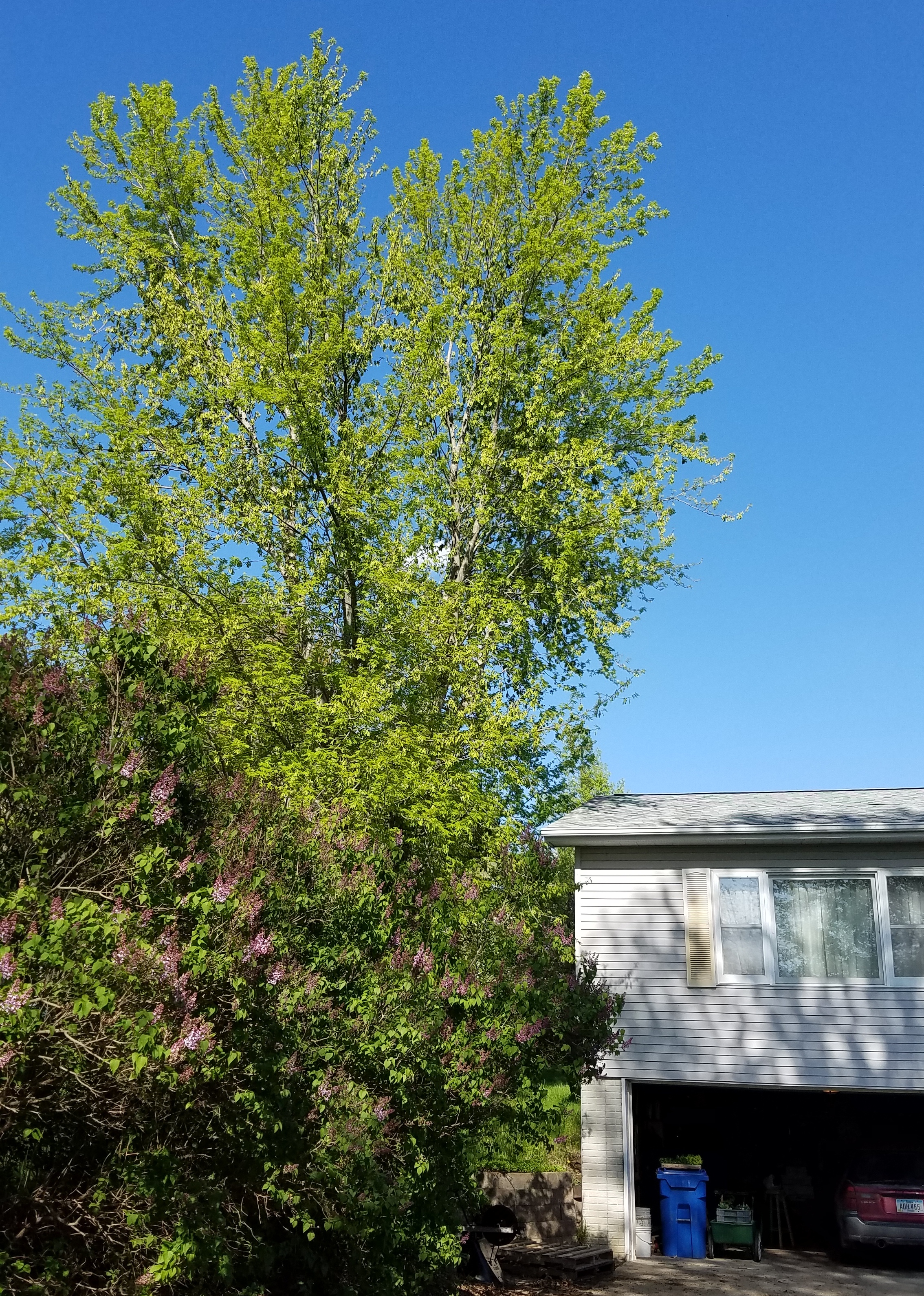
Maple Tree – Before

Monday didn’t happen as expected. There were three things involving arborists, health care and farming.

Without announcement, the arborist arrived to take down a maple tree I planted on the northwest corner of the house. Turns out I didn’t know what I was doing when planting the 12-inch, stick-sized sapling so close to the house in 1994.

Now fully grown, unusually strong winds already took out one of the main branches. We determined it would be less expensive to remove the tree than pay for a roof repair when limbs inevitably blew down on it.

It was a small way of mitigating the damage of the climate crisis.

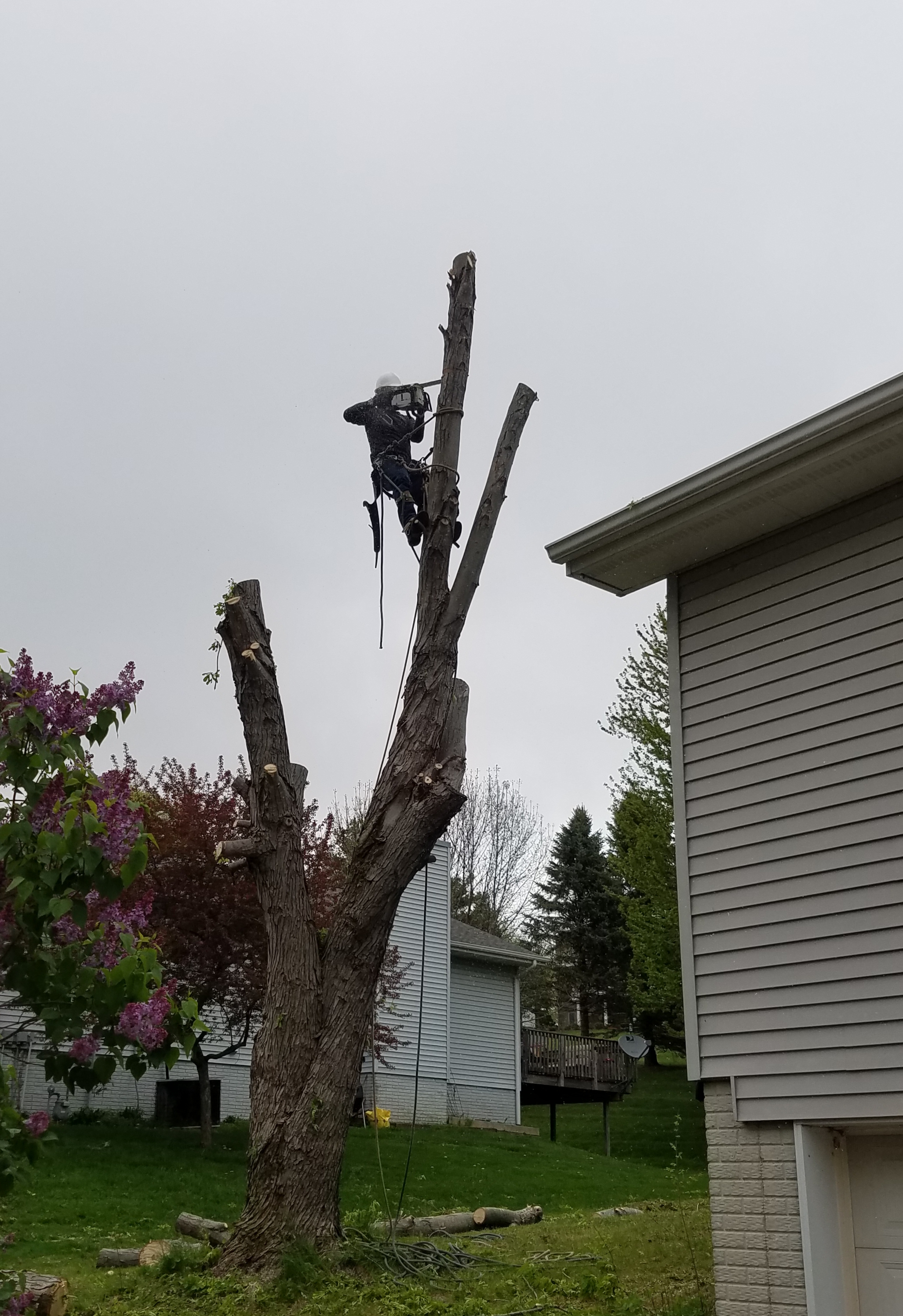
The crew was four men with two pickup trucks to haul away brush and wood. The benefit of using an arborist instead of a tree service is the equipment is pickup trucks, ladders, and an array of Stihl brand chainsaws and old fashioned loppers. There is minimal soil compaction around the work site without heavy equipment and that’s important to a home owner.

Arborists at Work

The arborists took out the maple and trimmed the pin oak, finishing well before noon. Our next door neighbor engaged them for tree trimming and by the end of the day our corner of the neighborhood was looking good.

Monday’s main event was a trip to the local clinic to get checked out.

Last Friday someone called, saying I was overdue for a physical exam. They had an appointment the following business day, which in a small city is disconcerting. The hospital managing the clinic is already having financial difficulties. The fear is the clinic will close, making it neccessary to drive to the county seat for health care. I took the appointment.

We no longer have two physicians at our clinic as one was replaced with an ARNP or Advanced Registered Nurse Practitioner. I get that the United States is facing a physician shortage, and our ARNP fills a coverage gap. It makes sense to differentiate the skills being performed in a local clinic and find practitioners that closely match them.

I miss what I had for a very long time, a doctor with whom I established a relationship and could get to know in our community. I’m not saying it was great, or that we should go back. I miss it but am ready to move on, seeking an answer to the question how do people get treatment in a scenario in which part of every office visit is talking about how to pay for services?
Arborist at Work

I liked my ARNP. He explained something I hadn’t considered. He said I was scheduled for a physical exam and there would be a significant cost. I explained that’s what the Friday caller said I needed so I went with it. He changed the billing code and said, once a person reaches a certain age, the better course of action when seeking treatment is to come into the clinic for specific maladies, without getting a traditional physical exam. I have a history already, which when combined with age and lifestyle risks, along with my complaints, can determine a course of care without physical examinations as I’ve had previously. What their team did today was little different from what the last physician did, with the exception the prostate examination was delayed until the results of a panel of lab tests he ordered were known.

At 3:40 p.m. I drove to the farm to pick up our vegetable share of Bok Choy and Koji, Leaf Broccoli, Mixed Greens, Lettuce, Spring Garlic, and Garlic Chives. Each year I secure onion starts for our garden leftover once the farm has planted theirs. It was time. Usually I get a bundle or two of starts produced in Texas, but Monday was different. The farmers gave me two trays of locally grown starts still in soil blocks. It seemed a generous gift considering the work that produced them. I was thankful to have them.

A day that started with a headache from a 12-hour fast before my clinic appointment turned out for the better. I had a cup of coffee after the clinic and the day got progressively better. It was one more day of sustaining a life in a turbulent world.

Categories
Work Life

Low Wage Work, the South Side and Me

At Sunset

The benefit of working in a low wage job is exposure to lives I wouldn’t otherwise know exist.

Every work day someone’s car has been repossessed, an abusive spouse called an associate at work, or someone lost their apartment with no ability to pay for a new one.

This a part of society people don’t see much unless one is living it. Government is not involved unless a trip to the courthouse or prison is part of the package.

During my transportation career I spent more than my share of time on the South Side of Chicago. Some folks decided to break into a trailer dropped in a neighborhood and attempted to take a refrigerator. The refrigerators were large and awkward to handle, and the Chicago police stopped the theft and pursued the would-be thieves through the neighborhood. A call from our corporate staff in Cedar Rapids resulted in my spending most of a day in arraignment court. The time there was life-changing. I knew Chicago experienced a lot of crime, but was in no way prepared for the endless procession of victims and their aggressors.

When our case came up on the docket, the prosecutor began by pointing at me, saying “a representative of the company” was present at the arraignment. If I hadn’t been there, the charges would have been dropped. While enjoying the narratives of the culprit chase and questioning about their identification the night of the crime, I had other responsibilities to pursue, such as finding drivers who would comply with company policy and park their trailers at our nearby secure terminal across the Indiana line.

I worked three months for a subcontractor of a subcontractor to the Whirlpool Corporation in North Liberty the spring of 2013. It was hard work and I found something better. There was constant employee turnover and I got to meet and spend breaks with a lot of transients during my tenure. There were no permanent employees of the temp service who wrote my paycheck, not even in our Cedar Rapids office.

A group from Chicago had set up shop off Penn Street in North Liberty, renting an apartment where friends, relatives and neighbors from Chicago stayed and rotated through. They had heard of job opportunities and cheap living in the Cedar Rapids – Iowa City Corridor and some of them worked at the temp service I did trying to find a permanent arrangement in Cedar Rapids. My informant was someone who participated in this operation. In addition to the work building kits for Whirlpool, he was a low-level loan shark and two-bit hustler trying to get ahead. He didn’t last long at the plant.

I started referring to the “Chicago contingent” with these folks specifically in mind. Unbeknownst to me my experience and others like it became the stuff of urban legends. So much so that Linn County Supervisor Stacey Walker addressed it in a presentation last week to Cedar Rapids’ First Presbyterian Church, titled, Dispelling the Myth of Chicago “Trouble-Makers.” The YouTube video is an hour long and Walker does a great job framing the issues.

As Walker explains, the phrase “Chicago trouble-makers” is dog-whistle for racism. Since my experience with the Chicago contingent was born out of personal experience, I hadn’t thought of it that way. The fellow employees at the temp service were trying to get ahead, and I don’t blame them for wanting to get out of Chicago. I didn’t know many of them as well as my informant, and it’s likely some of them had a recent criminal background, based on conversations in the break area. What I called their “operation” could not help but be noticed by others and civic attitudes toward it followed.

Our politics cultivates urban myths like the “Chicago trouble-makers” as a primary function. We’ve become so disconnected from our neighbors that rumor and innuendo displace human interaction and its role in society. My solution is to write about what I know from personal experience and challenge my own perspective as much as that’s possible. Once one engages in society it is possible to effect change. In fact, that may be the only way to do it.

Categories
Environment

Earth Day – 2019

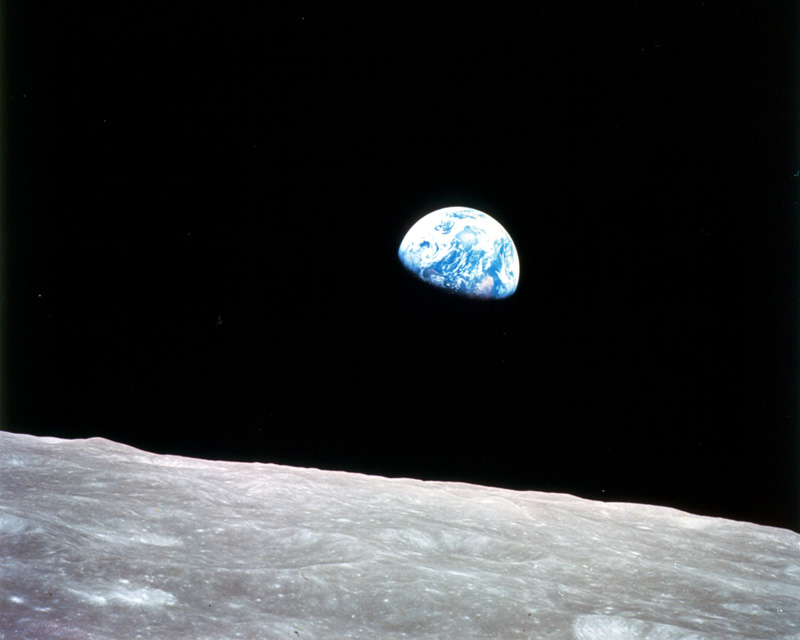
Earthrise by Bill Anders, Dec. 24, 1968

A thin haze dimmed reflected light from the moon. Thin enough to allow dots of starlight to penetrate the atmosphere and with moonlight illuminate the neighborhood.

The haze was just enough to know it was there.

I moved trays of kale, broccoli and parsley seedlings from the garage to a pallet near the driveway in the hazed light of a waxing gibbous moon.

Today is the 50th Earth Day.

Earth Day is less about a view of night’s starry presence than it is about seeing Earth as a whole. Few times in our history has a photo of Earth made such a difference in so many lives as Earthrise taken by astronaut Bill Anders. It sparked the movement that brought us Earth Day which continues to this day.

We humans have not been the best stewards of Earth since April 22, 1970.

Early Years

Vague notions of ascendancy were taught by our grade school teachers. In the seventh grade I was segregated from neighborhood friends to join a college-bound group of peers in a special classroom. I entered the National Honor Society in high school and when I graduated in 1970 had no clue what I wanted to be. I knew I was college bound, not because I wanted that, but because the nuns said I should be. That I finished college at all was miraculous. I felt a sense of relief as President Nixon appeared to heed a shared need to do something about the environment. When he created the Clean Air Act (1970), and then the Clean Water Act (1972) I felt Earth Day had done its job.

Military Service

When I left Iowa in 1976 for basic training at Fort Jackson, S.C. I had little idea of what being a military officer meant. I knew the Vietnam War was over and I wanted to serve as my father had. The context was a paternal grandfather went to prison for draft evasion during World War II. Given a choice, I would serve. Among other things, military service taught me the environmental cost of war.

The environment has long been a silent casualty of war and armed conflict. From the contamination of land and the destruction of forests to the plunder of natural resources and the collapse of management systems, the environmental consequences of war are often widespread and devastating. ~ Ban Ki-moon, UN secretary general

Oil consumption and related carbon emissions are significant contributing factors to degradation of our atmosphere. The use of depleted uranium in military ordnance, notably during the 1991 Gulf War, created a complex array of environmental problems including introduction of carcinogens into the environment. We destroyed Iraqi infrastructure, including water and sewer systems, and contaminated surrounding ecosystems. The use of defoliant Agent Orange in Vietnam created sickness among soldiers and decimated biodiversity in the country’s tropical rain forests. We should include potential use of nuclear weapons which studies have shown, in a limited nuclear war, could create a nuclear winter making 2 billion people food insecure.

Awareness of the military’s environmental problems is a lesson learned.

Worklife

I worked 25 years in the transportation business, including an 18-month stint with Amoco Oil Company in Chicago. What goes almost unnoticed as part of background noise in modern society is the amount of fossil fuels burned by trucking, railroad and ocean-going transport vehicles. When I was maintenance director for a large trucking firm, I spent $25 million per year purchasing diesel fuel for our vehicles. That doesn’t count fuel burned by our affiliate companies which used independent contractors who fueled their own semi-tractor trailers. The fundamental dynamic during this period was I needed a job to support our family and given what I perceived as a lack of opportunity after college and military service I took what I could find, staying there for most of my professional career. I traded the environment for financial security. My main concerns were job performance and getting ahead. The nuns in grade school didn’t adequately prepare me for this kind of worklife. Environmental issues were off the table.

Retirement

When I left transportation ten years ago the climate crisis became more real.

In 2013 I participated in The Climate Reality Project conference in Chicago, taught by former Vice President Al Gore. It made a difference to learn the science of climate change and in the following months I began presenting the information learned in public speaking, in letters and articles in the newspaper and in my daily life.

We entered a period of politicization of everything. Facts ceased to matter. Income inequality worsened and the U.S. government seemed owned by the richest people. The scientific facts about climate change became a political choice: do you or don’t you believe the science of climate change?

Climate change is real and is impacting our lives now. Even banks are seeing how it can impact their business. From an open letter from the Governor of Bank of England Mark Carney, Governor of Banque de France François Villeroy de Galhau and Chair of the Network for Greening the Financial Services Frank Elderson:

The catastrophic effects of climate change are already visible around the world. From blistering heatwaves in North America to typhoons in south-east Asia and droughts in Africa and Australia, no country or community is immune. These events damage infrastructure and private property, negatively affect health, decrease productivity and destroy wealth. And they are extremely costly: insured losses have risen five-fold in the past three decades. The enormous human and financial costs of climate change are having a devastating effect on our collective well being.

The authors call for an orderly transition to a low-carbon economy. “The stakes are undoubtedly high,” the authors wrote. “But the commitment of all actors in the financial system to act on these recommendations will help avoid a climate-driven ‘Minsky moment’ – the term we use to refer to a sudden collapse in asset prices.” In other words, the climate change bubble could burst.

The Future

Less than 24 hours remain in this 50th Earth Day, a brief moment in Earth history. Whatever humans do, the earth will be fine. It’s human life and society that’s at risk. My takeaway from 50 years of considering Anders’ image of Earth against a background of the immensity of space is the same as when I first saw it: we humans are all in this together. It is going to take more than Earth Day to bring political will to act on climate.

Categories
Environment Writing

Burning Brush in the Carbon Cycle

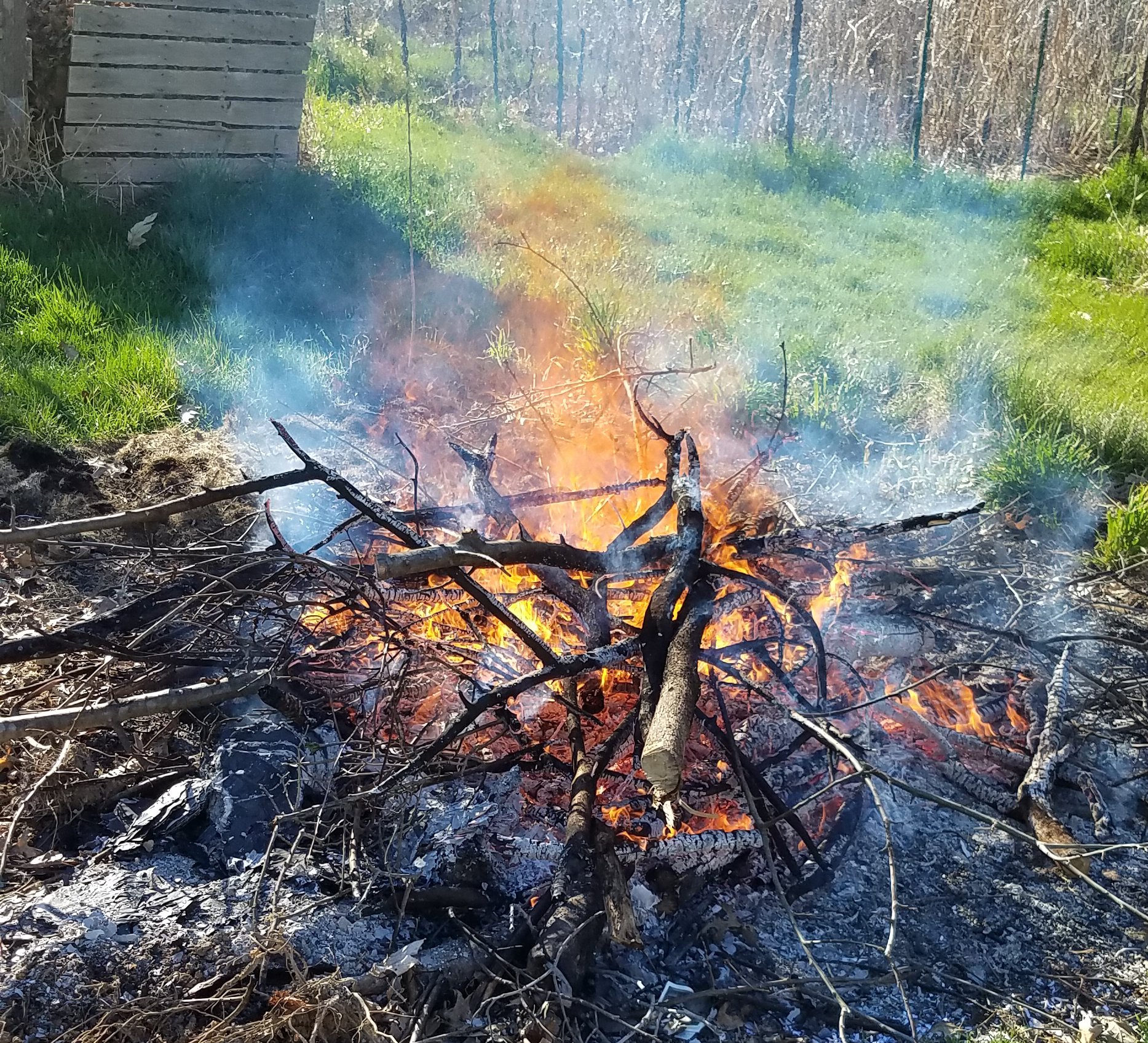
Brush Fire April 19, 2019

Is burning brush good for the environment?

As a gardener I burn brush on a garden plot a couple times a year, rotating the burns on each of seven plots over time. The idea is the mass of the brush is reduced, carbon dioxide is released, and minerals return to the soil. It’s a common practice.

The alternative is purchasing a wood chipper to turn brush into garden mulch — expensive for the amount of brush accumulated in a single gardening season. For the time being, I plan to continue to burn brush because of the carbon cycle.

In 2015 I discussed carbon release from burning wood and other biomass in fires like mine, for home heating, and in the University of Iowa power plant where they burned a mix of fossil fuels and biomass.

What scientists told me was it was better to burn biomass than fossil fuels, partly because the amount of carbon dioxide released into the atmosphere was less than burning coal in experiments they performed.

Ben Anderson, who operated the University of Iowa power plant said, “It’s still combustion but the carbon cycle is what is important there.”

Biomass takes carbon from the atmosphere and stores it until it is released back into the environment in a cycle as old as time. Mining and burning fossil fuels also releases stored carbon which has been stored for millennia. Given our present ecosystem, it is better to leave fossilized carbon where it is, according to the analysis, because releasing it contributes to global warming.

I wrote about this for the local newspaper. The article below was published on Oct. 7, 2015 in the Iowa City Press Citizen with my by line. Many thanks to my editor Josh O’Leary for improving my initial submission.

UI study finds benefits in burning oat hulls for thermal energy

Biofuel use is a well-known contributor to meeting sustainability goals at the University of Iowa. Since 2003, UI has used oat hulls sourced from Quaker Oats in Cedar Rapids to generate electricity, heating and cooling on campus.

Several chemistry department faculty and students recently completed a study of gas and particle emissions from co-firing coal and two types of biomass versus straight coal at UI’s main power plant.

Researchers also found that using oat hulls with coal reduced carbon-dioxide emissions by 40 percent and significantly reduced the release of particulate matter, hazardous substances and heavy metals.

“The UI is working toward meeting a goal of using 40 percent renewable energy by 2020,” said Betsy Stone, an assistant professor in UI’s chemistry department. “Part of their plan to achieving that goal is the use of biofuel, which is a renewable source of energy, instead of fossil fuel, in this case coal.”

The group was interested in understanding how using biomass instead of coal changed emissions released into the atmosphere, Stone said.

“When burning 50 percent oat hulls and 50 percent coal, we saw a big reduction in criteria pollutants compared to burning 100 percent coal,” she said. “When I say ‘criteria pollutants,’ I’m talking about things like fossil carbon dioxide, sulfur dioxide and particulate matter.”

Use of the 50/50 mixture reduced the mass of particulate matter by 90 percent, Stone said.

While overall CO2 emissions were constant among the three fuels used in the study — straight coal, 50/50 oat hulls/coal, and 3.8 percent wood chips/96.2 percent coal — the use of plant material makes the process more sustainable, Stone said. Biomass takes CO2 out of the atmosphere and incorporates it into the plant. When it’s burned, CO2 is released.

“It’s considered to be a renewable fuel because we have that carbon cycle going on,” Stone said. “With fossil fuels, we’re releasing fossilized carbon. It goes into the atmosphere and takes millions of years to get back to fossilized form again.”

The major take-home message is there is a significant reduction in fossilized CO2, sulfur dioxide and particulate matter, which is beneficial to people living near the power plant, Stone said.

“I thought the study was definitely encouraging and in line with our thoughts that biomass is good for the environment,” said Ben Anderson, UI power plant manager. “Overall, the results are encouraging and provided assurance we are going the right way with the biomass project.”

The biomass project brings the renewable component to the plant, but is also a component of fuel diversity, he said.

“That’s really important for reliable operations,” Anderson said. “Natural gas markets have been known to spike from a cost perspective. If there is a problem with pipeline transport, we can use the biomass and still keep this plant online.”

Maureen McCue, coordinator for Iowa Physicians for Social Responsibility, noted important considerations of this study, including locally sourced fuel options and the avoided cost of buying and shipping coal. McCue called UI’s biofuel efforts “a good use of a resource that might otherwise go to waste.”

“The mixture avoids some of the known adverse health effects associated with burning more coal,” McCue said in an email. “There is no health benefit to anyone unless you assume burning coal is obligatory/unavoidable and thus count as benefited the person(s) who would have been impacted by more coal.

“It’s like saying not hitting your head with a hammer is a health benefit,” she added. “No one wants to risk their health breathing coal emissions or headaches by hammer if there are alternatives.”

Categories
Writing

Going Home After Notre Dame

Kale Seedlings from the Greenhouse, Ready to Plant

I’m going home.

Yesterday’s fire at Notre Dame Cathedral, on Île de la Cité in Paris, brought that feeling from the darkness.

It is no longer my world.

When I visited Notre Dame I didn’t take photos. I brought a dozen rolls of Kodak film with me on a 12-week trip to Europe. They had been stolen in Calais. I reluctantly bought two to replace them and used them sparingly. Having studied Gothic architecture in art history class, I figured there were enough extant photographs to call up memories without any light I personally exposed to film. It turns out those memories, in light of the fire, remain prominent without external stimulation.

I remember standing below the large stained glass window, made in the 13th century, in awe of the accomplishment. In 1974 the cathedral wanted repairs and there was ongoing work being done. The flying buttresses looked fragile, the stone facings of the church well worn by pollution from acid rain and vehicle exhausts. I marveled that the stained glass survived two world wars and read the story of how they did. A religious service started and I left the cathedral.

News reports this morning say the stained glass window that made an impression on me 45 years ago was saved from the fire. The collapse of the roof and gutting by fire of the interior means any repairs will be costly. With the centuries-old struggle to keep the building up, it’s hard to see how a complete restoration would even be possible. In any case, the 13,000 trees cut to make the roof —an entire forest — can not be replaced after so many centuries.

We are used to landmarks being changed or disappearing. The World Trade Center in New York City and the Bamyan Buddhas in Afghanistan are two different types of examples in my lifetime. How uncaring people can be about preserving history. How fragile is what has been entrusted to us by the past.

When the world you’ve come to know changes, it is time to go home.

According to the Social Security Administration’s life expectancy calculator I can expect to live 17.4 more years. I’ll do my best to live a good life, however, the journey home has already begun.

Categories
Work Life

Long Goodbye to Workforce

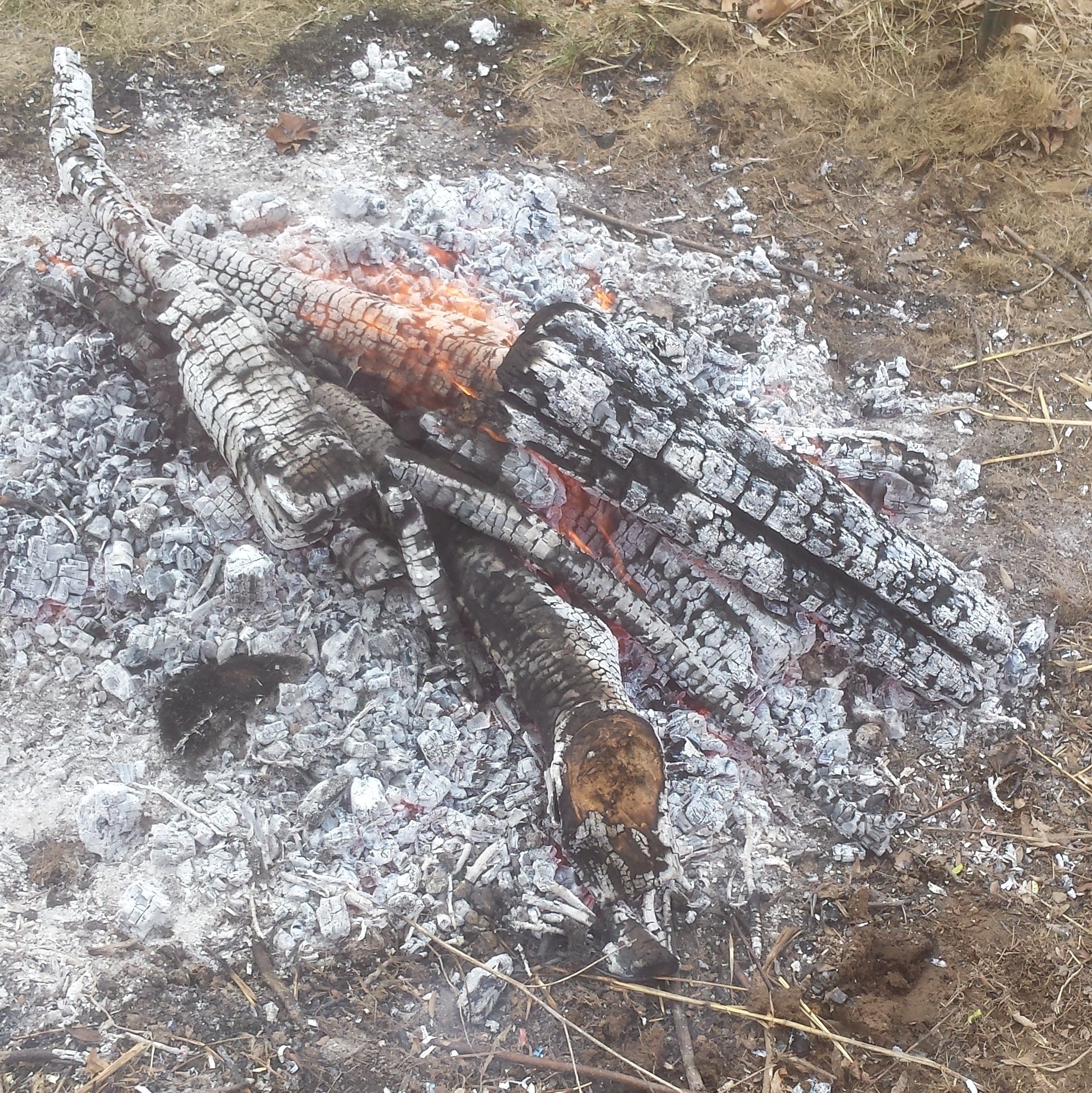
Embers

By July 3, the tenth anniversary of my departure from the logistics company, I hope to have my exit from the workforce defined.

I continue to work for pay and barter and am concerned with a loss of income those five jobs currently provide, although, not that much.

I’m ready to focus on work closer to home which pays in ways other then monetarily. Our needs have changed and so have I.

The reason our household is in this position is Social Security and Medicare. At 50 years into the workforce I continue to contribute to both, and the benefits provide a livable financial structure. The fact we’ve been responsible citizens helps as well.

It is time to move on.

That said, I enjoy my five jobs and the people I meet. The home, farm and auto supply store provides insight into low wage workers and the challenges of retail. The two farms where I soil block are quite different if my work is the same in both. I enjoy the farmers, workers and volunteers in each setting for different reasons. Work at the apple orchard has changed since my friend Jack first referred me there. The operation has gotten bigger, the number of revenue streams expanded. I’ve learned a lot about apple culture and the work appears to have run its course for me. My summer coverage of Blog for Iowa has been a time where I am required to put a post up five days a week. It has always provided a chance to think more about contemporary affairs and what it means to be a progressive Democrat.

The long goodbye from all of these jobs is already in process.

What will I do besides slow down my work outside home? That’s an open question, the answer to which depends on continued good health. For now, I am mentally active and undamaged by life’s stresses. Another human working to sustain a life in a turbulent world.

Categories
Kitchen Garden

Burn Pile

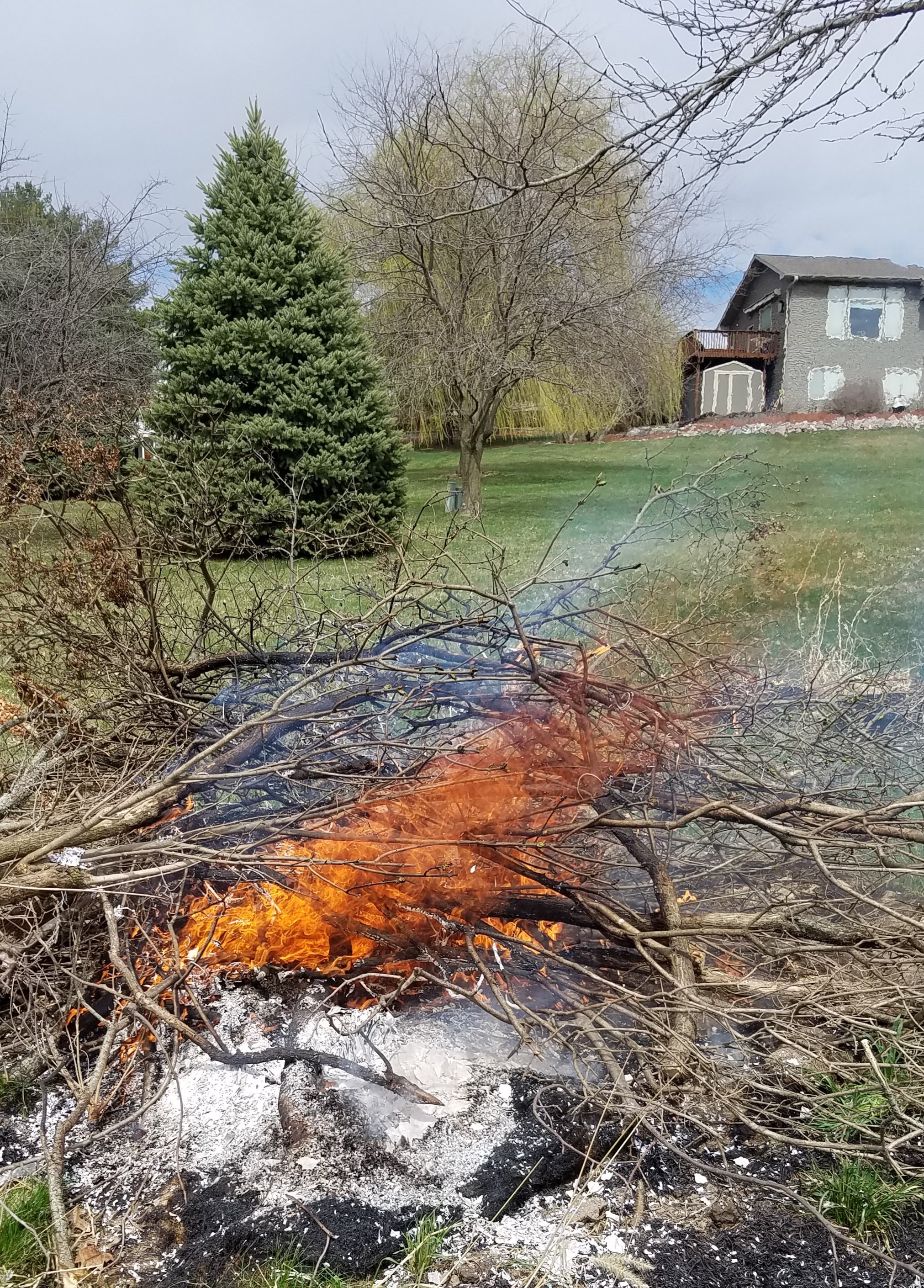
Burn Pile
First Spring Burn Pile

I lit the burn pile with two matches and a pile of scrap paper but the long branches didn’t all burn. In fact, most of them didn’t, except in the middle where fire took hold for a while then died out for want of something.

The the partly charred branches need reworking and another ignition after this morning’s rain. Since today is first of two days at the home, farm and auto supply store, it won’t be until Friday.

Yesterday I planted in the ground for the first time this season, using an experimental limited till method. I have so many seeds, if some fail, they can be replaced.The season is late, but still new, and I’m interested to see if the seeds germinate and dig roots.

I planted in the ground,

Lettuce:

Black Seeded Simpson, Ferry — Morse, 45 days.
Buttercrunch, Ferry — Morse, 70 days.
Mesclun Mix, Ferry — Morse, 40-80 days.

Sugar Snap Peas, Johnny’s Selected Seeds, 60 days.

Carrots: Bolero, Johnny’s Selected Seeds, 75 days.

Beets:

Detroit Dark Red, Seed Savers Exchange, 65 days.
Moneta, Johnny’s Selected Seeds. 46 days.
Merlin, Johnny’s Selected Seeds, 48 days.

Turnips:

Purple Top White Globe, Johnny’s Selected Seeds, 50 days.
Hakurei, Johnny’s Selected Seeds, 38 days.

The smallest of the plots is now planted and overnight rain will dampen everything down. Spring hope is in the ground.

Categories
Kitchen Garden Writing

On a Warm Spring Day

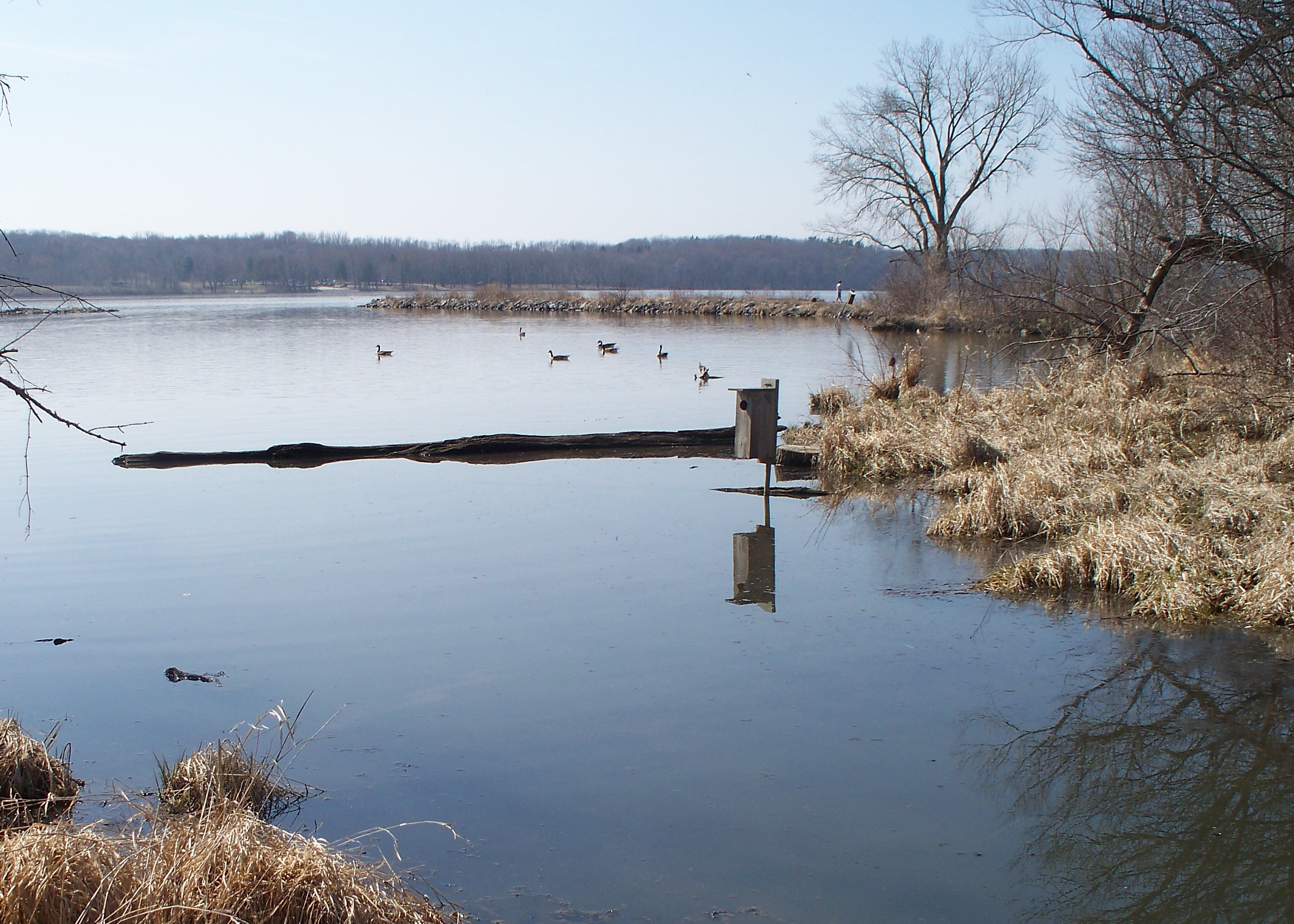
Spring on Lake Macbride

Saturday was the first spring day with temperatures in the low 70s.

I spent a few hours raking and using the chainsaw, beginning yard clean up. More clean up remains but I’ve learned to take it easy until returning to better physical shape through the work.

I relished being outside at work so much. Excited to deploy the chainsaw, I forgot hearing protection until I was almost finished.

Neighbors hailed me from their yards and in passing by. The whole neighborhood seemed outside and alive. There was ice below matted leaves yet everything else indicated spring had definitely arrived.

Saturday had begun Friday by covering mixed beans with tap water to soak overnight.

Before sunrise I cooked the beans in homemade vegetable broth, then added carrots, celery, onion and bay leaves. The broth reduced so I added more — four quarts in all. It simmered all day yielding a deep brown color by supper time. A cup of soup with toasted bread, a small plate of cheese and pickles, and a glass of milk made the meal.

A week into April and nothing is planted in the ground. I surveyed the garden plots for a spot to plant peas and carrots and have ideas but no plan. I’m getting better with garden layout each year because of a shift from whimsically filling space to consideration of which plants go where and why. After yesterday there’s a lot of wood to cut for a burn pile, such cutting making space to think about sunlight, shade, soil health, animal traffic and mulch.

Such is the world of a gardener.

Categories
Living in Society Writing

New Way of Seeing

Flooded Wetland

I had an epiphany while reading Mayor Pete Buttigieg’s memoir, Shortest Way Home, the March release of which coincides with his presidential campaign.

In the first chapter he described growing up in South Bend, Indiana, a place I frequented while working in transportation at about the same time.

It was a stretch to understand Buttigieg’s new narrative of something I knew well during the late 1980s. My conclusion after finishing the first chapter was I feel too comfortable with people closer to my own age with similar experiences. Like it or not, aware of it or not, a new generation of Americans has arrived and is already making change in a society I increasingly recognize only in memory.

I don’t know Buttigieg’s presidential chances among a large field with many experienced politicians, but I know this: I’d better join younger people in their efforts to improve society or get out of the way.

I’ve written about the struggle of young farmers regarding land use in our county. Some of them have been addressing the county board of supervisors since 2013 about the 40-acre rule which defines a farm. If a farmer farms on less than 40-acres here, by definition, it is not a farm, and therefore, the financial remedies of the Iowa agricultural exemption are unavailable. Having advocated with the supervisors during the run up to the most recent five-year land use plan, they are making an end run around them for lack of accommodation, seeking a remedy from the state legislature. Whether they will be successful this year is uncertain, but eventually they will reshape the law to better fit their vision of contemporary farming.

Congressman Dave Loebsack is in the same cohort as me, about a year younger. A relatively small group of us joined together in Iowa City to open his first campaign office for the 2006 election. Together we beat a 30-year incumbent Republican in the general election. Over time there have been complaints that Loebsack is not progressive enough. If one looks at his actual positions and votes, and hears it from him personally as I’ve been able to do because of our long relationship, that seems ridiculous. However, the new generation will have their way, maybe not now, maybe not in an orderly way after Loebsack retires, but their patience with perceived grievances won’t be bottled up for long. As Buttigieg’s narrative of South Bend in the late 1980s instructs, there is a different way of seeing things and it is not the view of white guys like me.

After the decennial political redistricting in 2010 Bobby Kaufmann won the first election in newly formed House District 73. He has dominated the district ever since, despite efforts by Dick Schwab (2012), David Johnson (2014), and Jodi Clemens (2018) to win the seat. Like him or not, he is the face of the new Republican party in Iowa and a popular figure in the district and around Iowa. That’s not to say he’s popular among Democrats and progressives because he mostly isn’t. Because he won four back-to-back elections he rose in the legislature and became the gateway for constituents to get things done. Will he support all of our initiatives? No. Will he listen? I found the answer to be yes.

I no longer see life through the eyes of a thirty-something. However, I’m willing to set aside my biases and predispositions if I can and spend time with men and women in their 20s and 30s to work on common issues. It’s the lesson I’ve learned from Pete Buttigieg’s candidacy.

There is so much needed to improve our lives and old solutions no longer work. To find our way, we need something different, and better. Our hope lies with the thirty-somethings who have arrived — like it or not.

Categories
Writing

Imagining a Narrative

Early Spring Rhubarb at the Farm

It’s been difficult to imagine myself in a post worklife world.

When I left my last transportation job work no longer defined me. I could become something new and different. Ten years later work continues to occupy a role in my story. That’s not unusual in the United States. I also don’t think it is that good.

Mostly retired, a pensioner, I lack a forward-looking narrative. Living a life, working part time for wages, those are not worth narration. They are part of the human journey, the arc of which often seems uncertain.

So I drift… read and write. I will read and write as long as I’m able… and take care of necessities.

Framing a life in work was abandoned. The actuality of it proved harder than writing these words. If I spend time in public, outside the flickering light of lamps and screens… sunlight through the French door, I’ll want a narrative more than “I’m a pensioner.”

I like the word pensioner, yet it’s an unusual introduction. My pension is from Social Security, it is real, and it pays many of our expenses. It reflects more than 50 years of work, during which I contributed to the fund. “I am a pensioner” seems okay, but I wouldn’t lead with that because it sounds so awkward, so work-related. There is more to life than a reference to work that generated a pension.

I told a life story in my post Autobiography in 1,000 Words, which seems long for a personal narrative. I like the facts presented yet they doesn’t say who I am, who I’m trying to be. Maybe I’d better know that first.

Should I present as writer? People recognize me as such. I don’t like talking about writing projects, so no, I wouldn’t lead with that.

Should I present as a gardener? I garden and post about gardening in multiple places. Why does a personal narrative have to be about only one thing? It doesn’t.

To whom would I tell a personal narrative if developed? I think about Dunbar’s Number and the cognitive limits it suggests. If we only get 150 stable relationships because of physiological limits, why am I even worrying about a personal narrative? My 150 knows me and I know them. Isn’t that enough?

Last Saturday a group gathered at Old Brick in the county seat and discussed political advocacy. That’s where this post about personal narrative originated — I felt I needed an elevator speech as I introduced myself. We all need a brief chat about who we are when meeting people.

I am genuinely interested in meeting people and hope any conversations will be more about them rather than me. If I talk in terms of their interests, it’s because I’m curious about how people live their lives. I need to hold up my side of the conversation.

“Hi. I’m Paul, a pensioner from rural Johnson County. I spent 50 years in the work force and now I’m here talking to you. What’s your name?”

I don’t know, pretty lame. It’s a conversation starter, and could lead somewhere the way an ignition switch on an automobile begins a trip. It’s not flashy but may serve. Maybe that’s all that’s needed and I’m over thinking this. Maybe such a brief speech is enough.

The arc of life is bending toward the unknown — an opportunity to imagine what could be. Maybe that’s the narrative, at least it could be.