Categories
Writing

Firefighter Breakfast

Rain-soaked Seedlings

SOLON— The umbrella snapped open as I exited the car on Main Street, heading toward the fire station and the 50th Annual Firefighter Breakfast. It was a steady rain and the breakfast traffic was light at 6:30 a.m. Despite the fact that eggs, sausage, ham, pancakes and beverages are not my usual breakfast fare, I like attending, being part of the community we have come to call home.

Firefighters tend to be on the bossy side. Given their work, they have to be. For example, I declined a raffle ticket and instead suggested a donation, laying some money on the table. The attendant responded, “here, take a ticket and fill it out inside.” How could I refuse? The hard sell is on the fried eggs, prepared in a pool of enigmatic oil. The cook asked three times if I didn’t want a fried egg with my scrambled. Resisting was hard, but I remained a firm no thank you. Coffee was served in a commemorative ceramic mug which diners could take home if they wished. Mine is in the dishwasher now.

During election years, the breakfast is awash with politicians. Since this is an off year, the only elected official (besides myself) was one of the town council members who was serving pancakes. There was a local businessman making the rounds, talking to people he knew. Otherwise folks were focused on the food and polite conversation. The tables began to fill up by the time I left.

As one of the Big Grove Township Trustees, I am responsible to help manage the fire station budget along with other townships served by the department. The fire station seems to get most of what the captain says they need. Our board only meets when we have to, which is mainly to approve the budget for the fire station and cemeteries, and to attend the quarterly fire station meetings with all of the townships.

Today’s fundraiser is like mad money for the department, which means buying equipment they could use, but for which they don’t have a budget. There are likely enough tax revenues to get the firefighters everything they need without the fundraiser, but the annual breakfast has become a popular community event.

Today’s rain is a hopeful sign that last year’s drought has finished. The annual firefighters breakfast is the unofficial kickoff of summer, and a fun event. It is worth stopping by on a rainy day.

Categories
Writing

Transplant Promotion

Local Harvest CSA
Local Harvest CSA

RURAL CEDAR TOWNSHIP— A group of us transplanted eggplant seedlings from a sprouting tray into individual soil blocks. The work brought new learning about how to do this important work. Naturally, my native practices left something to be desired.

The key is to make sure the tap root of the plant, identifiable because it is very long, gets completely covered with soil. The other thing is to plant the seedlings with the first leaves as close to the top of the soil as possible. Previously, I left some of the stem exposed, thus making survival riskier. It goes without saying, and is likely part of genetic breeding, to pick the biggest seedlings for transplant. The new work was considered a promotion, although there was little rank among today’s group of workers.

After finishing transplanting some workers headed to the field to pick asparagus and I tagged along to see how they did it. Another learning process, and bonus dividend of this year’s work at the CSA.

The talk of the day included my onion patch, spring garlic, and questions about seedlings, basil, parsley, and the time to plant tomatoes. The farm began planting tomato seedlings yesterday, and based on our discussion, I am going to hold mine, at least until this weekend. They are about the point of being root bound in their cells, but I want to make sure we are past the frost.

Our household received a bulk mail post card from a competing business— someone who is taking market share from small CSAs like ours. We discussed it as a competitive reality to be dealt with.

There is not enough discussion of the impact of capitalization on local food, and I generated an idea for a future post. Between giant growers like Earthbound Farms Organic, and our CSA there is a middle range of farm operations that are well capitalized, and impact how local food is perceived. They trade on leveraging other growers, the previous marketing of local food, and consumers who have heard little about the local food movement. Watch for that one.

On the home front, the apple blossoms are falling like drops of silk, with or without a breeze, indicating the bees are doing their work. The lilac bushes are in full bloom, generating an aromatic that prompted memories of many happy spring days spent in Big Grove.

Categories
Kitchen Garden

Frost versus Hard Frost

Yellow Squash
Yellow Squash

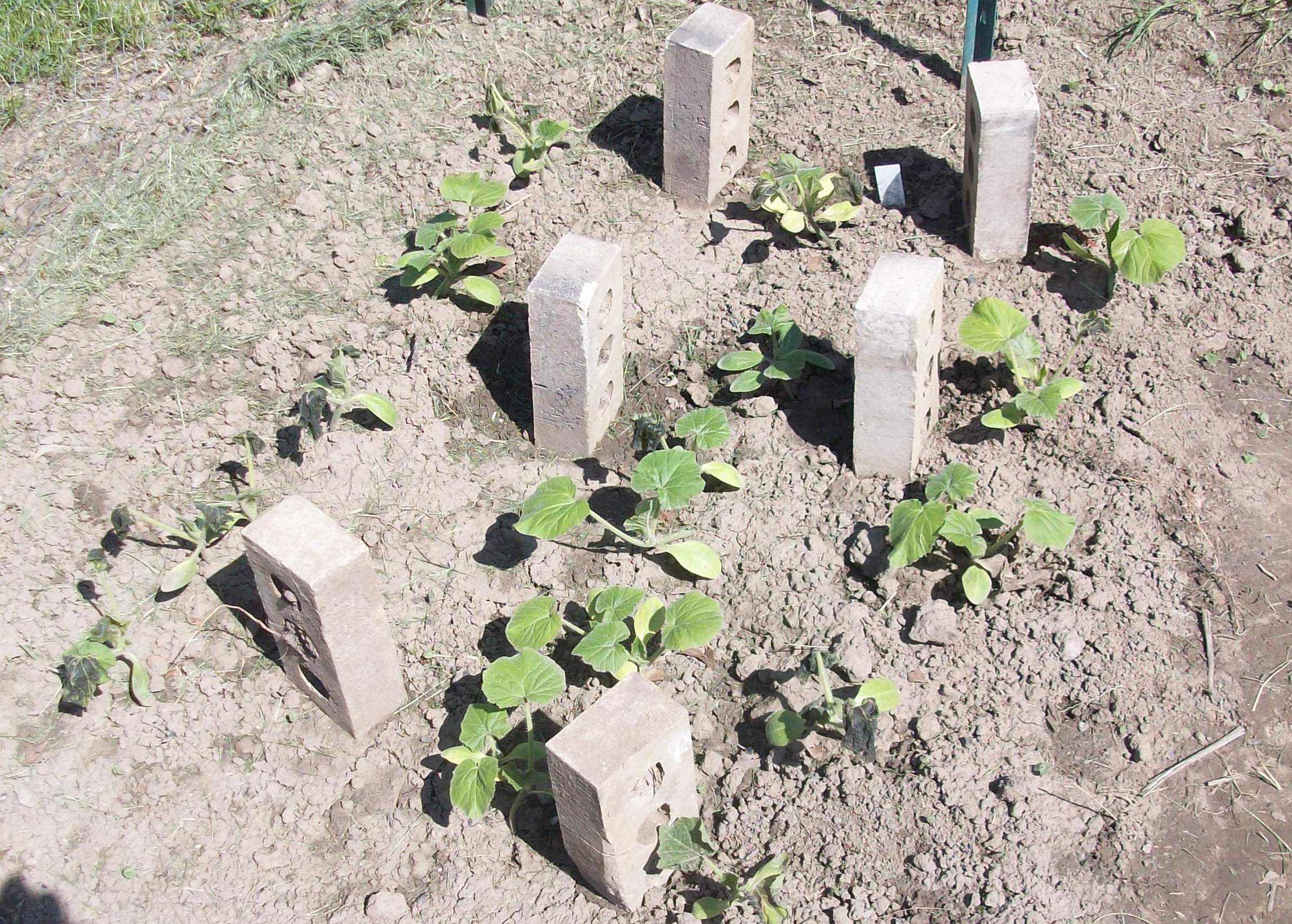
LAKE MACBRIDE— There is a difference between a frost and a hard frost, and last night’s temperature dip provided an example of what it means. From looking at the thumbnail to the left, one likely can’t see the frost damage on these yellow squash seedlings. If the reader clicks on it, the damage is evident along the left row.

Frosted Seedling
Frosted Seedling

Try a closer view of one of the plants and see the blackened, frost-damaged leaf. The big picture is that temperatures at ground level are not uniform, and while some leaves were damaged, the patch of yellow squash plants survived the frost as a whole. Last night, when I decided that a 34 degree overnight forecast did not warrant covering the seedlings, I pushed the envelope, but my judgment was vindicated by this morning’s surviving squash patch.

Likewise, the seedlings that matter most to my summer salad plate were safely put away in the garage.

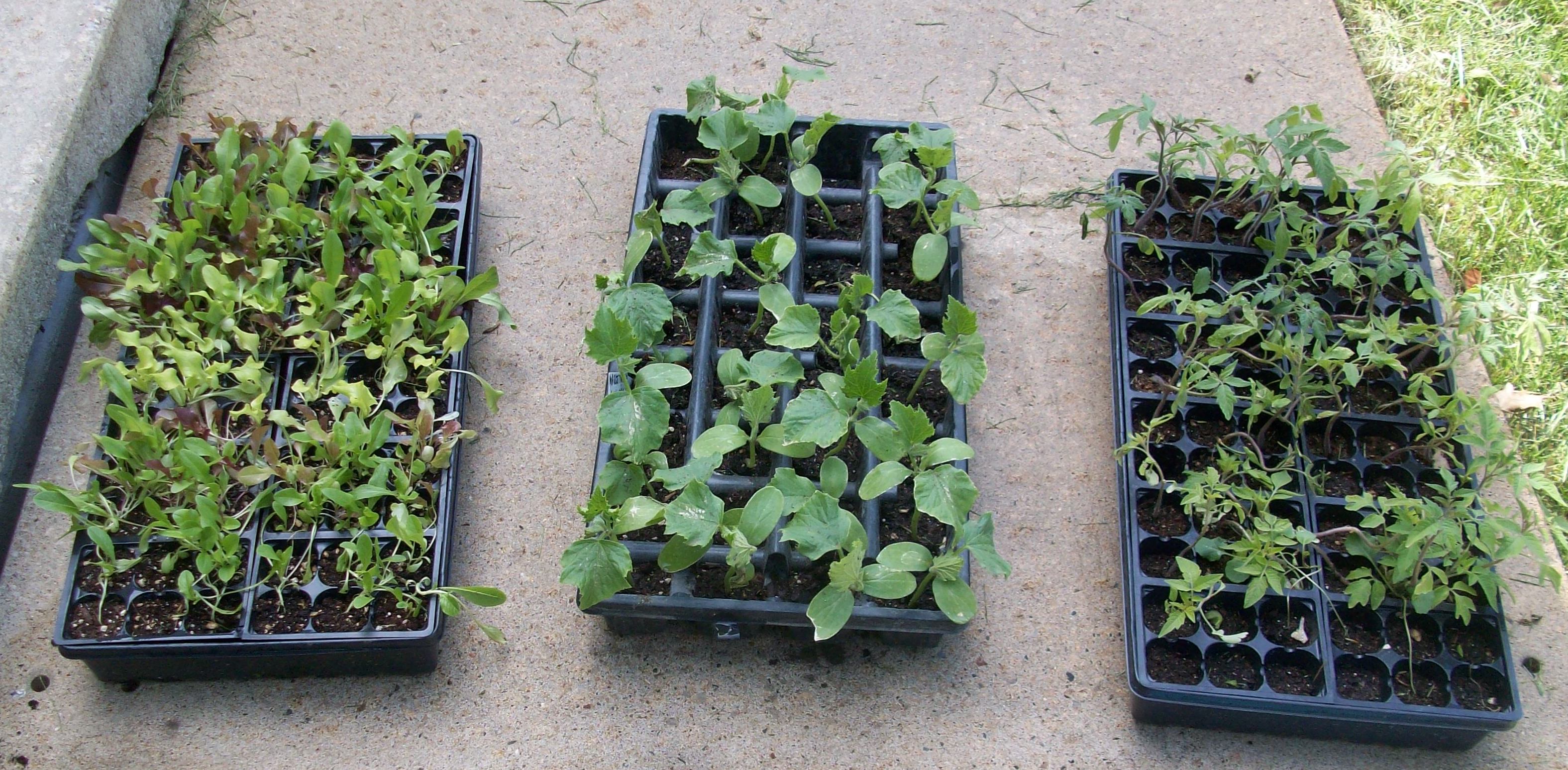
Lettuce, Cucumbers and Tomatoes

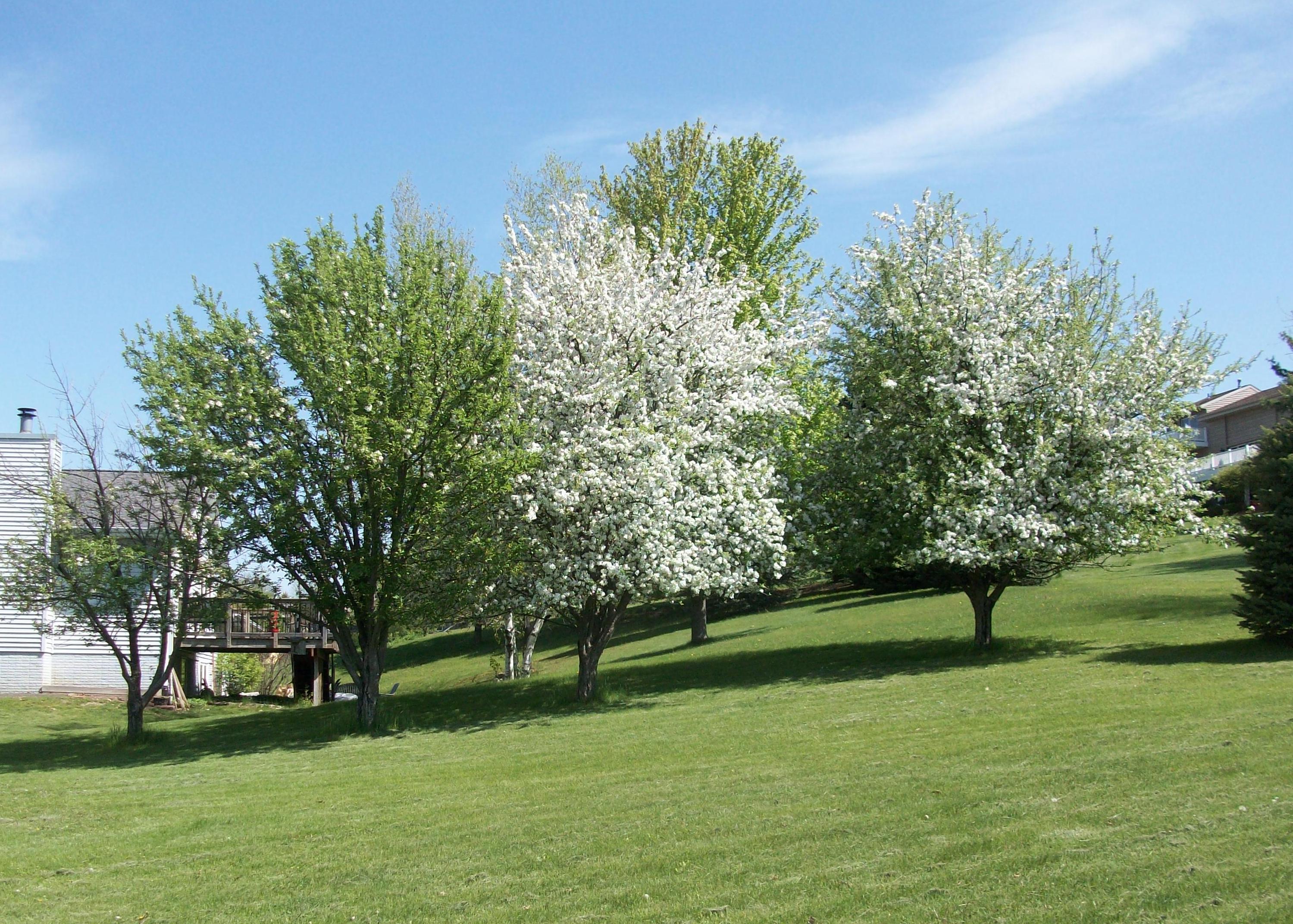
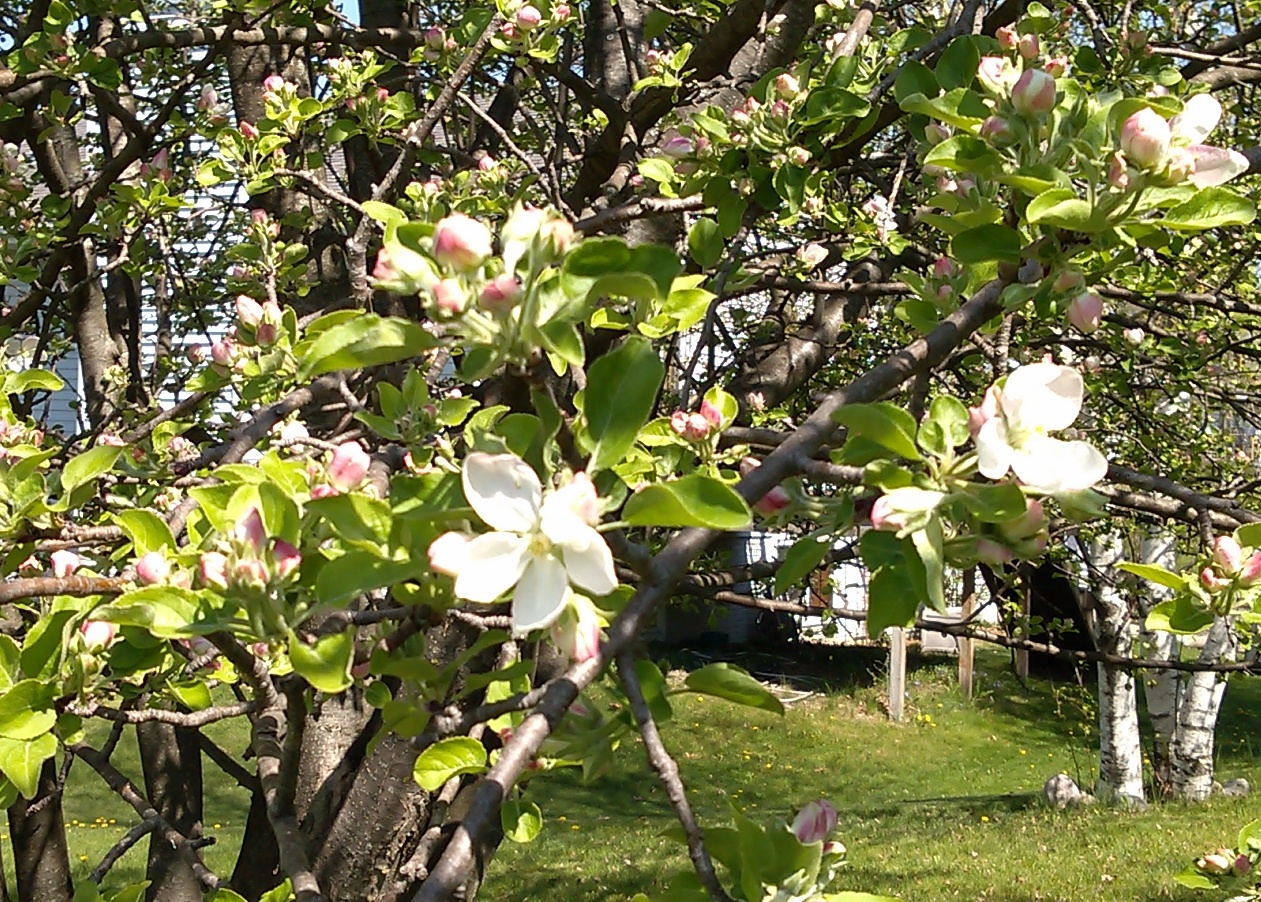
Apples are another matter. My report is that bees are busy pollinating this morning, and an apple crisis due to frost like last year was averted. There are some blossom petals on the ground, indicating post-pollination, but not many. Today the apple trees were again in full bloom.

Apple Trees Blooming

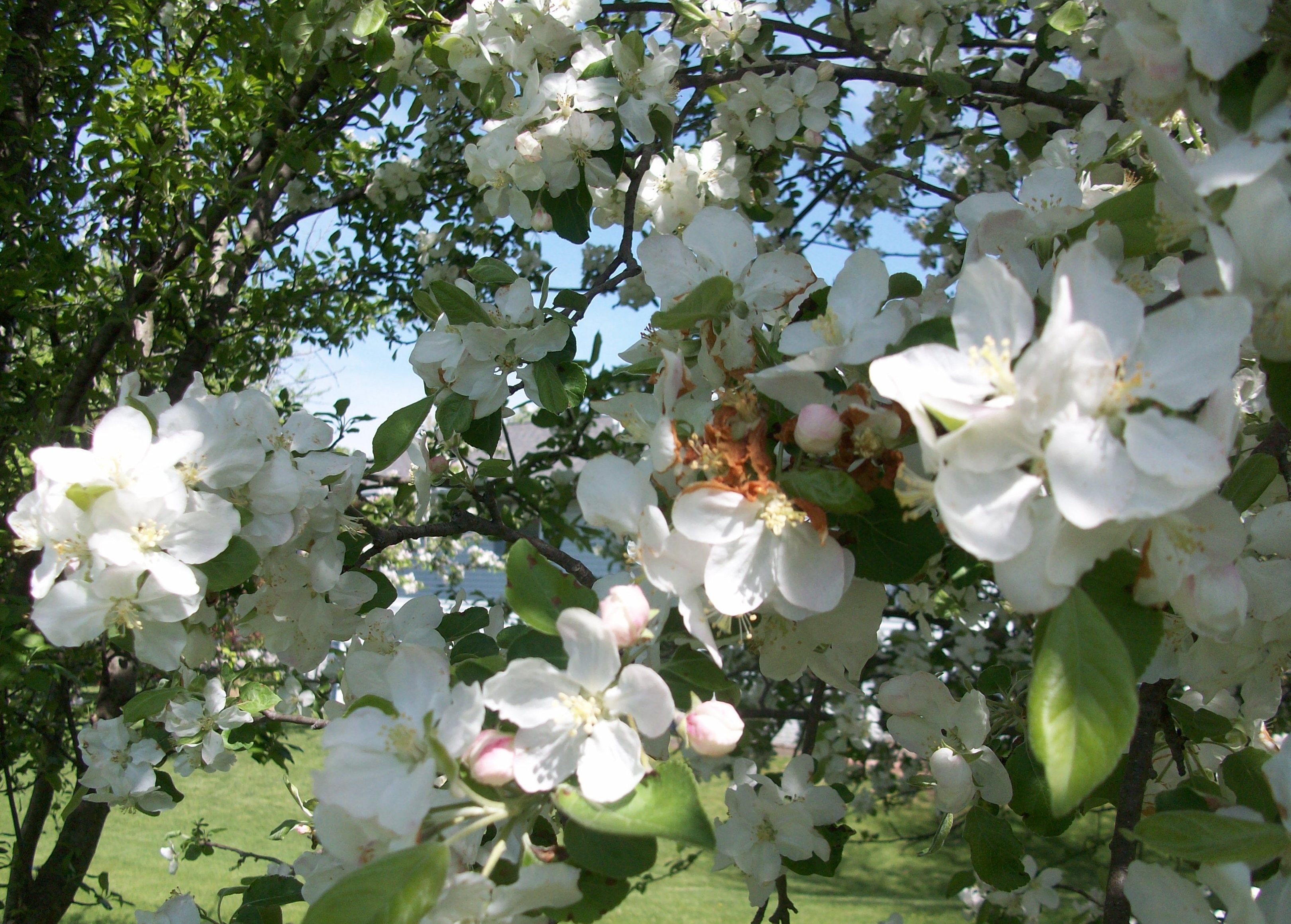
The closeup shows there was some frost damage, but not enough to endanger the entire crop.

Frosted Apple Blossoms

In the work-a-day world, people may not have time to spend closely observing the garden, and do worry about frost. At the same time, Mother Nature will provide for us, if we provide for her. There is no need to worry, just evaluate available information against one’s experience, think, take action, and live with the results.

If the yellow squash seedlings had all frosted, there is time to replant this spring. If my squash fails completely, other growers provide my safety network. In the web of life, we are never alone to face the frost, and that should provide some comfort.

Categories
Sustainability Work Life

Revolution in the Home Kitchen

My Great Grandmother
Great Grandmother

LAKE MACBRIDE— The idea that a revolution should take place in the home kitchen is not unique to this blog. My focus on the relationship between the home kitchen and local food— that the latter won’t be viable in the way it could be without changes in the former— is not unique either. However, a recent New York Times article, “Pay People to Cook at Home” by Kristin Wartman demonstrates the disconnect between what is going on at the grassroots level regarding local food and priorities in urban cultural centers.

Wartman, a nutritionist and blogger, posits the following,

“Those who argue that our salvation lies in meals cooked at home seem unable to answer two key questions: where can people find the money to buy fresh foods, and how can they find the time to cook them? The failure to answer these questions plays into the hands of the food industry, which exploits the healthy-food movement’s lack of connection to average Americans.”

Her solution, as the title of the article suggests, is to pay people to cook at home, “(to place) a cultural and monetary premium on the hard work of cooking and the time and skills needed to do it,” including a government program. My suggestion is she hop on the shuttle from her home in New York City down to Washington, D.C. and witness the vast sea of farm industry lobbyists on Capitol Hill. She may then realize that hell would freeze over before any help in paying home cooks would be forthcoming from the federal government.

One can agree with the idea of placing a cultural premium on the value of home cooking, although we don’t necessarily want to return to the era of my great grandmother and her kitchen garden (see photo). The question is how, as a society, do we get there?

The future of local food and a revival of home cooking with whole foods is more dependent upon economics than upon time. If the economics are great, people will find the time. It is common knowledge among local food enthusiasts that the current economic paradigm regarding food, cooking and eating depends upon cheap energy.

Wendell Berry recently asked Michael Pollan, “what will be the effect on farming, gardening, cooking and eating of the end of cheap energy? Are physical work and real cooking going to remain optional?” Readers can listen to Pollan’s answer here. The gist of it is that as cheap energy fades from view, people will be required to become more self-reliant as a form of adaptation to the environmental crisis. This would likely drive more of whatever were least expensive, including local food and home cooking if they provided superior value, something it is not clear they do, at least for now.

The relationship between local food systems and cheap energy is important. I dismiss so-called food miles as an overly simplified argument. There is a complex but valid argument about the relationship between artificially low energy prices and high prices in local food systems that is worth pursuing. It is further complicated  by the fact that the end of cheap energy will be delayed due to the proliferation of hydraulic fracturing and the abundance of natural gas it produces. The complexity of the relationship between energy prices and local food requires further exposition in another post.

People can agree that obesity is a national and local problem. They can agree that chronic diseases, related to eating habits (including salt, sugar and fat consumption), drive a segment of higher health care and related health insurance premium costs. Where there is difficulty agreeing is in answering the question whether to take a homemade brown bag lunch to work, or spend the 30-minute break going to the gas station to have $1 per slice pizza for lunch. Today, the economics of direct food prices drives the decision at one of my workplaces.

The revolution in the home kitchen will begin once we deal with the environmental crisis, cheap fuel and the false notion that there is not enough time for what is important. The economics of food are driven by these things. That won’t happen anytime soon, not until the importance is escalated by some imminent, existential reality. It is not as simple an answer as creating another government program.

A better answer may be to seek ways to recognize the value of all work in society. That too is a complex problem wanting an answer. Something this blog is working toward.

Categories
Kitchen Garden

Planting Rows Straight and Long

CSA PlantngRURAL CEDAR TOWNSHIP— There was a palpable air of activity at the farm this week as planting the fields began in earnest. Rows were cultivated, marked with string in straight lines, and one-by-one, seedlings were lined up in measured intervals and put in the ground. The rows were straight and long, a display of spring’s hope and promise.

My role was to make more soil blocks and plant cabbage and broccoli seeds. The trays in the greenhouse were all used up, so as soon as the planting crew finished one, I secured the empty and replanted it. The greenhouse has become a brief way station in the life of the farm.

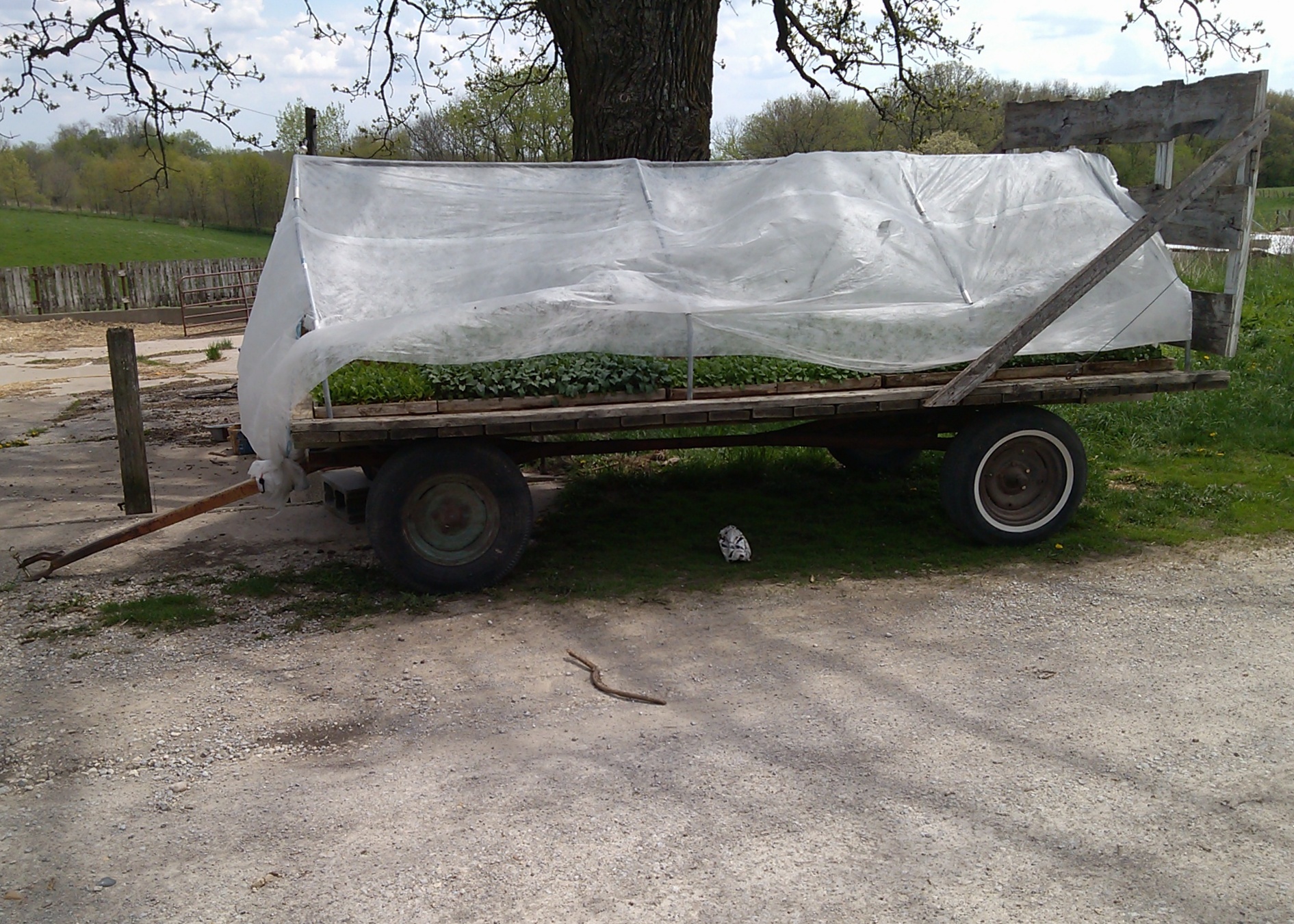
Seedlings Waiting Transport
Seedlings Ready for Transport

The CSA has begun distributing shares and this week included lettuce, Bok Choy and “grazing greens.” Because of the high tunnel, these varieties were available so soon after a wet, cold spring.

11 weeks into the work, I am beginning to feel a valued part of the farm operation. People work their whole careers in an office, or as a professional, and never feel that way. Caught up in tedious acts of drudgery— driving, shopping, waiting, social drama— feeling disconnected from the most important things in life. It is nearly impossible to feel that way when working on a farm. It give the phrase “will work for food” a new meaning. Finding meaning may be what life in society is about.

Categories
Writing

Working People Dream of Local Food

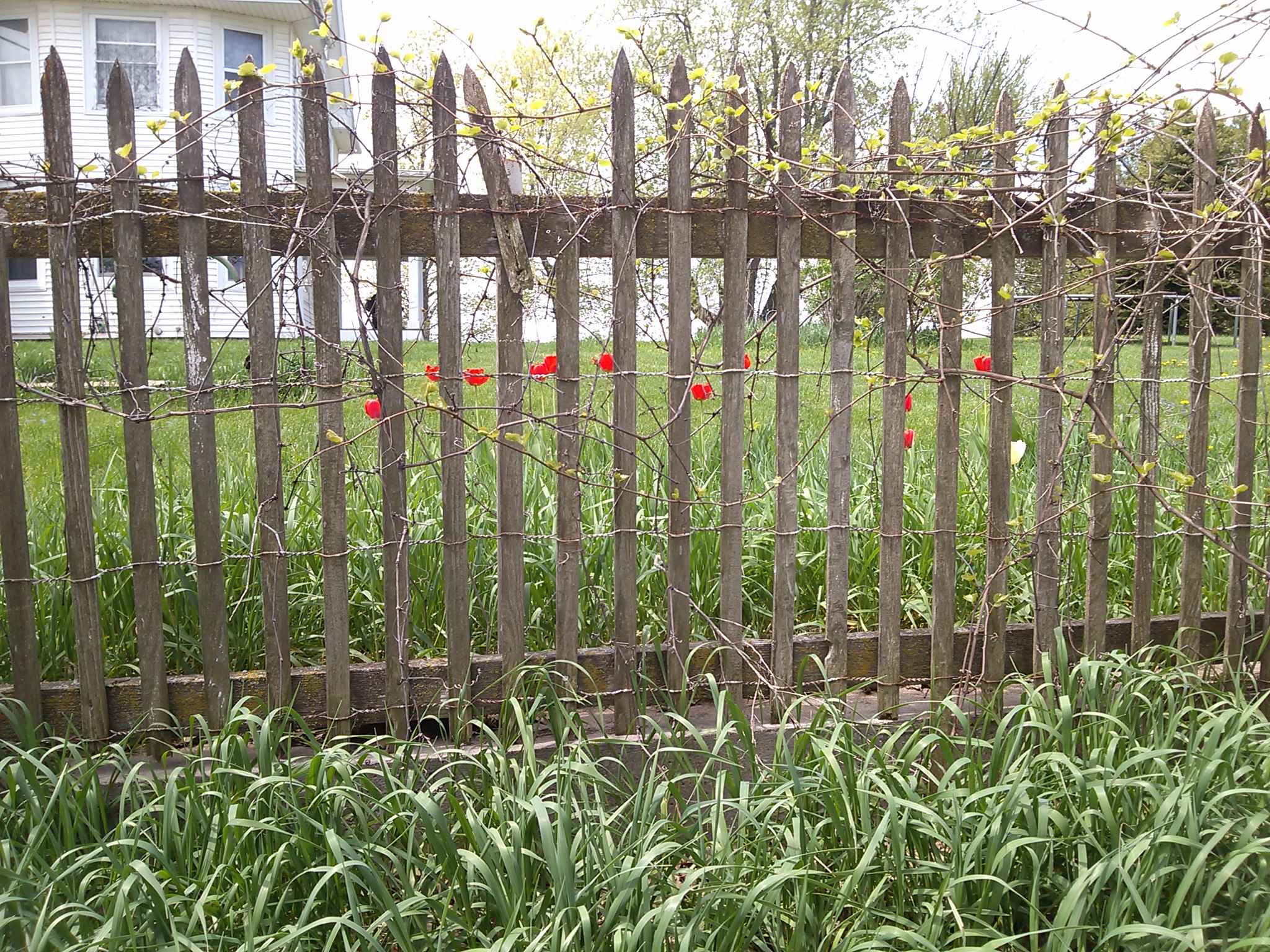
Tulips on the Fenceline
Tulips on the Fence Line

LAKE MACBRIDE— Preoccupation with mixed greens can be a good thing when working in a warehouse. The repetitive tasks, and long periods without human engagement create an open mind that will fill with worry if one lets it. Yesterday I got two bags of mixed greens from the CSA, and spent the second shift thinking about making a frittata made from local ingredients.

A couple of notes:

There is an abundance of Iowa artisan cheese. The trouble is the expense is more than a working person can afford on a daily basis. After trying many kinds of cheese, we settled on Cabot Extra Sharp Cheddar (yellow and white) which retails at less than $4.50 per pound. Not really local, but affordable, made with vegetable rennet and what one expects a sharp cheddar cheese to taste like.

Vidalia onions are in season, and were addressed here.

Mixed Greens Frittata

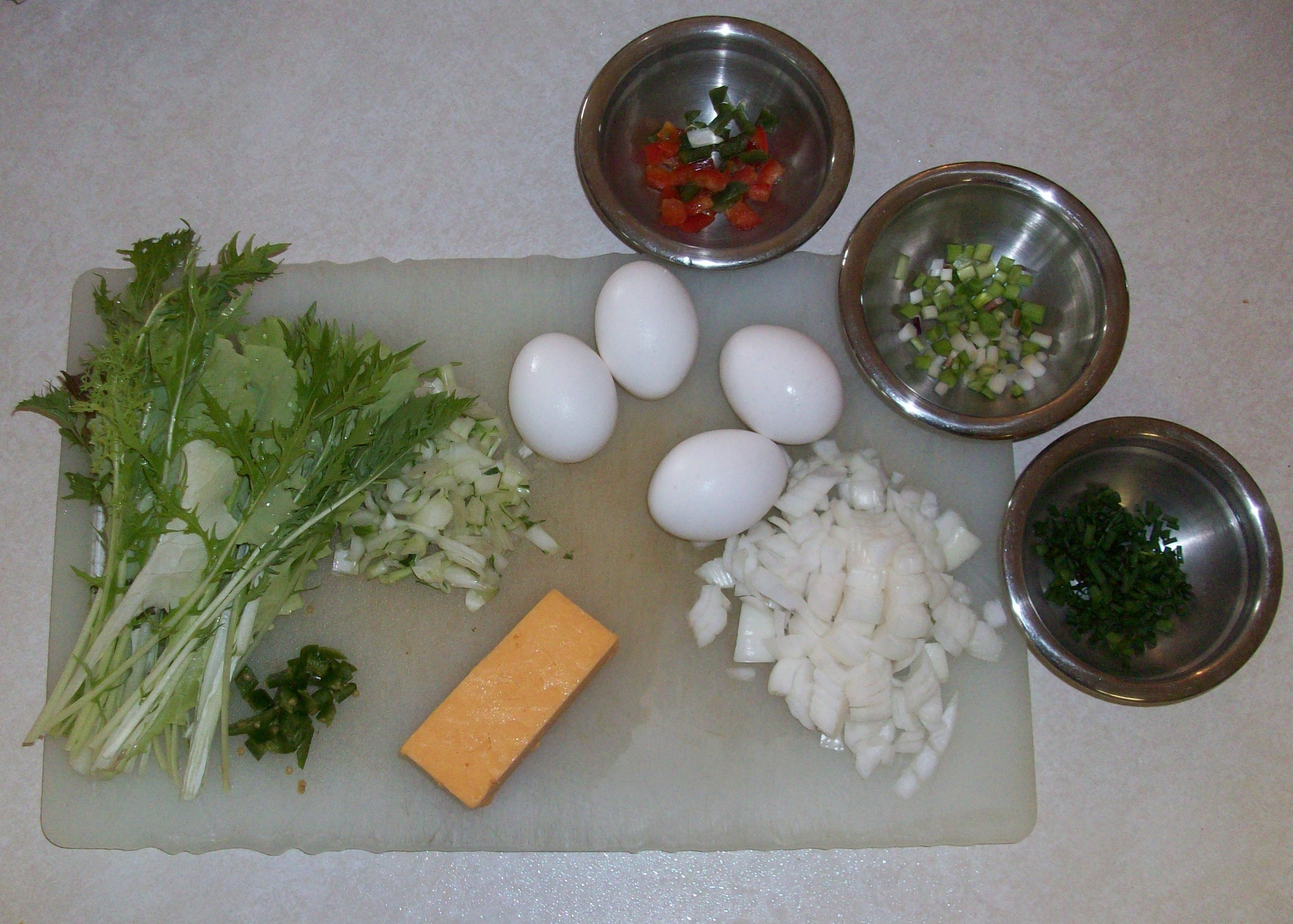
Frittata Ingredients

Making frittata is somewhat flexible. Part of my workingman’s dream of local food included the ingredients in our pantry: the mixed greens mentioned, half a Vidalia onion, sharp cheddar cheese, a Jalapeno pepper from last year’s garden and Farmer Kate’s bell pepper – both from the freezer, chopped stems of local Bok Choy, spring garlic and chives picked this morning in my garden, and four eggs – locally, but mass produced. Enough extra virgin olive oil to coat the frying pan.

One can see from the photo how the vegetables were prepared. The stems of the greens were cut into small bits and reserved. The remaining mixed greens were roughly chopped. Here is how:

Heat a non-stick frying pan on high heat. Coat the bottom with extra virgin olive oil and when the oil heats, add diced onions. Season with salt and pepper to taste. Cook the onions for a couple of minutes and add in the following order: bell and Jalapeno peppers, Bok Choy stems, chopped mixed greens stems, and spring garlic. Cook until the onions are translucent. Add the chopped greens and stir constantly until the leaves wilt. Don’t overly cook the greens.

Finished Frittata
Finished Frittata

Whisk four whole eggs in a bowl, and pour over the cooked vegetables to cover. Turn the heat to medium low and cover the frying pan with a lid. Cook about six minutes, or until the eggs are cooked through. Sprinkle a half cup of grated cheddar cheese on top, turn off the heat and cover with the lid. When the cheese is melted, transfer to a serving plate and garnish with fresh chives.

Serve with a slice of your favorite bread, a piece of fruit, and a cup of coffee for a working person’s breakfast.

Categories
Kitchen Garden

First Seedling Planting Day

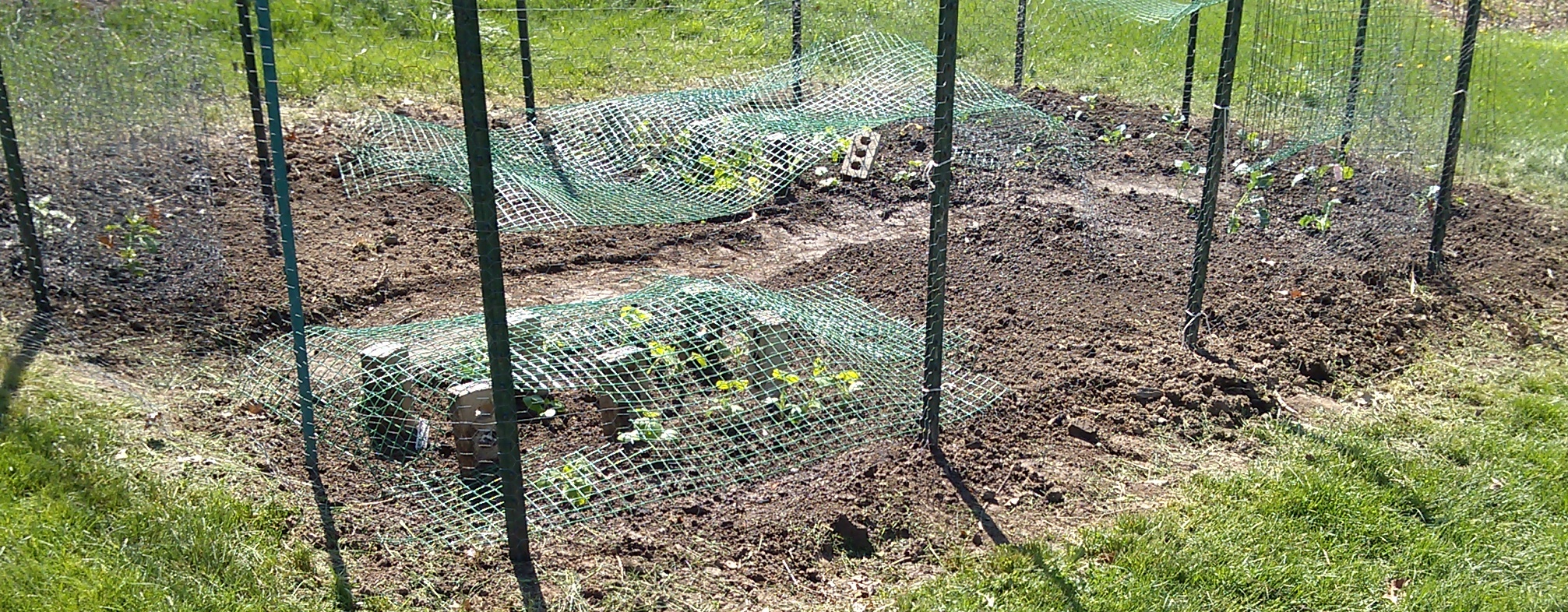
Protected Seedlings, We Hope
Protected Seedlings, We Hope.

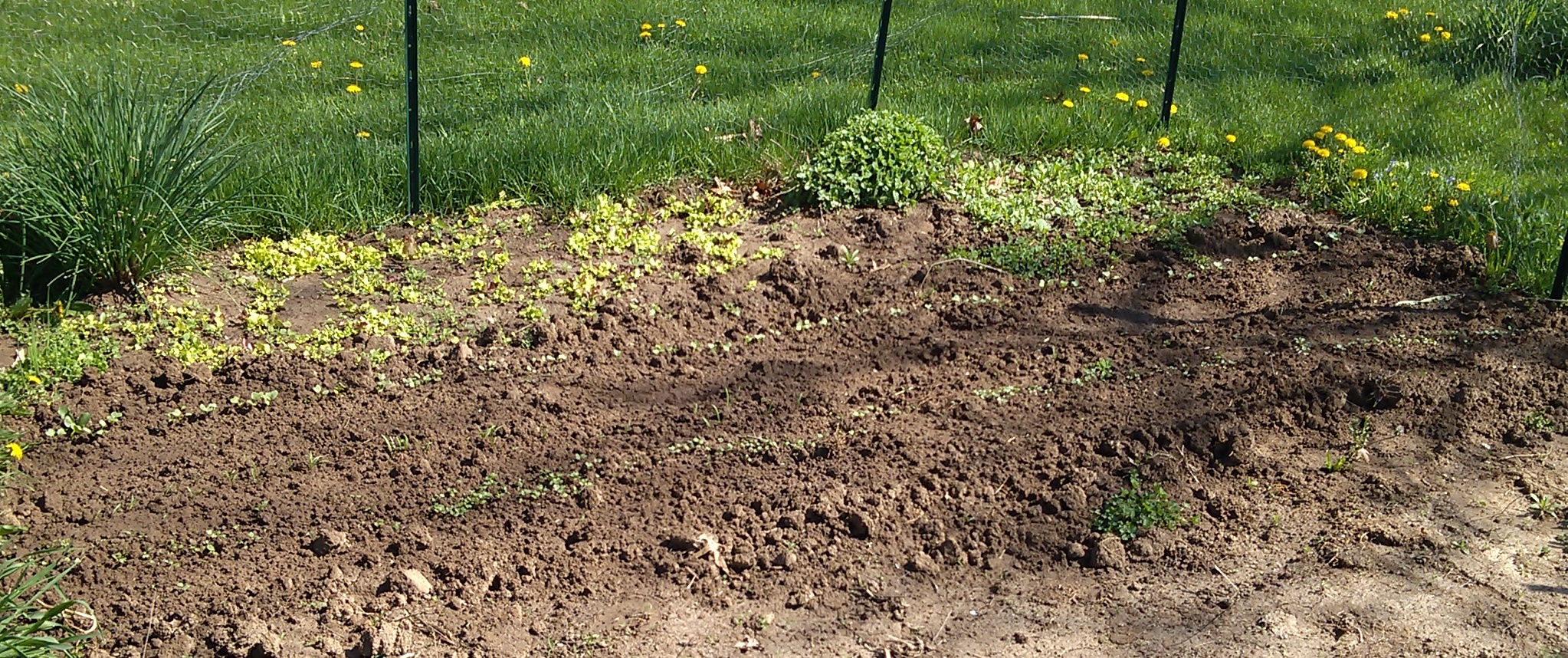
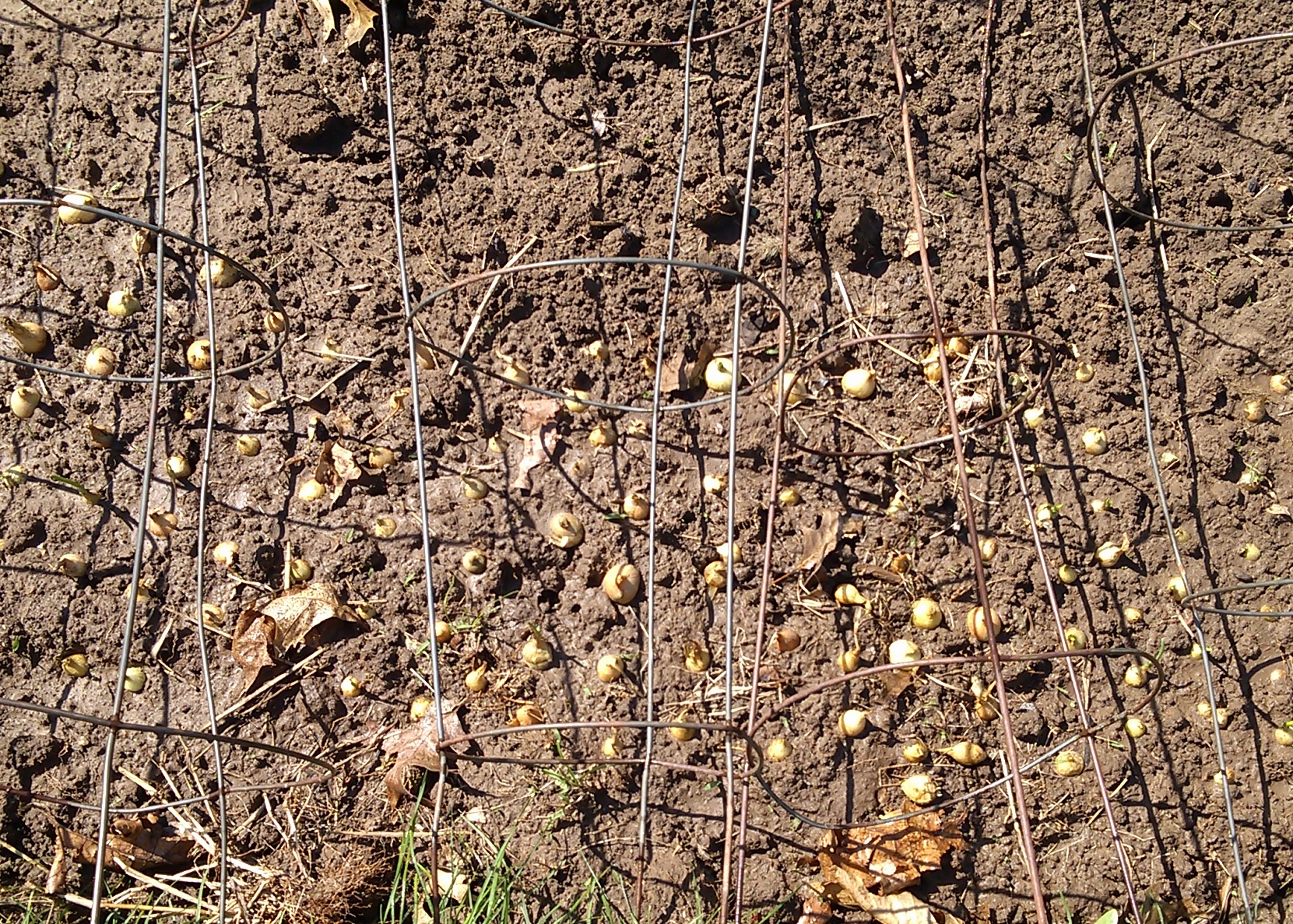
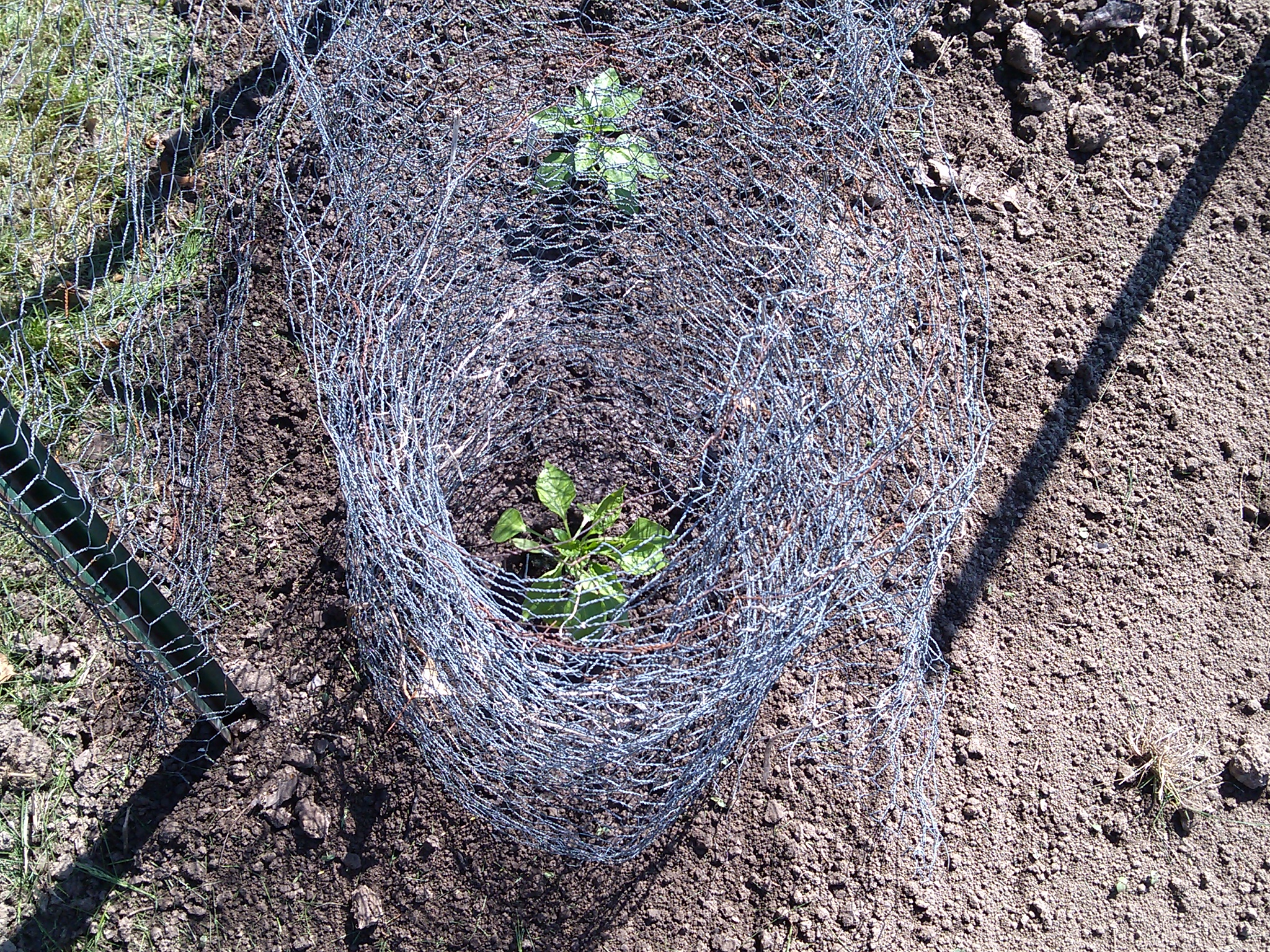
LAKE MACBRIDE— Our garden is on a deer path. They have likely been using it much longer than we, so when I put out new garden seedlings, they are protected as best as possible with existing fences, cages and stakes. Today, yellow squash and zucchini seedlings went in the garden in three by three foot sections. I placed them apart from each other so there would be less cross pollination. I also tended to the onions, which are rooting well, and planted Brussels sprouts, broccoli and Anaheim peppers. Here are some photos of the garden today:

Ready for Bees
Apple Blossoms Ready for Bees
Spring Plot
Spring Plot
Spring Onions
Spring Onions
Anaheim Peppers in a Roll of Chicken WIre
Anaheim Peppers in a Roll of Chicken Wire
Categories
Writing

Preparing Bok Choy in a Home Kitchen

LAKE MACBRIDE— Yesterday, I brought home a bag of Bok Choy from the farm. It is fresh, in season, grown locally, and the makings of a dish to be served as part of a meal.

I asked a long time chef and caterer how he would prepare Bok Choy. He said he would steam it, and serve with seafood or pork. Seafood and pork don’t work well in the Midwestern semi-vegetarian kitchen, so I pursued another option, which was to use it in a stir fried vegetable dish. The meal idea was to use the stir fry mixture as the serving base for a home made veggie burger. A quick lunch for a working man.

A couple of notes.

If there is hope for a local food movement, it lies inside thousands of home kitchens, where cooks prepare meals for themselves and their families. A home cook’s kitchen has ingredients from all over, providing an individual and local context for ingredients. For example, there are Vidalia onions in my kitchen today. They were grown in Georgia, so not local, but in season.

In the freezer is a large zip top bag of sliced bell peppers. I bought a large quantity of seconds from a local grower last year, cut away the bad parts, and sliced them into long thin pieces. I froze them on a cookie sheet and bagged them to use later for stir fry.

Preparing Bok Choy Stir Fry

Depending upon how the Bok Choy comes (mine were still attached to the stalk of a plant), separate and pick through the leaves and wash them in a bowl of ice cold water. Drain, and if you have one, dry in a salad spinner. Otherwise, towel dry. Cut the thick part of the stem below the leaf and reserve. The stems are good to eat, and take a little longer to cook than the leaves.

Dice one half a large Vidalia onion, medium dice. Prepare the equivalent of one half of a bell pepper in long strips (or use bagged, frozen ones prepared as above).  Here we go:

Heat a wok or large skillet over high heat. When the pan is hot, coat the bottom with extra virgin olive oil. Add the diced onion, stirring constantly. Season with salt and black pepper to taste. Add the bell pepper and Bok Choy stems and stir constantly. When the vegetables are tender, add the leaves and stir constantly until they are wilted. Serve on a plate or bowl, with your favorite veggie burger and condiment on top.

Categories
Kitchen Garden

Mid-week at the Farm

Soil Blocks
Soil Blocks

RURAL CEDAR TOWNSHIP— Time at the farm represents mid-week for me. I have come to appreciate the weekend more, and finishing my farm work means only two more days until the weekend. The feeling is enjoyable.

My take-away from the farm was a feeling of contributing to something bigger than myself, and large bags of Bok Choy and lettuce for our home kitchen.

Things are moving in and out of the greenhouse at a rapid clip. Developed lettuce is planted in the hoop house, and a number of sturdy seedlings are already in the field. Each week we plant more in order to provide a steady flow of vegetables to CSA share holders. I have planted more types of lettuce than I knew existed.

The walk-in cooler is running, and filled with baskets and coolers with vegetables for this week’s share. Combine all this and a sense of purpose, with a clear, beautiful day, and how much better could life get?

Categories
Kitchen Garden

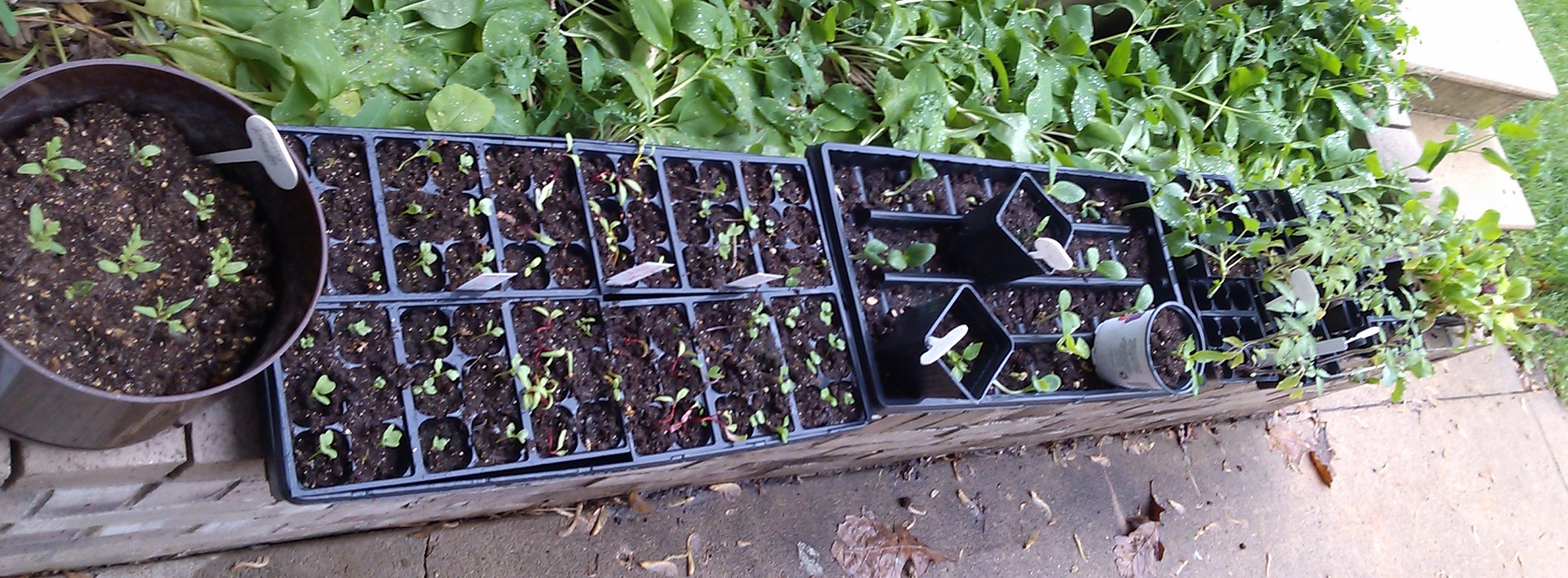
Time for Garden Planting

Hardening the Seedlings

When the Iowa City Farmers Market opened last year, I offered spring garlic, lettuce and radishes. This year, the cold, wet spring retarded progress in the garden. It has been a season without early produce while adapting to the climate reality.

The only question inhibiting garden planting is when will the last frost come? According to the 30-day forecast, we have had the last frost. If things turn cold, there is a box of old sheets that can be spread over the plants in the garden. It’s time to turn to planting.

The plan for my garden is sketchy at best. A gardener plays a balancing act between planning and doing. Whimsy and experimentation enter into it. Sometimes we do dumb things, and sometimes we reach for brilliance. A gardener’s process isn’t always logical, but it is hard to fail.

A home gardener can rely on the grocery store, and other growers, should something fail to produce. It is a food safety net we take for granted and it makes garden planning an expression of personality more than anything else.

Food is abundant and relatively inexpensive in Iowa. What matters more is the interconnectedness we have with other growers, large scale and small. Such relationships are the true fabric of our food system, and provide comfort and security.

One can accept that Florida, Texas, Mexico and California will continue to provide produce for the Midwest. However, when the quality and quantity of locally grown foods puts price pressure on out of state commodities, local food may gain more traction.

Planting a home garden is an important step in the local food direction.

~Written for Iowa City Patch