No food is more local than a kitchen garden. I’ve got to get moving on mine after a late spring.
Everyone was in a good mood at the farms when I soil blocked Friday and Sunday. My farmer friends caught up last week by finishing onion and potato planting. Trays of seedlings are moving to wagons and then into the ground, thus clearing the greenhouse for what will be June and July crops. I started zucchini and cucumbers Sunday in the greenhouse.
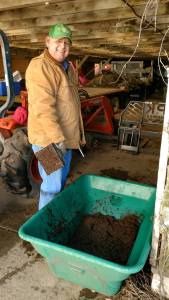
The first spring share is today and in honor of it I’m composting my over-wintered lettuce.
A neighbor and I had a conversation about spinach and how it grows. She is changing her garden around as last year the zucchini they love developed powdery mildew. Her tactic is to plant the whole garden in corn to give the soil a break and let the fungus dissipate. Here’s hoping that works.
As for me, Monday is mine to do what I want. This week that will include getting our septic tank pumped, writing off line, gardening and yard care. It’s time to put winter behind us.
The high tunnel is fully planted. The ground is too cold for transplants. Cooler temperatures retard growth of fledgling vegetable sprouts. There is no place to go with the trays of lettuce, kale and greens coming along. The greenhouses are full.
It made an easy weekend of farm work for me with 24 trays of soil blocks on Friday and 20 on Sunday, about half the usual volume.
My good news was after about four weeks, the celery seeds germinated! The depth of flavor of home-grown celery has become essential to our kitchen. Because I had given up on the first planting, ordered new seeds, and re-planted I was thrilled. I delayed planting pepper seeds as it is clearly not too late to get them started. Several inches of snow fell last night and dampened any prospect of gardening today.
What’s different this year is weather and work kept me out of the garden completely in late winter and early spring. In past years I’ve planted lettuce, potatoes, radishes, turnips and spinach by now. I’m past ready to get started. The cold temperatures look to break for a brief planting window tomorrow or Wednesday. I’m hitting the reset button on Spring.
Friends conversed about Facebook this weekend. So many want to delete their accounts. At the same time, we manage information and pages that make it seem important. We long for personal information posts and can’t give them up — a form of craving or confirmation bias. Our presence on the popular social media platform persists… for now.
24 days into retirement I’m not fully healed, but have bottomed out. I cleared the last hurdle of winter by filing our federal and state tax returns this morning. A path to creativity cleared of nagging concerns. Now for a slow, methodical climb to the light. A fall could be fatal. Hope springs if the season has not.
Daily writing is important. It provides a chance to work through wicked problems and understand, if not resolve them. It is also a chance to consider experience deeply. If this blog is a way of dashing off notes in the form of an electronic journal, I’m okay with that. I appreciate my regular followers and readers. There is something more. I’ve dedicated part of this new life to determining what it is.
On another day of waiting for Spring to break I’ll work at home and contemplate where I’m bound. Along with any view of the future is the baggage of a life lived. I’m not sure I need all that baggage any more.
It is time to use up fresh onions, garlic and potatoes, then rotate the canned goods so oldest jars are consumed first.
Winter means soup, casseroles, pasta and hearty meals made from pantry and ice box ingredients.
As the ambient temperature warms, we are ready to move into the new year’s fresh food cycle. But not so fast!
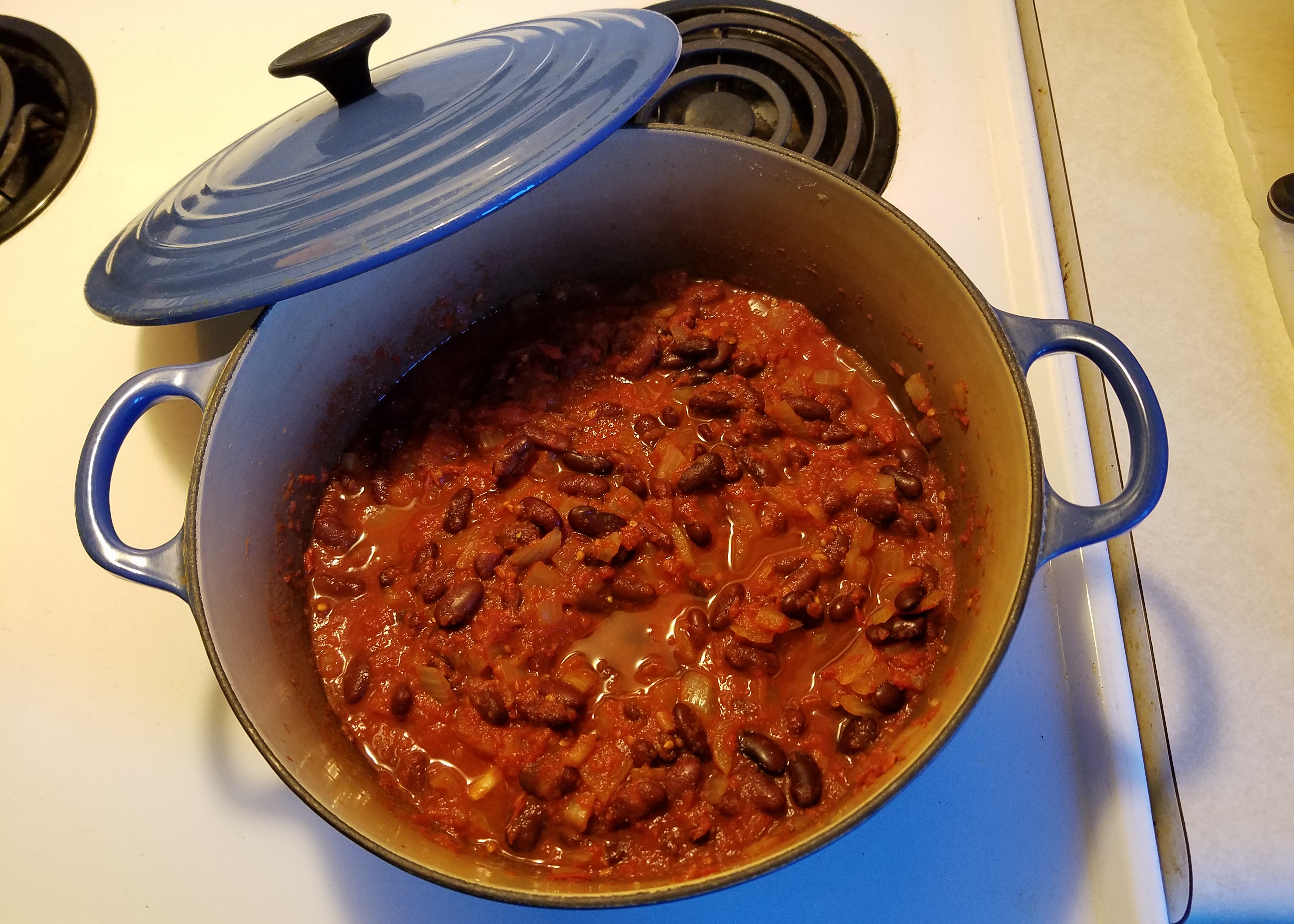
There are egg sandwiches, chili mac and soups to be made before spring buds.
I donned my LaCrosse rubber boots and toured the yard and garden.
The ground is too hard to plant lettuce. Garlic is not up. The only bit of sprouting green was flowers I transplanted from Indiana. Tips of green were frosted on those that emerged. A thick layer of sand lies on the side of the road. Time to sweep it up and save it for next winter.
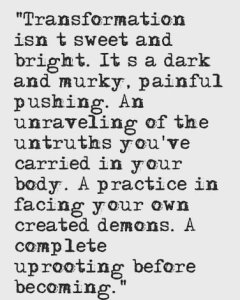
At 13 days until the transformation of worklife, I’m spending time organizing time and tasks.
To be successful means purging old habits and developing new. The work seems much harder than it should be. While working at the home, farm and auto supply store I’ve developed some questionable habits around internet usage, resting and eating. They produced the current result, so they were not all bad. One only gets so many chances to start over.
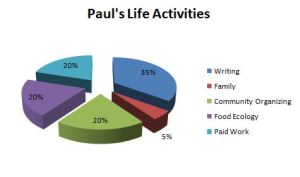
There are two problems with my transformation. First, I’m limited to 12 hours per day of primary activity. Not everything I want to do will fit. Second, I’m not used to working 12-hour days. To get things done, I need to ramp up. The situation is complicated by keeping two days of paid work in the mix. We’ll find a use for the money, but I’ll also need to figure out how to get more productivity out of a day to meet overall goals.
Paul’s Pie
Drawing the pie chart was fairly simple. Making that fit among rigid schedules of paid work, writing and farm work has proven to be challenging. Where I suspect this will end is with a hard schedule that includes writing, food ecology and paid work, leaving everything else flexible.
I’m committed to this now, so no turning back.
The week of the county party central committee turns into a session of drinking politics from a fire hose. As you can see in the pie chart, community organizing gets a 20 percent allocation of time and politics is a subset of that. I’ve limited myself to one social event per week and expect most of those to be related to politics for the next couple of months. I learned a couple of things:
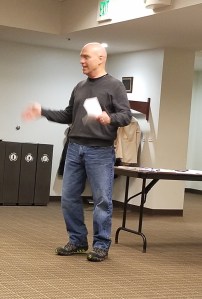
Rep. Dave Jacoby explaining plan to run 100 Democrats for 100 House seats.
Iowa House Democrats are planning to run 100 candidates for 100 seats in the midterm elections. We don’t usually run everywhere, so that makes this year different.
In the governor’s race, Democrats are working to win the primary. With seven announced candidates at the beginning of the filing period we’ll see if everyone files and if there is anyone else. It takes 35 percent of votes cast to win the primary. Cathy Glasson’s campaign is playing a side bet that the governor candidate will be chosen at the state convention with no one getting enough votes to win outright. The campaign claims to have won 30 percent of delegates at the caucus, which may or may not translate into 30 percent at the state convention after counties pick their delegates at the March 24 county conventions. 30 percent seems unlikely to win at the convention.
There are still too many geezers like me on the central committee. I’d gladly step aside and let someone else take my seat, but the truth is these women, millennials and newly registered voters who are supposedly playing a key role in the midterms don’t come to the meetings, don’t want the job. It’s a truism that flying at 30,000 feet, political strategists come up with all manner of demographic projections about the electorate. Our local elections of everyone up and down the ticket are made at a distance of six inches in front of our noses, rendering strategist musings moot.
Cold and frosty as the ground is today I can justify another day indoors to file our tax returns, work on community organizing and get caught up on everything else. However, it won’t be long before lettuce and potato planting. Next Sunday I start my first trays of seedlings in the greenhouse.
There’s everything spring brings and for which we yearn.
First Day of Soil Blocking 2018 Photo Credit – Maja Black
This is me soil blocking at Sundog Farm last Sunday.
Working at farms has been a spring ritual which helps me feel like part of a larger organization. The older I get, the more important that seems.
Farmers may seem isolated, but the farms where I work engage dozens of people in many roles. I met people from all over the world as a result of farm work.
It’s part of who I am and will be for as long as the relationships are sustainable.
It took about an hour of setup time as the water lines and hydrants remained frozen from winter. I settled on working in this doorway to the barn on top of a windy hill.
Once the lines thaw out, I’ll move to the germination shed.
Inside the barn, ewes were lambing and young ones kept escaping pens where they were isolated with their mothers from the flock. It’s a story as old as life.
In a throwback to my work at a major logistics company I made a batch of vegetarian jambalaya for this week’s lunches.
The dish was born in Thomas County, Georgia as I was sequestered in a hotel for four months implementing a logistics project at a clay mining and processing plant. I had access to what was then called the TV Food Network and Emeril Lagasse. I made the techniques I learned my own.
Here’s a recreation of today’s recipe:
Ingredients:
2 tablespoons high smoke point oil
4 tablespoons butter
4 six-inch vegetarian sausage links sliced 1/4 inch on the bias
1/2 pound frozen sliced okra
2 cups diced onions
1 cup diced bell pepper
1 cup diced celery
4 cloves garlic minced
1 15 oz can red beans drained and washed
1 cup long grain brown rice
1 pint diced tomatoes
1 quart prepared vegetable broth
Salt, red pepper flakes, curry powder, prepared hot sauce to taste
In a Dutch oven, brown the sausage in cooking oil. Remove and set aside.
Melt the butter in the same pan and heat the red pepper flakes until aromatic.
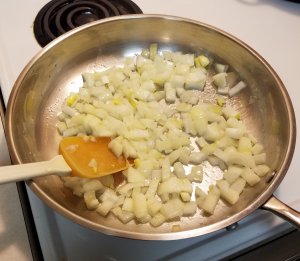
Add the onions, celery and bell pepper. Saute until soft.
Add the garlic and stir together. Cook for five minutes over medium heat.
Season with salt, pepper, curry powder and hot sauce.
Add the pint of diced tomatoes and rice and stir together.
Add the quart of broth and bring to a boil.
Add the okra, beans and cooked sausage and mix everything together.
Cover and bring to a boil. Turn the heat to medium low so the liquid bubbles gently through.
When the rice absorbs the moisture, stir and serve with fresh, sliced green onions on top.
Makes six generous servings.
This year a group of Ukrainians with temporary work visas joined us at the orchard.
They were hard-working and fun to be around.
Their contracted wage far exceeds the $185 per month they can earn in Ukraine from their trained profession as English teachers. The visa sets a specific hourly rate of pay and the host is required to provide round trip transportation to Iowa plus housing. They can stay for up to eight months at a time. The Ukrainians went home to their families after the season, although each of them plans to return in a couple of months to help prune apple trees.
Saturday I drove to the orchard to pick up apple cider and frozen cherries. While there, the octogenarian friend who referred me showed up. We talked with the owners long enough for my spouse to wonder where I was. We ran through the usual topics —the hickory nut harvest, Gold Rush apples, cooking projects, which books we were reading, activities of mutual friends — and told jokes, usually one at the expense of another. It was a great conversation among friends.
We live in the same political precinct and have common political interests. We discussed the surprising plan to move the U.S. Embassy from Tel Aviv to Jerusalem within a few years, and scuttlebutt about Democratic candidates considering a run to replace our state senator Bob Dvorsky when he retires at the end of 2018.
Multiple sources told me local internet personality Zach Wahls and former diplomat Janice Weiner are both kicking tires on a state senate run. I’ve not met either of them and it was news to my co-workers. While politically engaged, each of us has bigger fish to fry than politics.
The orchard sales barn will be open next weekend and that’s it for the year. I’ll need more cider… and conversation by then.
Everyone wants work that’s fairly paid. Once one accepts a work contract — agreeing to work for a wage — that usually ends discussion about compensation. We turn to our co-workers and the life we share in a place and time. If the job is any good we don’t talk about compensation, work hours, or much of anything but the idea of what we do and how to do it better. This has been the case most of my life in every job I’ve held.
At the home, farm and auto supply store we recognize it as lowly paid work, not just for hourly employees but for management. Yet we engage in work as a team and do our best to meet our goals. Employee turnover is high in retail and based on my experience compensation is not the driver. What matters more is it’s relatively easy to get retail work and if one keeps their nose clean and shows up, the employment and paycheck are predictable. A job easily secured is one easily left and that drives turnover. Our workplace is a stopping point for many people enroute to something else.
One of my colleagues was recruited from the sales floor to help check in freight during our busy season. We talk while working. Cognizant of his low wages, he said, “you get what you pay for,” indicating he would work harder if paid more. I’m not sure about that but didn’t tell him so. He is already a hard worker compared to others, and his income contributes to a household with his wife and two children. The job means something to him, but he’d leave it on short notice if a better one came along. We don’t talk much politics at work but he wears a stocking cap and coat with the word “Trump” screen-printed on them.
As my worklife winds down before taking “full retirement” next year, I value the people with whom I spend time. They are a diverse group and I hope to add something to our relationship before I go — remembering the past and living each moment to the fullest extent. These are stopping places, part of a long, personal journey that’s not over. As Robert Frost wrote in 1923, “I have miles to go before I sleep.”
We discussed plans for Thanksgiving dinner exactly three minutes.
It’s the two of us and we haven’t had chili with cornbread for a long time. We haven’t had an apple crisp this season either, so that will be our Thanksgiving supper along with a bottle of sparkling apple cider.
A person can eat only so many pizzas, bowls of soup, squash, rice and potato dishes in one month.
We don’t use the television much, so no Macy’s Thanksgiving Day parade, no movies, just us, chez nous with talk and naps. We get a signal from basic cable and have talked about getting a new television to replace the one that displays varying shade of red regardless of channel. The conversation was inconclusive.
People call it a holiday, but this year it’s merely a different day off work as I have to add Saturday to my schedule at the home, farm and auto supply store. A mid-week day of rest anyway… and some overtime pay.
We had a phone call with our daughter during which I was described as “Garrison Keillor-like” while telling a story about the orchard. Don’t know if that’s good or bad and I denied it. I claimed the Minnesota writer was much taller so how could I sound like him? The moniker stuck despite my denial. I’m okay with that.
I started talking about Minnesota where my Polish forebears bought land from the railroad. The only trip I made to the home place was the summer after Grandmother died. I brought back a turtle carved from pipestone for our daughter. She remembered the gift but not the context around it. We likely all have imperfect memories which should encourage us toward humility.
I understand why parents tell their children the same story over and over again. It’s a way of defining shared history. If we are honest, we craft the story to accurately reflect our experience, sanding off rough edges to help it along. Tricksters among us may misrepresent certain aspects of a story to see if listeners catch on. That’s part of the story telling craft, one that reinforces what is shared about our experiences. I believe we can be honest tricksters.
About now people are finishing their holiday feasts and winding down: viewing television, making phone calls, drinking coffee, putting away leftovers, et. al. I plan to read while the chili simmers, then make the apple crisp. It will go into the oven timed so it can be served warm.
Group of captured Allied soldiers on the western front during World War I representing eight nationalities: Anamite (Vietnamese), Tunisian, Senegalese, Sudanese, Russian, American, Portuguese and English. Photo Credit – Library of Congress
Most of Armistice Day was at home.
The forecast had been rain, however, a clear fall day unfolded and I planted garlic. Pushing cloves into the ground with my thumb and index finger, I made two rows and covered them with mulch retrieved from the desiccated tomato patch. It doesn’t seem like much, it’s my first garlic planting ever. If it fails to winter I have plenty of seed to replant in the spring.
Had I been more prescient about the weather I would have spent more time outside: mowing, trimming oak trees and lilacs, clearing more of the garden, and burning the burn pile. Neighbors were mowing. The mother of young children piled up leaves from the deciduous trees at the end of a zip line portending great fun. Instead, I spent the morning cooking soup, soup broth, rice and a simple breakfast.
Leaves of scarlet kale were kissed by frost leaving a bitter and sweet flavor. I harvested the crowns and bagged the leaves to send to town for library workers. Usable kale remains in the garden. It will continue to grow with mild temperatures. Leaves of celery grow where I cut the bunches. There is plenty of celery in the ice box so I didn’t harvest them and won’t until dire cold is in the forecast. An earlier avatar of gardener wouldn’t have done anything in the garden during November.
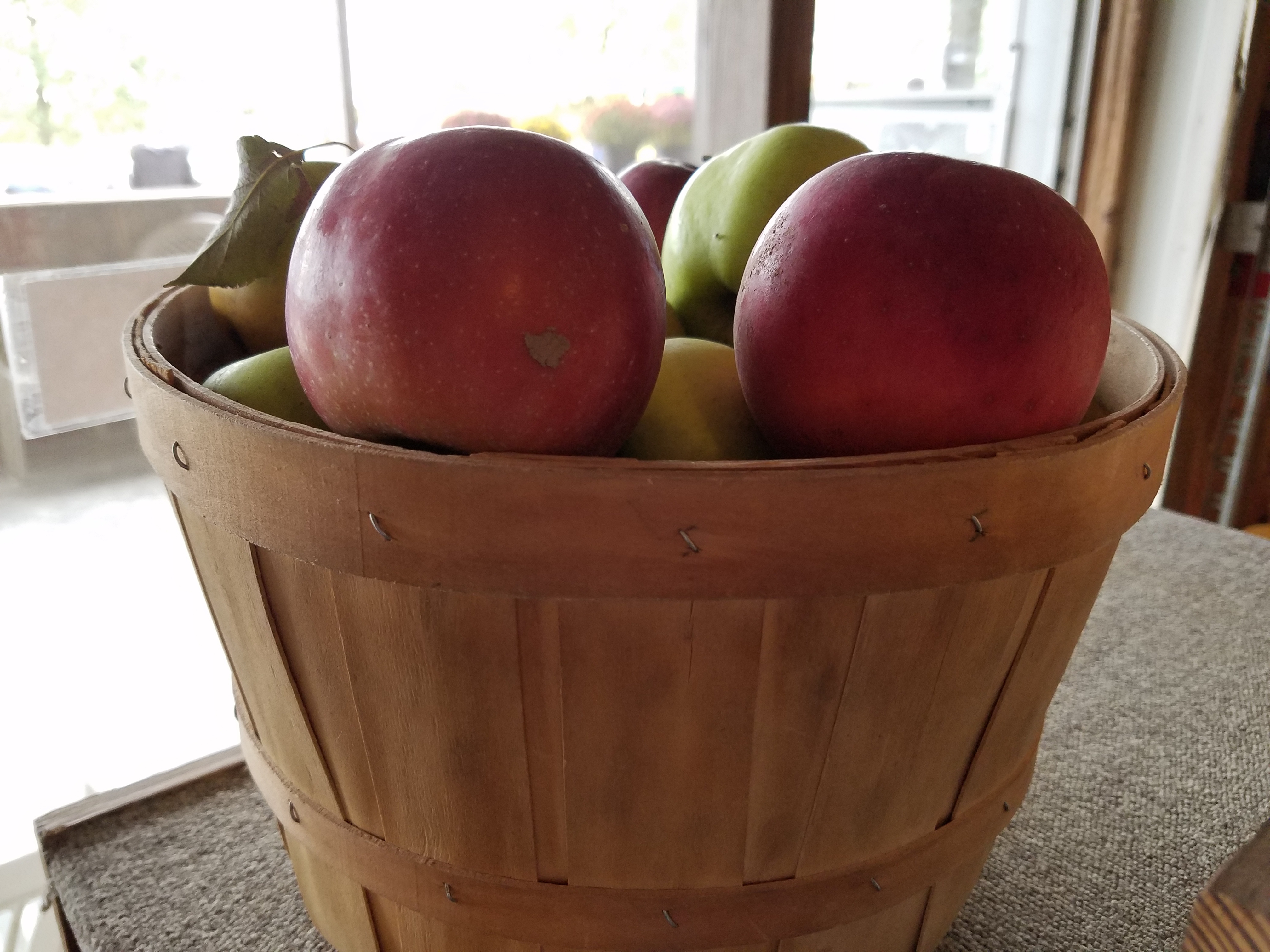
I picked up provisions at the orchard: 15 pounds of Gold Rush apples, two gallons of apple cider, two pounds of frozen Montmorency cherries, packets of mulling spices and 10 note cards. Sara, Barb and I had a post-season conversation about gardening, Medicare and living in 2017.
The morning’s main accomplishment was clearing the ice box of aging greens by producing another couple gallons of vegetable broth. I lost count of how many quart jars of canned broth wait on pantry shelves. For lunch I ate a sliced apple with peanut butter.
We live in a time when favorite foods are under pressure from climate change. Chocolate, coffee and Cavendish bananas each see unique challenges from global warming. In addition, recent studies show the higher concentration of carbon dioxide in the atmosphere is reducing the nutrient value of common foods. Our way of life has changed and will continue to change as a result of what Pope Francis yesterday called shortsighted human activity. He was immediately denounced in social media by climate deniers.
This week, Congressman Ron DeSantis (R-FL) introduced the HERO Act which purports to reform higher education. Specifically, the bill would open up accreditation for Title IV funding to other than four-year colleges and universities. In an effort to break up the “college accreditation cartel” DeSantis would keep current Title IV funding but add eligibility for other post K-12 institutions. States could accredit community colleges and businesses to be recipients of federal loans for apprenticeships and other educational programs.
Telling in all of this is that as soon as he introduced the bill, DeSantis made a beeline for the Heritage Foundation for an interview about it with the Daily Signal. Does higher education funding need reform? Yes. What are Democrats doing to effect change in higher education? That’s unclear. A key problem is progressives don’t have a network of think tanks and lobbying groups funded by dark money to counter the HERO act or the scores of other conservative initiatives gaining traction in the Trump administration.
Even though the 45th president seems an incompetent narcissist, the influence of a conservative dark money network within his administration is clear: in appointments to the Supreme Court and judiciary; in dismantling the Environmental Protection Agency, in undoing progress in national monuments and parks, in weakening the State Department, in potentially politicizing the 2020 U.S. Census, and much more. The reason for his success is his close relationship with wealthy dark money donors and the agenda they sought to implement since World War II.
Today is the 39th anniversary of my return to garrison from French Commando School. I returned with a clear mind, physically fit, and an awareness of my place in the world.
“I am ready to experience the things of life again,” I wrote on Nov. 12, 1978. “The time at CEC4 has cleansed me of all things stagnant. I will pursue life as I see it and make it a place where I pass with love and peace for all.”
We work for peace on the 99th anniversary of the Armistice. If people are not unsettled by evidence of climate change and a Congress that ignores it in favor of pet projects designed to please the wealthiest Americans, we haven’t been paying attention. The need to sustain our lives in a global society has never been clearer.
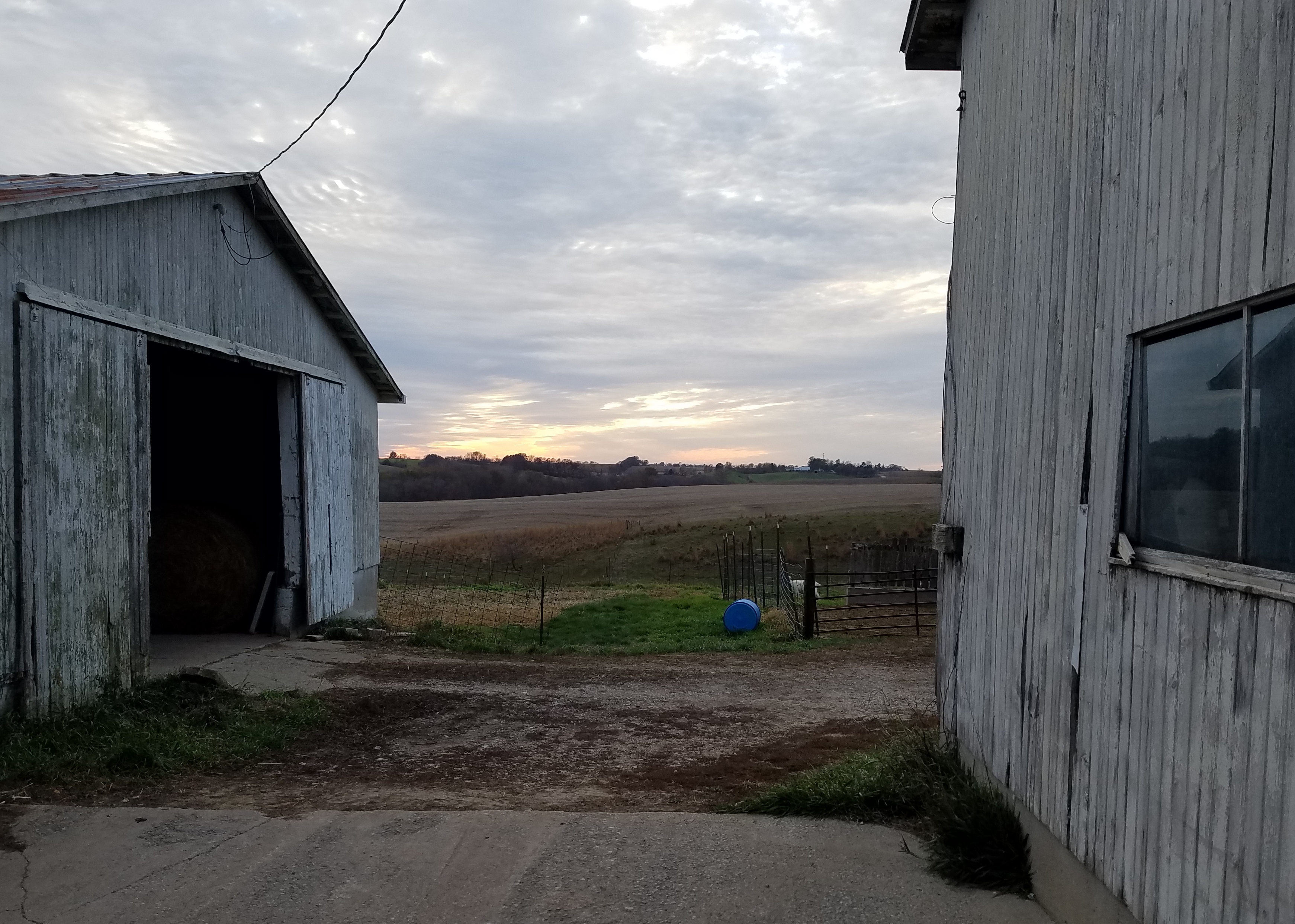
The sun set as I pulled into Sundog Farm, home of Local Harvest CSA.
Eileen from Turkey Creek Orchard had just dropped off fresh aronia berries and jars of fruit jam to fill orders placed over the weekend. Farmers Carmen and Maja were there but didn’t have time to talk as they had deliveries in Cedar Rapids.
That left me with the goats and sheep to pick up our share.
Low wage work has kept me so busy everything that was once important gave way. I finished reading What Happened by Hillary Rodham Clinton, the first book I read since April. Clinton’s book is an important read for Americans and finishing it a year after she lost the election seemed good timing. What surprised me was how much space she devoted to Russian meddling in the 2016 election. My native reaction was what happens on the internet doesn’t matter much to a U.S. general election, but she convinced me that maybe it does. I also enjoyed her personal stories throughout the book. As was the case while reading her last book, Hard Choices, I found her analysis to be helpful and reasonable.
Today is election day in Iowa’s cities and towns. My pal from the Clinton campaign, Lauren Whitehead, is running unopposed for city council in the town nearest us. There is no election in the unincorporated area where we live. Because of our family roots in southwestern Virginia, I have been following the gubernatorial race there. The Democrat is leading in the polls although that’s no guarantee he’ll win. Whatever the result in Virginia my Twitter feed will be clogged up with analysis and punditry tonight. It’s a good night to retire early with a book and read about the election in the morning.
Yesterday I applied for Social Security retirement benefits. If all goes as expected the first check will hit in late January. By Spring I’ll be in a position to scale back my work at the home, farm and auto supply store. After that I hope to return to the CSA farms to help with spring planting. It will be the sixth year.
For now, I took the vegetables home and will consider how best to use them before they turn to compost. That’s an essential human question. One I spend extra time trying to answer.
On Friday I clocked out of work at the home, farm and auto supply store for four days off in a row!
I drove straight home, dumped the coleslaw I made in the morning into a bowl and mixed it up one last time before the potluck. I grabbed a pair of tongs for serving and headed to the orchard for the 6 p.m. event.
The annual crew potluck is our biggest and only non-work event at Wilson’s Orchard.
About 80 people attended at the on-site Rapid Creek Cidery, bringing the best side dishes imaginable to go along with chef Matt Stiegerwald’s braised pork from hogs raised at the orchard’s farm.
We joked we weren’t sure if we were supposed to bring potluck table service. A veteran of many church potlucks brought a basket with plates, silverware, glasses and everything one would need. Most of us used paper plates and flatware. I enjoyed a glass of plain hard cider as aperitif before switching to non-alcoholic.
When serving began, I made a southern-themed plate with pork, my coleslaw, macaroni and cheese, dumplings and raw tiny carrots. One of countless possibilities given the many tables of side and desserts. All that was lacking was corn bread but it was a potluck after all.
My work pals were all there: the octogenarian who makes dinosaurs and showed off the scar from his recent knee surgery to all who were curious; the pilot who recounted his air-search for the other orchard, which he couldn’t find until I gave directions from ground level; the artist who gave a speech about entering the drawing for fabulous prizes mostly from the Orchard’s lost and found (think sunglasses); the data analyst who is sharp as a tack yet made a six-figure error on the cash register; the Ukrainian guest workers; and the crew of bakers with their families — it takes a lot of bakers to make all the turnovers, pies, apple and peach crisps and blueberry buckles we sell. The sales barn manager was there. She works non-stop from before the August opening until the end of the season. Actually just about everyone was there. Needless to say the conversations and meal, with a chance to win prizes, were delicious. That’s no apple joke.
We talked about when we might see each other again and confirmed that God willing and the creek don’t rise we would be back next year. My only regret was it wouldn’t be soon enough. Heaven help us if it’s not until next season.





 Journey Home
You must be logged in to post a comment.