Categories
Kitchen Garden Writing

On a Warm Spring Day

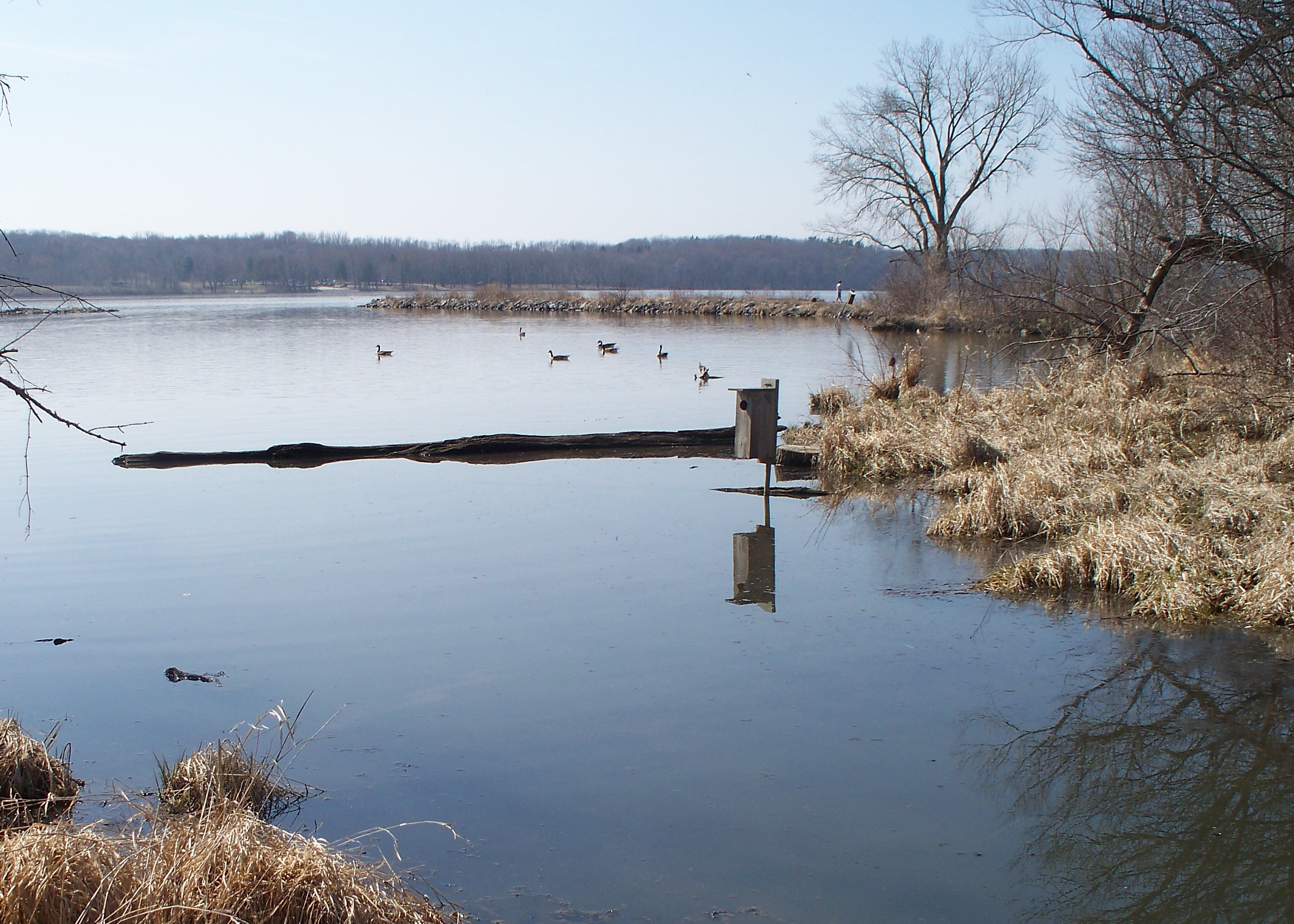
Spring on Lake Macbride

Saturday was the first spring day with temperatures in the low 70s.

I spent a few hours raking and using the chainsaw, beginning yard clean up. More clean up remains but I’ve learned to take it easy until returning to better physical shape through the work.

I relished being outside at work so much. Excited to deploy the chainsaw, I forgot hearing protection until I was almost finished.

Neighbors hailed me from their yards and in passing by. The whole neighborhood seemed outside and alive. There was ice below matted leaves yet everything else indicated spring had definitely arrived.

Saturday had begun Friday by covering mixed beans with tap water to soak overnight.

Before sunrise I cooked the beans in homemade vegetable broth, then added carrots, celery, onion and bay leaves. The broth reduced so I added more — four quarts in all. It simmered all day yielding a deep brown color by supper time. A cup of soup with toasted bread, a small plate of cheese and pickles, and a glass of milk made the meal.

A week into April and nothing is planted in the ground. I surveyed the garden plots for a spot to plant peas and carrots and have ideas but no plan. I’m getting better with garden layout each year because of a shift from whimsically filling space to consideration of which plants go where and why. After yesterday there’s a lot of wood to cut for a burn pile, such cutting making space to think about sunlight, shade, soil health, animal traffic and mulch.

Such is the world of a gardener.

Categories
Kitchen Garden

First Dig

Abandoned Silo

On Monday I inspected the garden plots and the ground remained too cold and wet.

Later in the week I made the first dig and the soil was clean of frost the 10-inch length of the divot. There were earthworms too. We’re getting close.

I finished pruning the apple trees and began to make a burn pile.

At the farm I planted:

Spinach;

Bloomsdale Long Standing, Ferry – Morse, 45 days.
Teton Hybrid, Ferry – Morse, 50 days.

Lettuce:

Buttercrunch, Ferry – Morse, 70 days.
Black Seeded Simpson, Ferry – Morse, 45 days.

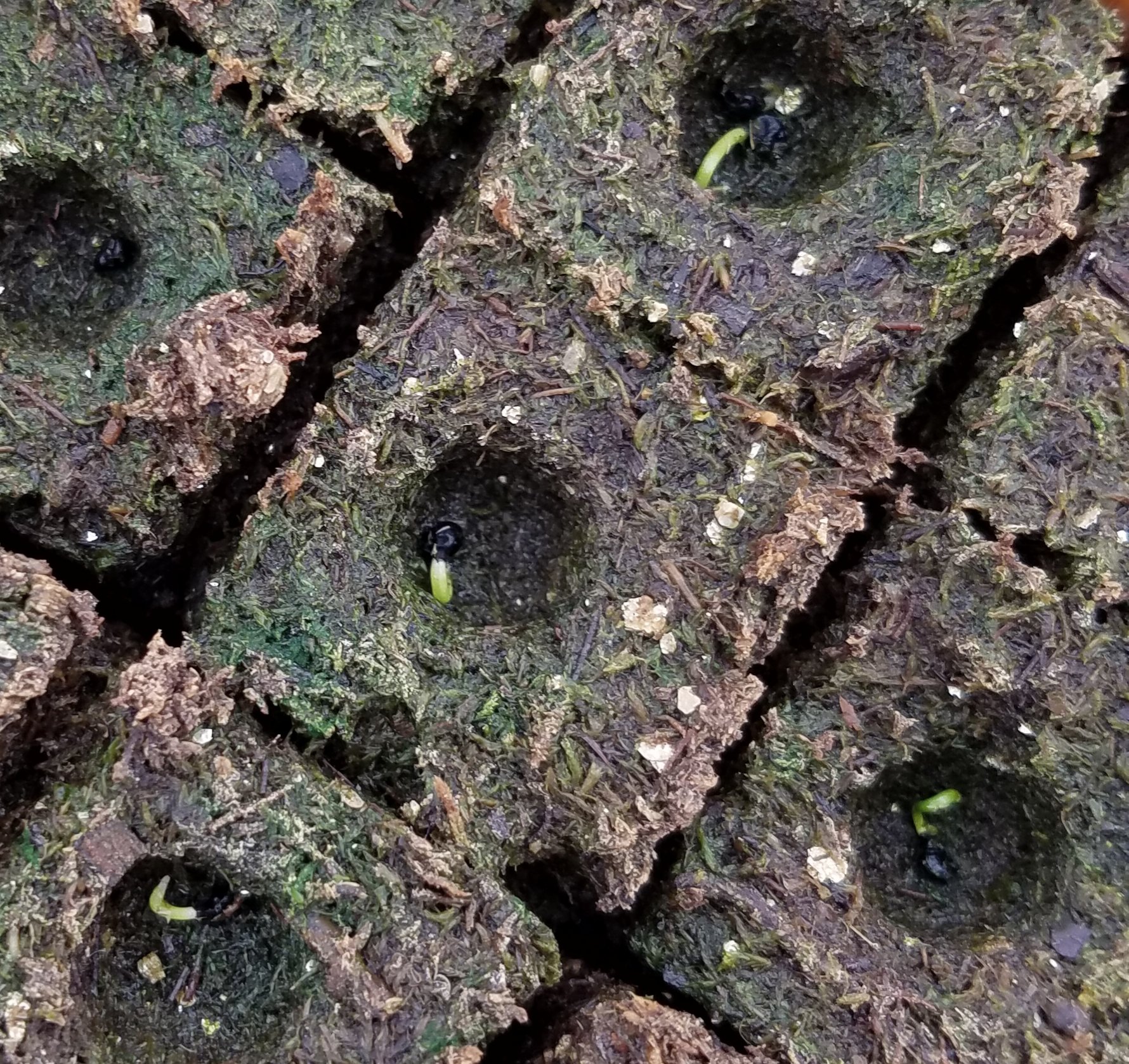
Everything planted in the greenhouse has germinated, except the parsley.

Summary: Total of five trays in the greenhouse and all appear to be doing well. The ground should be ready for digging a row of earlies (lettuce, carrots, turnips and beets) this week.

Categories
Kitchen Garden

Pivot to Gardening

Pruned apple tree

The first spadeful of garden soil revealed an absence of frost the length of the 10-inch divot — and plenty of earthworms.

It’s time to plant peas, lettuce, turnips — the early, albeit late vegetables.

It’s also pretty exciting. Like most people in my life I’m tired of indoors and ready to do more outside in moderate temperatures.

I rose at 4 a.m. and fell into a pattern of making coffee, heading to my work space and writing.

I read newspapers and checked social media. I wrote correspondence, emails and texts. I have three different blog posts started. Sometimes I finish a post before leaving the house. Sometimes a topic requires development so I’ll sketch an outline and work on it a few days. In any case, writing is a primary creative outlet and I value the work the first few hours of each day.

It’s only a fraction of the time and that’s where cooking, gardening and outside work comes in.

I made a two egg cheese omelet for breakfast. I’ve been viewing Julia Child’s French Chef videos about omelet-making and it made a difference in technique. Using high heat, slight agitation of the egg mixture as it’s cooking, and when to add ingredients to create the finished product. I hadn’t really considered those aspects of it before. It was a fine start to the day.

Outside I started making a burn pile, finished pruning the apple trees, and parked my car outside to leave garage space for spring. I cut back the sprouted trees in the flower bed to allow early bulbs to be seen. Spring is running late, but it’s coming fast. There will be plenty to fill my days going forward.

At the home, farm and auto supply store spring shipments arrive daily. On Thursday I unloaded truckloads of bagged dirt, large bundles of wooden fence posts, and an extra load of general freight from the centralized distribution center. It felt good to be outside in 50-degree temperatures.

I found a three-ring binder with brief writing about books I owned or read in the mid-1970s. From an entry on Dec. 2, 1975:

With reluctance I must admit my pursuit of literature outside my job has been minimal. I really haven’t been spending time at home reading. So, for the present, I am going to try a month, half a month anyway, with no poets. The daily reading is what is suffering most.

What I didn’t realize then was there would be a pivot point in life where I stopped pursuit of literature and started living it, where I read less poetry and started writing. This spring day is a reminder of that, made clear by the absence of frost in soil teeming with life and begging for something to grow.

Categories
Kitchen Garden

Germinating Leeks

Germinating Leeks

I felt very American on the way to the farm.

A flock of wild turkeys took flight from the field on the east side of our lane, and a bald eagle was picking at a deer carcass along 120th Street.

These emblematic birds inspire me every time I see them. It was a great start to a day of soil blocking.

I planted:

Rosemary: Ferry – Morse, 85 Days.

Cilantro: Ferry – Morse, 45-75 Days.

Genovese Basil: Johnny’s Selected Seeds, 68 Days.

It was an easy day in the germination shed as there were only 20 trays to block. 21 counting mine. The farmer spent time during the week playing catch up from a cold winter and the greenhouse is full. That feels great!

Summary: Kale, broccoli and leeks have germinated. Parsley and celery have not. I’m waiting a bit longer before turning soil in the garden.

Categories
Kitchen Garden

Seeders Galore

Kale one week after planting.

I was first to break the snow on 120th Street while driving east to the farm for a soil blocking shift. There were a lot of people in the germination shed participating in a complex bartering situation. I’m not sure any money would ever change hands.

I planted:

Parsley:

Extra Triple Curled, Ferry – Morse, 75 days.

Broccoli:

Blue Wind, Johnny’s Selected Seeds, 49 days.

The kale uniformly germinated since last week. I should have plenty of starts to cull, plant, and give away. No apparent action on the leeks and celery. They take longer to germinate.

I got out into the garden briefly this week. There is the usual spring week to do. The ground remains hard, even with the recent rain. Planting is a while away. Lettuce seeds are ready to go in.

Summary: Recent rain melted most of the old snow but it ran off because the ground is still frozen. New snow fell last night. We’re running behind and so is everyone. I was asked what’s new in my garden this year. I have guajillo chilies and tomatillos planned. A Mexican food sub plot. Tacos and more tacos.

Categories
Writing

Tuesday Snow Melt

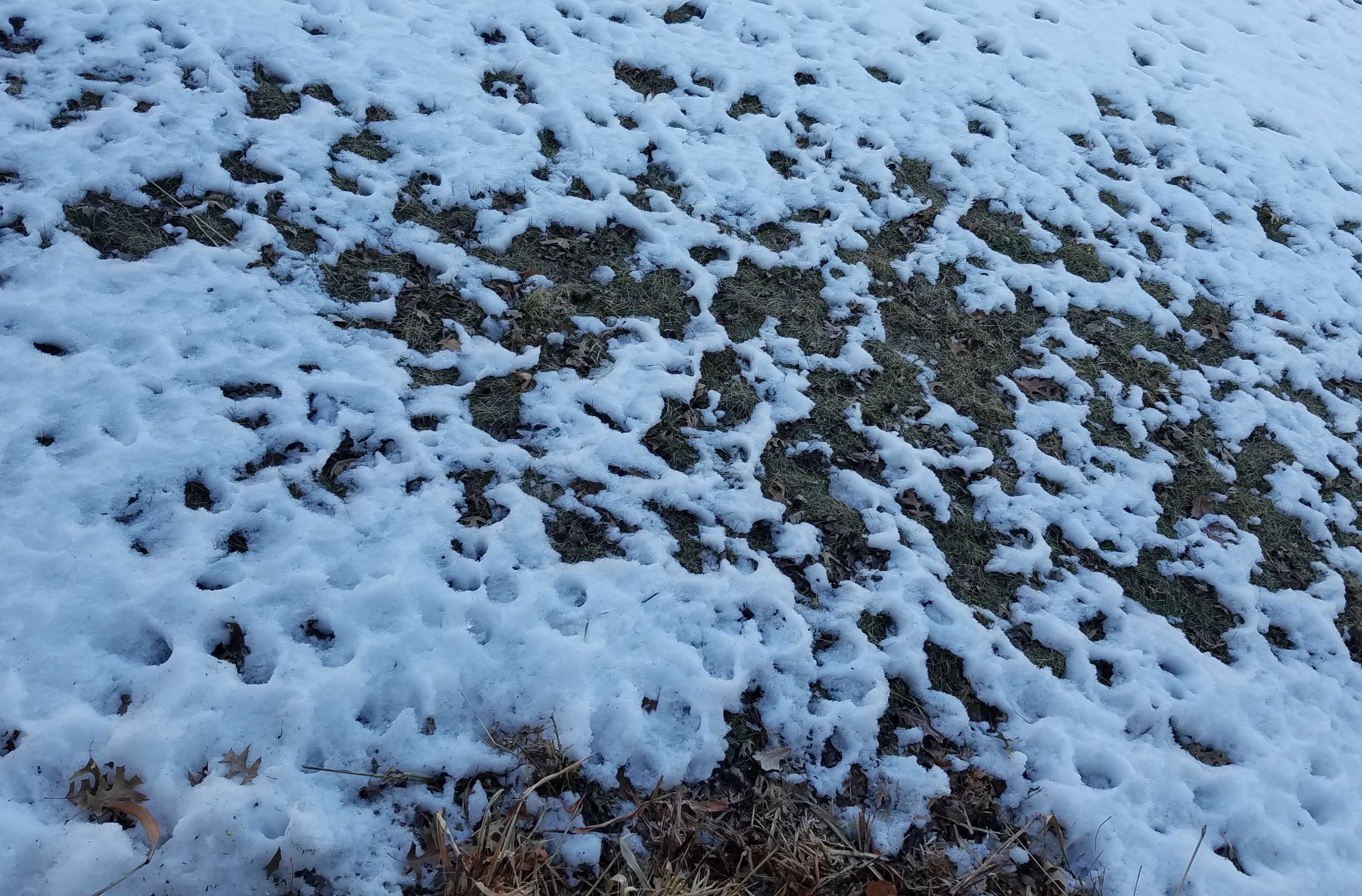
Snow Melt Patterned by Deer Hooves

Depressions in the snow pack made a Swiss cheese-looking melt outside the French door where we feed wildlife.

Deer are nocturnal grazers, eating what birds, squirrels and mice don’t, leaving their hoof prints behind in the snow.

We hope this melt is the end of winter. Despite problems with downstream flooding, we are glad to see it go.

It has been a solitary winter. So cold we didn’t feel much like leaving home. So snow-packed it was a struggle to get into the yard. The driveway buckled, providing new places for ice melt to pool. Reading, writing, cooking and hanging out were tasks to relish for the season. It is time to turn the page.

Categories
Kitchen Garden

Early Garden Planting

First Seeds Planted in the Greenhouse on March 10, 2019

I planted seeds at the greenhouse and am hopeful of the results. Here’s what I planted:

Kale:

Scarlet, Seed Savers Exchange, 60 days.
Winterbor, Johnny’s Selected Seeds, 60 days.
Starbor, Johnny’s Selected Seeds, 55 days.

Celery:

Tall Utah, Seed Savers Exchange, 100 days.
Conquistador, Johnny’s Selected Seeds, 80 days.

Leeks:

Megaton, Johnny’s Selected Seeds, 90 days.
King Richard, Johnny’s Selected Seeds, 75 days.
American Flag, Ferry-Morse, 150 days.

The garden continues to be snow covered. According to the National Weather Service, frost in the region is estimated to be 24 to 36 inches in the ground. Needless to say, until I can see the ground, I can’t dig in it.

Summary: The garden is running behind, the greenhouse is chilly, and the soil is frozen. Planting in the ground will be delayed until the soil can be worked. Hopefully the greenhouse starts will be successful. Garden work has begun.

Categories
Environment

A Role for Tall Grass Prairie

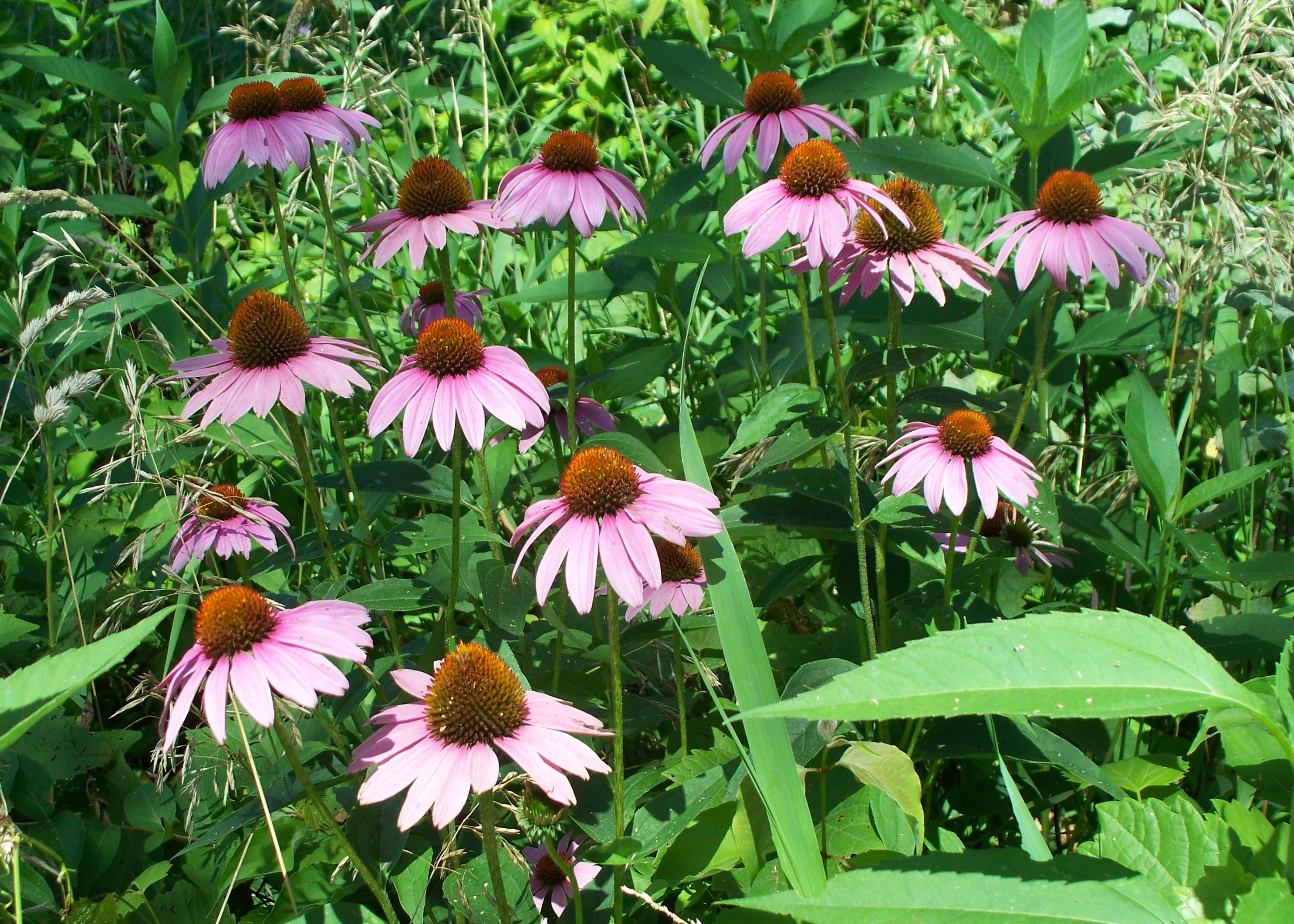
Wildflowers along Lake Macbride

Reading a book about tall grass prairie and savannas has me wondering why people bother preserving them.

Prairie used to cover more than 85 percent of Iowa land, according to the Neal Smith National Wildlife Refuge. Today less than one tenth of a percent of original tall grass prairie remains in the state.

In that context, the Iowa legislature considered a bill to prohibit setting aside new land for conservation with state money. After a popular outcry, the bill was suppressed last week before the first legislative funnel. There is substantial support among a diverse constituency for conserving prairie, savannas and woodlands. Such support drags political will along as best it can.

The Neal Smith National Wildlife Refuge is mostly replanted, which suggests human cultivation rather than a naturally occurring ecology. Which parcel is one of the many original prairie fragments at Neal Smith, and which a human tall grass garden? Presumably guides can point them out. There were no guides when tall grass prairie dominated Iowa landscape.

Either one participates in the culture of tall grass prairie or one doesn’t. It is a culture rather than nature. Throughout the state people and groups work to “restore the prairie” or “restore woodlands.” What does that even mean except as a style of gardening? Partly it means pulling garlic mustard plants and other invasive species during their early growth period. It means cutting down selected mature trees so saplings can survive to replace them. There is enough garlic mustard to make pesto for the whole state if such a delicacy were desired — all this cultivation is a lot of work. A lot of human work doesn’t seem natural.

The ecosystem that was our tall grass prairie relied upon burning the prairie to remove dead plant matter and stop the growth of trees that would shade plants growing close to the ground. Naturally occurring burns have been replaced with prescribed burns which are diligently considered and executed in a way that doesn’t catch whole neighborhood landscapes on fire. A local fire department has been summoned to put out a prescribed burn that got out of control more than a few times. Without burns a parcel of prairie or woodlands would cease to be what humans intended. I don’t know if a new and different ecosystem would be better or worse. If one is a believer in tall grass prairie, different is viewed negatively. Is that hubris?

We tend to forget the role vast herds of buffalo and other grazing animals played in the formation of tall grass prairie. Hooves kicking up dirt contributed to creation of the unique prairie biome. Animal grazing helped shorter plants gain access to sunlight and thrive. Animal droppings helped fertilize. Most of the land is fenced now with buffalo herds diminished and relegated to a form of domesticated hides, steaks, ground meat and sausages.

We are at the end of nature, Bill McKibben wrote in his 1989 book of the same name. There may be something to learn from remnants of tall grass prairie. There may be a human use for seeds from plants that survived and thrived on the prairie. If one is interested in the survival of tall grass prairie it is important to follow the work of people engaged in it. There is also a question.

How will we use our lives to mitigate the effects of global warming? Managing tall grass prairies is one check box on a long to-do list. My answer to “why bother” is that every bit of carbon sequestration has value and that’s what tall grass prairie accomplishes. My problem is under current land ownership policies and practices increasing the amount of tall grass prairie is not scalable quick enough.

I encourage people who seek to preserve parcels of prairie and woodlands to continue. If nothing else, it will improve our personal well-being and that is worth something in this turbulent world.

Categories
Environment

A Winter Sort

Garden Seeds

A majority of the garden seeds wait in a corner on the lower level of our home.

I cleared a sorting table and next month will plant celery and kale at the first greenhouse shift. There is no immediate need to plan more.

The seven garden plots have stands of seed-spent foxtail and last year’s fencing. Clearing the plots will begin after a long period of subzero temperatures, assuming we have one. The first traditional planting is Belgian lettuce on March 2, although last year there was no early lettuce because of frozen ground during a spell of weird weather. The weird weather was related to global warming. A gardener, like a farmer, must adapt.

The 2018 vegetable growing season was challenging for farmers I know. However, to a person they responded to the challenges of late start, crop failures, uneven moisture, and other farm-related issues to produce an abundant harvest. They meet 2019 with renewed optimism and energy as the new cycle begins with the annual Practical Farmers of Iowa conference Thursday through Saturday in Ames.

Experience tells me not to worry about what might be during the upcoming gardening season. To deal with its actuality is sufficient. So much of what may happen this year is beyond our control. It’s best to deal with it as we go.

This approach is part of sustaining a life in a turbulent world.

Categories
Home Life

Winter Rain

Raindrops

We have yet to see our first winter snowstorm. Some of my neighbors would be fine if temperatures never got below freezing. As a gardener, I know the value of a long, deep freeze in killing insects, and enabling tree pruning the way I learned it at the orchard.

I relish a couple of cold spells each winter.

It’s raining now and expected to continue all day into tomorrow. The forecast has snowflakes coming, but that is laughable with all the heat in the ground. Maybe by Monday conditions will be right for some to stick. For now, we have winter rain.

Aside from a couple of errands, the next five days are clear to plan 2019. Maybe the rain and snow will precipitate some brilliant ideas on how to spend time. In some respects, there is not that much to plan.

Financially the only decisions are whether and when to move to full retirement. For the time being, a couple of days at the home, farm and auto supply store is useful, and the income finds a home every month. How the money is spent was predetermined by household decisions already made. Every bill payment is known, with anything left at month’s end going against debt. The main calculation is developing an escrow system that accommodates property taxes and several other categories of expense to even them out over the year.

The garden almost plans itself. Seeds have mostly arrived and how the seven plots will be planted consists of a vague notion to rotate different varieties of vegetables among patches of sunlight. As a soil blocker at the farms, I’m well in tune with which seeds need to be planted when, and like always, will follow their schedule. I have enough fertilizer for most of the first planting, and expect to use the spade and rake method for planting. I no longer dig up entire plots for planting, but narrow strips. The purpose is to preserve soil structure. Based on tomato production last year, it’s a viable method. Some thought will go into the garden, and it will require only a bit of energy to finalize it.

In the end, our financial picture and food ecology will take care of themselves with a combination of experience, habit and awareness to new opportunity. What’s left?

That’s what the next five days will determine.