Categories
Writing

Growing a Story for the Long Haul

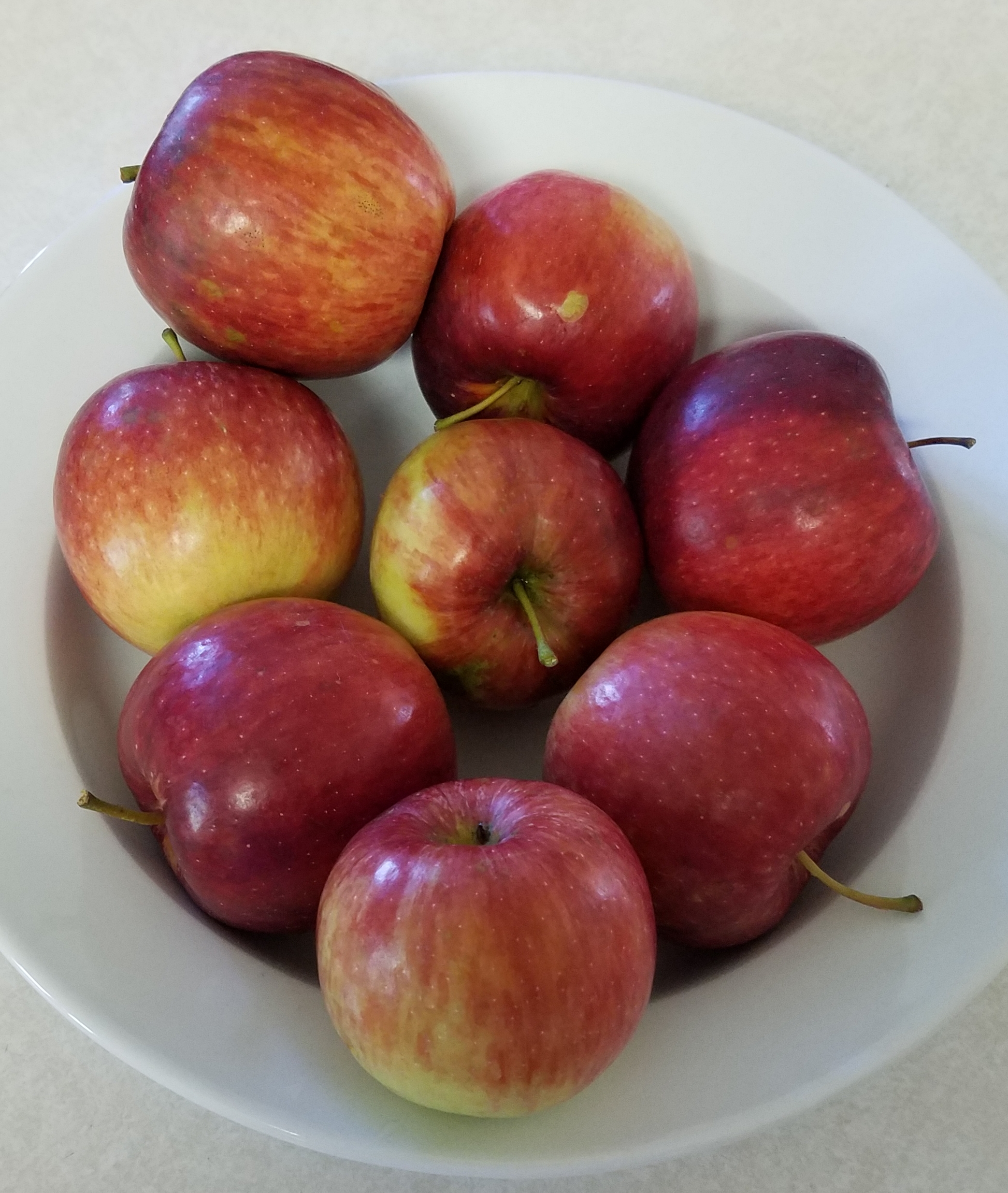
Bowl of Earliblaze Apples

Monday afternoons my spouse and I devote time to organizing the household, reducing clutter, and cleaning.

It’s a long-term project we do together. We schedule it on the calendar. Sometimes it means working together on a household issue. Sometimes it means moving boxes and furniture. It definitely means cleaning. Yesterday I spent an hour shredding personal papers. There’s is a lot to do.

We each have reasons for the project. Mine is to eliminate belongings accumulated in 67 years so when I’m gone those left don’t have to deal with them. In particular, I don’t want our daughter to have to spend weeks doing work I should have done. I also want a more comfortable place to live.

The project conflicts with my desire to produce new work. Yet a few hours a week won’t kill me as I slow down into retirement. As the work gets organized, there is a lot to like about it. Now or never is the time to consider all this stuff.
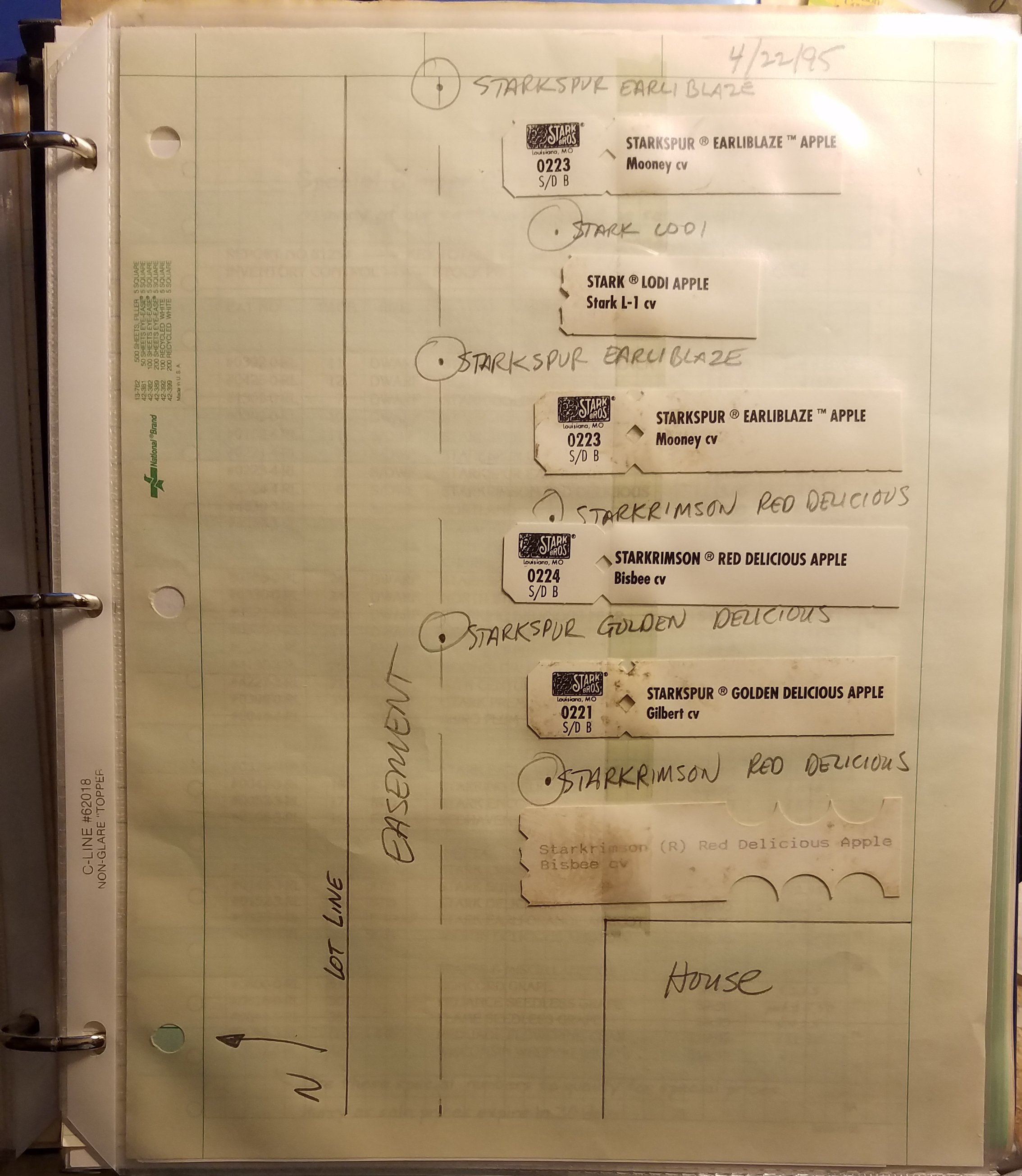
1995 Apple Tree Planting Record

Among recent findings was the planting record for our grove of fruit trees. Planted on April 22, 1995, I began with six varieties of trees, which over the years has been reduced to three: one Red Delicious and two Earliblaze apple trees.

Yesterday I ordered two new apple trees: one Zestar! and one Crimson Crisp. I’ll take out one of the Earliblaze trees and increase the distance between plantings. The idea is to get a succession of ripening fruit — the same thing I originally intended. The new ripening order will be Zestar!, Earliblaze, Crimson Crisp, then Red Delicious. I plan to plant one or two Gold Rush Trees, but the nursery is sold out this year. Gold Rush is a late apple that stores exceptionally well. Planting trees is a longer term commitment than a couple of seasons so I don’t mind waiting until 2021 for those.

I know more about apples today than I did when we moved to Big Grove. That’s mostly due to working at a local orchard during apple season. It changed how we view them dramatically, introducing new flavors and varieties. Whatever apples we have in our home orchard, we’ll supplement them with other local fruit. I probably think about apples more than most people.

If I were to tell my story, the seven seasons of working on farms and at the orchard would be part of it. Not only is the work a source of food, it is about culture and learning. It is about integrating our kitchen with an ecology of food that includes fewer items from the grocery store and more I grow or have a hand in growing.

Producing a crop of apples is a sign of something. To begin with, it is a long-term commitment to growing. The rest is about how the trees are cultivated and apples are used. If all I did was make hard cider with them, that would be something. I want more from life than that. I’m in it for the long haul.

Categories
Kitchen Garden

Tomatoes 2019

Tomato Plant

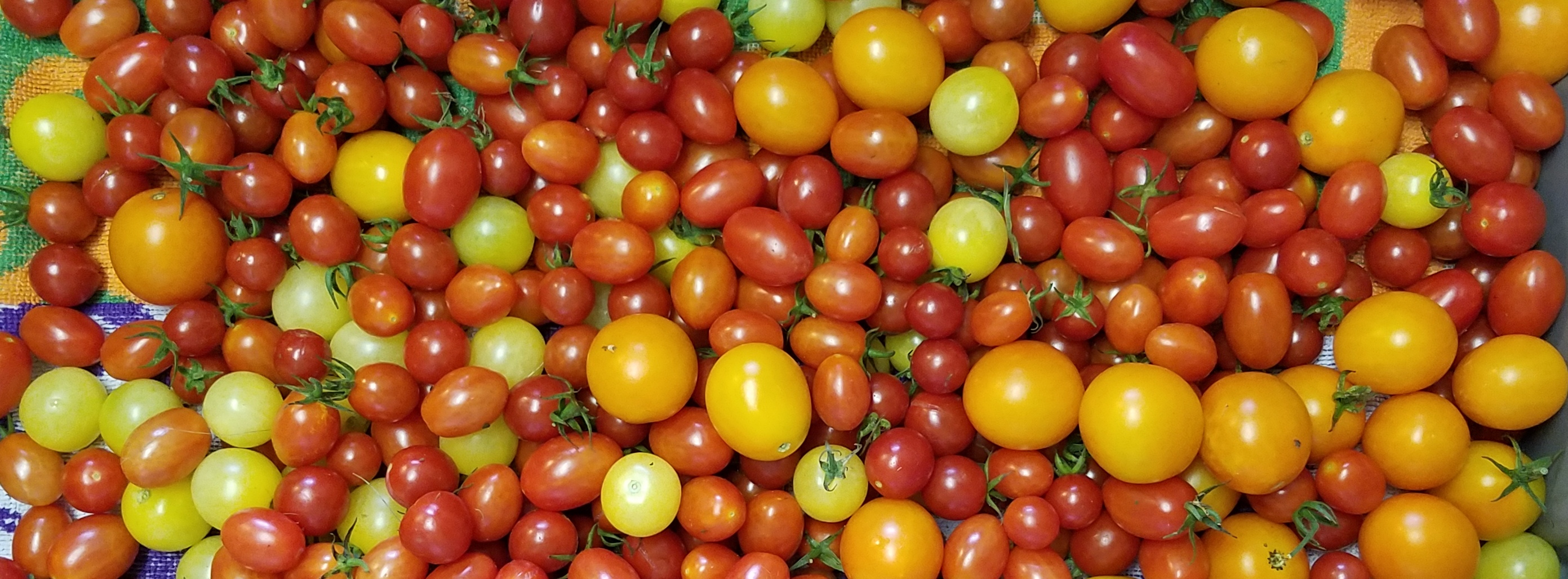
This year has been an amazing year for garden tomatoes.

21 varieties with a total of 47 plantings produced beyond expectations and our household’s ability to use them. There are so many I took two crates to the orchard for folks to can, freeze, eat and share. I took flats of them to meet ups and shared them with neighbors and friends via Facebook.

Here are some tomato notes for fans.

Deer

As we reach peak tomato season neighbors complain about deer. This comment from a friend in our township is typical,

How do you keep the deer away. They graze on ours. They take a bite, decide they don’t like it and drop it on the ground. Then onto the next tomato. Bite, pick, yuk, drop, and repeat until no tomatoes are left.

My symbiotic relationship with deer includes a custom designed deer fence using common materials. I install a 4-foot chicken wire enclosure mounted on posts so the top of the wire is 5 feet from the ground. I plant the rows 36 inches apart — close enough for me to get in, and close enough together to discourage deer from jumping five feet high to get in. I leave enough space so I can move between the fence and the tomatoes. This is my second or third year of using the method and it works keeping the deer from ripe tomatoes, leaving more for humans.

Pre-season

There are so many varieties of tomatoes! I listed seeds planted in this earlier post. The selection process was intended to produce plenty in three categories: cherry, slicers and canning tomatoes. I had plenty of seedlings from the greenhouse, allowing selection of the best starts. If three trays of 120 blocks seemed like a lot at the time, it produced what was needed for the beds.

Canning tomatoes for work colleagues.

Plot preparation

For the second year I dug 3-foot trenches for tomato planting instead of digging and breaking up entire plots. I conditioned the soil with composted chicken manure and finished with a sprinkling of diatomaceous earth. The latter was intended to retard progress of tomato-loving insects.

Moisture

When there wasn’t rain, I watered with a garden hose daily, mostly in the morning. Half a dozen plantings on the north side of the plot developed blossom end rot. I suspect the problem was a mineral deficiency in the soil rather than inconsistent moisture. I had enough grass clippings to mulch the tomatoes to prevent weeds and retain excess moisture.

Stars of the show

Tomatoes with the best results and great flavor included,

Cherries: Clementine, Grape, Matt’s Wild, Jasper, Taxi and White Cherry. The sweetest were White Cherry, Jasper and Matt’s Wild.

Canning: Granadero produced many perfectly shaped, flavorful plum tomatoes. Amish Paste was also a strong performer. Speckled Roma was the most flavorful in this category. Other varieties of small, round tomatoes filled out the crop for canning needs.

Slicers: German Pink and Martha Washington produced the best large slicers. Black Krim was unique with its dark color and tasty flesh. The Abe Lincoln plants produced consistent small round tomatoes which I used to dice for tacos and for canning.

Homemade Tomato Sauce

Uses

Eating and cooking fresh: What else is there to say but tomatoes on or in everything!

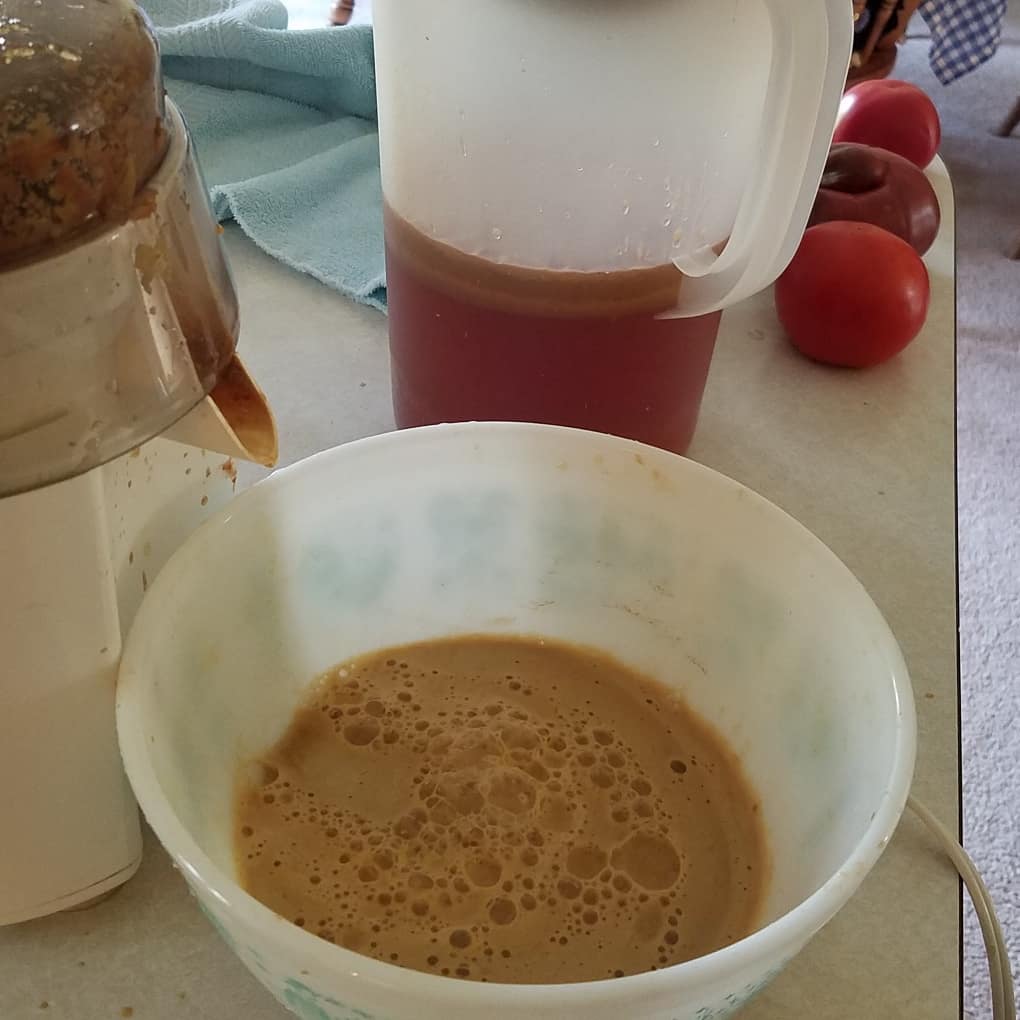
Sauce: With so many tomatoes in the house they had to be culled every couple of days for bad spots. These were trimmed and cut into large chunks to simmer until the flesh was soft and skin loosened. Next I put the whole lot into a funnel strainer and drained out tomato water. The garden produced a lot of this by-product so after canning 24 quarts of tomato water to use mostly in soups and for cooking rice, I discarded the rest. Once the water drained out, I used the wooden mallet to press out tomato sauce which I froze in one quart zip top bags to use later for pasta sauce and chili.

Diced tomatoes: I canned enough pint and quart jars of diced tomatoes to get us through the next year. I rotate stock so oldest ones are used first and still have a couple of jars from 2016 and 2017 to use first. Diced tomatoes include the skin for its nutrients.

Whole tomatoes: This year I took the skin off small round and plum tomatoes and canned them whole. There are about 24 quarts and 24 pints to last a year or more.

The 2019 garden was an unmitigated success in the tomato category. It is a feature of late summer in our household.

Categories
Kitchen Garden

2019 Gardening Season

Sundog Farm under clouds

I want to write a nice summary of this year’s garden including successes, failures and lessons learned.

Instead of crafting something usable, I visited two of the farms where I work.

Knowledge lives within us more than in written words. Life doesn’t always proceed in a linear manner despite predictable changes in season.

Yesterday was about dealing with the abundance of Red Delicious apples ripening on the tree. I plan to give excess — about 350 pounds — to my friend Carmen for the winter share in her CSA.

At the orchard we did a taste test: the apples were too starchy. Then to Sundog Farm where we discussed how much for each share and a process for delivery once they ripen. I think we are set.

Over the years I’ve been able to develop a network of master gardeners, farmers and growers to provide feedback on what happens in our garden. I am a better gardener because of this work. I’ve come a long way since getting started with the process in 2013.

Two things added a unique layer to summer gardening: my spouse’s five-week trip to her sister’s home in July, and the 26-day interim between Mother’s death Aug. 15 and her funeral Monday. Both were unexpected and made a unique mental frame for what was already a weird gardening season.

While Carmen and I walked about her farm she showed off her lettuce patch in a high tunnel, and the abundance of tomatoes a crew was harvesting. We had a conversation about diversification. This year was a big tomato year for both of us, although that’s not been the case for everyone. We planted many varieties of tomatoes and while she has members to take the excess, my canning, freezing and eating has physical limits which will soon be reached.

I moved the cherry tomatoes to their own patch this year and it’s a better idea. They are all good, but my favorites were Jasper, Matt’s Wild Cherry and white cherry. I planted two rows of four plants and next year I will only plant one row to make it easier to harvest.

Among my trials this year were okra (easy to grow and a little goes a long way in our kitchen), Guajillo chilies (if they ripen well I’ll get a crop for making pepper sauce for tacos), Poblano chilies (did not produce much), red beans (I mistook pole beans for bush beans so they had trouble), and planting beets in flats before transplanting them to the ground (produced much better beets than sown seeds). I planted two types of broccoli in succession, but the second variety (Imperial) didn’t produce.

We had basil, parsley and cilantro in abundance. Basil goes into tomato dishes and parsley and cilantro are for eating fresh. Fresh cilantro is an important addition to tacos. I made a good amount of basil pesto and froze it. Even with lots of uses for basil, I let the second raft of plants go to seed because there was too much.

If there was a single most important lesson in gardening this year, it was to better tune what I grow to our cuisine. I’m not exactly sure what that means but Carmen and I discussed and agreed that is important for a gardener. As our family cuisine makes a transition, this will gain relevance when planning next year’s garden.

So that’s the story of the 2019 garden, which isn’t done.

Categories
Writing

Shared Culture by the Lake

Making apple cider vinegar.

When we moved to Big Grove Township we had expectations about building a life here. These expectations spoke to our shared culture.

We built a new home, settled into the public school community and began getting to know people as I worked a career that would eventually take me to a job in Eldridge, Iowa where I managed a dedicated fleet operation for a large steel service company. At the time I thought the 55-minute drive was a reasonable commute.

While there, in a staff meeting, news of the planes hitting the World Trade Center and the Pentagon, and crashing in a field in Somerset County, Pennsylvania began to emerge. I was scheduled to fly to Philadelphia that morning but the flight would be delayed. That day became part of an American cultural heritage.

The events of Sept. 11, 2001 were an opportunity for the country to pull together, to unite in shared values. It was squandered by our national leaders who used the terrorist attacks as sufficient reason to invade Iraq. Our disdain for the national culture has increased since then.

Participating in a national culture is made worse by growing income and wealth inequality. If comparisons of modern capitalism with the Gilded Age and the rise of Rockefeller, Morgan, Vanderbilt, Carnegie and others is apples to oranges, Republican leadership of the U.S. government is systematically undoing every constraint on wealth and business implemented since the 1890 Sherman Antitrust Act. This is intentional, and under a government subject to the unlimited financial contributions of businesses. In part, we can thank the U.S. Supreme Court decision in Citizens United v. FEC for unleashing the power of the wealthy in our governance.

Not only do we view the rise of the wealthy into power over our lives with disdain, we spend more time thinking about it because of new media available to us 24/7. We tend to forget our local culture, the culture we share with family, friends and neighbors — things that are shared, yet personal to us.

Mom’s funeral on Monday started an immersion into cultures I forgot existed. Greeting people from every part of Mom’s life at the visitation taxed my ability to remember. I don’t believe I come up short. At the Knights of Columbus Hall after interment I sat with three of my cousins and talked about things I’d forgotten existed. Aunt Wini’s wringer washing machine, Orsinger’s ice cream, Uncle Vince’s photography culture, Chicago steel mill culture, and more. I was able to keep up even though it has been years since I’d seen any of them. I could keep up because it is our shared culture.

Yesterday I took the crate of apples from the summer trees in our backyard and made a gallon of apple cider vinegar. By this morning the brewers yeast was working. After skimming the scum, I put the two half gallon jars on the pantry shelf to ferment. I got the mother of vinegar from a neighbor. His family had been making vinegar with it since the 19th century. The distribution of our vinegar is in a short radius with most of it used in our kitchen. I’d be willing to bet I’m one of a very small number of people fermenting vinegar in our township.

The point is we have shared cultures and the only way they exist, now and into the future, is by participating in them. The sad occasion of Mom’s passing was made better by the celebration of her life by the living. Our cuisine is made better by making our own vinegar for pickles and salad dressings. Eventually our national culture will regain its value but we are not there yet.

We chose this township based on the logistics of living. To make it meaningful we’ve had to participate in local cultures. As bad as the national culture is now, we can’t stop participating because so much is at stake. What happens near the lake ripples throughout society. If enough people engage, that could be life-changing for us, and for us all.

Categories
Environment Writing

Glorious Summer of 2019

Cherry Tomatoes

If August was a tough month, this summer has been one of the best in recent years.

Moderate local temperatures with reasonable relative humidity, rain enough to help the garden grow, and friends meeting the challenge of growing flowers and vegetables in a changing climate, all helped us feel comfortable.

July was notable for being the hottest month for the planet since record-keeping began, according to the U.S. government. Regional variation made Iowa tolerable, perhaps a harbinger of the impact of humans living on the planet continues its steady deterioration of our biome.

Despite favorable weather it was hard to get off the starting blocks in August on scores of projects needing attention.

It will soon be time to turn the page.

For the time being I’m eating cherry tomatoes and enjoying the last weeks of this glorious summer.

Categories
Writing

Starting Again

Canning Plum Tomatoes

Out of the ashes of lives past we are reborn.

With last Thursday’s death of Mother, as well as that of our friend Lillian Davis, life continues. As we linger around funeral arrangements and schedules, phone calls and meet ups, emails and social media posts, something positive is on the horizon if we can only see it.

Like the single concertina note that begins the David Merrick musical Carnival! it’s familiar and quickly to be accompanied by other instruments. We are uncertain where it will go, but only for a few moments, and then we’ll get swept up in, “Direct from Vienna…”

Warehouse work occupied my last shift at the home, farm and auto supply store on Wednesday. We prepare for the holiday retail season and new merchandise arrives daily. There were trucks to unload, inbound shipments to process, and on line orders to fill. Our store is doing reasonably well compared to our daily goals, although a large-scale competitor is building a new store nearby. Fleet Farm expects to extract $2 million per week in revenue from the area. Our sales and those of others may take a hit. At the end of the year I’ll assess whether to continue there in 2020.

The orchard didn’t need me yesterday because of thunderstorms in the forecast. I used the time to work on funeral arrangements, then we went to the visitation for Lillian. Her children, who were in 4-H with our daughter, are grown and handled themselves well in a tough situation. Lillian would have been proud of them.

Summer plans have been scrambled. To get away from the death reminders I canned the ripe plum tomatoes yesterday. There will be more. I see a physician today and hope to develop next steps to control my glucose levels without medication. Jacque and I have plans to start cleaning the house and downsizing, a process that will go on for a few months. There is more to life than these existential errands.

We do what we can, hoping for the best, and try to make positive contributions in a fractured and turbulent society.

Or as the character Yoda said in the Star Wars movies, “No. Try not. Do… or do not. There is no try.” We can do better.

Categories
Kitchen Garden

Tomatoes on Everything!

Slicers, plum, paste, cherry and grape tomatoes.

The 2019 tomato harvest has begun.

We have fresh tomatoes with every meal, for snacks, and with everything.

We aren’t sick of them yet and work to preserve some of them is imminent. There’s a lot going on in the kitchen garden this August.

Sweet corn is in. Our local farm has had a spotty year, yet we’ve been able to freeze enough two-cup bags to make it until next year. Last night for dinner we had corn on the cob with sliced tomatoes — a classic summer combination.

First up in tomato preservation is to make a dozen pints of diced. This, combined with a backlog from previous years is enough to run the kitchen. I’ll also make as much tomato sauce as I can. Last year I froze it and that worked well. The freezer is filling up already so I may have to can some of it this year. Last year I froze small tomatoes whole and used them during the year to make sauce. I may try canning them whole to supplement the diced.

Yesterday I picked about two bushels of the first apples. A lot more wait on the trees. Our early apple is sweet and makes a great base for apple cider vinegar. I make a couple of gallons each year and the jars to do so are empty and just need cleaning. Our cupboard remains full of apple butter and apple sauce, so maybe a few jars of each is all I’ll make this year. They are good for out of hand eating as well. I’ll need to find a home for some of them or leave them to wildlife.

I froze enough kale for the year early in the season. What I harvest the rest of the year will be to give away or eat fresh. There is enough vegetable broth for the year, frozen jars of pesto, frozen okra, frozen celery, grated and frozen zucchini,  and the hot peppers are beginning to come in. It’s been a good year so far.

The garden didn’t produce green beans. The plants look healthy and there have been flowers. Almost no beans have been produced.

The variety of red beans planted needs to climb and I thought they were bush beans. There are bean pods forming, so there will be some harvest. Next year they need a fence to climb on, if I plant them again. I planted beans mostly to fix nitrogen in the soil.

It seems like there can never be enough beets. I started some in trays and those fared much better than the ones sown in the ground. Will do more of that next year. For now I have one jar of pickled beets to last the year.

The tomato and apple harvest signal the garden’s impending end. There’s a lot of work to be done, but we enjoy the taste of fresh tomatoes as much as anything we grow.

Categories
Home Life

Trail Walk

Lake Macbride State Park – Aug. 9, 2019

A main feature of the vacant lot we bought in 1993 was its proximity to Lake Macbride State Park.

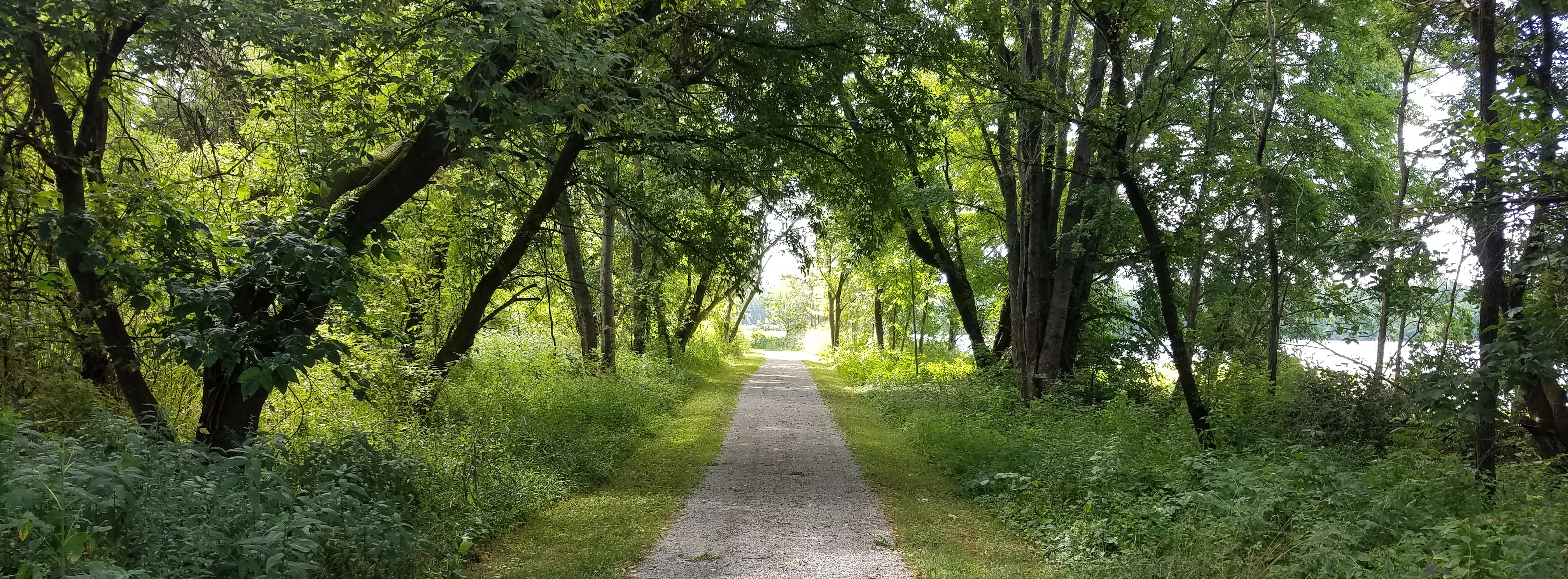
When we need exercise, or just want to get away from the house, it’s a short walk to the trail that runs five miles from our nearby city to the main park entrance. In August the park is filled with wildflowers, insects and other flora and fauna of living in Iowa. There is as much to observe as there is to escape in quotidian life.

A trail walk can reset our lives each time we venture out.

Two weekends into my seventh season at an apple orchard I continue to enjoy the work and its customer engagement.

A family drove over from Chicago, one stopped on their way back to Rochester, Minn., and regulars return with the micro-seasons within a procession of a hundred apple varieties. Every chance we have to converse is a window into lives where with at least one common interest. It is the beginning of something positive.

A trail walk can get us centered and ready for such engagement.

Categories
Writing

Six Weeks Until Autumn

Lake Macbride State Park trail – Summer 2019

It’s time to move on. Yet… I would linger in this spectacularly Iowa summer.

It is a summer like those remembered from childhood. Long, warm days that stretch into a vanishing point. Cool nights to greet an early riser well before dawn. A never ending chance to find opportunity in a world which lies beyond the work-a-day society in which careers were spent.

No one can meaningfully say how many more of these days we’ll have before the atmosphere turns humid, making outdoors living unbearable. Despite the lack of rain, it’s been a good summer. A time to reap what we sowed and arrive into autumn.

A couple of things.

I’m tasting the first apples from two trees daily, evaluating sweetness and crunch, background color and appearance. While Japanese beetles invaded the leaves, there will be fruit for the kitchen. One doesn’t see apples like mine in grocery stores because they are small and imperfect from living in a pesticide-free environment. Commercial growers would have culled most of them for juice yet they are a main crop for the production of seasonal baked goods, cider vinegar, juice and applesauce if I need it. Picking and processing them will be a bigger project than usual.

Cucumbers, zucchini and yellow squash are winding down in the garden. Soon I’ll pull up the plants, till the soil and plant next year’s crop of garlic. I am only just learning how to cultivate garlic and looking forward to this second year of my own plants.

My bedside table got crowded with too many books so I need to set priorities for the rest of summer reading. Processing garden abundance will take time away from reading, so I expect to complete fewer books this month. I just started the novel Milkman by Anna Burns, which won the Man Booker Prize last year.

Tuesday colleagues from California met with U.S. Representative Adam Schiff (D-CA) who agreed to add his name to the list of sponsors of the No First Use Act introduced in January by Senator Elizabeth Warren (D-MA) and Representative Adam Smith (D-WA). The bill would establish by law it is the policy of the United States not to use nuclear weapons first, which is what most Americans believe. It was a positive step.

As it usually does, writing daily for Blog for Iowa while the editor was on summer hiatus inspired new interest in seeing the world through a progressive lens. The last of those posts appeared here this week, clearing the palate for new topics and better writing.

However, there are six more weeks of summer to enjoy.

Categories
Environment Kitchen Garden Writing

Summer Hump, August Heat

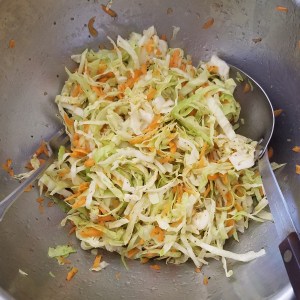
Mixing bowl with summer coleslaw made of local produce and my fermented apple cider vinegar.

Six weeks into summer 2019 we are over a hump, if not the halfway point.

I visited Paris in August 1974. It was hard to find a business open. Eschewing air conditioning we Americans find ubiquitous, Parisians fled the heat of August for the Mediterranean Coast and other breezy spots.

We could learn from that society.

My spouse visited her sister for the month of July. While she was gone I set the thermostat at 84 degrees compared to doing what we wanted in July 2018. The average monthly ambient temperature increased from 75 to 76 degrees Fahrenheit. Between running the air conditioner less and only one person active in the house, our electricity usage dropped by 37 percent in terms of kWh used. I appreciate the savings but I’d like her to return home more.

Summer in Big Grove Township has been reasonably nice with plenty of warm, sunny days, not enough rain, and an abundance from the garden. Friday the ditch had dried out enough I could mow the tall grass and get it looking more normal. The rabbit that lived there this year is likely frowning as rabbits do.

The yard grasses are in transition and need mowing, but not that much. I thought to do it yesterday and rolled up the garden hose near the house after watering in the morning. Not yet. Maybe today after my shift at the orchard. Maybe not as it is a low priority.

We planted our first garden in 1982 and grew or harvested something from our yard in the five places we lived since then. I’m getting better at it.

Cucumbers

We produced more cucumbers this year than we could eat and preserve. I determined a process using four varieties of seeds: two pickling, a Japanese-style cucumber and the utilitarian Marketmore. I made a gallon of fermented dill pickles as dill came in from my barter arrangement with Farmer Kate. The key to good pickles is the cucumber size. Once cucumbers get an inch in diameter they are too large for pickle making. Just don’t do it.

I made dishes of sliced cucumbers for potluck dinners, gave them away, and ate them as much as I could stand sliced raw, in mixed salads, and with lettuce greens when they were in season. There were plenty for sweet pickles but I overdid it last year and have more than a dozen leftover jars. I struck balance between the desire to use every bit of produce in the garden and how we eat them in season.

Tomatoes

As I posted a couple days ago, we are waiting for tomatoes. The cherries are coming in Jasper, Taxi, Matt’s Wild, Grape, White Cherry and Clementine. The White Cherry, Jasper and Matt’s Wild are surprisingly sweet and delicious. The single Early Girl and Black Krim plants produced fruit. I’ve had a couple Speckled Roma which I found to have tough skin.

This year as last, I planted the rows too close together. I crawled under the seven-foot indeterminate vines and inspected. A lot of good sized fruit waits to ripen under the foliage.

The plants have less blight this year than last. I don’t know why but two things are different. We had extremely cold weather last winter. Perhaps the cold killed some of it off. I also applied diatomaceous earth to the ground after tilling to keep down the crawling bugs that love tomatoes. Perhaps it had an effect on the blight. So far, so good and if all continues to go well, we will have plenty of tomatoes for fresh eating, canning and gifts to friends.

Green Beans

By now we’ve usually had green beans but there are hardly any on the plants. The foliage looks great. There are flowers. No beans. Other area gardeners are experiencing the same thing with a reduction in yield. I picked exactly two beans from a 15-foot row.

Apples

After nearly perfect pollination and fruit setting the invasion of Japanese beetles has the apple trees looking like dirty brown lace. I wait for the fruit’s background color to get right and have been tasting them every other day. The first of two varieties is getting close. Fingers crossed.

A friend sprayed his apple tree with Sevin to kill a Japanese Beetle infestation. The pesticide works although it contains carbaryl, a known carcinogen banned in some European countries. “Aren’t you worried about eating the fruit?” I asked. “Nah!” he said. I continue to refrain from using insecticides, which offer a temporary abatement to the detriment of the environment and apple eaters.

It’s a race to ripeness with popilla japonica. If bugs eat too many tree leaves, inadequate sugar is produced for fruit to ripen. If fruit gets ripe on the tree and they can penetrate the skin, they will mass on it and eat it. There appears to be enough green leaf left to absorb sunlight adequately to ripen the apples. I plan to pick them the minute I find them ripe and ferment the juice to make apple cider vinegar. The second variety, Red Delicious, is for eating out of hand, and everything else apple-related.

The Joni Mitchell song comes to mind, “Give me spots on my apples but leave me the birds and the bees.” In our garden there are plenty of apples and an abundance of birds and bees with whom I enjoy co-existing.