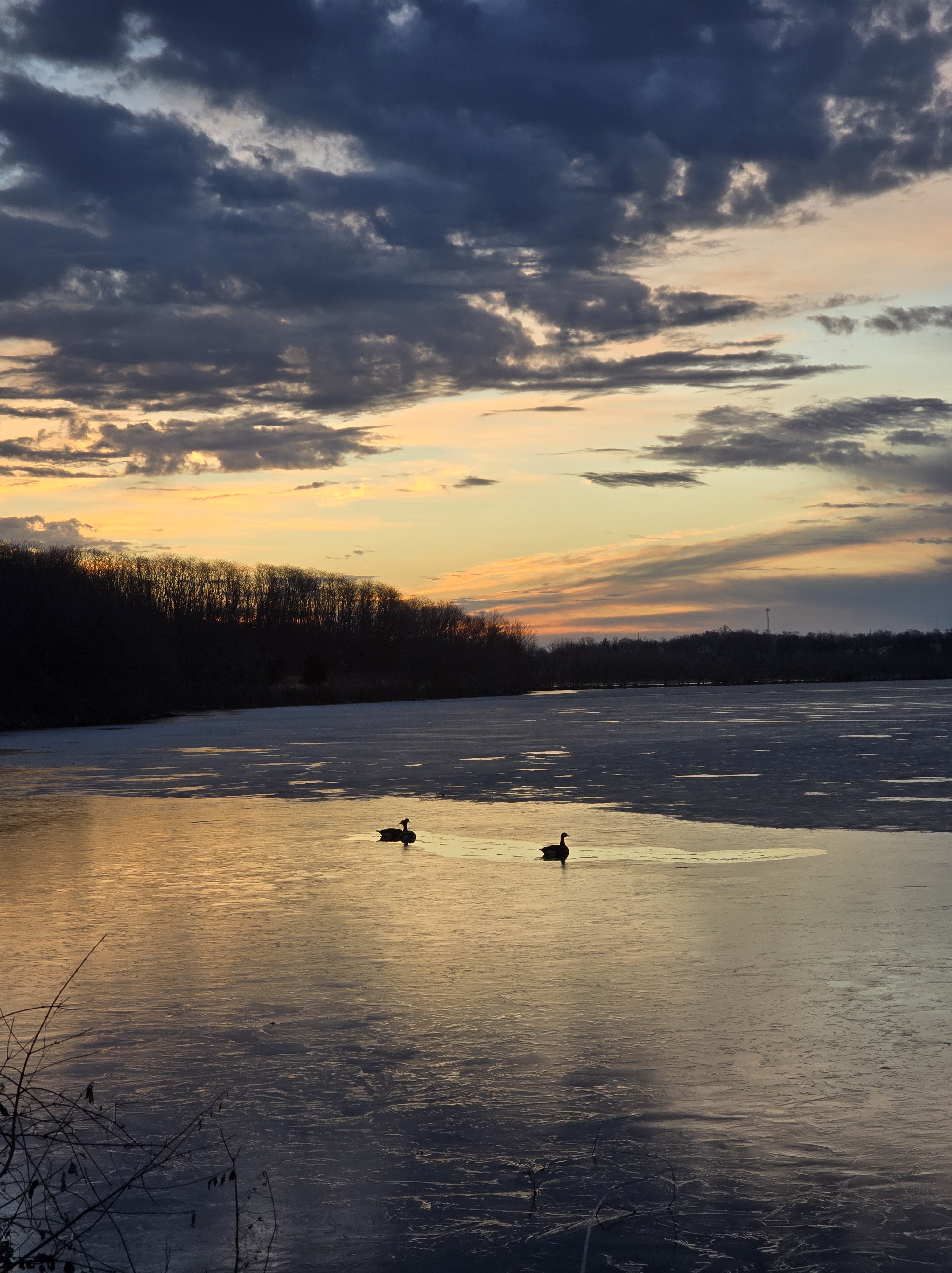
Two Canada Geese swimming in a sliver of open water on Feb. 19, 2026.
It snowed enough Friday morning to shovel the driveway. That 40 minutes of exercise substituted for trail walking yet I got this photo the day before. Ambient temperatures the next couple of days are forecast to be in the teens, so geese swimming in open water may have to find something else to do. I have plenty to do indoors.
I’m working on a new project with tentative title, “Food Algorithms.” The idea is to describe steps in the process of creating food from seed to table. My first step is creating a series of six or so posts that experiment with the language of this. If that goes well, a book-length text will be next in queue after I finish my autobiography. Stay tuned.
When I published my first book, I was in a big yank to finish and print it. It was imperfect, and I expected that. This time, I learned a lot about writing prose, and it shows in the text I shared with key readers. As a result of this learning I know what I want the text to look like, which things to cut, and which to enhance. I guess I am becoming more of a writer. Nine more chapters to re-work on this pass.
Another short post today while I get back to editing. The cooler weather suits me for now.
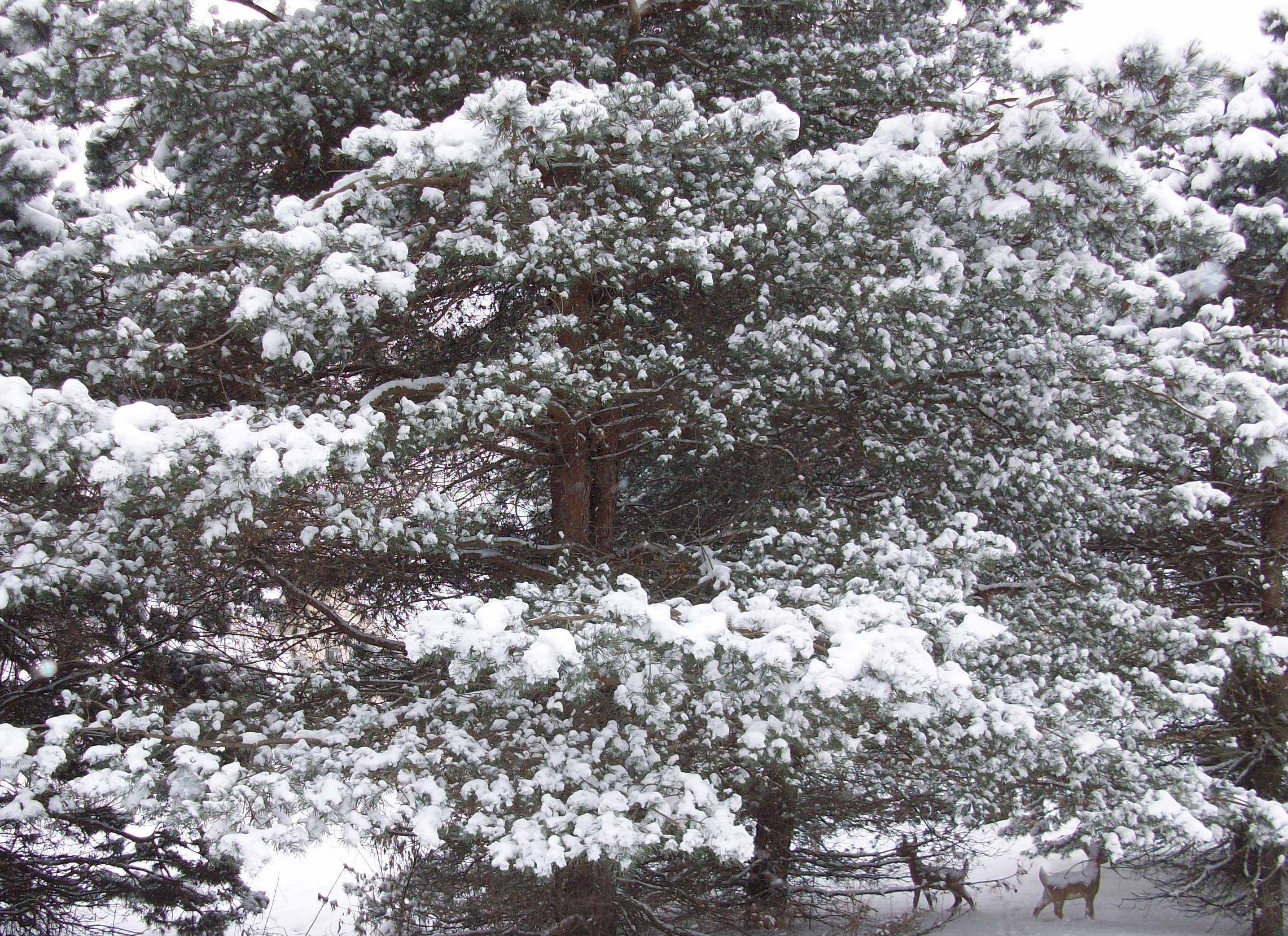
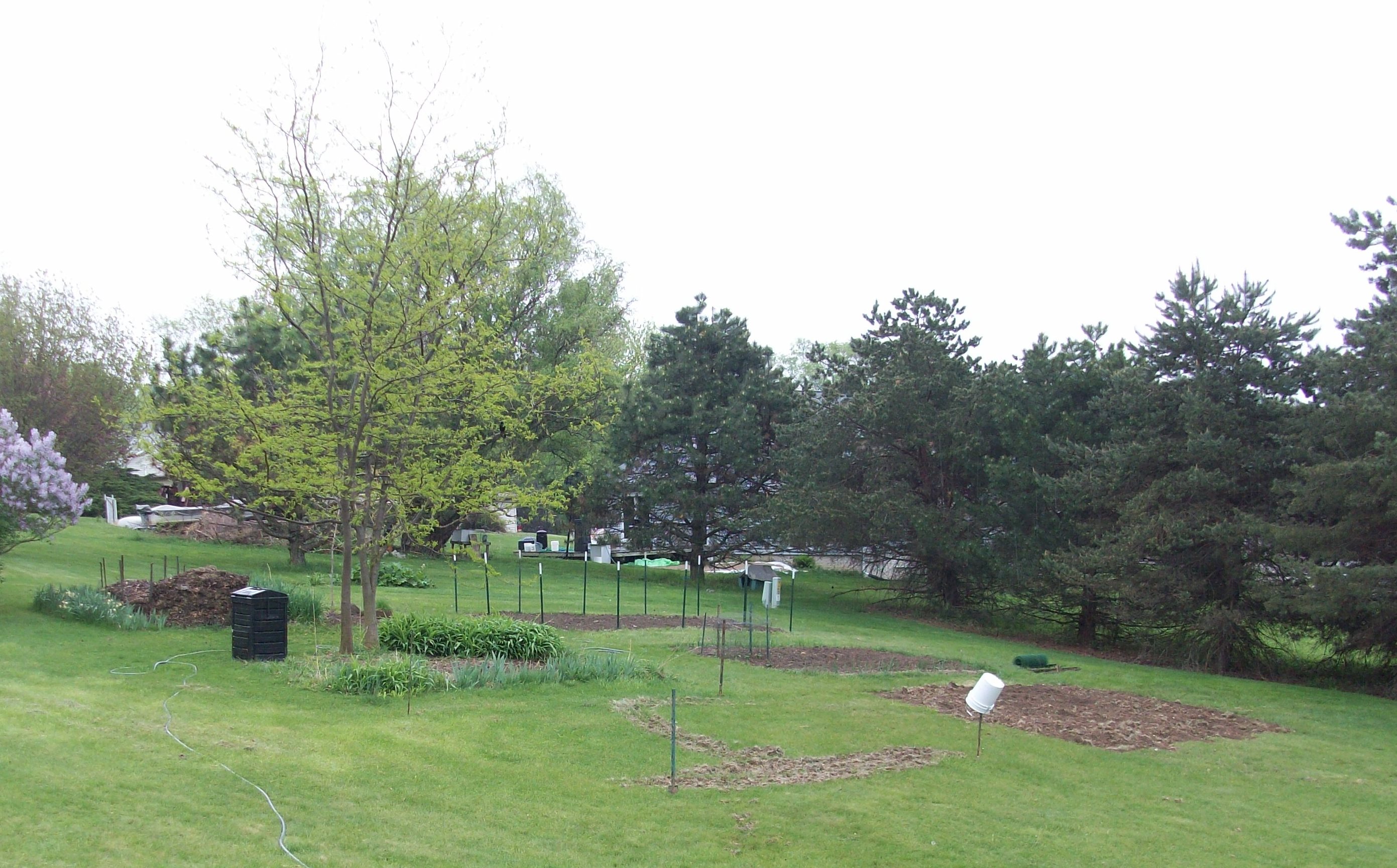
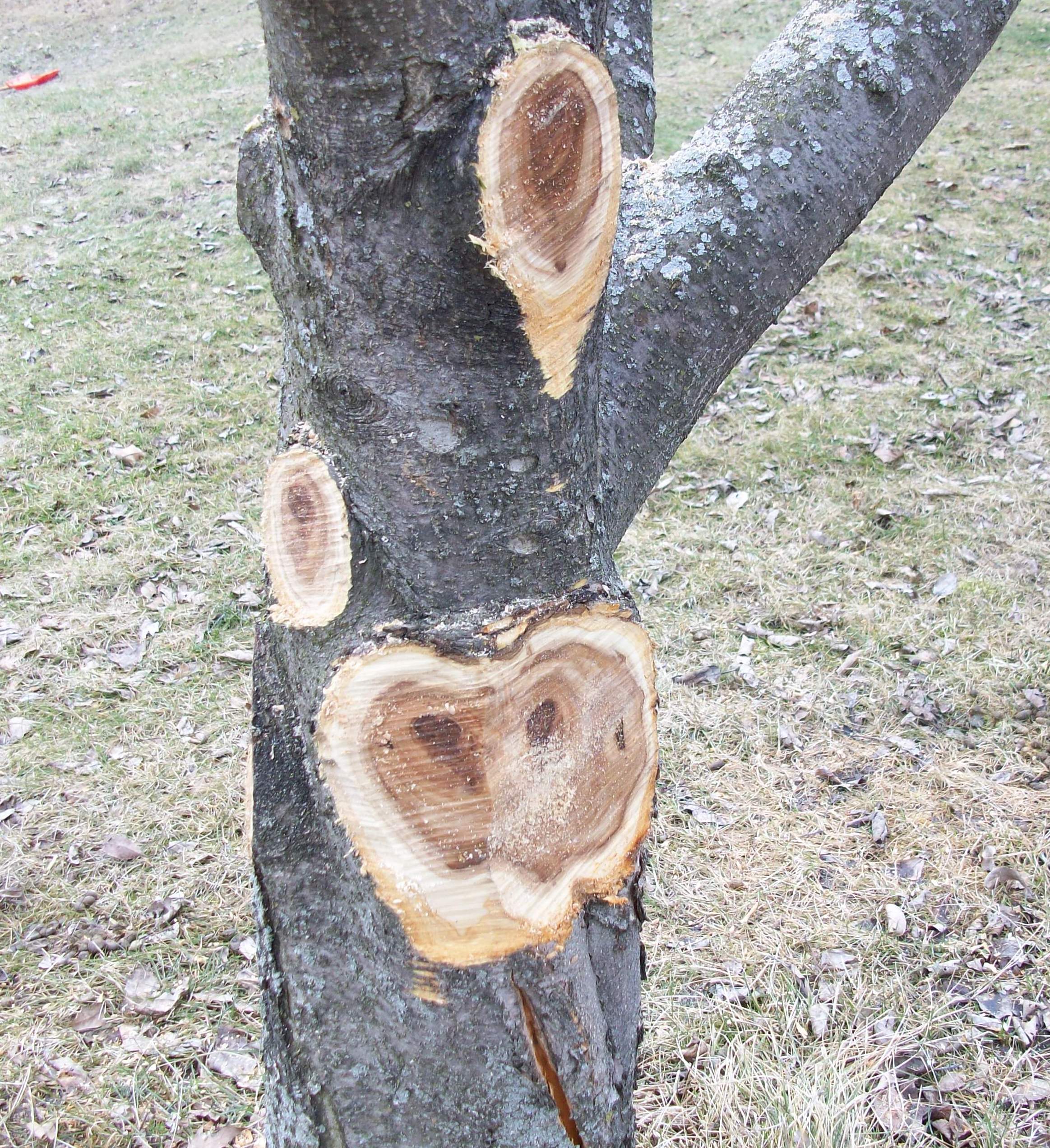
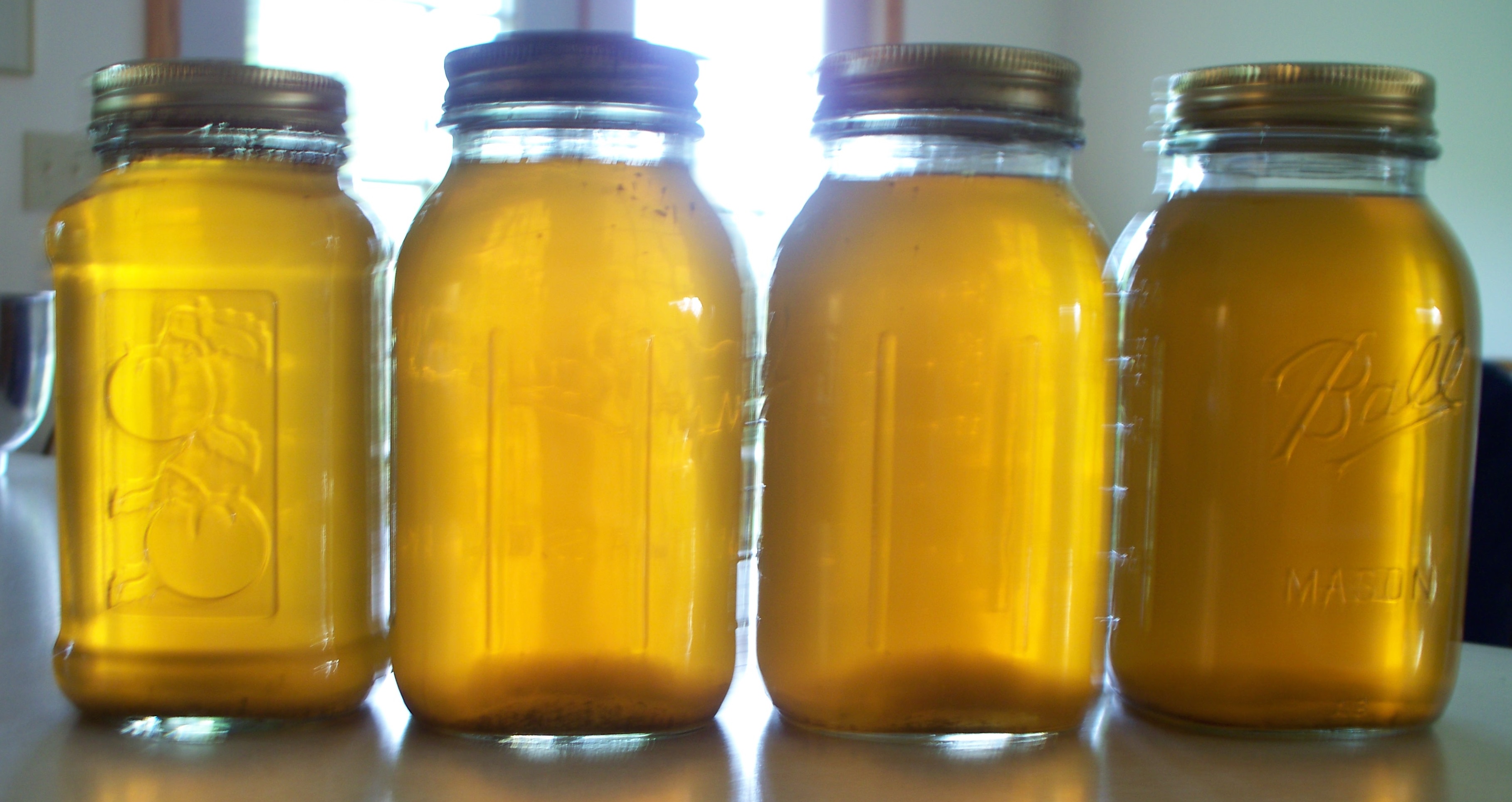
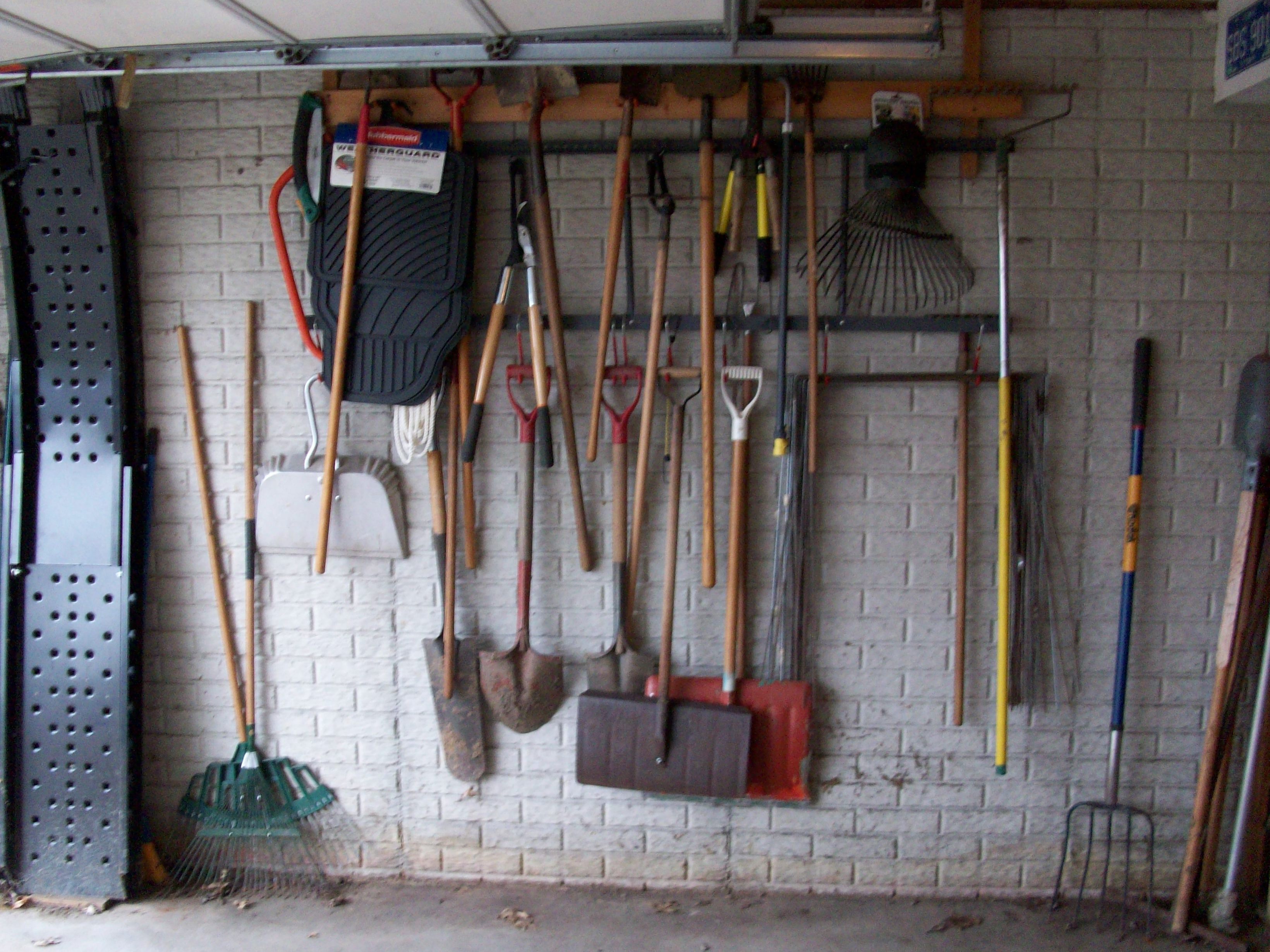
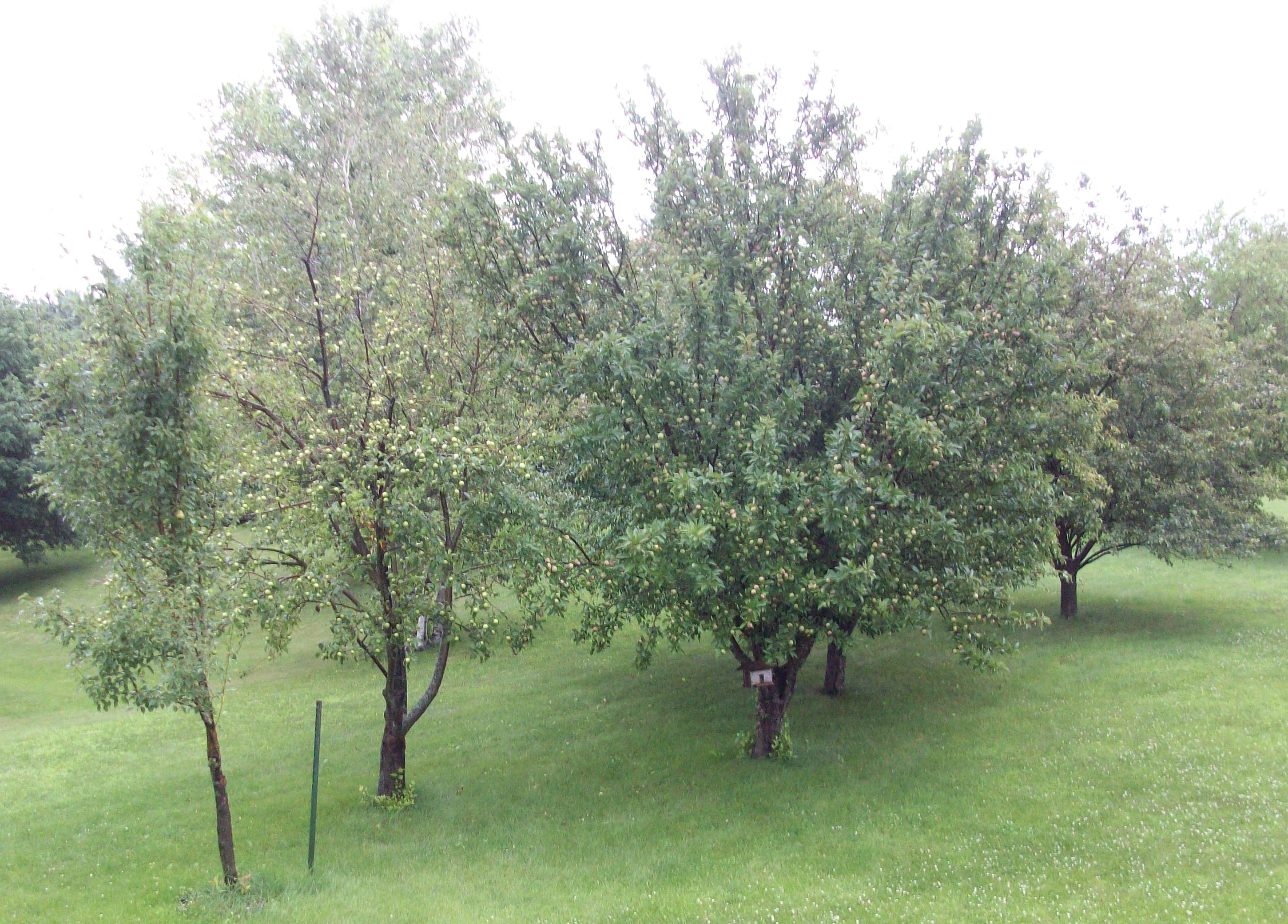
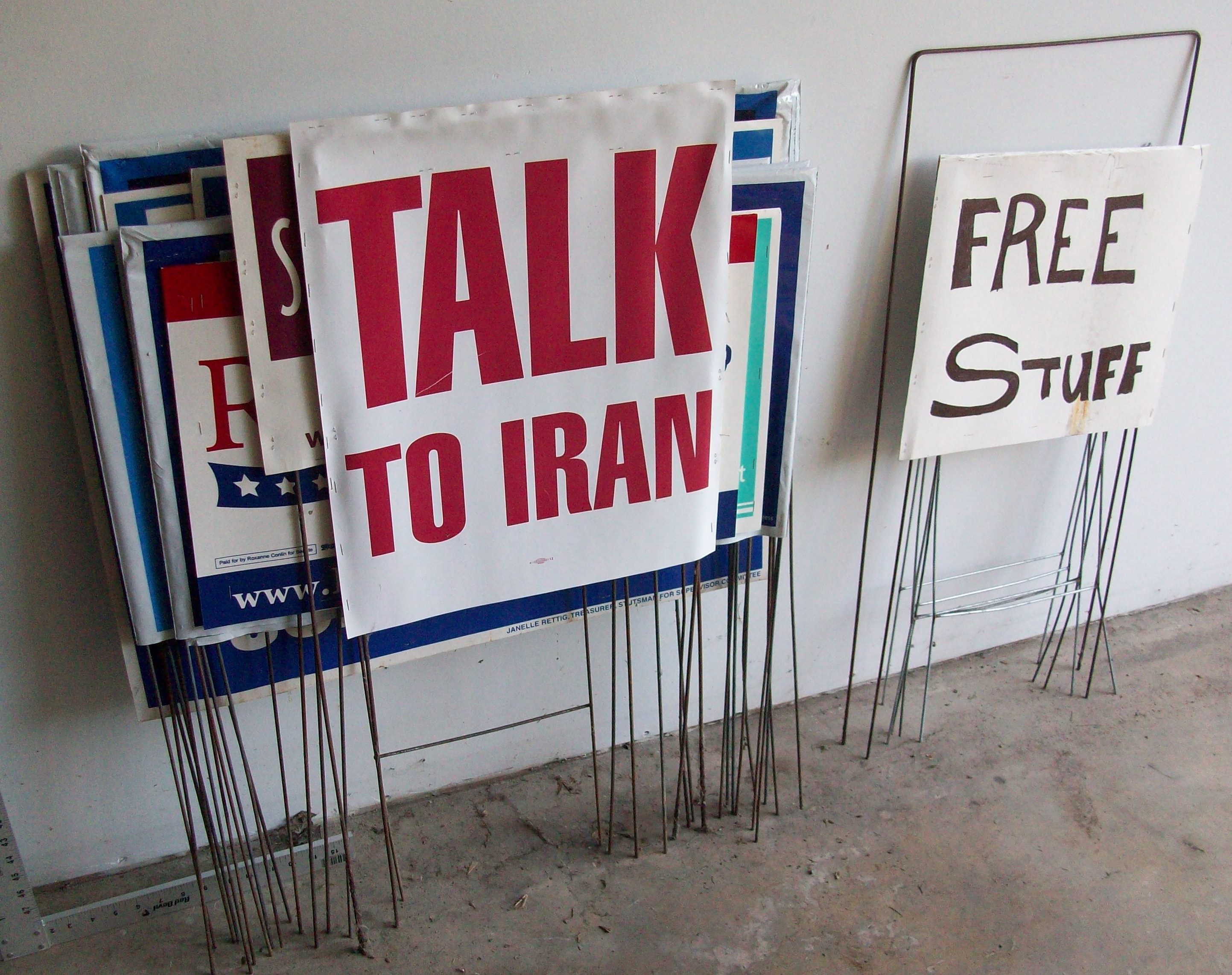
Snow on Big Grove pine trees.2010 garden space.Pruned apple tree.Vegetable broth.Outdoor tools.Apple orchard in 2010.Iowa State Capitol in 2010.Maybe we should talk to Iran. Sign from 2010.Up against a brick wall.
Short post today. I haven’t considered my early days on Blogger and WordPress until now. They were outlets for all kinds of writing.
Been working on a chapter about the early years of social media and blogging. This paragraph needs work yet it captures one way I used the platforms in those early blogging days.
When I began blogging in 2007, I had no idea where it would go. I wrote more than 5,600 posts since the beginning. For a long time, it was the only writing I did each day. It became a writer’s workbench to test ideas and how to express them. Some days the posts were cringe worthy. Some days I touched the sky. Part of me would like to return to handwriting paper journals the way I did before 2007. Part of me does not.
I also re-wrote the first paragraph of the chapter. Next I will re-do the rest.
I also mention social media in it. I was active on half a dozen platforms and joined Facebook in March 2008, after which made this brief post:
Tonight I joined Facebook. Yikes! Facebook connects us to people we have not thought of in years. In some cases we haven’t made contact in over a quarter of a century. All within a couple of hours. From moment to moment, the number of “friends” builds. What to say on the site? What elements to show? What pictures to place? How much time to spend? When a friend accepts the invitation, it feels good. The wave has broken, now I’ll ride it in.
If there was excitement at first, when our child stopped posting there I lost interest. It took a while yet in 2025 I deactivated my account. My problem was the contrast between lots of activity and the loneliness I felt as a result of being increasingly away from the real world. There is a kind of relationship on social media, I determined it was not a good one.
The purpose of the chapter is to figure out the meaning of all this. Maybe I will.
Winter is escaping, and with it the best time of year to write. It has become a household meme that “I am losing more darkness every day!” There is so much to get done on the book project. Monday the ground was frozen, yet soon it won’t be. Putting the garden in is also a major undertaking.
That said, posting here will slow down as I focus on completing the current editing pass on my book. If all goes well, it will take a few weeks. A photo one day, maybe a video of a favorite song, a few kind words. All place holders until the book is where I need it to be come spring.
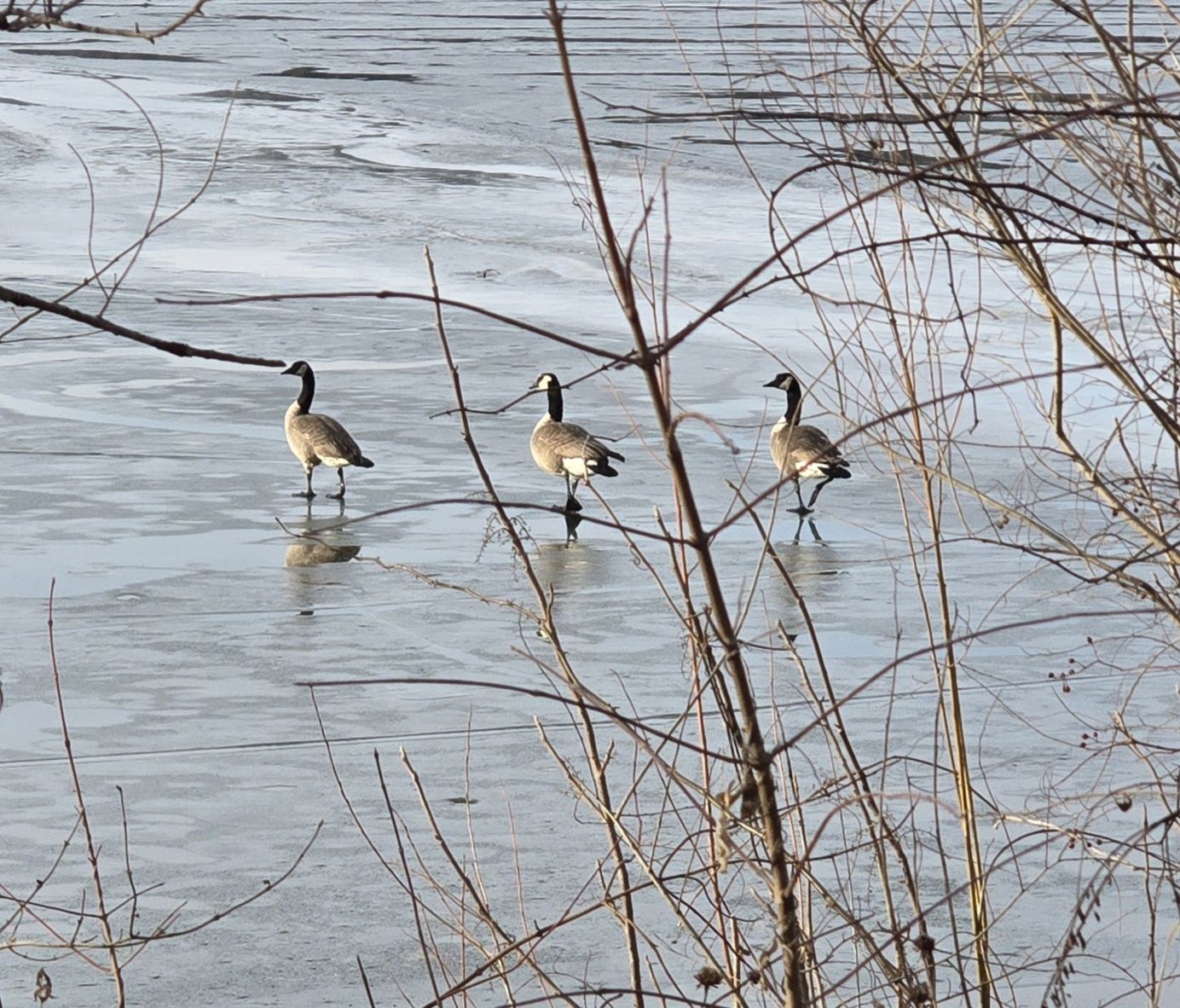
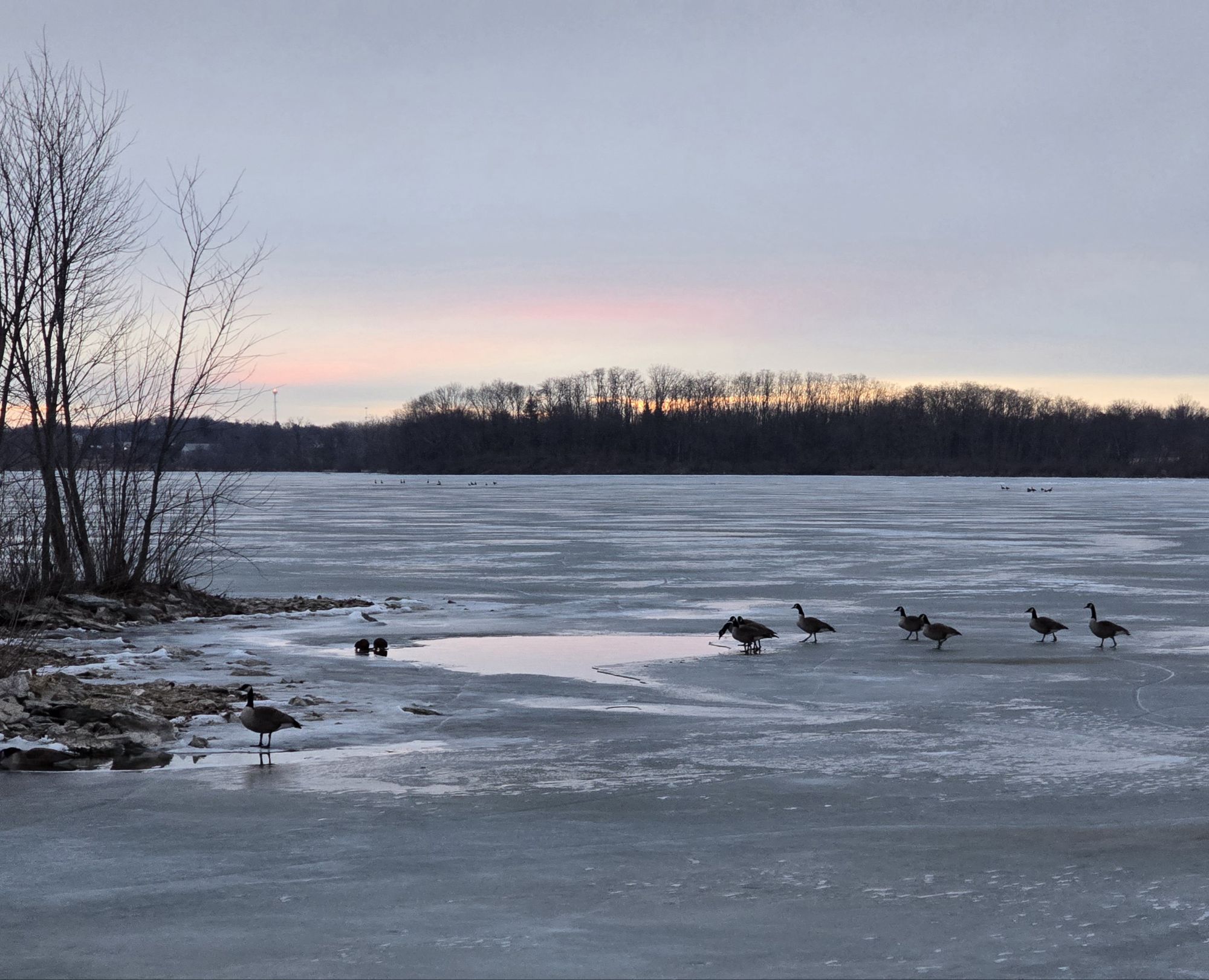
Canada geese on the margin between open water and ice.
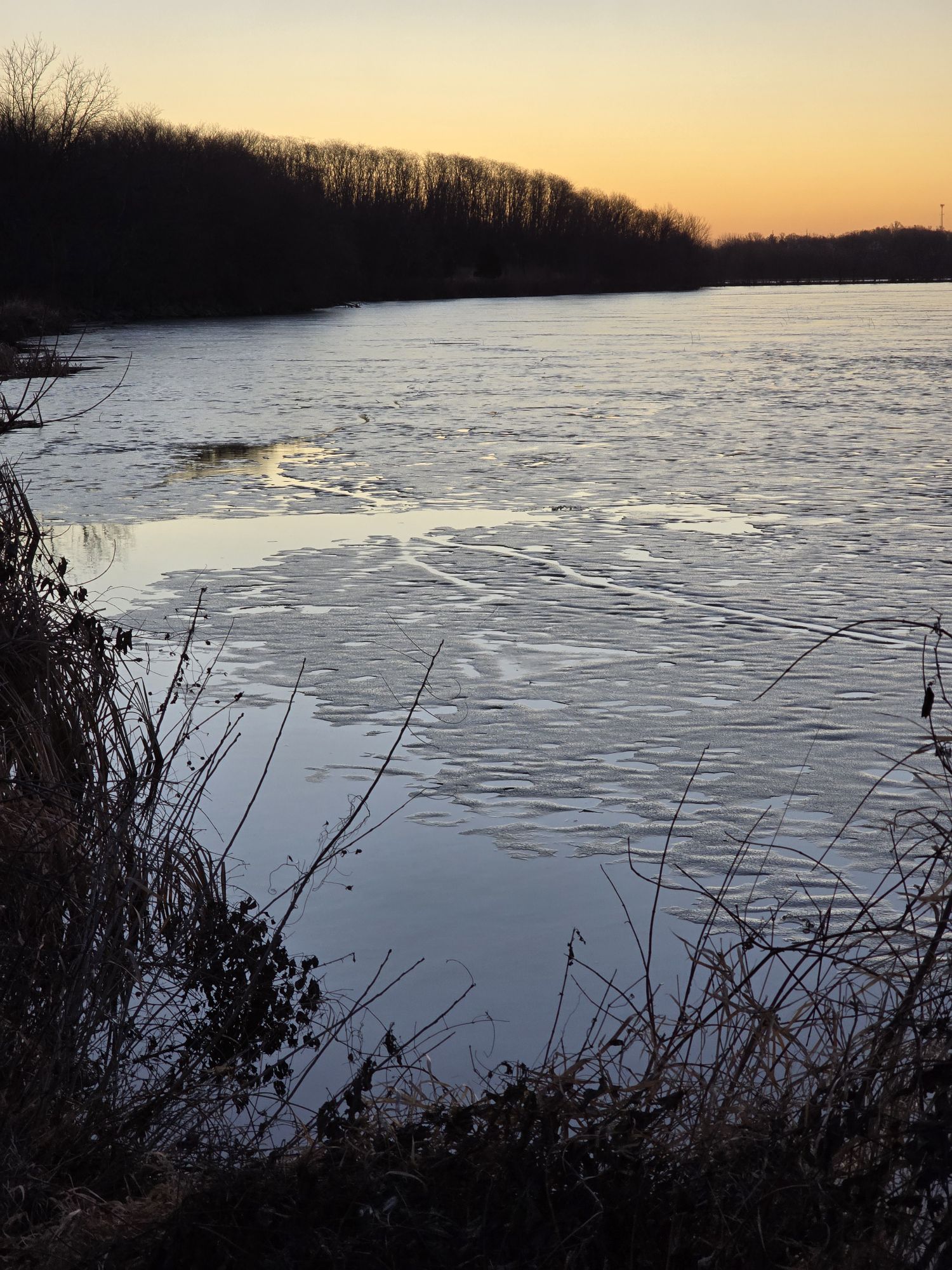
Things are happening in Big Grove Township. Songbirds are migrating, the ice cover on the lake is melting, and parts of the ground are thawing. Ambient temperatures hit 68 degrees Fahrenheit on Monday — it was shirt sleeves weather. Due to high winds and combustible material everywhere, the National Weather Service issued a special weather statement with elevated fire danger in the mix. Welcome to the new winter.
Each day I spend an hour or so outdoors clearing the garden. Once the ground thaws it will be more time than that. There is a lot to do, yet I’ve been to this rodeo. Steady work as the ground is ready gets the garden in.
Writing space at Five Points in Davenport, Iowa, 1980.
Ambient temperature was to climb to 60 degrees Fahrenheit on Sunday. It made it to 61. Spring is in the air, even if that thought is not rational given the calendar. I sat down and outlined the path to finalizing my book.
I finished the initial draft on Jan. 5, and am 37 chapters into the first pass of revisions. What are reasonable next steps toward publication? I laid them out.
It will take two to four weeks to finish this pass of the remaining 12 chapters. After our child leaves Iowa after college in the story, the chapters have a different focus. I wrote them quickly, now I must revise them slowly. Given three to four hours of early morning darkness, that should be doable. With each passing day, I lose darkness, yet I will persevere.
After this pass, I plan a structural review. The purpose here is to ensure the book has continuity, that it is going somewhere with intent. I laid out a sheet of 8×11 paper with a chapter title on each, and arranged them in the current order. On each sheet I will define where the chapter starts, where it ends, and then summarize in a sentence or two what story movement is included. I already see some order-switching at hand.
Once structural concerns are addressed, it’s time for a reality check. Is the book saying what I want? Is it meaningful? Once those questions are adequately addressed, it is time for a second pass with re-writing, if needed.
This pass leads to proofreading and getting the book formatted for a local printing in either spiral or comb binding. I will pick the printer and make a dozen or so copies for early readers.
If everything comes together, by Memorial Day, manuscripts have been distributed to a small group of trusted readers whose screening process answered the questions: Did they read the first book when delivered? Did they provide meaningful comments? I have a couple of new readers in mind, with whom I’ve had conversations about my book, yet haven’t read it yet. While I will be in a hurry at this point, the book then becomes potential summer reading for this group.
The next goal is to collect feedback as it comes, in whatever format it is. No later than Labor Day I enter a decision table: Do I print privately as in the first book, or take steps to use a printing service to make the book into various formats: eBook, paper book, and audio book and distribute more broadly? The answer to this question is not made and I would be happy with either outcome.
The three to four hours of writing each day leaves plenty of time for a life. In my eighth decade, every bit of life is important.
Here is the draft preface from my autobiography in progress, with working title, A Working Life: A Memoir. It is a record of lived participation in work, place, institutions, and time. The book will be as good as I can make it, and with diligence, finished this year.
PREFACE
My story resumes after returning from visiting friends in the American South to Iowa City where I would work as a writer. I just finished my master’s degree and had enough resources to get started.
The first book, An Iowa Life: A Memoir, reflects an extended childhood and education. Next, I began writing.
I take you with me as our family moved to Cedar Rapids, then to Indiana and finally back to our present home. When our child left home, and then left Iowa, the story breaks loose into individual essays about ways I lived, worked, and engaged in society.
When I began work at CRST, Inc. I had no career plan. What I learned though my work in transportation and logistics was the country was changing. Industries repeatedly restructured and I spent years listening to thousands of people explain what had just been taken from them. The experience changed me.
To indicate passages drawn from journals, notes, and my public writing, I use italics.
I have limited names and altered identifying details for those who are not public figures.
I’m from the government and I’m here to help. Now that I on-boarded with the county auditor to be a poll worker, I can truthfully say that. Ronald Reagan made a joke about those nine words, yet voting is no laughing matter.
On-boarding consisted of driving to the county administration building, locating the appropriate area, entering data on their system, and providing my I-9 documents for photocopying. I completed a time sheet with ten minutes and 20 miles. Easy-peasy.
About eight of us used IBM Think Pads for data entry. IBM sold that business line in 2005 and the company that bought it soon discontinued the product. I’m glad to see our county government using technology to get every last penny from the investment. I had forgotten how to use the track pad, so needed help.
As is usually the case, I ran into people I know from politics. I maintain a friendly relationship with everyone I helped elect at the administration building.
I made two other stops while in the county seat.
On the way in, I stopped at the used book store to see if they had certain titles by John McPhee whose Draft No. 4 I just finished. They had a McPhee reader with parts of the essays I sought for five bucks. A while ago, I had asked them if they had a copy of Howard Zinn’s A People’s History of the United States. I gave my copy to our child and wanted a replacement. When they said they didn’t have it, I procured it elsewhere. On Friday, they had been unexpectedly holding a copy for me. I declined it in person, yet on the way home, reconsidered it. Surely I could find a home for it. I emailed I would buy it if they still had it.
The other stop was at the grocer. It is conveniently located on Highway One which leads to our home near the lake. It has long been a stop when I have something to do in the county seat. I like the wholesale club better, yet they don’t have the granularity of item selection a home cook needs to run a kitchen. This produce section is particularly loaded with organic fruit and vegetables, all in a single location with non-organic. Too, when I fill my cart, the total is usually less than $100. At the wholesale club it can be double or triple that with less items overall.
I won’t be lording my new government employee status over too many people. The small bit of income will easily find a home in our budget. In fact, even though the general election is not until November, the money is already spent.
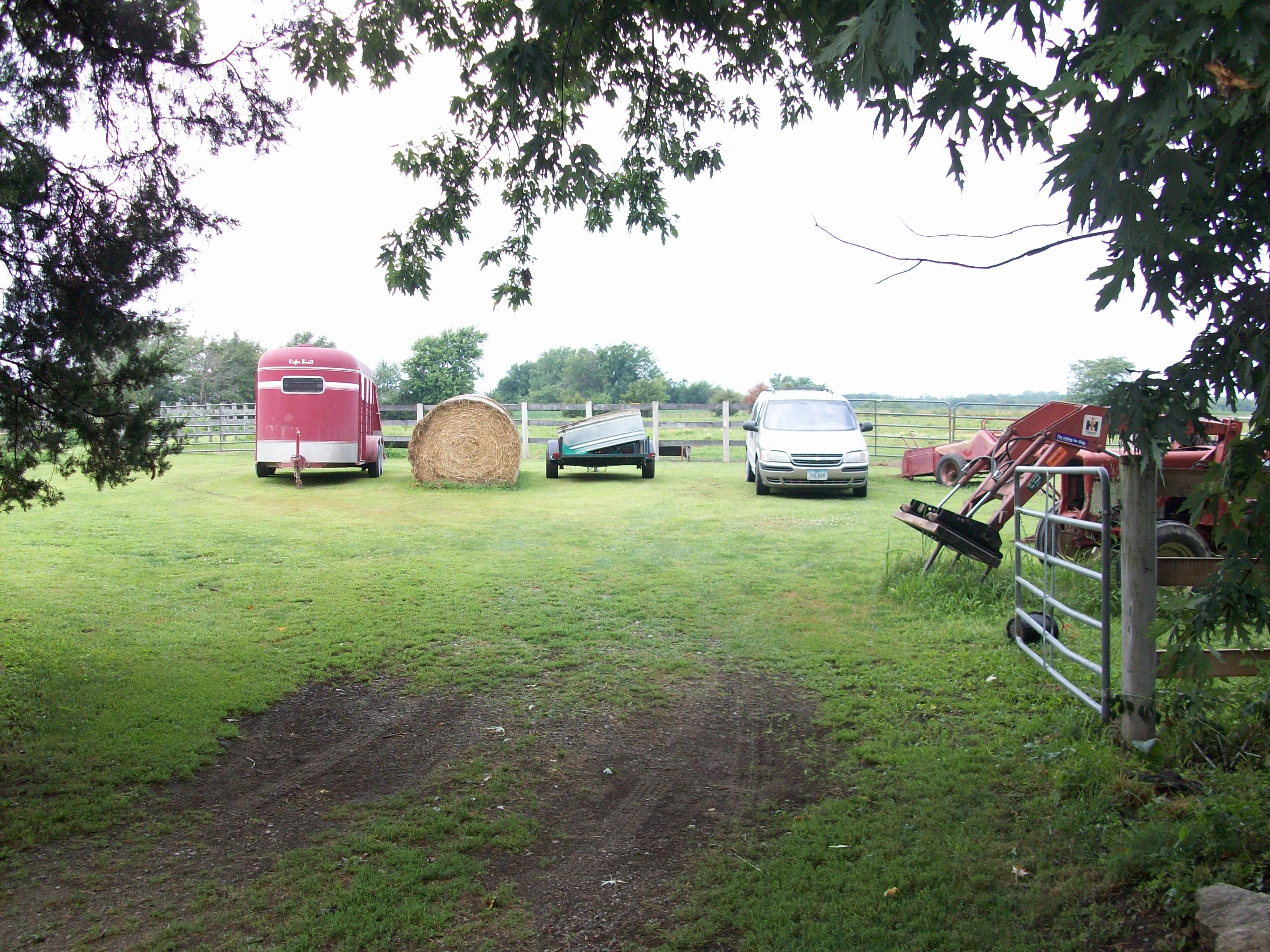
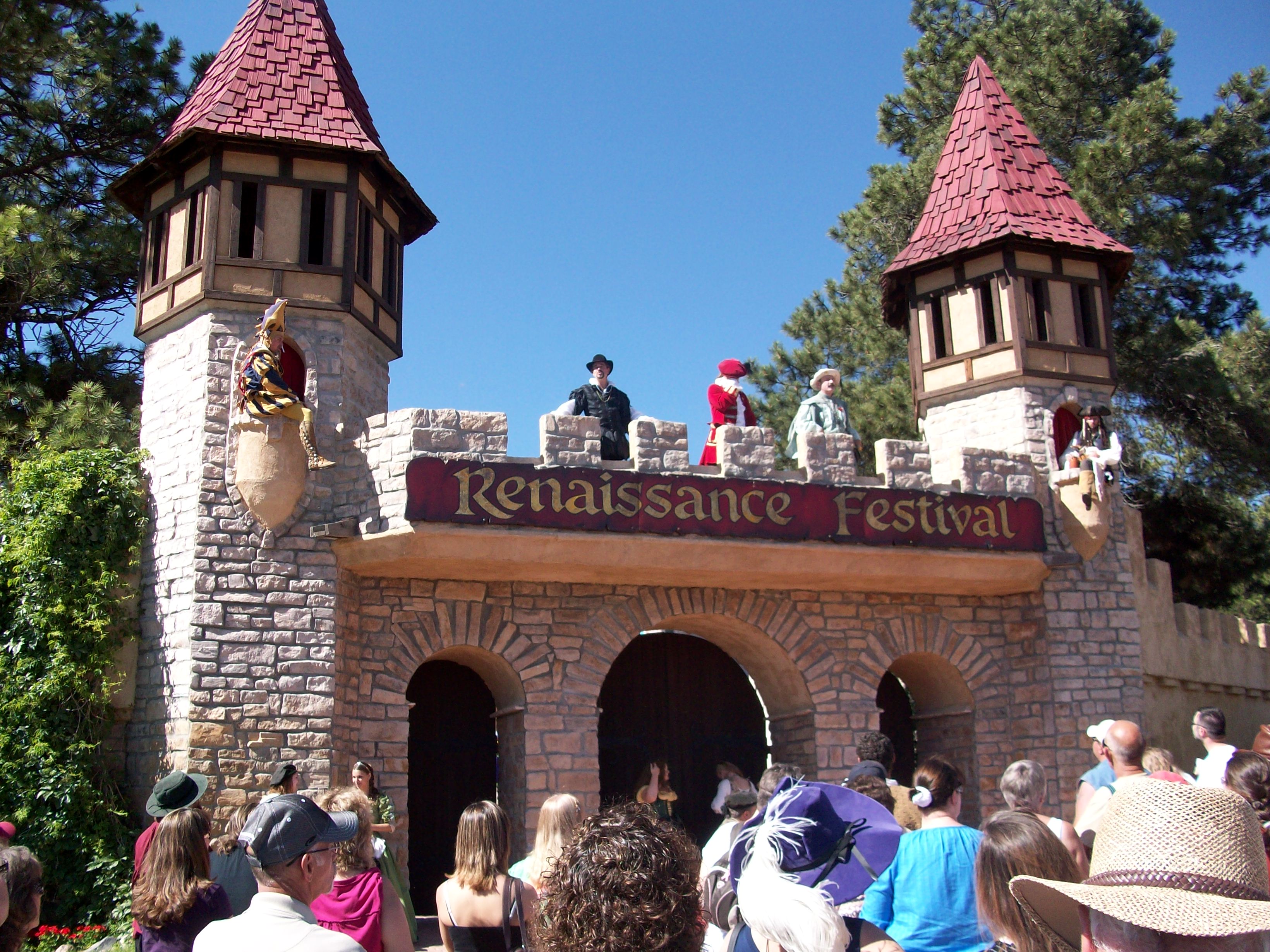
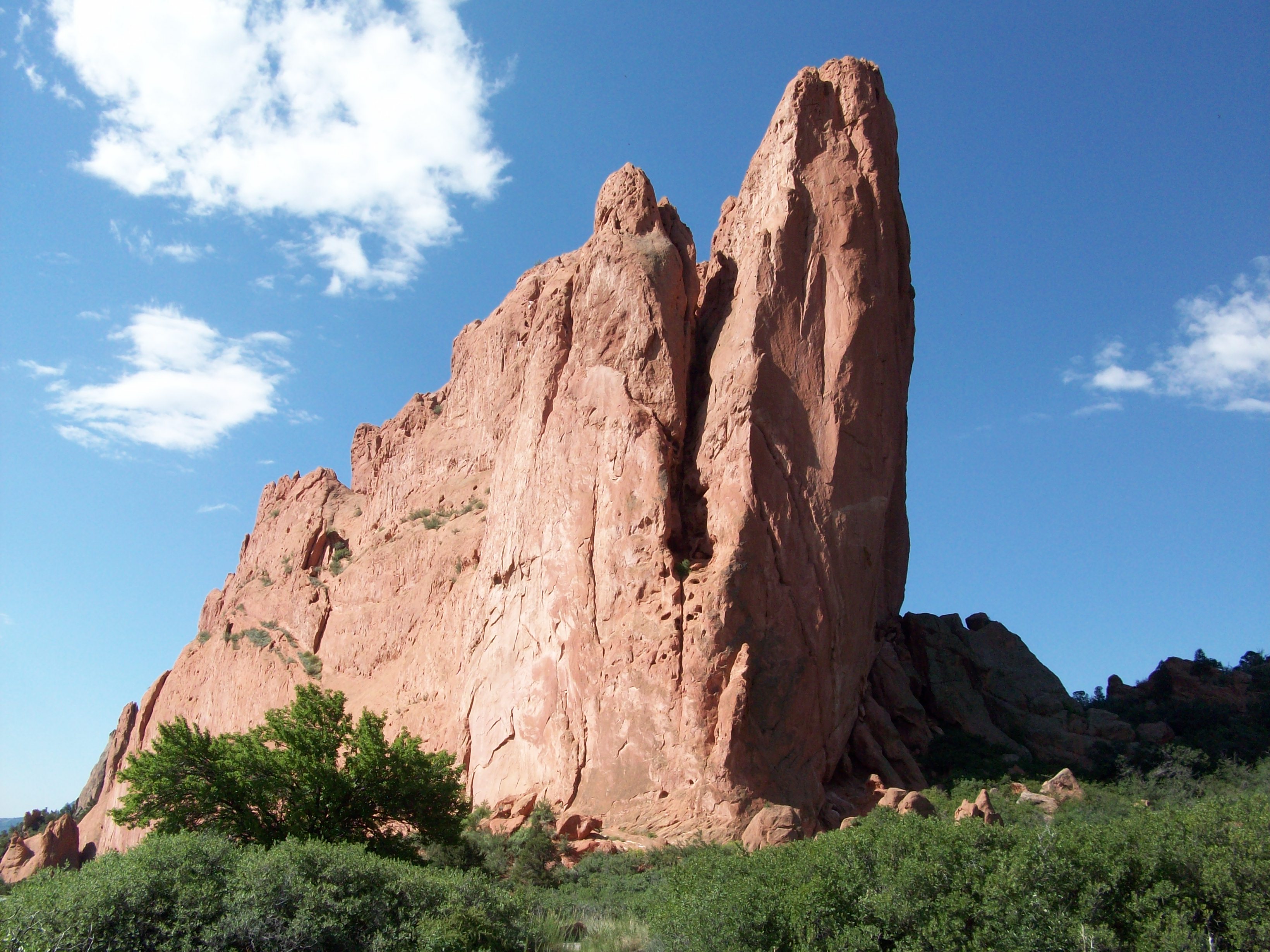
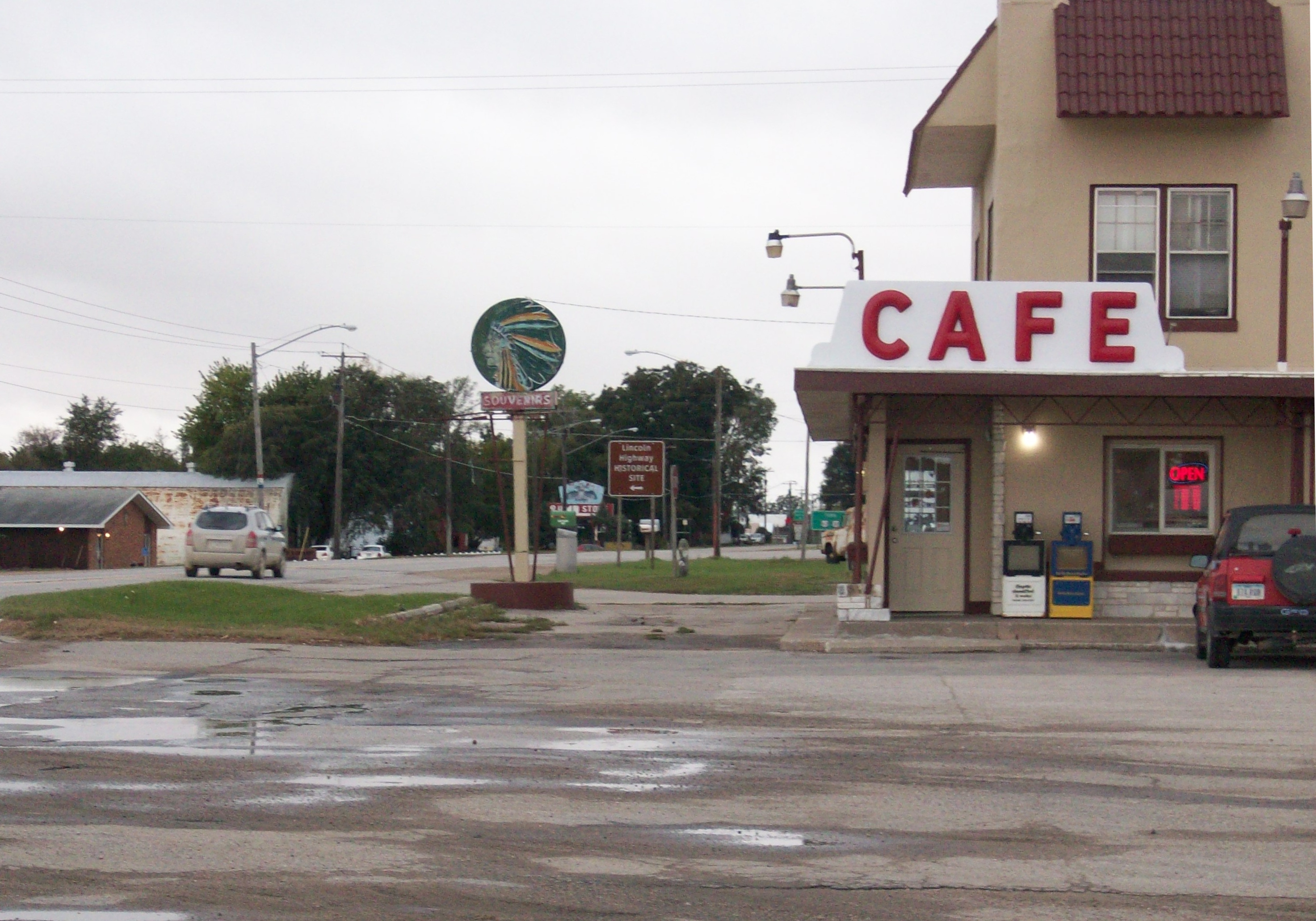
In 2009, I had a digital camera before smart phones and the several thousand images I took show I was learning. Getting a subject in focus with proper lighting was hit or miss. I hadn’t thought much about framing. There were a disproportionate number of misses.
However, some of the shots stood out.
I made some trips that year and took touristy photos like these:
At Bristol, in Kenosha, Wisconsin.Garden of the Gods, Colorado Springs, Colorado.This spot in Tama, Iowa, along the old Lincoln Highway, has been photographed by many others.
Most of the photos were of things and places near where we live.
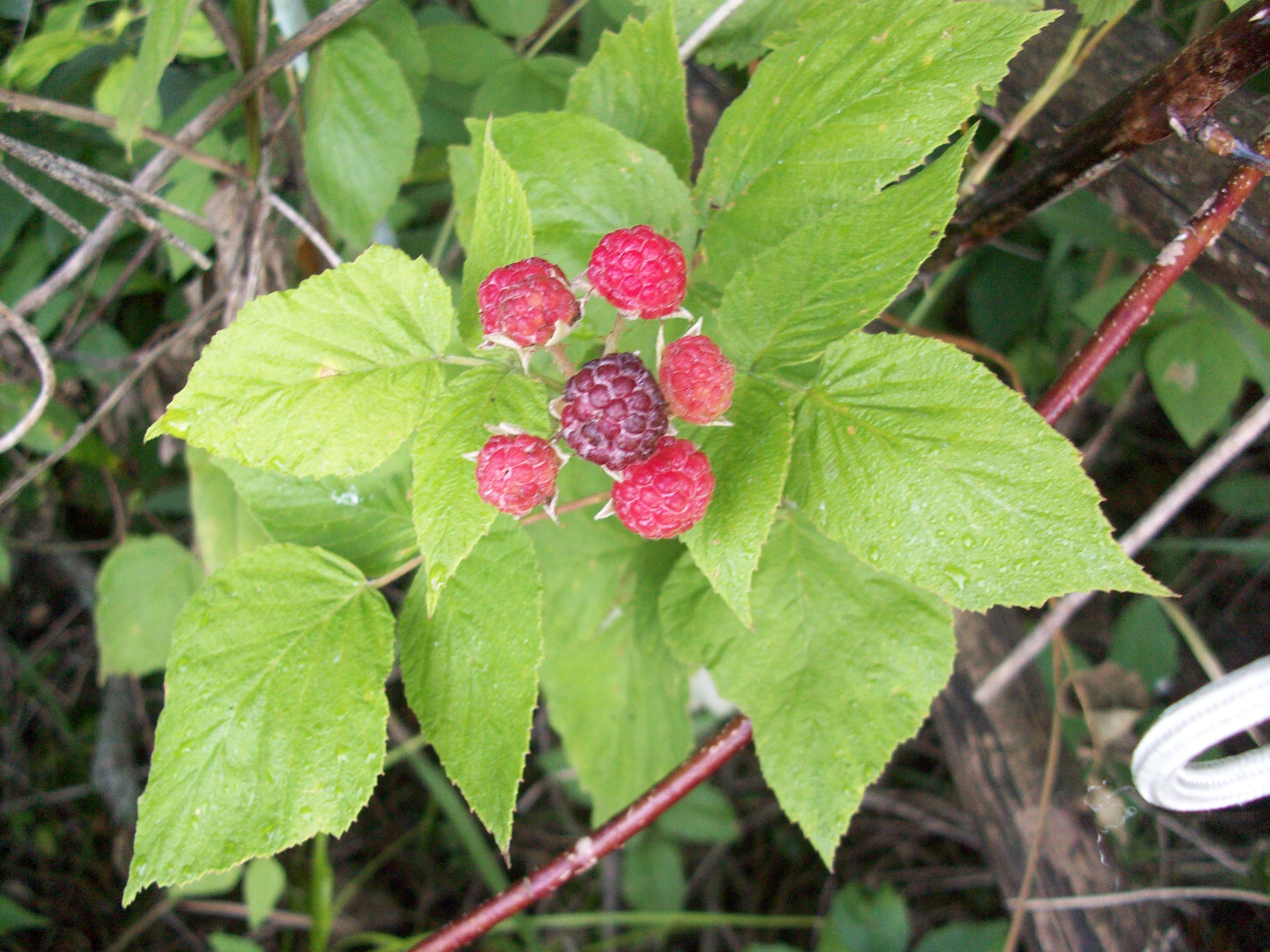
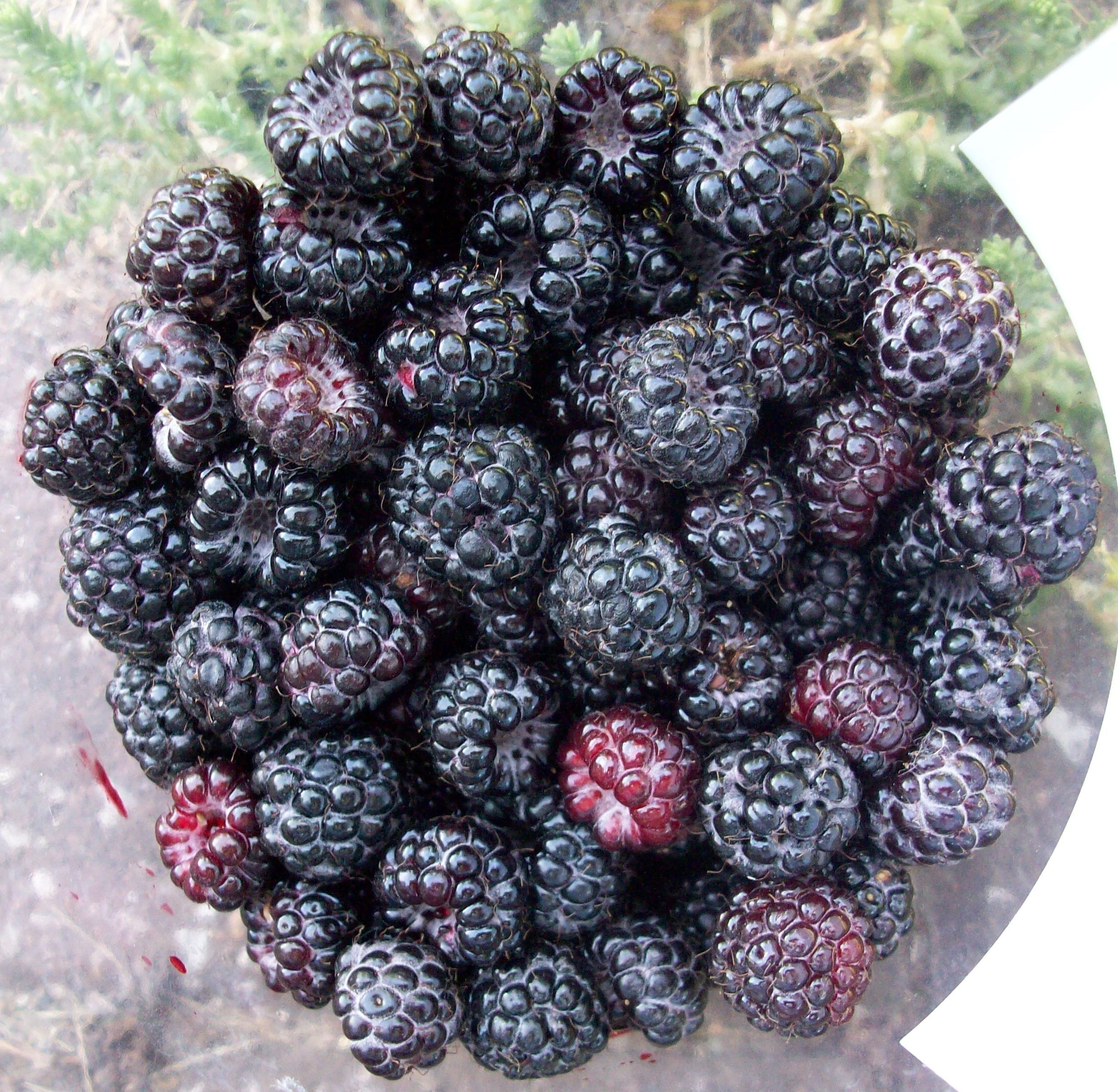
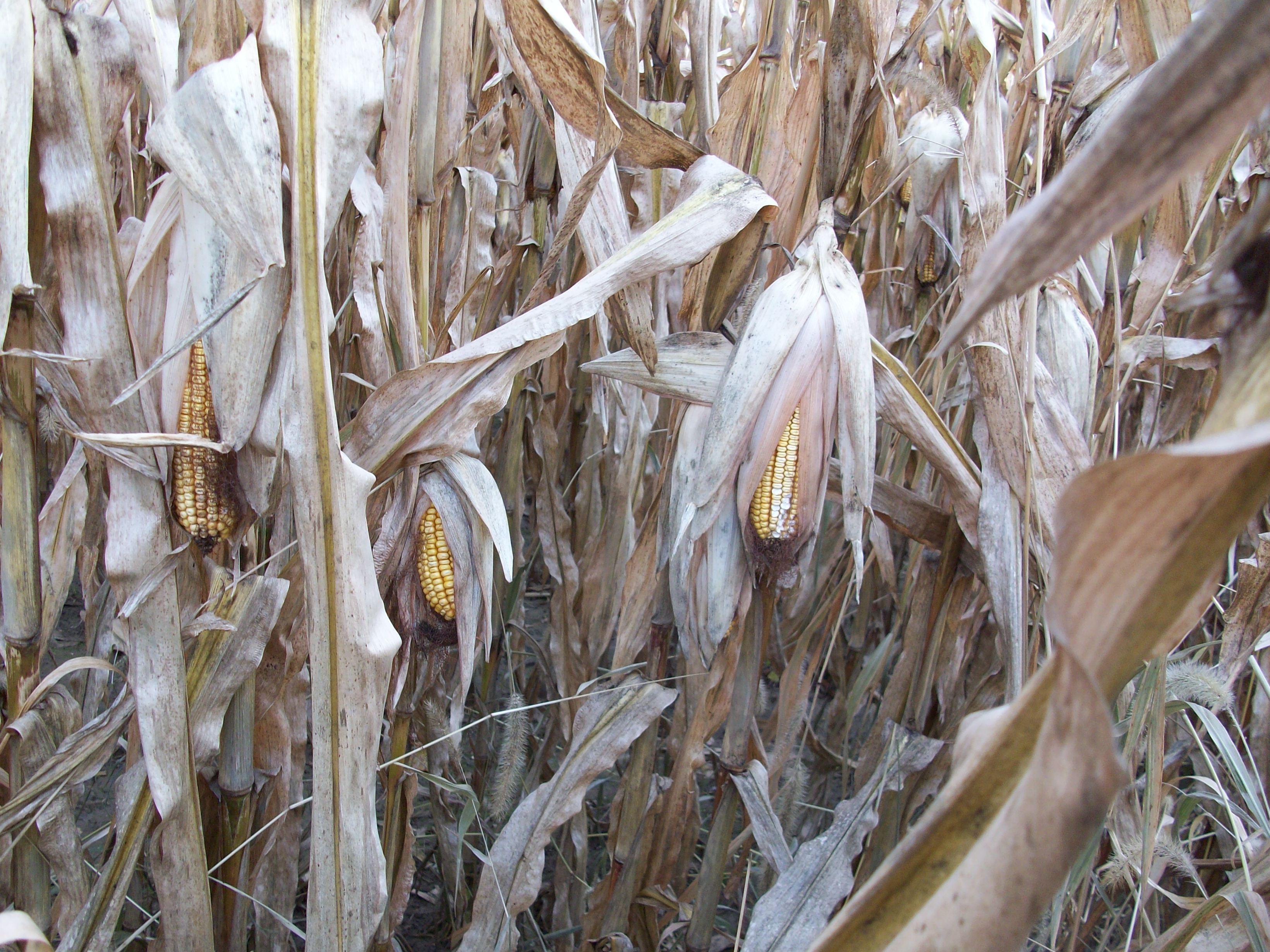
Wildflowers in the state park trail.Ripening wild black raspberries.A pint of wild black raspberries.Field corn near the state park trail.
My garden dominated the folders.
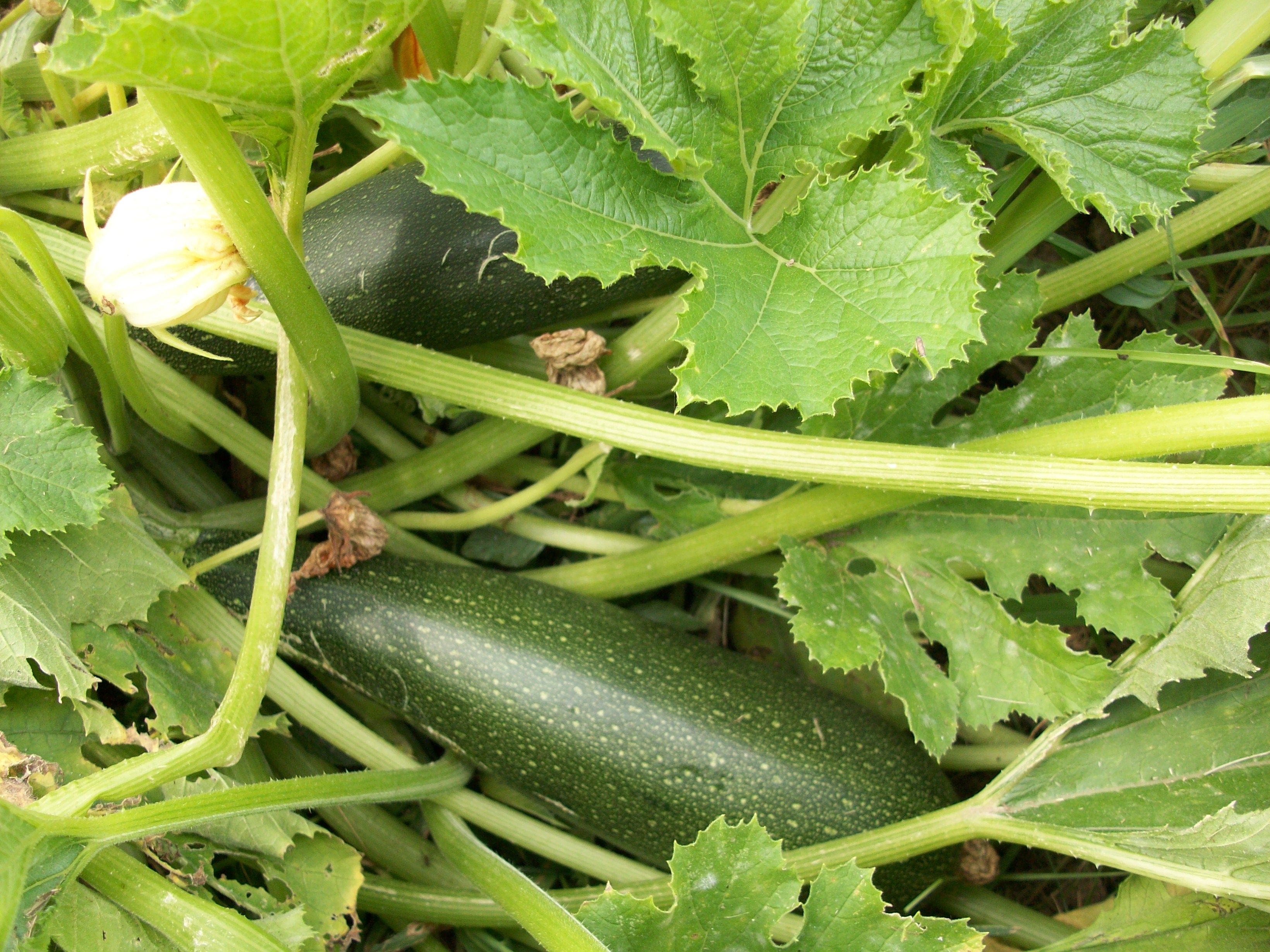
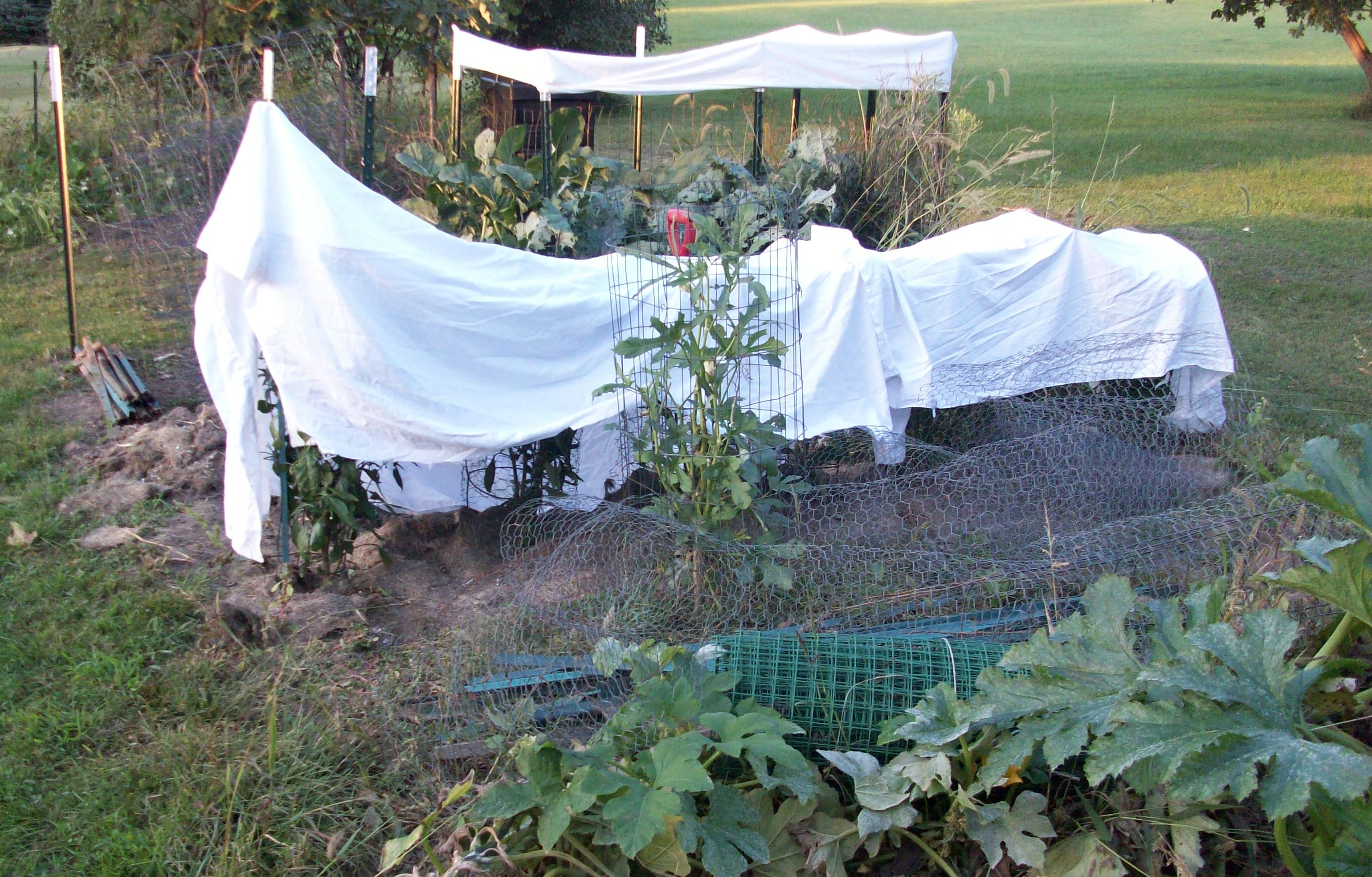
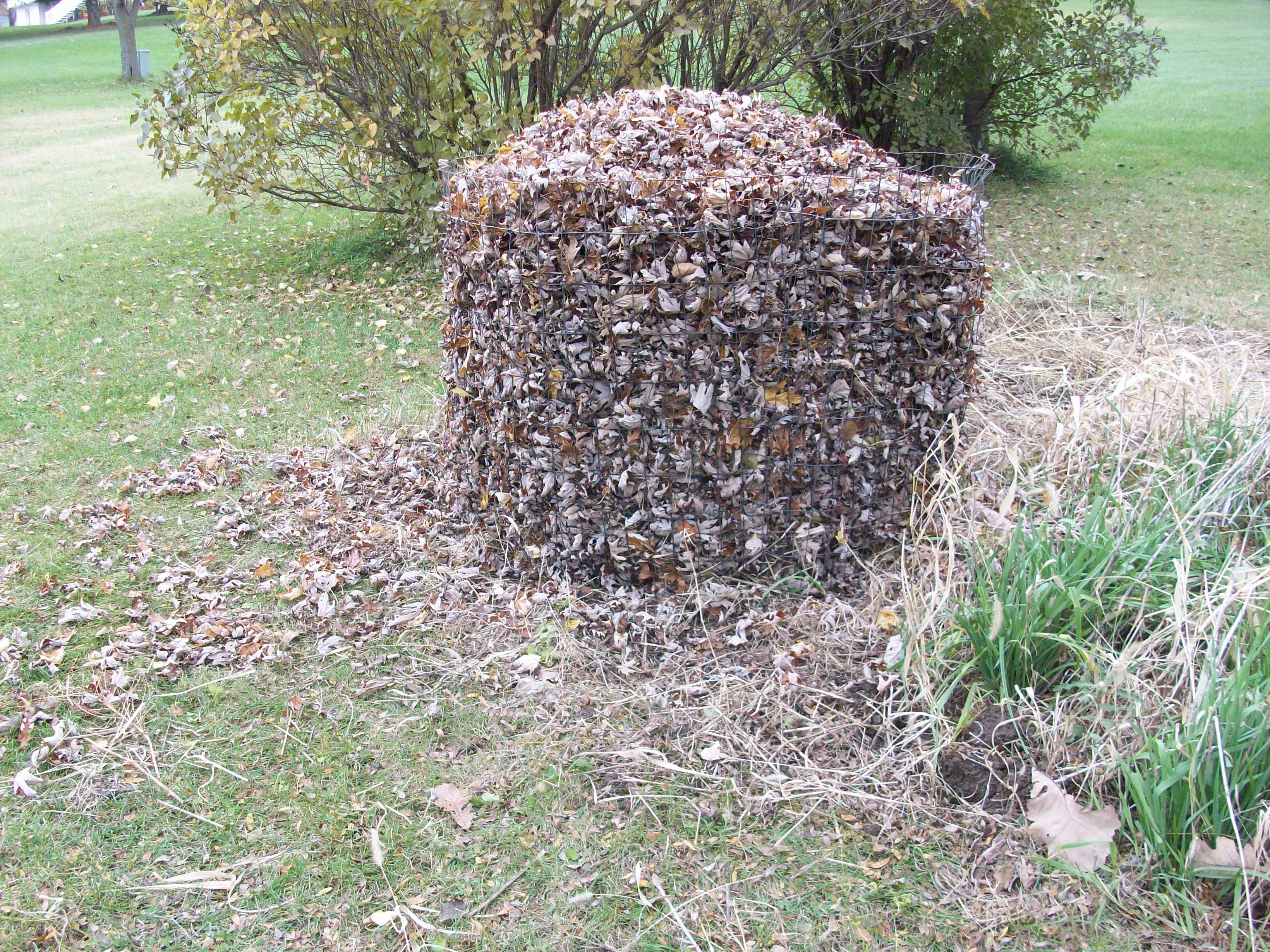
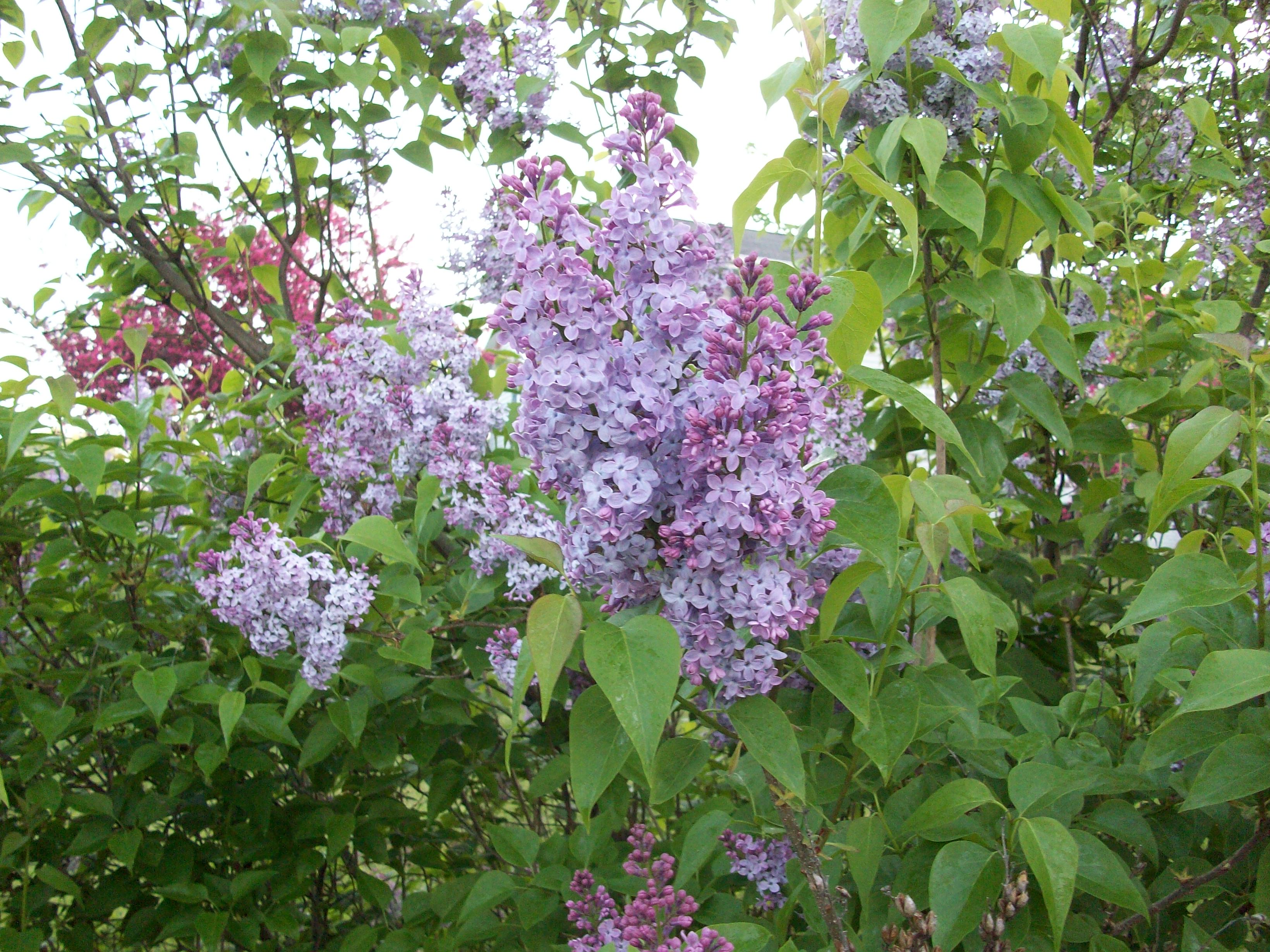
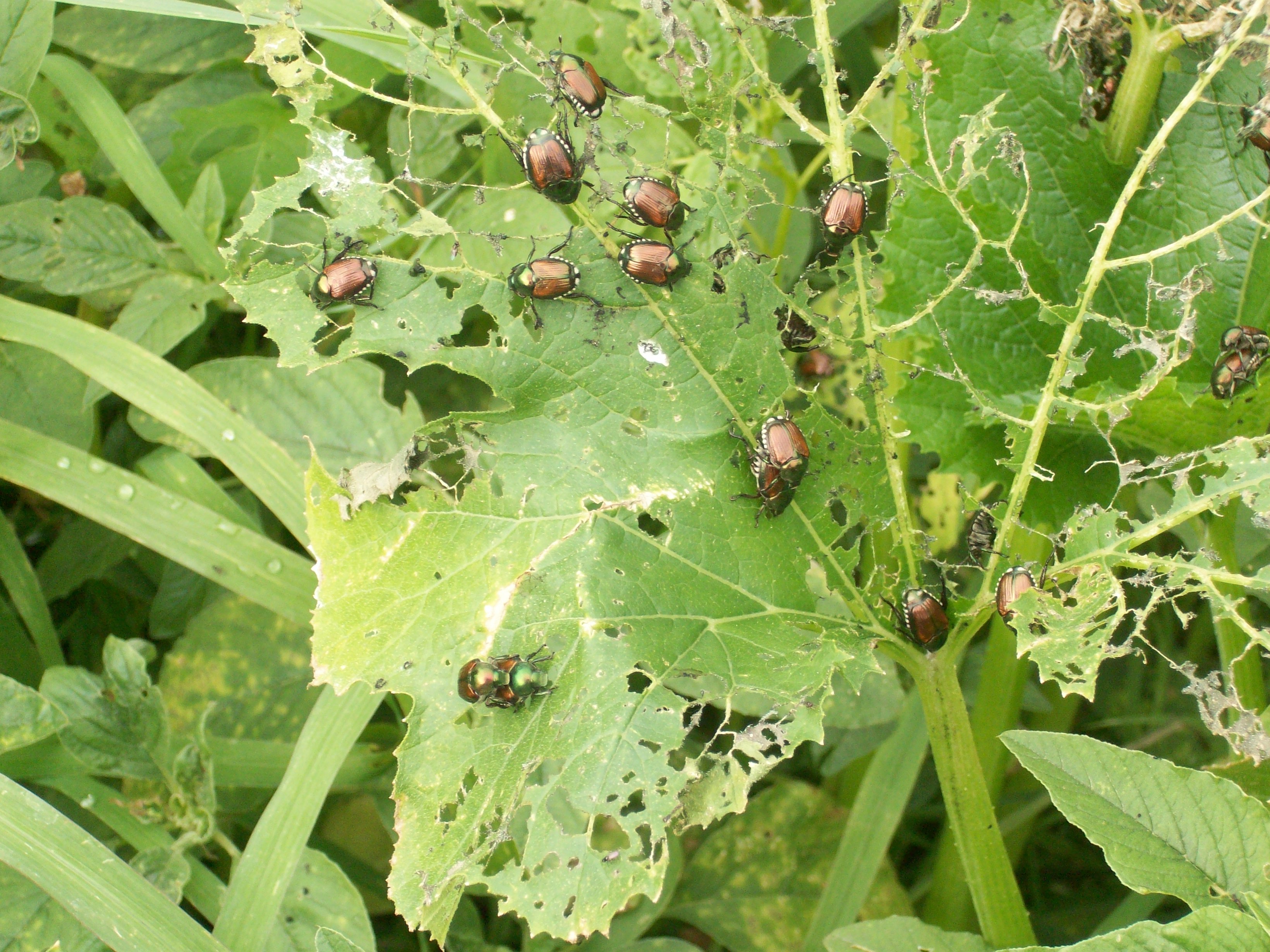
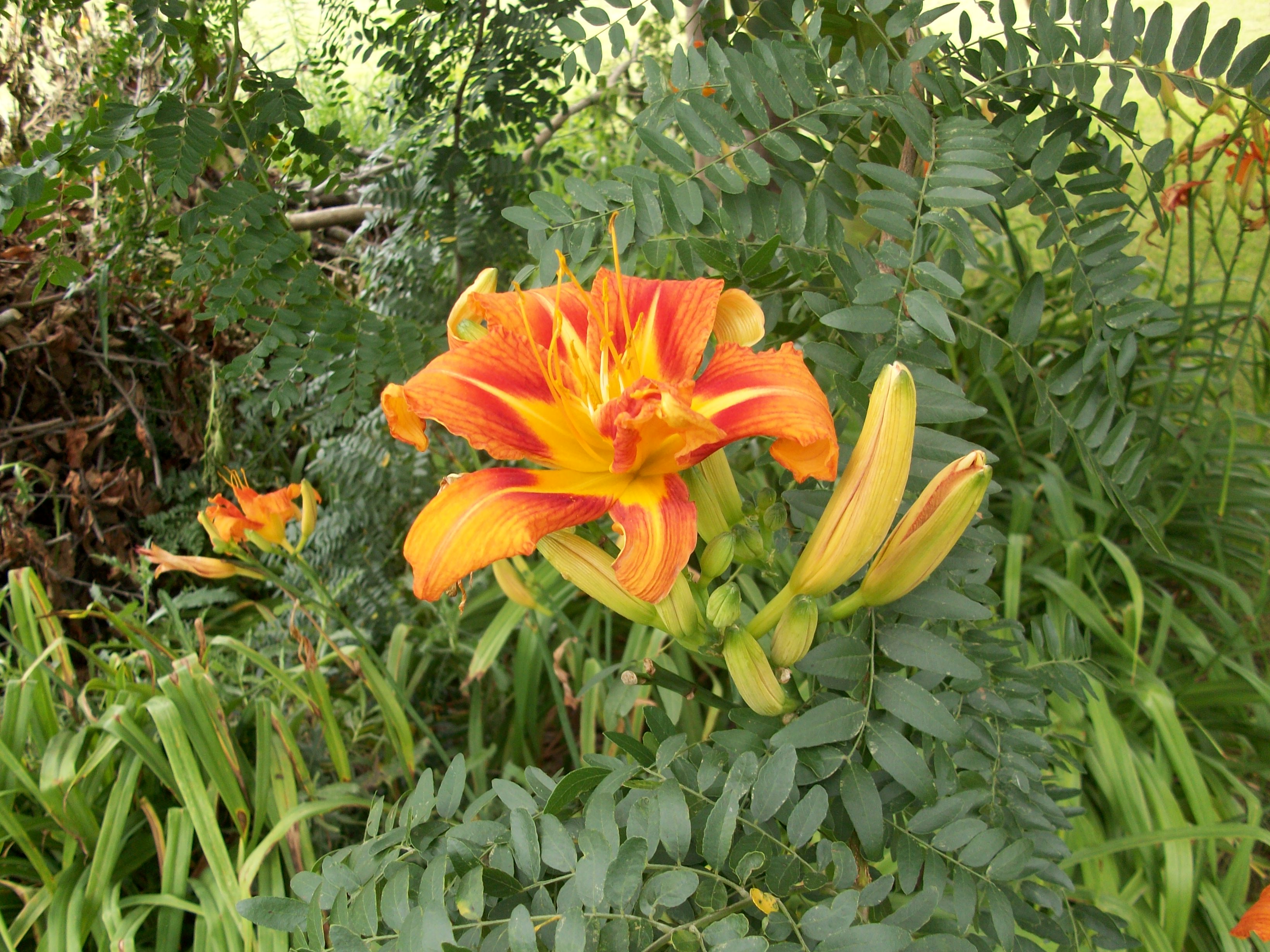
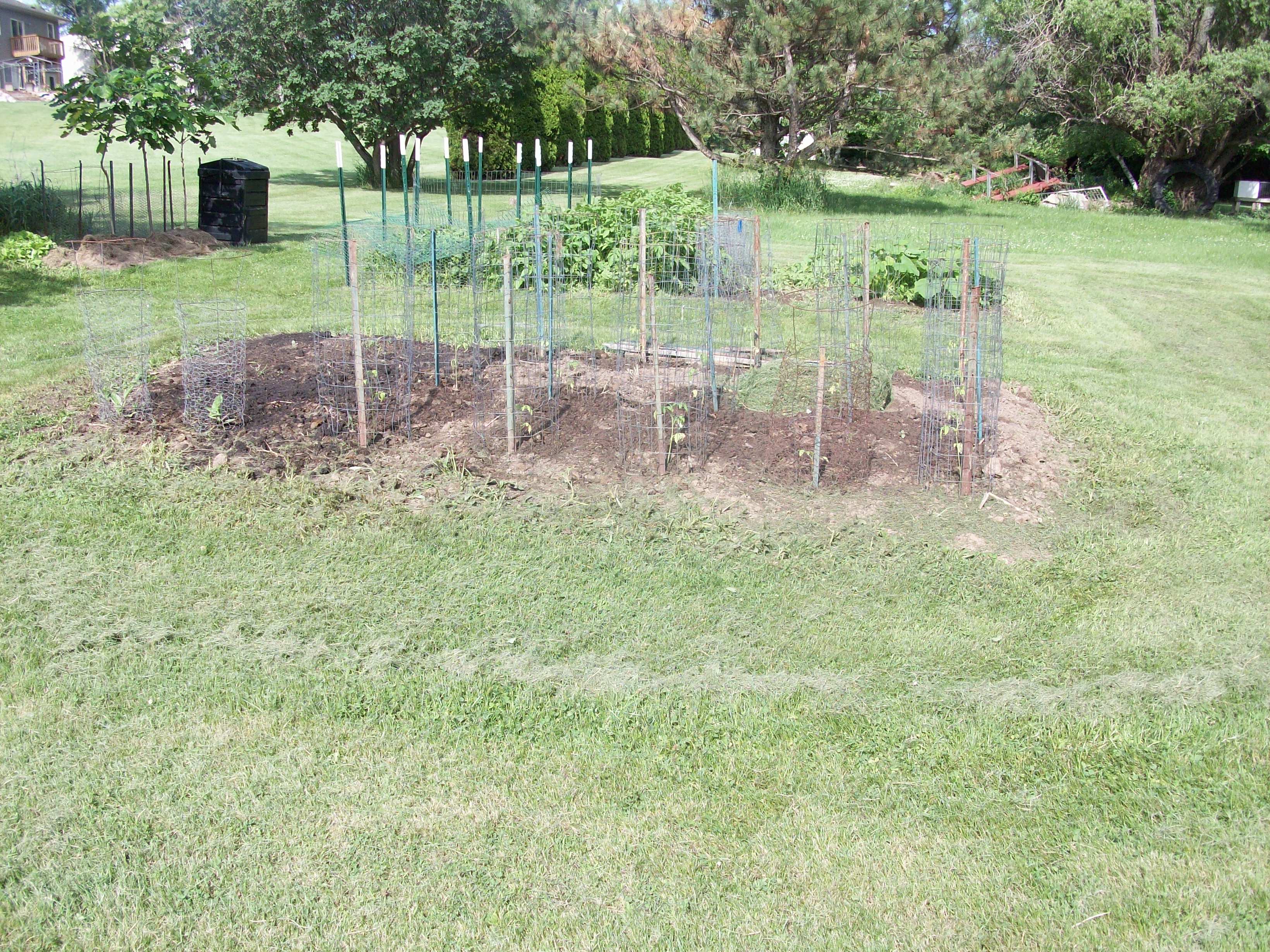
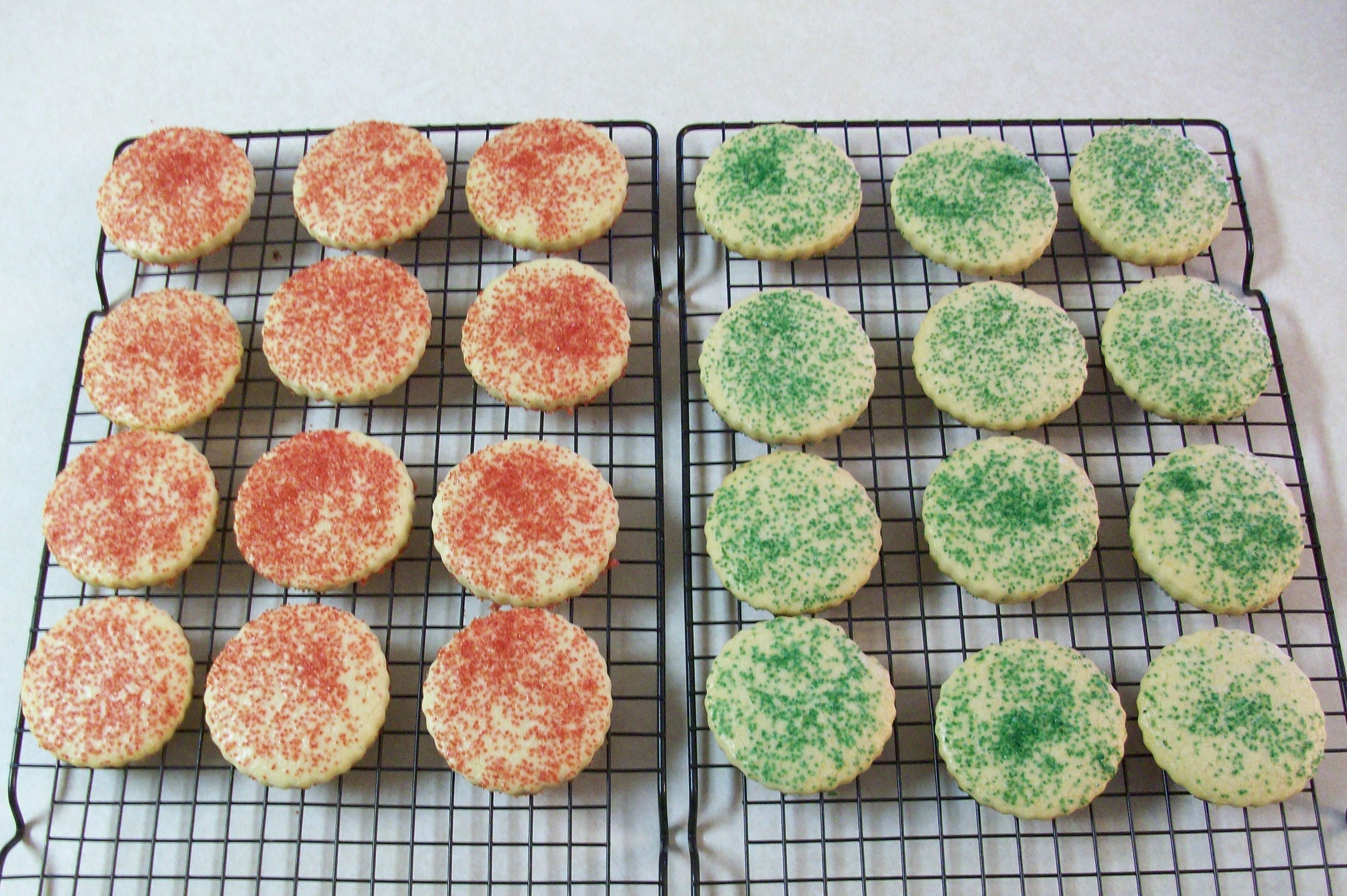
ZucchiniProtection from frost.Composting leaves.Lilacs.Japanese Beetles on a squash leaf.Volunteer daylillies.Note how much space there was between garden plots. That would change with time.Holiday sugar cookies.
Despite issues with out current political and social environment, I must press toward completion of my book. Mine has been a life of delayed gratification, and in my eighth decade, I am running out of time to finish this work.
As I write, the administration announced repeal of the Endangerment Finding. Commentators are commenting about it, and I don’t have anything unique to say. Why wouldn’t we want to reduce and control pollutants entering the atmosphere? No one asked me.
This second book is going to be better written than the first. Maybe I am learning how to shut the world out and focus on craft. That is necessary not only in creative work, but in many aspects of our lives. While my writing space encompasses the entire world, at this stage of the work, close focus is critical. I can only consider one idea at a time, one sentence at a time, the way an air traffic controller lands airplanes. Hopefully the book will make a safe landing.
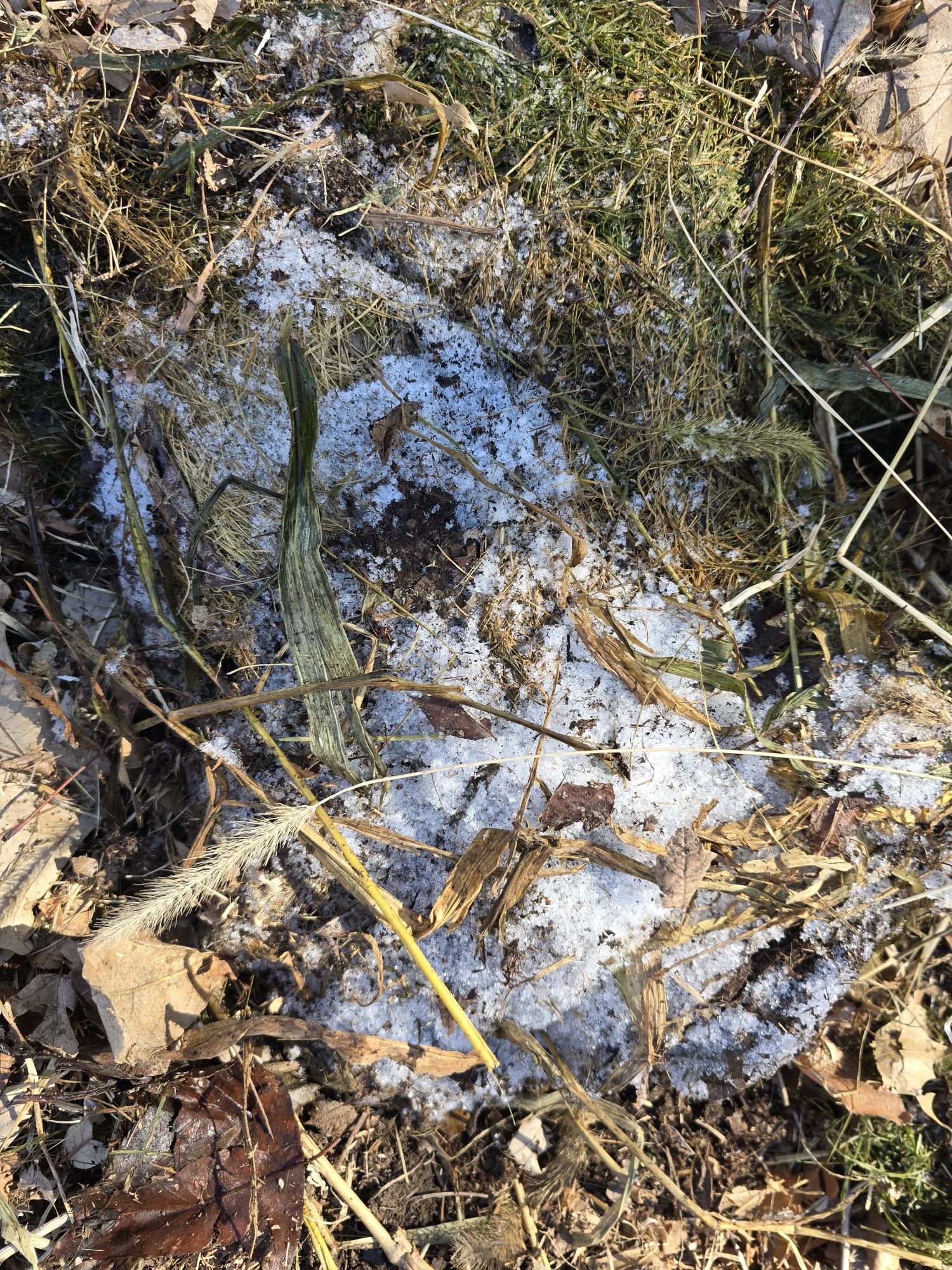
After struggling to get the fork into a pile of grass clippings, I gave up for the day. Everything was frozen solid, even after a few days with ambient temperatures well above freezing. Highs in the 40s and 50s are forecast the rest of the week. Maybe I will accomplish my goal of clearing one plot this week to use as temporary storage. Not that day, though.
I am in the garden way early this year, so there is time for preseason work. I seeded the first indoor trays last Saturday and by Tuesday some of the varieties already had leaves. I hope they all germinate by this Saturday when I prepare the next tray of seedlings. Warming pad space is at a premium the next eight weeks.
When we moved to Big Grove Township there were scrub grasses and a lone mulberry tree on the vacant lot we purchased. The tree appeared to have been planted by a bird’s droppings while it perched on a surveyor’s re-bar marker. The ground had a high clay content which suggested the farmer who made his farm into a subdivision had removed the topsoil before selling plats.
From that clay I built soil in a garden that now occupies one fourth of the 0.62 acres we own. When I started, the first plots were small with a large grass border around them. Today I can’t get the mower between the plots to cut foxtail grasses and other weeds that grow there. I got big after working on a vegetable farm for eight years, bringing home the skills and techniques I learned there. After years of expansion, it seems time to bring order to what I do. This is likely why I am outdoors in the garden the second week of February.
We did not set out to build habitat when we moved here. The decision to site the house closer to the north property line — as opposed to in the center — mattered more than I knew. Placement of the foundation determined what remained open, how wind would move, where trees should be planted. We were thinking of how to build additions when finances permitted. Now, a deer path runs the length of the lot on the south side of our home. When winds come from the west, there is a corridor on the north side where it sweeps through the fruit orchard, and into the back yard. Over the years wind has taken a toll on the many trees we planted here. We never built an addition, nor even a deck.
The abundance of wildlife remains mostly unseen. There have been birds of all kinds, opossums, foxes, and after many years of waiting for trees to grow, there are squirrels. There are too many deer, although by developing a path from their space in a nearby woods to an large apple orchard to the west, they mostly leave me alone.
As I contemplate today’s schedule I plan more time in the garden. Maybe the dead vegetation will have loosened enough to move it. Maybe not. In either case, there is plenty of time for preseason garden work.





 Journey Home
You must be logged in to post a comment.