It wasn’t a whim from the great beyond that led me back to William Carlos Williams, but the practical matter of finding shelf space in my writing room. Williams has been important most of my adult life, beginning at university. In the mid-1980s, when I lived in Cedar Rapids, Iowa, a home to Grant Wood, I wrote:
Also on my mind was the idea of the professional who wrote or was creative as a sideline. Grant Wood was one, teaching at the University of Iowa to support his painting. I thought of William Carlos Williams and Wallace Stevens who worked as a physician and insurance executive respectively. I thought about David Morrell, whose class in American fiction I took while he was writing the books First Blood, Last Reveille, and Testament.
At that point in my development as a writer, while working for a large transportation and logistics company, I was determined to be the transportation equivalent of William Carlos Williams. I proposed to find life in what surrounded me and reduce it to words and images. I stole moments away from family and work for creative endeavor that was and remains important to me.
It is time to re-read William Carlos Williams.
The practice of medicine made Williams’s poetry possible—not as patronage, as I once thought, but through its effect on how he saw things and worked. Being a physician enabled a perspective that shaped his native impulses to write about what he saw, and what language he used. It enabled his resistance to the literary professionalism of his time, rendering him outside mainstream literary culture of the 1920s and ’30s.
What I like most about Williams is his attention to a certain kind of reality, the same reality that underlies much of my own writing. Williams clearly influenced me, although I never felt the security of a profession that he manifested in his writing.
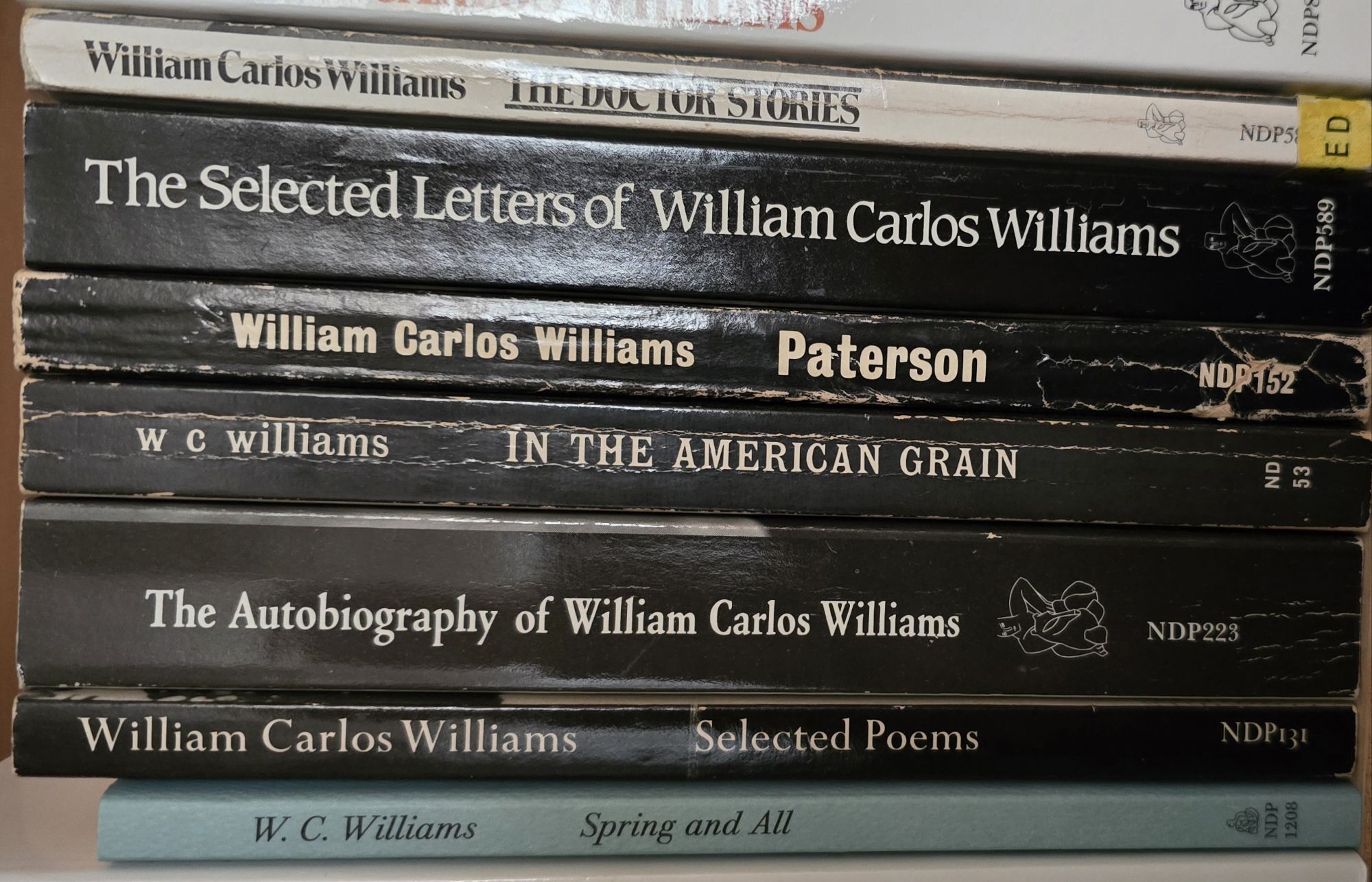
Returning to Williams in my eighth decade is partly to better my understanding of him, and partly to revisit some of the decisions I made about the role of reality in my writing. I decided to start with these four works: Spring and All, Selected Poems, The Autobiography of William Carlos Williams, and In the American Grain. I read them all previously and hope for new insight. Let’s see where this goes… does my early read of Williams hold… or does it not?
Following is an excerpt from my autobiography in progress. This passage was written to transition from our first year of marriage into what would come next. I reprised the self I exhibited at university to come up with this at the time.
I embarked on contemplation like during my undergraduate years when I would wander the campus considering Cartesian philosophy, unaware of the real world in which I walked. From this came my ideas about consumerism, professionalism, and the courage to live a moral life.
Consumerism was part of the American condition in the 1980s. It still is. I felt we ceased concerning ourselves with production of goods and values to spend more time consuming and planning for consumption. When we took paying work to earn money, we wrote off that invested time as a necessary precursor to the consumptive act. We sacrificed for work, and in the process, alienated ourselves from the main trajectory of our hope and dreams. This was unfortunate for my writing. I concluded, there is a wealth of experience around us. The time we spend doing something is worthwhile. The knowledge we gain from our experience comes at a high price…for we give our unique life for it. We should cherish our memories, and use the gift of life wisely, for there is only one for us. Being a consumer was not what I had in mind.
This is important because delayed gratification was necessary for a career. Paraphrasing Thoreau, by seeming necessity we were employed. Looking back, in 1983 we made a decision, and that led us to a different question: “What’s in it for me?” In part, this is necessary for a family to get started. In the end, I came to reject this question in favor of others. I felt we could have gone on working for the University of Iowa and built a life based on that. We were called to do more than just live a life in Iowa City.
The interweaving of the job and the experience of the job was also important. It suggests a perspective on work we can own. By accepting and nurturing this reality, I set a wedge between our family and my job. To some extent, this wedge later kept me from full acceptance in the social network of transportation’s elite. To the same extent, I was the better for it. It was a subtle, but important aspect of our decision-making.
Many themes from my journal carried through until today. I wrote about the “professionalism of modern life,” drawing a distinction between a person’s moral life and the profession they chose. I explored this in the following passage. I used the word “woman” yet have always considered the ideas relevant to everyone. Perhaps I was influenced by the first female supervisors I had had since beginning paid work in high school.
In Going Home I hope to address some of the aspects of the women’s movement that seem pertinent to Davenport. The specific issue I feel most competent to address is the way women I know have used professionalism as a vehicle for personal liberation. They have taken jobs as librarians, bankers, real estate agents, doctors, and dentists as a form of self-maturation, a way of establishing themselves in the world. This professionalization of modern life is one of the most pernicious forces I see present in the world. Not because women are the ones who are becoming professionals, but because the life of a professional is taking the place that was left by the exit of religion. The modern person looks at life as a moment in the sun, a time in which we fill the days with activities.
Creating a profession can fill a life with activities that remove us from our hopes and dreams. I called it pernicious because of how a professional lives within a society of friends. There are networks of people and within the context of the network, their lives are defined. To a degree we all do this, but it is no substitute for living a moral life. More than many another life, it can be dictated by things that lie outside the individual. The professional can commiserate with his peers, saying, “oh, I have been through that experience,” and that might be the end of it. The professional has a way of looking at the world provided, and the tendency is to look no further for a perspective. Like so many other things in modern life, this is self-alienation: a degradation of personal experience.
I viewed professionalism with the behaviors and artifacts around it as having the potential to be a hollow shell. The danger was that if a person had no moral compass guiding them along life’s path, the results personally and for society would be detrimental. At the same time, professionalism was another way of subduing our native culture.
We accept certain behavior in the context of working as a professional that we may not accept at home. Professionalism enabled people to concern themselves with “my career” instead of with the greater society. In retrospect, I did not see the society this represents coming. Given the veneer of professionalism, something would fill the empty middle.
During the time I was preparing to write Going Home, I spent considerable time researching the idea of living a moral life. As humans, we must have one. While I did not write that book, its research helped establish who I would be as we entered the second year of our marriage.
This week was the one-year anniversary of the inauguration of President Donald J. Trump. In my view, he and his sycophants can not be forgiven for the pain and suffering caused in 12 months.
Long before he was president I knew of an association between him and Jeffrey Epstein, convicted human trafficker, child sex offender, and serial rapist. I didn’t know the extent of Trump’s involvement, just that the two of them associated freely. Apparently more specific evidence of his transgressions and potential crimes are available within the Department of Justice which refuses to release the Epstein files even though the Congress passed a law requiring them to do so more than 30 days ago. Trump is unforgiven for his stonewalling.
In dismantling USAID, the U.S. government is directly responsible for hundreds of thousands of deaths among people who relied on the largess of the world’s richest country. According to Harvard’s T.H. Chan School of Public Health, hundreds of thousands of people have died for want of USAID. Trump is unforgiven for his inhumanity.
On July 4, 2025, Trump signed H.R. 1, a budget reconciliation bill that did untold harm to families across the country. Among other things, it cut $793 billion from Medicaid and $268 billion from the Affordable Care Act, resulting in over 10 million people becoming uninsured; and $200 billion from SNAP putting 5 million people at risk of losing their food assistance. Trump is unforgiven for his cruelty.
Also in H.R. 1, Trump increased the budget for immigration enforcement by $170 billion and unleashed an undisciplined and violent DHS on several states. The violence, including against U.S. citizens, is difficult to fathom. At least one death caused by DHS has been ruled a homicide. Yesterday, his immigration thugs invaded the State of Maine. Trump is unforgiven for his violence.
In the U.S. Army we called poor operations a goat screw, and certainly the attempted implementation of DOGE by Elon Musk was that. He cut funding in places like our local public library only to have the courts rule his actions were illegal. This back and forth left librarians in a quandary about how to maintain service during the tumult. The same holds true for other institutions cut by DOGE. Trump is unforgiven for his chaos.
One of the blessings I feel in my life is the heroism of the Greatest Generation in World War II. More than 50 million civilians died during the war, along with more than 20 million military personnel. Out of that conflict the world came together, forming the United Nations and the North Atlantic Treaty Organization. Since then, Trump has been tearing those institutions apart, despite the many benefits. Trump is unforgiven for being a war monger.
Is there any positive side to this? The only one I can see is I know who I am, and this isn’t it. It is motivation to make change in our government which could then take action to change society for the better for everyone. It’s past time to get to work.
This week I began tackling digital photographs. The inverse proposition is I let my paper photographs stay in boxes for now. Using artificial intelligence I developed a process that helps me save and reduce my tens of thousands of digital photographs vying for attention. It will make them more accessible for me and other family members.
The basics include backing up the original files and creating a duplicate working file from which to sort images into a more accessible location. The intent is to never draw from the saved files. After trying a couple of software solutions, I decided to install IrfanView to quickly view and sort files into a reduced number of new folders. The software is surprisingly versatile for freeware.
I began with three folders, ones to keep, maybe keep, or reject. After getting through an entire year by making this triage decision, I developed another set of folders where the images will be archived: creative shots, events, family, garden, politics, and work. There are some folders inside the six main ones for specific photo shoots, but not many. Getting here for the first year made the second year go more quickly.
After these two sorts, there are passes through them, first to delete the rejected ones (saved in the originals), decide on the maybes, and then make some passes through the keep file to find them a home. While doing that, each photo goes into the six primary folders. The process normally saves multiple images that were taken in a short burst. I make a pass through each file to pick the best one or two in those cases.
The boon to creativity is twofold. While quickly viewing thousands of photos I gained an insight I did not have previously. Each year tells a story and I get a view of it again more than a decade later. It evokes memory, the currency of a creative writer. The other boon is using the creative shots folder as a workbench for writing on the internet. The way they were selected — mostly stripped of context — enables me to reuse them with new meaning. These are just the beginning of the benefits of the archival process.
At first, the process was clear as mud, yet now the mud is settling. I can see and use the files better than previously, which was one of the points. That I developed the process myself, rather than learning it from an expert, makes me more willing to use it. With 17 more years of folders to sort, my buy-in is an important aspect of the project.
Developing an archival process was rewarding in countless ways. Importantly, when I am gone, another person will be able to understand what I did and where they can find what interests them. There is a lot of material for additional posts solely about process. Now that process is established I can focus more on the images and the memories they evoke. These will be good times.
Although 2025 was an “on year” for apples — all five trees bore fruit — I skipped making apple butter because there were more than three dozen pints in the pantry. I need more uses for the thick, sweet, and tasty condiment than spreading on toasted bread and muffins, dolloping on applesauce cake, and spooning it on pancakes. It turns out there are more preparations I hadn’t thought about.
As a vegetarian household, using apple butter in meat cooking, while popular elsewhere, is not viable. That isn’t the end of the discussion. One must change their way of thinking about apple butter. It is good as a spread, yet can be considered as a fruit-based sweetener, thick apple concentrate, or a spiced apple paste. These considerations open a whole new world. It could be used as a replacement for honey, molasses, or applesauce without much recipe variation. Following are some ideas to try.
The first thing I did was to dish up a serving of plain Greek yogurt and swirl two tablespoons of aronia berry apple butter into it. I don’t know why I hadn’t thought of it before, yet after trying it, apple butter will be a recurring breakfast menu item to pair with yogurt.
We already use applesauce as an egg replacement in baking. Our corn muffins, or any other muffins serve as a useful home for it to replace an egg. The texture is always moist, firm and tasty. I will just substitue apple butter and use a bit less.
Using it on grilled cheese sandwiches hadn’t occurred to me. It might pair well with the sharp cheddar cheese I use to make them. I make about one grilled cheese sandwich per month, and next time I will spread some apple butter on it to discover the flavor.
We are not big cake eaters or bakers. We do have a recipe for a spice cake. Next time we make it, we will try substituting apple butter for the oil. Based on the experience with applesauce cake and muffins, I bet it will be moist and delicious, as well as change the spice profile.
I found a recipe for a barbecue sauce or ketchup that includes apple butter, tomato paste, vinegar, onion and garlic powder, and spices. There is nothing to lose by making a batch and trying it.
There was a recipe for a salad dressing made from one tablespoon each of apple butter, extra virgin olive oil, vinegar and mustard. Simple. The way we like our recipes.
Substituting apple butter for the sweetened, condensed oat milk I use when making steel cut oats is a possibility. The spices will add a variation in flavor. I make this dish about twice per month and will try it next time.
The next “on year” for apples is forecast for 2027. Hopefully I will use most of the apple butter in the pantry by then and make new.
On Sunday afternoons I take it easy. By that I mean there is flexibility in how I use the time between lunch and dinner. No pomodoros. No new projects. No major decisions. I relax and take it easy.
The rest of the weeks have been productive. I have been in the zone, moving forward with my writing and other projects. For a few Sunday hours, it is a peaceful life.
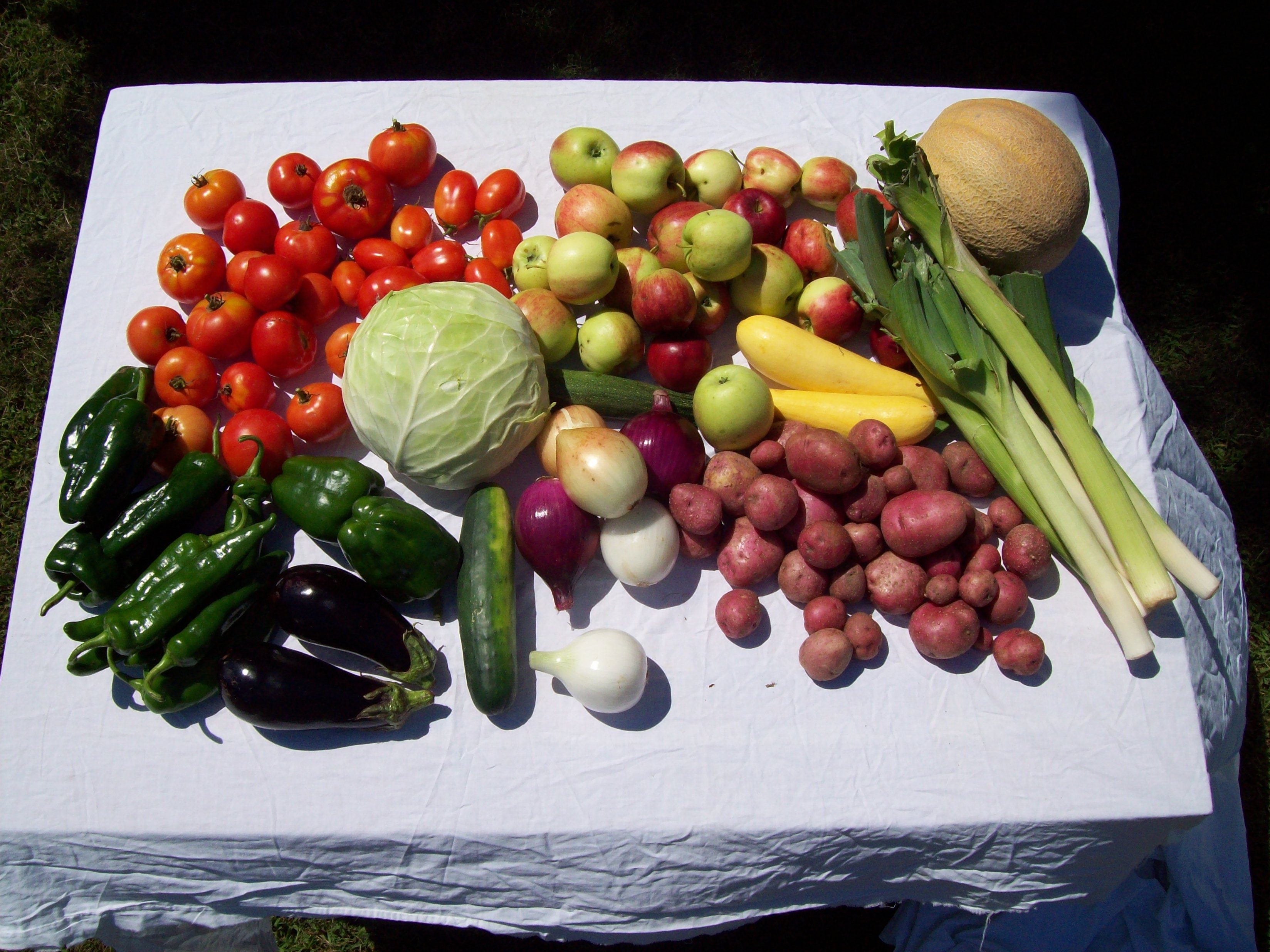
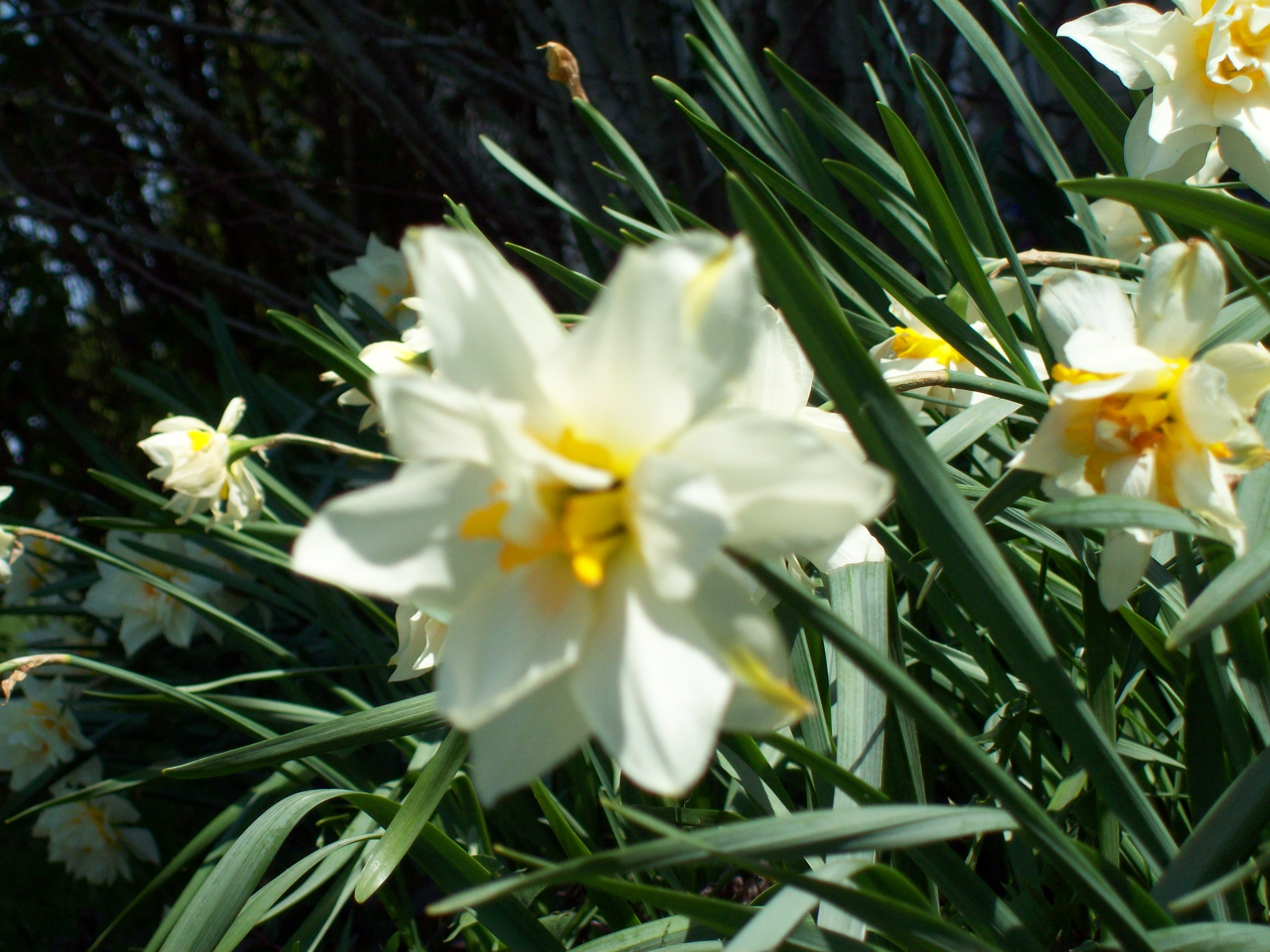
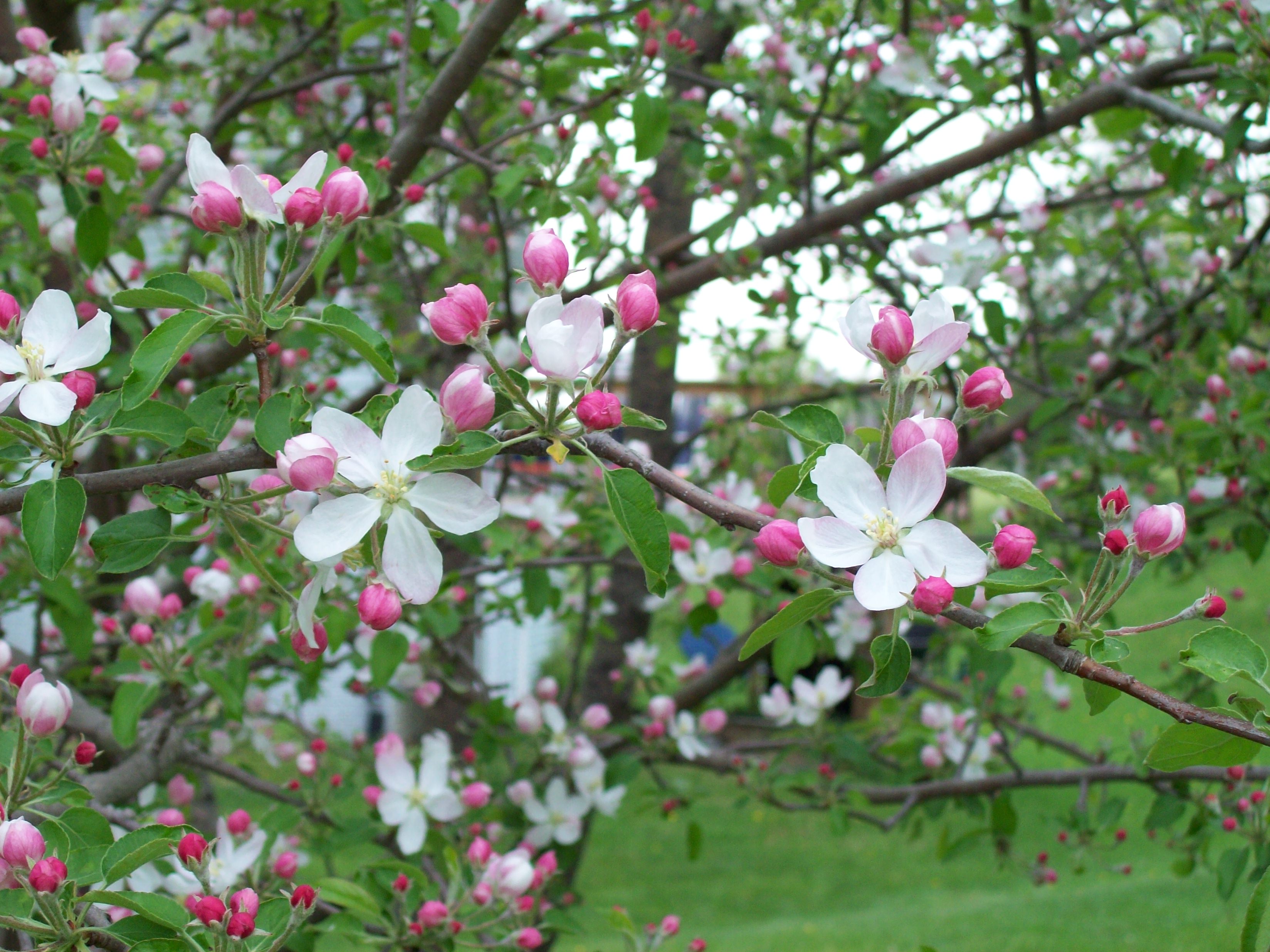
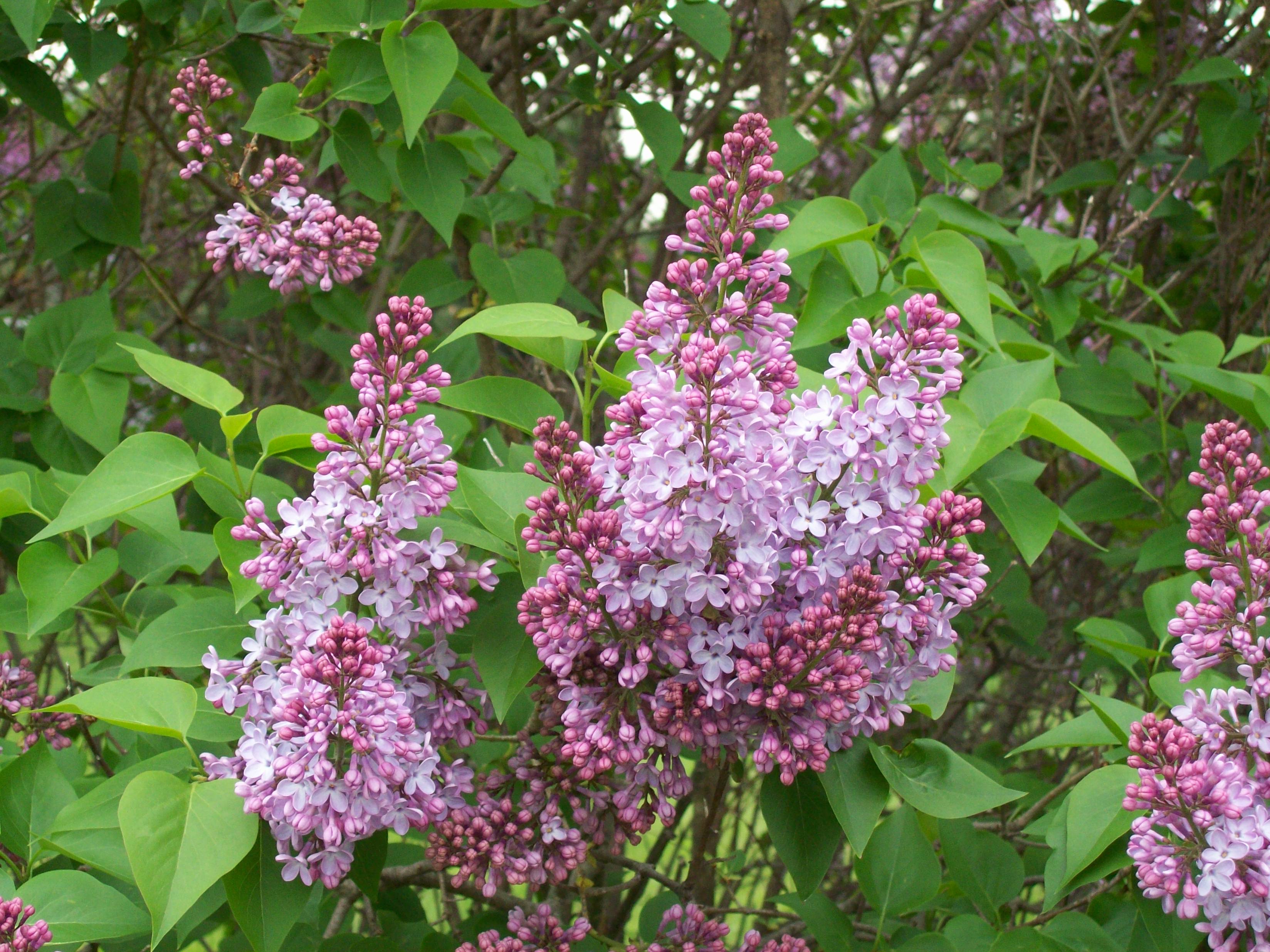
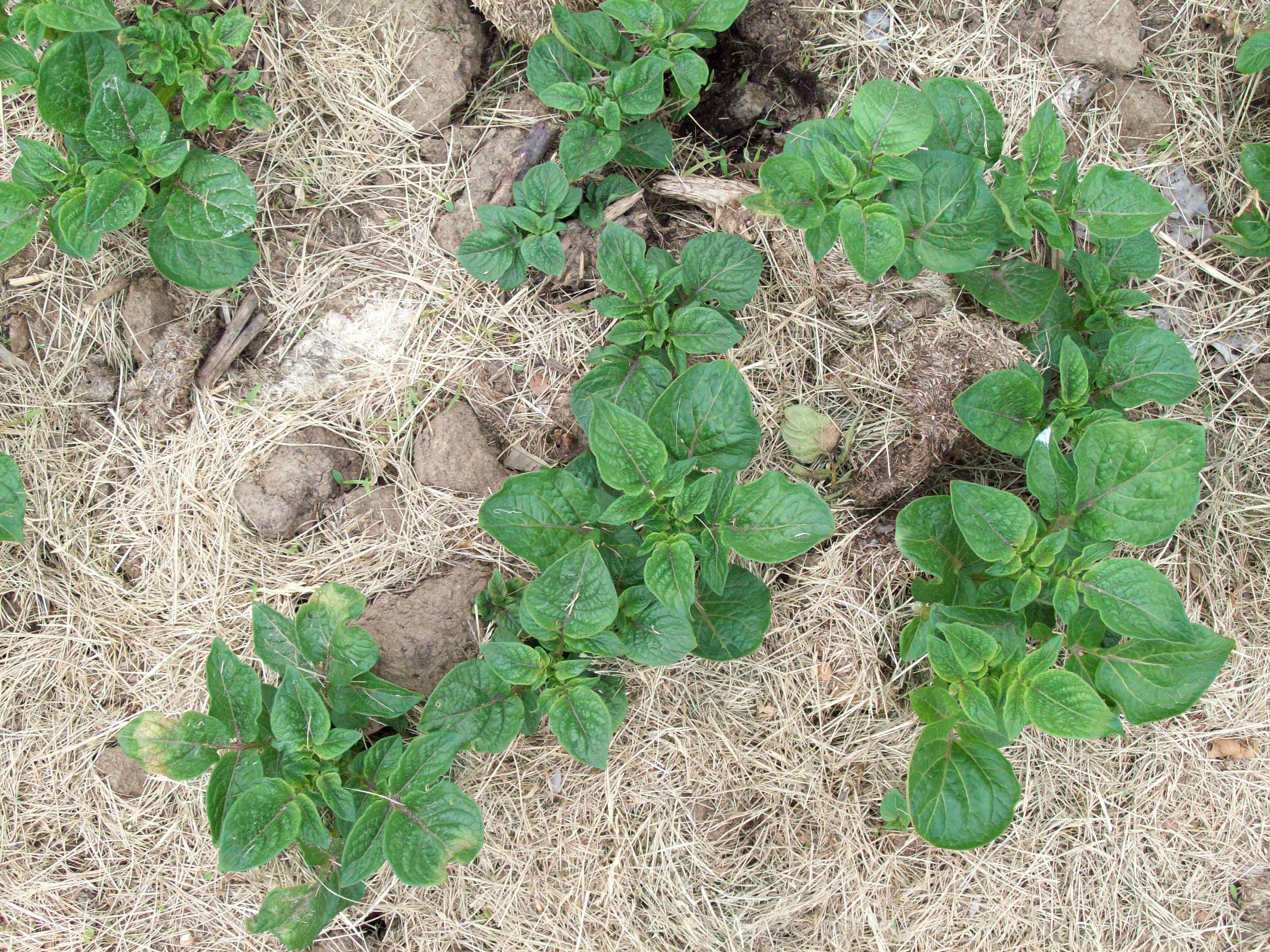
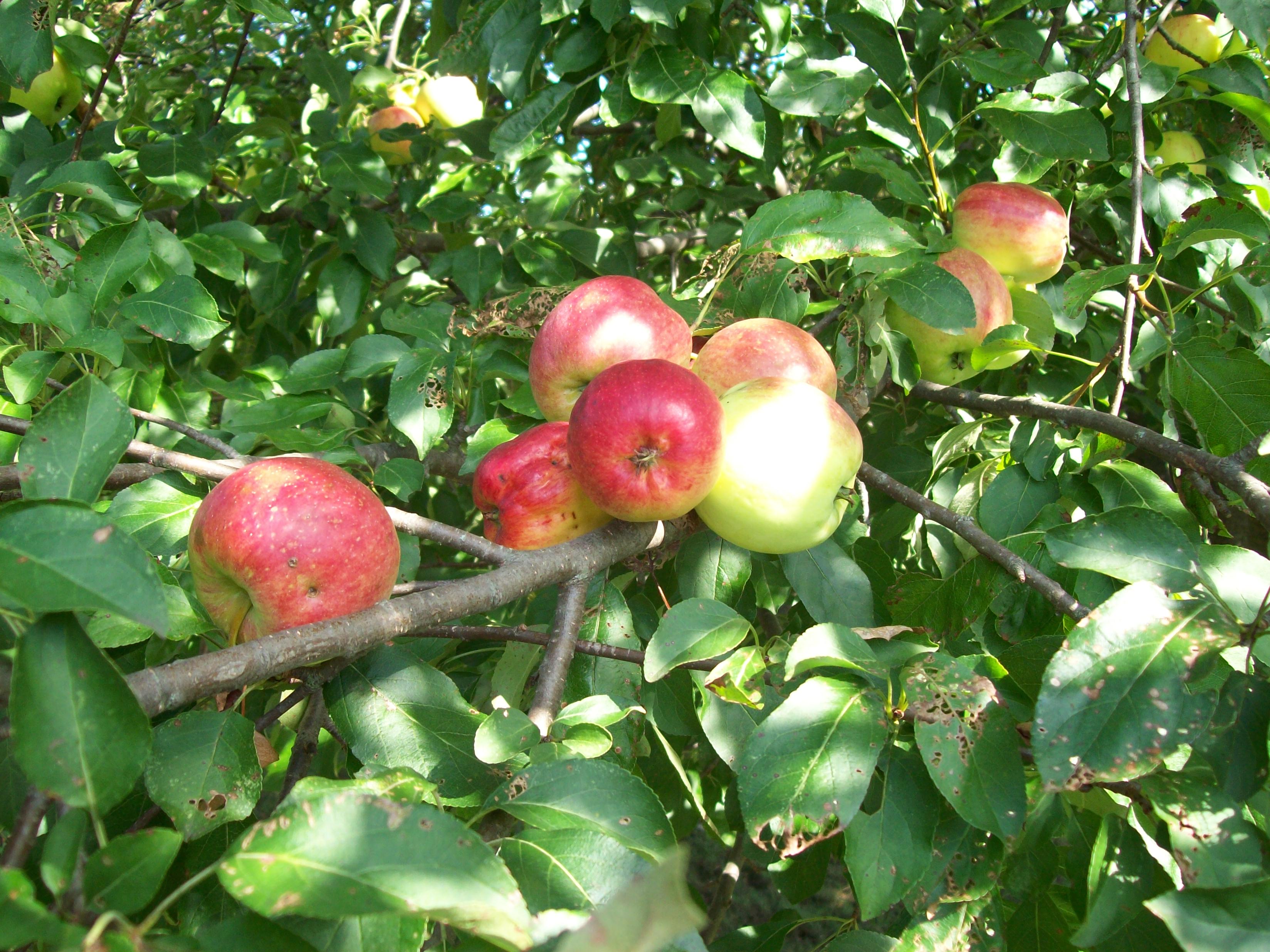
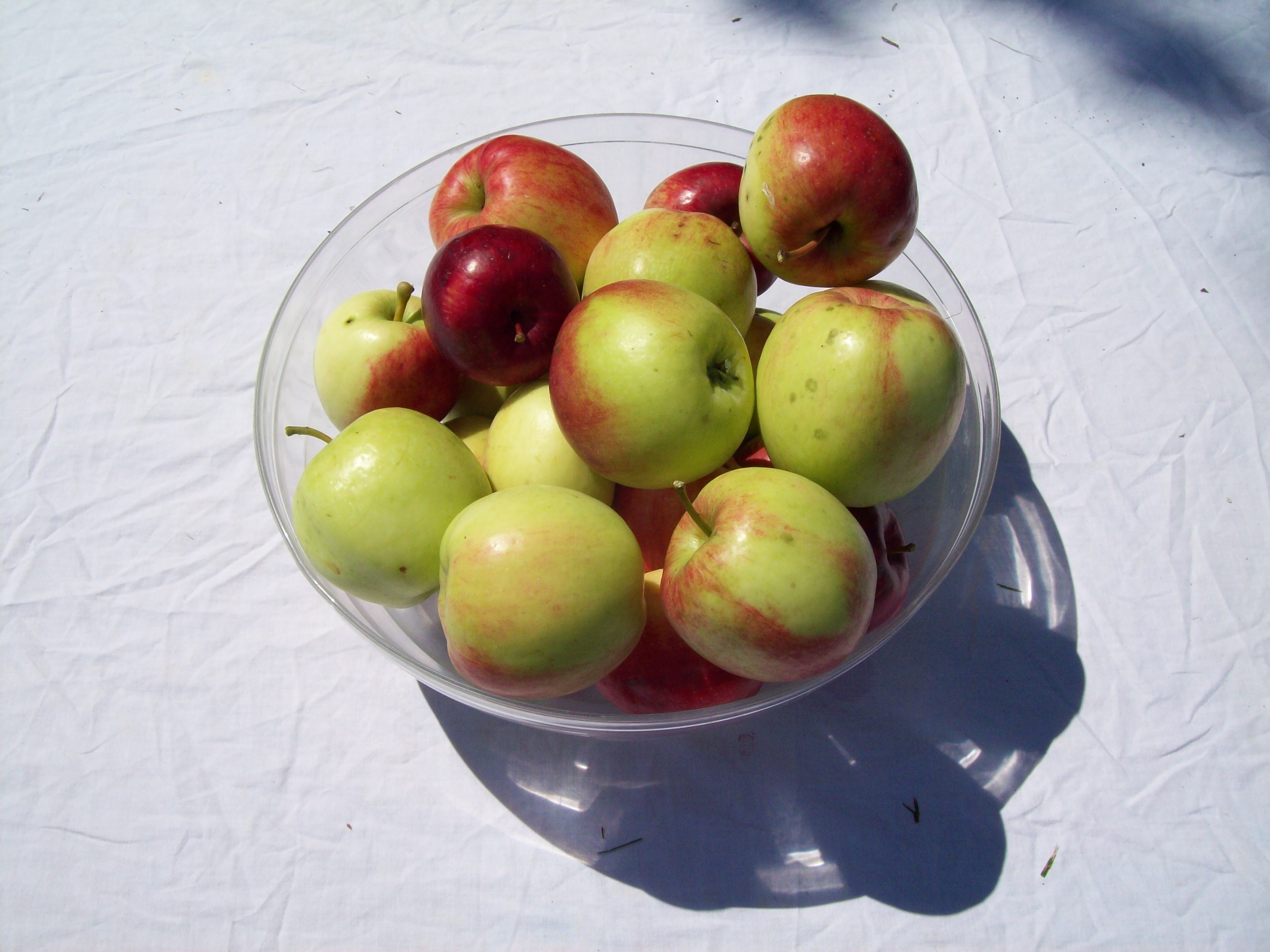
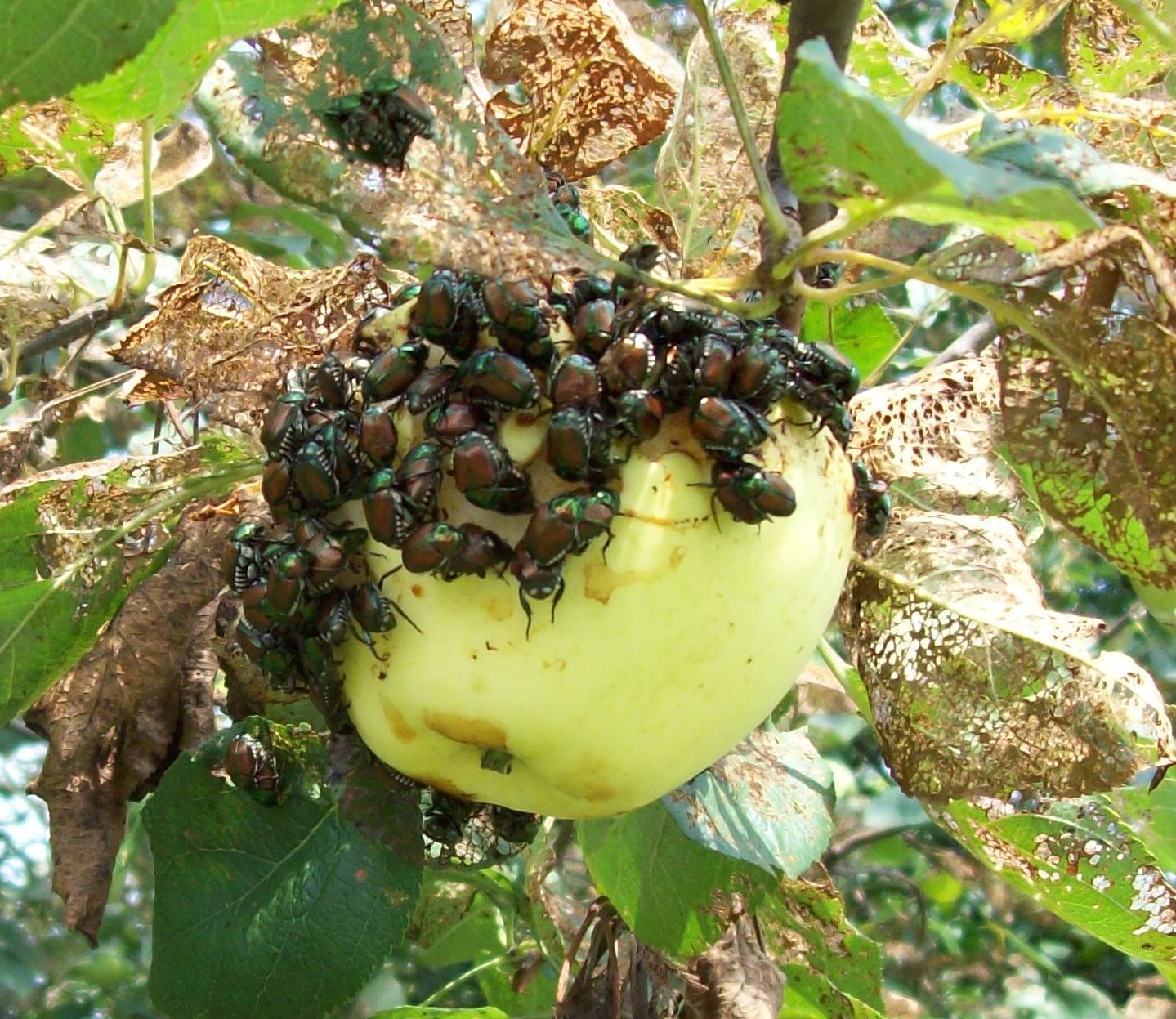
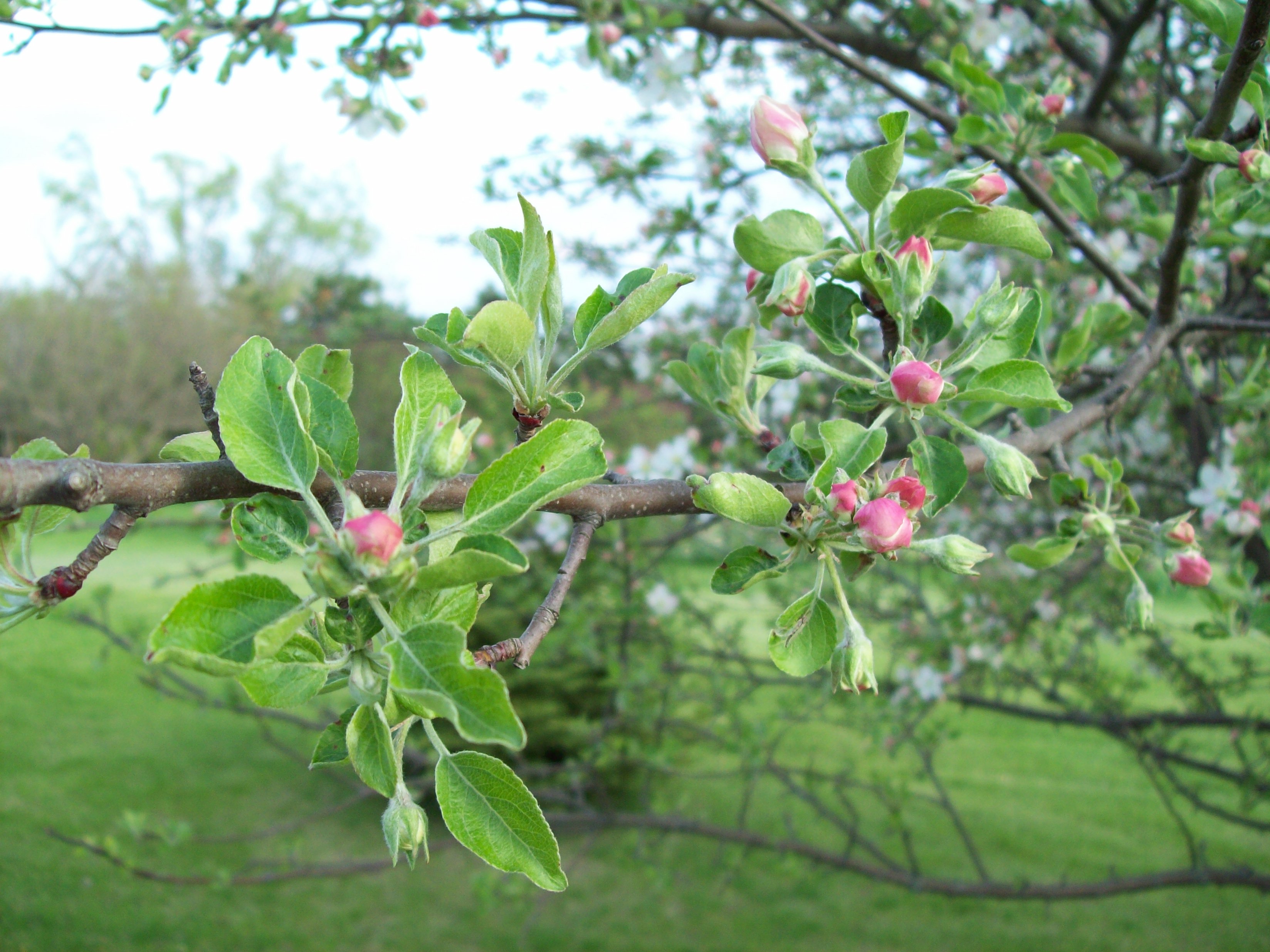
It was four degrees Fahrenheit and snowy this morning so I’m posting some garden images from 2008 as a reminder of what spring and summer can be. These are part of my larger A Life of Photos project. I did the initial sort of my digital images from 2008 last week. Posts like this one are part of the work product of that project.
First spring flowers.Apple trees blossomed in 2008.Lilacs are a perennial favorite.Potatoes pop through the soil early.When all the apple trees bloom, summer and fall is apple abundance.Summer harvest in 2008.Bowl of home grown apples. Japanese beetles massing on an apple.Apple blossom buds.Farmstead from the state park trail in 2008.
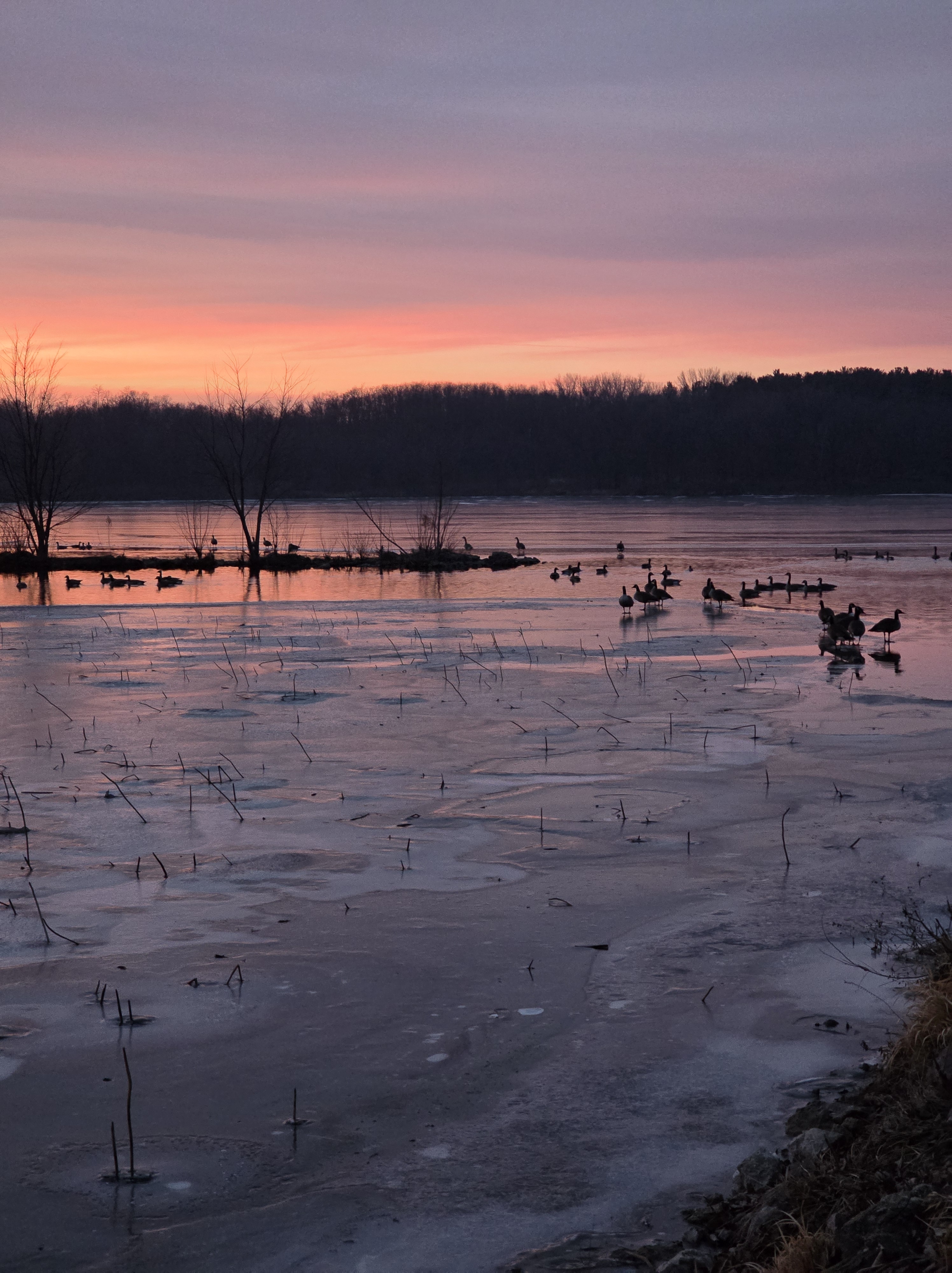
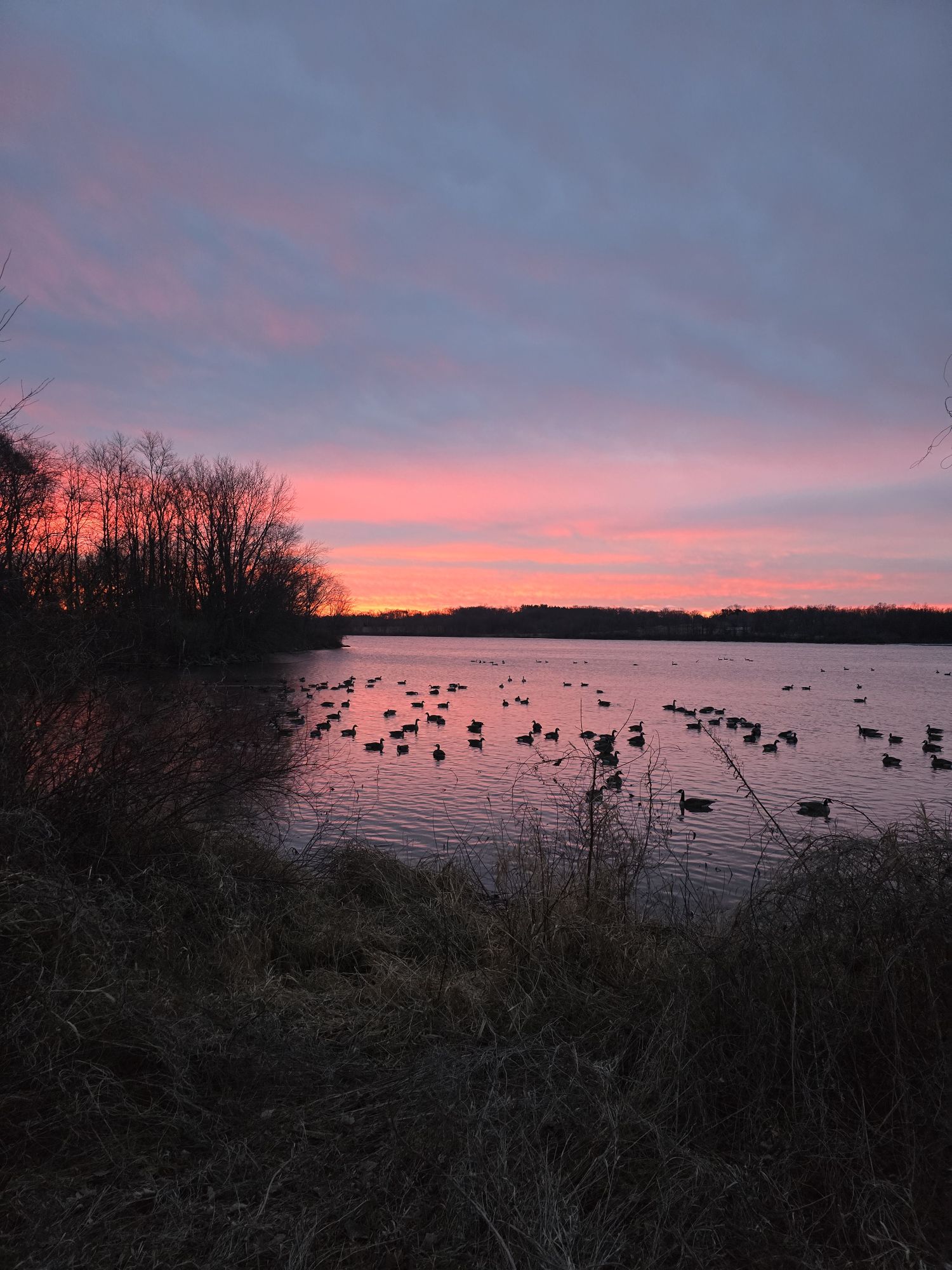
The sound of geese chatting and flapping their wings dominates the pre-dawn hour on the state park trail. Such vocalization and display on Jan. 15, can only mean one thing: the climate crisis has come home to roost.
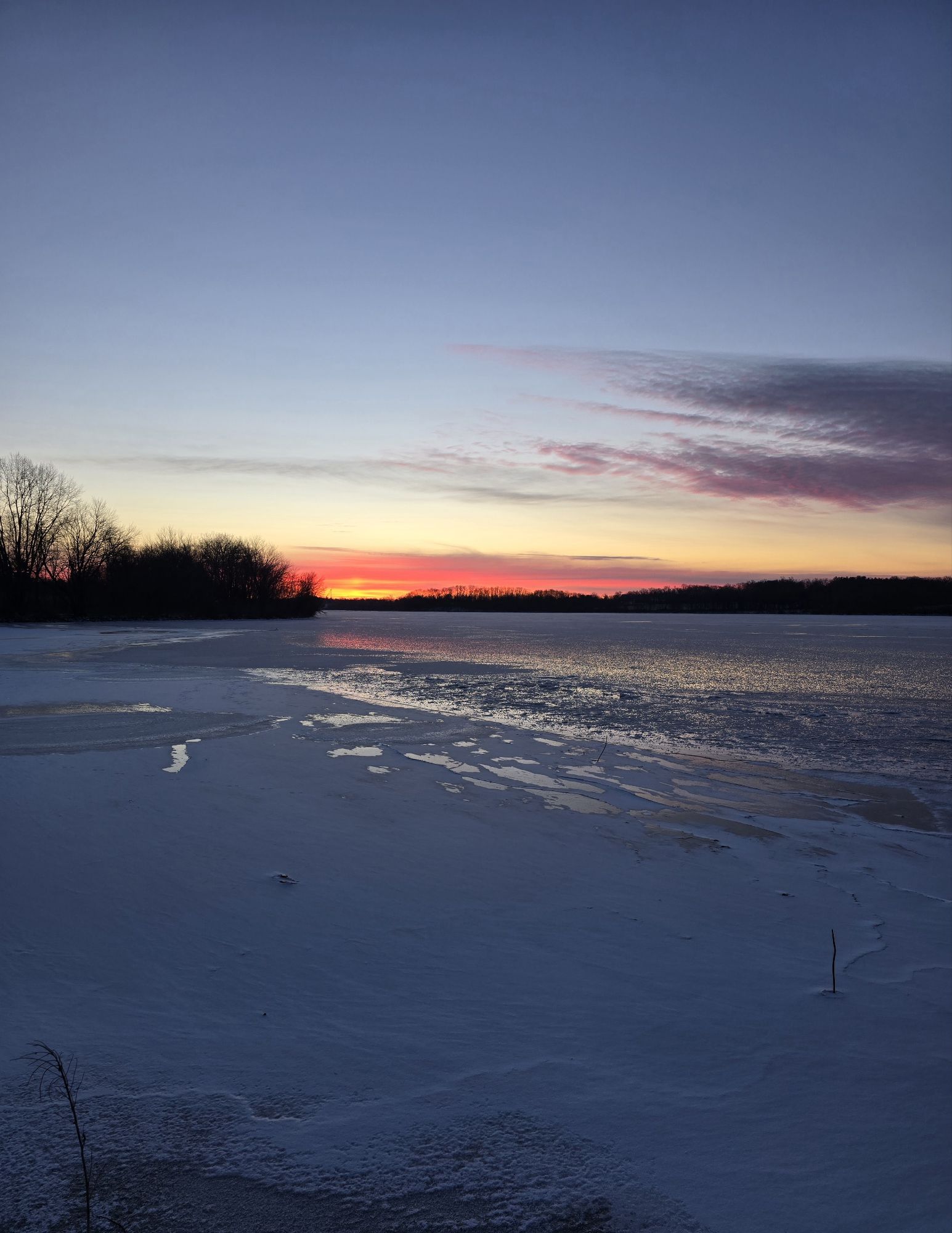
There is the science of weather. La Niña is present but fading into a neutral state of the El Niño-Southern Oscillation. In other words, the weather is not doing much except what can be seen: ice melting, warmer ambient temperature pushing into the 50s, and lack of precipitation. So what’s up with these birds?
I know geese have strong bonds within mating pairs. They are particularly protective of their goslings. What I’m seeing now is not mating behavior, per se. It is a reaction to climate change in the form of over-wintering, early pairing displays, and vocal/aggressive behaviors. These behaviors are now normal near the lake where I take my daily walk, and in other parts of North America. The environment changed faster than their instincts evolved. What I observed in an earlier post is mostly pair-bond reinforcement and territory signaling, not actual breeding yet. I don’t need to be worrying about freezing little goslings in 3-4 weeks just yet.
Like with anything, my fellow early morning trail walkers noticed the noise and wondered what it was. I opined about it before really understanding the behavior. Geese will eventually adapt to changing climate. One might say they already are.
I rarely find people who reflect my own thinking as closely as this post by Lawrence Wittner on the International Physicians for the Prevention of Nuclear War Peace and Health blog. We have the capacity to solve many of the world’s problems: poverty, hunger, human health and longevity, and fear for security. At the same time murderous rogue states led by Donald Trump, Vladimir Putin, Kim Jong Un and Benjamin Netanyahu are at work to negate these advancements. After the paragraph below, click on the link to read Wittner’s entire post.
There is a widening gap today between global possibilities and global realities. The possibilities are enormous, for―thanks to a variety of factors, ranging from increases in knowledge to advances in economic productivity―it’s finally feasible for all of humanity to lead decent and fulfilling lives.
Canadian geese are getting frisky. Ambient temperatures are unusually warm, the surface ice is melting, and before dawn, they crowd along the shoreline, hundreds and hundreds of them. They are very chatty, although that is not a goose-specific term. They are flapping their wings in close proximity to others. We are definitely in the part of courtship with vocalizations and displays. It’s warm today, but if goslings hatch from the activity, many might die from late winter freezing temperatures. Totally weird weather is driving this. It also drives their over-wintering behavior, something they didn’t used to do.
With the first draft of my book finished, followed by the first re-reading from beginning to end, now begins the work of making it more readable. I look forward to this stage.
I have so much information that I just crammed it all into sentences, paragraphs, and chapters until it is likely too much for a casual reader to take in. That needs fixing. Another thing is it reads like a scientific journal that has been fully footnoted. I know the specific dates when many things happened and quote them as such. For a memoir, I don’t believe I need to do that so much. For example, I refer to seeing the early premier of the film The World According to Garp — written by the Writers’ Workshop’s own John Irving — on May 13, 1982 at Hancher Auditorium. Since the chapter is about 1981-82 anyway, I don’t likely need the specifics of this image. I suppose all this is part of the craft of writing and I’m enjoying the work so far.
I took up my Life of Photos project this week and hoo boy! This will be a beast. I began with the digital files and there are so many of them. The file for 2008 has more than 5,000 images! They are mostly mine, yet some are from other photographers. For example, our child worked as a stage hand on an Arlo Guthrie performance at Walt Disney World that year, and those images are theirs. Likewise, I don’t know who was the photographer for some of the political photos I downloaded. That needs sorting out.
What I do at this beginning stage of the project will have consequences for the rest. For now, I opened two windows, one for the working files and one for the “keeper files,” along with the photo editor. That is sort of a process, yet is cumbersome. The lesson learned is to pace myself and when I start cutting corners, stop for the day. I also need to better organize the keeper files. Just diving in has its merits, yet the process is anything but smooth.
So often I feel like a creative person. I spent a lot of time engaging in life experiences and taking photographs as part of it. It is positive in that I have lots of material, both written and photographic. I feel fortunate to have had the stability and financial support to retain these artifacts of a life and to now go through them to see how they can be used. Working with these resource materials is a different kind of creativity. It is one more experience in the life of a creative person and I welcome it.



 Journey Home
You must be logged in to post a comment.