Social fallout continues with a disruption of fall work.
Sunday I told the chief apple officer I would not be back to work at the orchard this year because of the coronavirus pandemic. Our county has been doing a poor job of preventing spread of the virus. The orchard is near the University of Iowa where students return this week. I’m hearing concern from local epidemiologists about the behavior of returning students: they ignore basic guidelines for preventing spread of the virus.
University students find the orchard a cool place to hang out and it is. This year I don’t want the virus to spread to me so I won’t be working. Maybe next year.
This week is the virtual Democratic National Convention. It has been structured for public consumption from 8 until 10 p.m. local time, although I’m not that interested in hearing most of it. Political conventions are not what they used to be and as such pretty dull. I plan to listen to speeches by Joe Biden and Kamala Harris.
I made progress with cleanup from the derecho yesterday. I am getting to know my chainsaw well. The locust tree rests across a garden plot making it impossible to harvest some of the vegetables. There are a lot of other branches to process first. I’ll lose part of the crop.
I don’t relish writing about the coronavirus pandemic and the derecho recovery but they are here and part of every day. Yesterday afternoon Chef José Andrés World Central Kitchen arrived in Cedar Rapids and by evening had served more than 6,000 meals: a sign that today Iowa is a disaster.
The derecho got me out of our bubble. There were more interactions with people as I made provisioning trips and discussed recovery with neighbors. Now that power is restored it’s time to launder masks of the coronavirus pandemic.
It hackles me that we have a daily U.S. death count from the coronavirus pandemic. That it is higher than any other country, by far, is also upsetting. We got too confident (or too stupid) after successful mitigation of the Ebola virus and did away with the defense infrastructure designed to mitigate a future pandemic. Those actions combined with lack of adequate reaction once the coronavirus was identified led to the pandemic that continues to press closer to our household. Monday’s derecho complicated everything. We should likely be making more masks.
The two of us are fine after the derecho. We know how to survive a short interruption in electricity, internet service, natural gas or water. That knowledge comes from years of living in the rural county where things happen. We have a lot of clean up to do to saw up the fallen tree and process many piles of branches. That work is not urgent. I’ll find a local home for the firewood and consume everything else on our property, burning the brush and returning the minerals to the garden soil.
My calendar reminded me dill pickle fermentation was to be finished today. I took the crock to the kitchen sink and sampled one. They were just right. Next I put them in jars and into the crowded ice box. It’s on to what’s next.
Without an anemometer it was difficult to know wind speed during Monday’s derecho. In Cedar Rapids wind speeds approached 100 miles per hour.
The last major storm of straight-line winds in 2013 caused more damage to our property than the derecho. Both were bad.
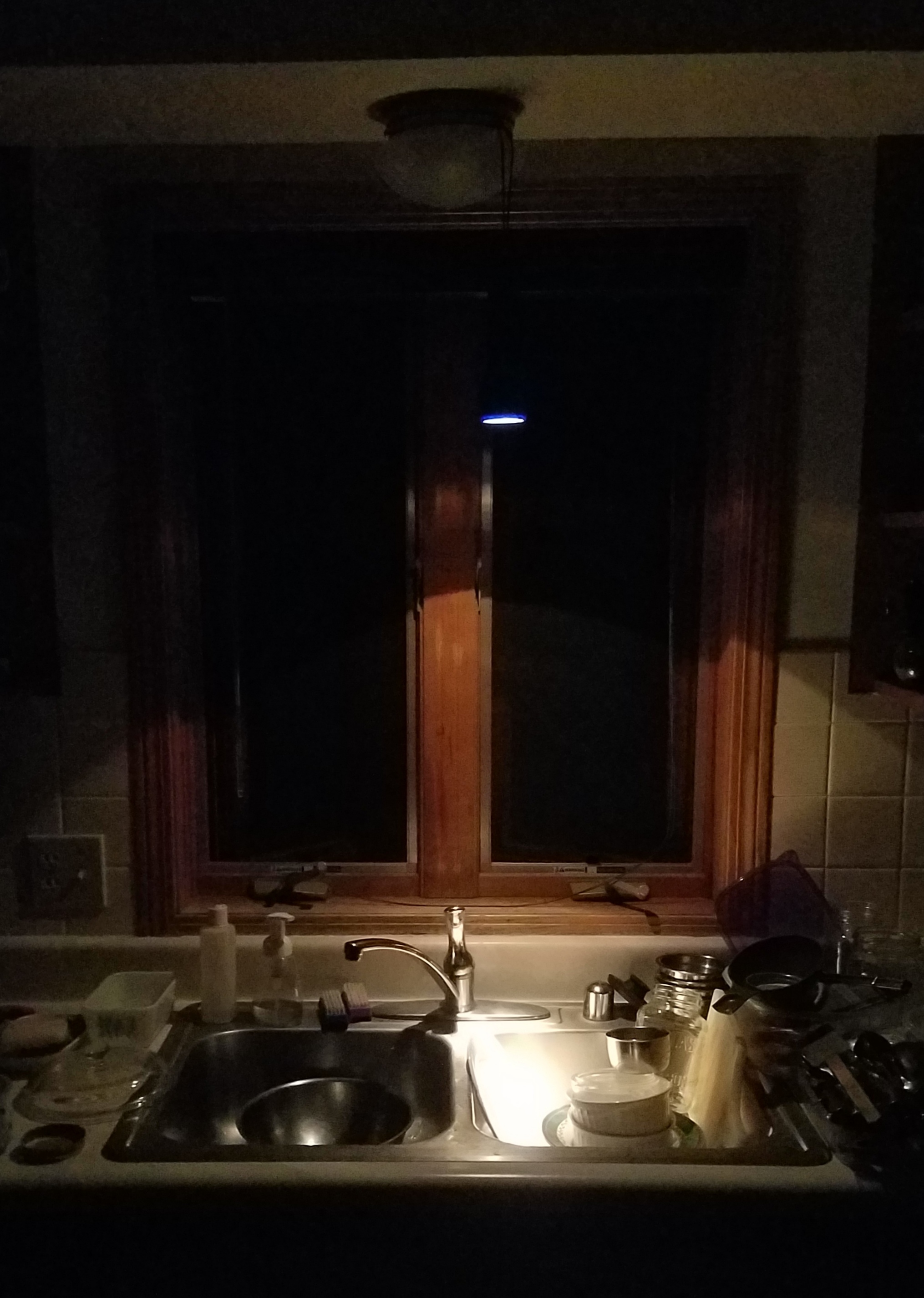
I watched the storm come in until it got so virulent we headed to our safe place on the lower level. The kitchen clock stopped at 12:34 p.m., Monday, Aug. 10. Electricity was restored at 10:14 a.m., Friday, Aug. 14, the longest outage since we moved here.
Derechos may not be as well known as hurricanes or tornadoes, but these rare storms can be just as powerful and destructive. Primarily seen in late spring and summer in the central and eastern United States, derechos produce walls of strong wind that streak across the landscape, leaving hundreds of miles of damage in their wake. On August 10, 2020, a derecho swept across the Midwest from South Dakota to Ohio, traveling 770 miles in 14 hours and knocking out power for more than a million people.
The term derecho—which means “straight ahead” in Spanish—was coined in 1888 by Gustavus Hinrichs, a physics professor at the University of Iowa who sought to distinguish these straight-moving winds from the swirling gusts of a tornado. Though the term disappeared from use shortly afterward, meteorologists at the National Oceanic and Atmospheric Administration (NOAA) resurrected it a hundred years later. It entered the public lexicon in 2012, when one of the most destructive derechos in history swept across roughly 700 miles from Ohio to the mid-Atlantic coast, killing 22 people and causing serious damage in metropolitan areas, including Chicago and Washington, D.C.
NOAA officially defines a derecho as “a widespread, long-lived windstorm that is associated with a band of rapidly moving showers or thunderstorms.” For a swath of storms to be classified as a derecho, it must travel at least 240 miles and move at speeds of at least 58 miles an hour, though the winds are often more powerful. The August 2020 Midwest derecho had winds up to 112 miles an hour.
I have more to say about this storm and the damage it did. Suffice it for now the storm hit hard the trees I’ve grown from saplings. The Pin Oak took the brunt of the wind damage, the windward side losing several of its main branches. The Red Delicious apple tree lost a major limb, the Locust tree blew completely over demolishing the most productive part of the summer garden. Half of the pear crop shook loose from the tree dropping unusable green fruit. Among the wreckage on the ground I found a single Earliblaze apple. I hadn’t noticed we had any apples this year. I ate the apple on the spot. It was delicious (apple joke).
We survived the storm with no damage to our house. I watched the portable greenhouse shake loose four 50-pound buckets of sand, lift into the air, and tumble off into a neighbor’s yard, destroyed. Without electricity I couldn’t can the tomato harvest so I donated 25 pounds to the local food rescue operation.
We are now veterans of two major wind events and developed a process to cope with the aftermath.
Because of the long electricity outage, we became owners of a Craftsman generator which we used to keep the freezer and refrigerator running, as well as to charge devices, run computers, operate a floor fan, and heat water. We plan to keep it.
We had the septic tank pumped for additional capacity in case of an extended electrical outage. The septic service showed up just as electricity was restored.
We hired a U.S. military veteran from Alabama to help cut damaged branches from the Pin Oak. The yard is filled with fallen branches waiting for me to cut them up for firewood or for burning. A big portion of the fallen Locust tree remains on the garden. I’m not sure when I’ll get to that.
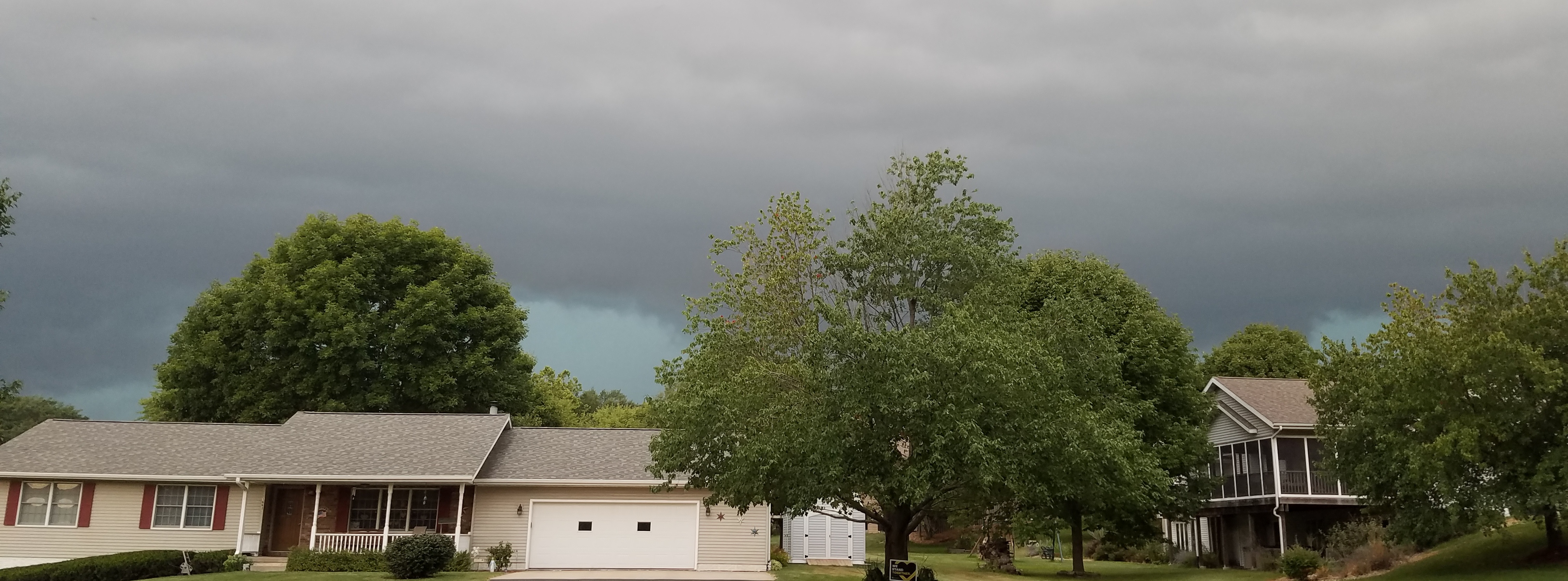
I didn’t realize it at the time but the clouds in this photo are the front edge of the derecho blowing in. It will be a while before we recover. We will recover.
President Harry Truman did not need to drop the atomic bomb to end World War II.
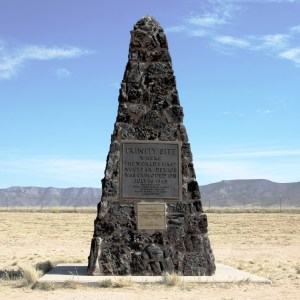
The first test explosion of an atomic bomb, called Trinity, was conducted by the U.S. Army July 16, 1945, as part of the Manhattan Project on what is now part of White Sands Missile Range.
The day after Trinity, U.S. Secretary of War Henry Stimson flew to Potsdam, Germany where President Harry Truman was meeting with Winston Churchill, Clement Attlee and Joseph Stalin to determine the fate of Germany which had surrendered unconditionally on May 8.
Truman wrote about this meeting with Stimson in his memoir:
“We were not ready to make use of this weapon against the Japanese, although we did not know as yet what effect the new weapon might have, physically or psychologically, when used against the enemy. For that reason the military advised that we go ahead with the existing military plans for the invasion of the Japanese home islands.”
A committee had been established to evaluate use of the atomic bomb once testing was successful. On June 1, 1945 the committee of government officials and scientists made their recommendation, which Truman recounts:
“It was their recommendation that the bomb be used against the enemy as soon as it could be done. They recommended further that it should be used without specific warning and against a target that would clearly show its devastating strength.”
Ultimately Truman made the decision to drop the atomic bomb on Hiroshima and on Aug. 6 the U.S. Air Force delivered it. On Aug. 9 the Air Force bombed Nagasaki. The Japanese surrendered Aug. 10.
Historian Gar Alperovitz, in his book The Decision to Use the Atomic Bomb, asked two well-known questions about Truman’s decision.
“To what degree did (the president) understand that a clarification of the officially stated demand for ‘unconditional surrender’ specifying that Japan could keep its Emperor would be likely to end the war?”
“To what degree did (the president) understand that the force of a Russian declaration of war might itself bring about an early end to the fighting?”
The book based on his research is 847 pages.
The idea that dropping atomic bombs on Hiroshima and Nagasaki saved tens of thousands of allied forces lives by ending the war early is a myth perpetuated by those who would absolve our country from a decision to kill tens of thousands of Japanese children and as many or more other non-combatants. Historian Howard Zinn asked, “Would we have sacrificed as many U.S. children to end the war early?” Obviously we wouldn’t.
A friend, the late Samuel Becker, was in Guam in August 1945 preparing for the invasion of Japan. I recently asked him about the atomic bombings of Hiroshima and Nagasaki. The reaction in Guam was positive he said. U.S. military personnel were in favor of it because they felt it would bring a quick end to what could have been a prolonged, bloody conclusion to World War II. Before he died, Becker changed his mind. With time and reflection he found the notion that the atomic bombings saved many lives was a myth. The Japanese were already in a position to surrender.
Alperovitz said in a recent webinar that, to a person, contemporary military leaders went on the record to say there was no need to use the atomic bombs to end the war early. The war had already been won.
Truth matters and one truth is the atomic bombings of Hiroshima and Nagasaki were unnecessary. Their effects would fuel the Cold War and the idea of mutually assured destruction should they be used. This is crazy talk. Nuclear weapons must be eliminated and the only way to do that, to pierce the wall of our federal government, is citizen action demanding it.
On the 75th anniversary of Hiroshima it’s past time we took action.
~ Written for the Cedar Rapids Gazette and published Aug. 9, 2020. Used with permission of the author.
Trinity was the code name for the first nuclear bomb detonation 75 years ago today.
The test explosion was conducted by the U.S. Army at 5:29 a.m. on July 16, 1945, as part of the Manhattan Project. It took place in the Jornada del Muerto desert about 35 miles southeast of Socorro, New Mexico, on what is now part of White Sands Missile Range.
The day after Trinity, U.S. Secretary of War Henry Stimson flew to Potsdam, Germany where President Harry Truman was meeting with Winston Churchill, Clement Attlee and Joseph Stalin to determine the fate of Germany which had surrendered unconditionally on May 8.
Truman wrote about this meeting with Stimson in his memoir:
We were not ready to make use of this weapon against the Japanese, although we did not know as yet what effect the new weapon might have, physically or psychologically, when used against the enemy. For that reason the military advised that we go ahead with the existing military plans for the invasion of the Japanese home islands.
A committee had been established to evaluate use of the atomic bomb once testing was successful. Before Trinity, on June 1, the committee of government officials and scientists made their recommendation, which Truman recounts in his memoir:
It was their recommendation that the bomb be used against the enemy as soon as it could be done. They recommended further that it should be used without specific warning and against a target that would clearly show its devastating strength.
Ultimately Truman made the decision to drop the atomic bomb on Hiroshima and on Aug. 6 the U.S. Air Force delivered it. Truman threatened to drop a second atomic bomb. On Aug. 9 the Air Force bombed Nagasaki. The Japanese surrendered Aug. 10.
A friend and fellow Veteran for Peace, the late Samuel Becker, was in Guam in August 1945 preparing for the invasion of Japan. I recently asked him about the atomic bombing of Hiroshima and Nagasaki. He said the reaction in Guam was positive, they were in favor of it because it brought a quick end to what could have been a prolonged, bloody conclusion to World War II. In the years before he died, Sam didn’t believe it was a good idea. With time and reflection, the notion that the atomic bombings saved many lives turned out to be a myth. The Japanese were already in a position to surrender. At a Zoom call on Monday, author of the book The Decision to Use the Atomic Bomb Gar Alperovitz said that to a person contemporary military leaders went on the record to say there was no need to use the atomic bombs on Japan. The war had already been won.
On July 1, 1968, states began to sign the Treaty on the Non-proliferation of Nuclear Weapons (NPT) which entered into force on March 5, 1970. Every state on the planet has joined the treaty with the exception of India, Israel, Pakistan, and South Sudan. India, Israel and Pakistan have nuclear weapons. The treaty has three interrelated parts: non-proliferation, disarmament, and peaceful use of nuclear energy. Article VI states, “Each of the Parties to the Treaty undertakes to pursue negotiations in good faith on effective measures relating to cessation of the nuclear arms race at an early date and to nuclear disarmament, and on a treaty on general and complete disarmament under strict and effective international control.” 75 years after Trinity we missed the “early date” by a country mile.
Progress is measured in a meeting of the parties every five years. This year’s scheduled NPT review conference was postponed until next year because of the coronavirus pandemic. In the Trump administration nuclear arms control is not even up for discussion, except to eliminate constraints on “American freedom.” The U.S. plans to spend $1 trillion on the nuclear complex in the coming years. That will drive Russia to do likewise. FOX News personality Chris Wallace recently wrote a popular book regurgitating false myths about the history of the atomic bomb. Alperovitz debunked some of Wallace’s claims on Monday.
Also on Monday Sueichi Kido spoke about his experience as a five-year-old during the bombing of Nagasaki. People like him are called hibakusha or survivors of the atomic explosions at Hiroshima or Nagasaki in 1945. Over the years he and other hibakusha told their story many times. The hibakusha are aging and will soon all be gone. Along with them will go living memory of the effects of a nuclear weapon.
Truth matters and one truth is the atomic bombings of Hiroshima and Nagasaki were unnecessary. Atomic bombs were never needed for defense. Their existence, as demonstrated at Trinity, would fuel the Cold War and the idea of mutually assured destruction should they be used. This is crazy talk. Nuclear weapons must be eliminated and the only way to do that, to pierce the wall of our federal government, is citizen action demanding it. On the 75th anniversary of Trinity it’s past time we took action.
Image of Earth 7-6-15 from DSCOVR (Deep Space Climate Observatory)
The climate crisis continues in the coronavirus pandemic.
The pandemic with its economic downturn threatens years of progress addressing climate change and sustainability. It’s now or never for the environment.
Governments are expected to spend trillions of dollars in stimulus to get the economy going again. Addressing the climate crisis can’t wait. Climate solutions must be integrated with stimulus spending.
“We now have a unique opportunity to use (the economic crisis) to do things differently and build back better economies that are more sustainable, resilient and inclusive.” said Saadia Zahidi, World Economic Forum managing director.
WEF warned that “omitting sustainability criteria in recovery efforts or returning to an emissions-intensive global economy risks hampering the climate resilient low-carbon transition.”
Sustainability should be integrated into recovery efforts because the health crisis, economy, and environment are inextricably connected. There is only one chance to manage this recovery. Trillions can be spent only once. Given the scope of the climate crisis, its pressing urgency, society must choose to address the climate crisis now.
The International Energy Agency has ideas on how to do that. They developed a 174-page essay titled “Sustainable Recovery.” However, no single solution applies to global matters. We need multiple solutions implemented synchronously.
Global carbon dioxide emissions reduced by 17 percent in April as people sheltered at home, industry reduced production, and automobile use slowed. Since then, emission levels surged back. A conscious decision to integrate smart energy use into the recovery is needed. The issue has been politicized so thoroughly it seems doubtful any such action will be taken in the United States. One is being political whether they say something about climate change or not when discussing the economic recovery. We must persist in demanding a solution.
Fiona Harvey, environmental correspondent for the Guardian reported, “The world has only six months in which to change the course of the climate crisis and prevent a post-lockdown rebound in greenhouse gas emissions that would overwhelm efforts to stave off climate catastrophe.”
No one knows how long we have. It’s common sense that stimulus money could be used in a holistic way. Ideas are out there. What’s lacking is political will.
That few in our government talk about addressing the climate crisis as we “open up” the economy is part of the problem. Oil and gas interests have so infiltrated our government politicians don’t want to hear about solar or wind generated energy, even if they are the least expensive and least damaging regarding carbon dioxide emissions.
Think about it though. When has doing what makes sense gotten so politically out of fashion? Among other things, that needs to change.
Al Gore recently said, “Moving forward from COVID-19 means we have an obligation to rethink the relationships among business, markets, government and society. We must deliver a sustainable form of capitalism.”
That’s not going to happen without a change in our government.
People ask me how I plan to address the climate crisis. My answer?
It’s time to stand up for what is needed in our country right now: moral revival and transformative change. That means voting for Democrats in November.
Postscript: Since I wrote this post Joe Biden released his plan to ensure the future is “‘Made in All of America’ by all of America’s workers.” The word climate is mentioned once in a paragraph to “apply a carbon adjustment fee against countries that are failing to meet their climate and environmental obligations.” I support Biden for president and encourage readers to read his Made in America plan here. Like any plan it will be subject to modification if Biden is elected president. One modification I expect is to integrate addressing the climate crisis in the plan.
On Thursday I saw an animal eating fallen mulberries on the trail. The state park has an abundance of wildlife — every Iowa species is believed to live here. I didn’t recognize it and posted this photo on Twitter.
An abundance of responses identified it as a mink. I looked it up and it resembled a mink pictured on the internet. Most likely it is an American mink with more of them around the lake shore. Mostly minks are carnivores so the mulberry-eating was unexpected. Harrowing tales of chicken murdering ensued as the post got many engagements.
Every day we find something new is positive. When our curiosity wanes or we feel we’ve seen it all… that’s not good.
The newspaper reported another local theater troupe cancelled the rest of the season because of the coronavirus pandemic. Old Creamery Theatre sent termination letters to ten staff members Thursday night. The creative arts are really taking a hit during the pandemic. In addition to Old Creamery, Riverside Theatre had to give up its performing space, and bigger companies like Cirque du Soleil filed for bankruptcy. Live theater and concerts have been shut down with only a few productions testing a re-opening in the COVID-19 time.
Major theme parks like Walt Disney, where our daughter works, continue to furlough employees. As they begin to open up, the question is whether employees will be recalled, if the furloughs will continue, or will the endgame be being laid off. Live entertainment may never be the same if the coronavirus isn’t mitigated. As we know, that’s not going well in Iowa or in the United States.
I worry about independently-owned bookstores. There used to be many places to buy used books. Over the last couple of decades they consolidated, went on line, or went out of business. The selection has gotten worse. The main used bookstore in the county seat is Haunted Bookshop and I’m trying to support them as they continue to operate curbside pickup.
At first I bought a gift certificate to hold until they reopen. When it became clear re-opening was not in the near-term, I devised a poetry buying scheme. On Wednesday I wrote note saying, “Choose and mail me a book of poetry that I don’t already have once a month. Surprise me.”
I had criteria:
Short works by living poets. Short = around 100 pages or less. Up to 200 pages okay. About the length to read in a couple of sittings.
Less interested in comprehensive collections. For example, Crow by Ted Hughes but not Collected Poems of Ted Hughes.
I recently read and enjoyed Mary Oliver, Amy Woolard, Lucia Perillo and W.S. Merwin.
I’m looking to expand my reading and open to about anything. No Atticus or Rod McKuen.
Iowa connection would be a bonus, but not necessary.
Run the title by me before shipping so I can check to make sure I don’t have it.
These are not strict rules but guidelines. (Except for the part about Atticus and Rod McKuen).
Last night I received a favorable response. We are going to try the arrangement out. I’d rather make a monthly trip to browse the store. Until they are ready, this will have to do. Hopefully I will discover new poets in the process and they will have another small source of revenue.
I watered the garden shortly after sunrise. Our yard is the only one in the neighborhood where clover is allowed to grow. I do this so rabbits have something to eat besides burrowing under the fencing into the garden, and to attract bees and other pollinators. Last time I mowed, I set the deck high enough so all of the flowers wouldn’t be cut. It’s time to mow again and that’s my plan for the weekend.
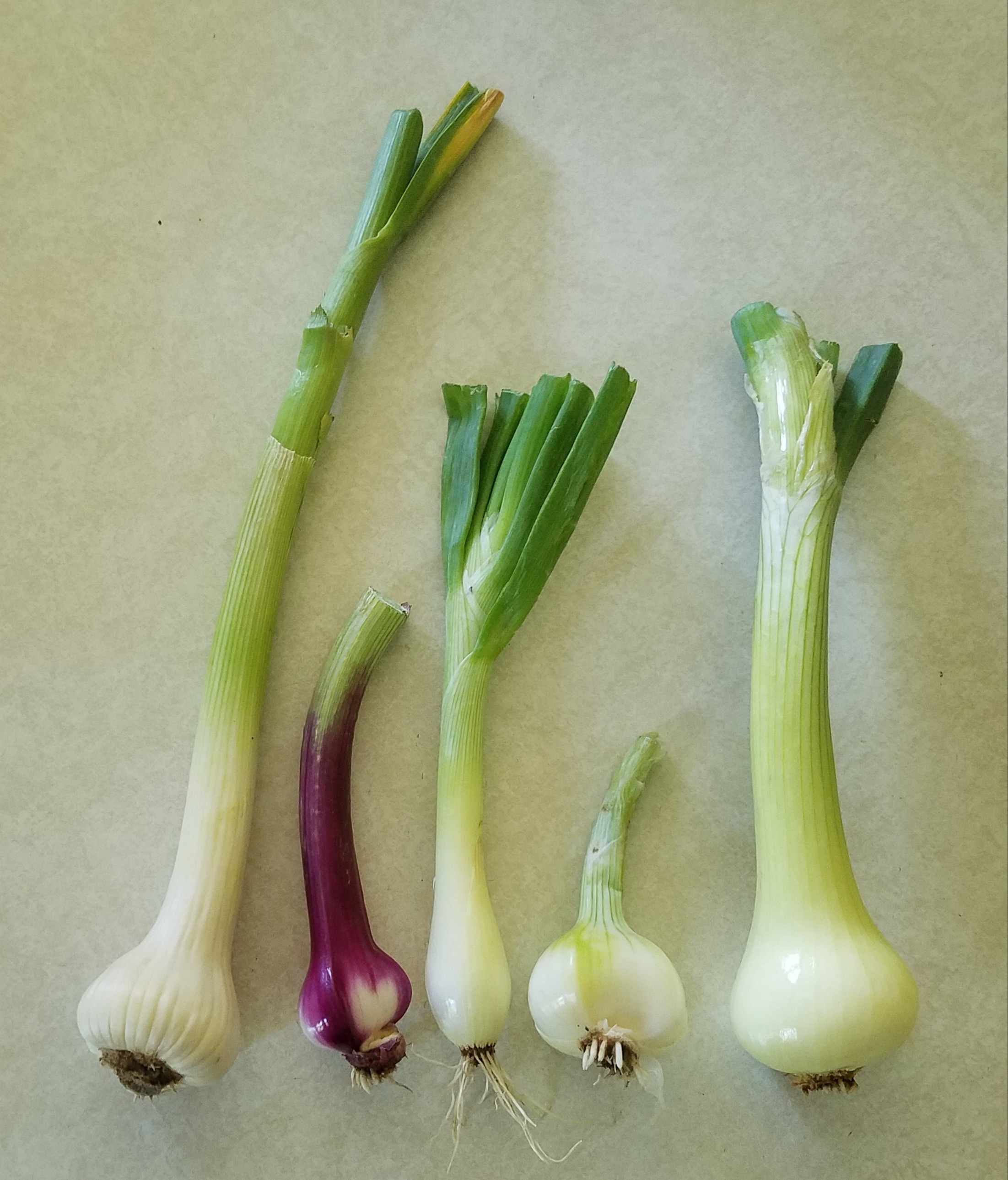
Garlic and onions from a test dig on June 17, 2020.
As the coronavirus pandemic runs its course, governments are expected to spend trillions of dollars in stimulus to get the economy going again.
It’s now or never for the environment. Sustainability should be integrated into recovery plans because the health crisis, the economy and the environment are inextricably connected. There is only one chance to manage this recovery to improve environmental sustainability. There are only so many times trillions can be spent to jump start the economy. Sustainability must be considered and become part of any stimulus plan.
People have ideas on how to do that. The International Energy Agency developed a 174-page essay titled “Sustainable Recovery.” They revised “should” to “could” when recommending the plan, as a step toward political correctness in presentation. Sadly, no single logic applies to global matters. One is being political whether they say something about climate change or not when discussing the recovery.
Global carbon dioxide emissions reduced by 17 percent in April as people sheltered at home, industry reduced production, and automobile use slowed. Since then, emission levels are surging back. A conscious decision to integrate smart energy use into the recovery is needed. The issue has been politicized so thoroughly it seems doubtful any such action will be taken in the United States.
Fiona Harvey, environmental correspondent for the Guardian reported, “The world has only six months in which to change the course of the climate crisis and prevent a post-lockdown rebound in greenhouse gas emissions that would overwhelm efforts to stave off climate catastrophe, one of the world’s foremost energy experts has warned.”
No one know how long we have. It’s common sense we will spend stimulus money in the quantities planned only once. Ideas are out there. What’s lacking is political will.
The fact that almost no one is talking about addressing the climate crisis as we “open up” the economy is part of the problem. Oil and gas interests have so infiltrated our government politicians don’t want to hear about solar or wind generated energy, even if they are the least expensive and least damaging regarding carbon dioxide emissions.
Think about it though. When has doing what makes sense gotten so politically out of fashion? Among other things, that needs to change.
The shoreline was exposed as I crossed Coralville Lake to secure provisions.
While it looks like we are in a drought, it is better to say we are ready for extra water coming from upstream snow melt and spring rains flowing into the Mississippi River basin.
Lake water level is decided by the U.S. Army Corps of Engineers, a function of their plan to mitigate flood damage. The experience was a reminder ours is a built environment.
I stopped at a chain drug store and at the wholesale club to stock up. I’ve been donning a mask and going shopping every other week during the pandemic. Most other people inside retail establishments wear masks. If I didn’t want dairy products or were vegan I’d go to town less often, maybe once a month.
We harvest something daily from the garden. This morning it was spinach. With a spring share from the farm, I’m getting backed up on greens. It’s time to make vegetable broth for canning. I’ll carry six quarts over from last season and want 20 quarts on the shelf to make it through another year. Broth has become a pantry staple. I use it to cook rice, make a roux, and add flavor to soup.
In addition to making broth, today’s work will be preparing the main tomato bed for planting. That means to spade lanes in the plot, rototill the lanes, rake the surface smooth, lay garden cloth on the surface and put enough grass clippings on top to hold it down until the seedlings are in. I’m short of grass clippings for mulch but tomatoes are a high priority and will take the entire stockpile.
My creativity is at a low level and I’m not sure why. Partly it is the coronavirus pandemic, partly something else. Perhaps I’m simply enjoying this glorious spring weather — the part before insects begin foraging every living plant. Spring serves as fit distraction for what ails us. One can do a lot worse than spring.






 Journey Home
You must be logged in to post a comment.