Categories
Environment Home Life

Sunday Afternoon Drive

Flooding 140th Street
140th Street, June 2

BIG GROVE TOWNSHIP— When we were children, our parents used to take us out for a Sunday afternoon drive. A typical trip might include visiting Weed Park in Muscatine, friends of my parents in Blue Grass, or to the Niabi Zoo near Coal Valley, Ill. Today’s Sunday afternoon drive was not as much fun. I drove to 140th Street NE near Ely Road to see the progress of the flooding.

That is, not as much fun unless one is a fisher. When I arrived at the edge of the water, about half a dozen motor boats were out. Click on the thumbnail above, and the boats can be seen as small specks toward where the road rises out of the water. Word is out that striped bass, catfish and carp are biting. The reason I know is a neighbor mentioned it while I was working in the ditch in the front yard after the drive.
140th Street May 31
140th Street, May 31

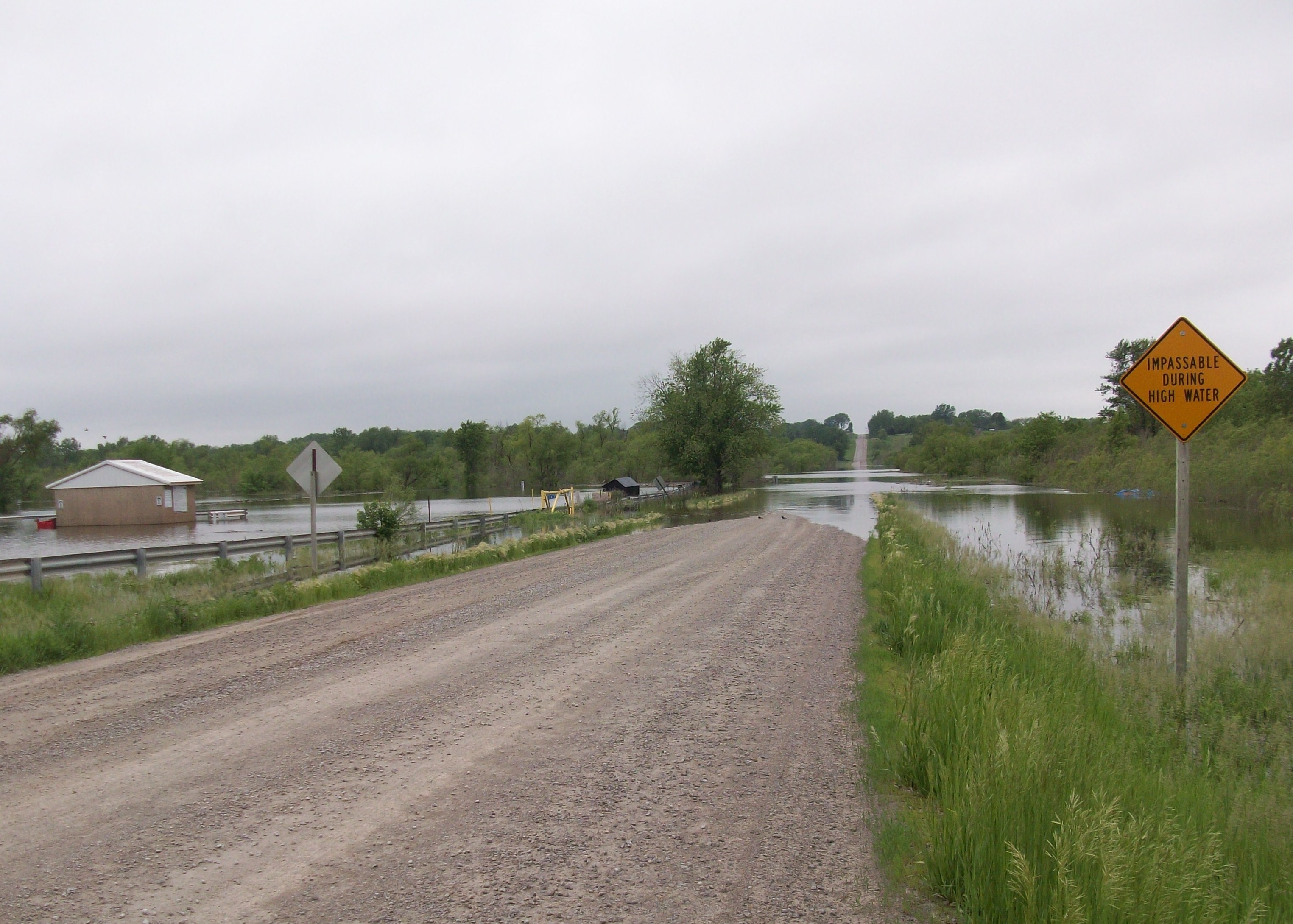
The water has risen about four feet since Friday. Compare the two photos to see how the building is being submerged. If you would like, take a look. For me, I would not like. It is wearying to deal with the consequences of climate that changed when we should be advocating to change how society interacts with so-called nature turned into an owned and built environment.

Like this flooding, changing climate is hitting us where we live. In the water we use, the air we breathe, and the weather we experience. This weekend politicians sought photo opportunities to post on social media: of them helping sandbag buildings to protect them; of them inspecting the damage. What they should be doing is actual networking with their colleagues in government to find common ground and take concrete action to solve the climate crisis.

Some may not notice the climate crisis because they are so busy cleaning up in its wake, or in this case, trying to catch the limit of striped bass. Maybe they are taking a much needed Sunday afternoon nap. Eventually the frequency of these hundred year floods, at a rate of three in 20 years, will be noticed. It is not too late to solve the climate crisis, but we don’t know for how long.


Categories
Home Life Kitchen Garden

The Best Days

Spring Garden
Spring Garden

LAKE MACBRIDE— These are the best days. Partly cloudy, temperatures around 70, low humidity and plenty of outside work. We enjoy them when we can.

It’s not to say there is complete escape from the troubles of the world. Yet, for a few moments, beneath the cloudy heavens, it is possible to forget— a reason to anticipate such times with great fervor.

Today was what local food is. There were major farmers markets in Iowa City and Cedar Rapids. Between the CSA and my garden, we have most of what we need for the week, so I passed. After an hour at the newspaper, I did go to the grocery store to buy provisions: dairy, out of season vegetables and a few special items— popcorn, chocolate, snack crackers. The bill was much lower than usual as a result of growing so much of our own food, combined with working down the pantry.

When I arrived home, the rest of the morning was yard work, pruning the pin oak tree and repairing the erosion near the ditch with bagged soil and grass seed. The majority of the afternoon was harvesting, planting and processing vegetables: radishes, lettuce, turnip greens and oregano.

I picked the rest of the first row of radishes and put them in a bucket. Next, I harvested all of the first planting of lettuce. This cleared a space to till the soil and re-plant two rows of radishes and the rest of the first crop of lettuce seedlings. My garden mentor said one of the biggest mistakes home gardeners make is failing to plant in succession. There will be more plantings of lettuce and radishes.

Near the herb garden I cut a gallon bucket full of oregano from the volunteer plant. Finally, I picked most of the turnip leaves, leaving only those plants that looked like the root would fill out. The turnips grow too tall, too fast, and block out the nearby spinach. I have been thinking about the turnip greens since winter.

At the end of the harvest, I had a bushel of lettuce, five gallons of turnip greens, and regular one gallon buckets of oregano and radishes. A gardener has to keep the produce moving to make optimal use of it. I spent the rest of the day processing the harvest.

The radishes were easy. I trimmed them and placed them in a glass of water. They won’t last long. The oregano was also easy. Since two plants wintered (I only had one last year), the plan is to dry the leaves and make a jar of oregano flakes for cooking. I washed the leaves on the stem, placed them on clean towels on the front step, let the sun dry them and put them on the shelves of the dehydrator to finish drying. I don’t turn the dehydrator on. The temperature is too hot for herbs.

The bigger processing projects were picking through the lettuce to find the best leaves— cleaning, cleaning drying and bagging it; and making a large pot of turnip leaf soup stock for canning. Turnips make the best base for vegetarian soup stock, although leeks, if I have them, are good too.

As the day ended, I turned off the soup, left it on the stove and went to bed. Sunday will be back to the realities of finding suitable paying work, putting up the soup stock in jars, and weeding the garden.

Categories
Environment

Comparing the Floods

140th Street
140th Street

ATHERTON WETLAND— The flooding continues here. It has not reached the level of either 1993 or 2008— yet.

As I write, the county has issued mandatory evacuation orders for people who live in low lying areas. What used to be a 100 year flood needs a new name, as this spring brought the third major flooding in 20 years. One has to believe that a cause of the frequent and extreme weather is our changing climate, wrought by greenhouse gas emissions resulting from human activity. The flooding is a reminder of the importance of working toward a solution to the climate crisis.

A proximate cause of the flooding is the rain. The Iowa Department of Natural Resources reported record rainfall,

swinging from drought concerns to flooding worries within weeks, Iowa has set two precipitation record highs in 2013: the statewide average precipitation for March, April and May collectively at 16.65 inches; and a year-to-date precipitation total of 18.92 inches. These are highs among 141 years of records.

What to do but adapt?

If the reader clicks on the photo, there is a building on the left side of the image. During June 2008, the flood waters reached the eaves of this building. In 1993, the building did not exist.

We live near Lake Macbride and in 2008, the trail next to the lake was covered in water. It would take a lot more water to fill the watershed enough to reach our home, so were never in danger of a wet basement.

We’ll see how the flood of 2013 plays out, but based on the reports on social media, it may fall somewhere between 1993 and 2008 levels. Iowans are getting used to frequent flooding, indicating advanced stages of adaptation to changing climate.

Categories
Kitchen Garden

Garden Update

Spring Garden
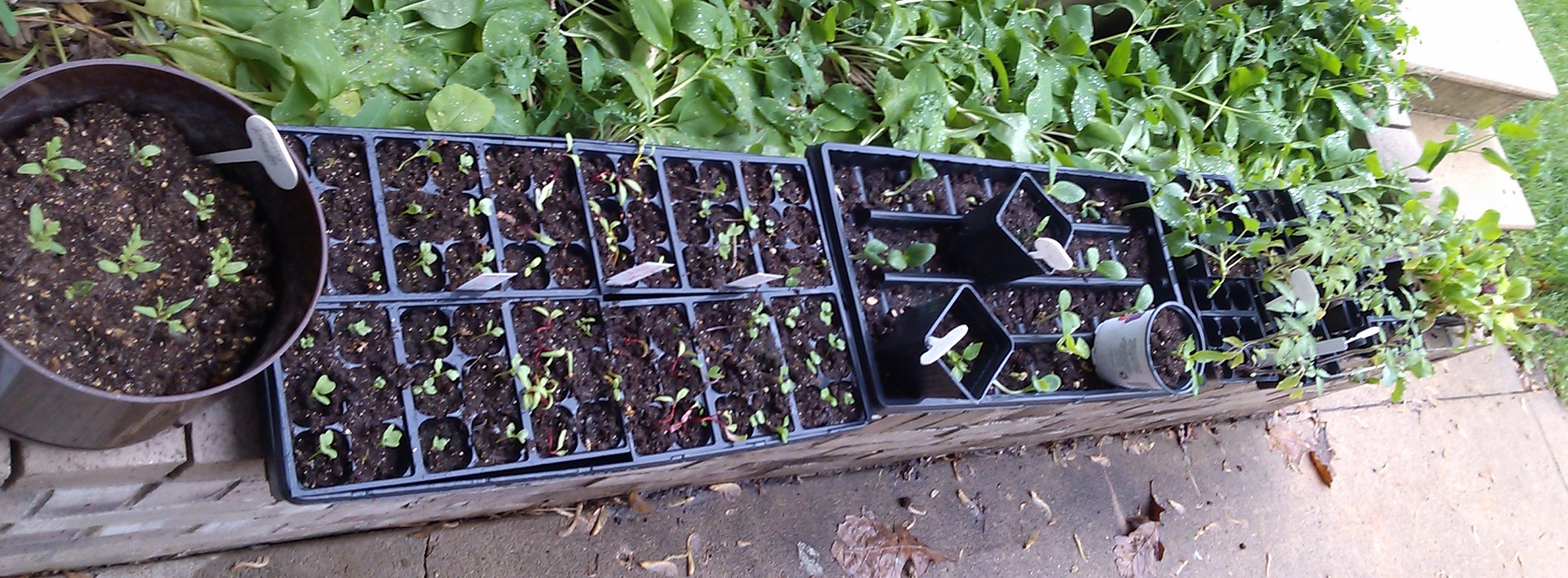
Spring Garden

LAKE MACBRIDE— The house doors are open, creating a cross breeze that is very nice. This morning has been weeding the garden, and cleaning up the kitchen, neither of which jobs is close to finished. Time for an update on local food and the garden, beginning with the lawn.

With the abundant rains, the lawn had gotten lush and long. I spent three hours yesterday cutting and bagging the clippings on a third of the property, and now my tomatoes have their first layer of mulch to suppress weeds. Some say it is a bad idea to use grass clippings to mulch the garden because the seeds of weeds may be included. Others say the grass clippings should be left on the lawn for mulch. I am more concerned about suppressing the weeds in the garden. The rest of the spring grass clipping harvest is expected to take another four hours.

The tomatoes grown from seed and transplanted into the garden have taken. This year’s tomato plan means planting less in my plot, but because of my relationships with other growers, we should have more and diverse varieties. With the mulch being laid down, there is not much to do with tomatoes other than to watch them grow.

With our share from the CSA plus the greens from our garden, we are having salads daily, most times as a meal. The types of lettuce from each source are complementary, and there is plenty of produce to load each meal with veggie goodness. The key lesson I am learning this year is to keep planting lettuce and greens throughout the season. It will be a year of abundance.

We will have a bumper crop of oregano, and I am using the dehydrator to dry some of the herbage. A little goes a long way, so if I can store a small jar of dried oregano, it will last the winter.

Much more to write about, but there’s work to do.

Categories
Living in Society

Maintaining a Pioneer Cemetery

George Fackler Marker

FACKLER’S GROVE— What should be done with an old cemetery? Fackler’s Grove is a pioneer cemetery that has not been used for interment for more than a hundred years. There are that many years of neglect. The remains of George Fackler, the first person to die in the township, are here, along with those of more than three dozen others. Some think we should do something with the cemetery.

The Ely Historical Society initiated a project to clean up Fackler’s Grove, and their first project day is Saturday, June 1. Check out the Ely History Blog post about the cemetery cleanup here. The group has been thoughtful about their approach, and have phased the work so a better understanding of the needs can be gained through their engagement.

The question for the Big Grove Township board of trustees is how many tax dollars should be spent to maintain a cemetery that many local residents don’t know exists? Today, the answer is unclear.

One line of thinking is to move the remains to a designated section of the Oakland Cemetery near the town of Solon. This has been investigated previously, and there are legal obstacles to consolidating the two cemeteries. Another way to look at it is the cemetery is sacred ground and should not be touched, except to remove brush, and to maintain trees, fencing and what artifacts remain there. The historical society project leads in that direction. A third way to look at it is to do nothing. Fackler’s Grove has been neglected for more than a hundred years, what harm is there in leaving it alone for a few more?

The thing is that when people are interested in donating time and money to maintenance of township property, the resources should be used to supplement the operating budget. I welcome the Ely Historical Society initiative. How the work will unfold over time is something in which I will engage, and report on from time to time.

Categories
Kitchen Garden Living in Society Sustainability

Farmers Oppose Nuclear Power

Nuclear Power? - No Thanks
Nuclear Power? – No Thanks

WILTON—About 65 people gathered at the Wilton Community Center last night to view a screening of the documentary, “The Atomic States of America,” hosted by the group Saving America’s Farmland and Environment (S.A.F.E.). Attendees also heard an update from two of the group’s co-founders Dwight and Dianne Glenney. S.A.F.E. began with a group of farm families who rose in opposition to MidAmerican Energy’s plans for a nuclear powered generating station on 150th Street near Wilton.

No surprise that a group of farmers would fight a large corporation in the biblical terms of David v. Goliath when MidAmerican Energy bought options on 729 acres of prime Iowa farm land in the middle of an established rural community to build a power plant. According to Glenney, the electric utility has three possibilities for the land should they exercise the options: build a nuclear powered generating station, build a natural gas powered generating station, or do nothing. S.A.F.E. is organized so their Davids can remove MidAmerican’s Goliath from their lives and the land options expire without action.

I first met some of the group in October 2012 when Iowa Public Interest Research Group hosted a community organizing meeting to oppose siting a nuclear power plant near Wilton. My advice at the time was, “your most effective voice is with your state legislators when they convene the 85th General Assembly… Let your legislator know you’re opposed to it.” Since then, members of S.A.F.E. engaged their elected officials, securing resolutions opposing nuclear power from the Cedar and Muscatine county boards of supervisors. They also recruited state representatives Bobby Kaufmann and Tom Sands to support their efforts. Membership is approaching 400 people who have signed their petition and joined S.A.F.E.

According to Dwight Glenney, the group has been researching nuclear power during the time since the October meeting. What they learned moved the group from a not in my back yard approach to more general opposition of nuclear power in Iowa, in the United States and globally. Glenney indicated there are options besides nuclear power to supply electricity to meet growing demand in the state.

He reported that MidAmerican Energy has completed their three-year study of the feasibility of nuclear power in Iowa and is expected to deliver the report to the Iowa Utilities Board this week. Dianne Glenney reported on grassroots organizing activity of fundraising, letters to the editor, production of an information packet, attendance at legislative forums and other items.

S.A.F.E. makes a strong point that they are not affiliated with any so-called “green” groups, and that is a strength of the organization. By remaining strictly grassroots, with members of the community effected by MidAmerican Energy’s plans for rural Wilton being the primary stake holders in the group’s activity, they have an independent and unique voice that dovetails with other concerns of rural Iowa.

What’s next? S.A.F.E. supports building any new electricity generating facility on existing power plant locations so that new land is not taken out of farm production. According to Dwight Glenney, it makes sense from the standpoint that the logistical support of transmission lines, roads and infrastructure is already in place. They also plan to advocate with the Iowa legislature for a ban on nuclear power, similar to what 13 other state legislatures have enacted. Such a ban may be permanent, or until the unresolved problem of disposal of radioactive spent fuel is addressed by the federal government. S.A.F.E. is working with their legislators to introduce bills regarding these issues during next year’s second session of Iowa’s 85th General Assembly.

Dwight said that if the issue is resolved, and MidAmerican Energy decides not to build a power plant near Wilton, any funds remaining in their bank account will be divided three ways and donated to local Future Farmers of America groups. For the time being, they asked for financial support and for people to join their growing membership. If you would like to learn more about S.A.F.E., email Dianne Glenney at diglenney@live.com.

Categories
Environment

Spring Flooding and Moving On

Flooded Wetland
Flooded 140th Street

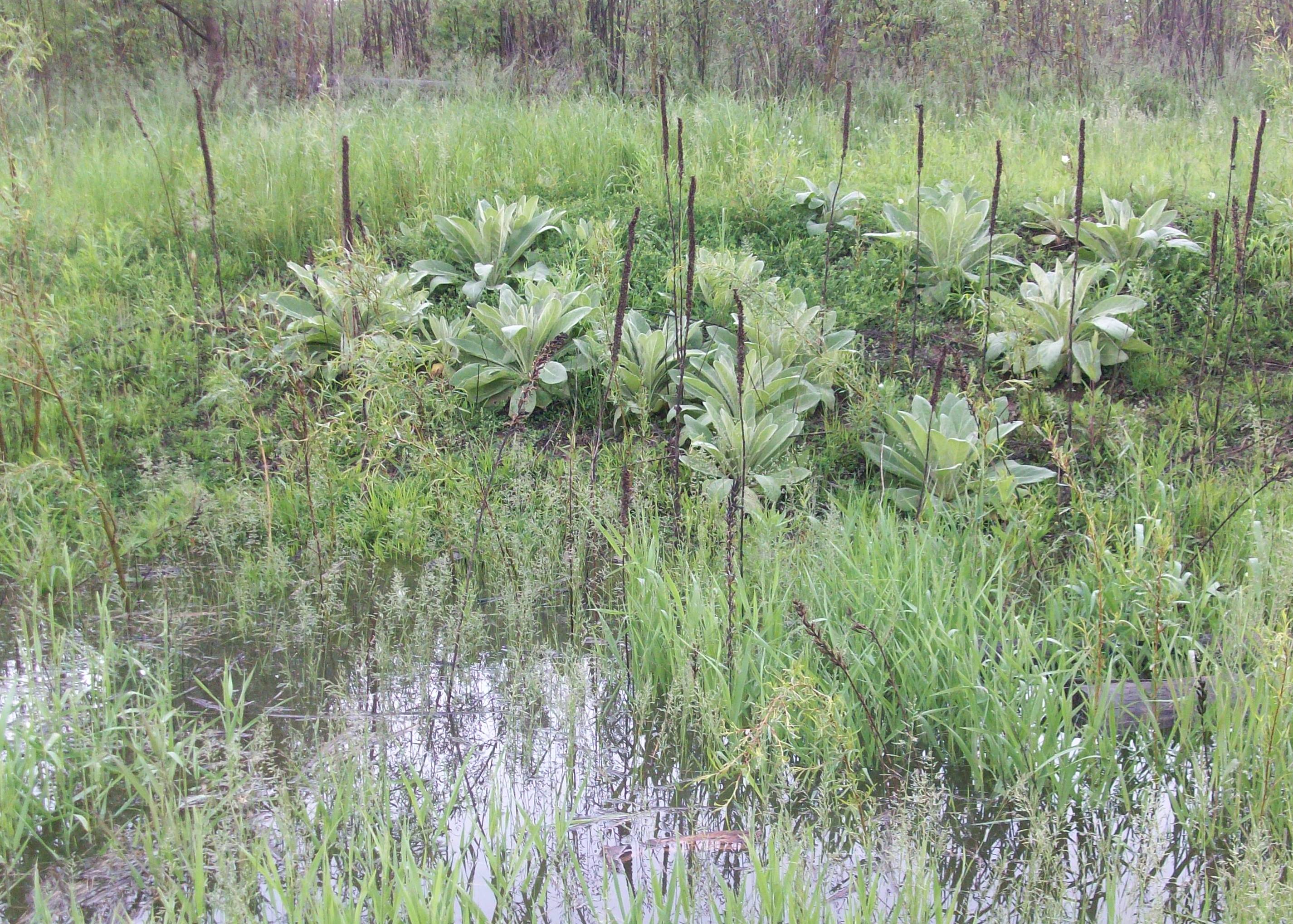
ATHERTON WETLAND— 140th Street west of the Ely Blacktop has been flooding for a couple of weeks. The recent heavy rains, and those forecast for today and tomorrow are expected to create more flooding. The local result is the Atherton Wetland gets wet, holding water destined for the Coralville Lake, the Iowa River and beyond— serving its purpose in our owned and built environment.

Atherton Wetland
Atherton Wetland

June is a time of flooding, something Iowans are getting used to managing. The water is expected to flow over the 712 foot Coralville Lake spillway later this week, and the government is making preparations for the flood. In the personal world of quotidian affairs, the Ely blacktop is still open, and I should be able to make my way to Cedar Rapids later today to run errands.

Our lawn is lush, green and long— a habitat for birds, rabbits and other small mammals and amphibians. When the rain ends, it will be a four hour project to mow, bag and pile the grass clippings near the garden: a harvest of mulch for a garden that badly needs weed suppression. Garden weeds like rain as much as the lawn does.

Atherton Wetland
Atherton Wetland

It is just as well the rain came last weekend. There is plenty of inside work to do and the garden can be a distraction. This year, more than others, I feel a connection to the earth. Despite the rain, I harvested lettuce, arugula, spring garlic, chives, spring onions and radishes for our dinner salad. Perhaps it is the work on the farm and the understanding of where our food comes from that pulls me in. Perhaps something deeper.

Would I could let go and spend my days tending the garden and harvesting the produce of rain, sunlight, soil and biodiversity. For now, with the reality of flooding roads and other exigencies, that remains a dream.

Categories
Sustainability

Memorial Day 2013

Oak Tree and Flag at the Cemetery
Oak Tree and Flag

BIG GROVE TOWNSHIP— In May 2011 I wrote a post on Blog for Iowa that represents my thoughts about Memorial Day. This morning’s rainy forecast brought no new ideas on the topic, so read it there if you have an interest. It’s my best offering regarding our war dead, whose lives we remember today.

The American Legion ceremony is at nine o’clock. The flags at Oakland Cemetery have been flying in anticipation since Saturday. Each flagpole bears a plaque with the name of a deceased local veteran. For the first time, as a trustee of the cemetery on Memorial Day, I feel I should attend. At our recent board meeting there was discussion about the landscaping service preparing the grounds, although these things seem to take care of themselves in rural Iowa once the contract is let. Yesterday the cemetery looked ready for the expected crowd from the highway.

As years pass, the unchanging order of service and empty language have eroded my interest in the local legion’s ceremony. It is more for the friends and relatives of the World War II and Korean Conflict generation, who show up each year in diminishing numbers. Aging veterans take it easy in a row of chairs along the course of service flags while speakers utter hackneyed pabulum for those gathered. The ceremony has become a reflection of the distance society has put between the visceral reality of war and the ersatz patriotism of 21st century American society. We honor our war dead, but should we honor the living who enable our government to prosecute war? Perhaps my expectations are greater than rural Iowa can deliver upon.

Before we get wrapped up in the flag and “honor their service,” as is the commonplace, it is important to recall that war deaths are no abstraction. The living may decorate the graves of our war dead, but come tomorrow, some part of our lives must be devoted to waging peace. Otherwise those that died while defending our freedom will have died in vain.

Categories
Writing

Firefighter Breakfast

Rain-soaked Seedlings

SOLON— The umbrella snapped open as I exited the car on Main Street, heading toward the fire station and the 50th Annual Firefighter Breakfast. It was a steady rain and the breakfast traffic was light at 6:30 a.m. Despite the fact that eggs, sausage, ham, pancakes and beverages are not my usual breakfast fare, I like attending, being part of the community we have come to call home.

Firefighters tend to be on the bossy side. Given their work, they have to be. For example, I declined a raffle ticket and instead suggested a donation, laying some money on the table. The attendant responded, “here, take a ticket and fill it out inside.” How could I refuse? The hard sell is on the fried eggs, prepared in a pool of enigmatic oil. The cook asked three times if I didn’t want a fried egg with my scrambled. Resisting was hard, but I remained a firm no thank you. Coffee was served in a commemorative ceramic mug which diners could take home if they wished. Mine is in the dishwasher now.

During election years, the breakfast is awash with politicians. Since this is an off year, the only elected official (besides myself) was one of the town council members who was serving pancakes. There was a local businessman making the rounds, talking to people he knew. Otherwise folks were focused on the food and polite conversation. The tables began to fill up by the time I left.

As one of the Big Grove Township Trustees, I am responsible to help manage the fire station budget along with other townships served by the department. The fire station seems to get most of what the captain says they need. Our board only meets when we have to, which is mainly to approve the budget for the fire station and cemeteries, and to attend the quarterly fire station meetings with all of the townships.

Today’s fundraiser is like mad money for the department, which means buying equipment they could use, but for which they don’t have a budget. There are likely enough tax revenues to get the firefighters everything they need without the fundraiser, but the annual breakfast has become a popular community event.

Today’s rain is a hopeful sign that last year’s drought has finished. The annual firefighters breakfast is the unofficial kickoff of summer, and a fun event. It is worth stopping by on a rainy day.

Categories
Home Life Kitchen Garden

Starting Over with Soup

Spring Soup
Spring Soup

LAKE MACBRIDE— One is ready to take on the world after a bowl of home made soup. In between projects, several things at home are de derigueur. Going through the refrigerator and pantry finding ingredients to make soup is one of them. A fresh start to new beginnings using preserved and aging vegetables.

A job, project or activity can distract us from our home life. Home becomes a camp— a place to return from doing other things. Making soup can be a way to clean up loose ends and refocus our energies for what is next. It is a re-centering on home life.

Making soup is also being frugal— picking from items reaching the end of their shelf life and using them for a warm meal. It is a reversal of consumerism and can be celebratory and reassuring. Most often, the results are delicious, especially when served with a slice of home baked bread.

Still tired from my last day of warehouse work, I made vegetable soup today. There was no recipe, but learned behaviors came into play. This post is intended to share some of the learning.

Put a half cup of water in the bottom of a Dutch oven and bring to a boil on high heat. Medium dice or slice a large onion, three or four small carrots and a couple of stalks of celery and add to the pot. Season with salt and pepper and a couple of bay leaves. This provides the basic flavor profile. (In our house, we add pepper when the meal is served so each person can get as much as they want).

Next, add fresh ingredients on hand. Today, it was potatoes starting to develop eyes, part of a zucchini, and baby Bok Choy leaves beginning to yellow. Peel and dice three or four potatoes, fine dice the stems of Bok Choy and add them to the pot. Grate the zucchini with a box grater and reserve along with 20 or so Bok Choy leaves. If there were other fresh vegetables on hand, I would use them. Note that soup is about using things up, not buying specific items especially for the dish.

In the freezer is my soup project. Throughout the year I collect the cut bottoms of asparagus stalks, broccoli stems, beet greens, spinach and a host of other odds and ends of garden vegetables to use in soup. It is how gardeners deal with their irregular and surplus produce. From the freezer I added bits of broccoli stalk, some finely sliced asparagus, and chopped greens of an undetermined nature (beet greens I think) to the pot.

Add a quart of home made stock if you have it and cover the vegetables with water. Bring to a boil on high heat and reduce to a steady simmer. Simmer until the vegetables are cooked through, add the zucchini and Bok Choy leaves and stir until the Bok Choy is wilted. Re-season and it is ready to serve, a fit luncheon for contemplating the future on a rainy afternoon.