Categories
Living in Society

Twitter and Me

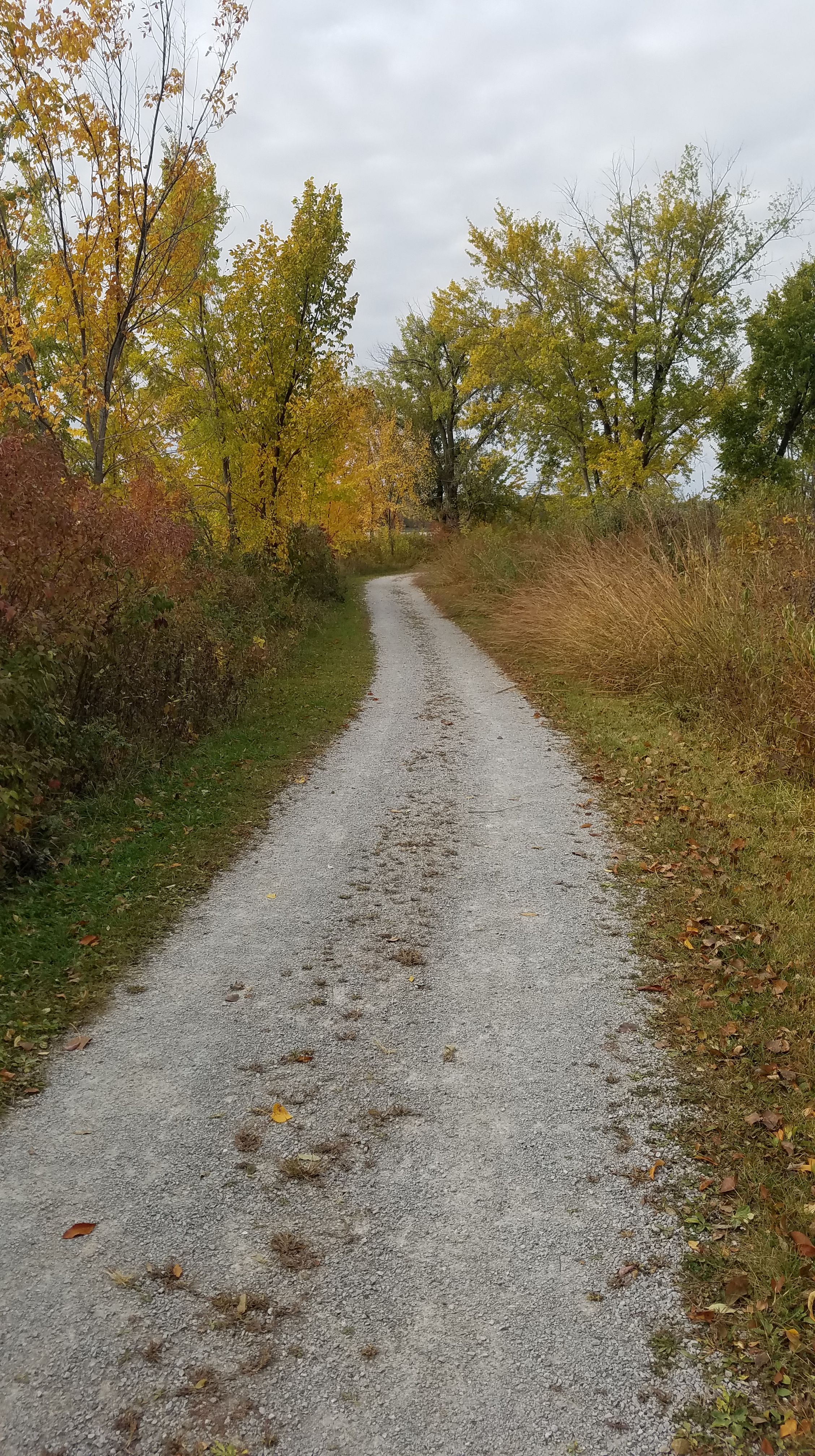
Transforming to autumn yellows.

After the general election I expect my Twitter use will change. Instead of using the platform for editorializing, I expect to revert to news gathering as its primary function. That’s to be expected after a long campaign season.

It is also a reaction to Elon Musk’s potential acquisition of the social media platform. We don’t need oligarchs structuring our social media any more than they already are.

There is also this from the Washington Post:

Twitter’s workforce is likely to be hit with massive cuts in the coming months, no matter who owns the company, interviews and documents obtained by The Washington Post show, a change likely to have major impact on its ability to control harmful content and prevent data security crises.

Washington Post, Oct. 20, 2022.

Whether or not this is accurate, I don’t know. Musk told the newspaper he would seek new ways of extracting revenue from the platform once the acquisition is consummated. It would be another blow to the foundational attractions of social media.

More than anything, composing a tweet helps me think things through and put ideas into words. Sometimes the process is successful, sometimes not so much. It seems essential to a writer to have some method of taking abstract, random contemporary experience and render it into something meaningful. Twitter accomplishes that, even if it is not the only methodology I use.

While working on my autobiography last winter, the writing process served as Twitter does, arguably to more useful purpose. I would locate some artifact or piece of writing, then think through what it meant in context of my narrative. I would either incorporate or discard it. I’ll need Twitter less for this type of function as I return to autobiography.

When I referred to Twitter use as having a news gathering function, I mean a person can follow specific people writing about current affairs without the structure of a news organization. I read seven newspapers yet it also matters what Jane Mayer, Naomi Oreskes, Elizabeth Kolbert and others have to say. If they have written something new, they are likely to post it on Twitter soon after publication. The same is true of a number of journalists and commentators I follow. This puts me ahead of the news curve.

There is a human side of Twitter. I met many of the 180 people I follow in real life and have a relationship with them. I would miss updates from them. At the same time a lot of accounts I follow are utilitarian in nature. Someone is running for office, or is important for a project, and there is a timeline on their useful nature. There will be a purging after the election.

After the election, I expect to protect my tweets to minimize the tweet-crashing experience and focus on what I want to say and write there. Life seems too short for distractions.

I haven’t studied how much time I spend on Twitter yet by reducing its use, I should free valuable time for other projects. There is an addictive quality to the platform. While aging I need less addictions. In my post-pandemic retirement, I also yearn for connection with people. That feeling will grow as I age.

I joined Twitter in September 2008 after our child graduated college and left Iowa. I needed a way to stay in touch. Twitter was okay for that, even if I feel a bit like a lurker. Lurking is actually a good thing on social media platforms like Twitch. One hopes our real life relationship continues more than our social media one.

I’ll remain on Twitter for now and see how the Musk deal proceeds. One useful function is to refer people to this website to read my posts. That may be reason enough to stay.

Categories
Living in Society

Radio in the Hinterlands

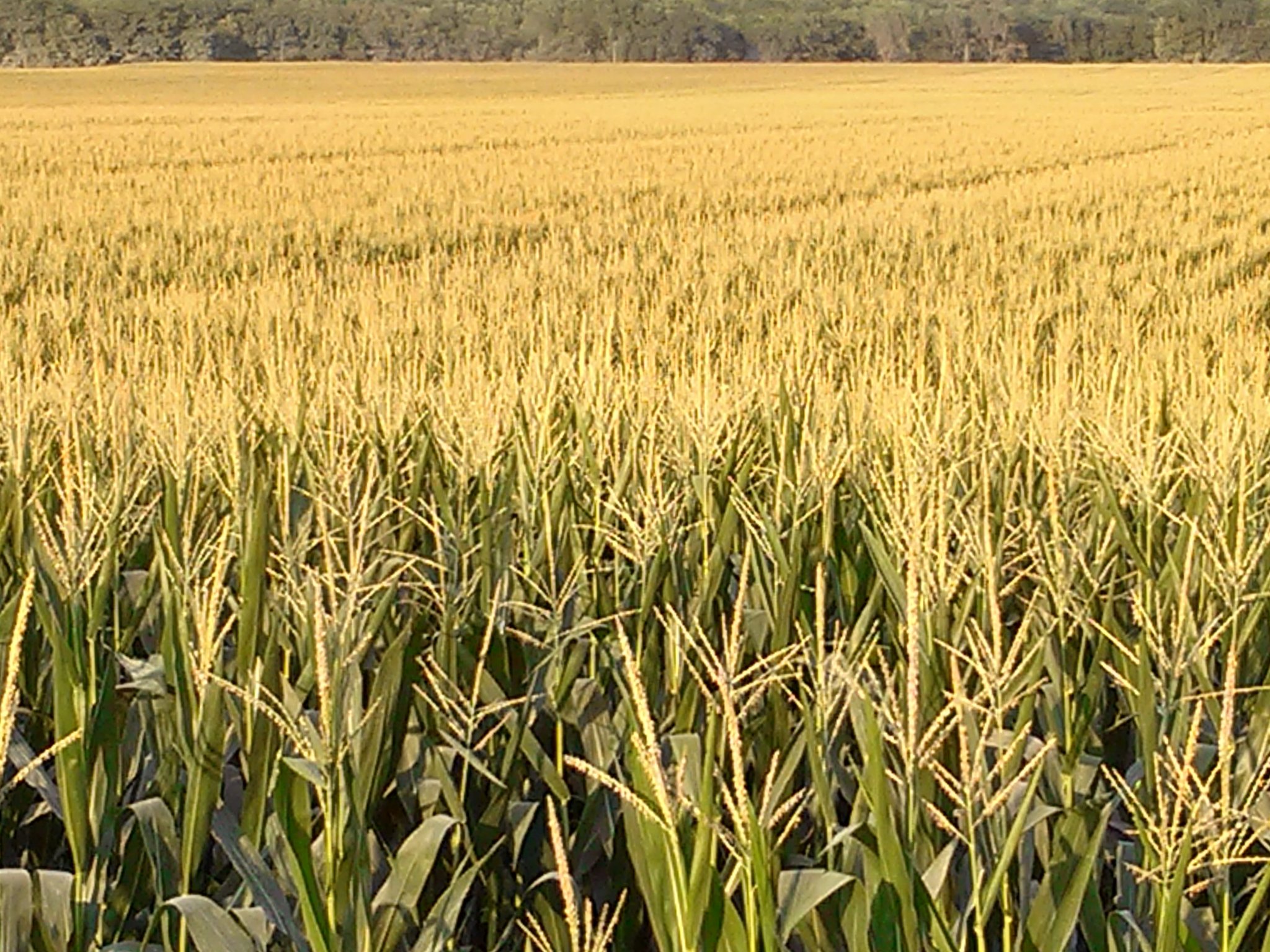
Field corn.

When a person lives in Iowa it is hard to avoid noticing the harvest.

74 percent of Iowa soybeans and 38 percent of corn had been harvested as of Oct. 17. We are running a few days ahead of historical averages because it has been exceedingly dry. The entire state is experiencing drought conditions. I held off burning the brush pile because there is a Red Flag Warning, which means extreme fire conditions combined with high wind and low relative humidity. Everything is parched.

As I write this post on a Saturday afternoon, the ambient temperature is 78 degrees with a high of 82 expected in a couple of hours. The average high temperature here is 61 degrees in October. For Oct. 22, it is warm. One needn’t be a scientist to understand something is going on.

On Thursday I delivered my spouse to her sister’s place in Des Moines. We had a lot to talk about as we passed fields with farmers harvesting corn and beans. Between Williamsburg and Altoona, Interstate 80 is a hinterland of row crops, wind turbines and the detritus of retail establishments grown up to service a few locals, but mostly travelers. Towns and cities are hidden from sight.

On the way back, I turned on the car radio and began searching for channels. I avoided the religious stations and settled on a couple of country music and classic rock programs to help me make it back within range of my usual ones. From the ads, it became clear that Republicans dominate rural Iowa.

Governor Kim Reynolds has a substantial campaign war chest and attorney general candidate Brenna Bird just got a major donation from the Republican Attorneys General Association to defeat incumbent Tom Miller. These two Republicans have money to burn on their campaigns. The radio ads repeated during my trip. Whether any farmers were listening while running the combines and grain wagons, I don’t know. Republican messaging filled the vacuum left by Democrats.

To be effective, radio advertising must exist and be repetitive. In the Iowa hinterlands, it is the domain of statewide candidates and big money. Tom Miller was unlikely planning to spend millions on his campaign. Republicans are trying to buy an attorney general.

Our gubernatorial candidate, Deidre DeJear, simply doesn’t have the money for radio advertising even though it is cheap. My worry is her television advertising goes dark as we enter the last two weeks of the campaign, leaving Republicans the only voices heard there as well. During the primary, another Democratic candidate for governor dropped out of the race because he couldn’t get a meeting with major Democratic donors.

As the miles fell behind me the ads repeated. Running down President Biden and associating the Democratic candidates with him because of his unpopularity. Every sentence repeated was a pack of lies. When it is the only political voice rural people hear, it’s hard to stand up to it.

The election is in 17 days. Whatever the outcome, we have to do better to dig out of the hole we dug for ourselves. It’s possible, yet without the rural areas, I’m not sure how that happens.

Categories
Sustainability

A Vision For the Future of Iowa Food Systems

Wilson’s Orchard

I worked for seven seasons at what is now Wilson’s Orchard and Farm near Iowa City. At the time it was mostly an apple orchard with seasonal imports of cherries, peaches, raspberries, blueberries and blackberries from other farms.

During the coronavirus pandemic they expanded their offerings and yesterday announced they bought a 115-acre farm near Des Moines as a further expansion of what is proving to be a successful local food concept.

The grand opening of the Des Moines farm is spring 2023 with the strawberry season. Paul Rasch, owner and grand poobah of the farm described his first strawberry crop in Iowa City to me as “money.”

I don’t know if the proposed transition is possible, yet it may be our best hope to break the cycle of growing row crops in Iowa. Wilson’s Orchard and Farm is an idea whose time has come.

Here is the announcement video released this week that describes Paul’s vision of an Iowa food system transformed.

Categories
Living in Society

Grassley and Social Security

Autumn at Lake Macbride

Like many Americans, after my paid work life ended, I planned to use my pension from Social Security as a basic financial support system. So far, so good.

I’m not sure I’m finished with paid work. The prospect of earning a couple hundred dollars a month to supplement my pension remains. A disruption in Social Security could devastate our lives, leaving the future uncertain. We need a contingency plan for dealing with changes to Social Security.

The Social Security system is a key campaign issue in 2022. Republicans and their libertarian financial backers have not liked Social Security since FDR proposed it. The latest is the Republican proposal to sunset all laws every five years, about which I wrote in August. Feeling some pressure from challenger Michael Franken, U.S. Senator Chuck Grassley spoke to reporters, including Caleb McCullough, who published this story in the Cedar Rapids Gazette on Sept. 29.

Grassley: No sunsetting Social Security, Cedar Rapids Gazette, Sept. 29, 2022.

Grassley adopted a majority view of Social Security with this article. While he hits some highlights — not changing the benefits for current and soon to be retirees, and removing it from sunsetting every five years — his statement is vague enough to leave anything open. Grassley said any changes to Social Security would involve “broad consensus.” What we don’t know is if he means the consensus of all U.S. Senators or just the Republican caucus.

Do voters believe him? I posted the clipping on Twitter and the answer was a resounding no in the replies. Of course Twitter serves as an echo chamber for views, so reading those replies is not a scientific data collection method. There was consensus among posters Grassley could not be believed.

Since leaving the workforce during the coronavirus pandemic I spend more time at home. I try not to think about worrying things all the time. Yet it is like the embers of a campfire waiting for new wood to burn. For the moment, I’ll warm my hands on the present, vote Democratic, and watch for new information in my news feeds.

Categories
Sustainability

Approaching Danger

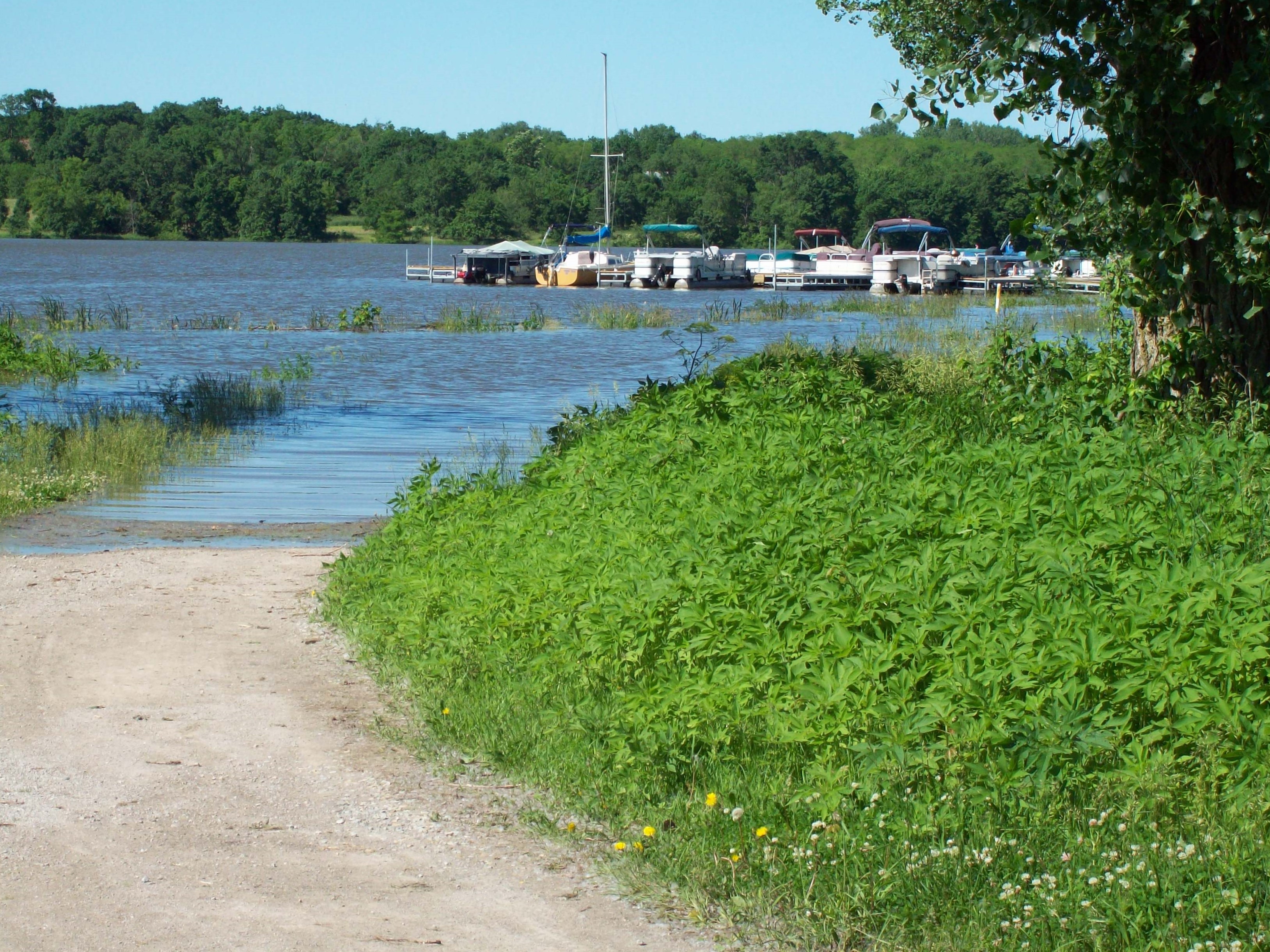
Flood water from Lake Macbride reached within 600 feet of our home on June 14, 2008

We did not fear the 2008 flood, even though it rendered roads and bridges near us impassible and destroyed significant parts of Cedar Rapids and Iowa City. There was a lesson to be learned from it.

As the water level rose, flowed over the Coralville Dam spillway on June 10, then back-filled Lake Macbride, it would have taken much more than there was to flood our home near the lake. When the flood crested on June 15, we were relieved.

Lake Macbride is part of the water storage system for the Coralville dam and the reservoir created behind it. 2008 flooding was greater than any in recorded history, yet the system worked as well as it could have given the volume of water. Because news media were focused on the natural disaster, we had plenty of information upon which to make decisions: Should we sand bag the house? Should we move everything to the upper level? Should we evacuate? By closely monitoring the news, we were able to survive with minimum disruption in our lives.

The Aug. 10, 2020 derecho was another catastrophic weather event, only this time, there was little advance warning. The City of Cedar Rapids may never be the same after much of the tree canopy was destroyed. Straight-line winds have become a repeating occurrence on our property. The 2013 event did more damage than the derecho, yet in the latter electricity was out for four days. It took time to recover from this event, have a tree service remove broken limbs, and clean up debris. Everyone in the neighborhood had piles of firewood after the storm.

To what extent were the 2008 flood and the 2020 derecho made worse by climate change? In his essay on the 2008 flood, Eugene S. Takle summarizes where we are.

When rare and extreme weather events seem to increase in frequency, either locally or regionally, both statisticians and thoughtful lay people begin to wonder if something unusual is going on. They ask not only whether climate change was involved, but also — and more urgently — whether such extreme conditions will be repeated soon or nearby. The question is much more than academic…

Was Climate Change Involved by Eugene S. Takle. Published in A Watershed Year: Anatomy of the Iowa Floods of 2008, edited by Cornelia S. Mutel.

Our troubles as a society lie elsewhere, outside the rational thinking of scientists.

The lesson learned from these natural disasters is to be alert and pay attention to what one can’t control. The lesson applies to more than natural disasters.

Sixty years ago I did not foresee where we would arrive in our politics and society. The idea that corporations could and would spend countless fortunes to manipulate voters to support candidates who did not serve their best interests is mind-boggling. Yet here we are.

Everything is corrupt, including political office holders, news media, law enforcement, our judiciary, our distribution system, and an extraction economy that impoverishes people who remain out of plain sight. It is a harsh judgment, yet is increasingly and undeniably true. We may have been able to survive floods, derechos, and straight line winds, yet our biggest problem is one we made for ourselves.

The approaching danger to be addressed is one of our politics. Republicans controlled both chambers of the Iowa legislature and the governorship after the 2016 election. They used their majority to advance policies that serve interests which align with right-wing conservatives and business concerns. At the same time, 45 of 150 Iowa legislative races have candidates running unopposed this cycle. The apparent lack of interest in running for office is as much a problem as the Republican trifecta.

This year, because of the recent U.S. Supreme Court decision on Dobbs v. Jackson Women’s Health Organization, which overturned Roe v. Wade, the number of female voter registrations is up. It is hard to know what this means, other than that women who value the right to an abortion, to make their own health care decisions without intervention of politicians, are taking action by registering to vote for candidates who support that right. Whether this movement will persist after the Nov. 8, 2022 election is an open question.

The American political system is far from perfect. If we want to address the dangers of climate change in the form of extreme weather events, as we must, that political system is our only, best hope. We must all get more engaged than we have been.

Categories
Living in Society

Toward Summer’s End

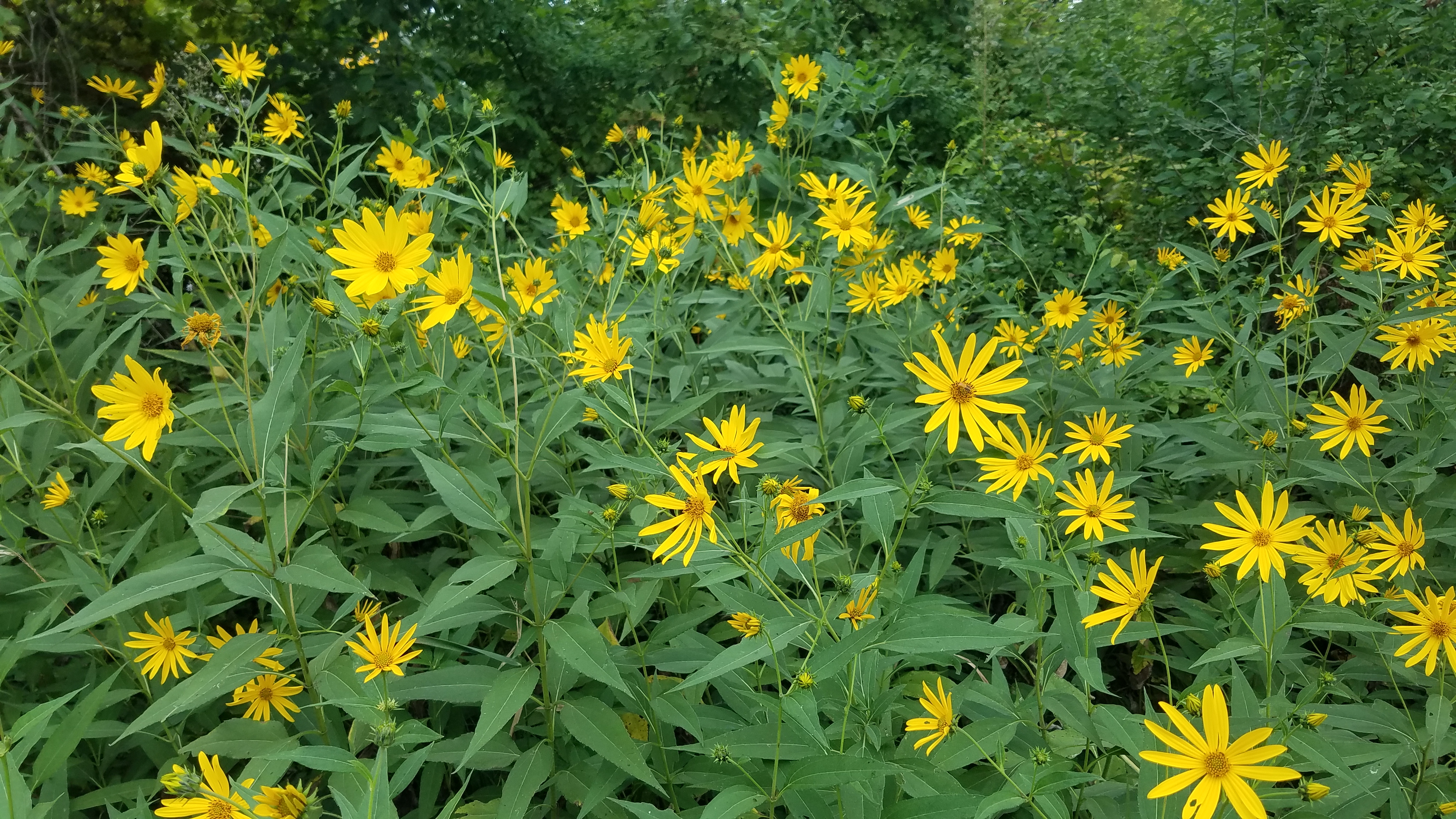
Wildflowers along the state park trail.

The appearance of tall, yellow wildflowers is a sign summer is ending. By the calendar there are three weeks of summer left, yet the Labor Day weekend marks the end of trips and vacations, and the beginning of school. For some, school already started.

I finished planting in the garden and focused on closing out the last vegetables. I preserved enough tomatoes, peppers, pickles and greens. All that remains is finishing the plots, clearing them, and in October planting garlic.

Perhaps as a closing to summer, President Joe Biden gave a speech last night. I gave it a full B grade, although it is definitely worth hearing. If readers are so inclined, here it is.

Happy last days of summer!

Categories
Environment

Global Warming is Real

Drought-stressed corn crop in Cedar County, Iowa, 2012.

2022 has provided evidence in plain sight of the consequences of burning fossil fuels. The Greenland ice sheet is melting and expected to raise global sea levels by a foot. Such melting is already in motion and even if we stopped emitting greenhouse gases into the atmosphere today, it would have no effect on this destruction. A melting Greenland ice sheet cools the Northern Atlantic Ocean, which in turn slows the Atlantic Gulf Stream circulation and could lead to climate disruption on a massive scale.

From the American West to Europe to China, rivers are drying up. Our oceans are warming, causing fish and water-bound mammals to migrate to cooler places, disrupting fishing stocks. The upper Midwest is home to the largest global concentration of field corn. Continued high temperatures and lack of rainfall are expected to reduce yields. At $6.73 a bushel, corn is now roughly 50% above its 10-year average price.

None of this is good news. It is the truth.

In part, we got ourselves into this situation by ignoring scientists about the dangers of global warming. Here’s some more truth: President Lyndon Johnson, in a Feb. 8, 1965 special message to Congress, warned about build-up of carbon dioxide that scientists recognize today as the primary contributor to global warming.

“Air pollution is no longer confined to isolated places. This generation has altered the composition of the atmosphere on a global scale through radioactive materials and a steady increase in carbon dioxide from the burning of fossil fuels.”

LBJ Presidential Library, speech on Feb. 8, 1965.

What’s a person to do?

There is little an individual can do. A solution will take governments addressing the physics of the issue at the highest level. It has become clear Republicans are the party of the fossil fuel industry and won’t take serious climate action. While some Democrats have fallen under the influence of fossil fuel interests and money, they were able to pass the Inflation Reduction Act which is the first legislation that addresses the climate crisis. We need more legislation to address the climate crisis, and that means electing more Democrats today.

The evidence of global warming is all around us. While everyone should get involved in what has become an obvious, global problem, the path forward in the United States is in retaining a Democratic controlled Congress and Executive Branch. No one wants to change their quality of life. However, life would be much better if we took action to control the changes caused by global warming by engaging in society.

Categories
Kitchen Garden

Acorn Season in Iowa

Bur Oak acorns forming.

The remaining two Bur Oak trees in the garden made an abundance of acorns this year. They are weighing down the branches so they almost touch the ground. Acorns are welcome nutrition for squirrels who took up residence in trees I planted after moving to Big Grove in 1993. These particular oak trees were planted from acorns harvested the year our daughter graduated high school and left home. There were three trees, one for each family member, but the August 2020 derecho took one of them out.

The plan is to remove one of the remaining two after the garden finishes this year. It will allow the final one to grow to maturity. By the time it does, I’ll likely be too old for much gardening yet I hope to be able to appreciate its native glory.

It took an hour to harvest tomatoes yesterday. There were two and a half gallons of San Marzanos, a milk jug full of mixed cherry tomatoes, and a bushel of slicers. Today’s plan is to clean them all, remove the imperfect ones to make tomato sauce, and organize what’s left for optimum storage and use in the next couple of days. Tomatoes planted under the oak trees are looking better, so there will be a harvest of plums and Amish paste for canning. This season is running late across the garden.

While I reached into tomato cages to take fruit from the vines I thought about next year. I plan to continue the trellis system for cherry tomatoes and plant two additional long rows, one of mixed slicers and one of San Marzanos, Granaderos, and Amish Paste. The trellis will be longer, as we are using more cherries in the kitchen. It needs to be more sturdy so I may invest in t-posts for the upright supports and place them closer together. They will be flanked by the other two rows, which in turn will be flanked by bell peppers on one side and a mix of eggplant and hot peppers on the other. That would allow focus on that particular garden patch at the same time of year. One can tell fall is not far away by this contemplation of next year.

Where the garlic will go this fall is not decided. This year’s crop continues to cure in the garage and the heads used have been healthy and tasty. I planted 100 head last fall and it produced plenty for the kitchen. Almost every seed planted yielded a head. When the curing process is finished, I’ll save the best heads for seed. This garlic originated on Susan Jutz’ farm and has been planted year after year for a very long time. It has good characteristics and stores well.

Soon I will mow the harvested garlic patch and use the plot to store grass clippings. With the recent rain, the yard grass is long and will make plenty for storage. I also need to tear down the failed onion patch and prepare it to store fencing. I need a sunny afternoon for this work.

We move through the gardening season so quickly any more. In late August, the work continues to be about tomatoes, peppers, greens, celery, and eggplant. Cucumbers and zucchini are about done. I hope to plant lettuce before the week is done. Acorns forming on oak trees are the sign I had better get going.

Categories
Living in Society

Processing the Intake

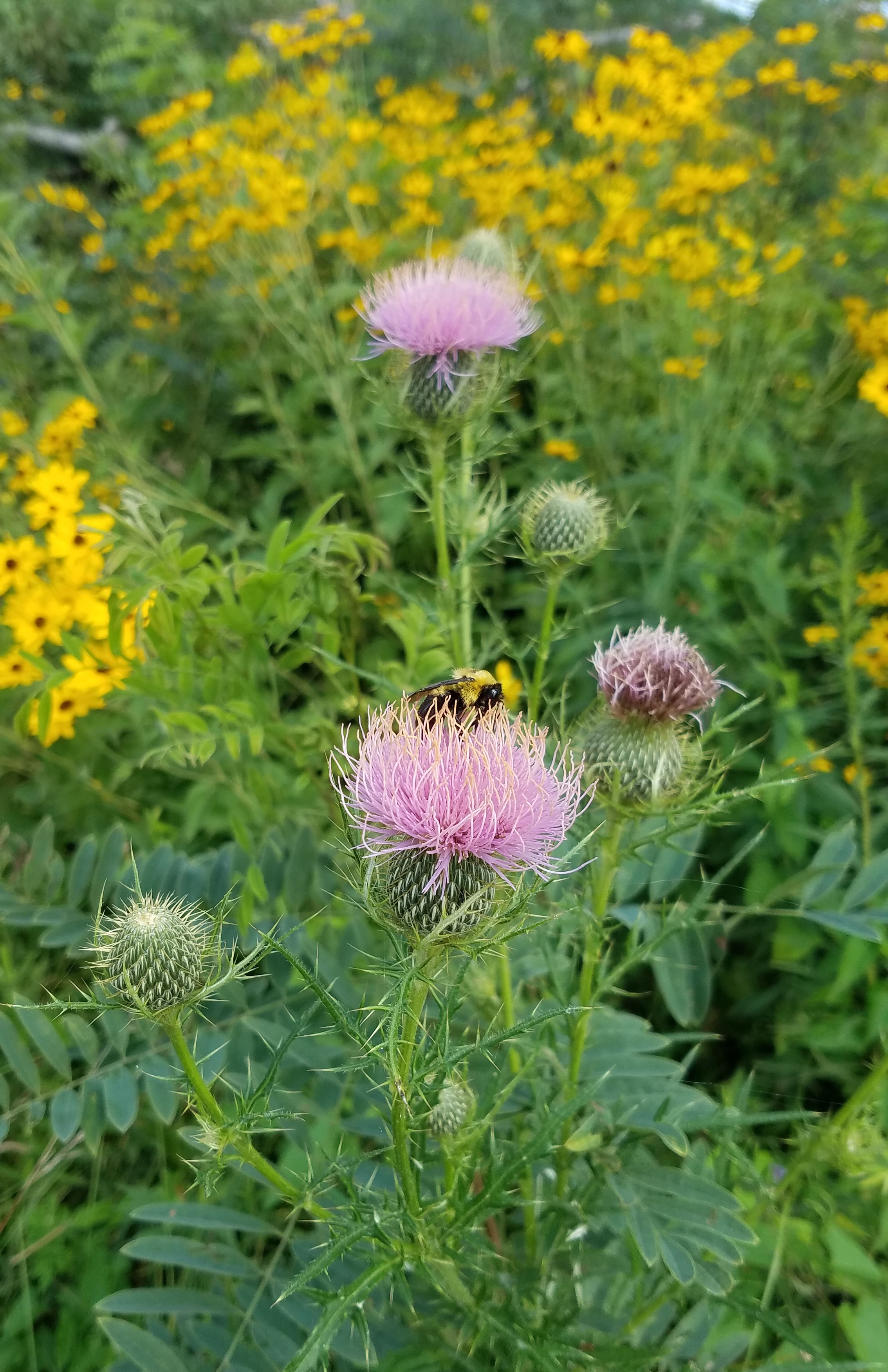
Bee seeking pollen in a thistle plant.

As daylight moves toward summer’s end, the amount of information available has increased dramatically. After a busy Monday, I have to stop the input and process what I’ve gained. In an ever-forward life, that’s hard to do.

In the next township over, one of the Iowa CO2 pipelines is planned to cross Johnson County. The public debate is whether private companies should be able to use eminent domain provisions of the law the way a government would to run these pipelines. If you got everyone involved in the projects – companies, government, land owners, farmers, and citizens – I’m pretty sure we could agree that these pipelines serve no useful purpose to the environment. During initial rollout of the plans, companies hardly mentioned the environmental impact of CO2 emissions on earth because there are and may be more markets for the commodity. This is mostly about being able to export Iowa ethanol to California, which has stricter air quality regulations than Iowa. Well maybe I’m wrong these folks wouldn’t agree.

In Iowa’s First Congressional District, Republican incumbent Mariannette Miller-Meeks has defined her campaign as one tapping into a mother lode of money and crazy policies in her national party. In a way this makes the race easier for Democrats as she will be out of touch with what all district residents want and need. It will be harder because of the endless well of dark money in politics agitating everything. Democrat Christina Bohannan is busy doing the work of a candidate all over the district. There is a lot to take in as I plan my engagement in the fall campaign.

I am disengaging in my position as president of our home owners association in a development with a population of about 250 people. Finding people to be on our all volunteer board has been challenging. I served on the board in three different periods since first being elected in 1994. There are real responsibilities with managing our public water system, roads, trash and recycling removal, and a separate wastewater treatment plant. We kept the board fully staffed since I returned in 2017, yet few showed interest in leading the effort. Both managing the activities and finding a replacement will take time I’d rather be spending elsewhere.

Our family decided to become home owners. We built new in 1993 and 29 years later, a lot needs attention. Lilac bushes planted in 1994 are now overgrown. Repeated straight line winds and a derecho knocked down trees and branches. We are at 12 years since last roofing the house. Major appliances need upgrade. The list of home repairs and upgrades is pretty long. We have to be ready to slow down, and that means making the house more livable as we age. We tend to avoid these projects because we don’t want to think about them and how we finance them on a fixed income. We have to get going or the to-do list will only continue to grow.

Seems like I spent a lot of my life developing game plans and this is no different. I know enough to stop the input of new projects and focus on optimizing the use of time and resources. I’ll give it until Labor Day. If planning goes on past then, it may drive me crazy.

Categories
Writing

Print More Letters

Woman Writing Letter

When I open the Press-Citizen, the first thing I seek is letters to the editor. There have been less of them printed. Indeed, I’ve been trained to look for them only on Wednesdays and Saturdays. I counted only two issues in the last 24 days (as of Aug. 8) with letters.

This important forum has been de-emphasized. I get it that newspapers are under pressure to turn a profit and an opinion editor costs real dollars. Still, engaging reader-written content must count for something.

I’ve been writing letters since 1974 and accept the medium may be reaching toward obsolescence. It has been an outlet for my writing and a way to get my views in the commons for feedback. I’d like to see more people writing letters from diverse viewpoints.

If only the Press-Citizen could regularly print them

~ Published in the Iowa City Press-Citizen on Aug. 13, 2022.