Categories
Environment

Climate Reality: It’s a Crisis

Scarlet Kale in My Garden

On Feb. 19 I submitted a vacation request for today and tomorrow at the home, farm and auto supply store so I could finish planting the garden if I hadn’t already.

Paid vacation is one of several perquisites of working for a mid-sized retail company. Such perks are a reason I linger there, even though I’d rather spend more time at home in my garden and kitchen.

As we now know, planting is behind during what may become the wettest Iowa spring in recorded history. People aren’t freaking out yet. Many I know, including all the farmers, are on edge. A lot is at stake when one’s livelihood is built around planting and growing foodstuffs. Non-farming people feel the oppressive weather as well. The continuing rain is not normal for east-central Iowa. I’m not sure my garden will get planted the way I expected in February when I submitted my vacation request.

Yesterday at Kate’s farm a thunderstorm rolled in and we moved the seeding operation into the barn. One doesn’t want to be inside a metal-framed greenhouse during a lightning strike. At home I left my trays of seedlings outside when I went to work and they survived the storm in good shape. I moved them into the garage as rain started again. There have been a lot of thunderstorms locally, which when combined with the recent polar vortex, heavy snowfall, rapid snow melt and wild temperature swings, indicate this isn’t a one-off weather event.

Around 1850, physicist John Tyndall discovered carbon dioxide traps heat in our atmosphere, producing the greenhouse effect, which enables all of creation as we know it to live on Earth. This and other scientific facts about physics, chemistry and biology are the foundation of analytical models that predict future behavior of the climate and its consequences for humans. As Katharine Hayhoe, an atmospheric scientist and professor of political science at Texas Tech University, posted yesterday in social media, “climate models are (not) some type of statistical random number generator.” The science of the climate crisis is the same science that explains why airplanes fly and stoves heat food. It’s science.

Consider the displeasure with which the administration greeted the Fourth U.S. National Climate Assessment which predicted dire consequences for sentient beings in coming years if greenhouse gas emissions continue the way they have been going. The president’s advisors now seek to change how the assessment is done, arbitrarily shortening the window of concern to a near horizon of 20 years. I’ve never seen an ostrich stick its head in the sand, but this is what it would look like. There is no scientific reason to shorten the horizon for considering the effects of the climate crisis in climate models.

I didn’t know what to expect in 2013 when I attended Al Gore’s training to join the Climate Reality Leadership Corps in Chicago. Among the benefits was by understanding the basic science of global warming it became easier to cope with the crisis unfolding in front of us now.

The reality is climate change is real if we have the education and awareness to understand what we are seeing. It is not only about science. As Carlos Castaneda suggested when a reporter questioned him about discrepancies in his personal history, “To ask me to verify my life by giving you my statistics … is like using science to validate sorcery.” So it is with our politics. Scientific facts do not address the politicization of science to serve interests that are indefensible in light of our commonality.

Mother Nature has been the victim of humans living on Earth, of that there is no question. Brutalized and violated, who can mend her broken body? I don’t know if it’s possible, there is no Denis Mukwege for her unless it can be all of us together. Who am I kidding?

The sun is rising after the latest thunderstorm moved on toward the Great Lakes. I’ll put seedlings outside again and hope for a break in the weather long enough to work the soil. While farmers need a good week of dry weather to get crops in the ground, I can make do with less.

I feel good about today but then I am human. Most of us can’t see but six inches beyond our nose, try though we might. To sustain our lives we must do a better job of living now while working toward a better future — despite the setbacks of our politics. What choice do we have?

Categories
Kitchen Garden

Gardening in a Wet Spring

Western Sky at Sunrise – Sundog Farm

Whether or not we get a garden in this year the stakes are not high.

Much as I enjoy produce resulting from my labor, I could get along without it a for a year, or two, if I had to. We are part of a strong food ecology and unlikely to go hungry or want for fresh vegetables.

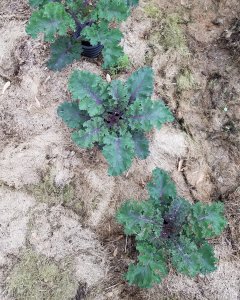
Eventually the ground will dry enough for planting and what has become a dozen trays of waiting seedlings will find a home. There have already been some successes: the kale looks great, radishes have been good, and the sugar snap peas will produce an abundance. I’ll do what I can, when I can, reflecting the position of most gardeners in my area.

The marker for end of spring is moving my vehicle back inside the garage. We are weeks away from that.

On Sunday I planted what will be the last tray of seedlings at the greenhouse. My work there wraps up at the end of June and already I am on every other week duties. Where did the first five months of 2019 go?

I planted,

Cilantro, Ferry — Morse, 45-75 days.
Imperial Broccoli, Johnny’s Selected Seeds, 71 days.
Genovese Basil, Johnny’s Selected Seeds, 68 days.

The Blue Wind broccoli planted earlier has been a disappointment with less than half of the seedlings planted now growing well. Blue Wind plays a role in larger operations as an early broccoli. We’ll see what it produces, but unless the heads are spectacular, it will be the last of this experiment. Late planting of Imperial will better serve our needs.

In other failures, tomatillos have done little. I may get one plant from the starts. Heirloom tomato starts were iffy, with a couple producing only one or two plants. Rosemary germinated, but growth hasn’t taken off. These failures combined with late, iffy planting take a toll. In the end it’s part of being a gardener.

I pulled apart last year’s tomato patch and mowed it flat. The plan is for cucumbers, peppers, squash, eggplant and sundry crops to go in there. The soil isn’t turned yet and won’t be until I get the previous plot planted.

While I’m struggling to get a garden in, larger scale conventional farmers are having a time of it. Spring rain has gone on so long some are debating whether to put in a crop at all. I posted a link to a story about the issue by Thomas Geyer in the Quad-City Times. My post made over 3,500 impressions on Twitter. Find the article here.

People who rely on their farms for a living have had a struggle of a spring. My friend Carmen at Sundog Farm wrote the following to her CSA members:

As I’m sure you’ve noticed there have not been very many windows of sunshine in between rainstorms over the past month and half, so we’ve been seizing every opportunity when its dry enough to get in the field to plant. Despite the limited opportunities and that planting sometime ends up looking more like wallowing in the mud, we’ve actually been pretty happy with our progress! We’ve also been grateful to have hoop houses where we’ve been producing most of the spring crops, and where we can plant even when it’s wet outside. We are a little behind in getting plants in the ground, but so far we are pretty close to where we want to be and hoping for the best!

Some seasons hoping for the best is what is possible.

Categories
Kitchen Garden

Too Much Spring Rain

Seedlings Waiting for Dry Soil

On a glorious spring Monday I began spading the next garden plot. The soil was too wet to work so I stopped after four feet.

Excessive spring rain not only affects gardeners, farmers are feeling it too. Vegetable growers were either “mud-planting” or not planting at all. Less than half the anticipated corn crop was planted by May 12, according to Iowa Public Radio. It’s only the fifth time in the last 40 years that has happened.

I planted spring onions, Daikon radishes (KN-BRAVO, 49 days) and Rudolf round (24 days) and D’Avignon (21 days) radishes in three in-ground containers.

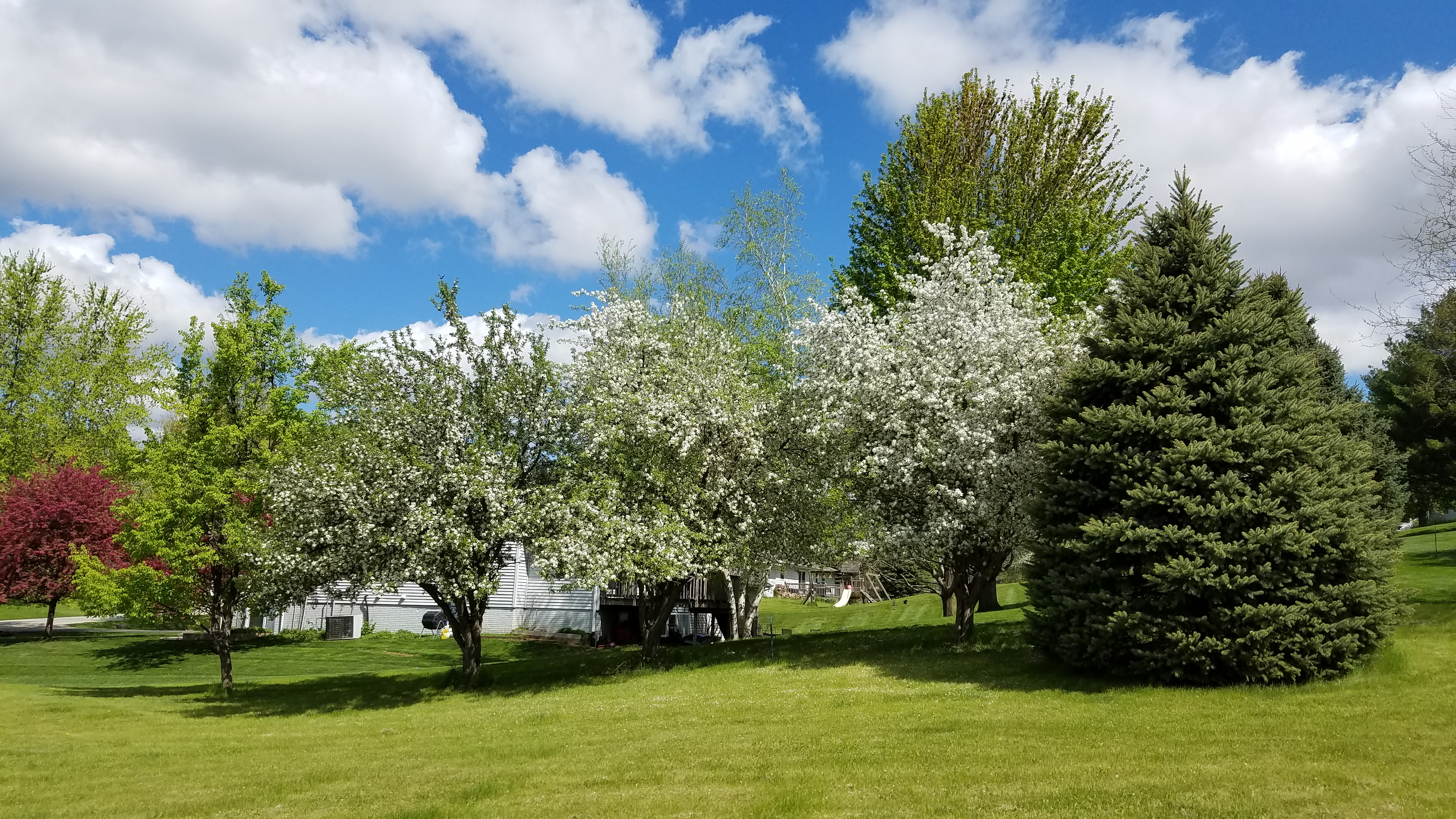
The apple blooms continue, although when the wind blows it is a snowstorm of petals creating drifts under the trees. This year has been one of the longer blooms I remember. There are so many blossoms it wouldn’t be bad if some of them didn’t pollinate, sparing me the chore of thinning the buds once they form. The good news is after the long growing season, there should be apples.

After my soil blocking shift Farmer Kate have me a guided tour of her farm. I took photos, which can be found on my Instagram account here. She farms about nine acres in large plots. A lot of it is planted and what isn’t remains in cover crops until its time. Although I’ve worked at Wild Woods Farm for a couple of years, this was the first time I saw the entire acreage.

I started a tray of seeds that didn’t germinate well at the greenhouse. Yellow squash and tomatillo seeds did not germinate at all at the greenhouse. The squash looked a bit funny when I planted them, so I’m trying again. I also used up the arugula seeds, and planted a few blocks of okra and pumpkin as an experiment. Like many things in gardening, we experiment and watch the results.

I’m ready for the second wave of planting as soon as the ground dries. Then it will be a mad dash to get everything in. Even though rain holds us back, the season’s not hardly begun so there’s hope of a bountiful year in the garden.

Categories
Kitchen Garden

Hope in a Midwest Garden

Just Past Peak Apple Blossoms

On a sunny Friday among peak apple blossoms I cleared the fourth plot for a multi-crop gardening area.

The first three plots have early vegetables and are not completely planted. With eight trays of seedlings ready, and more in the greenhouse, it’s time to get them, along with seeds I’ve been holding, in the ground.

I don’t clear garden plots in autumn. I’ve read it’s best to leave them and let small rodents eat the weed seeds left behind. Clearing a plot becomes a bit of a spring production.

I remove the fencing, cages, fence posts and any non-organic debris. Then I gather brush generated since the last burn pile and burn it with straw from the plot. Once the fire dies down I run the mower over it with the deck as low as it will go. Yesterday this produced a 15 by 12 foot plot ready for planning, soil preparation, planting and fencing.

The plan is for spring onions, celery, spinach, lettuce, radishes, leeks, green beans, red beans, chives, arugula, basil, parsley and cilantro. The plan is written, now subject to further consideration and modification as I turn the soil, spade-by-spade and attempt to beat forecast rain.

This work is the core of who I am. I’m thankful to be able to do it.

Categories
Living in Society Social Commentary Writing

Unexpected Monday

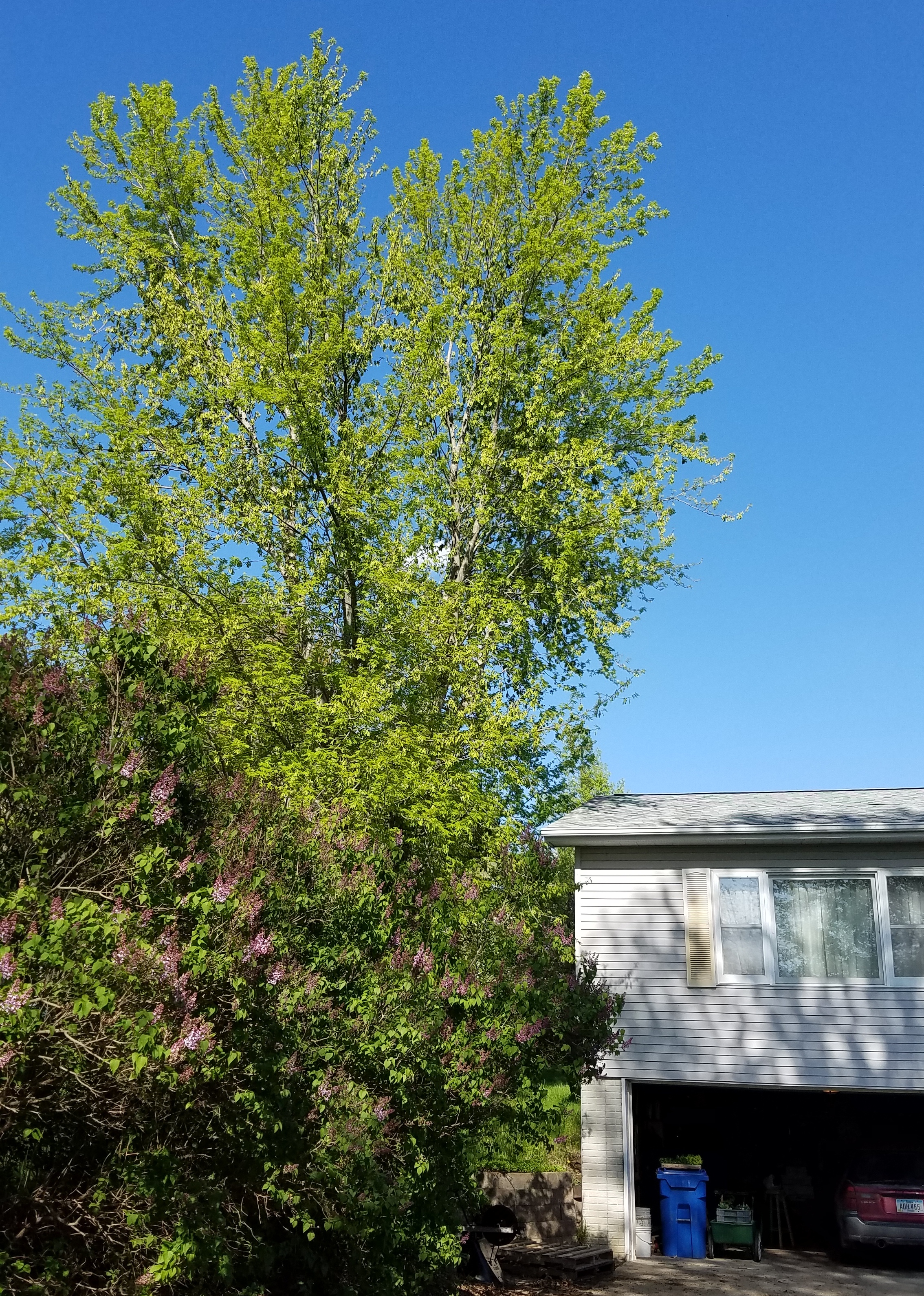
Maple Tree – Before

Monday didn’t happen as expected. There were three things involving arborists, health care and farming.

Without announcement, the arborist arrived to take down a maple tree I planted on the northwest corner of the house. Turns out I didn’t know what I was doing when planting the 12-inch, stick-sized sapling so close to the house in 1994.

Now fully grown, unusually strong winds already took out one of the main branches. We determined it would be less expensive to remove the tree than pay for a roof repair when limbs inevitably blew down on it.

It was a small way of mitigating the damage of the climate crisis.

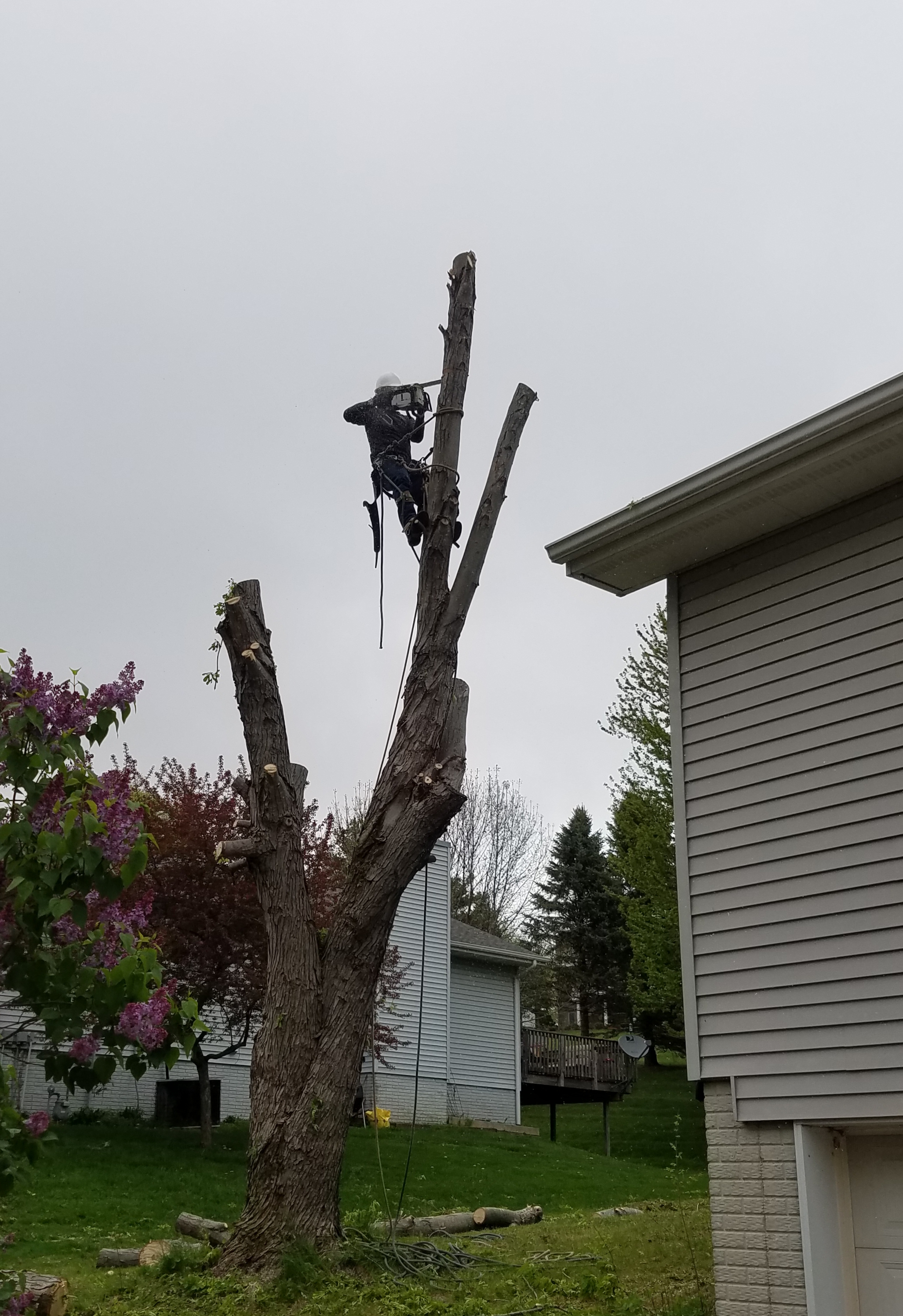
The crew was four men with two pickup trucks to haul away brush and wood. The benefit of using an arborist instead of a tree service is the equipment is pickup trucks, ladders, and an array of Stihl brand chainsaws and old fashioned loppers. There is minimal soil compaction around the work site without heavy equipment and that’s important to a home owner.

Arborists at Work

The arborists took out the maple and trimmed the pin oak, finishing well before noon. Our next door neighbor engaged them for tree trimming and by the end of the day our corner of the neighborhood was looking good.

Monday’s main event was a trip to the local clinic to get checked out.

Last Friday someone called, saying I was overdue for a physical exam. They had an appointment the following business day, which in a small city is disconcerting. The hospital managing the clinic is already having financial difficulties. The fear is the clinic will close, making it neccessary to drive to the county seat for health care. I took the appointment.

We no longer have two physicians at our clinic as one was replaced with an ARNP or Advanced Registered Nurse Practitioner. I get that the United States is facing a physician shortage, and our ARNP fills a coverage gap. It makes sense to differentiate the skills being performed in a local clinic and find practitioners that closely match them.

I miss what I had for a very long time, a doctor with whom I established a relationship and could get to know in our community. I’m not saying it was great, or that we should go back. I miss it but am ready to move on, seeking an answer to the question how do people get treatment in a scenario in which part of every office visit is talking about how to pay for services?

Arborist at Work

I liked my ARNP. He explained something I hadn’t considered. He said I was scheduled for a physical exam and there would be a significant cost. I explained that’s what the Friday caller said I needed so I went with it. He changed the billing code and said, once a person reaches a certain age, the better course of action when seeking treatment is to come into the clinic for specific maladies, without getting a traditional physical exam. I have a history already, which when combined with age and lifestyle risks, along with my complaints, can determine a course of care without physical examinations as I’ve had previously. What their team did today was little different from what the last physician did, with the exception the prostate examination was delayed until the results of a panel of lab tests he ordered were known.

At 3:40 p.m. I drove to the farm to pick up our vegetable share of Bok Choy and Koji, Leaf Broccoli, Mixed Greens, Lettuce, Spring Garlic, and Garlic Chives. Each year I secure onion starts for our garden leftover once the farm has planted theirs. It was time. Usually I get a bundle or two of starts produced in Texas, but Monday was different. The farmers gave me two trays of locally grown starts still in soil blocks. It seemed a generous gift considering the work that produced them. I was thankful to have them.

A day that started with a headache from a 12-hour fast before my clinic appointment turned out for the better. I had a cup of coffee after the clinic and the day got progressively better. It was one more day of sustaining a life in a turbulent world.

Categories
Kitchen Garden Reviews

Rainy Days and Smarshing it Up

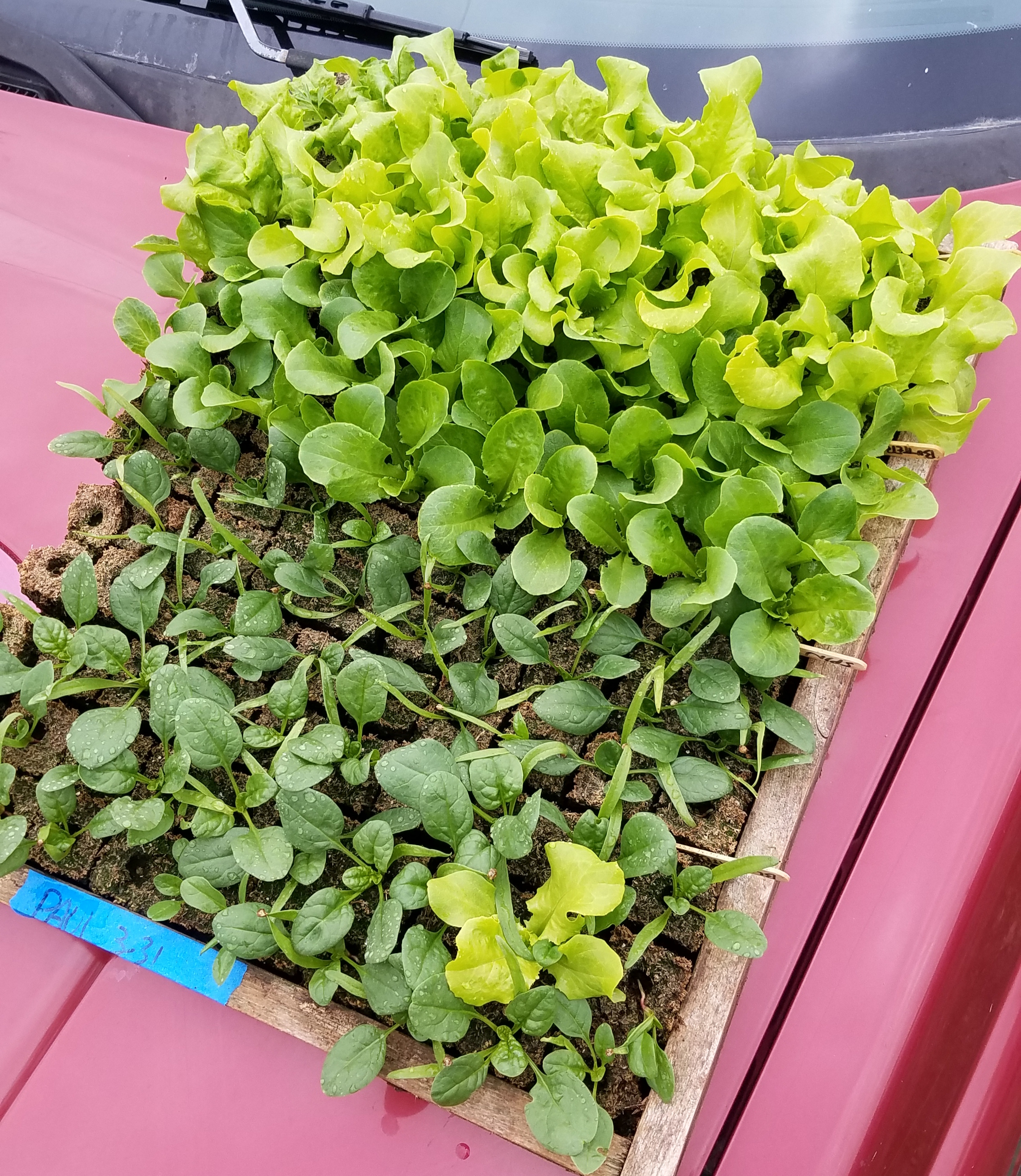
Tray of spinach and lettuce seedlings ready to plant in the ground.

Early planting is done… then it rained.

The ground has been too wet for planting so Friday became a day for weeding and staking the sugar snap peas.

I moved seedlings from the garage to the dining room to protect them from wind and rain while I worked my usual shifts at the home, farm and auto supply store. They are back outside waiting for the ground to dry. There is a lot of gardening to do over the next four weeks.

While the grass dried I drove across Mehaffey Bridge to the BioVentures Center in the University of Iowa Research Park. A friend arranged an impromptu round table discussion of affordable housing centered around Ohio Senator Sherrod Brown’s trip to Iowa to support his wife Connie Schultz. Schultz interviewed author Sarah Smarsh at an Iowa City Public Library fund raiser in the county seat that evening.

The round table consisted of community leaders introducing themselves and discussing issues raised by the recent purchase of a mobile home park by a group of out of state investors. The new owners plan substantial rent increases which current residents can ill afford. My role was to listen and learn.

Sarah Smarsh is author of the memoir Heartland: Working Hard and Being Broke in the Richest Country on Earth. My brief review after reading it last year is as follows:

I was skeptical at first about the reach of this book about rural poverty, hard work, and economic injustice. Yet, I was drawn in to a world I knew existed but hadn’t been articulated in such words. Smarsh’s story resonates with how I was raised, and with much of what I see in rural Iowa today. It was a marvelous read.

Several of my farm friends attended the event. We gathered under the marquee of the Englert Theatre for a photograph. Those who read Heartland felt as I did, that it articulated something about modern life in the Midwest that had been missing. We also concurred that Smarsh had drawn a clear line between what she presented in the book and her personal life which was not up for public conversation. After discussing the book we told jokes and laughed (a lot) in the marquee light before finding our ways home.

Some political friends attended the fund raiser, including my state senator Zach Wahls and his biggest fan, Chloe Angyal. I complained to Wahls I couldn’t remove his bumper sticker from my aging Outback. “American made, baby,” he responded.

I met Angyal who is a contributing editor to MarieClaire.com. We discussed her arrival in the Hawkeye state where she is writing a series of dispatches (here and here) related to the first in the nation Iowa caucuses and the unprecedented number of women running for president. Originally from Australia, she relocated to Iowa from Manhattan. After surviving the polar vortex and one of our coldest winters in years, she said she likes it in Iowa.

I didn’t get the lawn mowed, which means another morning of waiting for grass to dry, followed by the long process of bagging it up then mulching the kale. The forecast is sunny and clear. Hopefully the rest of the apple blooms will open, followed by pollination. Fingers crossed. I’m ready for a solid day’s work in the garden after Friday night smarshing it up in the county seat.

Categories
Environment

Earth Day – 2019

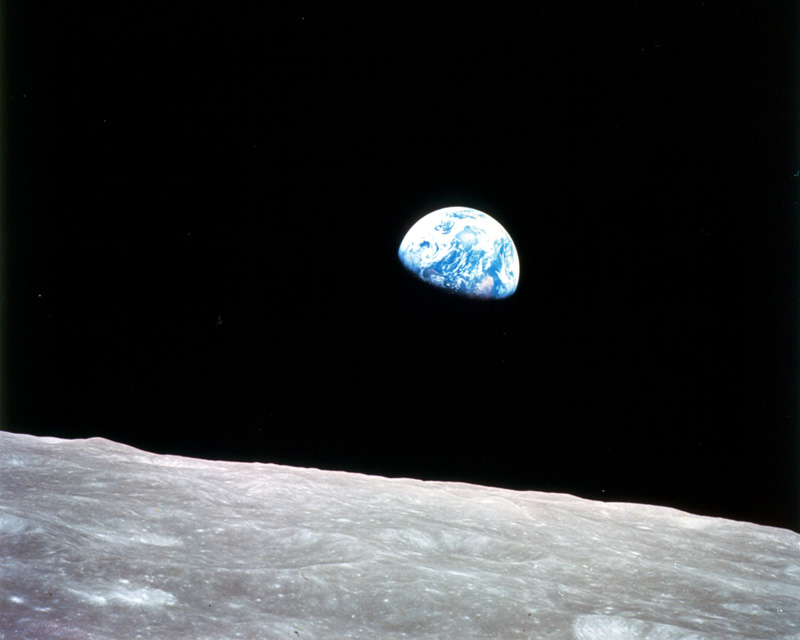
Earthrise by Bill Anders, Dec. 24, 1968

A thin haze dimmed reflected light from the moon. Thin enough to allow dots of starlight to penetrate the atmosphere and with moonlight illuminate the neighborhood.

The haze was just enough to know it was there.

I moved trays of kale, broccoli and parsley seedlings from the garage to a pallet near the driveway in the hazed light of a waxing gibbous moon.

Today is the 50th Earth Day.

Earth Day is less about a view of night’s starry presence than it is about seeing Earth as a whole. Few times in our history has a photo of Earth made such a difference in so many lives as Earthrise taken by astronaut Bill Anders. It sparked the movement that brought us Earth Day which continues to this day.

We humans have not been the best stewards of Earth since April 22, 1970.

Early Years

Vague notions of ascendancy were taught by our grade school teachers. In the seventh grade I was segregated from neighborhood friends to join a college-bound group of peers in a special classroom. I entered the National Honor Society in high school and when I graduated in 1970 had no clue what I wanted to be. I knew I was college bound, not because I wanted that, but because the nuns said I should be. That I finished college at all was miraculous. I felt a sense of relief as President Nixon appeared to heed a shared need to do something about the environment. When he created the Clean Air Act (1970), and then the Clean Water Act (1972) I felt Earth Day had done its job.

Military Service

When I left Iowa in 1976 for basic training at Fort Jackson, S.C. I had little idea of what being a military officer meant. I knew the Vietnam War was over and I wanted to serve as my father had. The context was a paternal grandfather went to prison for draft evasion during World War II. Given a choice, I would serve. Among other things, military service taught me the environmental cost of war.

The environment has long been a silent casualty of war and armed conflict. From the contamination of land and the destruction of forests to the plunder of natural resources and the collapse of management systems, the environmental consequences of war are often widespread and devastating. ~ Ban Ki-moon, UN secretary general

Oil consumption and related carbon emissions are significant contributing factors to degradation of our atmosphere. The use of depleted uranium in military ordnance, notably during the 1991 Gulf War, created a complex array of environmental problems including introduction of carcinogens into the environment. We destroyed Iraqi infrastructure, including water and sewer systems, and contaminated surrounding ecosystems. The use of defoliant Agent Orange in Vietnam created sickness among soldiers and decimated biodiversity in the country’s tropical rain forests. We should include potential use of nuclear weapons which studies have shown, in a limited nuclear war, could create a nuclear winter making 2 billion people food insecure.

Awareness of the military’s environmental problems is a lesson learned.

Worklife

I worked 25 years in the transportation business, including an 18-month stint with Amoco Oil Company in Chicago. What goes almost unnoticed as part of background noise in modern society is the amount of fossil fuels burned by trucking, railroad and ocean-going transport vehicles. When I was maintenance director for a large trucking firm, I spent $25 million per year purchasing diesel fuel for our vehicles. That doesn’t count fuel burned by our affiliate companies which used independent contractors who fueled their own semi-tractor trailers. The fundamental dynamic during this period was I needed a job to support our family and given what I perceived as a lack of opportunity after college and military service I took what I could find, staying there for most of my professional career. I traded the environment for financial security. My main concerns were job performance and getting ahead. The nuns in grade school didn’t adequately prepare me for this kind of worklife. Environmental issues were off the table.

Retirement

When I left transportation ten years ago the climate crisis became more real.

In 2013 I participated in The Climate Reality Project conference in Chicago, taught by former Vice President Al Gore. It made a difference to learn the science of climate change and in the following months I began presenting the information learned in public speaking, in letters and articles in the newspaper and in my daily life.

We entered a period of politicization of everything. Facts ceased to matter. Income inequality worsened and the U.S. government seemed owned by the richest people. The scientific facts about climate change became a political choice: do you or don’t you believe the science of climate change?

Climate change is real and is impacting our lives now. Even banks are seeing how it can impact their business. From an open letter from the Governor of Bank of England Mark Carney, Governor of Banque de France François Villeroy de Galhau and Chair of the Network for Greening the Financial Services Frank Elderson:

The catastrophic effects of climate change are already visible around the world. From blistering heatwaves in North America to typhoons in south-east Asia and droughts in Africa and Australia, no country or community is immune. These events damage infrastructure and private property, negatively affect health, decrease productivity and destroy wealth. And they are extremely costly: insured losses have risen five-fold in the past three decades. The enormous human and financial costs of climate change are having a devastating effect on our collective well being.

The authors call for an orderly transition to a low-carbon economy. “The stakes are undoubtedly high,” the authors wrote. “But the commitment of all actors in the financial system to act on these recommendations will help avoid a climate-driven ‘Minsky moment’ – the term we use to refer to a sudden collapse in asset prices.” In other words, the climate change bubble could burst.

The Future

Less than 24 hours remain in this 50th Earth Day, a brief moment in Earth history. Whatever humans do, the earth will be fine. It’s human life and society that’s at risk. My takeaway from 50 years of considering Anders’ image of Earth against a background of the immensity of space is the same as when I first saw it: we humans are all in this together. It is going to take more than Earth Day to bring political will to act on climate.

Categories
Kitchen Garden

Planting Radishes

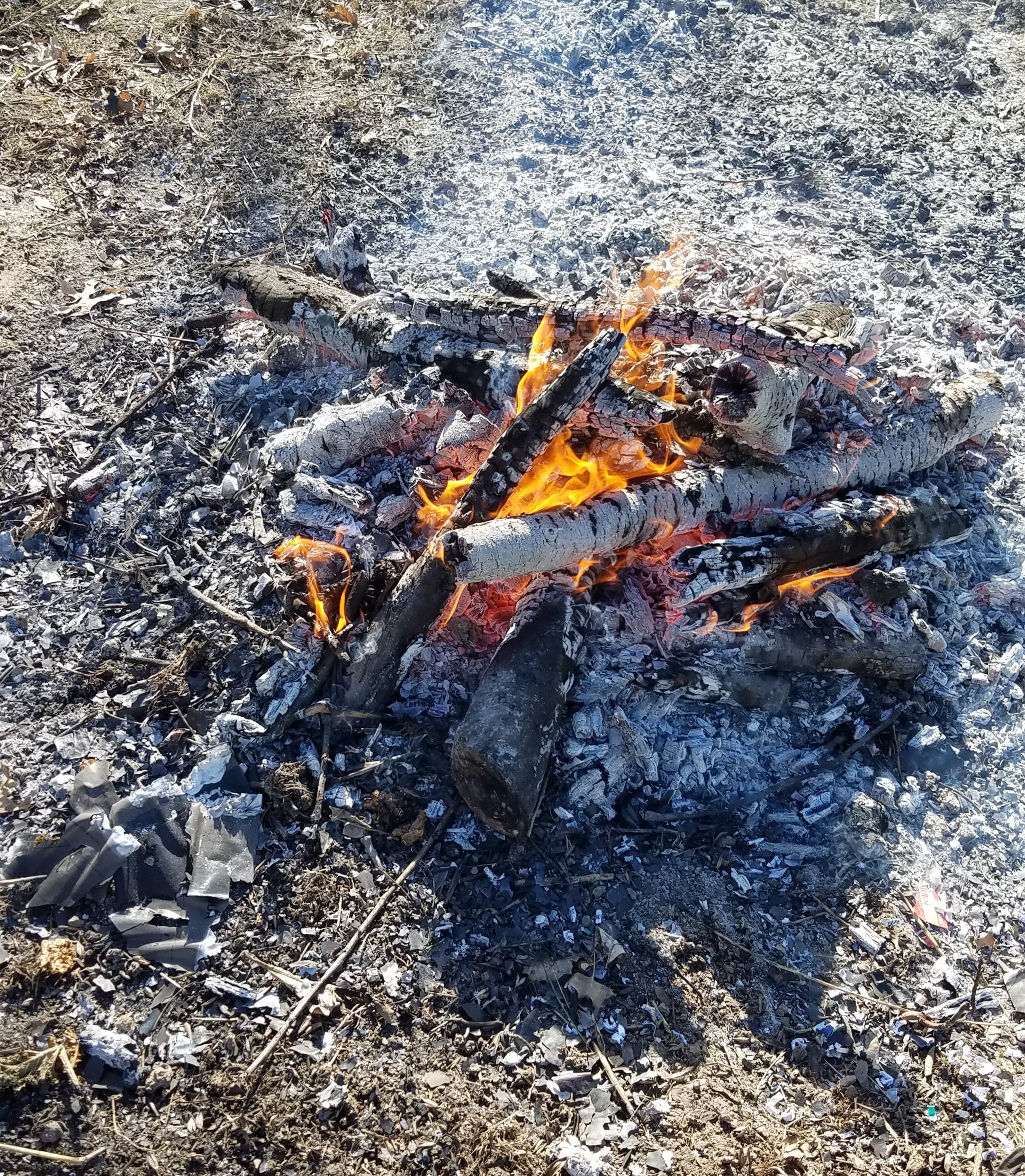
Brush Pile Burning Down, April 19, 2019.

Good Friday has been the traditional time to plant potatoes. With weird weather, tradition has been discarded.

Instead, under a clear sky and cool spring temperatures, I re-stacked the burn pile, lit it, cleaned up around the second garden plot and planted radishes in a container.

I’ll get spuds from local farmers instead of growing my own this year.

I planted,

Radishes

D’Avignon Specialty, Johnny’s Selected Seeds, 21 days.
Rudolf Round, Johnny’s Selected Seeds, 24 days.

In a week, I’ll plant another crop in the next container until the four containers next to the compost heap are filled with rotating crops for as long as intense heat stays within normal seasonal variation.

Lettuce seeds planted in the ground April 10 germinated and display a carpet of tiny green leaves in the first plot. Nothing else has surfaced.

I inspected the apple trees. Flower buds appear to have survived the Polar Vortex. Tips of the emerging leaves seem discolored, but I don’t know if that’s their normal color. They seem far enough along for a normal May bloom.

The plot with the burn pile will be for kale and something else. As I walk the back yard, carrying tools, seeds and fertilizer during multiple trips from the house, a plan for this year’s garden is being revealed.

Categories
Kitchen Garden

Burn Pile

Burn Pile
First Spring Burn Pile

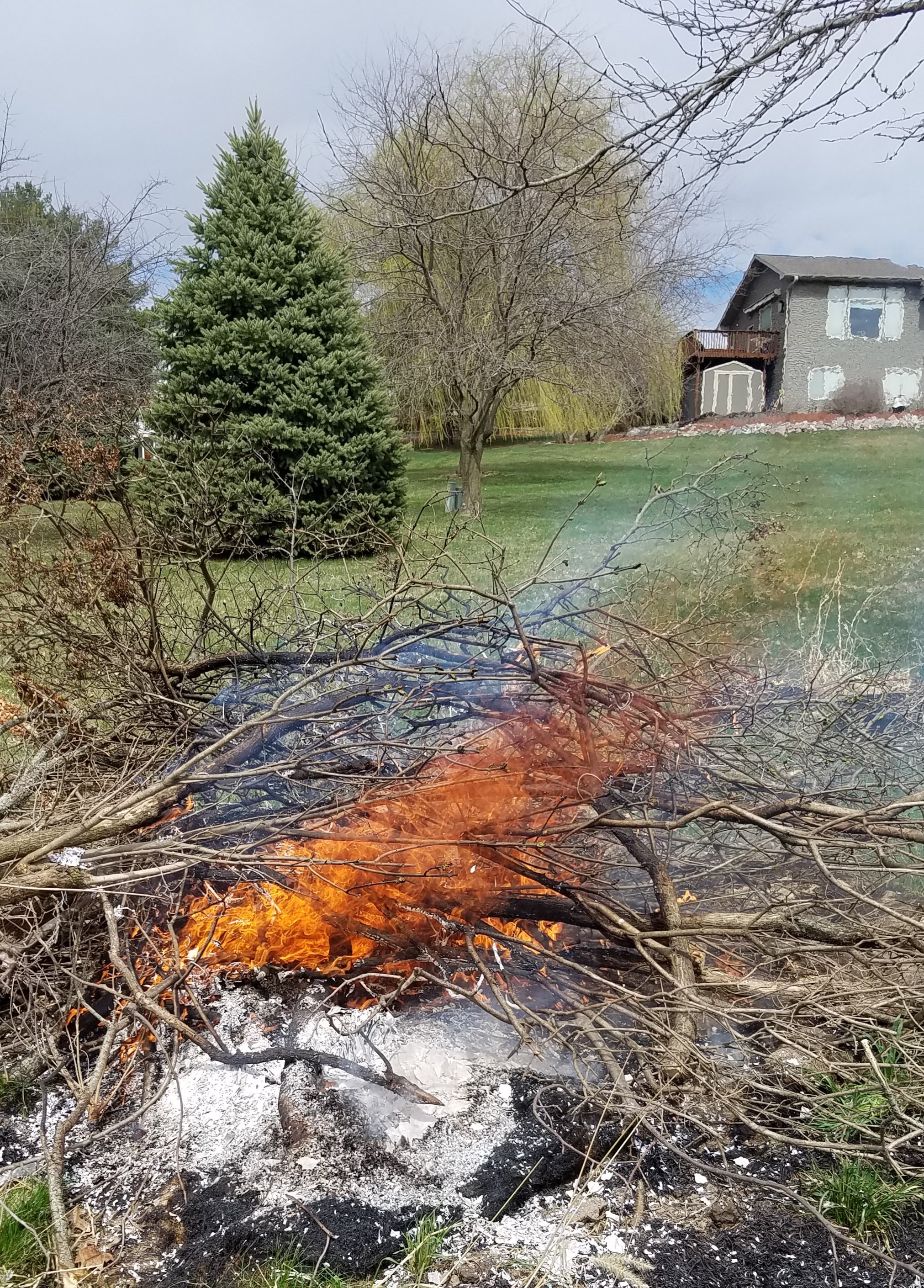
I lit the burn pile with two matches and a pile of scrap paper but the long branches didn’t all burn. In fact, most of them didn’t, except in the middle where fire took hold for a while then died out for want of something.

The the partly charred branches need reworking and another ignition after this morning’s rain. Since today is first of two days at the home, farm and auto supply store, it won’t be until Friday.

Yesterday I planted in the ground for the first time this season, using an experimental limited till method. I have so many seeds, if some fail, they can be replaced.The season is late, but still new, and I’m interested to see if the seeds germinate and dig roots.

I planted in the ground,

Lettuce:

Black Seeded Simpson, Ferry — Morse, 45 days.
Buttercrunch, Ferry — Morse, 70 days.
Mesclun Mix, Ferry — Morse, 40-80 days.

Sugar Snap Peas, Johnny’s Selected Seeds, 60 days.

Carrots: Bolero, Johnny’s Selected Seeds, 75 days.

Beets:

Detroit Dark Red, Seed Savers Exchange, 65 days.
Moneta, Johnny’s Selected Seeds. 46 days.
Merlin, Johnny’s Selected Seeds, 48 days.

Turnips:

Purple Top White Globe, Johnny’s Selected Seeds, 50 days.
Hakurei, Johnny’s Selected Seeds, 38 days.

The smallest of the plots is now planted and overnight rain will dampen everything down. Spring hope is in the ground.

Categories
Kitchen Garden Writing

On a Warm Spring Day

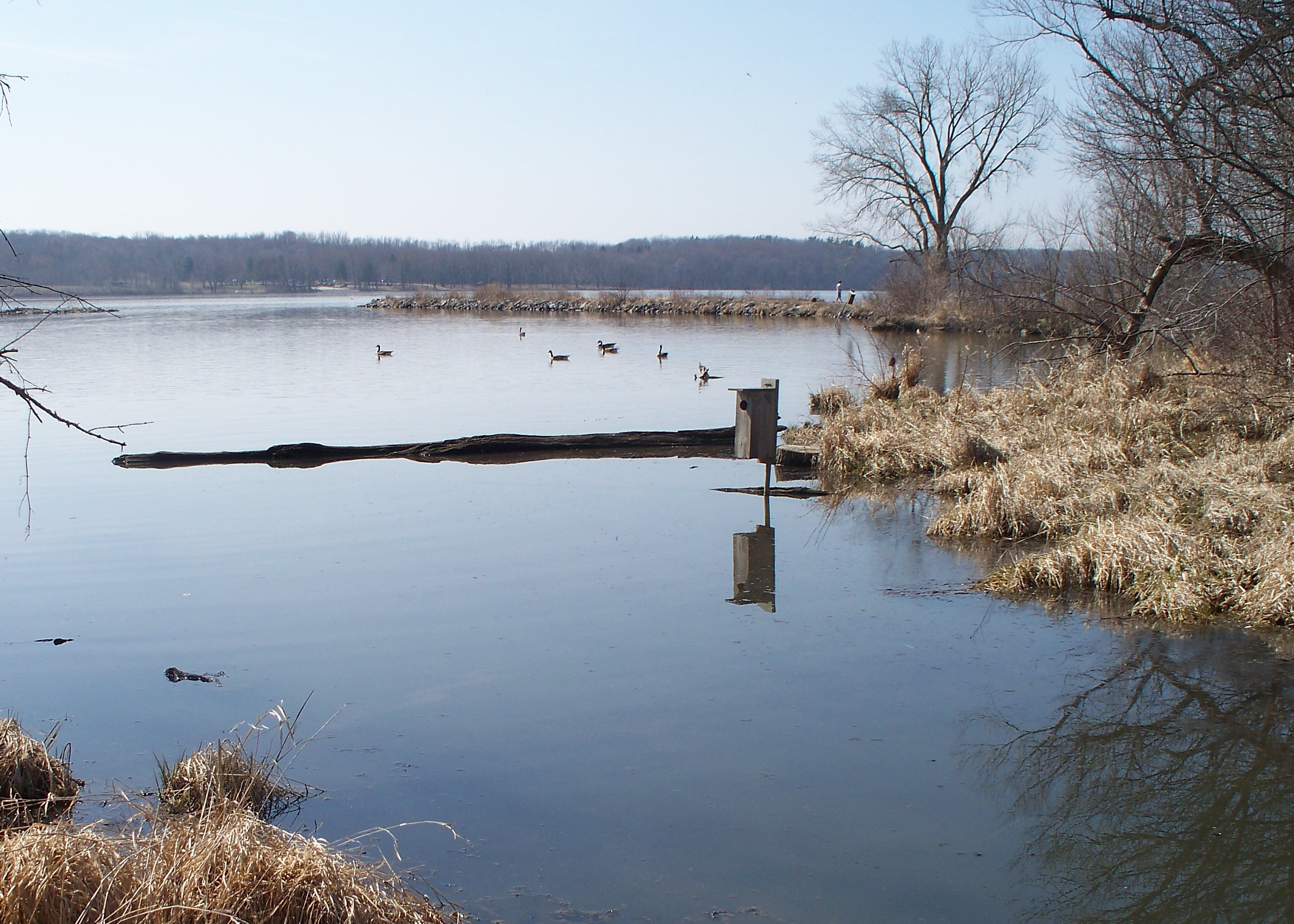
Spring on Lake Macbride

Saturday was the first spring day with temperatures in the low 70s.

I spent a few hours raking and using the chainsaw, beginning yard clean up. More clean up remains but I’ve learned to take it easy until returning to better physical shape through the work.

I relished being outside at work so much. Excited to deploy the chainsaw, I forgot hearing protection until I was almost finished.

Neighbors hailed me from their yards and in passing by. The whole neighborhood seemed outside and alive. There was ice below matted leaves yet everything else indicated spring had definitely arrived.

Saturday had begun Friday by covering mixed beans with tap water to soak overnight.

Before sunrise I cooked the beans in homemade vegetable broth, then added carrots, celery, onion and bay leaves. The broth reduced so I added more — four quarts in all. It simmered all day yielding a deep brown color by supper time. A cup of soup with toasted bread, a small plate of cheese and pickles, and a glass of milk made the meal.

A week into April and nothing is planted in the ground. I surveyed the garden plots for a spot to plant peas and carrots and have ideas but no plan. I’m getting better with garden layout each year because of a shift from whimsically filling space to consideration of which plants go where and why. After yesterday there’s a lot of wood to cut for a burn pile, such cutting making space to think about sunlight, shade, soil health, animal traffic and mulch.

Such is the world of a gardener.