Categories
Writing

Apple Tree Takes a Hit

Vroken Branch
Broken Branch

The Golden Delicious apple tree had been having trouble for a long time. Last night it took a hit as the combination of a fruit-laden branch attached to a disease weakened trunk broke off.

It was one of the last crop bearing limbs, so this winter the tree will have to come down.

It’s not a crisis. More a sign of what’s to come.

I planted six apple trees, including this one, after my mother-in-law’s funeral. The rest of the family drove to her home near Ames where I would join them once the bare root stock from Stark Brothers was in the ground. That was more than 20 years ago.

Since then, two more trees have been lost—this one makes three. The remaining trees produce enough fruit for our household which is loaded with cider vinegar, applesauce, apple butter and dried apples. We pick the best and leave or give away the rest. We’ll be fine.

Fallen Branch
Fallen Branch

After taking the photos, an hour in the kitchen produced juice for cider vinegar. I filled the two-quart jar that holds the mother for another season of fermentation.

We recently turned up a few old items of food. We have some vintage 2008 Duncan Hines cake mix, which I decided would be a reasonable vehicle to eat more apple butter. I made the lemon flavored one first. Squares of cake topped with vintage apple butter makes a delicious dessert. When I say “vintage apple butter” I mean the jars are labeled so the variety and circumstances from which the apples originated is known.

This morning I made a batch of tapioca. It’s not like pudding, but it is close enough that I plan to make more at least until the three boxes are used up. Not sure what prompted that purchase circa 2007, but the result, prepared according to instructions on the box was decent. If I can figure out the layers, it would be great to make a parfait. Perhaps to be served like ice cream.

The garden yielded a dozen cucumbers, the same number of Brandywine tomatoes, celery, green peppers and a few cherry and grape tomatoes. There is plenty of kale, but I’m letting the plants rest for a while before resuming regular harvest. No noticeable bugs have invaded… yet.

This report and its observations aside, it is a peculiar time.

The fallen apple tree branch is a reminder of the life’s brief span. Accepting the tree’s demise has long been avoided. Until this morning.

I accept it. Despite the downward curve of the arc, there is time to plant another tree. If not for me, then for whoever inhabits this plot of ground after we are gone. Looking forward to putting new stock in the ground.
Categories
Writing

Taking Local Out Of Local Food

Kale Salad
Kale Salad

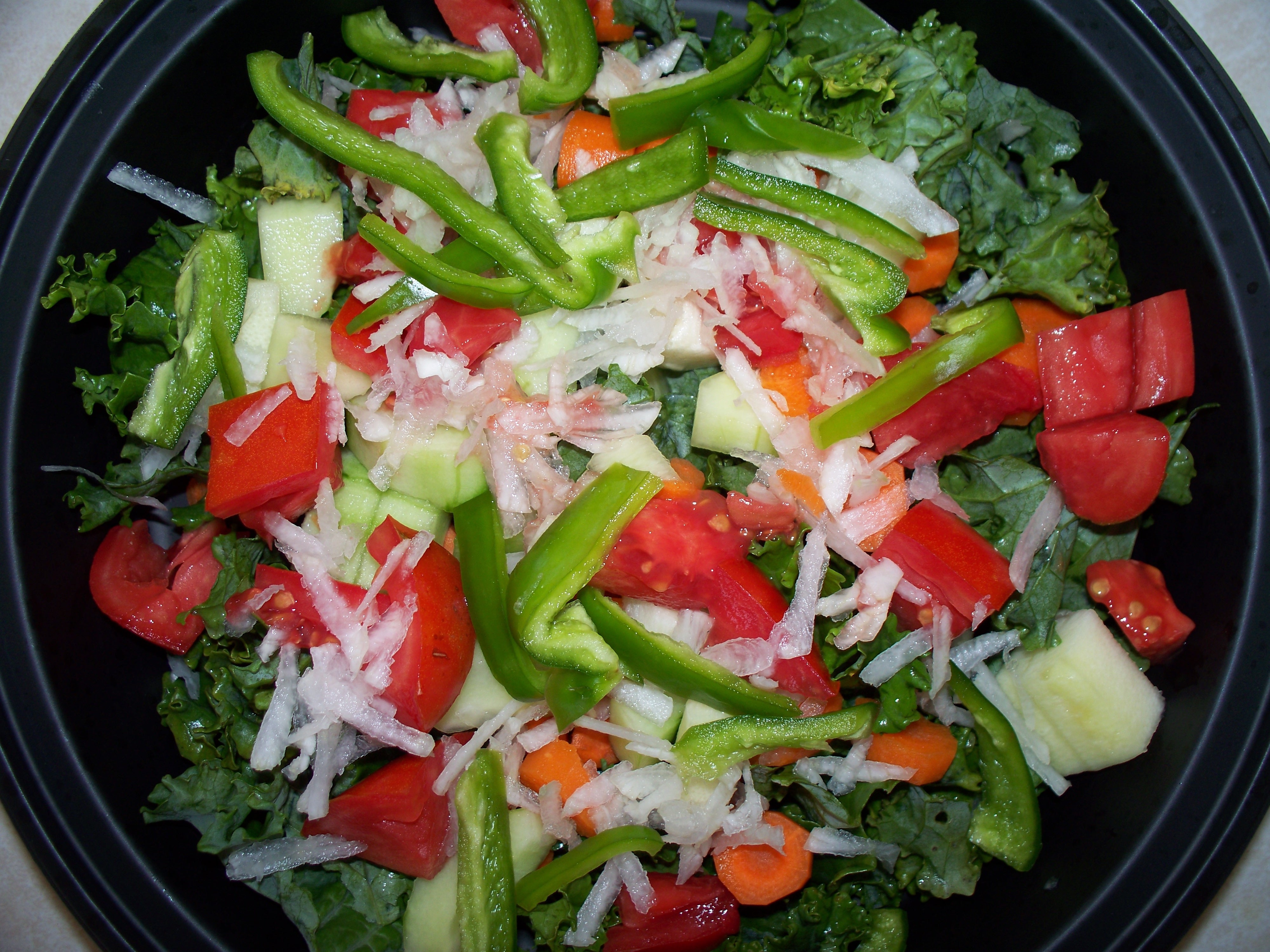
Ingredients for this kale salad were grown within 100 feet of our kitchen. It is as local as food gets.

We enjoy garden produce in high summer — when nature’s bounty yields so much food we either preserve or give it away. Any more our household gives away more than it preserves because the pantry is well stocked with previous years’ harvests.

Friends and family talk about the “local food movement.” In Iowa it is being assimilated into lifestyles that gladly incorporate ingredients from all over the globe. This assimilation has taken the local out of local food.

From an intellectual standpoint, it wouldn’t be hard to replace food grown in China, Mexico, California and Florida with crops grown here in Iowa. The number of acres required is surprisingly small. For example, local farmer Paul Rasch once estimated it would take about 110 acres to keep a county of 160,000 people in apples all year. The political will to encourage home-grown solutions in the food supply chain doesn’t currently exist. Until it does, rational, local solutions to food supply remain in the ether of unrealized ideas.

A vendor at the Iowa City Farmers Market was recently suspended for violating a rule that produce sold there must be grown by the vendor. Just walk the market and ask booth workers from where they hail. Often he/she is an employee or contractor working for a farm seeking coverage around many Eastern Iowa farmers markets. Too often they are anything but local growers. What’s been lost in this commercialization of local food is the face of the farmer.

Knowing where one’s food comes from is a basic tenant of the local foods movement. I enjoy working with local growers on a small acreage to produce food for families. At the same time, I seldom purchase a box of cereal from the supermarket even though I’ve seen the grain trucks queue up to unload at the cereal mills in Cedar Rapids.

For example, my garden doesn’t produce enough garlic for the year. I’d rather buy a supplemental bag of peeled garlic cloves produced at Christopher Ranch in Gilroy, Calif. than cloves lacking discernible origin at a farmers market. I know how Christopher Ranch produces their garlic. Absent the face of the farmer, there is value in understanding food origins, and that means some percentage of a household’s food supply will not be local.

There is a lot of marketing hype around “organic,” “GMO-free,” and “gluten free” foods, and this has to be impacting the customer base of local food producers. If consumers feel they can get a reasonably priced, “healthy option” at the supermarket, why make an extra trip to the farmers market, except for the occasional special experience? Why wouldn’t one pick up a bag of Earthbound Farms organic carrots when local growers can never produce enough to meet demand? At the same time, marketing hype is just what the name suggests.

Food security and sustainability are complicated. Before the local foods movement came into its own, it already is being assimilated faster than one can say snap peas. From a consumer standpoint the local came out of local foods some time ago, and it may not be back.

Categories
Writing

First Tomato

First Tomatoes Ripening

Barb called from the orchard.

She wanted to know if I planned to work as a mapper this season. The mapper helps people find apples in a u-pick operation. I said I thought so, but would have to confirm in a couple of weeks, well before the busy season.

Life is complicated for low wage workers working multiple jobs — a constant juggling act of tasks and priorities.

I went to my backyard grove of fruit trees and tasted an apple.

Sweetness is coming, but not here yet. The seeds are not mature, indicating we are a ways off. It won’t be long though. First order of business will be extracting juice from ripe apples to make more cider vinegar. After that, I’m not sure.

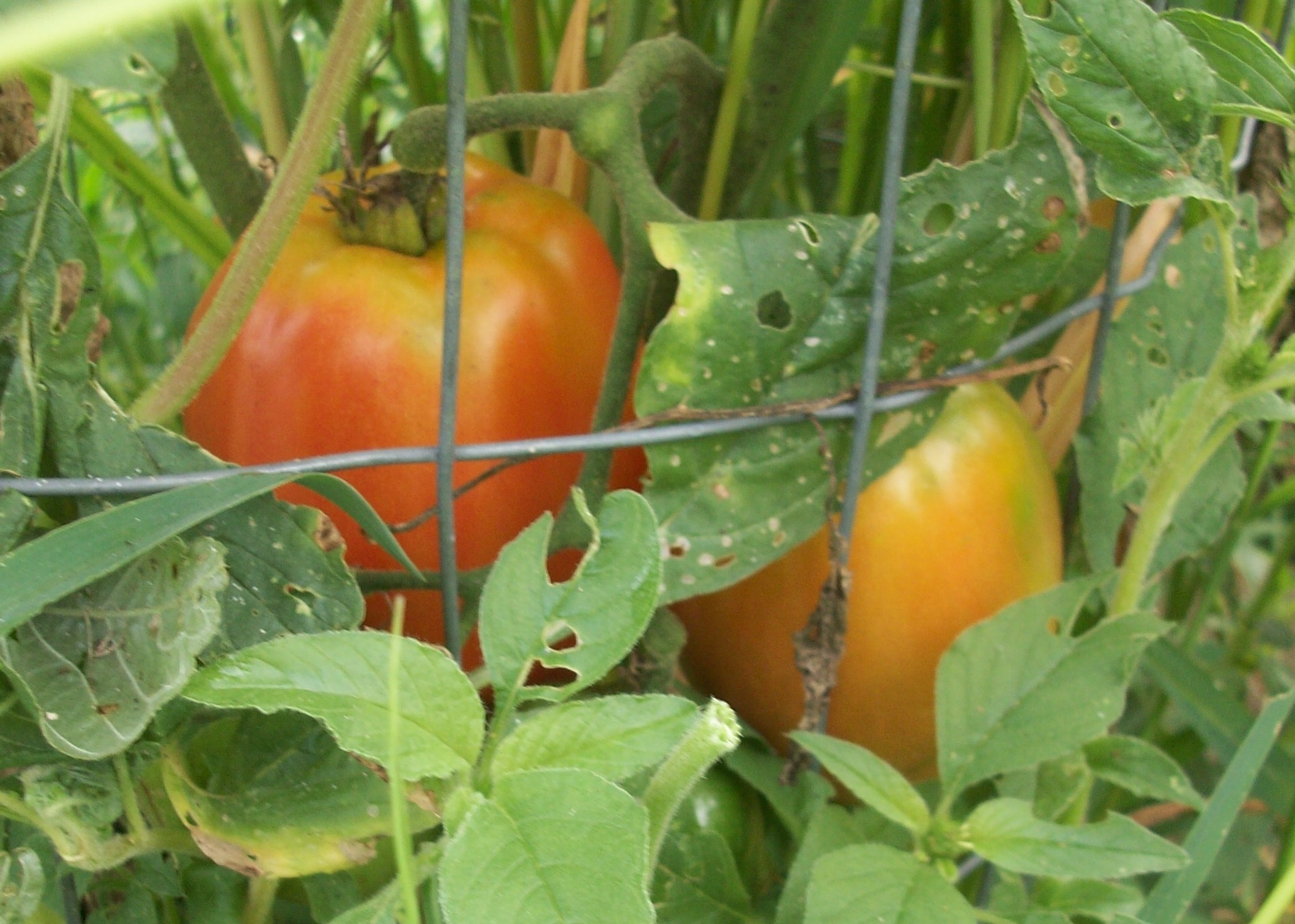
It is surprising how big the Amish Paste tomatoes are. I was expecting them to be like plum tomatoes, but they are much bigger. The first two are ripening. As with the apples, it won’t be long.

Lot’s to do on Ruhetag from the warehouse. Better get after it.

Categories
Kitchen Garden

Chopped Salad

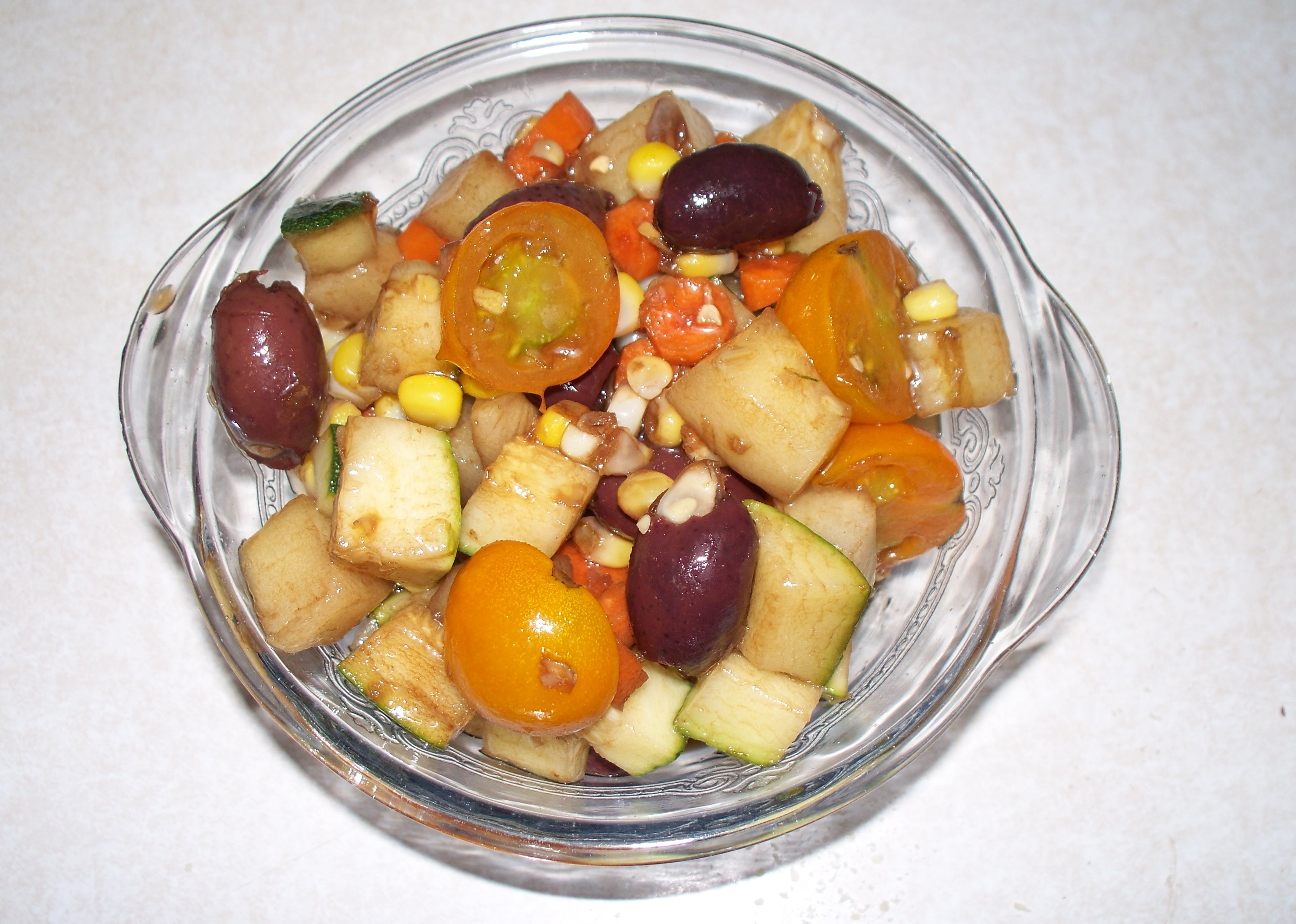
Dinner Salad
Dinner Salad

Summer’s abundant produce has us conjuring new recipes based on what’s available. We made a quick meal from leftover tomato-basil sauce, penne pasta made with lentils and the following salad.

Cut zucchini and cucumber into quarter inch cubes and place in a large bowl. Slice 4-5 peeled, small carrots and add with 2/3 cup cooked sweet corn. Halve and add about a dozen cherry tomatoes. Add two dozen Kalamata olives. For dressing, use a favorite, which in our household is a mixture of balsamic vinegar, extra virgin olive oil and salt and pepper to taste. Add fresh herbs as desired. Mix gently with a large spoon and refrigerate until ready to serve.

Categories
Kitchen Garden

Middle of the Gardening Year

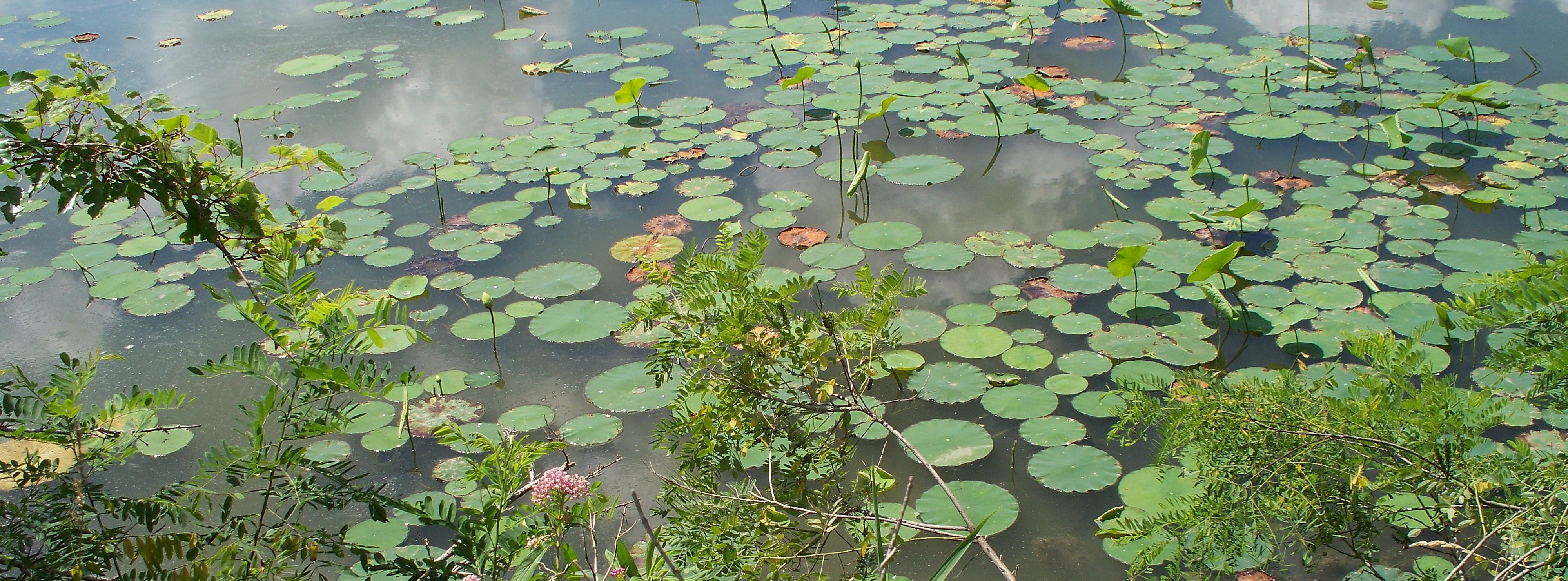
Lake Macbride
Lake Macbride

July 25 has been the traditional day to plant second crops in the garden. Turnips, radishes, green beans, broccoli and more stand at the ready. If I can break away from paid work for a while they’ll go in Tuesday or Wednesday.

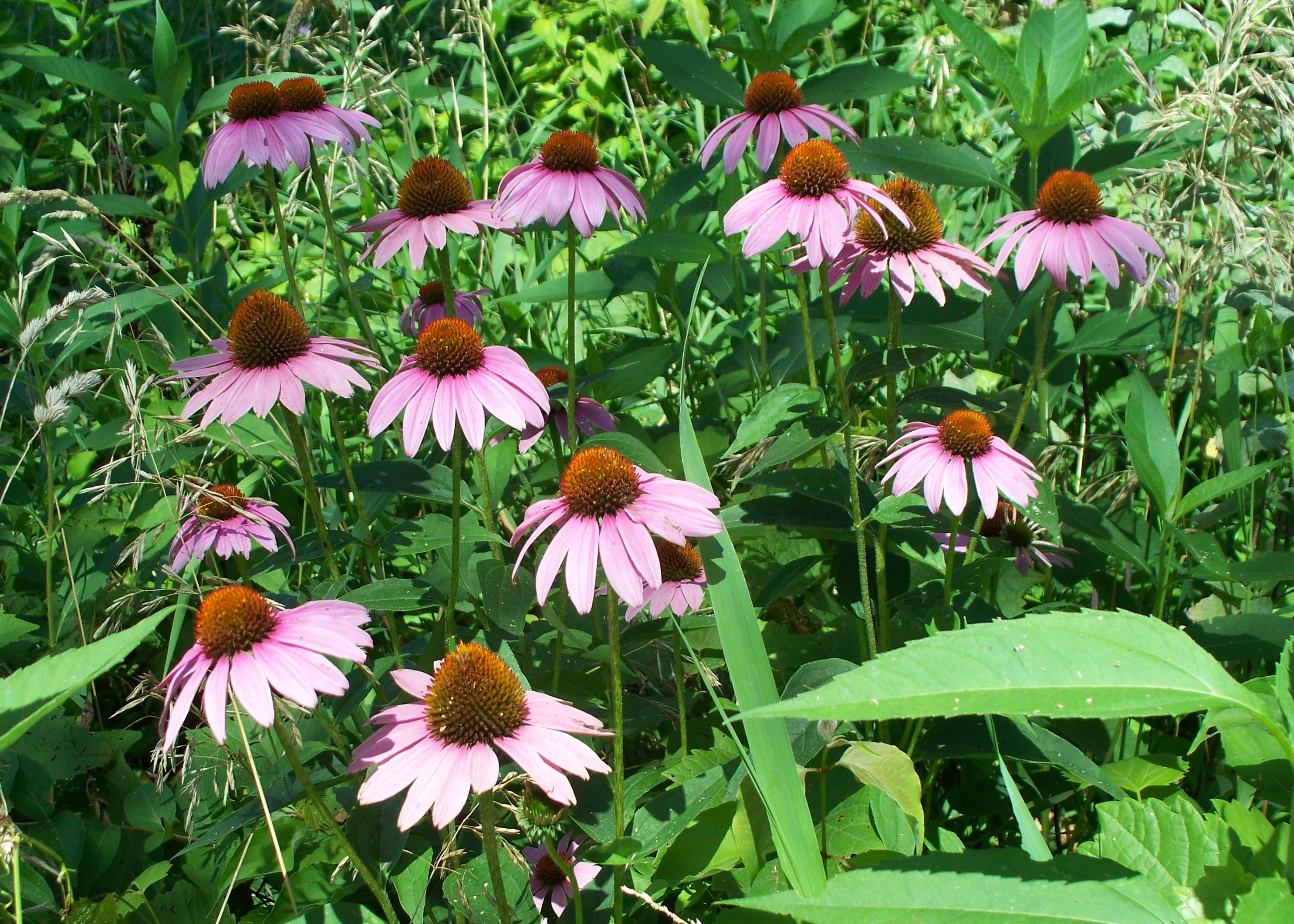
Wildflowers
Wildflowers

I planted lettuce in pots, but it germinated poorly—likely due to too hot temperatures. The broccoli seedlings are ready to be planted, but there is a fatalistic cloud hanging over them as some critter got under the fence and ate up the cruciferous vegetable in the spring. My tolerance policy may enable it to return and bring its friends once the tender crops are in the ground again.

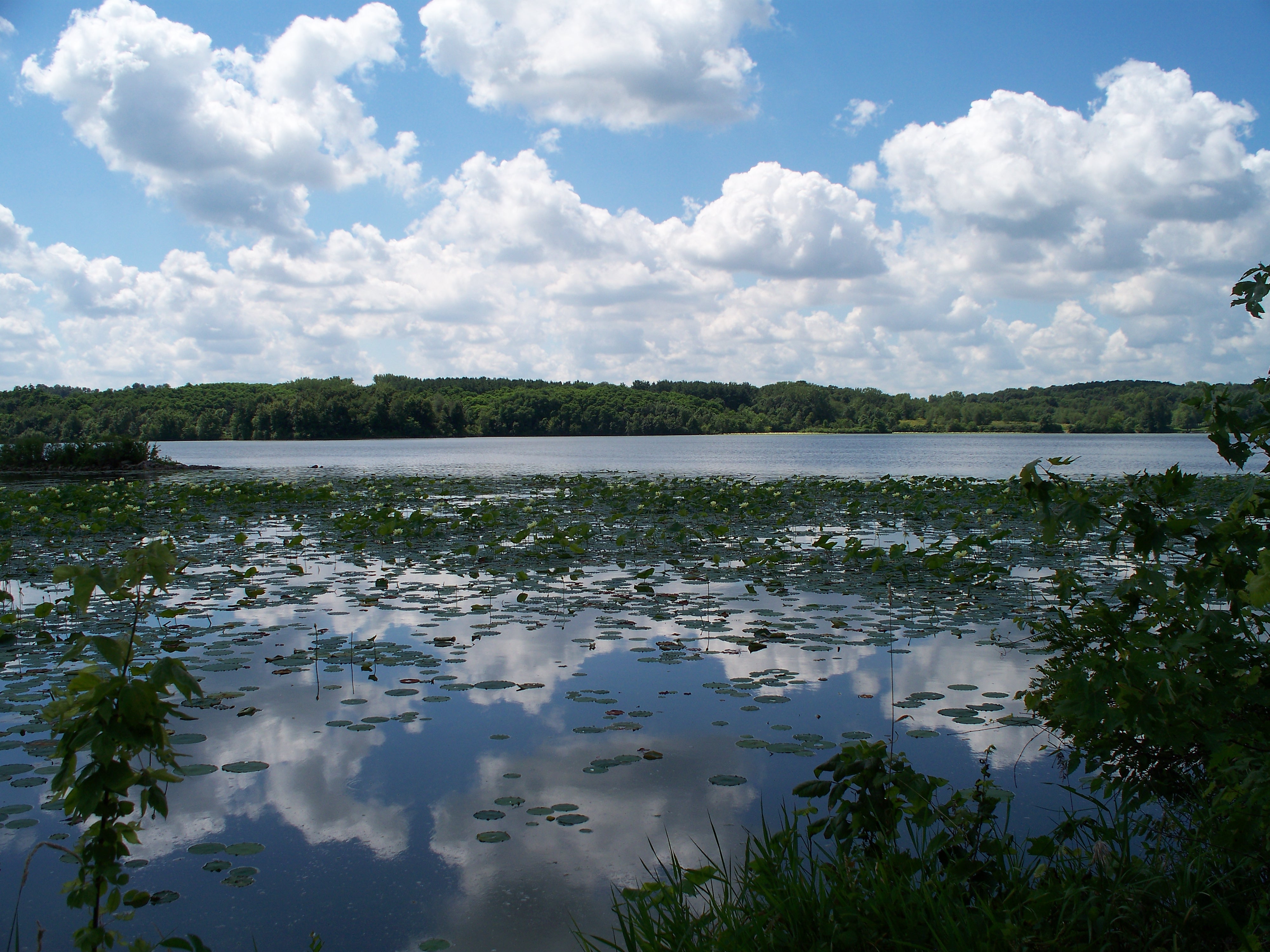
Reflections of Clouds

A neighbor has been out of town for a couple of weeks and offered their garden produce while gone. Their squash, tomatoes and cucumbers filled a gap in our garden, and I made notes for next season. Two zucchini plants is more than enough for a family, plant cucumbers earlier, grow a couple of early yielding tomato plants to supplement the later big crop.

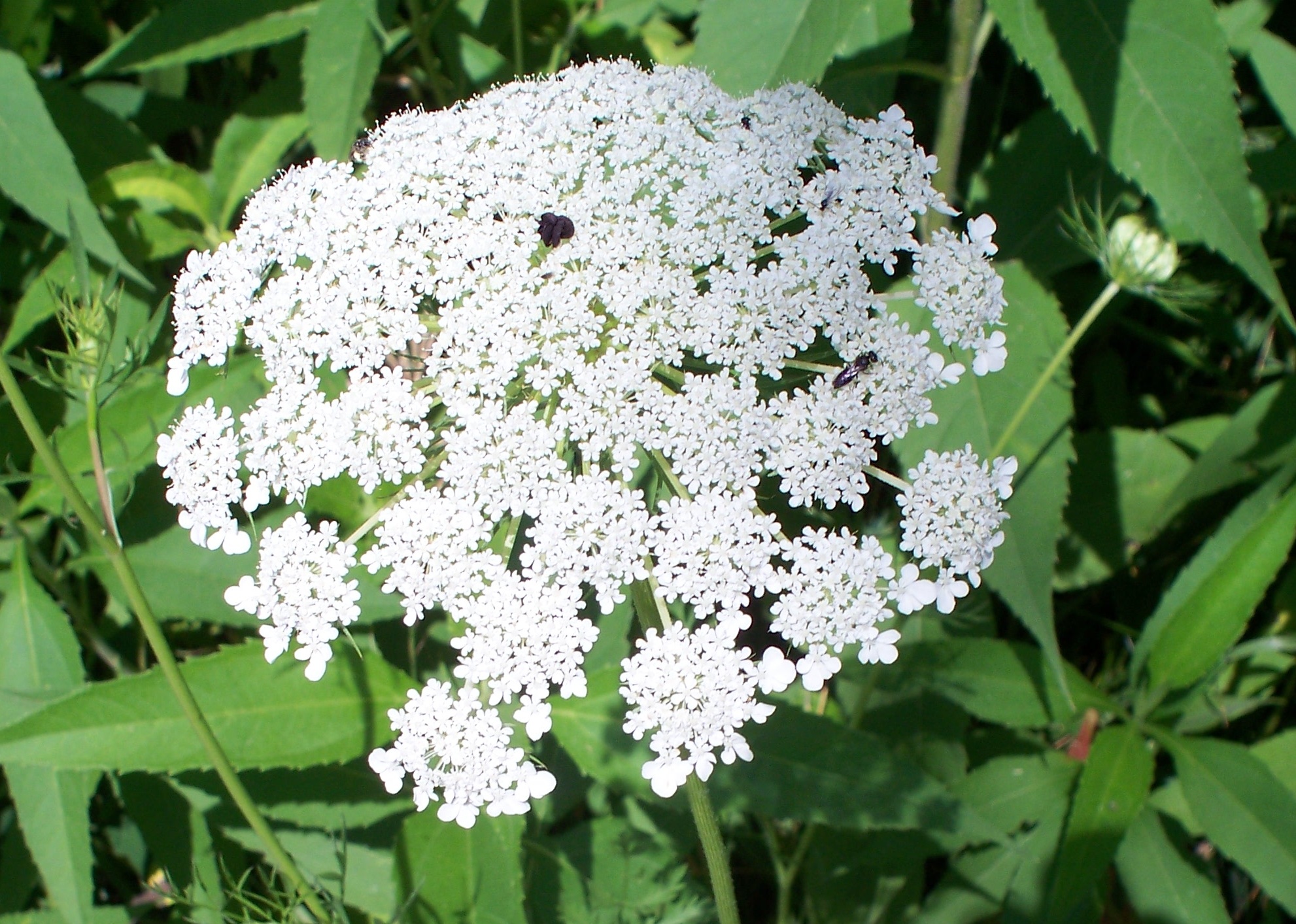
Queen Anne's Lace
Queen Anne’s Lace

Mostly though this time of year is about wild flowers. The Iowa Department of Natural Resources has some prairie restoration projects going and each patch is redolent with the scent of summer.

It’s time to stop and take it in before midsummer turns to fall and winter.

Categories
Writing

Trip to West Branch

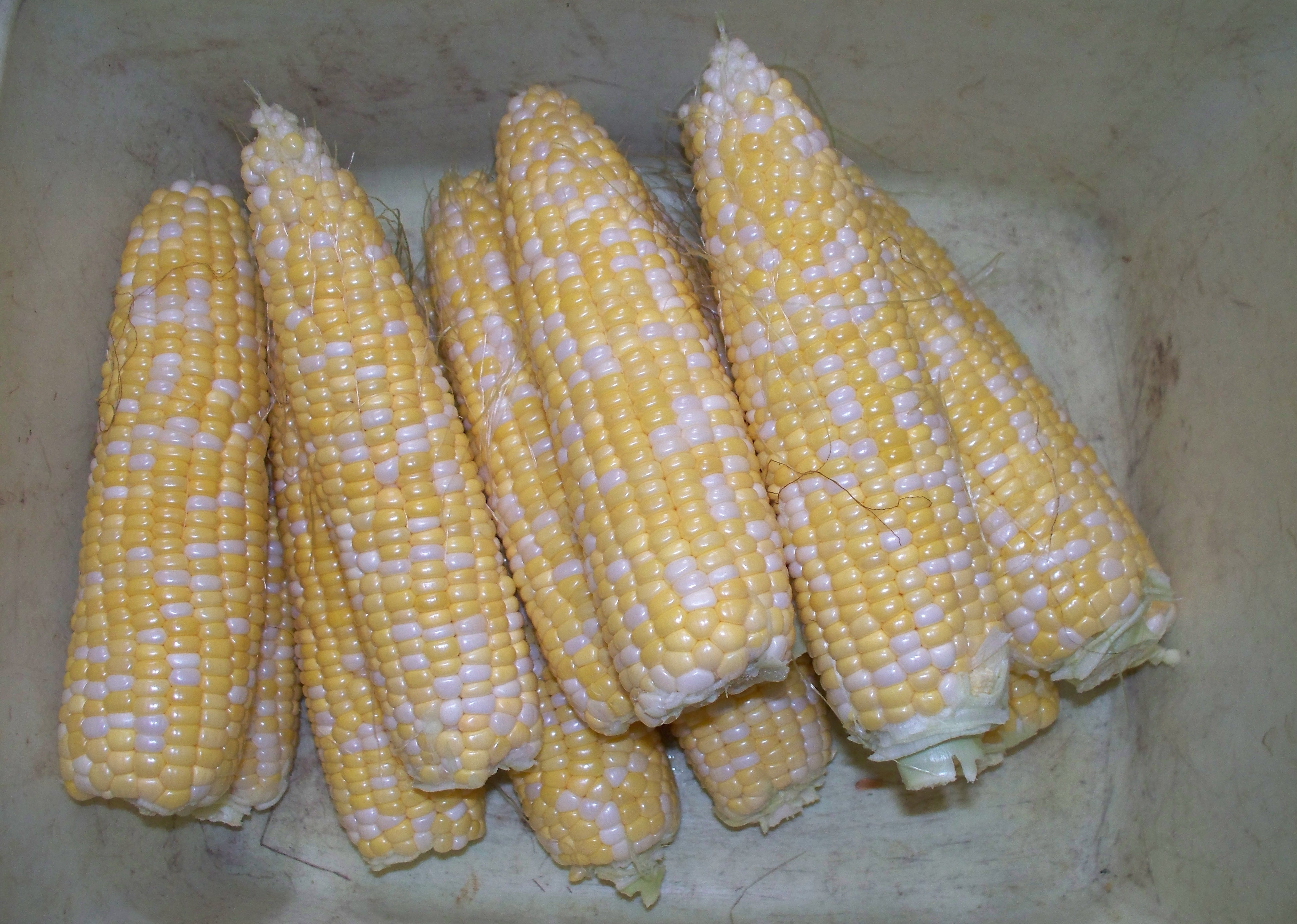
Sweet Corn
Sweet Corn

WEST BRANCH—Driving back roads learned during the 2012 drought I arrived for my 9:30 meeting. It was, and still is a summer day as good as it gets. Wildflowers were everywhere and in bloom.

I can’t name them, there are too many for that, just take in their beauty in the marginal places along the sectioned farm land.

On the way home I stopped at the road side stand and bought sweet corn. Leveraging the local grower makes the most sense as our lot bordering the state park and a 25-acre wood is laden with corn-eaters.

Dinner will be ears of corn, garden green beans and a slice of cheddar cheese. This is summer in Iowa.

Categories
Kitchen Garden

Make Real Food

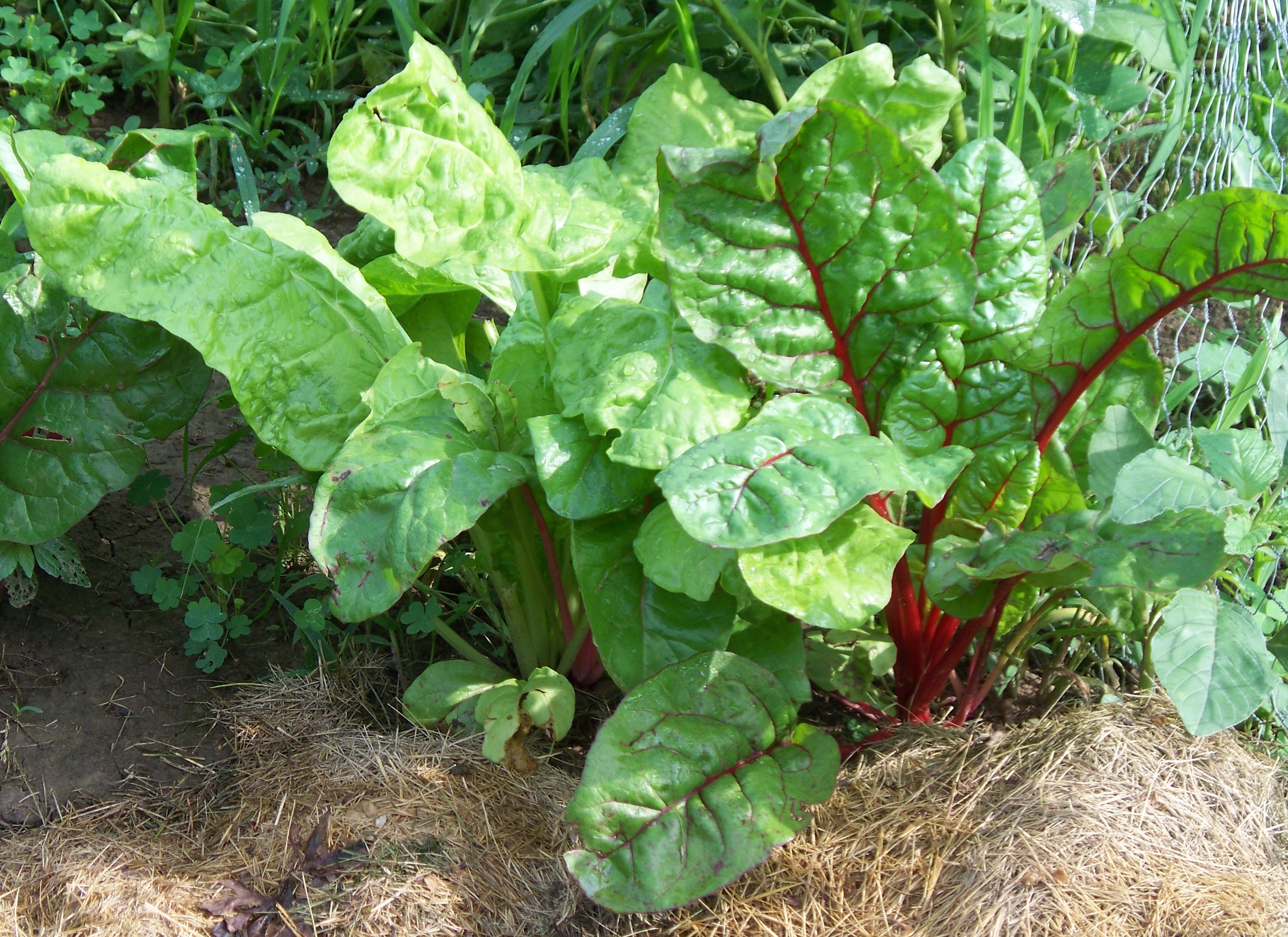
Swiss Chard Plants
Swiss Chard Plants

If a task or event is on the white board, it is likely to get some attention. Yesterday I wrote “make real food” on it.

I knew I would draw from the garden, ice box and pantry for the meal, but what I would make—had no clue.

It became is a sort of enchilada, but not really Mexican. The intent was to use Swiss chard and other summer vegetables. Here’s what I did:

  1. Cook 6 raw tortillas in a dry pan. Set aside.
  2. Make tomato sauce by draining a quart of diced tomatoes and processing them in the blender. (In retrospect, I should have seasoned the sauce, but left it just tomato puree).
  3. Prepare 6-8 Swiss chard leaves by removing the veins. Chop the veins and stems into bits and the leaves into one inch ribbons.
  4. Using olive oil, sautee one third onion, chard stalks and veins, quarter cup chopped celery seedlings, one third of a zucchini cut into quarter inch cubes, and season with sea salt.
  5. When the veg is softened, add one 15 ounce can prepared black beans.
  6. Add the Swiss chard leaves, a generous tablespoon of lemon juice, and stir gently until the leaves start to wilt. Remove from the heat and set aside.
  7. Into a rectangular baking dish pour enough tomato sauce to cover the bottom.
  8. Take a cooked tortilla and spoon the vegetable mixture on the middle. Sprinkle on a tablespoon of feta cheese, tightly roll the tortilla and place it in the baking dish on top of the sauce. Repeat until the dish is full.
  9. Pour the remainder of the tomato sauce on top, cover with aluminum foil and bake for about an hour in a 360 degree oven.
  10. Remove the casserole and place on a rack. Remove the foil and sprinkle more feta cheese on top. Let sit on the counter for 10-15 minutes to cool.
  11. Serve with a favorite accompaniment, such as hot sauce, sour cream or chutney.

The result made four generous servings.

Categories
Kitchen Garden

Friday in the Bean Patch

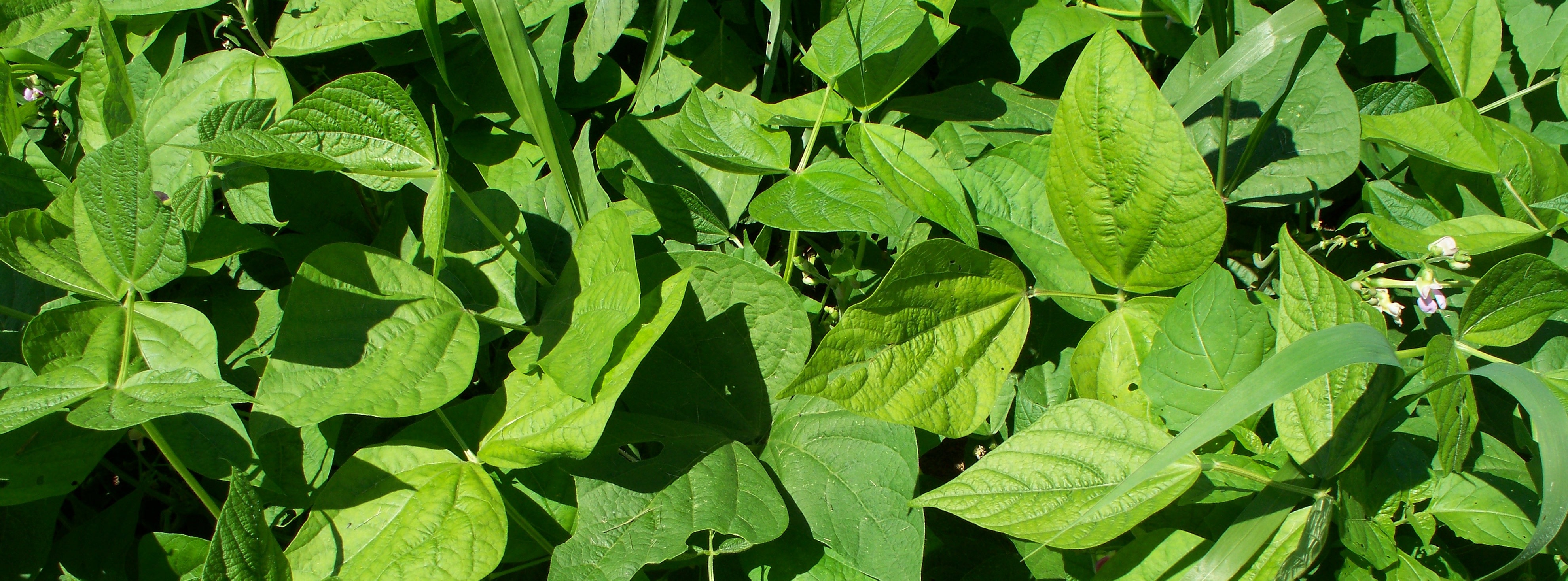
Green Beans
Green Beans

The first harvest of green beans is finished as humans enter a race with nature to get the best of what’s in the garden patch.

Rodents, slugs and insects all want a piece of the action. Today I’ll pull up the plants, harvest what remains that is edible and prep the soil for replanting.

Green beans are one of our favorites. We have about ten pounds in the ice box ready for cooking—not enough to preserve.

Yesterday I harvested Swiss Chard. While the preparation is a bit boring—slice leaves into ribbons, saute with onions and garlic—it is a tasty, seasonal side dish. With the kale and lettuce we have an abundance of leafy green vegetables.

The broccoli seedlings are coming along, and if there is time, I hope to prepare a plot for the planting today.

There is one other garden patch ready for second cropping, and it will likely be turnips and radishes. The weather has been very cool, and there may be a window to get them in before the traditional July 25. With the crazy weather, we press against preconceived notions about seasonality and try new things.

And we weed the garden, never catching up with the work as nature works incessantly to take over the plots again.

Categories
Kitchen Garden

Garden Pivot Point

Last Tomato Patch
Last Tomato Patch

This year’s garden work reached its summer pivot point neatly on the solstice. Main crops of tomatoes, peppers, beans, kale, carrots and cucumbers have been planted. There are some kitchen herbs, garlic, celery and a bumper crop of apples and pears. More planting will be done soon, as a couple of plots have space for a second crop. Of course July 25 is by tradition planting day for second crop turnips.

Good news is my car was parked inside the garage last night after being outside for two months. It is a sign summer is really here. I am halfway through my ritual read of The Great Gatsby by F. Scott Fitzgerald, arguably the best novel of summer. Before I get too deep in iced tea, new summer projects, and leisure, let me record some tomato experiences.

I planted tomato seeds the third week in March and it was too early for the garden. It would be better to time them as I expect to plant them, with one batch ready to go into the ground mid-May, and a second mid-June.

I also planted too many tomatoes indoors. I could reduce the quantity by two thirds. After consulting with a local farmer, I restricted myself to one plant per cage. Too, I double cropped with the early peas, so the seedlings got very big in too small a container before planting the last ones yesterday. For future reference, if I plant 1.5 times the number of seeds I expect to plant as seedlings, that should be more than enough for the season.

The Brandywine tomatoes have a distinctive leaf shape and texture, so I am looking forward to seeing how those turn out. Now comes the growing and I am off to the warehouse for a shift.

Categories
Writing

Massive Kale Giveaway

Morning Kale Harvest

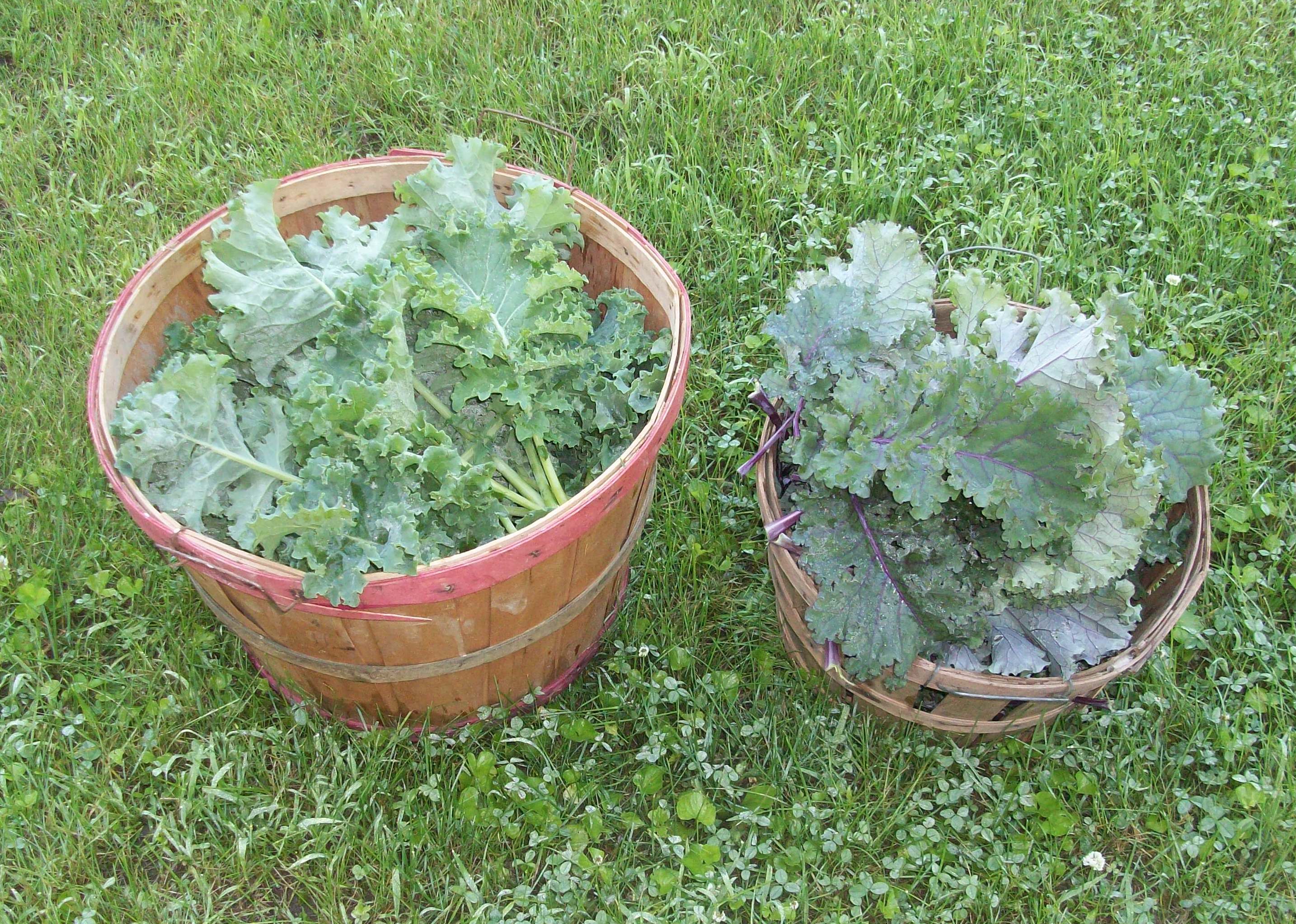
Folks who live near me need not worry about kale this year. Already, our icebox is full of leaves, and as they are picked, such picking spurs growth. It is expected to be a long, abundant kale season with a massive giveaway.

There’s a lot of work in the hopper this morning, but I couldn’t resist posting this photo of the morning kale harvest.