Tomato and pepper seedlings under a grow light, April 20, 2021.
I didn’t take any chances with a potential freeze last night. I set up a space heater in the portable greenhouse and took trays of tomato and pepper seedlings indoors to put them under a grow light. It doesn’t look like ambient temperatures made it down to freezing.
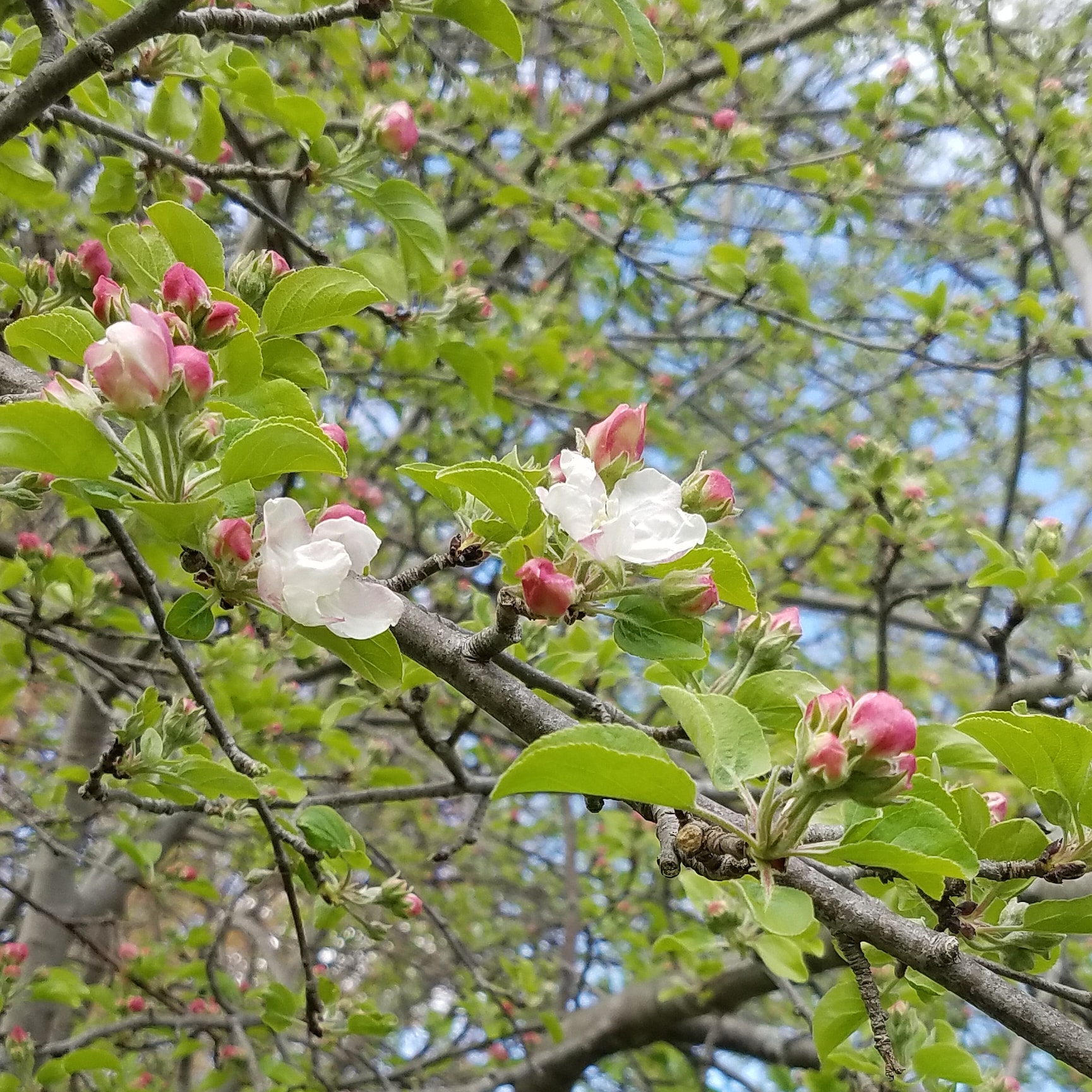
The legacy apple trees, the ones I planted in the 1990s, are loaded with buds. A few have opened, although the big bloom is yet to come. 2021 has the potential to be a great year for apples. The pear tree looks to have a big bloom as well. We are not past the last spring frost, yet I’m hopeful some of the flowers will bloom long enough for pollinators to do their work.
Even the two new apple trees appear to have blossom buds. They aren’t big enough to support much fruit without bending over like a tree in a Peanuts cartoon.
In past years I put up every apple harvested. Eventually I learned to donate part of a large harvest to the farm where I work. Members of the Community Supported Agriculture project appreciated getting them, and I didn’t have to work as hard. A person needs only so much applesauce, apple butter and apple cider vinegar.
Yesterday I planted the onion patch. About 425 starts of seven varieties, a row for each one. Last year I had eight rows, yet they were closer together which restricted growth. Spreading them out on a larger plot is a second year of experimentation in a long process of being a better onion grower. The onions harvested last year tasted great, and I expect this year’s crop to be the same. I ordered too many starts from the seed supplier, so I’ll put in a patch for green onions from some of them.
Three of seven plots are planted. Next step is to plant cauliflower, Brussels sprouts and more broccoli once I determine where. Garden work is definitely on the agenda for today.
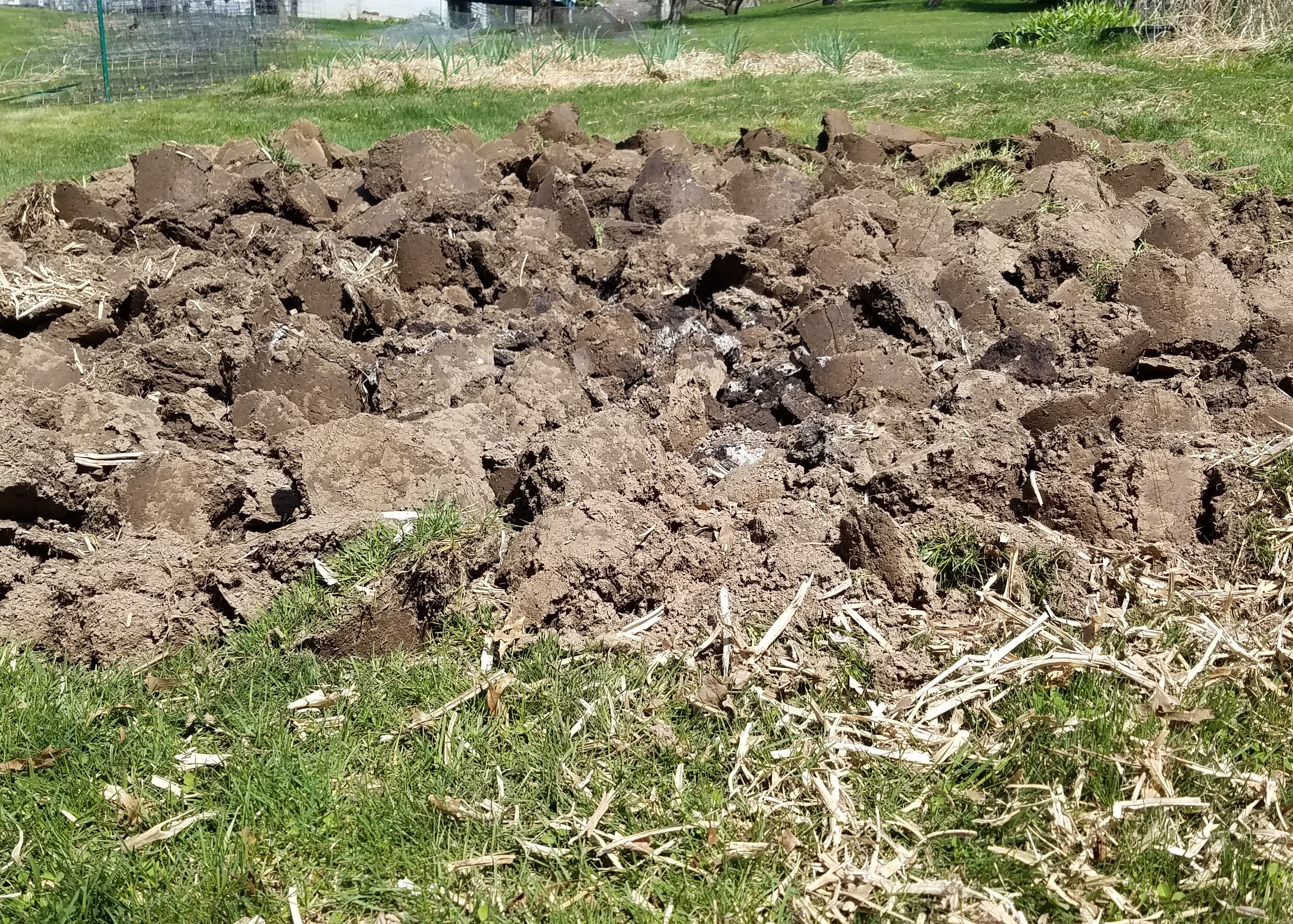
Third plot spaded and ready to till and plant. April 17, 2021
Me: Guessing everyone is planting tomorrow and no soil blocking. I could use the day in the garden.
Farmer: Yes! Thanks for texting and also for knowing.
Earthworms are up and Robins returned in numbers: sure signs of spring.
Conditions are perfect for another day in the garden. Yesterday I spaded the plot for onions and shallots. The ground was wet, so I let it dry overnight. Today I plan to rototill and get them in the ground. Sunrise will be at 6:21 a.m. on this partly cloudy day.
Everything on my initial seeding schedule is planted in soil blocks. Seedlings are backing up everywhere… at home and on the vegetable farms. Greenhouse space must be cleared to make way for the next succession of plants. While it’s too early to plant frost-sensitive plants, I acquired some row cover as part of the barter agreement. I’m thinking about a row of lettuce, radicchio, spinach and radishes under it. Gardening season is here!
The new apple trees are leafing out, meaning they survived winter. It’s too soon for fruit this year. It looks like the legacy trees will produce despite fall blooms last year. The pantry is still loaded with apple products of harvests past: applesauce, dried apples, apple butter and apple cider vinegar. I’m good.
A simple breakfast: Coffee, applesauce and a slice of flatbread leftover from dinner. Next, do dishes, change clothes, and get busy.
A six-hour shift in the garden moved things along.
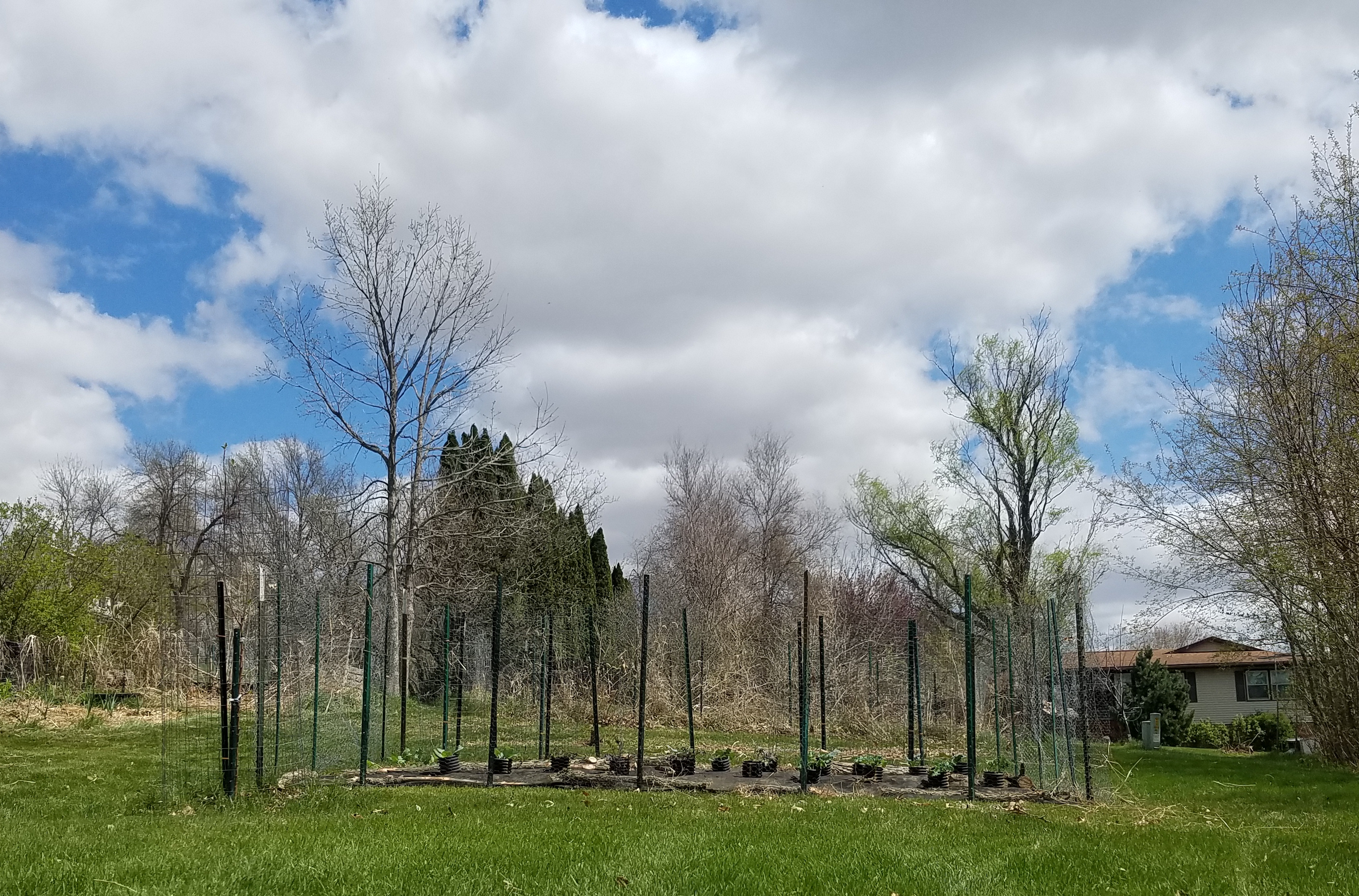
In that time I relocated tomato cages, tilled the soil, laid down garden cloth recycled from last year, and planted kale, collards, beets, kohlrabi and broccoli to join the peas, radishes, carrots and turnips already there. I left spots for chard and mustard greens, and once beets, radishes, carrots and turnips are done, other vegetables will be planted there.
When finished, I installed four-foot chicken wire fencing around the plot to deter deer and rabbits from the smorgasbord. It was a good day’s work.
Perhaps the best thing about Friday was working in the garden blocked out computer work on my desktop and mobile device. There’s more to life than constant engagement on line.
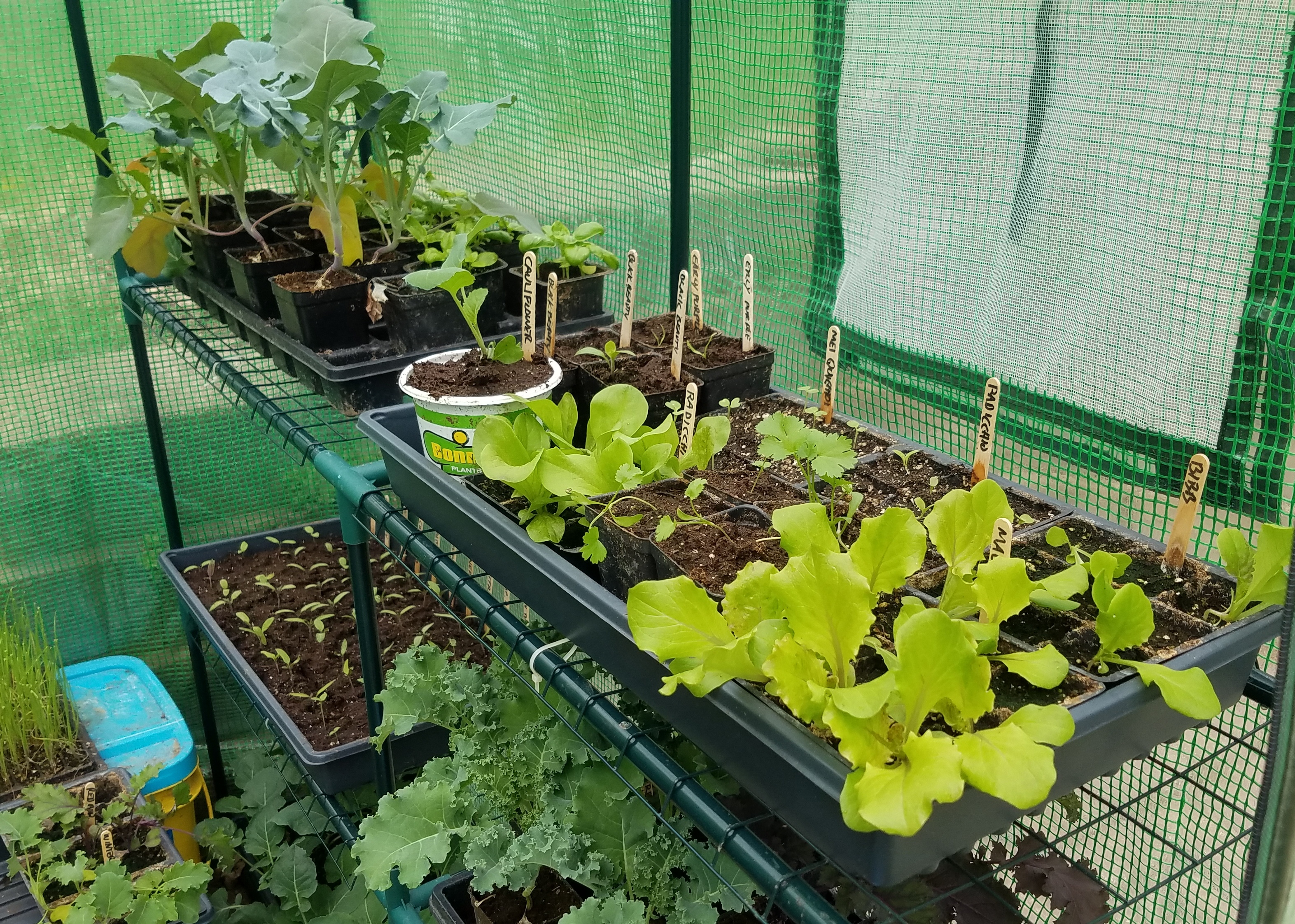
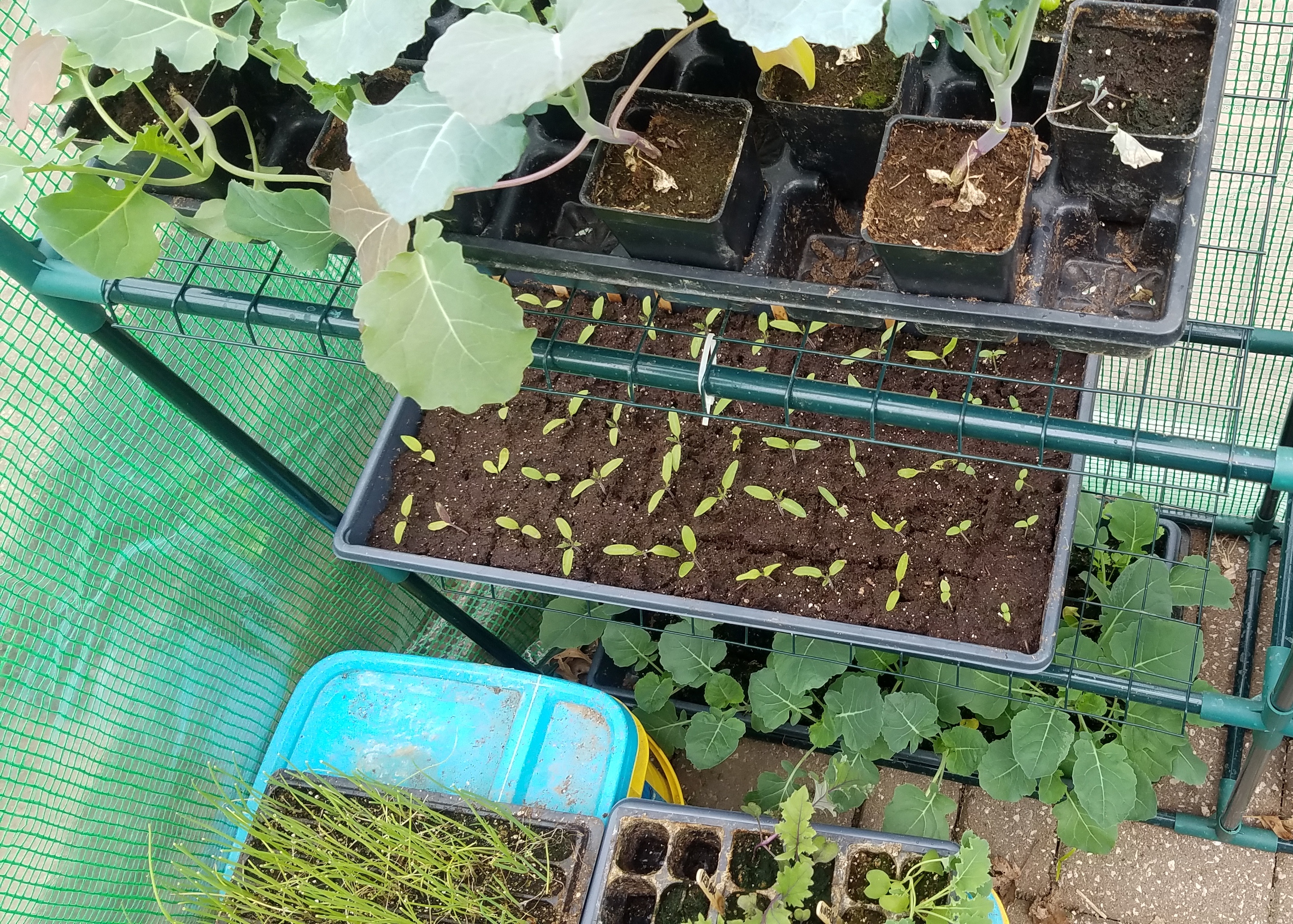
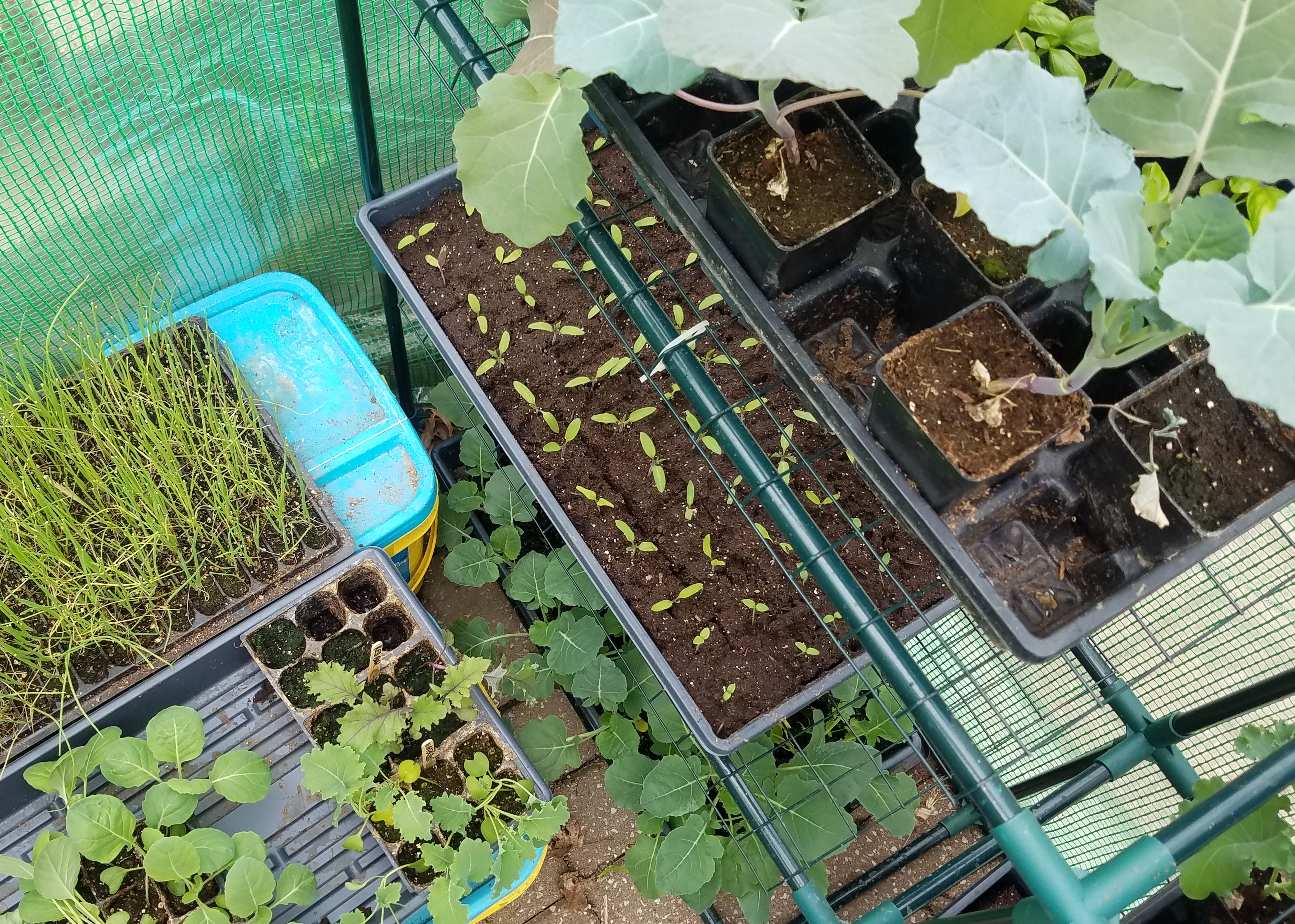
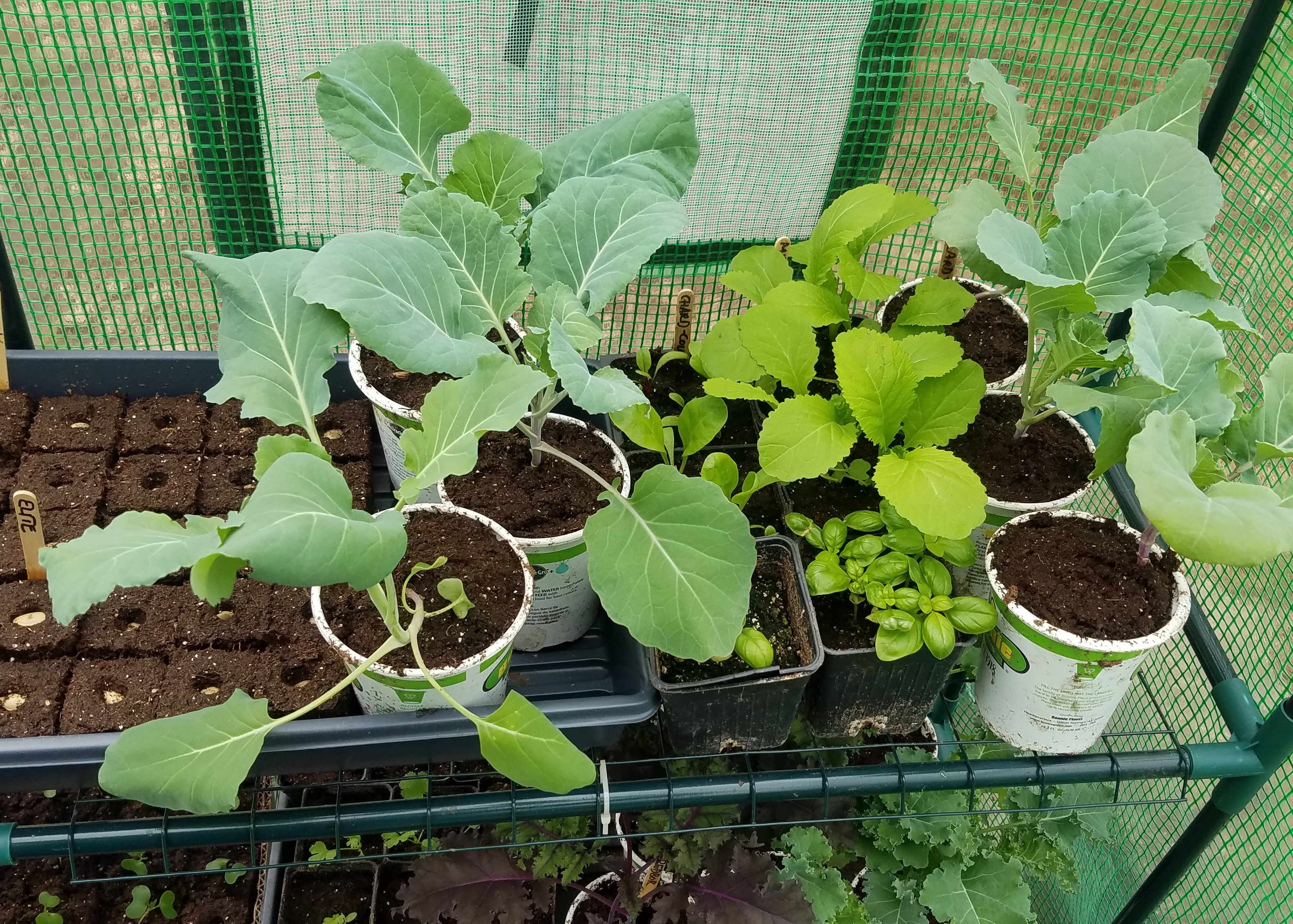
It’s a day for planting, so today’s post shows the greenhouse is full. Everything in it was grown from seeds. Time to get the cold weather plants into the ground.
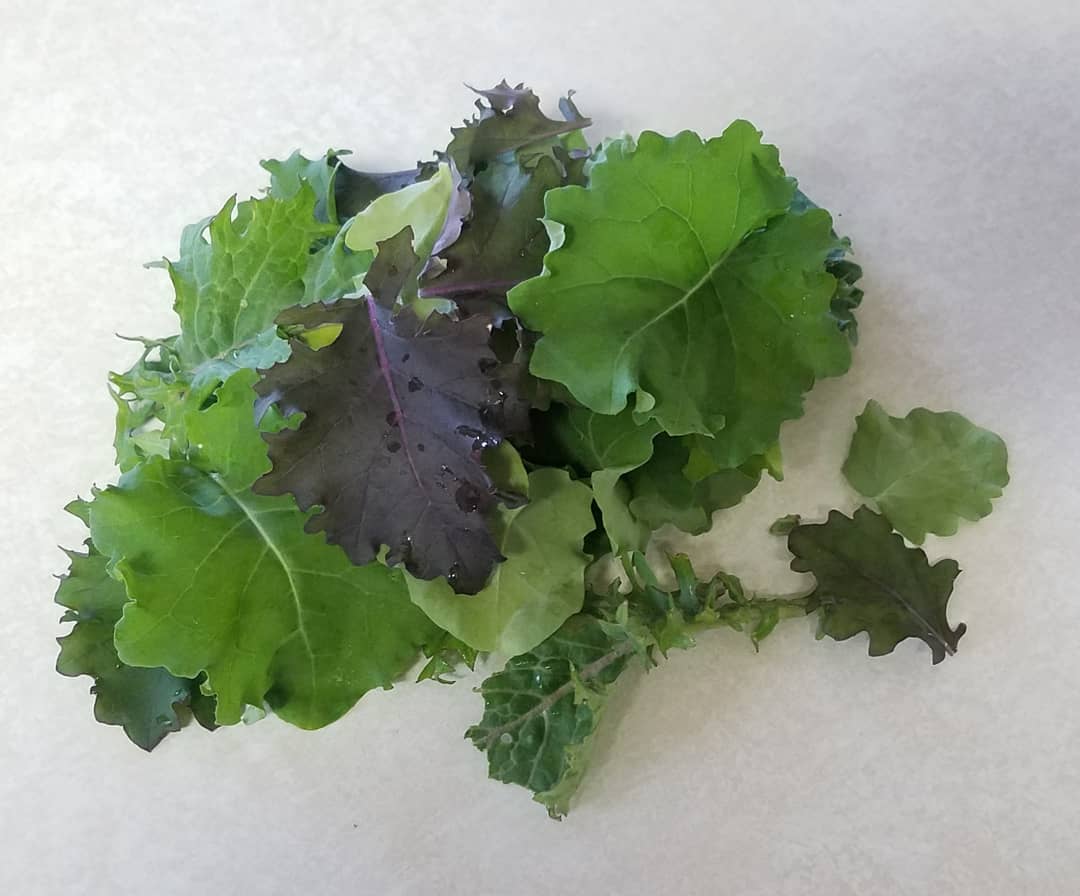
Red Russian kale over-wintered so we had fresh kale for our stir fry dinner Sunday night. I mixed it with some Winterbor and Redbor leaves collected while re-potting plants for final growth in the greenhouse.
This year’s garden work is just beginning.
I’ve been on spring break from writing my autobiography. If asked, I am working on the book. It’s been a long spring break. More accurate is the project is stalled and in need of a completed manuscript. It’s time to set aside new writing, crank up the engine, and edit what I have: some 170,000 unedited words.
Writing the book has been like mining a vein of coal to see where it goes. I often got caught up in its adventure and that part of the process is not finished. Why write an autobiography except to experience and find meaning in memories?
I spent Sunday afternoon considering two photo albums I made years ago. One of photos taken beginning in 1962, and another of images of Father taken over the years he and Mother were married from 1951 to 1969. I didn’t write anything. I simply looked at the images and tried to remember some of the moments. This is part of the autobiographical process, but doesn’t work toward a finished manuscript. More material from the vein to be sent above ground toward the tipple.
To get things on track, I will review the outline, then go through the words written. Last winter I spent time on the first five points of the outline. I previously wrote at length about the 1980s and 1990s. I know the story ends either at the beginning or end of the coronavirus pandemic, yet how it ends is unclear. That meaning must be extracted from the tumult and tension of daily living.
I don’t argue with other writers who say a daily goal with follow-through is needed. As today’s shift begins, gardening and writing are both on the schedule. I’ll add an hour to work on a plan beyond today.
An image of the garden is coming into view. The first plot is garlic planted last October. The second is two kinds of peas, two kinds of radishes, two kinds of carrots, and purple and white turnips. Where the blue tarps are will become a patch of leafy green vegetables: kale, mustard, chard, collards and the like. There are five more plots to plan and their use is rapidly clarifying.
Going forward, the plots will rapidly fill with seeds and plants. One is for onions, shallots and leeks, another devoted to tomatoes, a smaller one devoted to broccoli and the two remaining must contain everything else. There is plenty of room to dig additional plots, yet that’s not on the agenda this year.
The ten-day weather forecast is for overnight lows well above freezing. While there is a danger of frost during the next six weeks, kale and collard seedlings are going into the ground today or tomorrow. If it freezes, I’ll cover the plants with an old bed sheet.
Sunday there was a high risk of grass fire in our area. I had planned to burn off one of the plots along with a brush pile. I thought the better of it. With dry conditions, low humidity, and wind gusts of up to 25 miles per hour, delay was the best decision.
The shelves of the greenhouse are almost full of trays of plants. The heating pad has tomatoes and peppers germinating. The plan is coming together. It will be a rush to get everything in the ground by Memorial Day, the traditional day to finish initial garden planting.
While it was concerning ambient temperatures reached the high seventies yesterday, it appears I can get a crop this year. Fingers crossed that I will.
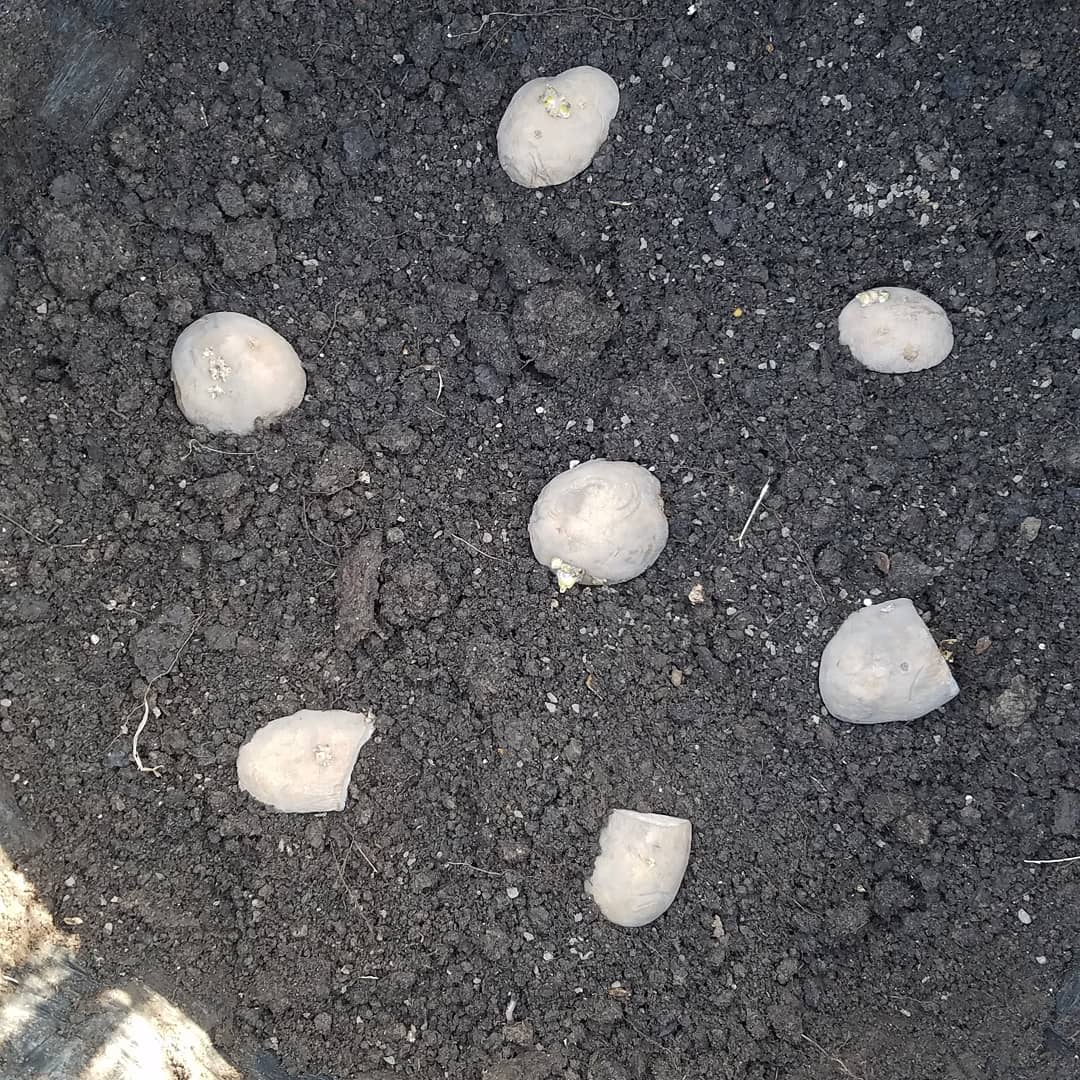
Everything aligned to plant potatoes on Good Friday as is a Midwestern garden tradition. It began with cutting seed potatoes and curing them in the garage for about ten days.
I removed all but the lower four inches of soil in four containers. Adding two scoops of fertilizer to each (composted chicken manure), I stirred it around until the soil was broken up and the fertilizer thoroughly mixed in.
Next I arranged seven or eight seed potatoes in the soil at the bottom of the tubs. I got a yard stick and made marks eight inches above the soil. I filled them in two layers to the marks, putting a scoop of fertilizer in between layers.
After smoothing the surface, I applied ground red pepper flakes to deter digging rodents and defecating cats from getting into the soil. Next step is to get the garden hose from winter storage and give each tub a thorough soaking.
Once the potato vines begin to sprout from the soil, I’ll fill each tub to the top with additional soil. After that, the plants are monitored and watered. If Colorado potato bugs show up, I’ll pick them off and drop them into a bucket of soapy water.
This process doesn’t grow many potatoes, but the harvest is delicious and abundant enough. Importantly, it reenacts a gardening tradition inherited from my maternal grandmother.
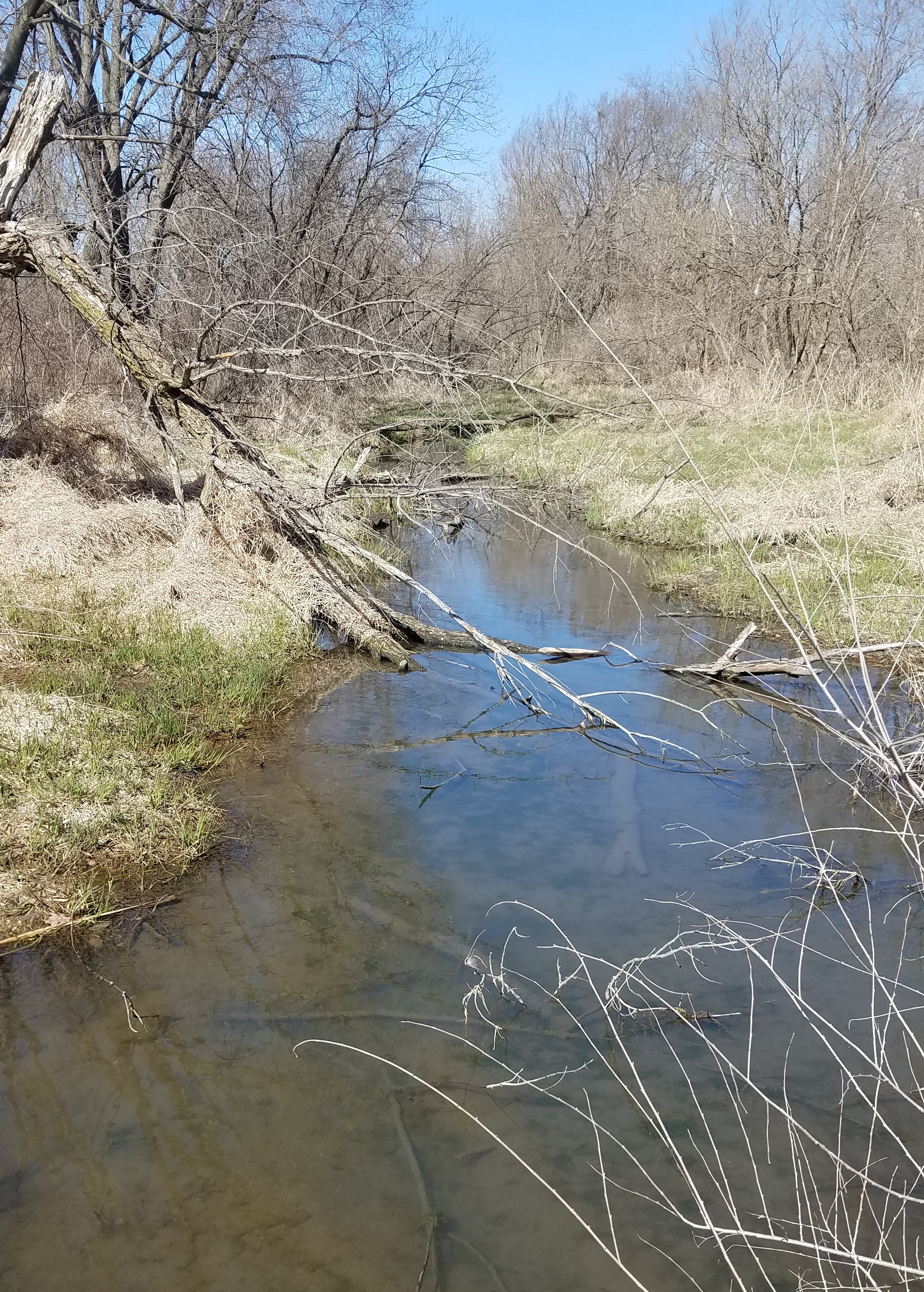
Derecho damaged woodlands in the state park. April 1, 2021.
With a forecast low temperature of 28 degrees, I put the space heater in the greenhouse overnight. Once the temperature rises in the next couple of hours, the five-day forecast is above 40 degrees continuously. It’s time to start gardening outdoors.
It looks clear for planting potatoes today, in the Good Friday tradition. Seed potatoes are ready, and soil in the six containers needs to be worked and fertilized. Without fanfare, gardening for the 2021 season begins.
I’ll dig in the plots for cruciferous vegetables to see if it’s dry enough. If it is, I’ll seed carrots, peas and lettuce. The coronavirus pandemic had me planting seeds indoors early and I’m itching to get kale, collards, broccoli and others in the ground. One step at a time.
It’s time to plant peppers and tomatoes in channel trays.
Saturday morning I took three drawers from the seed sorter and reviewed what I had. There were 25 packets of tomato seeds long past their sell-by date. They went to compost and the envelopes to the shredder. The end result is 22 varieties to plant plus tomatillos. I forgot to order Roma tomatoes.
I went on the Johnny’s web site and ordered a packet of Granadero. The shipping cost would be more than the seeds so I added a cabbage seed packet. Usually plenty of cabbage is available from the farm, so I don’t grow my own. This year, because of the coronavirus pandemic-shortened work season, I did not take the fall share and a couple of cabbage heads in the ice box serve a useful fall and winter culinary purpose.
Peppers will be two varieties of bell peppers and five hot. I’m getting better at growing peppers and tomatoes.
The ground was too wet to work yesterday so I’m hoping it dries enough today and tomorrow. That means I’d better decide where things go.
Potatoes will be in containers again and we’re six days from Good Friday planting. Main questions are whether to move the containers, and what medium in which to grow them.
Placement of onions, shallots and leeks has not been determined. I grew and ordered enough starts to produce double the crop of the 2020 garden. I need more row space for easier tillage this year.
Large greens — kale, collards, mustard, chard — are planned together this year in a special plot. The seedlings are well along and these will be the first transplants just as soon as the ground is ready.
There will be another plot split between broccoli, Brussels sprouts and cauliflower, and radicchio, lettuce, spinach, pak choi, and other small greens. I’ve been walking the garden daily, although a final plan is not finished.
Another day in the life of a gardener. Here’s hoping the rain relents for a few days.







 Journey Home
You must be logged in to post a comment.