
I walk for 30 minutes on the state park trail almost every day I’m home. The timing is about 20 minutes before sunrise so I can view the transition in the sky. I don’t think I will ever tire of seeing a sunrise.
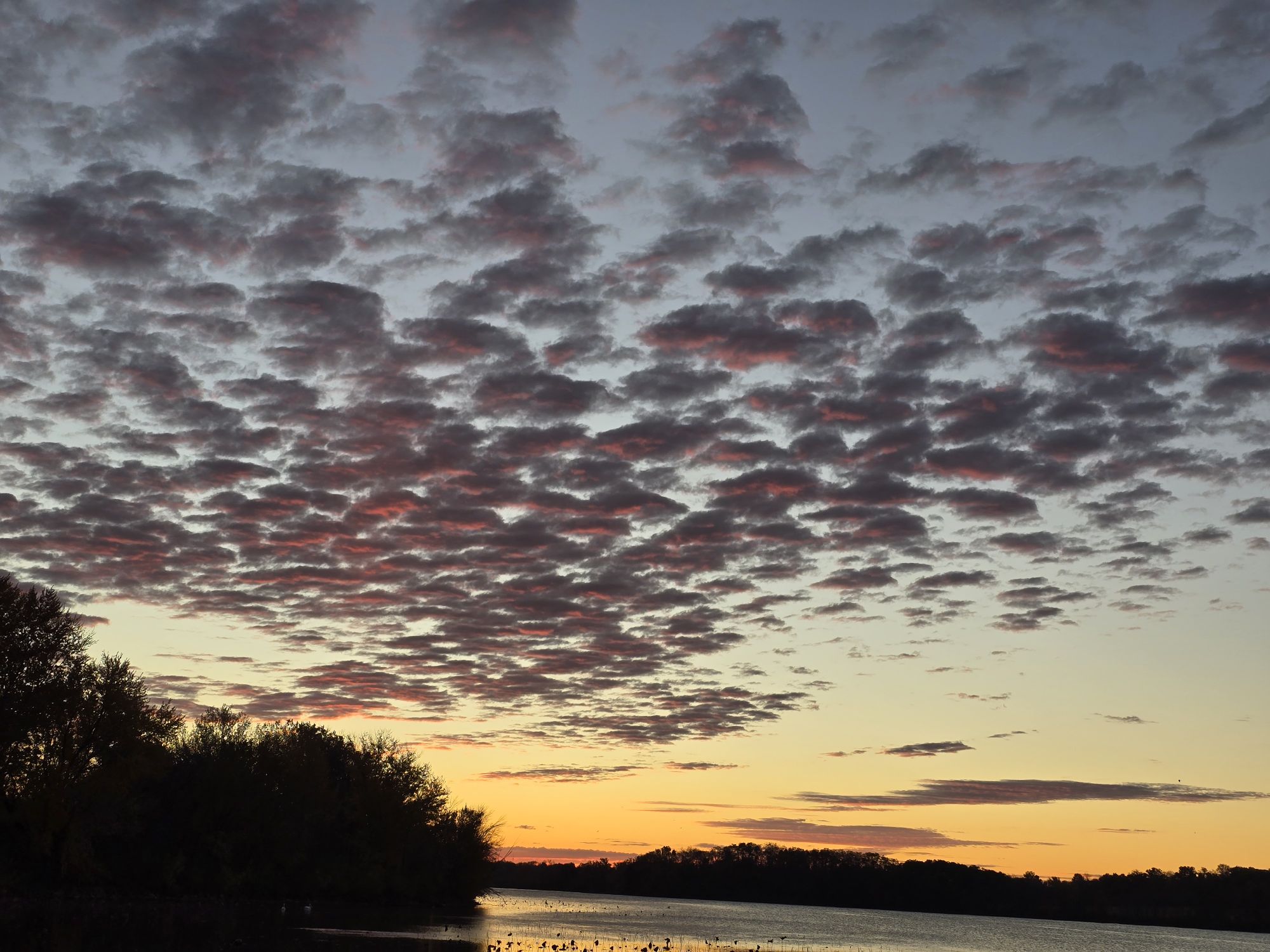
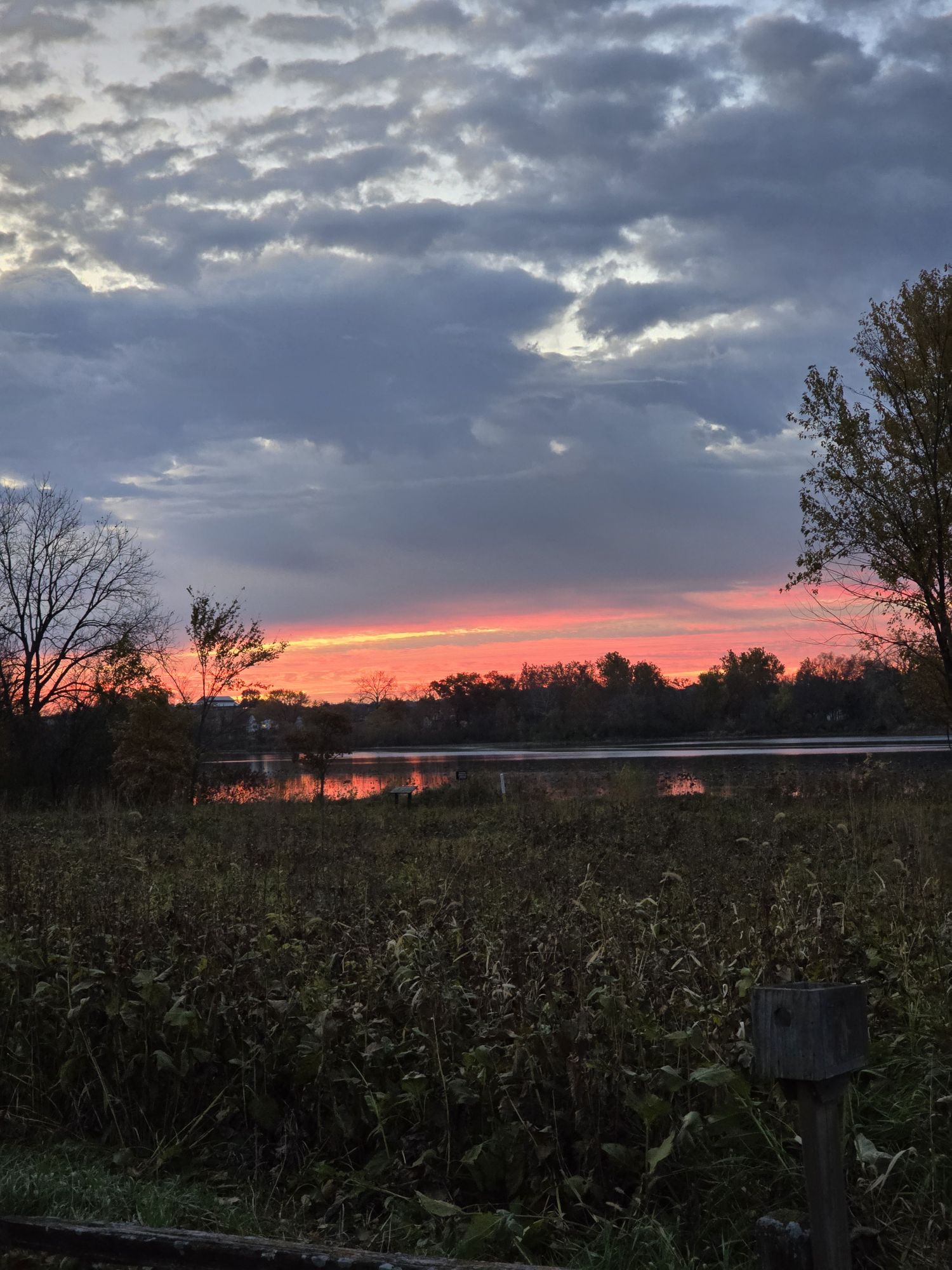
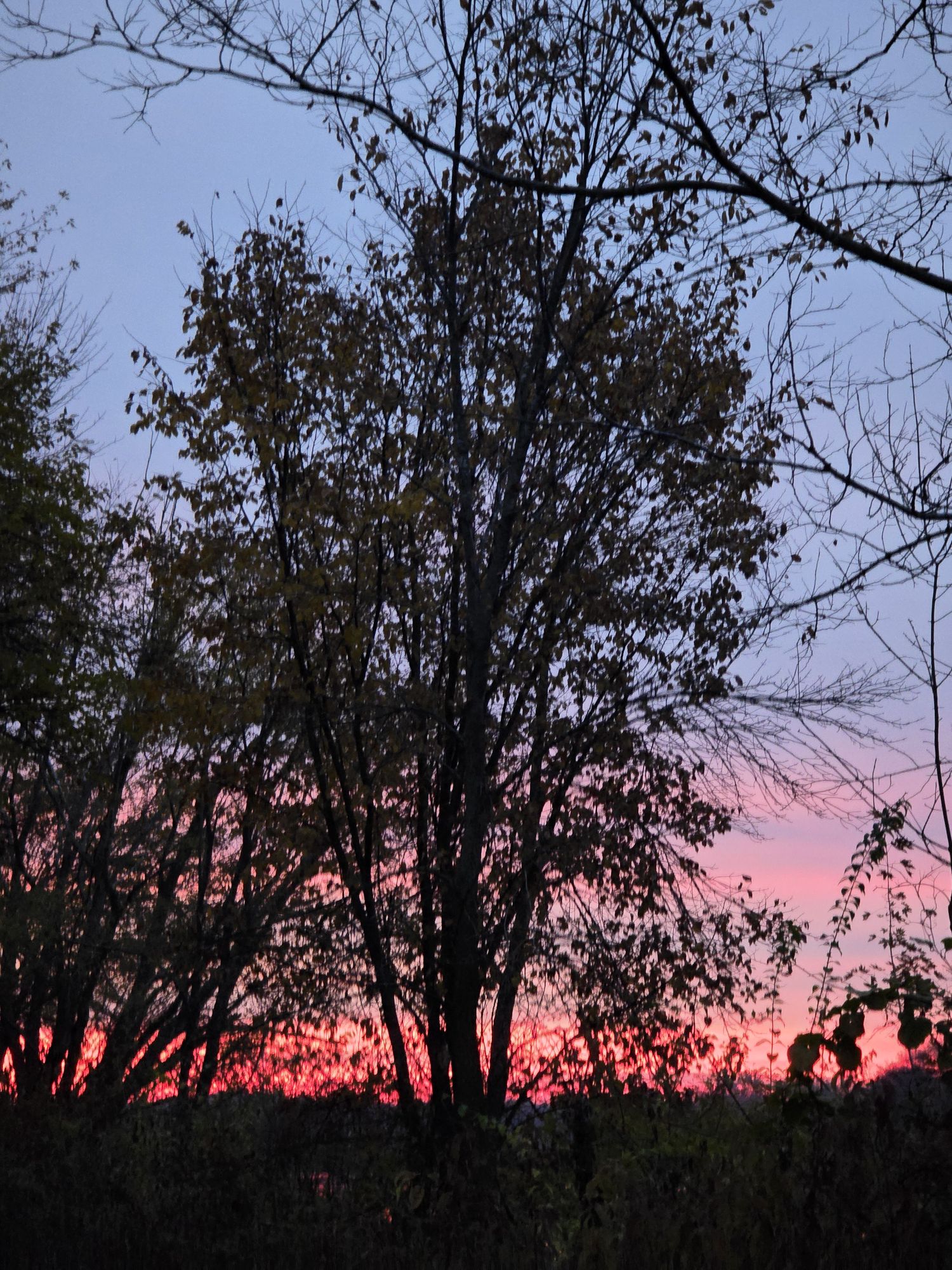
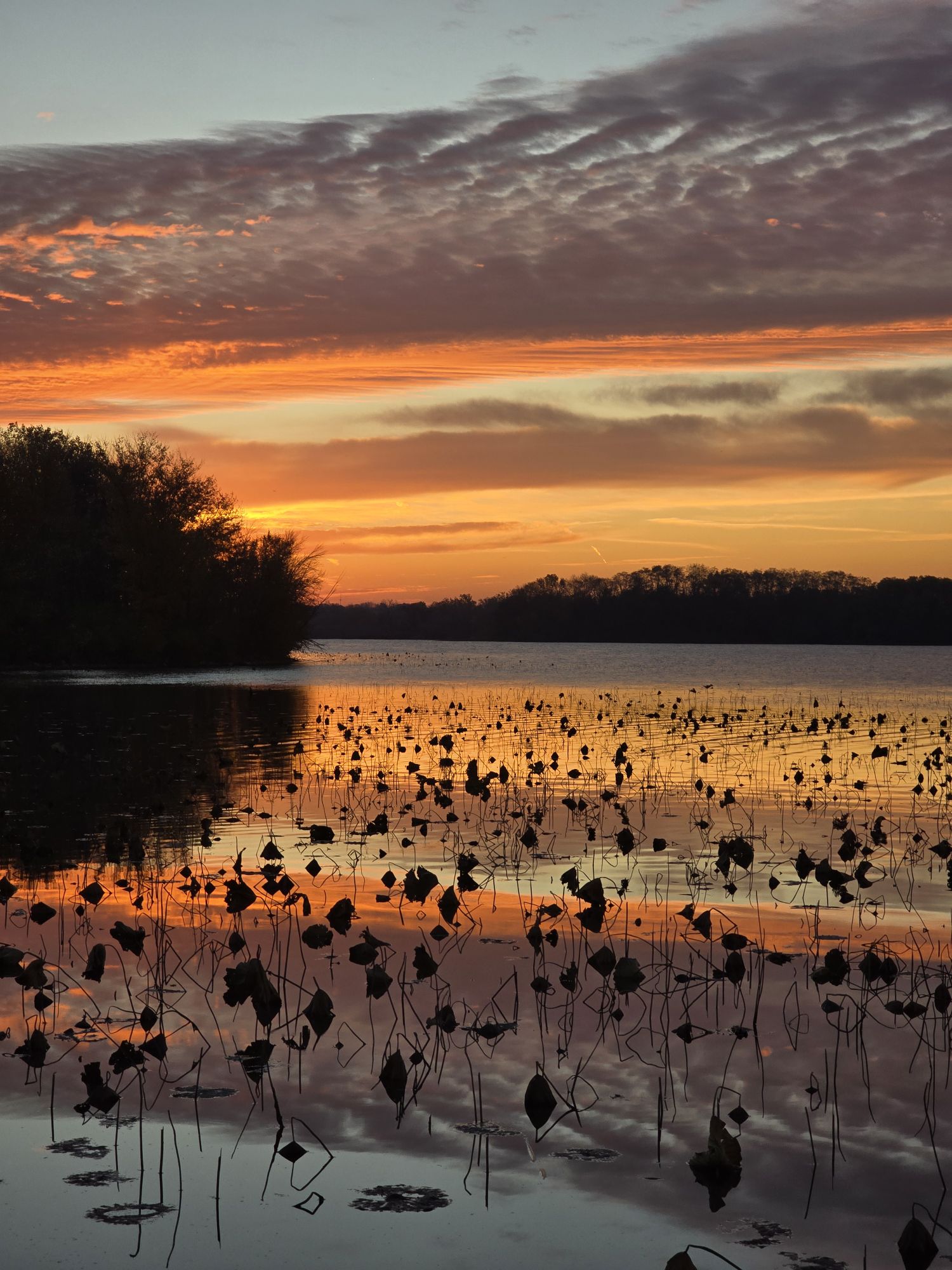
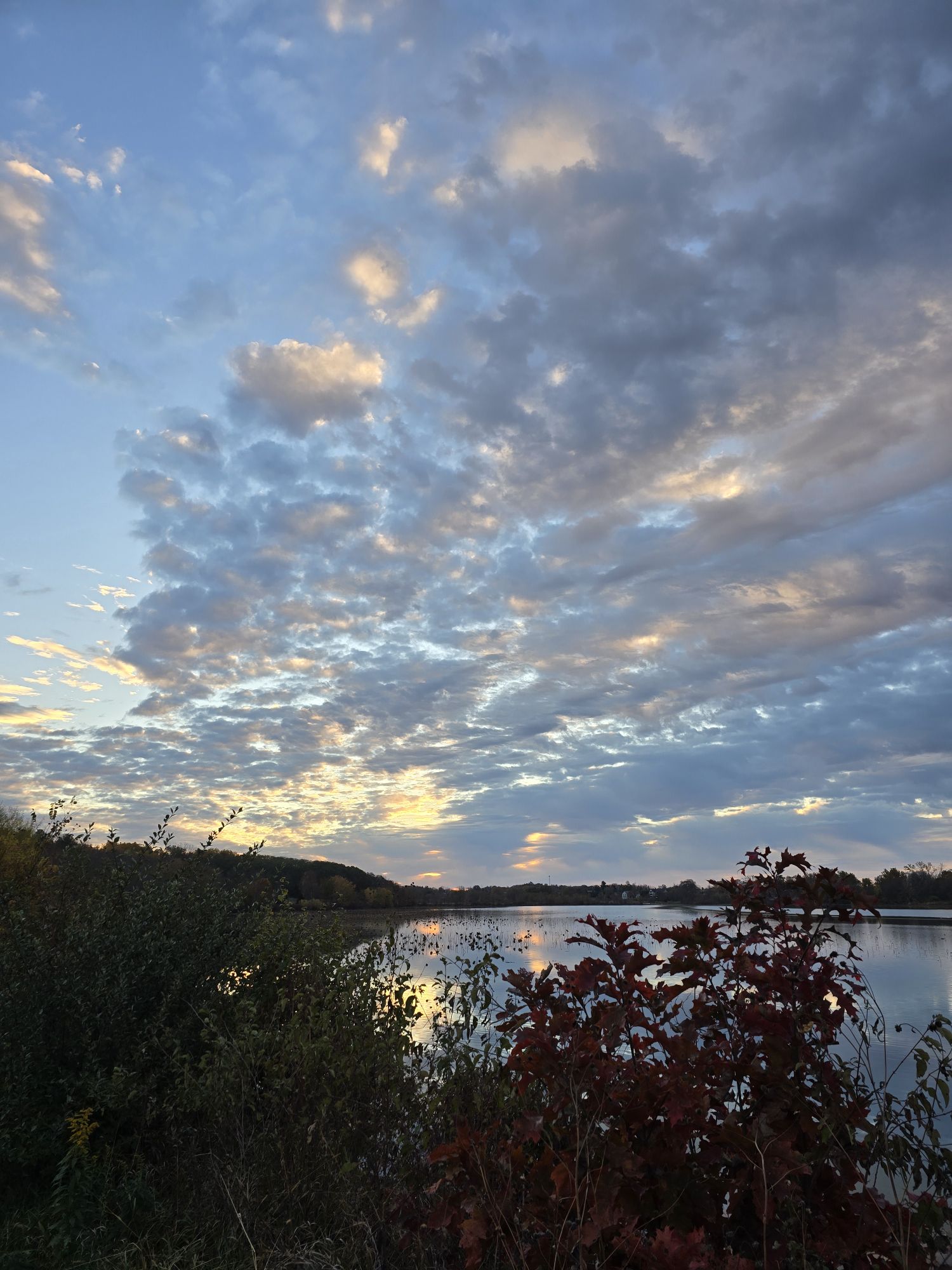
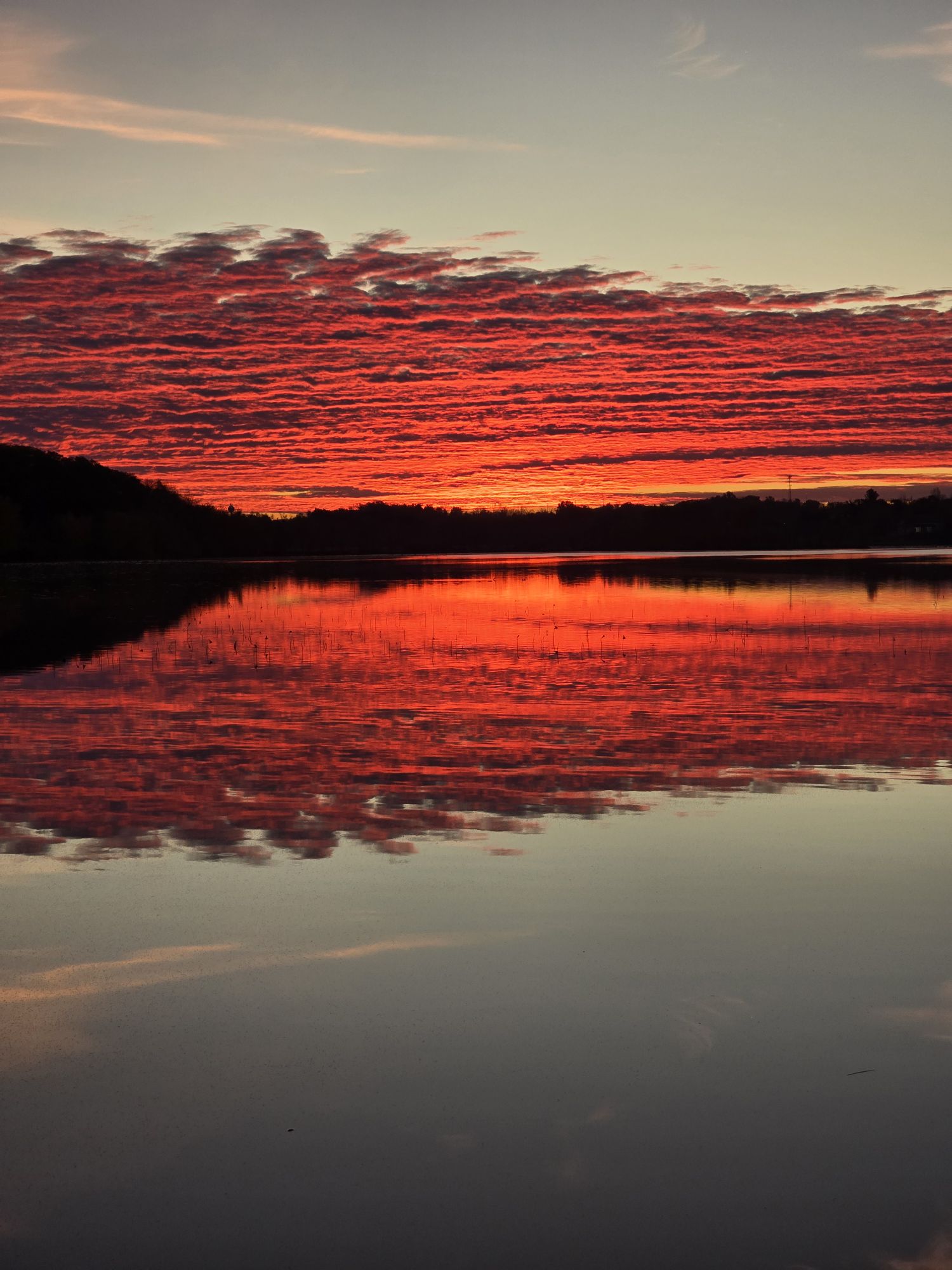
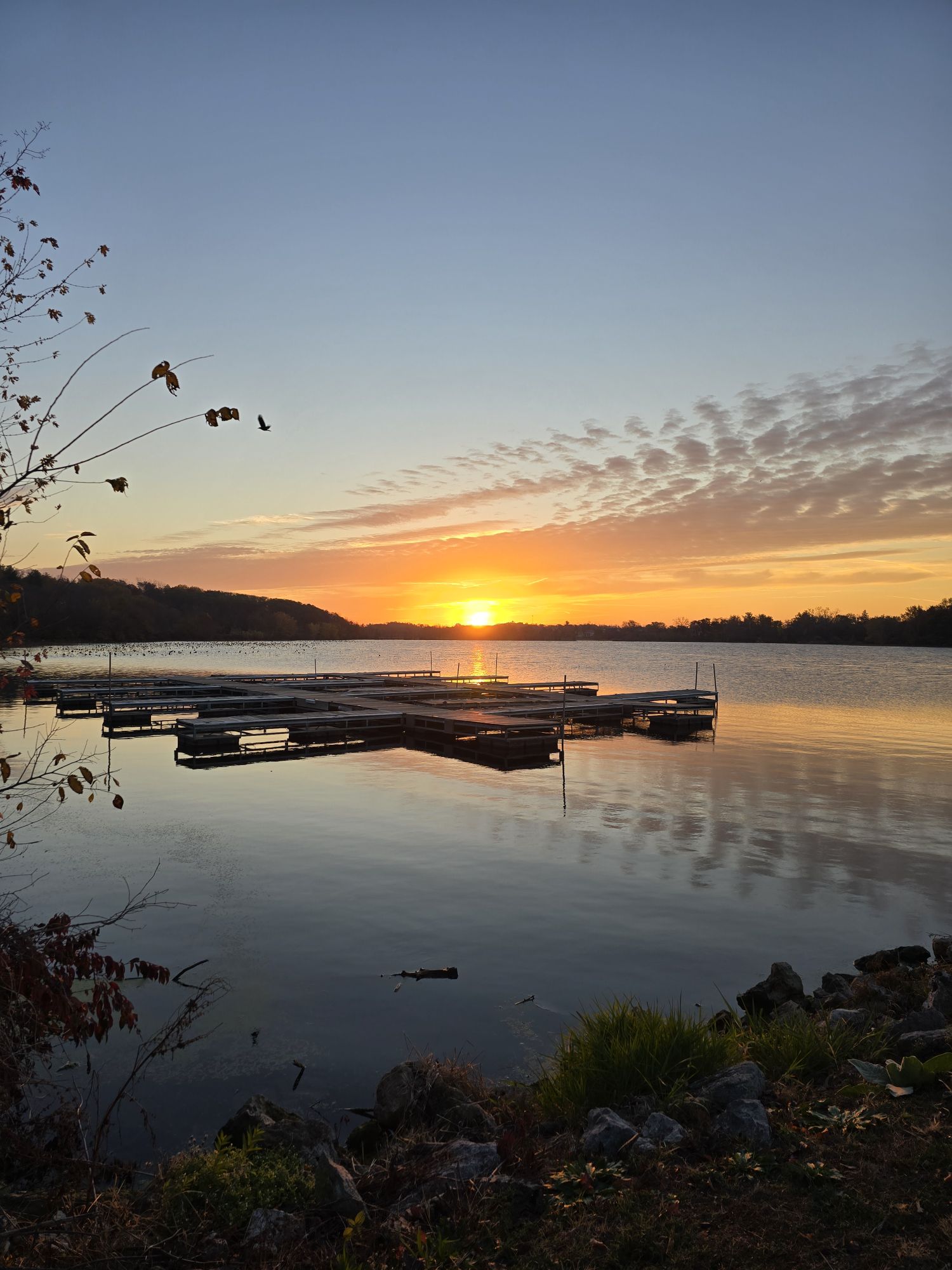
I walk for 30 minutes on the state park trail almost every day I’m home. The timing is about 20 minutes before sunrise so I can view the transition in the sky. I don’t think I will ever tire of seeing a sunrise.
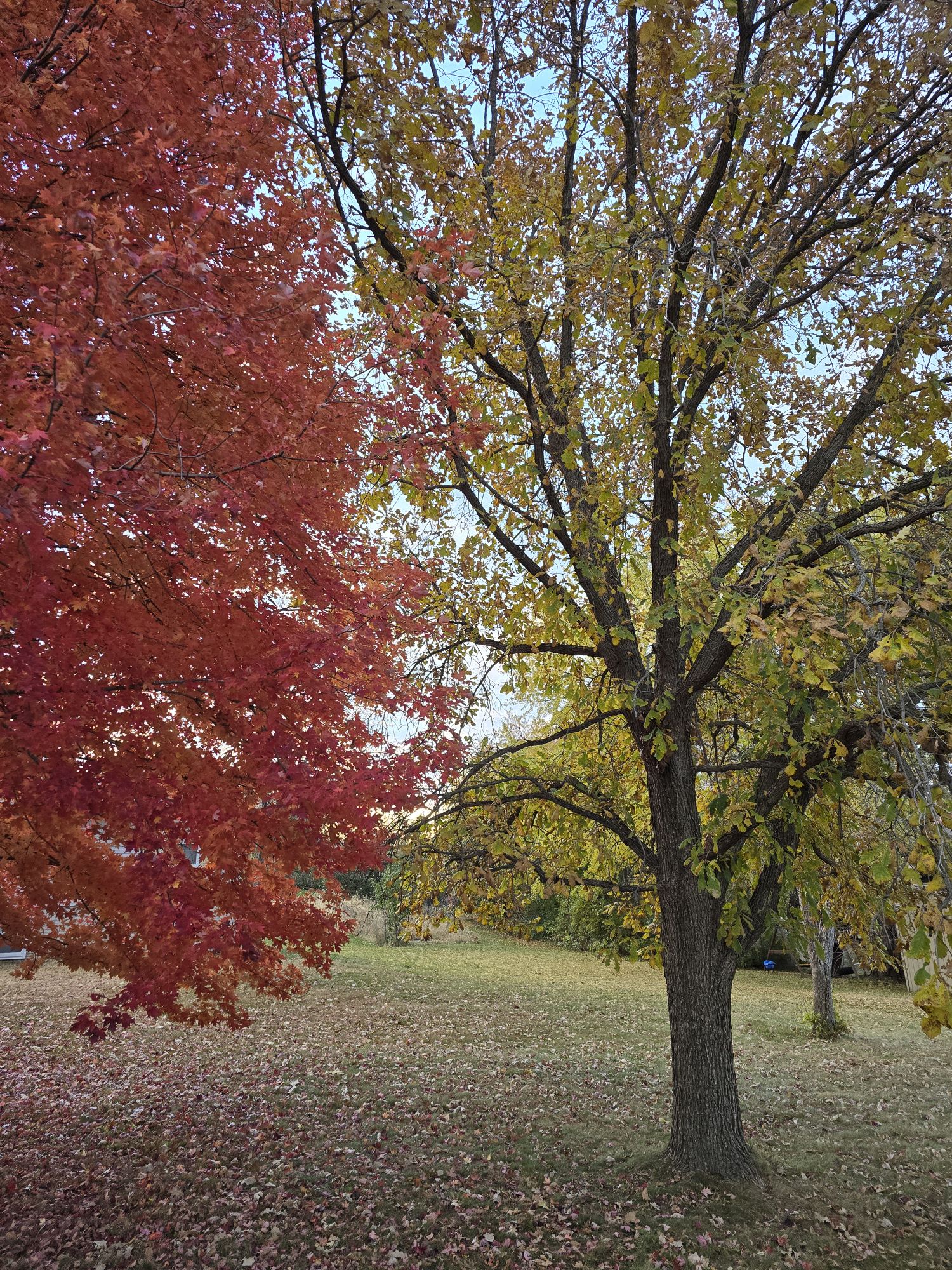
Despite the lack of rain, this has been one of the best autumns I remember. It is a pleasure each time I step outdoors and take it all in. With everything going on in the world, we need that type of solace.
Autumn is the time to get the chainsaw out and clear dead trees from the property. A neighbor and I felled two ash trees killed by the Emerald Ash Borer. The occasion gave me a chance to wear the steel-toed shoes I got to work in a Kentucky steel mill back in the day. They even have metatarsal protection.

I took the first tree down by myself. It took some time to determine where I wanted it to fall. I made a notch cut in that direction. It is important to take the time because as the old saw goes, measure twice and cut once. I made the felling cut and the bar and chain of the chainsaw got stuck. I must have done something wrong.
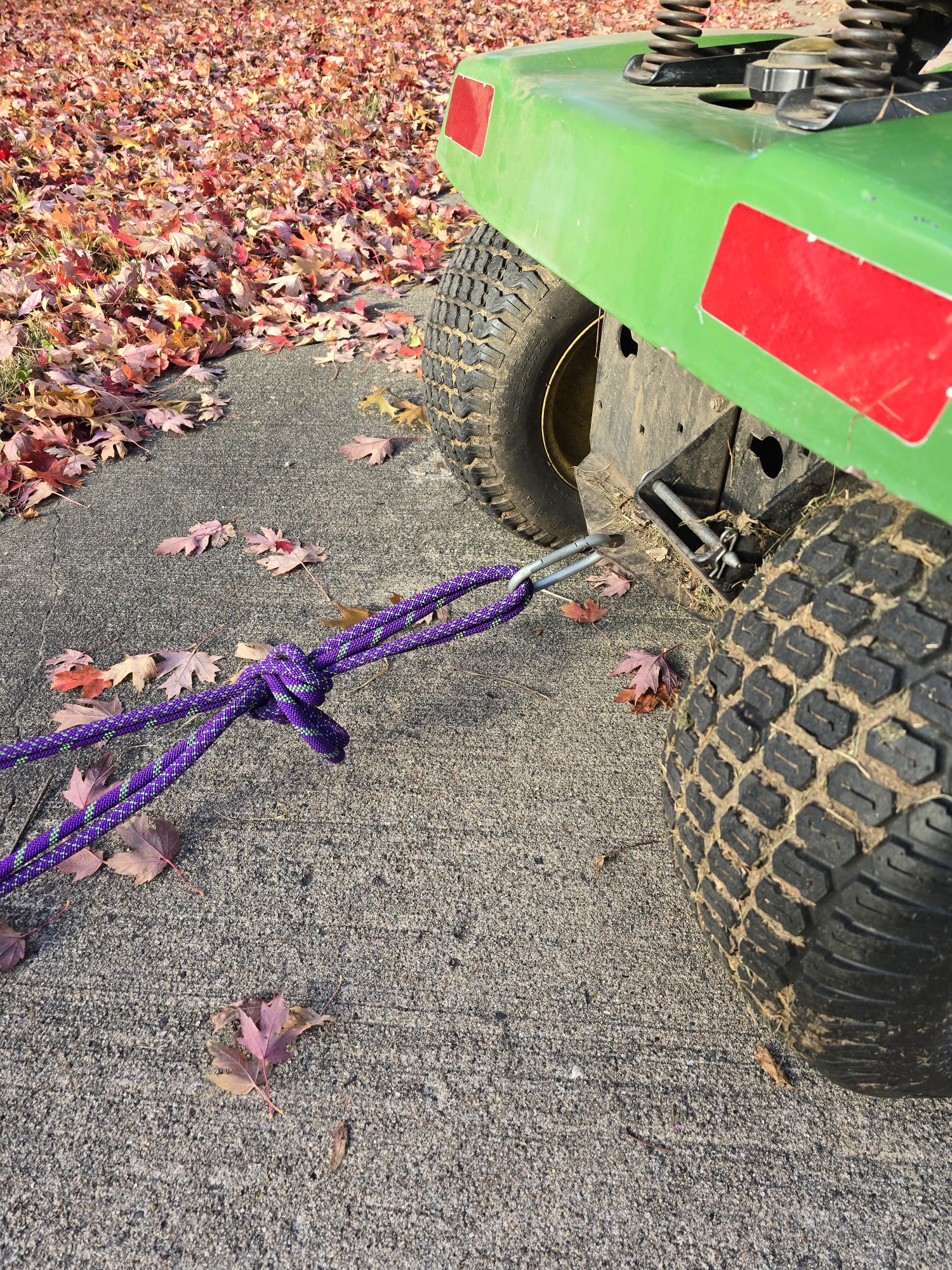
I stopped and disconnected the bar from the motor assembly, and was able to pull it out. Not the chain. No problem. I went to the garage and got out my rappelling rope, tied one end around the tree about 12 feet from the ground, and the other to a carabiner attached to the rear of the yard tractor. I positioned the tractor on the cement driveway so there would be traction and gently tugged the tree until it fell over.
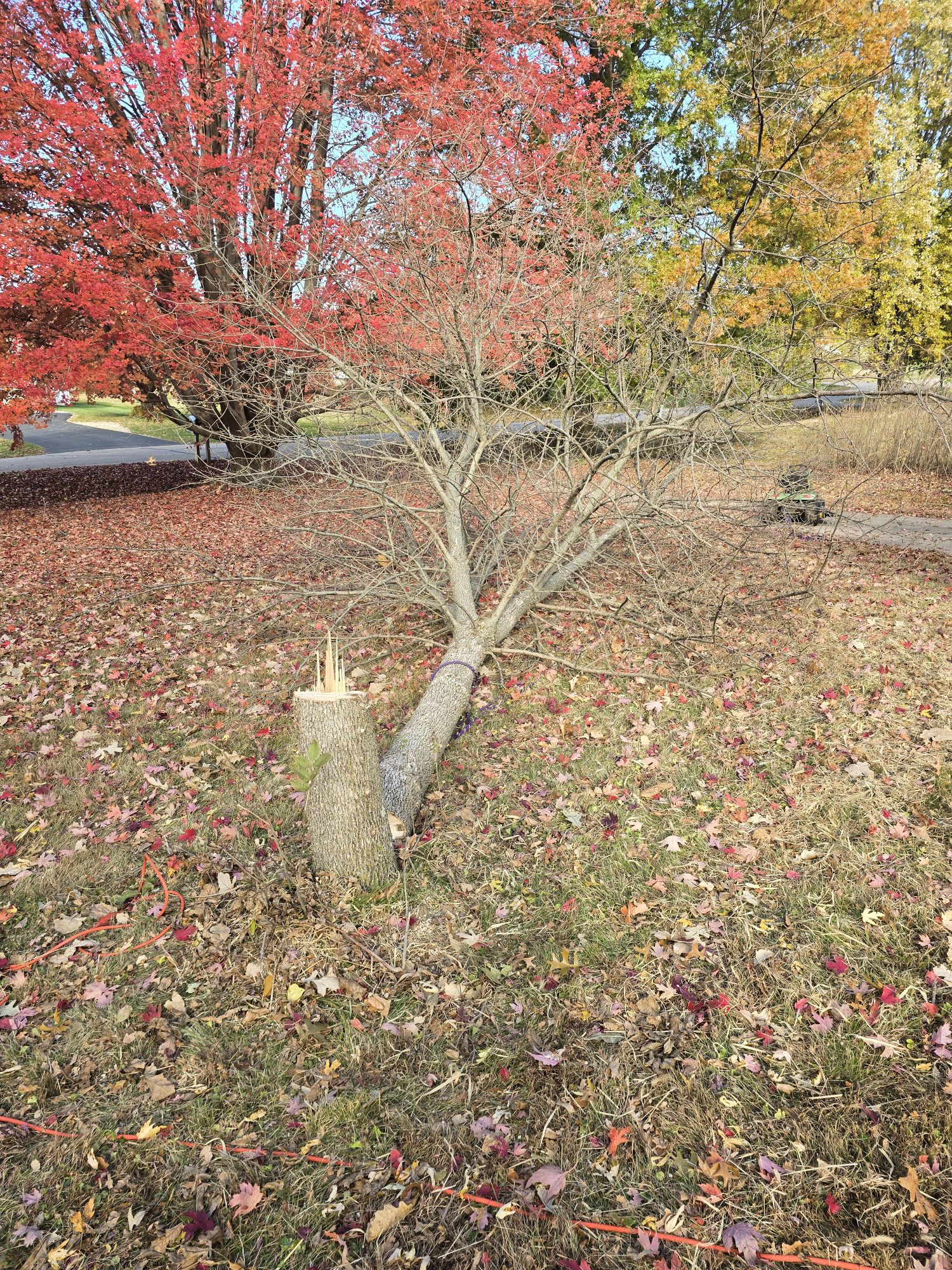
My neighbor arrived and we worked together on the second tree. This one had grown with a yoke separating the two main branches. If I felled the southernmost branch the wrong direction, I might take out the neighbor’s fence. We positioned the yard tractor and tied the rope to the tree about 14 feet above ground. I made the notch cut and then my neighbor got on the yard tractor and put tension on the rope. As I made the felling cut, he increased tension, although he lost traction because of the leaves on the ground. No worries the tree fell in the intended direction.

We felled the other main branch and called it a day.
This was the most difficult part of the operation. Going forward, I plan to spend about an hour a day cutting the trees up. I made a place for a brush pile and will salvage two relatively straight limbs to use to stack firewood outdoors and off the ground. I will burn the brush pile when conditions are suitable, and hope to find a home for the firewood. A lot of neighbors are flush with winter firewood presently.
It will take me a week or two to clean up the yard. That part I can do by myself. Autumn days were made for a fellow and his chainsaw.
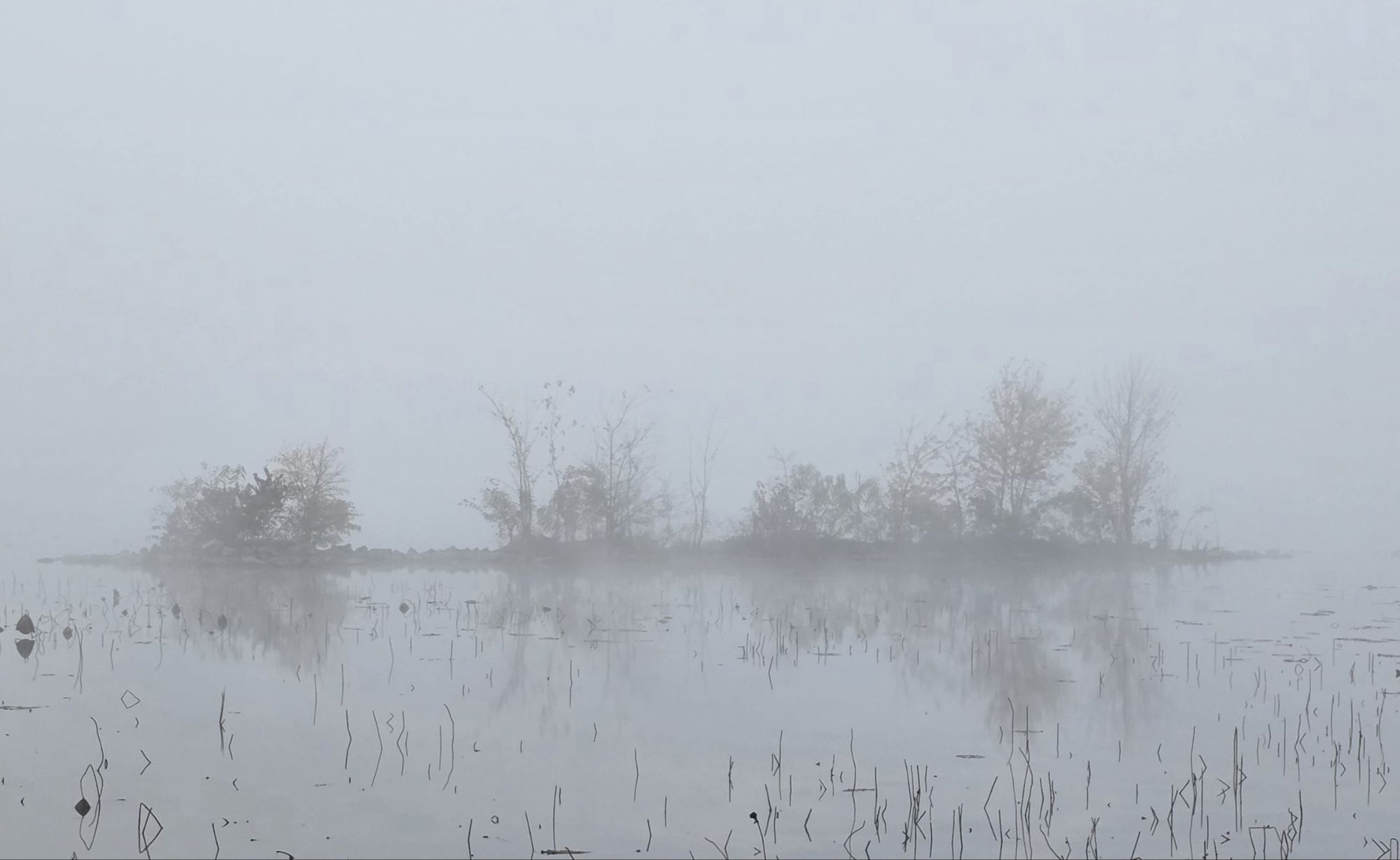
It is usually quiet on the state park trail during my morning walk. If someone is coming I hear their footsteps, or if they are on the phone or in a group, their talking voices carry a long distance. It was foggy Sunday morning when I heard young women talking. Before long, I could see headlamps bobbing above the trail. It was plenty light, yet the idea of a headlamp gained prominence over whether or not one was actually needed. I wished them a good morning as they passed me going the other way. They returned the sentiment. Even at dawn there is traffic on the trail.
I leave for the trail 20 minutes before sunrise. It is usually light enough to see and the transition period presents great light for capturing photographs. On Saturday I started walking on the boat dock to get an unobstructed view of sunrise. There was frozen frost on the deck and I slipped and fell on my backside. I let loose my mobile device and feared the worst. When I got up it was just less than halfway over the edge of the dock. I had visions of it plunking in the water, yet not this time. I am one lucky guy.
Last winter I walked the trail almost every morning regardless of ambient temperature and snowfall. I expect to do likewise this year. The state park trail is the perquisite that comes with living here I enjoy most. It also provides an opportunity to work on my photography.

It’s hard to believe it is November already. Following are some photos taken in the last two weeks.


Some new colors this week. It’s garlic planting time and when Friday is over, I hope it will be in.
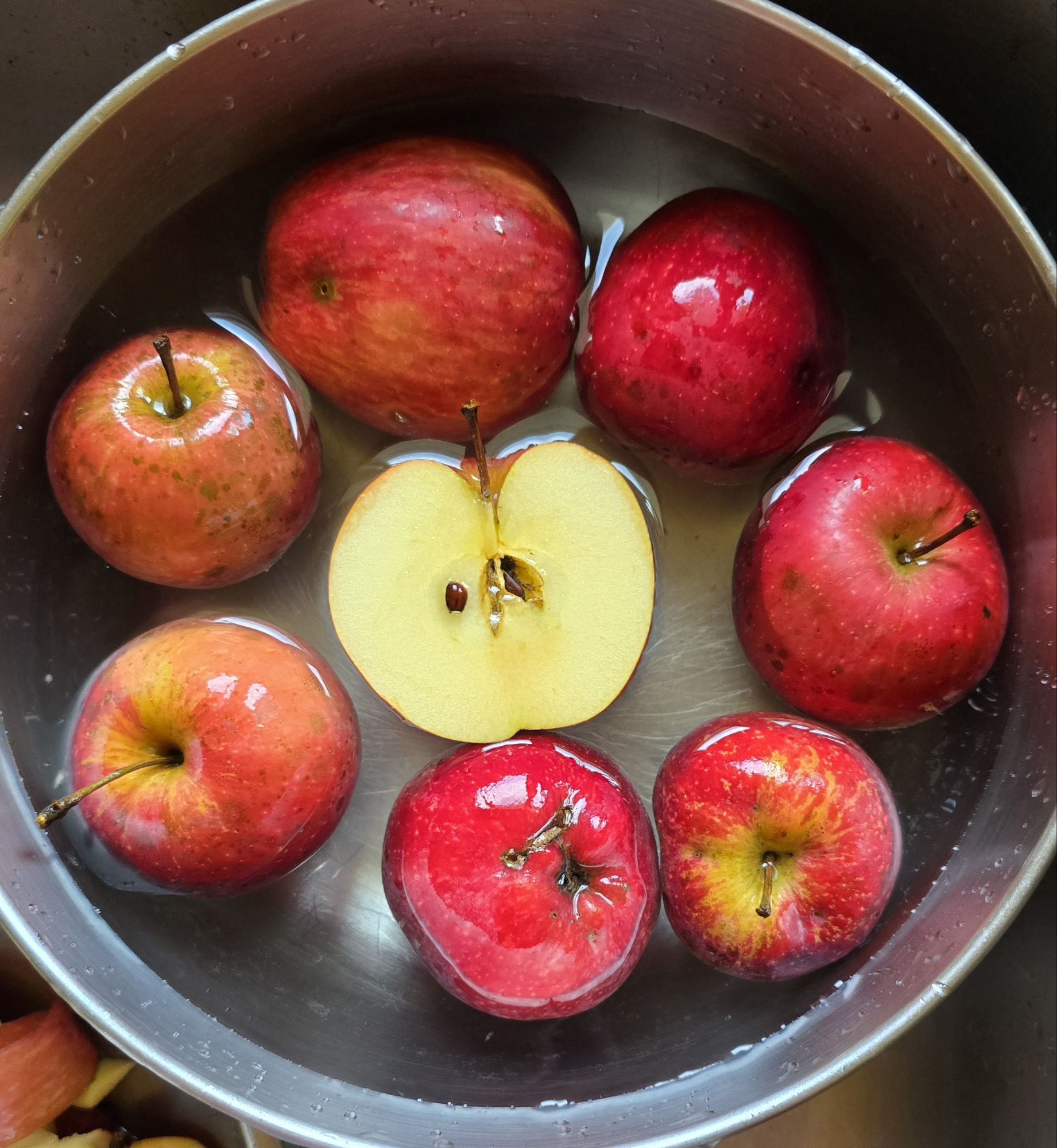

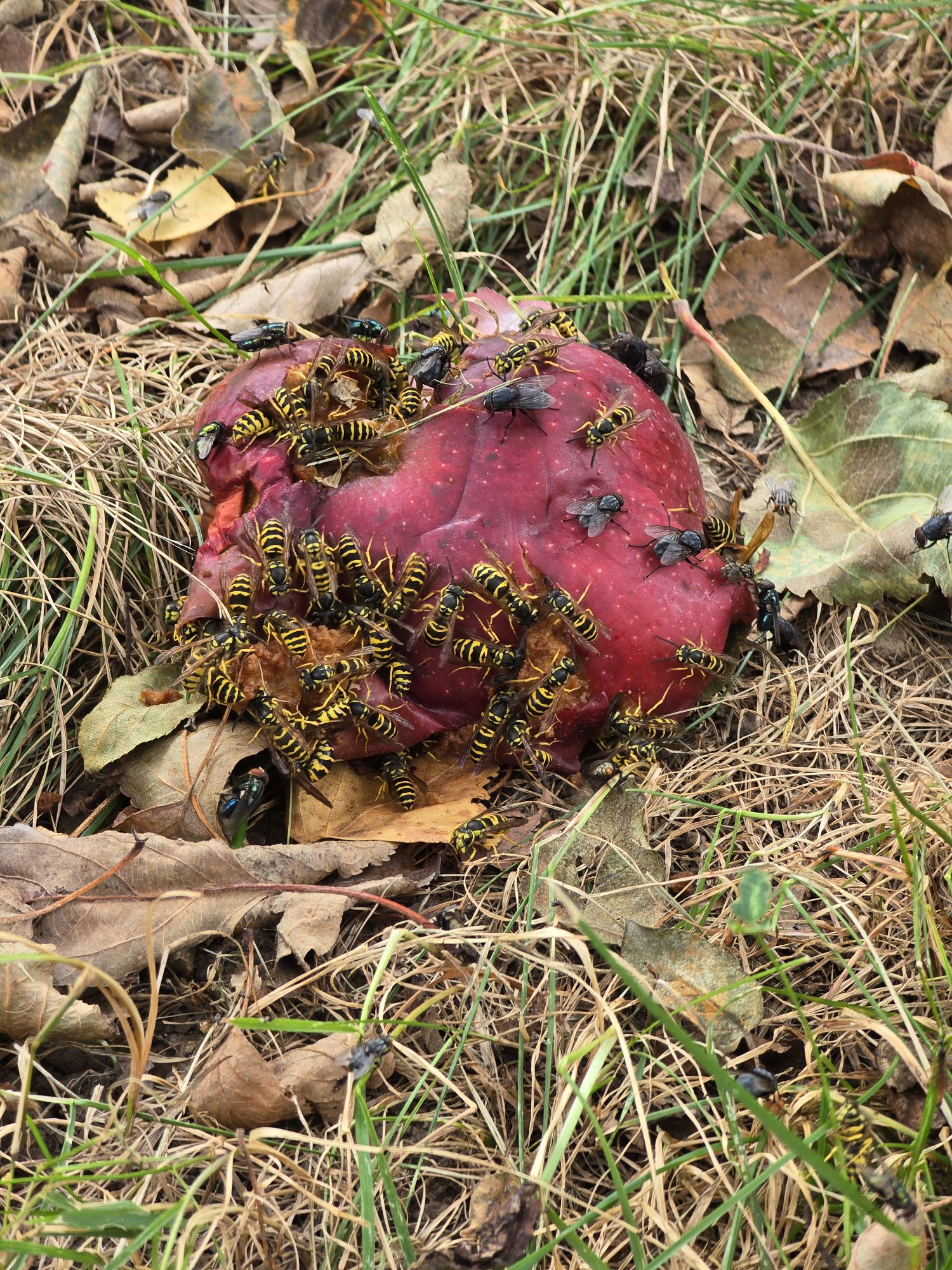
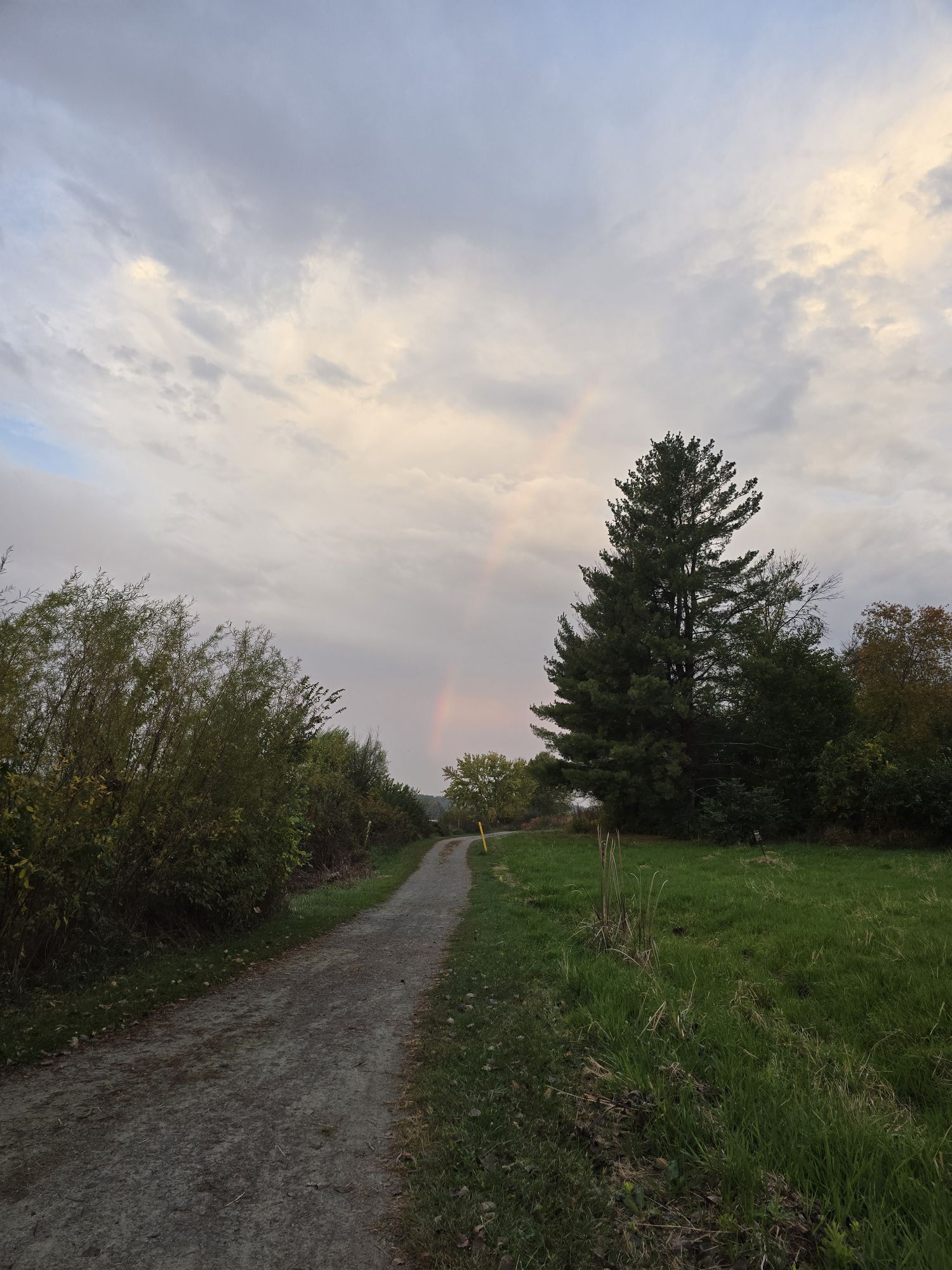

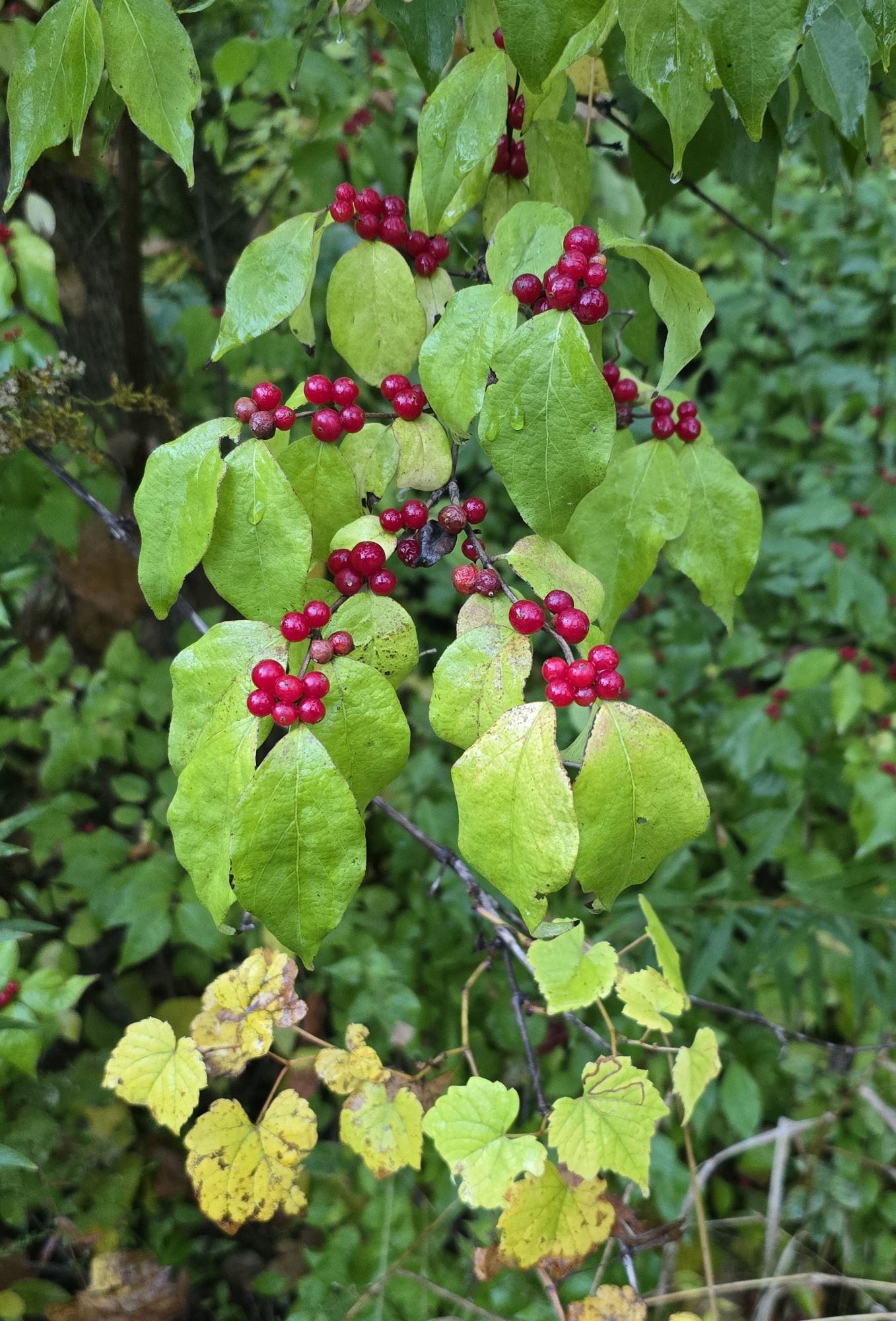
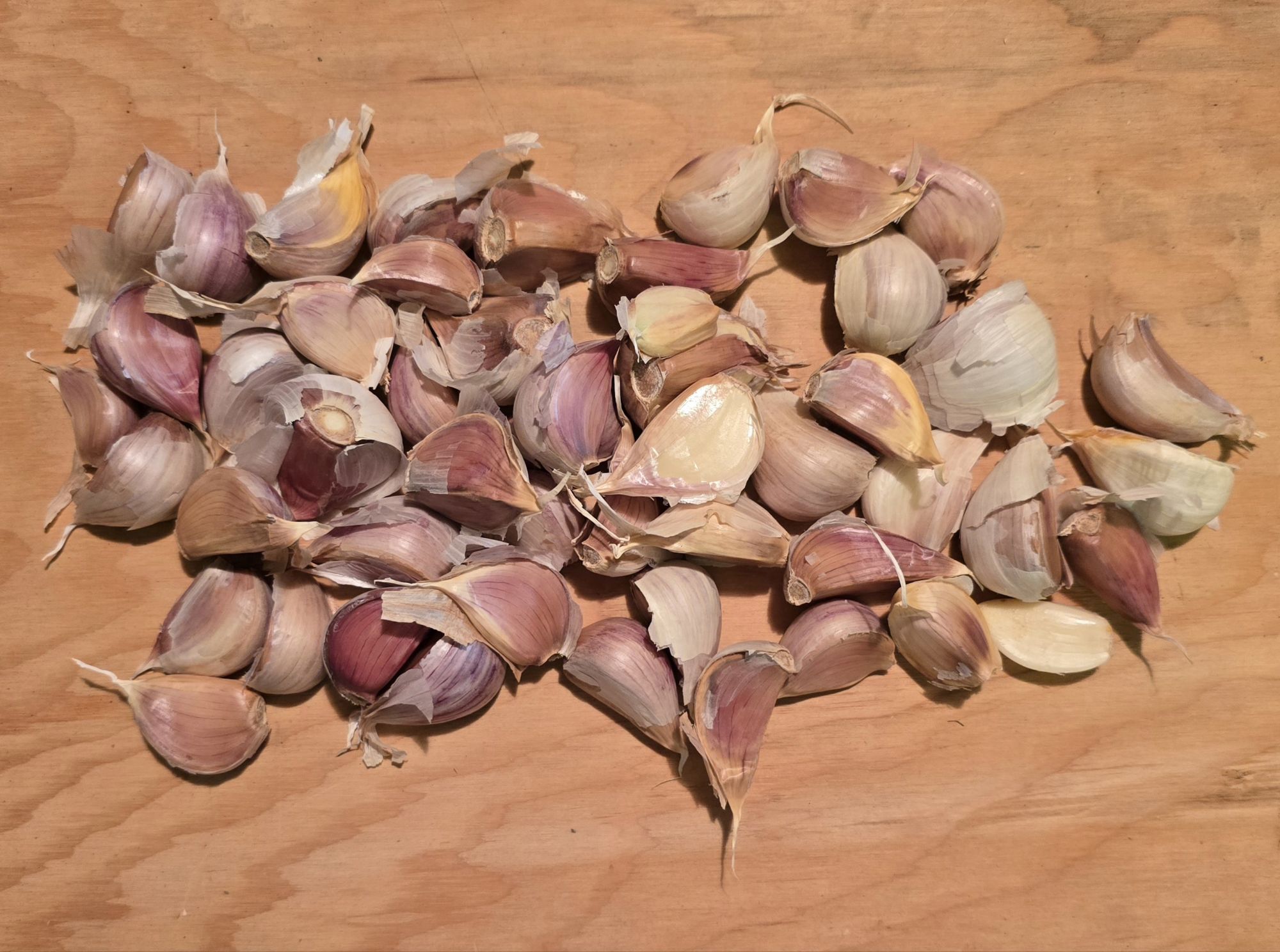
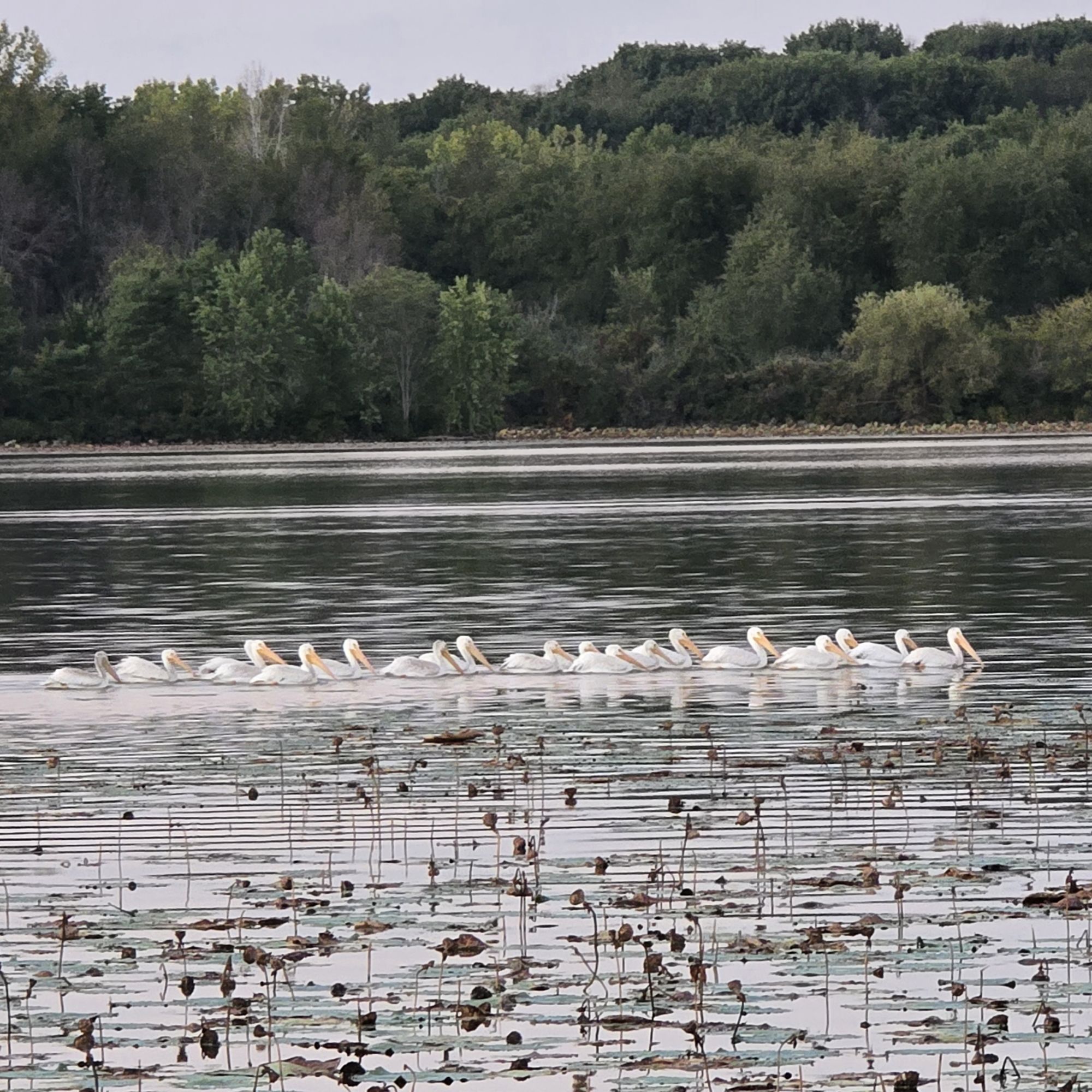
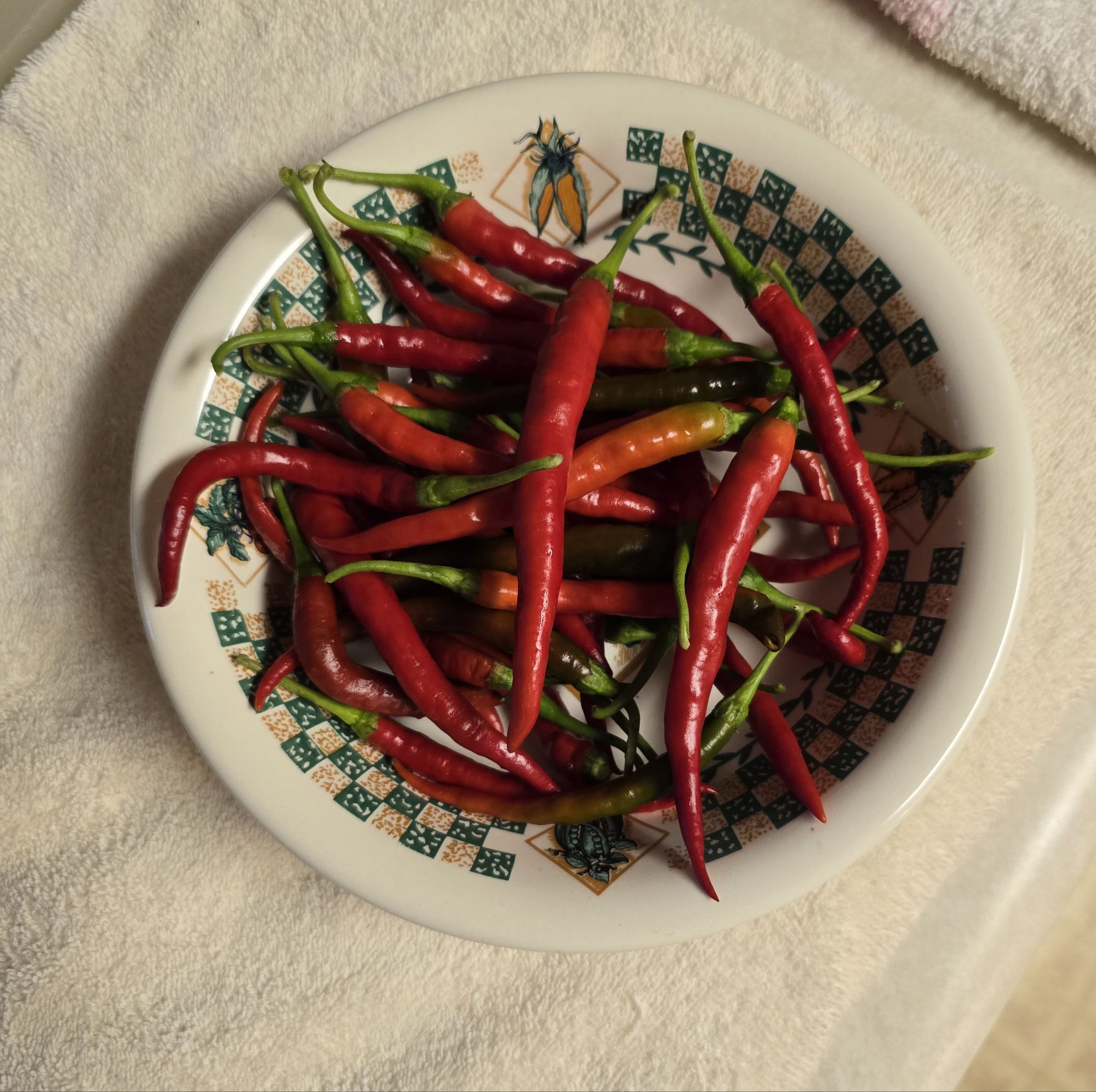
This week was all about the shift to autumn—putting up hot peppers, processing apples, and getting ready for winter. Add a high school class reunion on Sept. 25, and it’s already been a busy season. Here are some of the best recent shots.
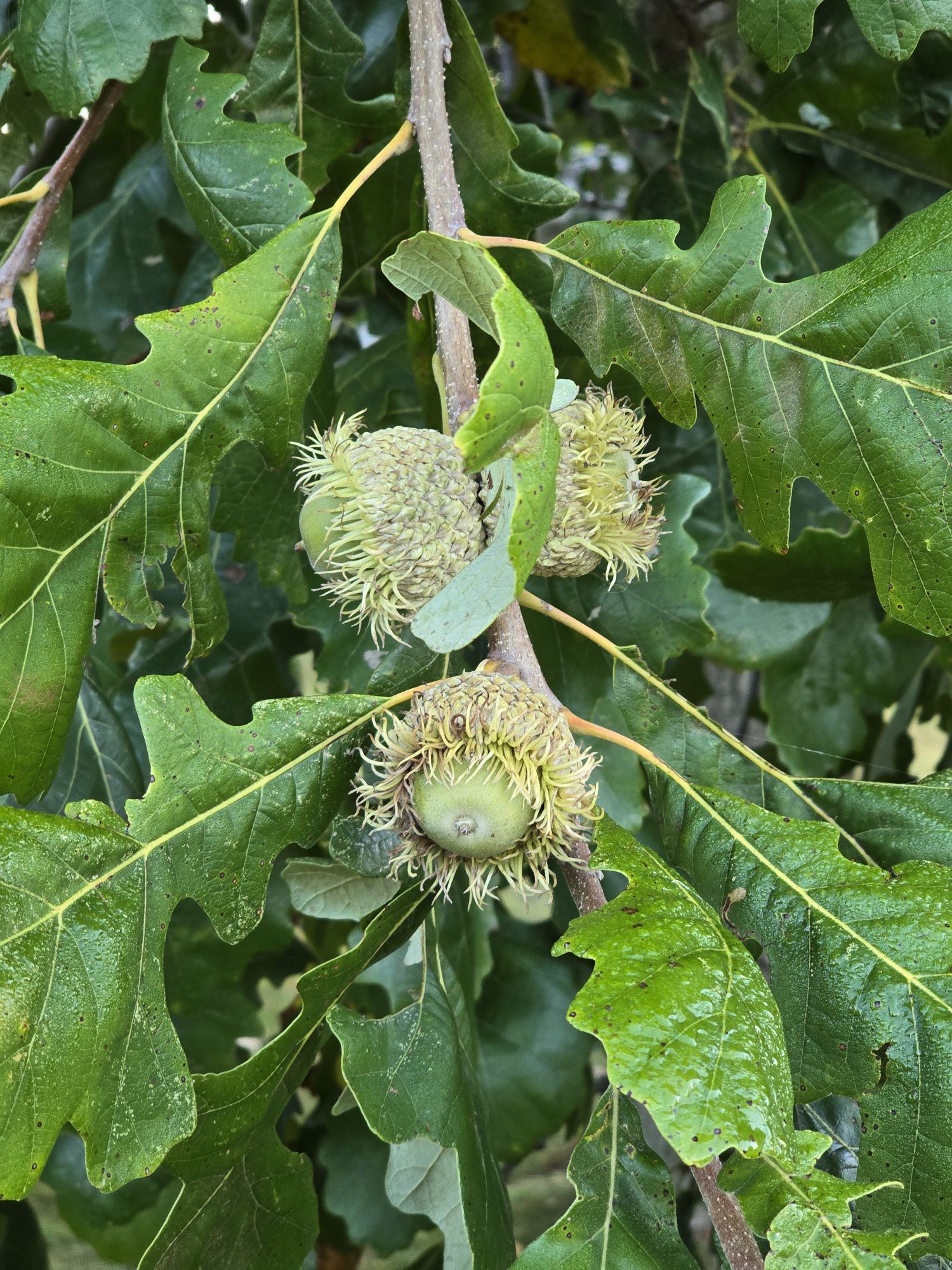
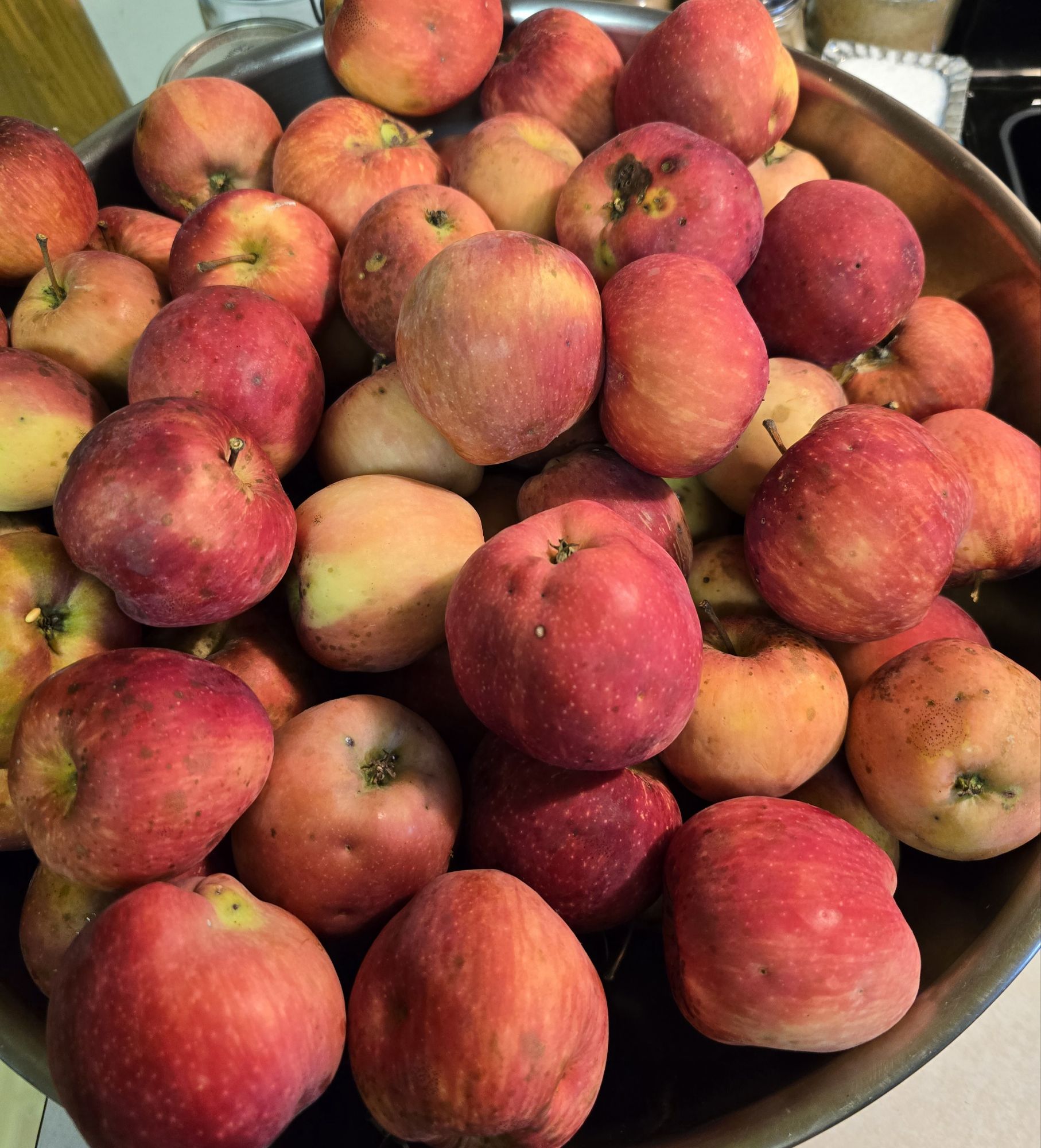


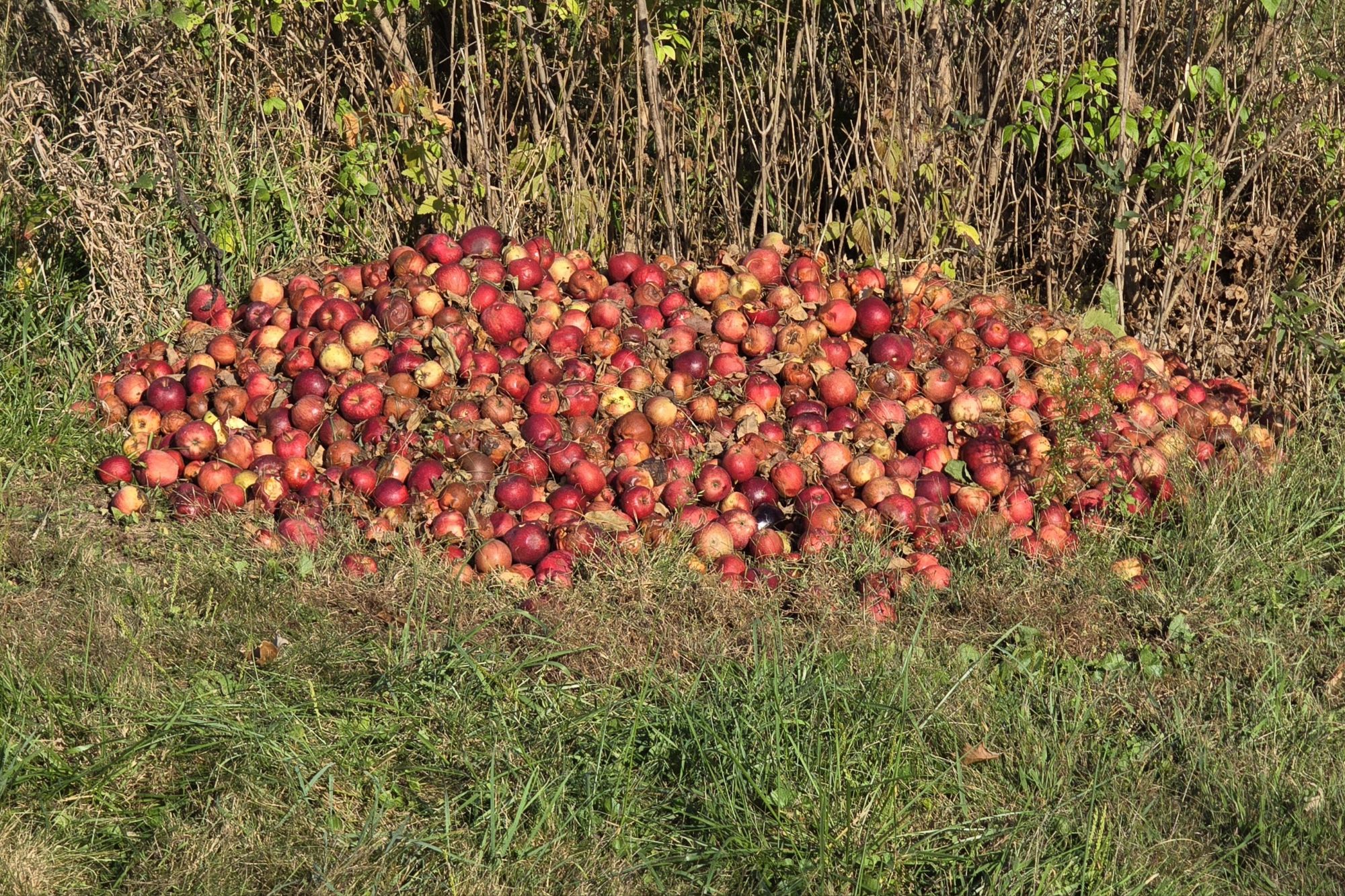


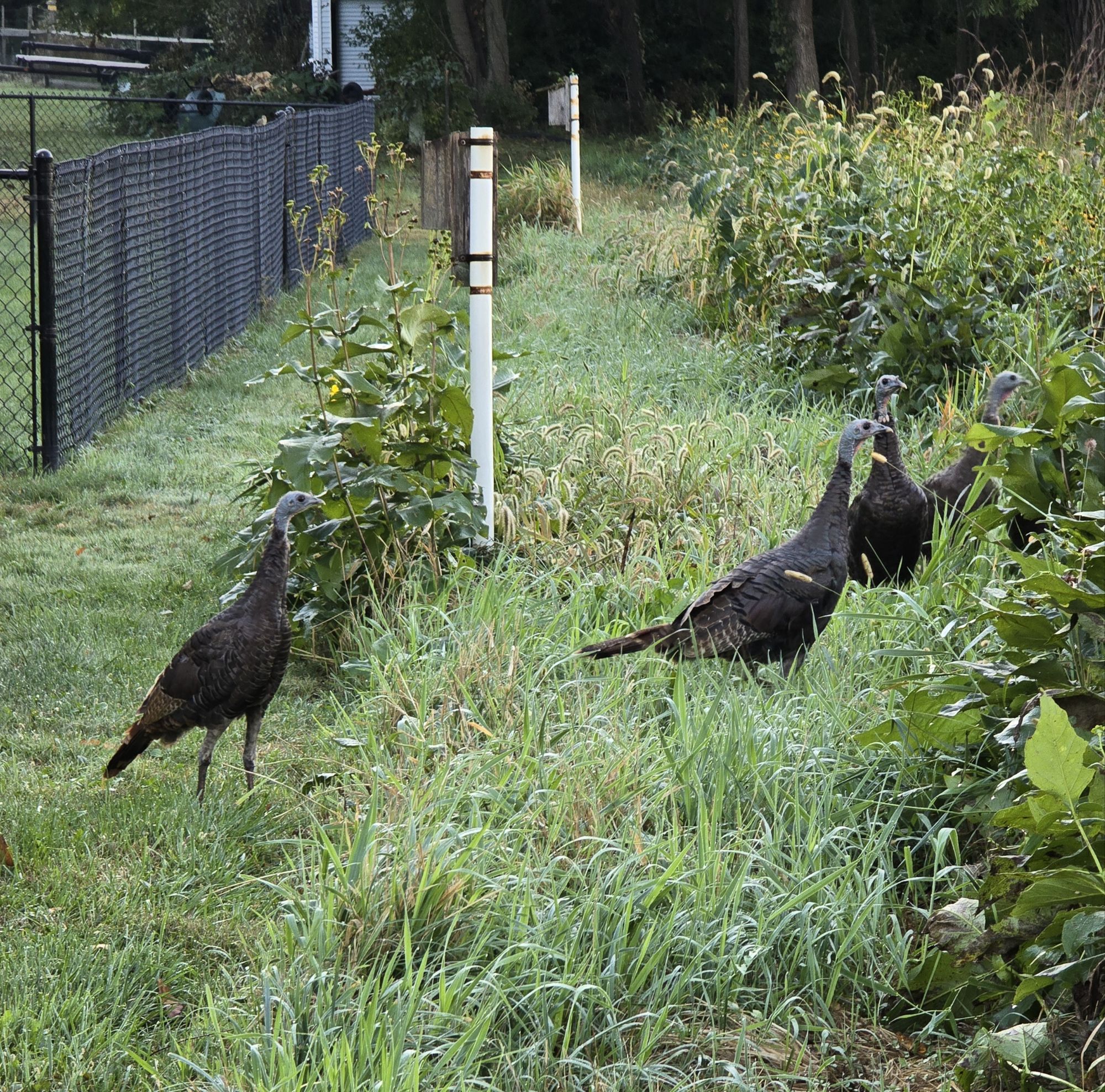


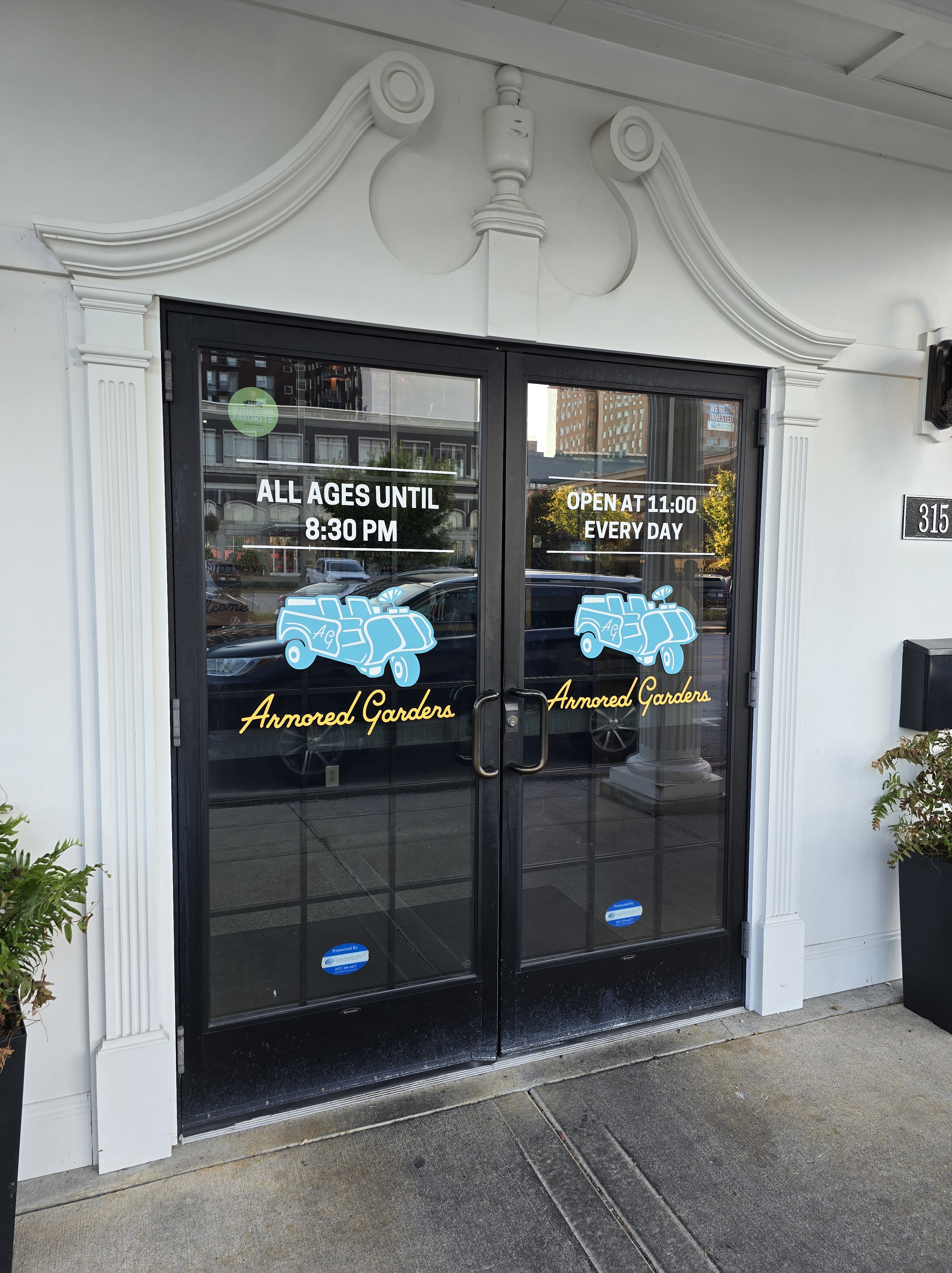
The combination of a punk reaction to my influenza shot and massive intake of information at our high school class reunion led to Saturday being a challenging day. I made it through the fog and by 4:30 p.m., felt like doing stuff. In quick succession, I finished yesterday’s post, canned a batch of applesauce and apple juice, and worked on laundry I started in the morning. In retirement, that makes a busy day.
Our time together at our high school class reunion Thursday night was precious. I don’t want to let go of the conversations. There are only so many of the 8.2 billion people on this jumping green sphere with whom an individual shares a life’s experience. Grade school and high school mates are unique in that regard, in my stable culture, anyway. Through conversation I became aware of developing a tunnel vision of my own history by focusing on a subset of experiences to produce an autobiography. The reunion opened my eyes to a broader experience that exists, of who I was and who I have become.
When we dig ourselves into a tunnel of memory, it seems useful and important to find our way out into our broader experience. I believe the brain captures our experiences yet some of them get relegated to places where they don’t get our attention. Too, our way of seeing filters out parts of our experience so we remember only the filtered events. John Berger said what I am trying to say more directly in his book Ways of Seeing:
Seeing comes before words. The child looks and recognizes before it can speak. But there is also another sense in which seeing comes before words. It is seeing which establishes our place in the surrounding world; we explain that world with words, but words can never undo the fact that we are surrounded by it. The relation between what we see and what we know is never settled. (Ways of Seeing, John Berger).
Our class reunion helped me be more aware of the surrounding world, one that is specifically relevant to me and my classmates.
In addition to memory, my writing focuses on journals, letters, photographs, and blog posts created over a period of fifty years. For every detail captured, there are multiple that exist elsewhere if I can summon them. Talking to people with shared experiences is one way to do that.
A five minute conversation listening to a classmate that worked for an insurance company for 40 years, or another who lived in California for a similar amount of time then returned to Iowa and married a classmate, are ways to do that. Reading an email about how one classmate recruited the widow of another to attend is the same. The easy familiarity of one with whom I played basketball in the grade school playground is another. Spending time with someone who was a neighbor to a close friend I lost in an auto accident shortly after graduation is another. All of these remind me of the broader, yet common world we inhabited, at least for a while. We now inhabit the present together, at least on Thursday night we did.
I don’t seek to wax nostalgic about my high school experiences. The recent conversations remind me of who I once was and help to become a better me in the present. It’s no wonder I don’t want to let go.
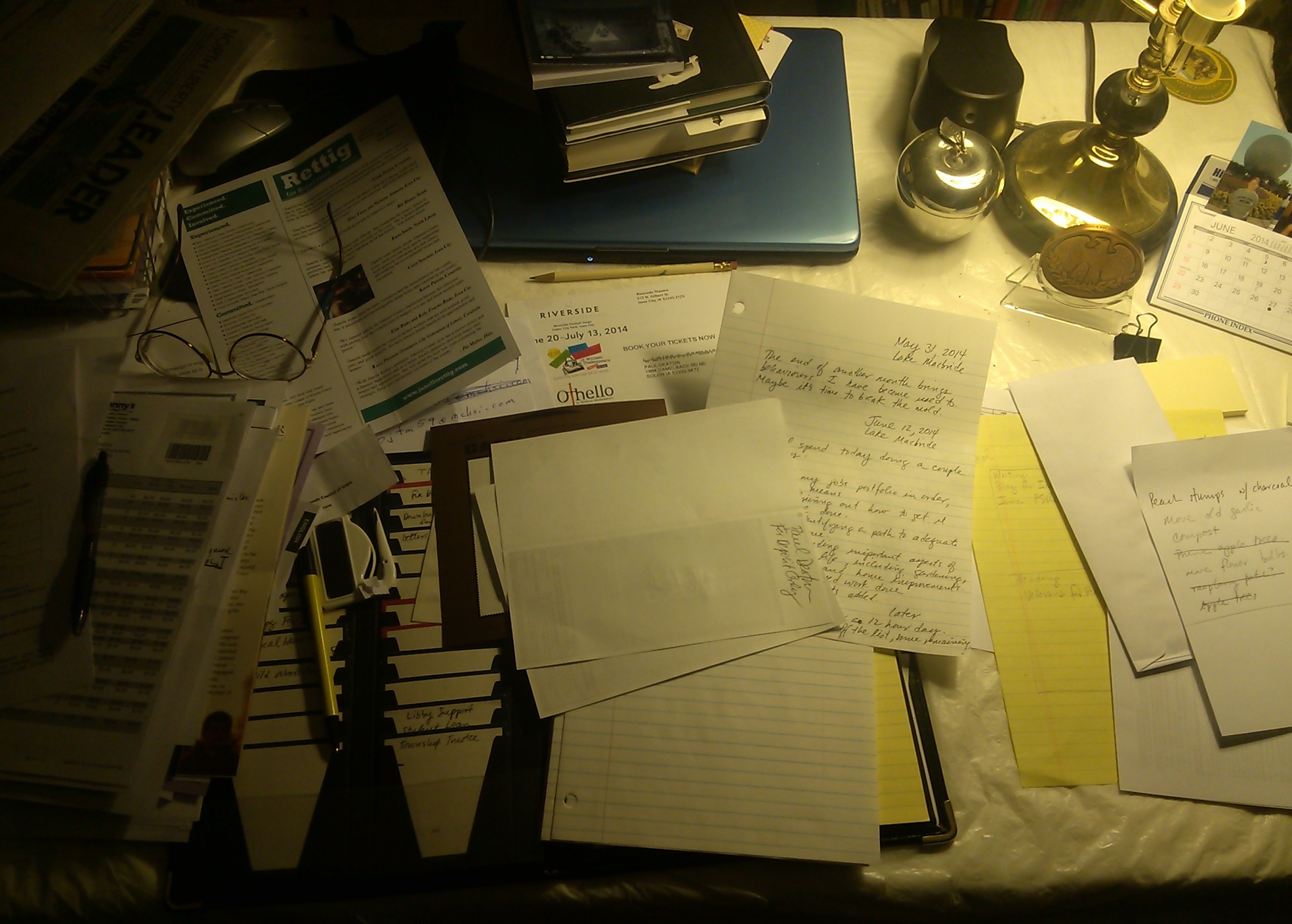
The jump I made in 1989, from working for a top truckload common carrier to working for the ninth largest corporation in the world, freed me to be more creative. I read my journals from that time in the Calumet region near Lake Michigan and find in them the kernel of all that I would become as a creative person.
I am thankful my creative self came up through a grueling career as a transportation and logistics manager. It grounded me in the unpleasant reality that is society in the post-Reagan era. In particular, the more than 10,000 interviews I had with job applicants in transition changed me in a way that would not have been possible without them. For creativity to have been forged in this kind of life gives it an edge.
This passage came from my life experiences in the Calumet.
The book written by Jack Kerouac has the same validity as his presence here. What do the creators of these texts have to say to me? What shall I say from this outpost of civilization?
What becomes significant in this studio is not the clutter in it, but the words and texts produced here and sent into the rest of society. Things take on significance to me, but it is more important that I begin sending things out. Messages in a bottle if you will. (Personal Journal, Merrillville, Indiana, Sept. 15, 1990).
Because of my high level of engagement at work, it was exceedingly difficult to “send things out.” Likewise, there were not many platforms for doing so. I survived on letters to a few friends, trips to visit them, and time in my writing space contemplating life in society. When I could, I spent time in the garage or at the word processor in the dining area being creative. I never gave up being creative and that led me to today.
When I read a book, I image the author as if they were sitting across the room. Sometimes that works and indeed what Jack Kerouac wrote in any of his books is not far removed from his life. When I read one of Robert Caro’s books I imagine him in his workspace in New York, turning every page. When I read John Irving’s writing about Iowa City, I remember the occasional times I saw him near the English-Philosophy Building or visited one of the places mentioned in his books. When I read William Carlos Williams today, I can’t help but be influenced by the time I spent in Iowa City with his publisher James Laughlin. Laughlin got teary-eyed when he spoke of his last meeting with Flossie Williams. I want my writing to be like that: one step or less removed from the reader.
I mentioned clutter and sometimes such clutter gathered from projects of mine, auctions, and the detritus of living a life found its way into what I produced. I’m not sure it was particularly good, yet it reflects my urge to create something new and original. A collage of photographs, old calendar pages, and magazine advertising was something I found visually appealing at the time. That I still have this piece is remarkable.
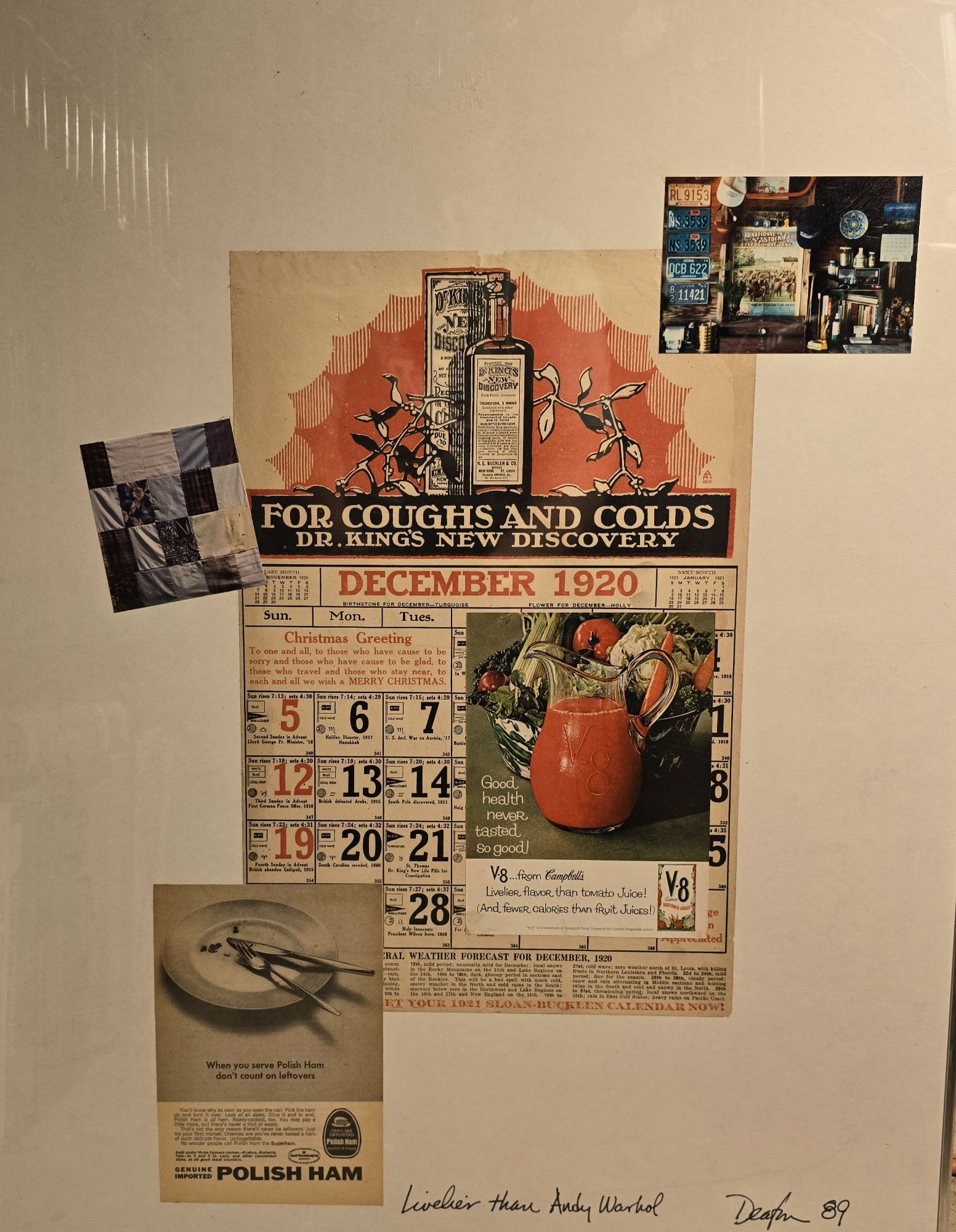
Leaving the trucking firm freed me from my Iowa connections and enabled new ones in the Calumet. I became more of a creative being. When things didn’t work out at my new job I returned to the trucking firm. Yet I did something after leaving that stays with me. I was able to better balance work, creative endeavor and family after the experience. There is a straight line from that realization to today.
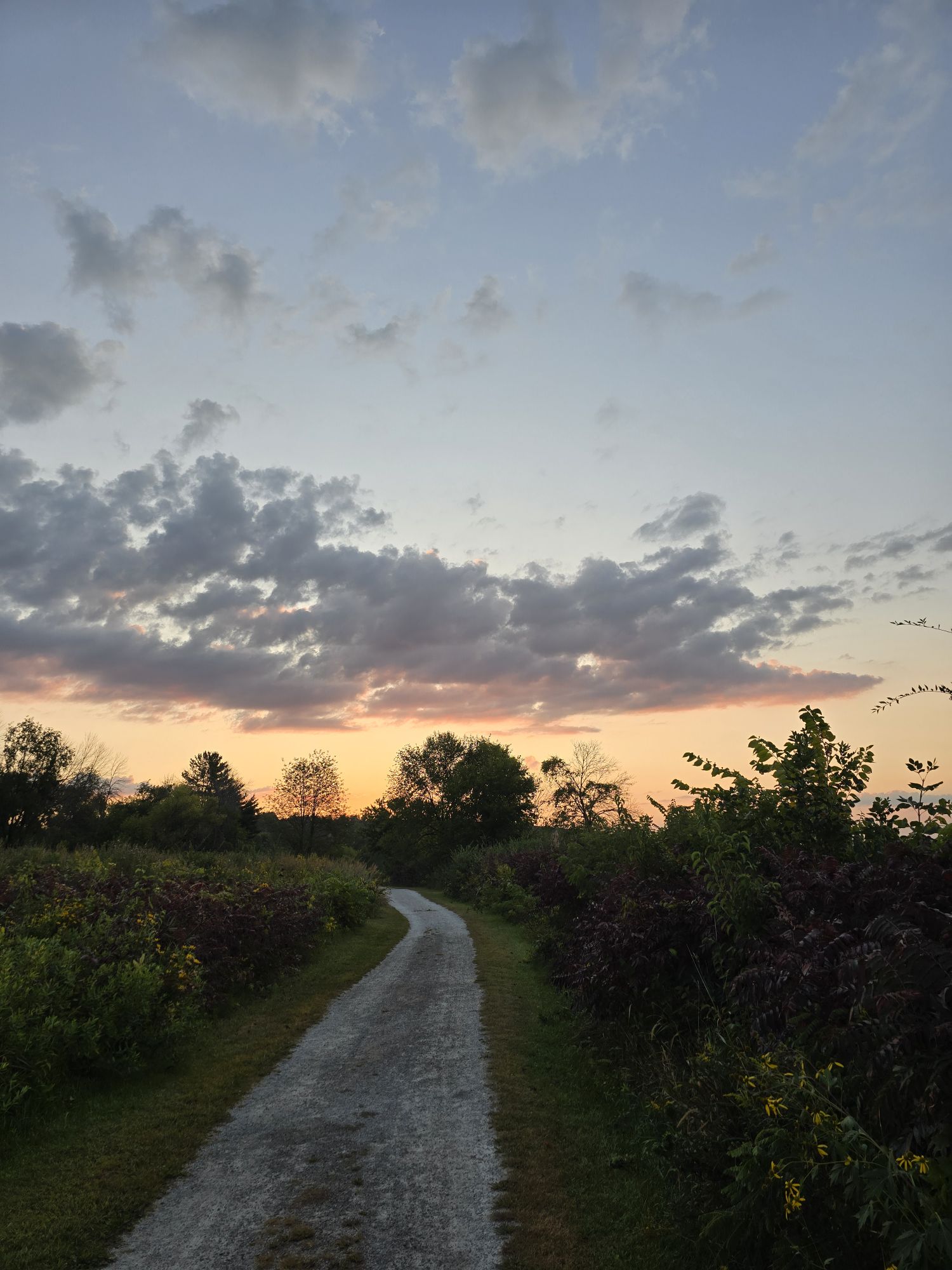
Just over a week until autumn begins so I am taking a break from bloggery to enjoy these last days. Thanks for following my posts.

How does a photographer capture well-known sites? I would argue professional photographers whose work appears on post cards serve a useful function in capturing a personal experience.
This photograph of Mount Rushmore was created in part by my being there. Composition of the resulting image is due largely to the design of the visitors center which presented a platform from which I took it. The light is good and the talus provides context. However, picking up a postcard at the gift shop eliminates variations inherent in converting a digital image to a print. If you stick to selecting familiar images, postcards can be interchangeable with printed photos in terms of remembering the experience. I submit having both types of image upgrades the experience.
The advent of the “bucket list” likely ended a lot of meaningful photography. If Mount Rushmore were on my bucket list, I might have stepped in front of the camera to record myself with the famous sculpture. Maybe at home I would have a bulletin board where I pinned all my bucket list photographs. People are free to do what they want, but for me, the memory of that moment’s experience is what stands out more than a trophy photograph hanging on a wall or uploaded to a website.
Defining who we are in the context of our lives, and who we want to be matters more than an arbitrary list of places we seek to visit. Above all, it is about the experience. A personal photograph or postcard is a subset of what that experience is. Photos are not necessarily the most important part of it.
What was this experience about? My friend since seventh grade and I left our spouses behind and made a long road trip out west. The furthest point was Missoula, Montana where we visited another high school friend and their spouse. Mount Rushmore was one of the less interesting stops we made. We were so close to it we felt obliged to stop, so we did. It was tacked on to an experience about something else.
I am a bit old school in that I don’t see much purpose to video recording a well-know site. My aunt, uncle, and their family lived in Europe for a number of years. They took home movies on 8 millimeter film when they traveled. I recall one where they visited the leaning tower of Pisa and recorded the kids trying to push it the rest of the way over. It was a family joke, and that’s fine. I hope they bought a postcard to remember the architecture while they were at it, even if that wasn’t their interest. Life is not always a joke.
I had only one photograph in my memoir, An Iowa Life. However, I looked at a lot of them while writing it. A photograph invokes living memories and it was those memories that drove my writing. I expect to return to this image of Mount Rushmore when I get into the post-analog part of my life. For that purpose, it won’t matter if an image was one I took or a postcard. That’s as it should be.

 Journey Home
You must be logged in to post a comment.