Categories
Kitchen Garden

Gardening Trees

Bur Oak Tree
Bur Oak Tree

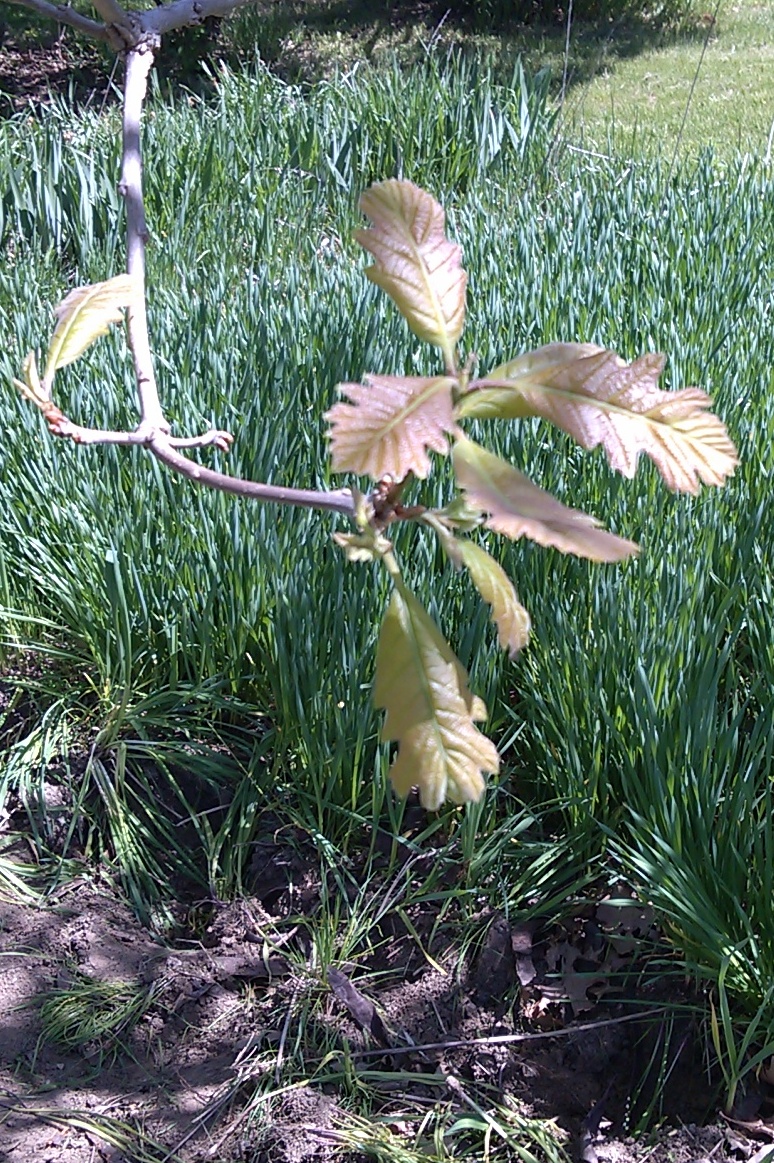
LAKE MACBRIDE— Sometimes gardening is about trees— mistakes that were made with saplings, acorns planted intentionally, and a host of maple and locust tree seeds that sprout voluntarily. If you work a full-time, stressful job, I don’t recommend planting saplings or growing oak trees in the garden, as they can get away from you before you know it.
Locust Tree Seedling
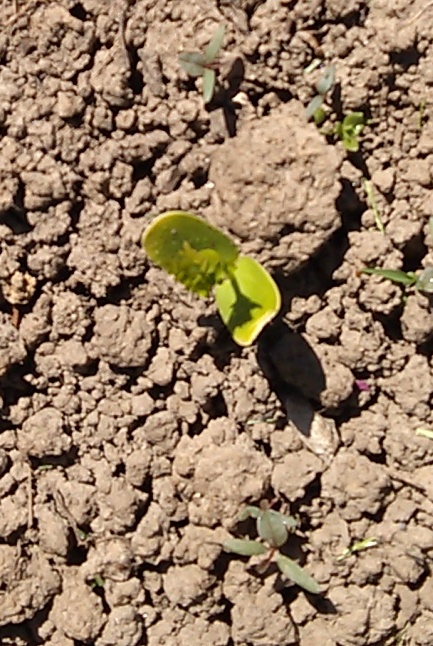
Locust Tree

My locust trees are forty feet tall and growing in what used to be the center of the garden. Each year they yield a host of seed pods and invariably dozens of seeds sprout in the spring. Temping as it is to grow more full sized trees, the seedlings are plucked and composted. Two mature trees in the garden is enough. Their shade protected the spinach and lettuce during last year’s drought.

I have a row of three oak trees planted from acorns collected the year our daughter graduated from high school. The challenge will be to dig them up and place them around the yard now that they are ten to twelve feet tall. I have a mind to replace the misshapen green ash tree with one of them. The other two will likely go on the south side of the house for shade in a decade or so. Moving them would make the garden plot where they sprouted and grew more usable for vegetables. It will be a big job.
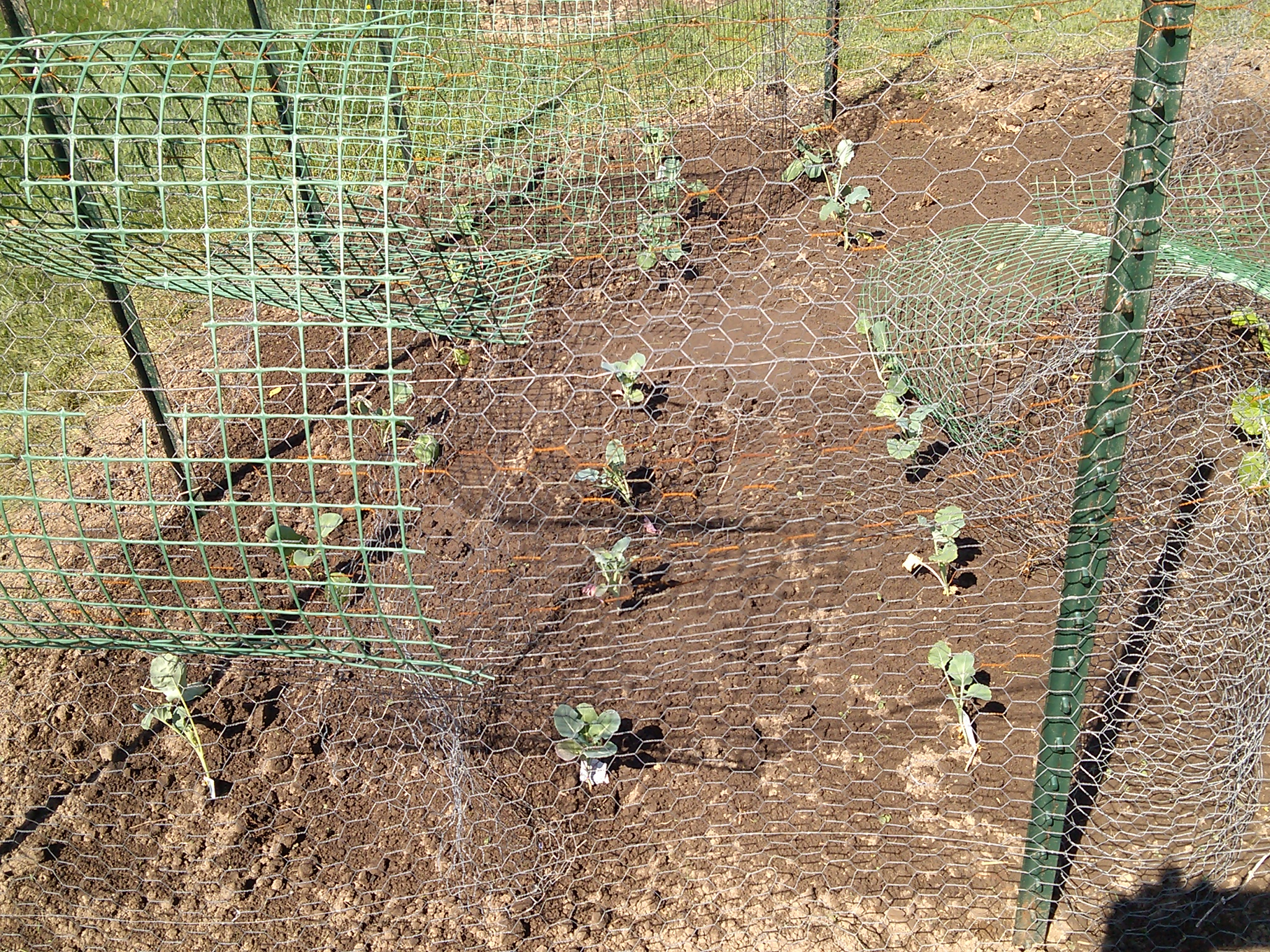
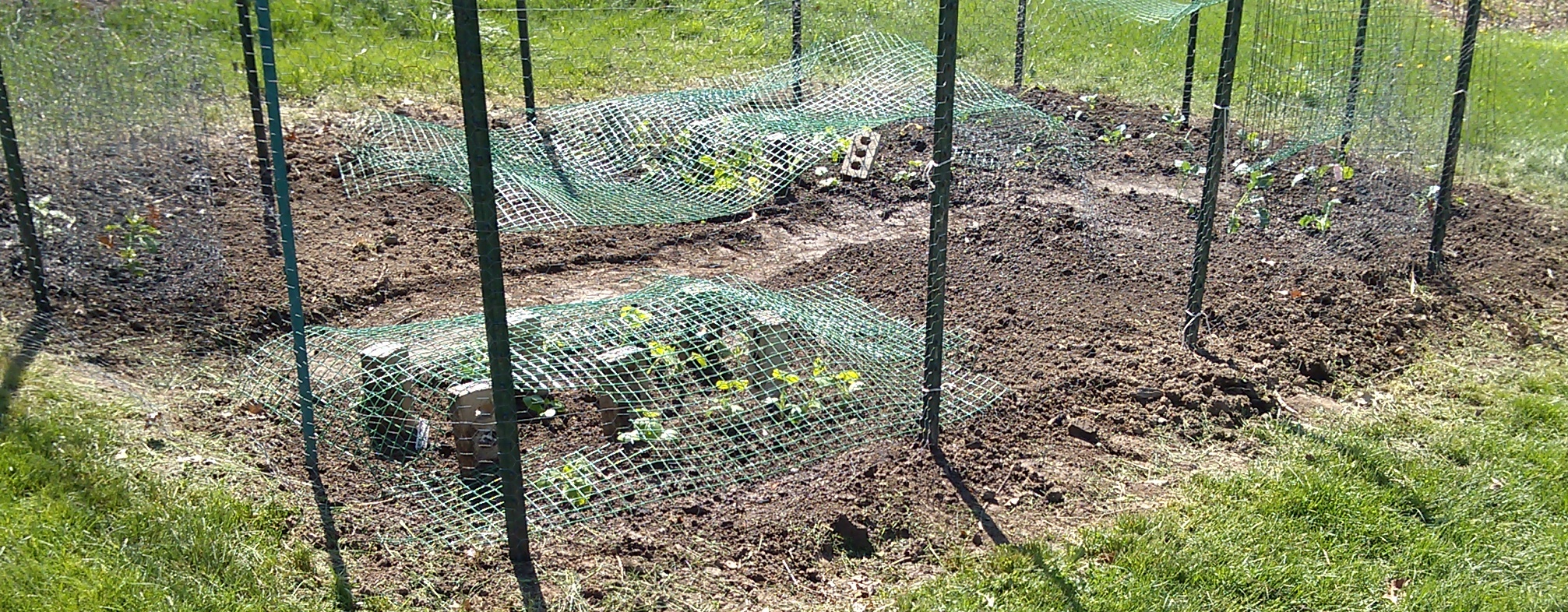
High Fence
High Fence

Growing trees requires a different way of thinking from planting vegetable seeds. Our yard had two trees when we moved here, of which only the mulberry remains. The rest of them are a reflection of thinking and planning, some better than the others, and we appreciate the shade and fruit our trees provide.

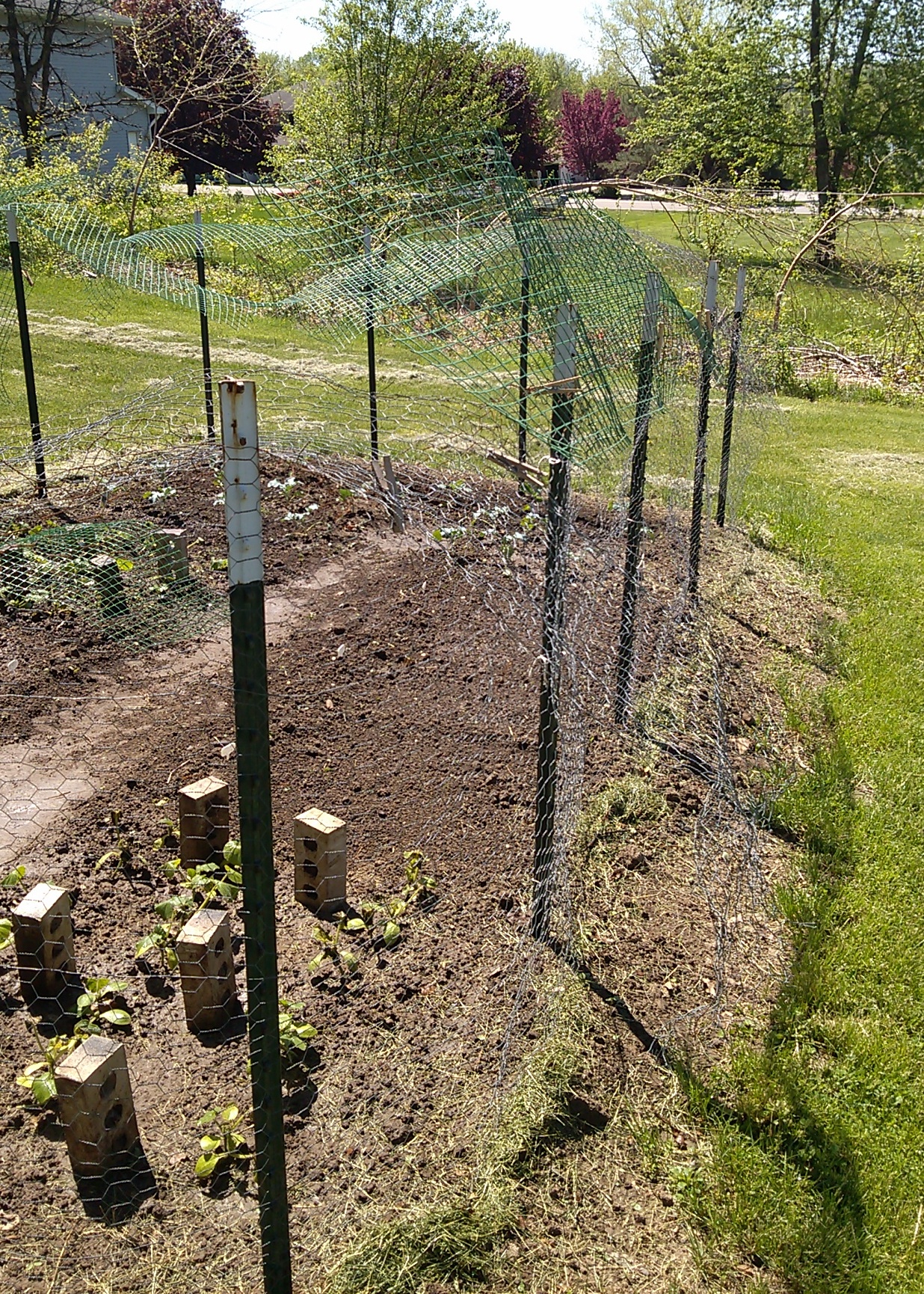
Today’s garden report is of planting green pepper and parsley seedlings, and sowing spinach, collard, kale and Swiss chard seeds. The weeding has also begun. I also re-potted some broccoli seedlings and started a tray of leafy green vegetable seeds. I continued to experiment with a high fence to discourage deer from jumping it. It looks kind of dopey, so maybe the deer will shun association with it. Here’s hoping.

I feel like calling off work and continuing to work in the garden, something I have never done in my work life. Nice as the weather is, it’s very tempting.
Categories
Kitchen Garden

Frost versus Hard Frost

Yellow Squash
Yellow Squash

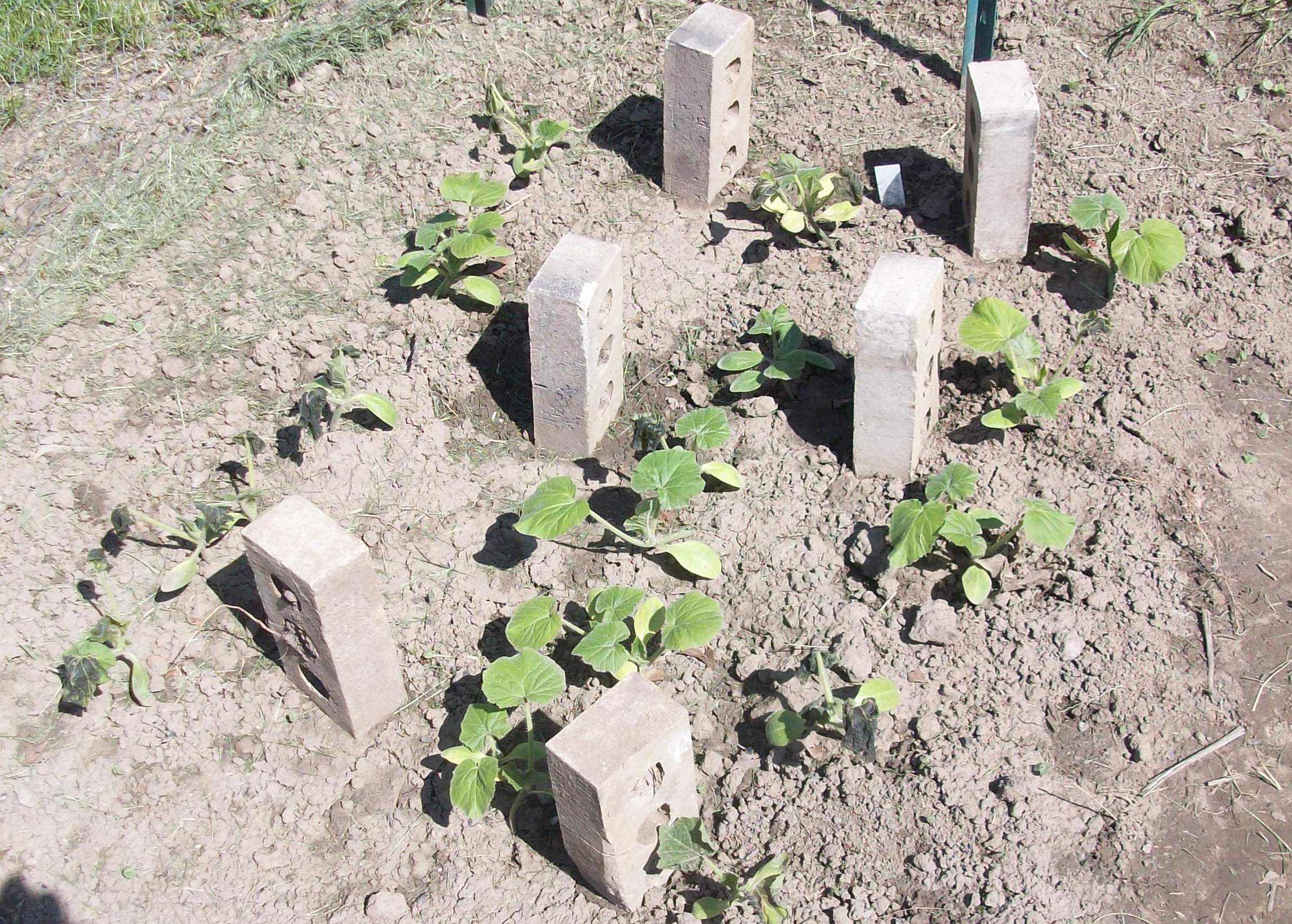
LAKE MACBRIDE— There is a difference between a frost and a hard frost, and last night’s temperature dip provided an example of what it means. From looking at the thumbnail to the left, one likely can’t see the frost damage on these yellow squash seedlings. If the reader clicks on it, the damage is evident along the left row.

Frosted Seedling
Frosted Seedling

Try a closer view of one of the plants and see the blackened, frost-damaged leaf. The big picture is that temperatures at ground level are not uniform, and while some leaves were damaged, the patch of yellow squash plants survived the frost as a whole. Last night, when I decided that a 34 degree overnight forecast did not warrant covering the seedlings, I pushed the envelope, but my judgment was vindicated by this morning’s surviving squash patch.

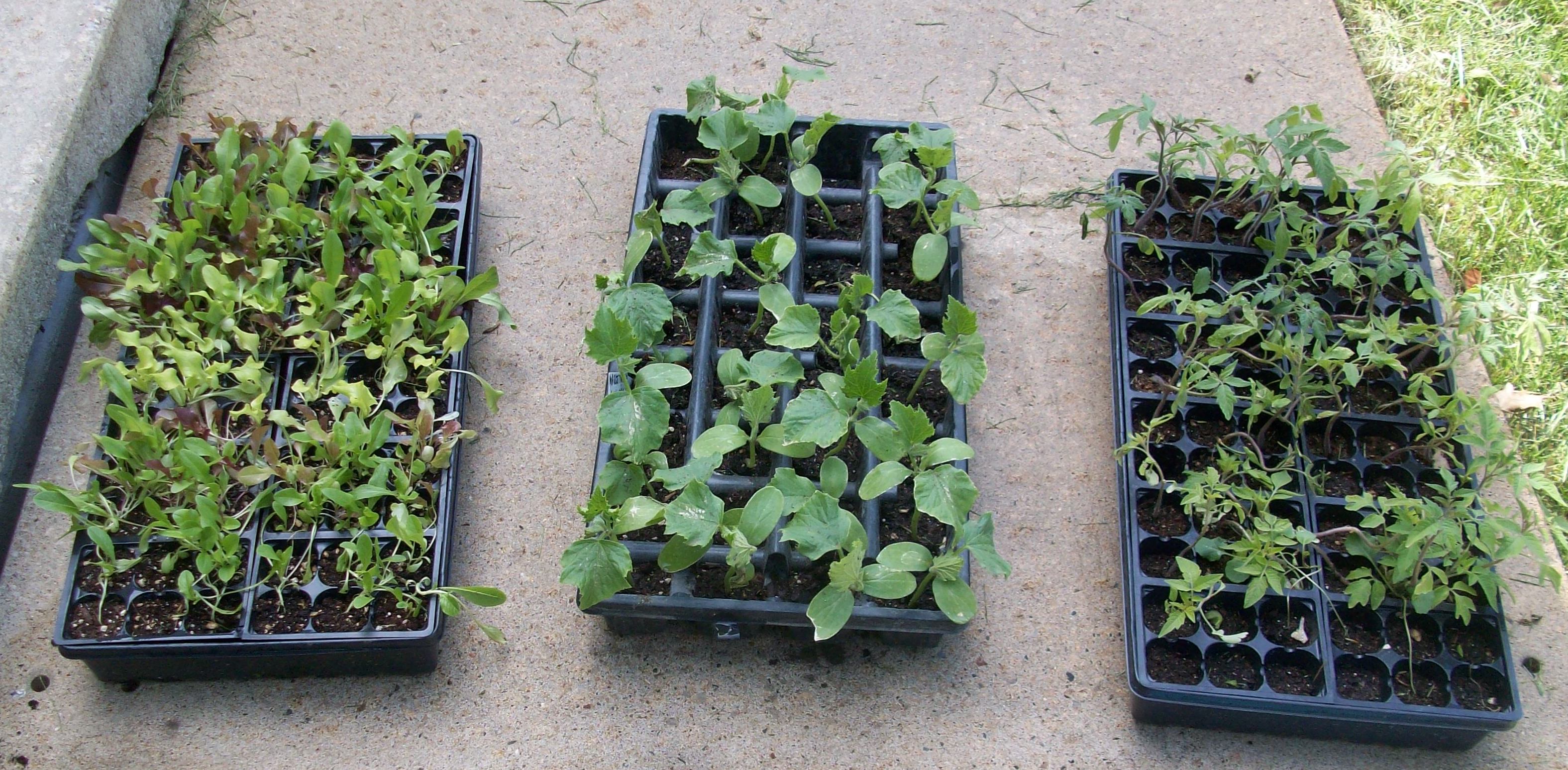
Likewise, the seedlings that matter most to my summer salad plate were safely put away in the garage.

Lettuce, Cucumbers and Tomatoes

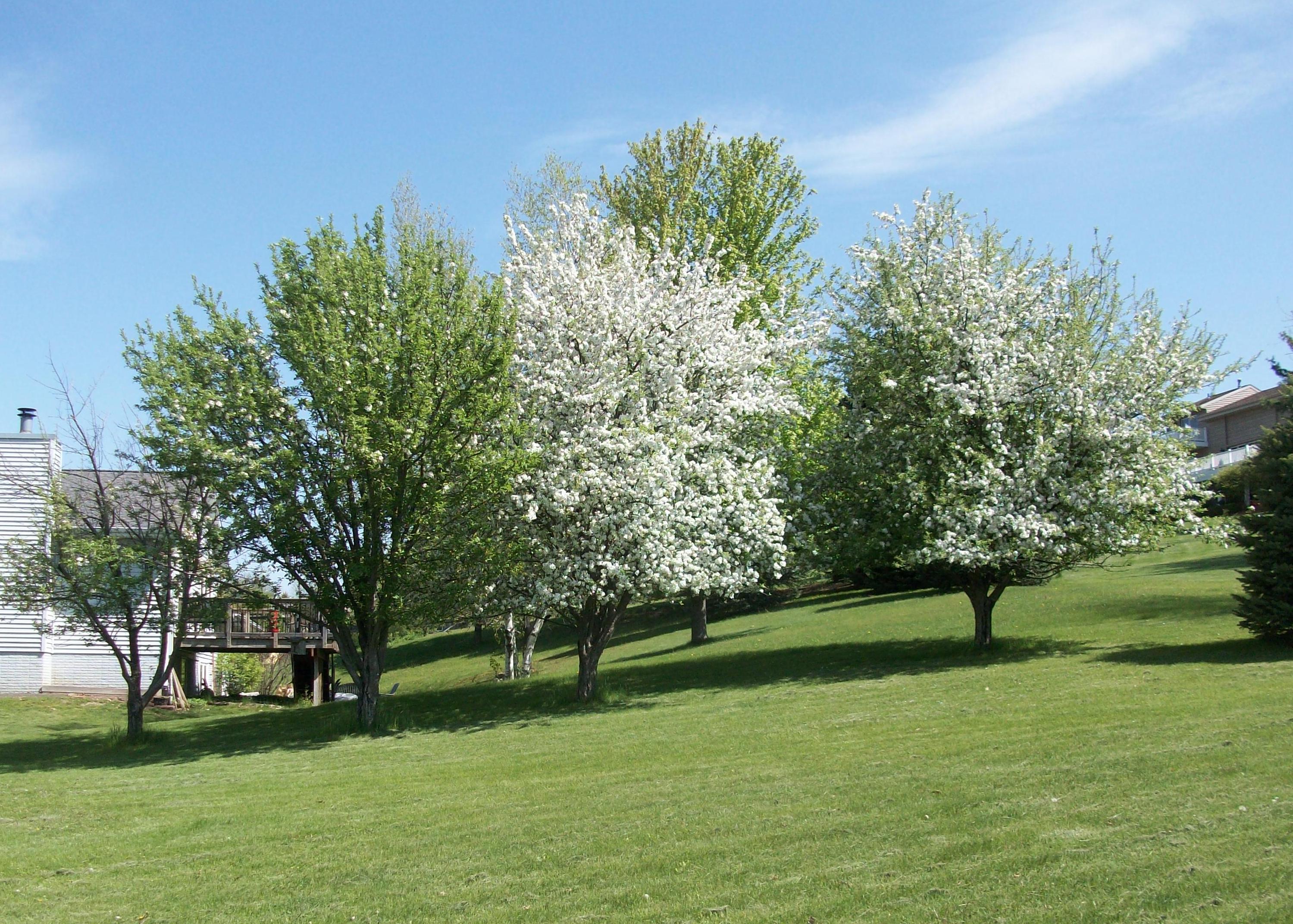
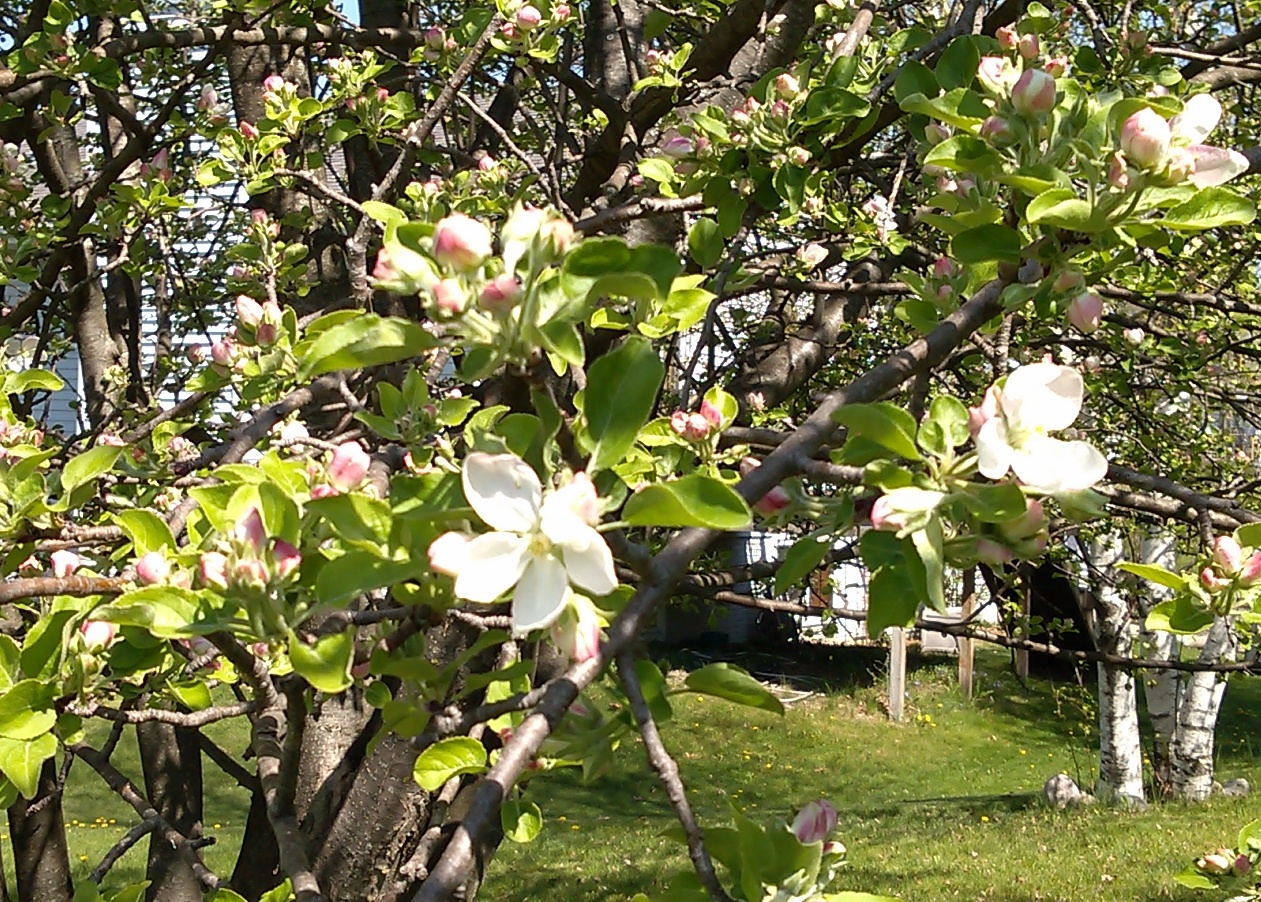
Apples are another matter. My report is that bees are busy pollinating this morning, and an apple crisis due to frost like last year was averted. There are some blossom petals on the ground, indicating post-pollination, but not many. Today the apple trees were again in full bloom.

Apple Trees Blooming

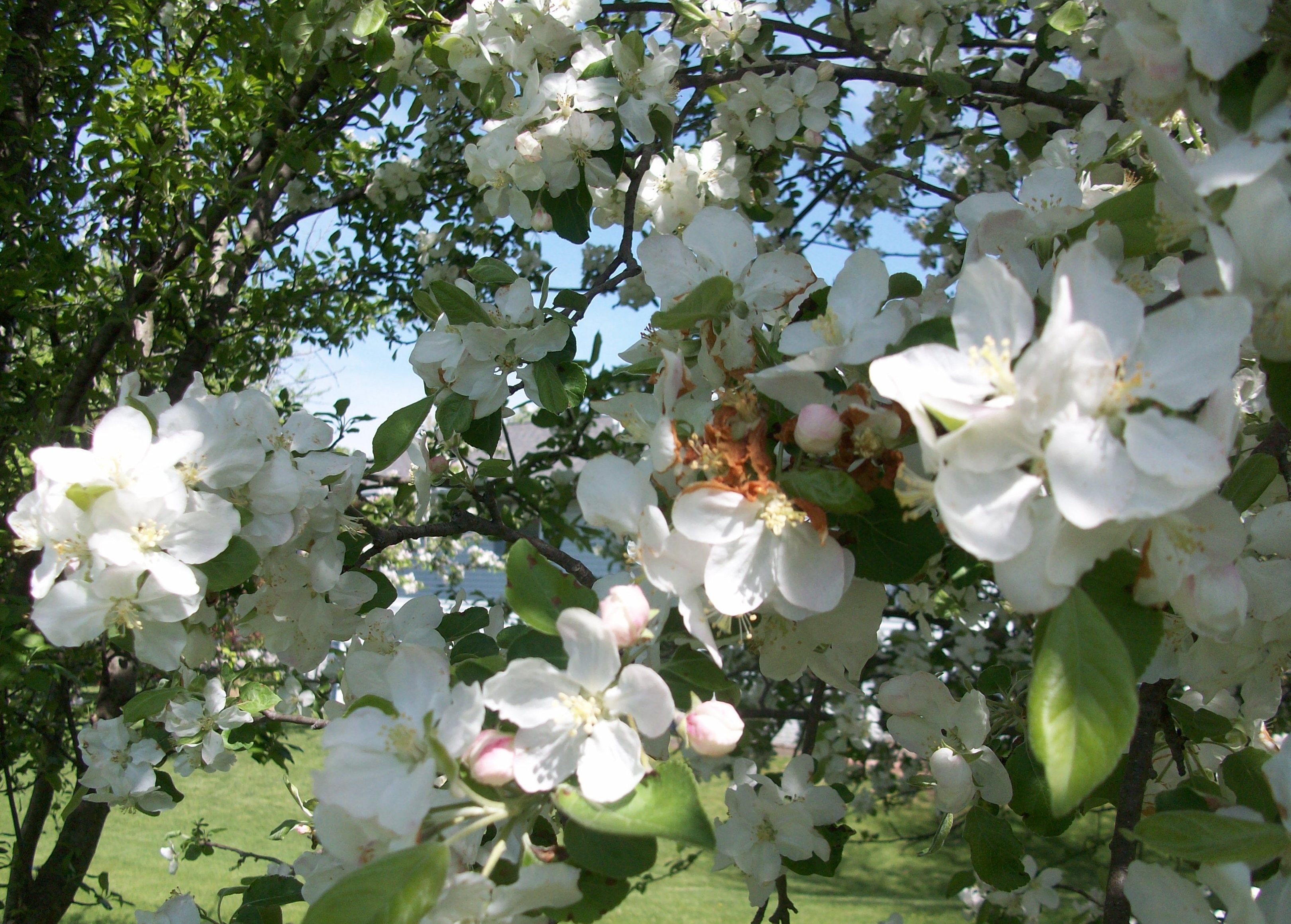
The closeup shows there was some frost damage, but not enough to endanger the entire crop.

Frosted Apple Blossoms

In the work-a-day world, people may not have time to spend closely observing the garden, and do worry about frost. At the same time, Mother Nature will provide for us, if we provide for her. There is no need to worry, just evaluate available information against one’s experience, think, take action, and live with the results.

If the yellow squash seedlings had all frosted, there is time to replant this spring. If my squash fails completely, other growers provide my safety network. In the web of life, we are never alone to face the frost, and that should provide some comfort.

Categories
Sustainability Work Life

Revolution in the Home Kitchen

My Great Grandmother
Great Grandmother

LAKE MACBRIDE— The idea that a revolution should take place in the home kitchen is not unique to this blog. My focus on the relationship between the home kitchen and local food— that the latter won’t be viable in the way it could be without changes in the former— is not unique either. However, a recent New York Times article, “Pay People to Cook at Home” by Kristin Wartman demonstrates the disconnect between what is going on at the grassroots level regarding local food and priorities in urban cultural centers.

Wartman, a nutritionist and blogger, posits the following,

“Those who argue that our salvation lies in meals cooked at home seem unable to answer two key questions: where can people find the money to buy fresh foods, and how can they find the time to cook them? The failure to answer these questions plays into the hands of the food industry, which exploits the healthy-food movement’s lack of connection to average Americans.”

Her solution, as the title of the article suggests, is to pay people to cook at home, “(to place) a cultural and monetary premium on the hard work of cooking and the time and skills needed to do it,” including a government program. My suggestion is she hop on the shuttle from her home in New York City down to Washington, D.C. and witness the vast sea of farm industry lobbyists on Capitol Hill. She may then realize that hell would freeze over before any help in paying home cooks would be forthcoming from the federal government.

One can agree with the idea of placing a cultural premium on the value of home cooking, although we don’t necessarily want to return to the era of my great grandmother and her kitchen garden (see photo). The question is how, as a society, do we get there?

The future of local food and a revival of home cooking with whole foods is more dependent upon economics than upon time. If the economics are great, people will find the time. It is common knowledge among local food enthusiasts that the current economic paradigm regarding food, cooking and eating depends upon cheap energy.

Wendell Berry recently asked Michael Pollan, “what will be the effect on farming, gardening, cooking and eating of the end of cheap energy? Are physical work and real cooking going to remain optional?” Readers can listen to Pollan’s answer here. The gist of it is that as cheap energy fades from view, people will be required to become more self-reliant as a form of adaptation to the environmental crisis. This would likely drive more of whatever were least expensive, including local food and home cooking if they provided superior value, something it is not clear they do, at least for now.

The relationship between local food systems and cheap energy is important. I dismiss so-called food miles as an overly simplified argument. There is a complex but valid argument about the relationship between artificially low energy prices and high prices in local food systems that is worth pursuing. It is further complicated  by the fact that the end of cheap energy will be delayed due to the proliferation of hydraulic fracturing and the abundance of natural gas it produces. The complexity of the relationship between energy prices and local food requires further exposition in another post.

People can agree that obesity is a national and local problem. They can agree that chronic diseases, related to eating habits (including salt, sugar and fat consumption), drive a segment of higher health care and related health insurance premium costs. Where there is difficulty agreeing is in answering the question whether to take a homemade brown bag lunch to work, or spend the 30-minute break going to the gas station to have $1 per slice pizza for lunch. Today, the economics of direct food prices drives the decision at one of my workplaces.

The revolution in the home kitchen will begin once we deal with the environmental crisis, cheap fuel and the false notion that there is not enough time for what is important. The economics of food are driven by these things. That won’t happen anytime soon, not until the importance is escalated by some imminent, existential reality. It is not as simple an answer as creating another government program.

A better answer may be to seek ways to recognize the value of all work in society. That too is a complex problem wanting an answer. Something this blog is working toward.

Categories
Home Life Kitchen Garden

Sunday is Laundry Day

Old Sweatshirt
Old Sweatshirt

LAKE MACBRIDE— Yesterday’s wind died down to reveal almost perfect weather conditions today. A little cold— frost is evident on the leaves of thyme— but not the hard frost about which gardeners often fret. My April 30 assessment proved accurate: it is still time for planting.

While the yard is too wet for mowing, there is laundry to do, and a day to organize. Today will include the first cut of lawn— an abundant and sustainable source of mulch for the garden. It will take four hours to make the two cuts, bag and spread the grass clippings on garden plots. The five-gallon gasoline container was filled yesterday, so if the mower starts and the sun shines, we’re ready to go. The neighbors will appreciate the results.

Garlic Patch
Garlic Patch

The other big task for today is digging and delivering spring garlic to the CSA for inclusion in tomorrow’s shares. I estimate two to three hours for the project. There is so much spring work to do, the balance of the day will be easily filled.

Before I finish my third cup of coffee and second breakfast, head down to remove the old sheet from the door to my study and put away the space heater for the season, I want to write about the sweatshirt in the photograph.

While making kits at the warehouse, it occurred to me the sweatshirt is as old as some of my cohorts who were born in the 1990s. It was a gift during a boondoggle of a trip to Aventura, Florida, where a group of corporate transportation equipment maintenance executives met to discuss braking systems. There were a number of these so-called “maintenance councils” sponsored by equipment manufacturers. While invited to join a many of them, one had to be selective. Brakes are important in trucks, so I went.

Turnberry Isle
Turnberry Isle

Last to arrive, my schedule prevented me from playing golf on the one of the resort’s courses that morning as other council members did. My plane landed at the Hollywood airport as dinner was being served and the taxi delivered me to the restaurant as speeches, mostly related to tenure on the council, began.

When describing the trip as a boondoggle, it means everything was included: air fare, luxury hotel accommodations, meals, greens fees for golfers and entertainment. There was even a budget for gifts like the sweatshirt, although corporate policy prevented me from accepting anything too extravagant. Corporate staff had our beds turned down, and reviewed our final hotel bills to ensure everything within reason was paid by the corporation.

During the event, golfing was available, but I’m no golfer. As an alternative, we toured the inland waterways, went deep sea fishing and experienced the constant fawning of sales staff, engineers and corporate interns present for the event. The company wanted the experience to be unforgettable as they held a council meeting to discuss brakes. In transportation, a brake failure through improper manufacturing or maintenance is a liability— and there are lawsuits.

While doing the laundry, I noticed the sweatshirt was frayed at the seams. It won’t last much longer. I donned it again to head downstairs, and then to the garage and garden. Not because of the memories, but because it was something to keep away the chill as the sun burns off the frost and new work begins.

We launder our memories as well as our clothing, in hope of something. Better experiences and memories, I suppose. Memories we make ourselves, away from the exigencies of corporate masters and lawsuits. Eventually old clothes will wear out. There will be something else to wear— something we produce ourselves, rather than the gift of a corporation looking out for their own interests. At least that is what one believes on laundry day.

Categories
Home Life Work Life

Saturday Miscellany

Lettuce Patch
Lettuce Patch

BIG GROVE TOWNSHIP— The editors are in Jamaica on vacation, so work at the newspaper was rearranged to finish the proof reading today and create tomorrow as my first day off paid work since Good Friday. The fill-in copy layout person wanted Mother’s Day off work, so I finished my part of producing the weekly newspaper before lunch.

I called Mother today and had a long chat. For the first time in a long while, she had listened to some of my advice and reported she took it. The two of us are not much for the Hallmark Holidays, but we have a special call each year on or before Mother’s Day. I am thankful to be able to hear her familiar, octogenarian voice letting me know what is going on in her life.

Otherwise, today has been a miscellany— some of which is worth recounting, the rest, not so much.

Censored on the Internet
Tweet Expunged

For the first time, one of my tweets on twitter was expunged. A person is not saying much, if from time to time, someone doesn’t react negatively to it. Don’t know why it is gone, but I suspect someone ratted me out to the twitter-gods on the Internet. It was likely over the use of a question mark rather than a period. The reason I have a copy is Iowa City Patch re-tweeted me, generating an email with the content.

Rand Paul gave a speech at an area fundraiser today, giving credence to the idea that his presence is to help Republicans organize for the first in the nation 2016 Iowa caucuses. Paul’s visit was intended, at least partly, to generate some interest among no preference and Democratic voters. From reading other accounts of the event, the Republican party faithful represented most of the attendees. Rand Paul ≠ Ron Paul, and there could be trouble for the Republican organizers trading on the Paul name. Trouble would be fine with me.

In our state representative’s weekly newsletter, he outlined the reason for his opposition to new nuclear power, especially in rural Wilton, where he lives. It is more than the NIMBY (not in my back yard) approach he mentioned at the Morse town hall meeting. He suggested, perhaps unintended, that the issue will be a live round during the second session of the 85th Iowa General Assembly.

Garrison Keillor’s “A Prairie Home Companion” plays on the kitchen radio Saturday nights beginning at 5 p.m. I have been listening off and on since graduate school. For a while, one of Keillor’s prominent sponsors has been Allianz, the German financial services company. The International Campaign to Abolish Nuclear Weapons (ICAN) pointed out that Allianz owns 4.45 percent of the shares of the top 20 producers of nuclear weapons. Allianz has investments in Alliant Techsystems, BAE Systems, Boeing, Lockheed Martin, Northrop Grumman,  General Dynamics, Honeywell International and others.

ICAN has called for divestment in these securities, and I have been pondering what to do since hearing. Long standing behavior is hard to change, especially when part of our lives is built around it. I have invested a lot in “A Prairie Home Companion.”

It is habit and memory that turns on the radio. Memory can’t be changed, but habits can. Familiar and comforting as ” A Prairie Home Companion” is, I’ll find something else to do while preparing our Saturday night meal. It is a disappointing development in a world full of wonder.

Categories
Kitchen Garden

Planting Rows Straight and Long

CSA PlantngRURAL CEDAR TOWNSHIP— There was a palpable air of activity at the farm this week as planting the fields began in earnest. Rows were cultivated, marked with string in straight lines, and one-by-one, seedlings were lined up in measured intervals and put in the ground. The rows were straight and long, a display of spring’s hope and promise.

My role was to make more soil blocks and plant cabbage and broccoli seeds. The trays in the greenhouse were all used up, so as soon as the planting crew finished one, I secured the empty and replanted it. The greenhouse has become a brief way station in the life of the farm.

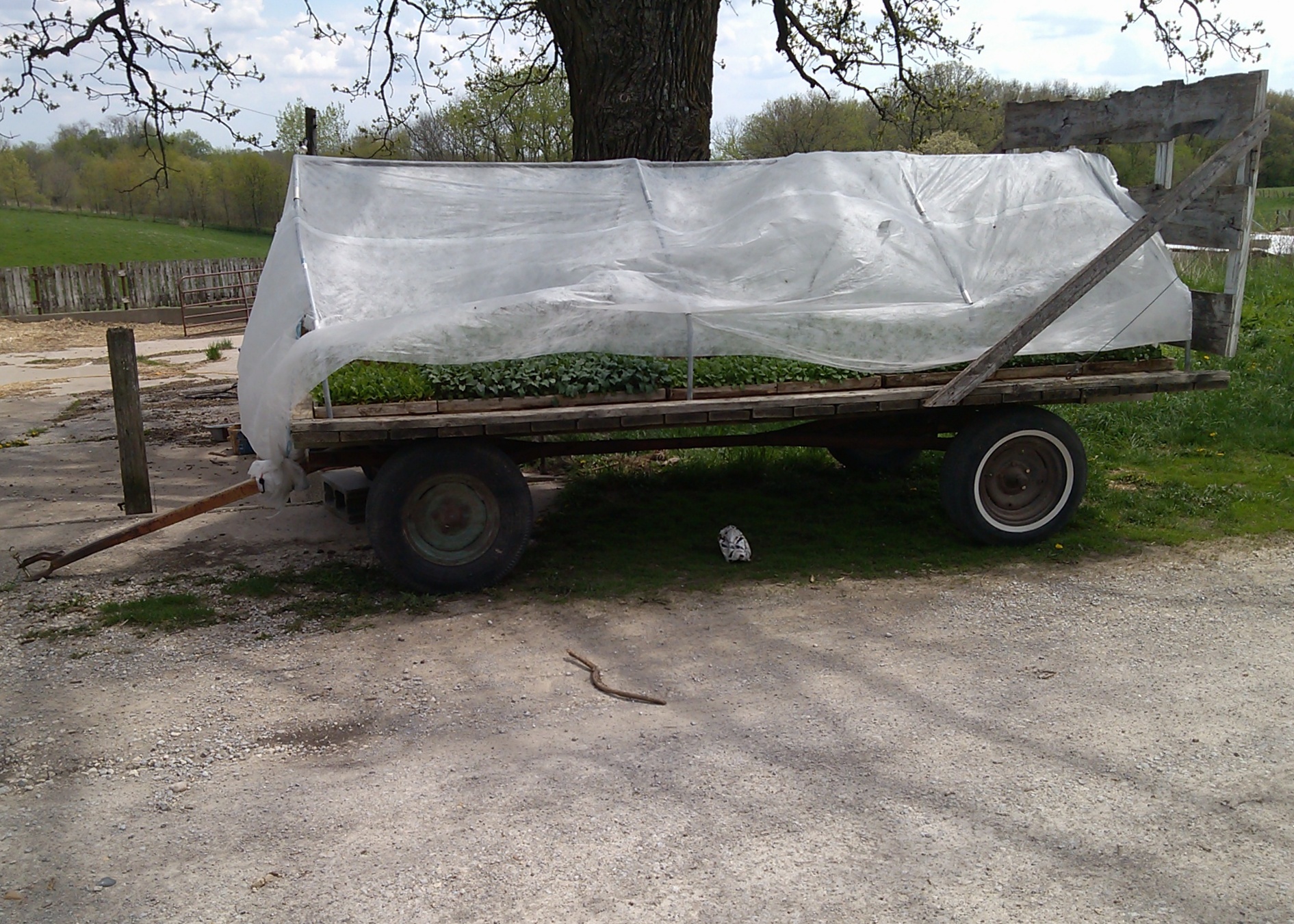
Seedlings Waiting Transport
Seedlings Ready for Transport

The CSA has begun distributing shares and this week included lettuce, Bok Choy and “grazing greens.” Because of the high tunnel, these varieties were available so soon after a wet, cold spring.

11 weeks into the work, I am beginning to feel a valued part of the farm operation. People work their whole careers in an office, or as a professional, and never feel that way. Caught up in tedious acts of drudgery— driving, shopping, waiting, social drama— feeling disconnected from the most important things in life. It is nearly impossible to feel that way when working on a farm. It give the phrase “will work for food” a new meaning. Finding meaning may be what life in society is about.

Categories
Writing

Working People Dream of Local Food

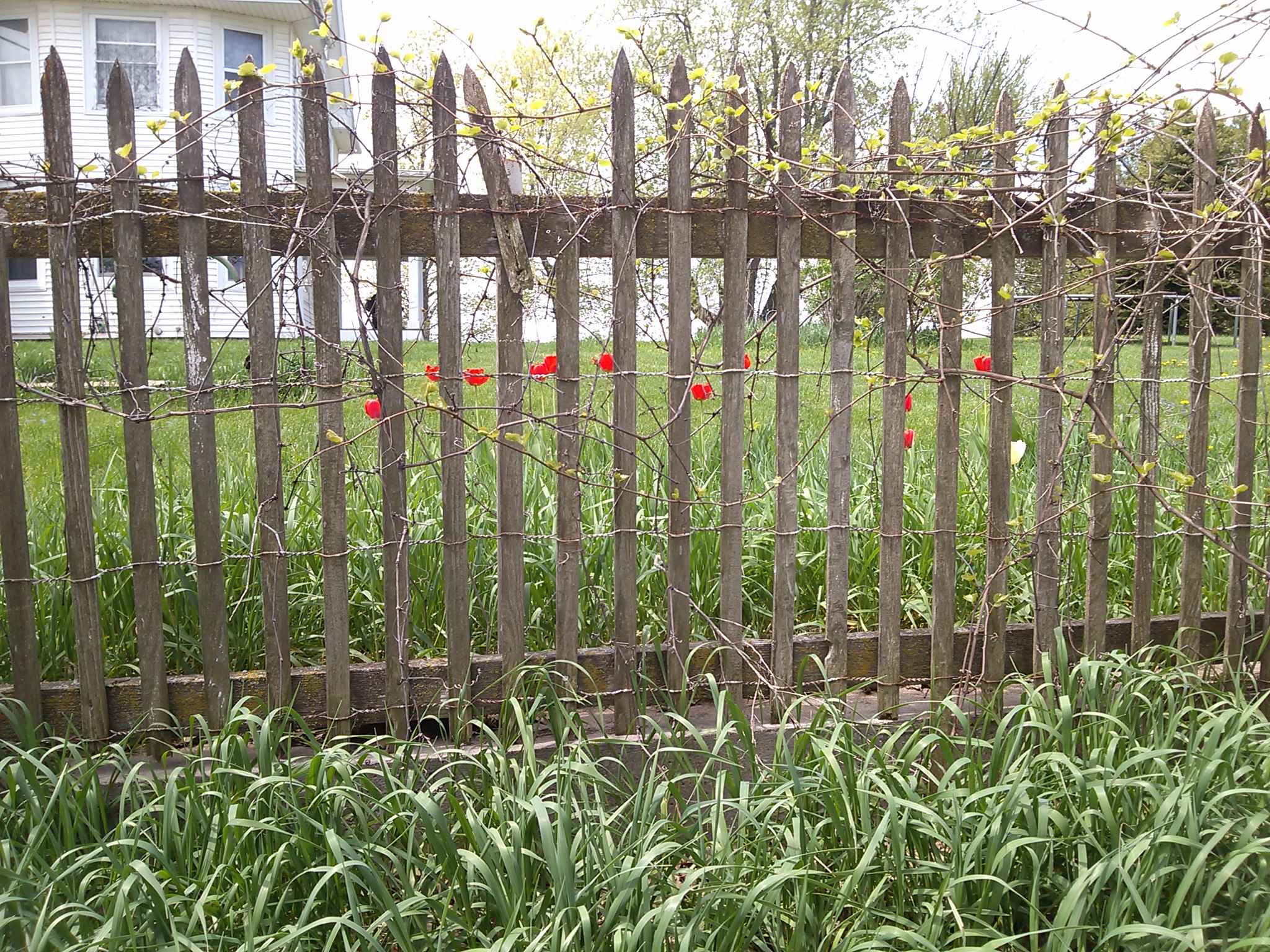
Tulips on the Fenceline
Tulips on the Fence Line

LAKE MACBRIDE— Preoccupation with mixed greens can be a good thing when working in a warehouse. The repetitive tasks, and long periods without human engagement create an open mind that will fill with worry if one lets it. Yesterday I got two bags of mixed greens from the CSA, and spent the second shift thinking about making a frittata made from local ingredients.

A couple of notes:

There is an abundance of Iowa artisan cheese. The trouble is the expense is more than a working person can afford on a daily basis. After trying many kinds of cheese, we settled on Cabot Extra Sharp Cheddar (yellow and white) which retails at less than $4.50 per pound. Not really local, but affordable, made with vegetable rennet and what one expects a sharp cheddar cheese to taste like.

Vidalia onions are in season, and were addressed here.

Mixed Greens Frittata

Frittata Ingredients

Making frittata is somewhat flexible. Part of my workingman’s dream of local food included the ingredients in our pantry: the mixed greens mentioned, half a Vidalia onion, sharp cheddar cheese, a Jalapeno pepper from last year’s garden and Farmer Kate’s bell pepper – both from the freezer, chopped stems of local Bok Choy, spring garlic and chives picked this morning in my garden, and four eggs – locally, but mass produced. Enough extra virgin olive oil to coat the frying pan.

One can see from the photo how the vegetables were prepared. The stems of the greens were cut into small bits and reserved. The remaining mixed greens were roughly chopped. Here is how:

Heat a non-stick frying pan on high heat. Coat the bottom with extra virgin olive oil and when the oil heats, add diced onions. Season with salt and pepper to taste. Cook the onions for a couple of minutes and add in the following order: bell and Jalapeno peppers, Bok Choy stems, chopped mixed greens stems, and spring garlic. Cook until the onions are translucent. Add the chopped greens and stir constantly until the leaves wilt. Don’t overly cook the greens.

Finished Frittata
Finished Frittata

Whisk four whole eggs in a bowl, and pour over the cooked vegetables to cover. Turn the heat to medium low and cover the frying pan with a lid. Cook about six minutes, or until the eggs are cooked through. Sprinkle a half cup of grated cheddar cheese on top, turn off the heat and cover with the lid. When the cheese is melted, transfer to a serving plate and garnish with fresh chives.

Serve with a slice of your favorite bread, a piece of fruit, and a cup of coffee for a working person’s breakfast.

Categories
Sustainability

Rot in the Nuclear Force

Iowa City Nuclear Free SignLAKE MACBRIDE— After the U.S. Air Force removed 17 nuclear weapons launch officers from duty this week for marginal job performance skills, it should be a wake-up call. Lt. Col. Jay Folds, deputy commander of the 91st Operations Group, which is responsible for all Minuteman 3 missile launch crews at the Minot, N.D. Air Force Base, indicated there is “rot” in the force.

According to the Associated Press, “underlying the Minot situation is a sense among some that the Air Force’s nuclear mission is a dying field, as the government considers further reducing the size of the U.S. arsenal.”

Air Force Secretary Michael Donley was quoted, “it is the duty of commanders to ride herd on those young officers with this awesome responsibility of controlling missiles capable of destroying entire countries.” No sh*t Sherlock.

With all the public posturing about nuclear deterrence and missile defense in Washington, D.C., a simple truth is that the care-takers of our nuclear weapons program are not always the best. Situations like the one at Minot creates a risk of a nuclear mishap, which could have devastating consequences.

There has been a long series of nuclear weapons mishaps, and while some credit is due to the Air Force for inspecting and taking action regarding the program, as a taxpayer, one has to ask how did the men and women holding the nuclear umbrella get to be in such sorry shape?

Along with changing climate, a nuclear weapons exchange is on the short list of things that could end life as we know it on the planet. Incidents like this week’s sidelining of nuclear weapons launch officers provide evidence that there is more risk than reward in the deployment and maintenance of a nuclear weapons program.

It is more reason to support the administration’s slow, but steady progress in moving toward a world without nuclear weapons.

Categories
Kitchen Garden

Surviving the Night

Fort Seedling
Fort Seedling

LAKE MACBRIDE— Last night the seedlings were protected, and it worked. The only tracks in the garden plot were mine, and no evidence of deer, rabbits or other predators to succulent seedlings. As the old Cristy Lane song goes, “one day at a time sweet Jesus. That’s all I’m asking from you. Just give me the strength to do everyday what I have to do.” Made it through the night.

Categories
Kitchen Garden

First Seedling Planting Day

Protected Seedlings, We Hope
Protected Seedlings, We Hope.

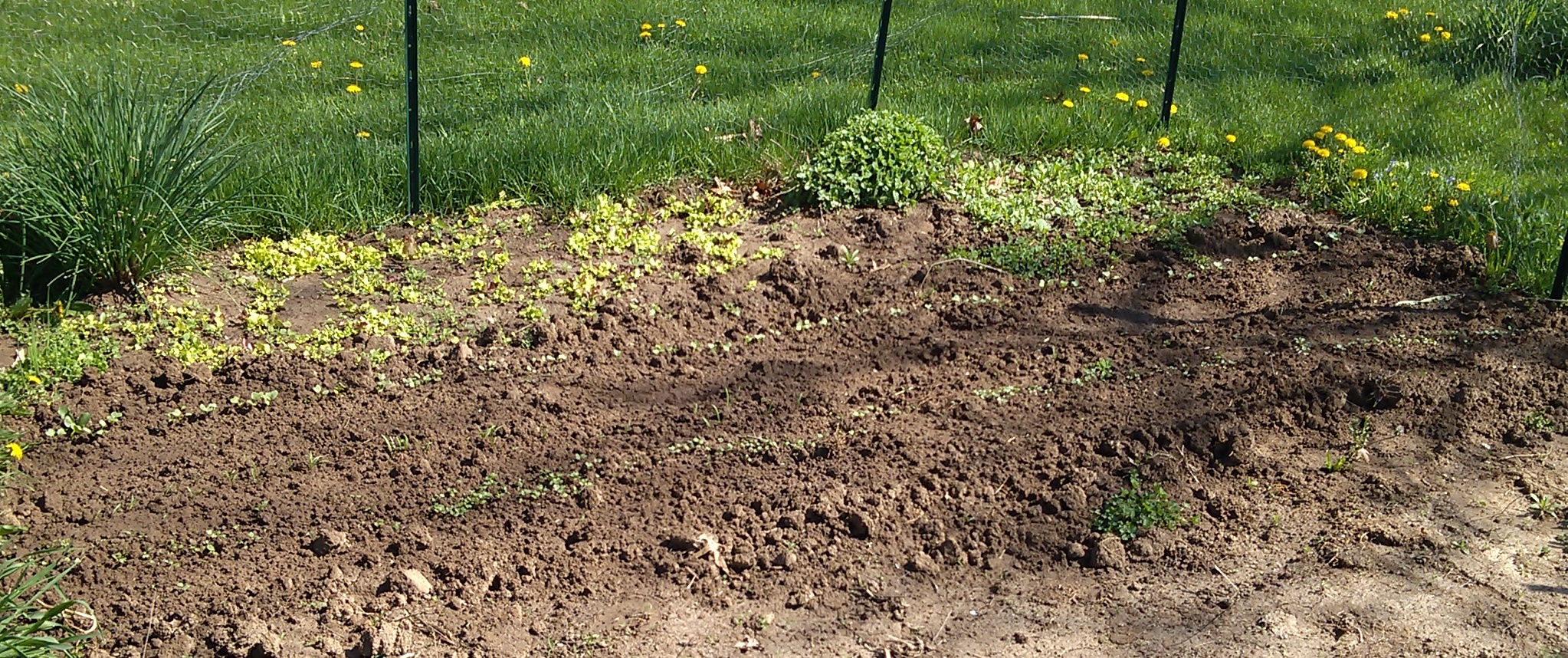
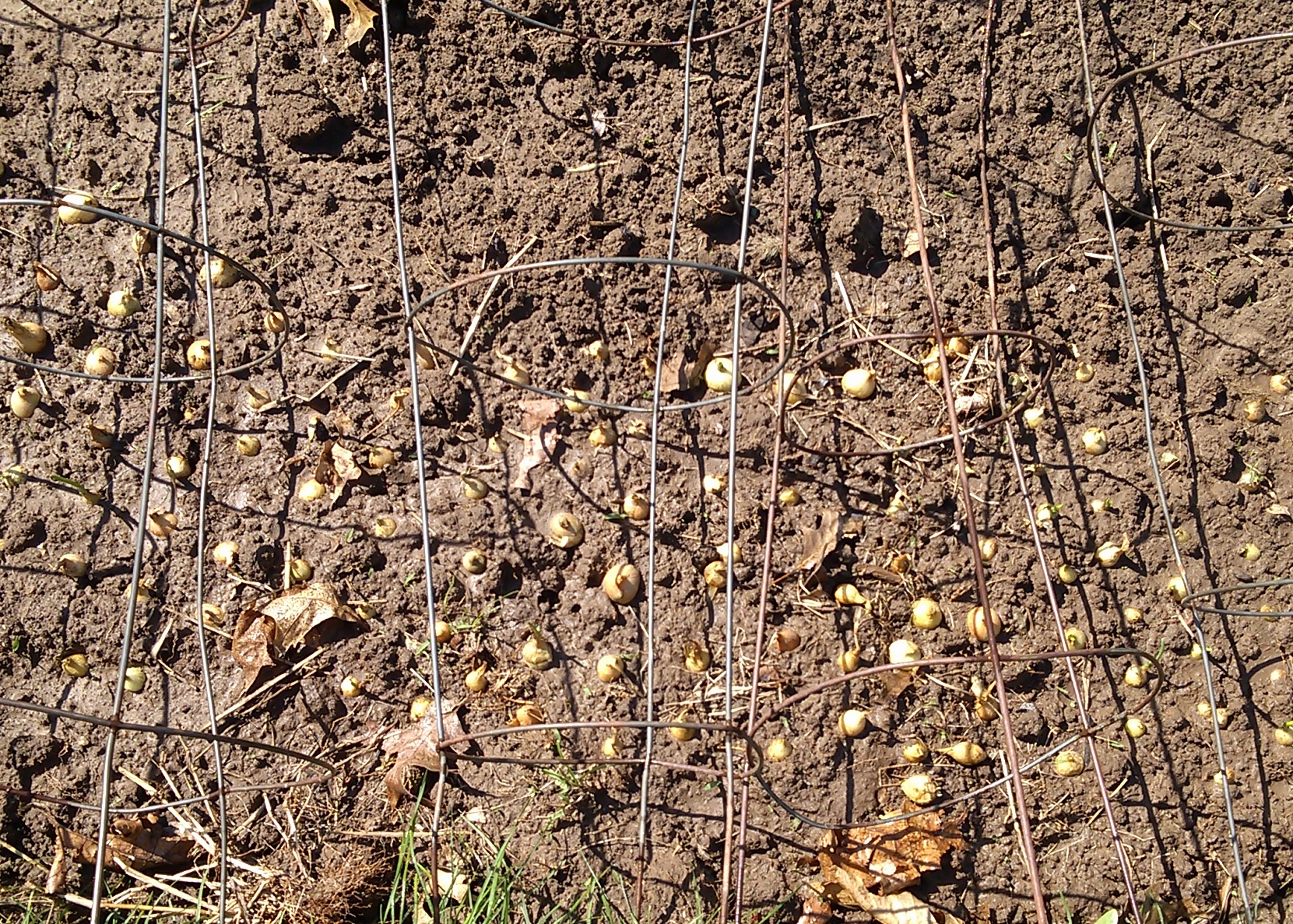
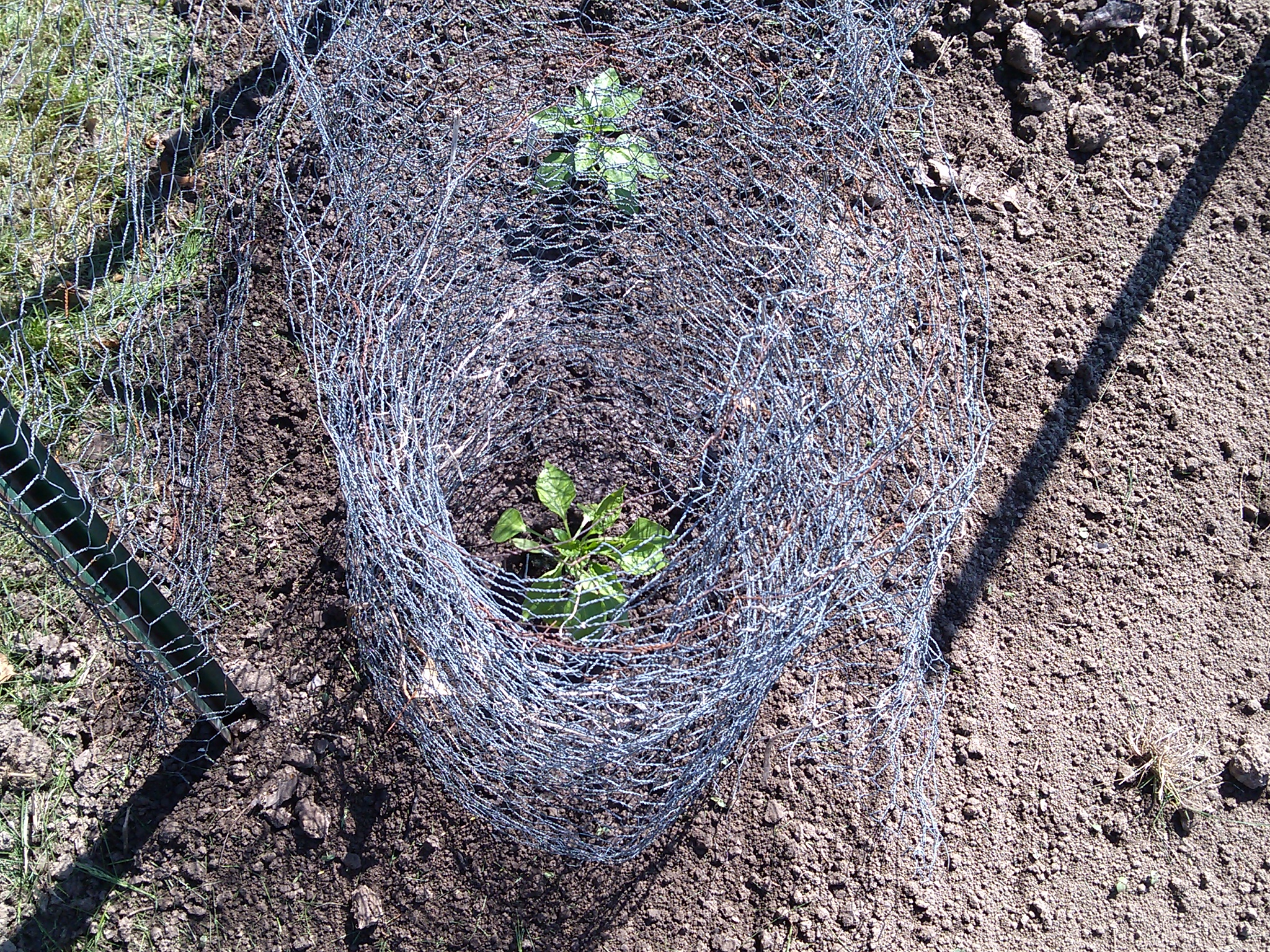
LAKE MACBRIDE— Our garden is on a deer path. They have likely been using it much longer than we, so when I put out new garden seedlings, they are protected as best as possible with existing fences, cages and stakes. Today, yellow squash and zucchini seedlings went in the garden in three by three foot sections. I placed them apart from each other so there would be less cross pollination. I also tended to the onions, which are rooting well, and planted Brussels sprouts, broccoli and Anaheim peppers. Here are some photos of the garden today:

Ready for Bees
Apple Blossoms Ready for Bees
Spring Plot
Spring Plot
Spring Onions
Spring Onions
Anaheim Peppers in a Roll of Chicken WIre
Anaheim Peppers in a Roll of Chicken Wire