When we live in rural Iowa, mail order remains important to our way of life. Shopping by mail has changed since I was a child. In addition to the United State Postal Service, there are Amazon, FedEx, UPS and other company trucks delivering in the neighborhood almost daily. The fact is, much of what I need to operate our household is not available in the city of 3,000 souls near our residence. Mail order is the most efficient way to find what I need, compare price, and receive goods in a timely manner.
Amazon is rightly the whipping post for all that is bad about modern mail order. The company is very large, and has a monopoly on what they do. They are hard on workers. The online retailer has made its owner one of the wealthiest men on the planet, and the upward flow of weallth to already rich people is an essential problem for society. After a family conversation I decided to do something about Amazon in my life.
I looked at my Amazon purchases because I agree, at least in part, about their labor abuses. The book I just read, Nomadland, described the lifestyle of people who travel the country in mobile living vehicles and do temp work, including at Amazon warehouses during the push right before Christmas. The author does not paint a positive picture of working conditions, even if many people rely on that temp work to live. Amazon warehouses are already staffed with robots for certain tasks and the expectation is more humans will be replaced in the near future. For now, the temp jobs fill an economic need for these nomadic workers.
I spent $1,309.27 at Amazon this year, in 43 orders, or $194 per month. Here’s what I’m willing to do: a. cut back on the number of orders to no more than two per month (down from 6.4 per month). b. I plan to cut my overall spending in half.
While some purchases are unavoidable because the item (like the corded electric lawn mower) are simply not available here, I can reduce the amount of foodstuffs I get at Amazon and buy locally when I’m already at the market. Likewise, I have less need to own books. In writing my second book, there are plenty of research materials in our home library and we have a good public library for non-writing related reading.
So that’s the plan. Not too fancy, yet with specific goals. Hoping this will cut back on Amazon enough to improve my life. Mail orders will continue, yet hopefully better managed. Fingers crossed!
Jessica Bruder’s book Nomadland: Surviving America in the Twenty-First Century was recommended on social media. It contains the kind of crisp, clear writing, and solid narrative I seek to create. When combined with the topic of how septuagenarians and others fit in to a modern American economy where it is difficult to earn enough to afford a home, it was a quick read. I didn’t know it when British writer/photographer Marie Gardiner recommended it on BlueSky, yet it is smack in the middle of my reading sweet spot.
Bruder spent three years, driving 15,000 miles gathering information for the book. She interviewed countless people living in many different vehicles driving throughout the country. Each was making a life from dire financial circumstances combined with temporary jobs and a reasonably open road. The stories are compelling.
She worked as an associate at an Amazon warehouse in Haslet, Texas and participated in a sugar beet harvest in North Dakota. Neither job lasted long, yet they gave her a basis of experience to validate what the people she interviewed said. She immersed herself in the culture of the people about whom she was writing.
With a bit of a stretch, there is enough information to use the book as a how-to for living the nomadic life depicted. Bruder explains how people put together a life with complex facets. She presents examples of how people choose a vehicle in which to live. Finding adequate income through a combination of Social Security and temporary, seasonal jobs is important. Social programs like thrift stores, food pantries and SNAP also play a role. The book stresses how individualistic each solution to living can be. There is enough here to spark an interest in doing something similar.
Of Iowa interest is Adventureland in Altoona seeks labor among itinerant nomads called “Workampers.” They have a Workamper program that offers a free hook up campsite that includes electric, water, and sewer. There is no contract or time commitment to work at Adventureland. There are bonuses for working through the end of the season. Among the jobs on offer are ride operations, loss prevention, security, cook, ride maintenance technician, character performer, and others.
Bruder emphasizes the people she interviewed are not desolate. They are affirming members of a society hidden from most of us most of the time. There are few other, similar books. Recommend.
Our small family gathered around my writing table as I displayed a PowerPoint slide show of images downloaded from the Johnson County Democrats Hall of Fame event. Our purpose was to view the dozen images, yet also to consider my thousands of photographs with an eye toward using them for many purposes. Mainly, I like photography, and don’t want to leave the raw materials of a life behind in a disorderly fashion. I thought it prudent to get feedback on this project from other family members. This post springboards from our hour or so discussion while also considering the scope of the issue.
Using Photographs Now.
At 73 years I don’t have a lot of extra time to be looking at old photographs. The question that prompted our family discussion is what will happen to all the paper and digital photographs I collected in a lifetime when I am gone? So often I got hung up with that question it was difficult to live in the now and do something with them. There are plenty of things to do with old photographs in the here and now.
My use of photographs on this blog and on other social media platforms is straight forward. I take a photo of my morning coffee and post it with a brief message on BlueSky. When I take my daily walk I’m on the lookout for conditions that merit a photo and then post them either here or on BlueSky. If I attend a public event, I’m looking for a single image to use on this blog. This is what my quotidian life of photography has become. It is okay. The absence of posed photographs is noted and mostly, desired.
Photo displays could be added into current usage. For example, like the referenced slide show, I could create another set to be shown when we are next together. Likewise, it could be shared on Discord or another online sharing application. This would provide some motivation to both define projects in small bites, and to meet a deadline for producing a slideshow. Partly, this mimics the old film and print days when I got a packet of photos back from the drug store and wanted to share them with family and friends. It would also nudge me to find projects relevant to the audience. Social media has eroded interest in that type of viewing, yet with a little gumption it could easily be renewed and appreciated.
As I write my autobiography I post relevant photos on a magnetic white board. This is not a permanent shrine to my life and the people in it. It is a living thing from which I gain inspiration. Which photos are on it changes constantly. At some point they will be taken down and stored away in more permanent places. This type of photo display serves the specific purpose of kindling memories so I can do a better job writing about my life. Among the uses of photographs this is as valid as any of them.
I have limited interest in creating traditional photo albums. As the ones we have age, we should maintain them as appropriate. The rubber cement we used to affix prints to a page apparently doesn’t hold up over the decades. Maintaining those memories is important, although I’m not sure I would make another like them. Albums have been a medium for creative expression and that will likely continue to some degree if I find a topic.
Archival Review and Storage.
The state of my photographs is neglected. I have piles and envelopes with many different photos in them. There are multiple shoe boxes of photographs. There are a couple dozen photo albums. My digital photos are filed by date and it’s hard to tell what they are without looking. I also have photos stored in file folders related to projects. That’s not to mention those I’ve posted here or on social media. The goal of any project is to feel I’m giving due attention to images I captured: to neglect images less.
I decided to use the envelope method to store print photos that are similar in some respect. That is, groups of photos will be stored, and to some extent labeled, and placed in envelopes according to some criteria. For example, photos of certain friends might have their own envelope. It is important to write on the back of prints what the viewer is looking at. Also, why are certain photos grouped together. If I want to pass on stories to the millennial generation, this is one way of doing it. It is worth making time for the effort.
Likewise there is an archivist concern about taking care of photos in storage. In particular, how is print exposure to moisture being controlled? Is the cloud storage solution the right one for digital photographs? Which cloud storage is the best option?
Inevitably, these concerns lead to touching each photograph and doing something with it. To accommodate this, I feel it is important to set up a regular time each week to work on that. The current schedule is to work on photography each Tuesday for a couple of hours.
Making New Photographs.
Going forward, the goal is to save fewer photographs. If I take ten shots of a sunrise, I should keep only the best one, making the decision within an hour of taking a photograph. Not doing so is pure laziness. While it is easy to make multiple exposures, the goal is to find what Henri Cartier-Bresson called the “decisive moment.” From a photo production standpoint, using unposed, candid moments captured with a focus on composition and the “decisive moment” includes learning how to better frame an image, attention to lighting, and perhaps taking multiple shots, and then discarding the lessor quality images. One assumes we won’t return to the lesser images.
As far as printing digital images goes, there needs be a reason to do so. It can be to mail an image to the people in it, or in rare cases, pasting them into a photo album on a specific topic.
Like everything I do these days, managing photography is an ongoing discussion. Time with the potential inheritors of a collection of stuff just makes sense, and I’m glad we had the conversation.
~First in a series of posts about managing personal photographs
In July, we are in the thick of harvest season. There has been adequate rain, and growing conditions are almost ideal. 2025 will be one of my best gardening years ever. Among the benefits of a productive garden is frequent donations to area food pantries.
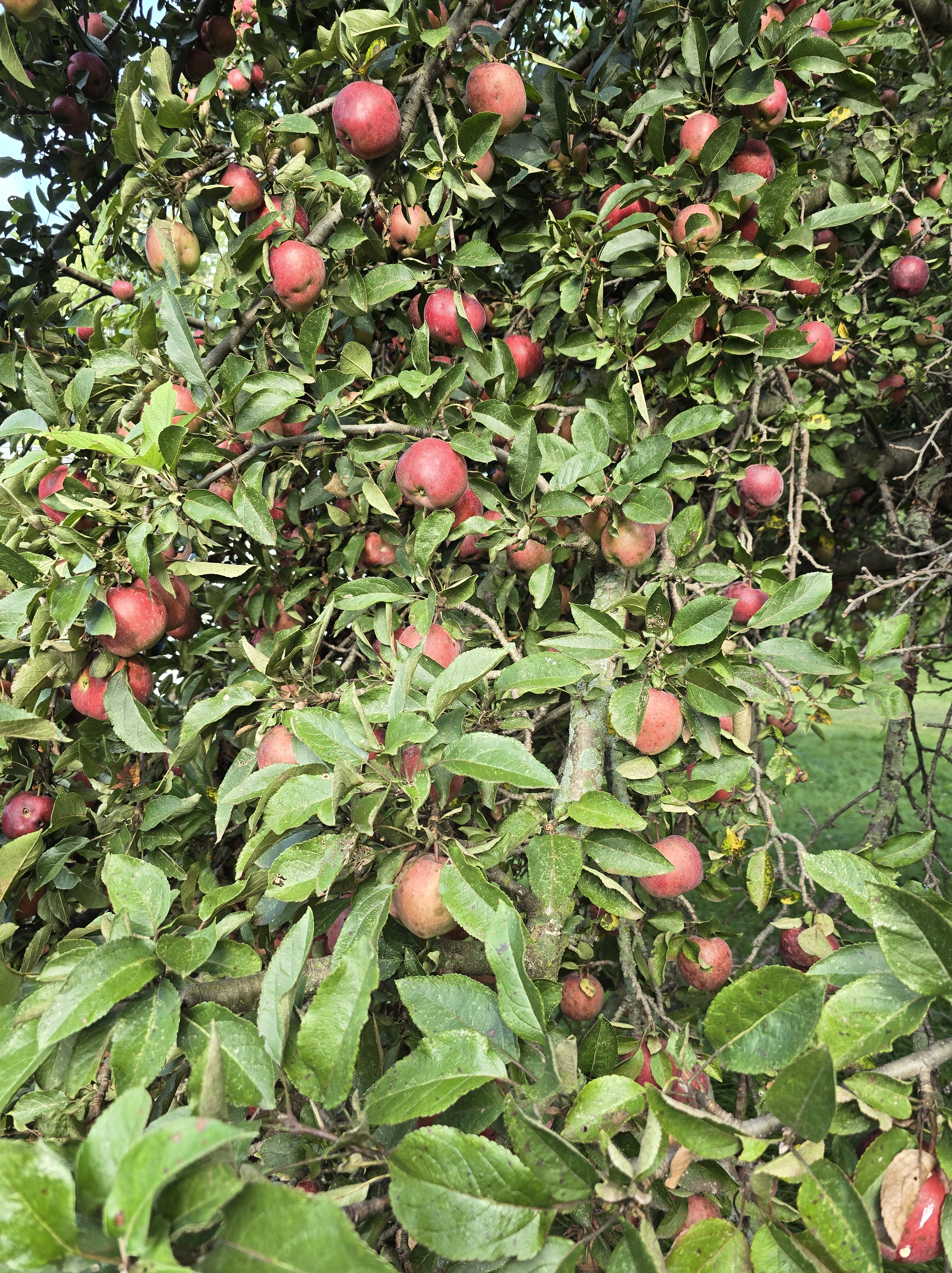
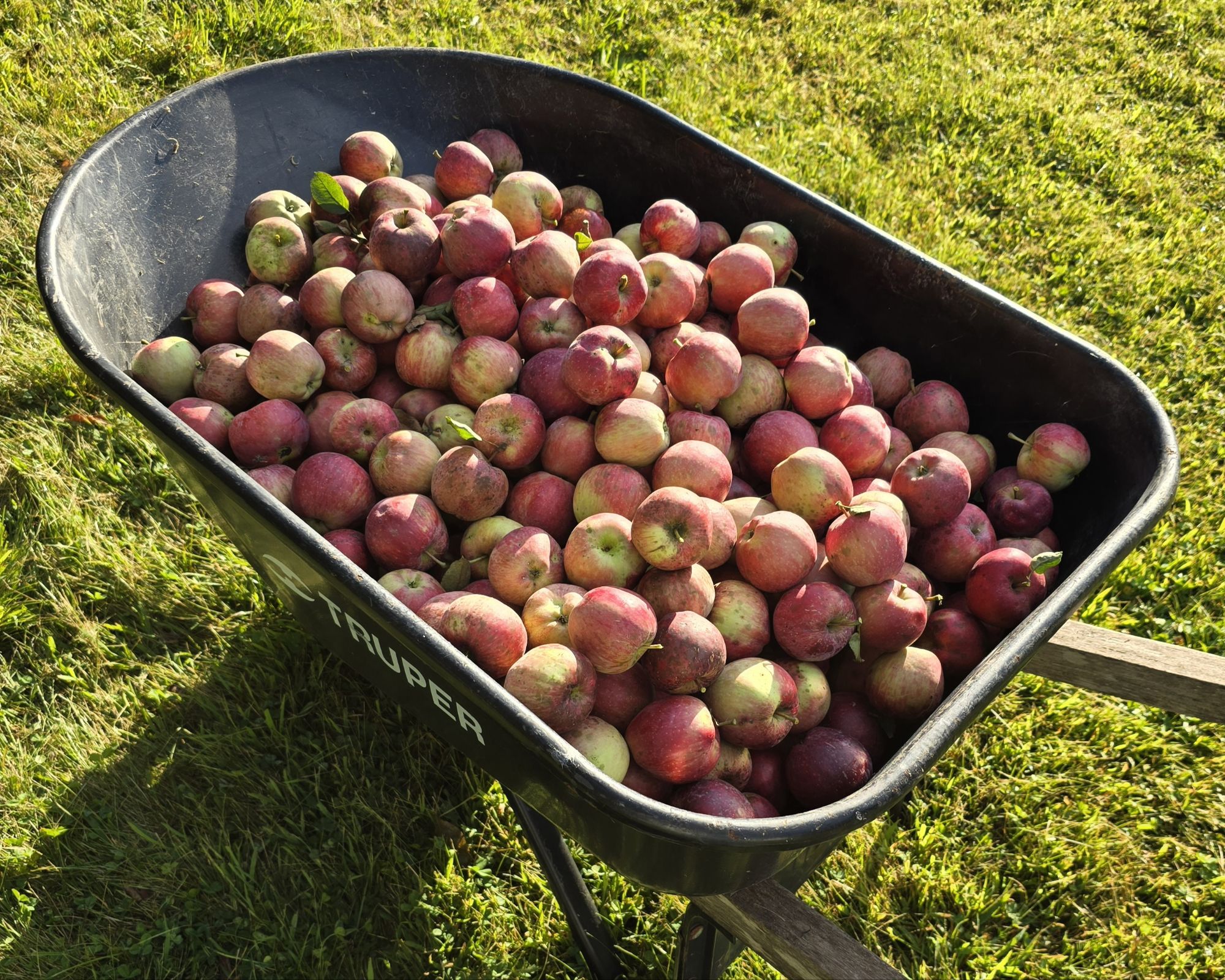
Zestar! apples July 21, 2025
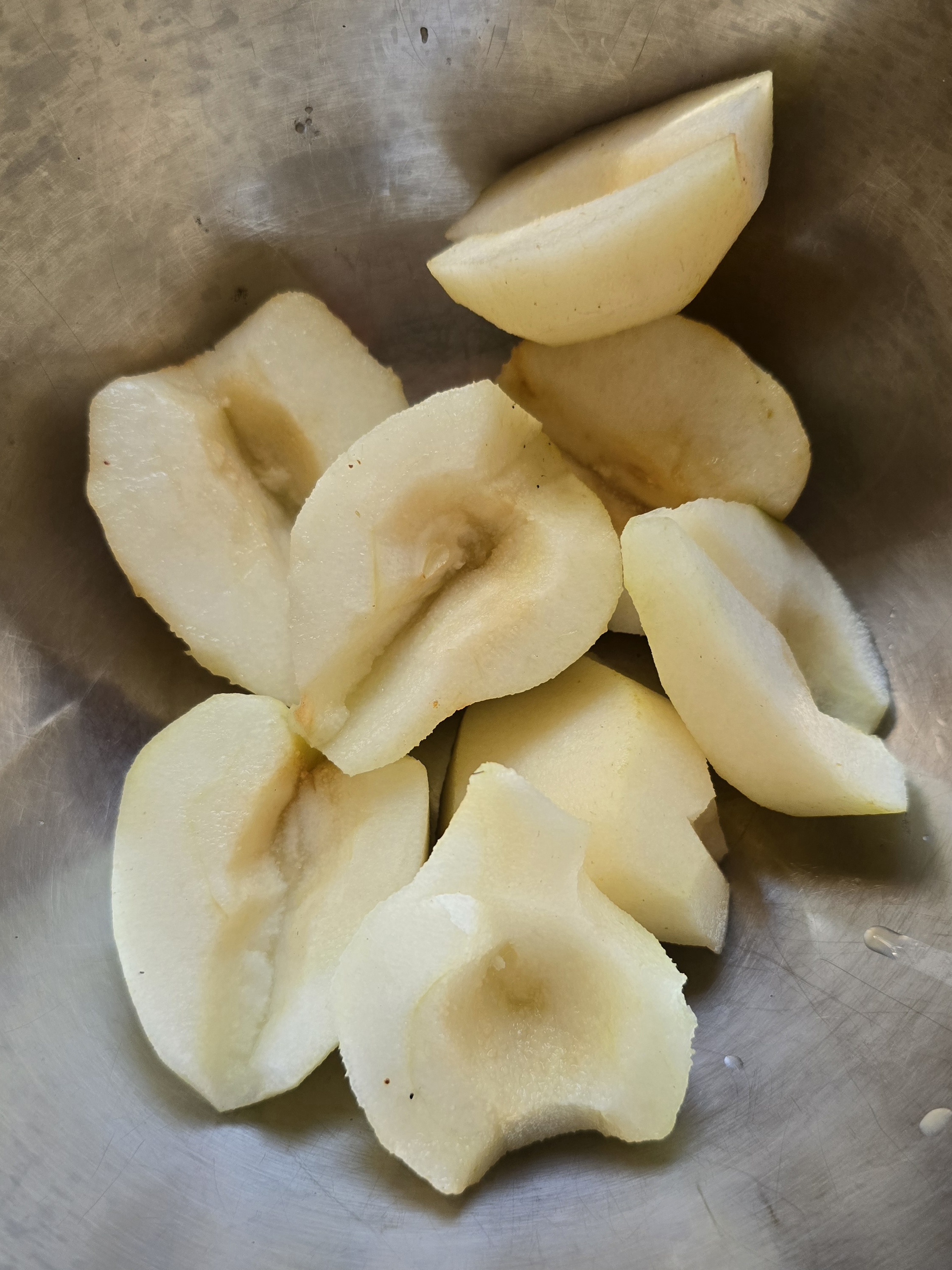
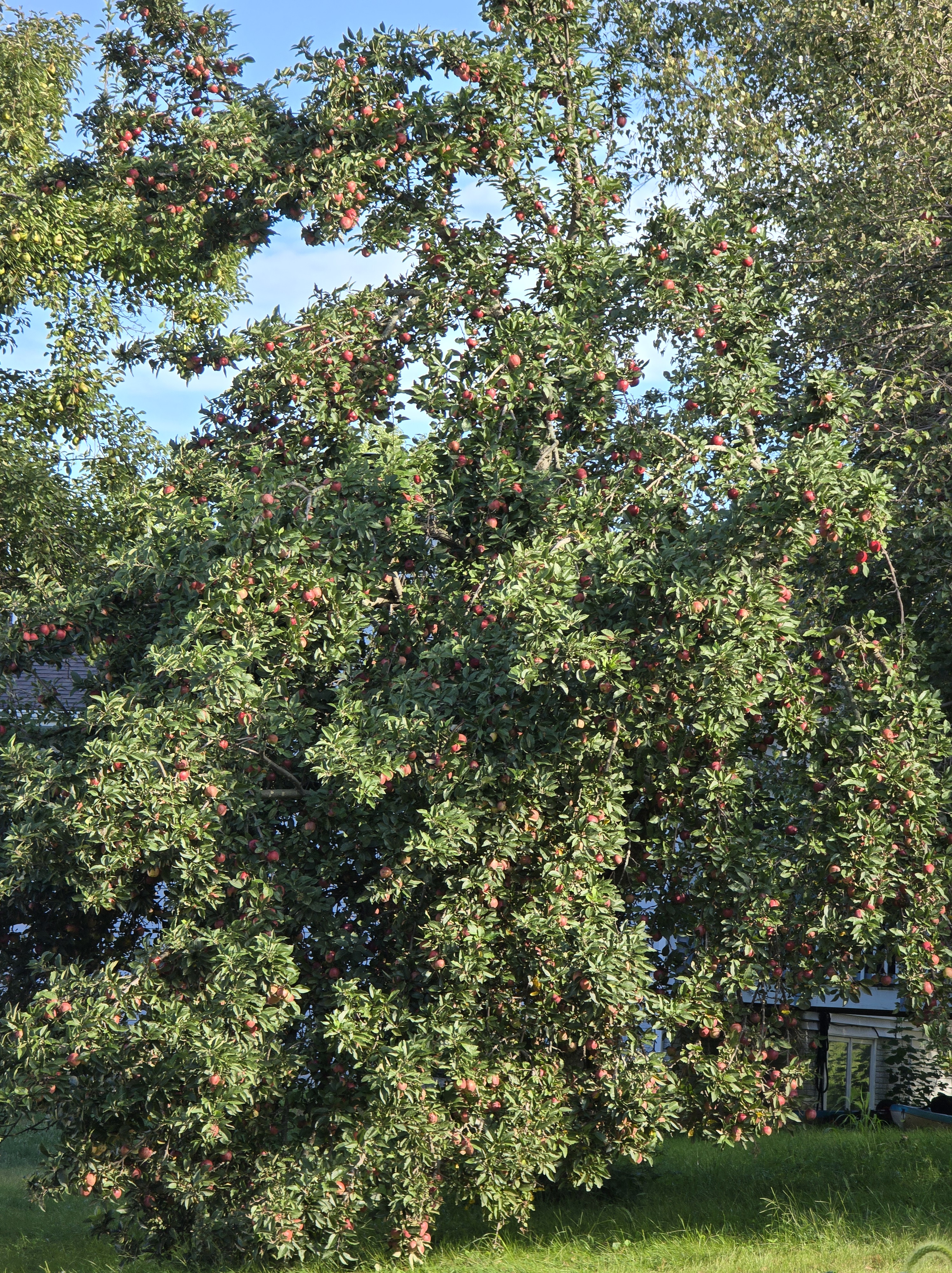
One measure of abundance is Zestar! apples. It was the first large harvest from a tree I planted a few years ago. The taste is sensational: juicy and tart. They will make great applesauce. This year I decided to can applesauce in pint jars instead of quarts. One main use is as a binding agent in my Iowa vegan cornbread and the pint is more likely to be used up before it goes bad.
Use of apples goes way back on my father’s side of the family. Stories survive of family working in the apple canning plant in Appalachia in the early 20th Century. I am happy to have four varieties of apples growing in our back yard. Calling it my heritage is not wrong. I don’t spray, so they are not perfect. Boy howdy! Do I use them up!
Harvest on July 21, 2025.
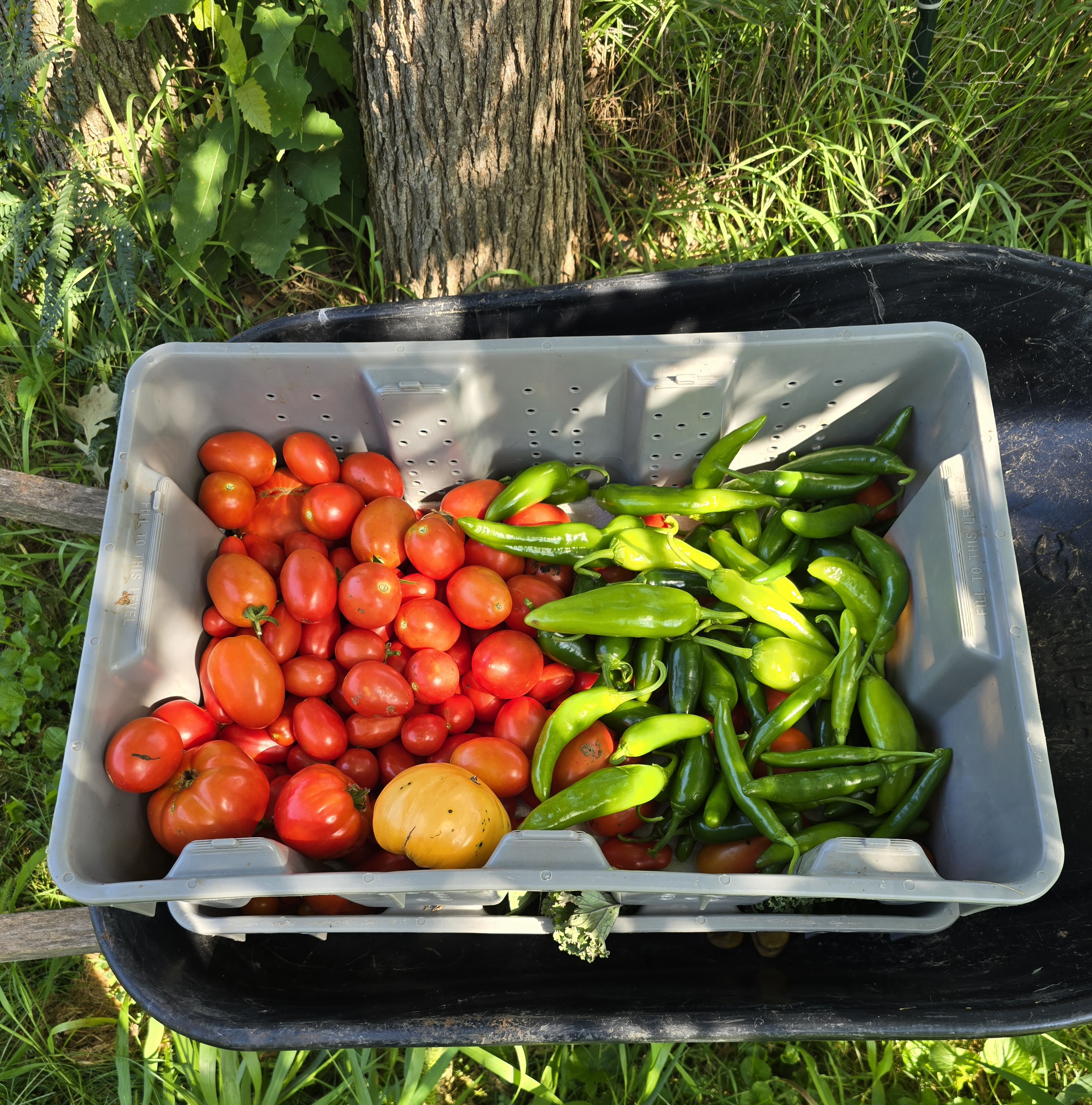
When the garden is going gangbusters, the challenge is to use up or preserve as much as possible, as soon as possible. Two of the crates in the photo above have celery in them. Celery gets processed into four different things: I keep “hearts” of celery for cooking fresh, ending up with ten of them this year. The various outer stalks are separated from the leaves. The stalks with some size to them are chopped into small bits and frozen to add to soup. All the very small pieces of stalk and stem are roughly cut, bagged and frozen for use in making vegetable broth. Finally, the leaves are rough chopped, bagged and frozen to add to soup. I use the whole plant. All of this takes a bit of work, yet the flavor makes it worth the effort.
Another big project ahead is using garlic scapes before the garlic harvest. I have a good crop of basil, so I expect I will make garlic scape pesto. I already have plenty of half pint jars of pesto in the freezer, so I don’t need many more. Will see how far along with that I get.
Growing a large garden ties a person to home. There is so much to do in July, if we don’t pace ourselves, we may be tuckered out for the August tomato season. Can’t let that happen.
My intent was not to become a food blogger. Best intentions aside, I have written hundreds of posts about food — growing it, shopping for it, preparing and preserving it. I have a sense of keeping recipes and techniques on these pages, yet most of that information resides within me, or the little red book in which I write frequently used and locally developed recipes. I took the step of defining the term “kitchen garden.” What of all this food bloggery? I don’t know from where the urge to write about food came yet I persist.
When the garden produces eggplant, there is a lot of it. I picked half a dozen small to medium fruit and cut them into one half-inch slices. I diced the scraps into quarter-inch cubes and placed them in a freezer bag for later use. After brushing the slabs with extra virgin olive oil, and seasoning with salt, I baked them at 400 degrees Fahrenheit for 25 minutes, flipping them halfway. From here, I serve on a plate, spoon some pasta sauce to cover, and sprinkle on grated Parmesan cheese. Any leftover slices of eggplant get frozen for a quick, tasty future meal. Eggplants are a lesson in how to use abundance.
Food writing is a creative outlet. The photograph and text are products of a creative life which represents more than survival. We live in a culture that denigrates the different, that seeks to remove social differences the way politicians seek to erase transgender citizens. Food writing is a way to express a life that falls outside social norms. It is a safe harbor to consider how we might live differently. That seems true whether we write about family food traditions or about a simple eggplant supper served from an abundant garden. We need types of expression that assert our uniqueness without fear of repercussions, without persecution. Food writing can be that. Most readers seem unlikely to recognize it as such.
I meant to write about how four Galine Eggplant seedlings produced so much abundance. This post turned into more than that, about affirmation and the freedom to be different. While my brief recipe for an eggplant dish is not unique, this moment, with these words I became as unique as I might ever be. That has value in a society with low tolerance for anything that is different.
U.S. Capitol. Photo by Ramaz Bluashvili on Pexels.com
While I was sleeping early Friday morning, the U.S. House of Representatives passed the rescission bill which claws back funds approved by Congress in a bipartisan process. Republicans rescinded parts of previous spending agreements they didn’t like, which were needed at the time to pass the bill. They have a thin majority, so can do many things they want. Notably, funds for USAID and the Corporation for Public Broadcasting have been cut in the rescission bill. It now heads to the president’s desk for signature.
The rescission bill followed the widely unpopular reconciliation bill which also cuts federal programs while increasing the national debt. The president signed the reconciliation bill on July 4.
I need to stop and take a deep breath.
Like many, I contacted my federal representatives multiple times during the weeks the bills were being considered. They all (Chuck Grassley, Joni Ernst, and Mariannette Miller-Meeks) voted for both the reconciliation and the rescission. This week I received replies from Miller-Meeks and Ernst, explaining their vote on the reconciliation. Grassley posted a press release on his website. There are some nuances, but all of them gave the main reason for voting for it as extending the 2017 tax cuts.
Let’s start with Miller-Meeks. This was the crux of her email to me: “I was proud to support H.R. 1, the One Big Beautiful Bill Act, which permanently extended the Tax Cuts and Jobs Act. Without this bill, the average Iowan would have seen an increase of $2,063 in the annual tax bill. I was proud to work with my colleagues to prevent this from happening.” I don’t know this “average Iowan,” of whom she speaks. I didn’t see our household taxes change because of the 2017 tax cut. I paid zero taxes for 2024, so there are no taxes to cut going forward. Wealthy Iowans will do better. In each of my emails to the congresswoman I pointed out that we cannot afford to borrow more money for tax cuts. According to the Congressional Budget Office, that’s one of the main features of the bill, the U.S. will incur trillions of dollars in additional debt.
Someone in Senator Ernst’s office apparently read my emails opposing the bill. The response addressed Medicaid, as did I. The core message was similar to Miller-Meeks: “On July 1, 2025, I joined the entire Iowa delegation in voting to pass the One Big Beautiful Bill Act (OBBB), which the President signed into law on July 4, 2025. In addition to preventing the largest tax increase in history for our families, farmers, and small businesses, the bill strengthens the integrity of Medicaid and prioritizes those who truly need help by eliminating waste, fraud, and abuse.” Ernst did not address the borrowing needed to cover the loss of tax revenue for the U.S. Treasury.
Senator Grassley was singing the same tune in his July 1 press release, “Sen. Chuck Grassley (R-Iowa) today voted to pass the One Big Beautiful Bill Act to protect Iowans from being hit with the largest tax increase in history and provide historic investments in border security and law enforcement.”
If we think logic and reason apply to these votes, they don’t. They are simply Republicans doing Republican things with their audacity increasing with each day the Congress is in session. The direction hasn’t changed much since the Reagan administration, except for Republicans doing all this with more transparency. This one was really in our face. They rely on the American electorate being asleep at the wheel and paying their law-making only a minimum of attention. “Tax cut? Good,” the unwitting might say.
I haven’t come to understand the meaning of these bills, other than they go against the grain of good governance and Republicans don’ t care. What I do understand is Miller-Meeks and Ernst are up for re-election and if we care about our country, we should be contributing in some way to replacing them with Democrats.
On July 1, Interstate Power and Light Company, the parent company of Alliant Energy, filed an application to add 1,000 megawatts of wind energy “to help boost Iowa’s electric grid and further diversify its energy portfolio,” Olivia Cohen wrote in the Cedar Rapids Gazette. The timing of the filing takes advantage of tax credits included in the Inflation Reduction Act before they change as a result of the budget reconciliation bill enacted this month. This project seems like a good deal for everyone.
What we don’t see is applications to construct new nuclear reactors to generate electricity. There has been a stream of media articles about pulling the Duane Arnold Energy Center in Palo out of mothballs and bringing it on line again. There is an exploratory committee for that purpose. In addition, the Linn County Supervisors have undertaken to establish a nuclear zoning code for parts of the compliance not preempted by federal authorities. These are not real solutions to meet energy demand.
I wrote before, “The technology at Duane Arnold is old. The physical plant is old. Its permit has been renewed twice. There is a limit to the life of these facilities built in the 1970s. Why throw new money after old technology? We shouldn’t.” If we do anything regarding nuclear power generation, we should wait until known problems have been resolved. That is one of Bill Gates’ current projects. Gates appears to rely heavily on government subsidies for his small modular reactor in Wyoming.
Why even consider nuclear energy? I knew why when I was a kid back in the 1950s and ’60s after President Dwight Eisenhower’s Atoms for Peace speech at the United Nations General Assembly on Dec. 8, 1953. Eisenhower sought to solve the terrible problem of splitting atoms in nuclear weapons by suggesting a means to transform the atom from a scourge into a benefit for mankind. Follow this link for the text of the Atoms for Peace speech. That idea had its heyday. That time is over.
Even Iowa is getting in the act with Governor Reynolds’ Nuclear Energy Task Force created via Executive Order to make recommendations for how we can move forward with nuclear energy in Iowa. The task force was just formed, so we don’t know the direction they will take. Well, we do. There is only one game in town. Generate nuclear powered electricity using government subsidies to offset the high costs which render the idea a non-starter as a stand alone business proposition.
Today our government wants nuclear weapons and nuclear power for the express purpose of making money for contractors and their wealthy owners. Profits are to be propped up by government subsidies. The message, clear in the Alliant Energy application, is government subsidies for green energy are coming to an end under the current administration. Why not phase out and end the subsidies for nuclear power and fossil fuel companies as well? We know why. The government has been captured by these energy industries.
Society has not begun to tap the potential of wind and solar energy. When the issue of storage is solved, the two methods of electricity generation should just take off. It is up to us to resist a resurgence of nuclear power and allow wind and solar to take market share. Based on what is happening now in Europe, they will. The United States has chosen to service oligarchs and large corporations in its energy policy. We should lead rather than do this and fall behind.
Donation to the community food pantry on July 14, 2025.
Writing can be divided into two large categories: public and private. Most of us spend time in each domain. The obvious difference between public and private writing has to do with audience. Most of what I write is for public consumption, which means I have a responsibility to use logic, facts, and verifiable truth as tools to make my language more effective. This blog is public writing, as are letters to the editors of newspapers, and the books I am writing. Private writing includes journals, emails and letters, and to some extent, exchanges on private servers. Public writing is my main concern.
Why am I writing here, in public? Part of it is self-expression, a basic human need. Part is using language to understand complex social behavior. There was a time — thinking of 1974 — when I hoped to influence the direction of society. That is, I assumed society had a direction and momentum that would improve how we live. To some extent, that outlook continues in published letters and on this blog. I am no longer sure of the role of individuals in this.
To effect change in 2025 society, it seems clear it takes a broader, more diverse movement. Movements need a voice, yet not only one. The democratization of expression has given everyone who wants it a voice in the public square. We may not like what we read and see, yet in the end, democratization of expression is a net positive. The 500-1,000 word essay is a perfect medium for working through ideas. That’s one reason I’m here after beginning this blog in 2007.
Book writing presents a special challenge. In autobiography one hopes to depict a personal history with some verifiable accuracy. There is also a didactic principle at work. The example of a single life may have broader meaning in the culture and that is what we hope. At least that’s the goal of my longer works. It became evident this week there is much to do to make my autobiographical work more meaningful beyond my circle of friends and family.
I opened part two of my autobiography and started reading from the beginning. I have been writing forward, without looking back, since the beginning of the year… to the tune of 86,728 words. The idea was to get a story down and return to edit. There is a lot of editing to do, in addition to new writing. I hope to finish the book by year’s end, yet don’t want to finish just to finish. The narrative should mean something beyond personal reminisces. Defining a broader moral lesson is the challenge as the memoir progresses. Simply put, working through that is why I’m here.
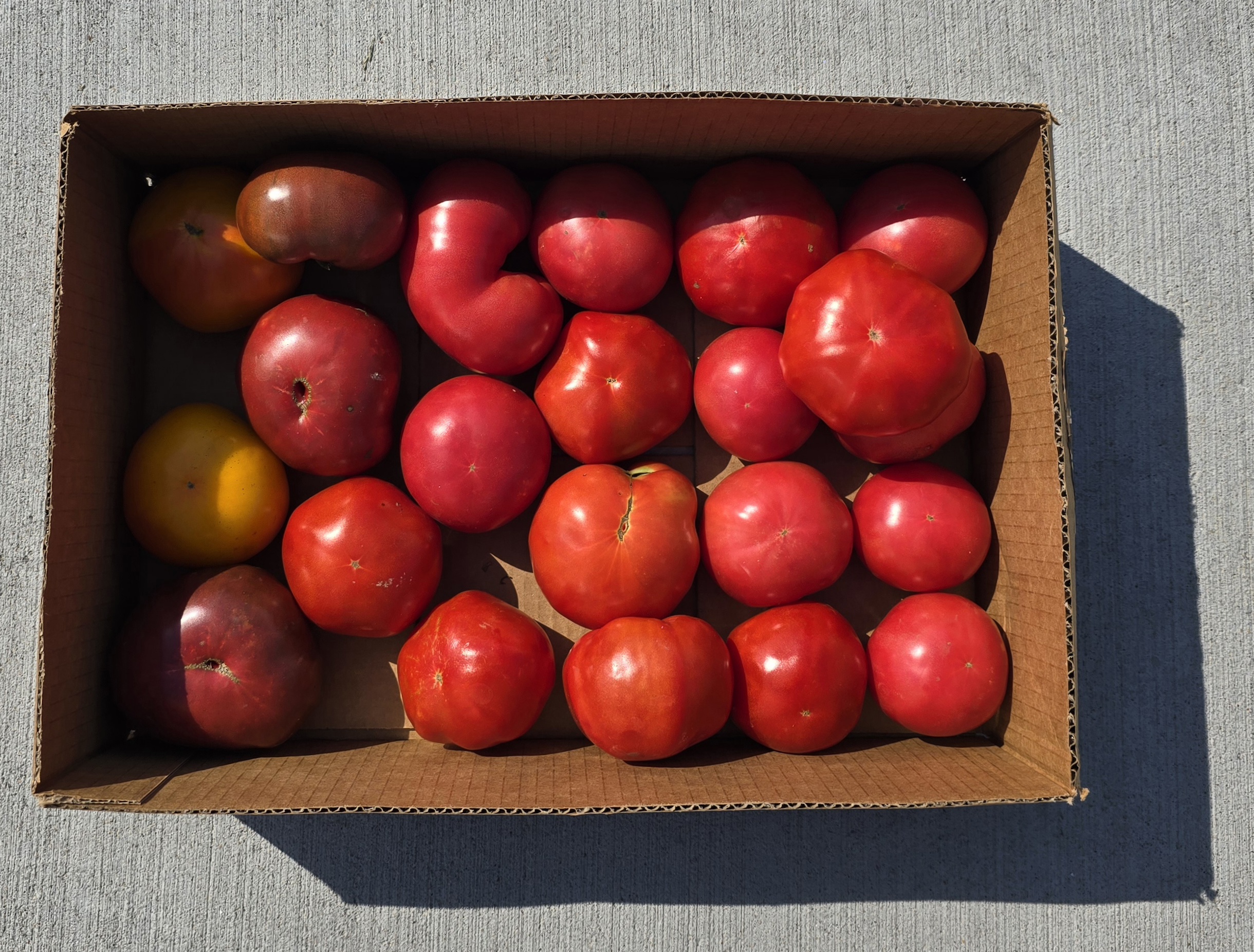
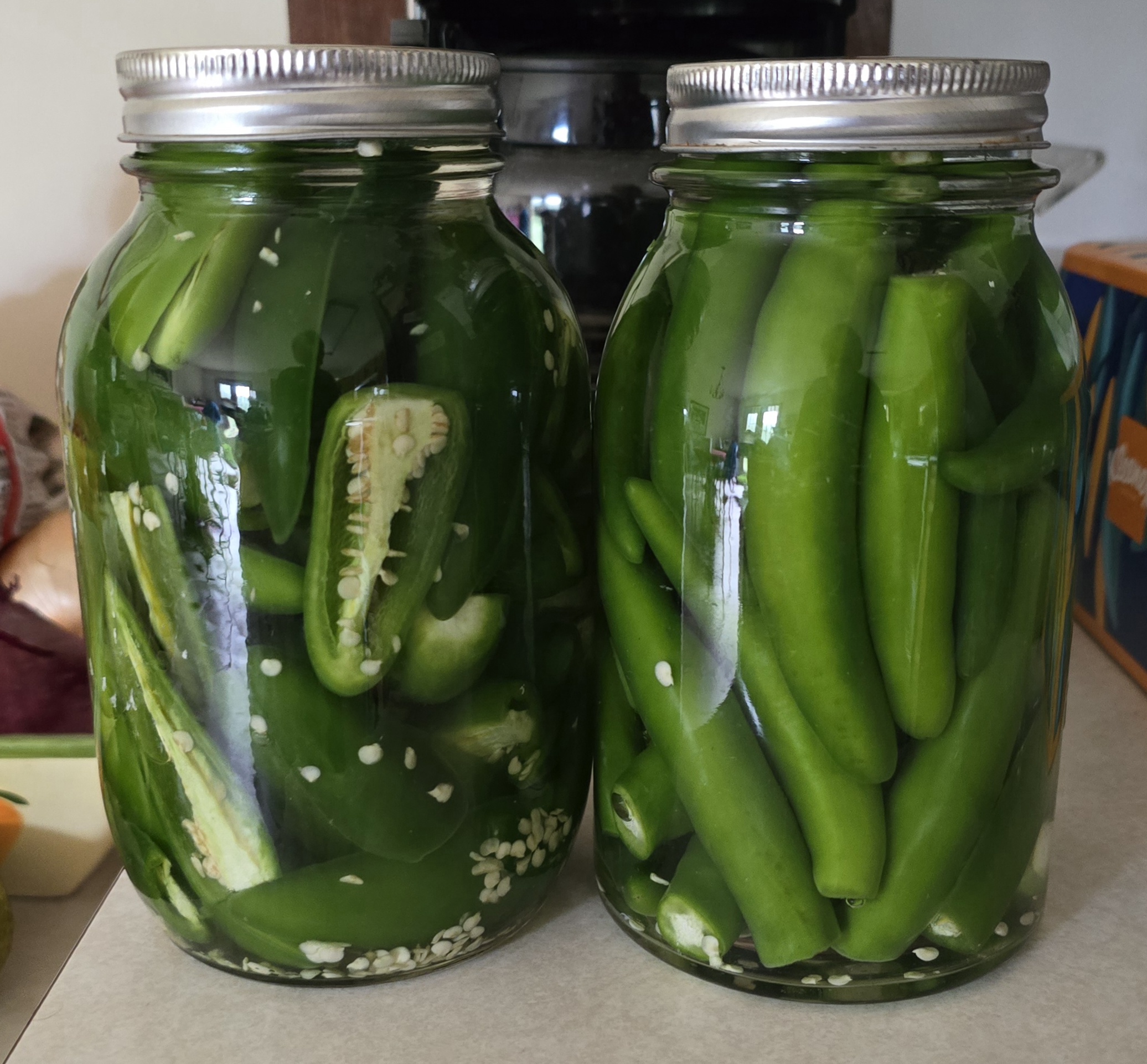
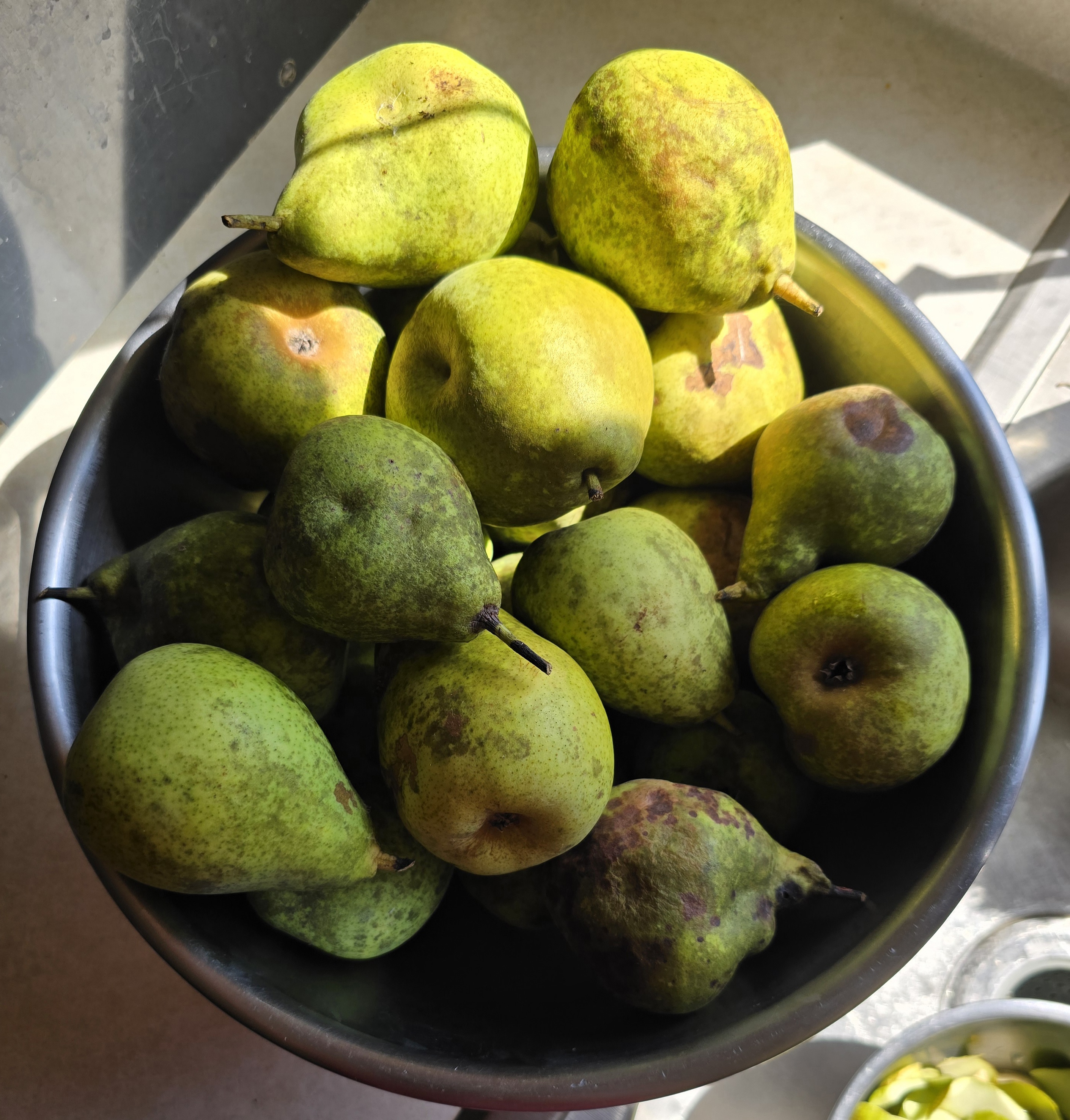
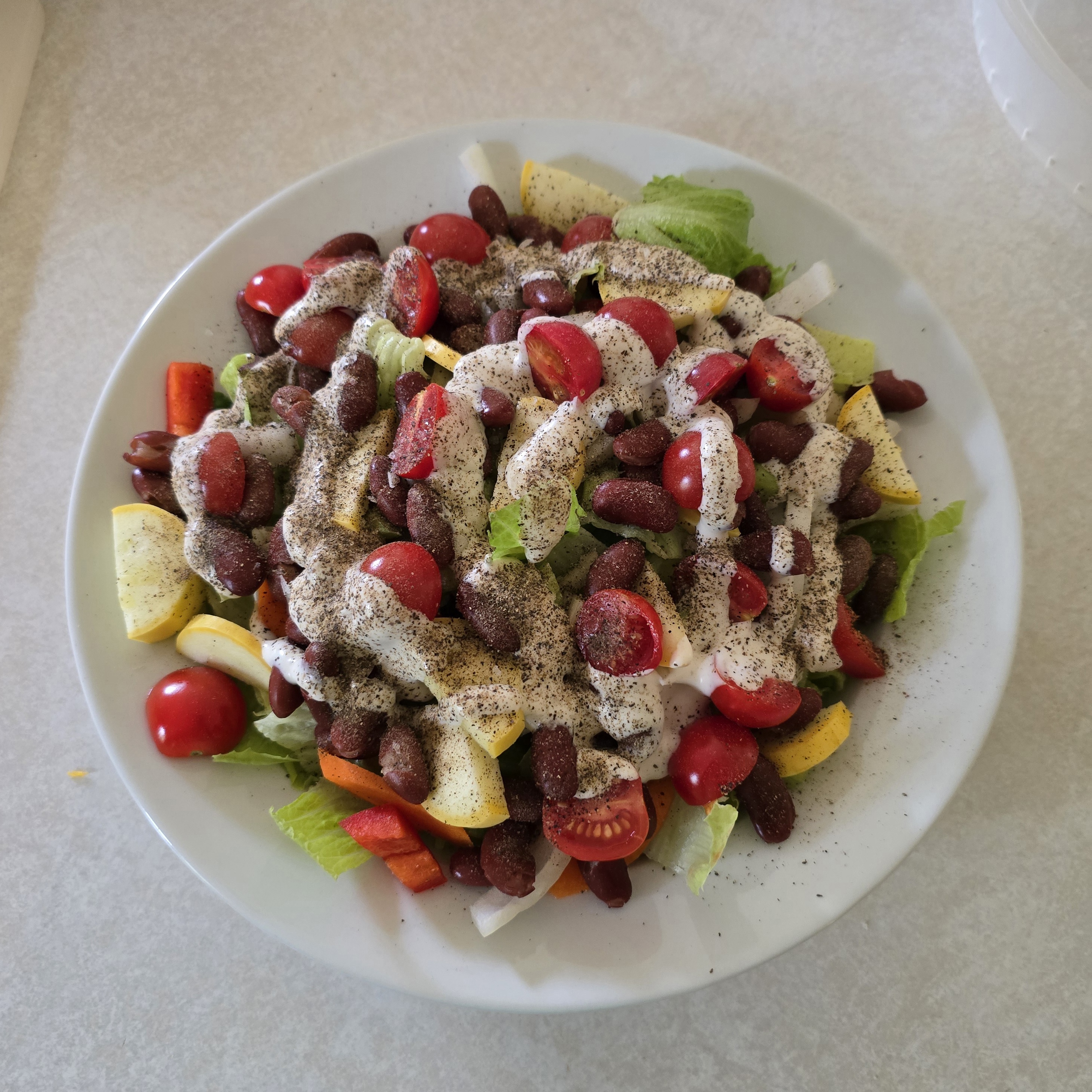
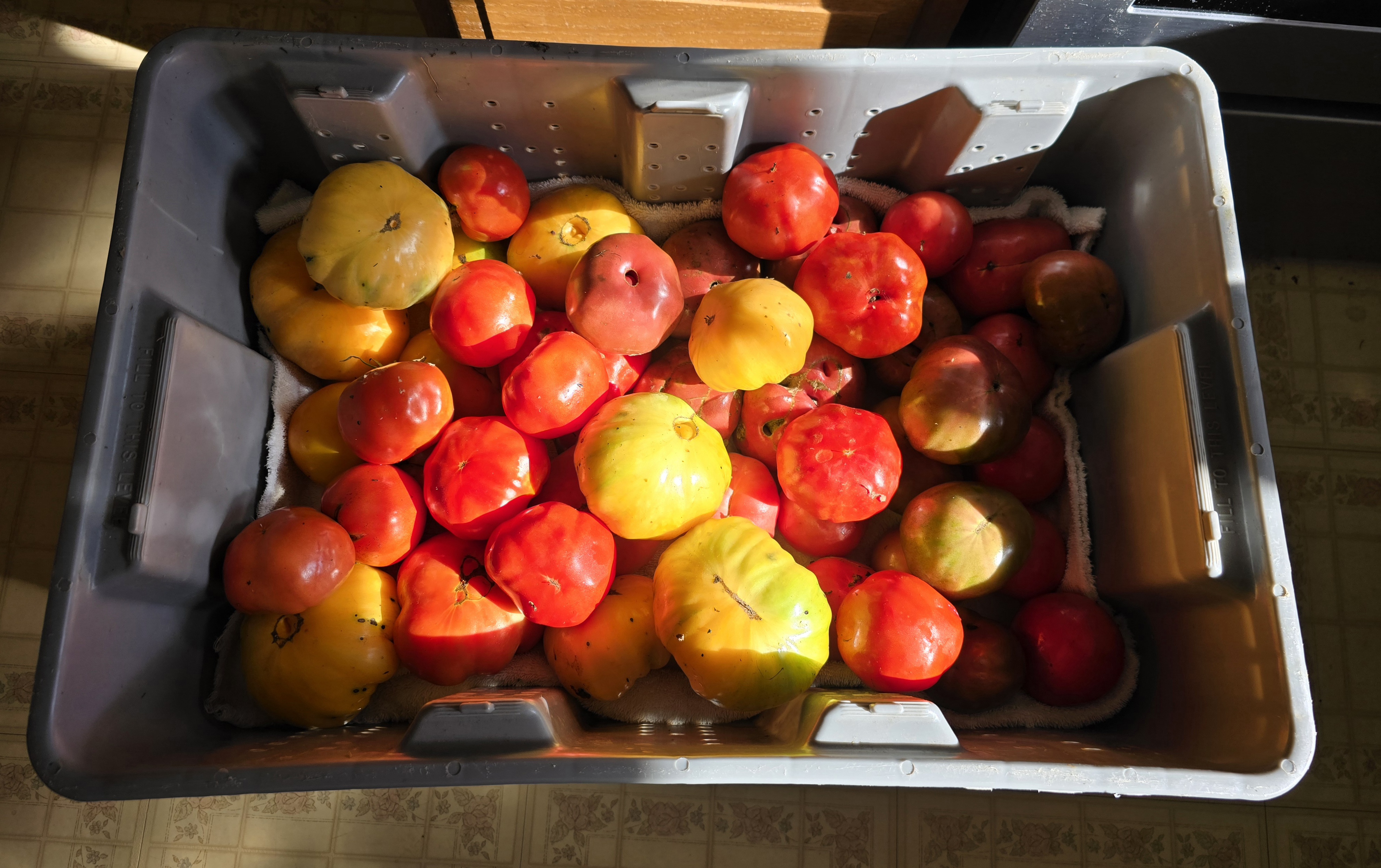
It looks to be a bountiful year in our kitchen garden. The refrigerator is jammed. I rearrange the freezer a couple of times each week to fit in more food. I make two or three donations to local community food pantries each week. It’s one of the reasons we garden.
There is a skill in shopping at the full-service grocery store. For the best fruit and vegetables, early Friday morning is when to shop. Between 6 and 7 a.m. on Fridays, there has been a good selection of organic fruit. Taste does matter. Freshness does matter, especially when buying from a large-scale grocer. By being aware of shelf-stocking procedures, one can shop when the best produce is available and in doing so, live better.
I’ve written about the flavor of home-grown celery. There is nothing like it. I harvested three bunches yesterday and processed them for use. It created three cores to be used fresh in cooking, three bags of celery leaves for seasoning soup, a bag of stalks chopped for soup, and a bag of bits and pieces to be used in making vegetable broth. I will use all of this.
Freshly Picked Celery
Cabbage heads are getting big, and the crop looks great. Conditions are right for cruciferous vegetables and the whole plot is doing well. Farao Cabbage is the variety doing the best this year. Cabbage keeps a long time in the refrigerator, yet if there’s no room left, some of it will go to the food pantry.
Cucumbers, squash and zucchini could slow down and I wouldn’t miss them. There has been too much to use. A crate of cucumbers will go to the food pantry this morning.
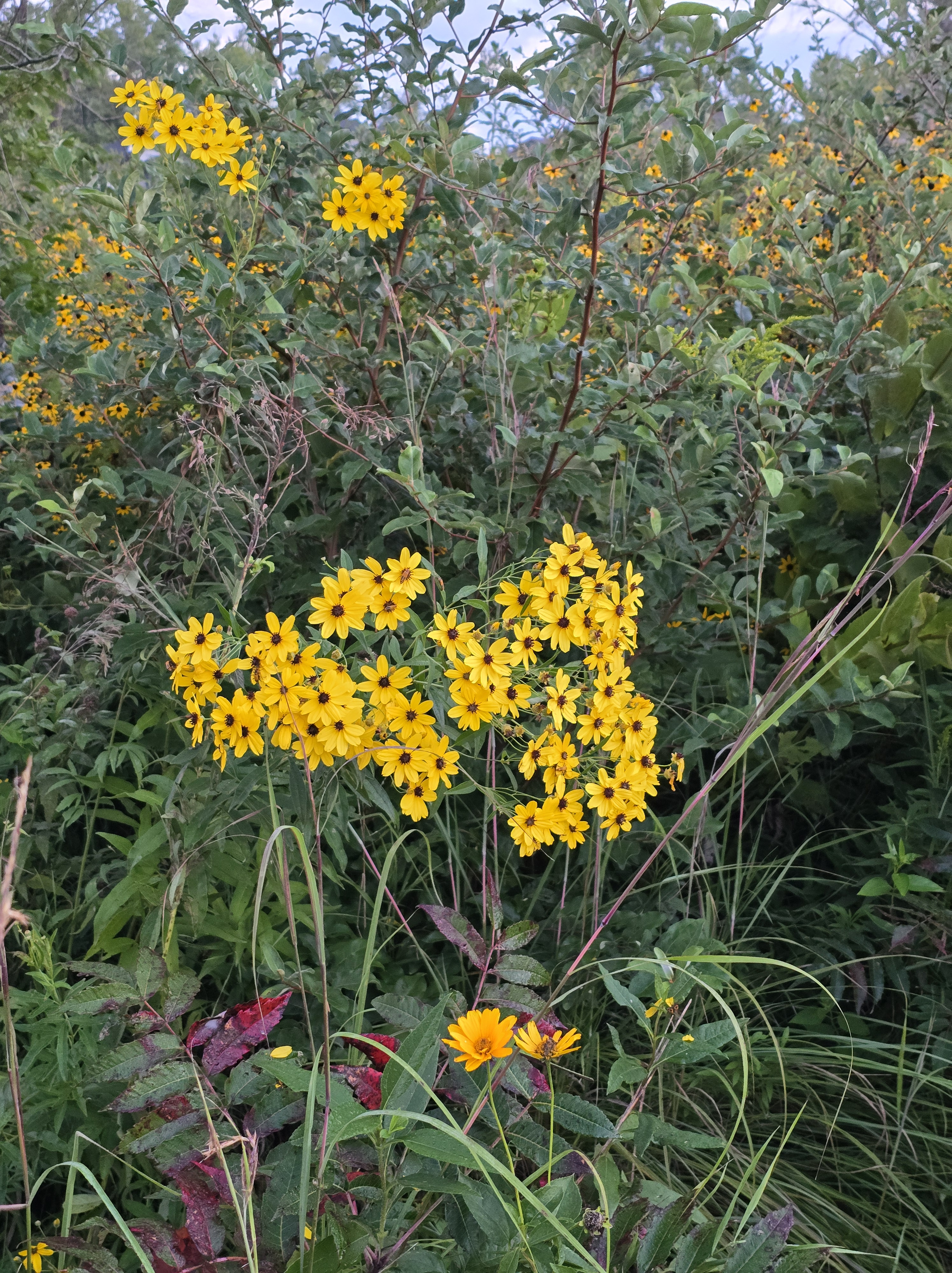
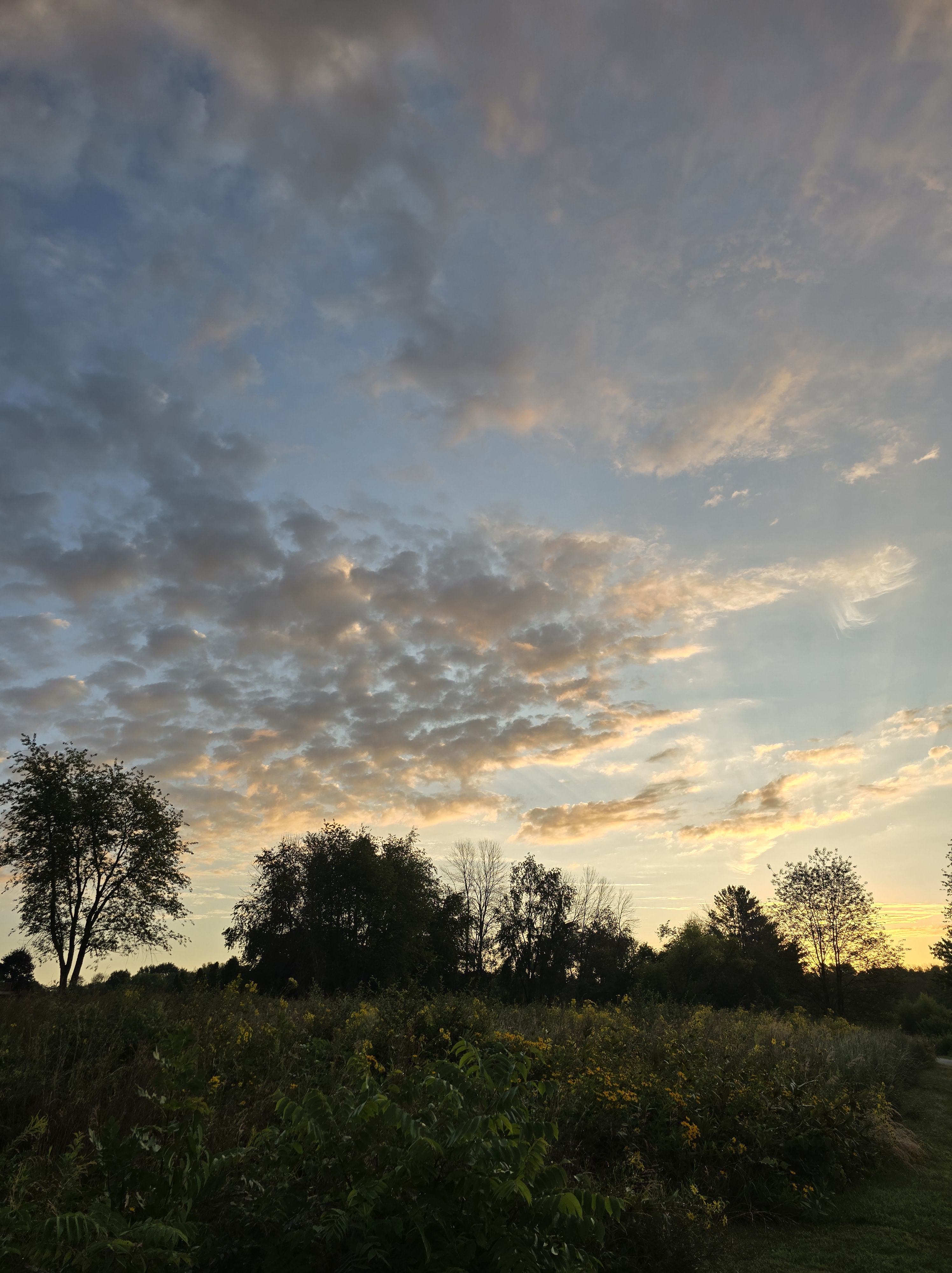
With abundant rain, everything is growing, including wildflowers in the state park. This has been a summer to remember. We currently are at its peak.
You must be logged in to post a comment.