LAKE MACBRIDE— The good news is there are no morning after effects of my first, five mile bicycle ride in a couple of years. It was immediately energizing, and my butt doesn’t hurt from an unfamiliar seat. My legs and arms are in good shape. Sleep was sound and deep last night. What more could one ask of a sport?
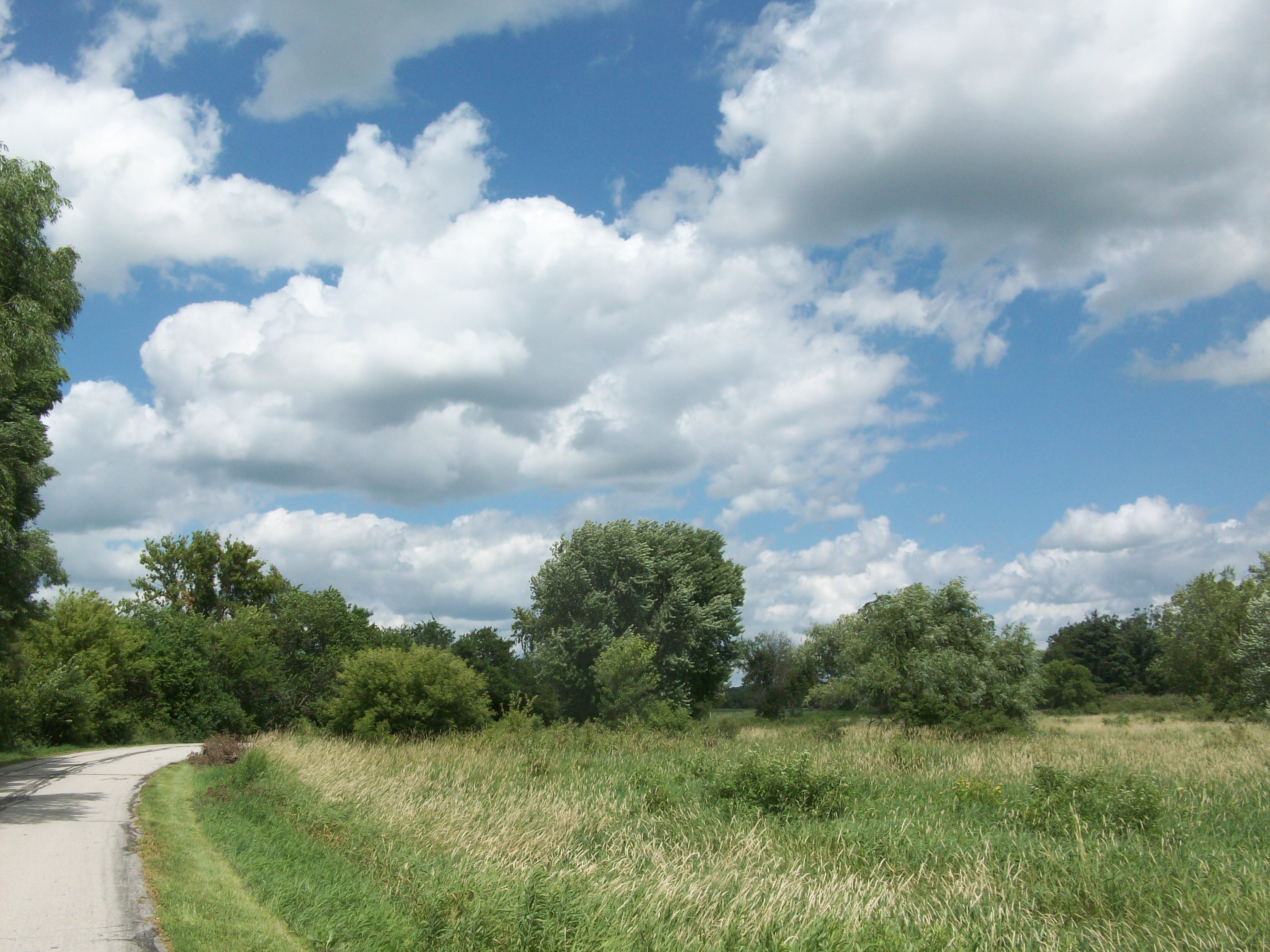
This summer is unlike many recent ones in that the temperatures have been mild, with billowy clouds floating easily through continuous azure skies. Scarred by the 2012 drought, it is hard not to appreciate these beautiful and temperate days in Big Grove. The lake trail was in good shape and ruts had to be dodged only a few times.
Last night, Dr. Christine Grant spoke to the Iowa City Community School District board of directors, thanking them for naming an elementary school in her honor. Her thick Scottish accent hid emotional inflections in her voice. She was confident and direct, as one would expect from a person who worked with some success toward gender equality in athletics.
Grant was part of the revolution in sports at my alma mater beginning in 1970 with the hiring of Chalmers W. “Bump” Elliott as athletic director. Grant became the first women’s athletic director at the University of Iowa in 1973. She joined a pantheon of Iowa sports figures that includes Dan Gable, Hayden Fry, Lute Olson, C. Vivian Stringer and Tom Davis. I’m not a sports fan, but had not heard of Grant until the school was named after her this year. More’s the pity.
A life of learning on the Iowa prairie continues, and today we know one more namesake along the way.
LAKE MACBRIDE— Wisps of mist hover about the landscape as a day begins. It recurs over the farmland just off the highway leading to town. It reminds me of trips into the Rhön Mountains in the late 1970s.
It has been a solid four days of work at the warehouse, and a first chance to come up for air. A lot has happened and there remains a lot to do, but a couple of things stand out.
The death of Robin Williams hits home for a couple of reasons. He was born the same year I was, and our similar age and his death reminds me of the dance of mortality that hangs over each of us.
He had a public presence, and left many impressions, even for someone who eschews television and movies for radio and the Internet. His struggles were well known because of his celebrity. We don’t know what happened to cause his death, and may never. However, when someone, a celebrity like anyone, may have taken their own life intentionally or accidentally, there is sadness.
We may feel loss, even if there is no personal connection. Robin Williams death was a mournful end for someone who made us laugh a lot. He was of our generation, and like my cohort of grade school friends, I don’t like seeing another name stricken from the roster.
The garden and farm are producing vegetables. What to do with them has become an issue. I took my farm share of kale to a meeting last night, and we sat around a table eating the raw leaves. Some cabbage will go to town. Today or tomorrow I’ll make a ratatouille to use some eggplant, tomatoes and zucchini. We resist composting until we must.
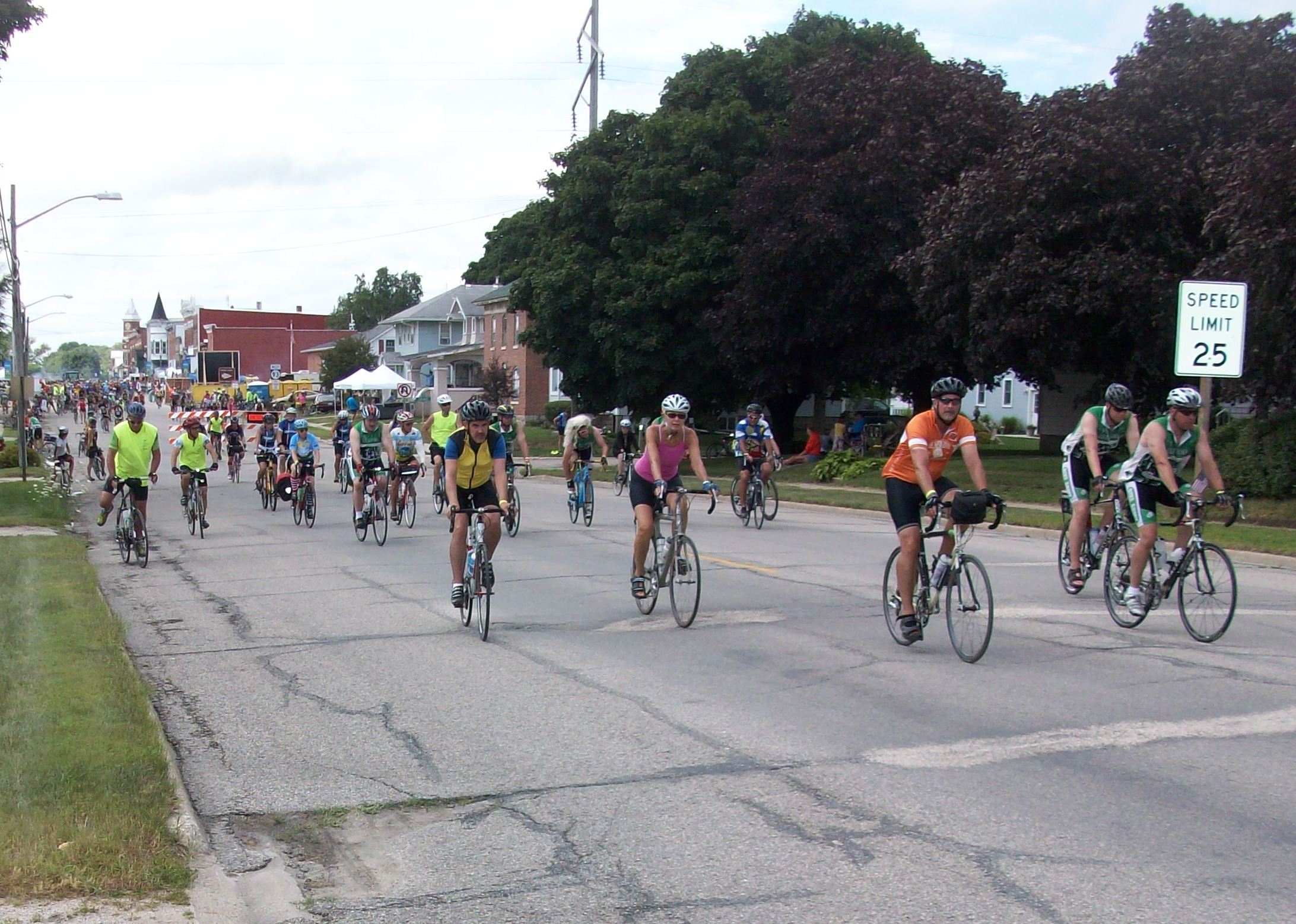
Some friends loaned me a Cannondale bicycle to get started cycling again. The bike has been on 14 RAGBRAI trips, and perhaps I will make one as well. We’ll see how this goes, but because of my age and condition of my feet, running and taking long walks requires what I hope will be a brief hiatus.
To encourage me, they gave me a bicycle gift bag with powder, socks, a water bottle, trail maps and other items. It will be difficult to come up with valid excuses for not cycling.
I’ll look forward to my first misty morning ride in the lake country.
LAKE MACBRIDE— Dawn was breaking as I walked the mobile phone bill to the mailbox. Hoping to view the stars on another clear morning, it was too late. Will have to settle for the sun today, which is not settling at all.
The ground is hard and dry in the garlic patch. I had no idea. My daily vegetable watering in mulched plots kept this knowledge from me. It feels like we are heading into another period of drought, even if the latest drought map shows we aren’t there yet.
To deal with the dry plot, a place I would like to get into production again, I plan to lay down a tarp, or heavy plastic to retain moisture, suppress weeds, and use as a storage area for excess fencing and other garden equipment I store outside. That will enable the mulching of the rest of the plot where they are presently stored. Over the years I imagined building a shed on the garlic plot, with a couple of solar collectors and a battery pack, but for now vegetable production will be the focus, hopefully next year.
The acorns planted in the garlic plot the year our daughter graduated high school have grown to be trees. Three of them. They are symbols of how life gets away from us. The shade has not helped the rest of the garden. One of them has a very straight trunk, and I plan to cut it down and make something from it. The other two should be transplanted to replace the green ash trees in front of the house, but who knows when that might get done.
My attempt at creating habitat in our yard has been successful, but not in a way I anticipated. A gray and white cat has taken up residence, and curls up and sleeps on the grass clippings among the tomato plants. It seemed loathe to move until I began watering.
A rabbit settled between the hot peppers and another tomato patch. It loves to eat clover, and yesterday I spotted it in the neighbor’s yard, since I cut all mine with the mower. This rabbit has survived longer than most do, and has not tried to get under the fencing protecting the vegetables.
There is a rodent living in the ditch in front of the house. It also travels among the lilac bushes and apple trees, leaving paths everywhere. It chewed one of the screens to the lower level of the house and then another. It is the most offensive of the yard residents, and seems to stay away from the cat, regrettably.
There are butterflies and bees; foxes and opossums; and birds of all kinds traveling through our yard. The squirrels come to visit when the acorns fall from the trees, and of course deer walk through almost nightly, chewing on what isn’t fenced away from them.
Our platted lot is teeming with life on any given day. We are happy for that, and try to encourage it as we can. It creates a sense of place in a turbulent world.
The weekly planning session from waking until 6 a.m. is critical for generating enough income to pay bills. At the same time, it enables dispersion of mental troubles— the same way night vapors become dew, and are burned off by sunlight. It would be an insane world without a plan.
That said, even the best planning fails to accommodate everything we need and want to do. Wants give way to needs, and only those needs critical to social and economic survival get a time slot on the Google calendar. While a popular belief is that we have leisure time and hobbies, in the work-a-day world of low wage labor, such things are best left to what Thorstein Veblen called the “leisure class.”
After breakfast of a three-egg omelet of local farm eggs and sharp cheddar cheese imported from England, a glass of Florida orange juice, and black coffee, it’s time to get after the week’s work.
LAKE MACBRIDE– It was so nice yesterday. I went for a walk in the state park and saw a Monarch butterfly on Milkweed.
Actually, the last couple of days have been a walking tour of my busy life, settling down from the caesura that is mid-year. A rest was not in the plans, but that’s what I got after the holiday weekend. Now I am invigorated. There is a lot to do.
LAKE MACBRIDE— The Fourth of July was as perfect a day of weather as we get. Mostly clear skies, moderate temperatures, and low humidity. I opened the garage, turned on a fan to evaporate standing water left by the rain, and spent an inordinate amount of time mowing, then re-mowing to collect grass clippings for the garden. I trimmed the edges until the batteries wore down.
At the end of the day, the garage was straightened out and my car parked inside for the first time in a couple of months. Our lawn of mixed grass and prairie plants looked as good as it gets when it was done. Summer has turned.
With the closely cropped grass, hiding places for rabbits are gone and they were lurking around near the celery seedlings. I moved the seedlings inside for the night, and hopefully the rabbits will find something other than my garden to eat now that the clover is mowed and decomposing on a garden plot.
Some of the tomato plants are four feet high and there is an abundance of flowers. The prospects for a crop are good. Canning jars are at the ready.
I hung my old American flag from the garage door frame. It is getting faded after more than 35 years of service. A new one that flew over the U.S. Capitol is available, but I don’t want to re-drill the holes in the frame to accommodate it’s larger dimensions. Like me, the old flag will serve.
What’s next?
It’s time to break out a copy of The Great Gatsby and read it again now that summer has turned. Then what?
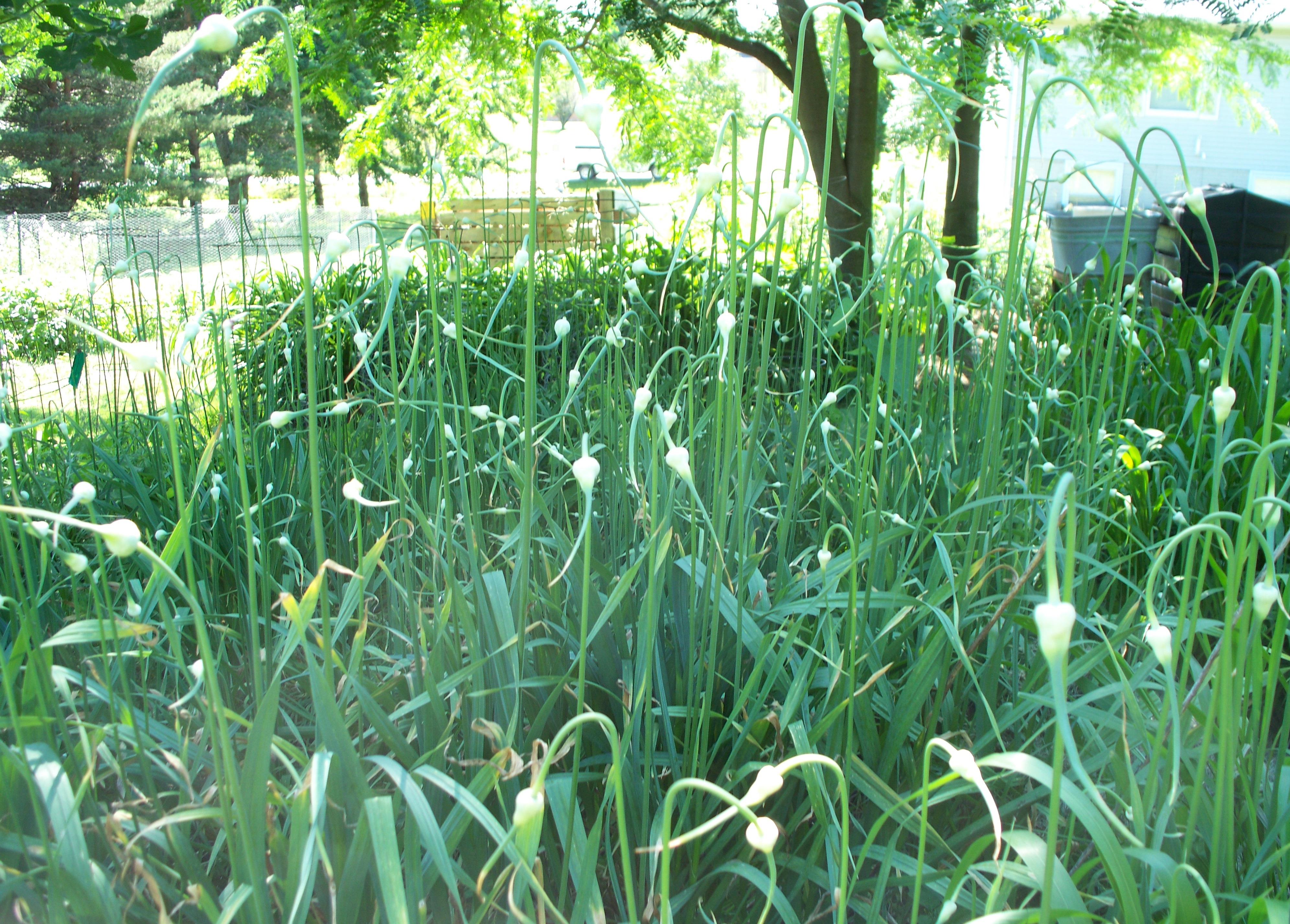
Fresh basil is in from the farm, putting a tomato-based pasta sauce in the kitchen queue. To be made with basil, garlic scapes, farm onions and whole canned tomatoes from last year. A little salt, and maybe some fresh oregano from our garden. Add a side salad, and there is dinner— for one night, and maybe leftovers for tomorrow.
But this is not really a plan. It is living in the present, which for now will have to do.
The phrase “summer reading” evokes when we took off from school, and had leisure time between Memorial Day and Labor Day. For some it still involves barbecuing, boating, swimming, vacations and a host of activities tied to youth. Today, people continue to summer, but briefly and in competition with the constant clamor of the exigencies of modern life. People are busy trying to survive and get ahead, all the time, and there is less time for reading. Here are a few of my picks for reading during summer 2014.
Books
The classic novel of summer isThe Great Gatsby by F. Scott Fitzgerald, and I recommend a second look.
My summer fiction reading will include The Home Place by Carrie La Seur. La Seur is the founder of Plains Justice and a practicing attorney in Billings, Montana, where she has family roots. The Home Place is La Seur’s first novel, due to be released July 29. A section of the book, can be found in New Voices in Fiction Sampler: Summer Selection, which can be downloaded free for Kindle here.
If you have not read Maya Angelou’s I Know Why the Caged Bird Sings, it is worth the time, even though it was published in 1969. “The first in a seven-volume series, it is a coming-of-age story that illustrates how strength of character and a love of literature can help overcome racism and trauma,” according to Wikipedia.
Poetry
Pick one poem, any one, and read it… aloud. Then read another. Go to the public library and find the poetry section. Spend an hour browsing through whatever comes into view. Readers will develop their own interests, but in my to-read pile are The Oldest Map with the Name America by Lucia Perillo, Collected Poems by Vachel Lindsay, Miracle Fair by Wisława Szymborska-Włodek, The Spirit Level by Seamus Heaney, An Inconvenient Genocide by Alicia Ghiragossían, and Scattered Brains by Darrell Gray.
Screen Time
Turn off the television. It won’t kill you. In our house, we haven’t disconnected from cable, but we shed the premium channels, including MSNBC, long ago. We rarely turn on the T.V. and life has been better. I suppose if we cared about the World Cup, we’d watch more.
That said, we have screen time, and using it efficiently is an important endeavor, equal in importance to the time we spend in the real world, talking and listening to real people. In many respects, time in front of the screen has replaced television and print media and can provide value.
LAKE MACBRIDE— It rained on plans to work in the garden and yard. So now, the long lawn will wait until the next dry, sunny day; weeds are getting respite from being chopped; and the garage is clean enough for one auto. After the last, I went upstairs to the kitchen and processed vegetables for a meal— dinner of fresh asparagus, rice, salad greens with chopped vegetables and a veggie burger. And radishes. And spring onions. And soup stock with vegetables past their prime— mixed greens, asparagus stems, onion, celery, carrot and bay leaves. Simple fare for a simple life.
I have written about 2,000 words in two articles today, making this my third. Writing brings a sense of calm and I need that now. Better medicine than the antibiotics for my frying pan burn or the iced tea with blended whiskey. Writing works through our tension and helps release one’s cares, at least for a brief time. We write to clarify things. To straighten out a turbulent life, and by creating a narrative, yield understanding. That’s what we hope.
It doesn’t always work that way. But for now… rain came, dinner’s ready to cook, and what else is there to do on the Iowa prairie?
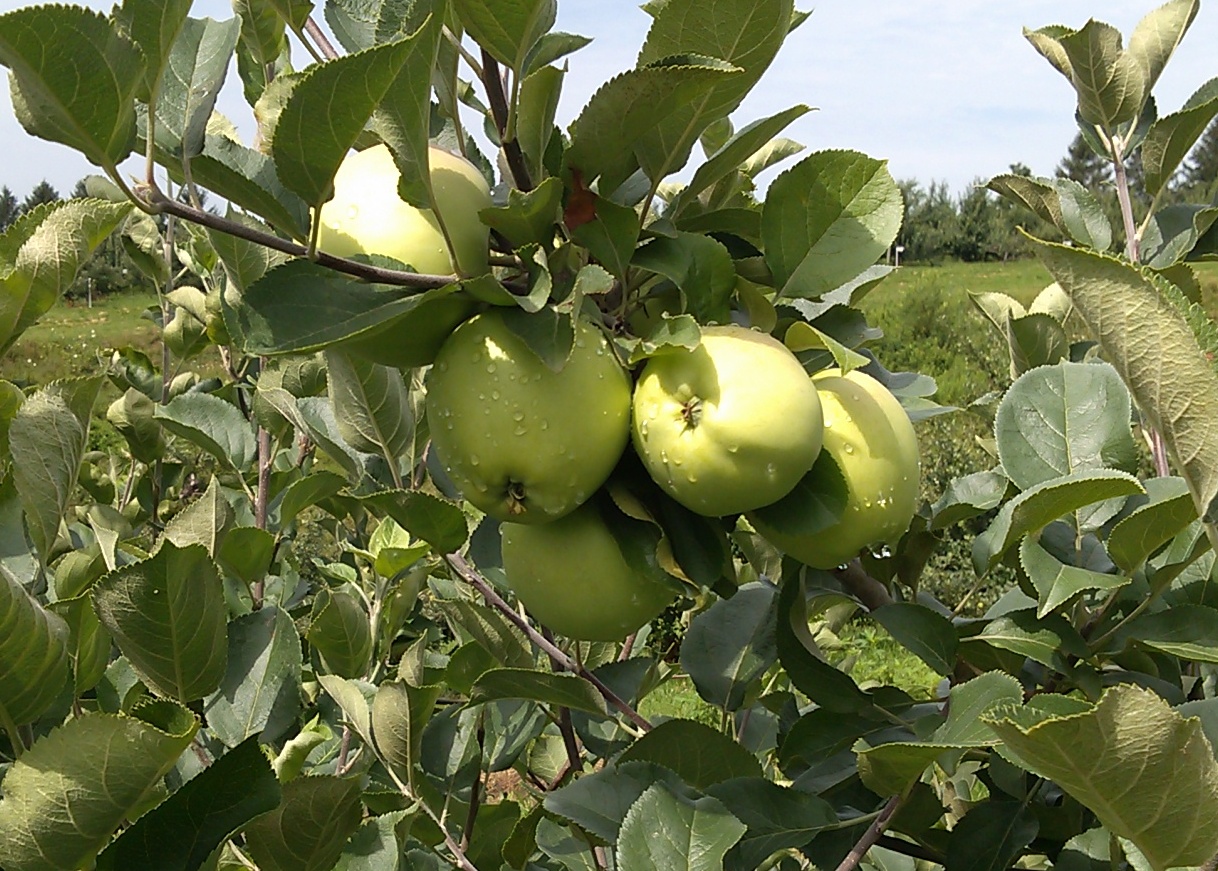
LAKE MACBRIDE— Apple blossoms are in full bloom, and it never lasts for long. Once bees pollinate, the petals fall in snowy softness, carpeting the ground as quickly as they went from pink to bloom.
One of the farms where I work is an apple orchard— a resource for learning about my four trees. I recently sent a question via email.
“Can last winter’s pruning cause a lot of blooms this spring?
I pruned my trees and the Red Delicious tree is loaded with blooms like it was last year. Not sure the pruning helped that, but I was expecting very little fruit because it was a branch buster last year.”
The answer came promptly:
“I spoke to my dad about your question. He said that pruning and the number of blossoms aren’t directly related. The exact reason is quite a long answer, but he said that you must just have a good tree!”
That’s a good enough answer for me, “it’s a good tree.”
I did my first experiment in making flour tortillas at home yesterday. They came out more flatbread than tortilla, so it needs more work. Trouble is we’re not running a test kitchen here and need to consume what we cook. We’ll enjoy the flatbread, but wait a couple of weeks for round two.
The dough recipe included some baking powder, which leavened the bread. Next time, I’ll omit it and see if the result is more tortilla-like.
There is a zero percent chance of precipitation through sunset today, so hopefully the ground will dry out, enabling preparation of more garden space for transplanting. There is a lot to get into the ground before Memorial Day.
The row croppers took advantage of last week’s drying conditions, and according to the USDA crop report, 70 percent of the corn and 20 percent of the soybeans are planted, putting spring planting right on its traditional schedule.
Reflecting on time spent with Physicians for Social Responsibility (PSR) last week, I am glad I participated in their national meetings. My primary interest in the group is their long history of nuclear abolition work. Dr. Ira Helfand from Massachusetts has been a prominent figure in the nuclear abolition movement, and it was good to spend some time with him. Likewise, the Washington, D.C. staff was there, along with chapter leaders from around the country. The organization has expanded its reach beyond abolition to include the relationship between health and climate change, and toxic substances in the environment.
I broached the topic of the effectiveness of non-governmental organizations (NGOs) in effecting policy change. In today’s political environment, more people associate with NGOs, and a lot of people make a living doing that work. My concern is that in the perpetual chase for grant money, the number of funders is reducing, and whatever may have been successful last year, is out of step this year.
In Washington, there is a small group of people working on nuclear disarmament and they talk among themselves constantly. This includes people in NGOs, the U.S. and foreign governments and citizen advocates. I met a number of these people during my treaty ratification advocacy work in 2009. However, there is a certain self-interest they have in keeping conversations alive that perhaps may be better off placed on the back burner.
We are entering an era when regardless of which political party dominates the Washington conversation, the same work goes on, and currently it is work that includes refurbishing the nuclear weapons complex with a great diversion of funds. A person can’t be happy about that.
Nonetheless, while NGOs may not be as effective as I would like, they are currently the only game in town, so I plan to re-engage with PSR over the near term. The work will include rolling out a program on nuclear abolition to local Rotary clubs, working in between gardening and yard care sessions.
LAKE MACBRIDE— This week has been a whirlwind— the action is not finished. Another Climate Reality talk in Independence tonight, followed by a full weekend of warehouse work. In between, there are three newspaper articles to write and the usual proof reading. This not to mention all the home work that needs doing. I should be able to come up for air by Wednesday.
Last night was time with friends in Waterloo, where we attended a double bass concert and my Climate Reality in Iowa talk. Afterward, we went for dinner at a nearby Mexican restaurant and talked until way too late. I arrived home near midnight.
The benefit of presenting a talk about climate change is the intellectual process of questions and answers. I leave half of the time for that, and it always proves to be the most rewarding part of the hour. A question came from a woman who said she was getting cynical about all the petitions, and asks to write letters to elected officials— a seemingly futile effort. Don’t give up, I said.
I spent the drive home watching the road, and feeling the energy from that room. There was no trouble sleeping after falling into bed.




 Journey Home
You must be logged in to post a comment.