Categories
Kitchen Garden

A Shift at the Farm

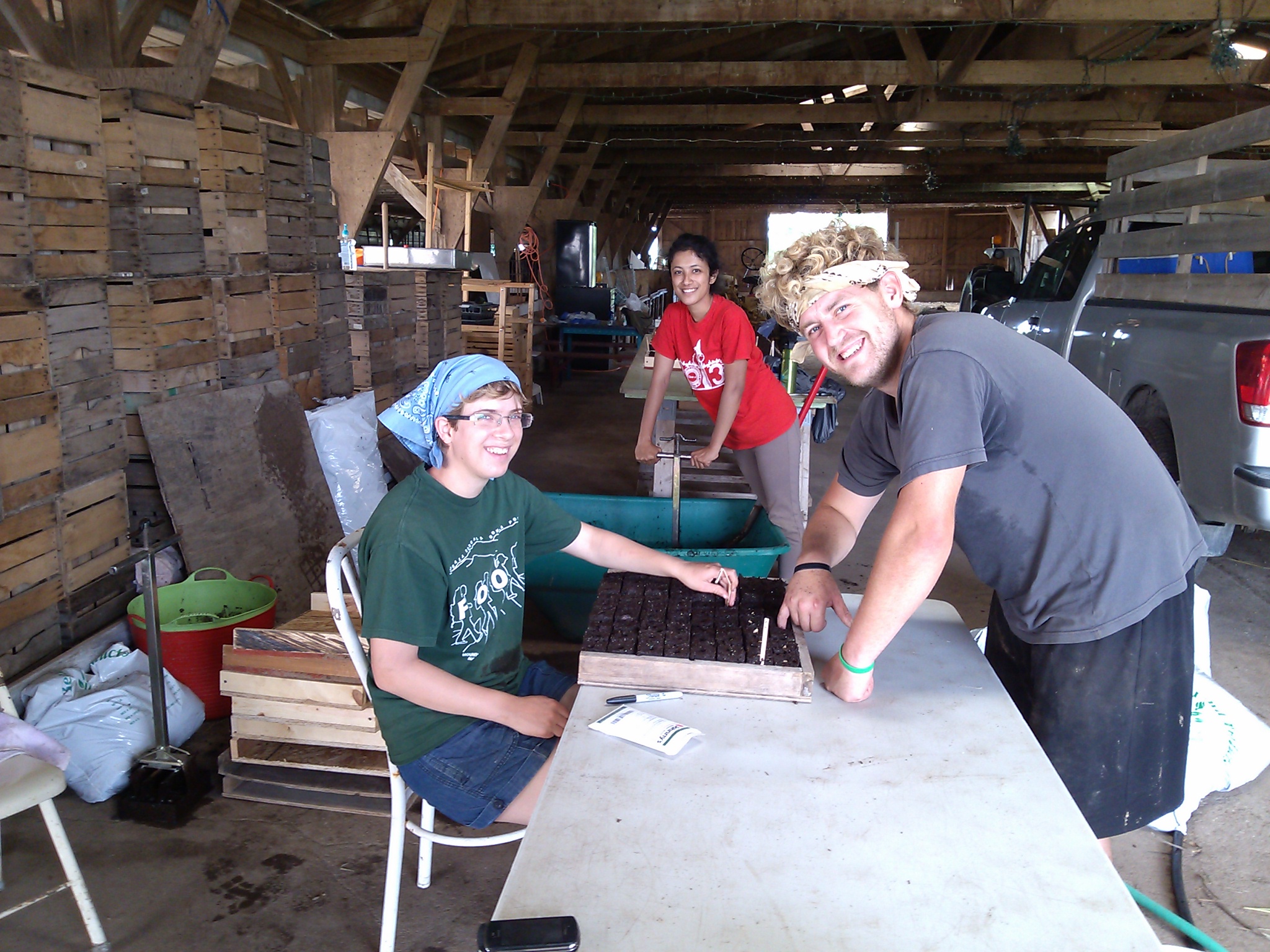
Working in the Barn
Soil Blocking and Seed Planting

RURAL CEDAR TOWNSHIP— A real concern about severe weather hangs over the farm. When there is a forecast of thunderstorms and gusts of high wind, we move cars, tractors, wagons with seedlings on them, and other equipment into the barns. The vegetables growing in the field stand on their own, and a crop failure for any reason would be disastrous. It’s too late to start over.

In a community supported agriculture (CSA) project, unlike with commodity producers, the risk of a crop failure is not only financial. Shareholders would have to find food elsewhere. When a person joins a CSA, the expectation is to share in good and bad outcomes. However, there is a practical aspect of crop failure in that people have to eat. Industrial food supply chains, against which CSAs compete, are diversified enough to provide food during hard times. The effect of a failure would be to erode some of a CSA’s hard earned loyalty of members. Yesterday’s storm passed without significant damage and concerns receded like the flood waters. Equipment came back out of the barn.
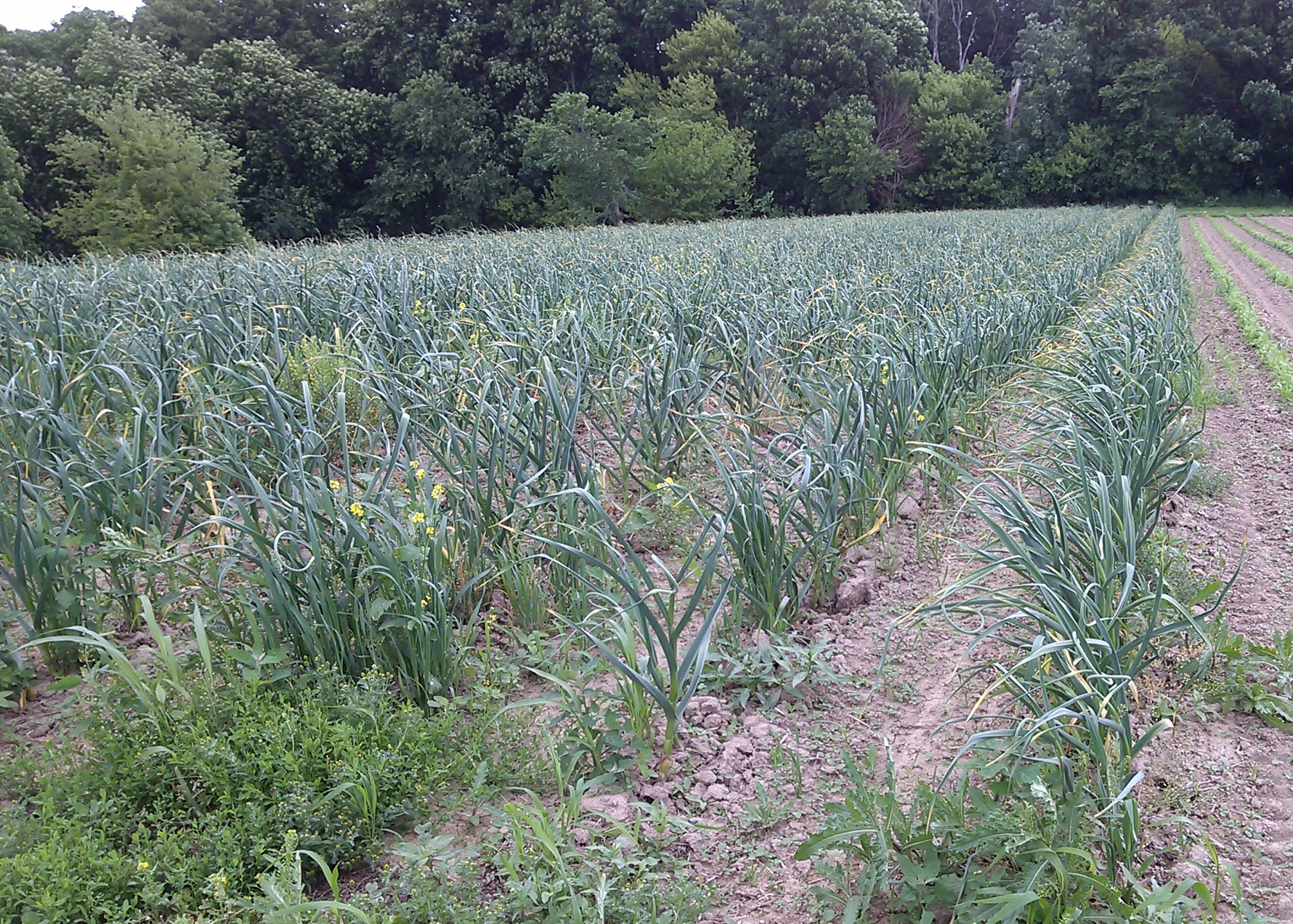
Field of Garlic
Field of Garlic

After my shift of soil blocking and planting, I walked among the fields to look at the progress. The scapes of garlic are forming, plenty of rhubarb remains, and the rainy spring has everything growing.

With some crops, a process of laying down irrigation lines and then plastic on top is used and was a learning experience. It makes sense to protect against drought in a farm business, and when customers have other options, irrigation can help ensure there is a harvest.

At home, I water my garden, but sparingly. Partly to conserve water, but also because the vegetables should produce on their own. Home gardening is more about living within the actuality of the season, rather than producing a fungible commodity. It’s not really about the vegetables, but a way of life.

That’s not to say I wouldn’t sell excess— I have. Having a harvest is important, but not critical. There is a part of us that wants to connect with the elements in a fundamental way. Gardening fulfills that desire. Knowing the face of the farmer and where food comes from is essential to maintaining sanity in a turbulent world. That there are risks is part of the paradigm.

Yesterday’s themes— risk, irrigation, coping with crop loss and customers— in the context of working on a CSA, served to instruct as another shift on the farm ended. The compensation for this work is not only in vegetables.

Categories
Kitchen Garden

Chance of Rain and Falafel

Lettuce
Lettuce

LAKE MACBRIDE— Watering the garden this morning was a no-brainer. It hasn’t rained for a couple of days and the ground was dry and crunchy yesterday. We may get some rain after lunch, a 60 percent chance of precipitation beginning at 3 p.m., but why not let the plants benefit from the moisture now? Probably should have watered after returning from Coralville last night.

Baked Falafel
Baked Falafel

One of the blogs I follow posted a recipe for baked falafel, so I tried a batch this morning. They recipe came out well, but raised the question of what kind of sauce. Improvising by mixing two teaspoons of mayonnaise with a teaspoon of branded Il Primo Giardiniera Spread from the ice box, falafel made a great second breakfast before heading out to the farm. Today’s recipe, already modified by adding some olive oil and a bit of water to bind the mixture, will be a starting point for perfecting this snack-type dish for regular use.

Full day’s work ahead, so better get to it.

Categories
Home Life Kitchen Garden

Trimming the Mulberry Tree

Tractorcade Hits Big Grove
Tractorcade Hits Big Grove Township

LAKE MACBRIDE— Reaching into the cooler, forearms covered with sawdust and sweat, I pulled out the last remaining bottle of chilled water. At 86 degrees and the air full of gnats, my mouth was dry.  I drank greedily— momentary coolness quenching my thirst.

The mulberry tree grew from a seed dropped long ago by a bird sitting on the rebar marker of the corner of our property. Because of the way it grew, three of us now own a part of that tree, although I have been its caretaker. In this tree I first saw Cedar Waxwings eating berries. Under it, the deer and rabbits graze on the fallen mulberries. While a volunteer, it has been a good tree and too long neglected.

A neighbor asked me to trim it because the branches were so low he couldn’t get under it with his riding mower. I thought to myself, “that’s my problem too.” Today it was pruned. It looks much better with all the low hanging and dead branches cut away. The mulberries are beginning to ripen, indicating the turn of the season to summer.

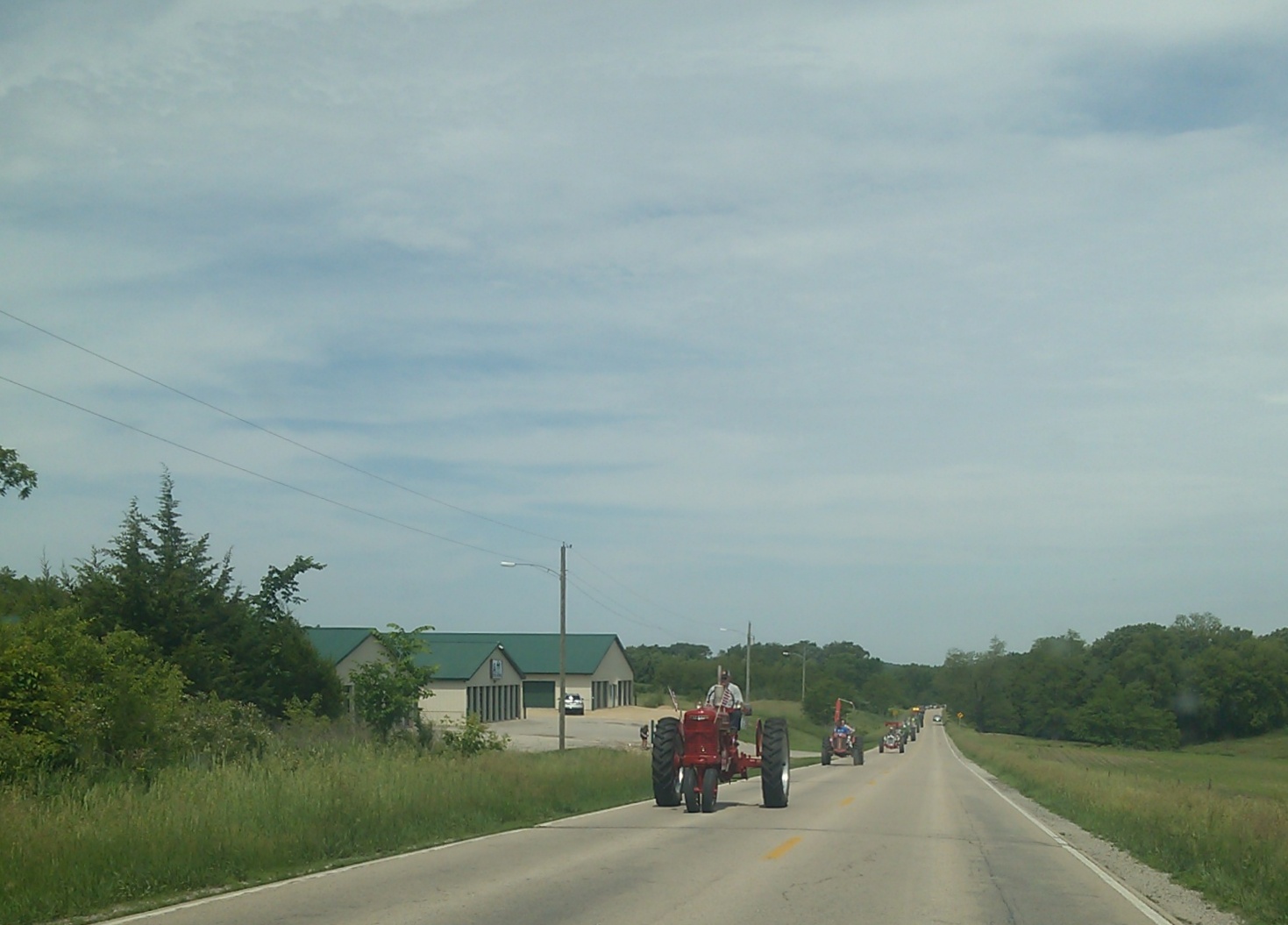
The Great Eastern Iowa Tractorcade is a thing here. Farmers from all over get together in Cedar Rapids and for four days, go on extended excursions in tractors of all kinds. Some of the equipment is older than I am and still working in fields. The caravan extended a long distance, and based on the errand I was running when I passed the tractorcade, it took more than an hour for them all to pass the lane to our home. It is a chance for families to do something fun to show off their farm pride. Children of farm parents take time off city jobs to participate.

Row of Lettuce
Row of Lettuce

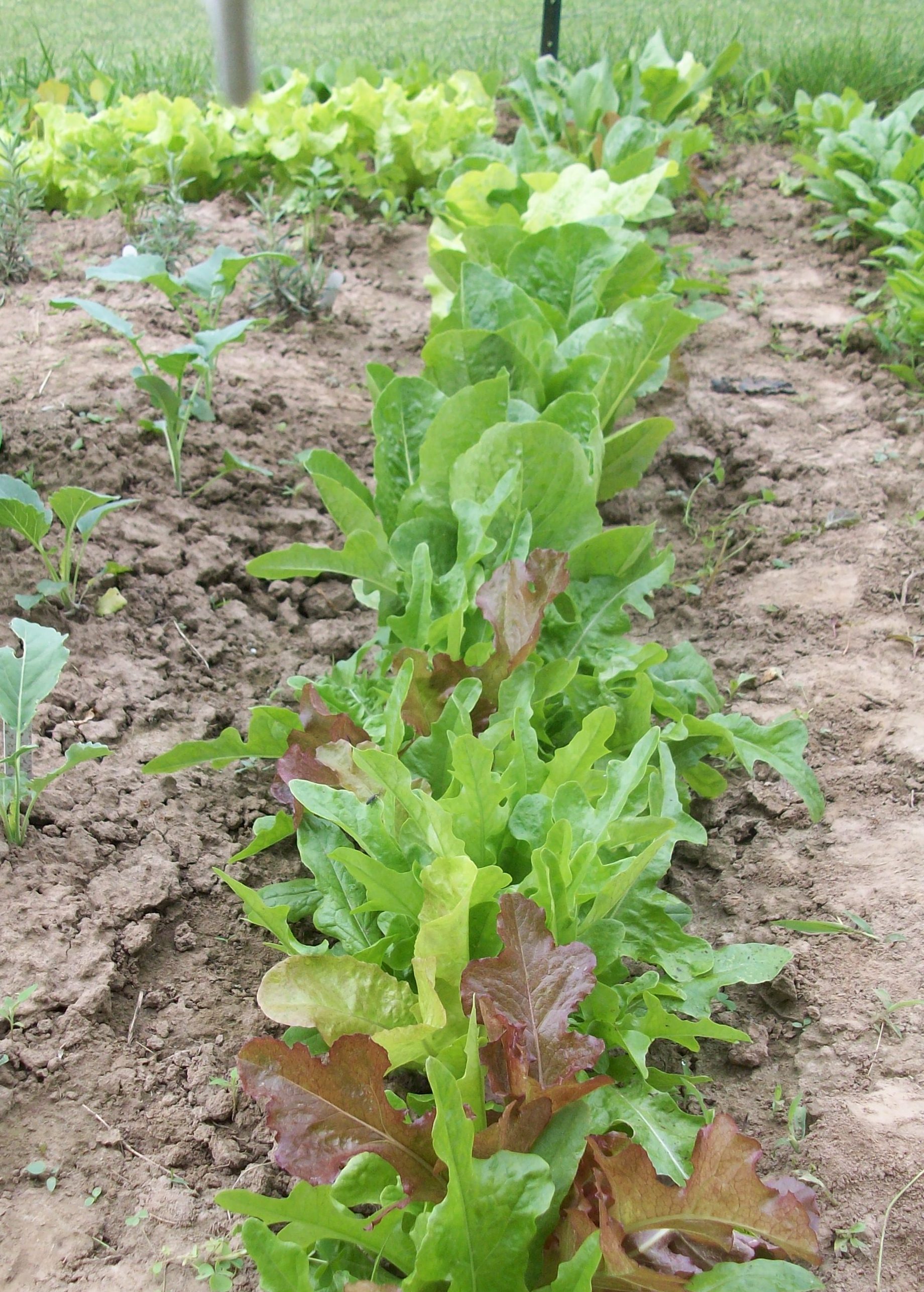
It’s the lettuce season and more in the local food arena. The lettuce in our garden looks better than I have ever grown it. The CSA has been providing four or more heads of lettuce per week, so between both sources there is enough to be generous with our friends.

The lettuce seeds I planted last week have sprouted, growing the next batch of seedlings to plant later in the month.

I picked the second cut of spinach from the first row of plants, washed and froze the leaves on a cookie sheet with a silicone mat. Once they were frozen, I bagged them for cooking later in the year. We usually make a spinach-rice casserole with frozen spinach leaves.

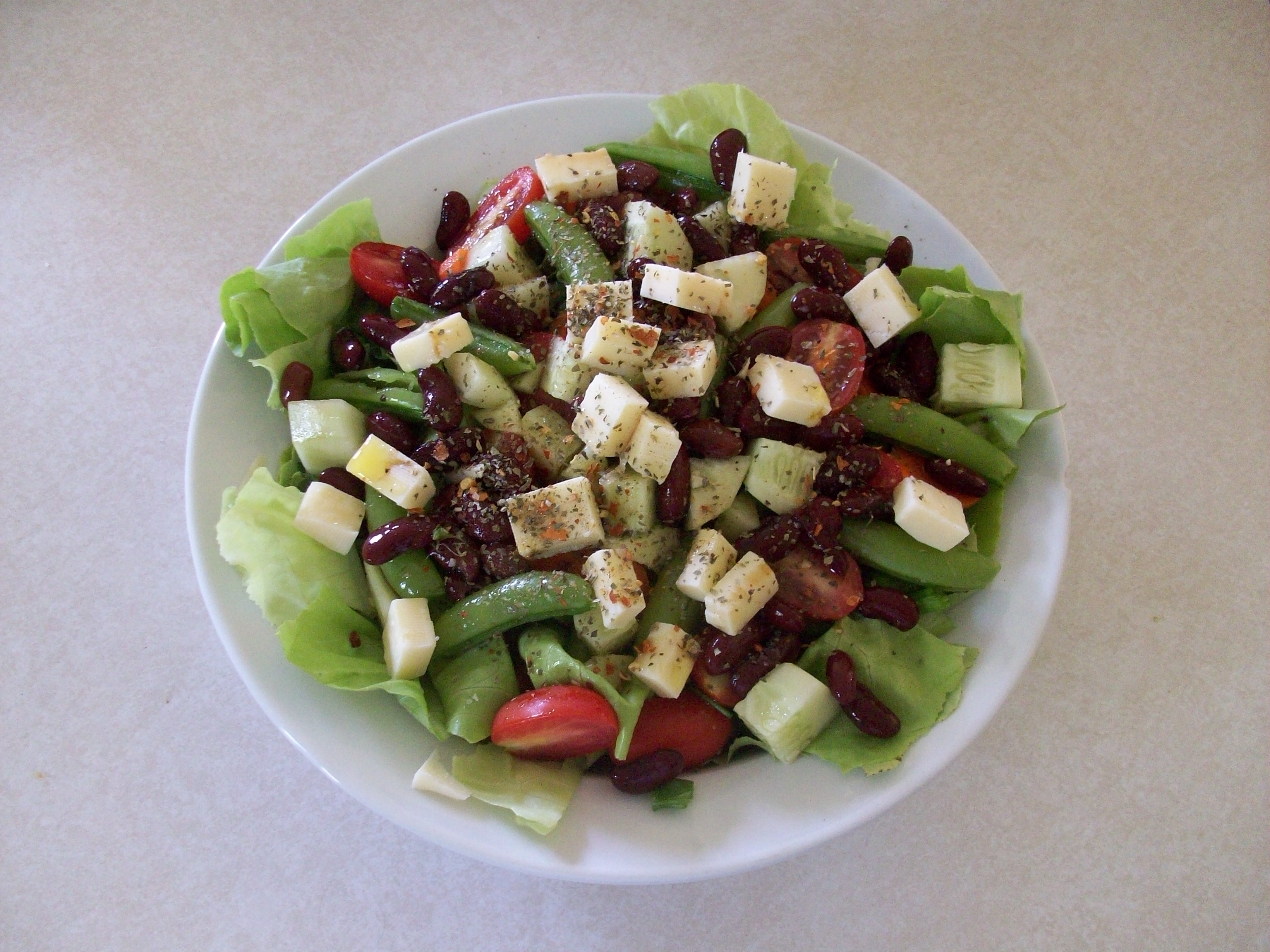
Each day is bringing plenty of work, and progress in getting the yard and garden in shape. After so many years of neglect, it needs it. At the end of a day, before an evening meeting, supper is a salad made with what’s on hand in the fridge. A simple spring life in Big Grove.

Dinner Salad
Dinner Salad

Categories
Home Life Kitchen Garden

Summer is Coming

Radishes
Radishes

LAKE MACBRIDE— The weather was perfect today: temperatures in the high sixties and low seventies; sunny, then partly cloudy; and not a trace of humidity. Days like these are the harbinger of summer.

The lawn looks like a lawn, neatly trimmed and the grass clippings collected for mulch. A good part of today was spent weeding and mulching the garden. Everything is beginning to look good.

Because of the abundance, we’ve eaten fresh salads almost every night for dinner the last two weeks— spring fare that never gets old.

A simple and tasty salad dressing is to put equal amounts of balsamic vinegar and first cold pressed extra virgin olive oil, and a teaspoon of Dijon mustard in a small Mason jar. Add a pinch of Kosher salt and pepper to taste and shake until emulsified. Adjust to taste by varying the amounts of the ingredients. If available, add finely chopped herbs like oregano, thyme or basil before mixing. Serve immediately and make only enough for the meal. A millennial might write “yummy,” and so do I.

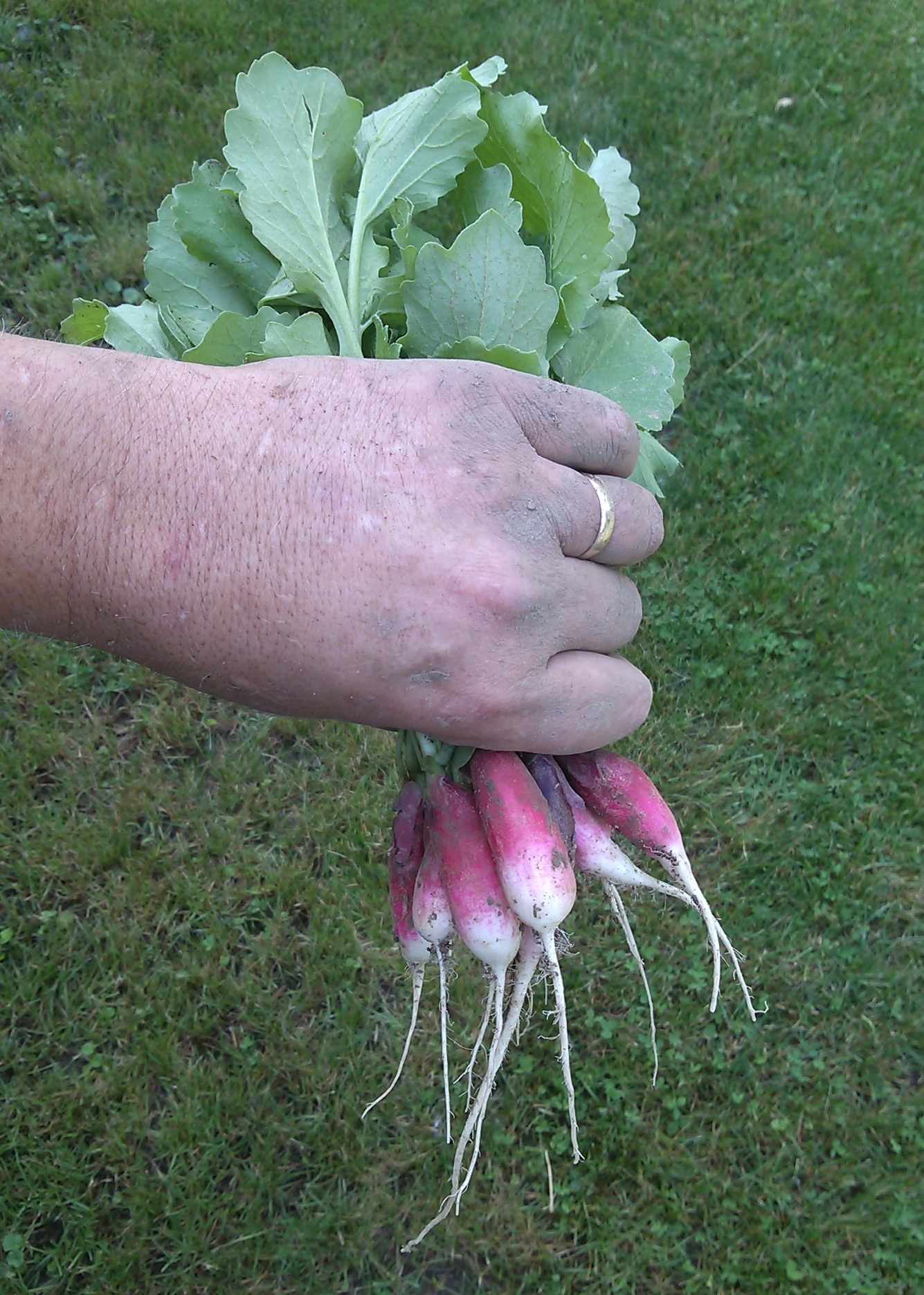
Today was the day to start reading “The Great Gatsby.” After the garden and yard work I set up a folding chair in the garage and upended a five gallon bucket to use as a table. From the refrigerator came a dozen spring onions and a handful of radishes. I poured a small dish of Kosher salt in which to dip them. From the cooler in the garage came a locally brewed beer. To the sound of birds in the lilac bushes and the engines of four wheelers in the neighborhood, I dove into the story of Nick, Daisy, Myrtle, Tom, Jordan and the rest of them. The dinner party at the Tom Buchanans took place two weeks before the longest day of the year, which is coincidentally what today is. It is a summer ritual in Big Grove to read Fitzgerald’s novel, almost since we lived here. At some point, I recognized it as an almost perfect novel of summer— an escape from the worries we found when propelled here so many years ago.

I’ll finish the book before the weekend is over, and get ready for summer.

Categories
Kitchen Garden

In the Onion Patch

LAKE MACBRIDE— The harvest was 100+ spring onions, but that was not the plan. The weeds had taken over the onion patch when I went to pull them yesterday— they were too intertwined with the onions to separate them, and while attempting to preserve the onions, I ended up pulling them out. One of the produce drawers in the refrigerator is now half full of clean spring onions, which isn’t all bad.

The trouble was the onion sets should have been mulched immediately upon planting— a lesson for next year. Part of the problem is that my supply of mulch (a.k.a. grass clippings) wasn’t ready then. Another issue is that while I spaced the onions well in the rows, the rows need to be further apart to enable the gardener to access them for weeding. Live and learn, but this year won’t bring the big onion harvest for which I had hoped.

After clearing the onion patch, I mowed and bagged the lawn and now there is a tall pile of mulch where the hope of onions used to be. This afternoon’s forecast is for a 10 percent chance of precipitation, so a-mulching I will go around the Brussels sprouts, broccoli, peppers, and everything else.

It will be easy to fill the onion patch with other plants, as two trays of seedlings are ready for transplanting. They will now see service in the space formerly known as onion patch.

Categories
Kitchen Garden

Wednesday at the Farm

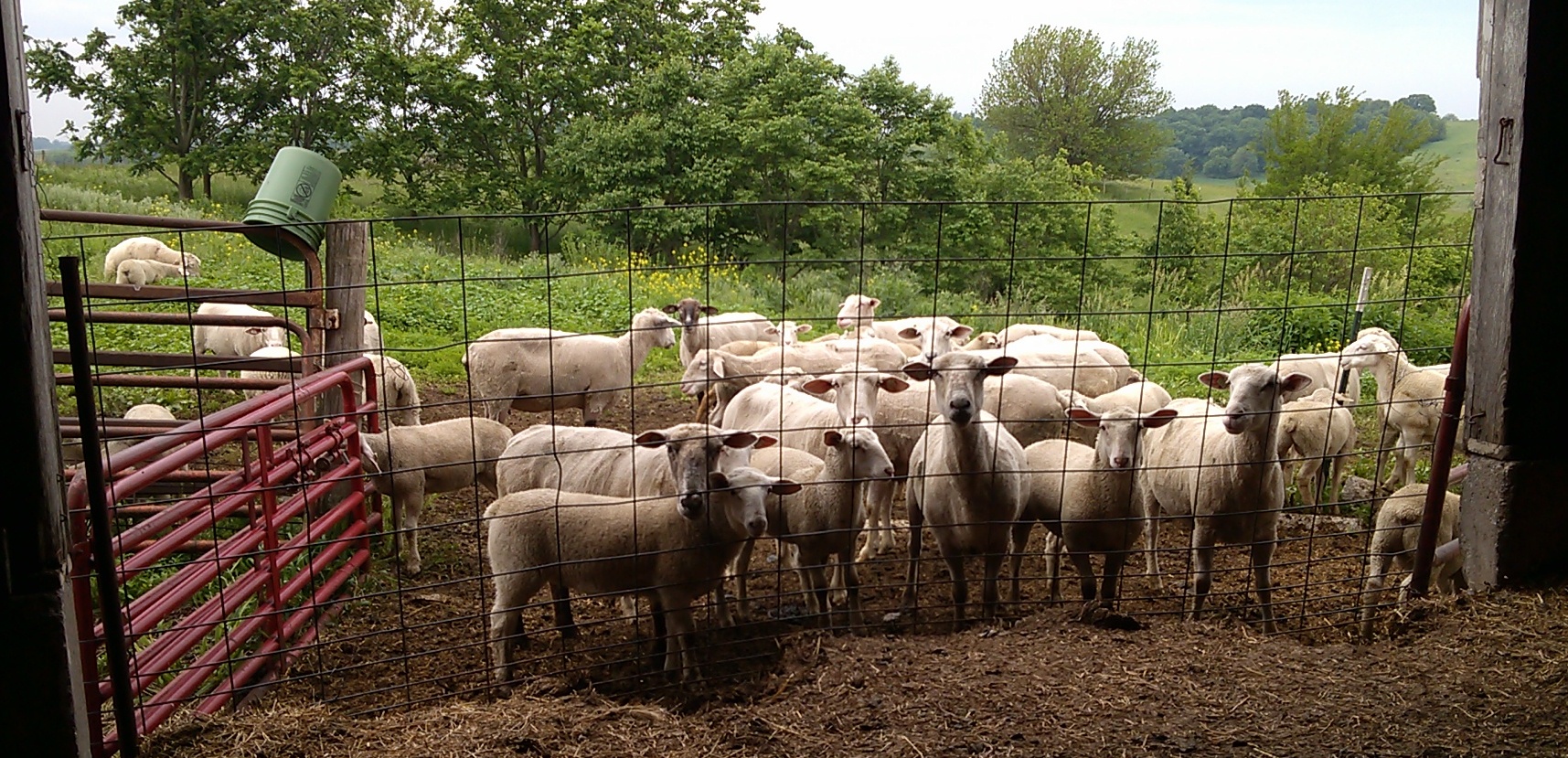
Sheep Looking into the Barn

RURAL CEDAR TOWNSHIP— A student from Nepal greeted me at the work bench where four trays of soil blocks awaited transplanted eggplant seedlings. She was like so many college students, alert, intelligent, and possessed of the confidence of youth. She asked me a lot of questions: where I lived and about local culture. So many, I didn’t get a chance to ask her about Nepal and her reasons for coming to the United States. She had just finished laying down mulch in one field and planting rows of eggplant in another with a group of farm workers. She was ready to call it a day and go on to what’s next. One of many chance encounters that have made the last 15 weeks of farm work an enriching experience.

When my work moved from the  germination house (formerly known as the greenhouse), to the barn, the sheep and lambs became occasional neighbors. The gentle bleating combined with bird songs made a soothing background while I made soil blocks, planted lettuce and transplanted seedlings. The two dogs hung out with me, napping most of the time. The intermittent encounters with other farm workers, combined with interludes of solitude in the barn—it is life as good as it gets.

Last week I brought jars of home made apple butter for the crew. My apple trees are expected to bear fruit this year, so the old stock needs circulation. To a person they liked it, making me happy to contribute to their farm experience.

There are apple trees on the farm, and if things work out, I’ll make apple butter from the fruit in exchange for some of the apples. My part time work on the farm has become a bartering process that gains complexity as time goes on.

There is something deep in meaning about this work. To see plants grow from seeds to seedlings to rows and then harvest is a connection with life itself. As the Nepalese student asked questions, I felt connected in a way that is hard to describe. Part of a sustainable and hopefully endless cycle of life on earth.

Categories
Kitchen Garden

Ely Farmers Market and Garden Update

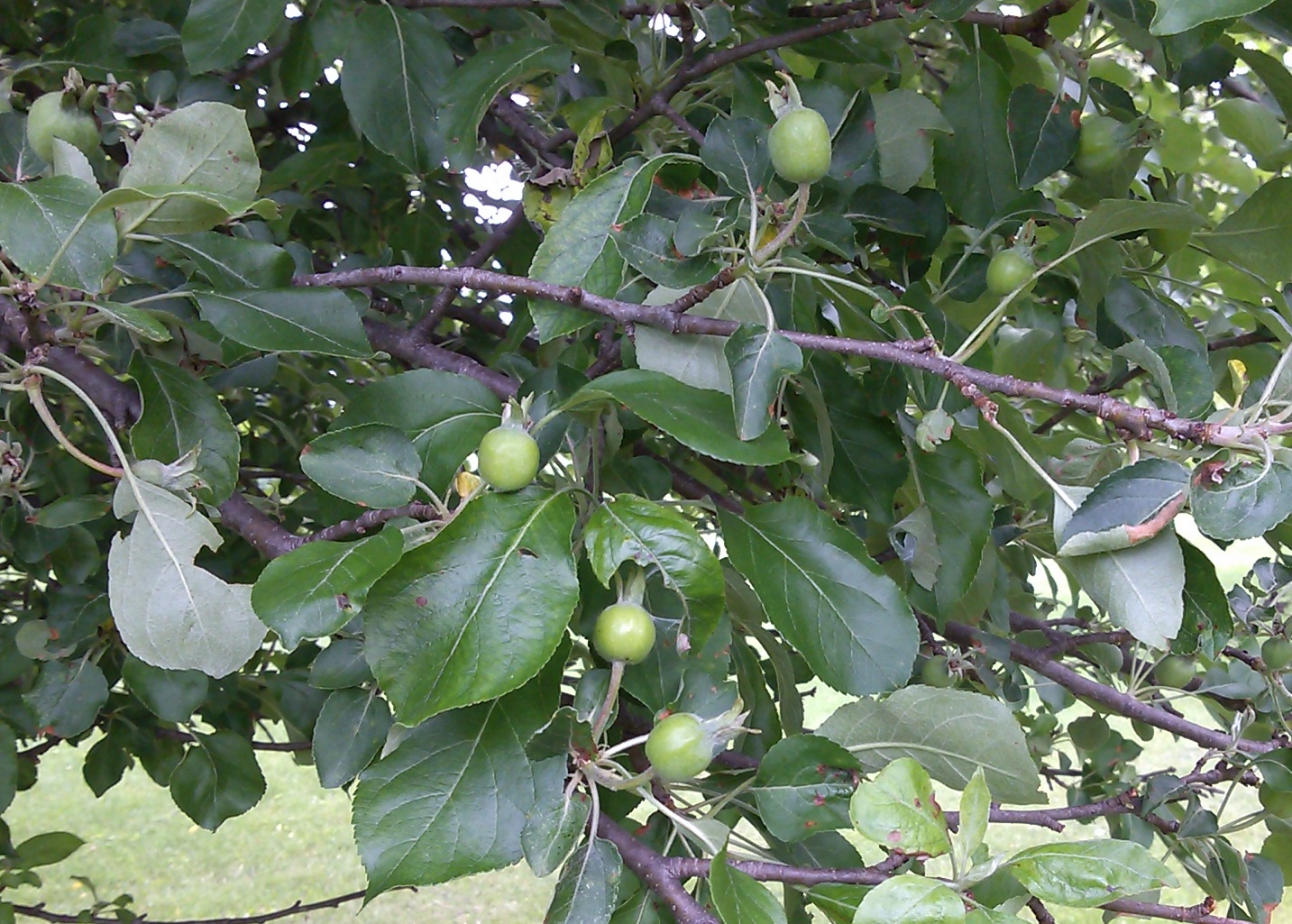
Apples
Apples

ELY— Two vendors braved threatening rain to set up tables at the Ely farmers market yesterday. I didn’t stop. Our refrigerator is full of leafy green vegetables from our garden and the CSA. This vegetable season will produce an abundance of variety and quantity. Already I have begun putting things up: freezing rhubarb and canning soup stock. We should support our local growers; however, there is a limit to how much one consumer can help. What’s needed is a movement supporting locally grown food. There wasn’t a lot of traffic at the market, indicating local movement in other directions.

It is still spring despite passing two unofficial starts of summer: Memorial Day weekend, and the release of children from school. What that means is the ravages of insects has not begun, and the leaves on the trees maintain their fresh wholeness. It won’t belong before the bugs begin to find the delicate food— there is a sliver of springtime to be enjoyed before summer starts.

I would make a list of all the garden produce and its progress, but that seems too Edmund Spenser or Walt Whitman. English majors take note that every list or inventory is not a good one, and how many times can a person write about the progress of apples in the garden and make it interesting? There is a big difference between spending time in the garden and writing about it, although one should really be an extension of the other. Suffice it to compromise by posting a photo of developing apples.

The pressing needs of the garden are to prepare another plot for planting and to weed, weed, weed. The first four plots are growing well, and number five has three bur oak tree saplings, the remains of the garlic and bulbs of iris to be removed. It will be a relatively big project to return that space to production. It was also the first one dug and planted when we moved to Big Grove almost 20 years ago. Did I mention the garden needs weeding?

Categories
Home Life Kitchen Garden

The Best Days

Spring Garden
Spring Garden

LAKE MACBRIDE— These are the best days. Partly cloudy, temperatures around 70, low humidity and plenty of outside work. We enjoy them when we can.

It’s not to say there is complete escape from the troubles of the world. Yet, for a few moments, beneath the cloudy heavens, it is possible to forget— a reason to anticipate such times with great fervor.

Today was what local food is. There were major farmers markets in Iowa City and Cedar Rapids. Between the CSA and my garden, we have most of what we need for the week, so I passed. After an hour at the newspaper, I did go to the grocery store to buy provisions: dairy, out of season vegetables and a few special items— popcorn, chocolate, snack crackers. The bill was much lower than usual as a result of growing so much of our own food, combined with working down the pantry.

When I arrived home, the rest of the morning was yard work, pruning the pin oak tree and repairing the erosion near the ditch with bagged soil and grass seed. The majority of the afternoon was harvesting, planting and processing vegetables: radishes, lettuce, turnip greens and oregano.

I picked the rest of the first row of radishes and put them in a bucket. Next, I harvested all of the first planting of lettuce. This cleared a space to till the soil and re-plant two rows of radishes and the rest of the first crop of lettuce seedlings. My garden mentor said one of the biggest mistakes home gardeners make is failing to plant in succession. There will be more plantings of lettuce and radishes.

Near the herb garden I cut a gallon bucket full of oregano from the volunteer plant. Finally, I picked most of the turnip leaves, leaving only those plants that looked like the root would fill out. The turnips grow too tall, too fast, and block out the nearby spinach. I have been thinking about the turnip greens since winter.

At the end of the harvest, I had a bushel of lettuce, five gallons of turnip greens, and regular one gallon buckets of oregano and radishes. A gardener has to keep the produce moving to make optimal use of it. I spent the rest of the day processing the harvest.

The radishes were easy. I trimmed them and placed them in a glass of water. They won’t last long. The oregano was also easy. Since two plants wintered (I only had one last year), the plan is to dry the leaves and make a jar of oregano flakes for cooking. I washed the leaves on the stem, placed them on clean towels on the front step, let the sun dry them and put them on the shelves of the dehydrator to finish drying. I don’t turn the dehydrator on. The temperature is too hot for herbs.

The bigger processing projects were picking through the lettuce to find the best leaves— cleaning, cleaning drying and bagging it; and making a large pot of turnip leaf soup stock for canning. Turnips make the best base for vegetarian soup stock, although leeks, if I have them, are good too.

As the day ended, I turned off the soup, left it on the stove and went to bed. Sunday will be back to the realities of finding suitable paying work, putting up the soup stock in jars, and weeding the garden.

Categories
Kitchen Garden

Garden Update

Spring Garden
Spring Garden

LAKE MACBRIDE— The house doors are open, creating a cross breeze that is very nice. This morning has been weeding the garden, and cleaning up the kitchen, neither of which jobs is close to finished. Time for an update on local food and the garden, beginning with the lawn.

With the abundant rains, the lawn had gotten lush and long. I spent three hours yesterday cutting and bagging the clippings on a third of the property, and now my tomatoes have their first layer of mulch to suppress weeds. Some say it is a bad idea to use grass clippings to mulch the garden because the seeds of weeds may be included. Others say the grass clippings should be left on the lawn for mulch. I am more concerned about suppressing the weeds in the garden. The rest of the spring grass clipping harvest is expected to take another four hours.

The tomatoes grown from seed and transplanted into the garden have taken. This year’s tomato plan means planting less in my plot, but because of my relationships with other growers, we should have more and diverse varieties. With the mulch being laid down, there is not much to do with tomatoes other than to watch them grow.

With our share from the CSA plus the greens from our garden, we are having salads daily, most times as a meal. The types of lettuce from each source are complementary, and there is plenty of produce to load each meal with veggie goodness. The key lesson I am learning this year is to keep planting lettuce and greens throughout the season. It will be a year of abundance.

We will have a bumper crop of oregano, and I am using the dehydrator to dry some of the herbage. A little goes a long way, so if I can store a small jar of dried oregano, it will last the winter.

Much more to write about, but there’s work to do.

Categories
Kitchen Garden Living in Society Sustainability

Farmers Oppose Nuclear Power

Nuclear Power? - No Thanks
Nuclear Power? – No Thanks

WILTON—About 65 people gathered at the Wilton Community Center last night to view a screening of the documentary, “The Atomic States of America,” hosted by the group Saving America’s Farmland and Environment (S.A.F.E.). Attendees also heard an update from two of the group’s co-founders Dwight and Dianne Glenney. S.A.F.E. began with a group of farm families who rose in opposition to MidAmerican Energy’s plans for a nuclear powered generating station on 150th Street near Wilton.

No surprise that a group of farmers would fight a large corporation in the biblical terms of David v. Goliath when MidAmerican Energy bought options on 729 acres of prime Iowa farm land in the middle of an established rural community to build a power plant. According to Glenney, the electric utility has three possibilities for the land should they exercise the options: build a nuclear powered generating station, build a natural gas powered generating station, or do nothing. S.A.F.E. is organized so their Davids can remove MidAmerican’s Goliath from their lives and the land options expire without action.

I first met some of the group in October 2012 when Iowa Public Interest Research Group hosted a community organizing meeting to oppose siting a nuclear power plant near Wilton. My advice at the time was, “your most effective voice is with your state legislators when they convene the 85th General Assembly… Let your legislator know you’re opposed to it.” Since then, members of S.A.F.E. engaged their elected officials, securing resolutions opposing nuclear power from the Cedar and Muscatine county boards of supervisors. They also recruited state representatives Bobby Kaufmann and Tom Sands to support their efforts. Membership is approaching 400 people who have signed their petition and joined S.A.F.E.

According to Dwight Glenney, the group has been researching nuclear power during the time since the October meeting. What they learned moved the group from a not in my back yard approach to more general opposition of nuclear power in Iowa, in the United States and globally. Glenney indicated there are options besides nuclear power to supply electricity to meet growing demand in the state.

He reported that MidAmerican Energy has completed their three-year study of the feasibility of nuclear power in Iowa and is expected to deliver the report to the Iowa Utilities Board this week. Dianne Glenney reported on grassroots organizing activity of fundraising, letters to the editor, production of an information packet, attendance at legislative forums and other items.

S.A.F.E. makes a strong point that they are not affiliated with any so-called “green” groups, and that is a strength of the organization. By remaining strictly grassroots, with members of the community effected by MidAmerican Energy’s plans for rural Wilton being the primary stake holders in the group’s activity, they have an independent and unique voice that dovetails with other concerns of rural Iowa.

What’s next? S.A.F.E. supports building any new electricity generating facility on existing power plant locations so that new land is not taken out of farm production. According to Dwight Glenney, it makes sense from the standpoint that the logistical support of transmission lines, roads and infrastructure is already in place. They also plan to advocate with the Iowa legislature for a ban on nuclear power, similar to what 13 other state legislatures have enacted. Such a ban may be permanent, or until the unresolved problem of disposal of radioactive spent fuel is addressed by the federal government. S.A.F.E. is working with their legislators to introduce bills regarding these issues during next year’s second session of Iowa’s 85th General Assembly.

Dwight said that if the issue is resolved, and MidAmerican Energy decides not to build a power plant near Wilton, any funds remaining in their bank account will be divided three ways and donated to local Future Farmers of America groups. For the time being, they asked for financial support and for people to join their growing membership. If you would like to learn more about S.A.F.E., email Dianne Glenney at diglenney@live.com.