LAKE MACBRIDE— Yesterday was a muddy morning in the garden with dirt getting all over. When a gardener says he is close to the earth, that is it means. Using the hose, I washed off my legs and shoes, and took a shower after processing the vegetables.
I harvested turnip greens for soup stock and this morning there are more than four gallons processing a batch at a time in the water bath. In late July I hope to plant more for fall harvest, and supplemental stock. Considering a cost between $3 and $4 per box at the store, soup stock is money.
Despite the general disaster in the first garden plot, the kale looks nice, and there is spinach between the weeds. The lettuce and arugula grew, but are past picking. The space needs replanting, but it will be a different crop.
The tomatoes look fabulous with luxuriant leaves and many flowers.
Apples are coming along and it will be a small crop.
Four trays of seedlings remain to be planted. As soon as the ground dries out a bit, it shall be done.
Already it is solstice, and the days get shorter from here. It won’t be a great gardening year. It will be good.
LAKE MACBRIDE— The Harvard Business Review wrote about the application of mise en place to daily planning. While most of us are not professional chefs, laying out the ingredients of a day and conceptualizing the execution can make us more effective in the way it aides the best chefs.
“What’s the first thing you do when you arrive at your desk?”asked author Rod Friedman. “For many of us, checking email or listening to voice mail is practically automatic. In many ways, these are among the worst ways to start a day. Both activities hijack our focus and put us in a reactive mode, where other people’s priorities take center stage. They are the equivalent of entering a kitchen and looking for a spill to clean or a pot to scrub.”
Like many people, I check my email, the Washington Post, BBC, Guardian and my twitter news feed before turning on the light in the bedroom. The problem is obvious. A friend wrote a note about a meeting next week, which I read around 3 a.m., and have been thinking about since. While interested in the content and potential outcome from the note, it was a disruption that could have been handled differently. The first thing I did after turning on my computer was to write a response.
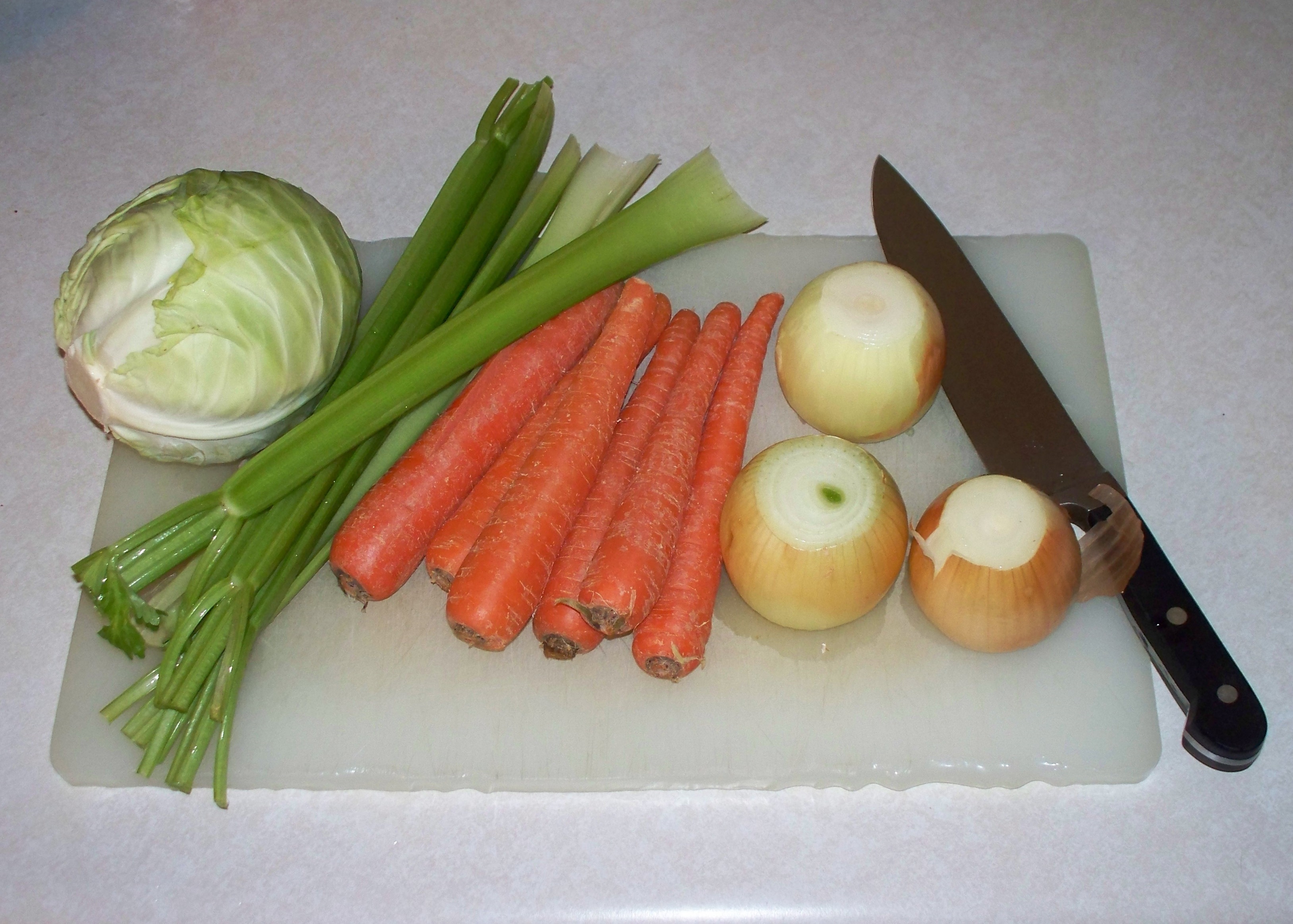
I’ll try mise en place as a planning tool a few times and see if it helps make my days more productive. Today is soup stock day— a perfect place to start.
As a writer, mise en scène is more engaging than mise en place. Borrowed from film theorists, mise en scène is a step ahead of mise en place in that it considers what goes into the camera frame and sound track, which when combined with cinematography and editing tells a specific narrative. Mise en scène sets the time and space of a creative narrative whereas mise en place is prep work to create a specific result. Both have measures of effectiveness, but mise en scène enables better creative possibilities.
It wouldn’t hurt to assemble and think about the elements of a narrative before writing, and to an extent we do that. Yet the process of writing is such that once we go down the rabbit hole of a particular topic, the outcomes have more diverse potential. We often don’t know where we will arrive, or how, at the beginning.
A case could be made that we should begin with the end in mind— not making that case here. Writing is a métier that includes processing diverse experiences and making some sense of them. It is impossible to know the end unless the piece is utilitarian the way a letter to the editor or newspaper article is.
Since writing is a lowly paid occupation— its meager income supplemented by farm and warehouse work— managing time is a must. Some may labor for days over a 500-word essay, but it is more important to crank it out, take the learning and improve during the next piece. Mise en place may help us do that more effectively with better results.
LAKE MACBRIDE— The Cedar River was swollen with recent rain as I crossed on the Solon-Tipton Road bridge for my sawyering job. Water moving to the sea on this water planet.
It was a physically demanding day, and I slept well last night. What for breakfast? Now the trouble begins.
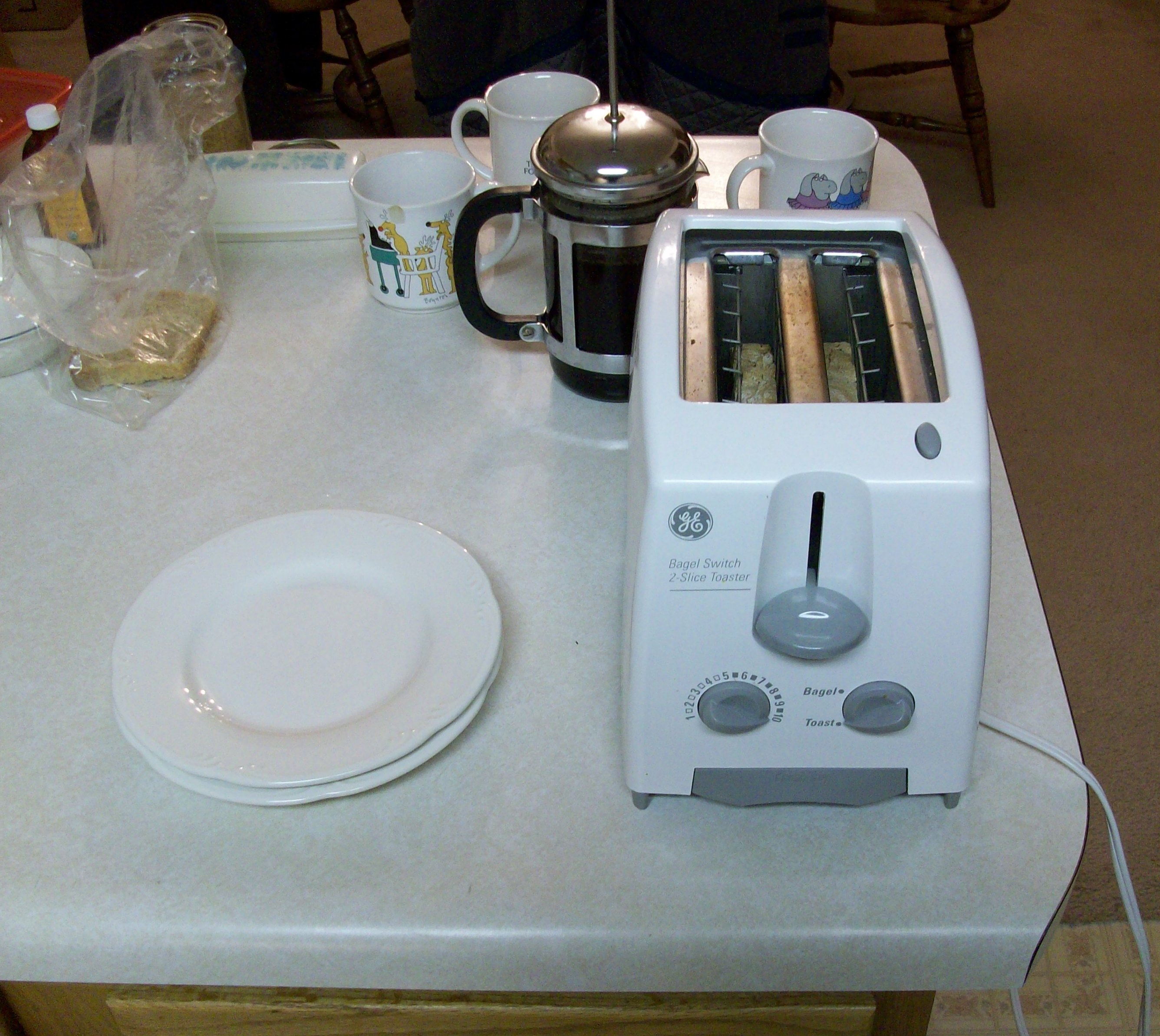
Being a wheat eater, the first meal of the day usually includes bread, pancakes, muffins, or the like. There may be dairy in the form of milk, eggs, cheese or butter. If I feel like grating potatoes for hash browns, that will do. All of this indicating a diet that has changed little since my forebears arrived in North America from the British Isles some 350 years ago.
Occasionally I make some granola, or buy a box of cereal at the market. Oatmeal is a winter staple, and if there is fruit around, that’s nice too. The fact that a leftover grapefruit sits in the refrigerator since Saturday indicates fruit has not been an important part of breakfast, even if it should be.
The pantry is loaded with things to spread on toasted bread. Several kinds of pesto, half a dozen types of apple butter, preserves from locally grown grapes, wild blackberries and raspberries. There are more types of spreads forgotten than remembered. Too, there is more to life than jam on toast.
In the end, breakfast is easy to figure because the ingredients have been around for a long time. It typifies my cooking that I don’t really want a plan of what to have for breakfast.
If we rethink breakfast, it should be in the moment, a creation based on what’s available, what’s going bad soon and what’s possible. The list of variables is not that long, so “creation” is the better usage.
Lately breakfast has been my main meal, with snacks and sandwiches carrying me through the rest of the day. It is time to better consider this important meal and make it better.
LAKE MACBRIDE— The tomato plants are doing nicely, with flowers beginning to form on some of them. A man who claimed he had two-inch fruit already, without a greenhouse— I don’t know about that. What has been planted in the garden is doing well.
That’s really the trouble. Not enough has been planted, causing me to re-think the garden.
It may be time to put aside some seeds to wait until July heat passes. Too, the greens must be picked before they go past prime. This week will be a period of finishing the first wave of seedlings, and regrouping.
Combine that will a full slate of other work, and there will again be a lot to get done.
The phrase “summer reading” evokes when we took off from school, and had leisure time between Memorial Day and Labor Day. For some it still involves barbecuing, boating, swimming, vacations and a host of activities tied to youth. Today, people continue to summer, but briefly and in competition with the constant clamor of the exigencies of modern life. People are busy trying to survive and get ahead, all the time, and there is less time for reading. Here are a few of my picks for reading during summer 2014.
Books
The classic novel of summer isThe Great Gatsby by F. Scott Fitzgerald, and I recommend a second look.
My summer fiction reading will include The Home Place by Carrie La Seur. La Seur is the founder of Plains Justice and a practicing attorney in Billings, Montana, where she has family roots. The Home Place is La Seur’s first novel, due to be released July 29. A section of the book, can be found in New Voices in Fiction Sampler: Summer Selection, which can be downloaded free for Kindle here.
If you have not read Maya Angelou’s I Know Why the Caged Bird Sings, it is worth the time, even though it was published in 1969. “The first in a seven-volume series, it is a coming-of-age story that illustrates how strength of character and a love of literature can help overcome racism and trauma,” according to Wikipedia.
Poetry
Pick one poem, any one, and read it… aloud. Then read another. Go to the public library and find the poetry section. Spend an hour browsing through whatever comes into view. Readers will develop their own interests, but in my to-read pile are The Oldest Map with the Name America by Lucia Perillo, Collected Poems by Vachel Lindsay, Miracle Fair by Wisława Szymborska-Włodek, The Spirit Level by Seamus Heaney, An Inconvenient Genocide by Alicia Ghiragossían, and Scattered Brains by Darrell Gray.
Screen Time
Turn off the television. It won’t kill you. In our house, we haven’t disconnected from cable, but we shed the premium channels, including MSNBC, long ago. We rarely turn on the T.V. and life has been better. I suppose if we cared about the World Cup, we’d watch more.
That said, we have screen time, and using it efficiently is an important endeavor, equal in importance to the time we spend in the real world, talking and listening to real people. In many respects, time in front of the screen has replaced television and print media and can provide value.
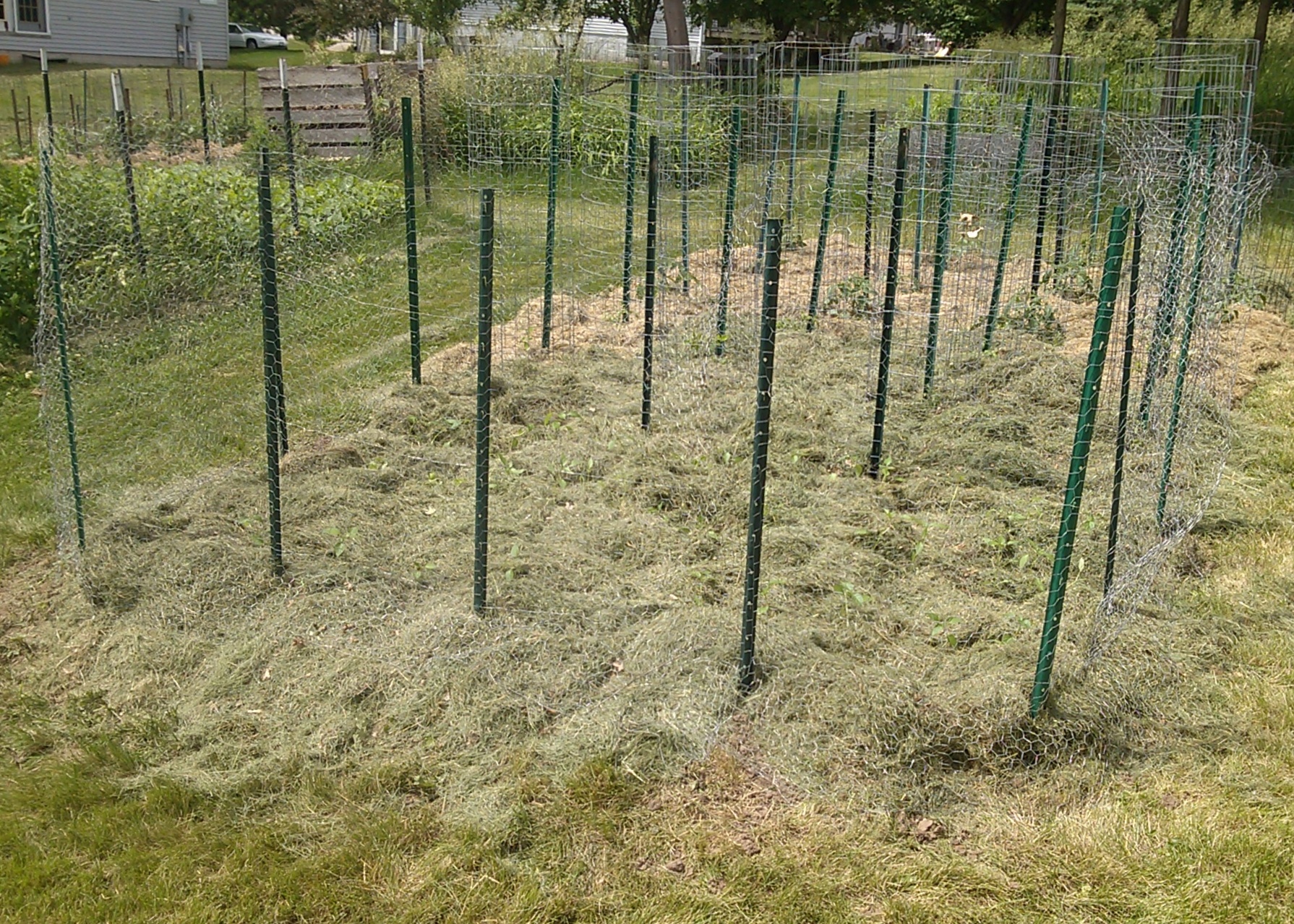
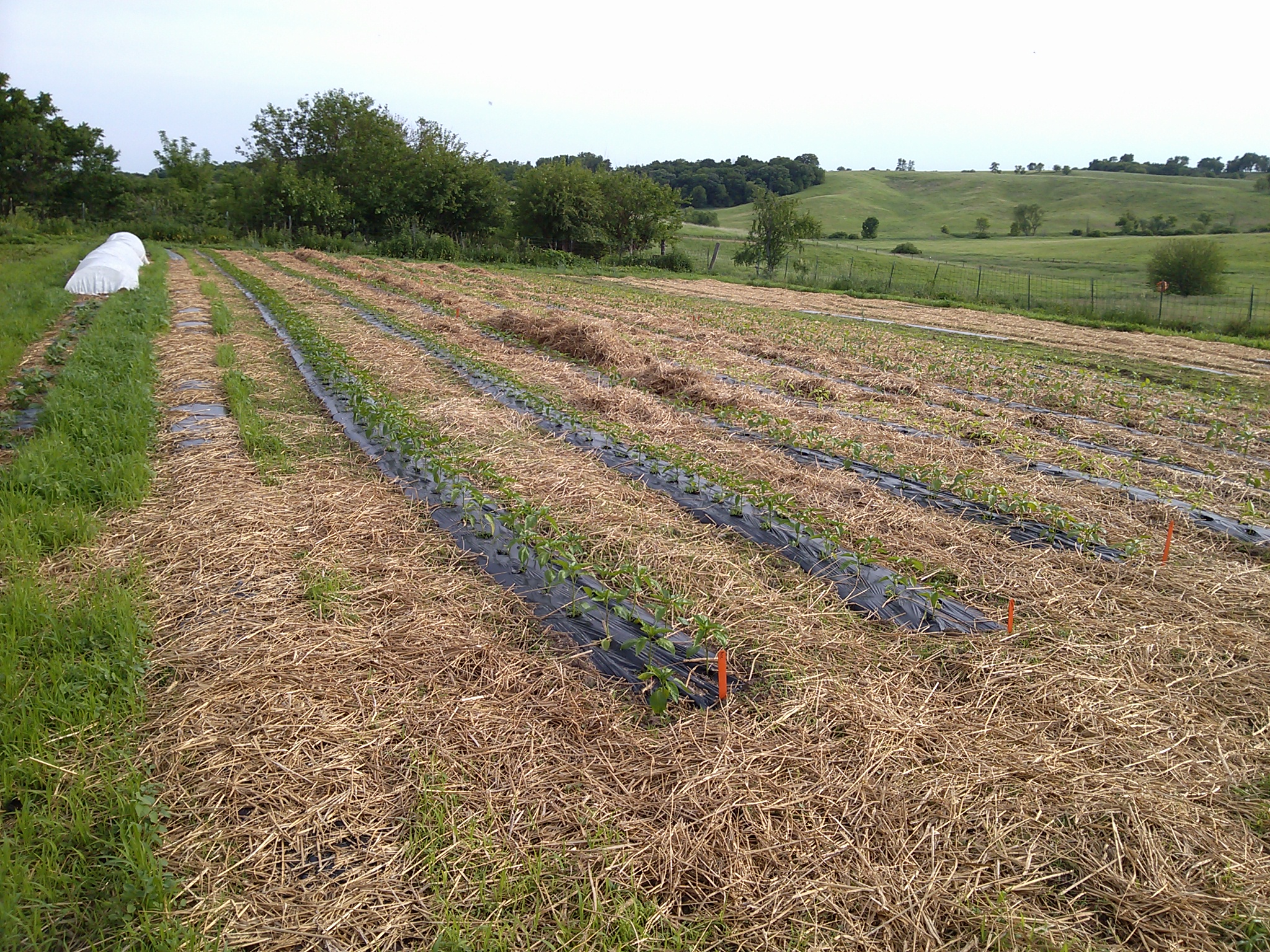
LAKE MACBRIDE— It’s a home work day and planting was on the agenda. It began with preparing the soil next to the slicer tomatoes, and planting a row each of Serrano, Bangkok and Jalapeno peppers. I mulched and fenced them, hoping to leave them until harvest.
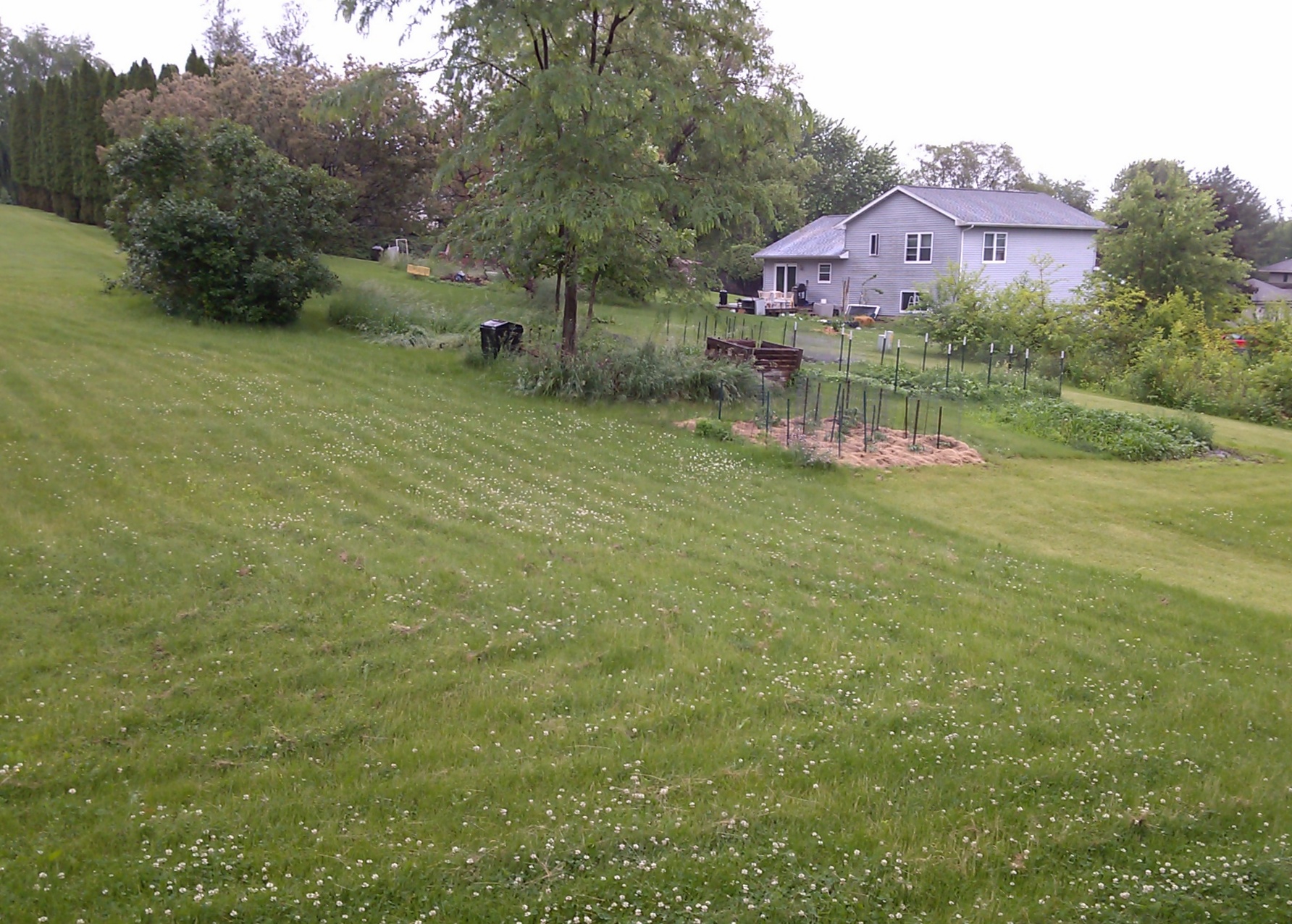
The lawn is cut in varying heights. Places where I harvested clippings are short. The rest of it is rough cut and uneven, ready for another pass— more farm field than lawn.
I don’t have to leave the property until tomorrow for outside work. In the meanwhile, there’s more to do.
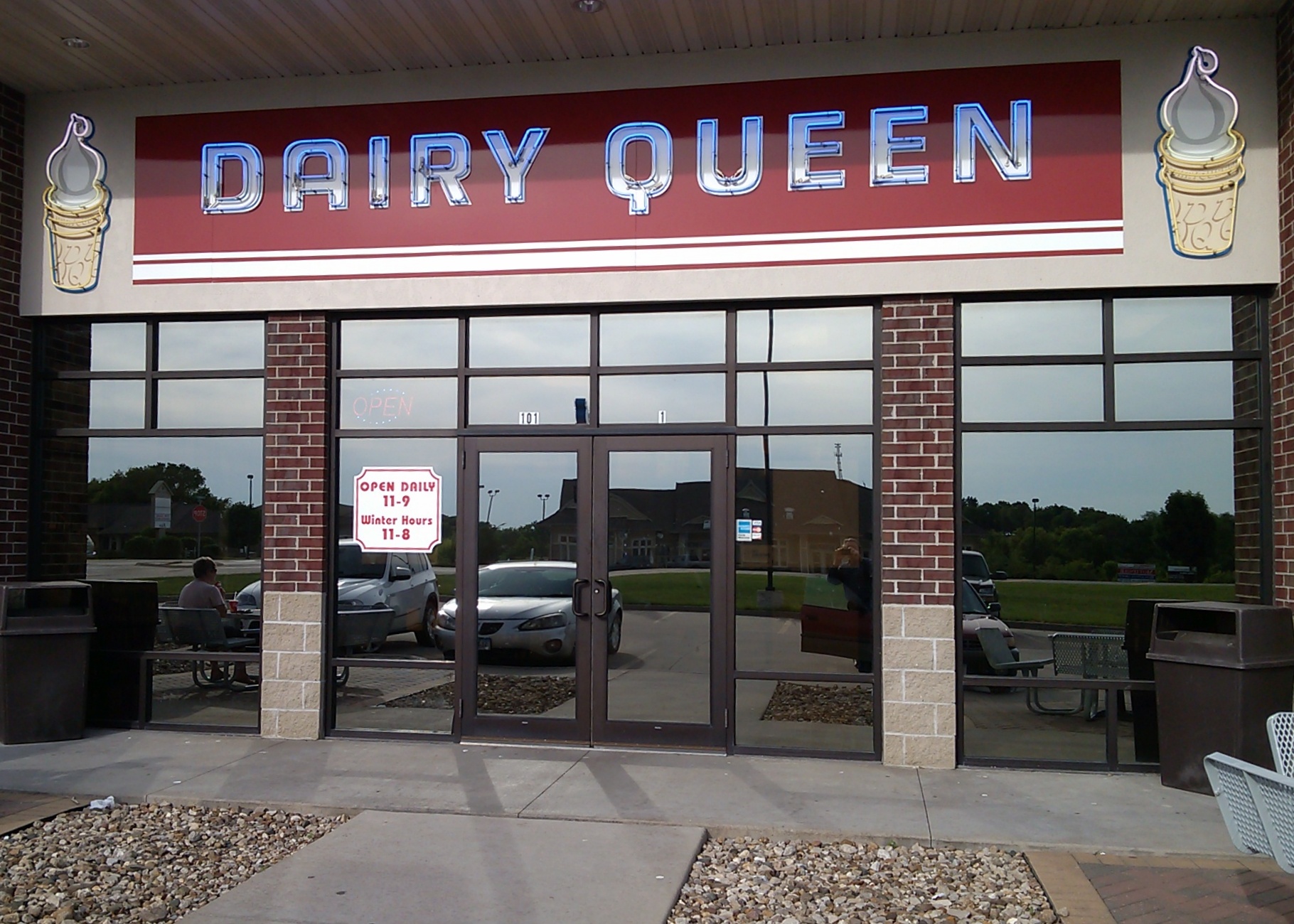
SOLON— Warren Buffett’s Berkshire Hathaway bought Dairy Queen in 1998, and after that, it became easy to associate the purveyor of dairy treats, Coca-Cola, burgers, hot dogs and fries company with his corporate governance. It is our local outlet in the industrial food chain with ties to the deepest memories of growing up in the late 1950s and 1960s, when the stores closed down at the end of each season— the owners packing it in for Florida or other warm places to avoid Iowa winters. Like a sundae topped with Buffett’s intellectual construct.
I stopped on my way to the county seat to get a vanilla cone. I was loathe to do so because the restaurant is less about food and more about the cognitive dissonance created when juxtaposing childhood memories with a strip mall experience. If I dined at our Dairy Queen on fare other than cones and Dilly Bars, the experience was forgettable.
Six illuminated menu boards above the transfer space from the kitchen to the order prep area display the offerings. There has not been much change in the staple lunch and dinner items since they were developed. The changes in food occur in the supply chain leading up to this Buffett cultural outlet.
On the positive side, the staff was friendly, courteous and efficient. I had my cone in a matter of minutes and the cool, soft experience evoked memories the way a Madeleine might over tea. Perhaps that’s the point.
The trip to Dairy Queen is one I delayed for as long as possible on the restaurant crawl. Except for memories, there is little reason to stop by, even if locals have made ours one of the longer term restaurant successes in town. There are likely other Buffett outlets in town, but none so conspicuous as this summer treat full of memory tainted by its association with the fifth largest company in the world. It is part of our small town dining experience, where the food is local, but not “local.”
LAKE MACBRIDE— One day per week usually shapes up to be a garden and farm day. Yesterday I planted peppers for 3-1/2 hours at the Community Supported Agriculture (CSA) project, followed by tomato planting and mowing/mulching at home. There will be plenty of grass clippings, and a host of relieved neighbors once I bring it all in. The tomatoes are in the ground, and victims of transplanting have been replaced.
The pepper plants from last week were shocked, with the leaves characteristically turning white. Today it appears few of them will survive. Afterward, I moved most of the rest of the seedlings outside to harden them. Luckily I have a few additional bell pepper seedlings and can get more from the CSA if needed. The hots are aplenty.
Summer Beer
At a meeting last night, we had a conversation about what to do about arugula that bolted (produced flowers), and decided we would eat the leaves. I also gave away some of my excess tomato seedlings and two heads of lettuce, a bag of kale and one of braising greens to young city dwellers who don’t have gardens. There is plenty of food around our house and giving it away is a gratifying part of a local food system.
Last week I purchased a case of beer for after the garden is planted. It is an annual ritual. The beer lasts until fall as I ice them down in a cooler and down them a couple at a time in summer’s heat.
While gardening and farm work aren’t all that was going on yesterday, it seems better to combine those activities, if for no other reason than to dirty only one set of clothes. Something minor, but important as laundry time becomes more precious and limited.
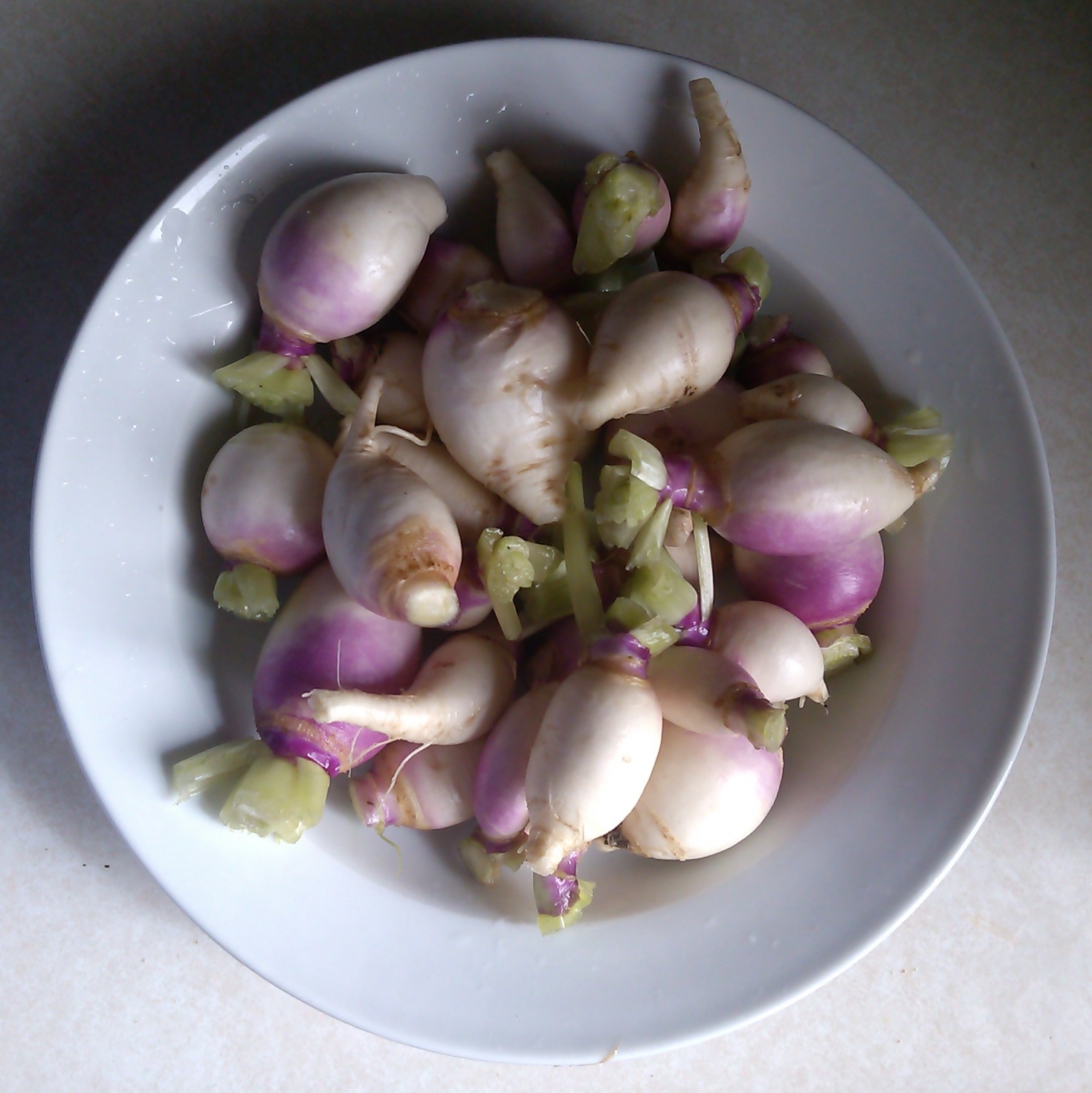
LAKE MACBRIDE— It rained on plans to work in the garden and yard. So now, the long lawn will wait until the next dry, sunny day; weeds are getting respite from being chopped; and the garage is clean enough for one auto. After the last, I went upstairs to the kitchen and processed vegetables for a meal— dinner of fresh asparagus, rice, salad greens with chopped vegetables and a veggie burger. And radishes. And spring onions. And soup stock with vegetables past their prime— mixed greens, asparagus stems, onion, celery, carrot and bay leaves. Simple fare for a simple life.
I have written about 2,000 words in two articles today, making this my third. Writing brings a sense of calm and I need that now. Better medicine than the antibiotics for my frying pan burn or the iced tea with blended whiskey. Writing works through our tension and helps release one’s cares, at least for a brief time. We write to clarify things. To straighten out a turbulent life, and by creating a narrative, yield understanding. That’s what we hope.
It doesn’t always work that way. But for now… rain came, dinner’s ready to cook, and what else is there to do on the Iowa prairie?



 Journey Home
You must be logged in to post a comment.