LAKE MACBRIDE— It is one thing to make a list of books to read during summer—quite another to actually read them. As I enjoy The Great Gatsby, the ultimate novel of summer, for the umpteenth time, the lists made previously seem to slip away, and it is surprisingly easy to let go.
Surrounded by books in my writer’s camp, one would think I’d pick one up now and again. Book reading has mostly been Eric Schlosser’s Command and Control, which was the first book I finished since March. I would like to read Gar Alperovitz’ The Decision to Use the Atomic Bomb, or Richard Rhodes’ The Making of the Atomic Bomb, but fear the rest of my life would elapse before finishing either of them. Both thick volumes stare down at me from the shelf. Finding time to read has proven difficult at best.
That said, there is a lot left to read.
This morning—another glorious summer day—the children walked to the bus stop near our home for the first day of school. It was a reminder of how fleeting life is—how our days on this blue-green-brown sphere are numbered, and too few. That we must seek our own experiences in a complex world not of our own making.
Still, I am thankful for finding books like The Wrong David to get through a night, reminding me of my experiences in France. And no, Carrie La Seur, I haven’t forgotten The Home Place which is on top of the pile ahead of Hillary Clinton and Jewelweed by David Rhodes. But for now, I will linger a bit longer with F. Scott Fitzgerald and seek experiences in this place we call our home.
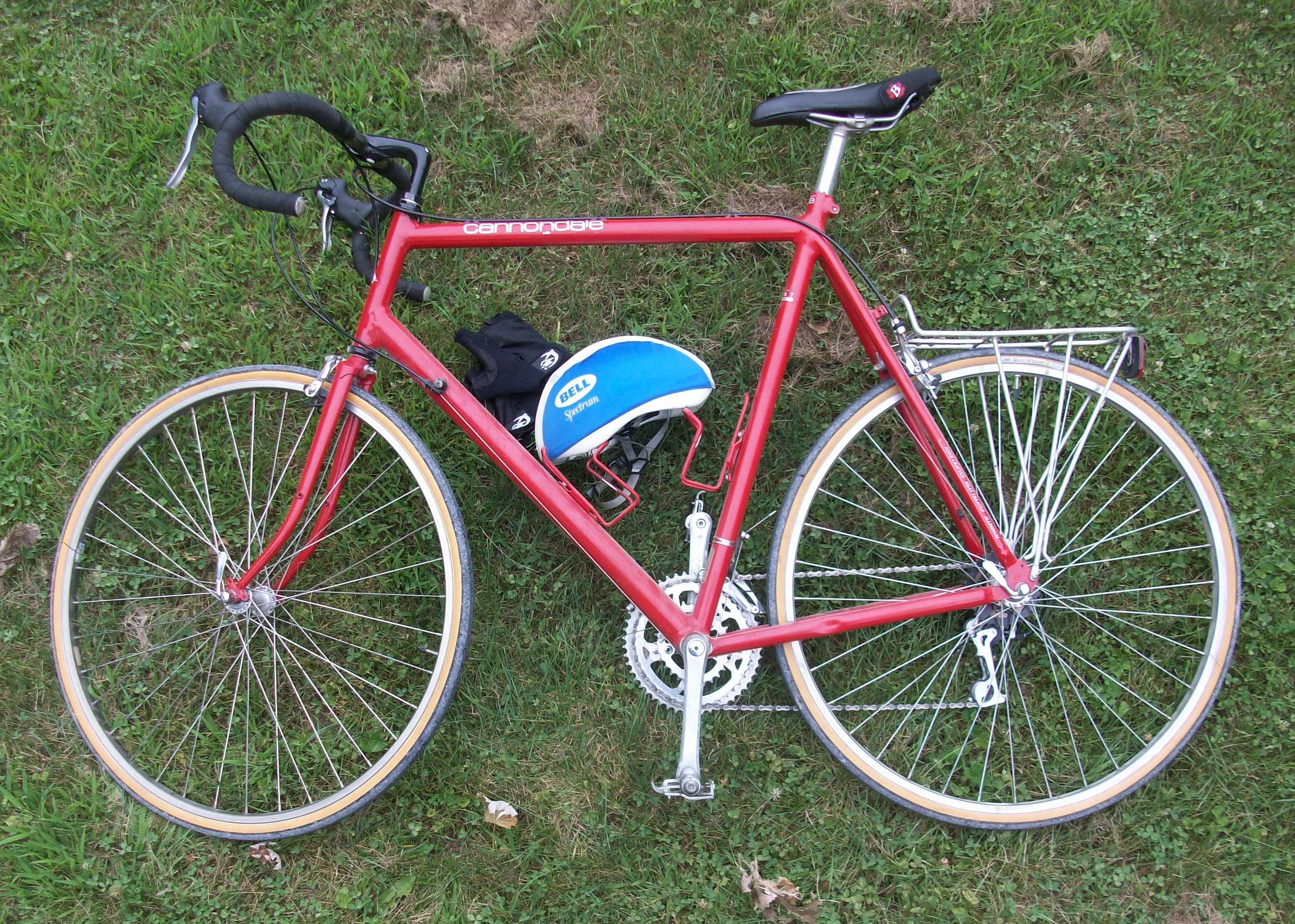
LAKE MACBRIDE— Long term, long distance bicyclists will notice my bike is resting on the derailleur. A big no-no, which has now been corrected. Live and learn and roll on.
Having made three round trips to my favorite spot on the lake trail, it is easy to feel progress. Slowly locating tools of the trade around the house: first, a bicycling helmet older than dirt, used on a century ride in Iowa City back in 1981. Next, a pair of bicycling gloves which came in handy when I fell in the driveway. Water bottles and bags to carry groceries back from town when I start riding in all need to be located and situated. I’ve started biking for real.
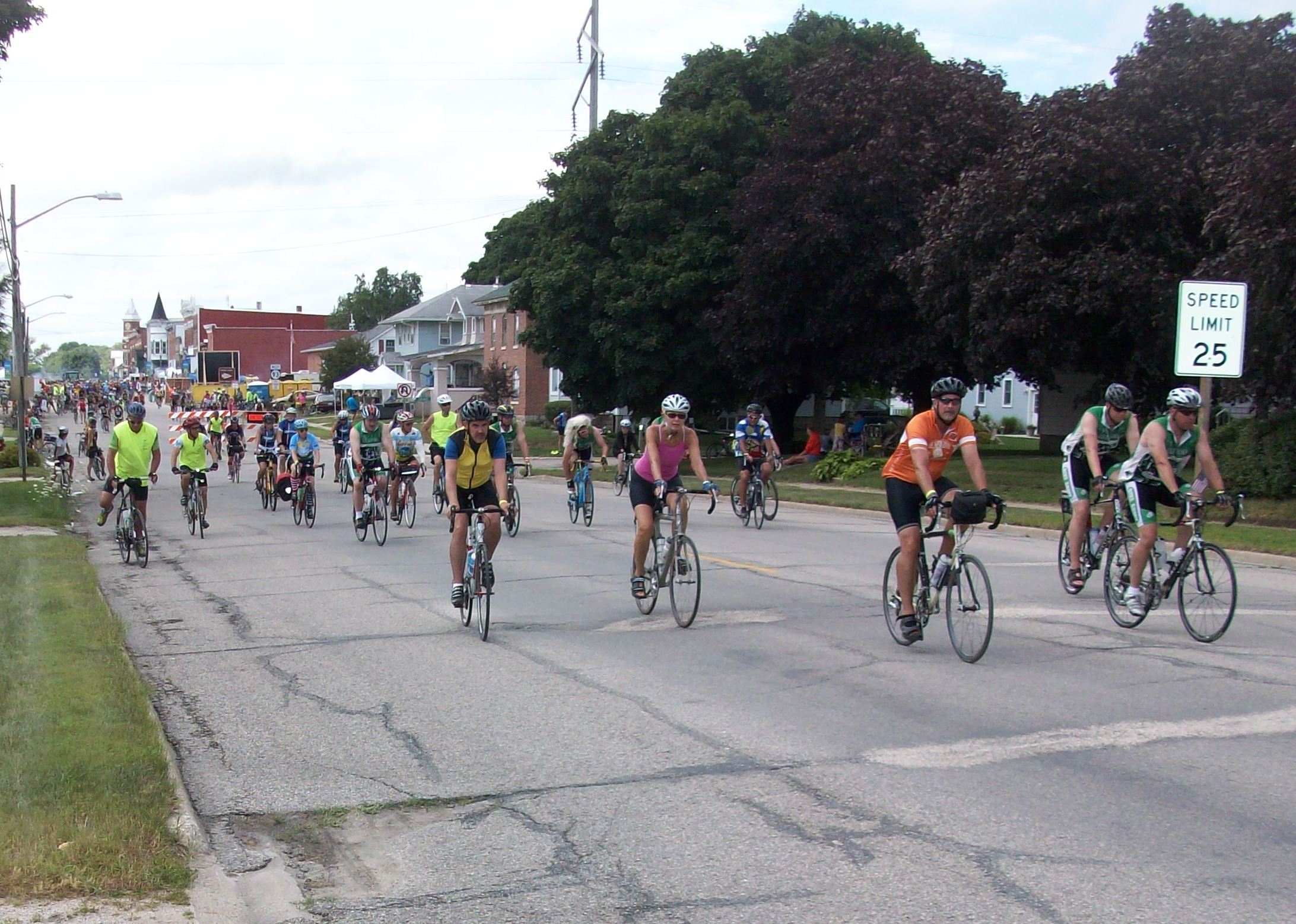
The bicycle is a Cannondale borrowed from a friend until I settle on whether to revitalize my old Puch ten speed, or purchase a new one. The bike in the photo has traveled RAGBRAI a number of times, and I may yet ride in the Register’s Annual Great Bike Ride Across Iowa. Perhaps as soon as next year.
Usually work is away from home, so today is an exception. One thing that will happen is another bike ride to begin to get conditioned for a longer ride soon.
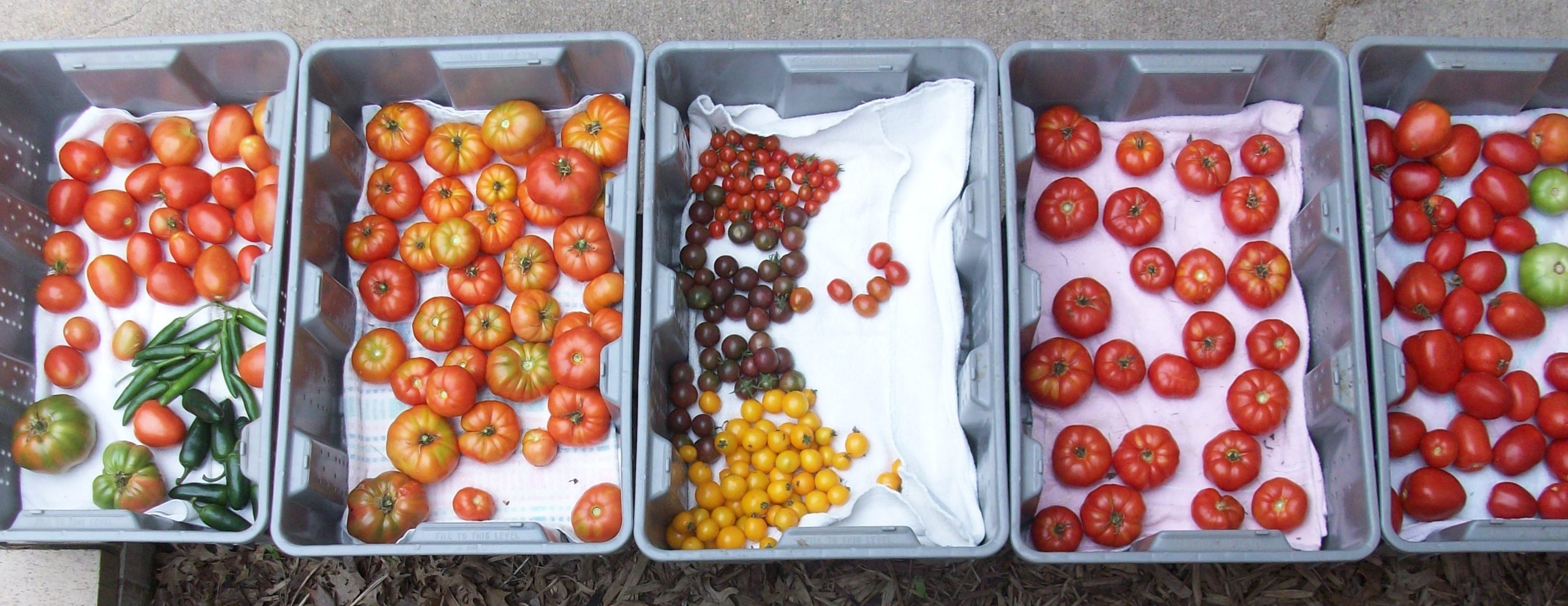
LAKE MACBRIDE— A friend declined my offer of a bag of tomatoes yesterday, indicating we have entered that time of garden tomato abundance— ready or not.
It has been a mixed tomato bag during this summer of cool nights and no rain. The heirloom tomatoes are producing, but traditional varieties, notably beefsteak, are not doing as well. My garden is producing more because of its diversity of seeds (12 varieties), and large number (32+) of plants. There will be no tomato shortage in Big Grove.
After abundance, and limited outlets to get rid of the fruit, the pressing urgency to preserve what we can’t eat fresh has arrived. A couple of thoughts about that.
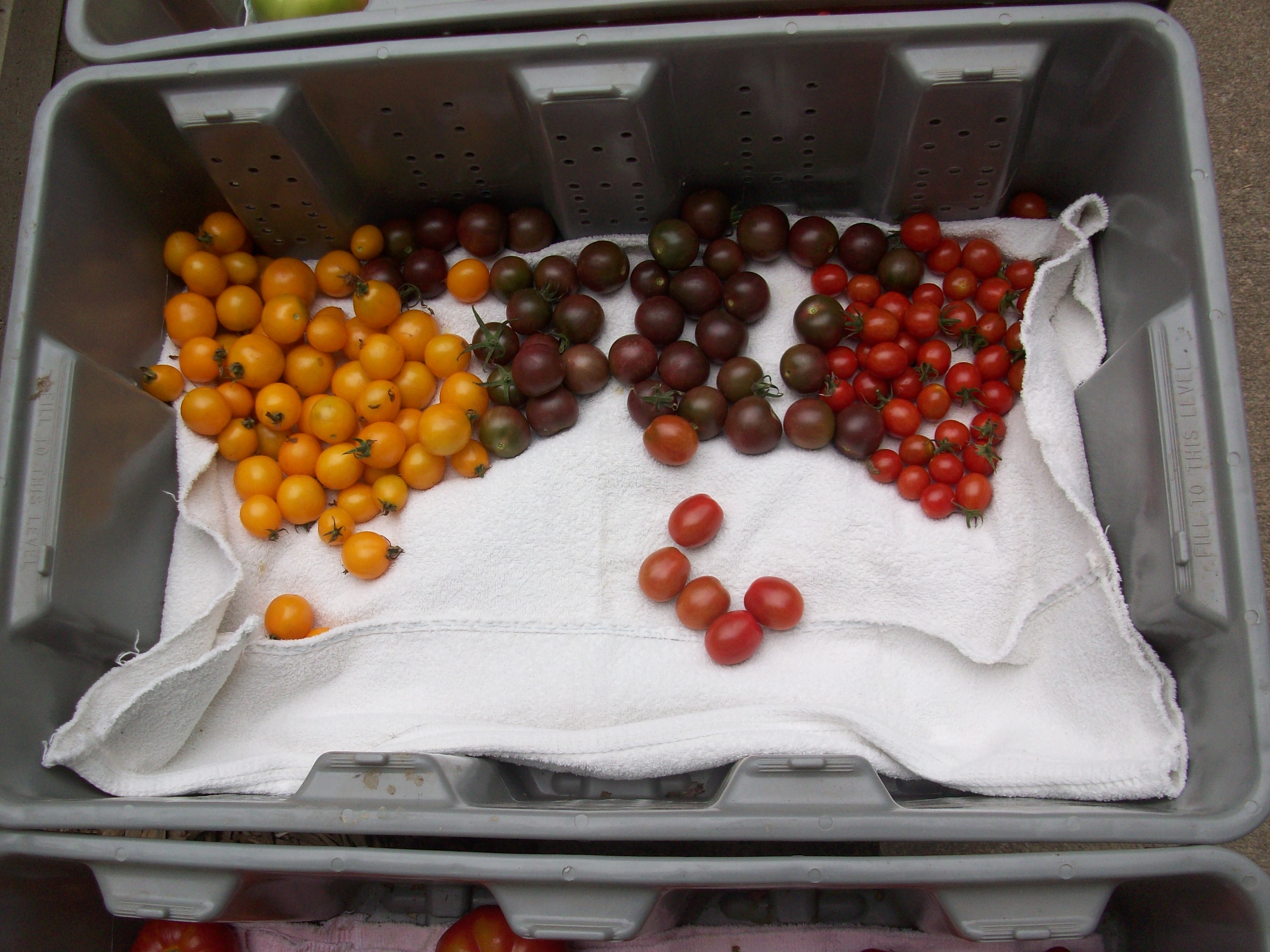
Cherry Tomatoes
A friend suggested frozen cherry tomatoes hold up well, so a tray or two will be devoted to an experiment. I have my doubts, but it is worth a try.
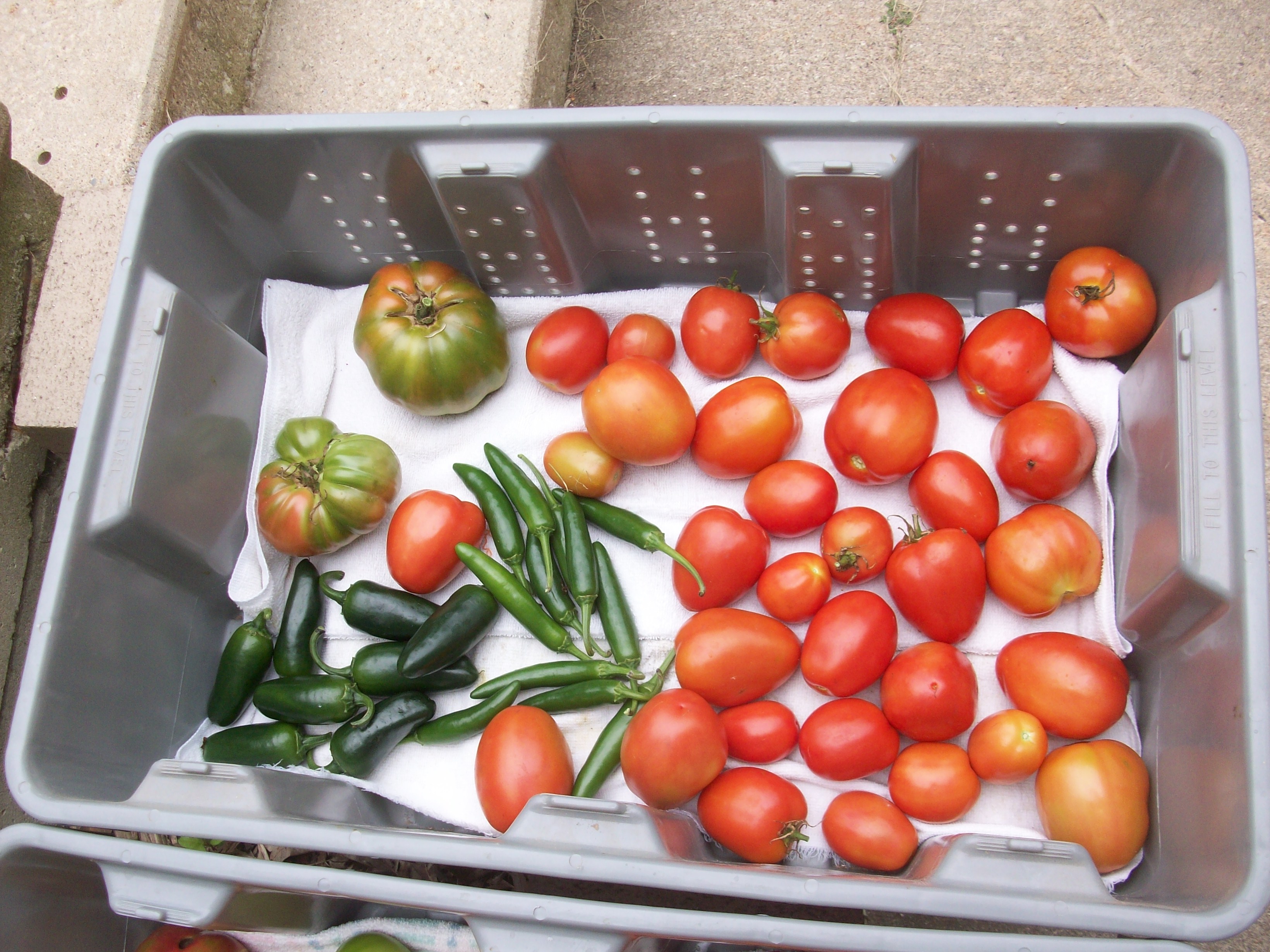
The Roma-type tomatoes will go into sauce and juice. The pantry already has enough diced and whole tomatoes to last until next season, so the focus will be on thick tomato sauce to use with pasta and in chili. The juice is a by-product, and the thought of discarding it gains no traction, so it will be canned in quarts.
Peppers and Tomatoes
Roma is also a good tomato for salsa and hot sauce. There was plenty canned in previous years to meet our needs. I should say my current needs, since I am the only person in our household who eats it. At the same time, by following lessons learned at our CSA, there will be a bumper crop of Serrano and jalapeno peppers, which shouldn’t go to waste. Some form of canned salsa or hot sauce seems inevitable.
I planted a smaller tomato for canning whole, but they haven’t begun to come in yet. If and when they do, I’ll execute the plan and add them to the storage shelf.
It is tomato heaven or hell, depending upon your perspective. It’s all good here, although it adds more work to an already busy season— part of sustaining a life in a turbulent world.
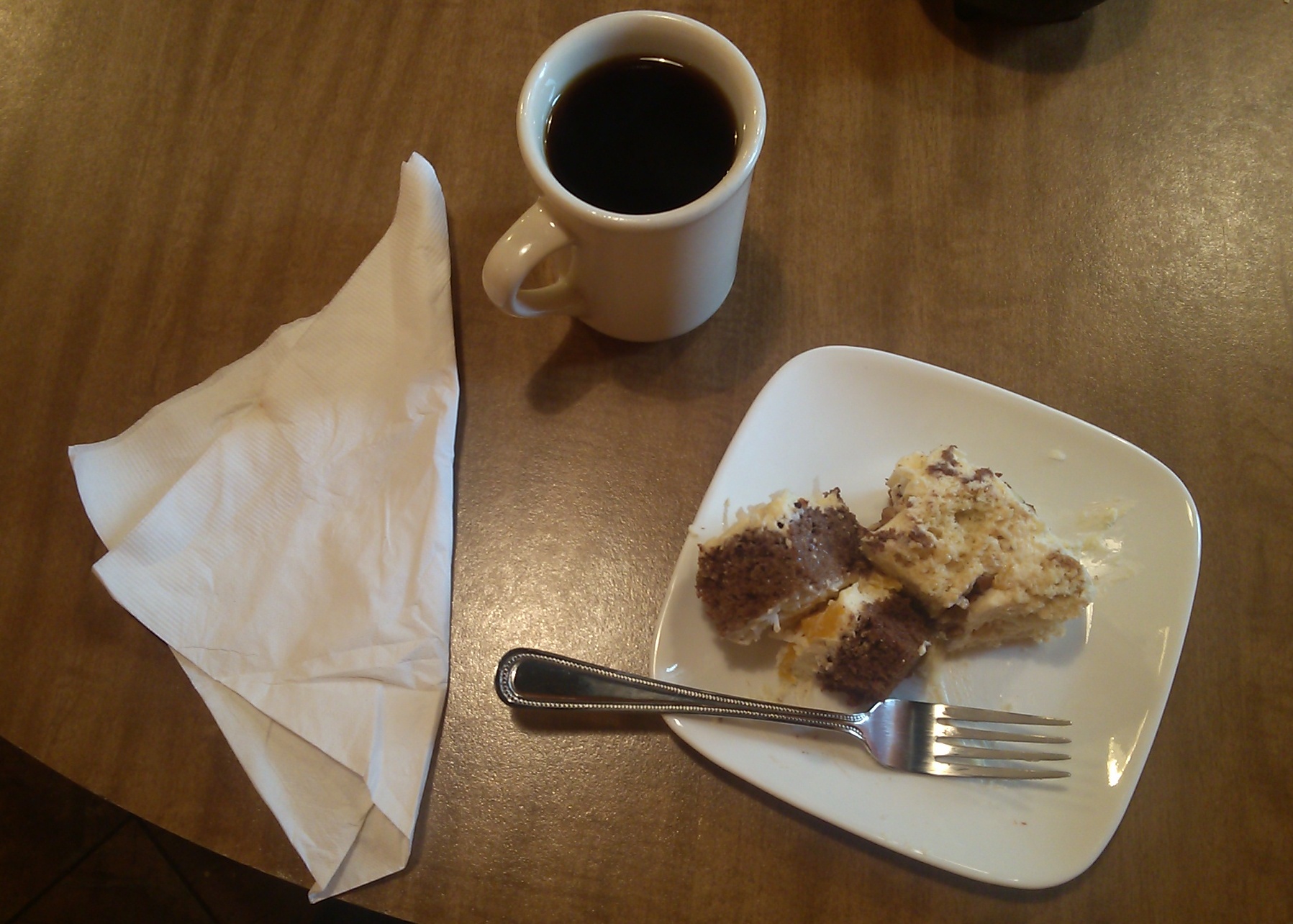
SOLON— Frida Kahlo Mexican Restaurant and Lucy’s Bakery is open and the tres leches cake is delicious.
A friend and I stopped for afternoon coffee, and if the interior was reminiscent of previous restaurants in the space, the food was delicious. The chef made a fresh pot of coffee when we ordered. What a great place to spend an overcast Friday afternoon.
I posted previously on the new opening, and any concerns expressed there were abated by our visit. From the well organized floor space to the friendly staff, the interior is inviting and colorful. Plan to return after your first visit.
Tres Leches Cake – Two Kinds
The web site at www.myfrida.com has details about the menu, specials and logistics. Click on the link and check it out.
There is patio seating for when the weather is nice, and two separate sections of indoor seating when it’s not.
Located off Highway One south of town, Frida Kahlo is worth a visit, and then another.
LAKE MACBRIDE— Many school districts have begun classes, the state fair enters its final weekend, and it’s two weeks before the Labor Day weekend. The days of this glorious summer are dwindling and the press of reality extracts a dram of concern. Where has summer gone?
There is no answer. Rather, we know the answer— it’s gone into memories of cumulus clouds, dry landscapes, abundant gardens and mild temperatures. For the first time in a long time, it seemed like a normal summer, especially once we got past the cold, wet spring. A lot of living went on.
I’ve been writing daily over at Blog for Iowa this summer, and posting here suffered a bit because of it. My stint as summer editor ends the Friday going into Labor Day. I expect to import a lot of those posts here that weekend, so look for a one-time surge in posting.
Speaking of cross posting, I’m not sure what to do with my newspaper articles. They are a different kind of writing, and some are more interesting than others. For the time being, I’m leaving them where they lay in print. I may create a clip file to store them.
It’s time to freshen up this blog. Perhaps a changed title and template, but a different focus and writing project. Cooking and gardening are always popular, so only minor changes there. The bigger change is a writing project that will be off-line. More about that as the plot thickens.
As summer wanes, the pieces will fall into place for a productive fall. At least that is the hope.
LAKE MACBRIDE— The good news is there are no morning after effects of my first, five mile bicycle ride in a couple of years. It was immediately energizing, and my butt doesn’t hurt from an unfamiliar seat. My legs and arms are in good shape. Sleep was sound and deep last night. What more could one ask of a sport?
This summer is unlike many recent ones in that the temperatures have been mild, with billowy clouds floating easily through continuous azure skies. Scarred by the 2012 drought, it is hard not to appreciate these beautiful and temperate days in Big Grove. The lake trail was in good shape and ruts had to be dodged only a few times.
Last night, Dr. Christine Grant spoke to the Iowa City Community School District board of directors, thanking them for naming an elementary school in her honor. Her thick Scottish accent hid emotional inflections in her voice. She was confident and direct, as one would expect from a person who worked with some success toward gender equality in athletics.
Grant was part of the revolution in sports at my alma mater beginning in 1970 with the hiring of Chalmers W. “Bump” Elliott as athletic director. Grant became the first women’s athletic director at the University of Iowa in 1973. She joined a pantheon of Iowa sports figures that includes Dan Gable, Hayden Fry, Lute Olson, C. Vivian Stringer and Tom Davis. I’m not a sports fan, but had not heard of Grant until the school was named after her this year. More’s the pity.
A life of learning on the Iowa prairie continues, and today we know one more namesake along the way.
LAKE MACBRIDE— Wisps of mist hover about the landscape as a day begins. It recurs over the farmland just off the highway leading to town. It reminds me of trips into the Rhön Mountains in the late 1970s.
It has been a solid four days of work at the warehouse, and a first chance to come up for air. A lot has happened and there remains a lot to do, but a couple of things stand out.
The death of Robin Williams hits home for a couple of reasons. He was born the same year I was, and our similar age and his death reminds me of the dance of mortality that hangs over each of us.
He had a public presence, and left many impressions, even for someone who eschews television and movies for radio and the Internet. His struggles were well known because of his celebrity. We don’t know what happened to cause his death, and may never. However, when someone, a celebrity like anyone, may have taken their own life intentionally or accidentally, there is sadness.
We may feel loss, even if there is no personal connection. Robin Williams death was a mournful end for someone who made us laugh a lot. He was of our generation, and like my cohort of grade school friends, I don’t like seeing another name stricken from the roster.
The garden and farm are producing vegetables. What to do with them has become an issue. I took my farm share of kale to a meeting last night, and we sat around a table eating the raw leaves. Some cabbage will go to town. Today or tomorrow I’ll make a ratatouille to use some eggplant, tomatoes and zucchini. We resist composting until we must.
Some friends loaned me a Cannondale bicycle to get started cycling again. The bike has been on 14 RAGBRAI trips, and perhaps I will make one as well. We’ll see how this goes, but because of my age and condition of my feet, running and taking long walks requires what I hope will be a brief hiatus.
To encourage me, they gave me a bicycle gift bag with powder, socks, a water bottle, trail maps and other items. It will be difficult to come up with valid excuses for not cycling.
I’ll look forward to my first misty morning ride in the lake country.
IOWA CITY— My skills at ordering a beer failed to keep up with the times. We were meeting at a bar in the county seat, one recognizable from infrequent visits for meetups over 40 years. I arrived first and took a seat at the bar.
“What do you have on tap?” I asked. The trouble began.
Expecting the bartender to name two or three brands manufactured by large brewers, she handed me a menu with a long list of draught beers.
“Do you make any of them here?”
“No, we don’t.”
Distracted when I saw two modern-day hipsters drinking tall PBRs a few feet away, I said to myself, “it’s not that simple any more.” I should have ordered one of those.
The bartender stood waiting, then left while I pondered.
Memories came. Of the Chief Tavern on Seventh Street in Davenport where I went when things got a bit rowdy where I rented a room during the summer of 1975. I’d take a book, walk the half block, and nurse a beer at the bar, reading and waiting for things to quiet down at home.
“Do you have pilsener?” I asked when she returned. She did.
As U.S. Army officers in Germany, we secured cases of Pilsner Urquell through the U.S. embassy in Prague. It was hard to get the Czech beer in the late 1970s, although the brand is widely available today— even in our rural Iowa town.
Resolved that pilsener shall be my standard order to avoid having to memorize ever changing options. Keep things simple and cope with change.
A few minutes later she brought a tall glass with an inch and a half of foam. I paid six dollars and a buck for a tip, and nursed the beer until my friends arrived.
Our local chapter of Veterans for Peace was commemorating the 50th anniversary of the Tonkin Gulf Resolution that gave congressional authorization for the war in Vietnam. It is a resolution we now know was premised on a falsehood. It is not news that in war, truth is the first casualty.
The most powerful part of the event was the witness of five members of our chapter who are Vietnam veterans. I tried recording the speeches, but my device shut down when some of their voices were softer than its range of perception.
Tom Kelly
Former marine Tom Kelly spoke of black ops in Vietnam, Laos and Cambodia, something we knew at the time was going on. The reality of his experience spoke louder than his voice ever could.
“I did things I’m not proud of,” he said, wearing a ball cap commemorating his veteran status as a marine. It was sobering to hear his words as the sun set on a beautiful Iowa summer day.
None of the Vietnam War needed to have happened. The American deaths and injuries; the far greater number of Vietnamese deaths and casualties. It did happen, and as the memorial at the court house is inscribed, “all gave some; some gave all.” It is not only about us.
Our country’s propensity for war, and the deceptions and falsehoods about it, make determining what to do more challenging than ordering a beer could ever be. It seems critical that we move on from our personal problems to effect change. In a society possessed of personal choices, our government is on a course of militarism that could jeopardize all we hold dear.
To say I am glad to know the veterans in our group couldn’t be more true. To say we can continue with our nationalistic pandering to the gods of war is the lie. One we can’t afford to repeat as we sustain our lives in a turbulent world.






 Journey Home
You must be logged in to post a comment.