Categories
Living in Society

Why Support for Elizabeth Warren Persists

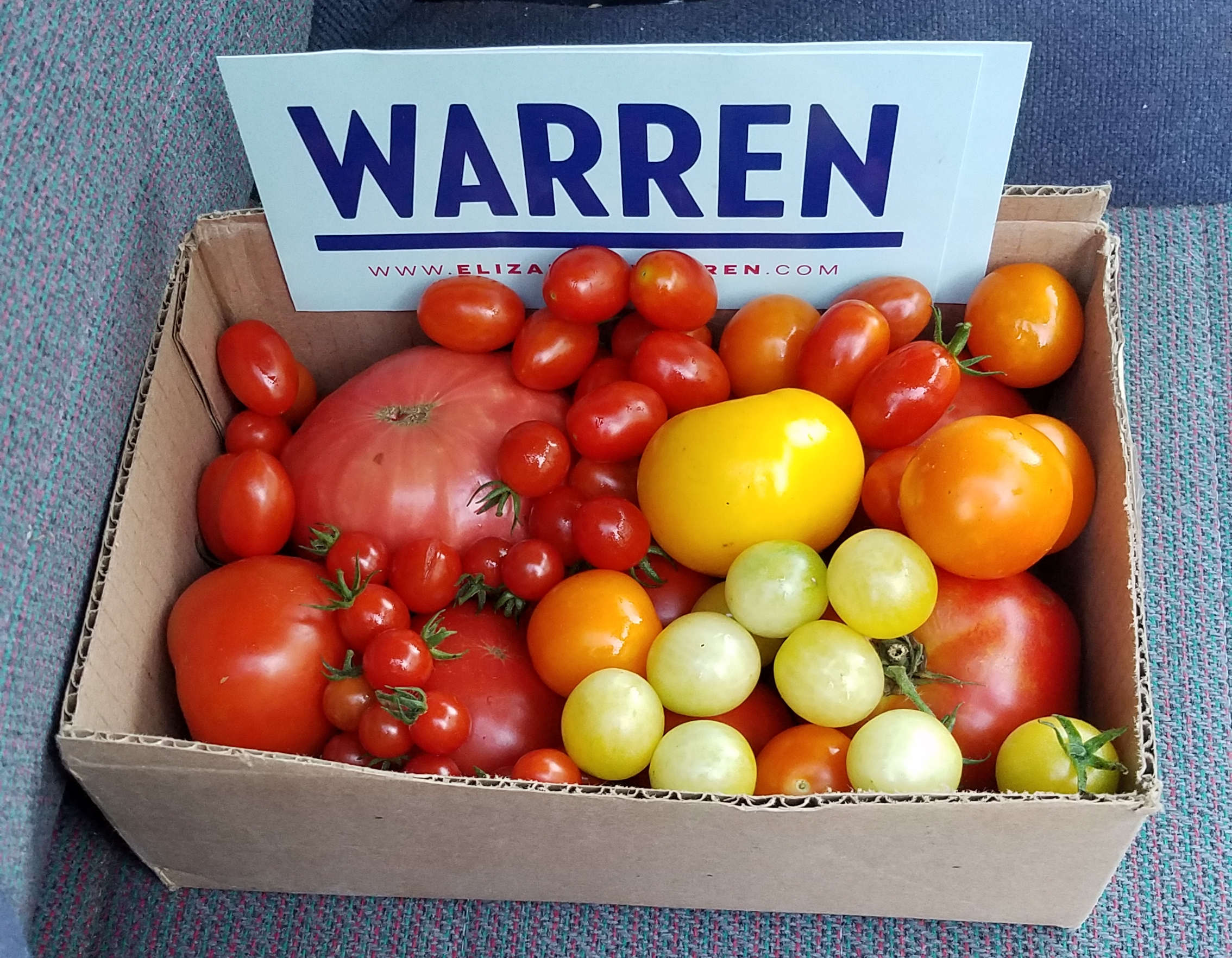
Tomatoes with Bumper Stickers

Now that Elizabeth Warren’s presidential candidacy is gaining traction among Democratic voters, in fund raising, and in a number of political polls, the knives are out.

The arguments against her seem without merit, although, like it or not de-bunked arguments often drive our politics in the 21st Century.

There are two main arguments advanced to harm Warren’s candidacy, the first is she is a woman.

Who will be the first woman elected president? None of us knows the answer and if the results of the 2016 election mean anything, it was a triumph of male dominance and an American patriarchy of moneyed interests that elected our current president. People often say Hillary Clinton was a bad candidate, however, I disagree. Whatever flaws her campaign had, she did the work and won the popular vote. Campaigns are always clearer in the rear-view mirror. If she’d approached a few states differently she might have won the Electoral College as well as the popular vote. There are no do-overs in national politics so the results of 2016 were the results.

I spend part of my time discussing politics with progressive Democrats. What gets said in private conversations is the United States is not ready to elect a female president. In both women and men it is a deeply held belief. My retort is if Democrats don’t run a female candidate we’ll never elect a woman president. Is Elizabeth Warren electable?

Johnson County Supervisor Rod Sullivan, a Warren supporter, laid out the argument de-bunking the idea a candidate is “electable” in an Aug. 20 letter to the editor of the Cedar Rapids Gazette titled “Electability is a Sham.”

“’Electability’ is not real,” Sullivan wrote. “It is a creation of pundits — pundits whose predictions are about 80 percent wrong. ‘Electability’ can only be measured after the fact — did the person in question get elected? Anyone who pretends to know something about ‘electability’ before an election is simply a fraud.”

It is time for Democrats to get over the idea a woman can’t be elected president by picking the candidate most closely aligned with our values regardless of gender.

The second argument often advanced to damage Warren’s candidacy is she is too liberal, another media-driven piece of buncombe.

I recently had coffee with David Redlawsk, Soles professor of political science at the University of Delaware. According to his official website, Redlawsk’s expertise includes being a political psychologist who studies voter behavior and emotion. He focuses on how voters process political information to make their decisions. He’s teaching this semester at the University of Iowa while studying the Iowa caucus process.

I’ve known Redlawsk since he was treasurer of Democrat Dave Loebsack’s first congressional campaign. What he said over coffee last week was similar to what he said back in 2006. The majority of liberals and conservatives will vote for the Democratic or Republican nominee for president respectively regardless of the nominee. This leaves a small slice, maybe 10 percent, who are persuadable and could determine the election outcome. This is a mainstream belief about elections and while Redlawsk was more nuanced, there is relevance to the 2020 presidential contest.

Enter the media. Over the weekend the Washington Post published an article by Michael Scherer and Matt Viser titled “Uncertainty takes over the lead in the Democratic presidential race.” In it, they quote former New Orleans mayor Mitch Landrieu on Warren:

“She has a plan for everything except for how to beat Donald Trump. That needs to get tested,” Landrieu said. “She says she can do all these things. There’s a thing called political reality. . . Aspiration is wonderful, but you can’t eat aspiration for lunch and send your kids to college on it. That’s a fundamental decision that Democratic primary voters need to make a decision on.”

As Redlawsk mentioned, liberals and Democrats will vote for Warren in substantial numbers in a match up with Donald J. Trump should she be the nominee. Most politically aware voters recall that Barack Obama struggled to get parts of his agenda done despite the brief period when Democrats held a majority in the U.S. House of Representatives and a filibuster-proof majority in the Senate. Whatever plans Elizabeth Warren has, and one of her taglines is “I have a plan for that,” there is a political reality as Landrieu mentioned. That’s not significant because it would be true for any Democratic nominee as it was when Obama won the presidency in 2008.

If someone came up with a reasonable argument when Elizabeth Warren should not be the 2020 Democratic nominee for president, I’d listen. In the meanwhile, I’ll persist in supporting her.
Categories
Living in Society Work Life

Third Month of Apple Season

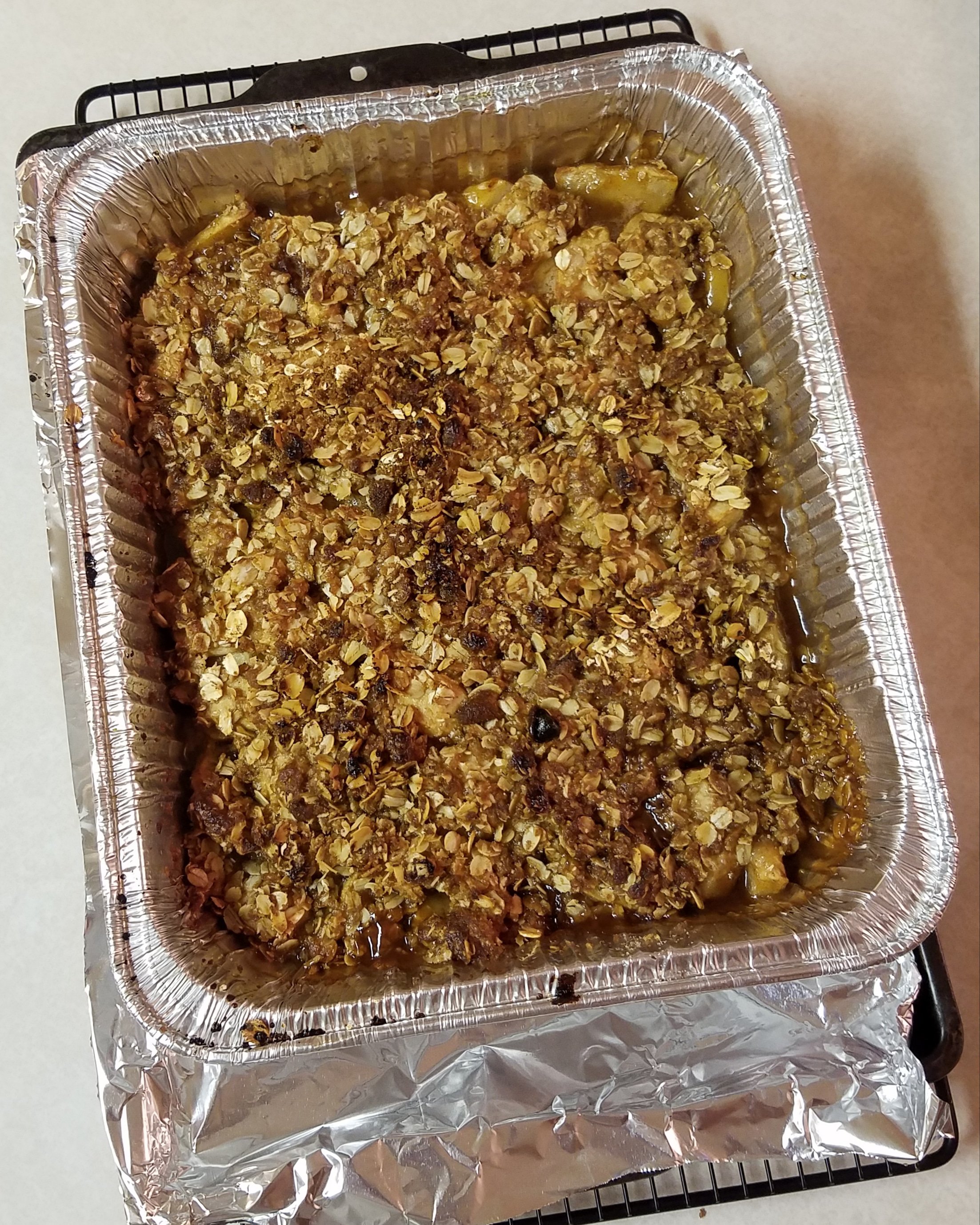
Apple Crisp, Oct. 4, 2019

I picked low-hanging fruit from the Red Delicious apple tree last week. All that’s left is dangling red orbs high above the reach of my 20-foot ladder plus 10-foot picker.

Most of those apples will fall to the ground for deer and wildlife food.

I blame the nursery person who grafted this supposed “semi-dwarf” cultivar on the root stock. Either something was wrong from the git-go or the cultivar grew around the root stock and made it’s own roots in its 24 years since planting. The tree has produced in abundance — an investment that repaid itself many times over. I’m happy with the hundreds of pounds of apples I was able to harvest this year, even if I couldn’t reach every one of them.

It rained all day Saturday so I stayed home from the orchard. When touching base with my supervisor mid-morning, more staff than customers were in the sales barn. I used the day for house work, cleaning the kitchen, doing laundry, organizing recycling, processing the last batch of tomato sauce, cooking reading and writing. I also took a nap.

The rain is suppressing my orchard paycheck with take home pay down 30 percent compared to last year. Nonetheless, with good health, Social Security, and my spouse’s small pension we are doing alright financially. I can spend some of the apple money on books and political work.

Friday a copy of What I Stand On: The Collected Essays of Wendell Berry 1969-2017 arrived via letter carrier. It will make excellent winter reading.

This week I purchased some items for our political organizing office in the county seat: paper towels, trash bags, paper cups and the like. I baked a large apple crisp which was used at yesterday’s volunteer training. I also contributed to Brad Kunkel’s campaign. He’s running for Johnson County Sheriff in a contested primary next June and is purchasing his “cowboy cards” this week. These are reasons we work an extra job even if the weather keeps the amount down.

A neighbor is hosting 2020 presidential candidate Rep. Tulsi Gabbard next week, so I offered baked goods with apples for the event. I noticed one of the school board candidates will be in attendance. I support Elizabeth Warren, but I’m going because that’s what neighboring means.

With cooler overnight temperatures, the season is turning to fall in earnest. Soon I’ll glean the garden and prepare a bed for garlic planting. If it ever dries out I’ll collect grass clippings for mulch next year. I see a brush fire in the works to return the dead fuel of plants and trees to minerals for next year’s garden.

October is looking to be busy so I have to be organized, which is no hill for a climber. If only I could climb up and get those last dangling apples. The third month of apple season is another part of sustaining a life in a turbulent world.

Categories
Environment

Church for Liberals

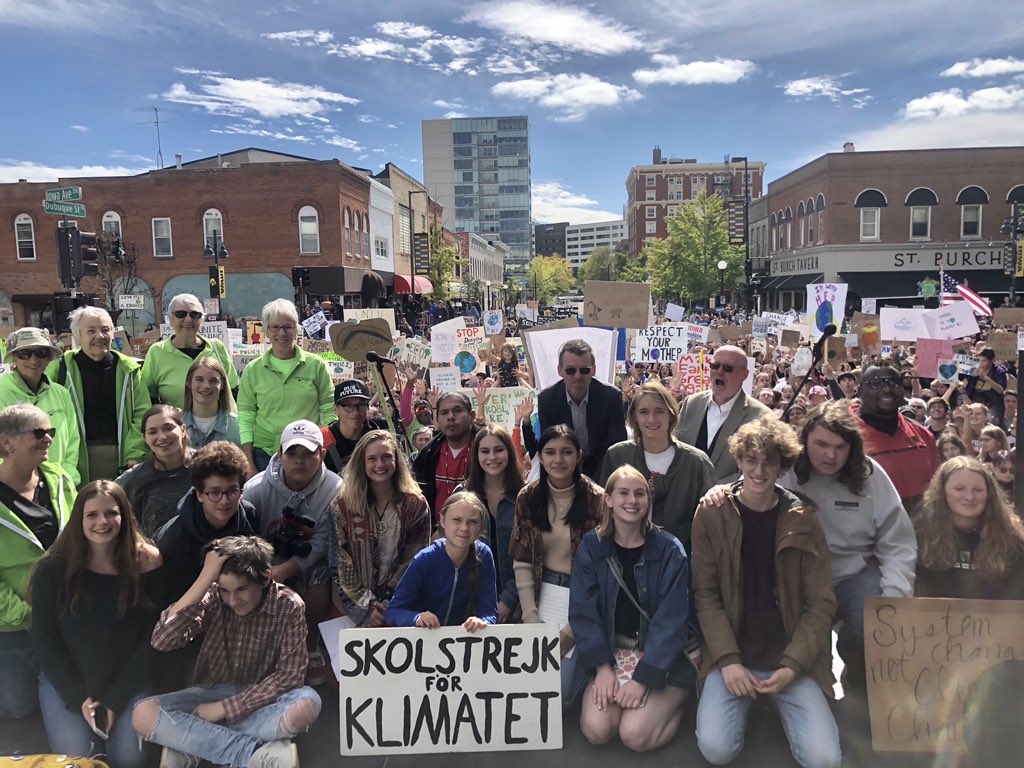
Greta Thunberg in Iowa City, Iowa Oct. 4, 2019. Photo Credit: Greta Thunberg Twitter feed.

Was yesterday’s gathering of a couple thousand people to support school strikers for climate action the equivalent of Evangelical Christian mega-churches?

Maybe.

Drawn to Iowa City by the arrival of 16 year-old Swedish environmental activist Greta Thunberg, people attended the event for a variety of reasons. Mostly they seemed interested in environmental action as well as in Thunberg and her celebrity. Such feelings fall at the intersection of an impulse to do something, political activism, and the real need to prevent human-caused climate change from getting worse.

By all accounts the event was positive, although I did not attend. I’ve been to mega-church revivals, one replete with Johnny Cash performing. It’s not who I am. Iowa City is the bastion of our state’s liberal elites, a group that includes many friends, but has proven ineffective in implementing the kinds of change needed to address our most significant shared environmental problems.

The presidential campaign of John Kerry, spouse of Teresa Heinz Kerry, scion of the Heinz ketchup family, gave rise to notions of liberal elites. Together the couple wrote a book titled This Moment on Earth: Today’s New Environmentalists and their Vision for the Future. While it was a New York Times bestseller, it did little to move the needle on climate action. It reinforced the idea that Kerry was of the East Coast liberal elite. Kerry’s campaign contributed to coalescence of a reactionary cult that eschewed all things liberal.

I don’t hear my liberal friends talking about this very much. In some ways, Kerry faded into the background in a male-dominated cultural environment that brought us Barack Obama, then Donald J. Trump.

R.F. Latta made a point on social media yesterday. “What liberals don’t understand about GOP reluctance to stand up to Trump is that conservatives fear the floodgates of culture change will burst open if they do and that will end of their way of life forever.” A similar sentiment is found in Lyz Lenz’ recent book God Land: A Story of Faith, Loss, and Renewal in Middle America in which she describes the male-dominated nature of white Evangelical churches. Rejection of Hillary Clinton as president was related to her female gender. Lenz wrote the 2016 election was an assertion of male power. Liberals must endeavor to understand the fears of conservative, evangelical Christians and others if we hope to avert the worst outcomes of the climate crisis.

Iowa City is home to Democrat Jean Lloyd-Jones, who along with Republican Maggie Tinsman, founded an organization called 50-50 in 2020, a “campaign school for women.” The organization has “a 10-year campaign with the goal of electing women to fill half the seats in the Iowa Legislature and half of Iowa’s Congressional delegation, and a woman Governor by 2020 – the 100th anniversary of women’s suffrage in this country.” The organization serves as an alternative to the churches of liberalism and conservatism. Jean and Maggie have kept the issue of moving women to a more prominent role in politics at the forefront of media attention. As Greta Thunberg’s visit to Iowa City fades into memory we need something similar for environmental issues.

We have some top drawer environmental activists in our area. I’m thinking of State Senators Rob Hogg and Joe Bolkcom, Mike Carberry, and members of the non-partisan 100 Grannies for a Livable Future. All of them would like nothing better than to bridge partisan divides to work on sustainable climate action. Without addressing conservative fears about liberalism, I don’t see how that can happen.

Yesterday’s climate strike was positive in many respects. The climate crisis will impact everyone so solutions must also include everyone. Otherwise, we could find ourselves kneeling at the altar of celebrity with nothing to show for it.

Categories
Home Life Kitchen Garden

Inventing a Cuisine

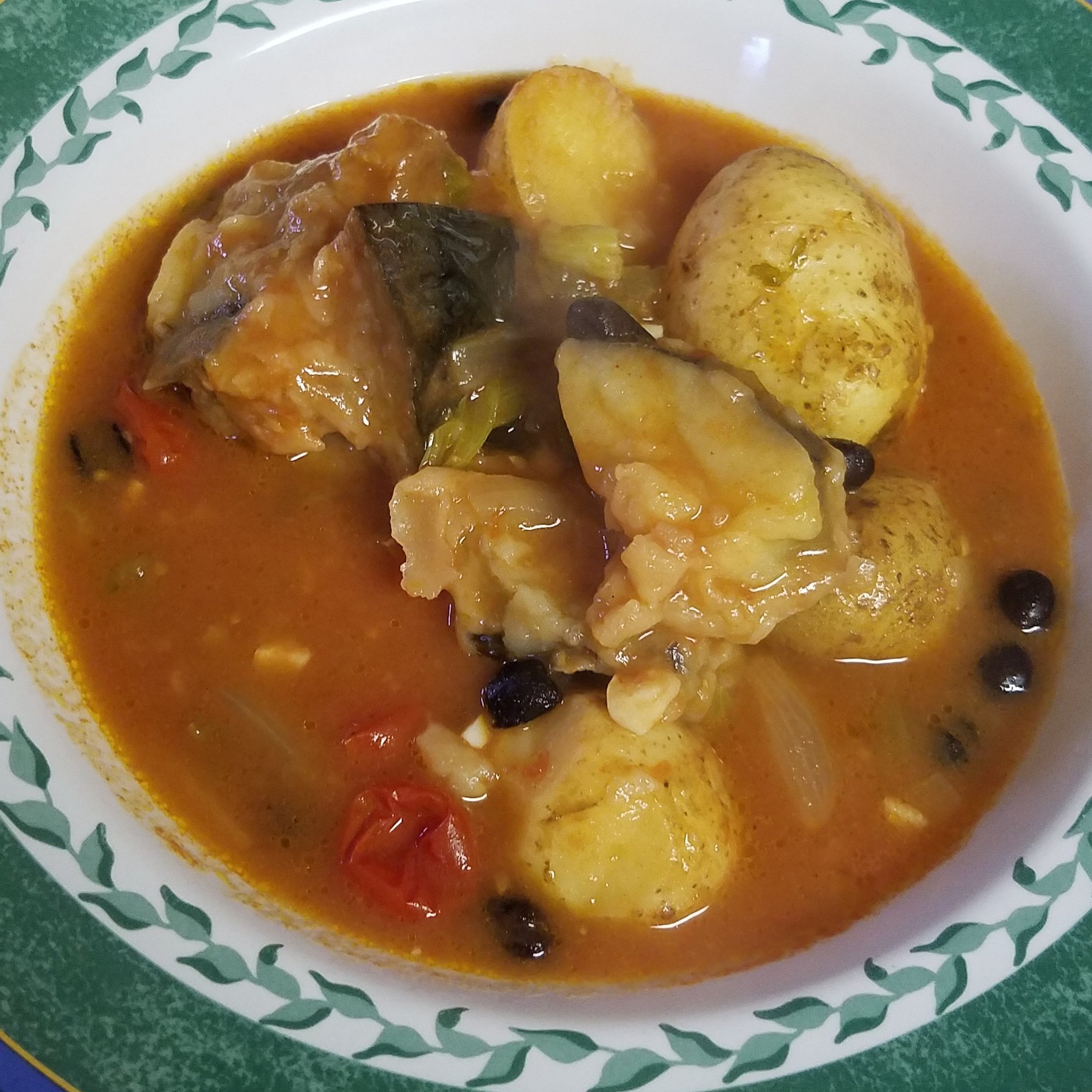
Stew of potatoes, eggplant, tomato, black beans and vegetables.

Who wants to reinvent home cooking every time they enter the kitchen?

Here’s a better question, how can I work to be present in the kitchen and produce tasty, nutritious food for our family?

While I have a strong memory of Mother’s cooking, I don’t recall many of the dishes. For me, home food begins in 1959 when we moved to Northwest Davenport where I lived at home until going to university in 1970. During those years Mom cooked what I believed was standard fare for working class people. If there was a typical dinner, it included beef or chicken as a main course, potatoes or rice, and a vegetable. Sometimes there was dessert. Dad got a discount at the butcher shop co-located at the meat packing plant where he worked. He brought home mostly beef and pork products, and we had plenty. Memorable tastes include liver and onions, beef vegetable soup served on white rice, and usual fare of hamburgers, grilled cheese and meat loaf. It was a staple cuisine that tasted good and provided nourishment.

When I became mostly ovo-lacto vegetarian in 1982, traditions associated with Mom’s cooking went out the window except when we visited her. I started cooking while I was in college and like most beginning home cooks was not very good at it. I recall serving Mother tuna and noodle casserole during the visit she made to my small apartment. I used her recipe, which included canned tuna and condensed mushroom soup. We got through the meal, one of the few during my life where she came to my place for dinner. I liked the dish with its savory richness. Today, I wouldn’t use tuna because of my mostly vegetarianism, but also because of over fishing of the species combined with the use of slave labor to harvest it in waters off Asia.

There is a utopian impulse in American society in which groups of people separate from social traditions and strike out anew. In that sense, a cook has a choice. Should we learn and perpetuate cooking traditions in our kitchen or improvise new meal solutions against a perceived and newly created blank slate? My choice is to make a cuisine from an ecology of food I identified and help create that borrows from everywhere to create new dishes. I may write a cook book to record the journey, but have little interest in creating traditions. A tasty, nutritious meal is enough.

In retirement for 16 months, I’ve found we have become increasingly isolated from society. Even though we rarely use the television set, I now understand the archetypal image of retired man yelling at the TV from a chair. It is harder than imagined to get out of the house for anything other than my part time jobs. The new paradigm has been good for our marriage and provides a natural break for utopian culinary endeavors.

The meal began with weighing out a pound of small potatoes from my barter arrangement with Farmer Kate. When I brought them to the kitchen, I didn’t know what I would do with them.

While looking through the weedy, end of season garden, I found three large Galine eggplants behind the foliage. I picked them and brought them inside.

On the counter was a good supply of garlic and cherry tomatoes. In the ice box was half a Vidalia onion, the last of the fresh garden celery, part of a bell pepper, some leftover black beans, and jars of thick tomato juice.

There was a meal in these ingredients.

After cleaning and trimming the potatoes I put them in a large sauce pan and covered them with tomato juice. My tomato juice is very thick due to a process I developed to use excess tomato water while canning. I brought the mixture to a boil then turned it down to simmer until the potatoes were fork tender.

I cut the eggplant with skin on into large chunks, soaked the pieces in room temperature tap water for 30 minutes, dredged them in flour, then fried them in two tablespoons extra virgin olive oil until browned on all sides.

In the Dutch oven I cooked the onion, bell pepper, celery and garlic in a tablespoon of extra virgin olive oil on high heat until tender. The only seasoning used was sea salt.

When the potatoes were done, I dumped the whole pan into the Dutch Oven, added the black beans and some cherry tomatoes, then added the eggplant. I scraped the bottom of the frying pan into the Dutch oven with a spatula to get all the flour and oil mixture and thicken the sauce.

I turned the heat to medium low and warmed until everything was evenly heated and the sauce thickened.

In retrospect, I could have added some frozen okra and seasoned it with red or green hot peppers. We keep the spicy dial turned to low in shared meals. It made four servings and was satisfying.

Humans consume only so many vegetables. 20 percent of an estimated 20,000 species of edible plants represent 90 percent of our food. Others may have made dishes similar to this potato eggplant stew. Each ingredient, each technique and each vegetable has its own detailed and unique history. There are a finite number of ways to pull them together into a tasty, nutritious dish. Improvisational cooking need not be unique, just as utopian living works to meet the same human needs as the rest of society. As a seasoned home cook, I no longer have to reinvent things. At the same time, improvising based on available ingredients renews our interest in cuisine.

It is okay to want that.

Categories
Kitchen Garden

Apple Share

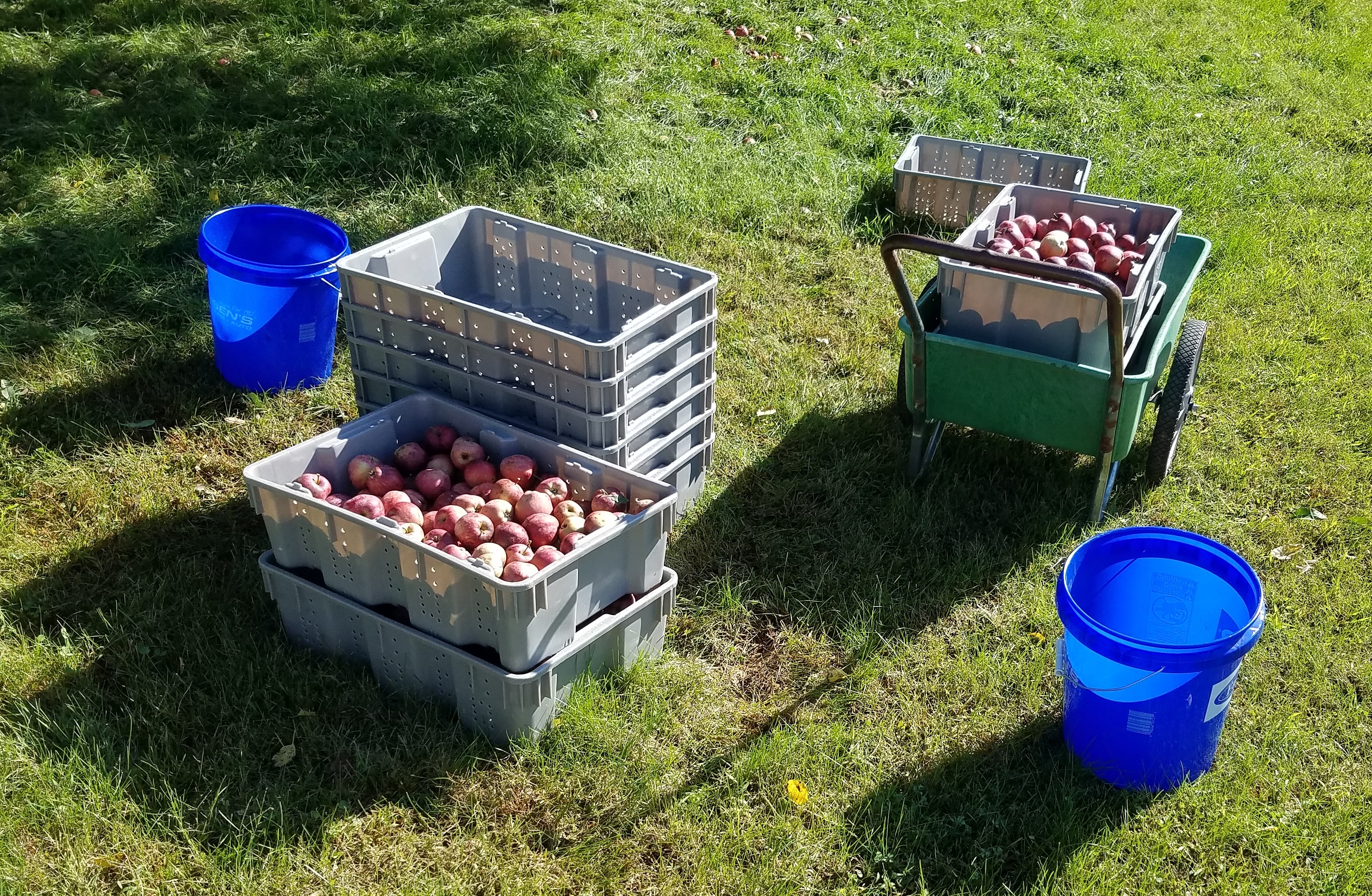
Cart of Red Delicious apples harvested Sept. 30, 2019.

(Editor’s Note: This year I donated 350 pounds of Red Delicious apples to Local Harvest CSA for distribution in member shares. Here’s the note I wrote for weekly newsletter).

The apples in your share are Red Delicious variety grown from a tree planted on Earth Day 1995 by Paul Deaton in Big Grove Township.

Back yard apples are maligned for a couple of unjust reasons.

First, the State of Washington about ruined the Red Delicious, which was first discovered in Iowa, where it was called the Hawkeye by some. Growers in Washington decided this apple was the way to go because of its marketability. They went all in and devised techniques that took the flavor right out of the fruit, including picking before they were ripe, then “ripening” them in a chamber of ethylene gas before shipping. Applying science to the Red Delicious about ruined it and gave it a bad name.

Second, backyard apples have developed a number of “reasons” why people don’t want to cultivate them. If someone has an apple tree they inherited, they may make up a hundred excuses not to prune and take care of it. While these apples aren’t perfect, get a knife out, cut off the bad spots, and they make good eating if fully ripe. They make other fall apple things like crisps, cobblers, sauce, butter and dried apples.

Let’s face it, when Johnny Appleseed, born in 1774, came across the country he had one thing in mind as he planted apples by seed: enabling future settlers to make hard cider. Although the technique is making a comeback, many city-dwellers have forgotten that piece of apple lore. As long as the apple isn’t rotten, it can go into cider (press or many use a juicer for small batches) from which one can make vinegar, sweet cider or hard cider. If one is concerned about bacteria, get your cooking thermometer out and heat the cider thoroughly to about 165 degrees for ten seconds. It will kill the bad bugs and leave most of the flavor.

Hope you enjoy them!

Categories
Kitchen Garden

New (to me) Way of Cooking

Field corn turning from green to brown.

(Editor’s Note: First of a multi-post series comparing traditional and improvisational cuisines)

I am doing a noggin analysis of how we cook.

I’m trying to wrap my head around the symbiotic relationship between traditional cuisines and improvisational cuisines found in American kitchens like ours. It’s complicated.

Last week, while dropping off a shipment of kale to friends at the city’s public library, I picked up half a dozen community cook books on the used book cart for a small donation. Included was Carolina Cookery, the front page of which asserted, “Dishes tried and true; Dishes old and new.” Published by the Equipment Committee of the Woman’s (sic) Club of Mullins, S.C., the plastic-bound tome lists five women editors, all of them using their presumed husband’s names. This cook book is an example of what I would call “traditional cuisine.”

Based on four-digit telephone numbers in the advertisements, Carolina Cookery was published before World War II. It includes recipes like Mammy’s Pan Cakes, an old Mammy’s recipe submitted by Mrs. Hughes Schoolfield; Hop’n John, requiring one pound hogshead, one pound black-eyed peas and one half pound rice, submitted by Bishop B. Anderson in the section titled “Men in Aprons;” and Sweet Potato Bread from Georgiana, who was Mrs. L.M. Roger’s cook. Mullins was incorporated in 1872 in a tobacco-growing region that today hosts the South Carolina Tobacco Museum.

What I haven’t yet said is the influence of chattel slavery runs throughout the book even if the authors are careful to exclude any but the most indirect mentions of it. Reading it immediately after finishing Michael W. Twitty’s The Cooking Gene: A Journey Through African American Culinary History in the Old South brought that element of the recipes and narrative to the fore. It’s why I picked this South Carolina volume from the two dozen available on the used book cart.

Black cooks working in white households, referenced in Carolina Cookery, is a legacy that continued into my memory. During a visit to Sangamon County, Illinois I dined at a home with such an arrangement. I felt uncomfortable about the vestige of slavery then and today it would be outrageous for a salary man without further means to be able to afford a part-time cook. In the United States, hiring girls and middle-aged women for house work is a common form of lowly paid work. At a young age my grandmother left the farm and worked as a house servant and cook in the Minnesota Twin-Cities. She continued to work for wealthy clients into my teen years. Maybe I should get over it but there was more to the experience than a woman finding work she knew how to do. It is a form of economic white privilege I today find repugnant.

What do I mean by an “improvisational cuisine?”

It’s what I’m doing, and also how many Americans organize their cuisine. For me that means creating a food ecology from which I pull in elements of our kitchen garden, the farms where I work, and area markets to prepare meals based on what’s readily available. Occasionally I purchase items on-line or via snail mail when I want something that’s not available locally. Recently I bought bags of dried Mexican-grown Guajillo chilies and Mexican oregano on-line. It is a never-ending process that produces, as Tamar Adler called it, “an everlasting meal.”

At home, we are lacto-ovo-vegetarian which requires and fosters a constant dialogue about nutrition, cooking, ingredients, flavors and diet. Being vegetarian strips away most traditional dishes. Occasionally we mimic meat dishes with the growing number of manufactured meat substitutes. If we make a pie chart of our diet, those meat substitutes would occupy a tiny slice.

Improvisational cuisine draws from the broader society. For example, Mother was one of the first white women I knew who prepared tacos in her kitchen. When she did, I invited some of my friends to share them. In retrospect, a contributing reason she took up this dish was the introduction of tortillas into our local grocery store before the advent of “Mexican food” sections like one finds at a supermarket today. It was another chance to use many ingredients normally found in her pantry to make something different and special.

I make tacos today, typically for breakfast, and they are more improvisational than Mother’s were, but use some of the same techniques. I buy raw flour tortillas to cook as I need them and make my own with corn Masa. The tortilla is a delivery system for a pan-fried amalgam of fresh vegetables, herbs and spices, and protein topped with salsa or hot sauce, fresh tomatoes in season, and a form of soft cheese. It is a recognizable dish even though the ingredients vary from day to day.

Exploring the symbiosis between traditional and improvisational cuisine is a popular topic when talking to friends and neighbors about cooking. There is more to explore.

Categories
Living in Society

Politics 2019

Apple Harvest 2019

Lest my silence be interpreted as acceptance of the 45th president and his administration’s actions in the run up to the 2016 election and during his tenure as president, let me make it clear.

Donald J. Trump should be removed from office as soon as is practical.

I don’t know if the current news about his work to get Ukraine to “do him a favor” will prove to be impeachable. What is certain is if it isn’t, he will do or has done something else that is.

The man has taken a wrecking ball to society and our government and I don’t believe our lives will be the same post-Trump. We’ll make the best of it when Democrats inevitably return to power, although some of the damage is permanent. Removal from office can’t come soon enough.

It isn’t just the president. He has the backing of moneyed interests to accomplish the agenda they want and have wanted since Franklin Delano Roosevelt was in office. The president is not skilled enough to come up with such a detailed, well-coordinated agenda on his own. He continues to be the yes-man for all that right-wing conservatives have asked in return for helping him rise to power.

The road back to power is difficult for reasonable people, including Democrats. Most I know seek out common sense in what the president is attempting to do. There is no sense to it. What we find is the incoherent raving of a man subject to right-wing power beyond his control. To make sense of it is also to unintentionally make a case for his actions when there seldom is one, at least one perceptible from the media circus.

There has been so much news this month I haven’t been able to keep up. I remember feeling this when Watergate began to break. I’ll do now what I did then: Let sh*t fall for a while and hope reporters and elected officials do their work. The main question I have is whether Congress will produce meaningful Articles of Impeachment from the coming Ukraine investigations. I hope so but it’s not assured and the president will fight them as best he can.

The pace of breaking news prevents me from processing it before the next brick falls. What else can I do?

What will convince enough people to remove the president from office? How will dissatisfaction with his performance register on the national agenda? What can rank and file voters do to raise meaningful awareness of this pressing need?

I don’t have answers yet, but behind my food and politics posts, I’ll be working on them.

Categories
Kitchen Garden

Okra Summer

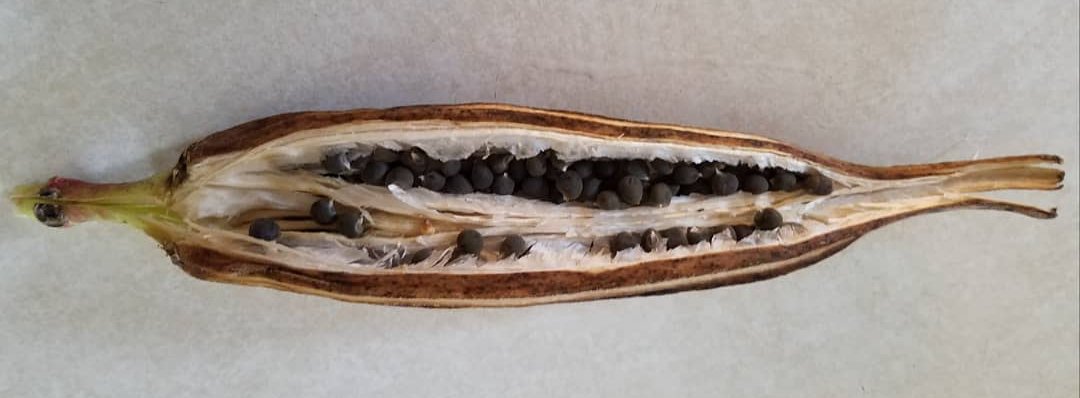
Okra Seeds

This year I grew okra for the first time.

It was an experimental change from store-bought to growing my own. I use okra mainly for gumbo and after this gardening season I have plenty sliced and in the freezer.

Okra is easy to grow and the plant produces for a long time. I now understand why so many people, especially those with limited financial resources, use it as a basic vegetable.

It’s not the most popular vegetable in Iowa.

I acquired the seeds at the home, farm and auto supply store in a batch of end of season packets left in a cart in the employee break room. If the seeds hadn’t been free, I would not likely have grown the vegetable. The excess pods produce plenty of seeds for next year. If I grow it again, I’ll plant just a few of them.

The reason I make gumbo at all is from watching cooking shows on public television, then on Food Network. Justin Wilson and Emeril Lagasse were most influential, but neither of them uses okra in the gumbo recipes at the links. Here is the recipe I developed after a number of years of exposure to these chefs.

Paul’s Vegetarian Gumbo

Make a roux with four tablespoons each unsalted butter and all purpose flour. Cook to the blonde stage.

Cook 10 ounces vegetarian sausage, sliced on the bias, separately in a tablespoon of extra virgin olive oil. Drain and reserve.

Add one cup each diced celery, onion and bell pepper. Cook until the onions are translucent. Add finely chopped garlic to taste (Use spring garlic when available). Add a thinly sliced hot pepper if you have one from the garden (Serrano and Jalapeno are my favorites).

Add one quart of vegetable broth, one pint of diced tomatoes and one cup sliced okra. Bring it to a boil and turn down the heat.

Season with 1 teaspoon curry powder, ground red pepper, or cayenne. Add prepared hot sauce to taste.

Add one cup chopped fresh parsley plus the sausage and heat thoroughly until the broth thickens.

Serve on its own or with rice.

Categories
Kitchen Garden

Apple Harvest 2019

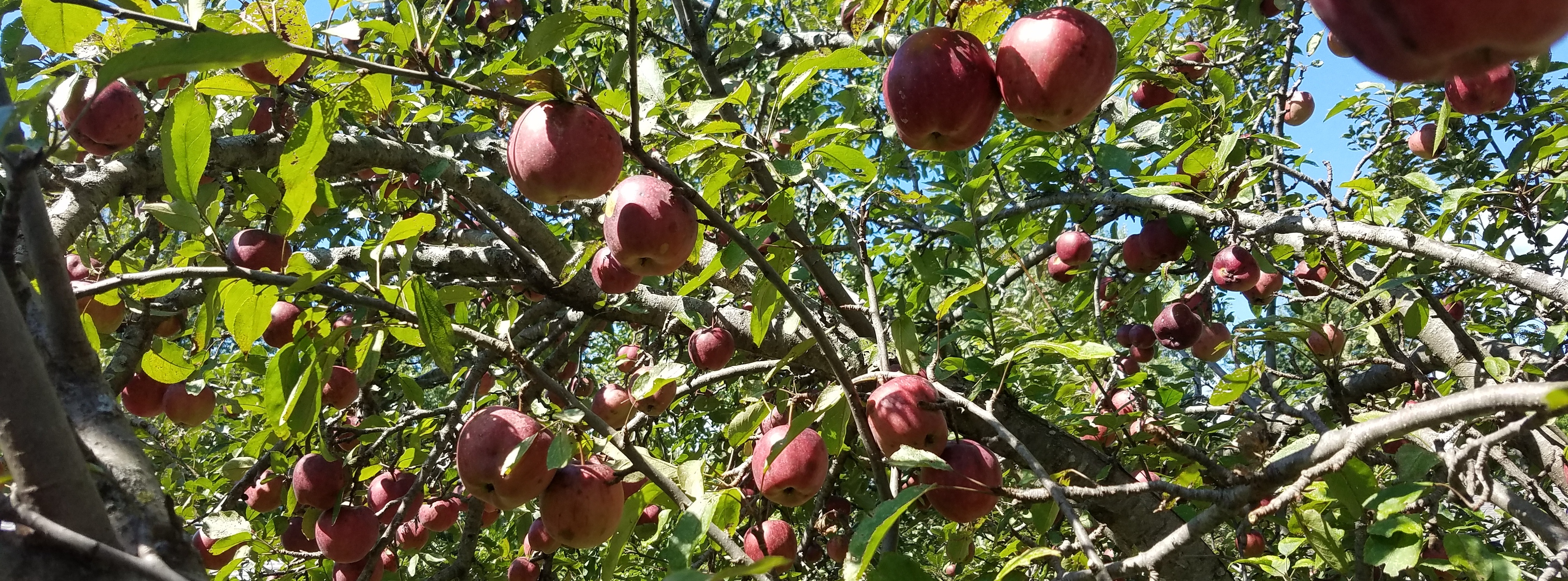
Apple tree viewed from top of a ladder.

The view from atop the ladder was pretty good.

Monday I began harvesting Red Delicious apples from a tree planted on Earth Day 1995. This tree outlasted three others planted the same day.

Tuesday I completed a 350 pound donation to Local Harvest CSA, which has been my go-to outlet when there is an apple abundance. I kept three crates for the kitchen and many apples remain on the tree. Naturally, the best apples are furthest up and hardest to get. They don’t seem to be dropping like Earliblaze did so there is a chance to pick more… a lot more.

The question is always the same: what to do with the abundance? In the past I felt it important to use every apple possible. As a result of such compulsive cookery the pantry is well stocked with canned apple sauce and apple butter. I may can a batch of seven quarts of applesauce this year to refresh the stock rotation, but don’t really need it. With my current concerns about blood glucose levels, applesauce isn’t a go-to option for dessert even if I enjoy it.

Baked goods is an option. 2019 is busier than most years in politics so there are plenty of outlets for apple crisp, applesauce cakes and apple pies, including the county party’s annual fall fundraising barbecue. I can’t make it to the barbecue because of my work schedule but I’ll send in desserts for 24 or 36 people. I’ll also send an apple crisp to the Elizabeth Warren office in the county seat. We don’t eat much in this category, but at least one apple crisp will be for us as well as a celebratory applesauce cake.

This year I plan to dry more apples than usual. As a snack, dried apples are very sweet and something different. I have an old Ronco dehydrator purchased for a buck at a yard sale. It can dry a batch in a day or two.

I offered free apples to neighbors on our private Facebook page. I’ll fill any orders that come in on Friday. I’ll share with folks in town if they ask.

The bumper crop makes me wish we had a cider press. I’ll produce about two gallons of apple juice for additional apple cider vinegar making, but that work with a household juicer is too labor intensive to process all the apples. Maybe I can process a batch of seven quarts of sweet cider for special occasions.

When Johnny Appleseed planted his orchards, he did it for hard cider for settlers. My fermentation is to the vinegar stage, and for now I stay away from the hard stuff. That is, unless a gallon jug sits in the ice box too long and begins conversion of sugar to alcohol on its own. I’ll drink that. I’ve gotten to a place where I prepare our salad dressings using vinegar made in our pantry.

Living an apple life is pretty good. Maybe as good as it gets. It is work — the joyful kind. Thus far I’m nimble enough to scale the ladder and take in in the view for a moment before picking fruit. Apples are a way of dealing with life’s problems and an opportunity for self-improvement. I believe I’ll plant more trees next spring.

Categories
Home Life

Rainy Weekend of Apples and Michael Twitty

Freshly picked Honeygold, Bert’s Special, Crimson Crisp, Jonagold, Daybreak Fuji and Alvin Gilliam’s Seedling apples.

My Saturday and Sunday shifts at the orchard were cancelled because of almost continuous thunderstorms during the weekend.

I’ll miss the income, although will get by.

Saturday I canned the next batch of tomatoes. With the pantry containing 24 quarts of whole and diced, 24 quarts of tomato water and 48 pints of whole and diced, there should be enough to last all of 2020 and then some. I didn’t mention the quart bags of tomato sauce in the freezer… or the four dozen fresh on the counter… or the next wave ready for harvest. We’re good on tomatoes.

Sunday was a punk day. To get out of the house and take my daily exercise I returned to the orchard and picked the apples in the photo… in the rain… wearing the wax jacket I bought in Stratford, Ontario during one of our summer trips when our daughter was in high school. The wax jacket worked as far as keeping the rain off goes. The plastic lining made it too hot for humans by the time I returned to the sales barn to pay for my apples. I lost count of how many varieties of apples I tried thus far this season, maybe two dozen. The Robinette and Alvin Gilliam’s Seedling were astoundingly flavorful. It would be tough for me to return to supermarket apples.

Every once in a while we are reminded of how little we actually know about our daily lives. While it rained I made it halfway through Michael W. Twitty’s book The Cooking Gene: A Journey Through African American Culinary History in the Old South. It is one of few books I know like it. Twitty presents expository words about his genetic history and how that influenced the culture of slavery from a culinary perspective. He brings together something worth studying if interested at all in the local food movement.

There is a lot in the book. Although I don’t consume much meat and no fish or seafood, I’ve been thinking about my approach to growing and cooking since I started the book. Twitty provides new insight into the idea of a kitchen garden and using food that’s found or produced locally. There is a lot of discussion of greens, the liquid they are cooked in, and staples like corn, rice and root vegetables. I consider my own culinary practices and it’s a hodge-podge of dishes, techniques and ingredients rather than something coherent as Twitty recounts.

Culinary times have changed since the 17th and 18th century through increased urbanization. If everyone that lives in the nearby cities of Cedar Rapids and Iowa City trekked out to the country to forage nuts, wild plants, fish and game on a subsistence basis, the land would soon be stripped clean. That’s not to mention land in private ownership with prime foraging areas and posted no trespassing signs. In that sense, only a small percentage of the population can return to that lifestyle. When the oceans are over-fished, and marine ecosystems are collapsing there is no reason to consume more fish and seafood. When poring over a menu that contains sushi, I shake my head and end up explaining to diners at my table why it shouldn’t be consumed. It doesn’t always go over well.

At the same time there is an ecology of food. If the cultural elements have changed, the instinctual behavior hasn’t. There’s a lot to learn and think about in The Cooking Gene. That’s part of why we read books.

Next I need another walk near the lake or through the orchard to let the ideas ferment. Only then will I see whether it is fleeting enthusiasm or something from which to make structural changes in my kitchen garden.