Categories
Writing

Consuming Local Food

Asparagus and Mushrooms

LAKE MACBRIDE— White butterflies have arrived to lay eggs in the cruciferous vegetable patch as spring enters its final days. Part of gardening is the notion that there is a world of deer, rabbits and rodents; caterpillars, beetles and aphids; microbes and bacteria; all ready to compete with us for food during the cycle that defines each year’s garden production.

Lettuce
Lettuce

A home cook who gardens is more acutely aware of this as a deer munches the top leaves of a pepper or green bean plant; as caterpillars make a home among broccoli and cabbage; or as potatoes considered from planting in early spring through growth and flowering are touched by Colorado potato beetles and the tuberous roots are eaten by rodents before we can dig them for the table. Application of chemicals is not an option in our garden, so more vulnerable crops like sweet corn and potatoes are leveraged from other growers, the bugs get picked off by hand, and complex webs of chicken wire and netting work to deter wildlife from access to garden plants— at least until after harvest time.
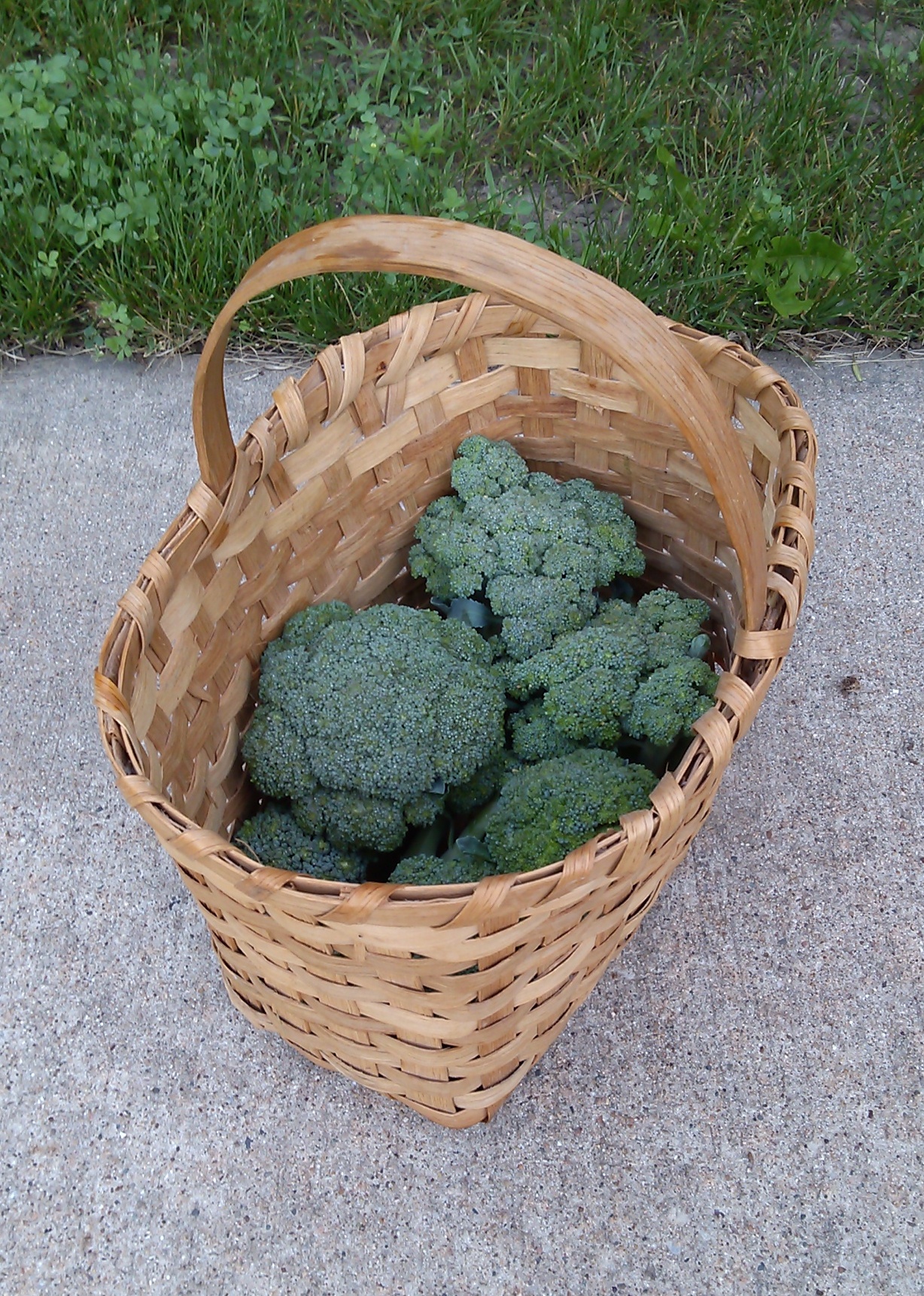
Broccoli
Broccoli

Gardening is a constant symbiosis that sustains a diverse and complex community of species in the context of an ever changing planet hurling itself into space. To say the future sustainability of local food systems rests in what home cooks do in their kitchens is putting a lot of pressure on a process that is far more complicated. Home kitchens are a part of the process, and human centered.

When considering a bigger picture, the assertion that home kitchens require a revolution to sustain local food is more a statement about marketing than anything else. What matters to sustainability of local food systems is how they fit into a broader context of a supply chain that includes grocery stores, pantries, gardens, farmers markets, CSAs, community food banks, government programs, neighbors and friends, and other sources of foodstuffs.
Bits and Pieces
Bits and Pieces

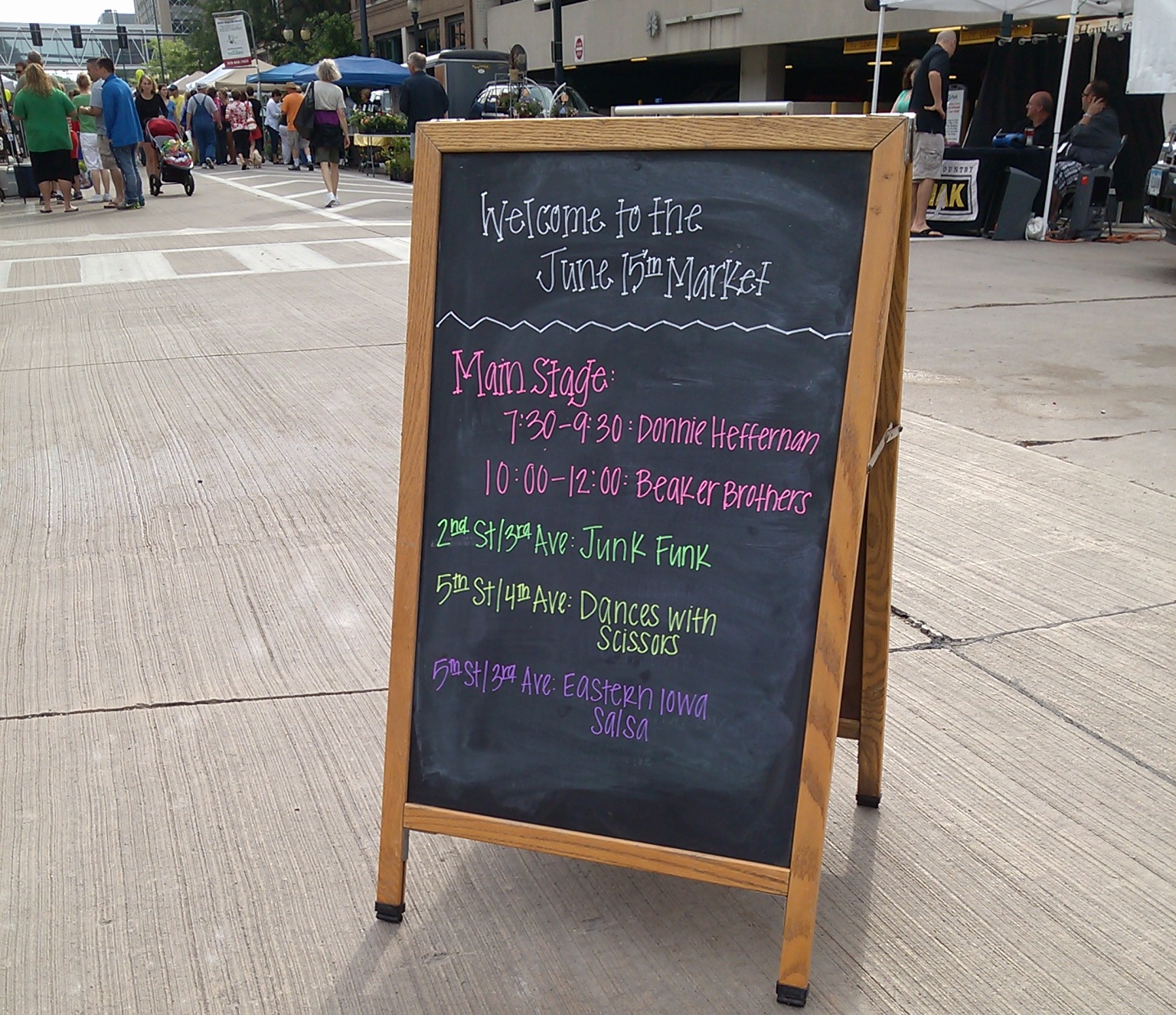
That said, farmers markets like the June 15 market in Cedar Rapids seem critical to sustaining a local food system. It is the behavior of a consumer society that attracts as many as 20,000 people to a Saturday market, and without consumers, there is no market for local produce.

One hopes that the cravings for sugar, salt and fat inculcated in us by industrial food processors get replaced with something better. However, changing how people behave regarding production and consumption of food is like piloting a large battleship in that changing course takes more than a few driving personalities asserting this or that needs to happen. Having a local food Saturday (or any day) in a home kitchen can work to correct a course currently fraught with obesity, chronic disease and ill health.

Supplies
Supplies

My recent local food Saturday is past and I look forward to the next. But before leaving it, there are some points  to be made about what it was and could be for others. By bearing witness to the efficacy of local food Saturday, perhaps readers will consider likewise. Like Scheherazade, I hope to keep you interested.

Categories
Kitchen Garden

To Market, to Market

Seedlings
Seedlings

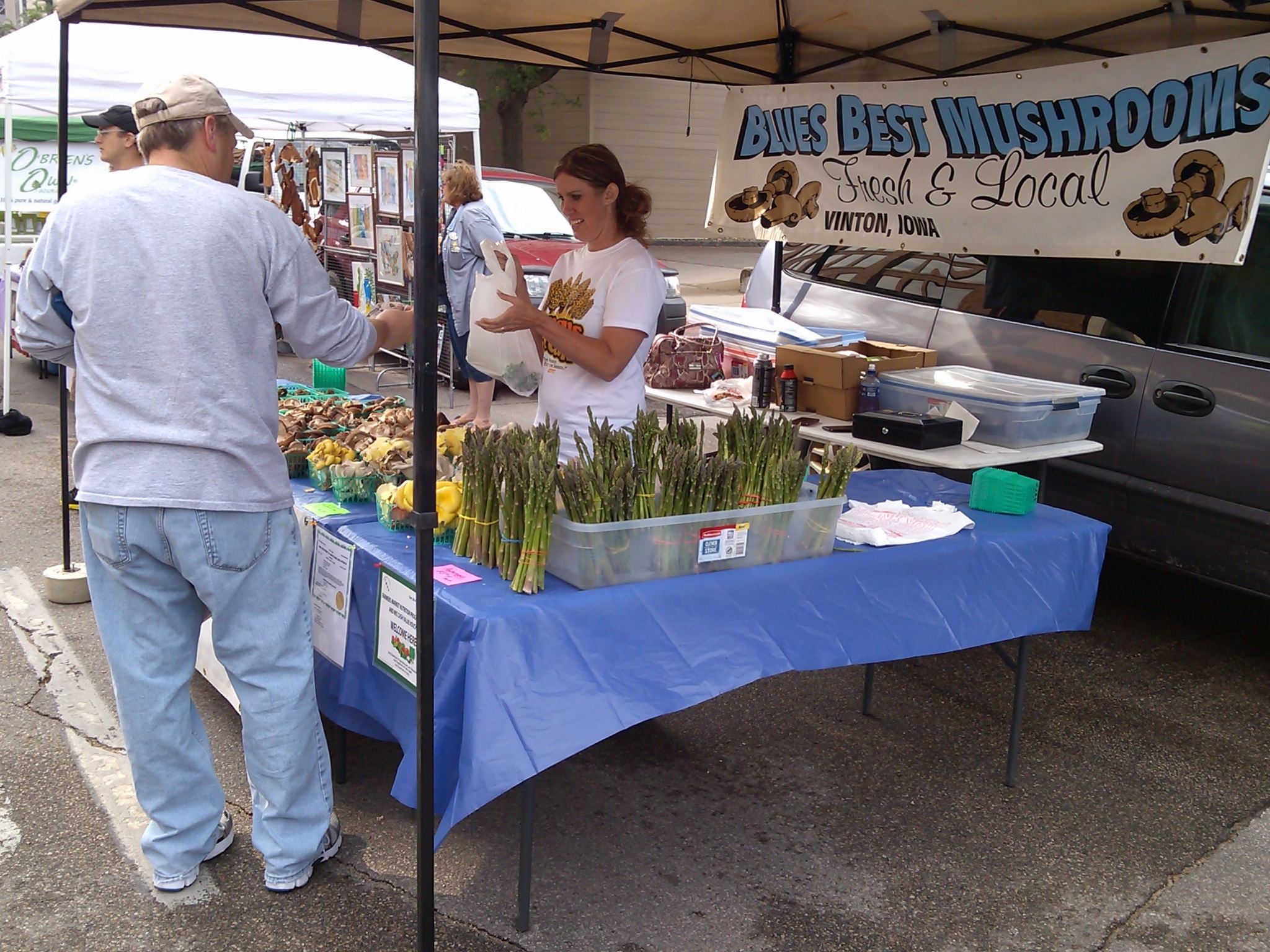
CEDAR RAPIDS— Saturday was my first trip to a farmers market this season. An abundant garden, combined with a share from our CSA, reduced demand for outside produce. Until now, the cucumbers, zucchini and squash for our salads have come from the grocery store. Greenhouse operators now have local ones available, and that is reason enough to switch to the market.

There are more reasons. Depending upon how busy the farmers were at the market, they were a source of information about how they grew produce. It is a form of community knowledge about weather, temperatures and techniques for gardeners and producers that is hard to match. Hearing stories about how the early season was wet and cold, and the impact on growing, either taught me something new or ratified my own experience. Communal knowledge is part of being a producer, even small scale ones like a home gardener.

The market served to address some deficiencies in my planning this year. Not enough radishes, turnips behind schedule because of delayed planting, and kohlrabi fizzled as seeds. The farmers market made up for most of this.

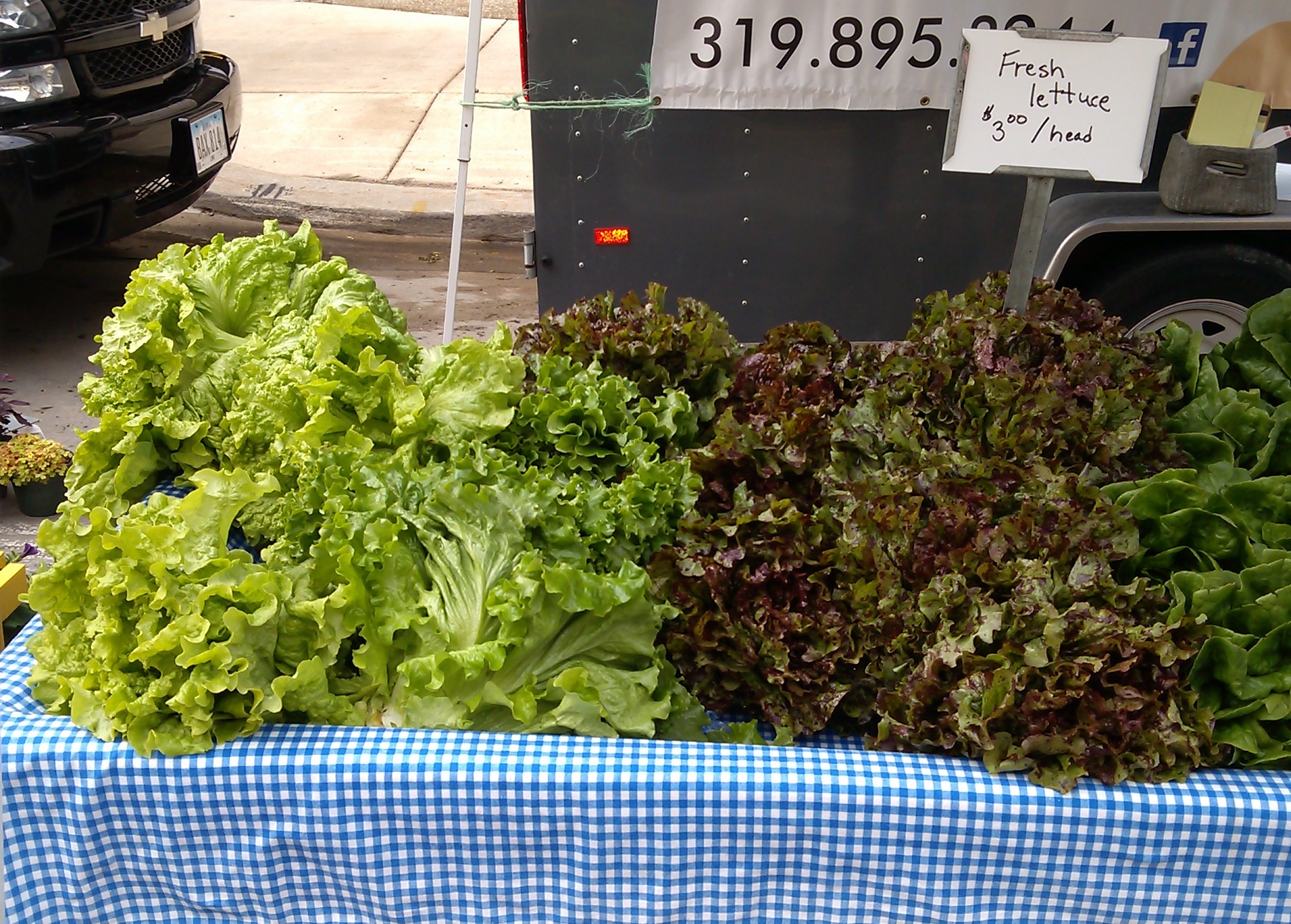
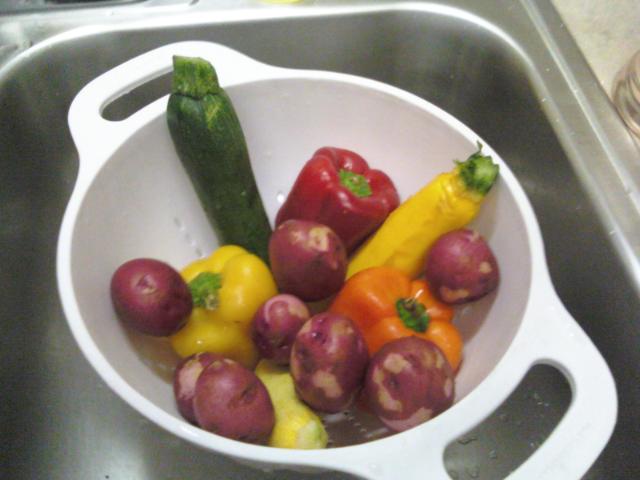
The leafy green vegetables all looked good at vendor stalls, but my garden has plenty. I bought some broccoli to allow mine to grow a few more days before harvesting. Cucumbers, zucchini and yellow squash looked much better than what is available at the grocery store— everything did. Here’s what I ended up purchasing.

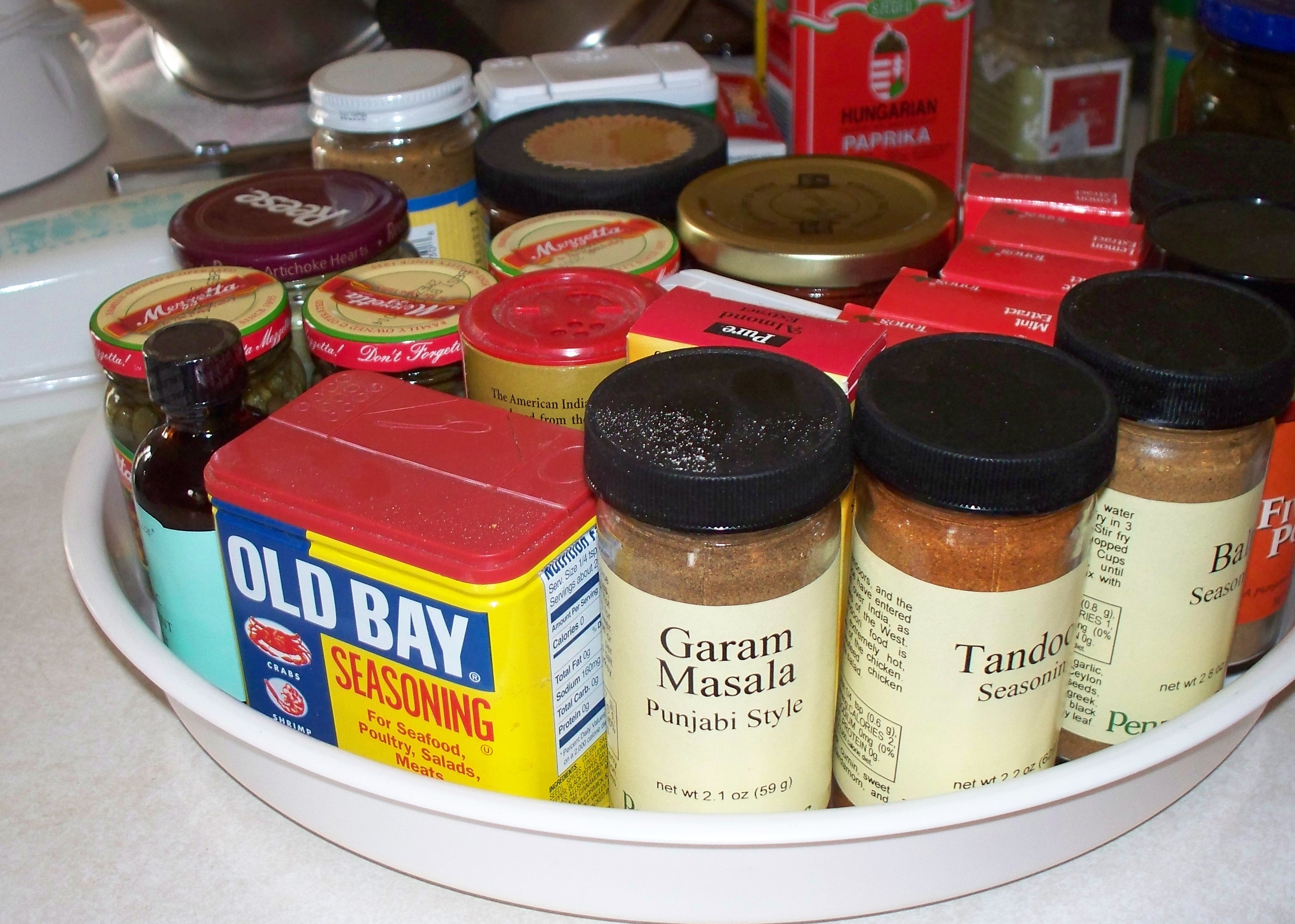
Farmers Market Supplies
Farmers Market Purchases

Some of the produce was cheap, turnips with greens for $0.50 each, cucumbers for a dollar. At $3 a head, lettuce seemed pricey, but I bought a pound of local honey because the pricing point seemed right at $5. Maple syrup was too dear, and I didn’t stop at any of the prepared food stalls. I budgeted the $18 I had in my wallet for the shopping trip, and spent it all.

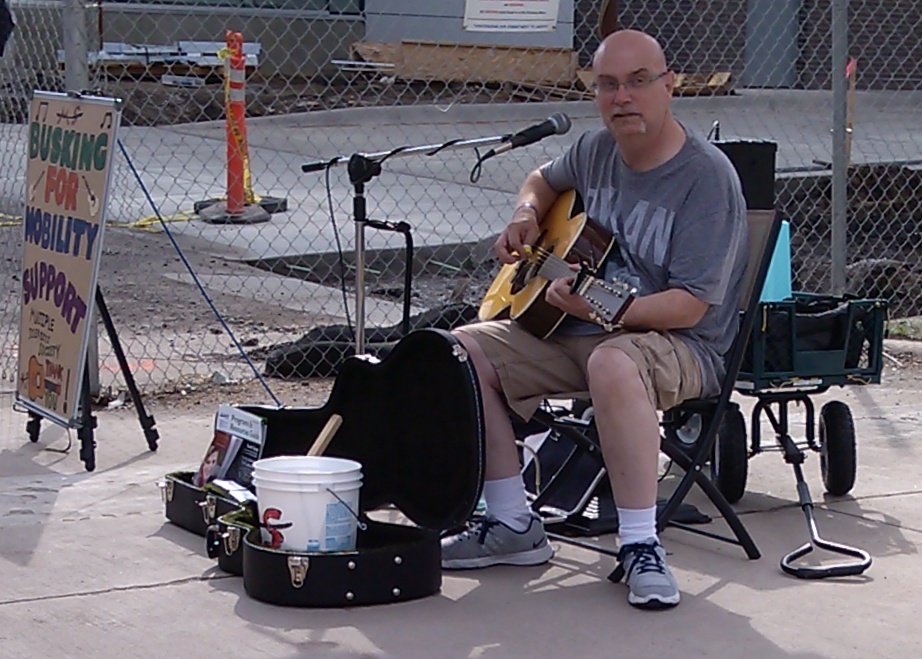
Musician
Musician

My approach was to consider what was priced right and how items would fit into the coming week’s meals. Honey for bread making; radishes, cucumber, zucchini and yellow squash for salads; the turnips to make soup; broccoli for dinner that night and kohlrabi for an experiment of cooking it with potatoes— getting ready for the generous supply from the CSA. I kept looking at the beautiful greens, but sensibly resisted the temptation to buy more— really, I did.

As many as 20,000 shoppers come to the Cedar Rapids market on a Saturday. It’s what makes the market. It is cheap entertainment for a family, and produce is fresh and tasty raw material for an afternoon of transforming it into dishes and meals. There is a lot to write about farmers markets, but, importantly, they are a key part of the current local food system. How to use the combination of a home garden, grocery store, farmers market and CSA will be the topic of my next post. It is the case for sustainability of a local food system, beginning in a home kitchen.

Categories
Writing

Local Food Saturday

June 15 Market in Cedar Rapids

CEDAR RAPIDS— If local food will gain market share from the industrial food supply chain, there must first be a fulcrum. A home kitchen may be that fulcrum— a place where our consumer society can pivot toward growing, buying and preparing more locally grown food.

The trouble is people spend so little time in the kitchen, and when they do, the industrial food processors have done a lot of the cooking for us. Whether it be a frozen pizza, bagged lettuce, peeled fresh garlic imported from China, green peppers and watermelons from Florida, strawberries from California, yogurt, breakfast cereal, canned soup, salted snacks, and increasingly, prepackaged, calorie-counted microwavable meals. The folks at the industrial food supply chain want us to cook less as it’s more for them.

Local Lettuce
Local Lettuce

In a previous post, I argued that a revolution should take place in home kitchens and that the relationship between home cooks and local food is essential to sustaining a local food system. That revolution may be as simple as going to the local farmers market on Saturday to buy what we don’t have in our gardens or pantry, then spending a part of an afternoon preparing and cooking a few meals for the week. It sounds too easy.

Farmer's Stand
Farmer’s Stand

I have been demonstrating food preparation and cooking for our daughter a long time, beginning at home. When she moved to Colorado after college, I would visit and cook a meal in her kitchen using what she had on hand. One time someone had given her a large box of Colorado peaches in season and I made a peach crisp for dessert. The only baking dish she had was a glass pie plate, and we had no recipe, but it was one of the memorable dishes there. On another trip she was preparing to move and I spent a day while she was at work cooking everything I could find and filling every container in the kitchen with leftovers. By the time I was done there were more than two dozen prepared meals ready for her to microwave or heat up.

Farmers Market Food
Farmers Market Food

Imagine my parental delight when she sent me this mobile phone photo of produce she bought at a farmers market. She is learning how to cook, and not every meal is drive through or a restaurant chain, something the parent of a millennial fears is only supplemented with sugary drinks and expensive coffees.

Market Sign
Market Sign

My point is few people are as busy as a millennial. If there is a process, like having a local food Saturday, an increased portion of local food can be added to our diet. After my work at the newspaper this morning, I took the idea for a test drive to Cedar Rapids and visited their periodic market which includes locally grown food and a host of arts, crafts, music and other products of home industry. During the next posts, I intend to write about my experience and how having a local food Saturday would work.

I believe local food Saturday can fit into the busiest of schedules and be cost effective. This addresses two of the most often heard objections people name when asked to consume more local food, “I don’t have time” and “local food is too expensive.” There may be a better way in local food Saturdays.

Categories
Environment

On James Hansen

James Hansen
James Hansen

IOWA CITY— It’s hard to believe, but a lot of people don’t know who is James Hansen of Denison. He is a retired NASA scientist who took the first sentence of NASA’s mission statement, “to understand and protect the home planet,” to heart and explored the science of climate change. That is, it was the first sentence of the NASA mission statement until the George W. Bush administration removed it.

Hansen’s concern about the kind of world he will leave his grandchildren led him to continue to speak out about the need to mitigate increasing carbon dioxide and other greenhouse gases in the atmosphere— the cause of global warming.

I met Hansen on Jan. 27, 2008 in Iowa City, and his message hasn’t changed much, except maybe to express increased urgency about the need to mitigate rising temperatures related to burning fossil fuels before it is too late.

If readers don’t know about James Hansen, they should. Check out his brief bio at the Columbia University website here. In this 17 minute TED talk, from February 2012, http://on.ted.com/Hansen, Hansen presents, in easy to understand terms, the science of global warming and the urgent need to do something about it.

There is no debate about global warming. The debate is over what to do about it. According to Hansen, we should stop subsidizing the fossil fuel industry and implement a carbon tax. We should do it now.

Categories
Kitchen Garden

A Shift at the Farm

Working in the Barn
Soil Blocking and Seed Planting

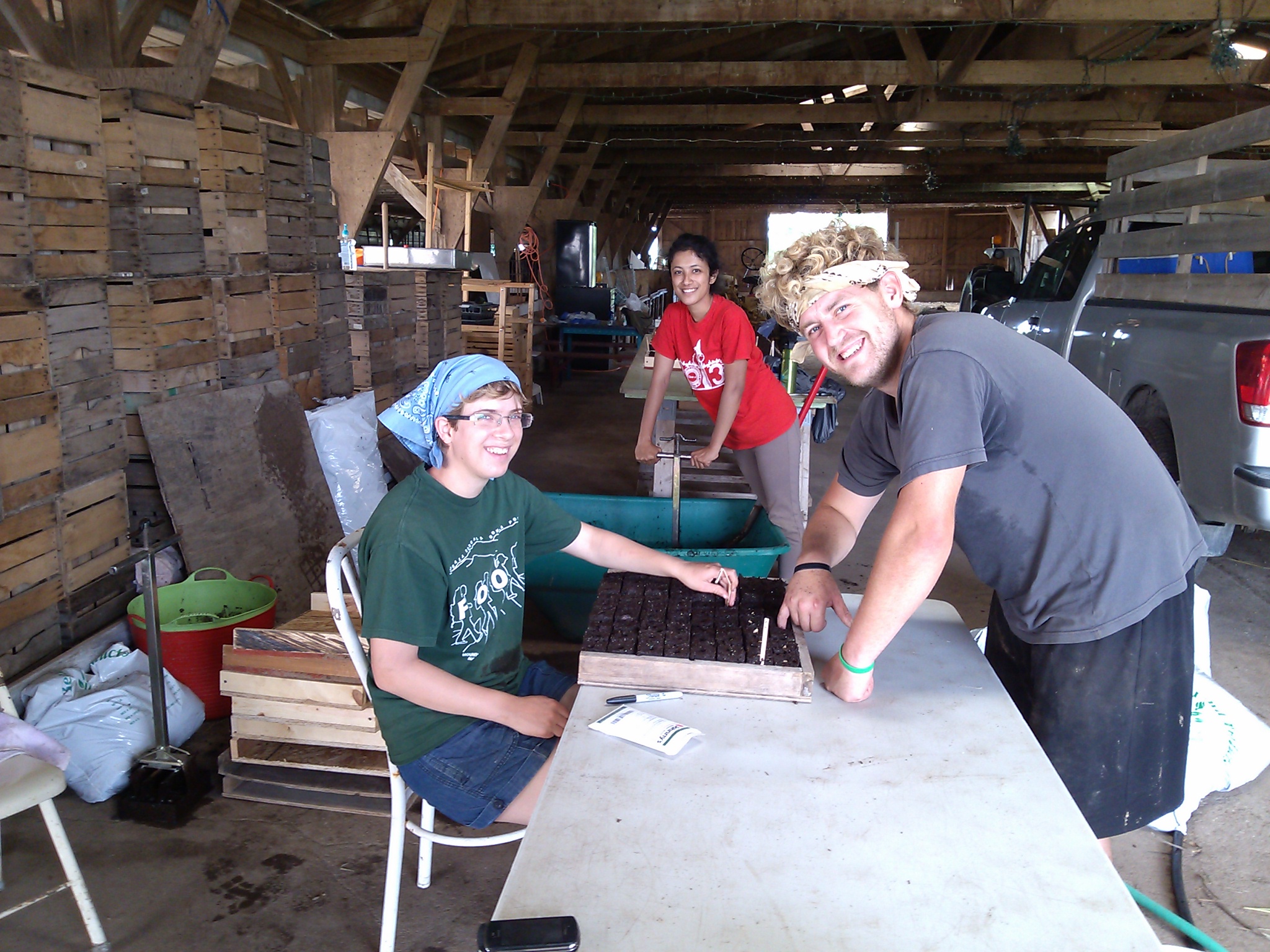
RURAL CEDAR TOWNSHIP— A real concern about severe weather hangs over the farm. When there is a forecast of thunderstorms and gusts of high wind, we move cars, tractors, wagons with seedlings on them, and other equipment into the barns. The vegetables growing in the field stand on their own, and a crop failure for any reason would be disastrous. It’s too late to start over.

In a community supported agriculture (CSA) project, unlike with commodity producers, the risk of a crop failure is not only financial. Shareholders would have to find food elsewhere. When a person joins a CSA, the expectation is to share in good and bad outcomes. However, there is a practical aspect of crop failure in that people have to eat. Industrial food supply chains, against which CSAs compete, are diversified enough to provide food during hard times. The effect of a failure would be to erode some of a CSA’s hard earned loyalty of members. Yesterday’s storm passed without significant damage and concerns receded like the flood waters. Equipment came back out of the barn.

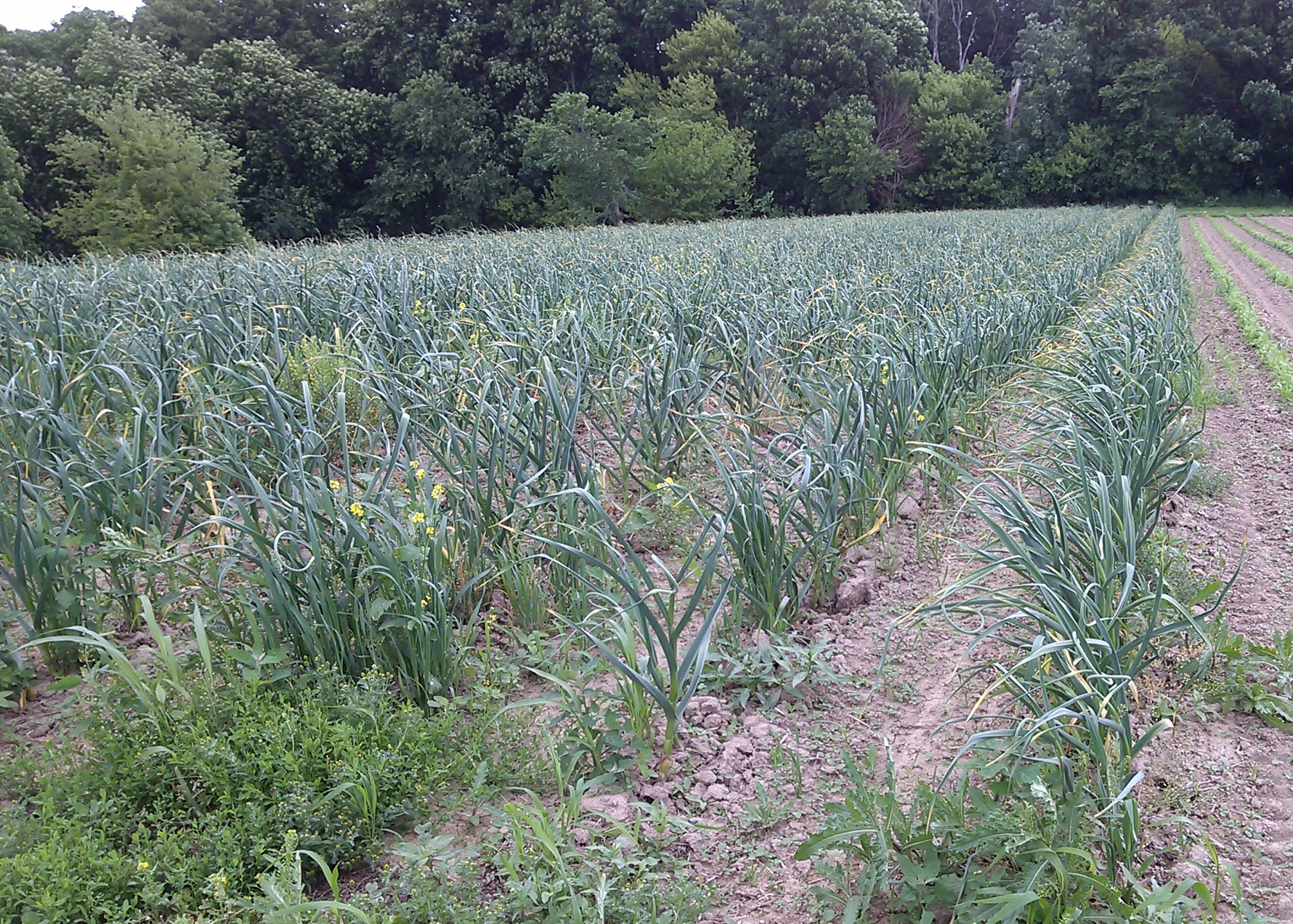
Field of Garlic
Field of Garlic

After my shift of soil blocking and planting, I walked among the fields to look at the progress. The scapes of garlic are forming, plenty of rhubarb remains, and the rainy spring has everything growing.

With some crops, a process of laying down irrigation lines and then plastic on top is used and was a learning experience. It makes sense to protect against drought in a farm business, and when customers have other options, irrigation can help ensure there is a harvest.

At home, I water my garden, but sparingly. Partly to conserve water, but also because the vegetables should produce on their own. Home gardening is more about living within the actuality of the season, rather than producing a fungible commodity. It’s not really about the vegetables, but a way of life.

That’s not to say I wouldn’t sell excess— I have. Having a harvest is important, but not critical. There is a part of us that wants to connect with the elements in a fundamental way. Gardening fulfills that desire. Knowing the face of the farmer and where food comes from is essential to maintaining sanity in a turbulent world. That there are risks is part of the paradigm.

Yesterday’s themes— risk, irrigation, coping with crop loss and customers— in the context of working on a CSA, served to instruct as another shift on the farm ended. The compensation for this work is not only in vegetables.

Categories
Sustainability

Iowa Pulls the Plug on Nuclear Power

Nuclear Power? - No Thanks
Nuclear Power? – No Thanks

Pursuit of new nuclear power in Iowa was a bad idea when then governor Tom Vilsack began promoting it, and remains so. MidAmerican Energy’s announcement in the Des Moines Register today, that the utility “has scrapped plans for Iowa’s second nuclear plant and will refund $8.8 million ratepayers paid for a now-finished feasibility study,” was welcomed by people throughout the state. In the end, talk about nuclear power was a weird combination of the vaporous breath of politicians combined with a financially stable and well capitalized public utility owned by  one of the richest men on the planet. The discussion Vilsack started is over for now.

In an email to members, Dianne Glenney, co-founder and communications contact for the grassroots organization S.A.F.E. (Saving America’s Farmland and Environment) wrote, “we have learned more about the dangers of nuclear energy than we ever wanted to know.  But, we are much better informed now and an informed citizenry is primed to be a watchdog for future happenings, to report issues when they happen, and to take action.” While S.A.F.E. came into being only after the utility’s planned sites for a new nuclear power plant were recently announced in Muscatine and Fremont counties, Glenney’s words summed up the four-year process that stopped MidAmerican’s nuclear ambitions. Knowledge is power, and by 2013, the Iowa electorate had been educated about nuclear power.

As always, there is more to the story.

The idea that there was a nuclear renaissance in the United States was a product of the imagination of politicians, the nuclear industry, corporate media and the richest Americans. The nuclear disaster in Fukushima, Japan on March 11, 2011 brought the risks of nuclear power to the public’s attention. Shortly after the earthquake and tsunami that caused the failures, MidAmerican Energy’s Bill Fehrman asserted in an Iowa Senate Commerce Committee meeting that small modular reactors would solve some of the problems of Fukushima.  The public wasn’t buying it, at least to the extent that they would support the legislation Fehrman said was necessary for the utility to get the financial backing of Wall Street to build a new nuclear power generating station. In today’s announcement, MidAmerican conceded that lack of an approved plan for a small modular reactor was problematic, citing as one of the reasons for pulling the plug, “there is no approved design for the modular nuclear plant it envisioned.”

A final decision by the Nuclear Regulatory Commission to deny a license to the Calvert Cliffs III nuclear reactor, slated for southern Maryland, is evidence that if there was a nuclear renaissance, it may be over from an NRC perspective.

Another part of the story is the abundance of natural gas resulting from increased exploration and discover using the hydraulic fracturing process. With the cost of natural gas going down, interest in more expensive nuclear power is waning. It is important that MidAmerican Energy noted the potential regulation of carbon as an impediment to building a natural gas power generating station, something that did not stop Alliant Energy from seeking approval for such a plant in Marshalltown.

The current solution to the radioactive nuclear waste produced by nuclear power generating stations is no solution at all. The plan is to store it on sites where it is generated until the federal government figures out what to do with it. Reasonable people can’t seriously consider adding new nuclear power capacity until this long standing deficiency is addressed.

Dianne Glenney of S.A.F.E. wrote last night, “no one should have to live under the strain of a potential nuclear power plant in their neighborhood, community, state and/or country.  Someone is always downwind of every nuclear plant.” Now enough Iowans know this. Let’s hope we don’t forget.

Categories
Environment Home Life

Sunday Afternoon Drive

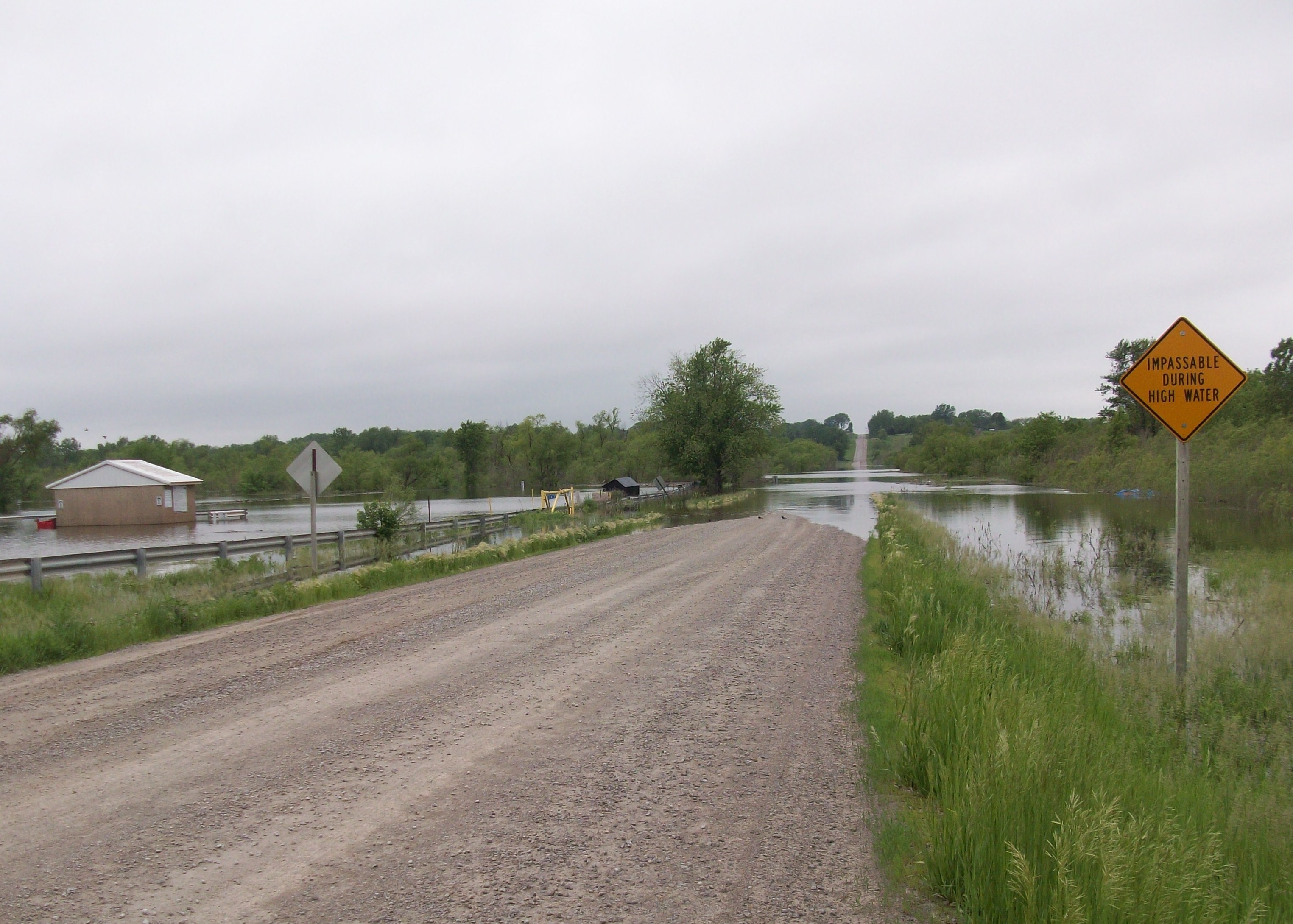
Flooding 140th Street
140th Street, June 2

BIG GROVE TOWNSHIP— When we were children, our parents used to take us out for a Sunday afternoon drive. A typical trip might include visiting Weed Park in Muscatine, friends of my parents in Blue Grass, or to the Niabi Zoo near Coal Valley, Ill. Today’s Sunday afternoon drive was not as much fun. I drove to 140th Street NE near Ely Road to see the progress of the flooding.

That is, not as much fun unless one is a fisher. When I arrived at the edge of the water, about half a dozen motor boats were out. Click on the thumbnail above, and the boats can be seen as small specks toward where the road rises out of the water. Word is out that striped bass, catfish and carp are biting. The reason I know is a neighbor mentioned it while I was working in the ditch in the front yard after the drive.

140th Street May 31
140th Street, May 31

The water has risen about four feet since Friday. Compare the two photos to see how the building is being submerged. If you would like, take a look. For me, I would not like. It is wearying to deal with the consequences of climate that changed when we should be advocating to change how society interacts with so-called nature turned into an owned and built environment.

Like this flooding, changing climate is hitting us where we live. In the water we use, the air we breathe, and the weather we experience. This weekend politicians sought photo opportunities to post on social media: of them helping sandbag buildings to protect them; of them inspecting the damage. What they should be doing is actual networking with their colleagues in government to find common ground and take concrete action to solve the climate crisis.

Some may not notice the climate crisis because they are so busy cleaning up in its wake, or in this case, trying to catch the limit of striped bass. Maybe they are taking a much needed Sunday afternoon nap. Eventually the frequency of these hundred year floods, at a rate of three in 20 years, will be noticed. It is not too late to solve the climate crisis, but we don’t know for how long.

Categories
Kitchen Garden Living in Society Sustainability

Farmers Oppose Nuclear Power

Nuclear Power? - No Thanks
Nuclear Power? – No Thanks

WILTON—About 65 people gathered at the Wilton Community Center last night to view a screening of the documentary, “The Atomic States of America,” hosted by the group Saving America’s Farmland and Environment (S.A.F.E.). Attendees also heard an update from two of the group’s co-founders Dwight and Dianne Glenney. S.A.F.E. began with a group of farm families who rose in opposition to MidAmerican Energy’s plans for a nuclear powered generating station on 150th Street near Wilton.

No surprise that a group of farmers would fight a large corporation in the biblical terms of David v. Goliath when MidAmerican Energy bought options on 729 acres of prime Iowa farm land in the middle of an established rural community to build a power plant. According to Glenney, the electric utility has three possibilities for the land should they exercise the options: build a nuclear powered generating station, build a natural gas powered generating station, or do nothing. S.A.F.E. is organized so their Davids can remove MidAmerican’s Goliath from their lives and the land options expire without action.

I first met some of the group in October 2012 when Iowa Public Interest Research Group hosted a community organizing meeting to oppose siting a nuclear power plant near Wilton. My advice at the time was, “your most effective voice is with your state legislators when they convene the 85th General Assembly… Let your legislator know you’re opposed to it.” Since then, members of S.A.F.E. engaged their elected officials, securing resolutions opposing nuclear power from the Cedar and Muscatine county boards of supervisors. They also recruited state representatives Bobby Kaufmann and Tom Sands to support their efforts. Membership is approaching 400 people who have signed their petition and joined S.A.F.E.

According to Dwight Glenney, the group has been researching nuclear power during the time since the October meeting. What they learned moved the group from a not in my back yard approach to more general opposition of nuclear power in Iowa, in the United States and globally. Glenney indicated there are options besides nuclear power to supply electricity to meet growing demand in the state.

He reported that MidAmerican Energy has completed their three-year study of the feasibility of nuclear power in Iowa and is expected to deliver the report to the Iowa Utilities Board this week. Dianne Glenney reported on grassroots organizing activity of fundraising, letters to the editor, production of an information packet, attendance at legislative forums and other items.

S.A.F.E. makes a strong point that they are not affiliated with any so-called “green” groups, and that is a strength of the organization. By remaining strictly grassroots, with members of the community effected by MidAmerican Energy’s plans for rural Wilton being the primary stake holders in the group’s activity, they have an independent and unique voice that dovetails with other concerns of rural Iowa.

What’s next? S.A.F.E. supports building any new electricity generating facility on existing power plant locations so that new land is not taken out of farm production. According to Dwight Glenney, it makes sense from the standpoint that the logistical support of transmission lines, roads and infrastructure is already in place. They also plan to advocate with the Iowa legislature for a ban on nuclear power, similar to what 13 other state legislatures have enacted. Such a ban may be permanent, or until the unresolved problem of disposal of radioactive spent fuel is addressed by the federal government. S.A.F.E. is working with their legislators to introduce bills regarding these issues during next year’s second session of Iowa’s 85th General Assembly.

Dwight said that if the issue is resolved, and MidAmerican Energy decides not to build a power plant near Wilton, any funds remaining in their bank account will be divided three ways and donated to local Future Farmers of America groups. For the time being, they asked for financial support and for people to join their growing membership. If you would like to learn more about S.A.F.E., email Dianne Glenney at diglenney@live.com.

Categories
Work Life

Exiting the Land of Awesome

Paving the Road
Paving the Road

LAKE MACBRIDE— During the last two months my work performance with a temp agency was described as awesome more times than can be counted. It was a bit startling insofar as the word “awesome” was not a regular part of the vocabulary of managing people during my 25 year career in transportation. The tendency of managers and supervisors was to take people down a peg rather than lift them up. Yet in 2013, awesome I came and awesome I exited the temp job, with repeated entreaties to return if my situation changed. Things may change, so the door was left open.

The reason for the awesomeness was good work habits drilled into us by the nuns and clergy in elementary school. They taught us there was a way to behave in society and, separate from religious life, respect and diligence were expected and freely given outside the enclave of a Catholic grammar school. It was a matter of exercising our free will.

When agreeing to work for the temp agency, I showed up on time, made an effort to understand and comply with the work rules, and didn’t cause any trouble. This very basic outlook toward work is apparently lacking in the majority of people who find their way to temp jobs— hence, I was awesome.

While tempted to linger on, I would have gone broke keeping the temp job. What was attractive about it was no one knew or had heard of me before I walked in the door. It was a clean slate where employees were judged on the quality of work, with clearly defined processes and measurements. The conversations I had with colleagues were genuine and fulfilling. It was a form of acceptance that was severely lacking in other experiences.

The temp job provided valued insight into a world of labor and management in contemporary Iowa. After exiting the land of awesome, there is freedom to write more in public about outsourcing, labor and management based on my experiences. As understanding and recovery from the manual labor comes, I will.

Categories
Sustainability Work Life

Revolution in the Home Kitchen

My Great Grandmother
Great Grandmother

LAKE MACBRIDE— The idea that a revolution should take place in the home kitchen is not unique to this blog. My focus on the relationship between the home kitchen and local food— that the latter won’t be viable in the way it could be without changes in the former— is not unique either. However, a recent New York Times article, “Pay People to Cook at Home” by Kristin Wartman demonstrates the disconnect between what is going on at the grassroots level regarding local food and priorities in urban cultural centers.

Wartman, a nutritionist and blogger, posits the following,

“Those who argue that our salvation lies in meals cooked at home seem unable to answer two key questions: where can people find the money to buy fresh foods, and how can they find the time to cook them? The failure to answer these questions plays into the hands of the food industry, which exploits the healthy-food movement’s lack of connection to average Americans.”

Her solution, as the title of the article suggests, is to pay people to cook at home, “(to place) a cultural and monetary premium on the hard work of cooking and the time and skills needed to do it,” including a government program. My suggestion is she hop on the shuttle from her home in New York City down to Washington, D.C. and witness the vast sea of farm industry lobbyists on Capitol Hill. She may then realize that hell would freeze over before any help in paying home cooks would be forthcoming from the federal government.

One can agree with the idea of placing a cultural premium on the value of home cooking, although we don’t necessarily want to return to the era of my great grandmother and her kitchen garden (see photo). The question is how, as a society, do we get there?

The future of local food and a revival of home cooking with whole foods is more dependent upon economics than upon time. If the economics are great, people will find the time. It is common knowledge among local food enthusiasts that the current economic paradigm regarding food, cooking and eating depends upon cheap energy.

Wendell Berry recently asked Michael Pollan, “what will be the effect on farming, gardening, cooking and eating of the end of cheap energy? Are physical work and real cooking going to remain optional?” Readers can listen to Pollan’s answer here. The gist of it is that as cheap energy fades from view, people will be required to become more self-reliant as a form of adaptation to the environmental crisis. This would likely drive more of whatever were least expensive, including local food and home cooking if they provided superior value, something it is not clear they do, at least for now.

The relationship between local food systems and cheap energy is important. I dismiss so-called food miles as an overly simplified argument. There is a complex but valid argument about the relationship between artificially low energy prices and high prices in local food systems that is worth pursuing. It is further complicated  by the fact that the end of cheap energy will be delayed due to the proliferation of hydraulic fracturing and the abundance of natural gas it produces. The complexity of the relationship between energy prices and local food requires further exposition in another post.

People can agree that obesity is a national and local problem. They can agree that chronic diseases, related to eating habits (including salt, sugar and fat consumption), drive a segment of higher health care and related health insurance premium costs. Where there is difficulty agreeing is in answering the question whether to take a homemade brown bag lunch to work, or spend the 30-minute break going to the gas station to have $1 per slice pizza for lunch. Today, the economics of direct food prices drives the decision at one of my workplaces.

The revolution in the home kitchen will begin once we deal with the environmental crisis, cheap fuel and the false notion that there is not enough time for what is important. The economics of food are driven by these things. That won’t happen anytime soon, not until the importance is escalated by some imminent, existential reality. It is not as simple an answer as creating another government program.

A better answer may be to seek ways to recognize the value of all work in society. That too is a complex problem wanting an answer. Something this blog is working toward.