On Friday, May 3, Al Gore was awarded the Presidential Medal of Freedom by President Joe Biden. Al Gore is deserving of this recognition.
Here is the announcement. Al Gore was one of 19 people to receive the medal yesterday:
Al Gore is a former Vice President, United States Senator, and member of the House of Representatives. After winning the popular vote, he accepted the outcome of a disputed presidential election for the sake of our unity. He was awarded the Nobel Peace Prize jointly with the Intergovernmental Panel on Climate Change for his bold action on climate change.
My decision to associate with Gore through the Climate Reality Project was a game changer, introducing me to climate activists all over the planet. Joining Climate Reality upgraded my understanding of the climate crisis and everything around it.
What is next for the Climate Reality Project? I don’t know yet presume succession plans are already in place for Gore’s retirement.
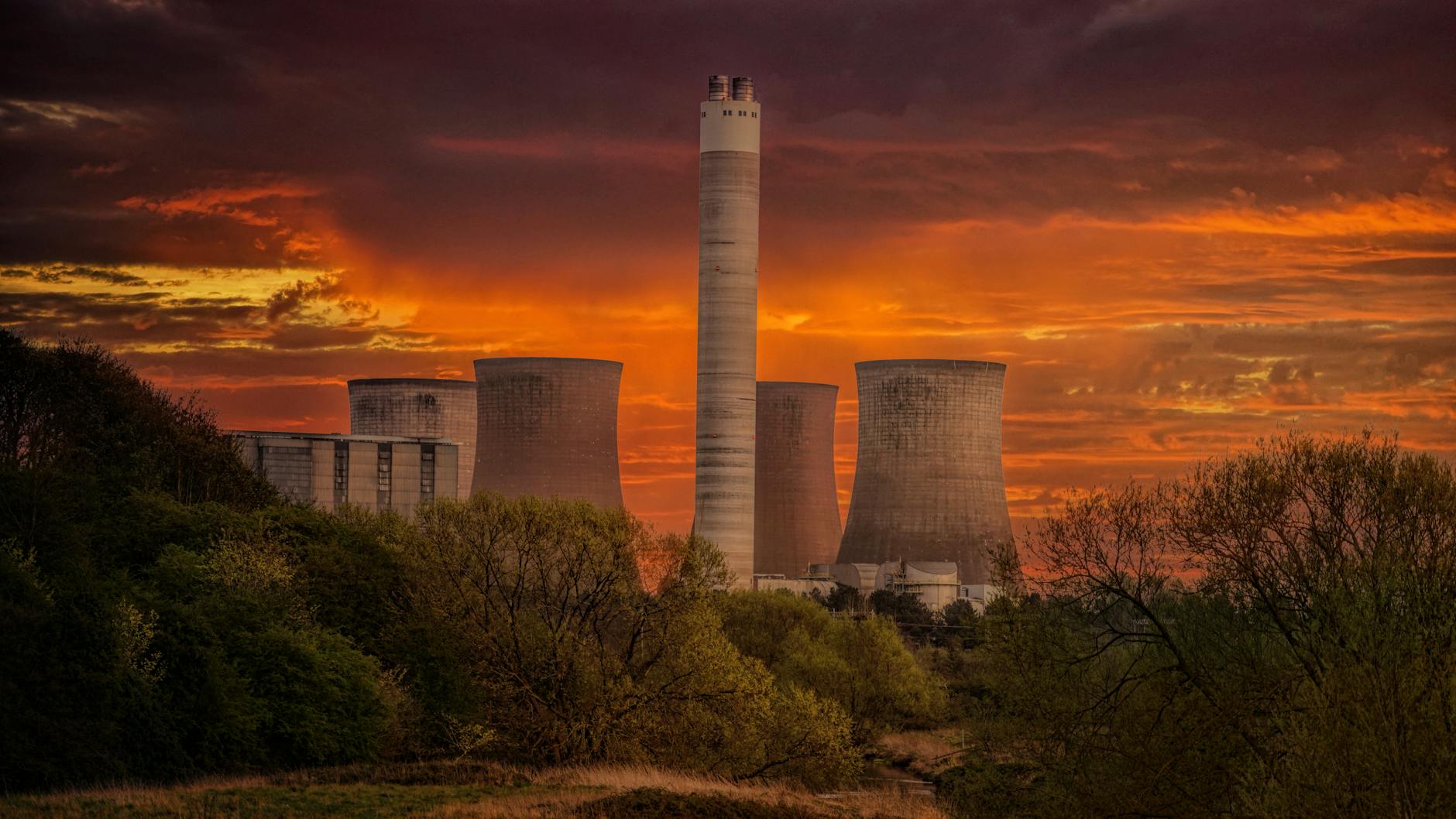
Little has changed to make nuclear power a safe and affordable option to produce electricity. That didn’t stop Iowa Republican members of congress, all four of them, from voting for H.R. 6544, the Atomic Advancement Act of 2023. They were not alone, the bill passed on Feb. 29, 2024 (365-36-1). It awaits action in the U.S. Senate Committee on Environment and Public Works. What were they thinking? They were thinking they would take care of big business first.
In a sneaky, self-serving way, the bill revised the Nuclear Regulatory Commission’s mission statement to emphasize the “public benefits” of nuclear energy instead of protecting human life and health through regulation. In other words, it promotes more nuclear power over safety.
Using questionable wisdom, the U.S. House of Representatives pushed more of the cost of recovery from a nuclear disaster upon tax payers. The bill calls for renewal of the Price-Anderson Act, a 1957 law which caps the industry’s liability for nuclear disasters at only $13 billion. H.R. 6544 extends it for 40 more years. The Price-Anderson Act makes US taxpayers liable for the full costs of nuclear disasters – which could run into the hundreds of billions of dollars – and exempts the insurance industry from covering homeowners and businesses for damages from those disasters. We regular folks never have it that good from our government.
Construction costs for new nuclear power are more than ten times those of comparable solar capacity. There are similar cost issues around fuel sourcing, waste disposal, safe operations, and escape of radioactive pollution from a power plant, none of which have been resolved. There can be agreement we’d like to use a method of electricity generation that minimizes pollution. Nuclear power isn’t it.
Entrepreneur Bill Gates is working to make nuclear power more cost effective and safe. When he decided to make nuclear power generation one of the projects in his post-Microsoft life, he said he wanted to solve its problems so it could replace more polluting methods. Gates believes nuclear power is an important part of solving the climate crisis. That may be, yet not until we solve the problems of cost and safety. Read about his effort in Kemmerer, Wyoming here.
The U.S. Congress is getting ahead of itself in advancing this bill. My House Representative Mariannette Miller-Meeks was out with a statement shortly after voting for it, “The Energy and Commerce Subcommittee on Energy held a hearing to discuss nuclear energy expansion. I believe nuclear energy plays a key role in the future of American energy and am proud to support it.” I have been writing about the representative’s affection for nuclear power since this post on Dec. 11, 2010. I wrote, “As a proponent of nuclear power to control toxic emissions from coal fired power plants and concentrated animal feeding operations in the state, she is expected to kick the ball down the road for the decades it would take to bring adequate megawatts of nuclear energy on line.” One decade down, how many to go?
It is obvious the nuclear industry has made little progress toward improving safety in operations and affordability as measured in unit cost of electricity produced. They hang their hat on the likes of Bill Gates, instead, and pray he solves the problems. I didn’t know those folks spent that much time in church.
A walk on the state park trail is respite from working at home. These days I take the auto off property once or twice each week. The rest of the time is spent working at home or walking on the trail. A person needs sunlight and bird songs for many reasons. It is as close as it gets to feeling a part of nature.
We need respite.
A high school student came to the door seeking cans and bottles to return for the deposit — a fund raising project for the school band. We don’t consume much that comes in containers that can be redeemed for a deposit. I went downstairs and found a case of empty ginger beer bottles and turned them over.
I also found a case of Mexican beer with 15 bottles left from last summer. On hot days, I’ll ice down one or two to drink when I work up a sweat. This is enough to last into June.
These April days are slipping through my hands and there seems to be little to do about it. The garden seedlings are too many for the available indoors space and I haven’t been able to muster energy to assemble the new, portable greenhouse. Been feeling a bit punk, and that’s not helping either.
I spent part of Thursday morning unraveling loose threads that inhabit family lore. Here is how that passage ended.
Family lore is William worked in Mine 74 and in the Cherry coal mine. Other family lore suggests he didn’t mine coal but had an office job from a young age.
Inconsistent and incomplete tales are part of a problem with family stories. It affects how an author writes a modern narrative. In a later chapter, I present two very different stories authored by Mother in the form of a letter and email about the day I was born. We must consider such stories and proceed based on conflicting information, even when both versions cannot be true.
My view at this writing is Grandfather’s declaration of being a miner on the 1910 and 1940 U.S. Census records, my personal experiences with him, explanations from family about how he came to have black lung disease by inhaling coal dust in the mines, and the government awarding Black Lung Benefits based on his health, confirm he worked in the mines. I proceed on that basis.
We tell stories about our lives and repeat them. They harden and become the stuff of legend within a family. Just as Mae told and retold the story of her aunt and the piano, Mother told and retold the story of Grandfather being a communist. By focusing on family lore, and hardened stories, we tend to reduce how much we know about parts of our lives we didn’t directly experience. Expanding the universe of knowledge about our lives is the goal of this book.
Despite feeling punk, behind in the garden, and lacking energy, it felt I got something done. The idea in this passage is to weave explanations about complex and conflicting stories in the autobiography, one in each chapter. It is an improvement in the narrative that is possible. The purpose is to give the reader a guidepost on how to interpret what I write as they read it. I’m not aware of anyone else who writes this way. Will see how it goes.
I will soon need to get outside again for brief respite.
Image of Earth 7-6-15 from DSCOVR (Deep Space Climate Observatory)
Earth Day is Monday, so how are we doing? Is the news media helping us create a better environment?
Bill McKibben follows issues centered around the climate crisis better than almost anyone. Here’s the stark truth from his substack, The Crucial Years:
At the most fundamental level, new figures last week showed that atmospheric levels of the three main greenhouse gases—carbon dioxide, methane, and nitrous oxide—reached new all-time highs last year. Here’s how the National Oceanic and Atmospheric Administration reported the figures:
While the rise in the three heat-trapping gases recorded in the air samples collected by NOAA’s Global Monitoring Laboratory (GML) in 2023 was not quite as high as the record jumps observed in recent years, they were in line with the steep increases observed during the past decade.
The global surface concentration of CO2, averaged across all 12 months of 2023, was 419.3 parts per million (ppm), an increase of 2.8 ppm during the year. This was the 12th consecutive year CO2 increased by more than 2 ppm, extending the highest sustained rate of CO2 increases during the 65-year monitoring record. Three consecutive years of CO2 growth of 2 ppm or more had not been seen in NOAA’s monitoring records prior to 2014. Atmospheric CO2 is now more than 50% higher than pre-industrial levels.
Entirely unsurprisingly, the planet’s temperature has also continued to rise.
The Crucial Years, a substack by Bill McKibben, April 10, 2024.
Not long ago, McKibben headed an organization called 350.org, which advocated keeping average surface concentration of CO2 below 350 ppm. At 419.3 ppm, and increasing about 2 ppm per year, we are going the wrong direction.
How do news audiences perceive the climate crisis? A recent study explored this question. Why is it important? How we perceive and receive news about the climate crisis determines, in large part, whether and how we address it.
Around Earth Day, we expect to see more news stories about the climate crisis. Folks at Reuters Institute studied news use and attitudes about climate change, using data from Brazil, France, Germany, India, Japan, Pakistan, the UK, and the USA. The issues are similar to what we see in response to media on any topic: Should we trust scientists? What is misinformation and what isn’t? What news sources are trustworthy? Are direct action protests covered fairly by media? They found a lot:
In most of the eight countries there has been a slight increase in climate change news use, with just over half (55%) on average using climate change news in the previous week.
Climate news avoidance and trust in climate information from the news media have remained roughly stable, but avoidance has decreased slightly in the UK, USA, and Pakistan, as well as trust in the UK and Germany.
Scientists remain the most trusted sources of news and information about climate change, trusted by 73% on average, and respondents more often see them used as sources in the news media than any other source of information.
Over three quarters (80%) of survey respondents say they are concerned about climate change misinformation, consistent with data from 2022.
Once again, respondents think television and online (including social media and messaging apps) are where they see most climate-related misinformation. Politicians, political parties, and governments are frequently mentioned as sources of false and misleading information.
Nearly two thirds of respondents believe that news media play a significant role in influencing climate change decisions, actions by large businesses, government policies, and public attitudes, with particularly strong beliefs in Brazil, India, and Pakistan.
There is large variation in how soon respondents think people in their country will face the serious effects of climate change, with significant proportions in every country thinking the consequences are decades away at least. However, people who use climate change news on a weekly basis are considerably more likely to think that people are being affected by climate change now.
Significant disparities exist in perceptions of the impact of climate change on public health specifically, with those in Global South countries (Brazil, India, Pakistan) generally perceiving larger effects (50% or more) than those in the Global North (UK, USA, France, Germany, Japan).
Just over half of respondents think that climate change has a larger effect on poorer people (53%) and poorer countries (52%), but there is a considerable partisan disagreement on this in France, the UK, and the USA, with those leaning politically right less likely to agree.
People are more likely to think that richer countries and more polluting countries should take greater responsibility for reducing climate change, and weekly climate change news users are more likely to hold this view.
In the UK, USA, Germany and France opinion is roughly evenly split on whether direct action climate protests (e.g. blocking roads, disrupting sporting events) are covered fairly by the news media. But in Germany, the UK, and the USA opinion varies depending on whether people support or oppose the protests.
People in our survey expressed a high level of interest in various types of climate coverage, including news that discusses latest developments, positive news, and coverage presenting solutions. People did not express a clear preference for the type of solutions journalism they are most interested in.
What do these findings mean? Assessing news in media has become a critical skill in 2024. It is important to align our lives with accurate information about the climate crisis. Rich McKibben is a good source of information. So are Katharine Hayhoe and Al Gore. Knowing the truth about the climate crisis will make us better advocates. It will set us free to create a better world for our progeny.
On Earth Day 2024, we are a distance from achieving our goals. Things are not going as well as we need and it is complicated by reliance on media fraught with misinformation. We can do better.
~ The author helped organize the first Earth Day on April 22, 1970 in his home town. He served as chair of the county board of health, and has been advocating and writing on environmental issues all along his journey.He joined Al Gore’s Climate Reality Project in 2013.
During the first two minutes I had my Merlin bird identification software listening, it found: White-breasted Nuthatch, Northern Cardinal, American Robin, House Finch, House Sparrow, Red-winged Blackbird, Blue Jay, Chipping Sparrow, and Canada Goose. The usual suspects were awake and came out to greet me a few days after the storm.
The storm gathered all the ash tree seed pods from the roof and collected them in the gutter downspout. That caused rainwater to overflow into the window well, and then leak into the house. It was a mess to clean up. There was no real damage, although the gutter design needs a remake to position the downspout elsewhere. Adding that to the long to-do list. It will go high on the list.
Clean up after the flooding will take some effort. Luckily we have the needed tools: buckets, rags, wet/dry vacuum, mops and brooms. Now to get those cleaned up, dried and put away.
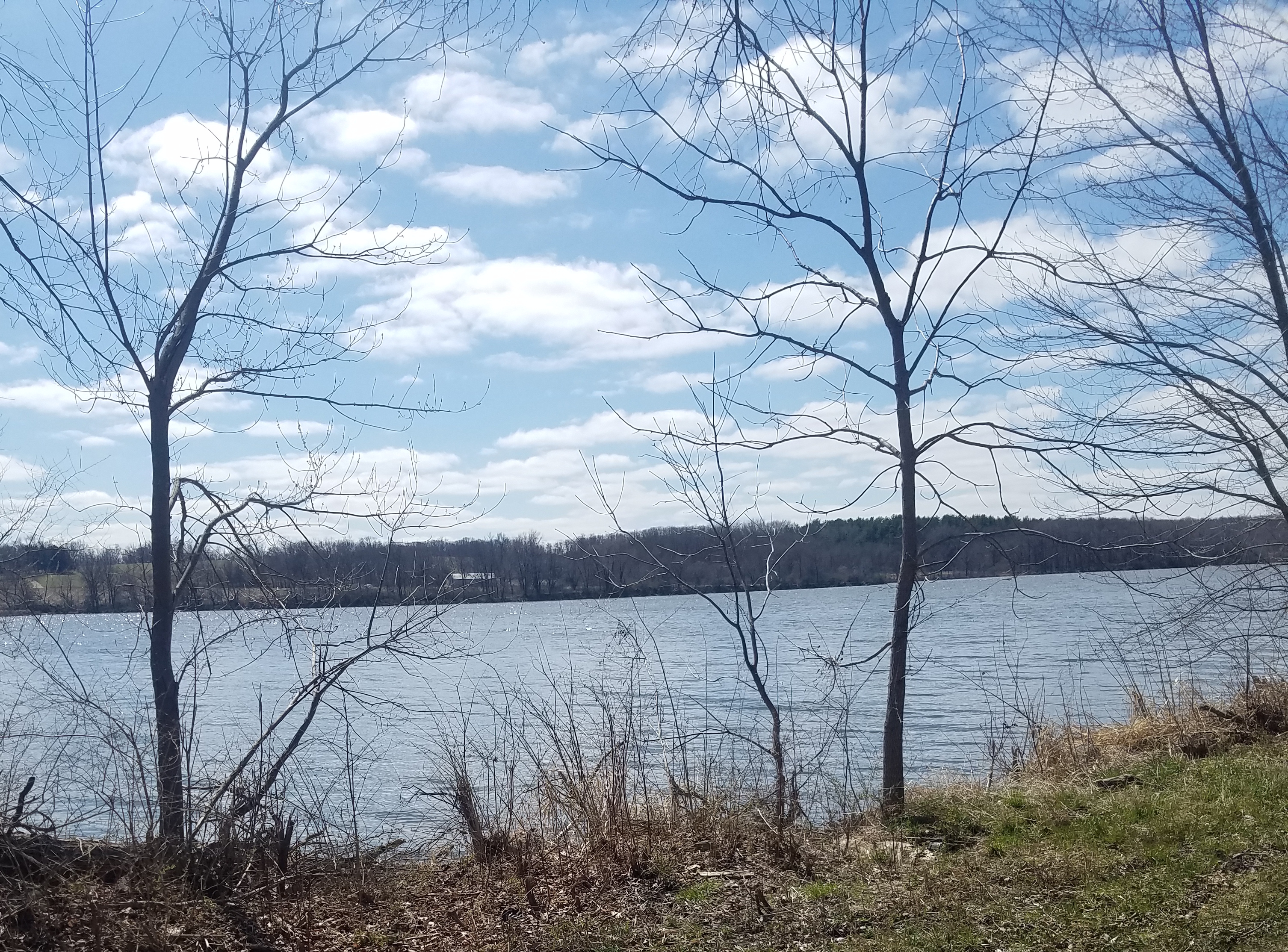
Despite recent rainfall, and refilling of the lake, the newspaper reported this morning we continue to be in drought conditions in Big Grove Township. It continues to be too cold to plant much in the garden, with last frost as much as a month away. However, it is time to shift gears to doing more garden prep beginning now.
Where to start? Probably at pushing the post button and getting on with it. Make it a great day readers!
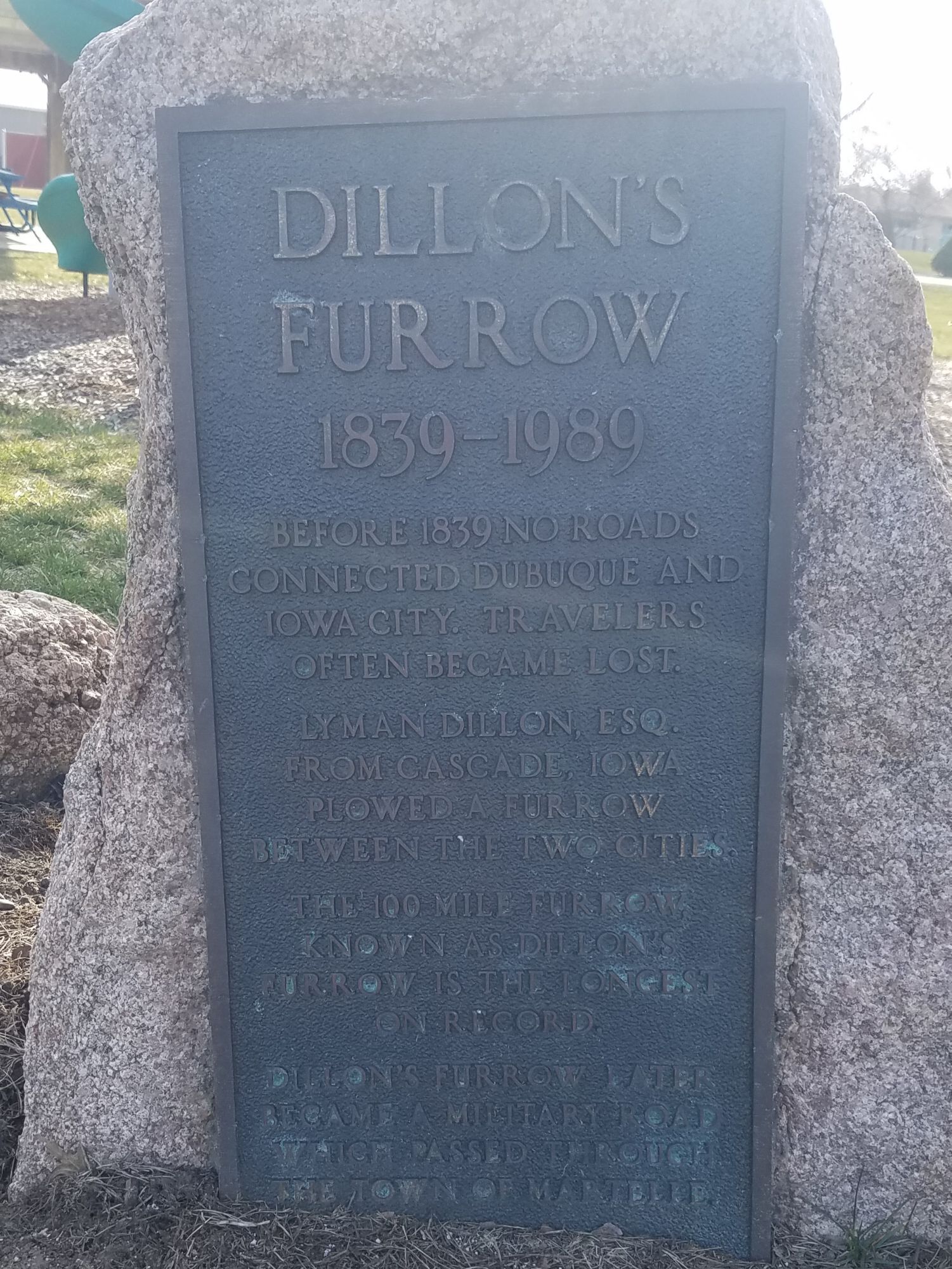
Back when Iowa was a territory, a fellow named Lyman Dillon plowed a furrow from Iowa City to Dubuque so travelers could find their way from one city to the other. Iowa City was designated the territorial capitol in 1839, and Dubuque was a center of commerce, notably for fur trading, lumber, and lead mining. I stopped at the only marker I know and took this photo while enroute along the former Dillon’s Furrow. I went to Monticello to buy garden fertilizer.
Midwestern BioAg distributes bagged, composted chicken manure which many friends use in organic farming operations. I bought 150 pounds for $57.78. It should last through the growing season. I don’t know their process, but this stuff is the best in terms of ease of handling and results.
Farmers have been out in gigantic fields preparing the ground for row crops. Monticello is in Jones County where my spouse’s ancestors farmed after the Civil War. A family cemetery is within spitting distance of Highway 151 near Langworthy. It is a small farm community cemetery where cattle had gotten inside the fence and knocked down some of the grave markers.
If I plant potatoes on Good Friday (today), I’ll need the fertilizer. I’m ready to start digging soil. We’ll see if frost is out of the ground later today.
Because the university bought the hospital system in town, I had to drive to West Branch for my six month check up. My practitioner quit after the acquisition was announced and hasn’t been replaced.
The positive news is the university plans to maintain the clinic close to me once the transition is finished. It was news on the day of my appointment the consultant hired to manage the transition from private hospital system to being part of the university also resigned to take a big job in Missouri. Staff at the clinic knew all about this when I mentioned it.
I made a list of discussion topics for the practitioner, including diabetes, reviewing medications and vitamins, blood pressure, weight, and vaccinations. I got my last pneumonia vaccine booster and made a list of four things to work on: less salt, less butter, add ten minutes onto my daily trail walk, and portion control while eating. In Iowa I’ve found plenty of time to have a meaningful discussion with practitioners I see. The longest part of the conversation was about blood pressure.
We talked five or ten minutes about blood pressure. What stands out is the standard is less than 120/80 mmHg. There is talk among the medical profession that the standard should be even lower. I would cynically note that if it were, it would increase the number of diagnoses of hypertension and thereby increase prescription drug sales considerably. I told the practitioner there must be a political aspect to a potential change in standards. He professionally refrained from commenting.
In late afternoon, the nurse who gave me my vaccination and drew blood phoned. I was at a political event in the next town over from home, so I picked up and went to a quieter corner of the room. I had read the lab results in my patient portal before leaving for the event. The results indicated everything looked good, they said, and my behavior regarding exercise and diet was working to hold off advancement of diabetes. It was a good call to receive.
Hopefully my next appointment will be back in the regular clinic. Staying on top of vaccinations and medical conditions is an important aspect of aging in America.
Naming things found in nature reflects an urge to own, control, or possess them. I have no interest in that. I seek to be outdoors and observe everything natural with all my senses. I don’t object to knowing the formal taxonomic classification of a plant, insect, animal or other living thing. With increased experience in nature, some knowledge of genus and species comes naturally. For example, when I see a Blue Jay, I know the name. What I don’t want is worry about naming everything in my environment.
I began using the Merlin Bird App last week to interpret which songbirds are nearby. Identifying bird sounds is a subset of ornithology. On Tuesday, the American Robin, Northern Cardinal, and American Crow showed up on a windy morning. The app helps me understand nature. While I’m working outdoors all kinds of sounds become a background noise for my activity: birds, vehicle traffic, weather, local human and animal activity, and more. I want to recognize when something different stands out from the background. What new bird might I see? What new world will be unveiled?
As a gardener, I care a lot about insect and plant life. Which insects are beneficial, which are predators in this specific vegetable garden? Which plants are weeds? Which are edible or poisonous? I’ve been gardening since 1983, and am getting better at identification each year. I see behavior of white butterflies that lay eggs on my cruciferous vegetable leaves yet have no idea what they are called. I’m not that interested in learning the name, just in identifying their behavior as a pest.
When I move indoors, my view toward naming is not much different.
I’ve been writing about my early life before the seventh grade. I’m lucky I didn’t obsess over the naming of things. My classroom focus was on the mysticism of the Catholic Church and stories told by my teachers and classmates. Charlotte’s Web in fourth grade was pivotal. I sang, learned to play music, and played games with classmates in the playground. We knew the game was called “Four Square” yet what mattered was getting a chance to play after waiting patiently for our turn in queue near the court painted on the asphalt. These activities didn’t require a name.
When I go to the pantry, I sometimes can’t recall what things are. I know we have almond and barley flour, yet to identify them takes tasting a pinch. Some in the household says I should label things. Maybe, yet I resist. I don’t know if my reasons are good, but I don’t want to be limited by the confines of having to know things by name. In the kitchen, imagination and improvisation are the key dynamics, even when it comes to the “science” of baking. Not once have I mistaken salt for sugar.
What is the story of nature? It is more complex than I can understand. I’d call mine a Cartesian outlook and that means I live in my senses most of the time. What may be “out there” beyond senses, we have no way of knowing. We are taught nature is out there. Equally so, there is no way to own, control, or possess things we sense with any permanence. Living this way is a matter of faith, not requiring any naming. We are better off by not naming things we experience.
As long as I’m getting along in society, I’m not going to spend undue amounts of time with this. I’ll be the better for that.
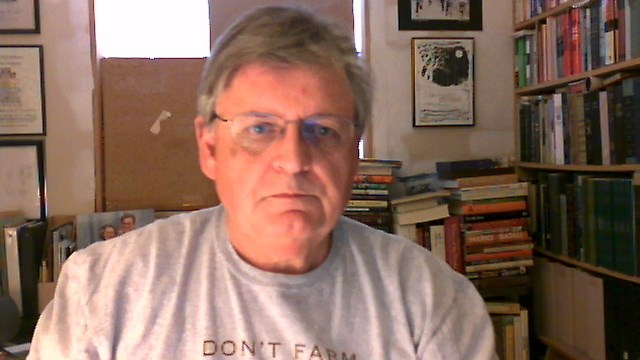
Selfie taken with computer video camera on April 28, 2020, the day I retired from paid work.
When the World Health Organization declared COVID-19 a pandemic on March 11, 2020, I began pulling back from engagement in society. That process continued when I decided to retire from work at the home, farm and auto supply store on April 28 that year. Since then, I have distanced myself from almost everything and developed a new way of engaging in society.
I don’t spend as much time with people as I did. My conversational style shows it.
The main part of my days is spent at home with a weekly trip to the grocery store and a couple other shopping trips each month. The automobile is not getting many miles. If there is a reason, I will travel to the county seat, to my home town, or to Chicago or Des Moines to run errands or visit family and friends. That is about it.
The last activity I dropped was membership in the county Democratic Party central committee. I led the January 15 precinct caucus and will be attending the county convention on March 23. After that, I will become a worker bee in politics, not an organizer. I’m good with the change.
A majority of my time will be divided between working to maintain and fix up our home, writing, and sorting through the accumulation of too much stuff. So far, that keeps me busy.
This time at home as a writer is what I worked for all my life. If I am stepping back from society, I am stepping into a new life lived the way I want. As long as my health holds and we have money enough to live, I’ll be alright.
Since I made it this far, I’ll quote Douglas MacArthur, “Old soldiers never die, they just fade away.” Already, I can hardly see my shadow on a sunny day.
Another week and Republican state legislators stuck in my craw. Why do they hate plant-based food? In the end, all our food is based on plant life, including beef, hogs, and sheep which all eat plants.
Ty Rushing of Iowa Starting Line reported the following from Republican Rep. Mike Sexton: “If it was up to me, I believe I would outlaw fake meat in the state of Iowa, and I would make it illegal to transport it across the state of Iowa.” Perhaps someone should inform Rep. Sexton many fake meats are made from soybeans, which is a major Iowa crop. Sexton is like the guy in a bar, who two hours after the game finished is telling wait staff clearing tables his opinion about a long past and obscure referee call. Legislators are not serious people when they raise issues like this.
Diners who converted to a plant-based diet sometimes want the home-cooked flavor of a burger like those offered by Morningstar Farms and Beyond Meat. People with common sense know processed food is not particularly good for us. If the choice is eating a fast food meal or going hungry, there is no choice: stave off hunger until we can improve our diet. The traditional wisdom is “all things in moderation.” We should take it easy on processed food.
The point missing in this excerpt from life in late stage Republicanism is we, as a society, should be cutting the size of our livestock herds. In her book Not the End of the World, author Hannah Ritchie explains her beef with beef and other livestock.
Raising cattle is a very resource-intensive way to make food. Cows need a lot of food, water, emit a lot of greenhouse gases, and need a lot of land. When it comes to how much land is needed to produce a kilogram of food, beef and lamb are miles ahead of any other food.
Not the End of the World: How We Can Be the First Generation to Build a Sustainable Planet by Hannah Ritchie.
Globally, we don’t need to use so much land for food production, Ritchie asserts. While not impacting overall food availability, reducing livestock herds could significantly reduce the amount of agricultural production needed to feed everyone on the planet. Take away livestock, and more soy produced as animal feed could be converted to human foodstuffs. We could reduce deforestation and let some land used for livestock grazing revert to forest, grassland or other wilderness. We would all be better for this.
The thing about late stage Republicanism is it is not about logic and common sense. This is about the GOP Culture Wars. I visited our public library last week and there is an entire 30-foot row of shelves containing books about health, diet and cooking in a city of 3,000 people. The culture of food is all around us. When it becomes politicized, like Sexton made it, there are no winners. What? You want me to make my own fake meat burgers? Well fine. They will be better than tolerating the sh*t show Republicans put on every day as their party is grasping at straws. Democrats are on the cusp of something big when drones like Sexton have their say.
If you want to learn about the bigger picture of sustainability, I recommend Hannah Ritchie’s new book, which can be found here. In the meanwhile, the dithering Republicans in the State House haven’t banned your recipe crumbles… yet.





 Journey Home
You must be logged in to post a comment.