If Iowa is a net exporter of electricity, why the push for new nuclear reactors?
I get it. Duane Arnold Energy Center has infrastructure to add/renew generating capacity: connections to the electrical grid, access to water for cooling, and transportation in and out. Compared to the new Vogtle nuclear power plant in Georgia, re-starting DAEC would be quicker and less expensive than building a new reactor. If an investor were to pick new nuclear capacity, they can do it on the relative cheap by re-starting old nuclear reactors.
When investors found Google, who was willing to enter a 25-year contract to buy electricity from the Palo plant to support a data center, it resolved a main issue with nuclear power: financial risk. While re-starting DAEC for a single large customer resolves one issue, it isn’t scalable. How many more deals like this are possible at DAEC given that specific infrastructure has a limit: grid capacity, and how much water for cooling can be drawn from the Cedar River?
The president has engaged in nuclear policy and changed priorities in the Nuclear Regulatory Commission. Even so, certain things still have to happen for real-world reasons to approve a new nuclear power plant. It takes time, despite entreaties to speed the project approval process. Why the president’s interest in nuclear power? It appears to be self-serving.
The parent company of Truth Social has announced a multibillion-dollar merger with fusion developer TAE Technologies, giving it a stake in this still-experimental form of nuclear energy. At the same time, the administration pushed to accelerate nuclear power licensing and reorganize the Nuclear Regulatory Commission, as mentioned. Critics argue this overlap raises potential conflict-of-interest concerns, although no direct evidence has emerged that regulatory changes were made specifically to benefit the Trump family. In a March 27 article in CounterPunch, Karl Grossman and Harvey Wasserman detail Trump’s potential interest in the nuclear regulatory environment. Read it here. Is the Reynolds administration close enough to the president to be influenced by his self-serving interest in nuclear power? You know they are.
If electricity generation development proceeded on a logical basis, we wouldn’t be talking about new nuclear power. Not only is it very expensive, and subject to implementation delays, it doesn’t fit our state. The build out of wind generating capacity in Iowa makes baseload power like nuclear less desirable. Grid operators like MISO (Midcontinent Independent System Operator) value the flexibility found in natural gas, battery storage, and reduced usage when demand drops. That isn’t what nuclear does well.
Who would want nuclear power when the costs are so high? Each unit of electricity produced from the proposed new technology of small modular reactors would be far more expensive that the same unit from solar or wind power generation, even when the cost of storage technologies and other means of accounting for renewable energy’s variability are included. The answer to my question is no one would want it.
It is also important to note there are no commercial nuclear fusion or small modular reactors operating currently in the United States. The work the legislature (HSB 767/SSB 3181 both advanced this week) and Linn County are doing to promote nuclear power may be good in some respects. I remain unsure the “build it and they will come” philosophy will work here because grid operators need flexibility, not baseload.
There is a lot more to say about Iowa’s current infatuation with nuclear power. Watch this space for more.
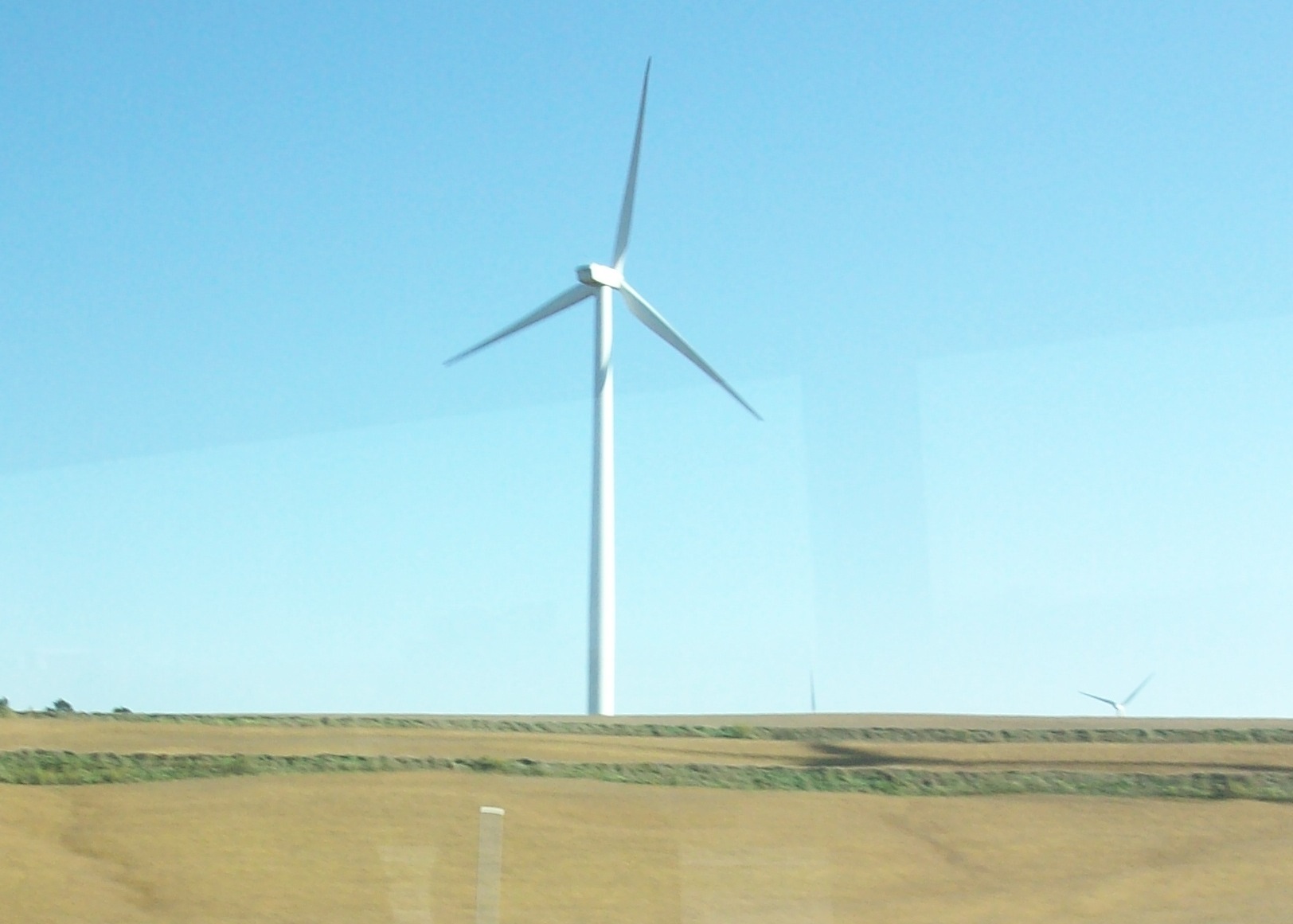
On July 1, Interstate Power and Light Company, the parent company of Alliant Energy, filed an application to add 1,000 megawatts of wind energy “to help boost Iowa’s electric grid and further diversify its energy portfolio,” Olivia Cohen wrote in the Cedar Rapids Gazette. The timing of the filing takes advantage of tax credits included in the Inflation Reduction Act before they change as a result of the budget reconciliation bill enacted this month. This project seems like a good deal for everyone.
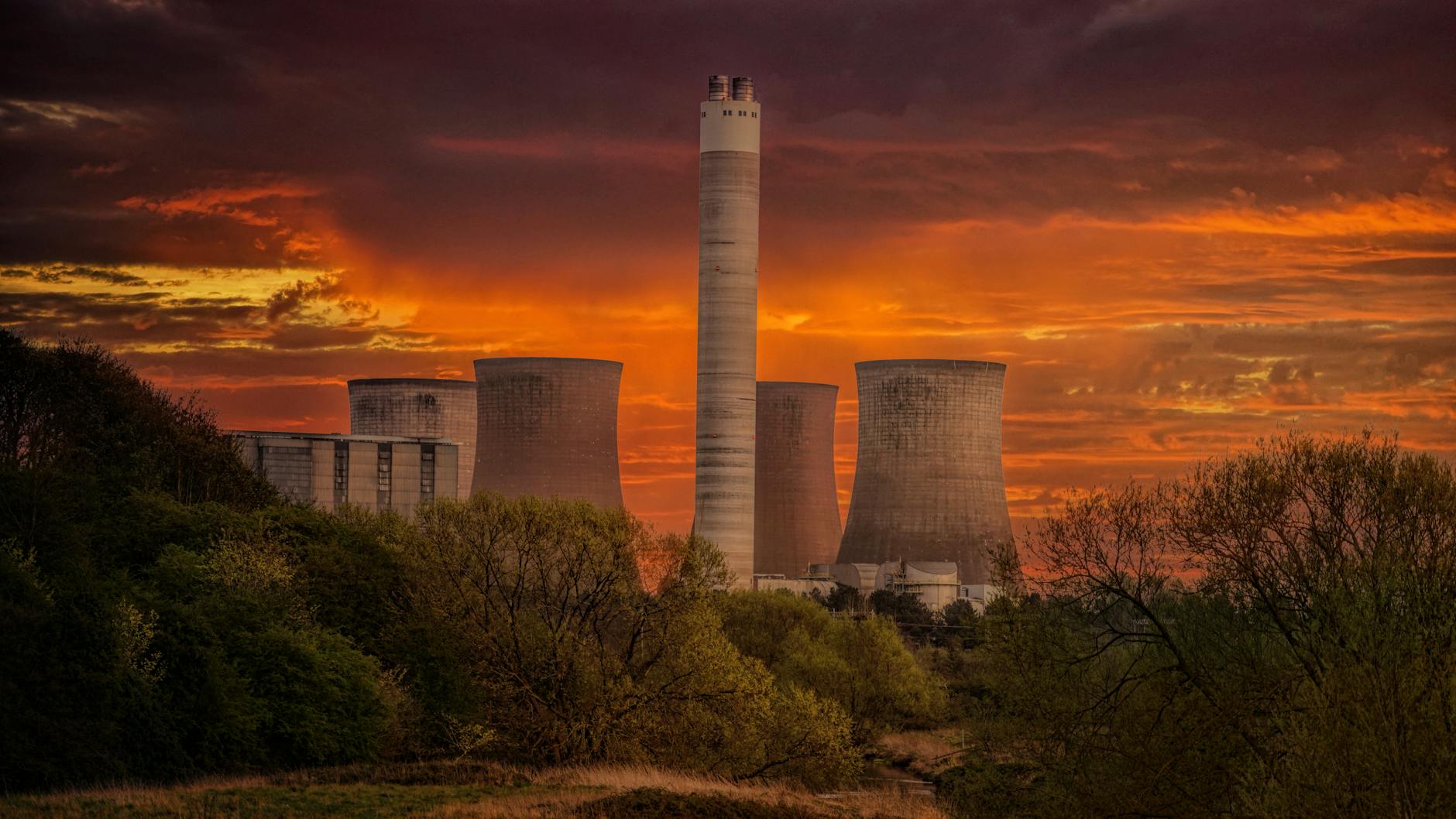
What we don’t see is applications to construct new nuclear reactors to generate electricity. There has been a stream of media articles about pulling the Duane Arnold Energy Center in Palo out of mothballs and bringing it on line again. There is an exploratory committee for that purpose. In addition, the Linn County Supervisors have undertaken to establish a nuclear zoning code for parts of the compliance not preempted by federal authorities. These are not real solutions to meet energy demand.
I wrote before, “The technology at Duane Arnold is old. The physical plant is old. Its permit has been renewed twice. There is a limit to the life of these facilities built in the 1970s. Why throw new money after old technology? We shouldn’t.” If we do anything regarding nuclear power generation, we should wait until known problems have been resolved. That is one of Bill Gates’ current projects. Gates appears to rely heavily on government subsidies for his small modular reactor in Wyoming.
Why even consider nuclear energy? I knew why when I was a kid back in the 1950s and ’60s after President Dwight Eisenhower’s Atoms for Peace speech at the United Nations General Assembly on Dec. 8, 1953. Eisenhower sought to solve the terrible problem of splitting atoms in nuclear weapons by suggesting a means to transform the atom from a scourge into a benefit for mankind. Follow this link for the text of the Atoms for Peace speech. That idea had its heyday. That time is over.
Even Iowa is getting in the act with Governor Reynolds’ Nuclear Energy Task Force created via Executive Order to make recommendations for how we can move forward with nuclear energy in Iowa. The task force was just formed, so we don’t know the direction they will take. Well, we do. There is only one game in town. Generate nuclear powered electricity using government subsidies to offset the high costs which render the idea a non-starter as a stand alone business proposition.
Today our government wants nuclear weapons and nuclear power for the express purpose of making money for contractors and their wealthy owners. Profits are to be propped up by government subsidies. The message, clear in the Alliant Energy application, is government subsidies for green energy are coming to an end under the current administration. Why not phase out and end the subsidies for nuclear power and fossil fuel companies as well? We know why. The government has been captured by these energy industries.
Society has not begun to tap the potential of wind and solar energy. When the issue of storage is solved, the two methods of electricity generation should just take off. It is up to us to resist a resurgence of nuclear power and allow wind and solar to take market share. Based on what is happening now in Europe, they will. The United States has chosen to service oligarchs and large corporations in its energy policy. We should lead rather than do this and fall behind.
January and February are the best months to hunker down and write. I get outside almost every day to take a brisk walk along the state park trail. Some mornings the landscape looks like this. Then it’s back indoors and to work.
Today we’ll experience ambient temperatures in the 40s. I decided to run the buckets of compost out to the garden composter. They started to stink in the garage, so it was time to go. On January 28, it should not be this warm, but it is.
NextEra Energy Resources filed a request with the federal Nuclear Regulatory Commission to potentially restore the facility’s operating license as demand for electricity surges to power large data centers needed to handle the growth of artificial intelligence, the Cedar Rapids Gazette reported on Saturday. The plant was damaged during the 2020 derecho and has not been repaired. If the license were issued, management expects the nuclear power plant to be back on line sometime in 2028. My question about this is who pays? Except for those parts of the operation paid by the Department of Energy, all costs should be paid by the potential customers. We shouldn’t pretend bringing Duane Arnold back on line serves the public good.
The other question, and I believe it is the right one, relates to re-starting the Duane Arnold Nuclear Power plant because of the big electricity needs to power Artificial Intelligence. What people are not talking about is using new power plants to generate electricity for another energy hog, crypto-currency, to the detriment of our economy. Shouldn’t we be talking about that?
I’m losing confidence in our local media to cover this issue. For the most part, they seem to be writing stories based on industry generated information and not any specific facts.
Well, at least the compost is out in the bin ready to make a soil conditioner. That, I know I can put to good use.
The political season kicked off last night with Governor Kim Reynolds’ Condition of the State address to a joint session of the legislature. The press release with the speech arrived in my inbox at 8:27 p.m. and I read it right away. Reading it was more efficient than watching it. I will not rehash the whole thing. The press release is here.
The language in the written version seemed less shrill than in previous years when I heard her deliver the speech. Rep. J.D. Scholten posted the following on Threads last night.
This year’s Condition of the State speech was far less punch down politics and culture war crap, which is good. Energy, hands-free driving and cancer research are the three main things I heard that I’m excited to work on.
Cutting unemployment insurance is tone deaf with all of the layoffs happening in the last year in Iowa, especially with Tyson closing the plant in Perry and John Deere shipping jobs overseas.
Like for Scholten, there are things Reynolds mentioned I’d like to see advanced in a bipartisan manner, coupled with some skepticism.
Addressing mobile device use in our lives seems like a no brainer. If a person uses a telephone at all while driving, it should be hands free. This is a safety concern that falls in the main purpose of government regulation. Likewise, it seems bad that K-12 students spend over six hours per day on smart phones, according to the governor. It is hard to see any legitimate purpose for schoolers keeping their devices with them or turned on while in the classroom. I would think local control of this issue would be the way to go, with school boards setting policy based on factual information about their districts. The state tends to get heavy-handed when they assume control of what should be decided locally. It is an important enough issue to have this discussion.
Cancer sucks. The governor addressed the problem in her speech, “Every case of cancer is a tragedy. And I’m concerned by the data showing that these tragedies disproportionately affect Iowans. Our state has ranked second for new cancer cases two years running, and we’re one of just two states with rising rates.” Getting to the bottom of this statistic is important to the well being of Iowans. As I mentioned, cancer sucks. If we can determine a path to reduce the incidence among Iowans, we should follow it. Studying our high cancer rate is a good use of state resources.
The energy discussion, of keeping Iowa electricity prices low and having capacity and infrastructure to attract businesses to Iowa, is a good one to have. Coal and natural gas should be phased out as sources of energy used to generate electricity. The state should strive for a mix of energy sources. It does seem like the big money behind nuclear power got to the governor. Here is what she said:
For starters, we need to take a serious look at nuclear energy. Its potential is amazing, but the investment is big and the horizon is long. So we need to get started.
In the coming weeks, I’ll be putting together a task force that will make recommendations for how we can move forward. I’ll be bringing together experts to look at issues like permitting, which often takes too long. They’ll also look at workforce challenges, because recruiting nuclear engineers doesn’t happen overnight. And they’ll be talking with stakeholders around the state to make sure we have local buy-in.
I’ll also be proposing a bill and working with legislators to continue to promote an all- of-the-above energy portfolio that ensures the lights are on regardless of whether it’s hot, cold, windy, or cloudy.
As I’ve said repeatedly, using nuclear fission or fusion to generate electricity has substantial associated problems. These problems need to be resolved before we get too far down the path. Likewise, generating nuclear power in Iowa is not as simple as turning on the key at the Duane Arnold Energy Center. If the governor has in mind getting beyond vague platitudes about baseload power and carbon-free electricity, that would be good. At present, I find no logical reason to turn the Duane Arnold nuclear power plant back on. The development of small modular reactors and their wider use seems years away in the United States. I will suspend my skepticism to see if truth will out in the discussion of nuclear power proposed by Governor Reynolds.
While my skepticism of the governor is substantial. These are things that merit consideration by the government we have.
Editor’s note: This is a letter to the editor of the Solon Economist in response to Caden Bell’s opinion saying the Duane Arnold Energy Center nuclear power plant should be reopened.
I don’t understand the logic of reopening the Duane Arnold Energy Center because life is like a cartoon called The Simpsons. I’ve never seen an episode of that show, so maybe I’m missing something. What I do know is Caden Bell offers no logical reason to reopen the Duane Arnold Energy Center nuclear power plant in his Dec. 5 opinion in the Solon Economist.
First things first. The technology at Duane Arnold is old. The physical plant is old. Its permit has been renewed twice. There is a limit to the life of these facilities built in the 1970s. Why throw new money after old technology? We shouldn’t.
If Iowa were to do anything regarding nuclear power, we should at least wait until known problems have been resolved. Bill Gates is working on that. Gates received a permit for a small modular reactor in Wyoming. If there is a future for nuclear power in the energy mix, it is not in plants like Duane Arnold, but in small modular reactors if the bugs can be worked out. That is a big if. The future of nuclear power relies on such projects. Give Gates and company time to do the work.
Who will pay? The nuclear energy industry relies heavily on federal subsidies. Bell offers nothing about financing the return of nuclear power in Iowa. It remains a key issue with any electricity source. His opinion is useless without addressing who will pay.
My recommendation is Bell return to watching The Simpsons and keep opining about real-world issues like nuclear power among his university friends.
~ Published in the Dec. 12, 2024 edition of the Solon Economist.
There’s a lot of chatter about the energy demands of artificial intelligence. As Iowa looks at inviting new data centers into the state, the usual suspects are dragging out the same old sawhorses to devise worn out solutions to meet this demand. One of the ideas floated was re-opening the Duane Arnold Energy Center near Palo, Iowa, owned by NextEra Energy. That would be a bad idea.
Erin Jordan of the Cedar Rapids Gazette reported, “John Ketchum, CEO of NextEra Energy, which has owned Duane Arnold since 2005, told Bloomberg on June 12 he had inquiries from potential data center customers interested in the 600 megawatts generated by the Iowa reactor. ‘I would consider it, if it could be done safely and on budget,’ Ketchum said.”
The stickler here is “on budget.” When has refurbishing a nuclear power plant been done, one closed down after being damaged in the August 10, 2020 derecho, and four years into de-commissioning? I suspect zero is the number. How does one budget for that? What if they run into something unexpected? Who pays? NextEra would likely seek to be indemnified from unexpected costs.
In 2010 I wrote, “On December 16, 2010, the United States Nuclear Regulatory Commission renewed the license for the Duane Arnold Energy Center in Palo, Iowa for an additional 20 years, extending the license to the year 2034.” The power plant would serve its normal term of 20 years, and the renewal followed a process to extend it by 20 more. How long can Duane Arnold’s life be extended? At some point, basic components, like concrete and rebar can show fatigue. Extending the life of Duane Arnold beyond 2034 would have been a dicey proposition. In fact, it was not viable and NextEra decided to shut it down early.
Iowa has been asleep at the wheel regarding nuclear power. During public hearings on the license extension, very few people made comments. I suspect people who engage about the value of nuclear power have their arguments. I would propose a completely different approach from letting companies like NextEra drive the locomotive toward supplying data center electricity.
In the first place, Bill Gates is supposed to be solving the problems that prevent society from moving forward with new nuclear power. He has a test site in Kemmerer, Wyoming using a small modular reactor, not old-style behemoths like Duane Arnold. Let Gates see if he can solve nuclear power’s problems and then do this thing right. That should play out before we look at re-opening Duane Arnold to run for less than a decade. I am skeptical Gates is actually doing much different, yet he invested time and resources to solve the problems.
Better yet, public utilities are supposed to be experts in providing electricity to users. Let them come up with their own solution beginning with a blank page. If a data center requires the electricity it takes to run a small city, let the utilities figure out how to do that. Will there be government money to pay for this boondoggle? I hope not and say let public utilities figure out how to finance it without government dollars.
I am weary of hearing about Duane Arnold. In my mind, the plant is shutting down, and that’s what they told the Gazette on the first approach for the recent article. Real solutions to our energy problems exist. More are being developed. It’s time we pursued the latest technology rather than hitching Duane Arnold up to the wagon for one more trip to market. We owe it to our future and our progeny to innovate. So we should.
Little has changed to make nuclear power a safe and affordable option to produce electricity. That didn’t stop Iowa Republican members of congress, all four of them, from voting for H.R. 6544, the Atomic Advancement Act of 2023. They were not alone, the bill passed on Feb. 29, 2024 (365-36-1). It awaits action in the U.S. Senate Committee on Environment and Public Works. What were they thinking? They were thinking they would take care of big business first.
In a sneaky, self-serving way, the bill revised the Nuclear Regulatory Commission’s mission statement to emphasize the “public benefits” of nuclear energy instead of protecting human life and health through regulation. In other words, it promotes more nuclear power over safety.
Using questionable wisdom, the U.S. House of Representatives pushed more of the cost of recovery from a nuclear disaster upon tax payers. The bill calls for renewal of the Price-Anderson Act, a 1957 law which caps the industry’s liability for nuclear disasters at only $13 billion. H.R. 6544 extends it for 40 more years. The Price-Anderson Act makes US taxpayers liable for the full costs of nuclear disasters – which could run into the hundreds of billions of dollars – and exempts the insurance industry from covering homeowners and businesses for damages from those disasters. We regular folks never have it that good from our government.
Construction costs for new nuclear power are more than ten times those of comparable solar capacity. There are similar cost issues around fuel sourcing, waste disposal, safe operations, and escape of radioactive pollution from a power plant, none of which have been resolved. There can be agreement we’d like to use a method of electricity generation that minimizes pollution. Nuclear power isn’t it.
Entrepreneur Bill Gates is working to make nuclear power more cost effective and safe. When he decided to make nuclear power generation one of the projects in his post-Microsoft life, he said he wanted to solve its problems so it could replace more polluting methods. Gates believes nuclear power is an important part of solving the climate crisis. That may be, yet not until we solve the problems of cost and safety. Read about his effort in Kemmerer, Wyoming here.
The U.S. Congress is getting ahead of itself in advancing this bill. My House Representative Mariannette Miller-Meeks was out with a statement shortly after voting for it, “The Energy and Commerce Subcommittee on Energy held a hearing to discuss nuclear energy expansion. I believe nuclear energy plays a key role in the future of American energy and am proud to support it.” I have been writing about the representative’s affection for nuclear power since this post on Dec. 11, 2010. I wrote, “As a proponent of nuclear power to control toxic emissions from coal fired power plants and concentrated animal feeding operations in the state, she is expected to kick the ball down the road for the decades it would take to bring adequate megawatts of nuclear energy on line.” One decade down, how many to go?
It is obvious the nuclear industry has made little progress toward improving safety in operations and affordability as measured in unit cost of electricity produced. They hang their hat on the likes of Bill Gates, instead, and pray he solves the problems. I didn’t know those folks spent that much time in church.
Among other things, participating states pledge to “commit to work together to advance a global aspirational goal of tripling nuclear energy capacity from 2020 by 2050, recognizing the different domestic circumstances of each Participant.” The problem is adding nuclear capacity by 2050 is not fast enough to address the climate crisis. In essence, the declaration is yet another delay tactic by moneyed interests. Like it or not, we are set to blow past a temperature rise of 1.5 degrees Celsius. We can’t wait for nuclear power, especially when effective, easier to implement, and less expensive alternatives are available.
This 60-second video by Stanford Professor Mark Z. Jacobsen cuts to the chase. Time is running out.
Sunday evening, my congresswoman released a statement after attending COP 28. It includes this sketchy language about nuclear power: “advanced nuclear energy is being revisited to provide capacity and dispatchable continual base load to the energy mix.” In other words, she didn’t get the word that ten years ago, Iowa had an opportunity to build new nuclear power capacity and pulled the plug on it.
As Professor Jacobsen said in this video, new nuclear energy is no help whatsoever in solving the climate problem. We should proceed on that basis.
The crisis in Eastern Europe could become a regional and global humanitarian catastrophe if war involving nuclear-armed nations erupts in Ukraine. IPPNW hosted an emergency briefing on 19 February with a distinguished panel of experts to examine the terrible human cost if diplomacy fails. The experts’ remarks are outlined below, topics include:
Conventional war – Possible direct and indirect impacts of a conventional war in Ukraine on health, human rights, and the environment. Presented by Barry Levy, M.D., M.P.H.
Damage to nuclear power reactors – The risk of large radioactive releases from one or more of the 15 nuclear power stations in Ukraine that are vulnerable to deliberate or accidental destruction or meltdowns due to loss of power through cyber attacks. Presented by Linda Pentz Gunter
Escalation to nuclear weapons – The catastrophic regional and global consequences if nuclear weapons are launched intentionally or by accident or miscalculation. Presented by Ira Helfand, M.D.
Watch the event recording and learn more about the panelists at www.ippnw.org/no-war.
Conventional War – Barry Levy, M.D., M.P.H.
During war, civilians are often injured or killed directly — sometimes accidentally — by the indiscriminate use of weapons. They were in the wrong place at the wrong time. But increasingly, civilians are targeted — attacked on purpose, as part of a strategy of war. Men are taken from their homes in the middle of the night, never to return. Women are raped and often killed. Even children are sometimes targeted and killed as a strategy of war.
However, most deaths during war are not caused by direct attacks, but indirectly. Many of these indirect deaths result from damage to infrastructure. After farms and the food supply system are damaged, people become malnourished and more susceptible to respiratory infections, like COVID-19. Water treatment plants are bombed, and people develop cholera, dysentery, or other diarrheal diseases. Hospitals and healthcare workers are attacked, public health agencies are not able to function, and people are unable to receive clinical care or public health services. And power plants, communication networks, and transportation systems are damaged, leading to disease and death.
Population displacement is another major cause of indirect deaths during war. People can be displaced within their own country or as refugees to other countries. Internally displaced persons are generally worse off because they have inadequate food, water, health care, and security — and therefore are at increased risk of disease and death. And if war continues, people may be displaced for long periods of time.
Indirect deaths far outnumber direct deaths during war. Since 1990, the Uppsala Conflict Data Program in Sweden has recorded an average of about 50,000 direct deaths per year in state-based armed conflicts. In a separate analysis for the same period of time, Mohammad Jawad and colleagues estimated about one million indirect deaths occurred per year, on average – 20 times more indirect deaths than direct deaths. Even if the estimate of indirect deaths is too high or the number of direct deaths recorded too low, indirect deaths far outnumber direct deaths during war.
Noncombatant civilians most frequently suffer from the following diseases during war:
Malnutrition — with young children and pregnant women at greatest risk
Communicable diseases, including diarrheal diseases such as cholera, acute respiratory infections such as COVID-19, and other diseases such as measles and tuberculosis
Mental disorders, such as posttraumatic stress disorder, depression, and suicide
Adverse effects on reproductive health, including higher rates of maternal mortality, infants born with low birthweight, and infant mortality.
Noncommunicable diseases, with greater occurrence and exacerbations of heart disease and stroke, chronic lung disease, and cancer — and less available treatment for these diseases.
While everyone is at risk, some populations are especially vulnerable: women, children, displaced people, older people, people with chronic diseases and disabilities, and ethnic and religious minorities.
How many people will suffer from the health impacts of a war in Ukraine? No one knows.
But there could be large numbers of civilian deaths, widespread damage to health-supporting infrastructure, millions of people displaced, many people with post traumatic stress disorder and depression, widespread violations of human rights, and substantial damage to the environment — all of which occurred after the U.S. invasion of Iraq 20 years ago.
Ukraine today is similar in some ways to Iraq in 2003 and different in others. Ukraine has 42 million people, Iraq then had 26 million, but was more densely populated. Life expectancy in Ukraine today (72 years) is about the same as it was in Iraq in 2003 (69 years). But the population of Ukraine today is much older than the population of Iraq in 2003; 17% of Ukrainians are 65 years of age or older, compared to about 3% in Iraq — the percentage of older people is five times higher in Ukraine than in Iraq. Therefore, they have higher rates of chronic disease and disability, more dependency on ongoing medical care, less mobility, and increased vulnerability to COVID-19. Therefore, the death rate in a protracted war in Ukraine could be even higher than in the Iraq War.
War and its health impacts can be prevented. There are four levels of prevention that can be applied:
Primordial prevention addresses the root causes of war.
Primary prevention addresses the precipitating causes of war and aims to resolve disputes nonviolently.
Secondary prevention attempts to end war and reduce its impacts
Tertiary prevention rehabilitates and restores the health of individuals and communities after war has ended.
But soon, it was be too late for primordial or primary prevention, and efforts may need to focus on protecting civilians and civilian infrastructure, providing humanitarian assistance, and working to end the violence as soon as possible.
Damage to Nuclear Power Reactors – Linda Pentz Gunter
The 15 nuclear power reactors at four sites in Ukraine both face and create a series of risks should a war or escalated conflict break out there. Even if the reactors sites —which deliver 50% of Ukraine’s electricity needs — are not embroiled in the conflict zone, they are still vulnerable to catastrophic outcomes.
The Chernobyl nuclear site and the Exclusion Zone are also potentially at risk.
The presence of 15 reactors in Ukraine, or any nuclear reactors anywhere, automatically adds to the medical risks for the surrounding populations should something else major happen. And that something else need not be a war.
We are already seeing the ravages of the climate crisis and how this can knock out
essential power supplies. Nuclear power plants are already vulnerable. They are more so if caught up in a war that could cause the grid to go down.
There are 15 reactors in Ukraine grouped at 4 sites and providing 50% of the country’s electricity needs. They are Russian VVER reactors of 1,000 megawatts each, similar in design to our traditional light water reactors.
And there is the closed Chernobyl nuclear plant in the north, which were RMBK graphite moderated reactors.
If a war takes out the electric grid, whether by accident or deliberate sabotage—including even through a cyber attack, the nuclear plant operators will try to shut the reactors down. But if they lose onsite power as well, should that backup power fail, as it did at Fukushima, things can get far more dire with similar outcomes to an actual attack.
Are any of Ukraine’s reactors likely to be within the battle zone? Rivne and Khmelnitsky in the far west, are probably out of harm’s way. South Ukraine is also less likely to come under direct attack. Of most concern, given its size and location is Zaporizhzhia. It’s the largest nuclear power station in Europe, with a net capacity of 5700 MW. The Zaporizhzhia reactors were already vulnerable during the Crimea invasion in 2014 when a far-right Ukrainian group tried to gain entry. They are about 200 kilometers from the Donbas conflict zone.
If any of these reactors are embroiled in the war zone but not attacked or hit, the nuclear plant workers, may fear for their lives and the lives of their families. They would want to — and should — evacuate with their loved ones.
But what happens if they do? The answer is they can’t. Or not all of them. Nuclear power plants, even under normal circumstances are never walkaway safe. Some workers would have to stay behind. If the nuclear workforce evacuates, you set in motion a cascade of meltdowns at that site, whether or not it is directly attacked.
If one or more of these reactors takes an accidental hit from a bomb or missile or even just artillery fire, we could be talking about another Chernobyl or, actually, multiple Chernobyls.
The worst of all possible outcomes is that a direct hit destroys the reactor immediately. But even if the reactor is severely damaged or disabled, then you start to lose coolant and the reactor heats up, the fuel rods are exposed, and explosive gases are created. One spark and you could see an explosion as we did at three of the Fukushima reactors.
Some of the workforce may be injured or killed, or struggling to shut down the remaining reactors. Added to that, if the spent fuel pools boil and evaporate, exposing the rods, these could catch fire. A fuel pool fire is even worse than the reactor exploding because spent fuel pools contain a far hotter radioactive inventory than the reactor itself.
Those radioactive releases would be dispersed across thousands of miles. We have already had a glimpse of what that would look like for human health after Chernobyl. The plume pathway for just radioactive cesium-137 resulting from the 1986 Chernobyl explosion hit Belarus, Russia and Ukraine the worst. But it went all across Europe. Not all the hot spots were concentrated closest to Chernobyl.
If any of Ukraine’s 15 reactors were hit, it would be much worse than Chernobyl. All of them are older than Chernobyl Unit 4 was in 1986. They have bigger radioactive inventories. And they are all multiple reactor sites. People all across Europe would be affected.
But what if there was a deliberate attack on the reactors, an act of sabotage to disable them, or even a cyber attack? We know nuclear sites are vulnerable to cyber attack. We’ve seen it before with the 2010 Stuxnet cyber attack on 15 of Iran’s nuclear facilities including the Natanz uranium enrichment plant.
Would Russia — or any country or even rogue group —really use reactors as weapons of war, allowing them to deliberately melt down and potentially contaminate wide portions of Europe?
This would seem like a scaled down exercise in mutually assured destruction, given prevailing winds would likely blow much of the radiation across Russia and Belarus. A deliberate attack on a nuclear plant would have much the same outcome as an accidental one. It would release a massive plume of radioactivity and would be a medical and humanitarian disaster of monumental and likely completely unmanageable proportions.
What would that mean for human health?
We should have a guide from the example of Chernobyl. But there was a scandalous and even heartless international effort, by agencies like the IAEA, with vested interests in minimizing the disaster, to do just that. We must look to independent sources to get a truer sense of the numbers. And here we must remind ourselves that, with Chernobyl, we are talking about just one, relatively new reactor not the multiple ones now in Ukraine containing far more radioactivity.
Looking at a specific sample of Chernobyl victims, Dr. Wladimir Wertelecki, a physician and geneticist, who conducted post-Chernobyl research in Polissia, Ukraine, found birth defects and other health disturbances among not only those who were adults at the time of the Chernobyl disaster, but their children who were in utero at the time and, most disturbingly, their later offspring.
So if reactors are breached during a war in Ukraine, that war, in a medical sense, will never be over.
But what about the Chernobyl Exclusion Zone? Could it, and the nuclear site itself, get caught up in a war?
Russian troops could choose to cross into Ukraine from Belarus, the shortest route to Kyiv, taking them through the Chernobyl Zone. But it is marshy and difficult terrain, in addition to being radioactive, so certainly not the ideal entry point.
The destroyed Chernobyl Unit 4, along with 200 metric tonnes of uranium, plutonium, liquid fuel and irradiated dust, are encased in a sarcophagus completed in 2019. But that sarcophagus, which is only supposed to last 100 years, could collapse under the vibrations of explosions in a war zone. That would loft radioactive dust into the atmosphere causing yet another major health crisis.
And there is one more huge threat to this area, as well as to any war zone involving nuclear plants, and that is fire. We’ve already seen literally hundreds of fires in the Chernobyl Zone, sadly many started deliberately. Under ever more extreme climate conditions, wildfires will get larger and more frequent. In 2020, a forest fire that broke out within the Chernobyl Zone threatened to reach the plant site.
Forest fires reloft and redistribute radiation trapped in the soil. The 2020 fire increased radiation levels to 16 times higher than they had been previously. War clearly raises the risk of fires. And the Chernobyl Zone is a tinder box.
Dr. Tim Mousseau and his team discovered that dead wood and leaf litter on the forest floors is not decaying properly, likely because the microbes and other organisms that drive the process
of decay are reduced or gone due to their own prolonged exposure to radiation.
Equally, wildfires triggered by war close to any of Ukraine’s operating reactors could have dire consequences. Even under just normal reactor operating circumstances, fire is considered the bulk of the risk for a core melt.
Wars in regions where there are nuclear reactors raise the dangers to almost unimaginable heights. All of this, in my view, strengthens the argument to permanently close and dismantle the world’s nuclear power plants as soon as possible.
Escalation to Nuclear Weapons – Ira Helfand, M.D.
A large scale conventional conflict in Ukraine will create a catastrophic humanitarian crisis. But the parties to this dispute, NATO and Russia, are armed with enormous nuclear arsenals, and so it is important to consider also the consequences if the conflict escalates to the use of nuclear weapons since both NATO and Russian military doctrines allow for the use of tactical nuclear weapons to fend off defeat in a major conventional war.
Despite reductions in nuclear forces over the last several decades, Russia still has 1900 tactical nuclear weapons and 1600 deployed strategic nuclear weapons. On the NATO side, France has 280 deployed nuclear weapons and the UK, 120. In addition the United States has 100 B 61 tactical bombs deployed at NATO bases in Belgium, Germany, Italy, the Netherlands and Turkey and an additional 1650 deployed strategic warheads. (Ref)
If even a single 100 Kt (kiloton) nuclear weapon exploded over the Kremlin, it could kill a quarter of a million people and injure a million more, completely overwhelming the disaster response capability of the Russian capital. A single 100 kiloton bomb detonated over the US Capital would kill over 170.000 people and injure nearly 400,000. (Ref)
But it is unlikely that an escalating nuclear conflict between the US and Russia would involve single warheads over their respective capitals. Rather it is more likely that there would be many weapons directed against many cities and many of these weapons would be substantially larger than 100 Kt. For example, Russia’s 460 SS-18 M6 Satan warheads have a yield of 500 to 800 Kt. The W88 warhead deployed on US Trident submarines has a yield of 455 Kt.
Major cities like New York or Moscow are probably targeted with at least 10 to 20 nuclear weapons each 30 to 50 times more powerful than the Hiroshima bomb. To describe the destruction they would cause we can use the model of a single 20 MT (megaton) bomb. The total megatonage in an actual attack would be less, but, because the explosive force would be spread out more efficiently across the metropolitan area, the actual destruction would be even greater.
Within 1/1000th of a second, a fireball would form reaching out for two miles in every direction, four miles across. Temperatures would rise to 20 million degrees Fahrenheit, and everything–buildings, trees, cars, and people–would be vaporized.
To a distance of 4 miles in every direction, the blast would produce pressures of 25 pounds per square inch and winds in excess of 650 miles per hour. Forces of this magnitude can destroy essentially anything that we build including reinforced concrete and steel structures. Even deep underground bomb shelters would be crushed.
To a distance of six miles in every direction, the heat would still be intense enough to melt sheet metal. And to a distance of 10 miles in every direction, the blast wave would create pressures of 7 to 10 pounds per square inch and winds of 200 miles per hour.
To a distance of at least 16 miles in every direction, the heat would ignite all easily flammable materials–paper, cloth, wood, leaves, gasoline, heating oil–starting hundreds of thousands of fires. Fanned by blast winds still in excess of 100 miles per hour, these fires would merge into a giant firestorm 32 miles across and covering 800 square miles. Everything within this entire area would be consumed by flames. Temperatures would rise to 1400 degrees Fahrenheit. And everyone would die.
If just 300 warheads in the Russian arsenal got through to urban targets in the US, 75 to 100 million people would die in the first half hour and tens of millions would be fatally injured. Huge swaths of the country would be blanketed by radioactive fallout and the industrial, transportation and communication infrastructure which we all depend on would be destroyed. The internet, the electric grid, the food distribution system, the public health and banking systems would all be gone. In the following months the vast majority of those who survived the initial attack would also die, from radiation sickness, epidemic disease, exposure and starvation. A US attack on Russia would cause similar devastation.
But these are just the direct effects. In addition, the large scale use of nuclear weapons would also cause catastrophic climate disruption. When a nuclear attack causes a city to burn, enormous amounts of soot are lofted into the upper atmosphere. If all of the deployed weapons in the US and Russian arsenals were used against urban targets some 150 Tg (terragrams or million tons) of soot would be generated, blocking out the sun and dropping temperatures across the planet an average of 100 C. In the interior regions of North America and Eurasia temperatures would drop 25 to 300 C. The Earth has not seen temperatures this cold since the last Ice Age. In the temperate zones of the Northern Hemisphere there would be 3 years without a day free of frost—the temperature would drop below freezing every single day. Under those conditions the ecosystems which have evolved since the last Ice Age would collapse, food production would plummet and the vast majority of the human race would starve. (Ref)
Even a much more limited nuclear war would cause catastrophic global climate disruption. As few as 250 100 kiloton bombs could generate 37 Tg. of soot dropping temperatures 5.5 0 C and triggering massive crop failures and catastrophic worldwide famine that would put hundreds of millions, possibly billions of people at risk. This would not mean the extinction of our species; if would mean the end of modern civilization. No civilization in history has survived a shock of this magnitude and there is no reason to assume that the delicate, complex economic system on which we all depend would do any better.
In a broader perspective, the rise of nuclear power was a bad idea. It always required substantial government subsidies, and there is no solution for handling spent fuel rods and radioactive equipment. If there is a disaster like Fukushima Daiichi was in 2011, there is no recovery from it years later.
On Friday major news outlets reported Duane Arnold Energy Center near Palo will cease electricity production in late 2020. Duane Arnold, owned by NextEra Energy Resources, is Iowa’s only nuclear power generating station.
Alliant Energy, the utility’s only remaining customer, entered an agreement with NextEra to cease operations five years earlier than planned.
The declining cost of other forms of energy led to the decision, according to NextEra spokesperson Peter Robbins in a Radio Iowa article.
“You are just seeing continued pressure on all sources of energy — from renewables and from natural gas — and we are certainly seeing that in the market place in Iowa,” Robbins said.
NextEra plans to invest in existing and new renewables generation across Iowa before the end of 2020, according to the article. Alliant Energy said it will save customers nearly $300 million in the next 21 years by switching away from the use of the nuclear power.
Duane Arnold’s fate reflects the general decline in nuclear power in the United States. While some, like retired scientist James Hansen and former Energy Secretary Ernest Moniz, point to nuclear power as a potential way to reduce carbon dioxide emissions in electricity generation, it is just too expensive. Georgia Power remains the only company in the United States attempting to build new nuclear reactors. The construction at the Alvin W. Vogtle generating station near Augusta, Georgia has been plagued by delays and cost overruns endemic to the industry. The two plants may never be completed.
On June 1, President Trump directed Energy Secretary Rick Perry to take immediate steps to keep both coal and nuclear power plants running as a matter of national security. If the U.S. exits the nuclear power generation business there could be repercussions in ceding technological advancements to China and Russia. It could weaken existing nonproliferation standards if the U.S. discontinued its work as a supplier in the global nuclear marketplace. The flagship U.S. company for nuclear power technology is Westinghouse which filed for Chapter 11 bankruptcy March 29, 2017. Trump’s initiative isn’t going to help Duane Arnold stay operating as the marketplace is doing its work — there are no customers.
Duane Arnold employs about 540 employees, and because of the nature of nuclear power generation, about 300 will find continued employment during the lengthy decommissioning process. The federal government owns the spent fuel rods and there is no current, viable plan for off-site disposal. Storage time required for spent nuclear fuel rods is measured in multiple millennia. The plant’s license from the Nuclear Regulatory Commission had been extended until 2024.
The only successful application of nuclear has been in nuclear powered submarines and aircraft carriers where the question “what do you do with a nuclear submarine/aircraft carrier once its nuclear plant reaches the end of life?” has no good answers.
Renewable energy is Iowa’s future, it is the world’s future. Friday’s announcement was expected, as cost dictates how consumers source electricity. Nuclear power has never been cost-competitive. There will be disruption in workers’ lives and that’s unfortunate. However, the end had to come, and now that the announcement is made people can begin making plans.







 Journey Home
You must be logged in to post a comment.