Categories
Writing

First Tomato

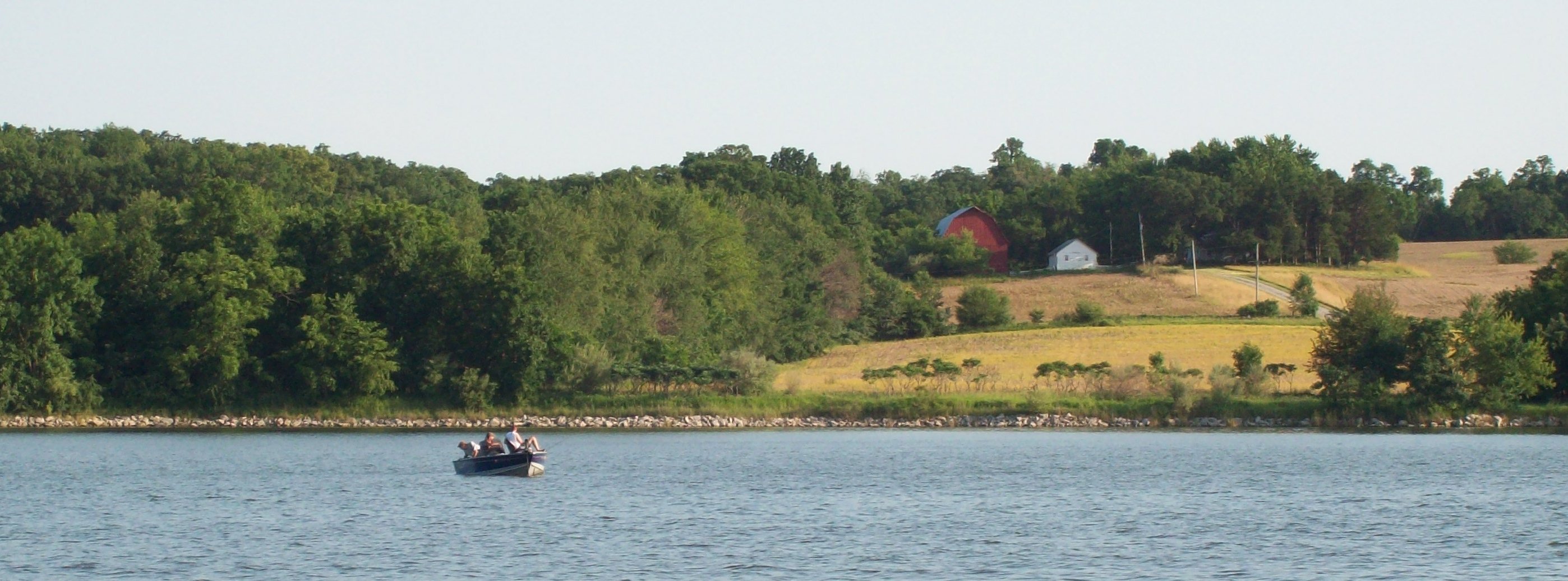
Lake Macbride Beach
Lake Macbride Beach

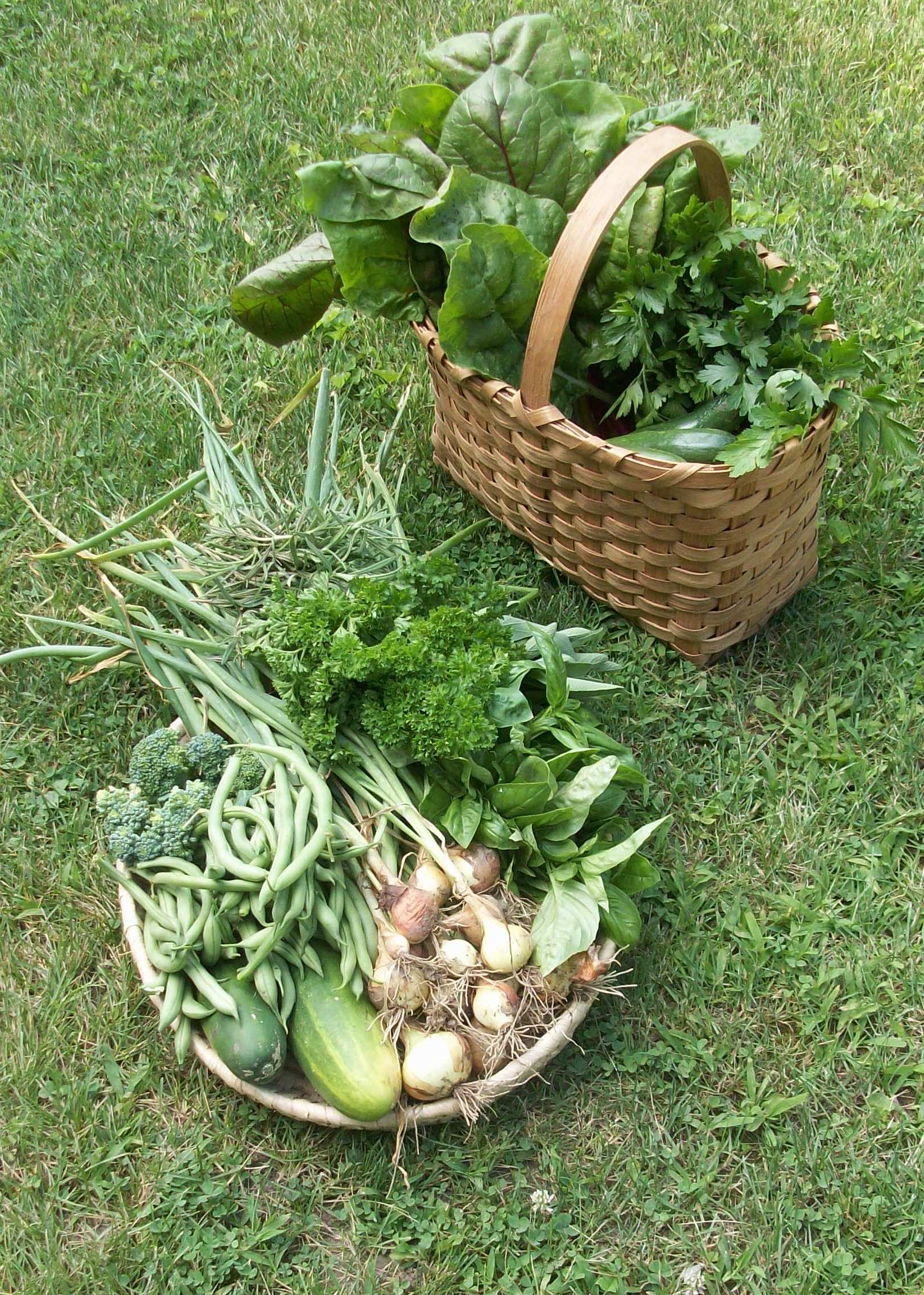
LAKE MACBRIDE— The first two cherry tomatoes were ripe in the garden, so I picked them, along with three meals worth of green beans, two cucumbers, a bunch of kale, two stalks of broccoli and two kohlrabi. In addition, I planted more cucumbers and Swiss chard. There remains plenty to eat in our household.

It’s time to review the seed packets and plan the rest of the year’s planting. July 25 is the traditional day to plant fall turnips, and more radishes, green beans, cucumbers and spinach are in the works. The lettuce seedlings I planted about a week ago appear to be taking, and I’ll plant more before the summer is over. Because of succession planting, the salad days, where we can have fresh salads with dinner, may extend the whole summer. Here’s hoping.

When the morning garden work was finished, I cleaned up and drove to Lake Macbride State Park to sit on a bench and write. On an impulse, I stopped by a friend’s home where he was returning from a neighbor’s home with a bucket of just-picked Lodi apples. Lodi is one of the earliest producing cultivars, and the fruit is used in baking, applesauce and cider making. He offered and I took four to make a dessert. We chatted for a while, and then made arrangements to go foraging for black raspberries after supper.
Black Raspberries
Black Raspberries

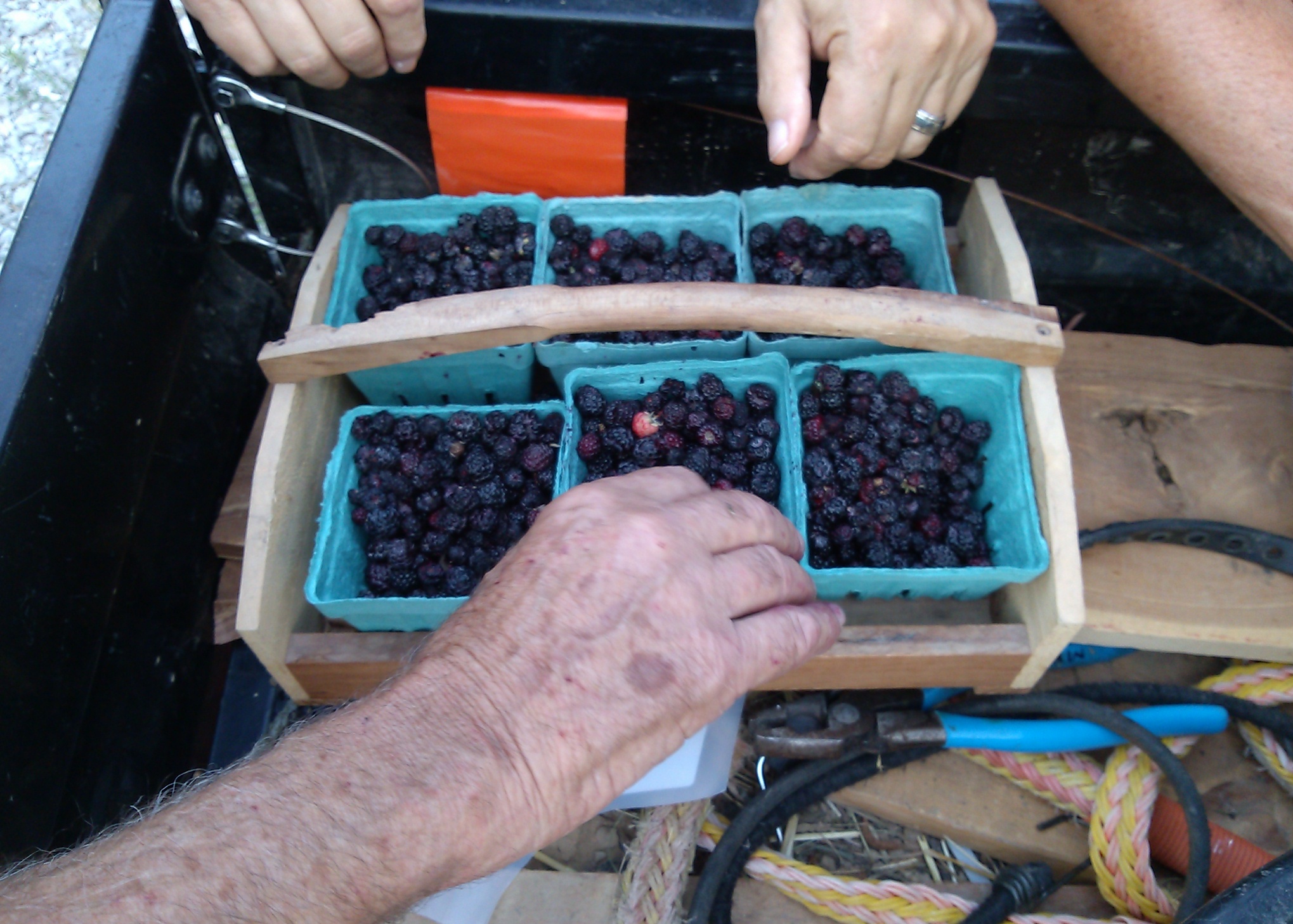
With the sun heading for the horizon, we met up and drove a few miles to a mutual friend’s acreage. We spent about 90 minutes trolling the wood line, where all kinds of produce was evident. Wild plums, hickory nuts, blackberries not ripe yet, and plenty of ripe black raspberries. We filled two gallon jugs and split the proceeds.

We toured the property owner’s garden and the apricots were ripe, falling from the tree. Like many gardens in the area, this year it is doing well.

On the drive home, we talked about the Michigan cherries due in at a local orchard on Saturday. I plan to stop by and participate in the summer cycle of fresh produce and the social life surrounding it. Not sure which I like better, and both seem inextricably intertwined.

Categories
Social Commentary

Reggie’s Weenies is Gone

Reggie's Weenies
Reggie’s Weenies

SOLON— Word is out that another Main Street restaurant is gone. Reggie’s Weenies of Solon shuttered their doors last week. I noticed the for lease sign, then it was taken down, then the lights were off during the breakfast service and people started talking. Telltale signs of the end in a small town.

Partly, the restaurant never took off. Every time I dined there, either mine was the only table with customers, or maybe one other. The menu may have been part of the problem. One morning while I was having breakfast, Reggie mentioned how popular biscuits and gravy are among the breakfast crowd. He had no wait staff but himself, and had to tend to the gravy, so he couldn’t elaborate.  He sold a lot of biscuits and gravy— but not enough.

While “weenies” is in the name of the place, and Reggie got his start selling Chicago-style hot dogs at Nile Kinnick Stadium in Iowa City on game days, he expanded the menu beyond hot dogs and was a skilled chef. The dishes I tried were tasty and had plate appeal. Word about the menu didn’t get around town, despite Reggie’s marketing efforts.

Part of the problem may have been a dispute with one of his original business partners, which caused people to line up on sides. There was an informal boycott of the place for a while, but that wasn’t the reason for the problems.

When Smitty’s Bar and Grill closed before Reggie remodeled the space, the cook and wait staff moved to a new breakfast operation at the American Legion down Main Street. The legion became the place to have breakfast in Solon, leaving Reggie and his investment in the lurch.

Since we moved to the area, there have been at least six different restaurants in that space. Maybe the building has a restaurant curse on it. Reggie tried to make it, as entrepreneurs with an idea do. The new microbrewery opening this summer across the street, with chefs trained in culinary school, may have been the final straw. No one was at Reggie’s Weenies when I knocked.

Reggie was a friendly guy. I hope he lands someplace good. Good people usually do.

Categories
Kitchen Garden

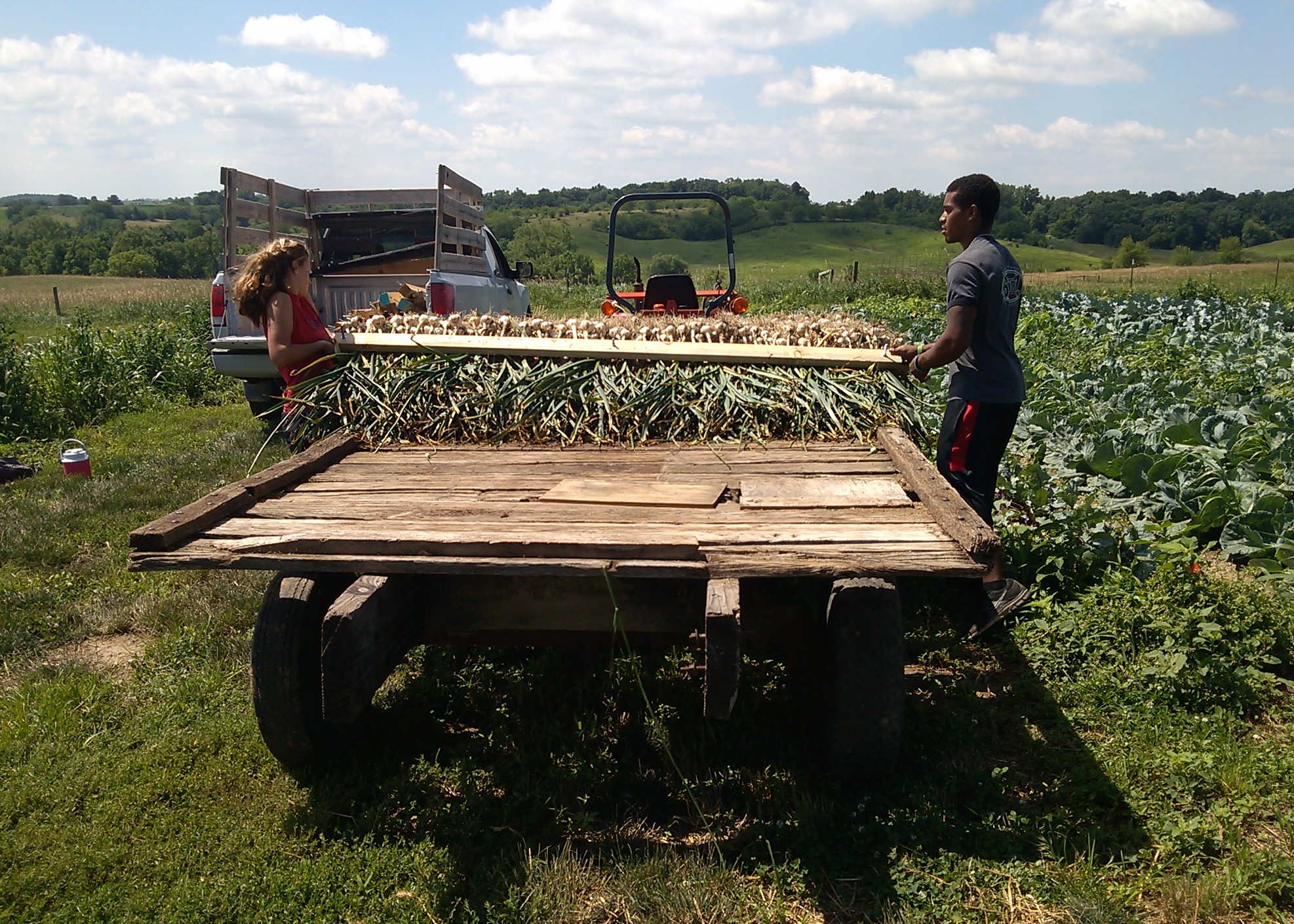
Garlic Harvest on the Farm

Garlic Diggers
Garlic Diggers
Lining up Garlic on Racks
Loading the Wagon
Loading the Wagon
Wagon Filling Up
Wagon Filling Up
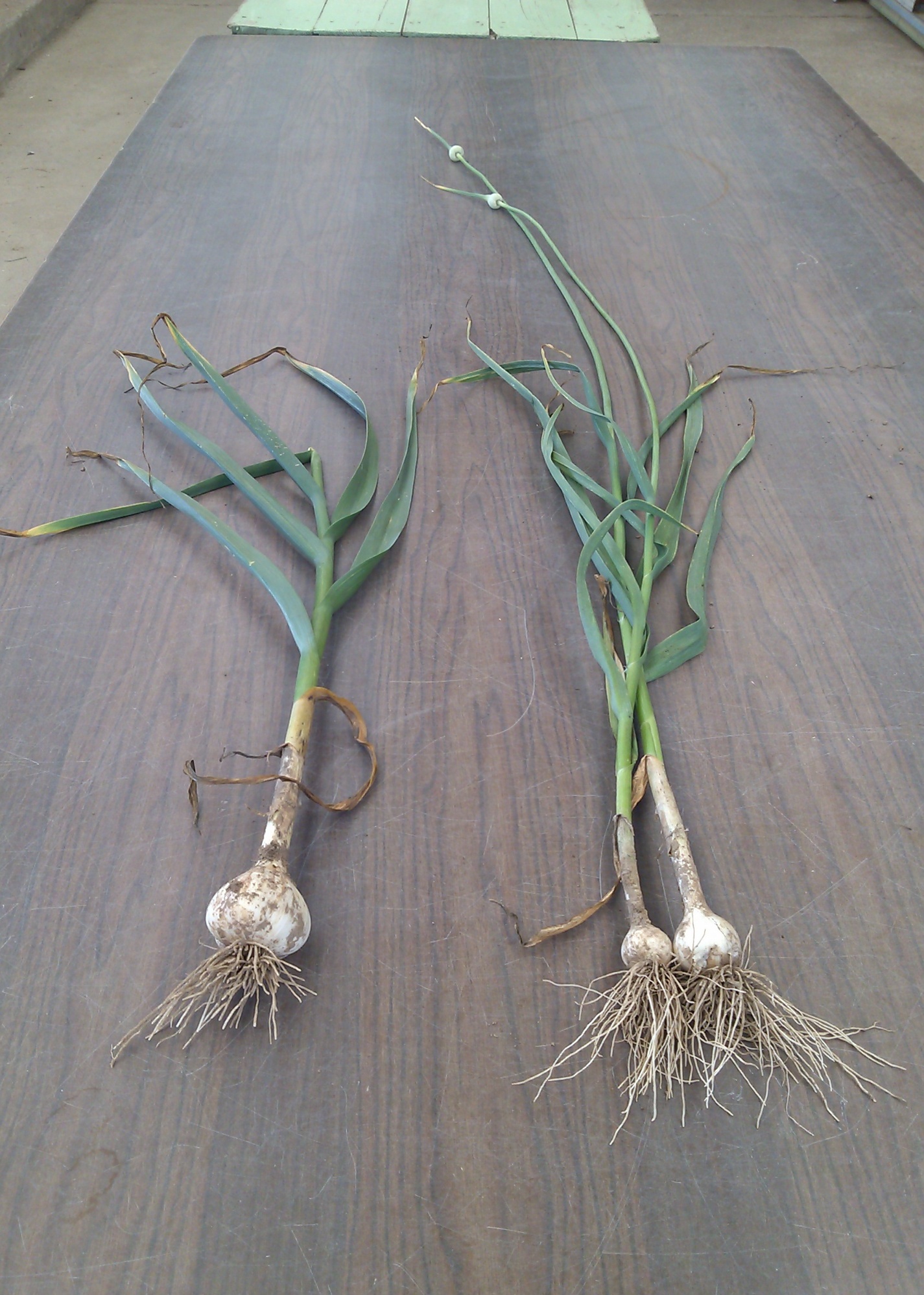
Left Cut Scape, Right Scape not Cut
Left Scape Cut, Right Scape not Cut
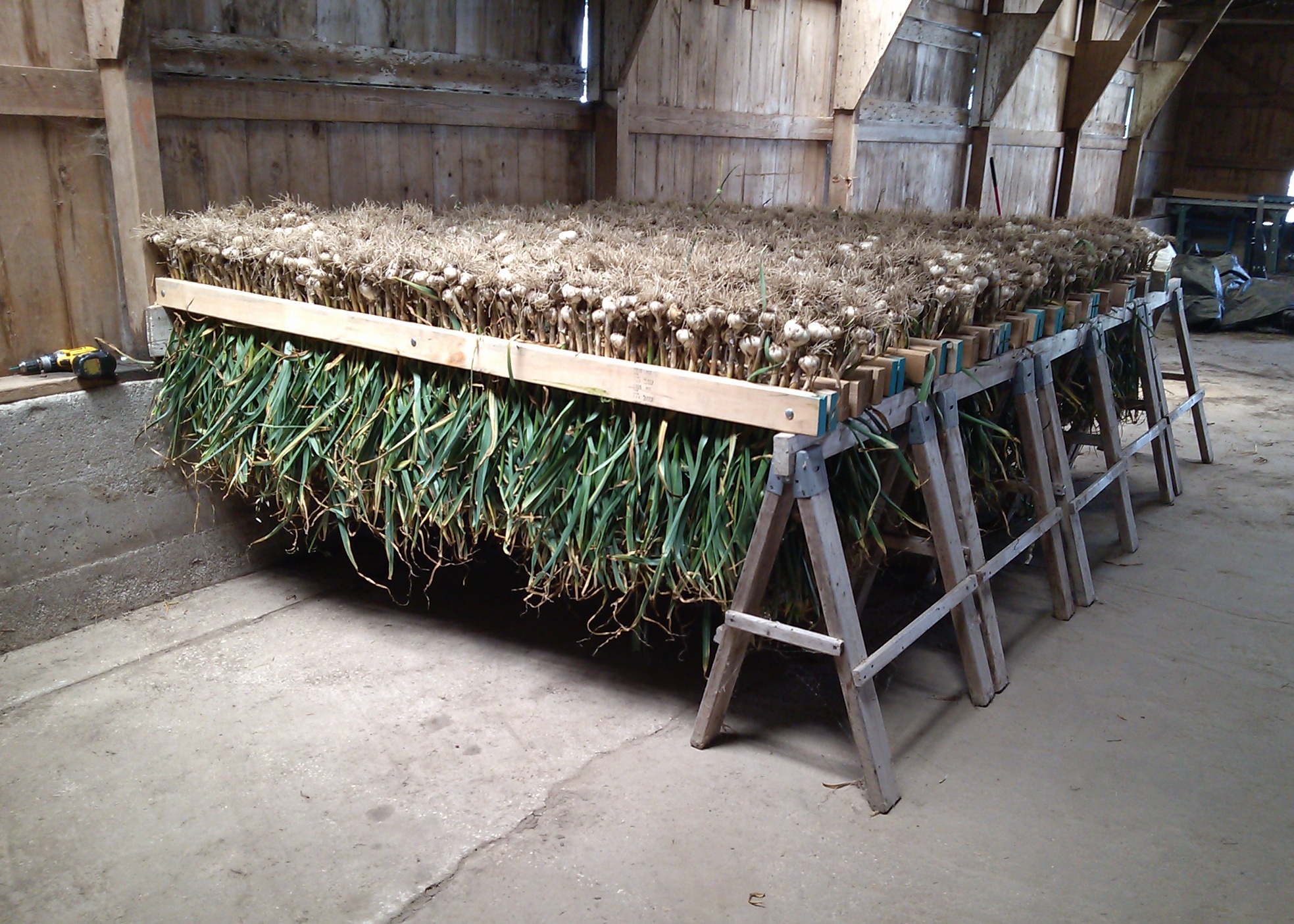
Garlic Curing in the Barn
Categories
Writing

Toward a Local Food System

Lake Macbride
Lake Macbride

LAKE MACBRIDE— Writing about gardening, farm work, fermentation, soup-making, canning and cooking is personally satisfying, but what is the connection to our broader society? Why does one person’s journey in life with friends and family matter in the broader scope of things? With a global population of more than 7 billion, and expected to hit more than 9 billion by mid-century, life on earth is changing in ways that test the limits of our ability to comprehend. Will the lives of individuals matter as Earth reaches its tipping point, pushing the envelope of its geophysical limits?

American society, founded in part on the cultural resonance of eighteenth century agrarian individualism, promotes the moral worth of an individual. Independence, self-reliance, freedom and the ability to work toward self-realization are core values of our society. The idea that we can own a plot of land, grow some of our own food and prepare it in ways steeped in process, learning and tradition, yet how we want, is as American as the apple crisp I make from my apple trees. What is often forgotten is that individual lives occur in the context of a society that was founded during the Age of Enlightenment, and that society is coming apart at the seams.

If romantic concern for the good old days is what drives people to work toward a local food system, the idea is bound to be abandoned. In Iowa, we created the Leopold Center for Sustainable Agriculture at Iowa State University. The center has conducted hundreds of grant studies and reported on them with an eye toward sustainable agricultural practices. The Leopold Center is key to understanding our food system and providing reasons and process to create and strengthen community-based food systems. It is uncertain their work will take, despite the fact that locally grown food produced with sustainable practices is highly cost competitive with the products of the industrial food supply chain.

What makes a local food system possible is not the development of practices and high level theory, but the support behavior change receives in society. Behavior that congealed during the post World War II economic boom that included development of our industrial food supply chain. With population growth, society requires an organized mechanism to produce, preserve and distribute food to a growing population. In that sense, the industrial food supply chain is as necessary to a local food system as are the practices developed by the Leopold Center. To choose between them is a false choice.

Based on my experience with local farmers who use sustainable practices, there is tremendous capacity for improvements in efficiency, fuel use, water management, labor practices and mechanization that are untapped because of capital constraints. What the local food system may need most is an infusion of capital to create business incubation centers, sustainable water management systems, efficient farm to market systems, and most importantly, a sustainable source of labor that pays a living wage. The industrial food supply chain, because of its strong capitalization, has essentially blocked out competition from sustainable local growers who struggle to pay bills each month.

The question comes down to what individuals do in society with others, and there is no template for it. Stories about dealing with excess zucchini, kohlrabi and leafy green vegetables serve as examples of how to live with the challenges of a local food system. My garden won’t grow everything we need to provide all of our own food, so we leverage outside entities. Whether it is electricity to run the stove, cheese and milk from dairies, veggie burgers from Morningstar Farms®, or cooking oil from California, Italy and Iowa, how and why we leverage these entities and others matters a lot to a local food system.

That’s why I write about local food systems, as an example in which I hope others find value. If we’re lucky, and with collective action, tenuous local food systems will be strengthened as we work toward sustainability in a turbulent world.

Categories
Kitchen Garden

Processing Cucumbers and Other Things

Refrigerator Pickles

LAKE MACBRIDE— The dawn dew barely moistened my shoes while venturing to the garden to water the plants. Much needed rain failed to precipitate last night, and without daily irrigation, the produce yield would be reduced. The lettuce seedlings planted last week are surviving with twice a day watering. The morning shade of the locust trees protects them from the parching effect of the sun. The forecast is for zero chance of rain before noon.

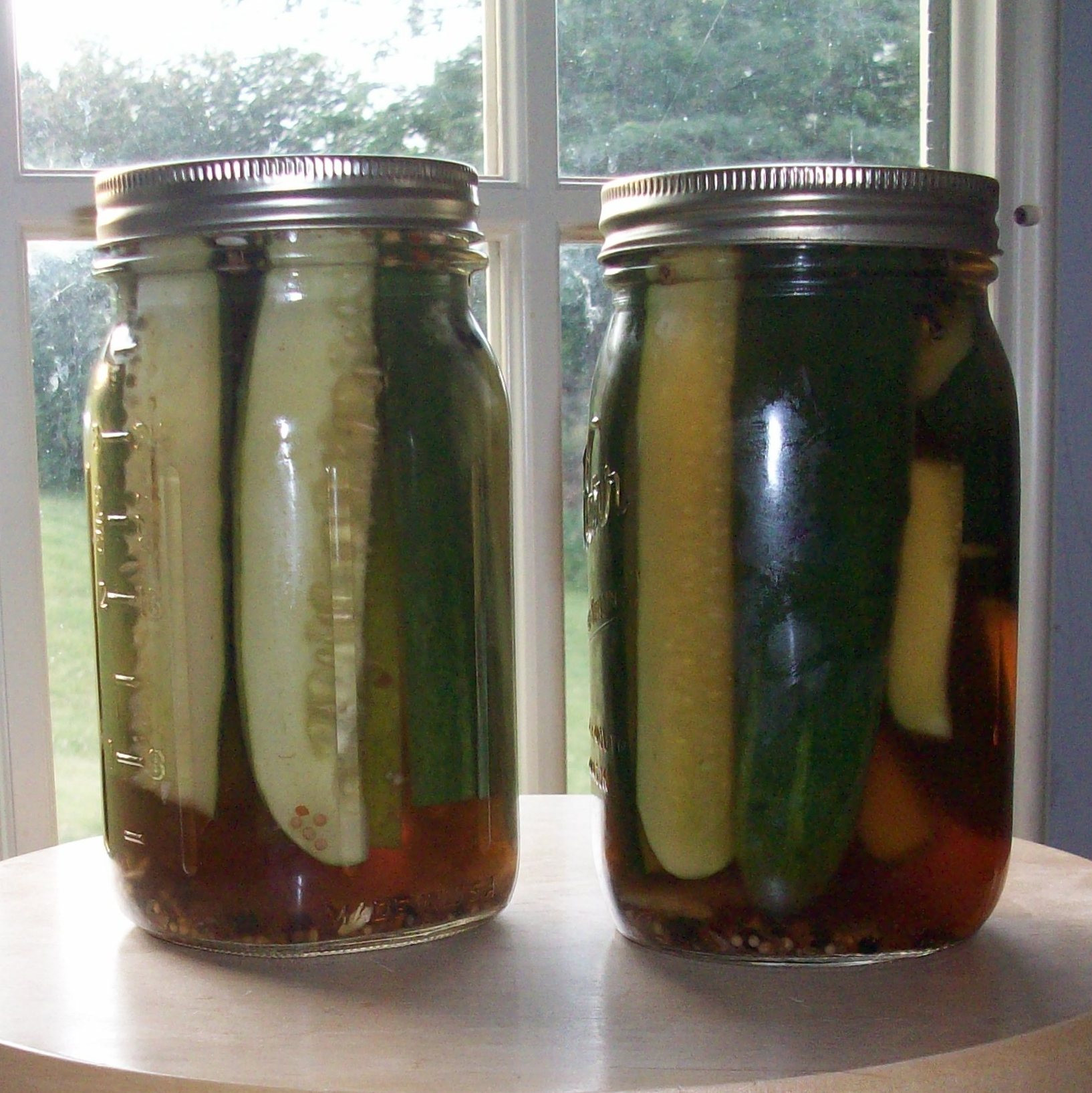
Last night I made two quarts of deli-style refrigerator pickles. The brine is the same as the one processing cucumbers in the crock, just that in the refrigerator they will be ready in four or five days. There are more cucumbers on the vine, and one kept fresh for salads. The flow of cucumbers through the kitchen has been about right.

The ice-box is packed and filling with food. I added a couple of more packages of grated zucchini to the freezer drawer and today’s plan is to make pesto to freeze. Produce rotation and preserving to prevent spoilage has become a thing around our household.

I decided to take down the advertising calendar on the bulletin board in the garage and replace it with photos. I spent an hour sorting through digital photos on my computer and ordered prints from Walgreens online. They were ready for pickup across the lakes in about an hour.

After making the pickup, I spent another hour selecting prints to post, and processing memories of our life since we became empty nesters. Better to be reminded of our family life than the days on a calendar. If one has children, it is a blessing to know them at all. Reflecting on who they have become is a luxury as good as gold.

No pickling brine will stop death’s inevitable advance.  As long as we can process— cucumbers, zucchini and basil, photographs and memories— we can go on living. As Walt Whitman wrote, “and as to you death, and you bitter hug of mortality . . .  it is idle to try to alarm me.” Fearless we enter the day, endeavoring to accomplish something with our lives.

Categories
Environment

Will it Rain?

Morning Harvest
Morning Harvest

LAKE MACBRIDE— The question at the farm today was “will it rain?” We hope so. This spring was the wettest on record, and gardeners are harvesting an abundant crop. The crops in the farm fields also look good. As someone posted on Facebook, “walk out to the garden with a shaker of salt and no fear. Ahhhhh Iowa summer.” But we have been in a dry spell since the season turned. The fear is last year’s record drought is part of a pattern that repeats this year.

Another drought would be disastrous for farmers that depend upon keeping customers happy with vegetables that are the opposite of fungible commodities. Crop insurance might pay the expenses, but customers who can buy fresh vegetables trucked in from Florida, California, Mexico, Texas, and as far away as China might get discouraged. They are all-in with the farmer to share in the risk of the season. In a consumer society that means they could find other sources of vegetables next season if things turn out badly.

The ten day forecast shows a 60 percent chance of scattered thunderstorms tonight and tomorrow. After that, the chances diminish to 10 or 20 percent. The prospect for rain is not good.

At my meeting in the county seat tonight the same question was asked. Will it rain? No one was optimistic.

I shared my garden’s abundance at the meeting, taking zucchini, yellow squash, kale, basil, flat leaf parsley and kohlrabi in a cooler. The basil and parsley were popular, with everyone taking some. Everything else, except one kohlrabi found a home. The fragrance of basil filled the room while we met— it was intoxicating.

My sense is we are in for another drought. It already feels that way, despite tonight’s forecast. I hope I’m wrong. We can irrigate if we have to. When the county studied the Silurian aquifer, there was plenty of water. But more is at stake than a single crop, or a couple of bad seasons in a row. The extreme variation in weather is concerning and is consistent with what scientists are saying about the effects of global warming. Let’s hope our questions will be answered, “yes, it rained.”

Categories
Home Life Kitchen Garden

Transition Kitchen

Morning Shade
Morning Shade

LAKE MACBRIDE— Scum is forming on the surface of the crock liquid, and that’s a good thing: a sign of bacteria working the cucumbers, transforming them into pickles. Sounds kind of gross, but hopefully fermentation is going as it should— there are only so many times one can check the progress in a day, then it’s time to move on to something else.

Saturday’s weather was hot, but otherwise gorgeous. The work outside was invigorating and sweaty. The pest du jour was swarms of gnats which, upon arrival in the garden, were a reminder to apply repellent. An application of imitation vanilla around my nose and mouth took care of the annoyance, and unintentional ingestion of gnat protein.

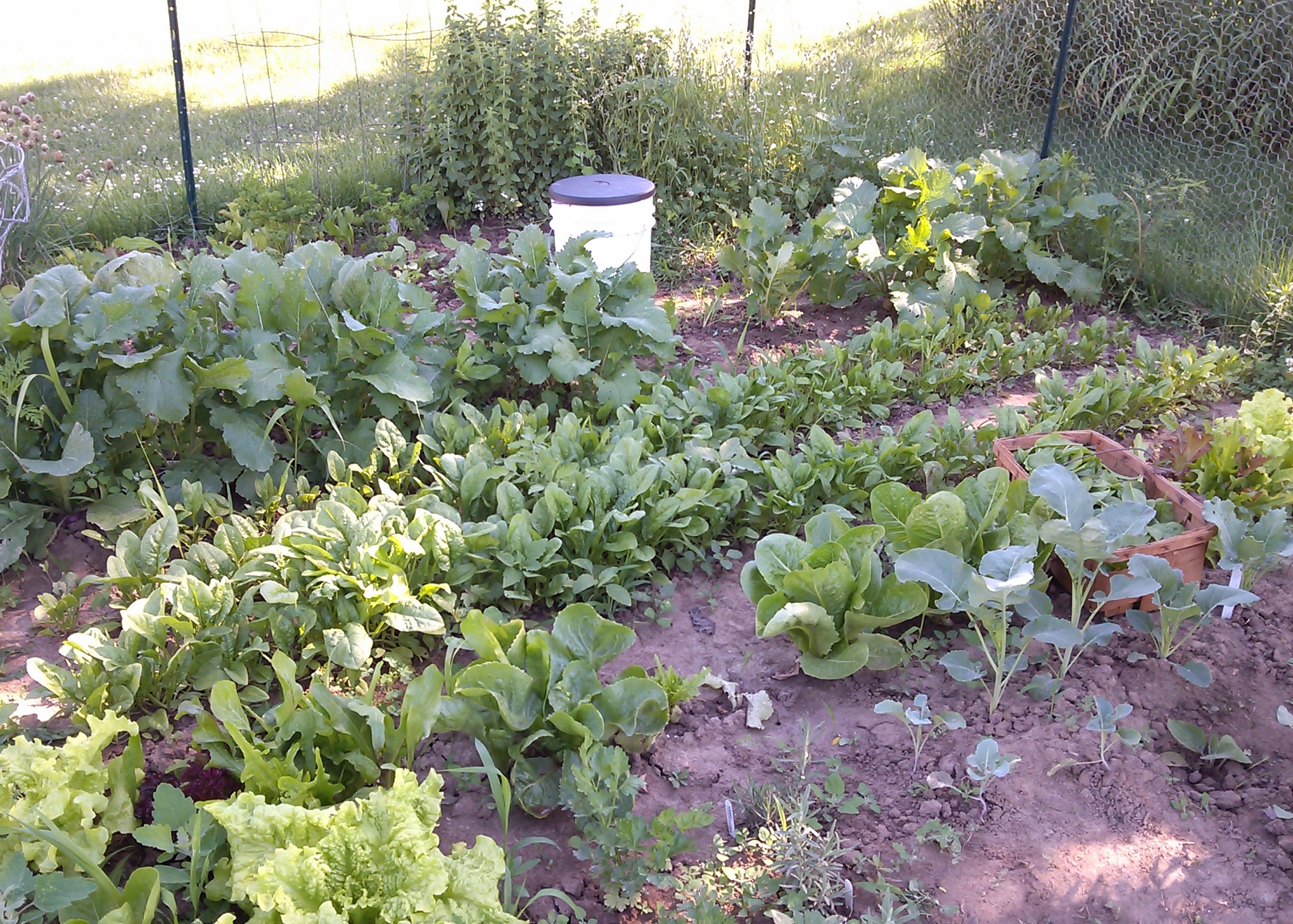
The main garden task was to turn over soil where the spinach and radishes were to plant lettuce seedlings. It seems hot to be planting lettuce, but with the shade of the locust trees protecting the plot in the morning, I am hopeful of another crop. Much of gardening consists of experimentation and my newly found ability to start seeds in the garage has me doing more of it this year.

I cleaned up the plot, removing the fence to cut the grass, weeds and small trees growing around its base. Then I picked a bushel of lettuce from the previous plantings, and sorted, washed and dried it to make two bags for salads. There were a couple of small turnips, one of which was later grated onto a dinner salad. When the work was done, the garden plot looked well groomed.

As the kitchen fills with food, it is time to process the new and do something with the old. I separated the leaves from the stems to make a quart jar of dried oregano for winter cooking. I cleared some space in the freezer by removing bags of last year’s Anaheim, Jalapeno and red and green bell pepper and cooked them in a Dutch oven in a cup of white vinegar. When they were tender, I ran them through a food mill and put the resulting green hot sauce in a Mason jar in the refrigerator to use in Mexican-style dishes.

Using four pounds of yellow squash and zucchini, I made a casserole, which will keep for a few days. The idea was to use the squash, and I made a large recipe with the idea of following the chef’s instructions to produce the desired result. Next time, and it won’t be long, I’ll scale it down to portions for a household of two.

How many kohlrabi can a person eat in one season? I intend to find out. I made mashed potatoes for dinner using leftover roasted turnips and two kohlrabi cut into half inch dice and cooked in a separate pan. When the potatoes and kohlrabi were cooked, I added them to a large bowl with the turnip and mashed them. Once the blend seemed right, I added some salt, butter, sour cream and chopped fresh rosemary. It seems wrong to mixed potatoes with cruciferous vegetables, but what came out passed the taste test.

After dinner, I inspected and watered the garden. The new lettuce will need watering more often, and there is more to harvest Sunday: zucchini, green onions, herbs and broccoli. Chard and collards are plentiful, but there are enough leafy green vegetables in the refrigerator, so they’ll stay in the garden for now.

Septoria Leaf Spotting blighted some of the tomato plants. The ones with the first cherry tomatoes look like they will make it to harvest, but not much longer. I noted the last planted tomatoes have not shown evidence of the disease. Will observe them as the season progresses to see if any conclusions can be drawn. We are a week or two away from some ripe cherry tomatoes.

This is how it goes in a kitchen garden. A constant activity that is not tremendously exciting, but a template for living and eating well on mostly locally grown food and the work of our hands. Life could be a lot worse than this.

Categories
Kitchen Garden

Friday Fermentation

Cucumber Plants
Cucumber Plants

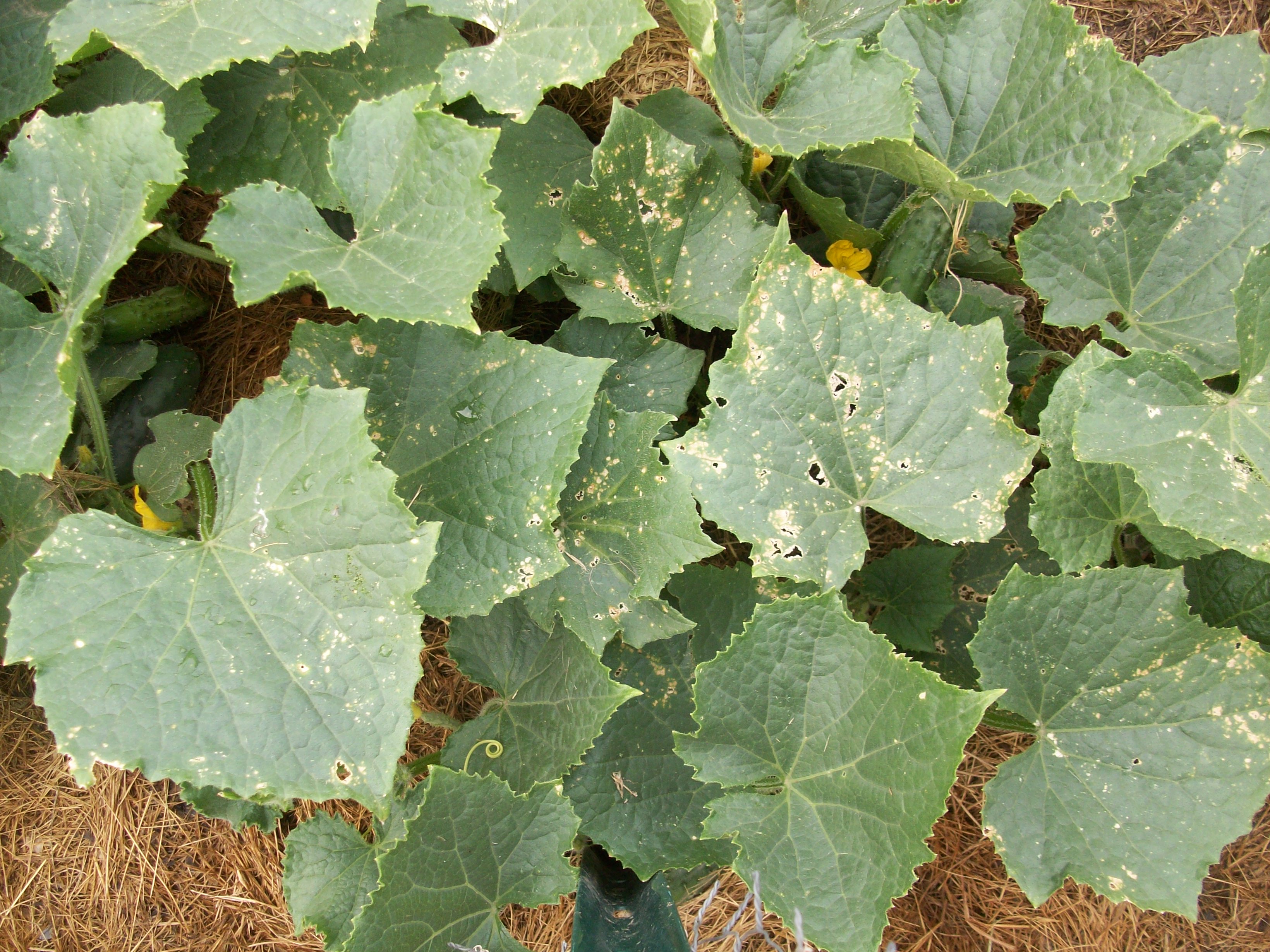
LAKE MACBRIDE— The crock on the lower level of our split foyer home showed evidence of bacterial action this morning. A small pool of bubbles formed on the surface of my first-ever batch of dill pickles— evidence of fermentation at work. Experiments with home fermentation began last year, when I made a large batch of sauerkraut and a jar of apple cider vinegar. It’s an arena about which I knew little and am not sure I know much yet. Hopefully practice will make perfect.

Using the first pick of the cucumbers, I cleaned up a crock, mixed five and a half ounces of pickling salt in a gallon of distilled water, added dill seed, crushed garlic, and peppercorns to the crock, then submerged the cucumbers in the brine. Next, I waited, hoping for what I witnessed this morning. It took about three days for the bacterial action to start.

More cucumbers are forming on the vine, so worries about losing the first pick for this experiment have subsided. One prepares for experiments to be a complete loss, paving the way for enjoyment if they turn out well. Nature is providing an abundant garden this year, so there is no worry about a shortage of cucumbers and other vine produce.

Now, more waiting and cleaning the scum off the surface each day. The smell is of dill, so things seem to be heading the right direction as the cucumbers pickle.

Categories
Kitchen Garden

Harvest Day on the Farm

Local Harvest CSA
Local Harvest CSA

RURAL CEDAR TOWNSHIP— Having worked in the greenhouse, high tunnel or barn every week since early March, yesterday’s shift at the Community Supported Agriculture farm was pretty exciting— I worked in the fields for the first time. Because of the Independence Day holiday, beginning at 7 a.m., a large crew worked to get the shares ready for distribution a day early and take care of other farm work.

Four activities were mine: helping a crew of three harvest kale, harvesting, cleaning and packaging Swiss chard, making a basket of oregano for shareholders to select from, and planting a row of tomatoes with another person. Each activity provided a learning experience on how to work quickly, yet gently with the plants. In addition to that, I made a trip to the field to check on the quantity of sugar snap peas being harvested and to inspect the progress of the green beans (not ready). The work was steady, but not too hard. I appreciated the variety as my fingerprints filled deeply with soil.

The best part of the day came at the end of the shift when the crew gathered at the farm house for lunch. Thirteen of us went through the serving line set up on the kitchen island, and gathered around the table to partake of squash casserole made with Frisian Farms Gouda cheese from Oskaloosa, a slaw made with daikon radish and cabbage, and for carnivores and flexitarians, grass-fed lamb burgers raised on the farm. There was plenty of food and good conversation.

A neighbor had provided a kettle of fresh cherries. I’m not sure “kettle” is a unit of measure, but I brought back a sack of fresh cherries and made a cherry cobbler with dark brown caramelized sugar on top. I had it for dinner… and breakfast.

One of my work partners, a student from a neighboring state visiting a woman he was dating in college, had been persuaded to help out on the farm. He was bored as he dug holes for tomato seedlings. I thought of my solar powered Freeplay radio as we finished planting the long row. Maybe I should put it in the trunk of my car for times like this to assuage youth, but probably won’t. We talked instead.

Afterward, I thought of Nathaniel Hawthorne’s experience on the Blythedale commune. How he wrote in flowery language about it in The Blythedale Romance, only to find the reality of work more difficult than he expected or wanted. Hawthorne wrote of the commune,

Paradise, indeed! Nobody else in the world, I am bold to affirm—nobody, at least, in our bleak little world of New England,—had dreamed of Paradise that day except as the pole suggests the tropic. Nor, with such materials as were at hand, could the most skilful architect have constructed any better imitation of Eve’s bower than might be seen in the snow hut of an Esquimaux.

A day of work on a CSA farm may not be a trip to Eve’s bower, but it has its rewards and challenges— and plenty of hard work.

Categories
Writing

It’s Zucchini Time

Fried Zucchini
Fried Zucchini

LAKE MACBRIDE— It’s the time of year for zucchini, and they are coming in with bounty. What to do with them? Over the years, I have tried a lot of techniques, and here are some do’s and don’ts.

Don’t dehydrate them unless seeking to occupy space in the cupboard. I dehydrated zucchini as recently as last year, and either forgot they were there when making soup, or they weren’t the right ingredient. If one chooses to dehydrate zucchini, a little goes a long way.  Try making a quart Mason jar of quarter inch dehydrated rounds or half moons first. That has been more than enough to last the year.

Do use zucchini fresh in recipes, of course. When you or neighboring gardeners or farmers have a load of extra zucchini for cheap, get what you may need for the year, and using a box grater, grate them into one cup servings and freeze them in a freezer-style, zip-top bag. I started with six cups, and will see how long it lasts.

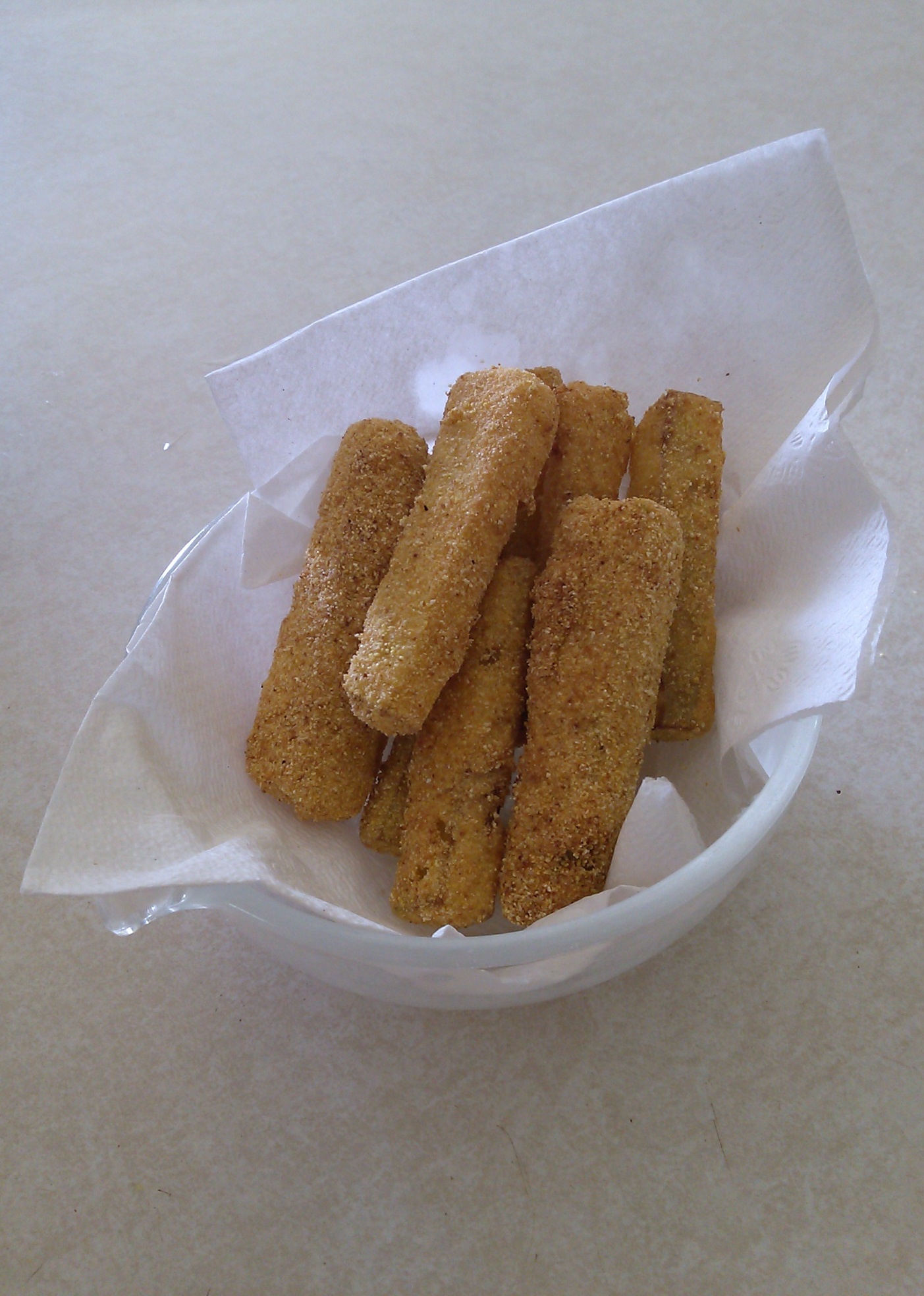
Do try new recipes. Today, for lunch I made fried zucchini (see photo) coated with corn meal. There are dozens of combinations of shapes and coatings, and they can be baked or fried. Once you get past inertia to trying out an idea, working with zucchini can be fun.

Realizing there is a seasonality to vegetables, and using them when they are in season is an idea at the heart of the local food movement. Zucchini is just one tasty example.