Categories
Kitchen Garden

Scent of an Apple

Last Apple Crisp
Last Apple Crisp

LAKE MACBRIDE— New Year’s Day was for rest and household chores. The bed sheets were laundered, along with work clothes. As the washer and dryer ran, I rearranged the ice box and cooked chili and apple crisp—two dishes that have long been part of our cuisine.

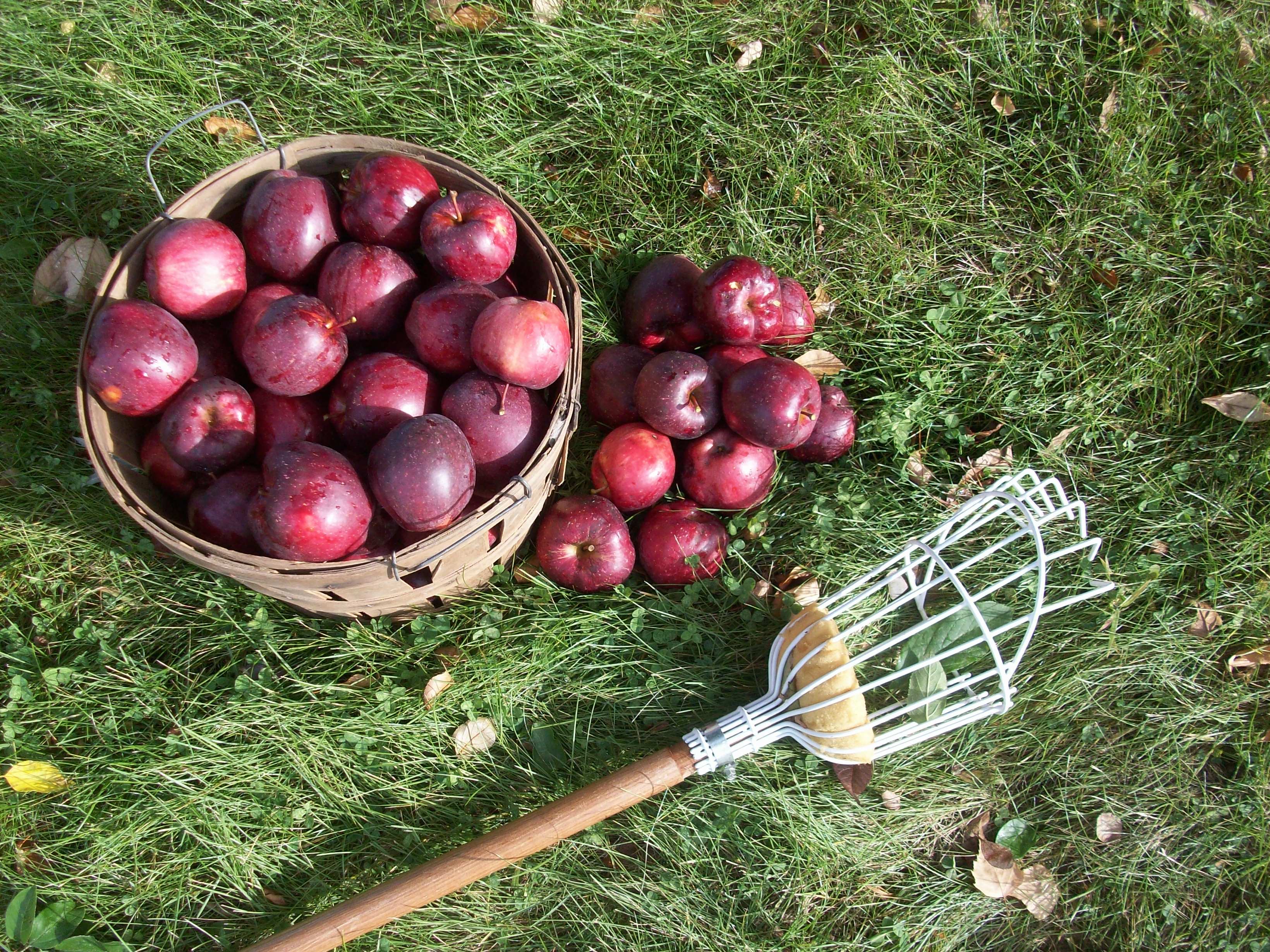
People who complain about Red Delicious apples have likely never tasted one directly from a tree. At the end of the season a bowl remained to make one last apple crisp.

As I cut and peeled, the apples were ambrosial. They yielded sweet, almost divine fragrance with each cut. Not the crisp freshness of new apples, but the mature, aromatic drift of delicious.

There were bad spots, but plenty of good slices for the bowl—just enough.

The issue with local food is a lack of citrus fruit in Iowa, impossible to live without. It may be possible to re-create a greenhouse environment—carefully modulating soil, moisture, temperature and light—to grow citrus in Iowa. Why would we want to?

In winter I use imported lemon juice: Italian Volcano organic lemon juice, and there are few better things in the kitchen. A couple of tablespoons in the apple crisp and the flavor turns from tasty to insanely pleasurable. Combined with the apple aromatics, it makes a dessert fit for kings and queens. Since there are no American royalty, we’ll have to eat it ourselves.

Over many years I have tinkered with the chili recipe and have it about right. At one point I read every chili recipe I could find, especially those produced in the neighborhoods where I grew up, including my mother and grandmother’s recipes. We are solid on this dish.

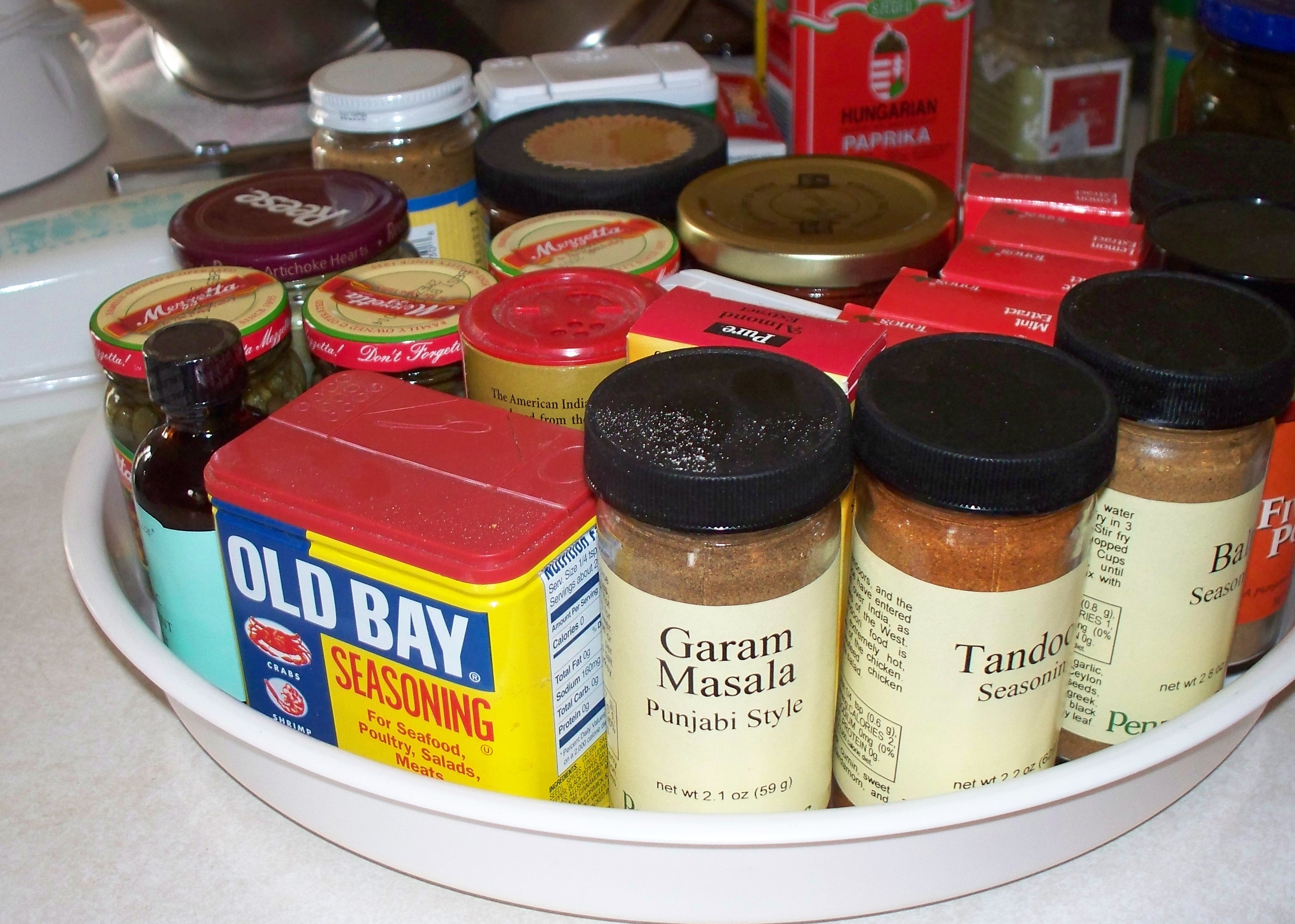
That said, even if there is a recipe, the cooking of each instance of it is always a little different. The ingredients are simple: onions, kidney beans, Morningstar Farms® Recipe Crumbles, tomatoes, tomato paste, cumin, chili powder and salt are the main ones. There are a couple of key elements to preparation.

Don’t use oil for this vegetarian chili. Instead, drain the tomatoes and use the liquid to cook the onions until translucent. When they are finished, add tomato paste until the liquid is the desired thickness. Pile in the rest of the ingredients and cover with tomato juice. When there is time to simmer the chili for 6-8 hours, use it. Don’t be afraid to add lots of beans.

While these aren’t really recipes, the dishes are common enough for cooks to find and modify their own. To learn how they taste, you’ll have to visit, unless you are royalty. In which case, nuts! Have your staff make your own.
Categories
Home Life

Food and Sundries

Bits and Pieces
Bits and Pieces

LAKE MACBRIDE— Food and sundries are the second highest cash output in our budget and December has been a doozy. Suffice it that we have plenty of food in the house.

The phrase “food and sundries” is indicative of the fact that things like water softening salt, facial tissues, cleaning supplies hygiene products and other household consumables get lumped into this budget category. When we lived in Indiana, it was too much work to segregate the two expenses since mostly they were purchased at the grocery store.

That has changed a bit with growing and bartering for more of our food. I am loathe to change something that has been a basic part of our budget process for decades.

Is there budgetary savings by living off the refrigerator, freezer and pantry? Hope so. That means cooking more and I look forward to a few traditional dishes.

January will be a month of main courses designed from beans, chick peas, grains, nuts, rice, eggs, tomatoes, frozen vegetables, pickles, sauerkraut, soups, and bits and pieces from the pantry. Real cooking, and real downsizing. It should mostly be good.

As for the budget, I haven’t quite adjusted to buying at the warehouse club, so for now, a curtailment of intake is in the cards. That too should be good.

Categories
Kitchen Garden

Gardening in Time

Seeds Have Arrived 2014
Seeds Arrived Early 2014

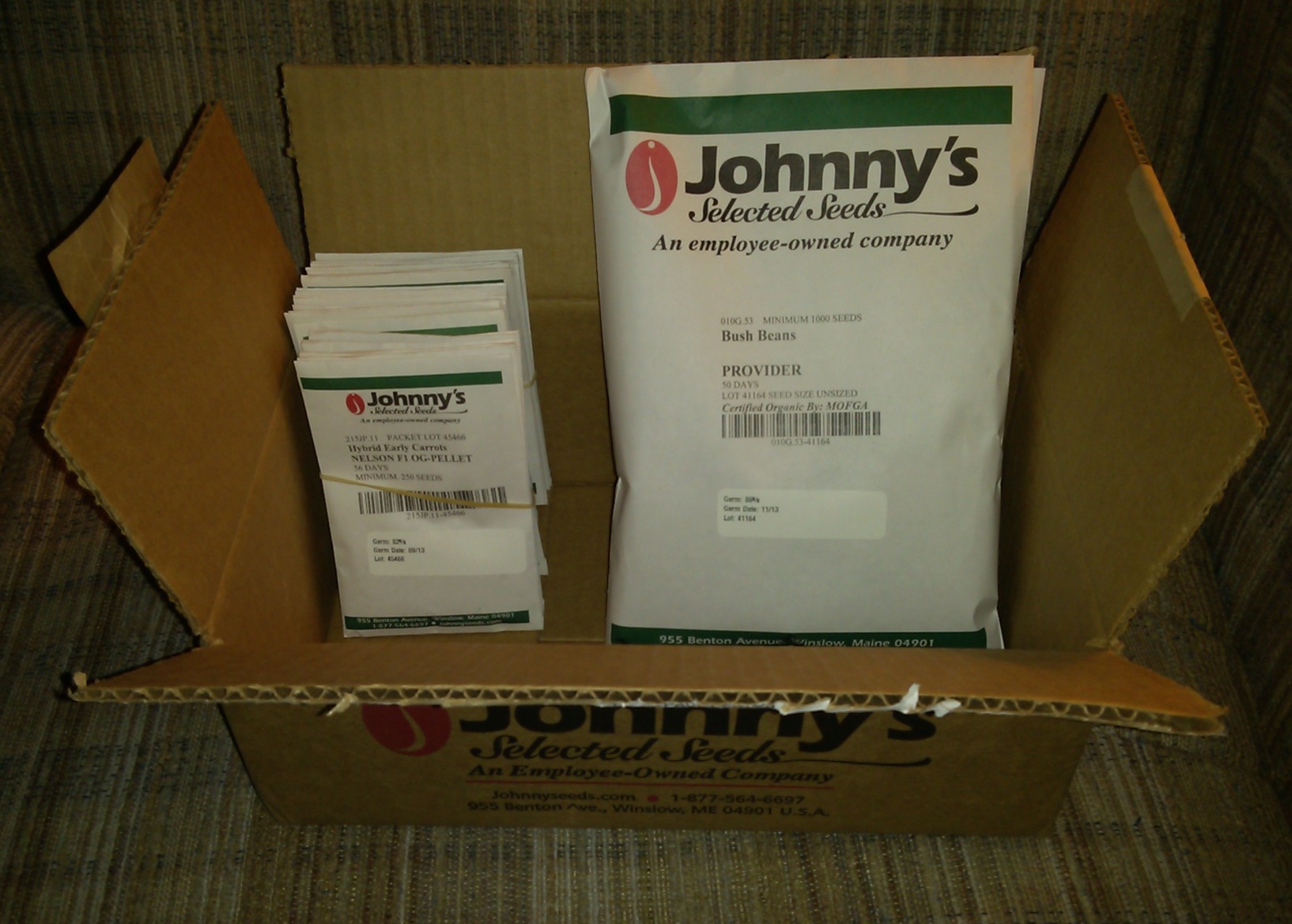
LAKE MACBRIDE— The box of seeds from last season sat on the workbench for months. I brought it inside to begin garden planning—something I am loathe to do. In fact, I’m still thinking about mowing the lawn one more time before winter really gets here. After all, it is forecast to be in the forties next week… I can’t give it up.

Like it or not, time passes and the seasons with it. I need to let go of what did and didn’t get done this year and begin planning for 2015. Right after I put up the holiday decorations.

Yesterday, a reminder of life’s fleeting nature arrived as Mother was admitted to the hospital after suffering severe pain in the night. The physicians and specialists are attempting to diagnose what happened and what risk it may pose. Our small family is on watch as they do their work.

That our plans don’t always work out as we thought is a given. That I will continue to plug away at making the garden more diverse and productive represents hope. Hope that life will continue in some semblance of what it has been during my years on the planet.

Quixotic? I don’t think so. Utopian? Maybe a little. Idealistic? Yes, definitely. While the idealism of youth get burnished with experience, there is a basic urge to go on living. Should we lose that, all hope would be gone.

In a turbulent world, with its cacophonous voices, we go on living. Some days are better than others, but there is always hope that this year’s garden will be better than last, and will sustain our lives–at least for a while.

Categories
Kitchen Garden

Leek and Potato Soup

Canned Soup Stock
Canned Soup Stock

LAKE MACBRIDE— Leeks at the grocery store looked particularly good so I bought one to make leek and potato soup. Leeks make incredible soup stock, so I always look forward to this once or twice a year meal.

The ingredients for leek and potato soup are simple:

Stock

One large onion
Half cup diced celery (garden grown if you have it)
Three carrots peeled and cut into large chunks
Top of one leek rough chopped. Cut it just below where the leaves start to fan out. Be sure to get the dirt out from between the leaves.
Two bay leaves
Salt to taste
Eight cups of water

Soup

Aforementioned stock
One lunch bag full of potatoes, peeled and cut into bite-sized pieces
Remaining leek halved lengthwise and cut into thin ribbons and cleaned
Two celery stalks, medium dice
Two cups frozen cut corn

Partly this list is a lie. Some would skip the stock, boil the potatoes separately, reserving a cup of the cooking liquid. Saute the celery and leeks in a Dutch oven and add the cooked potatoes, corn, potato water and milk (evaporated, cream, or whatever) to cover. Heat slowly until fully warmed, but don’t scald the milk. Serve with freshly baked biscuits.

There is another way. Place the soup stock ingredients in a Dutch oven and bring to a boil. Turn the heat down and simmer until it’s soup. Strain the vegetables out, and put the stock back into the Dutch oven. Add the potatoes and leeks and enough water to cover. Bring to a boil, then turn the heat down to a simmer. Cook until the potatoes are fork tender and add the corn. Re-season. Bring the pot to temperature and serve with oyster crackers or freshly baked biscuits.

There are other ways to make this soup. The point of the story and recipe is that the leeks at the store looked good. I did something about that.

We have gotten too far from the natural instinct of creating from our found environment. Yes, the leeks may not have been grown in Iowa. The soup I made from them was, and that makes it local food.

A meal that was filling and tasty by any definition, cooked once or twice a year when the leeks look good in the store is culture that escapes us too often. Life is too short to let that happen.

Categories
Writing

Snow Came

Snow Cover
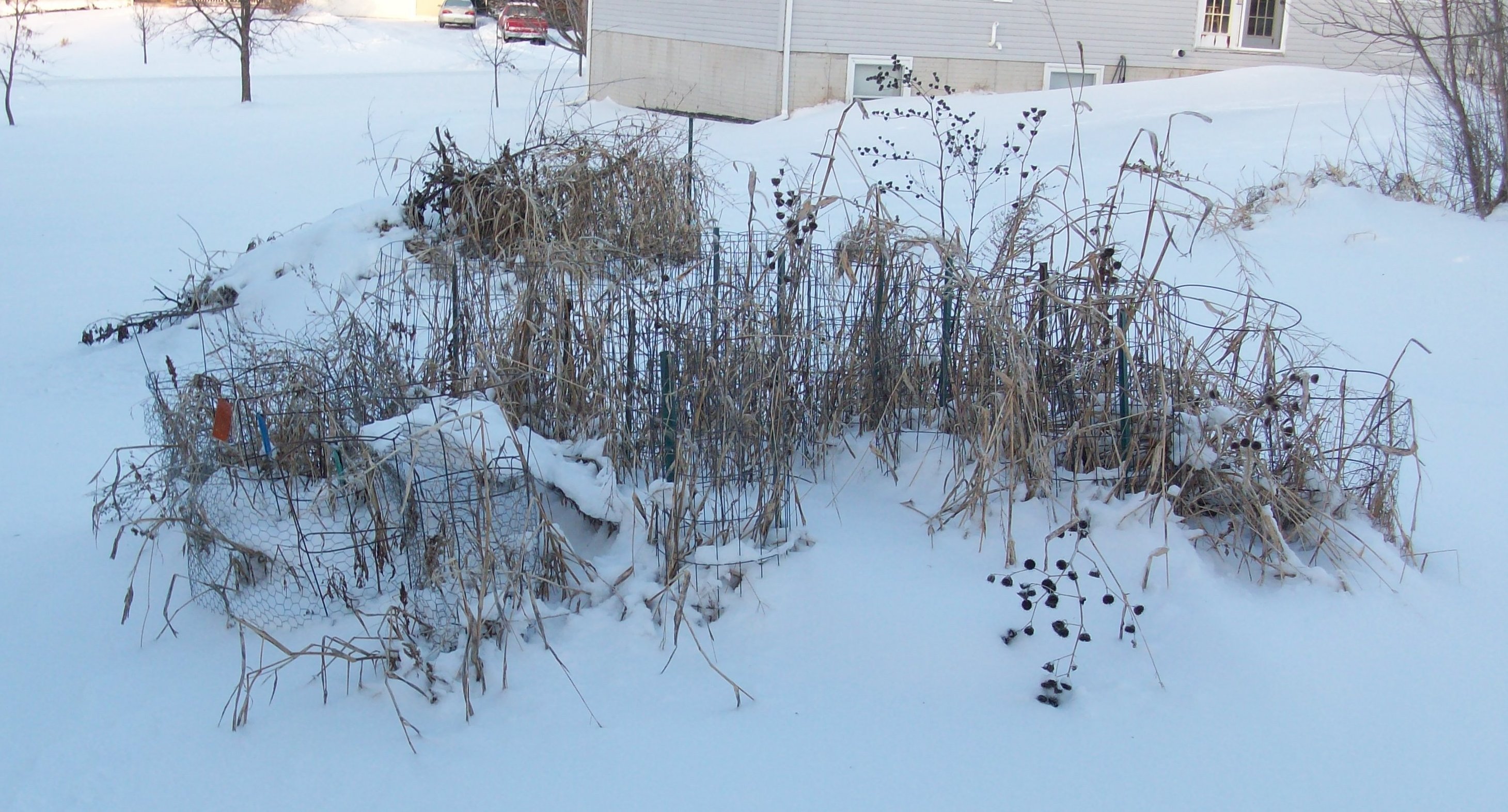
Snow Cover

LAKE MACBRIDE— The first snowfall precipitates the innate idiocy of people who forget, or refuse to recall that it gets slippery when snow falls on the roadway. Coming across Mehaffey Bridge Road after a shift at the warehouse, a long lineup of cars was stopped with headlights on. Two cars were in the ditch with the sheriff nearby. I hope no one was hurt.

A snowplow came in the oncoming lane dropping sand and salt, so three of us jumped over and drove around the obstruction. If nothing else, I am a confident winter driver, having weathered all kinds of conditions in the U.S. and in Germany.

Crops are still in the field, but other than that, we needed the moisture. It’s still snowing.

The kale in the garden looks green from the house, but this may be the end of it. Part of tomorrow will be checking it for edibility. There are also vegetables going bad in the fridge, and those will go to compost when I check the kale. The growing season may officially be over.

Categories
Writing

Gold Rush

Gold Rush Photo Credit - Stark Bros.
Gold Rush Photo Credit – Stark Bros.

LAKE MACBRIDE— The last apples are in.

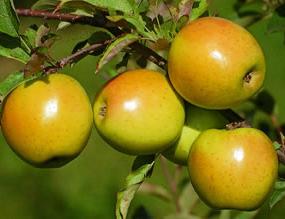
The orchard had two crates of Gold Rush in the cooler. They ripened only in the last week, and are predictably firm and tart. Something to hold in storage until the Red Delicious from our tree are finished. I bought a dozen.

Developed in partnership between Purdue University, Rutgers University and the University of Illinois in the 1970s, Gold Rush is known for its late maturing, fruit quality and long storage ability. When they come in, the season is over. A marker in the circle around the sun.

Categories
Home Life Living in Society

Falling Leaves

LAKE MACBRIDE— The thought of mowing is pushed back until the deciduous trees shed their leaves. Pools of yellow, red, brown and variegated leaves rest silently around tree trunks all around the neighborhood as geese fly overhead. The next step toward winter and its bitter cold.

Yesterday’s options were many—events with politicians Dave Loebsack, Monica Vernon, Rand Paul and Joni Ernst—but I remained working at home. The morning after, I felt better for the decision.

In the last two weeks of the political campaigns, Ernst submitted a Freedom of Information request to a couple of Democratic county auditors requesting detailed information about election procedures. Who knows what motivated the request, but it’s a close election, and if it goes to the wire, expect legal action—not unlike what happened in Minnesota when Al Franken was first elected.

I met my editor at the Press Citizen for coffee in Iowa City. The freelance work for the newspaper was an unexpected bonus as the year moves toward the holidays and its hope of spring renewal. They are short three of six reporters and need help covering stories. Once they get staffing filled, the number of articles I write will decrease. As farmers say, it is time to make hay while the sun shines and I expect to ask for two to three articles per week.

Apple processing began in earnest with filling the dehydrator with slices. The leaves have begun to turn on the Red Delicious apple tree, so it’s time to pick the high apples. Will get the ladder out later this morning. An apple crisp is in the works, as well as fresh juice.

The end of year crunch is here. Fortunately I have learned to come up for air from time to time in the rush of events. Something needed to sustain a life on the Iowa prairie.

Categories
Work Life

Last Day at the Orchard

Pumpkin Display
Pumpkin Display

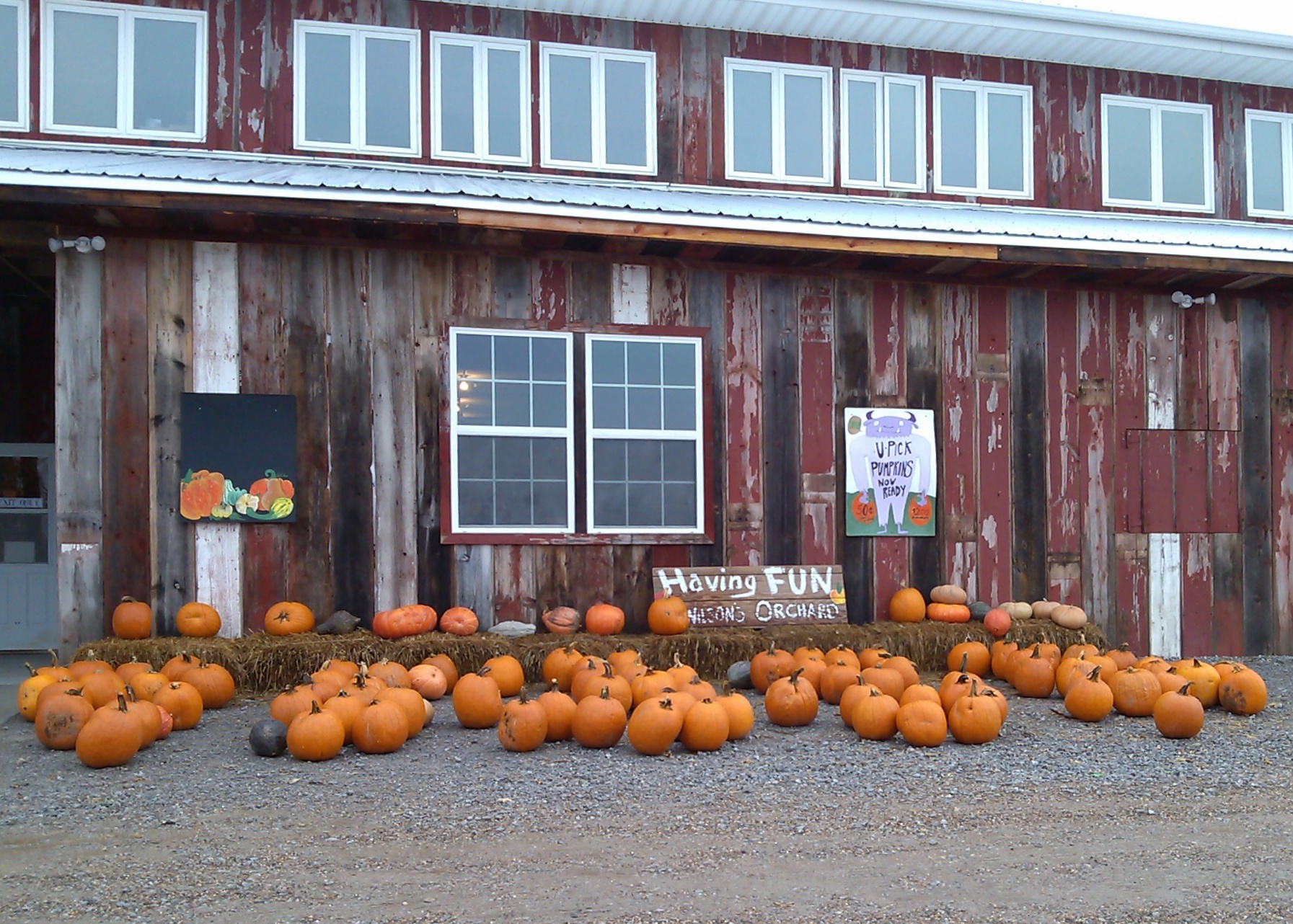
RURAL IOWA CITY— Saturday was my last day working as a mapper at the orchard. I enjoy the work a lot, and hope to get hired again next year, but for now, it’s over. The season continues through the end of the month, as soon, all the apples will have been picked.

As a mapper, I greeted visitors and helped them find apples in the u-pick operation. It was fun, and importantly, it was a chance to weave narratives, scores of times during a shift. I have been able to hone my story-telling skills by repeating and improving on the narrative of how to find the best apples. That part of the experience is best, in addition to working with other great people.

Yesterday was also the end of my farm work for the season. I’m down to three paying part-time jobs, and one of those ends in December. It’s time to look for something else to produce income now and in 2015. I have a sound financial model, now I need to execute it.

The coming weeks are expected to be a time of adventure, and exploration as I contemplate answers to the question, “what’s next?”

Categories
Kitchen Garden

Knife Apples

Apple Harvest
Apple Harvest

LAKE MACBRIDE— Father taught me to eat apples after a trip on River Drive to buy a bushel.

It seemed unusual to secure so many at once, but he knew someone, and with a limited weekly income from the meat packing plant, the family took what help he could find.

Dad used a knife to cut away bad spots and avoid eating worms. I remember him rocking in a chair eating apples with a paring knife after dinner. He didn’t call them “knife apples.” I coined that term when describing the fruit from our trees.

My apple trees don’t get sprayed. Not now, not ever. The fruit is not certifiably organic, but no fertilizers or pesticides have been used, and because of that, the apples are not perfect. To eat one raw, I recommend using a knife to cut them open and see what is inside. Mostly what is found is delicious.

Apples keep only for so long. The crisp, white flesh of the Red Delicious apple is the best eating when freshly picked and still cool from the evening air. Patience taught me to wait to pick them until they are well ripened. The large globes come in all at once with a few picking sessions, and then there is an issue of what to do with them. This year the plan is juice, baked goods, and out of hand eating.

Not many are willing to risk eating an apple worm or use a knife when so many varieties are available for out of hand eating with less imperfections. We found a few takers for mine, but a warm apple crisp is often more welcome than the raw materials to make one. The next couple of weeks will be processing and more processing. Damaged windfalls and cutting remains will all get composted.

My work at the orchard will wrap up this month, and with our harvest, I won’t buy apples again until the Winesap and Gold Rush come in at the end of the season. My developing apple culture is just one more way to cope with a turbulent world and contribute to our household’s food security.

Categories
Home Life

Begin with a Lunar Eclipse

Lunar Eclipse
Lunar Eclipse

LAKE MACBRIDE— It was a glorious moonrise last night with a spectacular lunar eclipse this morning. Stars could be seen throughout the sky, and neighbors turned on their lights to come outside and look.

The Milky Way was evident, and Orion’s belt was high in the southern sky. Even though I studied astronomy briefly under Dr. James A. Van Allen back in undergraduate school, I know the names of few constellations. Too, I feel no compulsion to name everything I see in the sky, but would rather take in its twinkling light just looking.

Who doesn’t want to live in glory and the spectacular on this blue, green, and increasingly brown sphere?

The day began earlier in the kitchen. I checked the kale in the dehydrator and rotated the trays. Having run out of ideas, and with a full freezer, turning kale into small flakes to be added as a soup ingredient is the last thing to do. A little will go a long way, and plenty of kale remains growing in the garden to be eaten, given away, and processed. Kale has been a success story this year.

I bottled the red pepper flakes made from Bangkok peppers and the dust from the funnel made me sneeze. Last night I processed a jar of whole dried peppers leftover from a previous year—a second vintage of red pepper flakes. My intent is to use the Bangkok first, give some away, and whatever is left next season will be composted. Half a dozen habanero peppers were in the jar. They’ll go into the compost today.

Wheat Straw
Wheat Straw

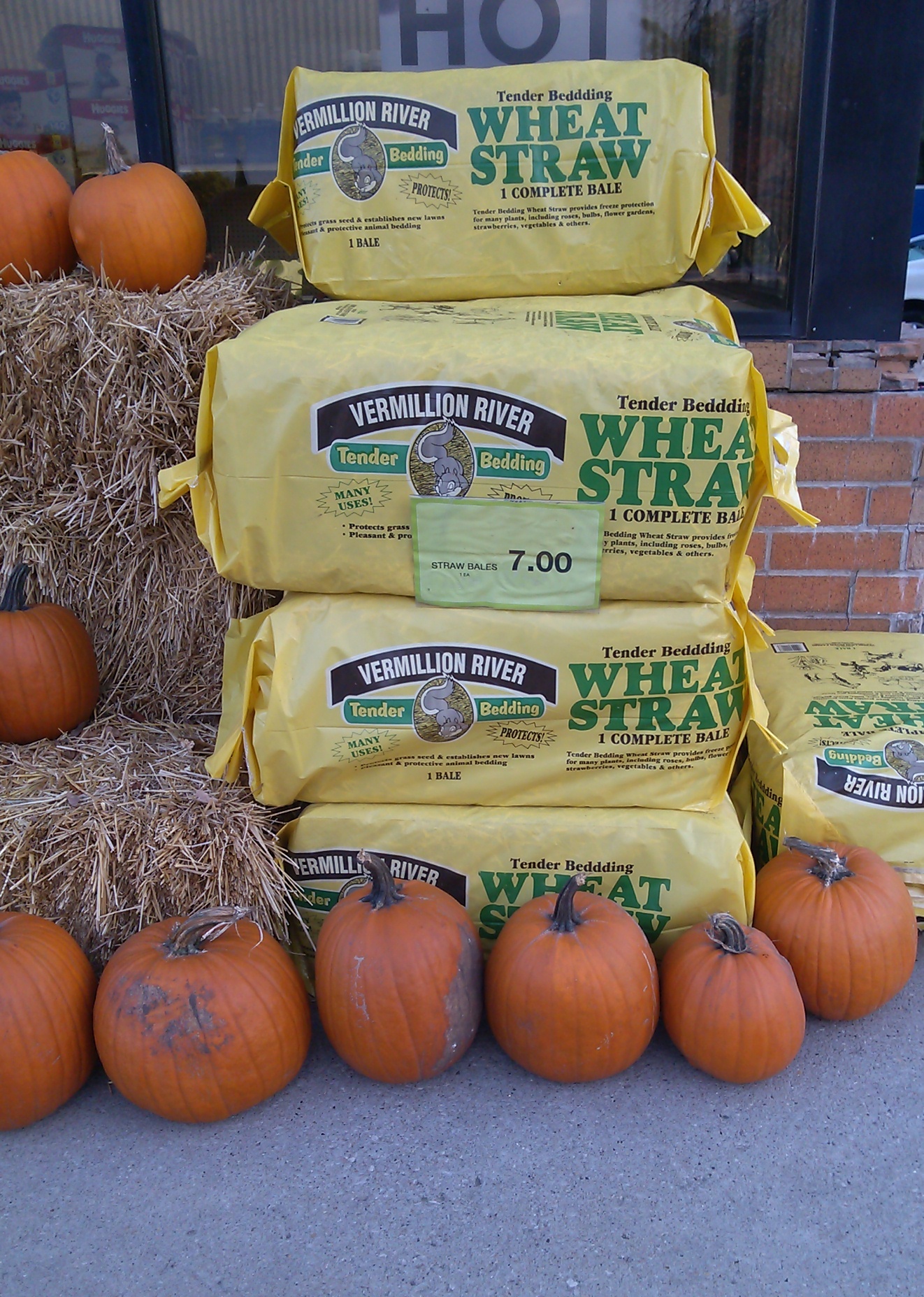
Morning coffee yesterday was with a friend at a grocery store in Iowa City. We discussed food security, politics and people we knew in common. The store was selling plastic bags of baled wheat straw. Why on earth anyone would want such a thing when the local hay is in is beyond me. But there it was.

Importantly, I reflected on my post on gatherings. Writing it helped clarify things, and as I picked hot peppers and tasted the Red Delicious apples from the tree, it occurred to me that this life, my life going forward, shall be reduced to a few important things. While working for the logistics company, I learned it is important to take care of ourselves. Without that, it is impossible to get anything else done. Once we are physically, socially and economically secure, the focus turns outward to working in society. To mitigate our changing climate, to abolish nuclear weapons, and to protect others with food security, economic justice and public health. This is a life worth living.

As I enjoyed my celebratory spread on crackers, it seemed much was possible—a sound foundation to sustain a life in a turbulent world.