Categories
Home Life

Punk Spring Day

Spring Lettuce
Spring Lettuce

A persistent cough prevented me from working at the warehouse Friday and Saturday. My schedule included preparing and serving food, and it would have been bad to go in sick. Instead I felt like crap at home and tried to focus enough to get a few things done, including writing an article for the newspaper, interviewing someone at the Iowa City Farmers Market and planting radishes and green beans in the garden.

Thrill is gone for me at the farmers market. I did not go one time last year and yesterday bought a bag of lettuce for $3 and that’s it. The market has become more of a flea market with crafty stuff, prepared food and vegetables imported from outside the county. It may be a seasonal alternative to the grocery store for city dwellers but unless my garden goes big and there is excess to sell, I have little reason to return.

Speaking of thrill is gone, I was saddened to hear musician B.B. King is in hospice care at his Las Vegas home.

Garden
Garden

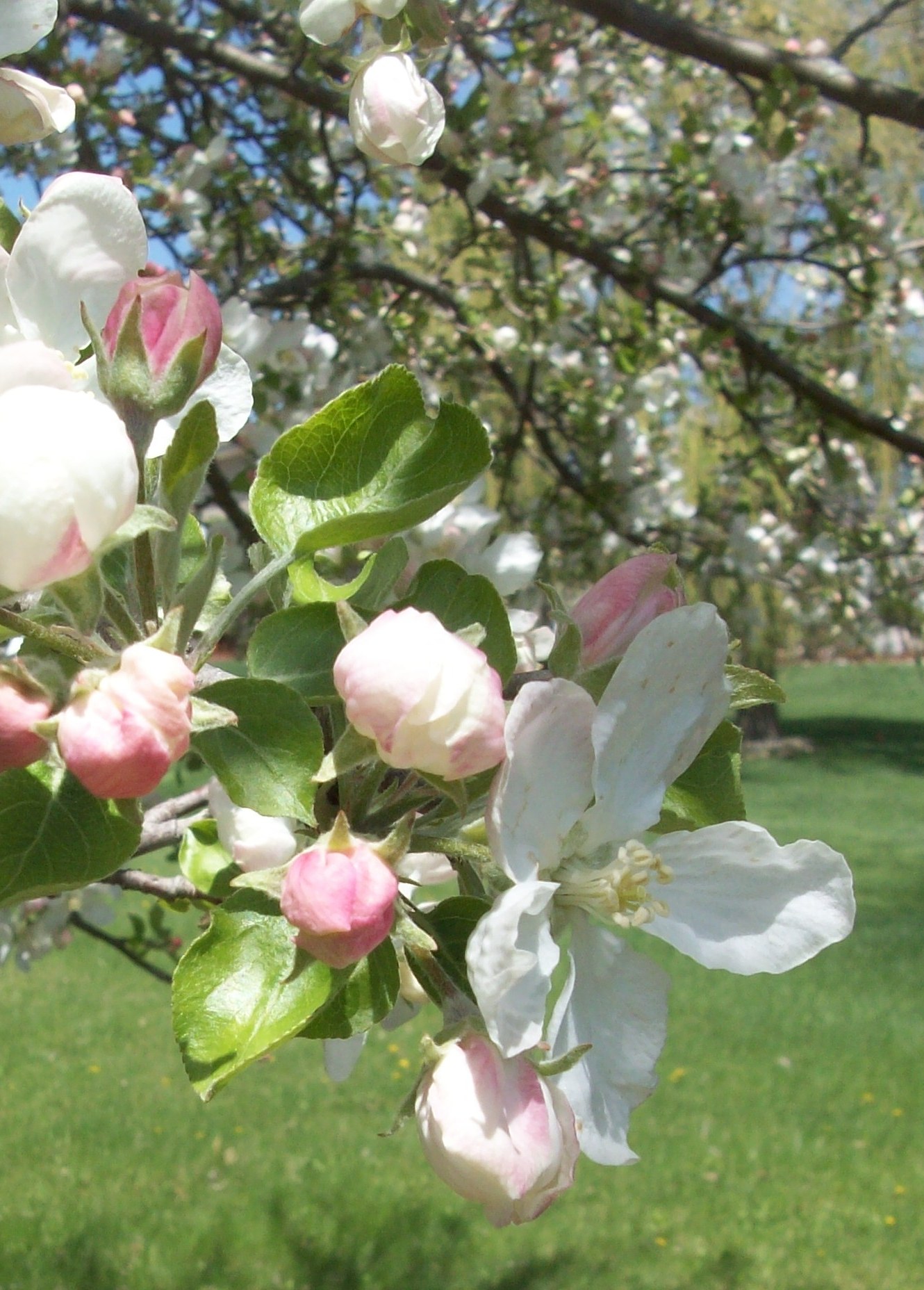
Apple blossoms peaked and their petals are falling into a snowy carpet over the grass. Because it has been warm, calm and sunny for much of the week, I am hopeful the pollination was thorough.

Hardening indoor seedlings began yesterday when I put the first batch for planting in the outdoor sun most of the afternoon. Broccoli will be first to plant, followed by basil, celery and three kinds of kale. The next wave will be tomatoes, followed by peppers.

Two neighborhood kids and their puppy invaded my garage space yesterday. The puppy got loose and decided to see what I was doing. Right behind him a young brother and sister crawled down the retaining wall and chased him behind the table saw without regard to anything else. She collared him and took him home. While they accomplished their mission, my take away was that part of youth involves less awareness of the broad context of our actions. That may be okay for children, but not for adults.

Life has gotten busier. Not too busy to take in the scent of lilac and apple blossoms, touch the soil with bare hands and interact with children, but busy enough.
Categories
Kitchen Garden

Apple Blossom Time

Apple Blossoms
Apple Blossoms

It’s apple blossom time in Big Grove.

Conditions are excellent for an abundant apple crop. There are plenty of pollinators, the ambient temperature is warm and the wind is calm.

Already I’m thinking of apple cider, apple butter, apple cider vinegar, apple sauce, and, of course, fresh apples. It is a hopeful time.

This morning’s chores included watering indoor seedlings. They need transplant as some are becoming root bound. Soon—maybe 10 to 14 days—they will be in the ground, so I’m not going to transplant into a larger container in between. The seeds I planted on Earth Day are germinating and it’s all good.

The challenge is finding time to work in the yard and garden—I don’t have any brilliance on that topic.

Working three jobs provides variety in life. For that I am thankful, yet they all demand time.

In between one and the others, carving out blocks of garden work time is important—something I couldn’t get adequately done last year.

Here’s hoping the inspiration of apple blossoms and lilac blooms engenders a better garden this year.

Categories
Kitchen Garden

Early Spring Gardening

Apple Blossoms
Apple Blossoms

The fruit trees are blooming. The fragrance is sweet and rare. I stopped to breathe it in.

Pollinators buzzed, providing hope for a good crop of apples and pears, dampened only slightly by yesterday’s rain. Even the diseased Golden Delicious tree is blooming—perhaps one last crop before it becomes firewood.

The newspaper’s freelance garden writer wrote April is the time to get to work in the garden, and so I have. Spinach, peas, lettuce, radishes and turnips are up. The chives and garlic survived both winter and the spring burn. A new pile of apple pomace from the cider mill lies next to the horse manure and grass clippings, ready to turn to compost. There are plenty of weeds starting to grow, needing suppression. If I did nothing else, work in the garden would take all of my time this month and next.

In the bedroom, the tomato seedlings are about six inches tall. Seeds sprouted and are growing so that after hardening outside a day or two, they will be ready for planting.

At the farm there is less worry about frost and a more diverse crop has been planted. Broccoli, kale, onions and others are already lined up in field rows along with rhubarb and garlic that wintered. I spent part of Friday planting leeks in the field and transplanting eggplant seedlings in the greenhouse.

In many ways, April is for a gardener—last preparations for a rush to planting after the last frost. Then a season of replanting and weeding, and eventually harvesting. There are worse things in life than this.

Apple Blossoms
Apple Blossoms
Categories
Kitchen Garden

Organic Salad Greens

First Spring CSA Share

Is the local food movement here to stay?

Intellectually, how could it not be? The future must necessarily be one of producing food much closer to where people live, especially as transportation costs escalate, and current food sources in the California Central Valley, in South Florida, and in Texas face the extreme weather characteristic of climate change.

That said, life with food is not always about rational behavior.

Growth of organic food sales is unmistakable, with 2014 food and non-food item sales setting a new record of $39.1 billion. Organic was almost five percent of food sales, according to the Organic Trade Association.

There is good and bad organic food. When we think about it, what good is it to buy organic canned black beans produced in China more cheaply than what a local farmer can sell? Is it bad that local producers use “organic practices” yet do not secure USDA organic certification of their operations?

The good news is interest in organic food helps small-scale producers generate needed sales. As organic sales go mainstream, being found in four out of five grocery stores, a crop of informed consumers is making up 18 percent of buyers, accounting for 46 percent of organic food sales. There is room for continued growth in this segment as wider availability of organic food, and mainstream information about organic foods drive people to buy them.

Each week, I hear people explain why they buy organic food. Their reasons are diverse, and don’t always make sense. The commitment is often to “eating healthy” as opposed to any sound rationale. This attitude toward organic food can become problematic, and  small-scale producers in the local food movement are particularly vulnerable. If organic is the latest fad, then long-term sustainability may be out the window for them.

Another thing people don’t mention much is as organic food becomes mainstream, large-scale players will increase their share in organic, and dominate the marketplace. Companies like Earthbound Farm Organic will become the norm, rather than the exception. Food conglomerates may establish gigantic organic food divisions as they have already done with gluten-free food. Better margins in organic food will attract capital, and small-scale farmers seem seldom have enough of that to compete.

I brought a bag of seven or eight kinds of spring greens home from the farm, reminding me of why I buy and barter for local food. I know how the farmers treat the soil, where they get seeds and rootstock, how they control pests, how they treat animals, and how they treat labor.

There is not much hope for a market based on “eating healthy.” It is not sustainable, even if organic is gaining market share.

Some of us find hope in being close to the means of production and getting our hands dirty. We also know the face of the farmer—something that gets forgotten midst the hoopla of buzzwords.

Knowing the face of the farmer is sustainable in local food systems. It is hard to replace, and it is time we got to know more of the farmers whose production we eat every day.

Categories
Work Life

Spring Rush to Memorial Day

Garden View of Lake Macbride

April has gotten very busy. There are dozens of tasks to do at home and farm work has kept me busier while my warehouse work and newspaper writing continue at the same level. It seems impossible that I had eight jobs at one point last year. Working three jobs fills the time if it doesn’t produce enough money to get ahead.

Farm work has been planting, planting and more planting—in the field, in seed trays, in the high tunnel. Yesterday was lettuce greens and broccoli. The day before onions and soil blocking. Today, I will seed some trays before cleaning up to head to the warehouse.

The challenge is to find time for our own garden. When I receive next week’s work schedule a priority will be setting aside a home work day.

A livestock farmer spent yesterday preparing his fields to plant corn. His planter is maintained and ready. Another spread fertilizer, complaining of a sore throat because he had the tractor window open.

Everyone’s busy with spring. That includes me. The garden needs planting before Memorial Day. It’s five weeks away, but it seems like tomorrow.

Categories
Kitchen Garden

Back at the Farm

Inside the Greenhouse

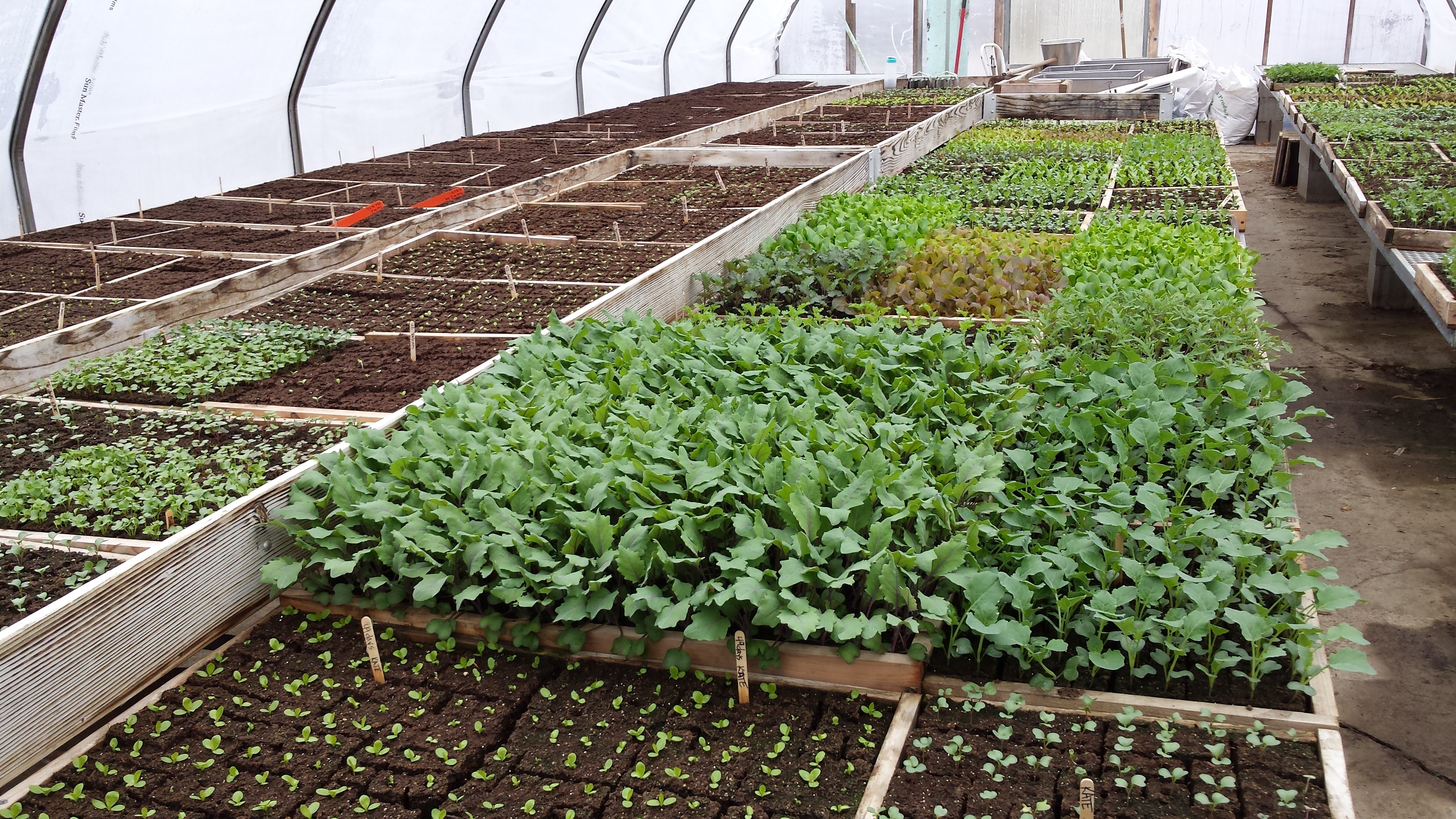
This week began another stint working at Local Harvest CSA. I’m back to soil blocking, planting seeds in trays and seedlings in the high tunnel in preparation for another season of vegetables. This year the plan is to work until the regular crew arrives in May—a month of physical labor to reinvigorate after winter’s inactivity. I’ll help with the first deliveries to members in two weeks.

The fields we burned earlier in the week look great, and the green up should be spectacular.

The work has been going a lot faster this year. With experience I’ve become better able to move from one task to the next. By the time I get fully proficient, my one-month stint on the farm will be about over.

That said, the rain has kept me out of the home garden where most of this year’s produce will originate. The green up in our yard has begun.

Categories
Kitchen Garden

Battling Brassica – Broccoli

Broccoli
Broccoli

We love broccoli—who doesn’t?

It is part of the brassica family of plants. A cruciferous vegetable, broccoli is often an acquired taste, but once developed, one can’t get enough. The plan is to grow lots of broccoli in this year’s garden.

I don’t know how to do it. Most seeds I plant are straight-forward. Put them in starter soil, or in the ground, and watch them grow. Broccoli presents challenges, and in most previous years our supply grew from store-bought seedlings I transplanted, or excess from nearby farms. This year I am determined to grow them from seeds. There is a lot to learn.

Spindly Broccoli
Spindly Broccoli Planted March 14

My germination shed is a table set on a south-facing window. It’s not the best. Tomatoes, celery, peppers and basil have sprouted and grow toward the light. They look normal. The broccoli got immediately tall and spindly, and that is never a good sign.

Rather than compost the lot, I decided to transplant some of them into deeper cells. The leaves looked healthy—it was worth a try. Left as is, there would be no crop. I set up a work station in the garage with a goal of producing 24 suitable seedlings for the first batch.

Moving the Seedlings

Because the plants were so spindly, it was also easy to bend them over and crease the stalk. That couldn’t be good. The starter tray had 72 cells so there was room to experiment and still get 24.

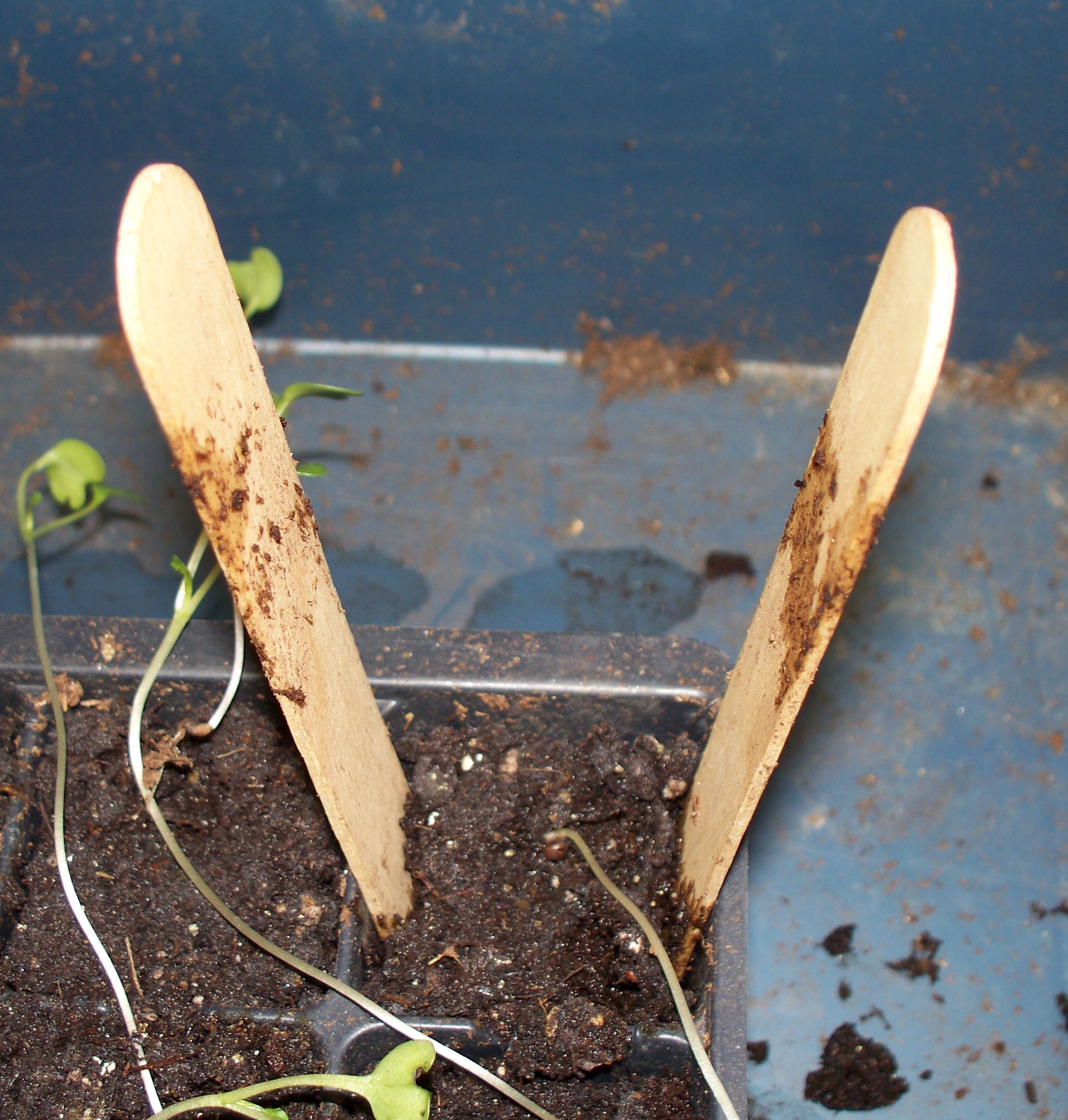
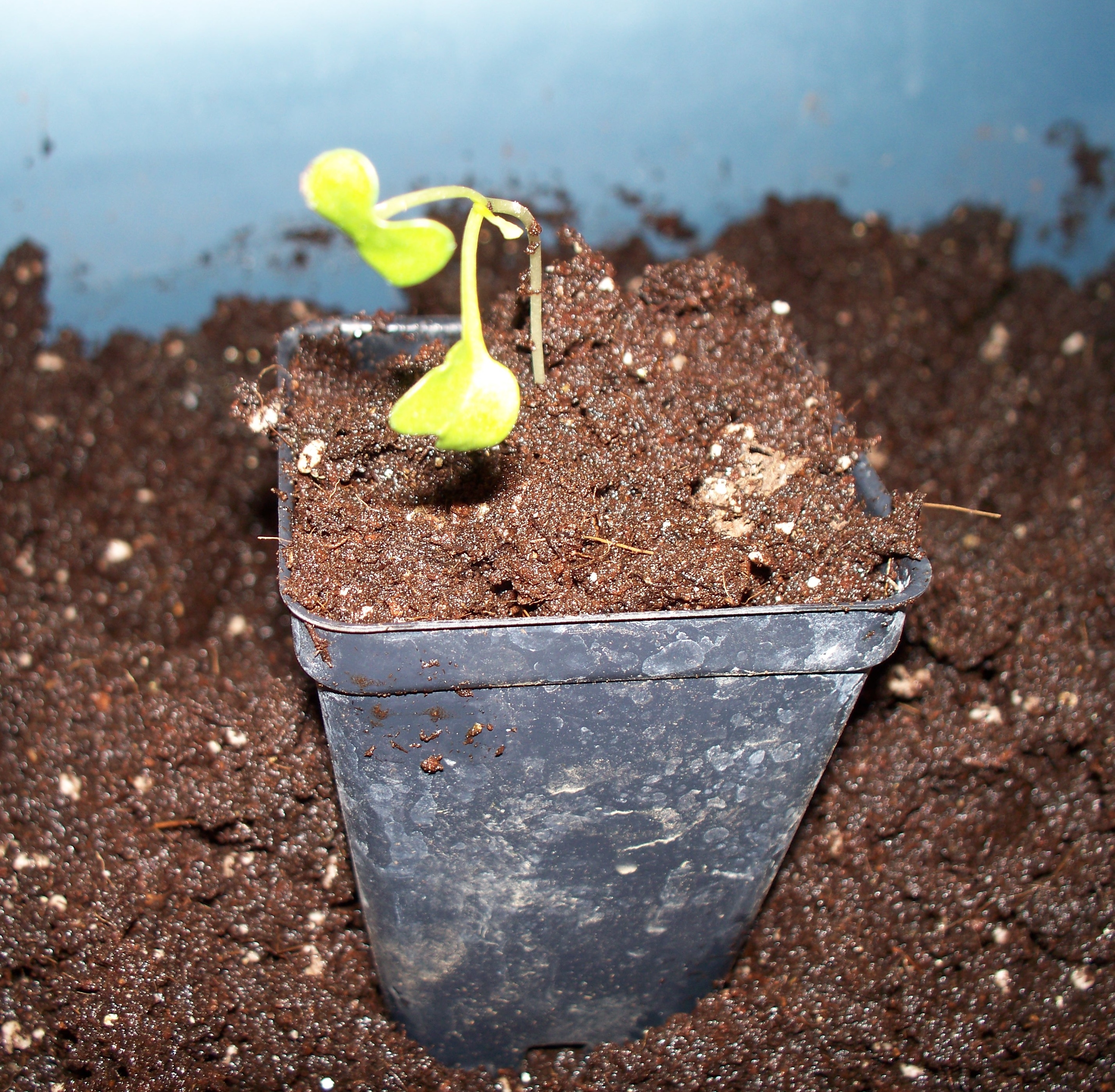
I inserted two craft sticks, one into each side of the starter cell, and carefully lifted the clump of soil into a new cell lined with half an inch of starter soil. In many cases, the long taproot would hang down from the clump along the way. Protecting the stalk, I pressed gently and filled the new cell with starter soil. Success! Slowly the new tray began to fill.

Transplanted
Transplanted

This is basic gardening. Absent guidance or written rules, participating in the trial and error of producing a crop is fundamental to how and why we live. Yes, we look forward to broccoli itself, which is not assured without intervention like this.

It is not about the broccoli. It is more curiosity about other life forms and engendering survival and growth. It’s so basic to our lives on Earth, but often forgotten in a world where we can purchase broccoli year-around at the local mega-mart.

Good news is all the transplanted broccoli was still standing this morning.

Categories
Kitchen Garden

Spring Work Day

Early Lettuce Patch
Early Lettuce Patch

After delays, the early lettuce is planted in two places. I raked a small patch of ground and broadcast four varieties with maturity days of from 45 to 50, and finished it with broadcast turnip seeds. If all goes well there should be lettuce by May and early turnip greens for stock.

I also tried something new.

Open Compost Pile
Open Compost Pile

With three barrels of composted horse manure from a friend, I cleared out the branches and covered the surface of my open air compost heap with the organic matter. Then I broadcast some Nevada 56 days to maturity lettuce on top, along with the remains of 2013 French Breakfast Radish seeds. Assuming this goes as planned, there should be radishes by April 10, and lettuce afterward. I don’t know if this is a good idea, but I’m not ready to turn the compost and spread it on the garden, so let’s see if I can get some production beforehand.

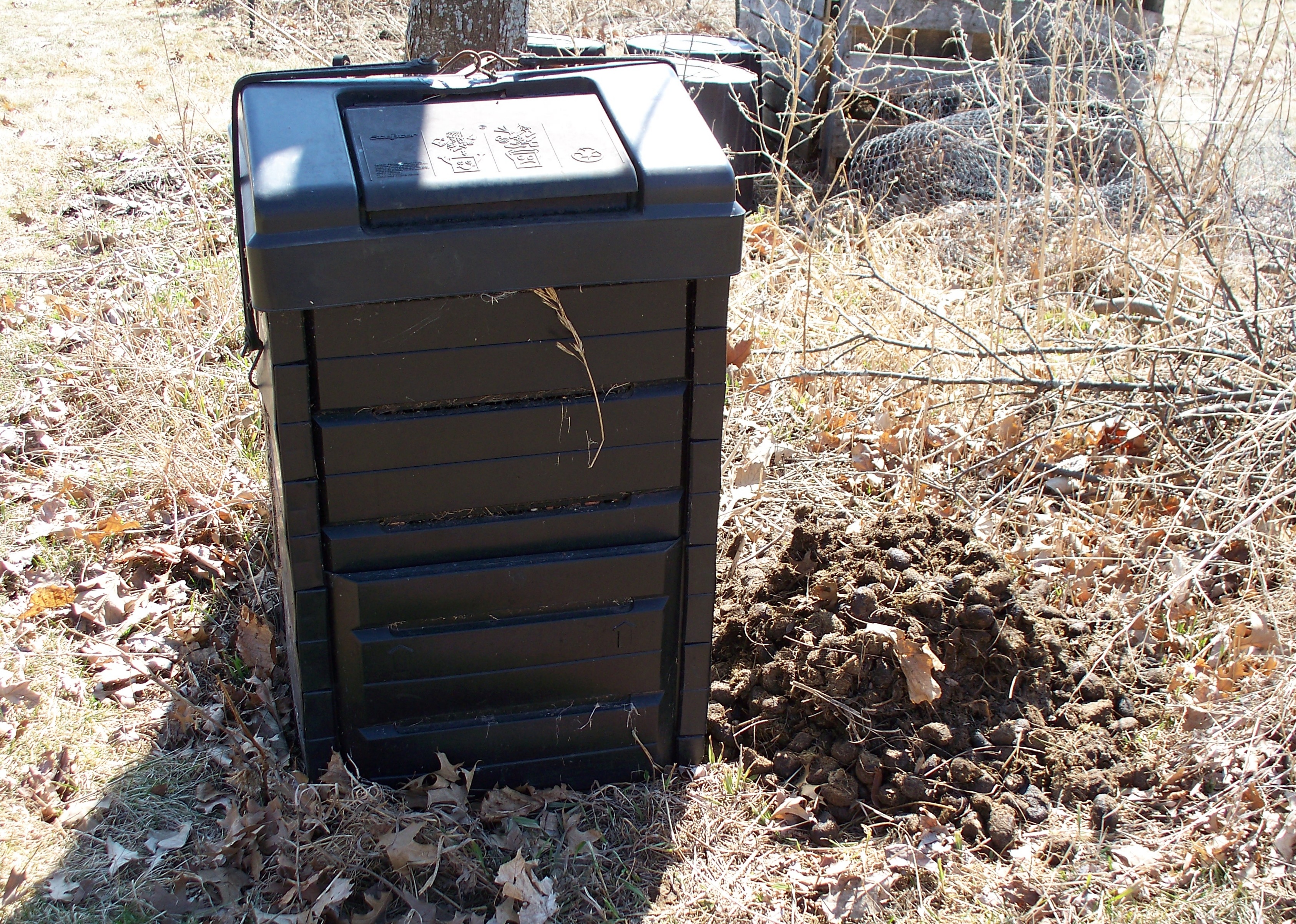
Compost Bin with Manure

The rest of the compost—mostly dropped by horses the last couple of days—has been placed either inside or beside the kitchen compost bin and is already at work. As more kitchen scraps are added, I’ll use the manure to cover them.

Today was my first work day, and while I got some things done, I’m not in the groove yet. The productivity index is low. But like with everything just beginning, exercising diligence will get me into a groove before long. Maybe by the time the radishes are ready.

Categories
Kitchen Garden

Mining the Freezer

Tomato, Pesto, Parmesan Farfalle
Tomato, Pesto and Parmesan Farfalle

Our freezer shows a little space, but is still loaded with food.

I grabbed a pint jar of pesto and about three dozen cherry tomatoes from the freezer, some Parmesan cheese from the ice box, and a box of farfalle pasta from the pantry to make dinner.

It’s easy.

Cook the whole box of farfalle al dente. Strain and pour the lot into a big bowl. Spoon about half a pint of pesto on top, add the tomatoes (cut in half or peeled, the latter being easier with thawed, frozen tomatoes), and a cup of Parmesan. Stir gently with a rubber spoon, salt and pepper to taste, and it’s dinner.

Serve with a vegetable, some white wine, or lime sparkling water, and it is dinner, as good as it gets.

Categories
Kitchen Garden

Another Growing Season

Broccoli Harvest
Broccoli Harvest

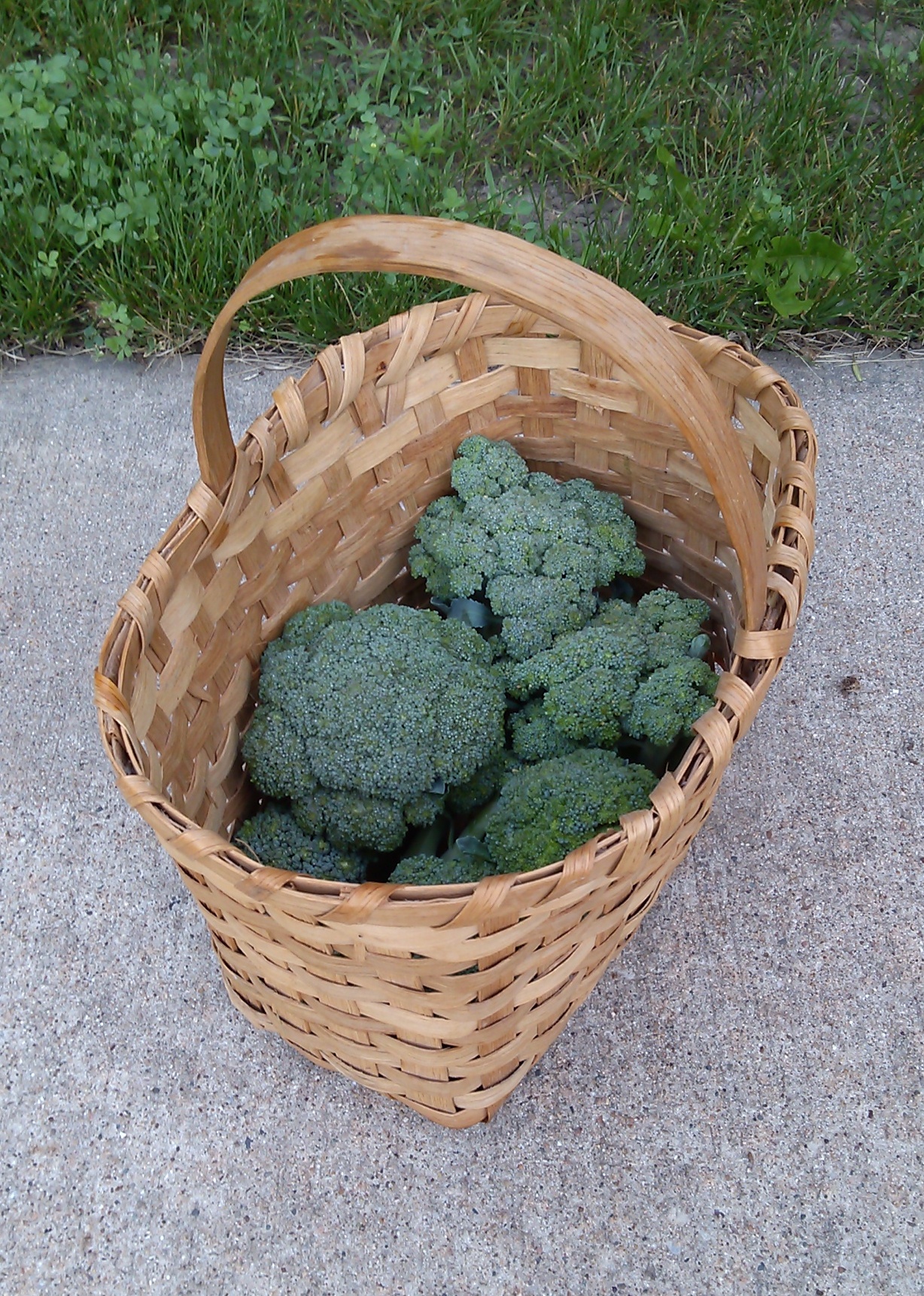
The broccoli seeds I planted three days ago—a full tray of 96 cells—have begun to sprout.

This year we hope to harvest enough broccoli from our home garden to freeze some for next winter. It is a numbers game: starting a large number of seeds and devoting more work and space in the garden to tending them. We’ll see how it goes. With the newly sprouted life, I am hopeful. The down side is we never use chemicals, so there is risk of a poor crop even before we get started. That has never been a deterrence.

The Coralville Lake was mostly open water last night on my way home from the warehouse. The eagles have gone. A wild turkey was browsing near the roadway. That pretty much sums up modern life: we are left with the turkeys.

In the 1930s there was a sense that something substantial had been lost since the land was settled and converted to farms. The name of our township, “Big Grove,” refers to an ancient forest that stretched from the Cedar River to the Iowa River.

“Before the Louisiana Purchase in 1803, the land which is now Iowa was heavily wooded,” wrote Golda Leighton Jenkinson in her 1969 A History of Lake Macbride State Park. “As the time passed, it gradually became depleted until all that was left consisted of second and third growth, and even this was rapidly disappearing because of the owners’ need for cash, excessive pasturing and other forms of destruction.”

We take the current farm landscape and new growth trees for granted but it wasn’t always so. Today, local farmers are still removing buffers, installing tile, and keeping farmland empty of animals except for occasional post-harvest browsing. Most farming is about seed genetics and inputs these days, combined with managing a profit on thin, subsidized margins.

Our garden plot used to be part of the Kasparek farm. When we arrived, the topsoil was mostly gone and rumor was the best of it had been sold. Over 20 years, I’ve built back the soil so our garden is full of worms and other life. It was a long time coming with irregular progress.

Still there is hope. The sprouting seeds create a yearning to plant more, and it won’t be long until we are past the last frost and ready for the growing season.

Today’s sprouted seeds are a sign that hope is not lost. There will be another growing season—at least for another year.