Categories
Writing

On Not Being Vachel Lindsay

Writing About Apples

On June 23, 2009 I made my last business trip in a career with many of them.

Arriving in Chicago on the corporate aircraft, we drove to the Loop to explain the account transition precipitated by my retirement to our largest customer. The meeting took place at their corporate office in the Wrigley Building. We could see the recently completed Trump Tower Chicago through the windows. It had become time to change the skyline of my life.

I had taken to dozing off during staff meetings and lost interest in getting along with the other members of the management team. It was time to make my exit. I hoped to do so with some measure of grace and didn’t know what would be next.

Now, I do.

After years of experimentation, volunteering, and a portfolio of part-time and temporary jobs, I have begun to write in earnest, and intend to make something more than 500-1,000 word posts for publication in newspapers, on blogs, and in other outlets.

The first subject will be a memoir about the evolution of my understanding of local food over the last six years. The goal is a 25,000-word essay that can be combined with other short pieces into a self-published book. Book sales will become a way for people to contribute financially to my work at events.

As I embark on this adventure Vachel Lindsay is on my mind. His journey did not end well. I hope to do better.

Equipped with a reasonably sound memory, a sheaf of recent writing on food, labor, farming, gardening, cooking and agriculture, I’m ready.

At a thousand words a day, the essay should be complete by year’s end. Hopefully people will find it unique and worth reading. If I’m lucky, it will be a contribution toward expanding the local food movement.

Categories
Kitchen Garden

Frost Forecast and Harvest Soup

Canning Soup and Jalapeno Peppers
Canning Jars of Soup and Jalapeno Peppers

The garden season officially ended today with gleaning that filled eight crates with tomatoes, apples, celery, Swiss chard, kale and hot and bell peppers.

I delivered a second 200-pound load of apples to the CSA for shareholders and the food pantry. While there, I picked up some potatoes, garlic, lettuce, a large squash, sweet potatoes and some onions.

With a hard frost expected early Saturday morning, I made a harvest soup with vegetables. Five quarts of it are processing in a water bath as I type.

Times like this, a list of ingredients suffices. Not as a recipe, but as a record of what went into the soup.

Fresh and canned tomato juice
Onions
Carrot
Celery
Potatoes
Kale
Swiss chard
Large winter squash cut into cubes
Bay leaves
Sea Salt
Orange lentils
Dried red beans
Pearl barley
Prepared organic vegetable broth

The draft toward winter is inescapable. Snow will soon be flying and subzero temperatures not far behind — and the comforting warmth of harvest soup.

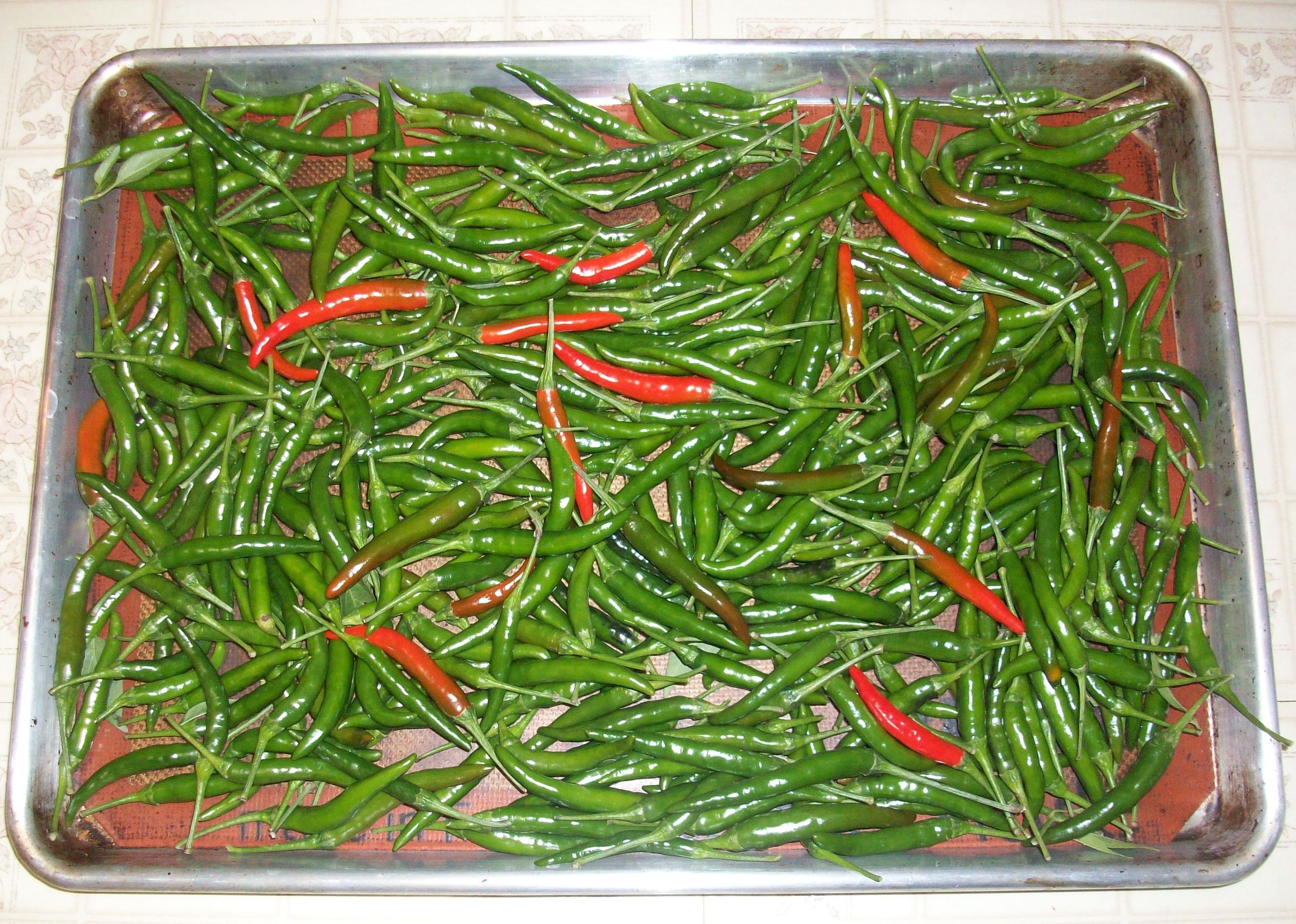
Bangkok Peppers
Bangkok Peppers
Categories
Kitchen Garden

Fall Cookery – Preserving Local Food

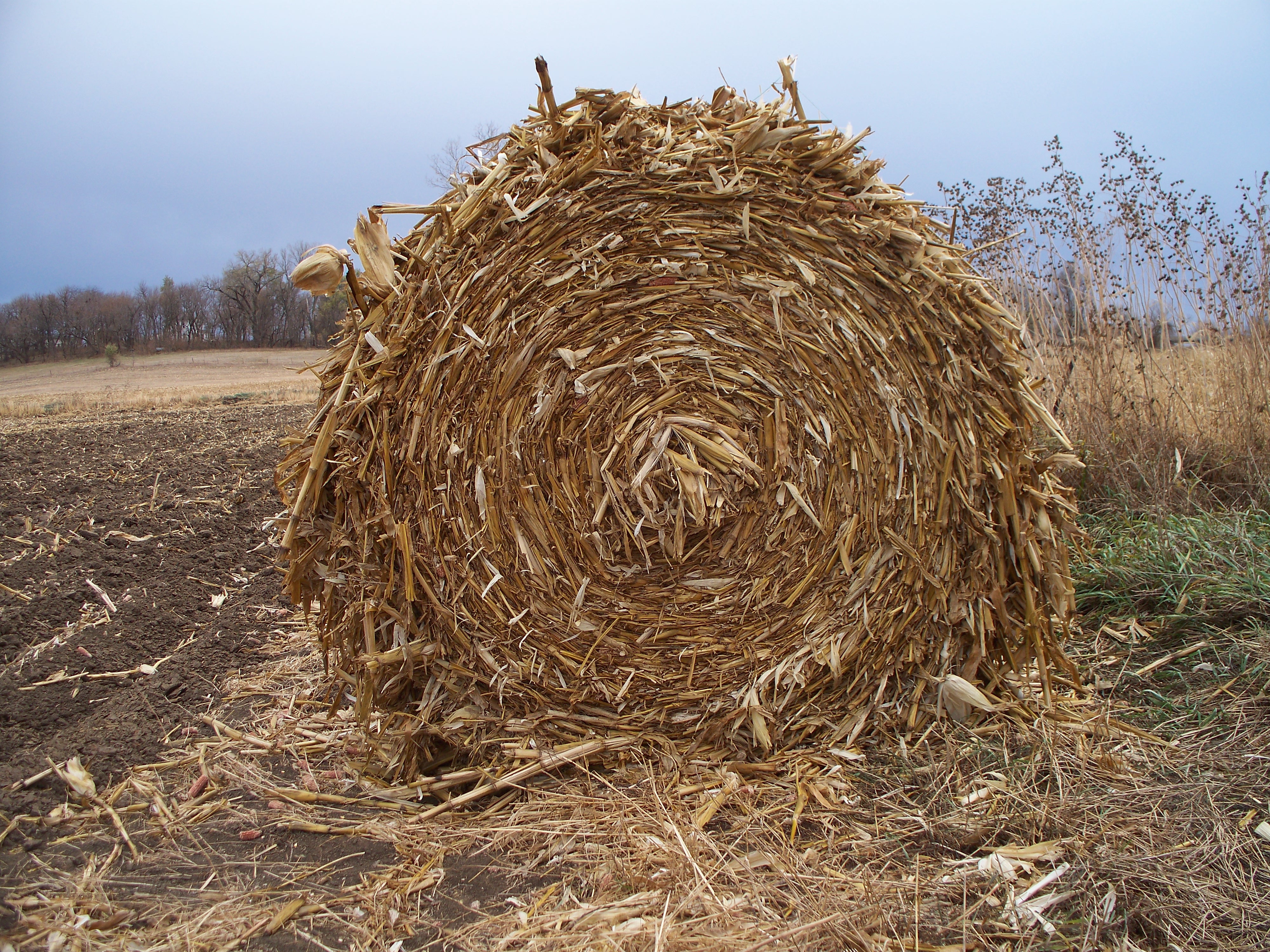
Hay Bale
Hay Bale

I connected with Local Harvest CSA last week. The farm looked great.

Iowa Secretary of Agriculture Bill Northey stopped there with my state representative, Bobby Kaufmann. I spent a couple of hours chatting and collecting information for an article that appeared Saturday in the Iowa City Press Citizen.

The next day Susan provided three crates of bell pepper seconds to eat and preserve. The freezer and vegetable drawer are now full. The good news is there weren’t many clinkers among them.

Our garden kept me busy this summer, producing more than enough for our kitchen and some to give some away. Tomatoes, kale and hot peppers are in abundance. The rest of the Red Delicious apples will soon be harvested. I spent most of Monday in the kitchen preserving food.

The kitchen day began with picking a bucket of tomatoes and jalapeno peppers in the garden.

Cutting the bad spots from the tomatoes, I cooked them and made sauce using an old timey tomato juicer with a wooden cone. The byproduct was 1-1/2 quarts of juice which is chilling in the ice box, ready for soup.

Coring and cutting bell peppers into slabs for the freezer is straightforward. I freeze them on a cookie sheet, then bag them for storage. That way they don’t freeze together. Two bags left from last year were in good shape so I added six more — a full year’s supply.

A bag of roasted red peppers and one of jalapenos was left in the freezer from last year. After thawing, I cut the jalapenos in half and put both into the Dutch oven. Adding bits and pieces of pepper leftover from the freezing operation, once tender, the lot went into the food processor until the mixture reached the consistency of relish. I put the result into half-pint jars and processed in a water bath.

I make some applesauce each year even though there is plenty in the pantry. The labor produced two quarts which wait in the ice box until more jars are ready to process in the water bath.

The remainder of the first crate of Red Delicious apples was juiced. I spent half an hour managing vinegar, bottling what was finished from the two-quart jar started in the spring and adding new juice to the mother. There are three finished quarts in the pantry. I may never buy apple cider vinegar again.

When the sun set, the implements of preservation were scattered on the counter — clean and drying. Yesterday I used my hand tomato juicer, a sieve, an apple peeler, an electric juicer, the food processor, a turkey baster, the granite ware water-bath canner, and the usual lot of bowls, jars, lids and rings. Knowing what to do makes it easier with each passing year.

There is a sense that these days of harvest cookery can’t go on forever. Suffice it I’ll keep living them for as long as possible, trying to learn from every season.

Categories
Writing

Harvest Days

Daily Tomato Harvest
Friday’s Brandywine, Rose and Beefsteak Tomato Harvest

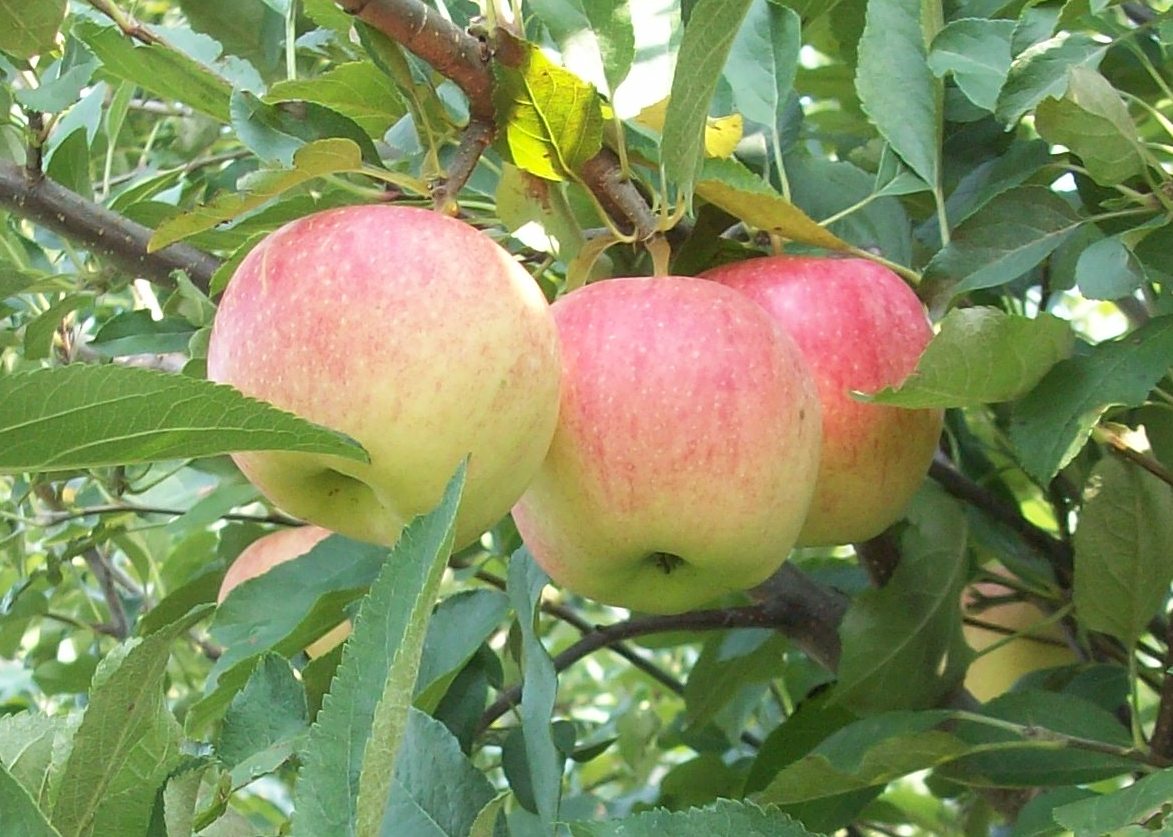
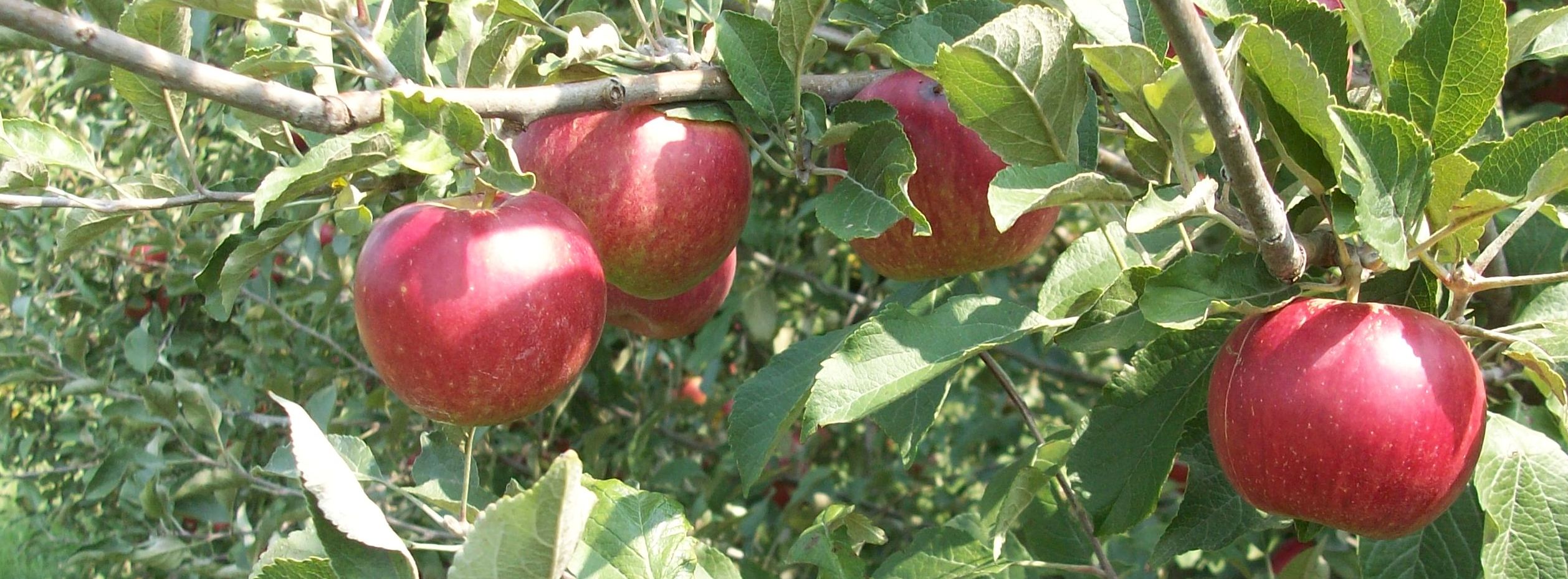
Each day for the last two weeks I picked an apple and tasted it. The crop of Red Delicious is abundant and I want to make sure when the majority is harvested they are at the peak of sweet crispness. We’re almost there.

The pear harvest was limited to what could be reached. The tree grew well above the house leaving some ripe pears beyond the reach of even my long picking pole. We have enough to eat fresh and some leftover for apple-pear sauce.

Tomatoes are coming in faster than they can be eaten fresh. The plan is to can smaller ones whole and the slicers diced. There should be plenty of jars to fill the pantry shelves. The by-products of juice and ground bits and pieces will make soup or chili, although there is a limit to how much can be canned and used over the next year.

The bell pepper plants are flowering again and celery continues to grow. The main job of deconstructing the garden in preparation for winter will soon begin.

But for now, it’s time to pick and preserve as much of the harvest as we can.

Categories
Writing

Under the Health Halo

Buy-Fresh-Buy-Local-300x115There is a big difference between working at a Community Supported Agriculture project and at the end of a gigantic retail food supply chain. I’ve recently done both and found there are inevitable problems for the former in the latter. It has to do with the health halo.

“The health halo effect refers to the act of overestimating the healthfulness of an item based on a single claim, such as being low in calories or low in fat,” according to an article in The Guardian.

Humans want a shorthand to navigating recurring life decisions, and often, after recognizing a sign, head down the path to acceptance.

I’ve witnessed multiple instances – more than I can count – of when a feature of a type of food, such as “no sugar added,” is presented, people ask the confirming question, “that means it’s healthy, right?” Consumers seem driven, at least in what they say publicly about it, to search for and purchase “healthy food.”

“The purpose of Buy Fresh Buy Local Iowa is to create a statewide marketing campaign to encourage the connections among locally grown food, the farmers who raise it, and the consumers who eat it,” according to its web site. The campaign has been largely successful.

The campaign’s success, beginning in Iowa in 2003, resulted in checking marketing off the to-do list for small-scale local growers. Hard work in a bucolic setting shielded some from the fact that when consumers seek healthy food options marketing plays a more important role than any single campaign can produce.

Buy Fresh Buy Local has not been enough to compete with vigorous marketing of “USDA organic,” “GMO Free,” “gluten free,” “100% natural,” “fat free,” “sugar free,” “no added sugar” and other healthier option campaigns of large-scale food producers. Big operators have substantial financial resources and invest a lot in advertising, including messaging about features of their products.

While the local foods movement has a recognizable marketing campaign, mega-food companies have relentlessly pursued customers with national campaigns that dominate the consumer culture of our society. They benefit from the health halo as I’ve described it, and from market dominance.

We all want to be healthy because, well… being unhealthy or sick can suck.

Today, Alice Waters will receive the 2014 National Humanities Medal for championing a holistic approach to eating and health, celebrating her integration of gardening, cooking and education. Maybe some of us want to be Alice Waters and join the slow food movement. I know I might.

Most of us don’t feel we have time for the slow food Alice Waters promotes. We look for shorthand markers along the way and settle for what we find available in the market place and in our kitchens.

If we want to eat healthy we often look for the health halo and bask in its glow long enough to make a purchase and get on to the next thing in our lives. This consumer behavior is exactly what mega food companies target in their marketing campaigns.

To “Buy Fresh Buy Local” I would add “grow your own” and “know the face of the farmer.” A CSA can make a business with a couple hundred members because of Dunbar’s number. Gaining broader acceptance in our consumer society will take more than the good idea to buy fresh and local. It will also take more than an image of saintliness.

Categories
Writing

Return to the Orchard

Wilson's Orchard
Wilson’s Orchard

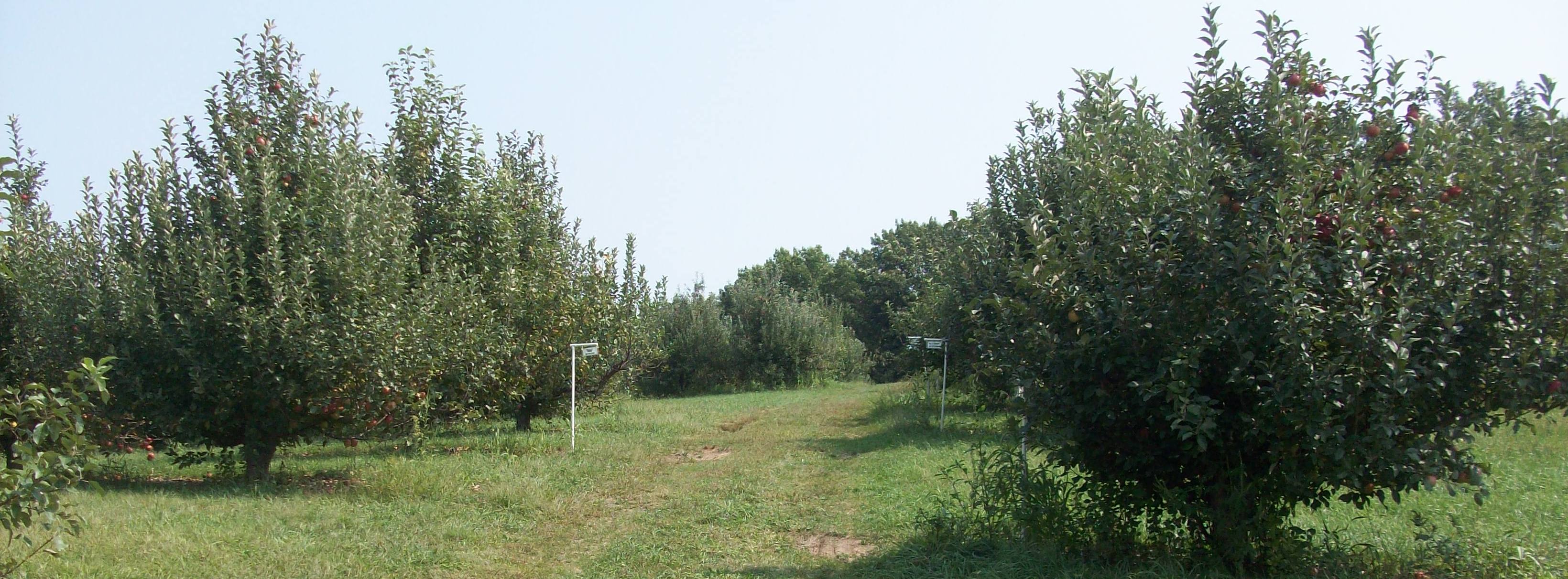
For the third year I’m working as a mapper at Wilson’s Orchard near Iowa City. It is a u-pick operation all about apples and apple culture.

In my 5-6 hour shifts guiding people through the orchard to find what’s ripe and ready to pick, I hear countless stories of why they come, their plans for the apples they pick, and their relationship with America’s second most popular fruit (regrettably bananas are number one).

I work there for the people more than pay, and yesterday spent half of what I earned on ten pounds of Honeycrisp apples, and a bag of mixed varieties to turn into apple crisp and juice. Given the fact our home trees will produce an abundance of apples this year, its not about nourishment. Once one is part of the apple culture it’s hard to get enough.

As I write this post, a pot of apples is steaming on the stove top for sauce. The goal is to use up the first pick of early apples from my trees and mix it with a quart of leftover rhubarb sauce from the spring. If all goes well, I’ll process the result in a water bath, adding more quarts for storage before heading back to the orchard and another shift.

I left the job in the warehouse to spend time with friends selling apples and apple experiences. I started work about four weeks into the season, so this year will be short, maybe six weeks. Some of the people who stop by the orchard are the same ones I saw at the warehouse—tractor ride seekers, apple eaters, and families of all kinds.

Better to spend my time with these folks than at the end of an industrial food supply chain. A place where the apples are grown not far from where they are sold.

Categories
Kitchen Garden

Taking A Break – Cooking

Rough Cut Tomato, Peppers and Onion

Thursday yielded six jars of hot sauce made from jalapeno peppers, onion, garlic and tomato, plus seven quarts of apple-rhubarb sauce. In addition, I made a quesadilla with finely diced jalapeno pepper and thinly sliced tomato, reheated a bowl of home made soup and had a bit of homemade tapioca for dessert.

The day was mostly about staying home and processing garden produce. There was a side benefit of clearing a little space in the refrigerator, as all but one jar of hot sauce was processed in a water bath. The lids sealed so the jars are ready for storage.

I hardly made a dent in the produce.

The Amish Paste, Rose, Brandywine and Beefsteak tomatoes are flavorful and abundant. Other varieties are producing as well.

The cooking hardly made a dent in the abundance.

It was the last day of my three-day holiday. Today I return to the warehouse for a final shift before changing to seasonal orchard work tomorrow. I hope to have more to say about my 18 months at the warehouse next week.

Now that the holiday is over, it’s time to generate income and figure out what’s next. I spent time preparing a studio for creative work by increasing the table space to work on things. I booked a couple of speaking engagement in October and need to prepare for those. There is never an idle moment on the prairie.

But we need to eat.

Categories
Kitchen Garden

Taking A Break – Harvest

Testing the Red Delicious Apples

You’d think I had never been through an abundant harvest before. Bushels of fruit, tomatoes aplenty, and more kale than my regulars can eat in a year. Everywhere fresh produce is abundant as Iowa produced one of the best growing seasons ever for small-scale gardeners.

Most of yesterday’s outdoors time was spent picking pears and tomatoes. There are three crates full of apples and pears in the kitchen ready for processing, along with a counter full of tomatoes. The pressure is on to preserve some of this food for winter and beyond.

The branches on the Red Delicious apple tree are bending with the weight of the fruit. They are not sweet enough to pick, but when they are, there will be bushels more than can be used. People don’t generally like to receive home apples as gifts, but I plan to try to give some away.

The last of the basil made pasta sauce for an Italian spaghetti dinner. I used all of the small-sized tomatoes and it didn’t make a dent in the supply.

I ate several pears that were getting soft in the middle, scooping out the softness with a spoon. There is a short season for pears, and last year produced enough pear butter to last another year. Looking for a recipe for pear-apple-rhubarb sauce for canning, or maybe I will just mix them together and see what happens.

Days without need to leave the property are rare, but much appreciated. They provide time for a life as we choose to live it. Having the luxury of a family home, reasonably far from neighborhood noise, and large enough to create a generous space is just that — luxury.

Harvest days make one appreciate what we have, with hope to sustain our lives another season in Big Grove.

Categories
Writing

Taking A Break – Shopping

Apples
Orchard Apples

Tuesday was the first of three days of holiday in Big Grove. It began with commerce.

Meeting mercantile needs inevitably leads me to the county seat, and to people in the community I’ve known for years.

To get a long past due oil change I went to the Jiffy Lube on Highway One in Iowa City. “Jiffy” had been removed from the process, as each oil change takes 20 minutes, and they have crew enough to do only one car at a time. I left unwilling to wait an hour and headed to the Mobil 1 Lube Express on Riverside Drive, which I noticed for the first time on my drive in. In and out in 10 minutes. I asked the cashier, “is this place new?” “We’ve been here ten years,” he said.

Next stop the HyVee grocery store on North Dodge for two items, both of which they carry, but our main store does not: a certain size plastic storage bag, and whole mustard seed. I ended up paying more to get some Morton & Bassett brown mustard seed which proclaims it is “all natural, salt free, gluten free, non-GMO, preservative free, no MSG and non-irradiated.” I didn’t know irradiation was a thing with spices. I also picked up four links of vegetarian sausage for gumbo. There’s a bag of okra in the freezer that needs using. The new store is nice, but pricey.

Orchard Apples
Orchard Apples

Turning east on Dingleberry Road off Highway One, I headed to Wilson’s Apple Orchard where I’ll spend the next six weekends as the mapper in a u-pick operation. I spent two hours walking through the 110 acres, re-familiarizing myself with the layout, the new groves, and which apples are ripe where. Gala are at peak now, and this Labor Day weekend is the Honeycrisp weekend. I tasted some Honeycrisp and they are almost there… just a couple of days away. The rough creek crossing was flooding over the rocks, so I rolled up my pants and felt the cool water running across my sandal-clad feet. When I got back to the barn, I was covered with sweat. I bought a gallon of fresh apple cider and a small bag of apples, and talked for a while to the manager while dripping sweat from my arms to the floor.

Apple SignNorth on Highway One, Rebal’s Sweet Corn had their sign up so I stopped and bought a bag of ears. The farmer said there were two more patches to harvest. One for the Labor Day weekend, and the second was uncertain with it being so late in summer for sweet corn. It’s only the second time we’ve bought sweet corn this season.

The final stop was at the hardware store in Solon where I bought four boxes of canning jar lids and a box of rings. It’s more expensive there, but I enjoy my visits to get hardware close to home. The folks that run the store are making a business out of it, and there is something to learn about small town life each time I stop.

Once home, I picked tomatoes for dinner, which was sweet corn, thick-sliced tomatoes and apple cider. The whole day set me back $117.53 plus fuel.

A bargain vacation while sustaining a life in a turbulent world.

Categories
Kitchen Garden

Stand In The Kitchen

Scarlet Kale
Scarlet Kale

The word “cooking” was on the calendar this afternoon. I went into the kitchen at the appointed time and stood there.

After a while I turned the radio to National Public Radio news, and stood there.

I stood there and let the quiet of a placid summer afternoon sink in.

Filling a wide-mouth Mason jar with ice, I drew filtered water from the icebox and drank.

I refilled the jar.

The green beans had gone bad, so into the compost. A moldy squash was removed to the compost bucket.

There were too many cucumbers, so the small ones were made into sweet pickles (I hope).

When I selected Brandywine tomato seeds last winter I had no idea the fruit would be so good. A dozen were lined up on the counter in the order of ripeness. I took the biggest one and made two slices from it. I diced one more that was injured from growing between wires on the tomato cage and piled it on top. With salt, pepper and feta cheese, it made two meals by itself.

I cleaned and picked over a crate of kale and found a couple of green worms on the leaves. The predators have arrived. Removing my guests, I tore the leaves and filled up the salad spinner. The kale dried on the counter.

I stood there a while longer, but now I knew. The other dish would be a kale stir fry.

Slicing half an onion, seven cloves of garlic, and a yellow squash, I sauteed them in extra virgin olive oil until tender. Then I piled on the kale and stirred gently. First it turned bright green, then it wilted. It cooked down to two servings, which was just right.

The meal was satisfying, and unexpected. Which is what happens if one would but stand in the kitchen and live.