Categories
Living in Society

Calendars in Place

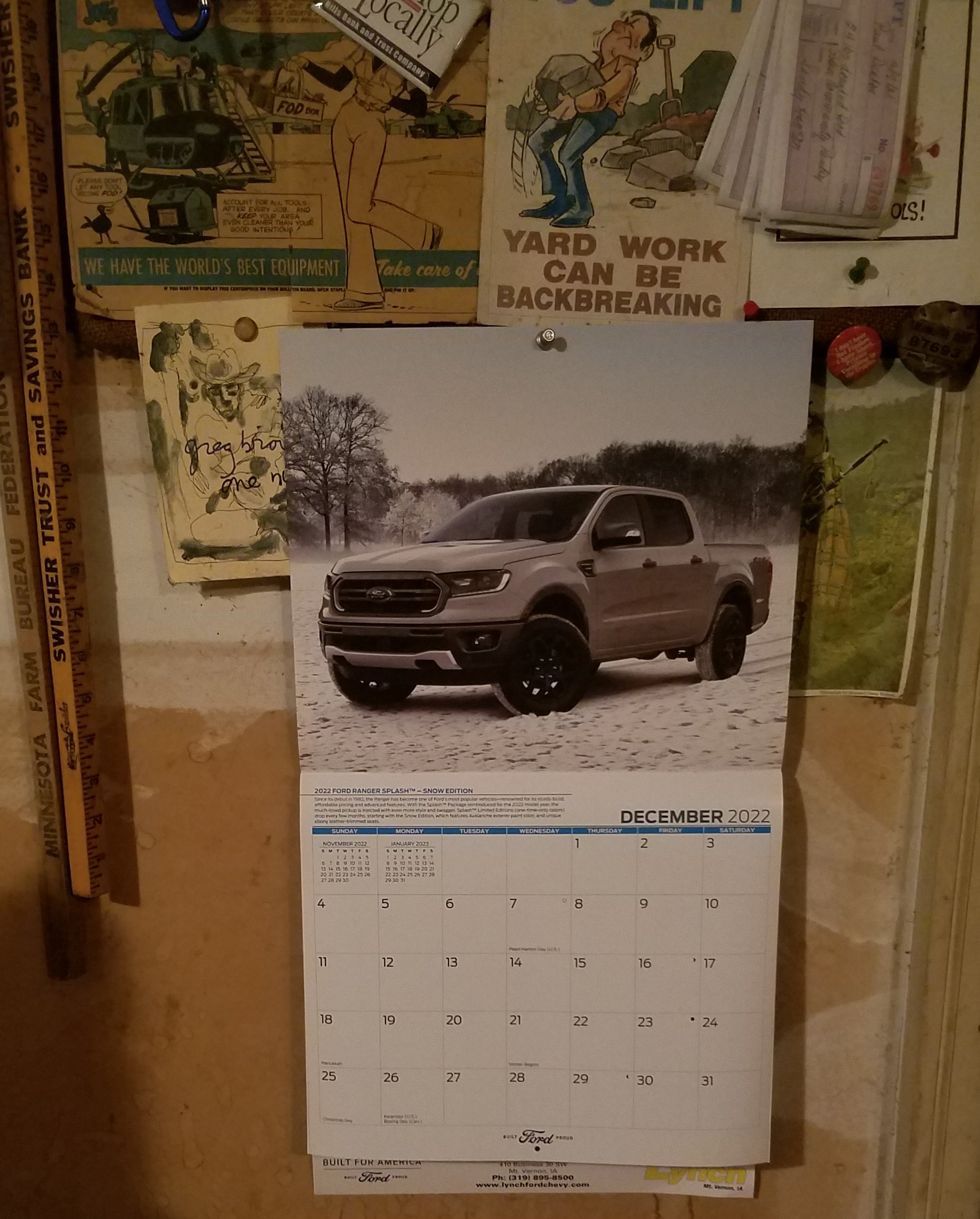
Garage calendar in place.

Each year I get two advertising calendars: one for the garage, and one for my writing desk. This year the garage calendar is from the car dealership where we bought and service our Chevy Spark. The other is from the grocery store in town. They each serve a useful purpose while I work. Putting them in place represents the beginning of another new year.

The political climate in Iowa had me delaying plans until after the election. It is time to begin filling those calendars with hope.

Among activities planned is writing, reading, exercise and generally supporting our personal and financial well-being. There is a budget to be managed, work to maintain the physical structure of our home, and another year of yard work and gardening. The garage calendar will prove to be handy in this.

My recent posts here indicate my intellectual interests. I feel lucky to have avoided any illness which might impair intellectual capacity. I hope to keep it that way.

Now commences a review of 2022 and a course correction for the time ahead. In coming weeks, I’ll review my reading, my autobiographical and other writing, social activity, and my health. Indoors time is best for this. I’m not quite ready to begin, yet soon will be.

Repair, maintenance and improvement of the house will be a function of available resources and prioritized needs. Over the coming years we need to make sure our home is suitable for aging and the physical plant is maintained at the ready.

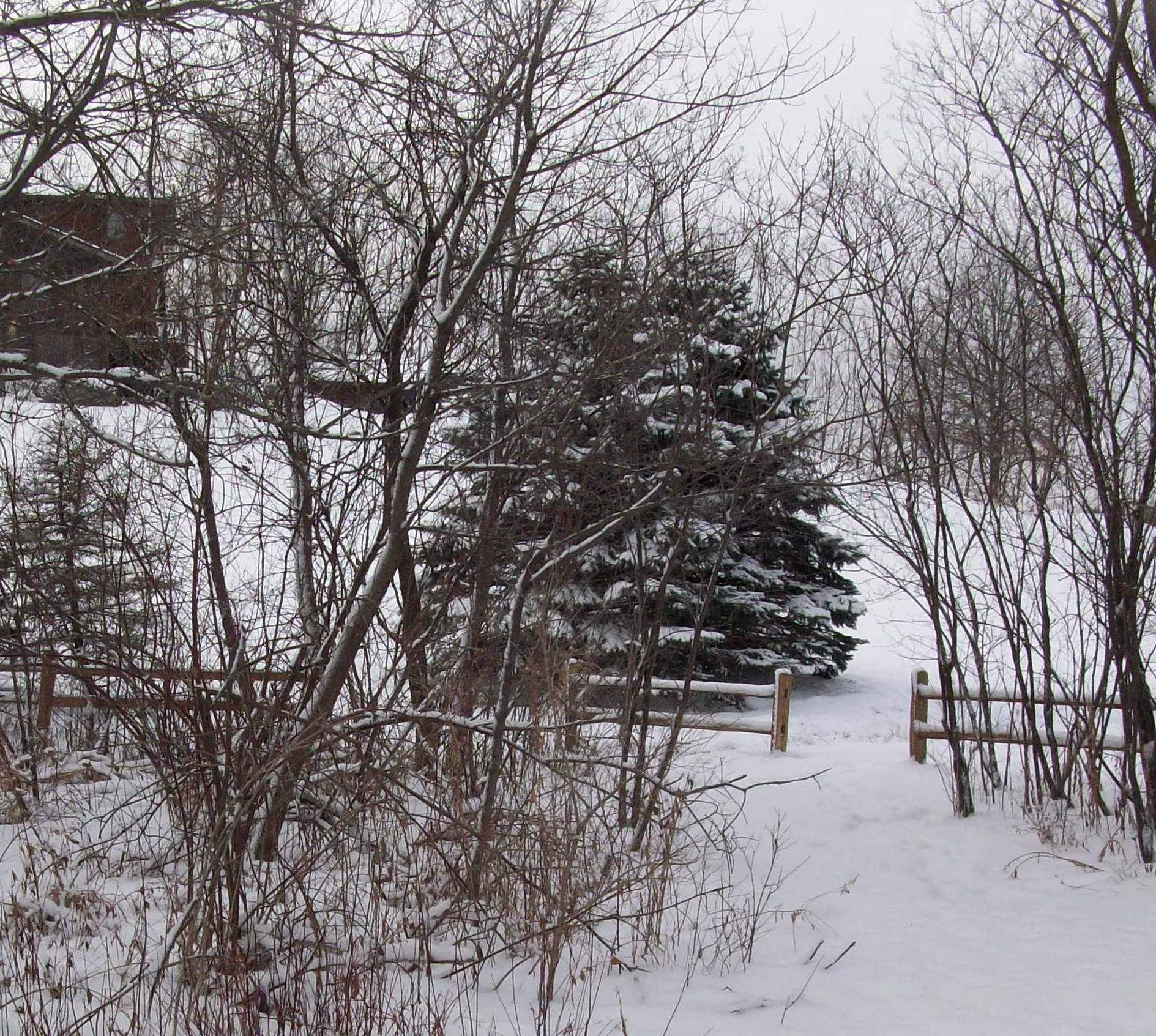
Today meteorologists expect snow to stick. Ambient temperatures are forecast around freezing with continuous snowfall until 6 p.m. We’ll get an inch or two. I would like a couple dry, warm days to run the mower again and make more garden mulch. With the crazy weather we have been having, that’s not out of the question in mid-November. I’ll be okay if I have to wait until spring. Blank calendars are in place.

Categories
Home Life

Clean Pair of Jeans

Garden Jeans

This morning I got out a clean pair of blue jeans and put them on. I’d been wearing the last pair since election day and it was time to get them laundered.

I keep a few pair of “nice” jeans, which means they have no known defects, fit well, and are suitable for outings into society. Currently, these are Levi’s brand, although it varied through the years. To avoid constantly laundering them, I wear nice jeans a few days around the house after an excursion. There are three pair of nice jeans in the closet.

Jeans that fit loosely and have been damaged or have holes worn in them are used when I’m working outdoors or in the garage. These are “garden” jeans. They get pretty dirty from kneeling on the ground and are usually good to wear for several days before laundering. Mostly these came from my time before the pandemic when I wore them to work at the home, farm and auto supply store. I don’t mind if these jeans wear out or get damaged on a tool or fence post. When they get unwearable, I launder them and recycle the denim.

Jeans between nice and garden are those deteriorated enough from being nice and are suitable to wear around the house. This everyday use doesn’t have a special name, yet most of my jeans fall in this category. They take the workload off the nice jeans and eventually will be converted to garden use. I purchased a pair or two of these when we lived in Indiana in the early 1990s. Good jeans last a long time.

One conversation I had with Father was about “work” clothes compared to clothes worn around the house. He felt his best clothing should be worn to drive forklift in the meat packing plant, with inferior or damaged garments used at home. He was trying to get out of the packing plant to become a chiropractor and believed his appearance in public mattered. He died wearing his work clothes while driving a forklift into an elevator. Having driven a forklift in the same packing plant after he died, the work didn’t seem too public, warranting the best clothing. His discussions about it likely led me to my present organization of blue jeans.

Now that the midterms are over it is time to get to work. I spent the days after the election hanging around the house, reading, writing and cooking. I want to say I was thinking about the election yet that’s not accurate. It was more like recovering from the losses. On Sunday I didn’t leave the house at all.

It’s time to turn the page and get to work. For that, a clean pair of jeans is just what we need to get started.

Categories
Kitchen Garden

End of Apple Season

Gold Rush apples at Wilson’s Orchard and Farm Oct. 22, 2022.

On Saturday I made the last trip to the orchard this season. There were lots of Gold Rush on the trees and I picked 32 of them. The refrigerator bin is now full of apples, enough to last into 2023.

There are also a few Honeycrisp and Snow Sweet apples in the bin, yet Gold Rush is the main event for storage. They keep surprisingly well for fresh eating. As long as the orchard continues to operate, I needn’t plant my own trees.

It is noteworthy the fate of orchards isn’t always growing apples and other fruit. When we were married, well before Wilson’s Orchard and Farm was planted, we went to the Sand Road Orchard south of Iowa City. A family of Dutch immigrants operated it and featured Dutch chocolate as an added item for sale. The property was sold for development. It appears Wilson’s Orchard and Farm is sustainable. It is always an open question when development seeks to fill in all the blank spaces on the fringes of the county seat, and farming can be a dicey business.

We live in the present, and this year there are Gold Rush apples.

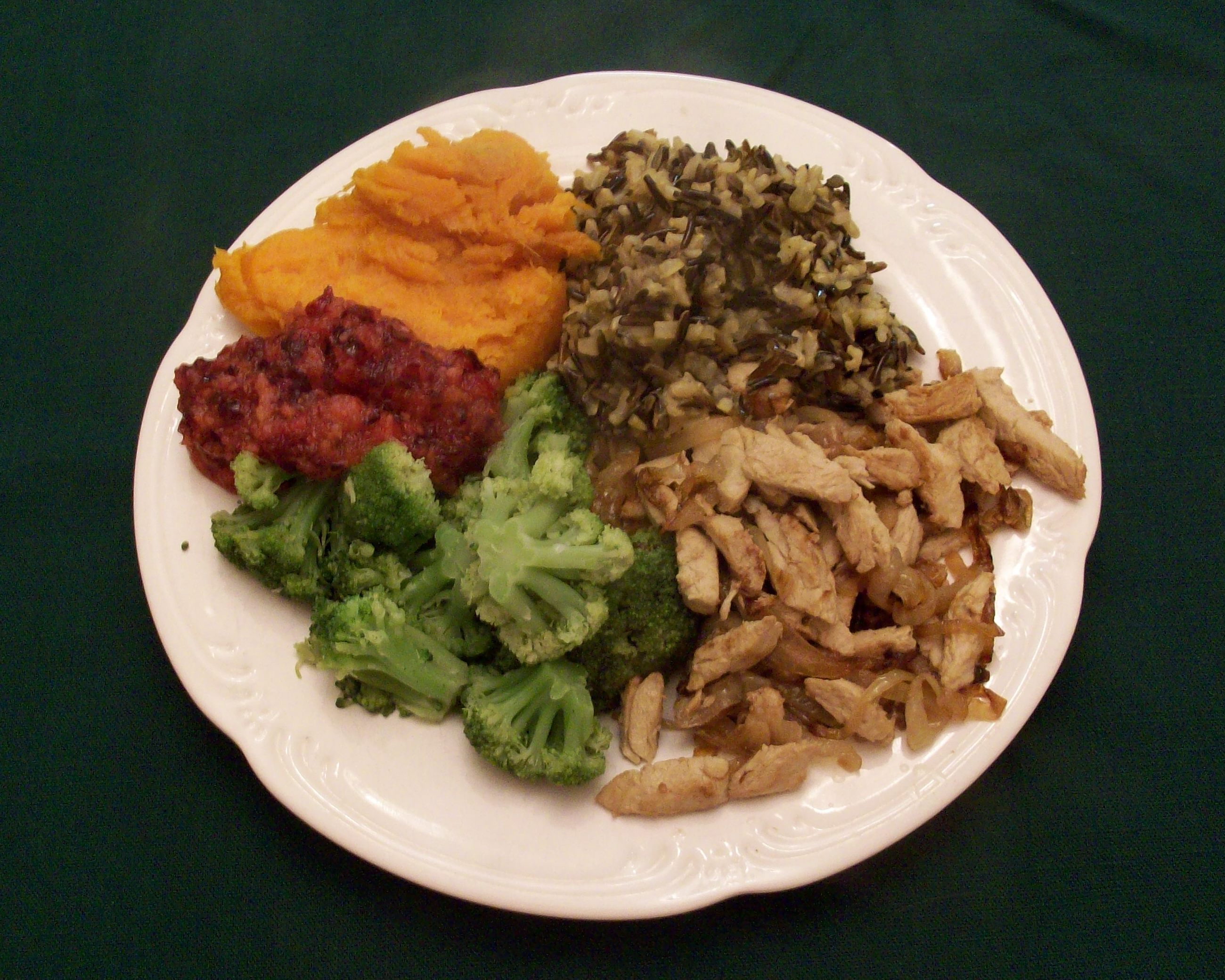
My spouse has been at her sister’s home for three days now. The main change is the quiet, which I don’t relish. My diet has turned to using more hot peppers along with the contents of the pantry, refrigerator and freezer.

I ground up most of the remaining hot peppers from the garden and froze them in a cupcake pan. The small portions are just right to use in dishes that call for hot peppers. I also froze the remaining fresh parsley in the cupcake pan, covered with water. A couple of these parsley cakes will go well in winter soups. There are two bags of Winterbor kale and with the warmer weather there may be another harvest. I have to use up the sweet bell peppers, yet there were so many of them this year, if a few go bad I’ll tolerate it. I struck the third garden patch yesterday. Four more to go.

Laundry is caught up, even the garage rags. Rain is forecast today. That may enable me to burn the brush pile tomorrow. For now, there is plenty to do before she returns home later this week.

Categories
Living in Society

Aging in America – Part III

Wildflowers by the state park trail.

The loss of social relationships as we age is expected and well-documented. Not only do we miss people who died, such as parents, grandparents, and friends, there is no replacement for relationships that stretch back in time for decades. People are gone and the sense of loss remains tangible.

I find there are more invitations to do things than time allows. This seems especially true in retirement, yet maybe I’m simply more aware of what’s going on. This social situation is complicated by living on a fixed budget. Given the choice to get out of the house and attend an event, most often, I opt to stay home. Keeping the auto parked in the garage saves on fuel. Besides food and sundry shopping, and walks along the state park trail, I seldom leave the property. I don’t see that changing near term.

My trips to the county seat have been reduced to as close to zero as they can be. There are trips to the doctor or pharmacy. Most of the other groups to which I belonged have faded to the background.

There are political events because of the Nov. 8 midterm election. I attend few political fundraisers. I donate to candidates online and try to stick to a tight budget. Once I log in each month and make my two or three donations, that’s it until the next monthly pension check arrives.

There are groups of which I’d like to be a part. The group of seniors in our nearby town does a lot of good and they would welcome some help. I love our public library, even if I don’t go there that often. They need volunteer help, too. That is the short list of what I’m interested in doing.

Coping with loss and loneliness is part of aging in America. I’m like everyone else in that regard.

Categories
Living in Society

Processing the Intake

Bee seeking pollen in a thistle plant.

As daylight moves toward summer’s end, the amount of information available has increased dramatically. After a busy Monday, I have to stop the input and process what I’ve gained. In an ever-forward life, that’s hard to do.

In the next township over, one of the Iowa CO2 pipelines is planned to cross Johnson County. The public debate is whether private companies should be able to use eminent domain provisions of the law the way a government would to run these pipelines. If you got everyone involved in the projects – companies, government, land owners, farmers, and citizens – I’m pretty sure we could agree that these pipelines serve no useful purpose to the environment. During initial rollout of the plans, companies hardly mentioned the environmental impact of CO2 emissions on earth because there are and may be more markets for the commodity. This is mostly about being able to export Iowa ethanol to California, which has stricter air quality regulations than Iowa. Well maybe I’m wrong these folks wouldn’t agree.

In Iowa’s First Congressional District, Republican incumbent Mariannette Miller-Meeks has defined her campaign as one tapping into a mother lode of money and crazy policies in her national party. In a way this makes the race easier for Democrats as she will be out of touch with what all district residents want and need. It will be harder because of the endless well of dark money in politics agitating everything. Democrat Christina Bohannan is busy doing the work of a candidate all over the district. There is a lot to take in as I plan my engagement in the fall campaign.

I am disengaging in my position as president of our home owners association in a development with a population of about 250 people. Finding people to be on our all volunteer board has been challenging. I served on the board in three different periods since first being elected in 1994. There are real responsibilities with managing our public water system, roads, trash and recycling removal, and a separate wastewater treatment plant. We kept the board fully staffed since I returned in 2017, yet few showed interest in leading the effort. Both managing the activities and finding a replacement will take time I’d rather be spending elsewhere.

Our family decided to become home owners. We built new in 1993 and 29 years later, a lot needs attention. Lilac bushes planted in 1994 are now overgrown. Repeated straight line winds and a derecho knocked down trees and branches. We are at 12 years since last roofing the house. Major appliances need upgrade. The list of home repairs and upgrades is pretty long. We have to be ready to slow down, and that means making the house more livable as we age. We tend to avoid these projects because we don’t want to think about them and how we finance them on a fixed income. We have to get going or the to-do list will only continue to grow.

Seems like I spent a lot of my life developing game plans and this is no different. I know enough to stop the input of new projects and focus on optimizing the use of time and resources. I’ll give it until Labor Day. If planning goes on past then, it may drive me crazy.

Categories
Home Life

Sweet Corn in Big Grove

Putting up sweet corn.

My spouse and I processed local sweet corn for freezing last night. It is a relic from a past when food preservation played a bigger role in home life. We have stories about our lives with sweet corn to tell each other. A simple truth is we can buy big bags of frozen, organic cut corn from the wholesale club for less cost. If local corn is good, the taste of summer on a cob, it is worth the extra effort to buy local and put it up.

We have frozen corn leftover from last season, so our needs this year aren’t that much. Our main supplier went out of business and we’ve been hard-pressed to find a replacement. That is, we haven’t found outstanding sweet corn this year. Weather conditions have been a problem, according to our local ABC affiliate:

ELY, Iowa (KCRG) – Over thirty years as a farmer, Butch Wieneke knows what high quality sweet corn looks, and feels like. That’s why selling anything other than the best, is not an option for him and his family.

Last Thursday, they made the tough decision to stop selling.

“It just dried up. The ears weren’t filling out and I wasn’t going to sell sub-par corn. It’s just…I’m not going to do that. I don’t care what price it is,” said Wieneke.

The quality of sweet corn can change very quickly, and because of the lack of rain Eastern Iowa saw last week, the personal and public orders stopped.

Now, they’re waiting and watching to see how the crops develop.

Libbie Randall, KCRG-TV9, Aug. 2, 2022.

When we moved to Big Grove, I decided quickly to outsource sweet corn growing, in the mid-1990s. After a year or two, I found corn takes too much space and the results were not as good as what farmers produce. Because of today’s shortage, I’m considering a patch of sweet corn in next year’s garden. We’re not ready to give up on the annual family tradition and if I can produce a couple of bushels, that would best serve our culture.

While August grinds into its second week with hot, humid temperatures and plenty of rain, I’m ready to return to daily writing. I’m thankful for the break, yet there are important happenings not being covered by traditional media. When I write such stories, people find my posts and view them. I don’t have an editorial calendar yet, although as something new, I blocked out time today to write one.

The rest of the year is expected to be like drinking from a fire hose as far as news goes. I may as well dust off the keyboard and dig in now that sweet corn is put up.

Categories
Living in Society

Postcard from Summer Holiday – #3

Wildflowers along the state park trail.

The Midwest is bracing for a heat wave next week when ambient temperatures are forecast in the 90s. On Wednesday it is expected to reach 103 degrees. The Iowa State University Extension and Outreach Service issued a reminder to farmers of what to do to protect their investment in livestock. It is going to be a scorcher in the corn belt from top to bottom.

I finished my month of posts at Blog for Iowa earlier in the week and am ready to turn my attention back to Journey Home. This blog has had four names since I created it to move from Blogspot to WordPress in 2008. If we ever get out of the coronavirus pandemic, I might give it a fifth. We are at a distance from the end of the pandemic.

The challenge in the garden is keeping the plants watered, yet not too much. They will survive the heat with adequate hydration. Early morning or late evening watering has been best.

Tomatoes are beginning to ripen and we had our first slicers for dinner last night. Yesterday I grated and froze zucchini for winter soup and tried a quick dill pickle recipe I saw on TikTok. From here until Labor Day, part of every day will be food preservation. I have a row of San Marzano tomatoes to convert to canned wholes for use throughout the year. I tasted the first ripe ones and they were deliciously different from other varieties I have grown.

My sleep patterns have changed while on holiday. I stay up until 9 p.m. and am sleeping through the night, getting six or seven straight hours of sleep. It has been a long time since I did that. I’m hoping the new patterns persist.

I keep plugging along with reading and have almost finished Loretta Lynn’s memoir Coal Miner’s Daughter. The book reminds me of the part of Appalachia where my father was born and how people there lived and still do. Lynn’s birthplace, Butcher Holler, Kentucky, is about 85 miles from Father’s birthplace. Of course, Lynn got to know June Carter Cash and Johnny Cash through her music. June Carter Cash is a shirttail relative of ours.

It is easy to see why people liked Loretta Lynn’s music back in the 1970s. She was part of a social revolution that changed how people lived. In part, it was based on Roe v. Wade and introduction of the birth control pill which Lynn wrote about. In her song, “The Pill,” she wrote, “I’m tearing down your brooder house ’cause now I’ve got the pill.” Husband Doolittle got a vasectomy after birth of their twins and Lynn wrote about that too.

Wildflowers bloom in July with an ever-changing array of color. Now that the garden switched from planting to harvesting, I walk along the state park trail almost daily to watch nature’s changes. Even though The International Union for the Conservation of Nature added the migrating monarch butterfly to its “red list” of threatened species in July and categorized it as “endangered,” I saw a few Monarchs on the trail yesterday.

The world we know may be dying due to the climate crisis yet there is evidence of our past in every walk along the trail. Stay cool next week!

Categories
Living in Society

Personal Transportation

2019 Chevrolet Spark LT

Our 2002 Subaru reached the end of its life. The frame is dangerously rusted and other repairs are needed. We can’t get parts for it. If we could find used parts there is no assurance of their quality. If repairing it was possible, what else might break that we couldn’t find parts to repair? We decided to replace the vehicle as quickly as is practicable.

The fact we need motorized personal transportation is a result of our 1993 decision to live in a rural area. Back then, living within commuting distance of Cedar Rapids, Iowa City, Coralville, North Liberty and the Quad-Cities sounded good. I wanted the flexibility for work. Over time, I worked in all of these places. When in February 1999 I took a job in the Quad-Cities, gasoline was $1.029 per gallon. We inherited a 1989 Cadillac in excellent condition and I continued to commute rather than relocate there. Things have changed since then. We retired and turned our lives inward.

Our need for transportation is real. We have the same existential errands as other septuagenarian retirees: getting groceries and other household items, medical appointments, and occasional trips to the county administration building to take care of business. With the coronavirus pandemic, our trips for socialization have diminished, yet that may change going forward. It all takes transportation.

We spent time researching what kind of vehicle we wanted to purchase and first decided on a new plug-in electric hybrid like the Toyota Prius Prime. A number of friends drive a Prius and they recommended it. The future of personal transportation is electric and we were ready to make the transition.

After family discussions I called the dealer to discuss ordering a plug-in electric and secured a loan to pay for it. It turns out dealerships are subject to allocations from the manufacturer, all Prius products are made in Japan, and the waiting time for a Prius Prime to be delivered is well over six months. In fact, the dealer said he couldn’t accurately predict how long we would have to wait after specifying and ordering a car. For other Prius models, the wait time is less, three to six months according to the dealership. We couldn’t wait that long with the issues affecting our auto.

Our go-to dealership for used cars is the Ford-Chevy dealer in a nearby small town. I arrived around 1:30 p.m. on Thursday and they had my contact information in their computer database from the last purchase. We discussed new vehicles and they have the same problem Toyota does: allocation of vehicles from the manufacturer is less than demand and there is a long waiting time. We looked at used vehicles.

Their website had 147 used vehicles in inventory, but the in-person inspection revealed only a couple of them were suitable for us. The sales representatives at this dealership are paid on salary vs. commission and made a conscious effort to be honest and straightforward about the cars without exerting any kind of sales pressure. I identified two options and went back home to discuss. We returned to the dealership later that evening to buy a 2019 Chevrolet Spark LT. Used cars are currently expensive and selling quickly. We didn’t want to miss the opportunity on this particular vehicle. It took longer than anticipated to finish the paperwork so we returned the following day to meet with the business office and finalize the deal. The vehicle was delivered to our home less than 24 hours after I first arrived at the dealership.

On Saturday we went on a day trip to Des Moines in the Spark and it meets our expectations. As a subcompact hatchback, the cargo space is less than we would have liked, yet it will serve until we are ready to go electric. It drives well and there are a number of electronic gizmos to figure out, including how to display Google maps on the touch screen using my Android mobile device. When I bought my first auto in the 1960s, accessories like that didn’t exist. The fuel economy is better than our 2002 Subaru. We were able to make it to Des Moines and back without refueling. Importantly, we can start planning trips again.

I don’t want to contemplate the day when I have to give up driving. I have octogenarian friends who continue to drive and hope to be able to go at least that long. I don’t relish the thought of moving into a city to be closer to amenities. We navigated this crisis in personal transportation and reached a point of stability for now. That may be all we can ask in June 2022.

Categories
Home Life

Reading Today

State Park Trail.

Gentle rain suppressed my desire to attend the Amana free-will donation fire fighters breakfast this morning. It is part of my project to get to know Iowa County, which became part of my state house district and will remain so for the next ten years. It was a solitary endeavor and therefore easy to delay until next year. Now that the garden is in, we can use the rain.

I have indoor projects requiring attention, more than I care to admit. A main one is to develop a reading plan for the rest of summer. I closed May re-reading The Great Gatsby, a Memorial Day weekend favorite. Today I hit something of a wall.The books on my to-read shelves seem a tedious chore. Where did my reading mojo go?

Maybe I need a break. My program to read at least 25 pages of a book each day has been good and I look forward to resuming progress. During a break, I need to take stock of what I’m reading and figure out what I need to read. This post is toward that end.

Some dynamics are at work in my reading life. I have been a book buyer since I had an income as a grader. I have been a keeper as well. As a result, I have a large home library which contains as many unread books as those I read. My buying slowed in recent years, yet there is plenty to read a step or two away from my desk. I also bought books with a vague notion of building collections around a topic. For example, I have eight books about Iowa authors and the University of Iowa Writers ‘ Workshop. It is a collection waiting to be read when the spirit moves me.

Research for my autobiography set me on a path to read books to understand the background against which I was born, educated, worked and lived. This year, The Trader at Rock Island: George Davenport and the Founding of the Quad Cities by Regena Trant Schantz is an example. I bought it soon after publication and read it during the time I wrote about the 1950s in Davenport. It was a useful reference about a story that had not been adequately told until Schantz wrote her book. There will be others on my list like this.

I don’t write much poetry yet I read it each year to gain exposure to how other express themselves. I read Devotions: The Selected Poems of Mary Oliver this year and am looking for my next book of verse. Over the years, I built a large collection of unread poetry, bought mostly at thrift stores and used bookstores. There is plenty from which to choose without leaving the house.

Books about writing are a mixed bag. I have a shelf of them and once or twice a year I read someone different. I have yet to read one this year, so I’ll pick one.

A lot of my time is spent talking to people in person or online. I get book recommendations frequently. Sometimes they work out and sometimes not. It tends to stretch my understanding of what is worth reading. If left to my own devices, I would read and re-read the works of William Carlos Williams, Saul Bellow, Joan Didion, John Irving, Vance Bourjaily and David Rhodes over and over and over again in an unending loop. Recommendations are important to maintaining an active mind.

I have an appetite for good fiction and read a couple books per year in this category. The most recent is The Lincoln Highway by Amor Towles. With Gatsby, they are the only two fiction books read this year. Perhaps another is in order for the summer. Whatever summer fiction I read, I don’t want it to be too much work.

Finally, there are cooking books. These serve the endless quest to determine new dishes for our kitchen garden. I’m at the point as a home cook where I don’t consult with recipes very much. I know the range of ingredients and techniques and fit them into meeting the needs of ovolacto-vegetarian me and my vegan spouse. One of my projects is to build a cookbook shelving unit for the kitchen-dining room and reduce the number of cookbooks to what will fit on it. That’s a project for winter, though, so I’m still exploring.

With that in mind, here is my draft of a summer reading list:

  • Les Halles Cookbook: Strategies, Recipes, and Techniques of Classic Bistro Cooking by Anthony Bourdain.
  • The Groveland Four: The Sad Saga of a Legal Lynching by Gary Corsair.
  • Seven Sinners of Shiloh and other Poems by Franklin Walker.
  • The Hidden History of Neoliberalism: How Reaganism Gutted America and How to Restore Its Greatness by Thom Hartmann.
  • Goliath: The 100-Year War Between Monopoly Power and Democracy by Matt Stoller.
  • The Government of the Tongue: Selected Prose 1978 – 1987 by Seamus Heaney.
  • Sarajevo: An Anthology for Bosnian Relief edited by John Babbitt, Carolyn Feucht and Andie Stabler.
  • From Oligarchy to Republicanism: The Great Task of Reconstruction by Forrest A. Nabors.
  • Drawdown: The Most Comprehensive Plan Ever Proposed to Reverse Global Warming edited by Paul Hawken.
  • Siberian Dream by Irina Pantaeva.
  • Gone Girl by Gillian Flynn.

Wish me luck and/or comment with your recommendations.

Categories
Kitchen Garden

2022 Garlic Transition

Last garlic bulb.

The last bulb of garlic from the 2021 garden is ready to use. By the time we consume it, scapes from the new crop will be available. This is where a gardener wants to be.

Since I began following the garlic-growing practices of my farmer friends, it has been an unmitigated success. Using seed from the farm, I grew my own seed for the following year crops with plenty for the kitchen. I also increased the size of the garlic patch this year. The plants looks healthy and should be ready to harvest in July.

I cut all the scapes to encourage the bulbs to grow large. Scapes serve as a replacement for garlic until the harvest.

Next steps in the cycle are to clear off the table in the garage and convert it into a drying rack later this month. Garlic is an important vegetable in a kitchen garden. Once one learns how to cultivate it, it is clear sailing to great culinary dishes.