On Sunday afternoons I take it easy. By that I mean there is flexibility in how I use the time between lunch and dinner. No pomodoros. No new projects. No major decisions. I relax and take it easy.
The rest of the weeks have been productive. I have been in the zone, moving forward with my writing and other projects. For a few Sunday hours, it is a peaceful life.
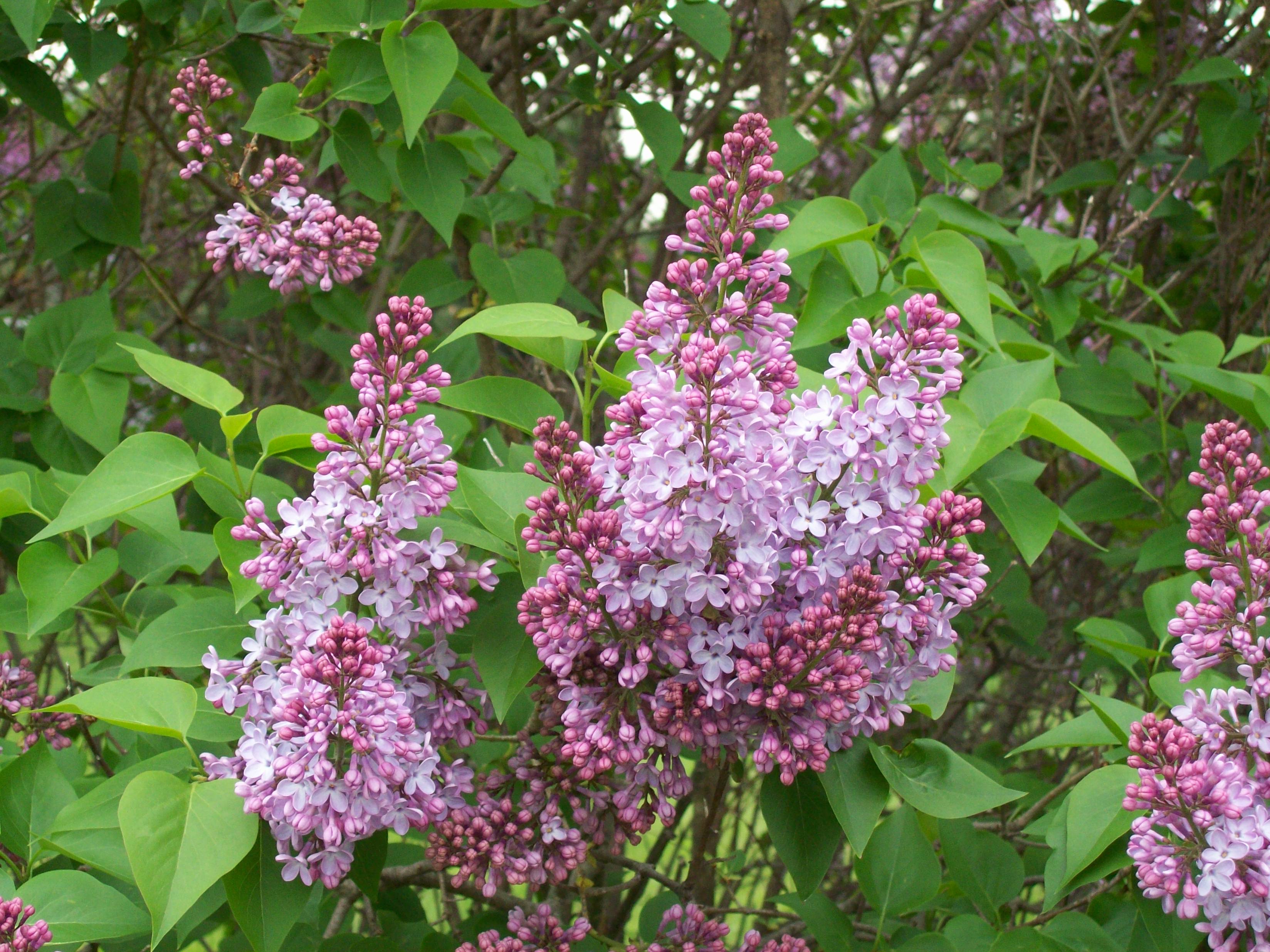
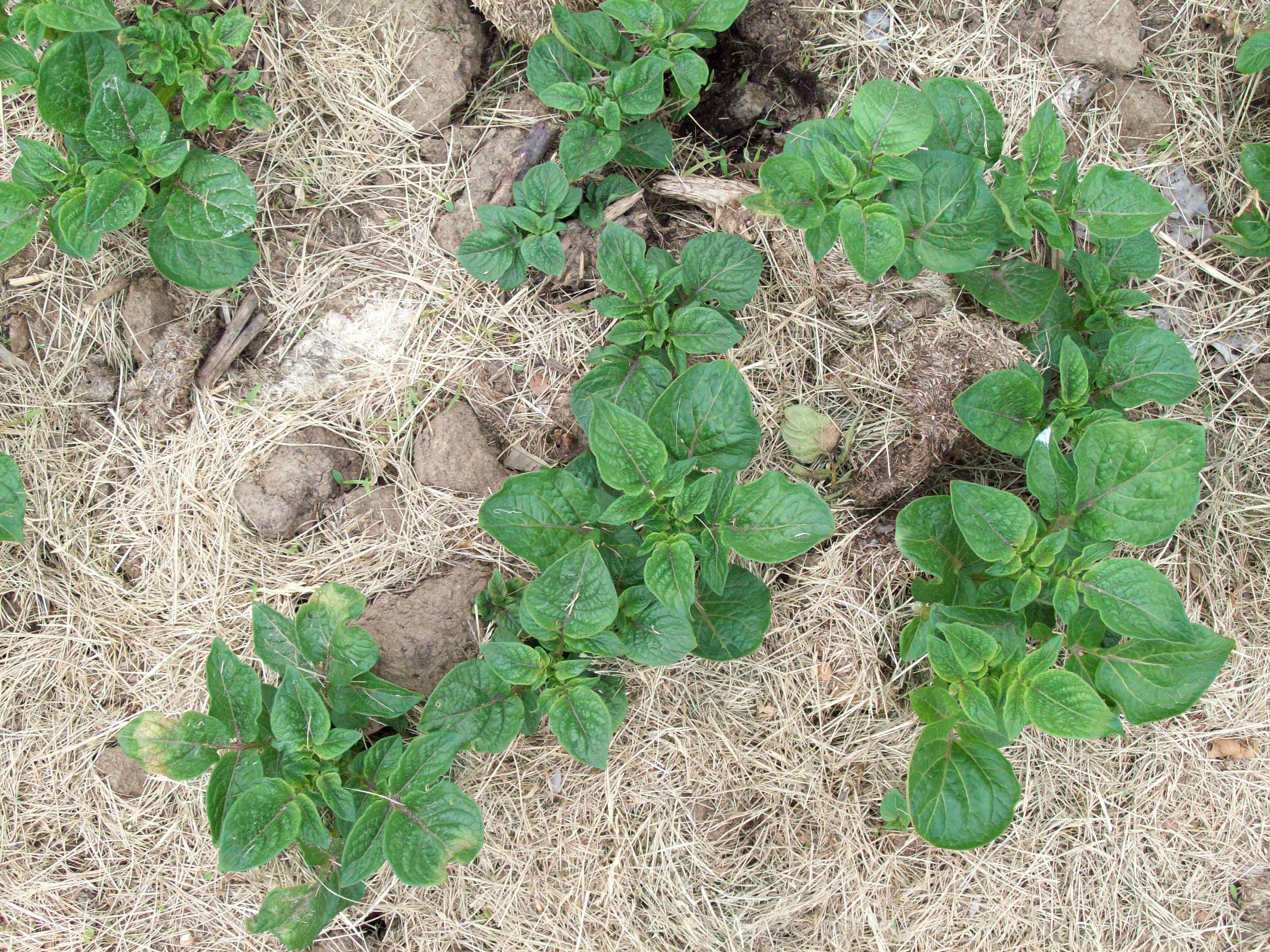
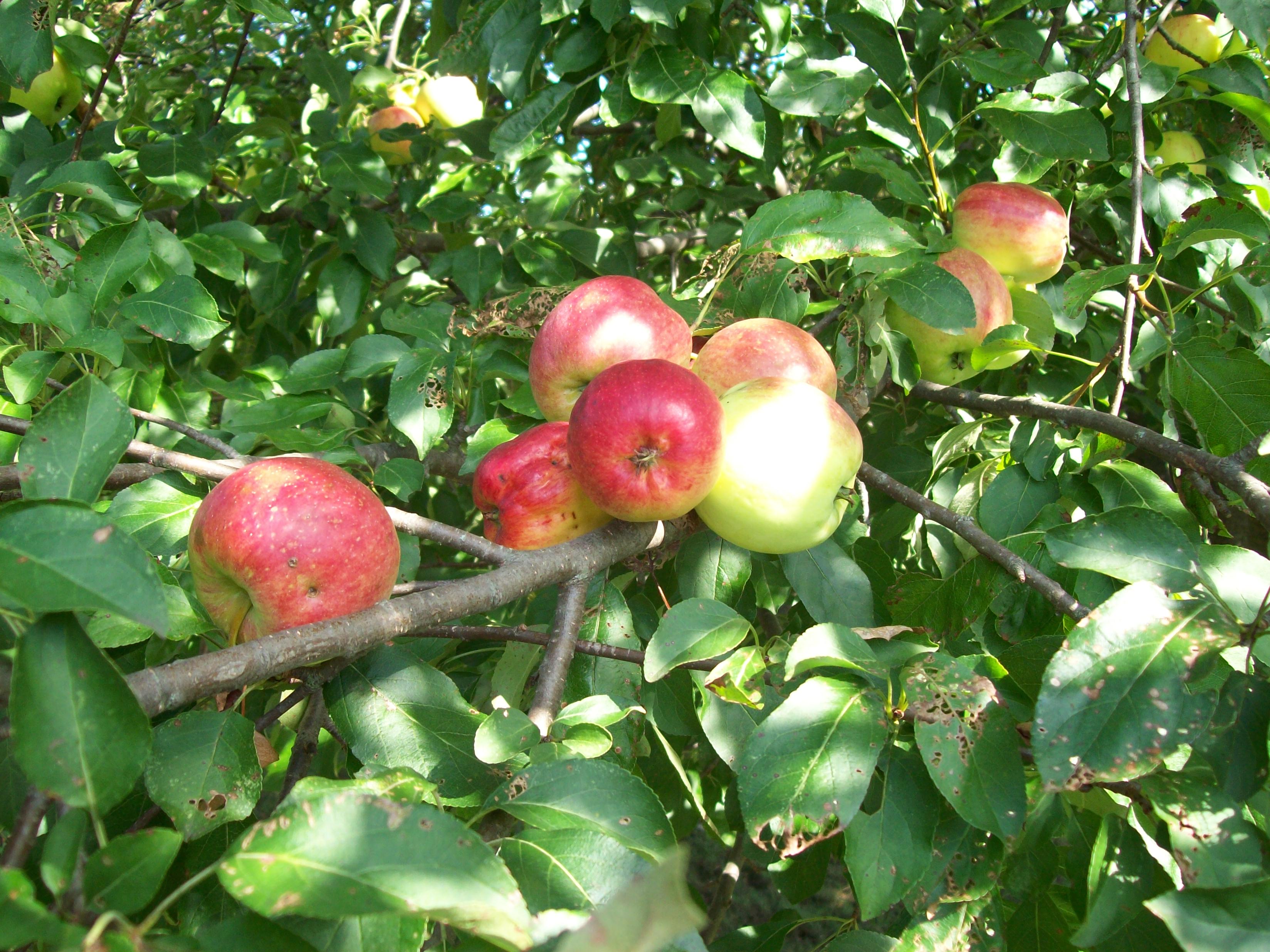
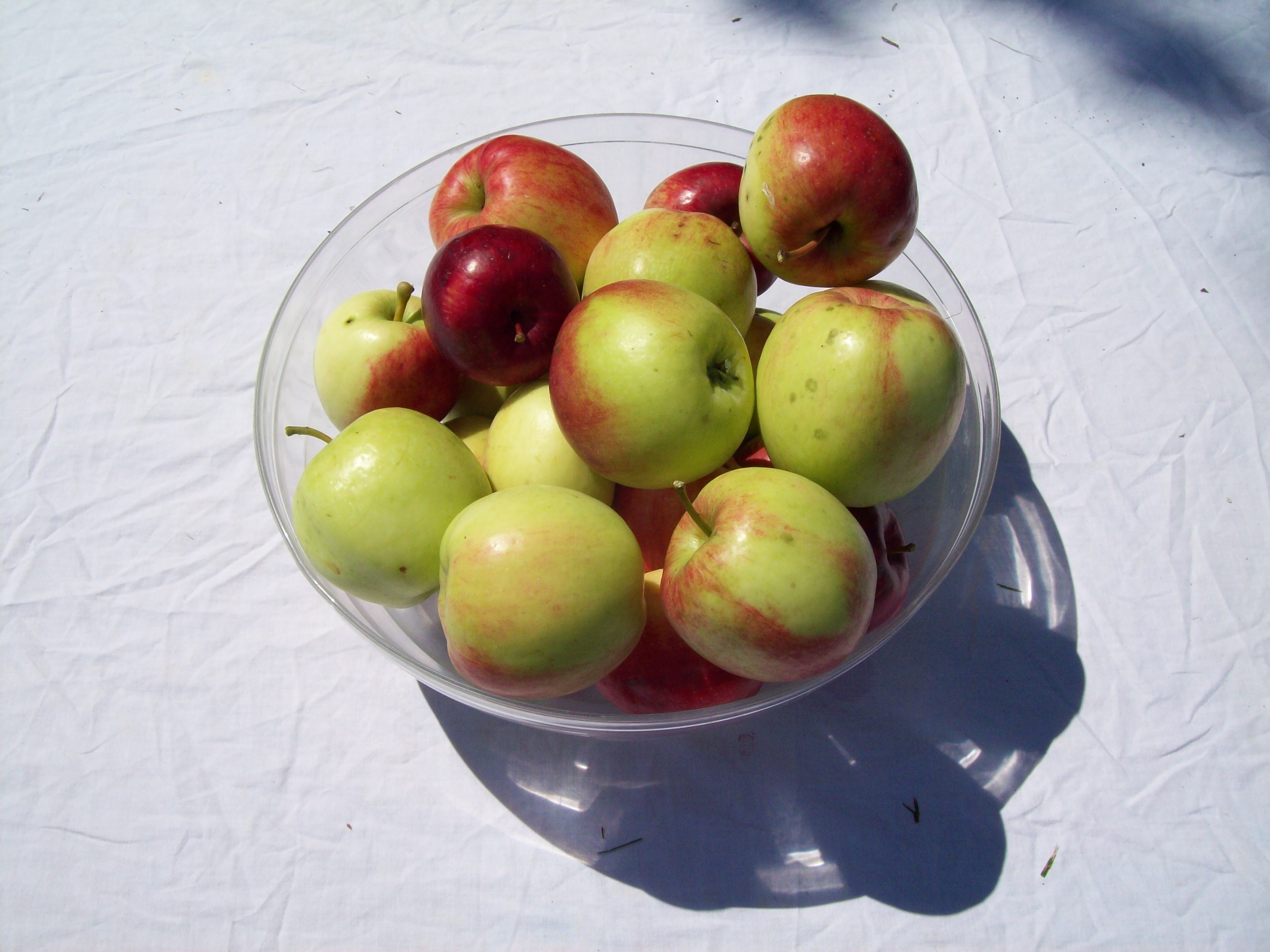
It was four degrees Fahrenheit and snowy this morning so I’m posting some garden images from 2008 as a reminder of what spring and summer can be. These are part of my larger A Life of Photos project. I did the initial sort of my digital images from 2008 last week. Posts like this one are part of the work product of that project.
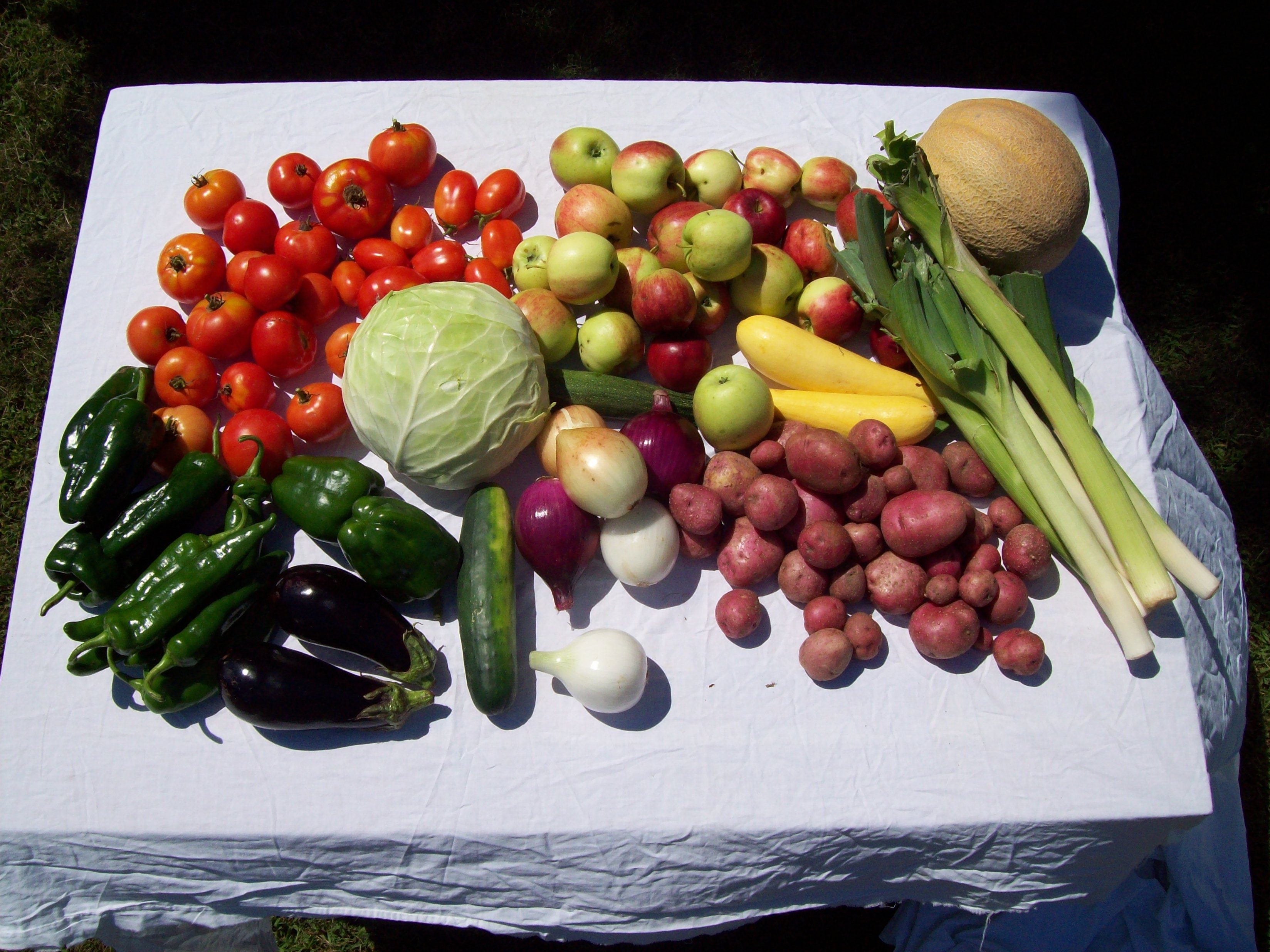
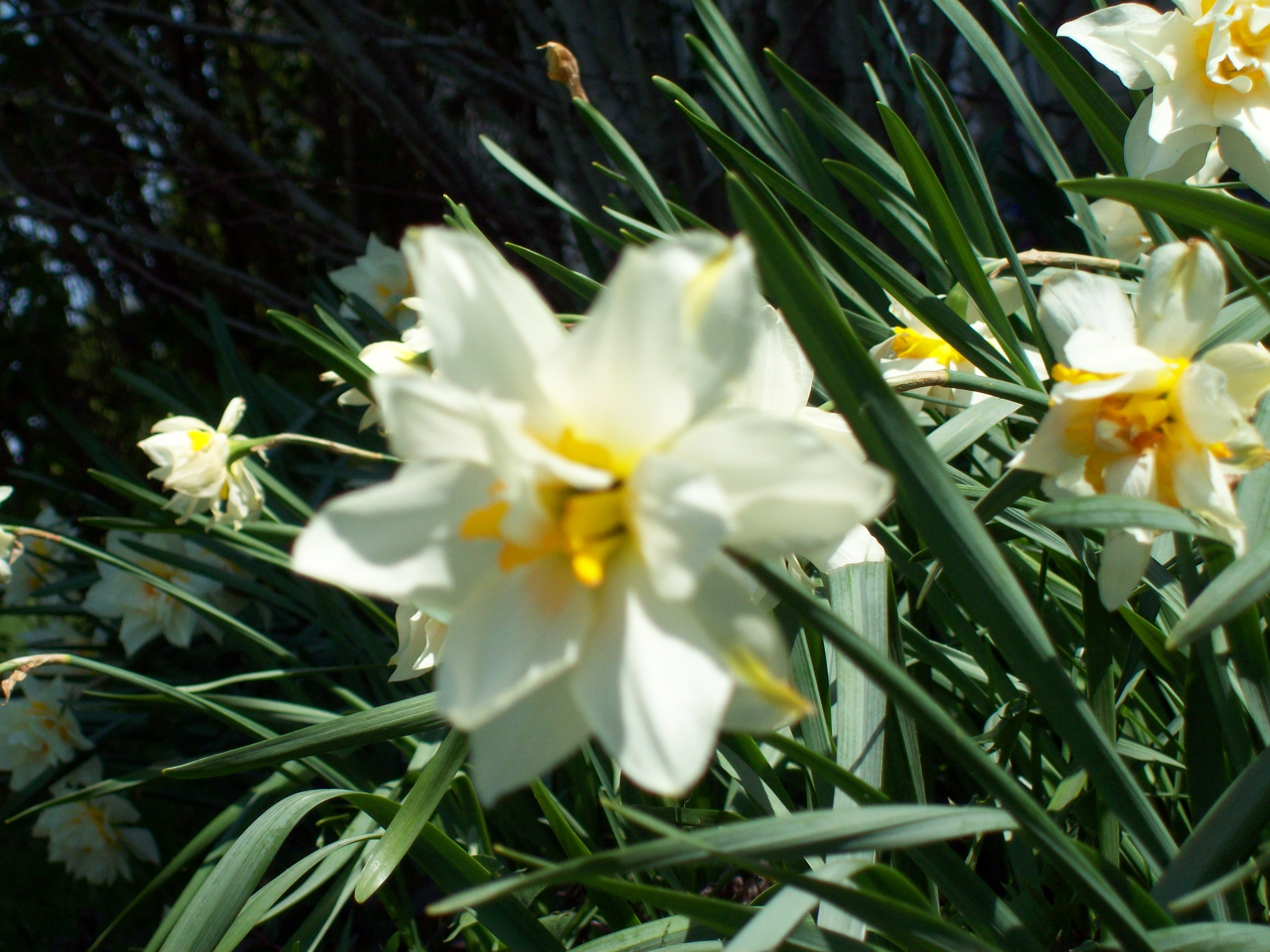
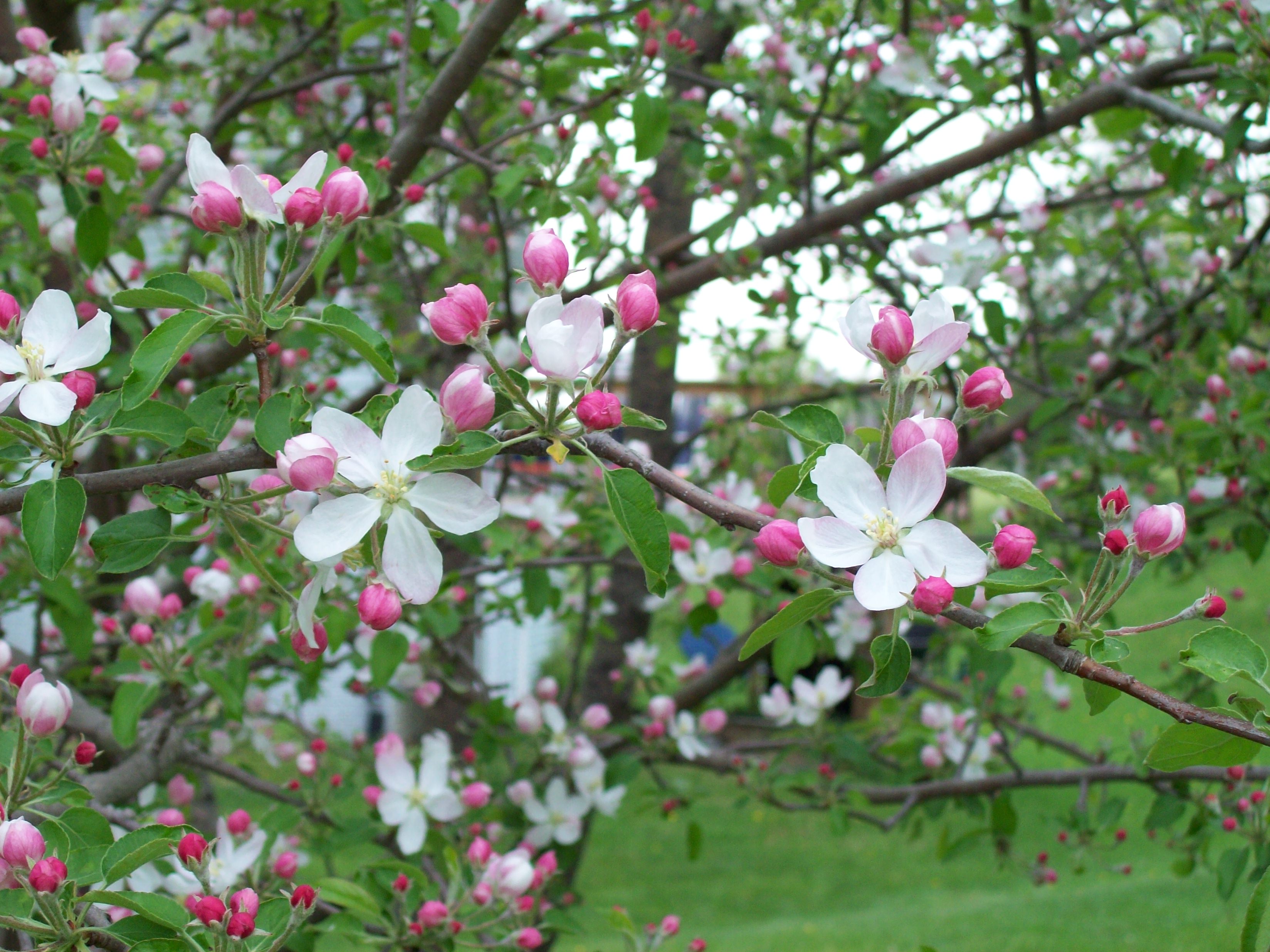
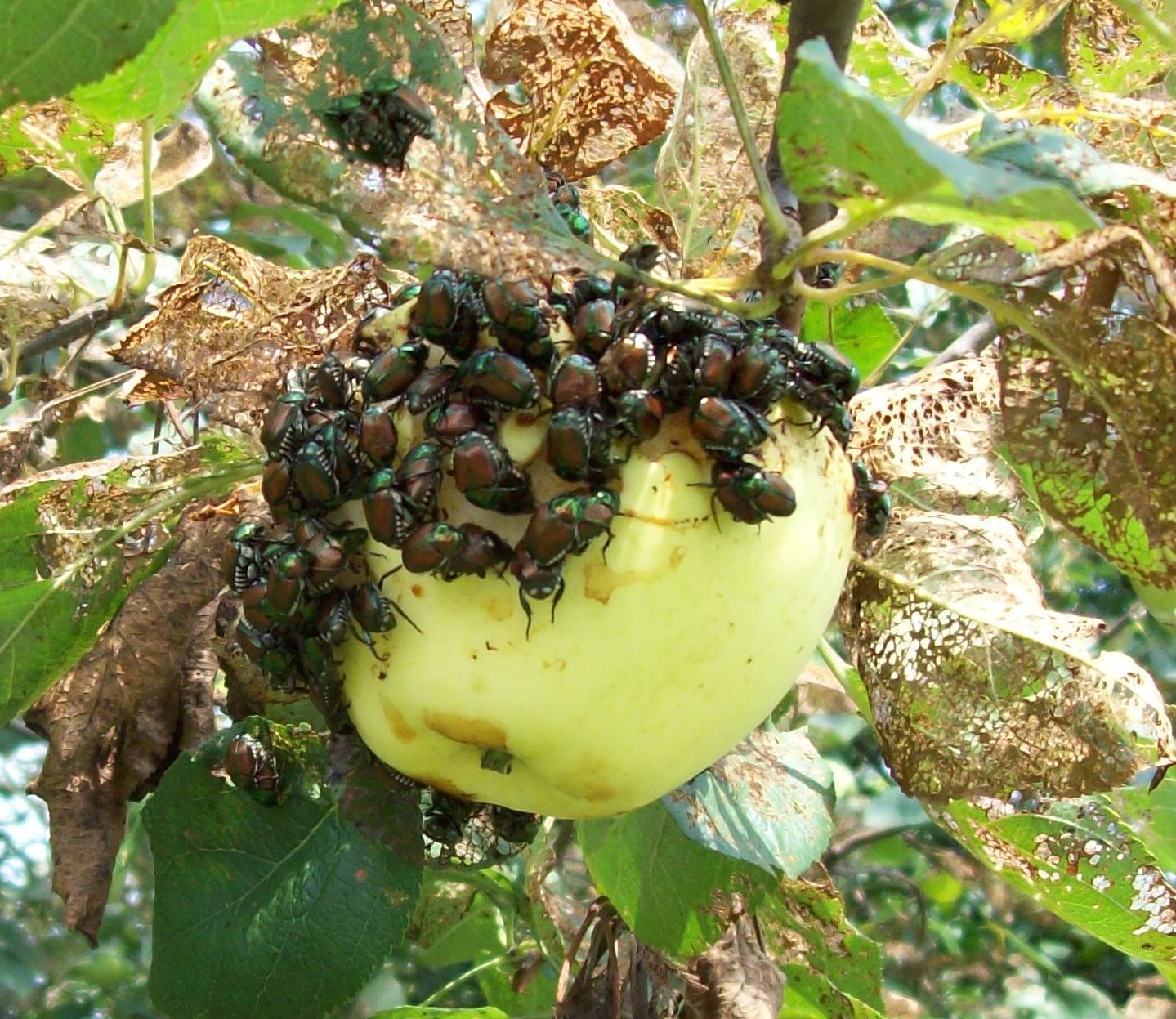
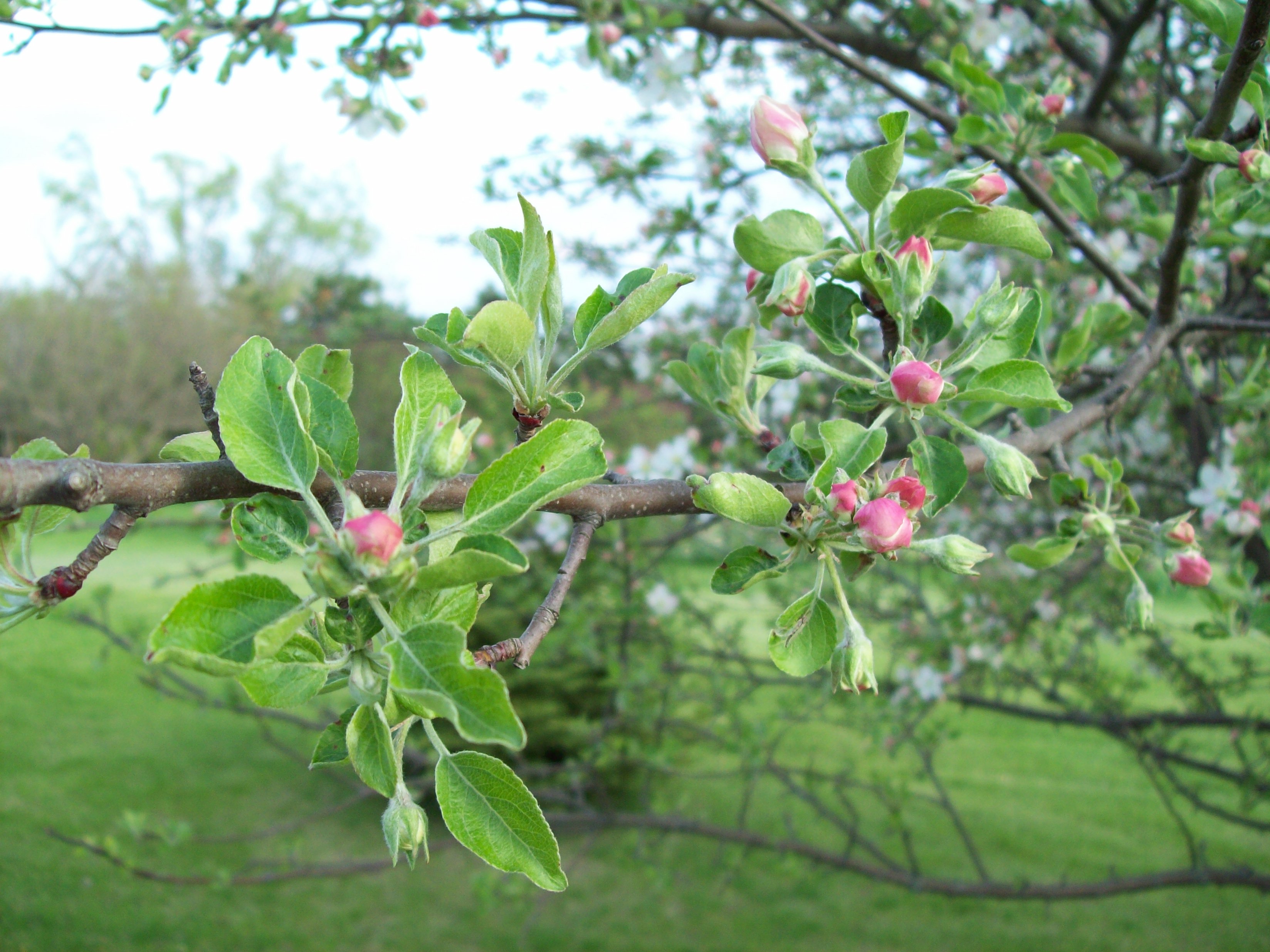
First spring flowers.Apple trees blossomed in 2008.Lilacs are a perennial favorite.Potatoes pop through the soil early.When all the apple trees bloom, summer and fall is apple abundance.Summer harvest in 2008.Bowl of home grown apples. Japanese beetles massing on an apple.Apple blossom buds.Farmstead from the state park trail in 2008.
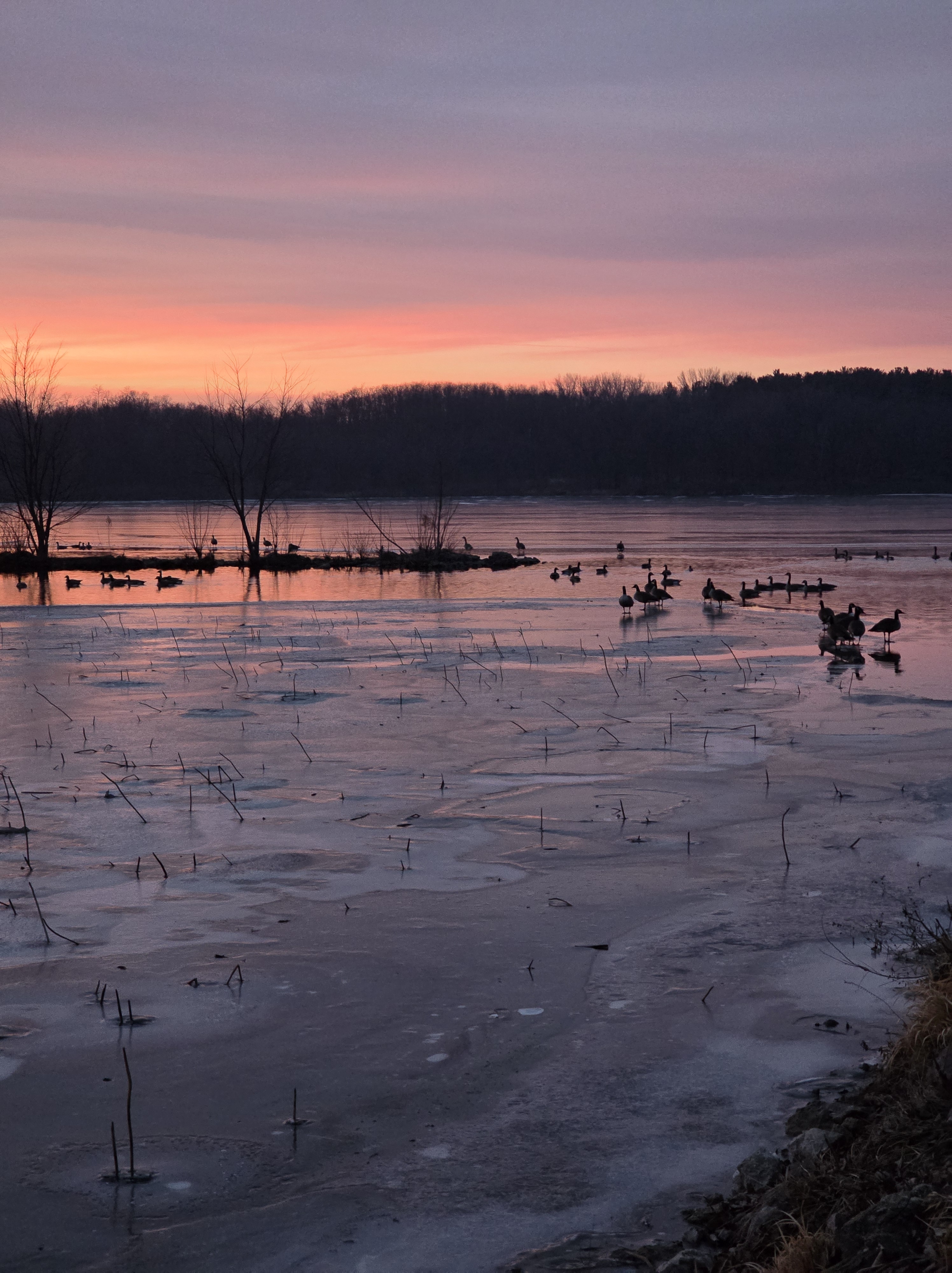
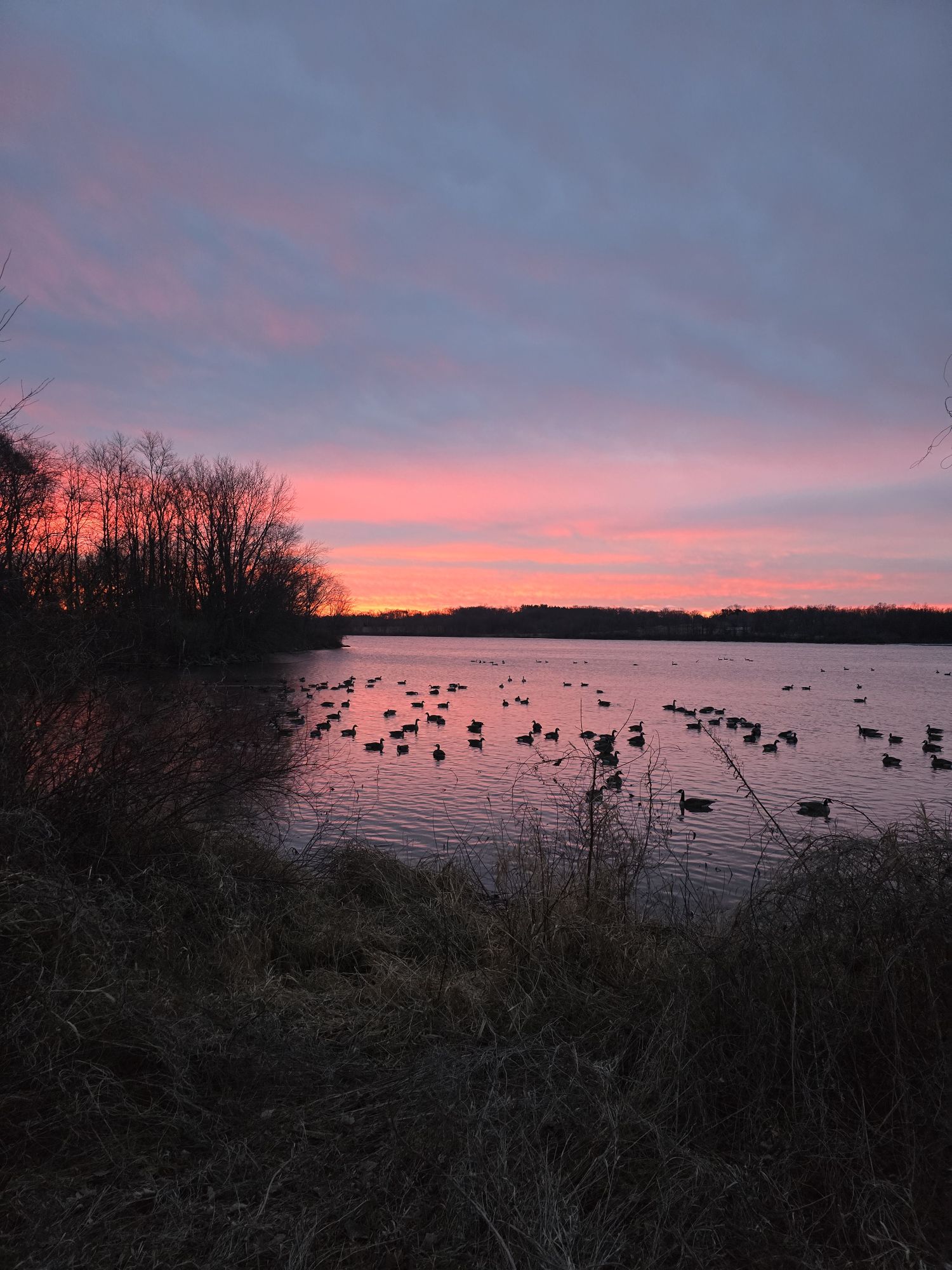
The sound of geese chatting and flapping their wings dominates the pre-dawn hour on the state park trail. Such vocalization and display on Jan. 15, can only mean one thing: the climate crisis has come home to roost.
There is the science of weather. La Niña is present but fading into a neutral state of the El Niño-Southern Oscillation. In other words, the weather is not doing much except what can be seen: ice melting, warmer ambient temperature pushing into the 50s, and lack of precipitation. So what’s up with these birds?
I know geese have strong bonds within mating pairs. They are particularly protective of their goslings. What I’m seeing now is not mating behavior, per se. It is a reaction to climate change in the form of over-wintering, early pairing displays, and vocal/aggressive behaviors. These behaviors are now normal near the lake where I take my daily walk, and in other parts of North America. The environment changed faster than their instincts evolved. What I observed in an earlier post is mostly pair-bond reinforcement and territory signaling, not actual breeding yet. I don’t need to be worrying about freezing little goslings in 3-4 weeks just yet.
Like with anything, my fellow early morning trail walkers noticed the noise and wondered what it was. I opined about it before really understanding the behavior. Geese will eventually adapt to changing climate. One might say they already are.
I rarely find people who reflect my own thinking as closely as this post by Lawrence Wittner on the International Physicians for the Prevention of Nuclear War Peace and Health blog. We have the capacity to solve many of the world’s problems: poverty, hunger, human health and longevity, and fear for security. At the same time murderous rogue states led by Donald Trump, Vladimir Putin, Kim Jong Un and Benjamin Netanyahu are at work to negate these advancements. After the paragraph below, click on the link to read Wittner’s entire post.
There is a widening gap today between global possibilities and global realities. The possibilities are enormous, for―thanks to a variety of factors, ranging from increases in knowledge to advances in economic productivity―it’s finally feasible for all of humanity to lead decent and fulfilling lives.
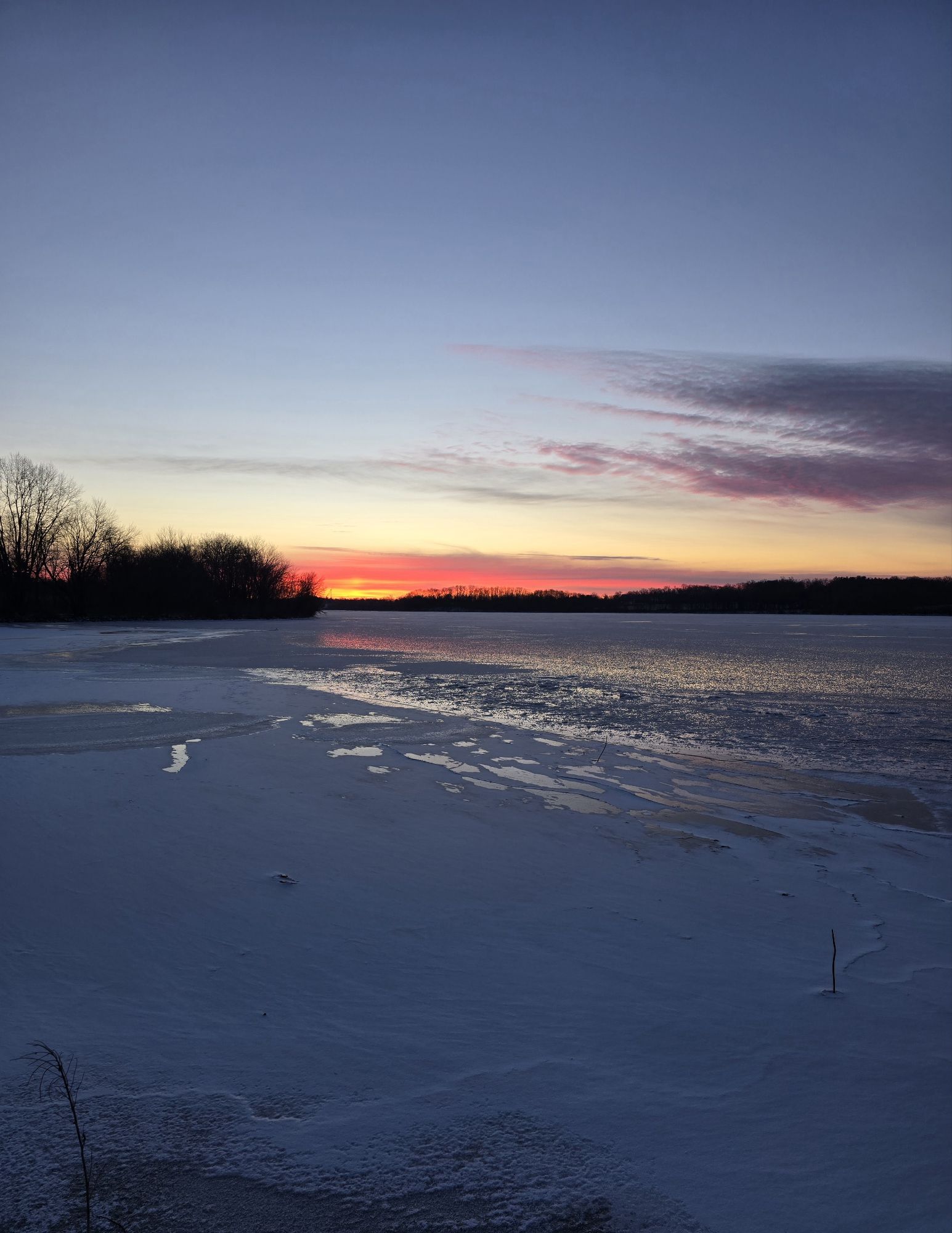
Canadian geese are getting frisky. Ambient temperatures are unusually warm, the surface ice is melting, and before dawn, they crowd along the shoreline, hundreds and hundreds of them. They are very chatty, although that is not a goose-specific term. They are flapping their wings in close proximity to others. We are definitely in the part of courtship with vocalizations and displays. It’s warm today, but if goslings hatch from the activity, many might die from late winter freezing temperatures. Totally weird weather is driving this. It also drives their over-wintering behavior, something they didn’t used to do.
With the first draft of my book finished, followed by the first re-reading from beginning to end, now begins the work of making it more readable. I look forward to this stage.
I have so much information that I just crammed it all into sentences, paragraphs, and chapters until it is likely too much for a casual reader to take in. That needs fixing. Another thing is it reads like a scientific journal that has been fully footnoted. I know the specific dates when many things happened and quote them as such. For a memoir, I don’t believe I need to do that so much. For example, I refer to seeing the early premier of the film The World According to Garp — written by the Writers’ Workshop’s own John Irving — on May 13, 1982 at Hancher Auditorium. Since the chapter is about 1981-82 anyway, I don’t likely need the specifics of this image. I suppose all this is part of the craft of writing and I’m enjoying the work so far.
I took up my Life of Photos project this week and hoo boy! This will be a beast. I began with the digital files and there are so many of them. The file for 2008 has more than 5,000 images! They are mostly mine, yet some are from other photographers. For example, our child worked as a stage hand on an Arlo Guthrie performance at Walt Disney World that year, and those images are theirs. Likewise, I don’t know who was the photographer for some of the political photos I downloaded. That needs sorting out.
What I do at this beginning stage of the project will have consequences for the rest. For now, I opened two windows, one for the working files and one for the “keeper files,” along with the photo editor. That is sort of a process, yet is cumbersome. The lesson learned is to pace myself and when I start cutting corners, stop for the day. I also need to better organize the keeper files. Just diving in has its merits, yet the process is anything but smooth.
So often I feel like a creative person. I spent a lot of time engaging in life experiences and taking photographs as part of it. It is positive in that I have lots of material, both written and photographic. I feel fortunate to have had the stability and financial support to retain these artifacts of a life and to now go through them to see how they can be used. Working with these resource materials is a different kind of creativity. It is one more experience in the life of a creative person and I welcome it.
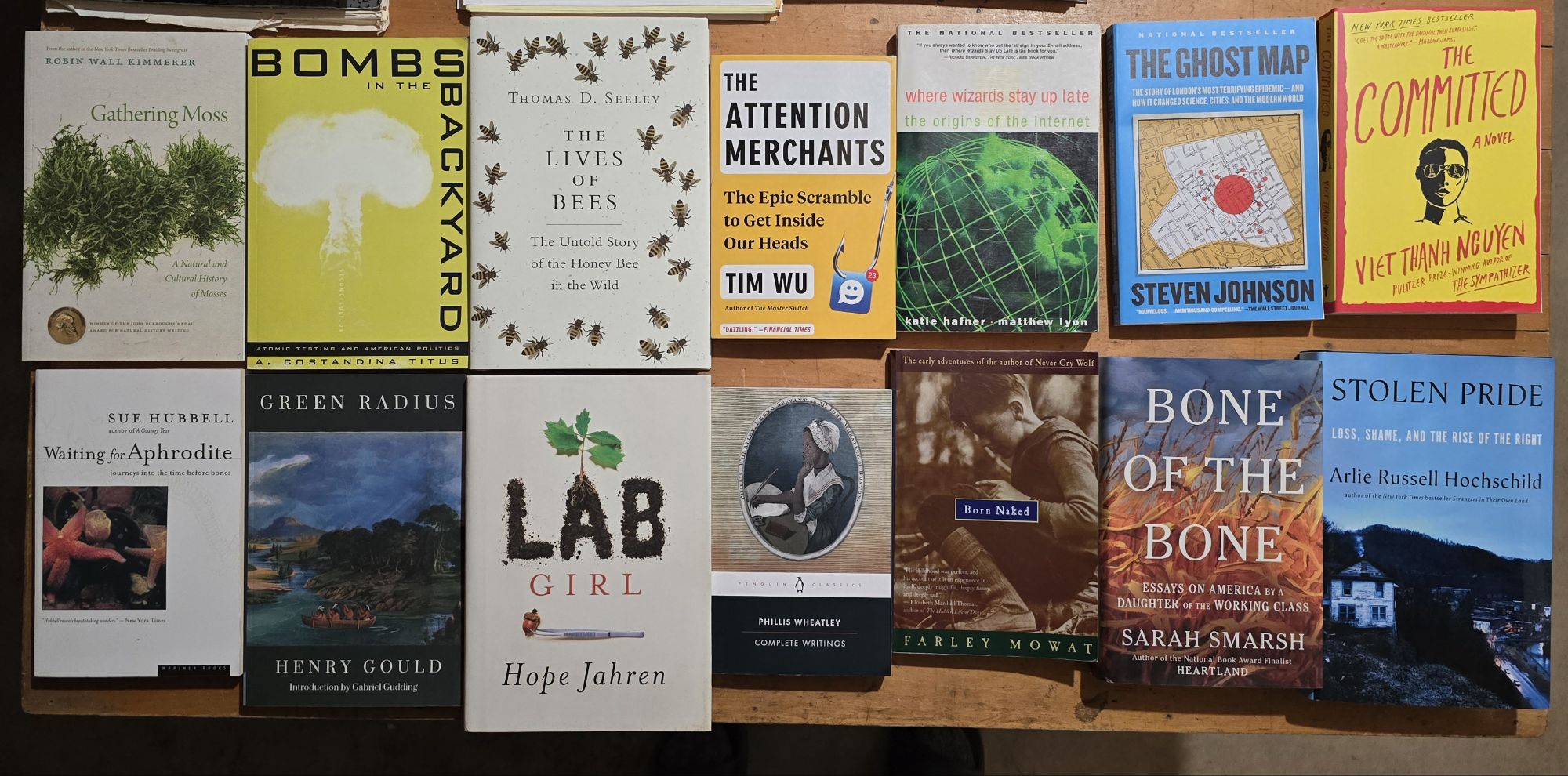
One use for my sorting tables: picking the next book to read.
The die is cast for 2026 winter reading. Books in this photo have been recently acquired and they, along with those already read match the number of books I read in January and February last year. I shut off acquisitions for now to focus on reading.
The first three books were The Lost Honor of Katharina Blum by Heinrich Böll, The Gastronomical Me by MFK Fisher, and The Marx Bros. Scrapbook by Groucho Marx and Richard J. Anobile. Currently The Ogallala Road: A Memoir of Love and Reckoning by Julene Bair is half finished by my bedside. The key to winter reading is to pick books that are both excellent and draw a person into the narrative. These four do both.
My standard is to read at least 25 pages per day. In my youth, the number was 50 yet over time I found 25 is sustainable. In winter it is easy to read more and I do. For example, Monday I was scheduled to work in the garage. When I arrived, it was too cold to work very long, so I went back to my book.
Reading takes about an hour per day, which is not a lot of time. Mostly, I read in bed in the morning before my morning regimen. However, I make sure to finish at least 25 pages whenever and wherever I read.
The Read Recently page on this blog lists books I read over the last number of years. If you are on Goodreads, find me there to follow me. Like any avid reader, I am always looking for what’s next.
These are tough times for a lot of people I know. Hang in there, folks! The weird weather is causing the ice to melt and maybe some good will come of it. If not, spring is coming.
“Nostalgia in reverse, the longing for yet another strange land, grew especially strong in spring.” —Vladimir Nabokov
This morning I consider my pancreas. Yes, the mixed-function organ that helps with digestion and regulates blood sugar levels. I am mostly interested because of its role in the latter. The pancreas is a key organ in managing diabetes, with which I was diagnosed in May 2019.
I asked my new acquaintance, for which I have not determined a name, artificial intelligence. (NB: The name HAL has been ruled out). “What are two or three dietary intakes a person can use to promote pancreas health. No more than three.” The machine was uncharacteristically brief, taking my request for brevity literally:
Here are three dietary intakes commonly associated with supporting pancreas health:
High-fiber foods – vegetables, legumes, whole grains; help regulate blood sugar and reduce pancreatic workload.
Adequate lean protein – fish, poultry, beans; supports tissue repair without excessive fat stress.
AI apparently did not get the word that according to our Secretary of Health and Human Services, the war on protein is over. Nary a cow or hog product on this list of dietary intakes. Perhaps there remains some science on the internet, the domain of artificial intelligence. Perhaps the secretary and his minions have just not gotten this far in their propaganda campaign. In a throwback to when these things mattered, the machine cautioned, “general wellness guidance, not medical advice.”
As a mostly ovo-lacto vegetarian, I find this a good list. I can figure out where dairy fits in, although I know I should control how much of that I eat. Four dozen chicken eggs per year does not seem like a lot. I consume about two gallons of nonfat fluid cow’s milk per week. Cheese consumption is on the radar screen. I am eating more cottage cheese and it is displacing some of the cheddar cheese. I smear some sour cream on tacos instead of cheddar or Mexican-style cheese, although I do that for the flavor and not the fat content, which is higher. I should and likely will switch sour cream for nonfat Greek yogurt on Taco Tuesdays.
Eating more fiber is always a challenge. I have been tracking that number on an app, and in the first 12 days of 2026 I hit or exceeded my goal every day but one. Fiber is also good for my colon, according to physicians.
Regarding healthy fats, I need some work. The first thing I will do is replace the peanuts and raw cashews I eat with almonds, both raw and roasted. I need, or think I need a salted snack each day. I use about one to two tablespoons of extra virgin olive oil each day, and that falls into the “healthy” category, although I use water or broth as a cooking medium where it makes sense. I’m not a big seed eater, yet we have ground flax meal on hand and I could, and hopefully will, add it to more things. Chia and hemp seeds are readily available at the wholesale club, so I may get a bag of each and experiment with them. With regard to nut butters, I use Jif peanut butter, full fat-style, and that is that. Moderation is the key with Jif.
I have been able to reduce my A1C with diet since my 2019 diagnosis. The number went a little crazy when I contracted COVID-19, yet since then, my practitioner said it is managed. The thing is, unless deterioration of the pancreas is caught early and treated through diet and exercise to lose weight, the damage is often irreversible.
I have not thought a lot about my pancreas. Now that I’m living in my eighth decade, it is time. We can either get older and die, or we can get older and wiser. I prefer the latter, hence the focus today on the pancreas.
I’ve written about hot sauce so many times. It is ironic that the two other main people in my family have an aversion to capsaicin. Here I am again, though, writing about my enamored state regarding all things hot peppers.
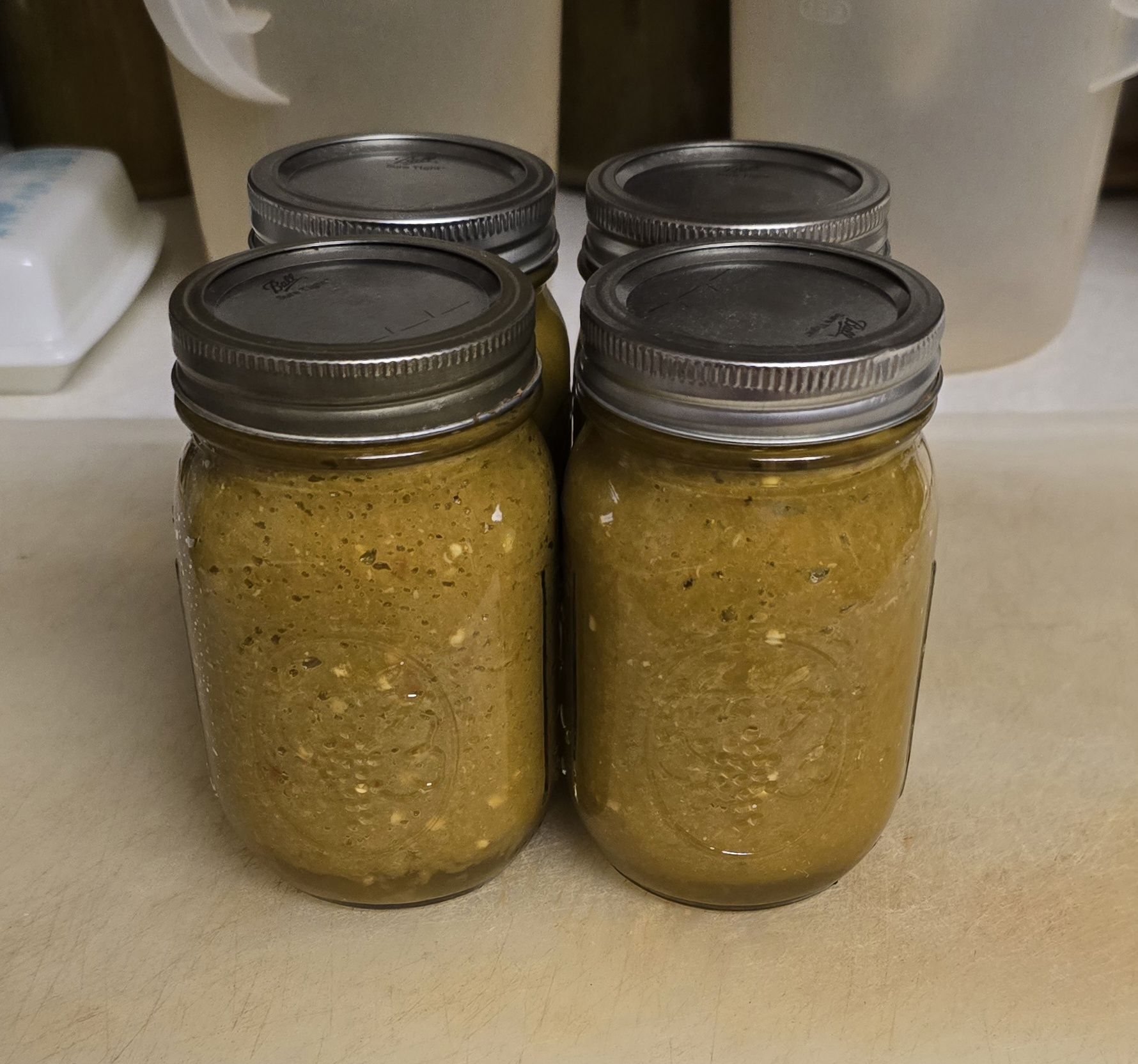
Slowly, over a matter of years, I developed hot pepper food products I use. When I make a lot of fluid pepper sauce, I typically water bath can it, mindful of how much acid goes into each batch. This year’s repeated food products are:
Ground cayenne pepper to fill an existing spice jar. I kept the extras whole for future use.
Legacy hot pepper seasoning. Dried peppers and other spices mixed together and stored in large canning jars after the stove-side receptacles are filled. This is made with everything hot and few that aren’t. Also includes a large batch of Emeril Lagasse’s Essence.
I still keep a bottle of Frank’s RedHot in the refrigerator. It has a distinctive taste which I seek from time-to-time.
By now, the fresh peppers are gone. I found freezing them whole or halved was not the best option. This year hot pepper paste is doing journeyman’s kitchen duty. Making it used all remaining hot peppers. Hot pepper paste is a gardener’s friend.
Growing and using hot peppers is a never-ending journey. One I hope continues as long as I live.
The garage will always be a special place of memory. It doesn’t matter whether it is my current garage, or some future garage should we move. I carry my garage life with me wherever we might go.
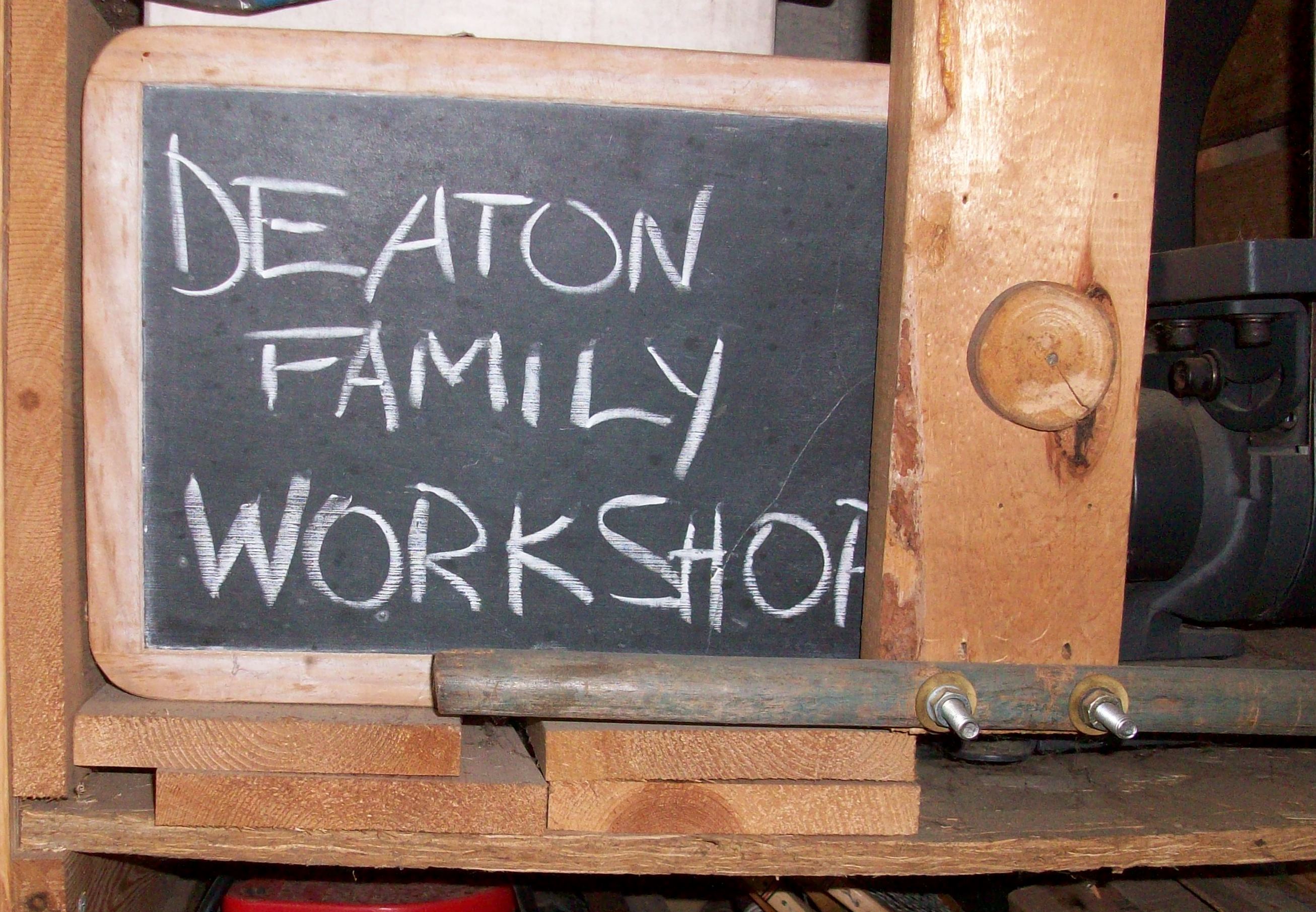
I made the sign in the 1980s. It invokes the memory of working in the garage with our child. The sign went with us to Indiana, and returned to Big Grove Township. It resonates with master carpenter Norm Abram’s Public Broadcasting Service program The New Yankee Workshop, and with Bob Vila’s This Old House. I’m reasonably sure, that during those years, there were many people like us working in the garage, learning about how household things worked, were built, and could be designed. For my generation, and for many millennials as well, this was a core memory.
The other garage memory dating from the 1980s was listening to programs on Iowa Public Radio. The organization had actual money to afford a wide variety of nationally syndicated programs. Mountain Stage was a live music program produced by West Virginia Public Radio in Charleston beginning in 1983. It was hosted by Larry Groce, its artistic director. It still exists with a new host, yet the cache was listening to it live on the radio in the garage. Those days are gone.
There was also A Prairie Home Companion which was just that for so many years. I remember recording the “last show” on June 13, 1987 while our child and I took a walk around the neighborhood. When we returned, the program had run overtime and my cassette tape ran out before recording it all. Luckily I found a rebroadcast the following day and was able to capture the rest. I was a faithful listener right down to Keillor’s actual end in July 2016. Not every weekend like a cult member, but when it was convenient while working in the garage or kitchen. Nothing quite framed my life as that time with the radio turned on.
Last week, The Corporation for Public Broadcasting announced they were closing the operation down after the president clawed back its funding. Better to shutter than to leave an opportunity for the president to use it for his own purposes, they thought. While local stations in Iowa persist in the wake of funding cuts, many stations in other parts of the country don’t appear to be making it in post-Trump world. That’s unfortunate.
It is curious I remember the radio but not the hundreds of projects on which I worked in our garage. The workbench I made in Indiana was a good one that I still use. I recently posted about the work table I made from wood scraps. Since finishing that project, it has been in constant use. I also made a wall of storage which is also in constant use. I guess that’s the difference. When you use something you made every day, it is just there in the present and not in memories.
These days I tune the radio to a country station in Cedar Rapids in the garage, or to BBC news simulcasts on public radio. It’s not the same as I remember from coming up as a family, using the garage to make and fix things. I can carry the memories with me. They help me know who I am.
While finishing the first draft of Book II of my memoir I set the photo project aside. In between now and when I turn the first spade of soil, I plan to organize the “Life of Photos” project so it can advance when there is time available. A couple of things.
I seek to bring order to my large collection of physical and digital photographs. The purpose is twofold. There are practical matters of archiving other than in a shoe box, album, or digital file folder. Digital is straight forward here: Make multiple copies: one to edit and work on, and one or two that are not touched and serve as backup in the cloud and on a physical drive. The other purpose is trickier. What is the culture and its underlying philosophy of value. When the editing process finishes, what work product will be left? At present, that is an open question, the answer to which lies in the work ahead. At a minimum, there will be some slide shows, easy to navigate digital archives, photo albums, and use of photographs on this blog.
The software Paint.NET will be the first attempt at editing software. It is available for free and if I want, there is a version with Microsoft support for a nominal fee. The types of edits are not complicated: cropping, renaming, and some minor restoration. Paint.NET should handle that.
We recently found photos in an album we made in 1986 were coming loose — all of them. We started a project using a different kind of adhesive, and found it was soaking into the paper too much. We stopped and evaluated. For this project, and for any other similar ones going forward, we expect to use archival corners to re-attach the photos into the same album from which they came loose. For new albums, we will add consideration of the kind of paper used. The cultural challenge is in addition to fixing old photo albums, answering the question what other kinds of collections belong in a physical album. Some potential answers: narratives about our lives together are important. Any final work product would support old and to be developed narratives. Photography can also be art, so some of the best may find their way into other media or into a frame which could be hung on the wall.
Our family use of photography increased significantly in the 1950s. When digital photography began in this century, especially after 2012, it was Katy bar the gate. Photography became less ritualized with posed photographs on special occasions, and more a complete, undisciplined explosion of digital images with less thought and process in how they were taken. The goal of my project is to bring intentionality back into the process of taking and storing old photographs.
Our child said we should caption all the photographs so they could refer to the captions and understand the images when we are gone. There is more to it than that. Narrative context, personal reflection, and accessibility become equally important with captioning. Given the thousands of images, being thorough and doing it right could be challenging. In solving this, I expect embedding some of this information in the structure will be important if I can figure out how to do it. I don’t mean returning to photographs and entering metadata in every image. Instead, combinations of albums, folders and slide shows that tell our stories can be a structural framework. Short version: memory needs structure to survive the abundance of images. The project includes defining what that means.
While my personality is pretty cut and dried, a rational guy with a project like this, the work needs to develop what wings it can to fly into my and the viewers’ imaginations. Will it be emotional when I look at photos of my long deceased father? I wouldn’t admit it but probably.
This is a turning point in the project. Now begins programming work blocks into my already busy schedule, followed by doing the work. Once I get into the project I need to set several interim goals for the work products. When will the project be finished? I will need goals for that as well. The sooner I can call it “done,” the sooner I can devote time to other new projects.


 Journey Home
You must be logged in to post a comment.