Categories
Environment Kitchen Garden

Adapting to Climate Change

Conference Welcome
Conference Welcome

RURAL CEDAR COUNTY— On a tour of an organic farm in Cedar County yesterday, talk turned to the impact recent unusual and severe weather events we have had. The story is similar to what others in the agricultural community have been saying.

Farmers are talking about two main weather events this year. The late, wet spring that delayed planting, and drought conditions during August and September. According to a recent gathering at the Farm Bureau, there will be more of the same during the next several years.

The late, wet spring caused some localized flooding on the property, but did not significantly impact the overall operations. They dealt with the weather. The apple crop was abundant because spring pollination conditions were almost perfect after a tough 2012, with the buds flowering after the last hard frost. A lot of apples were still on some of the trees.

Locally we lived through a period of six weeks without any rain. The effects of the summer drought on the vegetable crop were mitigated by irrigation using a drip tape system. There was plenty of water for irrigation, although like most farmers, he didn’t know how deep his well was dug. There was a farm pond should the well go dry.

Drought will reduce corn yield. We examined some ears on the stalk, and a second ear failed to form on many of them. What ears of corn were present did not fill out with kernels. Both conditions were attributable to the drought.

For the last several years, the ability to harvest vegetables later into the year exists because it was warmer later. Food can be harvested directly from the field, rather than drawn from storage and preserves during November and into December. My tour guide said he had only just begun to realize the persistent change, and was beginning to rethink his food planning for the 80 or so people who rely upon the farm for daily meals.

Farmers, more than most people, are sensitive to changes in the weather and climate. For 10,000 years the climate on earth has been stable, and this stability enabled the rise of agriculture, and along with it, our civilization. In Iowa, agricultural success is predicated on our assumptions about rainfall and the hydrological cycle. Things are changing, and what I saw yesterday is more evidence of that.

The era of climate stability is at an end, due largely to human activity. We continue to dump 90 million tons of CO2 pollution into the thin shell of atmosphere each day as if it were an open sewer. Without action on our part, adaptations like those on this farm will be ineffective over the long term. Whatever we were used to as normal has been disrupted by changing climate.

It may be evident to a farmer that the ecology of agriculture is changing in new ways. Yesterday’s farm tour was another example of why. Taking collective action to mitigate the causes of climate change has become the moral challenge of our time. We didn’t ask for this, but our personal involvement is as important as it has ever been as we work to sustain our lives in a turbulent world.

Categories
Work Life

Last Day of the Season

Wilson's Orchard
Wilson’s Orchard

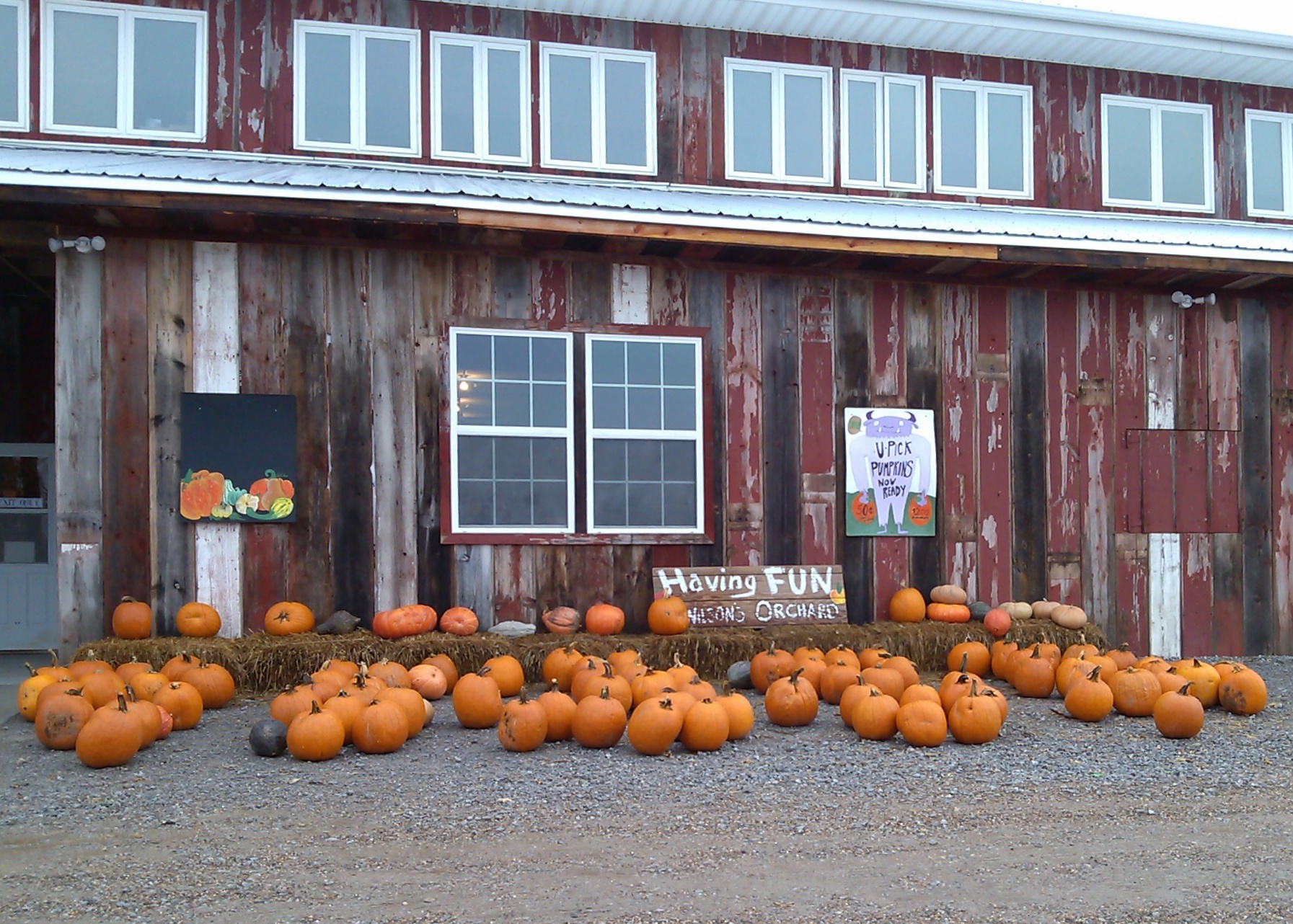
RURAL IOWA CITY— Thursday was the last day of the 2013 u-pick season at Wilson’s Orchard. There were a few cars in the lot, and pumpkins displayed outside the sales barn. Out back, the flatbed truck was loaded with a tall pile of pumice left from apples just pressed for cider. Inside, there were five or six types of apples in the cooler, along with cider, apple turnovers and the numerous items in the gift shop. An employee was positioning apples slices on a dehydrator shelf. There was a sense in the air of counting the hours until closing up shop for the season. 2013 has been a great year for apples.

Stopping on the last day is a habit worth forming. It has the potential of being a  personal tradition— the kind we build our lives around. I hope to work at Wilson’s Orchard again next season.

The Gold Rush apples are not in yet. They have parentage of Golden Delicious and were cultivated for their long storage properties, perhaps as long as seven months. It will be the first year we tried them, and it is only one of many varieties sampled this year. I’d say they are delicious, but that would be an apple joke. According to a colleague, the chief apple officer will pick them from the Solon orchard next week, and they will be available for purchase on Nov. 16-17 when the sales barn is open for holiday shopping.

Pumpkin Display
Pumpkin Display

During 2013, Wilson’s Orchard was a local phenomenon. People came from all around the area to pick apples, seeking the fruit, but also family entertainment. Being the mapper, and later in the season, one of four tractor ride drivers, I was part of the show and met people from all over, each with a personal story about what brought them to the orchard. It was great fun, and one of the best work experiences I’ve had since leaving my career in logistics and transportation. The intersection of apples, farming, small business management, customer relations and speaking opportunities hit my sweet spot.

At the end of the season, this unique experience stands out, and hopefully will live long in memory. Lessons learned there will be applied elsewhere in a life on the Iowa prairie in a turbulent world.

Categories
Social Commentary

Navigating Change in Health Insurance — Part 3

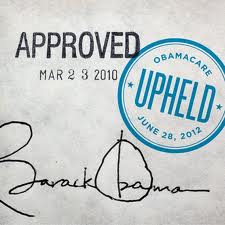
Obamacare Upheld
Obamacare Upheld

LAKE MACBRIDE—Like many, I worked hard during the post-911 Bush administration to elect a Democratic president. Investing a lot of myself in politics through the 2004, 2006 and 2008 election cycles, I’m not ready to give up on President Barack Obama now. Not even close. Including this time of implementation of the Affordable Care Act (ACA), something that has already made my individual health insurance policy better.

There are open questions about the changes. As answers are found, in almost every case, the news has been good. For example, my doctor is in the exchange and the exchange policy costs look to be substantially lower that my current policy, with better coverage. Even so, some don’t think the reality of the Obamacare roll out is as good as it is. (ACA = Obamacare, in case you missed it).

Heritage Action, the political action wing of the conservative Heritage Foundation wants us to be scared of the ACA, asserting a basic falsehood about it. “Scarier than any Halloween costume or ghost story, millions of Americans are receiving letters in the mail from their insurance companies saying that their health insurance will be dropped or that their premiums will skyrocket,” Heritage Action wrote in an email the day before Halloween.

What they don’t say is that those being dropped from current  health insurance policies are being done so because the coverage does not meet the standards of the ACA, and the insurance company has chosen not to align the policy with the new law. This is about the insurance company providing cut rate coverage at too high a price, not anonymous health insurance policy holders who can’t see past their own nose.

By my read, it appears that policy holders, pretty uniformly, will get a better deal under the ACA. The impact of the ACA will be to level the playing field so that a health insurance policy has the basic provisions outlined by the new law, disallowing insurance companies from providing mediocre coverage.

Despite their noise, the naysayers provide no alternative to the ACA. What they must know is that as the actuality of the ACA is revealed, the more people will like it, rendering their scare tactics irrelevant. There is evidence insurance companies will like it too.

I was stunned by the rate increase we received from Wellmark Blue Cross and Blue Shield on our individual policy. At 6.8 percent it is the lowest annual rate increase we have had since first buying the policy in 2009. According to a notice from Wellmark, “the only increase to your premium will be an adjustment to account for the new federal fees and taxes required by the ACA.” What the insurance company is saying is that except for Obamacare, they didn’t need a rate increase this year. Can the reform measures really be that good for insurance companies?

There are still a lot of questions to answer about health insurance reform as the ACA rolls out. It is pretty clear that the president will take a hit in the polls over it, whether it is warranted or not. As I have written in my two previous posts, getting facts and working through them is essential, and there is no hurry to make a bad decision. So far, navigating the implementation of the ACA looks like clear sailing.

Categories
Home Life

Daily Chronicle — Autumn Catch-up

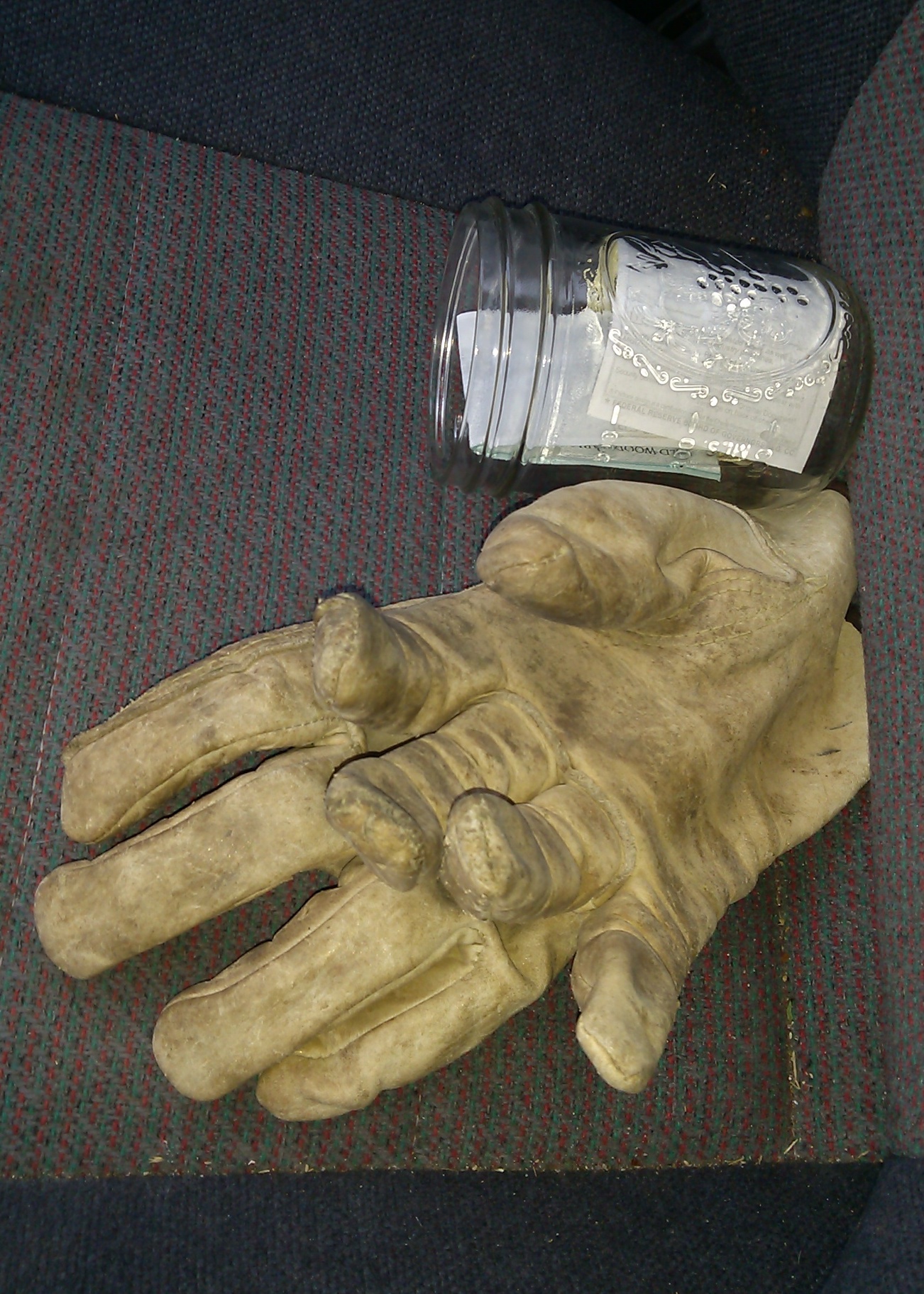
Paychecks in a Ball Jar

LAKE MACBRIDE— Since July, my agenda has been packed with paid and   unpaid work. As autumn yields to winter, I found myself working twelve days straight. Feeling similar to how I felt after returning to garrison after long periods of military field work, I’m making time to take care of basic necessities, and have created this chronicle of how things went.

3 a.m.— Rise, make coffee, read messages and articles, write emails, daily planning.

5 a.m.— Breakfast of pancakes with apple butter on top.

5:30 a.m.— Read the rest of The American Way of Eating by Tracie McMillan.

7:05 a.m.—Rearrange cupboard above the refrigerator (clean off thick layer of dust on top). Organize shelf stable goods in the pantry.

9:16 a.m.—Create work space in garage and downstairs.

9:45 a.m.— Pick up paychecks and empty canning jars, chat with two of my favorite farmers, take recycling to Iowa City, get groceries at North Dodge HyVee.

11:47 a.m.— Lunch, start dish washer.

12:32 p.m.— Scan paychecks into the bank account.

12:57 p.m.— Take a nap.

1: 27 p.m.— Select the ripe tomatoes from the counter to make pasta sauce, and get started.

2:09 p.m.— Sort cracked garlic for planting/eating.

2:37 p.m.— Finish prep work and start pasta sauce to simmer.

3:03 p.m.— Pay bills. Read mailers from Wellmark and Delta Dental on changes to plans for compliance with the Affordable Care Act.

3:34 p.m.— Take nap #2.

4:25 p.m.— Clean up to do prep work for dinner, and bask in the glory of a day on my own.

4:26 p.m.— Realize the the existential struggle for existence in the post-Reagan society restarts tomorrow.

4:27 p.m.— Was thankful for today.

Categories
Work Life

Day Off, Maybe

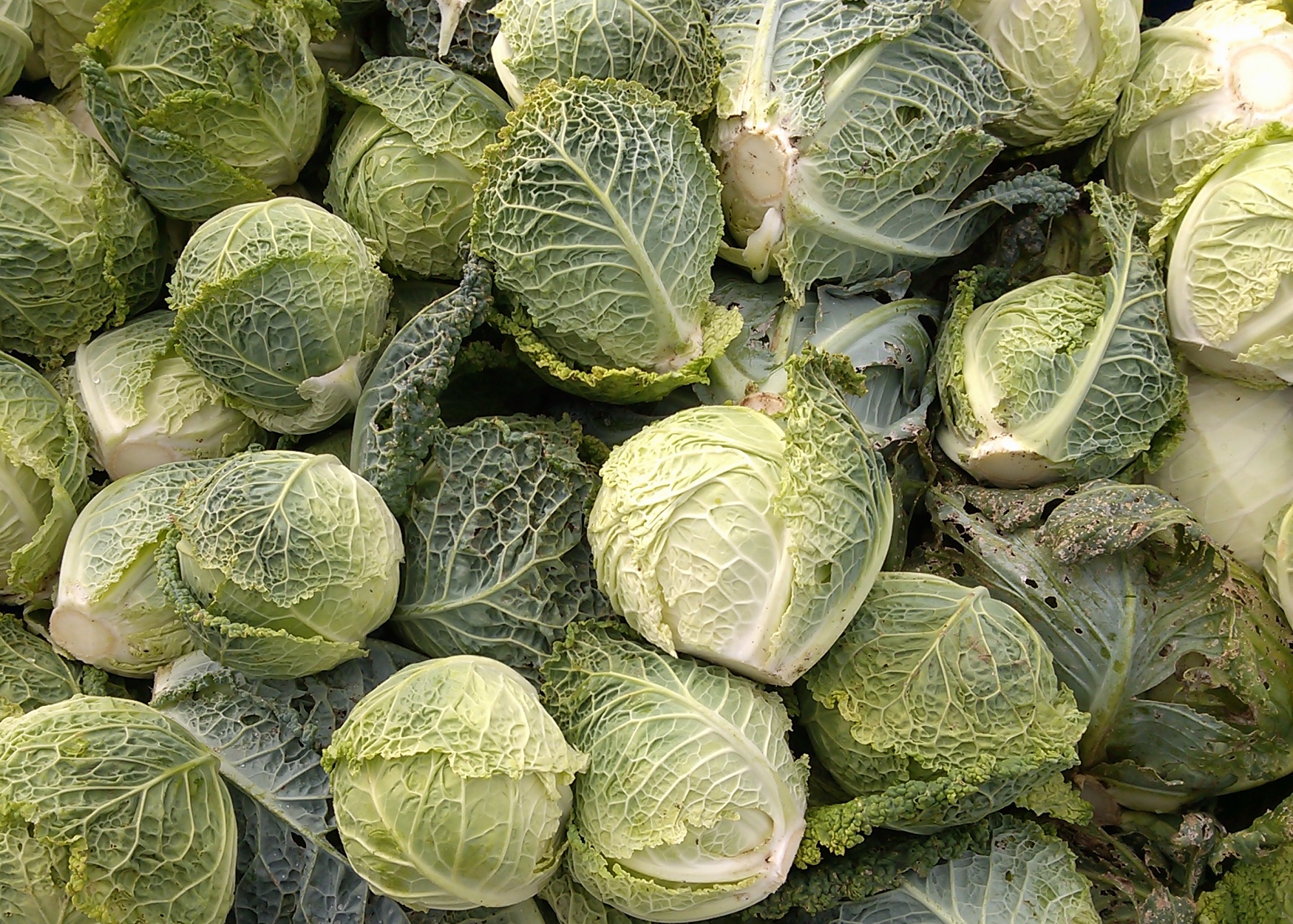
Cabbage
Cabbage

LAKE MACBRIDE— Some part of the last 11 days has been paid work at one of four jobs. If it rains today, there will be a day off. No rain, and there are three possibilities for paid work. I’m hoping it rains, but a day off means working at home on a couple of the too many projects at hand. In this post-Reagan retirement there is never a real day off, but it’s fun to pretend. A lot can happen as the world wakes up this morning.

For now, it’s time to head to the kitchen, make breakfast and a list of priorities for today. That is, unless the phone call comes that there is work.

UPDATE: The phone call and email came, and I captured two work assignments.

Categories
Home Life Kitchen Garden

Making Soup and Applesauce

Potato Digger
Potato Digger

LAKE MACBRIDE— At the end of the season, before the last gleanings from the garden have turned to compost, home cooks prep and cook and preserve to make use of summer’s bounty.

Foraging in the refrigerator as if it were foreign turf, forgetful of how the mix of cut onions, diverse greens and leftovers arrived, the best is culled for a hearty fall soup. Kale and onions, Brussels sprouts and broccoli stalks, celery and carrot, a turnip, some potatoes, frozen sweet corn, and everything else suitable goes into a large, stainless steel stock pot.

Tomatoes are selected from the counter, their numbers diminishing without replenishment from the garden patch. Cutting away the soft and dark spots, they were cored and pulsed on low speed in the blender, skins and all. The red puree was poured all at once into the simmering ingredients. A handful of leftover farfalle, bay leaves, some dried red and black beans, and chervil were added. The pot simmered more than an hour on low heat. It was soup for dinner.

At 3:15 a.m. I brought the graniteware water bath canner from downstairs to the kitchen. Using the wire rack, four quarts and a pint of applesauce, plus the pepper puree made this weekend, were lowered into the pot which was then filled with warm tap water. Moving the heavy pot to the stove, I turned the heat on high to process the jars of summer goodness. Now breakfast.

While working in the local food system, one never knows when or where the next paying job will come along. I finished the season at the orchard yesterday, at one CSA the work is clearing the field, which won’t take too long, then there is the planting in the high tunnel and fall share help, which will end soon as well. There is the prospect of cutting firewood at another farm, but weather seems likely to intervene before long. It begs the question, what’s next?

While invited to return to the warehouse after the season, it doesn’t pay enough given the investment in health and well being required. It is a fallback position to pay some of our bills should no other opportunities present themselves. There are a lot of low wage jobs around town, but they present the same problem of occupying space without providing enough income. I’m confident something will materialize.

While there is fresh food, I’ll continue to eat well and stock the pantry for winter. Mostly, we eat to live, and there is still time to make deposits in the food pantry. Hopefully there will be enough reserves to see us through until spring.

Categories
Reviews

Savvy Coffee and Wine Bar

Muffins
Muffins

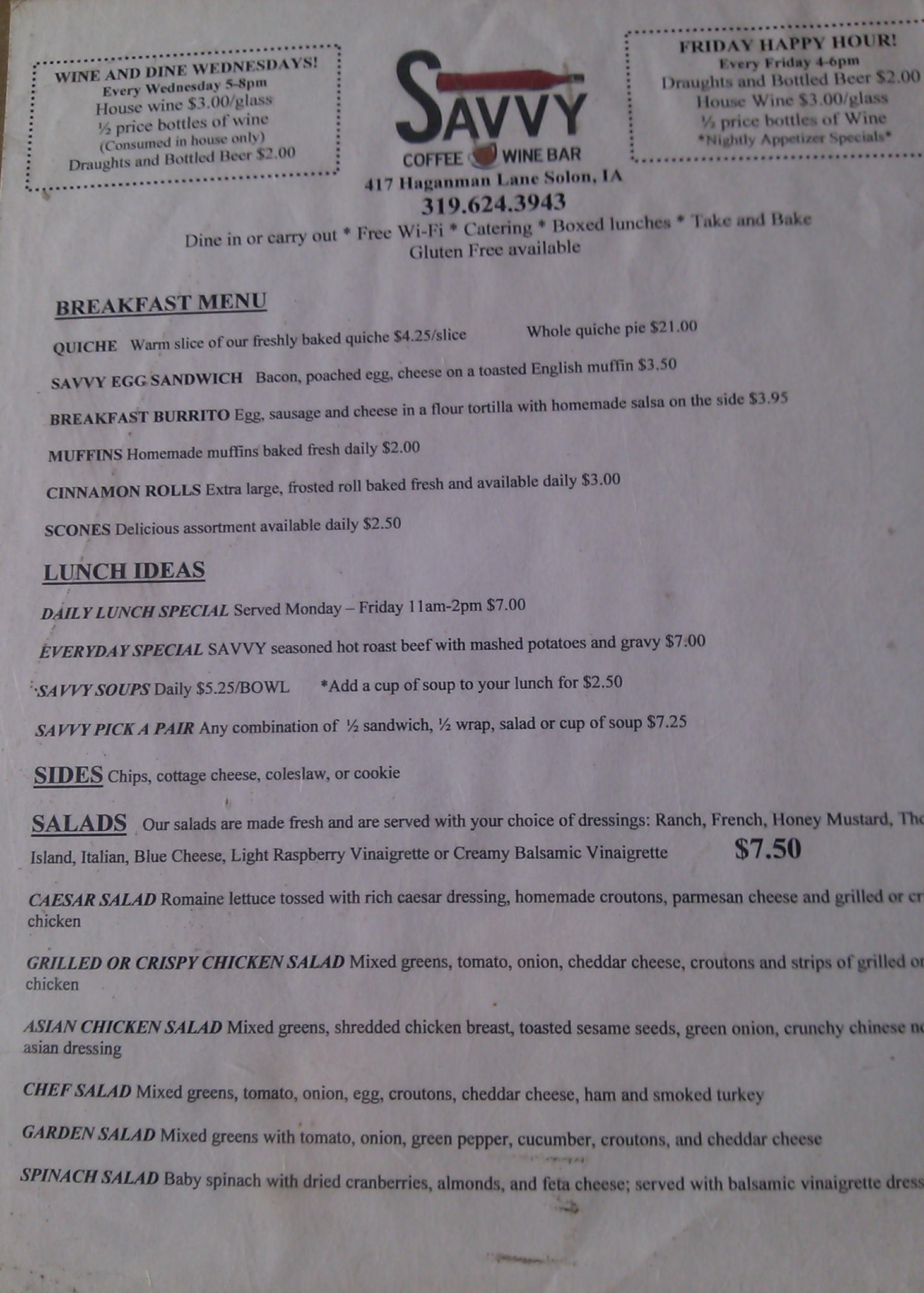
SOLON— Savvy Coffee and Wine Bar has been a place for friends to gather in Solon since the strip mall at 417 E. Haganman Lane was built in 2005. It is the only coffee shop in town, although the cachet of coffee shops has dulled with passing years. Nonetheless, there is Wi-Fi, coffee, a selection of pastries, hot food for breakfast and lunch, and ample space to meet with friends or hold a meeting. If you are gathering in Solon, this is a good place to do it.

Breakfast Burrito
Breakfast Burrito

In between jobs, I stopped for breakfast, and was the only customer in the place. Not sure what, if anything, that means, as it was a Hawkeye home game day, and I am not plugged into the college football season.

I took a photo of the menu and ordered a black coffee and a breakfast burrito. The bill came to $6.47 which seemed reasonable. When the order arrived, it was enough food to split and serve two. The dish was made fresh and for the price was a bargain. I have had the quiche ($4.25) and it has been good, and the muffins pictured ($2) were tempting. Everything I have ordered has been good, and the coffee is what one expects from a coffee shop. The food is an attraction, if not ready for three stars in the Michelin guide.

Like other restaurants in town, Savvy has changed owners a number of times. They have a tough row to hoe to stay in business because the wine bar aspect of the shop has been eclipsed by the new microbrewery in town. The number of bottles of wine stored in the restaurant has declined since last I visited, and it appears that aspect of the business is no longer being emphasized, even if the lights are on some evenings when I drive by.

A person needs a place to have coffee with friends from time to time, and Savvy serves that purpose in our town. Our life would be the less without them, so patronizing them is about more than just coffee.

Categories
Writing

Flesh Wouldn’t Yield

LAKE MACBRIDE— Friday morning the frost was thick. While walking the kitchen compost jar to the bin, the blades of grass crunched under my plastic shoes, leaving green footprints in the frosty lawn. After emptying the jar, I stopped by the vegetable plots, and as expected the tomatoes and peppers were bitten. Chard, collards, turnips and arugula looked like they might recover this time, but another milestone in a season of gardening has been passed.

Work called me to a farm where I was hired to help clear the field. The biggest part of the work so far has been deconstructing the tomato cages. Tomatoes are an important part of a CSA, so producing enough good looking ones is important. Some put in a lot of plants, hoping to glean the best for customers and offer bulk crates of seconds for those who may want them. Others cast the die in an amount that seems right based on prior experience. Tomatoes were a mixed bag around the county this year, and those who had a surplus of good ones sold them to others who didn’t. There were plenty of seconds for processing and my pantry .contains plenty of canned tomatoes.

When I arrived at the work site, we walked through the pepper patch. When I tried to take a bite from a perfect looking green bell pepper, the flesh wouldn’t yield. Frozen solid and ready to be plowed under. I thought, if the rest of the good peppers were harvested and placed in the freezer now, they could be preserved for later use. However, there was other work to do and once the day thawed, it would be too late. The exigencies of work life intervened with my frugal impulse.

The rest of the day we dug potatoes, harvested Brussels sprouts and polished green peppers picked before the frost. We also continued the tomato cage work, although a few hours remain to be finished. The focus was on getting the fall share out Monday, and there is an abundance of produce to be processed for delivery.

As winter arrives, and food thoughts turn to the pantry, I stopped at the orchard and bought a bushel of WineCrisp™ apples for their storage capabilities. When they are ripe, I’ll buy a bushel of GoldRush for the same reason. While it is kind of apple-geeky, you should know about the propagation work being done at Rutgers, Purdue and the University of Illinois in developing these apples without genetic engineering. Fit reading as we move indoors and settle in for a winter not far away.

Categories
Kitchen Garden Work Life

Carrots and Farm Work on a Blustery Day

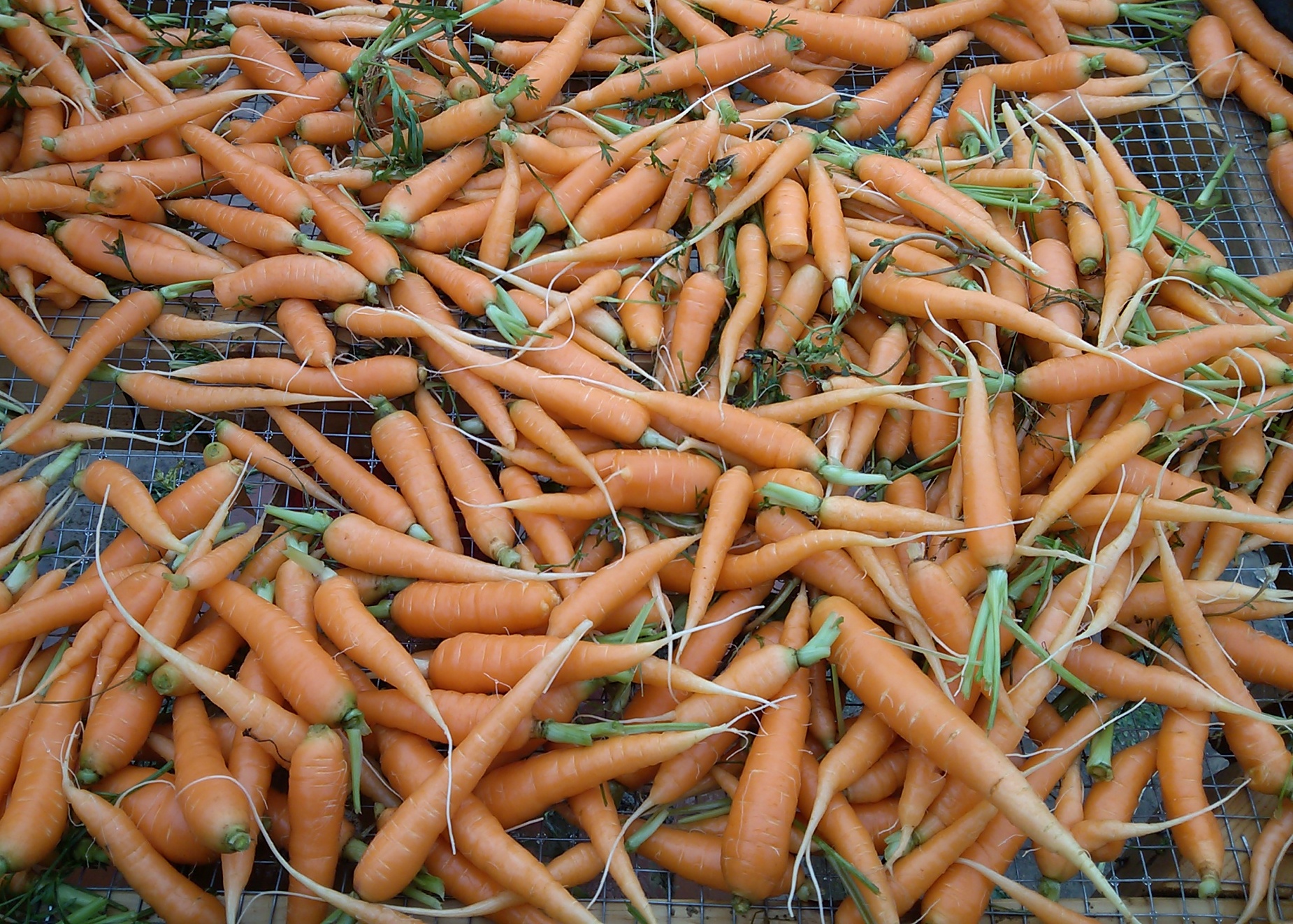
Fresh Carrots
Fresh Carrots

RURAL SOLON— It was a blustery day at the two acre farm where work took me yesterday. Carrots to harvest, tomato cages to deconstruct and roll up, and irrigation line to find and remove to the roads for later pickup. It was cold to the bone.

My time in the military prepared me for days like this. The key is to focus on the work and the cold will take care of itself, falling neatly into the background. Once one accepts there is no place to go to get warm, and nothing to do but the work, life doesn’t seem so bad and neither does the cold.

September HeatIt was recently reported that September was the 343rd consecutive month of above average global temperatures. No surprise there, and October will be the 344th. What I would rather see is a tally of the actions people take, on a daily basis, to reduce their carbon footprint. That and a measurement of the aggregate impact it has on global warming. We would do better to collect our progress and see how we are doing than tick off the number of months of doom.

Working in a sustainable agriculture operation is said to help solve the climate crisis. According to Wikipedia, sustainable agriculture is the act of farming using principles of ecology, the study of relationships between organisms and their environment. A couple of things seem most important. Sustainable agriculture is site-specific. What one farmer does on his/her land may last over the long term to satisfy human food and fiber needs, sustain the economic viability of farm operations, and enhance the quality of life for farmers and society as a whole. It is hard to find fault with this, and the connection to the climate crisis is clear.

Where it gets sticky is that as the environment changes, so too do the organisms encountered on a parcel of land. This suggests that the work of adaptation is never really complete in sustainable agriculture. Most farmers I know are engaged in a process of constant experimentation to determine what does and doesn’t work to solve ecological problems. What is worrisome is they seldom, if ever, talk in terms of adaptation to climate change, even if that is what sustainable agriculture represents at its core. Note to self: initiate this conversation.

After noon, the two of us harvesting carrots and working in the field were called to the barn for lunch. Grilled cheese sandwiches, vegetable soup and sweet carrot bread for desert. Much better than restaurant fare, and an unexpected perquisite to break the cold. Not to mention the conversation about the fall share, and our hopes, dreams and experiences. Brief and pleasant interval in another day’s work in our ever changing environment.

Categories
Home Life Kitchen Garden

Stuffed Peppers

RURAL SOLON— While finishing a shift of deconstructing tomato cages, I walked along the row of frosted bell pepper plants toward the gate. It snowed yesterday and hard froze last night. I picked six pepper survivors for the flat side upon which to sit on the baking sheet. There was a lot of food that survived the snow and frost, but we enjoy stuffed peppers a time or two during each year, and that was my choice.

When it was time to begin preparing the meal, I cored, parboiled and stuffed the peppers with a mixture of rice, eggs, a blend of Italian cheeses, cooked onion and garlic, and dried rosemary and sage. They were topped with leftover pasta sauce and went into a 350 degree oven for 22 minutes. We had a working family supper, served with sweet corn and fresh tomato slices.

On a cold day food fresh from the oven, made with local ingredients raised by people we know is as good as it gets. It is a simple pleasure, one that bears repeating if that is possible.