Categories
Living in Society Social Commentary Writing

Independence Day

Obama’s Last Campaign Rally, Des Moines, Iowa, Nov. 5, 2012.

(Re-blogged from my post on Blog for Iowa, July 4, 2010).

We hear a lot about the founding fathers today, and the truth is who they were, as people, is clouded in the river of time. One admires the portrait of John Adams written by David McCullough, and particularly the personal risk to which Adams put himself on his trip to France in the winter of 1777. In Thomas Jefferson’s Notes on the State of Virginia one can find a guide to living that serves in the 21st Century, with the notable exception that labor to maintain a lifestyle, once provided by slaves, must now be sought elsewhere through mechanization or wage laborers. The more we study the opening of the Old Northwest Territory we realize that Benjamin Franklin, George Washington and other founders could easily have fit in with the gang on Wall Street that nearly brought down our economic structure in 2008. But as was said, seeing who they were as people is a murky endeavor at best, so on Independence Day we can refrain from making judgments and be thankful for what we have as a nation.

What can be said is we often neglect to recall the dispossession of the natives in Iowa and further east, which amid today’s flag waving is equally important. Would Black Hawk and Poweshiek have ceded the land of the Black Hawk Purchase if they had fully understood what their signatures meant? We don’t know that either.

So what we are left with is history and documents from the times, all of which have their ideological outlook or viewpoint. Of interest is the following account of an Independence Day celebration in Jones County, Iowa shortly after settlement. Members of our family settled in Jones County shortly after the Black Hawk War, so this is a personal history as well. Happy Independence Day from Blog for Iowa.

An Excerpt from The History of Jones County, Iowa, published Chicago, Western Historical Company in 1879.

A grand county celebration of the Fourth of July, took place in pursuance of the resolutions and suggestions of the Board of Supervisors, made at their June meeting in 1861. The celebration was on Thursday, the 4th of July. 1861.

The perilous condition of the country brought men of all parties together to observe the anniversary of our national birth, and to repeat anew their vows to freedom. Early in the morning, teams, singly and in companies, began to throng from all parts of the county toward the point which had been designated by the Board of Supervisors, near the center of the county. At 10 o’clock, A. M., the scene was the strangest of the kind ever encountered in the West. The road ran along a high ridge, and on both sides of it and on each of the wide and gently sloping spurs, shooting out every few rods, were horses, wagons, buggies, carriages, men, women, children and babies by the thousands; and, in every direction, the American flag floated in the light and refreshing breeze, which, with the shade of the sufficiently abundant oaks, tempered the heat of a warm summer day. Such an assembly in a city is common enough, but this was an assembly in the wilderness. Not a house, not a sign that man had touched nature here was visible, save in the few brief days’ labor of the Committee of Preparation. It was a fitting place wherein to assemble on such a day and for such a purpose, when the nation was in its life and death struggle for existence.

The Committee of Arrangements had done as well as could be hoped for in the short time allowed them, and better than could have been expected. On the rather steep slope of a spur, north of the road, a staging had been erected facing up the slope, and, in front of this, seats sufficient to accommodate, perhaps, one thousand persons. Back of the stage, and at the bottom of the ravine, a well had been dug some ten or more feet deep, and, at the bottom, a barrel fixed. It was a comical sort of a well, but it served the purpose, in a measure, for some hours.

On another ridge and back of the wall, stood the six-pounder, manned by the Wyoming Artillery Company, in gray shirts, under Capt. Walker. The other military companies were the Canton Company, Capt. Hanna; they wore red military coats, were armed with rifles and were fine looking; the Rough and Ready?, of Rome, Capt. L. A. Roberts, with blue military coats, white pants and glazed caps, sixty-five men, also fine looking; Carpenter’s Company, Rome. Capt. Carpenter, eighty men, with gray coats, likewise made a fine appearance; the Greenfield Company, mounting eighty men, John Sccrist, Commander: these were in frock coats and wore white plumes; they, too, showed well, and still more in drill and fitness for the most desperate fighting; the Scotch Grove Guards, from Scotch Grove. Capt. Magee, formed a large company; these wore no uniforms, but their appearance indicated they were the right men for fighting. There were six companies of young men, all formed and drilled, in the space of three months. It appears that all these entered the army in due time and did good service.

The proceedings at the stand were patriotic and entertaining. During the reading of the Declaration of Independence, the general attention was close, and the responsibilities of the hour seemed to impress all minds. The singing with the Marshal waving the star-spangled banner to the words, was very effective. The address was by a Mr. Utley—a good Union speech, and was very generally approved. Music by the various military bands was abundant and lively. The picnic that followed was much enjoyed by all who partook of the dainties provided for the occasion. The military went through with some of their exercises and then the proceedings of the afternoon began, which consisted of speeches from different persons, when, owing to a want of an abundant supply of water, the vast assembly was dispersed at a much earlier hour than it otherwise would have been.
It was evident that the loyalty of Jones County could be relied upon, and that her citizens were ready to do their full duty in crushing out treason.

Click here to read the entire history of Jones County.
Categories
Kitchen Garden Writing

Garlic Time 2020

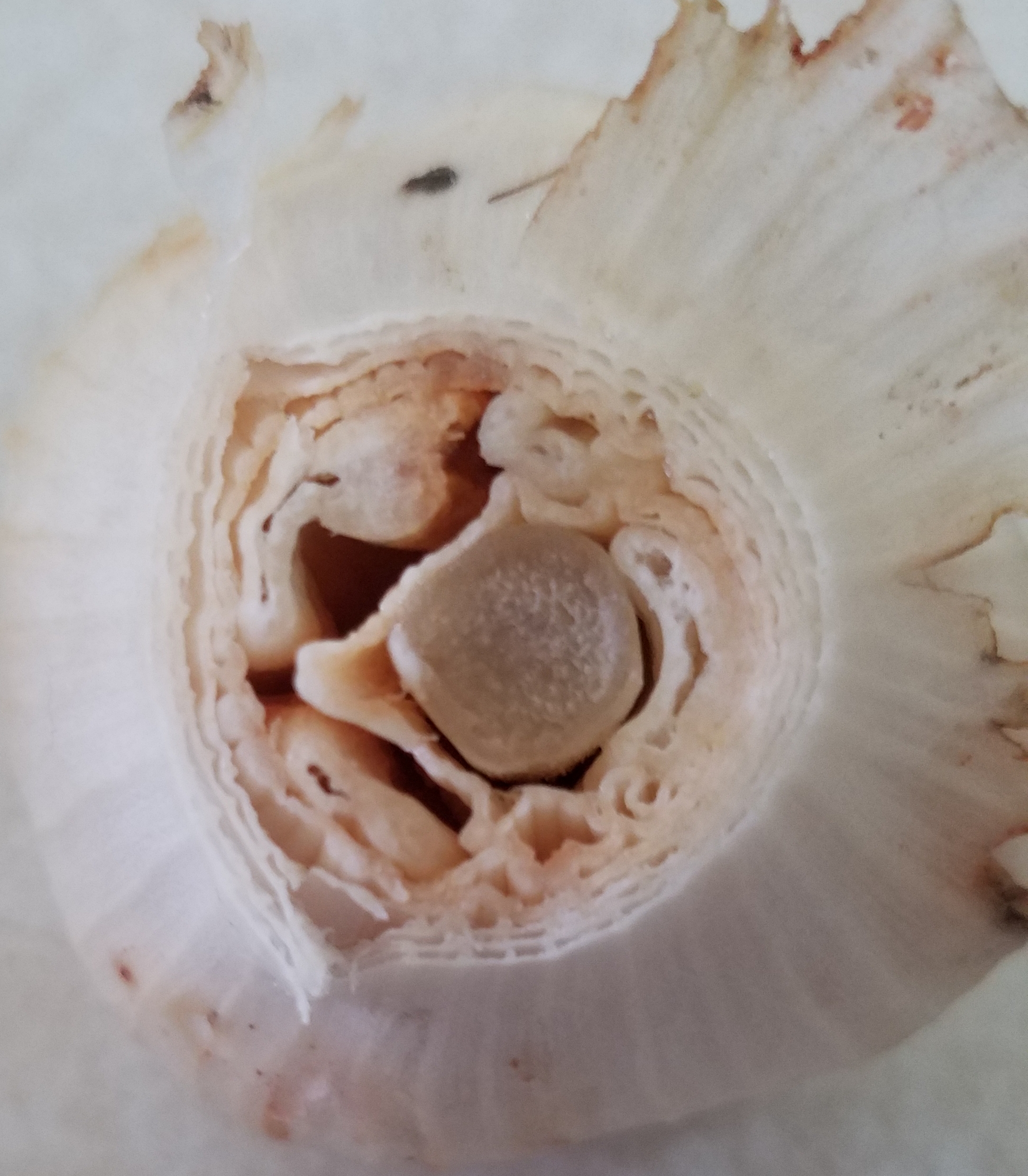
Head of garlic straight out of the ground.

The garlic is ready. Yesterday I dug a head from the plot and the cloves are mature. As this image shows, each clove is pulling away from the stem and when I cut into it, the hydrated precursor to the paper had formed around each clove.

I’ll dig up the 50 plants today or over the weekend, rack them in the garage, and cure them until it’s time to remove the stalk.

It’s a nine-month process from planting cloves in October until the July harvest. Done right, the time commitment is worth it.

Garlic is a basic part of our cooking: I can’t imagine being without it. I also can’t recall the last time I had to get some other than at the farms where I work. If the quality is good this year, I’ll save a third of the heads for planting this fall.

In addition to garlic, the zucchini, cucumbers, celery, and onions are ready. Tomatoes are forming but it will be a while before they are mature and ripen. By the calendar it’s time to dig new potatoes from one of the four containers. The garden is turning to peak production whether I’m ready or not.

As it does my attention turns to writing for Blog for Iowa the next four weeks. I will cross post here the following day, although it is more political writing than I usually do. There is a lot to say about that part of society these days and I’m glad for the platform.

The forecast is hot and humid the next ten days… Iowa summer. July will be a mad rush to get everything done as we remain is semi-isolation because of the coronavirus pandemic. There should be less distractions than in the before time. I’ll miss the company.

Categories
Writing

The Before Time

Kale and black bean taco filling.

Bit by bit, elements of my life are falling away to reveal the person I’ve always been. I didn’t expect that from the coronavirus pandemic.

I remember driving across the Coralville Lake to work at the home, farm and auto supply store. Already the landmarks on that route are being forgotten. They are in the before time.

Yesterday’s post about bicycling is an example. I don’t know what made me get the bicycle down, other than it was ready, I was ready, and the weather was clear for a ride. Riding a bike is part of who I used to be. As an older bicyclist I have to be careful. A crash could be disastrous. Yet it is who I am becoming.

The garden is another example. This year I have time to do things right. The tomatoes are caged and pruned, the peppers properly arranged and producing fruit, and kale and other leafy green vegetables are planted to maximize space usage. As a result, there are plenty of fresh vegetables for the kitchen. Gardening was an afterthought in the before time.

The before time is gone. I don’t have a name for the new time. Something will come to me. Or maybe it won’t. The need to name things as a method of control is part of the before time. It’s gone to memory and fading fast.

Categories
Home Life Writing

Bicycling Again

Gaddis Pond Rest Area, Big Grove Township.

When my medical practitioner diagnosed plantar fasciitis in 2015 it mean I had to give up running. I’d been running for exercise since 1976 when I enlisted in the U.S. Army.

Doc suggested bicycling. I took my Austrian-made Puch Cavalier ten-speed down from the hooks in the garage and delivered it to the bicycle shop where I bought it in 1980 to get tuned up. Parts were scarce for the old bike, but the technicians found them. I brought it home and hung it in the garage where it stayed until this month.

During a recent medical check up I asked again about running. I needed more exercise and my feet felt better. I could run again, I thought, maybe not five daily miles as before, but something. He said if I returned to running, plantar fasciitis would flare up again. I started walking and it wasn’t enough.

On June 18 I dusted the bicycle off and rode for the first time: about five miles. I’ve been out the last four days and expect to continue bicycling, gradually increasing my daily distance.

I’m a cautious bicyclist. I have a good sense of myself on the bicycle and know how to use the derailleur gears as they were designed. I couldn’t locate my helmet or riding gloves so I adjusted our daughter’s helmet so it would fit. I put a fanny pack over the handlebars to hold my mobile device and the garage door opener. I still have the plastic water bottle I got when the bike was new. I have two pair of bicycling pants with the cushion in the crotch. I’m wearing my old running shoes for now.

While I was in graduate school I ran and rode a lot. I would run from my apartment on Market Street in Iowa City out to the Coralville dam and back. Afterward I rode the bicycle for another ten miles. I was a restless soul then. I made all the usual rides: to Sand Road Orchard; to Kalona before dawn where I saw kerosene lamps illuminating homes and barns; to Stringtown Grocery; to the Kalona cheese factory; through Hills, Lone Tree and Wellman. I was a primitive rider, having no training and an undisciplined approach. I made a century ride with the Bicyclists of Iowa City and experienced glycogen burn out. At the time I didn’t know what was happening to me and it was a little scary. Not freak out scary though, and I made it home safely.

I need more exercise. It’s cheap medicine. Today I rode 7.6 miles with a goal of being able to make it to Ely without stopping. After that, who knows? For now it’s enough to feel the cool breeze as I ride and make progress toward an unspecified goal.

Another part of life in Big Grove Township.

Categories
Writing

Anchoring the Week

Milkweed Flowers, June 28, 2020.

Each week of the coronavirus pandemic is anchored by a few things.

Monday I make a to-do list and get things done remotely using the computer and telephone. Things like coordinating the community road repair, checking with kale customers, lining up garden tasks, and scheduling projects. I rarely finish everything on the to-do list.

Other weekly anchor points are grocery shopping on Tuesday or Wednesday, pizza for dinner Friday night, and garage work on Saturdays. The week ends on Sunday with a nap in the afternoon and a simple dinner. It is not much of a schedule but it helps keep me sane.

While there isn’t a “week” per se, the convention makes it easier to divide endless days into renewable chunks. It’s an endeavor of constant renewal, something humans need.

I’ve been more engaged in insect life in the yard and garden. The diversity and specialization is astounding. If chemical treatments reduce the volume of insects in farm fields, their absence in my garden attracts them. I thank the pollinators and murder some pests like the Colorado Potato Beetle, cabbage worms, and squash bugs.

The presence of insects, combined with open space and plenty of perches, attracts birds. The birds attract loose cats and other predators. The cats control the rodent population in the garden, although we don’t like it when they capture birds or ground squirrels. Rabbits like the quiet when I’m gone and fencing keeps them from chewing on vegetable plants. Occasionally we get other predators, like hawks and foxes. Neighbors reported coyotes although we’ve not seen one here. All of this means there is a local ecosystem and we do our part to fit in and provide diversity.

The sun is rising so I’d better finish and get on to what’s next. No rain is forecast and ambient temperature is expected to reach a high of 88 degrees. Exercise and gardening need doing before it gets too hot.

Categories
Writing

A Writer’s Schedule

Sunrise June 23, 2020.

Letting go begins with acceptance that life now has the potential to be better. It’s hard to let go of the fact the coronavirus forced me into retirement from outside work. Resentment lingers.

I recently declared on my Twitter profile I am a “blogger, writer, gardener, human.” Writing that description was a first order organizer. It is accurate in how my time is spent each day: I’m focused on creating better writing and being a decent human. However, habits persist from the before time, before the coronavirus pandemic. I want the diversity of my creative output to increase. Continuing old habits will produce the same results therefore they must improve through conscious change.

My daily process of waking, making coffee, and descending the stairs to my writing table was built on the premise creative work had to be done before the day’s activities began. Until July 2009 that meant before working a high profile, energy-consuming job. When I started blogging in 2007, a majority of the hundreds of thousands of words written since then were created before sunrise or immediately thereafter. They were written before going to work.

Now that work outside home has been eliminated there is an opportunity to break past habits and embrace a new writing paradigm.

Today, light coming around curtains on the east-facing window is a reminder to finish and get on with the day. Habits built around working persist. Habits can be broken and re-shaped into something more suited to today and provide a positive influence on writing. How does one do that?

At the core of my working career in the before time was the impulse or urge to separate my creativity from the work I had taken on to buy a house, spend time with family, and pay the electricity, gas, sewer, transportation and communications bills. Some measure of creativity was devoted to paid work, yet until recently I had not been able to bring everything together. Work remained separate, something about which I felt I shouldn’t write. Whatever efforts I made in the interim period to blend these aspects of daily life, after the coronavirus everything changed: it is a clean break.

What life will be is unclear.

For now I know few other ways to start my day and feel I have accomplished something positive. I can’t envision private time — leisurely breakfast, exercise, coffee, house cleaning, conversation — before going to work at writing by mid-morning. I am not now a night person. I feel uncomfortable with big changes although what may be best is blowing up the before time habits and letting life fall where it may. Worse things could happen.

The opportunity is to design a writer’s schedule with writing more at the center, less based on habits formed over decades. While habits play a role in life, we’d go crazy without them, from time to time self-awareness is needed and can be a positive force. There has been no time like now.

Morning writing will be ongoing while I sift through this. In summer it’s hard to stay indoors so desire to finish and get outside continues. By winter though, careful thought about new habits is in order. I doubt my writing will be successful without a change. I expect it will be better.

Categories
Home Life Writing

Snapping Out of Coronavirus Funk

Eventually I will snap out of this coronavirus funk.

For weather and productivity this was the best spring I remember. The garden is doing great and I have time to give it daily attention. Without work commitments each day is mine. I spend more time outside and at the state park. I’ve gotten my bicycle out and ridden for the first time in years. The weather has been drop-dead gorgeous. What is the matter with me?

I live in a broader society that is going to hell in a hand basket.

My response is stay positive, although negativity drags on my spirits. It takes a village to make a life and when we are each isolated because of the coronavirus, it’s tougher to do.

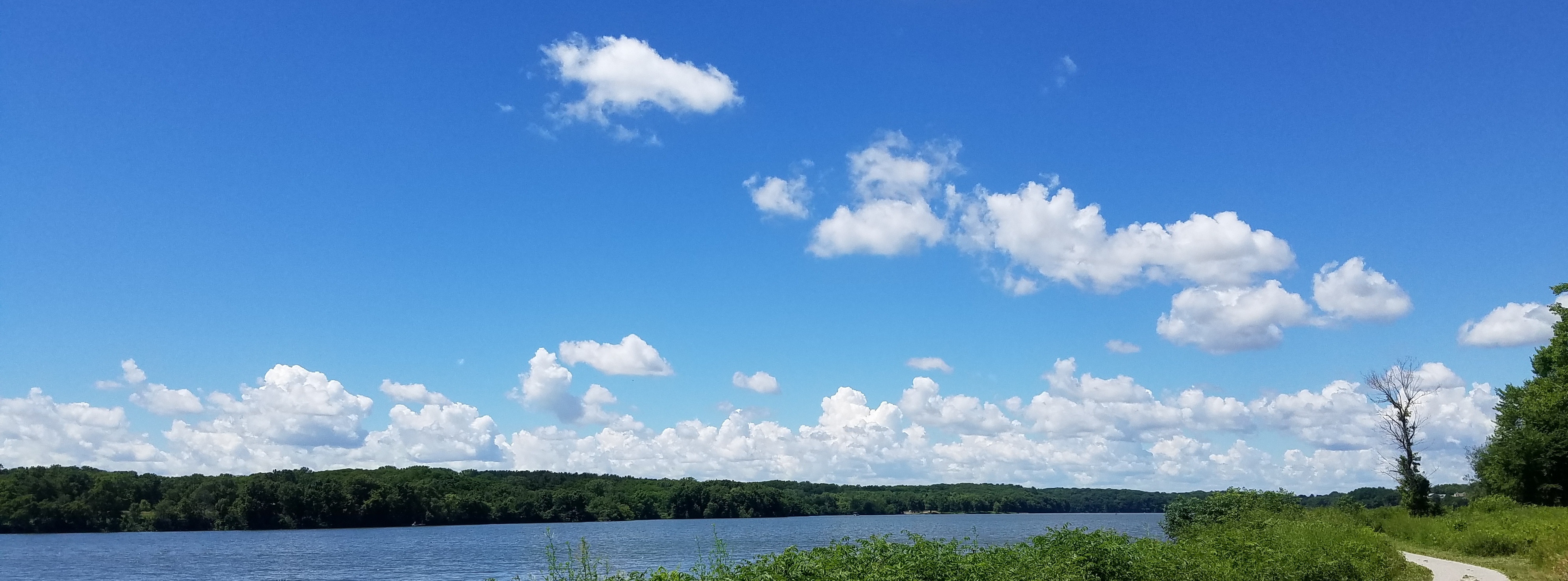
Here are some photos from early summer to cheer us up.

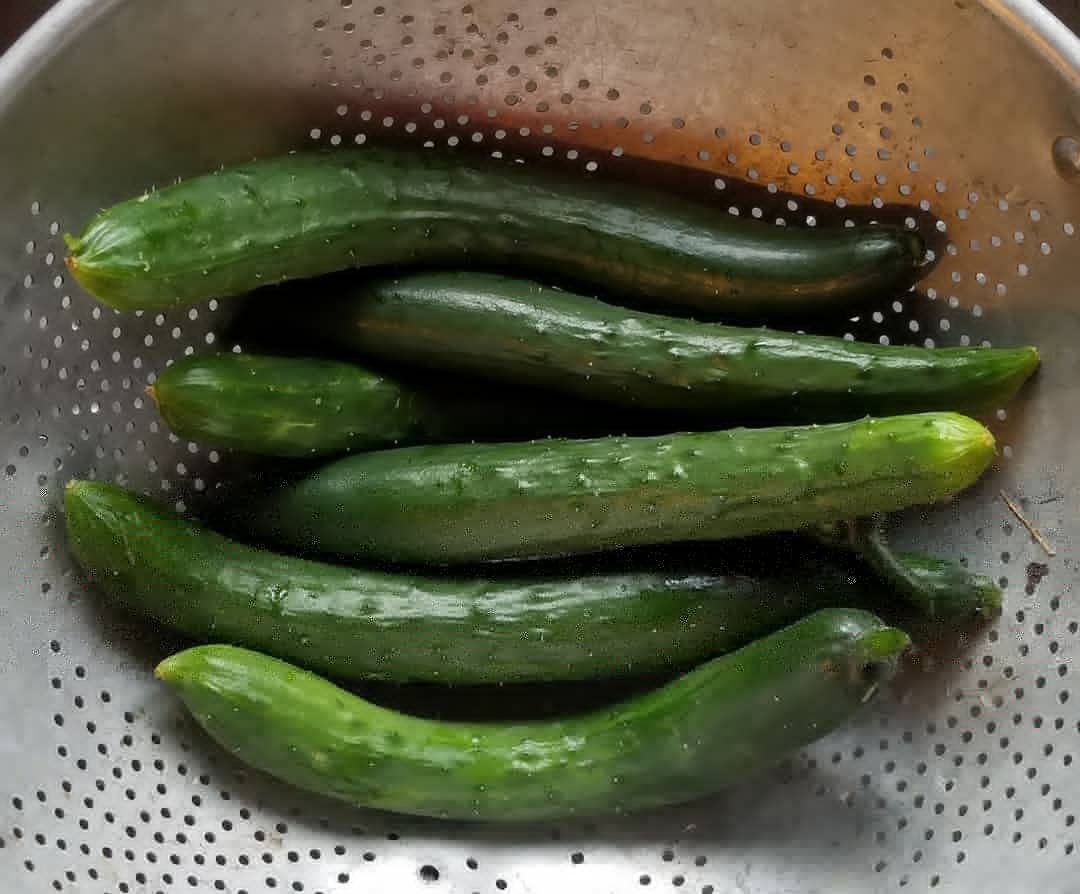
Tasty Jade Cucumbers

Monarch Caterpillar

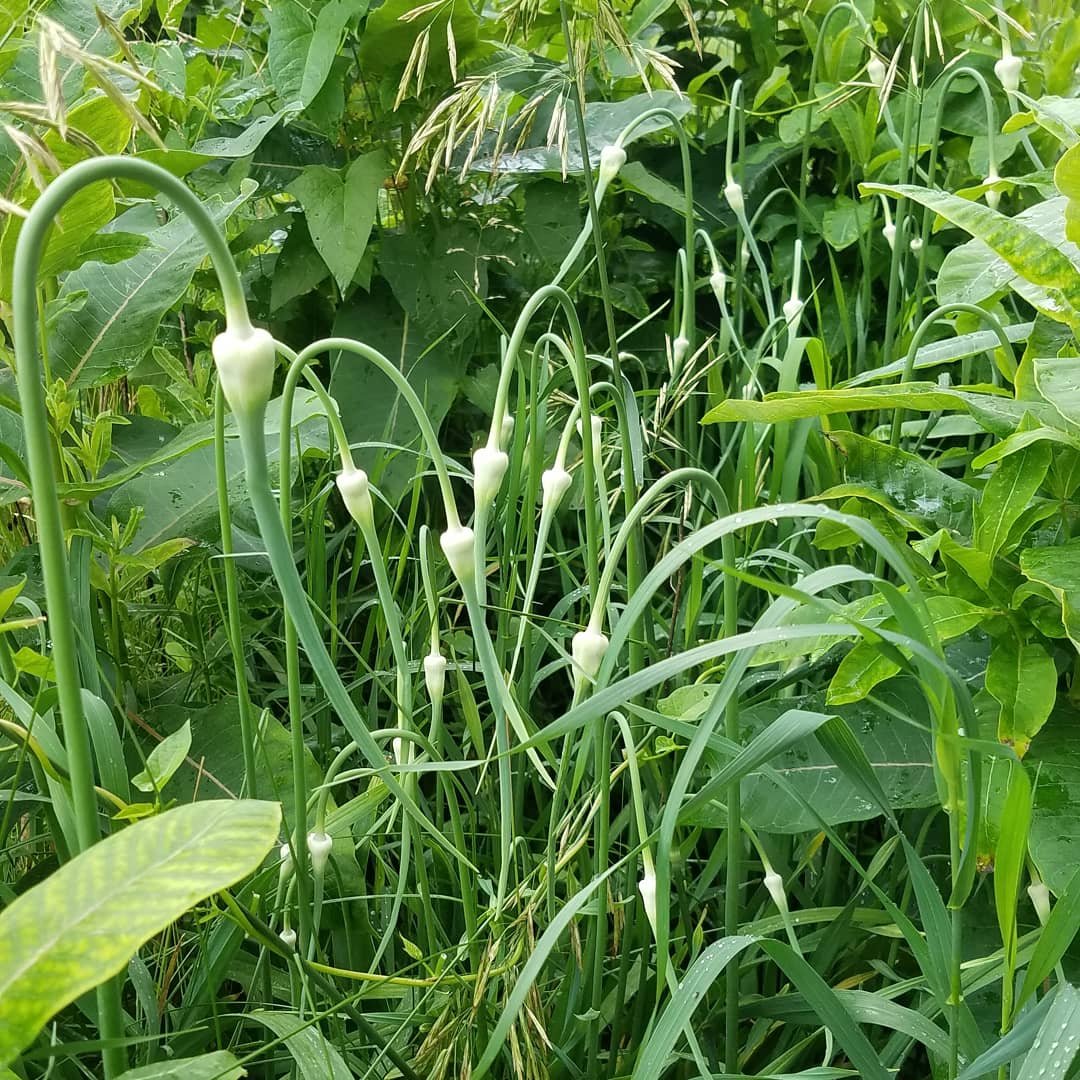
Wild Section of Garlic, Milkweed, Iris and other plants.

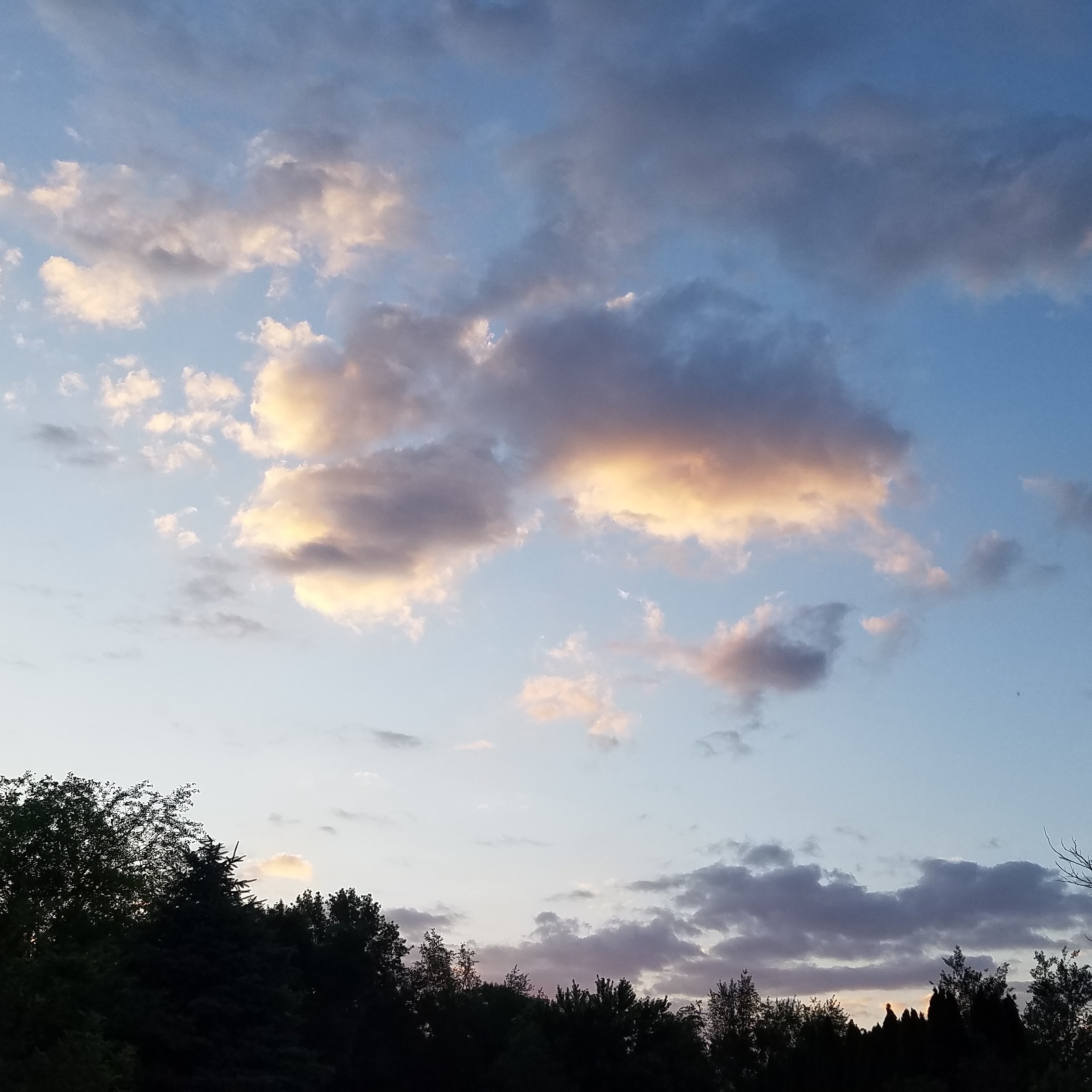
Sunrise above the garden, June 27, 2020.

Categories
Writing

Food Policy Council

Lake Macbride on June 24, 2020

On Jan. 30 I received email notice of my appointment to the Johnson County Food Policy Council. My application was chosen by the board of supervisors to complete a term ending June 30.

I declined to re-apply at the end of my term.

The idea of having a food policy council may have been good when it was organized. During my brief tenure, each meeting seemed a random conglomeration of thoughts, statements and opinions heading down a dead end street. To a person, everyone I met while serving was talented, including the county-paid coordinator Ilsa DeWald. So what was wrong about the food policy council?

The goal of fostering relationships between farmers, buyers and government in the Iowa City-Cedar Rapids region is important. For their part, non-conventional farmers are a well-organized group of entrepreneurs that take advantage of networking within Practical Farmers of Iowa, the Iowa Farm Bureau, the Farmers Union, and other organizations. If you know some of these farmers, they seem to all be talking to each other about everything, all the time. That’s really no different from any successful farmer, regardless of what they grow.

The challenge of a local food movement is establishing enough mass to be a meaningful presence. The kind of changes needed in our food system are complicated and require engagement by many organizations, businesses, and individuals. That includes entities beyond vegetable, meat and flower producers.

By far, large corporations dominate food sales in our region. Reducing their presence or market share is not a point of discussion for the Food Policy Council. Even if it were, there are not enough local food producers to compete with or challenge them. The basic tenets of consumer participation in financing the growing season on a farm, knowing the face of the farmer, and understanding how our food is grown are main attractions for people who choose local food for their kitchen. As recently as last week, many community supported agriculture projects continued to accept new members this summer: demand has not been enough to significantly disrupt grocery operations.

The highlight of my tenure was participation in an annual forum titled, Land Access and Beyond: How Can the Johnson County Historic Poor Farm Support Beginning and Current Farmers? By participation I mean I made lemonade, helped set up, and led a couple of discussion groups. The forum was well-attended by a diverse group of people.

The board of supervisors decided to develop the Historic Poor Farm and this has been part of discussions of the Food Policy Council. Access to land is important and the Poor Farm has enabled some beginning farmers along a path to land ownership. Supporting the Poor Farm is a worthy endeavor for the Food Policy Council.

Part of the inability to engage in a single direction was the coronavirus pandemic. It affected council members both those who farm and those who don’t, and threw a monkey wrench into the machinery of effective policy planning. While we met via video conference, that’s not the same as being together in person with all of the possible side conversations. If not for the pandemic, I might have a different view of the council’s work.

I was happy to do what I could to advance the cause of local food in our food system. I value my time on the Food Policy Council.

Categories
Writing

Cool Spring Days

Lake Macbride State Park trail. June 13, 2020.

The last few days have been ideal. Rain let up, temperatures dropped to the 60s and 70s, and much about our time on earth is worth living.

These days are golden.

The garden is producing and it has already been an abundant year. Last night I made biscuits with fresh sage and cheddar cheese from my cookbook, split them into a bowl, and spooned homemade vegetable soup on top. It made a fine dinner. There were leftovers.

I’m ramping up for my summer stint of covering Blog for Iowa while our editor takes a break. My first post is scheduled for July 6. In the meanwhile, these days don’t last yet we enjoy them while we can. Or as James Russell Lowell wrote:

And what is so rare as a day in June?
Then, if ever, come perfect days;
Then Heaven tries the earth if it be in tune,
And over it softly her warm ear lays:
Whether we look, or whether we listen,
We hear life murmur, or see it glisten;
Every clod feels a stir of might,
An instinct within it that reaches and towers,
And, groping blindly above it for light.

  ~Excerpt from the Vision of Sir Launfal

Categories
Living in Society Social Commentary Writing

Being Racist

First big kale harvest, Spring 2020

We have to look at ourselves in the mirror and consider whether we are racist. It’s not easy to do in the best of circumstances.

Dictionaries consistently define a racist as someone who has a notion that one’s own ethnic stock or genetic makeup is superior.

Which is it, ethnicity or genetics that defines race?

The authority of dictionaries has diminished in society. There are few rules in the living language except we be understood. Haters gonna hate, as Taylor Swift noted, regardless what’s in the dictionary.

I was confronted with the idea there were different races as a child. It was and remains for me an idea. I knew I was different, but superior? I don’t think so. Diversity in the neighborhood in which I grew up meant defining whether one’s family was of German or Irish descent. Racism as we know it today, as in the Black Lives Matter Movement, wasn’t an obvious issue. We were shielded from racism and those blacks we encountered were in a context of their relationship with our father: plantation workers in Florida, co-workers at the meat packing plant, and fellow union members.

What are the genetic characteristics that define race? What cultural behaviors are specific to race? Should we care about race? These are the questions I’m asking while witnessing the resurgence of protests over race after the viral video of George Floyd’s murder.

Our family visited the Gettysburg battlefield when I was a grader. Which side of the Civil War was I on? I felt I had to be on a side. My maternal ancestors immigrated after the war and my paternal ones from Virginia fought on both sides. After a moving childhood visit to the battlefields I adopted the Confederacy as my own history and bought a Confederate flag in the museum gift shop.

We cannot disown our history even if we want or if our current values discredit the peculiar institution of 19th Century chattel slavery in the U.S. southern states. Thanks to the combined work of my fourth grade teacher and my mother I came to realize the racism inherent in embrace of the Confederacy, and that it was wrong. Before long, with their encouragement, I sought and found my own history.

I first encountered systemic racism while serving in the military. I paid little heed to the naming of military bases after notable racists Andrew Jackson and Henry Lewis Benning, where I trained in the U.S. Army. I was stationed at Robert E. Lee Barracks in Mainz, Germany. It was named after the World War II veteran with the same name as the commander of the Northern Army of Virginia. Racism in the military was about more than names.

Daily work was integrated, which is to say as an Army officer I paid little attention to race when giving orders or following them. All but one officer in the battalion was white and the lone black lieutenant and his family lived in a twelfth century castle off base. I visited them a couple times while we served together. In conversations, I came to understand he was held to a different standard because he was black.

When we lived in Indiana I managed an operation that recruited thousands of truck drivers. I became familiar with parts of Chicago and the suburbs because of this work. I hired the first black recruiter the company had and remember the surprised faces when we returned to the corporate office for a meeting. Race made no difference in this hire. I just wanted someone who could do the job.

We rejected an applicant from our new driver orientation and he threatened to call Bobby Rush because he felt we were discriminating against him because he was black. The claim bordered the ridiculous because more than half the group in orientation was black or Hispanic. I don’t recall why we rejected him but I said I’d like to have that conversation and provided my number. Several weeks later we received a letter from Rush’s office and I replied. That was the end of it.

That protesters in our county seat chose to shut down Interstate 80 in response to the murder of George Floyd was predictable, expected, and ineffective. It’s something, yet I’m not sure exactly what. In 1971 I was part of a group of protesters that shut down Interstate 80 near the Dubuque Street exit in response to the Vietnam War. We built a bonfire in the Eastbound lane feeling we had to do something to disrupt business as usual. What more usual thing is there than traveling on an interstate highway? Law enforcement attempts to keep the interstate open, although there was a report one of the Coralville exits was closed by them in anticipation of protests. Protesters have to do something to gain attention enough to create a fulcrum point for change. I support their actions and also believe there has to be a better way.

What does the Black Lives Matter Movement mean to me? In our rural subdivision the only time race comes to the surface is when it is scratched. If there is talk of a black family moving in neighbors assert property values will decline.What does one do with that? I point out to them the assertion is patently false and reject it. Most people here don’t scratch the surface of race to avoid such conversations.

If George Floyd’s murder was a turning point in how racism is viewed in the United States then some good will come of it once he is mourned dead and survivors heal. We must look ourselves in the mirror on racism. If we can’t then we probably are racist and don’t want to admit it. If so, Floyd becomes just another black man who died at the hands of police as white hegemony continues a while longer.

My religious education taught we are all equal in God’s eyes. That’s how it’s supposed to be in the United States. Yet slave owners sought to justify the peculiar institution using the same Bible I read today. In the end, we have to ask ourselves if we are racist, not because we seek an answer, but because in asking we open the possibility of a remedy to today’s long-standing problem. We seem so far from that now.