Categories
Environment Home Life

Sunday Afternoon Drive

Flooding 140th Street
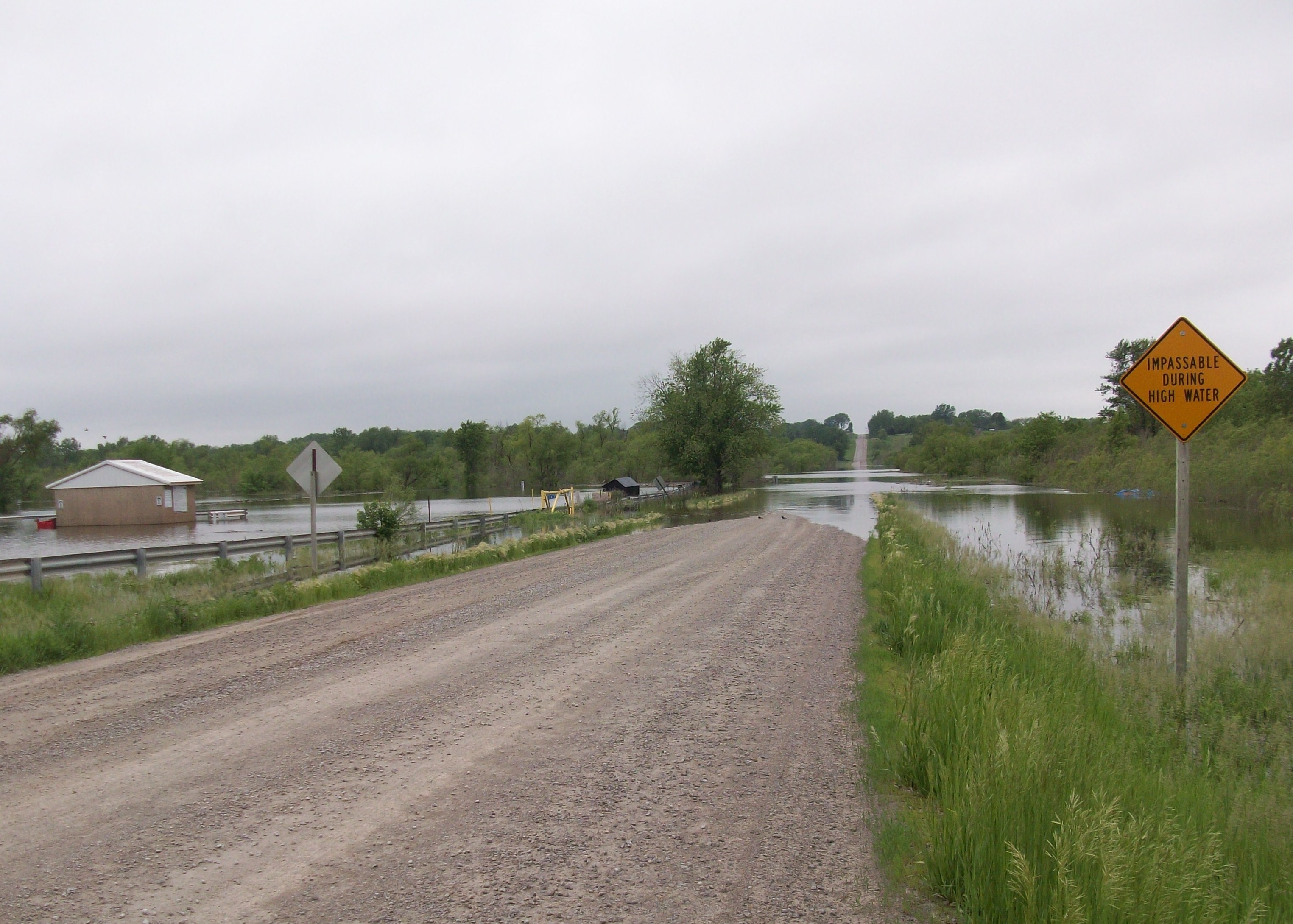
140th Street, June 2

BIG GROVE TOWNSHIP— When we were children, our parents used to take us out for a Sunday afternoon drive. A typical trip might include visiting Weed Park in Muscatine, friends of my parents in Blue Grass, or to the Niabi Zoo near Coal Valley, Ill. Today’s Sunday afternoon drive was not as much fun. I drove to 140th Street NE near Ely Road to see the progress of the flooding.

That is, not as much fun unless one is a fisher. When I arrived at the edge of the water, about half a dozen motor boats were out. Click on the thumbnail above, and the boats can be seen as small specks toward where the road rises out of the water. Word is out that striped bass, catfish and carp are biting. The reason I know is a neighbor mentioned it while I was working in the ditch in the front yard after the drive.

140th Street May 31
140th Street, May 31

The water has risen about four feet since Friday. Compare the two photos to see how the building is being submerged. If you would like, take a look. For me, I would not like. It is wearying to deal with the consequences of climate that changed when we should be advocating to change how society interacts with so-called nature turned into an owned and built environment.

Like this flooding, changing climate is hitting us where we live. In the water we use, the air we breathe, and the weather we experience. This weekend politicians sought photo opportunities to post on social media: of them helping sandbag buildings to protect them; of them inspecting the damage. What they should be doing is actual networking with their colleagues in government to find common ground and take concrete action to solve the climate crisis.

Some may not notice the climate crisis because they are so busy cleaning up in its wake, or in this case, trying to catch the limit of striped bass. Maybe they are taking a much needed Sunday afternoon nap. Eventually the frequency of these hundred year floods, at a rate of three in 20 years, will be noticed. It is not too late to solve the climate crisis, but we don’t know for how long.

Categories
Home Life Kitchen Garden

The Best Days

Spring Garden
Spring Garden

LAKE MACBRIDE— These are the best days. Partly cloudy, temperatures around 70, low humidity and plenty of outside work. We enjoy them when we can.

It’s not to say there is complete escape from the troubles of the world. Yet, for a few moments, beneath the cloudy heavens, it is possible to forget— a reason to anticipate such times with great fervor.

Today was what local food is. There were major farmers markets in Iowa City and Cedar Rapids. Between the CSA and my garden, we have most of what we need for the week, so I passed. After an hour at the newspaper, I did go to the grocery store to buy provisions: dairy, out of season vegetables and a few special items— popcorn, chocolate, snack crackers. The bill was much lower than usual as a result of growing so much of our own food, combined with working down the pantry.

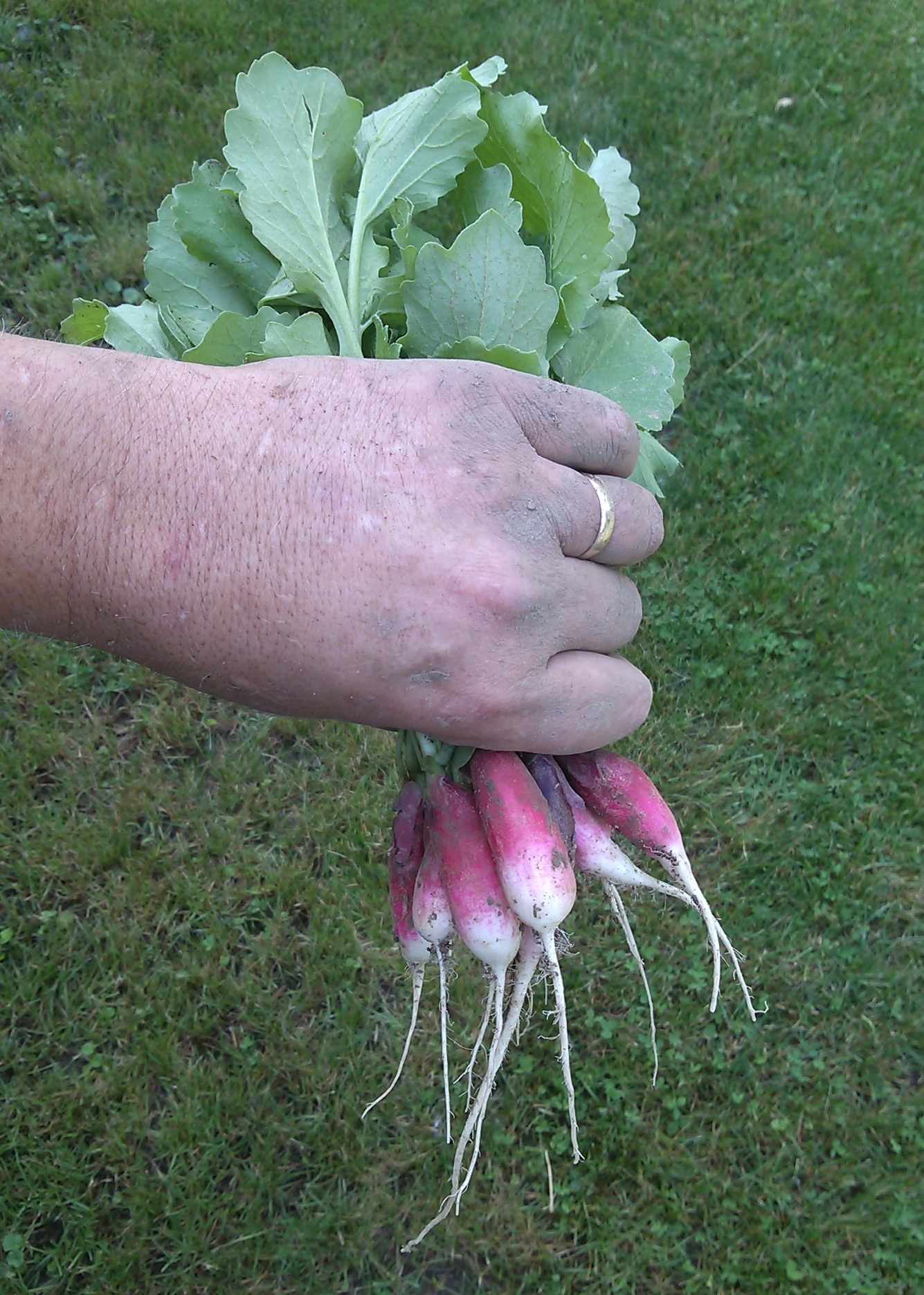
When I arrived home, the rest of the morning was yard work, pruning the pin oak tree and repairing the erosion near the ditch with bagged soil and grass seed. The majority of the afternoon was harvesting, planting and processing vegetables: radishes, lettuce, turnip greens and oregano.

I picked the rest of the first row of radishes and put them in a bucket. Next, I harvested all of the first planting of lettuce. This cleared a space to till the soil and re-plant two rows of radishes and the rest of the first crop of lettuce seedlings. My garden mentor said one of the biggest mistakes home gardeners make is failing to plant in succession. There will be more plantings of lettuce and radishes.

Near the herb garden I cut a gallon bucket full of oregano from the volunteer plant. Finally, I picked most of the turnip leaves, leaving only those plants that looked like the root would fill out. The turnips grow too tall, too fast, and block out the nearby spinach. I have been thinking about the turnip greens since winter.

At the end of the harvest, I had a bushel of lettuce, five gallons of turnip greens, and regular one gallon buckets of oregano and radishes. A gardener has to keep the produce moving to make optimal use of it. I spent the rest of the day processing the harvest.

The radishes were easy. I trimmed them and placed them in a glass of water. They won’t last long. The oregano was also easy. Since two plants wintered (I only had one last year), the plan is to dry the leaves and make a jar of oregano flakes for cooking. I washed the leaves on the stem, placed them on clean towels on the front step, let the sun dry them and put them on the shelves of the dehydrator to finish drying. I don’t turn the dehydrator on. The temperature is too hot for herbs.

The bigger processing projects were picking through the lettuce to find the best leaves— cleaning, cleaning drying and bagging it; and making a large pot of turnip leaf soup stock for canning. Turnips make the best base for vegetarian soup stock, although leeks, if I have them, are good too.

As the day ended, I turned off the soup, left it on the stove and went to bed. Sunday will be back to the realities of finding suitable paying work, putting up the soup stock in jars, and weeding the garden.

Categories
Home Life Kitchen Garden

Starting Over with Soup

Spring Soup
Spring Soup

LAKE MACBRIDE— One is ready to take on the world after a bowl of home made soup. In between projects, several things at home are de derigueur. Going through the refrigerator and pantry finding ingredients to make soup is one of them. A fresh start to new beginnings using preserved and aging vegetables.

A job, project or activity can distract us from our home life. Home becomes a camp— a place to return from doing other things. Making soup can be a way to clean up loose ends and refocus our energies for what is next. It is a re-centering on home life.

Making soup is also being frugal— picking from items reaching the end of their shelf life and using them for a warm meal. It is a reversal of consumerism and can be celebratory and reassuring. Most often, the results are delicious, especially when served with a slice of home baked bread.

Still tired from my last day of warehouse work, I made vegetable soup today. There was no recipe, but learned behaviors came into play. This post is intended to share some of the learning.

Put a half cup of water in the bottom of a Dutch oven and bring to a boil on high heat. Medium dice or slice a large onion, three or four small carrots and a couple of stalks of celery and add to the pot. Season with salt and pepper and a couple of bay leaves. This provides the basic flavor profile. (In our house, we add pepper when the meal is served so each person can get as much as they want).

Next, add fresh ingredients on hand. Today, it was potatoes starting to develop eyes, part of a zucchini, and baby Bok Choy leaves beginning to yellow. Peel and dice three or four potatoes, fine dice the stems of Bok Choy and add them to the pot. Grate the zucchini with a box grater and reserve along with 20 or so Bok Choy leaves. If there were other fresh vegetables on hand, I would use them. Note that soup is about using things up, not buying specific items especially for the dish.

In the freezer is my soup project. Throughout the year I collect the cut bottoms of asparagus stalks, broccoli stems, beet greens, spinach and a host of other odds and ends of garden vegetables to use in soup. It is how gardeners deal with their irregular and surplus produce. From the freezer I added bits of broccoli stalk, some finely sliced asparagus, and chopped greens of an undetermined nature (beet greens I think) to the pot.

Add a quart of home made stock if you have it and cover the vegetables with water. Bring to a boil on high heat and reduce to a steady simmer. Simmer until the vegetables are cooked through, add the zucchini and Bok Choy leaves and stir until the Bok Choy is wilted. Re-season and it is ready to serve, a fit luncheon for contemplating the future on a rainy afternoon.

Categories
Home Life

Summer Reading 2013

Photo Credit: Wikipedia

LAKE MACBRIDE— The Friends of the Solon Public Library decided to do away with the Memorial Day Weekend used book sale. The decision leaves a gap in my usual habits for summer, and adjusting to change as best as is possible, I picked these books for 2013 summer reading.

“The Great Gatsby” by F. Scott Fitzgerald. It is a marker that summer has begun and I read it every year. I plan to clear a spot under the locust trees in the garden and read it there this time. I have an old Persian rug  to lay on the grass, and a folding chair. I would prefer an Adirondack chair, but haven’t built one to my specifications— yet.

“How the Other Half Lives” by Jacob Riis. Revisiting Riis reminds me of the lives of immigrants in New York, and how the 1880s resonates with today.

“Cooked: A Natural History of Transformation” by Michael Pollan. His latest work, and I try to keep up with Pollan, even if I feel he is a bit too special.

“Murder as a Fine Art” by David Morrell. Morrell has been promoting this period piece on his Facebook page for a while. I took a modern fiction class from him during my undergraduate work at the University of Iowa.

“Reinventing You: Define Your Brand, Imagine Your Future” by Dorie Clark. I met Clark at a Democracy for America training session in Cedar Rapids a few years back, and have been following her burgeoning career.

“Revenue Matters: Tax the Rich and Restore Democracy to Save the Nation” by Berkley Bedell. Bedell sent me a copy of this book when it came out, and I owe him a report on it.

“Inside the Red Zone: A Veteran for Peace reports from Iraq” by Mike Ferner. I met Mike in Dubuque with my peace and justice work, and have delayed reading his 2006 book for too long.

“Doing Time for Peace: Resistance, Family and Community” edited by Rosalie G. Riegle. I met peace activist Brian Terrell in Iowa City and he has an article in this book. He is being released from prison again today. My interest is in the role of civil disobedience in creating social change. I am skeptical of the way it is currently being used, with celebrity arrests, and a small group of people who seek arrests the way gunfighters in the late nineteenth century notched the handle of their pistol. I hope to learn something.

Categories
Home Life

Night Air

Lambs
Lambs

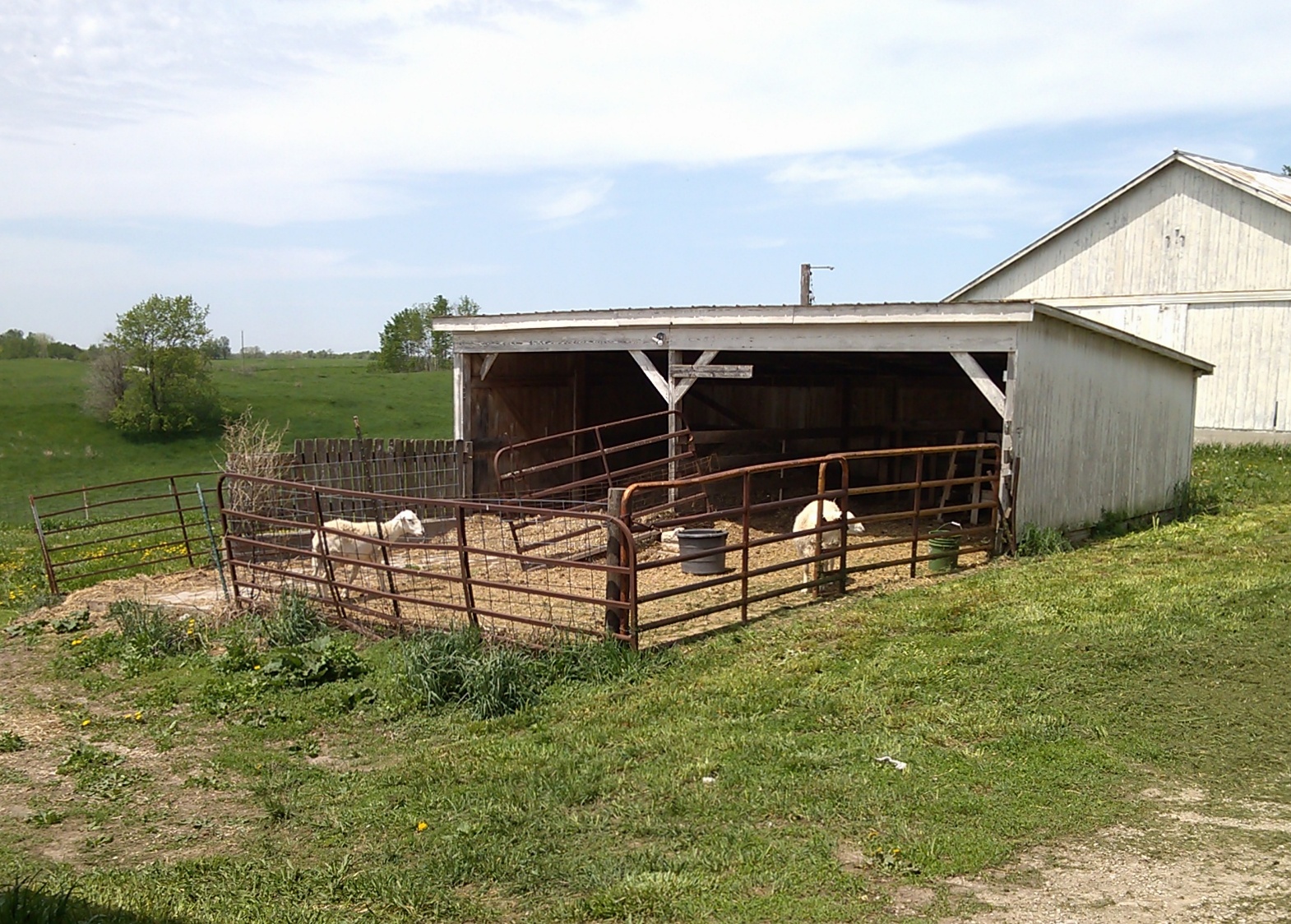
LAKE MACBRIDE— Arriving home after midnight, it is difficult to resist pausing in the fragrance of the twelve-foot lilac bushes.  19 years passed since planting them in a row, angling from the corner of the house toward the surveyor’s mark. They are mature, as am I.

No cloud blocked my view of the crescent moon and stars. The moon was yellow— as in a children’s book— descending into the atmosphere on the horizon. Alert, I breathed the perfume of spring.

One can’t help but sense spring’s transient nature in the night air. Bound to our memories, and becoming aware of our pausing, we linger until the house lights beckon. And we go in.

Categories
Home Life Kitchen Garden

Sunday is Laundry Day

Old Sweatshirt
Old Sweatshirt

LAKE MACBRIDE— Yesterday’s wind died down to reveal almost perfect weather conditions today. A little cold— frost is evident on the leaves of thyme— but not the hard frost about which gardeners often fret. My April 30 assessment proved accurate: it is still time for planting.

While the yard is too wet for mowing, there is laundry to do, and a day to organize. Today will include the first cut of lawn— an abundant and sustainable source of mulch for the garden. It will take four hours to make the two cuts, bag and spread the grass clippings on garden plots. The five-gallon gasoline container was filled yesterday, so if the mower starts and the sun shines, we’re ready to go. The neighbors will appreciate the results.

Garlic Patch
Garlic Patch

The other big task for today is digging and delivering spring garlic to the CSA for inclusion in tomorrow’s shares. I estimate two to three hours for the project. There is so much spring work to do, the balance of the day will be easily filled.

Before I finish my third cup of coffee and second breakfast, head down to remove the old sheet from the door to my study and put away the space heater for the season, I want to write about the sweatshirt in the photograph.

While making kits at the warehouse, it occurred to me the sweatshirt is as old as some of my cohorts who were born in the 1990s. It was a gift during a boondoggle of a trip to Aventura, Florida, where a group of corporate transportation equipment maintenance executives met to discuss braking systems. There were a number of these so-called “maintenance councils” sponsored by equipment manufacturers. While invited to join a many of them, one had to be selective. Brakes are important in trucks, so I went.

Turnberry Isle
Turnberry Isle

Last to arrive, my schedule prevented me from playing golf on the one of the resort’s courses that morning as other council members did. My plane landed at the Hollywood airport as dinner was being served and the taxi delivered me to the restaurant as speeches, mostly related to tenure on the council, began.

When describing the trip as a boondoggle, it means everything was included: air fare, luxury hotel accommodations, meals, greens fees for golfers and entertainment. There was even a budget for gifts like the sweatshirt, although corporate policy prevented me from accepting anything too extravagant. Corporate staff had our beds turned down, and reviewed our final hotel bills to ensure everything within reason was paid by the corporation.

During the event, golfing was available, but I’m no golfer. As an alternative, we toured the inland waterways, went deep sea fishing and experienced the constant fawning of sales staff, engineers and corporate interns present for the event. The company wanted the experience to be unforgettable as they held a council meeting to discuss brakes. In transportation, a brake failure through improper manufacturing or maintenance is a liability— and there are lawsuits.

While doing the laundry, I noticed the sweatshirt was frayed at the seams. It won’t last much longer. I donned it again to head downstairs, and then to the garage and garden. Not because of the memories, but because it was something to keep away the chill as the sun burns off the frost and new work begins.

We launder our memories as well as our clothing, in hope of something. Better experiences and memories, I suppose. Memories we make ourselves, away from the exigencies of corporate masters and lawsuits. Eventually old clothes will wear out. There will be something else to wear— something we produce ourselves, rather than the gift of a corporation looking out for their own interests. At least that is what one believes on laundry day.

Categories
Home Life Work Life

Saturday Miscellany

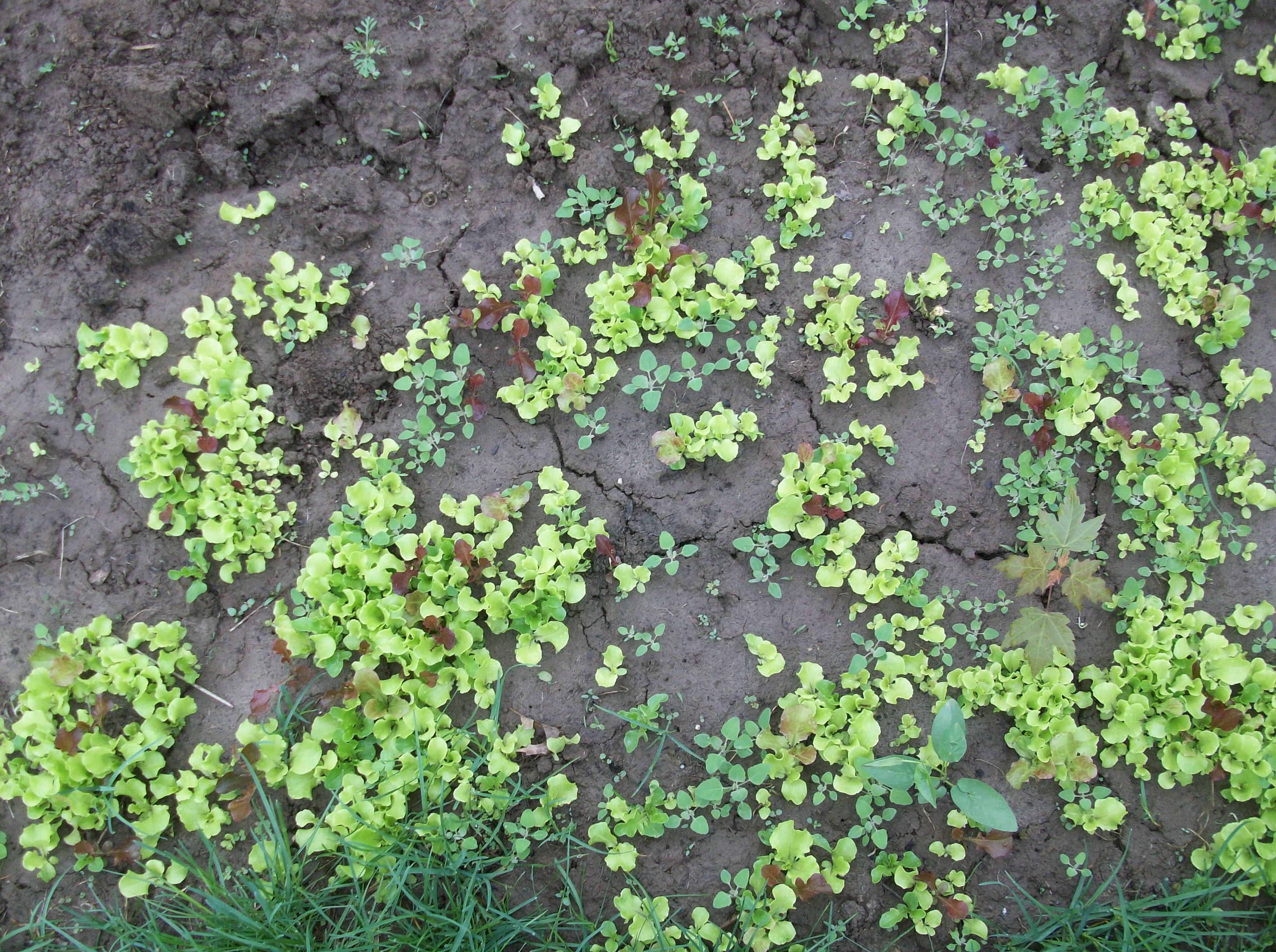
Lettuce Patch
Lettuce Patch

BIG GROVE TOWNSHIP— The editors are in Jamaica on vacation, so work at the newspaper was rearranged to finish the proof reading today and create tomorrow as my first day off paid work since Good Friday. The fill-in copy layout person wanted Mother’s Day off work, so I finished my part of producing the weekly newspaper before lunch.

I called Mother today and had a long chat. For the first time in a long while, she had listened to some of my advice and reported she took it. The two of us are not much for the Hallmark Holidays, but we have a special call each year on or before Mother’s Day. I am thankful to be able to hear her familiar, octogenarian voice letting me know what is going on in her life.

Otherwise, today has been a miscellany— some of which is worth recounting, the rest, not so much.

Censored on the Internet
Tweet Expunged

For the first time, one of my tweets on twitter was expunged. A person is not saying much, if from time to time, someone doesn’t react negatively to it. Don’t know why it is gone, but I suspect someone ratted me out to the twitter-gods on the Internet. It was likely over the use of a question mark rather than a period. The reason I have a copy is Iowa City Patch re-tweeted me, generating an email with the content.

Rand Paul gave a speech at an area fundraiser today, giving credence to the idea that his presence is to help Republicans organize for the first in the nation 2016 Iowa caucuses. Paul’s visit was intended, at least partly, to generate some interest among no preference and Democratic voters. From reading other accounts of the event, the Republican party faithful represented most of the attendees. Rand Paul ≠ Ron Paul, and there could be trouble for the Republican organizers trading on the Paul name. Trouble would be fine with me.

In our state representative’s weekly newsletter, he outlined the reason for his opposition to new nuclear power, especially in rural Wilton, where he lives. It is more than the NIMBY (not in my back yard) approach he mentioned at the Morse town hall meeting. He suggested, perhaps unintended, that the issue will be a live round during the second session of the 85th Iowa General Assembly.

Garrison Keillor’s “A Prairie Home Companion” plays on the kitchen radio Saturday nights beginning at 5 p.m. I have been listening off and on since graduate school. For a while, one of Keillor’s prominent sponsors has been Allianz, the German financial services company. The International Campaign to Abolish Nuclear Weapons (ICAN) pointed out that Allianz owns 4.45 percent of the shares of the top 20 producers of nuclear weapons. Allianz has investments in Alliant Techsystems, BAE Systems, Boeing, Lockheed Martin, Northrop Grumman,  General Dynamics, Honeywell International and others.

ICAN has called for divestment in these securities, and I have been pondering what to do since hearing. Long standing behavior is hard to change, especially when part of our lives is built around it. I have invested a lot in “A Prairie Home Companion.”

It is habit and memory that turns on the radio. Memory can’t be changed, but habits can. Familiar and comforting as ” A Prairie Home Companion” is, I’ll find something else to do while preparing our Saturday night meal. It is a disappointing development in a world full of wonder.

Categories
Home Life Kitchen Garden

Three Spring Lessons Learned

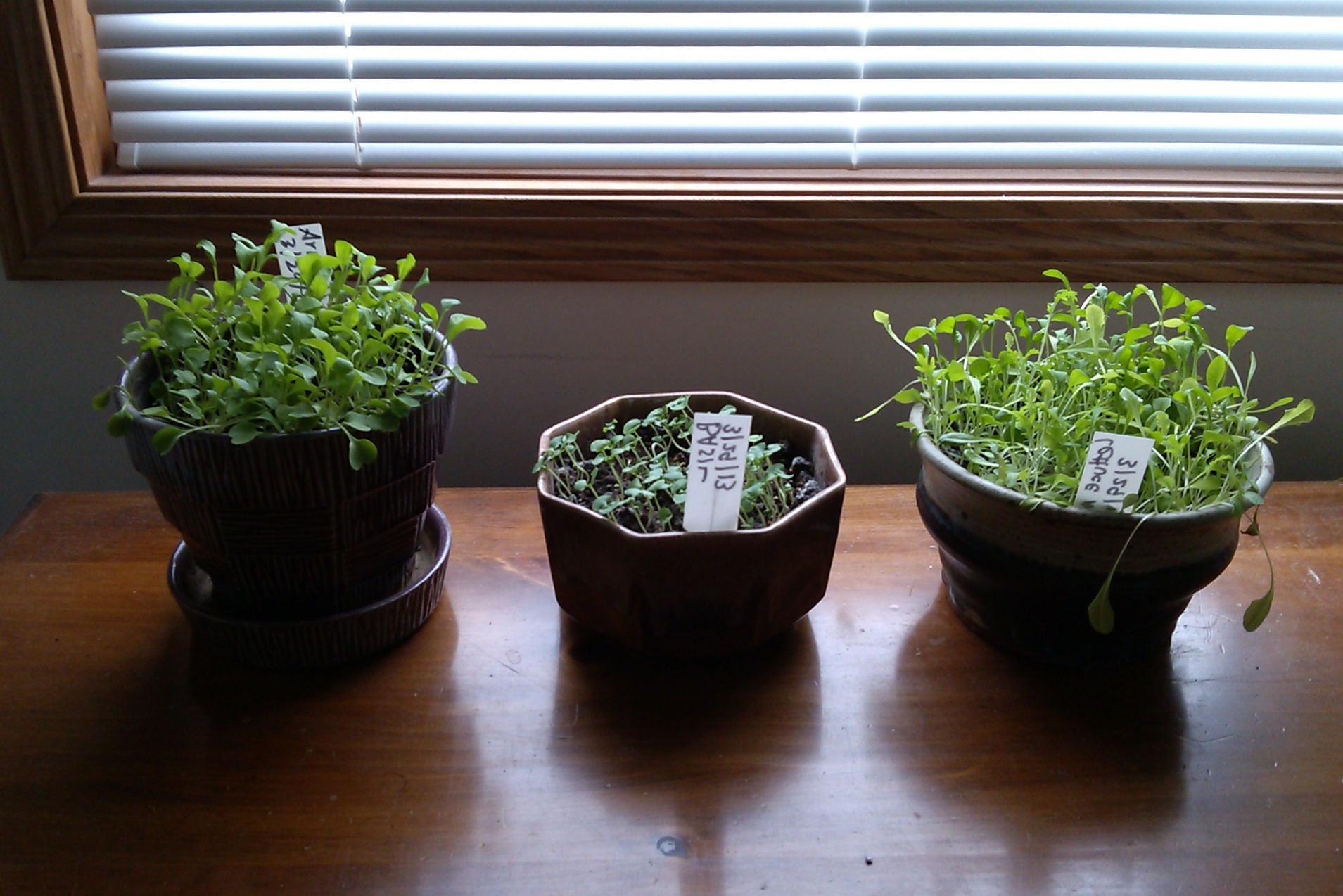
Arugula, Basil and Lettuce

LAKE MACBRIDE— The sound of rain dripping in the downspout woke me. Opening the blinds revealed a queue of cars protecting school children from the rain at the bus stop. It is an overcast day, with rain we surely need. The school bus arrived, and I moved trays of seedlings outside to harden them. Better plants be hardened by the weather than children. Life will be hard enough as they finish grade school and begin to grow up.

Spring has been a time of lessons learned in Big Grove.

Cooperation with neighbors enabled me to borrow a rototiller and till the garden as well as it has ever been at no financial cost. That benefit, combined with working together in a common enterprise, is a reminder of our local culture, and the need to nurture it.

Seeking out people with experience in similar interests can provide benefits. Working together with them is even better. The inspiration to plant more seeds in trays this year was working with experienced growers at a local farm. Seeing the success others have can inform our own successes.

Adaptation to the sometimes crazy weather was the climate reality with which we lived. The cold, wet spring retarded progress in yard and garden work. Though delayed, the trees and plantings are now thriving. It is better to focus on what progress can be made than to complain about the weather, and other things beyond our control.

Life is what we make of it is the old saw. Quotes, proverbs and sayings aren’t worth much unless we put them into practical application by doing things with others. It takes time and effort. Sometimes it takes replacing bad habits accumulated over time with something better.

Perhaps the best lesson of this spring has been the reminder that we can’t stop living. If there is any hope for social progress, it is in working together with others toward a common good— a lesson that extends beyond spring.

Categories
Home Life Kitchen Garden

Buttermilk Biscuits

Buttermilk Buscuits
Buttermilk Biscuits

Here is a new recipe for buttermilk biscuits. It produces a light biscuit with a crunchy exterior, and uses one-half pint of buttermilk, which is the smallest size sold in grocery stores.

Ingredients:

2 cups flour
4 tsp baking powder
1/4 tsp baking soda
Scant teaspoon salt
4 tbs cold butter, grated
1 cup cold buttermilk

Preheat the oven to 450 degrees.

Combine the dry ingredients in a mixing bowl, grating the butter directly into the dry ingredients using a box grater or equivalent. Using your fingertips, mix the butter into the flour. Don’t over-do it. Add buttermilk and make a dough, which will be sticky.

Turn the dough onto a floured surface and fold in half 8-10 times. This action causes the biscuits to be flaky and separate along the ghost of the fold after baking. Press the dough into a one inch thick slab. Cut with a 2-1/2 inch biscuit cutter and place on a baking sheet.

Bake until the biscuits rise and are lightly browned on top, about 14-15 minutes.

Categories
Home Life Kitchen Garden

Wisps of Morning Clouds

LAKE MACBRIDE— Wisps of clouds in the western sky are colored gray and pink, touched by white, against a blue sky. The leaves on the pin oak tree are falling, making way for this year’s growth. The lilac bushes, apple trees and every other plant in the yard are coming alive after winter dormancy. The driveway is damp with last night’s rain, and there is hope the garden will dry out enough to dig today. Not much hope, but some.

The temperature is forecast to peak at 55 degrees when I have to depart to cross the lakes to North Liberty around 3 p.m. In these windows of time— between now, and the next thing— we might make a life if we apply ourselves.

The cucumber, zucchini and yellow squash seeds I planted April 7 have germinated and are forming their initial two leaves. The tray of lettuce has grown, and the tomato seeds are still a bit spindly, but for the most part have four leaves, and should be ready to plant when the last frost is past. The experiment with seedlings is progressing acceptably.

After consulting with a farmer friend, I decided to wait to plant the turnip seeds in the ground, rather than start them in a tray. This year, I hope for a lot of turnip greens to make soup stock for summer and beyond.

I can  make a brush pile from the twigs and branches collected since last fall. That is, if the ground is too wet to dig. Take down the short chicken-wire fences where I started peas last year, and clear a spot for the burn. It is an hour’s work to be done mid-morning.

Under a clearing sky I’ll make a day of it— gardening and yard work— before crossing the lakes. This shore preferable to that, but both important to sustaining our life on the Iowa prairie.