What will we humans do when we’ve found everything we once lost? If Sir John Franklin’s 1845 voyage of HMS Erebus and Terror to find a Northwest Passage is an indication, we will continue singing the same songs events raised up, even as more of the actual history becomes known. Lord Franklin is a classic folk song and hard to release from repertories. John Renbourn discussed new discoveries about the fate of Franklin’s crew found in 2014 and 2016. He said it ruined the song forever. When he sings it, Renbourn does not change the lyrics. Click here to hear the whole story and listen to his version of Lord Franklin.
Enter the June 9, 2024 discovery by the Royal Canadian Geographical Society of the last vessel of Antarctic explorer Sir Ernest Shackleton found in the Labrador Sea. The wreck of Quest lay upright and intact on the seabed at a depth of 390 meters. Rediscovery occurred this week and next steps, I feel certain, will be forthcoming.
My point is we are going to run out of historical artifacts to find. What then?
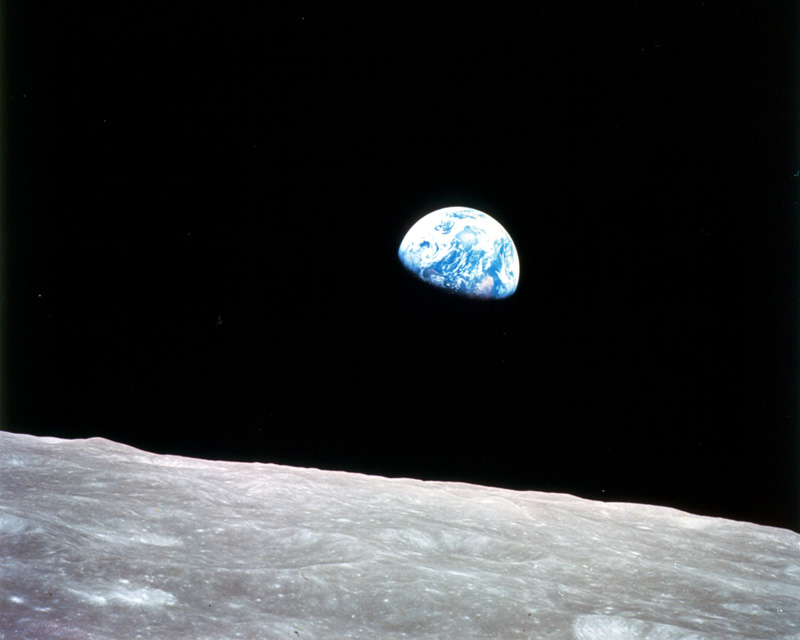
As the Bill Anders photograph from Apollo 8 confirms, Earth is a finite place. Humans are polluting our air, water, and land at an unprecedented pace. The population of humans is growing. What we haven’t found is a way to live without dire consequences for our planet and the people and other wildlife who inhabit it. Isn’t it time we made that discovery?
At a time when conservative political activists tell us what we can and can’t read and learn in public spaces, summer reading programs at public libraries continue to thrive. In the City of Solon, population 3,018, 261 kids attended the public library’s May 30 Summer Reading Program kick-off event.
Most have heard of Dolly Parton’s Imagination Library which mails free books to children from birth to age five. Each month Parton’s organization mails books to one million children around the world with one in seven American children receiving her books. Any parent can sign their child up for the service from Imagination Library.
Young children seem on board with reading. It’s the adults among us that need to do better. According to the website Wordsrated, the average American adult reads five books per year. 51.6 percent of Americans don’t finish a single book in a year. Here are some books where progressives can start improving our book-reading. Call it a progressive summer reading program!
I recommend starting with my March 31 post titled Women to Read and Follow. These authors are essential to understanding the progressive viewpoint in contemporary society. Don’t yap about dark money in politics or Citizen’s United unless you have read Jane Mayer’s Dark Money: The Hidden History of the Billionaires Behind the Rise of the Radical Right. Following women’s health care rights post-Dobbs? Read Alice Miranda Ollstein’s articles at Politico. Concerned about misinformation and disinformation in the media? You should read Barbara McQuade, Attack from Within: How Disinformation is Sabotaging America. All eight women I covered are worth reading.
There are some men writing on progressive topics who are also worth reading. I recently reviewed Ari Berman’s latest book Minority Rule: The Right-Wing Attack on the Will of the People–and the Fight to Resist It. Berman’s previous book, Give Us the Ballot: The Modern Struggle for Voting Rights in America is a must-read. I’ve been following Thom Hartmann’s Hidden History series and any of them is a good starting place. My recent review of The Hidden History of American Democracy: Rediscovering Humanity’s Ancient Way of Living is here. Warning! Once you get started with Hartmann you may become addicted. Blog for Iowa weekend editor Dave Bradley wants to read Barons: Money, Power, and the Corruption of America’s Food Industry by Austin Frerick.
How do disabled people become political activists? You owe it to yourself to read Year of the Tiger: An Activist’s Life by Alice Wong who tells her story. What is a main issue? Free and open access to the internet.
Worried about the climate crisis? Hannah Ritchie’s new book Not the End of the World: How We Can Be the First Generation to Build a Sustainable Planet offers a fresh and refreshing perspective. Helen Macdonald’s Vesper Flights is about bird migrations and our interaction with nature, suggesting we should not be using nature as a metaphor at all.
It has been so long since Hiroshima and Nagasaki, people tend to forget nuclear weapons should be eliminated and the major powers all agreed to do just that. Annie Jacobsen recently published Nuclear War: A Scenario to remind us. This book deserves distribution beyond folks who work for nuclear abolition.
Who We Are Now: Stories of What Americans Lost & Found during the COVID-19 Pandemic by Michelle Fishburne is a unique story of her 12,000-mile journey with her children in an RV during the pandemic. Her story captures something about the pandemic it is difficult to find elsewhere.
Blog for Iowa editor Trish Nelson passed along some summer reading recommendations. The Life and Times of the Thunderbolt Kid by Bill Bryson is one person’s stories of growing up in Iowa, many places and things we all remember come and gone. A Woman of No Importance by Sonia Purcell and Wolves at the Door: The True Story of America’s Greatest Spy by Judith L. Pearson are two different books with the same topic: an infamous female spy from America who was a key player in the French resistance during WWII. Trish also recommends Cassidy Hutchinson’s Enough and Underground Railroad by Colson Whitehead.
A person needs escape through reading from time to time. Novels I recommend are A Gentleman in Moscow by Amor Towles, Lessons in Chemistry by Bonnie Garmus, The Map of Salt and Stars by Jennifer Zeynab Joukhadar and Whose Names are Unknown by Sanora Babb. It was hard to put each of these books down as the subject was compelling and the story masterfully told.
I turn to poetry when I need a break from prose, reading new and old poetry from my personal library. In the new category, I recommend Plantains and Our Becoming by Melania Luisa Marte, a debut poetry collection about identity, culture, home, and belonging. In the old category, someone on social media convinced me to read the poetry of John Betjeman. His collected poems is on my summer reading list. I am also a fan of Lucia Perillo’s The Oldest Map with the Name America. My recommendation? Go to the nearest public library, find the poetry section, and pick something that interests you.
There you have it: a progressive summer reading list. Happy summer reading!
We live in the only home we planned and built. When I arrived from Indiana in 1993, ahead of the rest of the family, our lot was a vacant remainder of Don Kasparek’s subdivision of his farm. There were two volunteer trees and tall grass.
A deal on another lot had fallen through, and there was an urgency to find a place to settle. This lot, with its proximity to Lake Macbride and a reasonable school system was to be it.
I remember sitting on the high wall after the contractor dug the lower level from the hillside, before the footings were in. A cool breeze blew in from the lake — the kind that still comes up from time to time.
We built a life here in Big Grove Township over more than 30 years.
Today is still a time of transition. The trajectory of life seems clearer and much work remains unfinished. Slow and steady wins the race, they say. Like this turtle, I hope to make it to the finish line of a better life.
I possess a personality yet expend little effort in knowing or cultivating it. I avoid considering a self-concept when I can. When I feel I have one, I try not to impose it on others. Most times I don’t pay much attention to who I am to focus on others. People appreciate someone who takes a sincere interest in them, according to Dale Carnegie.
What combination of qualities defines personality? It’s not an answer I sought or even thought about much. Search the internet for personality traits and five are returned in the top results: openness, conscientiousness, extroversion, agreeableness, and neuroticism. I have a vague idea what these mean. I am a confident public speaker who tries to be conscientious about what I say, and agreeable when I can be. I am open to consideration of new ideas yet immovable in my beliefs. I don’t tolerate bullshit well. Not sure where that lands me on the personality spectrum.
Neurotic people experience anxiety, worry, fear, anger, frustration, envy, jealousy, pessimism, guilt, depressed mood, and loneliness, according to Wikipedia. If asked, I would deny experiencing these feelings. For example, I am often alone yet don’t feel loneliness. My denials are not believed. I accept at face value what is, and don’t trouble myself with feelings about it. I may be an odd duck, yet that analysis may be a form of quackery. If pressed to put a name on my personality, I’d have to get professional help.
What brought all this up? I would like to be a person where people say they know who I am.
I have given the topic of personal influences more than a little thought, especially before my retirement from transportation and logistics in 2009. Here is a short list of personal attributes that might be considered qualities of a personality.
I accept the Cartesian version of reality.
I am not a hugger, except with close family.
I know how to evaluate risks and am willing to take chances.
I depend upon systems, like a kitchen garden.
I depend upon organizations, like hospitals and retailers.
I am not always listening and need to work at being a better listener.
I continuously learn, or believe I do.
I am frugal in most areas of daily life.
I have no idea how to style my clothing.
I am a creature of habit, and despise habitual behavior.
Someone might be able to put a name on this personality. For every attribute listed, one was left out. No system of reckoning is perfect.
The two things I’m most often recognized for are my public writing and gardening. Maybe I should better embrace those identities.
We were doing introductions at an event and someone said, “I read him,” referring to me. I took the compliment. A person could do a lot worse than describe themselves as a writer. Because I was prominent in the local food movement for some years, I’m recognized as a gardener. Gardening is something in which many people take interest. Talking about gardening doesn’t get me as far as talking about being a writer, yet it is a very common interest. We may have to have a multi-dimensional personality. At least two aspects, anyway
Part of my issue is I don’t share a lot of the most common interests. I have trouble carrying on a conversation about movies, TV shows, radio, and music. I don’t care much for sports, travel, and fine dining. I am interested in health and fitness, yet feel that is too personal for discussion with those outside family. Fashion and beauty? See #9 above.
Some recent topics I discussed are use of plants in a landscape where I find myself. I believe people wearied of hearing me rave about the wisteria growing on a pergola at an event. A recurring topic is how the sociology and language used to describe the coronavirus pandemic has changed. COVID-19 affected and is affecting almost everyone. The new trend in these conversations is “Get ready for bird flu.” These are something.
Part of me holds that if I haven’t figured out who I am by my 70s, then what is the point? At the same time, I don’t seek to be calcified in my self-image, to the extent I admit I have one, or in that people don’t know who I am.
I consider my role models — my maternal grandmother, my second battalion commander, certain high school friends — and, if they were living, they would know my personality. Maybe that’s part of the problem. Important people who know me are dying, leaving me a survivor. As I wrote the other day, I don’t mind the isolation of aging. Perhaps a side effect of that is developing a personality on which people can get a handle. One where I can feel some comfort in their grip. I’ll work on that.
I began following Buffalo Ridge Orchard in Central City this year. In part, that means I am divorcing myself from a local farm where I worked for seven seasons. In truth, Wilson’s Orchard and Farm hired one of the best chefs available to prepare dishes made from local foods and gave him his own venue. They appear to have successfully transitioned from a mostly apple crop to add flowers, strawberries, and other common, locally sustainable produce. They went big into hard apple cider, long the mainstay and chief reason pioneers grew apple orchards on their farms. They continue to experiment and expand. What’s not to be happy about?
I seek a different relationship with local food. I will continue to buy select varieties of apples from Wilson’s as well as in-season sweet apple cider. As a consumer, that has been most of what I bought there through the years. I am more interested in a collaborative approach, like the one on display at Saturday’s pop-up market at Buffalo Ridge Orchard.
Early Saturday morning I received an email notification of the pop-up market that day. Products of nine different farms were available. I know three of those farms very well. While I didn’t make it over for the sale, partly because our pantry is already full of spring goods, it is more attractive than pursuing a basket of strawberries on a large, crowded operation when strawberries are in season.
I grow a large garden and we eat fresh from it from March to November. When I seek outside produce, it’s because I’m not having a good year or choose not to grow certain items. For example, my aging and soon to be goner Red Delicious apple tree produces every other year and I need to source apples somewhere every year. The ones at the grocer are usually not the best quality. Too, I can’t imaging buying someone else’s garlic. I have had a steady, year-around crop since I began planting it ten or so years ago. A certain level of independence is assumed when a person operates a kitchen garden.
Another consideration is our mostly vegetarian household cuisine. We don’t eat meat or consume much dairy in the form of fluid milk, butter and eggs. For the most part, I buy dairy at the wholesale club because their buying power makes it much cheaper than local. Expense does matter, especially with commodities. Maybe I should give up dairy. That’s a conversation for another post.
One day I plan to return to the Iowa City or Cedar Rapids farmers market. I don’t need to shop there, yet I enjoyed the atmosphere when I did and brought home items we used. For years I bartered for a Community Supported Agriculture share at a local farm, although when I increased the size of my garden, the need for that produce diminished. A kitchen garden has been a natural evolution toward independence from the very local growers who inspired me. Some farmers told me such independence is a positive thing, rather than an infringement on their business.
Over the years this blog has posted a number of opinions about local food. What I learned was the idea of local food is constantly evolving. I continue to purchase groceries from a large, retail establishment on a weekly basis. That doesn’t make me any less interested in available local foods. Am I a purist? No, I am not. Nor need I be. It is challenging enough to keep track of what local food is available and where. I leverage it when it makes sense.
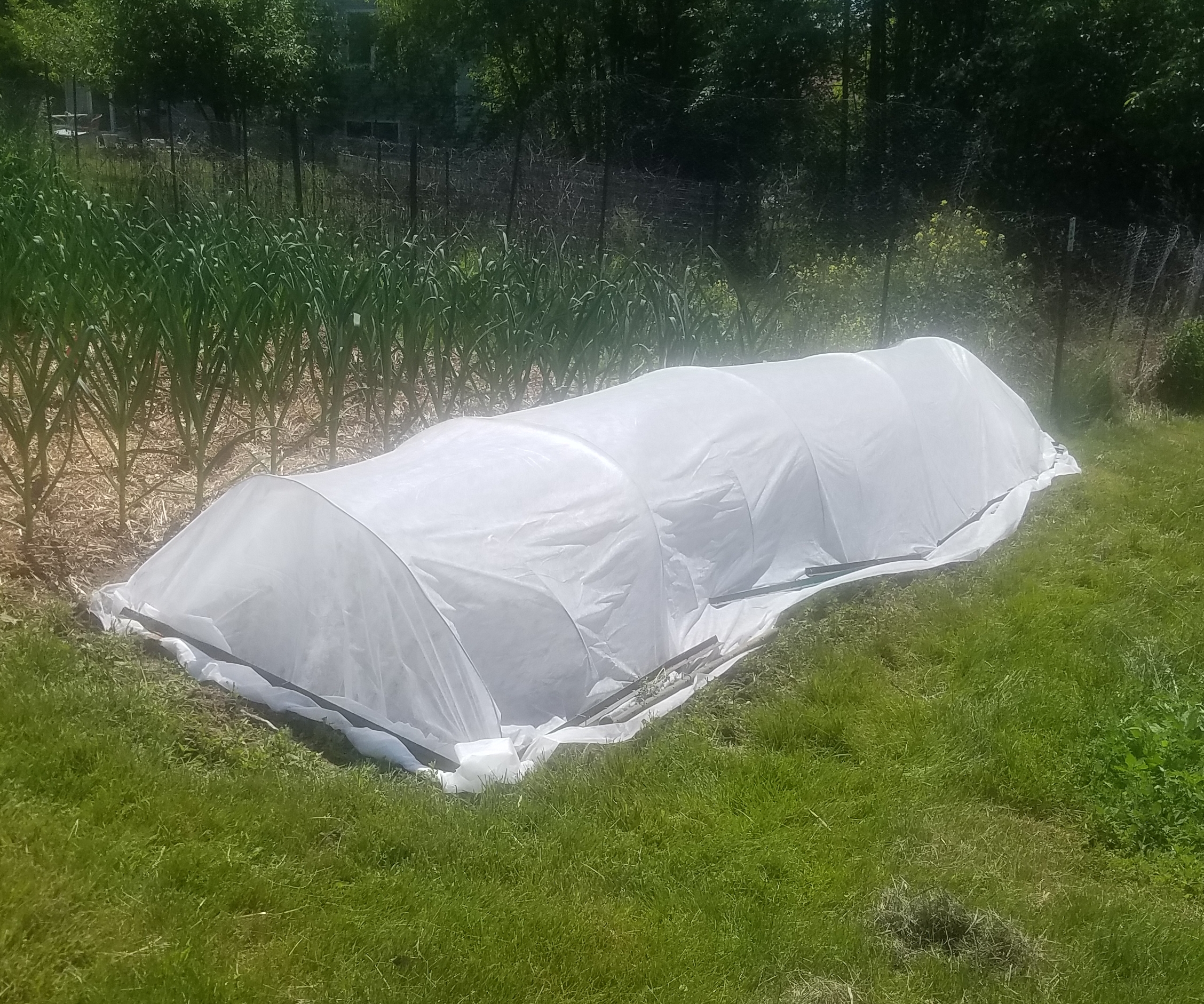
Row cover for lettuce, bok choy, herbs, spinach, and the like.
I’m okay with increased isolation as I age. I spent so much of my working years with people, I’m ready for a break. Let’s call it a permanent break. For the time being, I still drive, use the internet, and get along in social media. I can do my own shopping and make an occasional long automobile trip. Our personal to-do list is long. Working on such projects while I am healthy and reasonably strong is alright by me. I’m not as strong as I used to be. Sometimes I need help.
I rise from bed early most days. By 2 a.m., sleep is finished. I take my blood pressure and weigh myself, get dressed, and head to the kitchen to make coffee. Most days my spouse is still asleep, so I spend several quiet hours reading, writing, doing chores, and planning the day. I have a full shift in by 7 a.m., by which time I often haven’t spoken to anyone.
When I am with people, I often don’t know what to say. Engrossed in my own thoughts, such meetings force me to realize I’m not alone in the world. I seek to get along without conflict and mostly can navigate that scene. What in the heck is wrong with me that I view such meetings this way?
Yesterday I spent time with some old friends. I was careful in selecting topics for conversation. When young, it seemed we had endless hours to be with each other and do things. Now we see each other less often. When we do meet in person, time seems limited. The event I attended had new friends as well. I consider what brought us together. In most cases, it was politics or a joint project. These are good times, yet they are fleeting. I notice this more as a septuagenarian.
Being able to live in isolation is a privilege of being white, affluent, and located in a free country. In many ways, getting to this point is what I worked for most of my life. I plan to enjoy it. While I readily admit we live inside the context of a vast web of people upon whom we rely–fire fighters, physicians and nurses, grocers, utility companies, and the like–as I age, I don’t want to think about that.
After a long life of hard work, I just want some peace and quiet, isolated from the rest of the world.
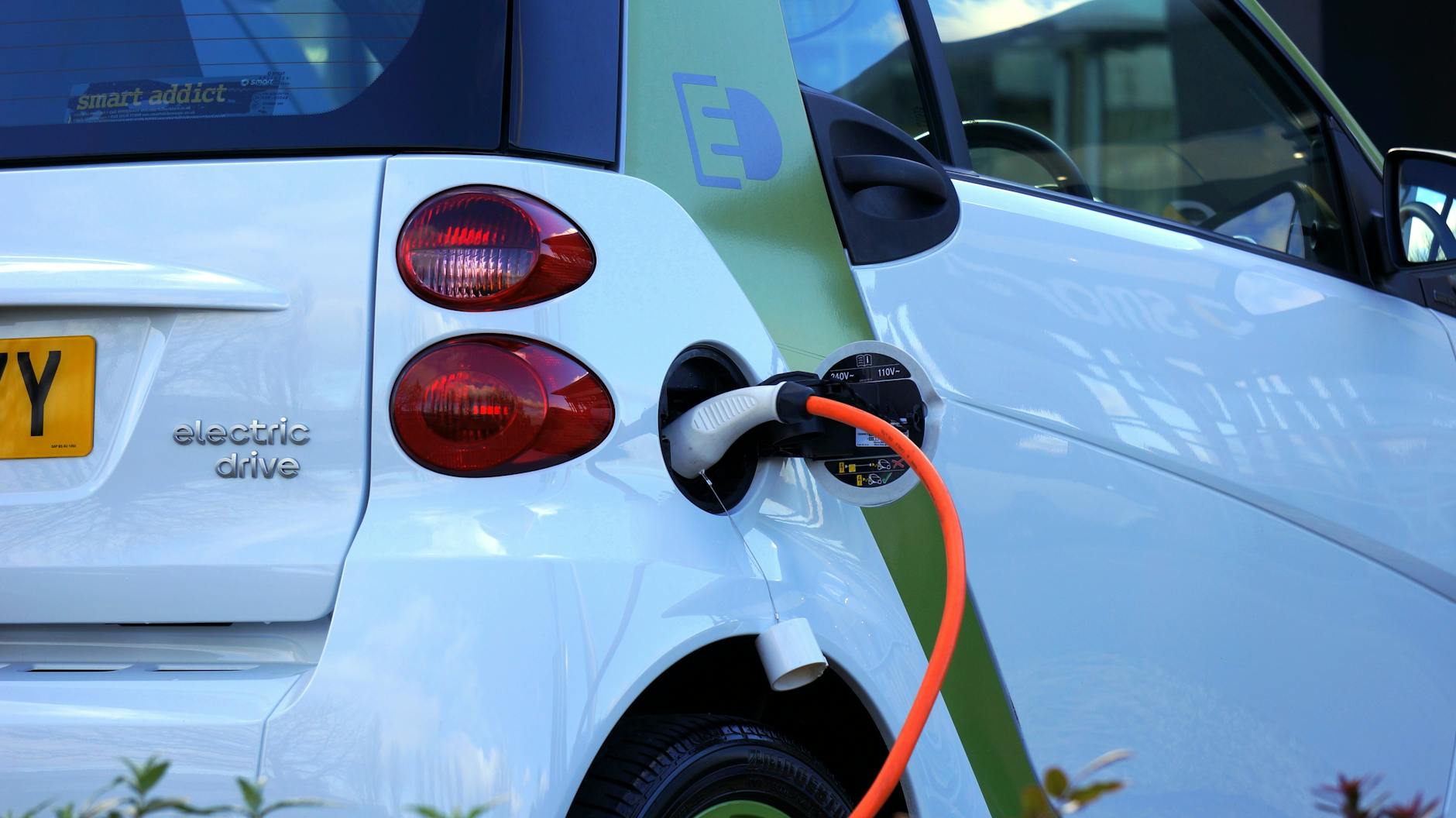
Moving the automotive economy toward electric vehicles is a good thing for multiple reasons. An important benefit is to decrease reliance on burning stuff in an internal combustion engine. In the late 19th Century, Rudolph Diesel invented an engine that could burn almost any liquid fuel, including whale oil, tallow, paraffin oil, naphtha, shale oil, and peanut oil. Despite the initial available diversity, the economy followed a track to perfect the gasoline engine and use it for transportation. To a large extent, that’s where we are now, with Diesel’s namesake fuel relegated to trains, buses, heavy trucks, boats, and power generators.
In 2022, we needed a new car and could not confirm a delivery date on available electric vehicle models. They were in high demand and manufacturing could not keep up. We ended up with a three year old used car that got 38 miles per gallon of gasoline. In addition to supply falling short of demand, there are other problems with electric vehicles.
Electric vehicles reduce emissions and are often much kinder to our planet than gasoline and diesel alternatives. Those are positive attributes. The world is not ready for EVs and people experience barriers to using them in the form of charging station infrastructure, insurance, and affordability, in addition to the ability to timely buy one. The federal government has begun to create an environment for the advancement of EVs and Republicans are fighting it tooth and nail.
The latest conflict between doing what’s right for a majority of U.S. citizens, and Republican support for the fossil fuel industry, occurred after March 20, when the U.S. Environmental Protection Agency released a new tailpipe rule on vehicle emissions. “Joe Biden has launched a relentless onslaught of regulations infringing on American consumer freedom,” Congresswoman Mariannette Miller-Meeks wrote in her weekly newsletter. She decried that the administration’s “heavy-handed mandate forces American automakers to prioritize electric vehicle (EV) production and sales.” Well, yeah. That’s the point, along with preserving a livable world. The member of congress failed to mention all the positive things the president is doing to make EVs affordable for consumers.
The decision to EV or not to EV is not the choice of a single consumer. As individuals we have rights, yet the government must not leave the choice of whether we have a livable world in the hands of personal choice. To move the ball where it is needed regarding EVs, the government can and should be involved in nudging industry and consumers to move toward them. Under Biden, government accepted this role. The scale at which the administration proposes to increase EVs as a percentage of the global fleet is staggering. It is also what is needed to address the climate crisis.
My choice would be to use public transportation for every thing. As long as I have to drive because I live in the country, I expect to eventually convert to an EV and learn to love it. We must support the administration as we can, perfect what is flawed about their approach, and never lose sight of the big picture of slowing the greenhouse effect so we can maintain a livable world. In our current political situation, that means electing Democrats.
Trail walking between rain showers on May 9, 2024.
While walking past the boat docks between rain showers, a neighbor hailed me and asked, “Is the drought over?” I replied, “With the rain we’ve had in the last ten days, I hope so.” Because I was on the association board for so long, many know me by name, although I have to ask them theirs. I don’t mind asking.
I took this photograph during my Thursday trail walk. I’ve been trying to take a decent photo of this barn for 30 years. This one isn’t it. I’ll try again.
I turned on my bird identification app and in 30 seconds, it identified eight different birds. Halfway into spring that seems about right. Fish continue to spawn near the foot bridge. Joggers, dog-walkers, bicyclists, and walkers were out on the trail in the couple hour period between morning rain and afternoon showers. I’m glad to have made it outdoors when I could.
While my vegan spouse has been away I’m fixing dinners she can’t eat. Tonight it is lasagna with home grown spring onions and ricotta cheese. I’ve been thinking about this dish for a week. It is baking while I write.
I counted seedlings in the portable greenhouse. There are 750. It seems like a lot, and if I had to buy them at the store it would be a substantial investment. I check on them multiple times a day.
My idea of a garden is to grow as much as I can for the kitchen and give the rest away. The food bank always needs donations. Neighbors welcome fresh vegetables in season. If the rain would let up, I could start transplanting more to the garden. Thursday was a bust day for gardening. Friday is looking better.
We should know when my spouse is returning home today. I hope it is soon.
If HRH the Prince of Wales can’t make a go of organic farming, I don’t know who might. In his 1993 book Highgrove: An Experiment in Organic Gardening and Farming, he and co-author Charles Clover lay out the expenditure of resources, including consulting from prominent Brits with expertise in gardening, animal husbandry, and farming, to convert his estate in Gloucestershire to organic production. While there were successes, the end result was they couldn’t completely and satisfactorily convert it.
Highgrove had three rules: convert from conventional to organic production cheaply, deal with the public direct when possible to keep prices down, and add value.
How does a farmer add value to their crops? One of the approaches Highgrove made was using organic grains to bake bread for retail markets. It was more expensive, but with the prince’s imprimatur they found entree and some sales.
Highgrove could not solve some problems with using all-organic bread ingredients grown on site. They had to blend Highgrove wheat with high protein, organically-grown Canadian wheat to produce the soft crumb British bread-eaters crave. There were also no known producers of organic palm oil needed to “give good loaf volume.” Prince Charles decided to go to market with some compromises, sufficing to say the bread was made using organic flour grown on the property and branded as the “Highgrove loaf.”
While we don’t need to be the future king of England to know it, adding value to common commodities is a ubiquitous practice. It is the foundation of capitalism. Have a few hundred tons of wheat? It will be worth more if it is turned into bread, biscuits and the like. Such added value and the revenue derived from it is used to offset higher input costs for organic vegetables and grains.
The book was a solid read, recommended for those in the contemporary discussion about alternatives to food production based largely on chemical inputs. While the Highgrove story is interesting in itself, it is a long setup for my main topic. What are we made of?
…in the sweat of thy face shalt thou eat bread, till thou return unto the ground; for out of it wast thou taken: for dust thou art, and unto dust shalt thou return.
Genesis 3:19, King James Version
While our lives are nourished by bread and everything around it, we are not the bread we eat.
Most of the elements of our bodies were formed in stars over the course of billions of years and multiple star lifetimes. However, it’s also possible that some of our hydrogen (which makes up roughly 9.5% of our bodies) and lithium, which our body contains in very tiny trace amounts, originated from the Big Bang.
The Natural History Museum, London.
We are stardust, literally.
We are stardust We are golden And we’ve got to get ourselves Back to the garden
Woodstock, Joni Mitchell
We are such stuff as dreams are made on…”
The Tempest, William Shakespeare.
I need to sleep more, think less, and get in the garden. Now that rain let up, maybe I can.
Hiroshima, Japan after U.S. Nuclear Attack. Photo Credit: The Telegraph
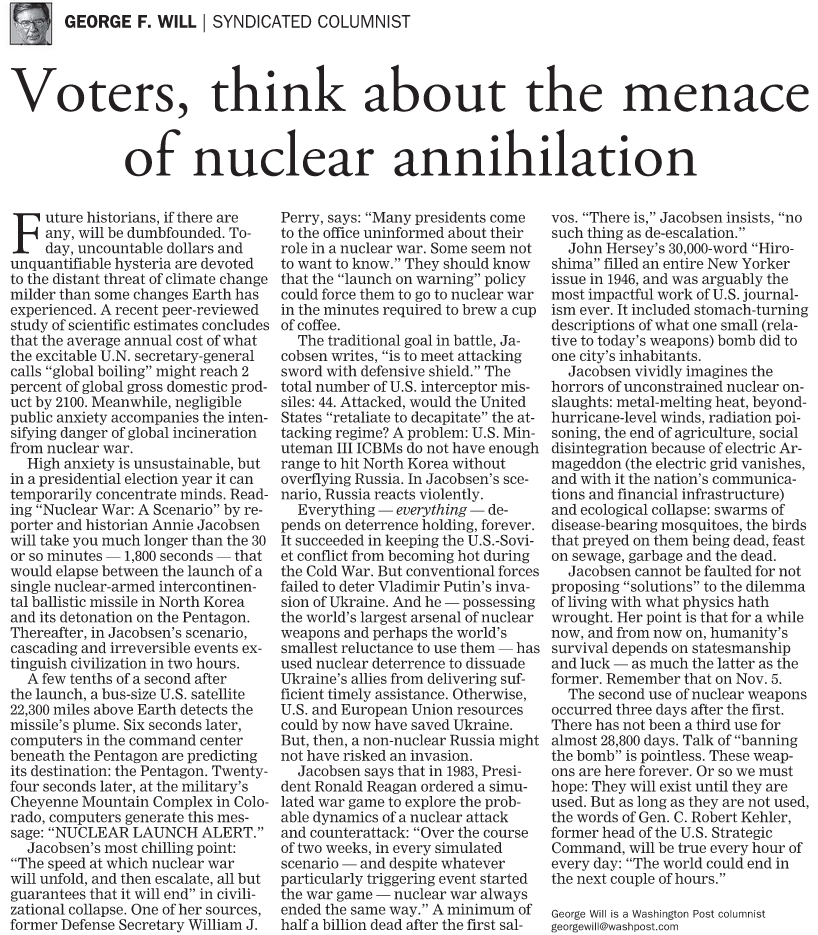
George Will’s May 6, “Voters, think about the menace of nuclear annihilation,” makes me wonder what Gazette editors are up to when they select outside articles for re-publication. Will wrote, “Talk of ‘banning the bomb’ is pointless. These weapons are here forever.” Good grief! Hath a citizen no agency to effect change? The editors must just want to stir things up.
The optimist in me would say “nuts” to Will and engage in the effort to step back from the brink of nuclear annihilation. 83 nations are already on board with such an effort, which calls on the US to acknowledge that the continued existence of nuclear weapons isthe greatest security threat we face and to actively pursue their elimination. In addition, nuclear weapons-armed states already agreed to eliminate nuclear weapons in Article 6 of the Nuclear Non-proliferation Treaty. A simple, missed truth is most of the world’s nuclear weapons have already been dismantled. All that remains is to finish the job.
Is seeing George Will in the Gazette a blessing or a curse? I had not heard of Annie Jacobsen’s book before reading about it here. However, Will represents a Cold War mentality when he wrote, “Humanity’s survival depends on statesmanship and luck–as much the latter as the former.” When we adopt that view, our luck will run out sooner than we think. We can and will do better.
~ Published on May 7, 2024 as a letter to the editor of the Cedar Rapids Gazette.





 Journey Home
You must be logged in to post a comment.