Categories
Kitchen Garden

It’s Not Only About Food

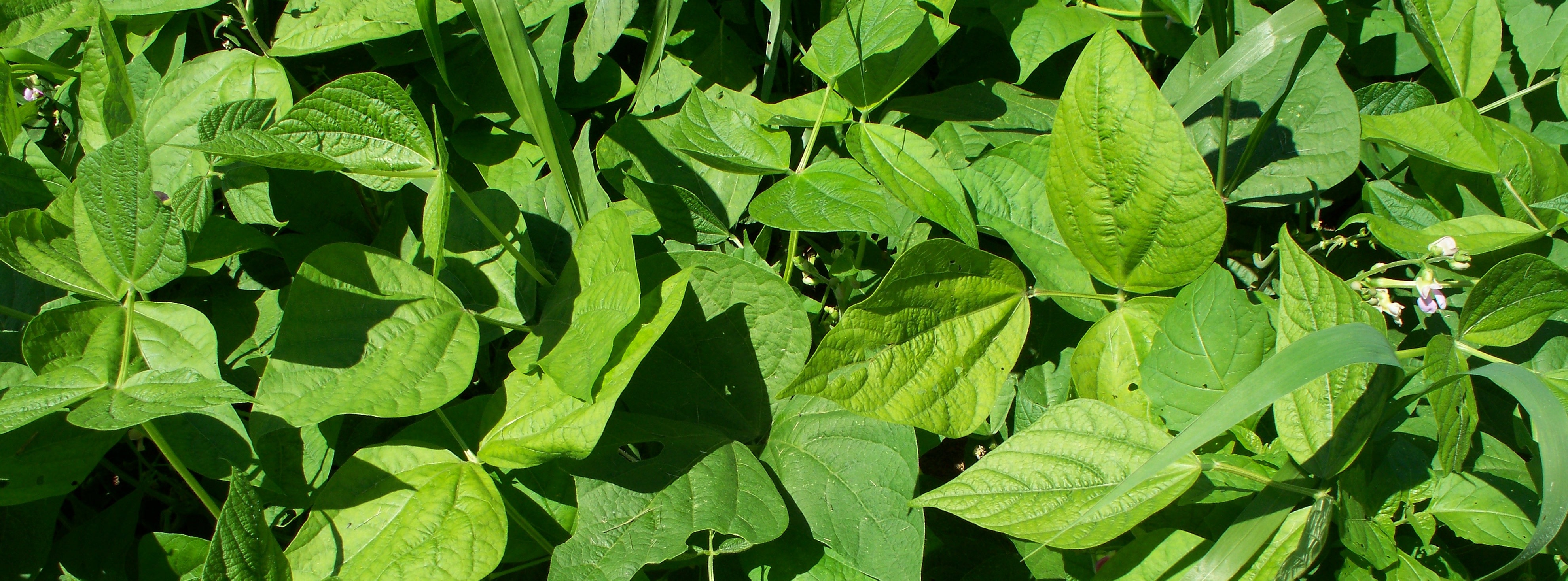
Green Beans
Green Beans

Yesterday was a garden work day.

I planted tomatoes where the peas grew, tilled the soil where the rabbits had dined on my broccoli to put in hot peppers, and spent time mulching, weeding and watering. I made a dent in the work.

Without the bartering agreement at the CSA this year, the garden must produce and so far, it has.

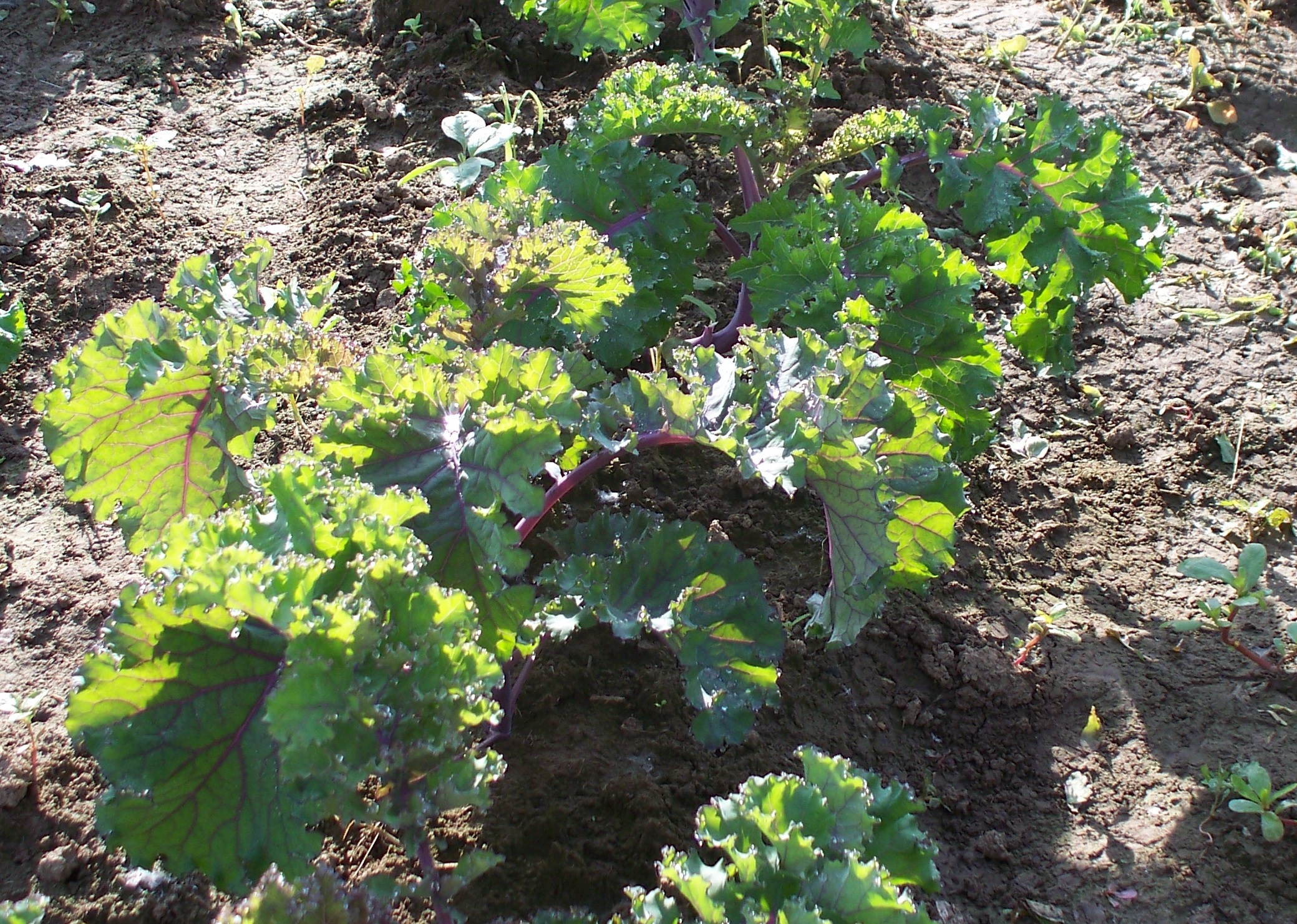
What’s currently growing best is green beans, kale, carrots, garlic, herbs, tomatoes, herbs and daikon radishes. A lot of crops have a way to go before producing.
Morning Harvest
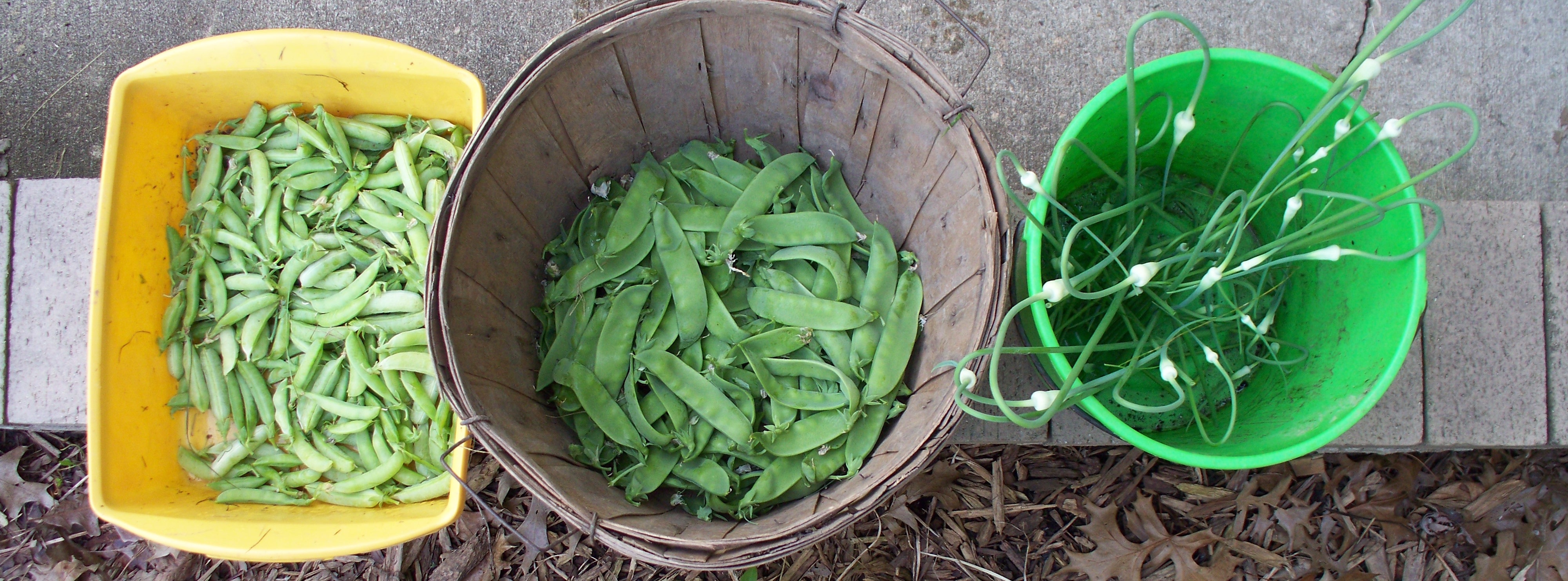
Morning Harvest

The relationship between food, retailers, diet, health, wellness, exercise and tradition is complicated. Almost too complicated. Understanding it is embedded in our culture and often we trade off one value for another. There are no absolutes.
Kale
Kale

A vivid narrative about food’s role in society was written by William Kamkwambe in The Boy Who Harnessed the Wind. He described the relationship of his family to food in Malawi, recounting the seasonality of the maize harvest, the relationship between the weather and land, and the role governmental organizations play in the food economy. The picture Kamkwambe paints is simplistic, and that’s why it is so vivid. It is the definition of subsistence living.

In the West we have a different approach. Everywhere around us there is an abundance of food. Grocery stores are filled with tens of thousands of items. A host of local farmers crowd each local market making diverse, seasonal produce available for reasonable prices. While there are people who are food insecure—who don’t know where their next meal is coming from—the food is available in the retail supply chain. The problem is often inadequate funds to buy it.
Marketmore Cucumbers

Adding value to raw materials is what business and industry does and this applies to food. Taking scraggly-looking produce from the garden, an experienced cook can make something from it to feed both the body and soul. If retailers derive a margin from processing raw ingredients into meals and other food items, there is still an inexpensive opportunity for people to cook themselves, even if busy schedules are an excuse to buy prepackaged, precooked meals or dine out.

In the six years since leaving my transportation career, food has been about developing a sustainable culture. It involved producing and preparing local food, but also commerce. It’s about getting along in society–and garden work days.

Categories
Kitchen Garden

Slow Food in Context

Fresh Kale
Fresh Kale

Weeding kale produced a peck of leaves for the kitchen. The garden plants are healthy enough I sent 12 kale seedlings reserved as replacements into town for re-distribution. They found a suitable home as I spent a couple of hours in the kitchen preparing dinner.

Yesterday was the first day in a while where life produced time to work in the garden when weather was sunny and without rain. The ground was soaked, making weeding easier. I hardly made a dent in the work, however, a garden waits for no one and there was plenty to harvest. In addition to kale, there were carrots, sweet peas and turnips.

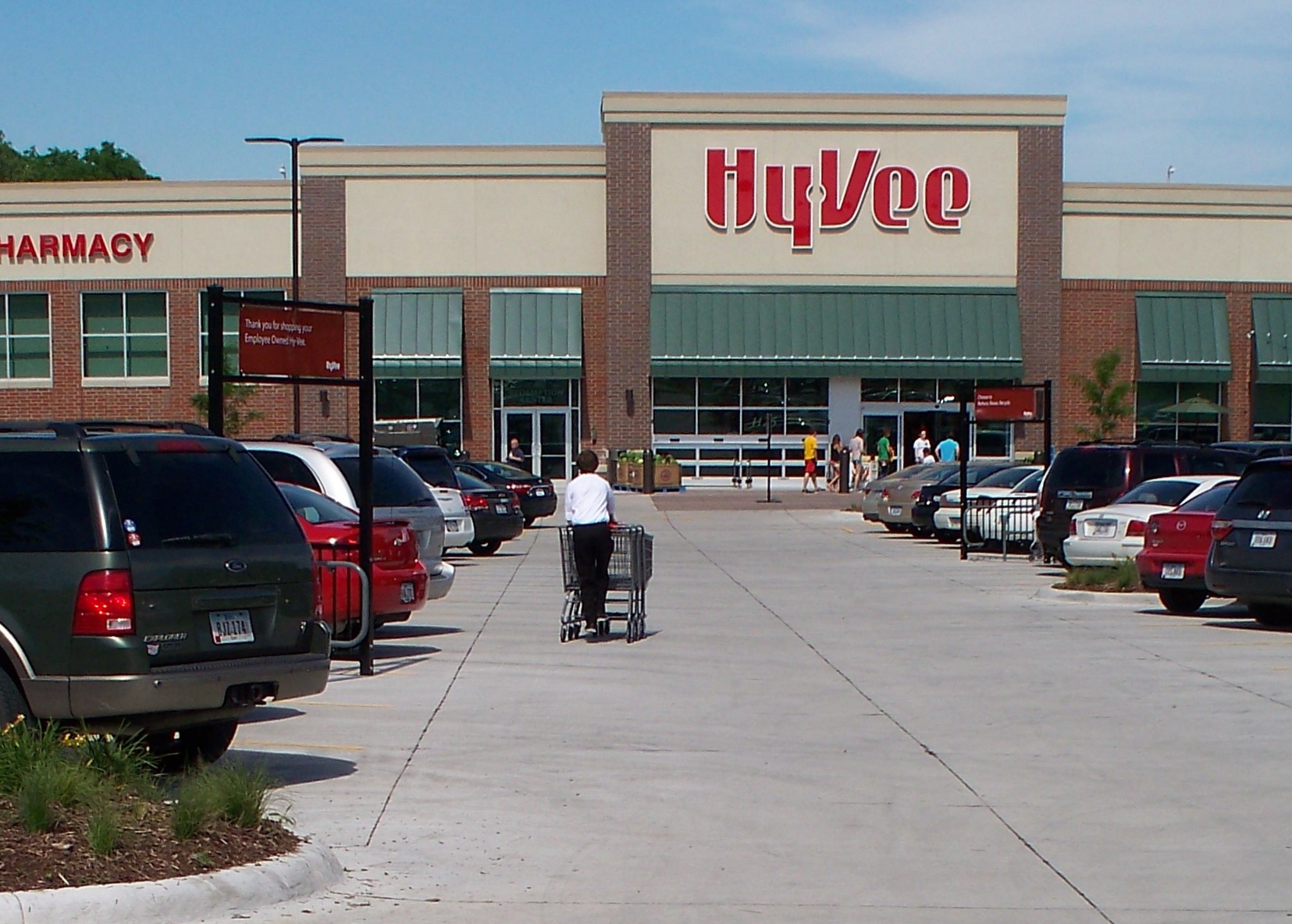
Hy-Vee North DodgeMy editor assigned a new story in the morning, so I went to Iowa City to interview the subject. On the way home, I stopped at the grand opening of the new Hy-Vee on North Dodge Street.

It was different from the store where we had shopped for more than 20 years. Expecting the latest in supermarket merchandising I was prepared—for the most part.

My shopping list included one item: a six-pack of beer for a beverage with dinner. Using the latest tactics to resist over spending, I grabbed a hand-held basket instead of a cart. I picked up one extra item, some Iowa-grown Jolly Time popcorn, which is a pantry staple and was on sale.

The produce section and bakery were just inside the front door. I stopped and took it in. The space was crammed full of people and products. About eight people were serving food samples on toothpicks. Management staff was present in abundance. It took me a while to find the regular produce section, which had a misting tube above, giving the broccoli, peppers and other items a shiny appearance, but condemning them to a shorter shelf life. I thought about the scruffy look of the produce I had just picked, and longed for another carrot just pulled from the ground.

It took me a while to find the dairy aisle, which was, of course, furthest from the front door. In all, I spent less than 15 minutes inside, and look forward to returning to evaluate the tens of thousands of items inside when there aren’t so many people.

Preliminary Plating
Preliminary Plating

At home, I put the six-pack of LaBatt Blue in the ice box and brought the garden produce upstairs. I opened a beer.

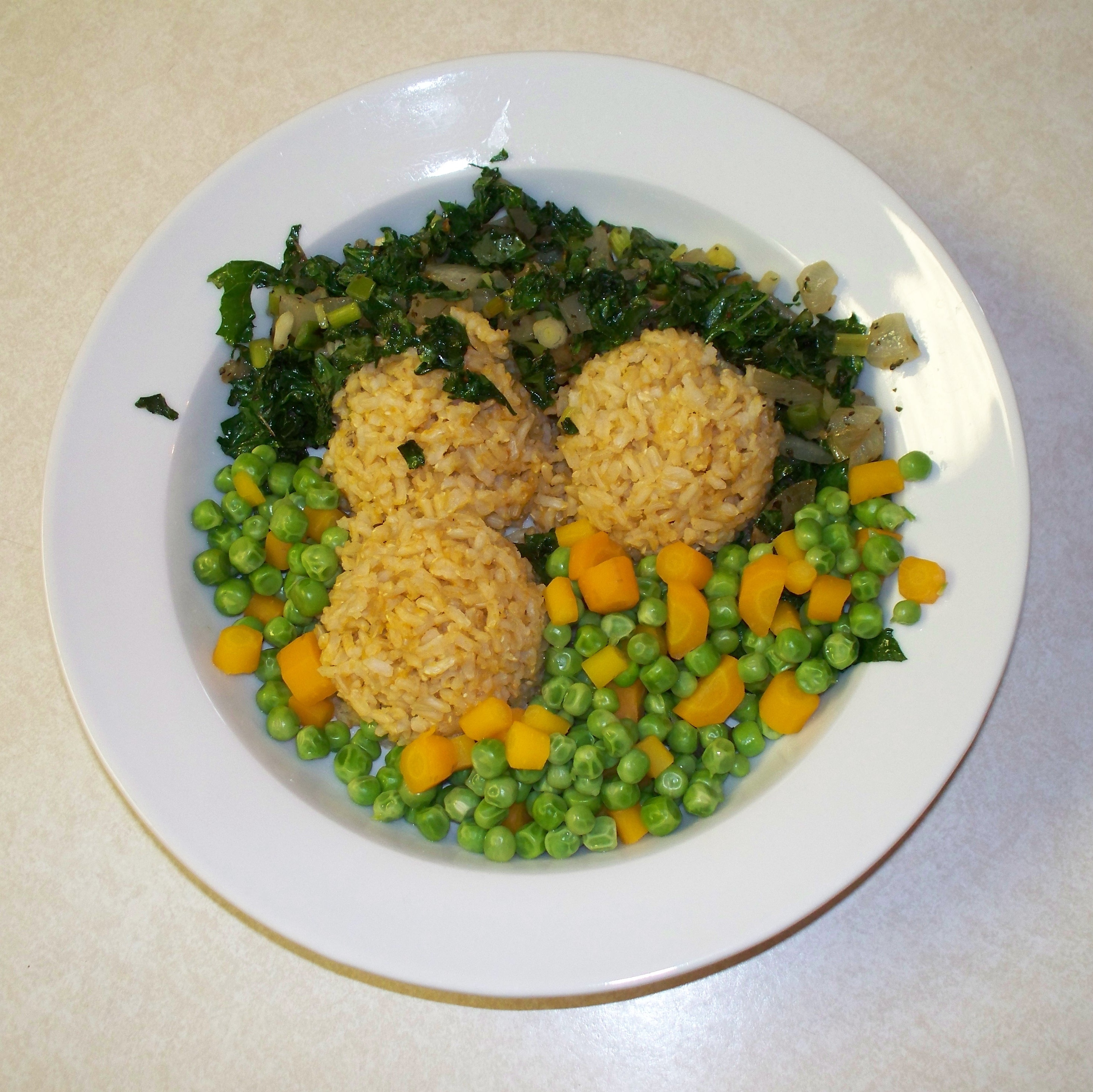
The concept was a dinner made from locally produced kale, peas, carrots and eggs. I put rice on to cook and got to work cleaning the harvest. By the time I finished, almost three hours had elapsed.

Dinner was the process of preparation—including the trip to Iowa City—and a vision of the final plating.

Final Plating
Final Plating

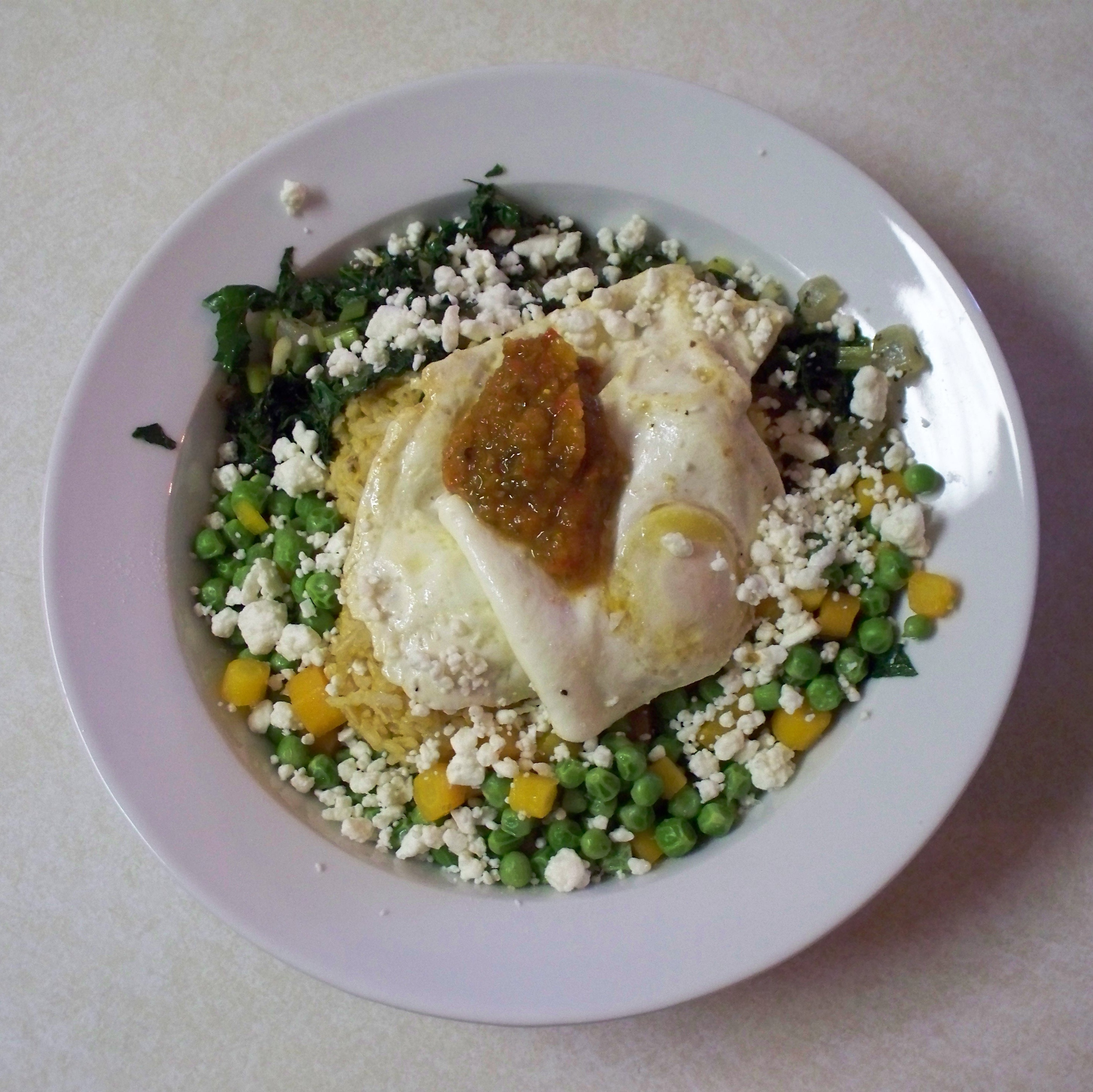
There were four distinct dishes: peas and carrots; kale sauteed with onions and spring garlic; brown rice cooked in vegetable broth; and eggs over easy. I plated the kale, rice and peas and carrots as above, then topped it with two eggs, sprinkled with feta cheese and a tablespoon of home made bell pepper sauce.

I covered one plate without the eggs and left it on the counter for Jacque’s dinner after work. Mine was too much to eat, so there were leftovers to be made into a breakfast burrito later in the week.

This was slow cooking. More than that, it was a life. A day of retreat from low wage work, doing things that matter. We need a slow food day in the context of busy lives—more than we understand.

Categories
Kitchen Garden

Garden Fences

Spring Lettuce
Spring Lettuce

Here’s what is surprising. The vegetables outside the garden fences are mostly untouched by rabbits, deer and other critters. Some behind fences are getting nibbled.

Who knew I could leave lettuce, turnips, carrots, radishes, spinach and other plants unfenced and the animals would stay away. Maybe I’m just lucky… or maybe someone knows an answer.

Next garden workday I’ll harvest and see how it goes the rest of the season.

Categories
Home Life Kitchen Garden

Planting Broccoli

Broccoli Harvest
Past Broccoli Harvest

Growing broccoli from seeds is tough without a germination shed and controlled environment. Miraculously, I made it from seeds to plants in the ground, with hope of a crop. I fenced them in before rain came yesterday.

This morning I inspected the plants and all survived. Each has the prospect of a head of broccoli, one of our favorite vegetables. We’ll see how they fare on the next step of the journey, but the hardest part is over.

I also planted several varieties of radishes, arugula and the first eight Amish Paste tomato plants before the rain. It felt as though I got some things done, but not nearly enough. Now the ground will have to dry out before I can get in the garden for the next round of planting.

Someone gave me a treatment to speed removal of mucus from my sinuses, which has been an ongoing problem for the last three weeks. I mixed up a quart of water with two teaspoons of salt and one teaspoon of baking soda and applied the liquid into my nostrils with a turkey baster. I mentioned the treatment to several people, and they all mentioned the neti pot, which was news to me.

I gained a better understanding of what’s going on in my noggin—I never understood it was open space in there. The treatments made me feel better for a while, but the mucus keeps coming. It’s a weird sickness where I feel much like normal, but cough to void the rheum of the mucus presumably gathering in response to an irritation or infection.

So today I am hunkered in with my neti pot substitute, saline solution and lemon water, hoping to get some writing done. Plus there’s the prospect of broccoli.

Life could be a lot worse.

Categories
Home Life Kitchen Garden Work Life

Hacking Through

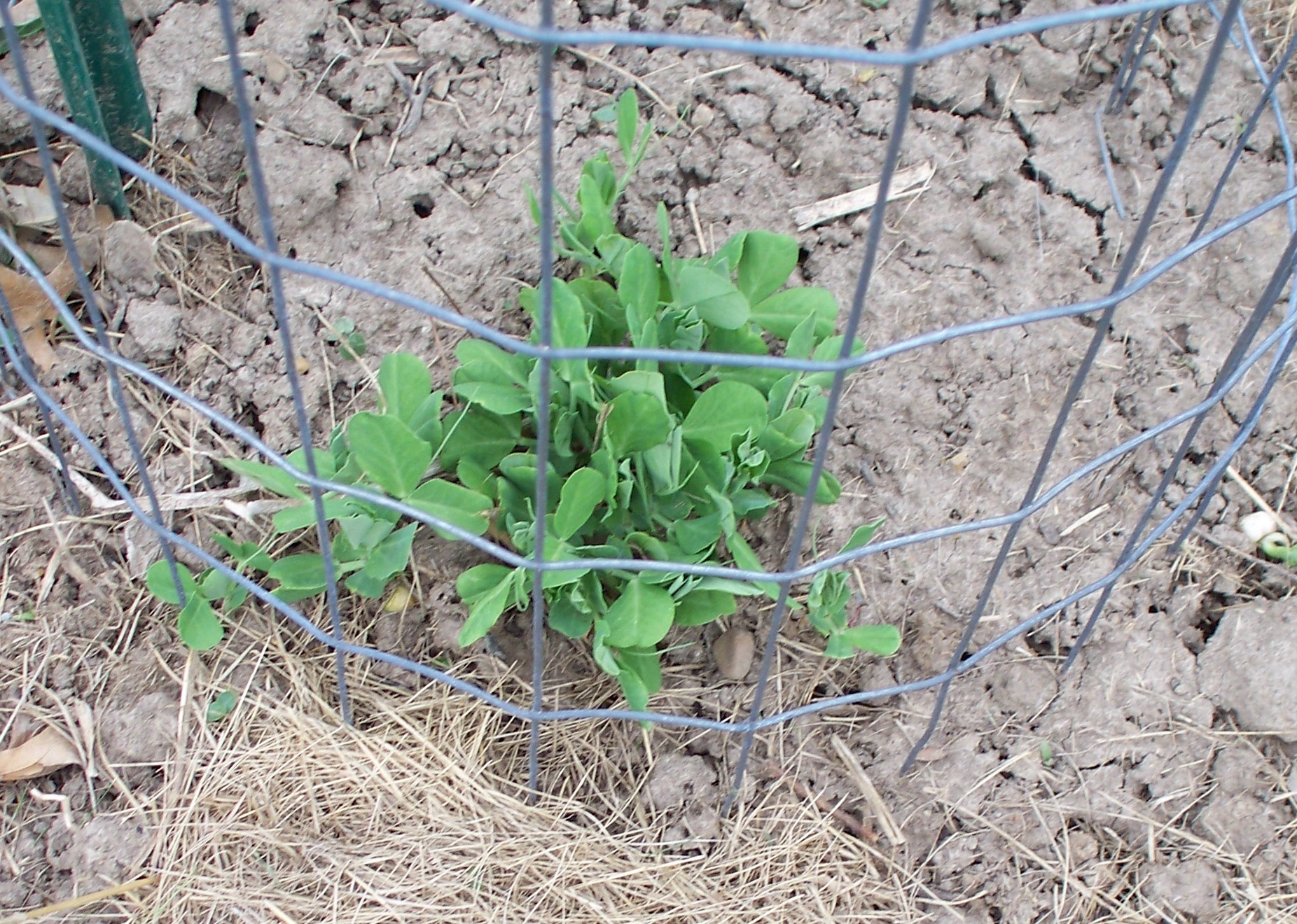
Peas
Peas

It’s been a tough couple of weeks complicated by a lingering and persistent impulse to void the rheum of excess mucus. I don’t feel ill for the most part, but the coughing has been terrible.

Missing work without sick pay means less income and a further exploration of the life of low wage workers. Well into the experiment in alternative lifestyle, I don’t see how people can make ends meet, even working three jobs as I have been doing this spring. That said, I won’t give up and expect to continue hacking through this rough patch—literally.

I picked lettuce, spinach and radishes from the garden the last two nights and made a frittata for dinner with greens from the CSA, spring garlic and onions. It was satisfying served with a salad, and there were leftovers. Already garden production is worth savoring. Between now and Memorial Day, the focus is on getting the spring planting done.

For the moment that’s all there is to say except change is coming. To make this life more sustainable, to improve our economic base. How change will look is an open question. I look forward to seeing how it comes together.

Categories
Home Life

Punk Spring Day

Spring Lettuce
Spring Lettuce

A persistent cough prevented me from working at the warehouse Friday and Saturday. My schedule included preparing and serving food, and it would have been bad to go in sick. Instead I felt like crap at home and tried to focus enough to get a few things done, including writing an article for the newspaper, interviewing someone at the Iowa City Farmers Market and planting radishes and green beans in the garden.

Thrill is gone for me at the farmers market. I did not go one time last year and yesterday bought a bag of lettuce for $3 and that’s it. The market has become more of a flea market with crafty stuff, prepared food and vegetables imported from outside the county. It may be a seasonal alternative to the grocery store for city dwellers but unless my garden goes big and there is excess to sell, I have little reason to return.

Speaking of thrill is gone, I was saddened to hear musician B.B. King is in hospice care at his Las Vegas home.

Garden
Garden

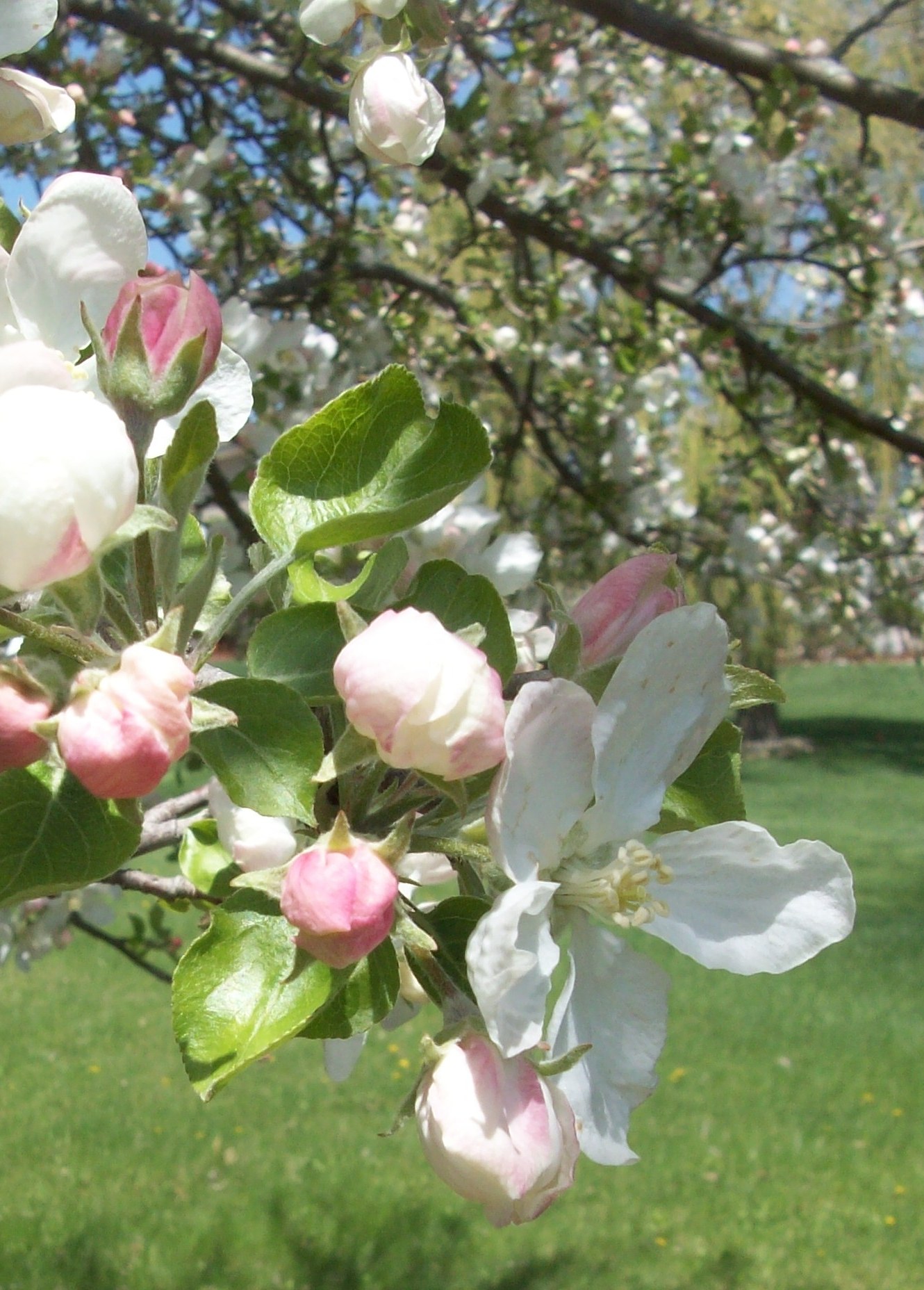
Apple blossoms peaked and their petals are falling into a snowy carpet over the grass. Because it has been warm, calm and sunny for much of the week, I am hopeful the pollination was thorough.

Hardening indoor seedlings began yesterday when I put the first batch for planting in the outdoor sun most of the afternoon. Broccoli will be first to plant, followed by basil, celery and three kinds of kale. The next wave will be tomatoes, followed by peppers.

Two neighborhood kids and their puppy invaded my garage space yesterday. The puppy got loose and decided to see what I was doing. Right behind him a young brother and sister crawled down the retaining wall and chased him behind the table saw without regard to anything else. She collared him and took him home. While they accomplished their mission, my take away was that part of youth involves less awareness of the broad context of our actions. That may be okay for children, but not for adults.

Life has gotten busier. Not too busy to take in the scent of lilac and apple blossoms, touch the soil with bare hands and interact with children, but busy enough.

Categories
Kitchen Garden

Apple Blossom Time

Apple Blossoms
Apple Blossoms

It’s apple blossom time in Big Grove.

Conditions are excellent for an abundant apple crop. There are plenty of pollinators, the ambient temperature is warm and the wind is calm.

Already I’m thinking of apple cider, apple butter, apple cider vinegar, apple sauce, and, of course, fresh apples. It is a hopeful time.

This morning’s chores included watering indoor seedlings. They need transplant as some are becoming root bound. Soon—maybe 10 to 14 days—they will be in the ground, so I’m not going to transplant into a larger container in between. The seeds I planted on Earth Day are germinating and it’s all good.

The challenge is finding time to work in the yard and garden—I don’t have any brilliance on that topic.

Working three jobs provides variety in life. For that I am thankful, yet they all demand time.

In between one and the others, carving out blocks of garden work time is important—something I couldn’t get adequately done last year.

Here’s hoping the inspiration of apple blossoms and lilac blooms engenders a better garden this year.

Categories
Kitchen Garden

Early Spring Gardening

Apple Blossoms
Apple Blossoms

The fruit trees are blooming. The fragrance is sweet and rare. I stopped to breathe it in.

Pollinators buzzed, providing hope for a good crop of apples and pears, dampened only slightly by yesterday’s rain. Even the diseased Golden Delicious tree is blooming—perhaps one last crop before it becomes firewood.

The newspaper’s freelance garden writer wrote April is the time to get to work in the garden, and so I have. Spinach, peas, lettuce, radishes and turnips are up. The chives and garlic survived both winter and the spring burn. A new pile of apple pomace from the cider mill lies next to the horse manure and grass clippings, ready to turn to compost. There are plenty of weeds starting to grow, needing suppression. If I did nothing else, work in the garden would take all of my time this month and next.

In the bedroom, the tomato seedlings are about six inches tall. Seeds sprouted and are growing so that after hardening outside a day or two, they will be ready for planting.

At the farm there is less worry about frost and a more diverse crop has been planted. Broccoli, kale, onions and others are already lined up in field rows along with rhubarb and garlic that wintered. I spent part of Friday planting leeks in the field and transplanting eggplant seedlings in the greenhouse.

In many ways, April is for a gardener—last preparations for a rush to planting after the last frost. Then a season of replanting and weeding, and eventually harvesting. There are worse things in life than this.

Apple Blossoms
Apple Blossoms
Categories
Kitchen Garden

Organic Salad Greens

First Spring CSA Share

Is the local food movement here to stay?

Intellectually, how could it not be? The future must necessarily be one of producing food much closer to where people live, especially as transportation costs escalate, and current food sources in the California Central Valley, in South Florida, and in Texas face the extreme weather characteristic of climate change.

That said, life with food is not always about rational behavior.

Growth of organic food sales is unmistakable, with 2014 food and non-food item sales setting a new record of $39.1 billion. Organic was almost five percent of food sales, according to the Organic Trade Association.

There is good and bad organic food. When we think about it, what good is it to buy organic canned black beans produced in China more cheaply than what a local farmer can sell? Is it bad that local producers use “organic practices” yet do not secure USDA organic certification of their operations?

The good news is interest in organic food helps small-scale producers generate needed sales. As organic sales go mainstream, being found in four out of five grocery stores, a crop of informed consumers is making up 18 percent of buyers, accounting for 46 percent of organic food sales. There is room for continued growth in this segment as wider availability of organic food, and mainstream information about organic foods drive people to buy them.

Each week, I hear people explain why they buy organic food. Their reasons are diverse, and don’t always make sense. The commitment is often to “eating healthy” as opposed to any sound rationale. This attitude toward organic food can become problematic, and  small-scale producers in the local food movement are particularly vulnerable. If organic is the latest fad, then long-term sustainability may be out the window for them.

Another thing people don’t mention much is as organic food becomes mainstream, large-scale players will increase their share in organic, and dominate the marketplace. Companies like Earthbound Farm Organic will become the norm, rather than the exception. Food conglomerates may establish gigantic organic food divisions as they have already done with gluten-free food. Better margins in organic food will attract capital, and small-scale farmers seem seldom have enough of that to compete.

I brought a bag of seven or eight kinds of spring greens home from the farm, reminding me of why I buy and barter for local food. I know how the farmers treat the soil, where they get seeds and rootstock, how they control pests, how they treat animals, and how they treat labor.

There is not much hope for a market based on “eating healthy.” It is not sustainable, even if organic is gaining market share.

Some of us find hope in being close to the means of production and getting our hands dirty. We also know the face of the farmer—something that gets forgotten midst the hoopla of buzzwords.

Knowing the face of the farmer is sustainable in local food systems. It is hard to replace, and it is time we got to know more of the farmers whose production we eat every day.

Categories
Work Life

Spring Rush to Memorial Day

Garden View of Lake Macbride

April has gotten very busy. There are dozens of tasks to do at home and farm work has kept me busier while my warehouse work and newspaper writing continue at the same level. It seems impossible that I had eight jobs at one point last year. Working three jobs fills the time if it doesn’t produce enough money to get ahead.

Farm work has been planting, planting and more planting—in the field, in seed trays, in the high tunnel. Yesterday was lettuce greens and broccoli. The day before onions and soil blocking. Today, I will seed some trays before cleaning up to head to the warehouse.

The challenge is to find time for our own garden. When I receive next week’s work schedule a priority will be setting aside a home work day.

A livestock farmer spent yesterday preparing his fields to plant corn. His planter is maintained and ready. Another spread fertilizer, complaining of a sore throat because he had the tractor window open.

Everyone’s busy with spring. That includes me. The garden needs planting before Memorial Day. It’s five weeks away, but it seems like tomorrow.