Categories
Kitchen Garden Living in Society

Vegetable Gardening and DOMA

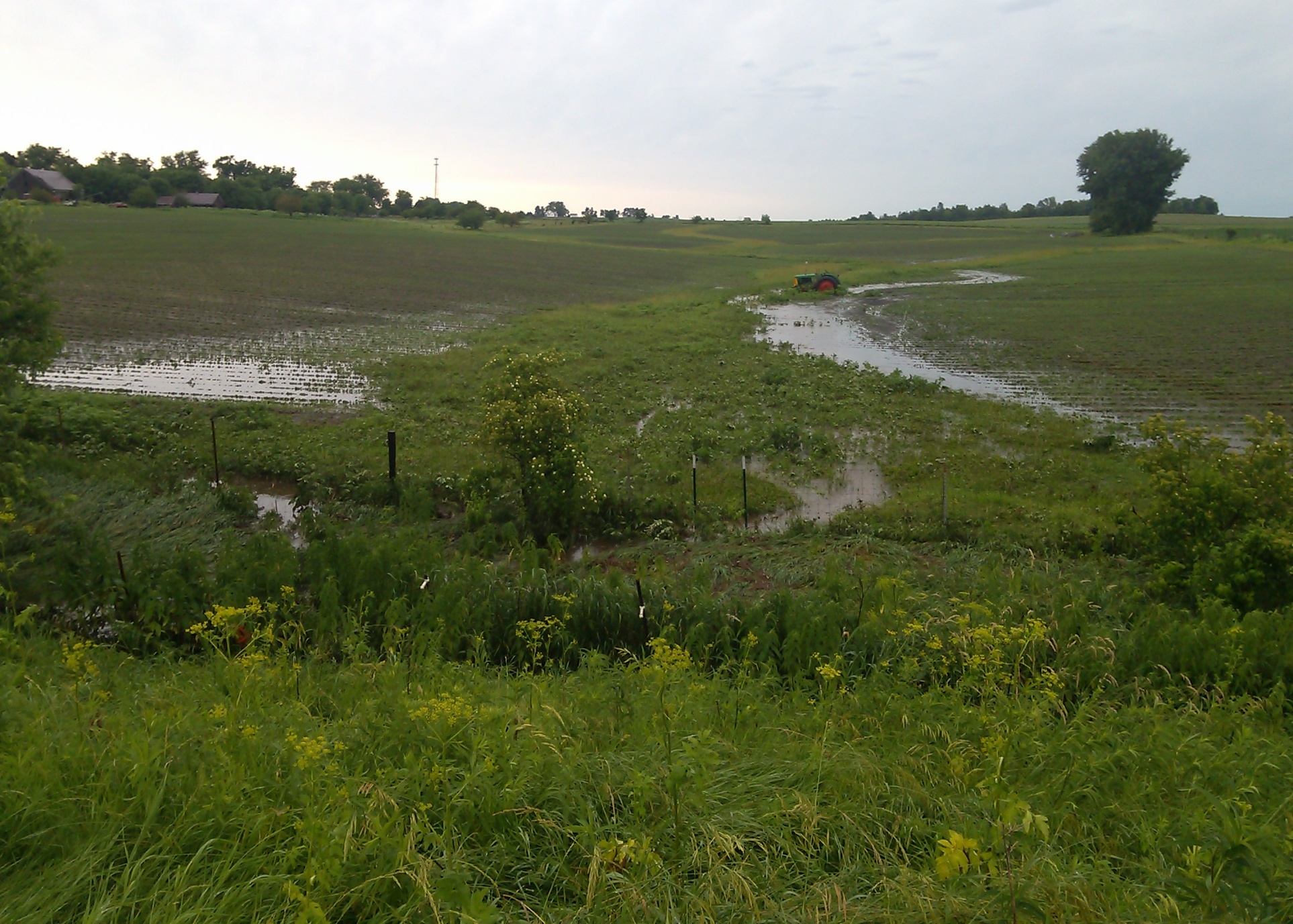
After the Storm
After the Storm

LAKE MACBRIDE— When President Bill Clinton signed the Defense of Marriage Act (DOMA) in 1996, it seemed wrong. It was one more in a series of his actions I didn’t like. The political reasons for denying federal employee benefits were easy to understand. The blatant discrimination was not, and time and the Supreme Court of the United States (SCOTUS) decision yesterday vindicated the judgment of those who felt like I did.

Yesterday, bills were introduced in the U.S. House and Senate to remove DOMA completely, as some don’t feel SCOTUS went far enough in saying, “DOMA is unconstitutional as a deprivation of the equal liberty of persons that is protected by the Fifth Amendment.” The decision was good enough for me, although I downloaded the text and will read it— comparing it to Iowa’s Brien v. Varnum, dated April 3, 2009, that held the state’s limitation of marriage to opposite-sex couples violated the equal protection clause of the Iowa Constitution.

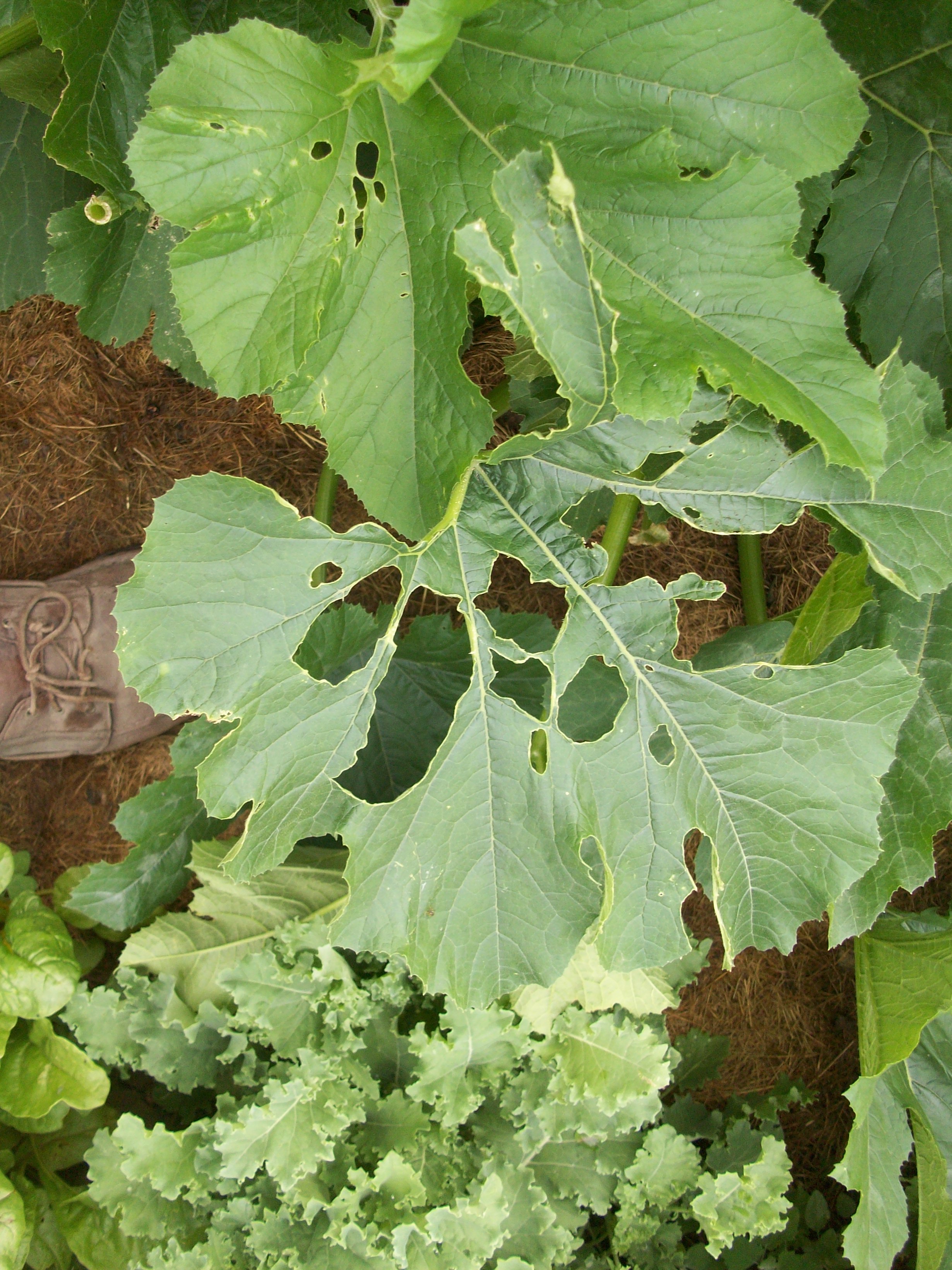
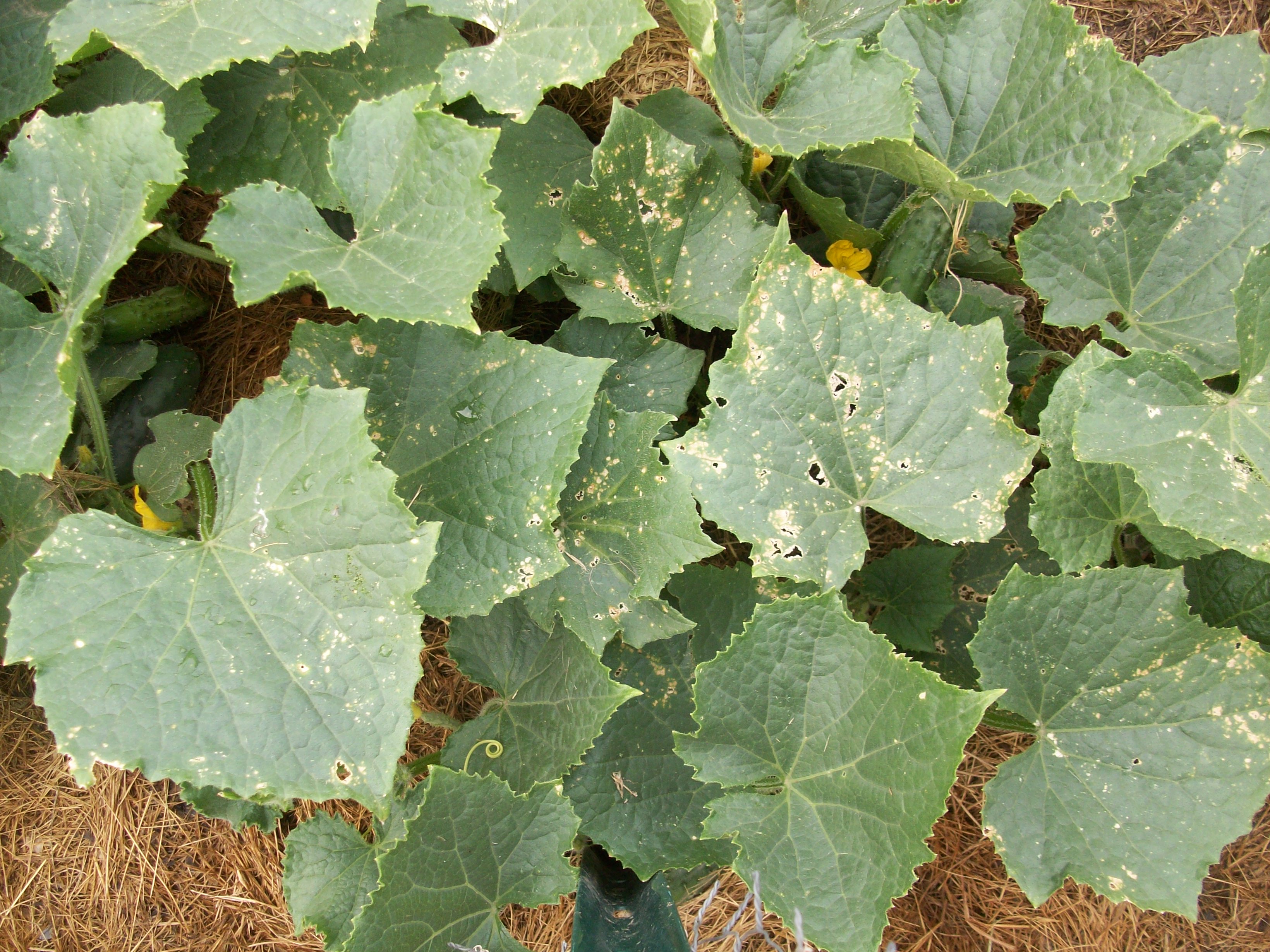
After three days of rain, thunder, lightning and hail, I spent time in the garden yesterday. Contrary to my previous post, I found hail damage, particularly on leaves of cucumber and squash plants. The damage was not severe, but a lot of leaves had small punctures.

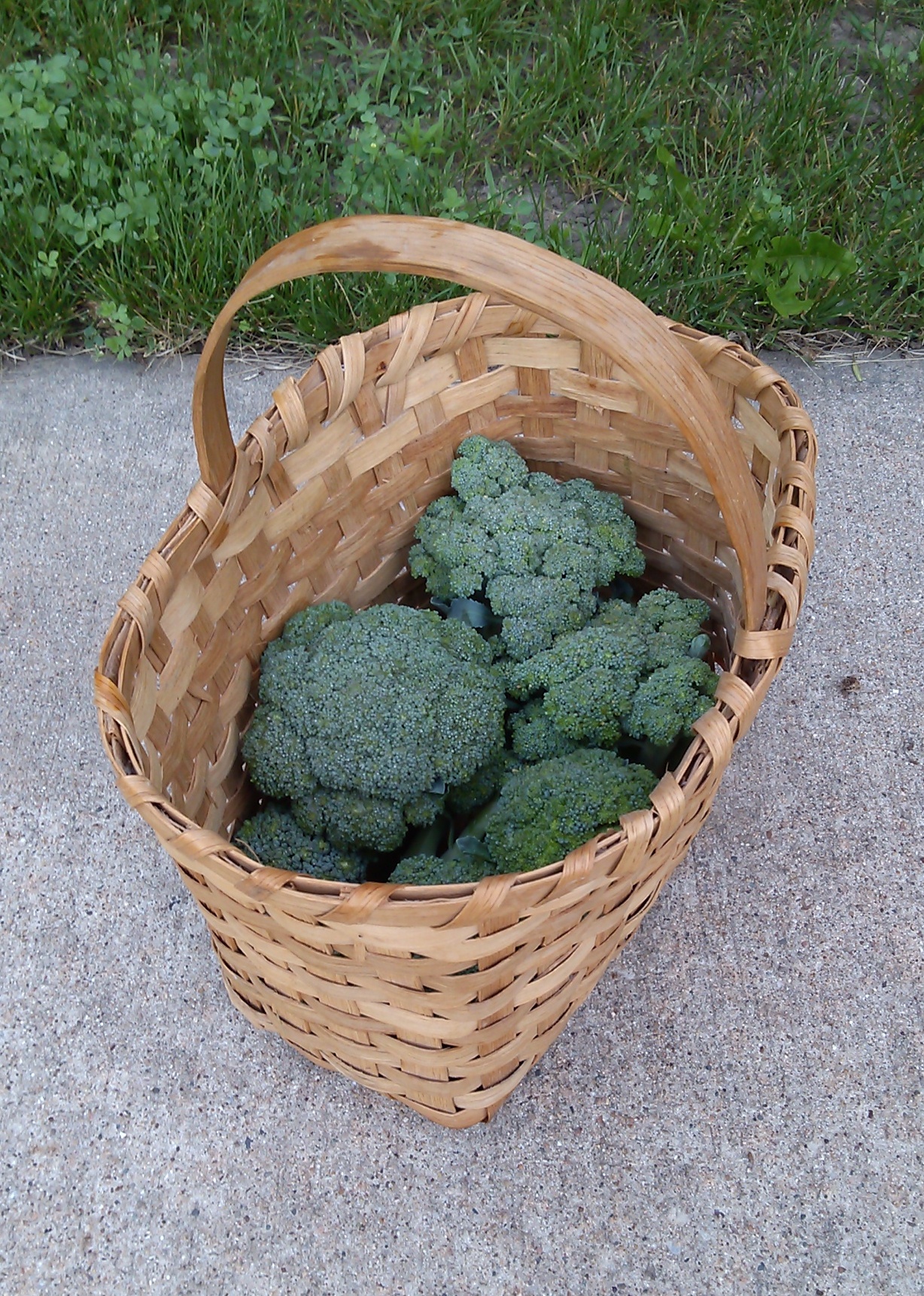
Food production is outpacing our kitchen’s ability to store and process it. This afternoon’s local food shift at home will include harvesting turnips, preparing and freezing broccoli, planting seedlings and rearranging the fencing in the plot where the green beans are located. With the rain and fair weather, combined with more knowledgeable planting, this year’s garden is already a bin buster. More food will be given away as the week progresses.

At the farm, I soil blocked for the seventeenth week yesterday. The seeds planted are for fall harvest of cucumbers, broccoli and cabbage. While I was working, one crew had finished and was doing bicycle maintenance near the machine shed, and another was processing kohlrabi for share holders. The germination building was completely empty, and when I entered to get trays for soil blocking, the temperature was intensely warm. Seedlings trays were on wagons under a nearby tree to avoid the heat while they waited for planting.

With the rain, trip to Des Moines and farm work, everything is behind this week. Hopefully today will be a catch up day as I endeavor to stay on the property, with nose to the grindstone.

Categories
Environment Kitchen Garden

A Local Food Saturday

Saturday Farmers Market Produce

LAKE MACBRIDE— Herbs are abundant in the garden, so I have been making dishes that taste better with fresh herbs: red beans and rice with fresh thyme, pasta sauce with fresh basil, and bread with sun-dried tomato and fresh rosemary. Each iteration of a dish, prepared in a moment of time, has consequence in our lives. Every bowl of soup, sandwich and plate of pasta is different for a home cook. Sometimes the food is better than others— our homemade meals speak to who we are, what we want to be and what we can be.

The idea of local food Saturday is simple. In order for there to be a vibrant and sustainable local food system, individuals must want to find, purchase and cook with local food items. We have to make a market in the things we hold dear. That’s how I landed on the important role home cooks can play in sustaining a local food system. Saturday is a weekend choice that fits a lot of people. It’s not like I am the first to come up with this— I’m not.

It is possible, and rewarding, to change our outlook from a being a consumer who goes to market to being a producer of home cooked meals that includes local food. One could do as well to develop a meal plan that includes local food and local food outlets, since almost no one cooks all, or even most of their own food at home.

The act of buying is such a brief part of our lives. We should make the most of it by unchaining ourselves from the mega-mart and relegating grocery stores to a more proper role as supplemental sources of provisions. It costs nothing to change one’s perspective, and the financial and personal payoff can be superior.

What did I do with the items in the photo from last Saturday’s farmers market?

The turnips were an impulse purchase as I could have waited a week to get fresh from my garden. I cut and washed the greens, cutting about a cup into quarter inch strips for soup, and putting the remainder in a container to use as cooking greens later in the week. Using the bulbs, I made turnip soup that included a quart of homemade stock, carrot, onion, celery, the turnip greens and the finely sliced stalk of the broccoli in the photo. I added dried chervil, salt and a bay leaf to make four servings.

The kohlrabi was for an experiment cooking it with potatoes. There will be a number of kohlrabi from the CSA, and a couple are growing in the garden. I’m trying to figure out how to use them. They also go well in a salad, cut into raw, matchstick-sized bits.

The radishes, cucumbers and zucchini were for fresh salads. The garden and CSA are producing lots of lettuce, and we have salad almost every night— sometimes as a meal. Lettuce and other leafy green vegetables are an important part of a local food system, and because we produce our own, there are none in the photo. The yellow squash was to slice and cook with greens.

Broccoli was to steam with dinner as it is a favorite and the broccoli in the garden was not ready yet. One stalk is not much, so we also steamed the last of the fresh asparagus from the CSA. A vegetable side dish to soup and a salad seems a bit weird, but was delicious nonetheless.

Finally there is the local honey. I got it home and realized there was another open jar in the pantry. I made the previously mentioned bread with local honey, fresh rosemary, sun dried tomatoes and a custom mix of flours.

In all, I spent about two hours in the kitchen with local food preparation, not including the rising time of the bread. On average, people spend a lot less kitchen time in a day, but ganging up on the prep work on Saturday made for better meals later during the week.

The revolution in local food will come when we change our attitude from being a consumer of goods to a producer. There will be a time when our lives are more interesting than who gets booted on the television program “Chopped.” For some of us, that time is already here, at least on Saturday afternoons.

Categories
Home Life

Some Summer Pest Problems

Cucumber Plants
Cucumber Plants
Tomato Leaves
Tomato Leaves
Zucchini Leaves
Zucchini Leaves
Categories
Kitchen Garden

Garden at the End of Spring

Garden
Garden
Morning Shade
Morning Shade
Fruit Trees
Fruit Trees
Harvesting Spinach
Harvesting Spinach
Clouds over the Garden
Categories
Kitchen Garden

June Lettuce Planting

Lettuce and Broccoli

LAKE MACBRIDE— According to a local organic farmer, “one of the most common mistakes home gardeners make is not planting sequentially.” What does that mean?

Certain crops, like lettuce, spinach and radishes, have a short planting to harvest cycle, and multiple crops can be planted during a season. That is, as soon as one row is harvested, another can be planted as long as the plants can tolerate weather as it get hotter and dryer.

What I learned at the farm this year is that lettuce produces the best crops when they are planted as individual seeds in a starter tray, then transferred to the garden as seedlings when the ground is ready. This accomplishes two things.

First, and this is really important, when planting lettuce, plant individual seeds, using a starter tray, or an old egg carton. Because lettuce seeds are so small, the temptation is to sow more than one together. By using a starter tray, and one seed per cell, if one cell fails to germinate, no problem when planting the seedlings in the rows in the soil. If the seed didn’t produce in the starter tray, there is no seedling to transplant. Planting single seeds ensures sufficient moisture and nutrients for each head of lettuce by avoiding over-crowding. It makes for larger leaves.

Second, by planting seeds in trays, the garden space can be more productive. A four week old seedling will take less time to mature once it is planted in the garden. If timed properly, a garden can be in lettuce most of the summer, into fall. For example, I have two and four week seedlings started in successive trays. They’ll be ready to plant when the current crop is harvested.

Avoid a common mistake, plant lettuce sequentially this June.

~ Written for Iowa City Patch

Categories
Kitchen Garden

Morning Vegetable Harvest

Fresh Broccoli
Fresh Broccoli
Freshly Picked Lettuce
Categories
Kitchen Garden

To Market, to Market

Seedlings
Seedlings

CEDAR RAPIDS— Saturday was my first trip to a farmers market this season. An abundant garden, combined with a share from our CSA, reduced demand for outside produce. Until now, the cucumbers, zucchini and squash for our salads have come from the grocery store. Greenhouse operators now have local ones available, and that is reason enough to switch to the market.

There are more reasons. Depending upon how busy the farmers were at the market, they were a source of information about how they grew produce. It is a form of community knowledge about weather, temperatures and techniques for gardeners and producers that is hard to match. Hearing stories about how the early season was wet and cold, and the impact on growing, either taught me something new or ratified my own experience. Communal knowledge is part of being a producer, even small scale ones like a home gardener.

The market served to address some deficiencies in my planning this year. Not enough radishes, turnips behind schedule because of delayed planting, and kohlrabi fizzled as seeds. The farmers market made up for most of this.

The leafy green vegetables all looked good at vendor stalls, but my garden has plenty. I bought some broccoli to allow mine to grow a few more days before harvesting. Cucumbers, zucchini and yellow squash looked much better than what is available at the grocery store— everything did. Here’s what I ended up purchasing.

Farmers Market Supplies
Farmers Market Purchases

Some of the produce was cheap, turnips with greens for $0.50 each, cucumbers for a dollar. At $3 a head, lettuce seemed pricey, but I bought a pound of local honey because the pricing point seemed right at $5. Maple syrup was too dear, and I didn’t stop at any of the prepared food stalls. I budgeted the $18 I had in my wallet for the shopping trip, and spent it all.

Musician
Musician

My approach was to consider what was priced right and how items would fit into the coming week’s meals. Honey for bread making; radishes, cucumber, zucchini and yellow squash for salads; the turnips to make soup; broccoli for dinner that night and kohlrabi for an experiment of cooking it with potatoes— getting ready for the generous supply from the CSA. I kept looking at the beautiful greens, but sensibly resisted the temptation to buy more— really, I did.

As many as 20,000 shoppers come to the Cedar Rapids market on a Saturday. It’s what makes the market. It is cheap entertainment for a family, and produce is fresh and tasty raw material for an afternoon of transforming it into dishes and meals. There is a lot to write about farmers markets, but, importantly, they are a key part of the current local food system. How to use the combination of a home garden, grocery store, farmers market and CSA will be the topic of my next post. It is the case for sustainability of a local food system, beginning in a home kitchen.

Categories
Kitchen Garden

Chance of Rain and Falafel

Lettuce
Lettuce

LAKE MACBRIDE— Watering the garden this morning was a no-brainer. It hasn’t rained for a couple of days and the ground was dry and crunchy yesterday. We may get some rain after lunch, a 60 percent chance of precipitation beginning at 3 p.m., but why not let the plants benefit from the moisture now? Probably should have watered after returning from Coralville last night.

Baked Falafel
Baked Falafel

One of the blogs I follow posted a recipe for baked falafel, so I tried a batch this morning. They recipe came out well, but raised the question of what kind of sauce. Improvising by mixing two teaspoons of mayonnaise with a teaspoon of branded Il Primo Giardiniera Spread from the ice box, falafel made a great second breakfast before heading out to the farm. Today’s recipe, already modified by adding some olive oil and a bit of water to bind the mixture, will be a starting point for perfecting this snack-type dish for regular use.

Full day’s work ahead, so better get to it.

Categories
Home Life Kitchen Garden

Trimming the Mulberry Tree

Tractorcade Hits Big Grove
Tractorcade Hits Big Grove Township

LAKE MACBRIDE— Reaching into the cooler, forearms covered with sawdust and sweat, I pulled out the last remaining bottle of chilled water. At 86 degrees and the air full of gnats, my mouth was dry.  I drank greedily— momentary coolness quenching my thirst.

The mulberry tree grew from a seed dropped long ago by a bird sitting on the rebar marker of the corner of our property. Because of the way it grew, three of us now own a part of that tree, although I have been its caretaker. In this tree I first saw Cedar Waxwings eating berries. Under it, the deer and rabbits graze on the fallen mulberries. While a volunteer, it has been a good tree and too long neglected.

A neighbor asked me to trim it because the branches were so low he couldn’t get under it with his riding mower. I thought to myself, “that’s my problem too.” Today it was pruned. It looks much better with all the low hanging and dead branches cut away. The mulberries are beginning to ripen, indicating the turn of the season to summer.

The Great Eastern Iowa Tractorcade is a thing here. Farmers from all over get together in Cedar Rapids and for four days, go on extended excursions in tractors of all kinds. Some of the equipment is older than I am and still working in fields. The caravan extended a long distance, and based on the errand I was running when I passed the tractorcade, it took more than an hour for them all to pass the lane to our home. It is a chance for families to do something fun to show off their farm pride. Children of farm parents take time off city jobs to participate.

Row of Lettuce
Row of Lettuce

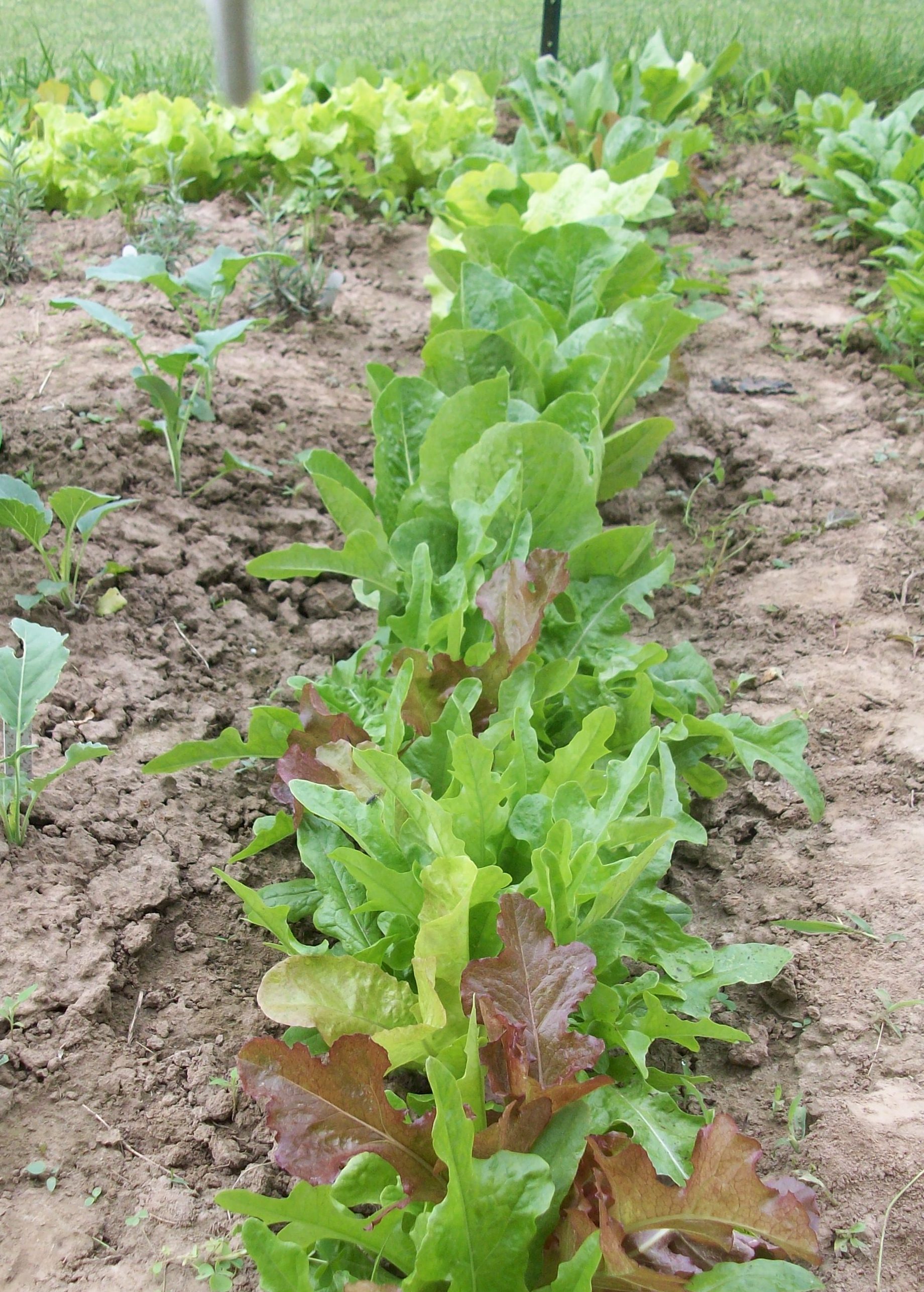
It’s the lettuce season and more in the local food arena. The lettuce in our garden looks better than I have ever grown it. The CSA has been providing four or more heads of lettuce per week, so between both sources there is enough to be generous with our friends.

The lettuce seeds I planted last week have sprouted, growing the next batch of seedlings to plant later in the month.

I picked the second cut of spinach from the first row of plants, washed and froze the leaves on a cookie sheet with a silicone mat. Once they were frozen, I bagged them for cooking later in the year. We usually make a spinach-rice casserole with frozen spinach leaves.

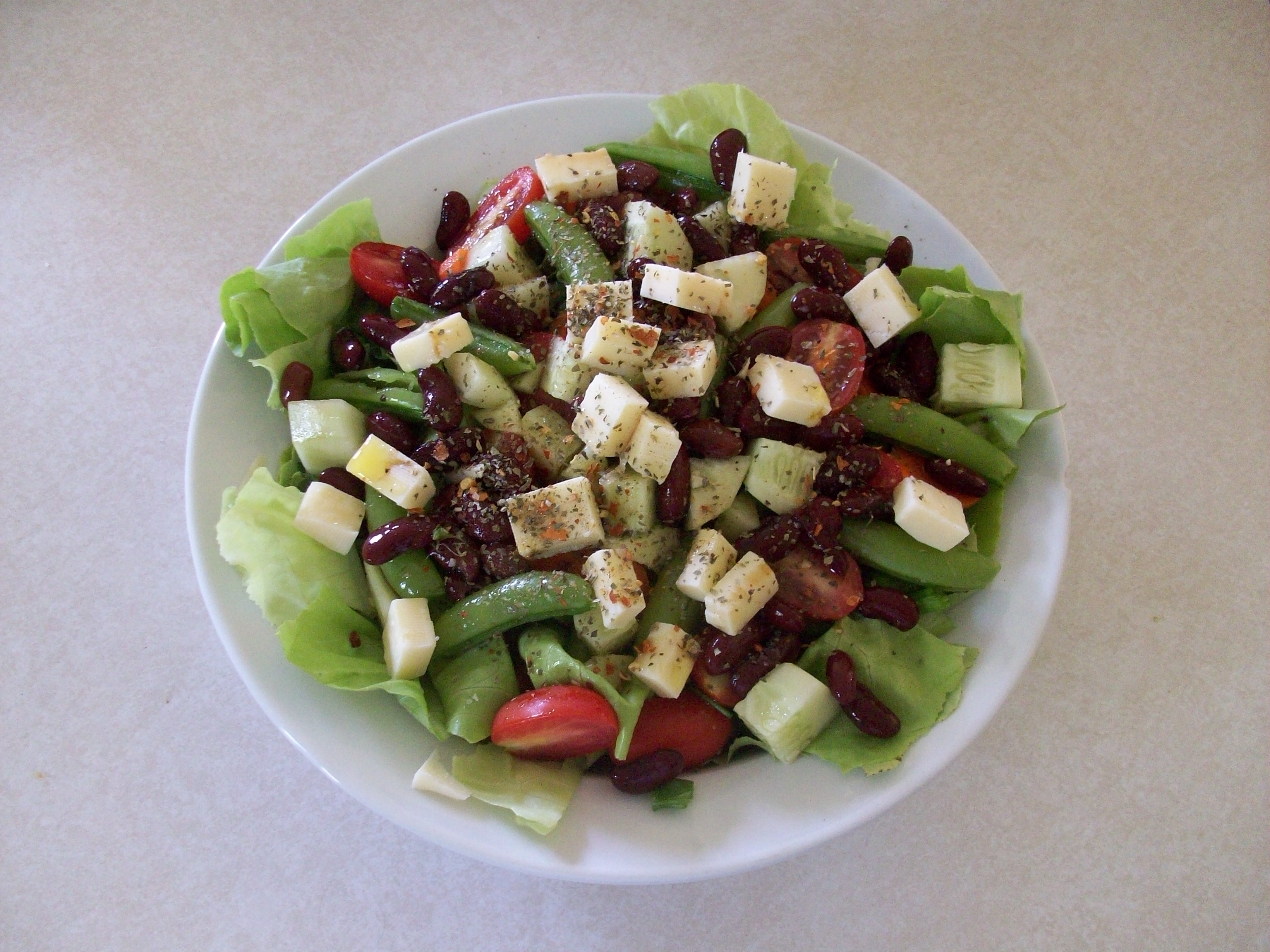
Each day is bringing plenty of work, and progress in getting the yard and garden in shape. After so many years of neglect, it needs it. At the end of a day, before an evening meeting, supper is a salad made with what’s on hand in the fridge. A simple spring life in Big Grove.

Dinner Salad
Dinner Salad

Categories
Kitchen Garden

In the Onion Patch

LAKE MACBRIDE— The harvest was 100+ spring onions, but that was not the plan. The weeds had taken over the onion patch when I went to pull them yesterday— they were too intertwined with the onions to separate them, and while attempting to preserve the onions, I ended up pulling them out. One of the produce drawers in the refrigerator is now half full of clean spring onions, which isn’t all bad.

The trouble was the onion sets should have been mulched immediately upon planting— a lesson for next year. Part of the problem is that my supply of mulch (a.k.a. grass clippings) wasn’t ready then. Another issue is that while I spaced the onions well in the rows, the rows need to be further apart to enable the gardener to access them for weeding. Live and learn, but this year won’t bring the big onion harvest for which I had hoped.

After clearing the onion patch, I mowed and bagged the lawn and now there is a tall pile of mulch where the hope of onions used to be. This afternoon’s forecast is for a 10 percent chance of precipitation, so a-mulching I will go around the Brussels sprouts, broccoli, peppers, and everything else.

It will be easy to fill the onion patch with other plants, as two trays of seedlings are ready for transplanting. They will now see service in the space formerly known as onion patch.