Some photos from the garden taken Friday, July 10.
Categories
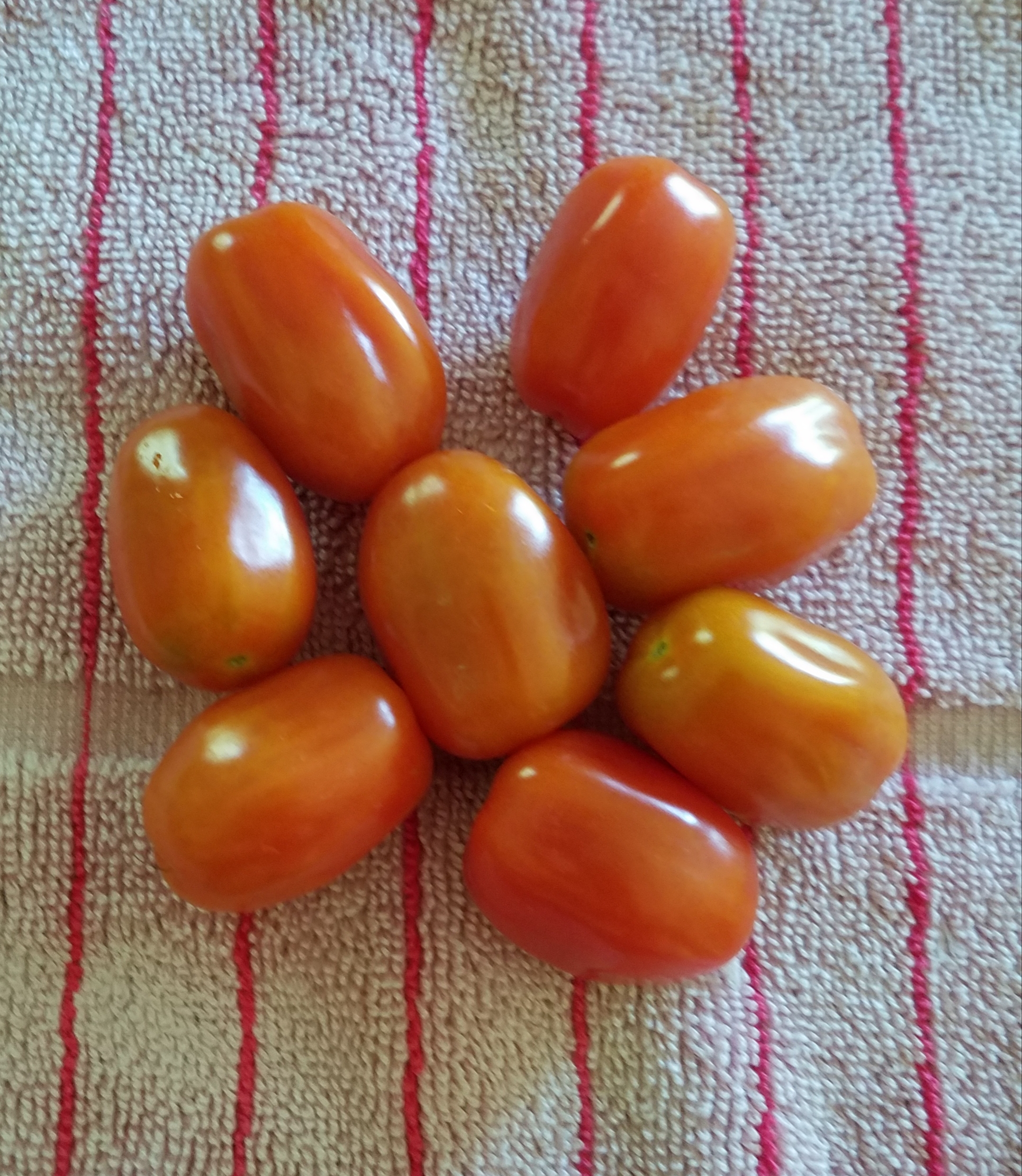


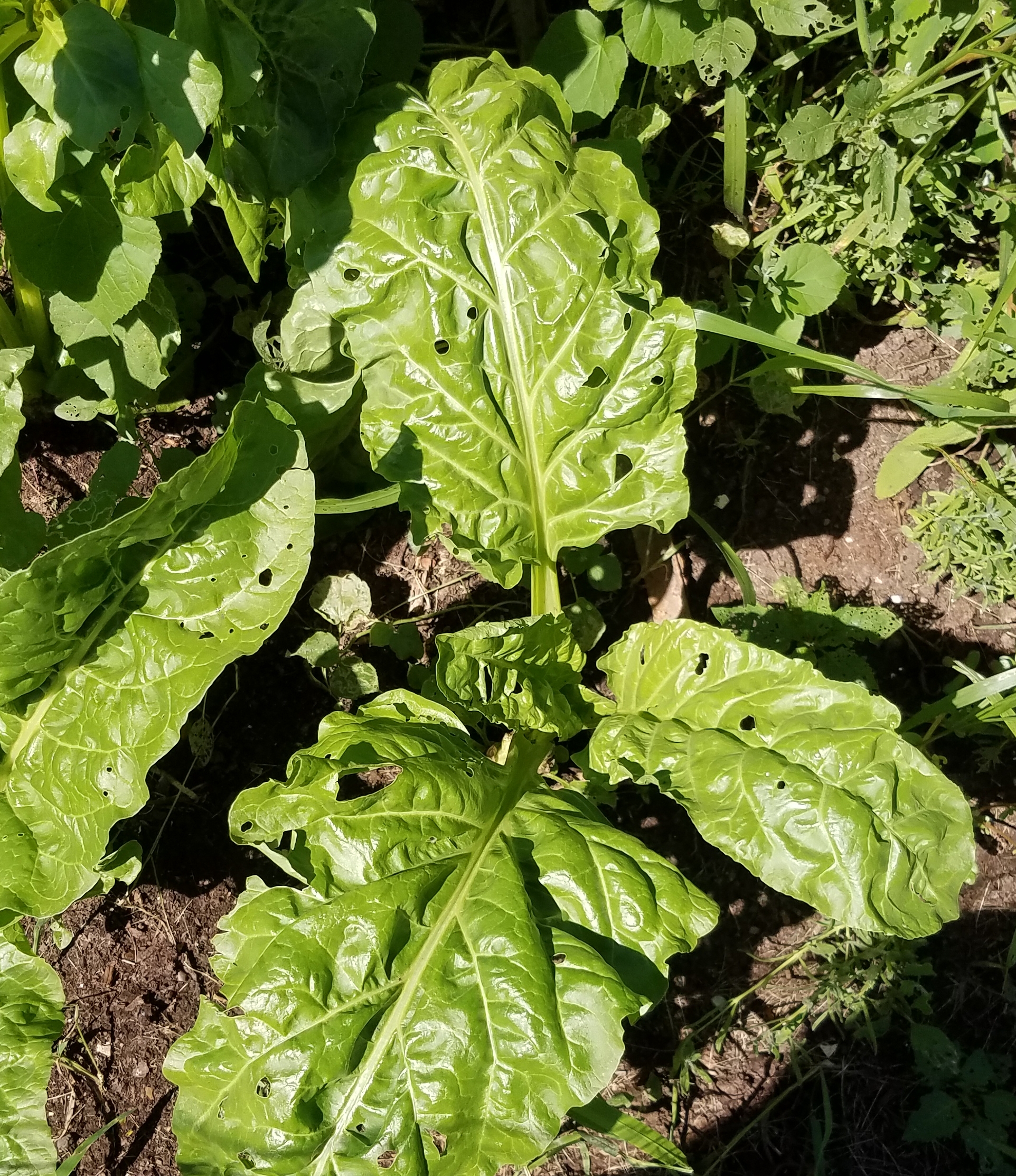

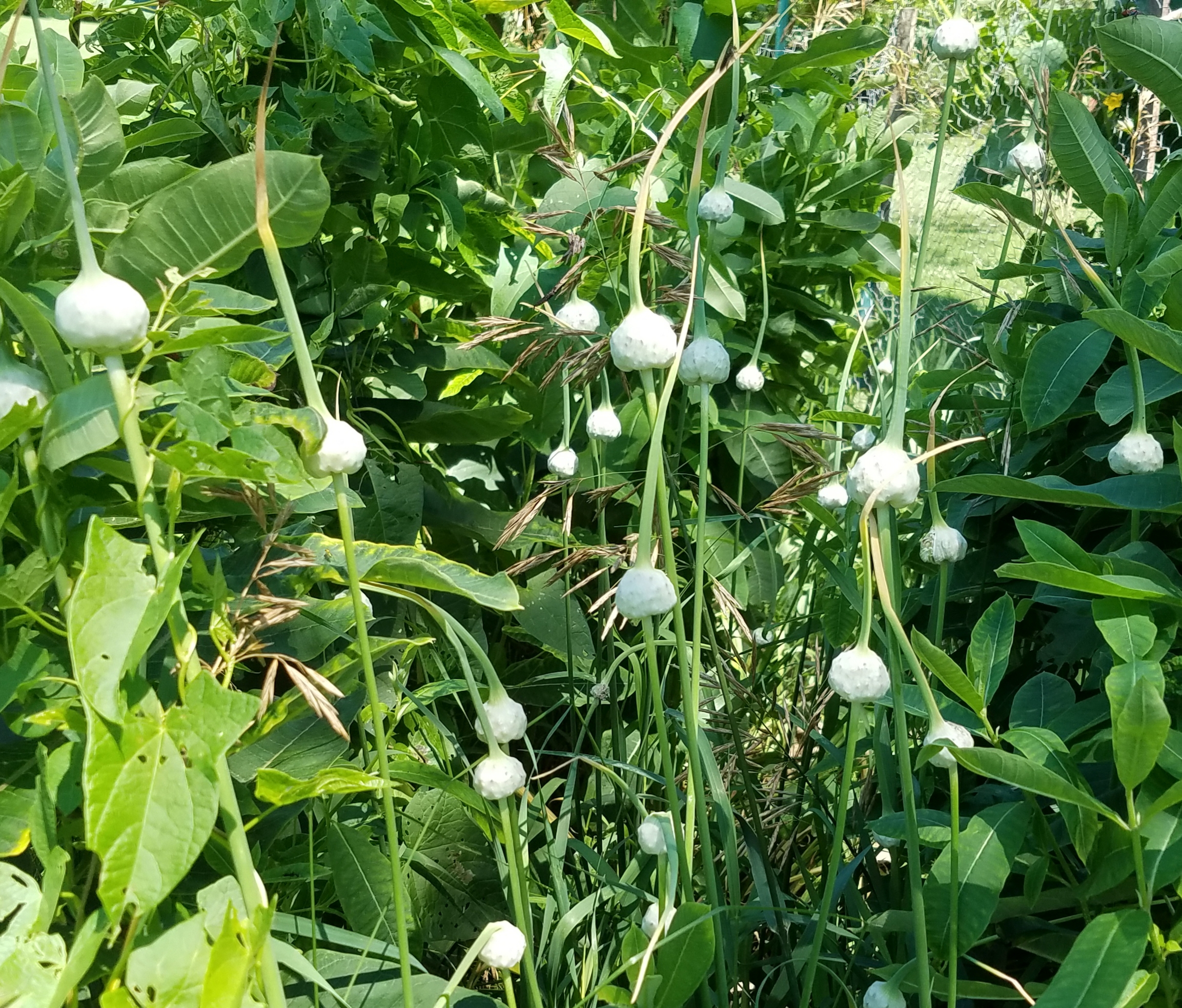

Some photos from the garden taken Friday, July 10.

The idea of new potatoes is to harvest them two weeks after the flowers are finished. This is what they look like with thin skins and creamy potato goodness inside.
I boiled a pound for dinner and served with butter, salt and pepper. Keeping it simple with condiment flexibility is a characteristic of our kitchen garden. Diners can take cooked vegetables and finish them how they will.
When I worked at the home, farm and auto supply store I bought seed potatoes as soon as they came in. Planting is within a radius of Good Friday, although not necessarily on the day. I planted early this year. A few years back rodents ate our potatoes in the ground so I moved them to a container. Container growing is working, likely helped by the two stray cats who hang out in our garden.
Our main sources of potatoes are from our garden and a bartered fall share of the community supported agriculture project. When there are potatoes we eat them and seldom buy outside spuds. We follow the season.
The soil in the containers needs recycling for next year. There are too many roots and not enough nutrients. This year the containers were more than half empty when I planted. As the vines grew I added more soil and compost until the container was full. The result was potatoes grew in layers and there were more of them in each container.
The photograph represents the yield from one container, about five pounds. There are four containers this year so they will last until the fall share begins in September. Together they should keep us in potatoes until Thanksgiving after which we’ll wait for more next year.
In addition to boiling potatoes, I’ll roast some with other root vegetables and onions when they are available. We make potato salad, escalloped potatoes, leek and potato soup, parsley potatoes, mashed potatoes, and add them to vegetable soup.
The harvest of new potatoes is another marker in the gardening season. Such markers help us keep our sanity in the chaotic world of the coronavirus.

When the electrical power went off I located my portable charger and plugged in my phone. The WiFi was dead yet access to the internet is crucial in an emergency.
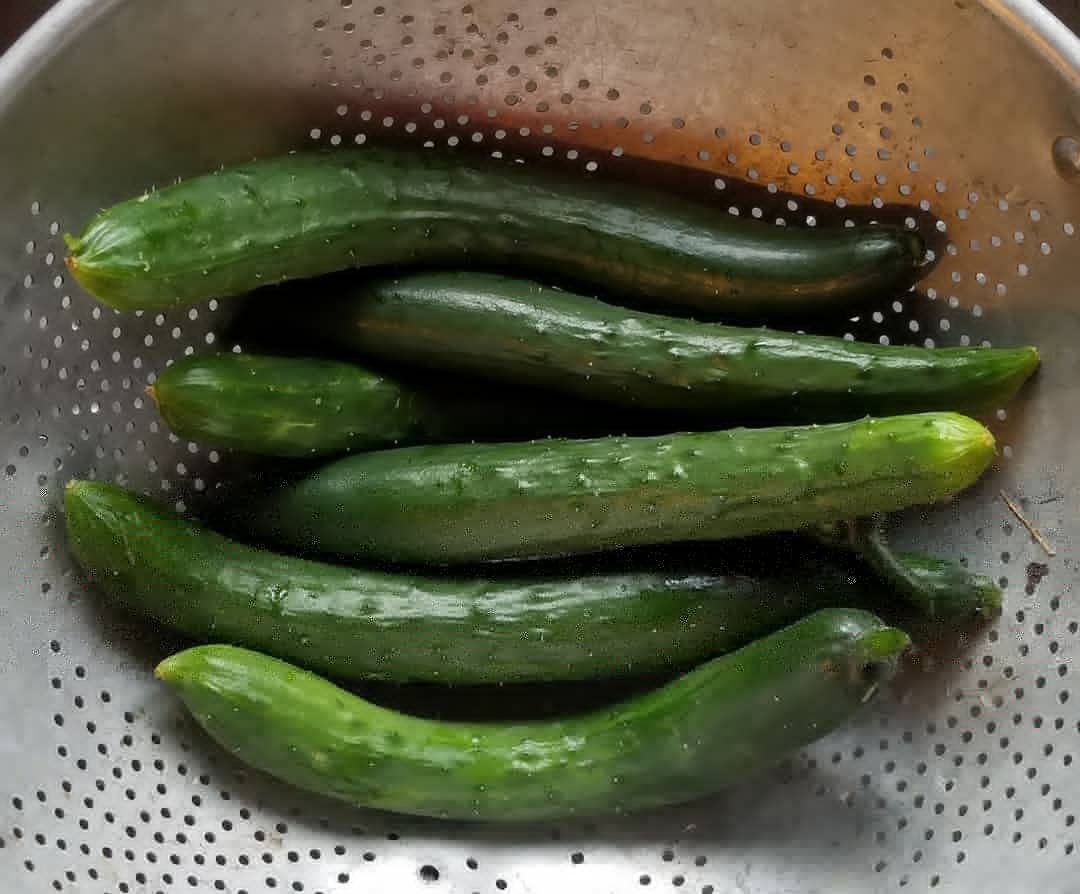
A neighbor asked if our power was out via text message. I responded, “Yes, do you need cucumbers?” I walked a bag of freshly picked cukes over to the back door of their house where they were preparing the grill for a cook out.
The rural electric cooperative website reported more than 1,600 homes without power. The plotting of outages on their map was based on reports from customers so I phoned in our report. The operator was patient and helpful. All the information she had was on the website except that crews were working on the problem.
Our association has a Facebook page which was more active than normal. The loss of electricity didn’t have any apparent effect on social media. No new information there, just neighbors asking what up?
The duration of the outage was about 90 minutes. Just as power came on the doorbell rang. One of the well volunteers came down from the well house to report the water pressure was going down and soon they would have to turn on the back up generator. He smiled when I told him the electricity was back on. I made a post on our Facebook page pointing out the well volunteers were monitoring the situation.
In a rural subdivision we rely upon each other for information. Mobile phone technology makes our lives better. Glad I adapted back in 2012.
These summer days are gorgeous. Temperatures are rising to about 90 degrees each day with clear, calm skies. Humidity has been high so I get my outdoors work done early after sunrise and spend most of the day indoors. There is plenty of work.
I harvested the rest of the celery yesterday. Most of the harvest gets chopped into bits and frozen for use in soups and stir fries. The flavor of home grown celery is hard to believe, better than any celery grown for commercial sales. Fresh celery lasts a shorter time than store bought. That’s okay. It is worth the 120 day growing season for the flavor.
I sorted and brought the last of the 2019 onions to the kitchen. They need using up. In the meanwhile the portable greenhouse shelves are filled with this year’s crop, drying so they can be trimmed and stored.


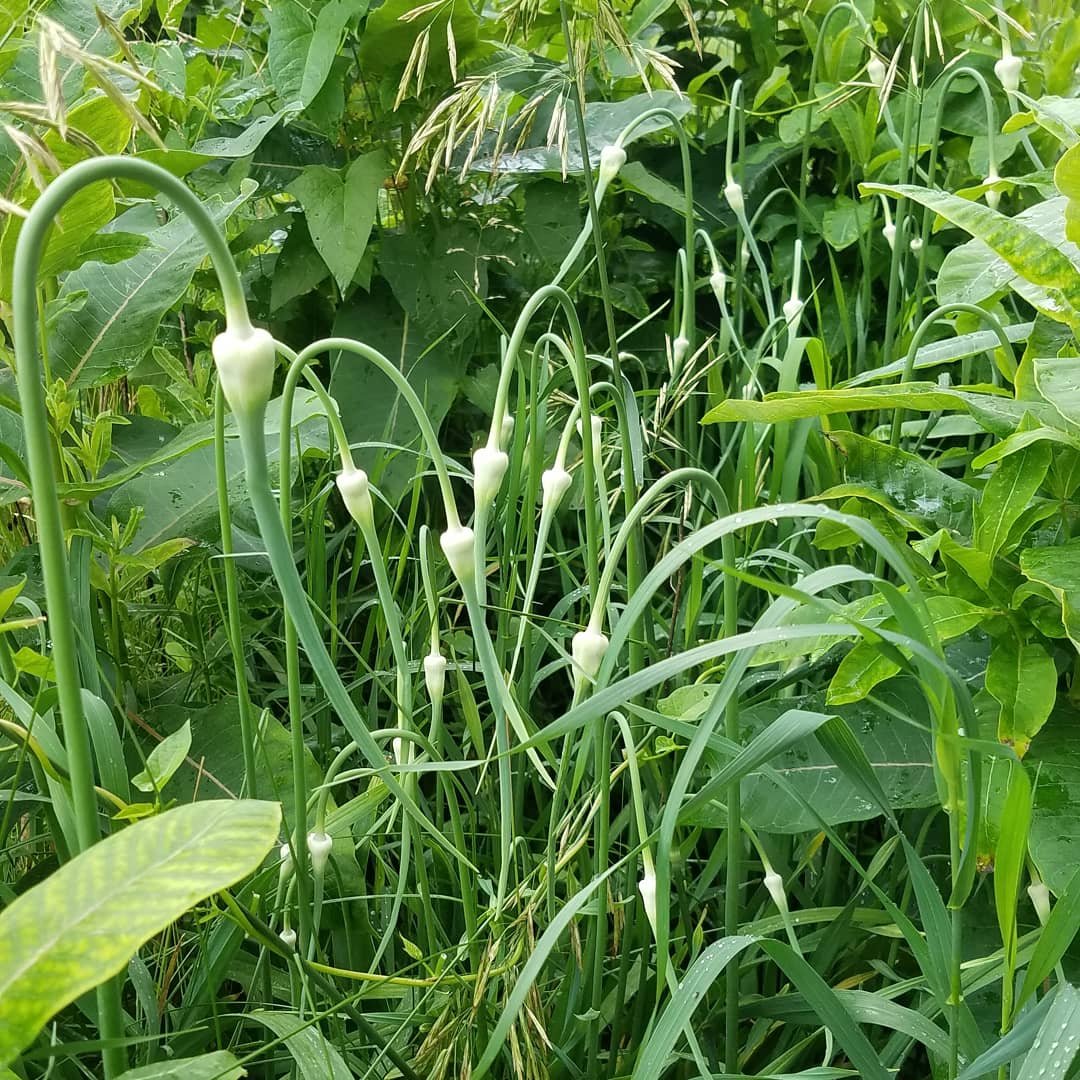
Planted last October, on July 2 it took about an hour to harvest the crop of 50 head of garlic. It was the biggest garlic harvest we’ve had in our home garden.
The variety comes from my friends Susan and Carmen who in succession, over 25 years, have been growing and selecting seed from the annual crop to produce it. Garlic doesn’t take much more effort than proper planting, weeding, harvesting and curing. The genetics and culture of producing it are everything though.

If everything goes well, I plan to keep the best third of the garlic heads to use for seeding next year’s crop. By doing so I’ll continue the process started so long ago on that nearby farm.


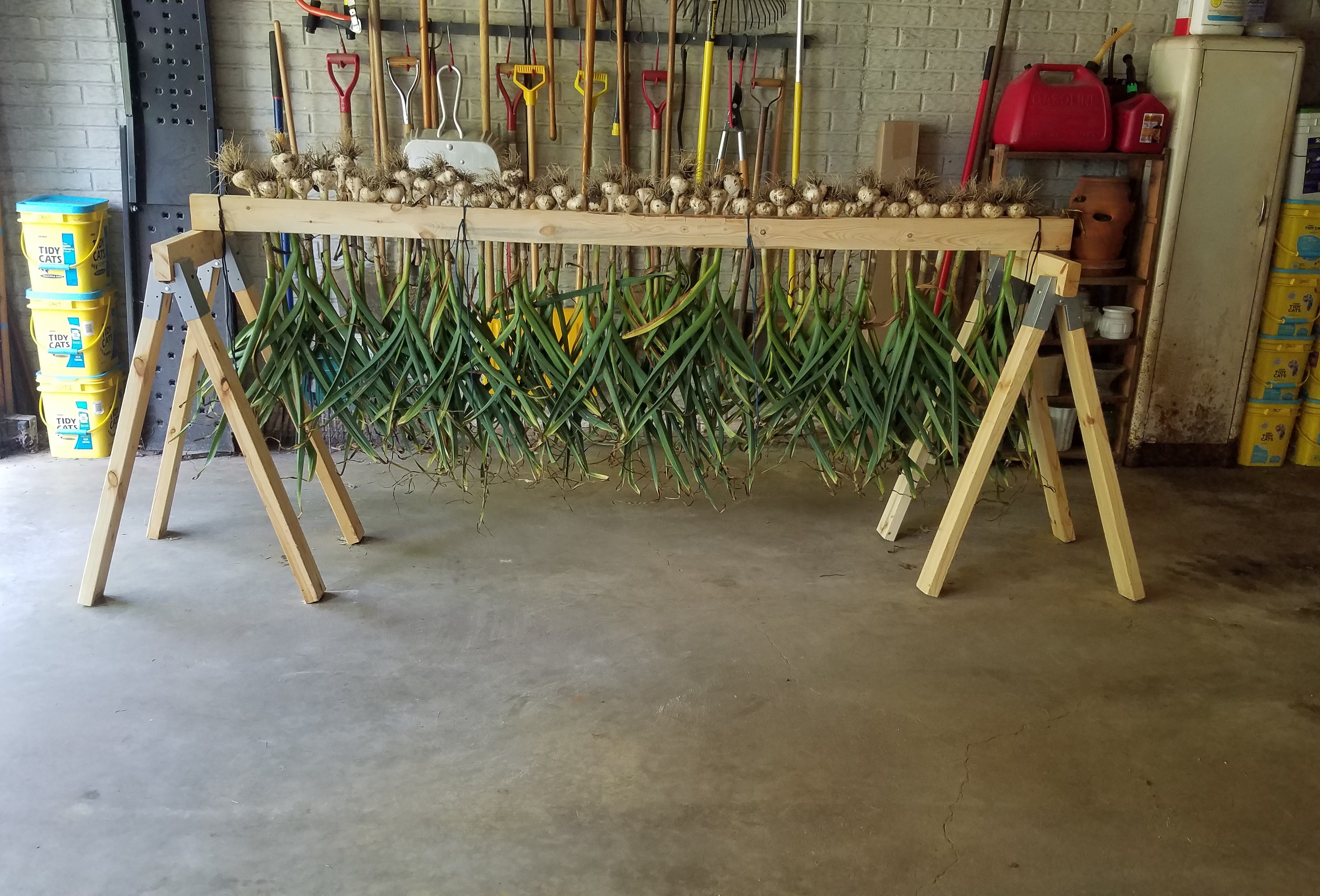
Just so you know, our household doesn’t have any problems with vampires.
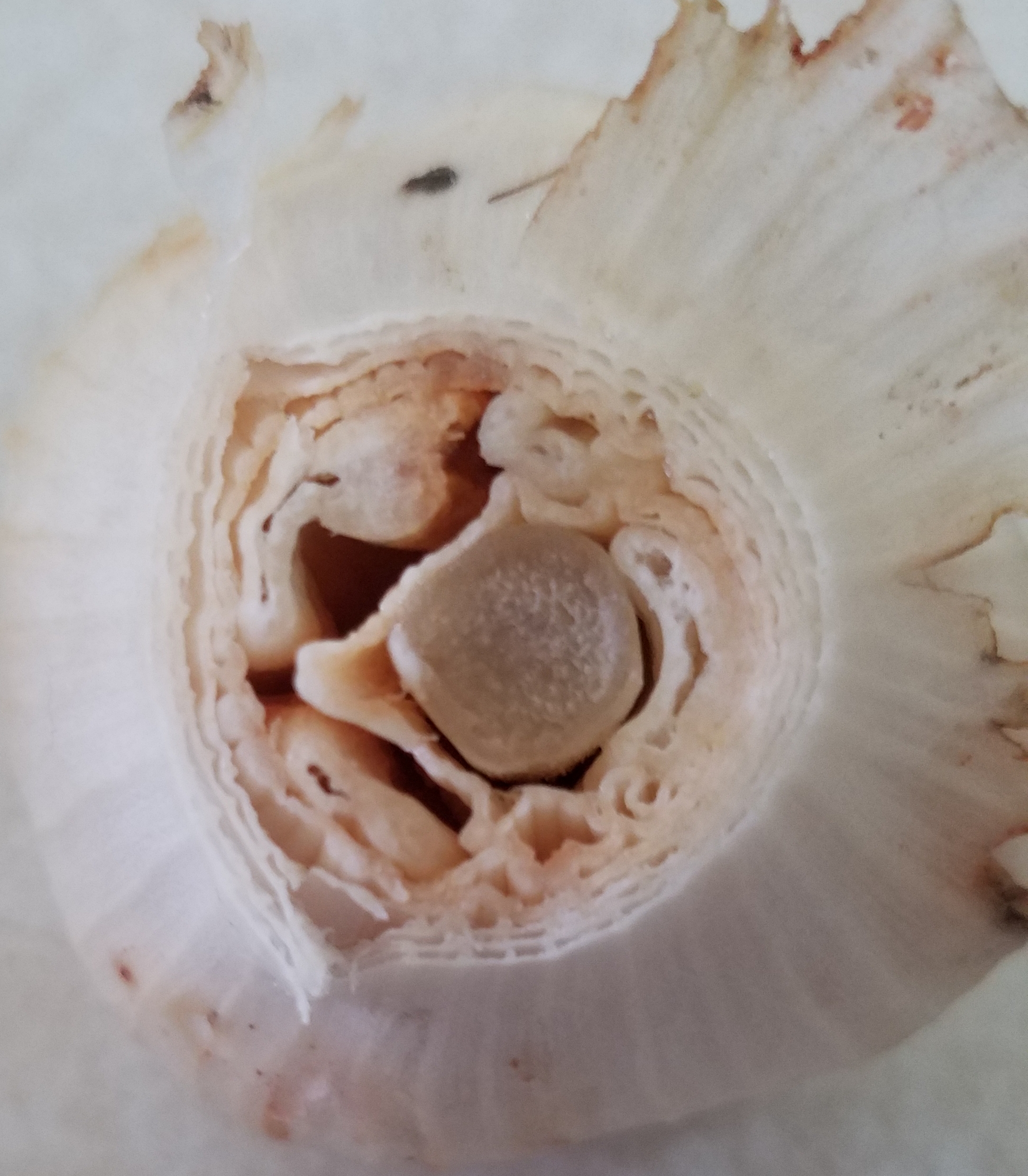
The garlic is ready. Yesterday I dug a head from the plot and the cloves are mature. As this image shows, each clove is pulling away from the stem and when I cut into it, the hydrated precursor to the paper had formed around each clove.
I’ll dig up the 50 plants today or over the weekend, rack them in the garage, and cure them until it’s time to remove the stalk.
It’s a nine-month process from planting cloves in October until the July harvest. Done right, the time commitment is worth it.
Garlic is a basic part of our cooking: I can’t imagine being without it. I also can’t recall the last time I had to get some other than at the farms where I work. If the quality is good this year, I’ll save a third of the heads for planting this fall.
In addition to garlic, the zucchini, cucumbers, celery, and onions are ready. Tomatoes are forming but it will be a while before they are mature and ripen. By the calendar it’s time to dig new potatoes from one of the four containers. The garden is turning to peak production whether I’m ready or not.
As it does my attention turns to writing for Blog for Iowa the next four weeks. I will cross post here the following day, although it is more political writing than I usually do. There is a lot to say about that part of society these days and I’m glad for the platform.
The forecast is hot and humid the next ten days… Iowa summer. July will be a mad rush to get everything done as we remain is semi-isolation because of the coronavirus pandemic. There should be less distractions than in the before time. I’ll miss the company.
Eventually I will snap out of this coronavirus funk.
For weather and productivity this was the best spring I remember. The garden is doing great and I have time to give it daily attention. Without work commitments each day is mine. I spend more time outside and at the state park. I’ve gotten my bicycle out and ridden for the first time in years. The weather has been drop-dead gorgeous. What is the matter with me?
I live in a broader society that is going to hell in a hand basket.
My response is stay positive, although negativity drags on my spirits. It takes a village to make a life and when we are each isolated because of the coronavirus, it’s tougher to do.
Here are some photos from early summer to cheer us up.


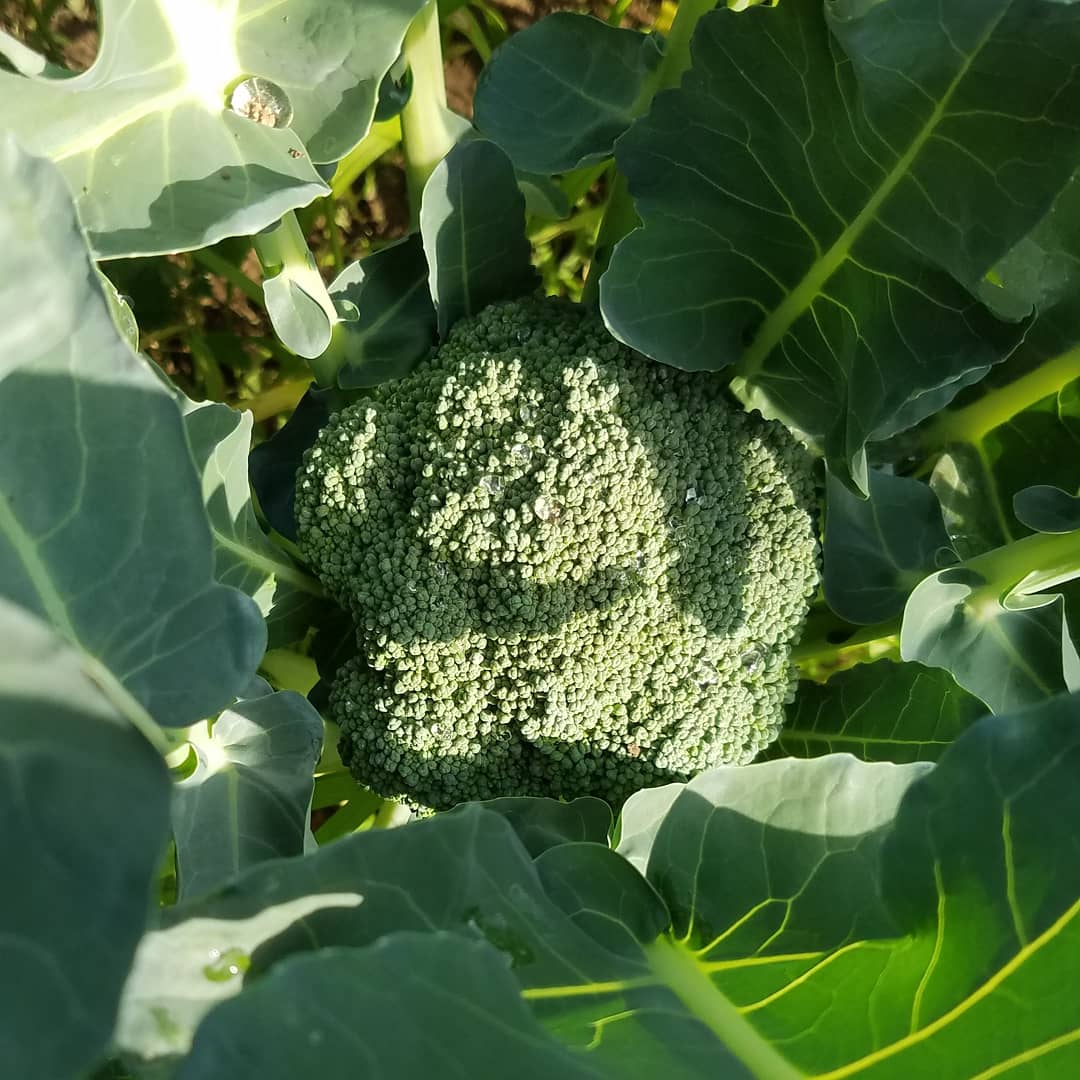
By the last day of spring the broccoli harvest began. Of the 31 remaining plants, I harvested six and the rest are not far behind. There will be broccoli shoots as well as summer begins.
Already this is the best crop I’ve grown from a taste and abundance perspective. The seeds of the fall crop have germinated in our portable greenhouse, so there will be more.
It’s raining this morning so I might just kick back and eat broccoli all day.
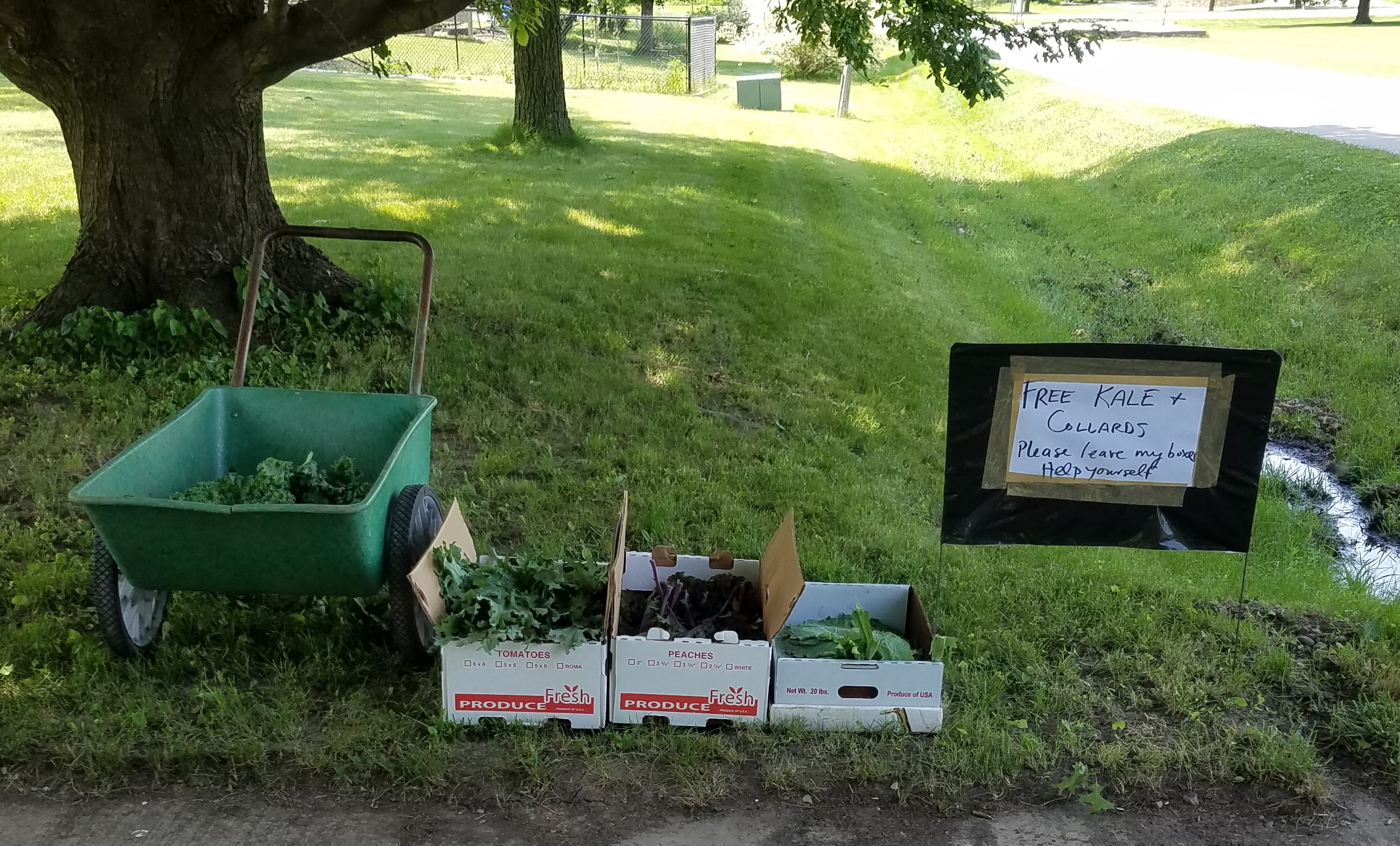
Yesterday’s kale harvest was big. To share the wealth I displayed some at the end of the driveway and posted the free give-away on Facebook.
Some of it was claimed, the rest returned to the garden via the composter.
Ten years ago I saved or preserved everything I grew in the garden. Any more I keep only enough to get us through to next year. I’ve visited root cellars filled with very old Mason jars of a garden’s preserves. That’s not who we should be. We take what we need and if we can’t give it away, leave the rest for compost.
Leafy green vegetables are not a favorite around here. I have regular customers who use it in smoothies or bake kale chips. Others prepare it traditionally as greens. The main use in our household is in tacos, soups and stir fries. When out of lettuce we make kale salad. Once in a while I add a leaf to a smoothie. I’m not a smoothie person. I tried kale pesto once and it was okay. Pesto with more flavor, like mustard greens, is better. For a gardener the main challenge is to grow just enough to meet needs. I cut back the space for kale to 18 plants this year. It is still too much.
Combine kale with kohlrabi, collards, mustard, spinach and chard and there is an abundance of greens this year. Next year I’ll use the planting space differently to more closely match what I grow with kitchen usage.
For now there is kale for all who want it.

Collard greens are easy to grow and the plants produce for a long season. Once one decides to include them in a garden there had better be a plan to use them.
The first picking, before little hungry insects arrive, is the best. Sorting leaves near the composter is a way to cull the best of the best. Yesterday I harvested two pounds of leaves and decided to make collards on cornbread for dinner.
The vegetarian recipe was a collaboration with people I know combined with a few internet searches. Traditionally the dish is made with pork so the issue of how to replace lard and the meat was a primary issue. This dish came out tasty tender.
Collard Greens
One pound stemmed collard leaves
One cup diced onions
One head finely minced garlic (5-6 cloves)
Tablespoon each butter and extra virgin olive oil.
Salt and pepper to taste
One teaspoon hot pepper flakes or fresh chilies if available (optional)
Three cups vegetable broth
One pint canned tomatoes or fresh if available
Measure one pound of stemmed collard greens and cut into half inch ribbons. Set aside.
In a Dutch oven heat one tablespoon each of extra virgin olive oil and salted butter. Once foaming subsides, add one cup diced onions and a finely minced head of garlic (5-6 cloves). Season with salt and pepper to taste and sautee until softened. Add a teaspoon of red pepper flakes (optional).
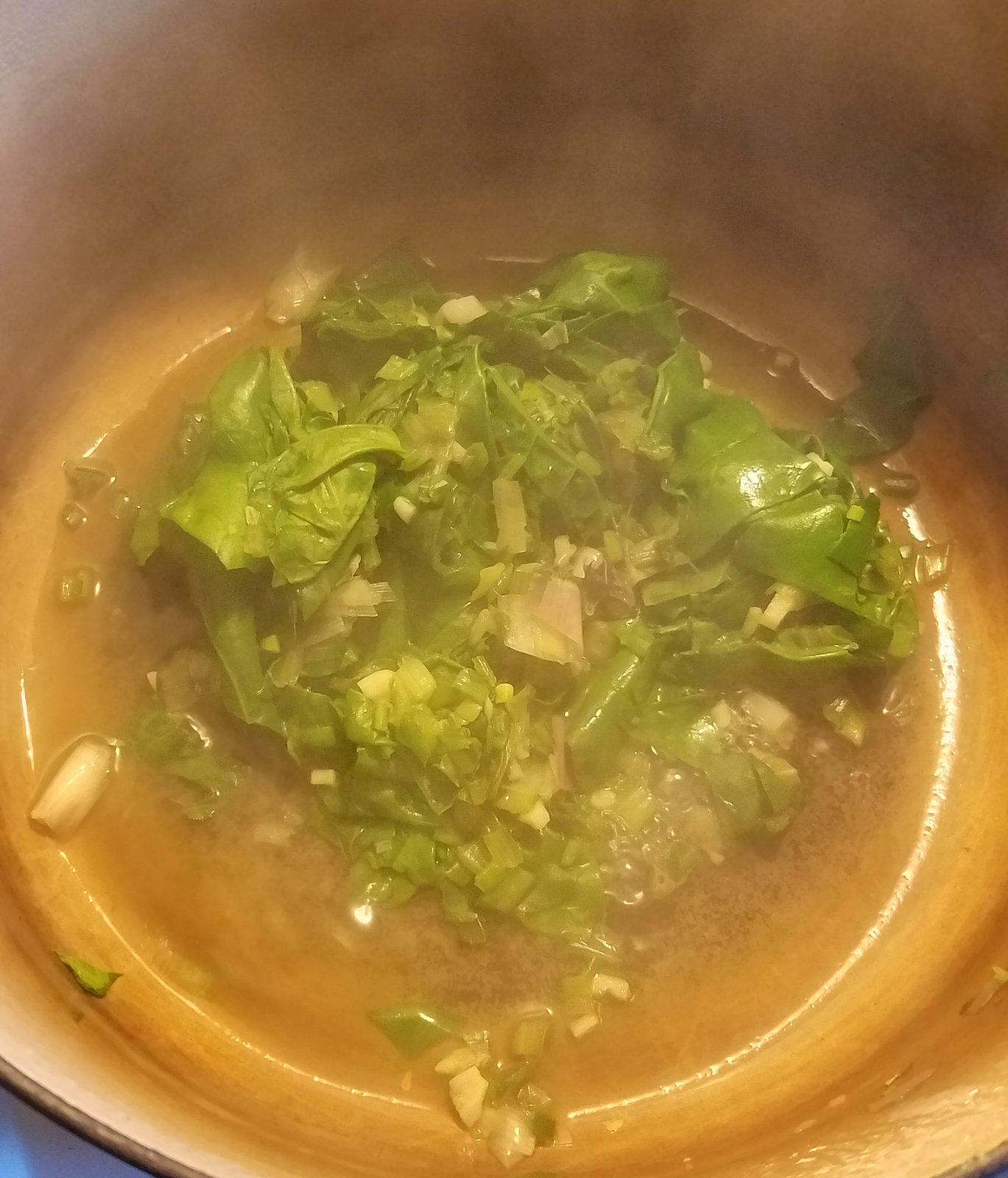
Once the onions become translucent, add the collards and three cups of prepared vegetable broth. Also drain the liquid from a pint of diced tomatoes into the pot. Bring the mixture to a boil and cover. Stir the greens every so often. Once the volume of the greens is reduced, reduce the heat to a simmer.
Cook until the leaves are tender, about two hours. Add diced tomatoes and continue cooking until they have warmed.
Spoon onto cornbread, including a generous amount of the cooking liquid.
We found the recipe to be quite satisfying and a welcome way to use produce from the garden.
I’m determined to grow shallots and onions this year. I took the solar powered radio to the onion patch, took down the fence, and weeded until it was done.
The onion starts purchased from the home, farm and auto supply store are growing but not yet forming bulbs. The shallots growing from seed look like they will be something, and soon three varieties of storage onions started from plants will need thinning so there is room for them to grow.
If the garden produces storage onions it would be for the first time. I’m following the guidance of my mentor so there’s hope of success in the form of a bin full of onions stored near the furnace over winter.
A few dozen onions from 2019 remain in the bin. I am so confident of onion success I’m planning to caramelize a big batch of them and transition to reliance on what I grow. More than anything, onions are a mainstay of our kitchen and growing them a key part of making our kitchen garden more relevant.
Among the weeds I found was lamb’s quarters, which grows in abundance without doing anything but planting other things. Lamb’s quarters grows everywhere in Iowa on its own. While culinarians forage these leaves to include in gourmet preparations, in a kitchen garden a cook needs only so many greens. I ate a few of the tender top leaves and composted the rest. They are a tasty green, less bitter than some I grow intentionally.
Around the country protests continue in the wake of videos of the May 25 murder of George Floyd in Minneapolis. The Cedar Rapids Gazette reported large turnout for demonstrations in nearby Cedar Rapids and Iowa City last night. No one knows how long demonstrations will continue or how long it will take government to act on them. The expectation is government will act.
In 1968 after the assassination of Dr. Martin Luther King Jr., and ensuing riots in American cities, it took six days for President Johnson to respond by signing the Civil Rights Act. I don’t see any such action coming out of the Trump administration whose reaction has been to build a fence around the White House and seek to retain power by winning the Nov. 3 election.
While we need to eat, the progress of my onion patch may be the least of our worries. What happened to George Floyd shouldn’t happen to anyone. There is systemic racism in the United States, and we must each do something to address it. What will be the enduring legacy of the Black Lives Matter movement? With our current federal government that remains an open question.

 Journey Home
You must be logged in to post a comment.