Categories
Kitchen Garden

Blustery Day in the County

Waiting for better weather to install the boat docks on the lake.

Some parts of the county reported wind gusts of 60 miles per hour yesterday. The National Weather Service counted eight tornadoes in Iowa. The wind lifted my greenhouse from its base and rolled it along behind my neighbor’s home. The main outdoors work was dealing with the wind.

Wind is expected to die down today. After my conference call I should be able to work in the garden. I plan to continue deconstructing a plot for peas and greens. I’ll transplant tomato seedlings from the channel tray where they germinated to soil blocks. This is Good Friday, the traditional day to plant potatoes. The potato seeds are cut, seasoned and ready to go into the ground. Four packets of seeds arrived from the seed company which need to get planted in blocks and placed on the heating pad to germinate. It will be a busy day.

In addition to dealing with wind, I had my annual diabetes screening with my ophthalmologist. The good news is there is no evidence of diabetes in images of my retina. Cataracts are progressing toward needing surgery in five or more years. For now I can see clearly and if I use the new eyeglasses prescription things will be in focus. He dilated my pupils and I was disorientated most of the day. Not wanting to drive home immediately after dilation, I went to a nearby retail store and walked around until my eyesight recovered enough to drive. I brought home a load of mostly organic fruit and vegetables.

I’m reading The Wizard and the Prophet by Charles C. Mann. I had not known much about either of its main subjects, Norman Borlaug and William Vogt. This is a good time to take up this study because how civilization interacts with the environment is a key modern consideration. The book outlines two main approaches. I lean toward Vogt’s “carrying capacity” approach, with some caution. While Borlaug won a Nobel Prize for his work with plant genetics, hybrid seeds and industrial-scale agriculture are part of our current environmental problems.

I’d like to get back to normal yet I don’t know what that means any longer. Spring, while blustery, has sprung.
Categories
Kitchen Garden

A Springery Mix

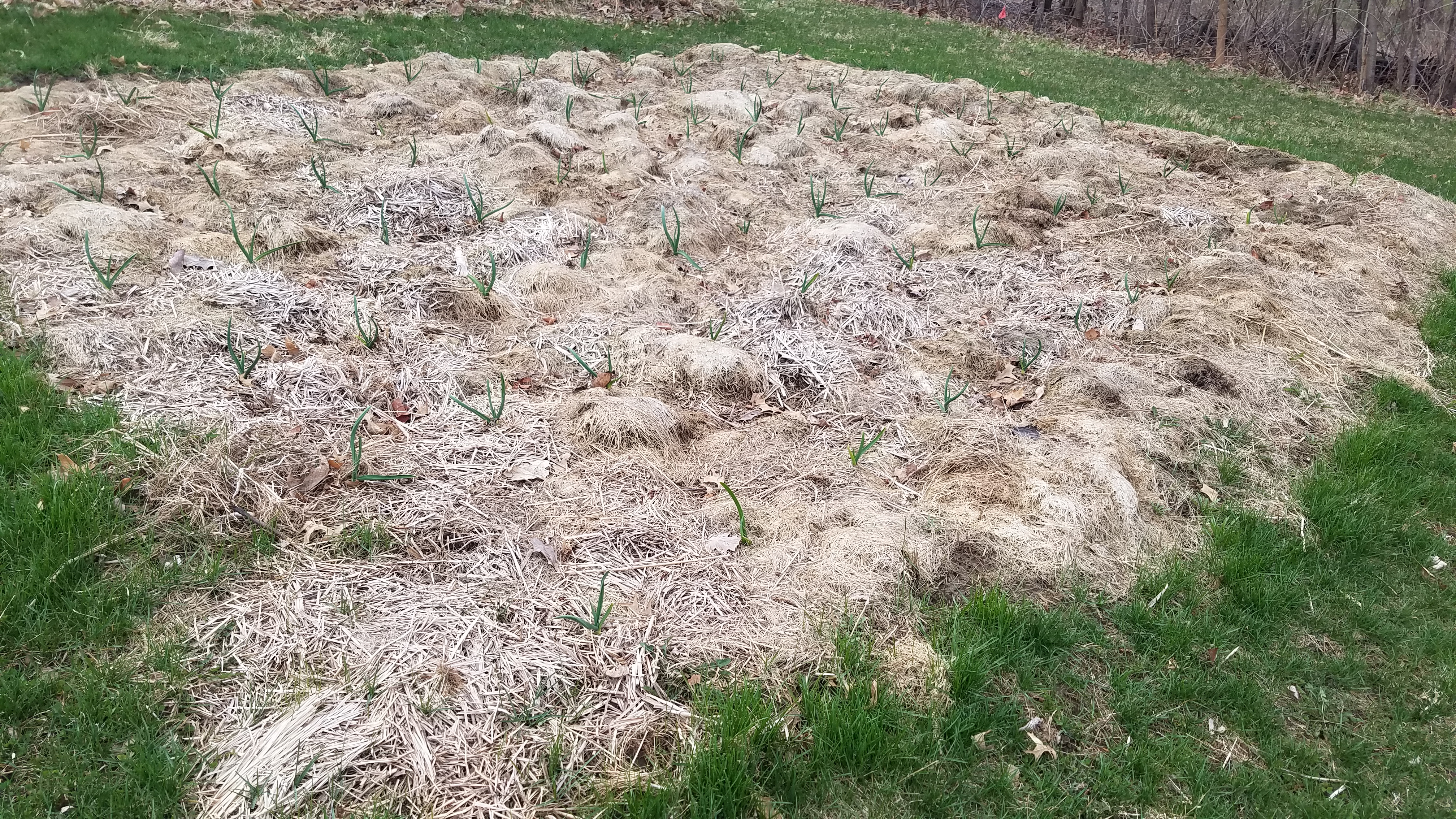
2022 garlic patch.

During yesterday’s drive to Des Moines precipitation was a mix of sleet, snow and rain. We are supposed to be finished with winter, so instead of a “wintry mix” let’s call it a “springery mix.” High winds were freezing cold when I made a rest stop.

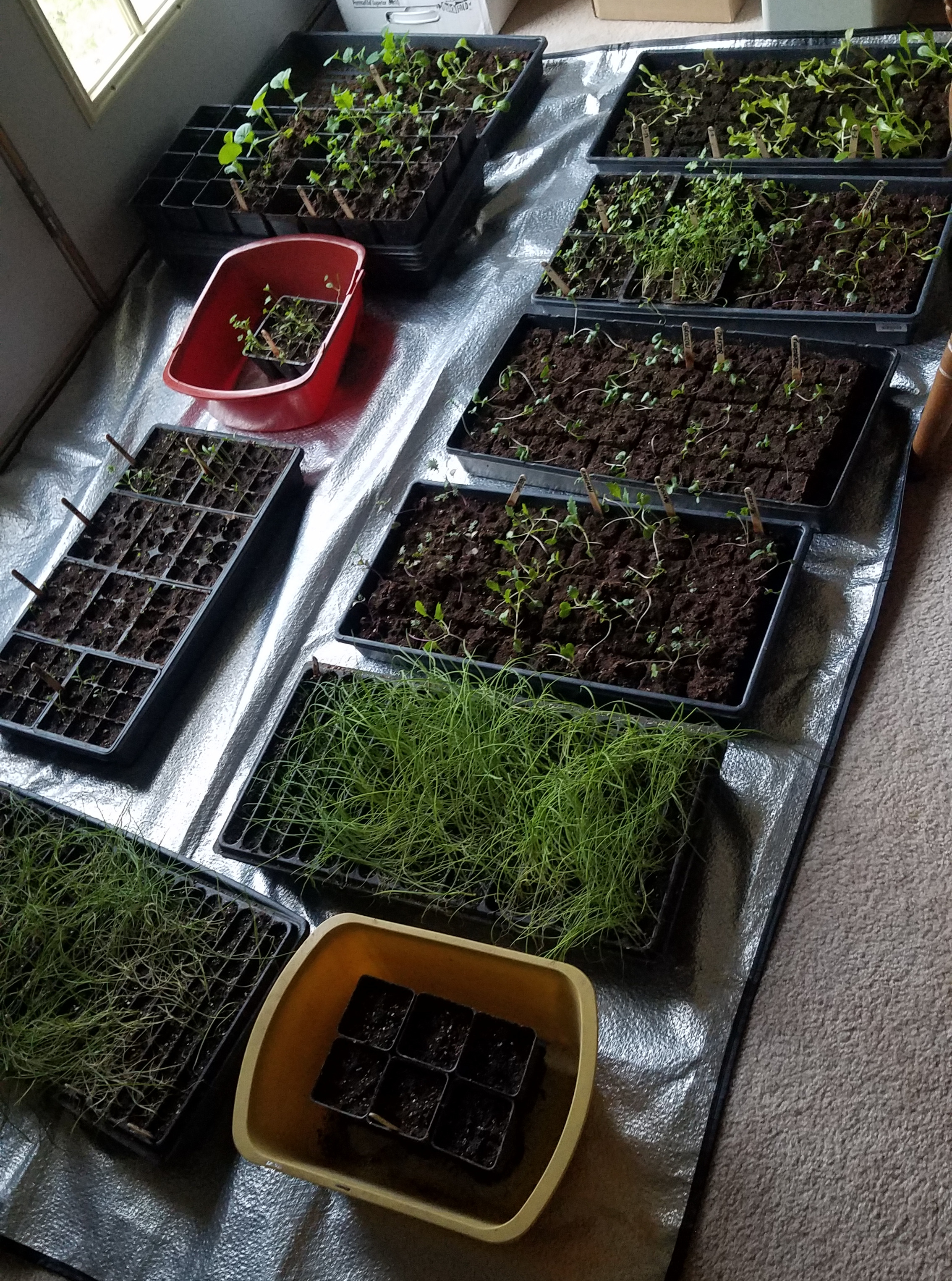
The garden is behind and getting further behind each day. Ambient temperatures today are forecast at 30 degrees the next few hours with wind gusts up to 45 miles per hour during the day. I pulled trays of seedlings out of the greenhouse and brought them indoors again. They are progressing, yet slowly.

At least the garlic looks good, with only a couple of dead spots. Garlic is great yet a person can’t live on it.

Onion starts are to arrive from the seed provider this week. They will sit on the workbench until the soil dries and I can get into the garden to prepare the bed. The onions and shallots I started from seed need planting as the starter soil appears to be exhausted of nutrients. We are not in a good place.

This morning I have an appointment across the lakes after which we’ll see if any gardening can be done today. I may be relegated to transplanting tomatoes to larger soil blocks and seeding the next wave of vegetables. Will take it one day at a time.

Categories
Kitchen Garden

Gardening In Between

At the junior high school track meet on April 13, 2022.

I woke to the sound of rain falling on the roof. The furnace was off with its quiet mechanicals accentuating the gentle sound. After a restless Monday night, I slept straight through to Wednesday.

Weather was sub-optimal for gardening yesterday. Wind gusts up to 45 miles per hour drove me to abandon tear-down of the garden plot planned for cruciferous vegetables, peas and greens. I managed to move the kitchen composter to a new location and tear down weed infested fencing. A lot of work remains.

This plot was the first dug after moving to Big Grove in 1993. I remember that initial work like it was yesterday. Our lot is 0.62 acres and I envisioned a big garden even if my work in transportation kept me away from the daily work of planting, weeding and managing crops. I became a better gardener by sticking with it. The plot became filled with sunken potato tubs, two composters, and pallets of miscellaneous stakes and other essential garden junk. It was a hodge-podge. I plan to clear all of it to gain planting space. I don’t know to where I’ll move the garden composter yet.

In late afternoon I drove to town and met with our candidate for state house, Elle Wyant. Her seventh grader was participating in a track meet at the high school. It provided an opportunity to talk about politics.We had more in common than I knew.

I don’t understand track and field. There were 400 people at the stadium, mostly milling about between events from what I could determine. It is the stuff of modern society: boring most of the time, injected with deep engagement in brief flashes. How did we come to that as a way to live?

Categories
Kitchen Garden

Turning the First Spade

Seedlings back inside the house while it has been cold.

Ambient temperatures are expected to rise by 20 degrees during the next two hours. Winds are down and skies clear. It is time to turn the first spade in the garden.

This is the latest I’ve begun gardening and there is a long to-do list. Once indoors chores are finished, I’ll get after it.

If the ground is frost-free the order of business is set up the first plot with row cover and plant seeds and seedlings for early harvest. Once that is finished, preparation for potato planting is next. I’m keeping the buried containers, although moving them. Also on the list is transplanting kale and other leafy greens to a bigger pot to help them grow before going into the ground closer to last frost. Any tear-down of fences and ground cloth from last year’s garden will be a bonus. I scheduled a five-hour shift and hope to work all of it.

Society is getting busy again. As the coronavirus pandemic appears to be normalized, my hope is people can be reasonable in preventing the spread of infectious disease. COVID-19 vaccination should be rolled into vaccine schedules that already govern our health.

Spring has sprung and people are anxious to get busy doing things they couldn’t during the pandemic.

That includes me.

Categories
Kitchen Garden

Revolution From a CSA

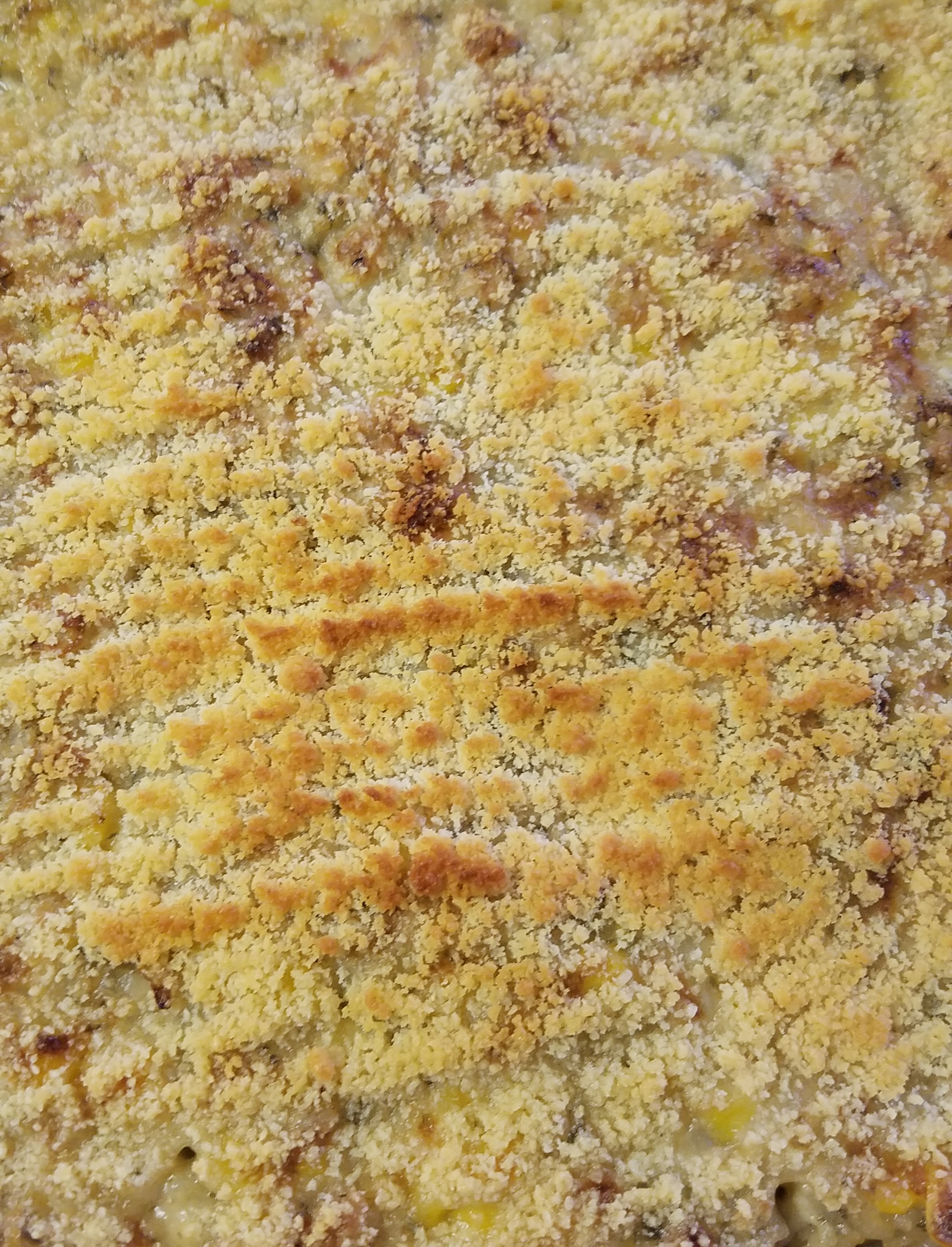
Corn-rice casserole.

Delicious food can be part of a normal life. It seems important to enjoy food we eat as it results in sustaining our lives in a turbulent world. There is little point in living a Dickensian food culture of gruel three times a day when so much food is abundantly available and recipes to prepare it are ubiquitous.

At the same time, as Raj Patel points out in his 2012 book Stuffed and Starved: The Hidden Battle for the World Food System, there are more than a billion people on Earth that don’t have enough to eat each day, and another group of even more that are overweight. Along the way, we became disconnected from the flavor of our food, and its purpose to nourish us. Patel argues that being food insecure and overweight are related conditions caused by the system which delivers our food. I recommend the book.

According to the U.S. Department of Agriculture, roughly 10.5 percent of U.S. households were food insecure for part of 2020, or about 13.8 million of them. This seems like a lot for one of the richest nations on the planet, given the relatively low cost of food calories. Our household has never been food insecure and we spent time and energy creating a food system that works for us. Part of it is growing some of our own food. It also includes shopping for the right things versus for everything. Food insecurity is a real problem, something to which most affected in the U.S. appear to adjust.

Joining a Community Supported Agriculture project was a way to know the face of the farmer and how food on our plate was grown. I joined for these reasons rather than any economic advantage, embrace of organics, or lifestyle change. Most CSA farms donate part of their share to local food banks, yet I never sought this form of generosity.

What is revolutionary about the CSA model is they cut out the middleman in agricultural sales, selling directly to consumers. Crops grown on a CSA farm are, for the most part, not fungible, thus avoiding issues related to the advent of middlemen and processors such as one finds in corn, soybean, dairy, cattle and hog farming. By selling direct to consumers, certain marketplace factors and dynamics can be avoided. CSA farmers secure a premium price for their products and their customers don’t mind that more of the cost of food goes directly to the farmer.

The CSA financial model avoids cyclical, seasonal debt for farm operations. Consumers finance farm operations by paying for a share of production at the beginning of the season. The farmer can avoid taking a loan for seeds, fertilizer and other inputs. Debt avoidance is significant and stands in sharp contrast to how a typical Iowa farmer funds operations.

CSA farmers have a working, if tenuous labor process. Wages are low for permanent workers and offset in some cases by providing food and lodging as part of the arrangement. There is a culture of volunteerism around CSA farms that further reduces labor costs. When I worked at a farm in 2013, my labor was shared with other CSA farms in a complicated process of barter and financial settlement. Most seasons I bartered my labor for a share in the farm, equipment, greenhouse space, or specific types of produce, reducing the farmer’s cash outlay. CSA farmers are creative in controlling and reducing labor costs. They have to be.

This returns me to the idea of delicious food. For the longest time I did not taste what I prepared in the kitchen while making it. I made dishes based on habit, recipes, and what was available in the ice box, pantry and garden. I didn’t give much thought to flavor and that was a mistake.

My outlook is changing. As I more closely integrate my garden with the kitchen flavor has become more important. Each small plate prepared is a multilayered work of creative expression. Some days the food is better than others and I’m beginning to appreciate the variation and what it means. Being part of a CSA brought me from being a consumer to something else, to being a person who relies less on the processing and distribution of food by middlemen. That is the true food system revolution.

Categories
Kitchen Garden

Garden Cycles

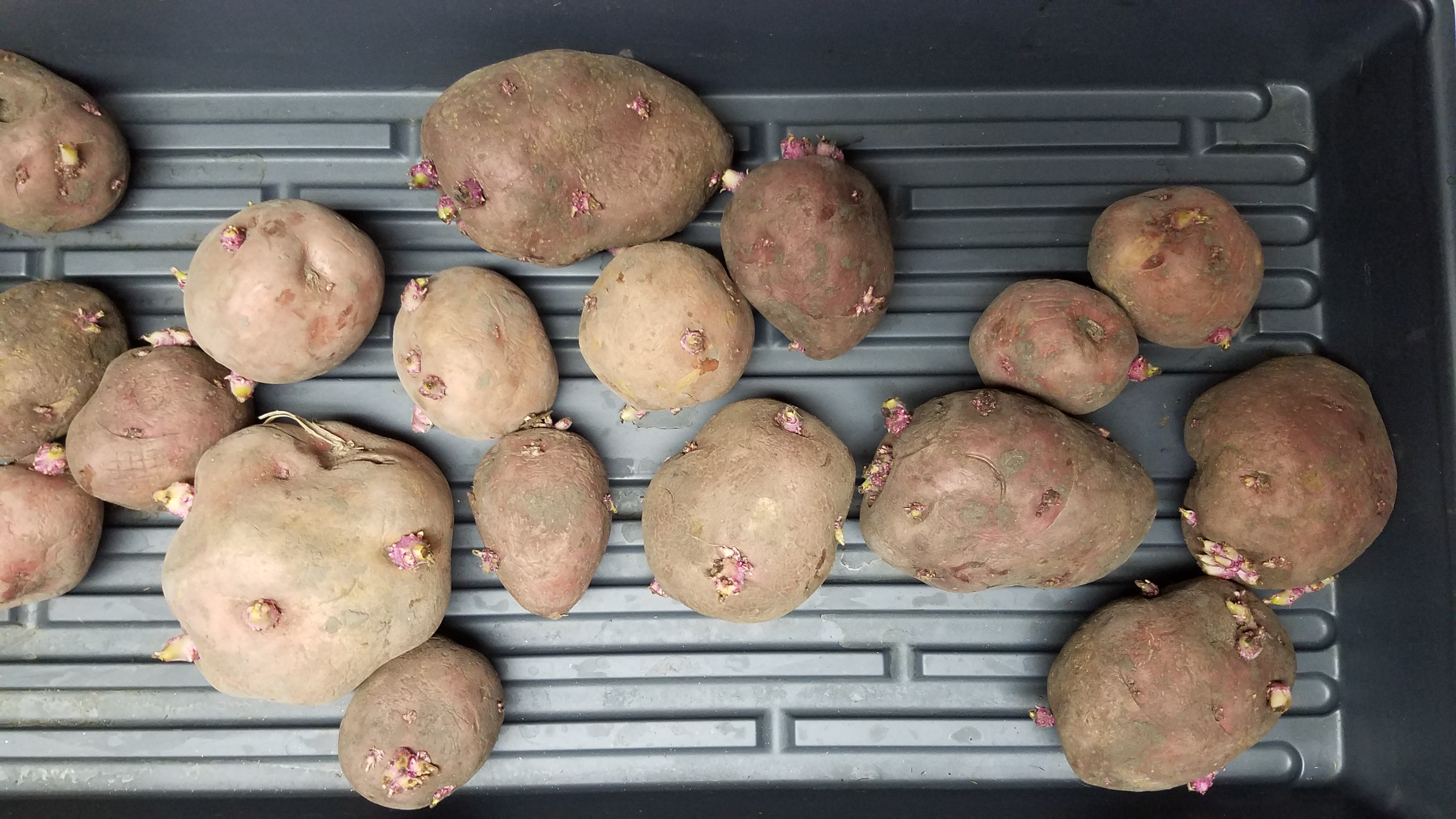
Red Norland seed potatoes.

“Extreme (weather) events are becoming more numerous in every season, so Iowans should anticipate more floods, droughts and heat waves,” Iowa State Climatologist Justin Glisan recently said.

Farmers and gardeners recognize this. What I didn’t realize is a third of the major natural disasters hitting Iowa since 1980 have occurred in the last five years. Tornadoes, derechos, severe thunderstorms, heat waves and drought have become commonplace. While adaptation in small garden plots like mine is possible, the scale of the problem is much bigger than any one person’s experience or ability to cope.

The last few days have been colder that usual. By that, I mean the historical average high has been 52.5 degrees and today the forecast is ten degrees colder than that. There is expected variation year over year, so it’s not time to wig out about extreme weather just yet. All the same, by now I’d have something in the ground besides garlic planted last fall if ambient temperatures were closer to normal. Adaptation serves gardeners as there is a wide range of suitable conditions for growth.

Ten days before Good Friday, I’ll cut seed potatoes for seasoning before planting. I have a notebook of previous gardening years that serves as an indoor planting guide. It is time to start Brussels sprouts, tomatoes, peppers and eggplant, according to last year. Following the agenda is the kind of activity gardeners relish. It creates a sense of understanding that helps us get by in a turbulent society.

When I was working full time, there was no time to work through seasonal climatic variation in the garden. Vegetables either made it or they didn’t. Attention to earning an income in a career blinded me to what was going on around me. We each avoid unpleasantness in order to preserve the secure bubble we create and in which we live most of our lives. This type of insularity is a main reason governments take inadequate action on climate change: people are caught up in their personal world construct. The real world is too ugly to contemplate so we avoid thinking about it and in some cases enable disaster.

Even with climate change and increased frequency of extreme weather events, garden cycles remain. We work through them each year and recognize variations. Producing a harvest is always rewarding. A garden can give us grounding in reality. It’s something sorely needed in this household and in society more broadly. At present, most are oblivious to garden cycles as Earth continues to orbit the sun, grocery stores have food on shelves, and our nest seems protected from the ravages we see on media coming into our devices.

It is easy to turn away from garden cycles, yet we shouldn’t.

Categories
Kitchen Garden

2022 Gardening Season

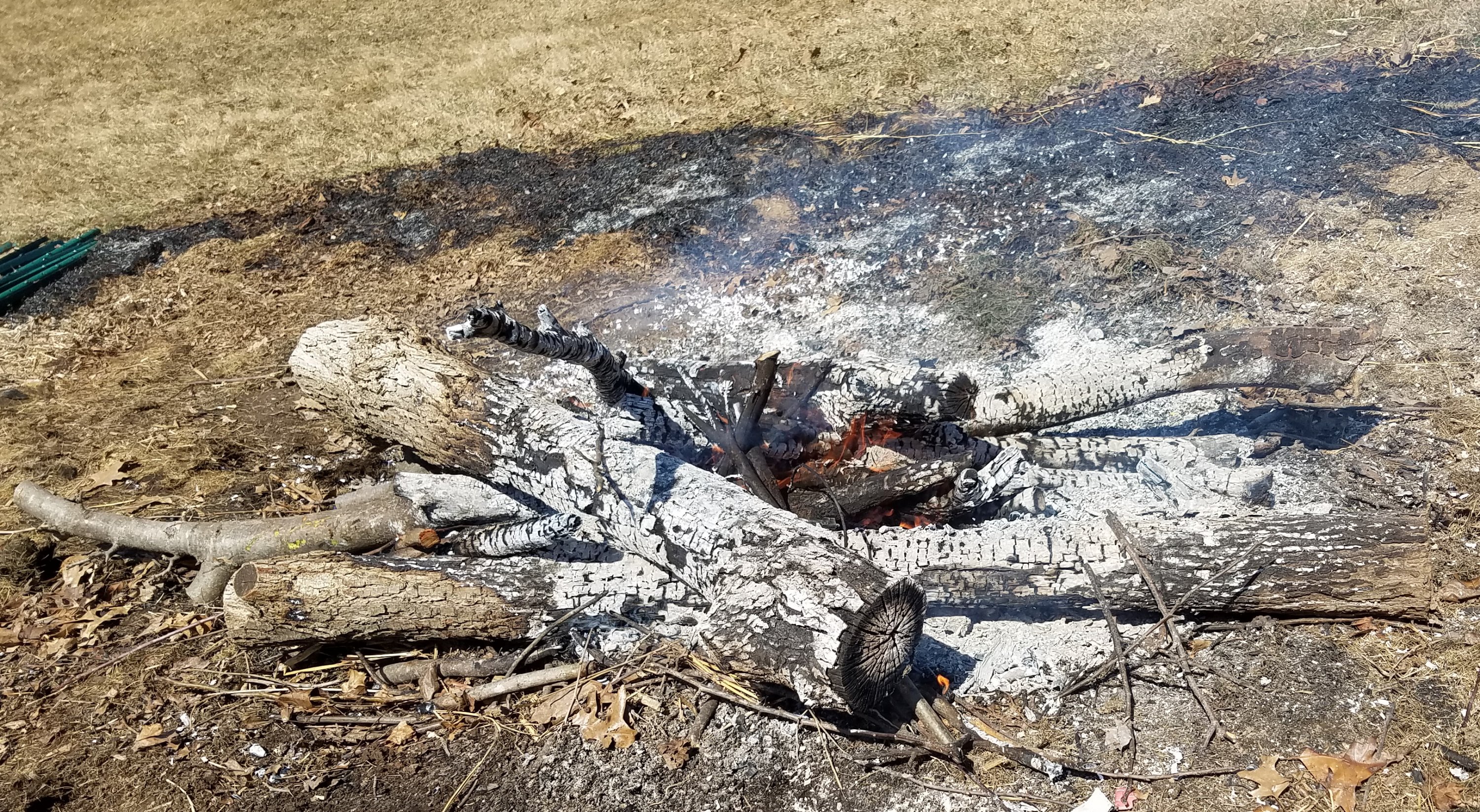
Spring burn pile, March 16, 2022.

Gardening season begins with a spring burn pile. Usually there are plenty of branches from winter tree pruning and windfalls. As elements return to the soil, our hope in the sustainability of life is renewed.

I lit this year’s burn pile with a single match applied to shredded paper. When I went to bed, embers were smoldering. The next day warmth radiated from the ashes even though a light rain had fallen. When the fire depletes its fuel, I’ll rake the ashes evenly over the soil and turn them into it.

I’m ready to garden.

How should I write about the garden this year? What terms should I use? What phraseology is best? What goals do I have for readers, and for myself? What is the lexicon of gardening?

This year I adopted a spreadsheet to track my seed planting, so no need to record that here. There are eight trays of seedlings started in the house. Once the weather breaks, I’ll set up the greenhouse. It is becoming routine. This is a year for recycling everything I can: ground cover, row cover, stakes and fencing. I’m seeking to optimize the gardening space to grow more food we’ll use. Over the last ten years certain plots have become predictable: garlic, tomatoes, greens, and squash. Same way with crops: there are a couple dozen we favor.

There was a sense of discovery in posts I previously wrote. I have come to know most of the crops that grow here, so discovery is mostly over. While being an adherent to a process of continuous improvement, I’m at a level where experiments are each of limited scope. For example, I’m trying San Marzano tomatoes to be used for canning this year. To detail such efforts seems a bit boring both to write and to read.

In college I read British romantics: Wordsworth, Coleridge, Blake, Keats, Byron, and the Shelleys. I understand the depopulation of the British countryside and increase in industrial activity in cities. Boring! I keep their books yet I don’t see returning to them any time soon. I seek to engender no romantic fantasy about gardening.

Growing a garden is an economic engine. Whatever I can grow at home is something I don’t have to buy from others. Perhaps the biggest money-saver is vegetable broth made diverse greens. Broth is expensive to buy and cheap to make. The quality of homemade is hard to beat. Once I’ve written about my vegetable broth, though, what else is there to say?

The idea of a kitchen garden needs further exploitation this year. Integrating what I grow and preserve with what we use is an important feature of the process. How many jars of pickles will we need? Not as many as I have been canning. Are we better to make sauerkraut or should we manage excess cabbage in the refrigerator, using it fresh? Based on the amount of old jars of kraut on the shelf, we don’t need to make much of it. Do I need to plant more fruit trees? At my age, whatever I plant won’t be productive soon enough to do much good. There is plenty to be done in a kitchen garden. I’m not sure how much people want to hear about it.

Each day, I walkabout the yard to review daily progress and consider the garden plots and how they should be planted. That process lives in the present and no amount of writing can render it otherwise. I’m not sure I want to write it down. What I know is the brush has been burned. As soon as the weather breaks, I should dig up rows for early planting. Just getting it done is satisfaction enough.

Categories
Living in Society

Late Winter

Garden in Winter

Snow fell and a day later it began melting. The ground is partly snow-covered in today’s predawn darkness. With a forecast high of 30 degrees, there will be more melting in sunny areas. Eleven days remain in winter.

With President Biden’s March 8 announcement, “We’re banning all imports of Russian oil and gas and energy,” U.S. gasoline prices increased immediately. I’m planning to round up our gas cans, take them to town, and fill them. I expect prices to continue to climb because of Russia’s continuing aggression in Ukraine. The country should get completely off fossil fuels, although there has been a lack of political will to do so.

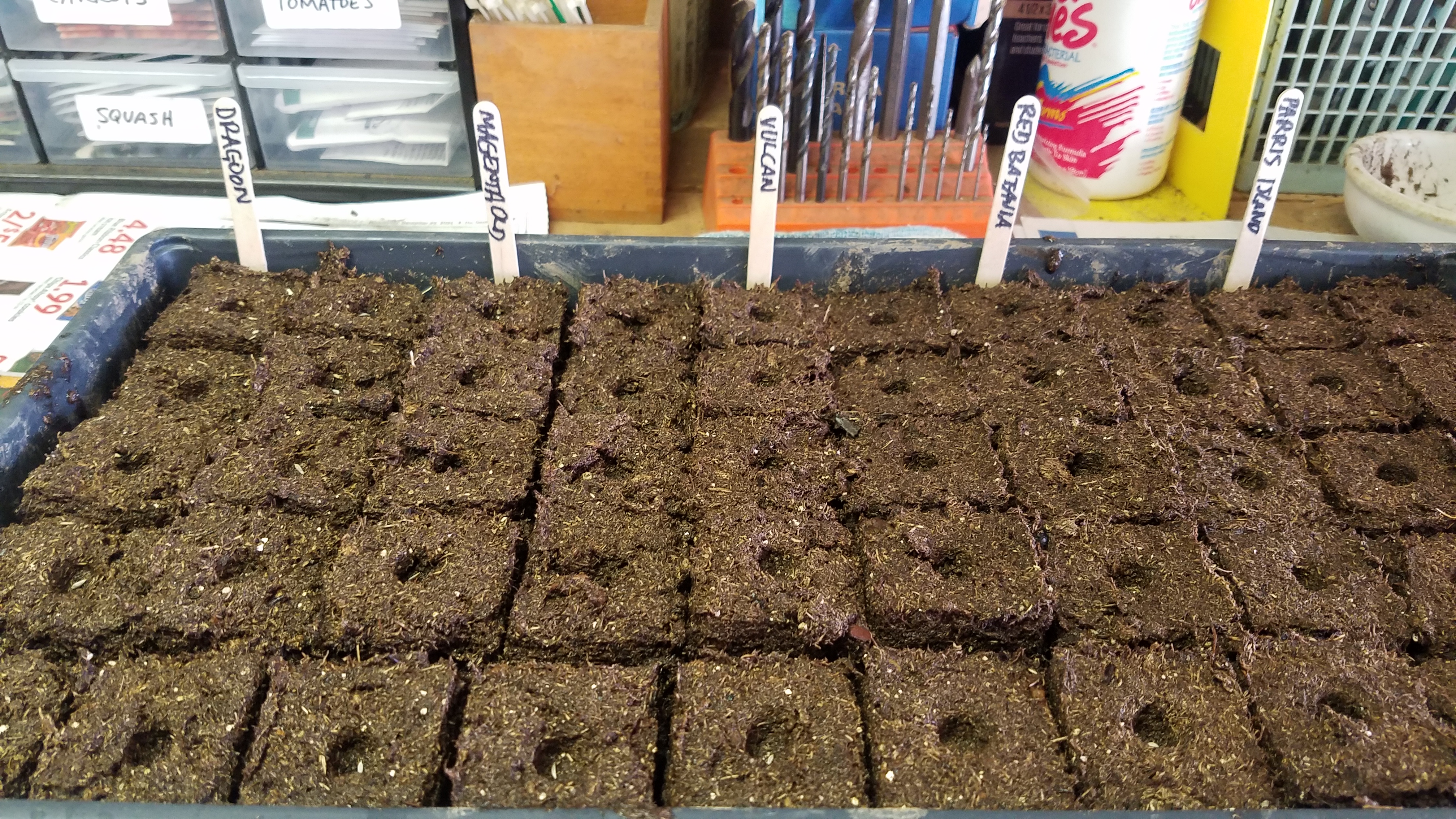
Lettuce and herbs are beginning to germinate on the heating pad. As soon as the snow melts I can build the burn pile and clear the first planting plot. As the growing season begins, I’m ready.

Nonetheless, a few more days of winter remain.

Categories
Kitchen Garden

Spring is Coming 2022-Style

Working in the garage with door open on Wednesday, March 2, 2022.

I resumed daily walkabouts around our property line after the snow melt and noticed the toll taken on our trees. Of 15 remaining trees, all but one of which I planted, only six have no apparent issues.

Most of them are damaged from either the 2020 derecho, or from one or more of the straight line wind events we’ve had in recent years. Disease is creeping into the two EarliBlaze apple trees as lower branches blacken, die, and are cut off in pruning.

The Green Ash by the house appears to be doing well. We expect the Emerald Ash Borer to take it eventually, although there had been no infestation as of yesterday.

The Bur Oak is native to Iowa and is also doing well. Planted in the 1990s, it will come to dominate the front yard as years progress. It is a good tree. In the backyard there is a Bur Oak planted from an acorn from the one in front. There were three oak trees planted from acorns near the garden at the same time. Two of them blew a kilter during the derecho. I removed one last year and the other needs to come down. The backyard Bur Oak that will remain is flourishing.

The pear tree planted at our daughter’s high school graduation party is thriving. We all placed some kind of organic matter in the hole before planting it. Most years we get pears. They are sweet and juicy and some years there are enough to put up pear sauce. The only issue is it is growing too tall to collect all the ripe fruit. It was a nice addition to the back yard.

The two apple trees planted near the garden have been growing acceptably. I hope they begin to fruit before the three remaining apple trees have faded and are gone.

It is unclear what to do about the trees this spring. I considered taking scions from the Red Delicious tree and growing new from the same genetics. The trouble is it will take from six to eight years for them to grow to maturity and fruit. That’s too long for a septuagenarian to wait.

I planted lettuce. My maternal grandmother passed down the tradition of planting “Belgian lettuce” on March 2. Usually it is to be direct seeded, although the ground was still frozen. I honored the tradition by planting a flat indoors for transplant into a row covered planting area. Spring is coming and we’ll want lettuce when it arrives.

“Belgian lettuce,” March 2, 2022.
Categories
Kitchen Garden

A Recipe Can Lead to Disaster

My recipe book.

We have plenty of recipes in our household. When I’m cooking, I rarely follow any of them. No worries. The end product has always been edible.

Every cook understands following a recipe exactly can be a disaster. A recipe functions like a tool in the kitchen, not a computer algorithm. Recipes are also the starting point for developing one’s own cuisine, not the end result. Cuisine is about actual dishes created and eaten from a kitchen, not some abstraction of design.

An example is the recipe for lemon chicken my maternal grandmother prepared from time to time. I asked her to write it down. Somewhat reluctantly, she did: on the back of an envelope, in front of me, from memory. There was an omission. Lemon was not listed in the ingredients. I had watched her prepare the dish and saw her squeeze the lemon. The interplay of memory with cooking is an underappreciated aspect, and little to do with written or printed recipes.

When baking, I follow ingredient amounts in a recipe carefully because the science is more specific. Even so, actual temperature in the oven, what kind of baking dish is used, humidity, and elevation above sea level all play a role and can create variations in the end product. Learning how to cope with variations is part of being a cook.

Variation on a recipe is expected and usually welcome. Chef Jacques Pépin explains it better than I in this short video. As he might say, “Happy cooking.”